Category: Living

Retail News Asia is committed to providing both local and global retailers with the latest Living news throughout the Asian market. This on a daily base.

  • Ikea pet range ‘covers all the basics’

    Ikea pet range ‘covers all the basics’

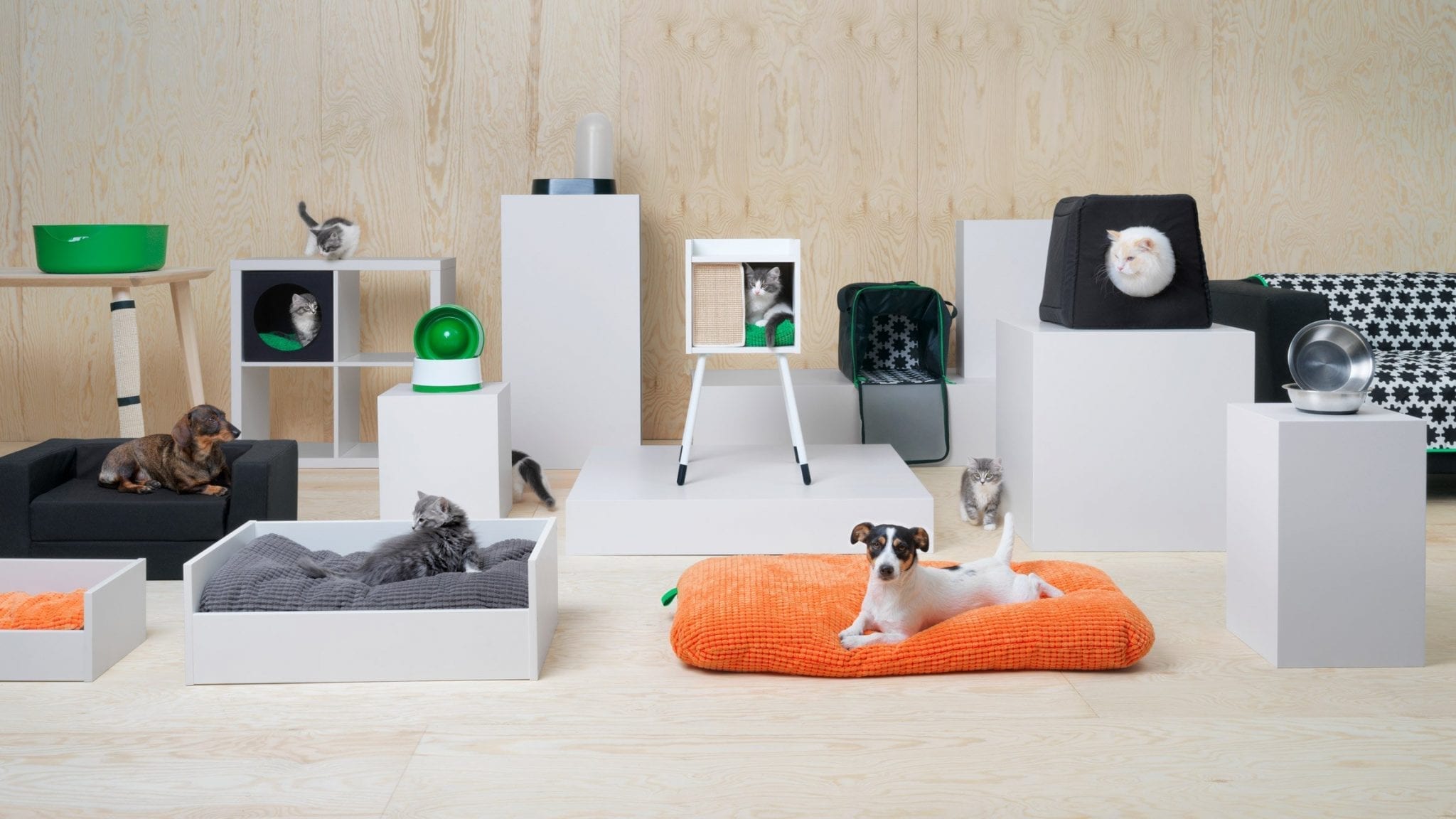
    As animals are part of the family, an Ikea pet range has been introduced with 62 specially designed products.

    The Swedish homewares retailer’s Lurvig pet collection ranges from a cat hideaway resembling a treehouse to a bowl that encourages dogs to eat slowly, reports Freshout.Today.

    Designer Inma Bermudéz says she saw a gap in the market for affordable but attractive pet products covering such basics as sleep, eat, play, travel and walk.

    “Created by pet-loving designers with support from veterinarians, the range covers all the bases of our shared life with pets indoors and out.”

    Bermudéz says the items were designed with the natural needs and behaviours of animals in mind, such as how they sleep, eat or play.

    “Dogs will definitely chew on their toys and bring in dirt from their daily walks. Cats will definitely scratch on most surfaces and are sensitive to smell and texture. So safe, durable materials are very important.”

    Highlighting the influence of a vet in the design process is the “slow-feed bowl” for dogs, many of which tend to overeat. The bowl’s internal surface is designed to prevent dogs from eating their meal “in one or two gulps”.

  • Gift theme for Chow Tai Fook Yoho Mall store

    Gift theme for Chow Tai Fook Yoho Mall store

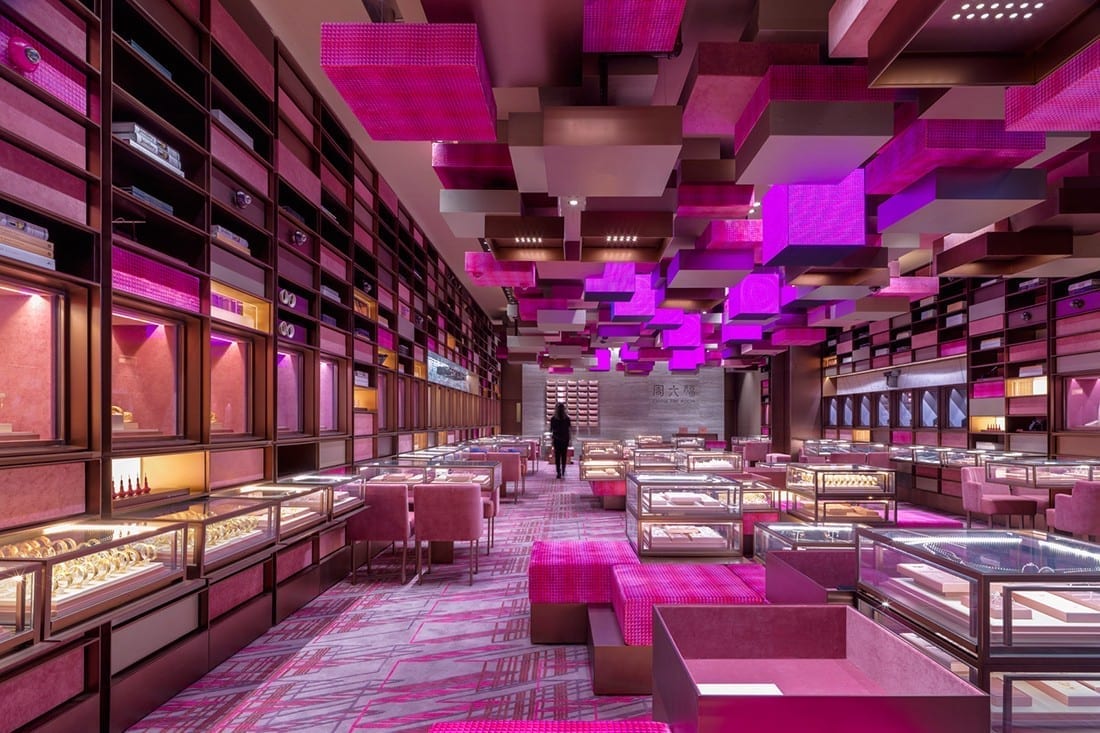
    Signature gift boxes have inspired the dramatic design for the new Chow Tai Fook Yoho Mall store.

    Rather than the usual gold palette of jewellery store, Hong Kong design practice One Plus Partnership takes a more colourful approach with 1070 stylised gift boxes installed across the 25,800sqft (2397sqm) shop’s walls and ceiling.

    These are echoed in the sub-shaped upholstered seating units as well as display cabinets. The carpets and digital signs reflect the brand’s abbreviated name (FTF) in different colours, while the layout also moves beyond convention to promote engagement between shoppers and staff. Instead of the classic long glass display unit, the shop displays its pieces in cabinets on both sides and in the centre. The display cabinets are  glass boxes with some extending out slightly to serve as mini consultation tables.

    In the centre area, groups of display cabinets are surrounded by the colourful, casual sitting cubes, which are made from different fabrics, patterns and shades of pink to resemble the brand’s gift wraps.

    Digital screens feature graphics and information about the products, while spliced screens at the entrance show motion graphics highlighting the design theme of the store.

    On display in the shop are jewellery production tools, sketches and prototypes. These are not just decoration, but can be used by staff members to explain to customers the production procedures behind every piece of jewellery.

  • Hermes Singapore transforms artfully into ‘home’

    Hermes Singapore transforms artfully into ‘home’

    In a special exhibition, the Hermes Singapore flagship store at Liat Towers has been transformed to spotlight the luxury French brand’s collection of home furnishings and bespoke creations.

    Described as a “gallery of whimsy and surprise”, the Through The Walls exhibit was crafted by set designers Jean-Christophe Vaillant and Herve Sauvage. It shifts the focus from the brand’s iconic scarves and Birkin handbags to tableware, lighting, wallpaper and furniture.

    Leather, a reminder of Hermes’ start as a saddlemaker, is used imaginatively, as is bamboo crafted with carbon fibre and steel to form seats. The centrepiece of the installation is a closet for scarves that resembles a leather wallet from the outside and stores up to 130 pieces.

    Hermes co-deputy artistic director Charlotte Macaux Perelman says Singapore is an ideal location for the exhibition given the brand’s presence in the city since the 1970s. “We have never had a home-furnishings event here or really highlighted our home collection,” she says.

    It took two weeks to transform the top two levels of the store to showcase more than 120 objects from the Hermes home universe, including the brand’s new Lien d’Hermes collection.

    The retail space has been reworked as a “home” to give an appropriate setting for the objects.

    A feature is the stairwells of the store where wallpaper from the collection has been ripped and layered decoupage-style. In one corner, a dining table looks as though it had been pushed through a wall while elsewhere a coffee table appears to have fallen through the roof.

    There are even such whimsical touches as sounds: a cat meowing, a door closing, birds’ wings flapping. But the deconstructed world starts in the store windows, where neon signs for the event are framed by plates broken in half.
    “As a brand, our pieces are undoubtedly quite traditional and rigorous, but we like to introduce fantasy as well, especially in things like our textiles, wallpaper and tableware,” says Perelman.

    Through The Walls runs until October 29.

  • Inside Alibaba’s Home Store of the future

    Inside Alibaba’s Home Store of the future

    Home Times, a furniture store supported by Alibaba Group technology, has opened for business in the Chinese city of Hangzhou.

    Attracting between 1,500 and 3,000 daily visitors since opening, the furniture store is another example of Alibaba’s  New Retail model. In recent months, Alibaba has expanded that model out to a variety of sectors, following the success with its hyperlocal Hema Supermarkets, which have shown how analytics and technology can transform traditional grocery stores into a seamless online-offline customer experience.

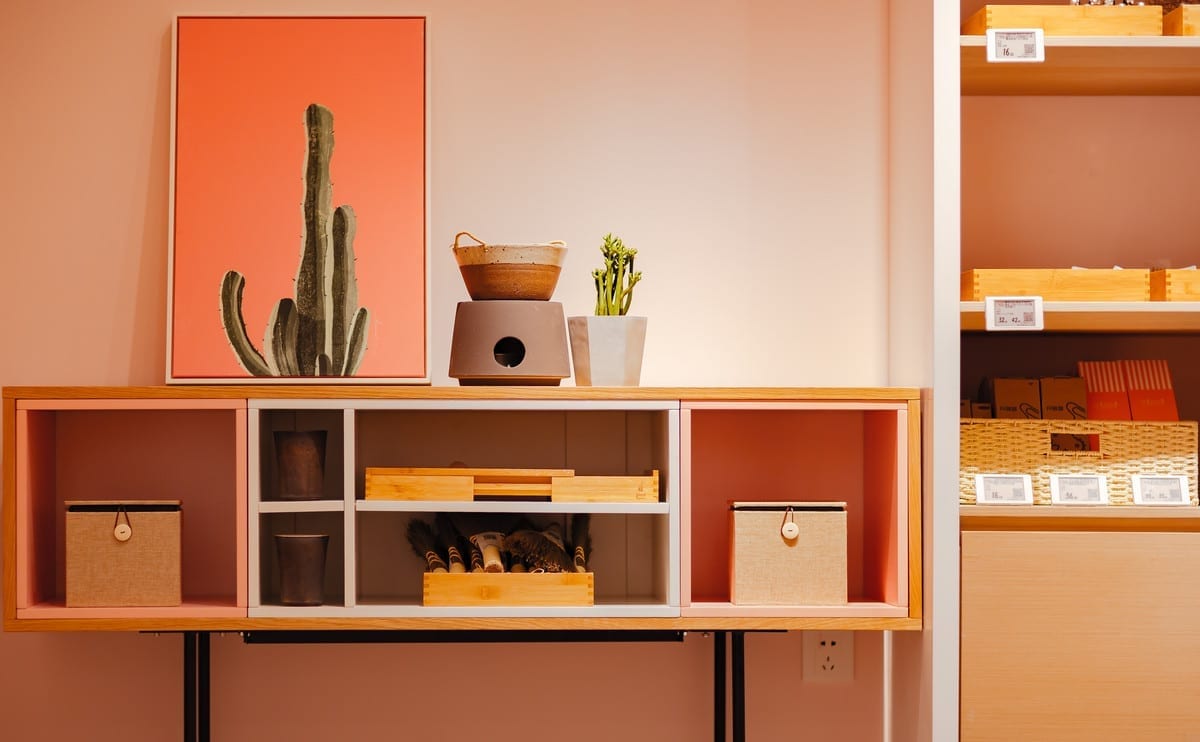
    Over 20,000 items are available for purchase at Home Times, including furniture, kitchenware, home décor, stationery and travel essentials—a majority of which are sourced from merchants already selling through Alibaba’s B2C shopping platform Tmall.

    And a phone in hand is all it takes for seamless shopping. Shoppers scan each item’s QR code with their smartphones to see the product name, price, description, and instantly purchase using Alibaba’s mobile payment service Alipay.

    “We have the hardware and know-how to build New Retail-driven stores, and we work with partners that have access to offline channels and expertise in operating physical storefronts,” said William Chen, who heads the Home Times project at Alibaba’s Cloud Retail division. “We provide the technology and Tmall’s pool of consumer insights.”

    Tmall analyzes the behavior and preferences of users within a five-mile radius of the shop. Products are then handpicked from these users’ top preferred categories and added to store shelves. This system cuts the time required to source products worldwide for traditional retailers down to a single day, while store offerings will change every 10 to 15 days, added Chen.

    Each product has an electronic price tag that can automatically sync prices with the latest seen online, removing the need for staff to manually print and replace the labels.

    Large screen displays on the wall allow customers to see their desired furniture and décor in a virtual home setting. This also indicates that Home Times requires significantly less display space, compared to traditional furniture sellers, since products can be displayed virtually.

    Home Times is set to open two new branches in Hangzhou by the end of 2017, including one at the In77 shopping center in the Hubin business district and another at an undecided location in West Hangzhou. It plans to open 15 to 20 new stores in 2018.

    “We definitely want to open this system to more businesses. Plans to apply our New Retail infrastructure to industries beyond home furnishing are underway,” said Chen.

  • CEO confirms Ikea Philippines expansion

    CEO confirms Ikea Philippines expansion

    The first Ikea Vietnam store is in planning, with the Swedish furniture and homewares retailer revealing the country as one of its next two Asian markets.

    In an interview with Bloomberg, Inter Ikea CEO Torbjorn Loof said expansion in Southeast Asia and South America are priorities for the brand, which already has stores in Singapore, Hong Kong, Malaysia and Thailand in this part of the world.

    Philippines is the other country he named in Asia. Both countries will host Ikea stores within five years.

    Ikea is not currently in South America, but the company sees the continent as “an important growth market” in the long term. Bloomberg named Mexico, Peru, Colombia and Chile as the most likely priority countries in South America for Ikea.

    “We haven’t zoomed in or decided on any particular markets, but we’ve said that within the next five years we should have opened our first Ikea in South America,” Loof said. “When we open in South America, because it’s a new continent and a new region, we can’t just open one warehouse.”

    The expansion plans follow Ikea’s entry into India and Latvia this year as it continues its slow global roll-out. After opening 22 new stores this year – eight more than last year – Loof said it expects to open about 25 a year moving forward.

  • Lawson Japan expecting profit turnaround

    Lawson Japan expecting profit turnaround

    Japanese convenience store chain Lawson is expecting a 4 per cent growth in net profit for its half-year to August, defying a projected 7 per cent decline.

    Lawson Japan attributes the swing to strong sales of salads and other private-label items. Lower costs for store closings also appear to have helped.

    The Tokyo-based retailer says it expects to report a group net profit of around ¥23.5 billion (US$208 million) instead of the ¥21 billion it forecast in July.

    Gross operating revenue is likely to rise 7 per cent to nearly ¥330 billion. The operating profit is predicted to ease 3 per cent at nearly ¥39 billion. Lawson had projected a 6 per cent drop.

    In-house products, which have higher profit margins, have helped boost revenue. Lawson sold out all 2.5 million servings of a cream roll cake in just two weeks, part of a new line of sweets introduced in June.

    The chain also found success with its salad offerings, which it increased from 16 to 26 in response to consumer health consciousness.

    Same-store sales rose 1 per cent on the year during the half. Meanwhile, the chain closed about 150 locations, a third fewer than in the year-earlier period.

  • Lagardere Travel Retail unveils new stores at Gold Coast Airport

    Lagardere Travel Retail unveils new stores at Gold Coast Airport

    Lagardere Travel Retail has introduced its latest destination concept stores, ‘Out of Australia’, at the Gold Coast airports international terminal.

    Awarded five sites as part of a competitive tender process held in late 2016, Lagardere has also unveiled concessions in Gold Coast Airport’s common user terminal. The sites cover both international and domestic departure lounges, as well as arrivals.

    In tandem with newly unveiled The Gold Coast Store’ at domestic departures, the travel retailer has also upgraded the Aelia Duty Free store and added the world’s largest travel essentials brand, RELAY, to the retail mix in the international lounge.

    The revised offer showcases key brand installations including Bundaberg Rum, Sunglass Hut and tech2go to cater to the change in passenger profiles. Along with increasing its presence in an online platform, the new offers are designed to enhance the overall passenger experience.

    These new developments are all in conjunction with Gold Coast Airport’s preparation for the 2018 Commonwealth Games being held on the Gold Coast.

    “We’re delighted to deliver new and innovative concepts to the Gold Coast Airport, offering the passengers a complete travel essentials, destination and duty free offer, with a strong mix of local flavour and true sense of place” said Matthieu Mercier, Lagardere Travel Retail CEO of Pacific region.

    “We have enjoyed a long and successful partnership with the airport since 2002, so are excited to be part of this redevelopment phase.”

    Deborah Price, general manager commercial of Gold Coast Airport said the new concepts brought a “different dimension with a more sophisticated souvenir offer” and been well received.

    “This is all part of upgrading and enhancing the passenger experience in preparation for the Commonwealth Games in April 2018,” she added.

  • Polygamy dating app draws criticism in Indonesia

    Polygamy dating app draws criticism in Indonesia

    A Tinder-style dating app for polygamists has sparked controversy in Indonesia, the world’s most populous Muslim nation — but its developer says he “just wants to help” unmarried middle-aged women.

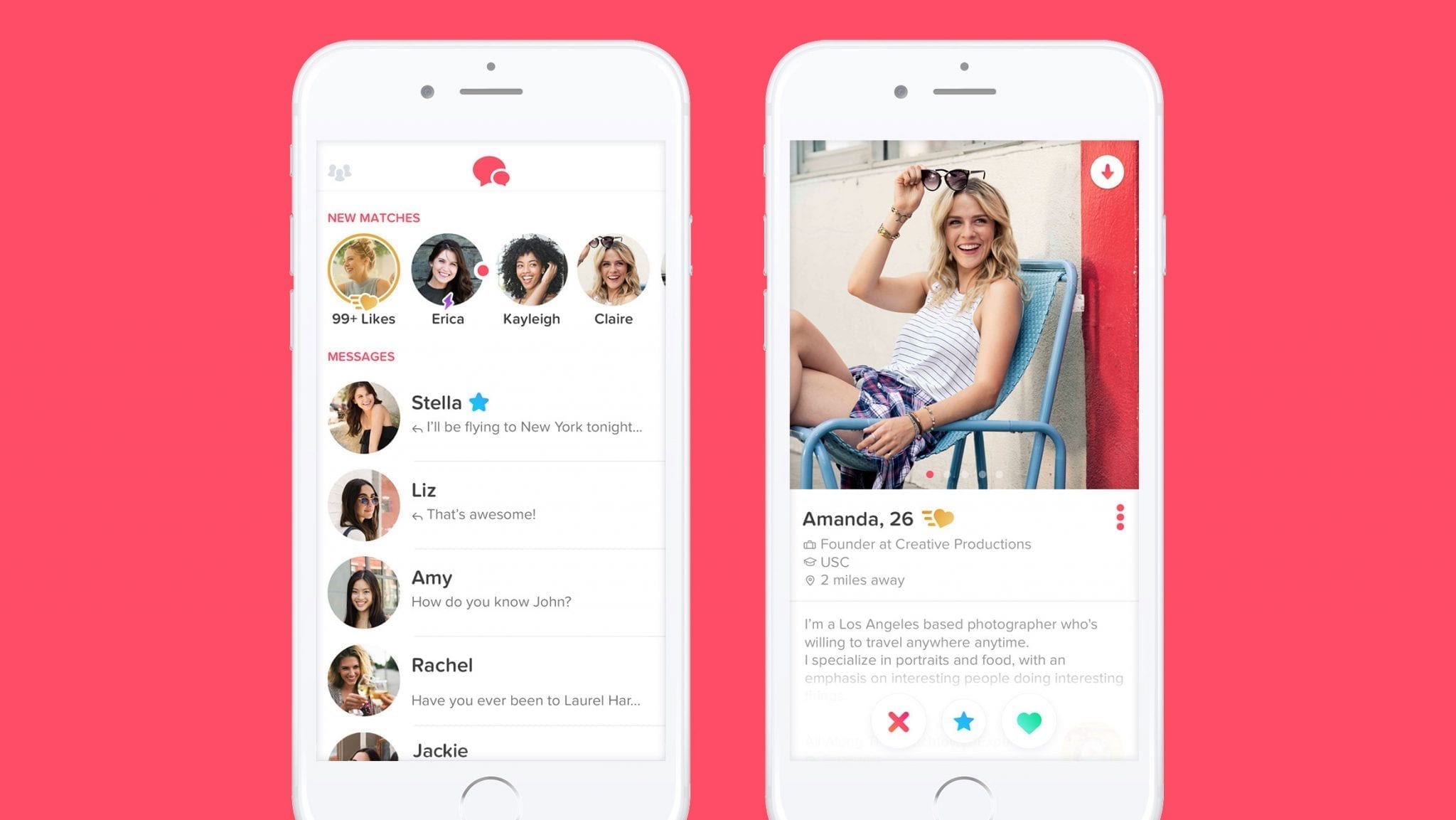
    Indonesian law defines marriage as between a man and a woman but polygamy is tolerated in certain circumstances, despite being generally frowned upon. Ayo  Poligami, loosely translated as “let’s go polygamy”, is a free smartphone app that matches married and single Muslim men with women who want to create “big families”.

    It has attracted more than 56,000 members since its launch in April, according to developer Lindu Cipta Pranayama.

    But women’s rights campaigners have criticised the app, warning of a strong link between polygamy and domestic violence.

    “Due to the controversy, I initially wanted to permanently shut down the site, but when I saw many women in their 40s of 50s who are still virgins and unmarried I decided to keep it,” Pranayama told Tuesday.

    “Can you image being in your 40s or 50s but never been touched by a man?” added the 35-year-old, who created the app after failing to find a wife on several dating sites.

    Indonesian men who apply to one of the country’s Islamic courts, which have jurisdiction over marriage, are able to take a second wife under certain circumstances.

    For example, a court may review and grant an application if the man’s first wife is unable to bear children or has a disability and gives her permission.

    Adriana Venny Aryani, from Indonesia’s National Commission on Violence Against Women, said polygamy as facilitated by Ayo Poligami could be harmful to wives.

    “When the husband is practicing polygamy, women are emotionally abused, economically (abused), and sometimes violently,” she said.

    Pranayama said a high number of fake accounts had caused the platform to temporarily close, but a new version is set to launch on Thursday with more stringent user criteria.

    Indonesian authorities recently shut down another controversial matchmaking site, Nikahsirri.com, which offered “virgin auctions” for men and women looking for marriage.

    Police arrested the founder of the short-lived site, Aris Wahyudi, over the “pornographic content” it contained.

  • Facebook to hire more than 1,000 people to thwart election manipulation ads

    Facebook to hire more than 1,000 people to thwart election manipulation ads

    Facebook on Monday said it will hire more than 1,000 people to thwart deceptive ads crafted to knock elections off course.

    The announcement came as the leading social network turned over to Congress some 3,000 Russia-linked ads that appeared to use hot-button issues to turn people against one another ahead of last year’s US election.

    “Today we are delivering those ads to congressional investigators,” Facebook vice president of global policy Joel Kaplan said in an online post.

    “Many appear to amplify racial and social divisions.”

    The ads appeared to be linked to a Russian entity known as the Internet Research Agency, and violated Facebook policies because they came from inauthentic accounts, according to Kaplan.

    “Aggressive steps” by Facebook will include hiring more than 1,000 people to bolster its global ads review teams in the coming year, Kaplan said.

    Facebook also planned to ramp up investment in machine learning to identify and take down ads violating the social network’s policies.

    “Enforcement is never perfect, but we will get better at finding and removing improper ads,” Kaplan said.

    Facebook will require those interested in running ads related to US elections to confirm businesses or organizations they represent.

    Asking forgiveness

    Facebook chief executive Mark Zuckerberg last month announced a crackdown on efforts to use the leading social network to meddle with elections.

    Zuckerberg outlined a series of steps that would help prevent the manipulation of the social network, including more transparency on political ads appearing on Facebook.

    Facebook last month agreed to hand over information about the ads from the Internet Research Agency to special counsel Robert Mueller’s investigation of the 2016 election..

    An internal Facebook review showed that Russia-linked fake accounts were used to buy ads aimed at exacerbating political clashes ahead of and following the 2016 US presidential election.

    Some 470 accounts spent a total of approximately $100,000 between June 2015 to May 2017 on ads that touted fake or misleading news or drove traffic to pages with such messages, a Facebook official said.

    While the amount of money involved was relatively small, enough to buy roughly 3,000 ads, the accounts or pages violated Facebook policies and were shut down, according to Facebook chief security officer Alex Stamos.

    Zuckerberg over the weekend posted a message marking the Jewish holiday of Yom Kippur, or day of atonement, asking forgiveness “for the ways my work was used to divide people rather than bring us together.”

    Free speech vs abuse

    Facebook vice president of communications Elliot Schrage on Monday posted answers to “hard questions” prompted by the Russia ads.

    The social network estimated that 10 million people in the US saw the ads, some 44 percent of those views happening before the November election and the rest afterward.

    Many of the ads did not violate Facebook rules regarding banned content, but instead broke a policy barring accounts from hiding who is really running them, according to the social network.

    “That means that for most of (the ads), if they had been run by authentic individuals, anywhere, they could have remained on the platform,” Schrage said.

    “This is an issue we have debated a great deal.”

    Facebook has become an important platform for debate on political and social issues, and faces the challenge of protecting free speech while guarding against malicious interference in elections.

    “We are dedicated to being an open platform for all ideas — and that may sometimes mean allowing people to express views we — or others — find objectionable,” Schrage said.

    “This has been the longstanding challenge for all democracies: how to foster honest and authentic political speech while protecting civic discourse from manipulation and abuse.”

  • National Bookstore plans two-pronged expansion

    National Bookstore plans two-pronged expansion

    National Bookstore plans to double its store network to 500 while strengthening its online presence.

    A revamped website will soon enable shoppers to browse and buy from the store’s online catalog and pick up the merchandise in physical stores, says MD Xandra Ramos-Padilla.

    The chain hopes to open its 240th store by the end of the year and the 330th by 2020. And while renovating shops, it is experimenting on new formats such as the National Bookstore Express, inspired by convenience stores.

    Founded 75 years ago by Ramos-Padilla’s grandmother Socorro Ramos, the bookstore chain targets up to 20 store openings annually.

  • Cassette tapes make comeback in Seoul

    Cassette tapes make comeback in Seoul

    For fans of rock and heavy metal music, a visit to Dope Records, an independent record store run by Kim Yun-jung in Mapo, western Seoul, evokes a strange feeling.

    The dim-lit basement shop feels as if time has rewound back to the mid-90s — almost three quarters of the 82sqm store is covered wall-to-wall by a huge collection of rock music cassette tapes.

    With a backlog of around 15,000 tapes (50,000 when including ones in storage), predominantly Western rock, pop music and also classic Korean albums, the store is undoubtedly a treasure trove for those with fond memories of using a Walkman during the 1980s to the late 1990s, when the medium started to phase out. But in the digital age, Dope Records, at first glance, seemed almost suicidal from a business perspective.

    “I’ve been in music retail since 2001 and what I’ve learned, despite the extinction of cassettes, is that there always has been a small but ardent demand for tapes. As with vinyl, music geeks are starting to see value in cassette tapes, for both listening and collecting,” Kim, 42, said.

    Kim is one of the small but steadily growing number of South Korean music listeners who refuse to allow the cassette to rest in the proverbial graveyard of bygone technologies. They see a particular value in cassette tapes, once the dominant music delivery format that boomed with the rise of portable tape players but now has become relegated to junk status in the eyes of average people.

    To be clear, Dope Records isn’t getting its supply from music labels or through traditional retail means. Synnara Record, South Korea’s largest music retail chain, discarded all of its tape inventory a few years ago amid flatlined sales. Most major labels have also halted tape production for quite some time, though a number of small trot music companies, such as Applemusic and Four Season Music Power, maintain production of trot music cassettes mostly for the niche senior market.

    As for Kim, he traveled around the country for years, scavenging local mom and pop record shops about to go bust — to acquire the remaining cassettes that would otherwise be thrown away.

    Kim said he was frequently asked by perplexed shop owners, “Why are you buying these?”

    Interestingly enough, tapes have seen a small-yet-significant bump in sales in the US where they are still being produced in limited volume. According to Billboard, 129,000 cassette tapes were sold in 2016, jumping 74 per cent on-year. Though nowhere near sales of CDs and vinyl, it is an indicator that some fans are willing to spend money on tapes, according to Kim.

    “I think the interest in cassettes today was rekindled when the original soundtrack for the Hollywood movie ‘Guardians of the Galaxy’ came out in a cassette format a few years ago, resembling a mix tape of different singers which almost all of us have experience with in the past,” he said.

    Kim isn’t alone when it comes to sharing his passion for cassettes. People Who Listen to Cassette Tapes, a community of tape aficionados on Naver (Line), was formed in October last year, with its membership reaching over 1700. With over 9000 posts, the community is active in sharing information on where to buy tapes and how to fix discontinued tape decks and portable audio cassette players.

    For Kwak Jae-ho, 38, often he has no choice but to listen to tapes that he already owns. Due to unsettled copyright negotiations, there are music that listeners can’t access on digital streaming services, such as Melon or Apple Music. This is more of the case for niche artists, he said.

    “I’m a fan of the mid-90s jazz band Daisy and the group’s song ‘My Little Bird.’ I can search for the band on Melon but can’t play the music, which just defeats the purpose of having an all-you-can-listen digital music service,” said Kwak.

    Listening to music on tapes, as opposed to CDs and digital streaming, also resonates emotionally deeper, said Kwak: “When listening to tapes at home recently, I heard the clicking sound of the cassette deck doing an auto reverse. It felt like I was going back to the past. Music to me isn’t just a collection of songs. Its ingrained into my past and my memories.”

    The record industry, including major labels, is apparently taking note of this trend, releasing tapes albeit in limited terms and mostly as collectors’ merchandise.

    SM Entertainment printed a limited 50,000 copies of boy band Shinee’s fifth full-length album “1 of 1″ in cassette format last year, while singer-turned-talk show celebrity Kim Heung-kook last year re-released his 1994 album “Last Reggae” under the new name “God of Reggae.” Singer-songwriter IU also produced a limited number of special cassette tapes to hand out to fans during a meet-and-greet event last Sunday.

    There’s also another group of people who buy tapes and for their own reasons: seniors having difficulty with the changing times. Downloading and subscribing to digital music services on smartphones may be a walk in the park for the majority of today’s younger generation, but it’s not the case for many elders.

    “I’m buying it to listen at home alone. It’s easy to use, and I don’t know how to use a smartphone,” Kim Young-hwan, 77, said while purchasing a cassette tape of trot compilation songs at CD Mart, a record shop in Jongno Ward, a central district in Seoul that is a common stomping ground for retired seniors.

    Song Ho-joon, owner of CD Mart, said about 20 to 30 tapes are purchased daily, mostly by seniors.

    “Some also buy cassette decks too,” he said. “Cassettes are much easier to use and durable compared to CDs. They probably used tapes all their lives.”

    Some experts attribute the relatively high cost of vinyl records, another respected retro music format, as one reason collectors are scavenging for out-of-print cassette tapes.

    “I think there is an element of a knee-jerk reaction to the cost of vinyl. Cassette tapes are sold relatively cheap, but the sound isn’t necessarily inferior when played on a good deck,” said music critic Kim Hak-seon.

    Though it isn’t clear whether the renewed demand for cassette tapes will last, some retailers are picking up on the trend to try to meet the needs.

    “We’ve gotten a hold of some past Sechskies albums recently,” Hwang Seung-soo, owner of Seoul Record in Jongno, said. “We’re seeing customers in their 20s and 30s coming into the store asking for cassette tapes of such and such album, so we’re trying to accommodate.”
  • Disney tests new prototype stores online and offline

    Disney tests new prototype stores online and offline

    Disney is testing a new prototype store design in Shanghai, China and Nagoya, Japan as well as other cities in the US and Europe.

    According to the company, the new design combines innovative technology, storytelling and cast-member interaction to take “Disney magic to retail” through special learning and play activities, personalised celebrations for guests and a daily live stream of a Disney Parks parade.

    The US stores are in Century City and Northridge in California and Miami, Florida, with another scheduled to open in Munich, Germany, later this year.

    “No one creates experiences like Disney, and our pilot stores will be testing grounds for interactive features that will differentiate the Disney shopping experience in the changing retail landscape,” said Disney Consumer Products and Interactive Media chairman Jimmy Pitaro.

    Meanwhile, Disney has revamped its online experiencing, launching ShopDisney.com which it says offers an unparalleled assortment of Disney, Pixar, Star Wars and Marvel products across categories that include fashion, accessories, toys and home. It sells “best-in-class brands,” as well as authentic products from Disney Parks and Disney Store.

    “Online, ShopDisney is the ultimate destination for the most extensive collection of curated merchandise from our stores, parks and licensed partners,” said Pitaro. “This combination creates a powerful omnichannel experience that represents the next generation of Disney retail.”

    The website and prototype stores are both designed with dynamic layouts that spotlight product and content but allow the flexibility to feature the different worlds of Disney, Pixar, Star Wars and Marvel as new content debuts. Both also offer expanded product assortments for guests of all ages.

    “ShopDisney’s vast selection of merchandise across a wide range of categories reflects the Company’s commitment to creating products tailored for different audience demographics, from kids and families to millennials, as well as to innovating beyond the traditional and expected,” the company said.

    “The online destination features co-branded products and elevated collaborations from top brands such as Coach, Le Creuset, Spyder, Steiff and more, as well as new and exclusive capsule collections from fashion-forward brands on ShopDisney’s “The IT List,” home to “new, now and noteworthy” items guests won’t find anywhere else.

    “We know our fans are looking for a one-stop shop to find the most compelling product out there and with shopDisney we are uniquely positioned to curate the very best of Disney, Pixar, Star Wars and Marvel merchandise,” said Paul Gainer, executive VP for Disney retail. “We’ve also added product categories and brands that speak to new audiences following the success of our collaborations in the fashion space.”

    There will also be new items geared toward an expanded audience in the prototype stores, which go beyond their traditionally child-centric assortment to incorporate more product for guests of all ages. The prototype stores will use digital elements, such as giant LED screens, to present custom-designed guest experiences – including the Live from Disney Parks parade stream every afternoon and a nightly digital fireworks display on the store’s giant storefront screen – to reflect Disney’s storytelling tradition and create magical experiences for local communities that, in many cases, may be far from a Disney theme park.

    “We are a storytelling company and our vision was to create a retail space that reflected our heritage,” said Gainer. “Our stores are destinations and gathering places for fans of our iconic brands, and are often their closest physical Disney touch point so creating an authentic brand experience is key.”

  • Similar to Ikea, but it’s Alibaba

    Similar to Ikea, but it’s Alibaba

    Alibaba has opened a colourful, all-inclusive home-furnishing flagship store in Hangzhou similar to Ikea, but fully augmented by Alibaba’s e-commerce technology.

    The Home Times store is the Chinese e-commerce giant’s second major offline push into the US$130 billion Chinese home-furnishing market (it launched designer home-product store House Selection in Hangzhou in December).

    Alibaba is reportedly planning to open three more Home Times stores by the end of the year and 15 next year, reports China Money Network.

    More than 20,000 items are available in the store, including furniture, kitchenware and stationery – all the most popular items from Alibaba’s online shopping channels. Each item has an electronic price tag that allows staff members to match the price to the online retail price if necessary. The barcode on each tag also allows customers to check and order the item on Tmall.com if they chose, rather than taking bulky products home by car or mass transit. Tmall.com also shows the products in different colours and formations via a touch screen.

    More than 30 per cent of customers in China buy their furniture in a furniture shop or at malls, while 21 buy online, according to a report by Chinese real-estate portal Fang.com.

  • Natuzzi Announces Consolidated Results for the Second Quarter and First Half of 2017

    Natuzzi Announces Consolidated Results for the Second Quarter and First Half of 2017

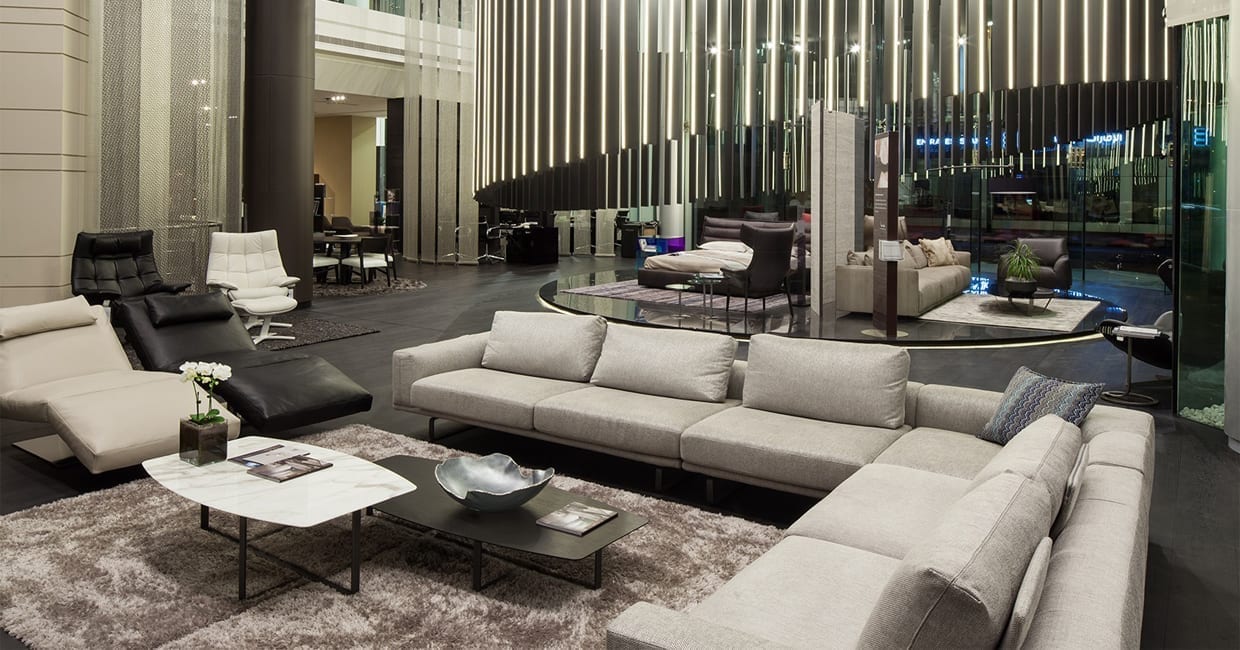
    The Board of Directors of Natuzzi S.p.A. has approved second-quarter and half-year 2017 consolidated results. Consolidated net sales for the second quarter of 2017 were €117.9 million, up 7.3% from €109.9 million reported in 2016 second quarter. Revenues generated by core business (sofas, beds and furnishings) were €109.1 million, up 5.0% compared to the second quarter of 2016.

    In particular, furnishings net sales increased by 15.3% over prior year same quarter at €7.4 million and represented 20.2% of the Natuzzi Italia branded sales.

    Natuzzi branded revenues increased 4.1% to €79.6 million, also due to an increase of 5.2% of the average price per seat. Within Natuzzi branded sales, we saw an increase from the Americas (+6.5%), and Asia-Pacific region (+13.8%). EMEA reported a decrease in sales (-1.1%) over the same period of last year, mainly due to our Italy-based Divani&Divani by Natuzzi network.

    Our direct retail operations (DOS) generated sales of €15.1 million during the second quarter of 2017, increasing by 32.3% over the same period of last year. These sales represented 13.8% of our core business, compared to 11.0% of one year ago.

    The actions implemented over the past few quarters on the Company’s owned stores have produced good results. In particular, during the second quarter of 2017, sales generated by our DOS network on a like-for-like basis have shown an increase both versus first quarter of 2017 (+17.7%) and second quarter of last year (+6.1%). Furthermore, considering the same like-for-like parameter, the DOS operating result for the second quarter of 2017 was positive (+€0.8 million), improving with respect to both 2017 first quarter (when we reported an operating loss of -€0.3 million) and 2016 second quarter (with an operating income of +€0.3 million). We saw improvements in our DOS in the UK, China, USA, Spain and Switzerland, while our Italy-based Divani&Divani by Natuzzi retail network is still under a restructuring phase. The recently acquired Mexican stores were still in the start-up phase in second quarter 2017.

    More recent sales data for DOS confirm the positive trend experienced in the first part of the year: our order flow through the third week of September on a Like-for-Like store basis increased 3.4% over the same period of last year. When we include sales from our new stores, the increase over last year is 38.3% in DOS.

    Consistent with the Group’s strategy to expand its presence in the direct-retail market to better control the entire value chain, we opened one DOS in West Palm Beach, Florida, USA, and acquired three Natuzzi Italia stores in Mexico, during the second quarter. Two directly operated Natuzzi Editions stores also opened in China in the second quarter of 2017. As of the date of this press release, the number of DOS is 60.

    We already have plans to open five new-generation stores, three in the last quarter of 2017 and two in the first quarter of 2018.

    Sales from our Softaly Division were €29.5 million, up 7.6% compared to the second quarter of 2016, as a result of the 15.2% increase in the Americas and 4.5% increase in EMEA. Sales from Asia-Pacific decreased by 31.2% in the second quarter of 2017, after increasing by 101.7% in the first three months of this year. In spite of such positive results in the quarter, Softaly “Private Label” division of the Natuzzi Group is still challenged by the limited number of accounts on the North American market which has caused a reduction of the volumes. We will present an extended program at the coming High Point market in October with the aim of adding new major Accounts. Europe keeps growing while in the APAC market the activities planned should bring the targeted results during the current year.

    In the second quarter of 2017 the Group increased the industrial margin to 35.1% from 34.2% reported in the second quarter of 2016. The slight decrease in upholstered seats sold was more than offset by a better mix and by the double digit increase in furniture sales.

    Transportation costs as percentage of net sales also improved to 8.9% as opposed to 9.8% in 2016 second quarter.

    Over the past few quarters the Company started implementing its retail strategy in priority markets, such as North America and China. The execution of this strategy has required investments in the organization, which resulted in increased SG&A. We expect that such investments, whose return started to appear in second quarter 2017, will support additional turnover in the future.

    For the reasons highlighted above, in spite of the overall improvement of the business, the Company reported a net operating loss of €2.9 million versus net operating loss of €1.0 million in the second quarter of 2016.

    The Group reported a net loss for the second quarter of €4.0 million, from a loss of €0.8 million in the same period of last year.

    For the first half of 2017, the Group reported a net loss of €14.7 million. Excluding €9.3 million as extraordinary accrual accounted for in the first quarter of 2017, net loss for the first semester would have been €5.4 million, from a net loss of €1.1 million in the same period of last year.

    The Group’s Net Financial position was positive at €13.6 million, up from a €12.8 million reported at the end of first quarter of 2017.

    Chairman and CEO Pasquale Natuzzi said, “Despite the troubles confronting our industry and retail in general, I am pleased to report the Natuzzi grew both revenues and industrial margin in the second quarter. This is a direct result of the work we are doing to grow our direct retail network through which we are generating sales of higher end product as well as more complete home furnishing packages. Focus on continuing to build for this growth is our highest priority. At the same time, we are taking steps to strengthen management in critical areas and are managing closely our administrative expenses during this period of rapid investment. Our brand has never been stronger and our drive never more directed. All indications are that our strategy is and will continue to succeed.”

    Chief Financial Officer Vittorio Notarpietro added: “We have continued with the execution of the direct retail expansion program to boost our branded sales and the scale of the entire value chain. This has resulted in the opening of new points of sales, acquisition of existing stores and reinforcement of the retail organization, both at central and regional levels.

    “All these activities require, by their nature, start up investments. We are just in the initial phase of such programs, and first results from our retail business model are emerging.

    “We’ll continue to pay attention in managing capital needs for investments and working capital in order to successfully accomplish the DOS development program globally so to benefit from higher margins.”

  • Vitamin World to file for Chapter 11 protection

    Vitamin World to file for Chapter 11 protection

    US retailer Vitamin World is to file for Chapter 11 bankruptcy protection hoping that will allow it to exit lease deals and trim its 345-strong store network.

    The New York-headquartered retailer which sells vitamins and dietary supplements, says it inherited a lot of expensive leases from its previous owners and the rent burden is making it hard to trade effectively.

    CEO Michael Madden said in a statement that entering Chapter 11 protection would allow the company to move forward as a stronger organisation, serving customers both in stores and online.

    Madden assumed the CEO role last year and says he has been in negotiations with landlords ever since.
    “While a handful of landlords cooperated, the vast majority have not. At this time we have no other option than to restructure the company’s real estate portfolio by filing for Chapter 11 protection.”

    Last year, Vitamin World was sold by NBTY Inc, the maker of brands such as Nature’s Bounty and Sundown Naturals, to private equity investor Centre Lane Partners, for about US$25 million.