Category: Living

Retail News Asia is committed to providing both local and global retailers with the latest Living news throughout the Asian market. This on a daily base.

  • AirAsia bullish on India market

    AirAsia bullish on India market

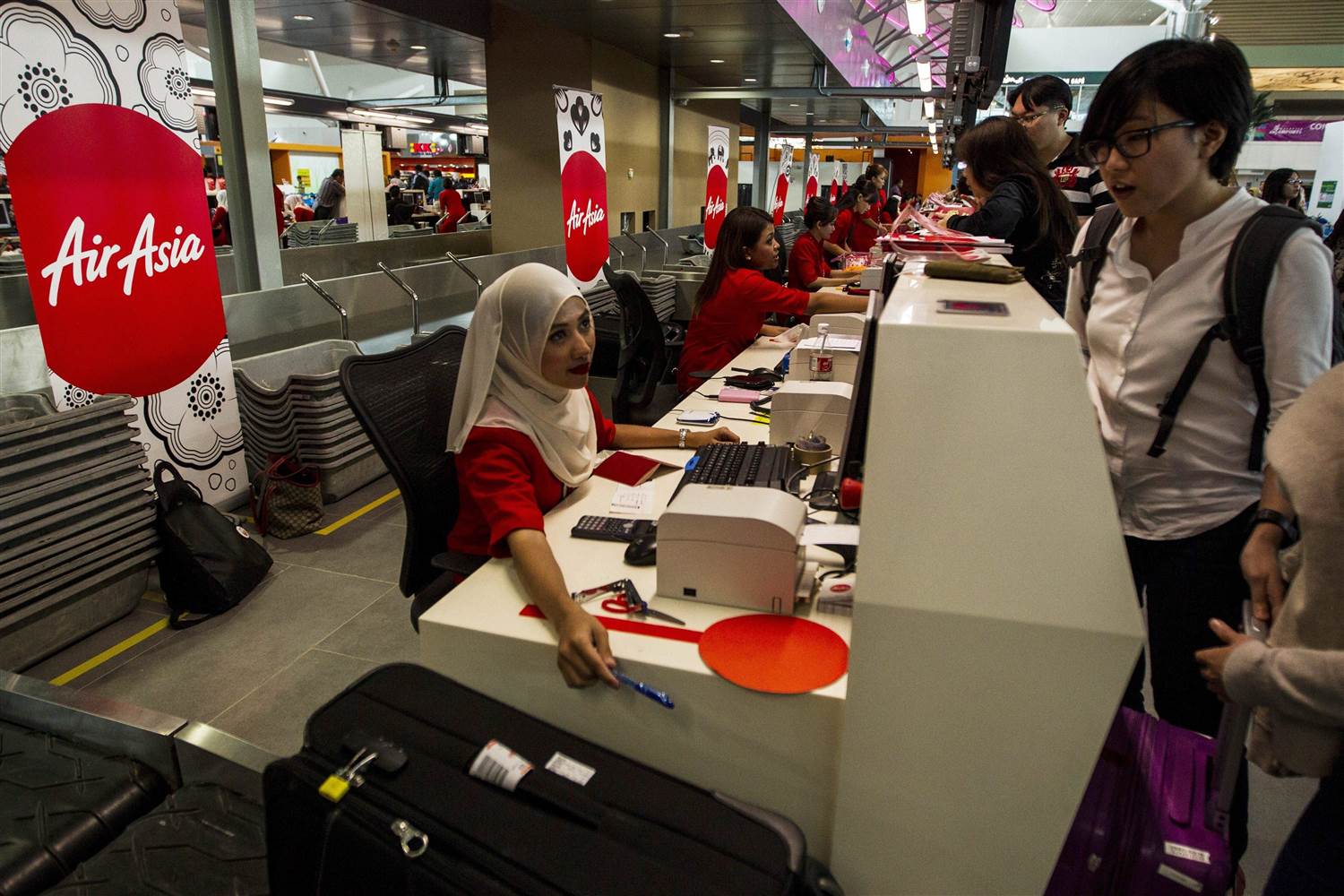
    Low-cost, long-haul carrier AirAsia X Bhd, which has started operating its Kuala Lumpur-Jaipur route, is hoping toincrease its services in and out of India, a market in which it sees potential.

    “We would love to put a lot more flights if regulators allow us to. Right now we are having trouble getting slots into India, with a lot of Malaysian carriers going into India as opposed to Indian carriers coming into Malaysia. That is the challenge,” said AirAsia Bhd executive chairman and AirAsia X group CEO Datuk Kamarudin Meranun.

    On top of that, he said, AirAsia X is looking to increase the frequency of the Kuala Lumpur-Jaipur route to daily from the current four times a week.

    With a potential annual seat capacity of over 156,800 seats, it is eyeing a load factor of 75-80% for the route this year.

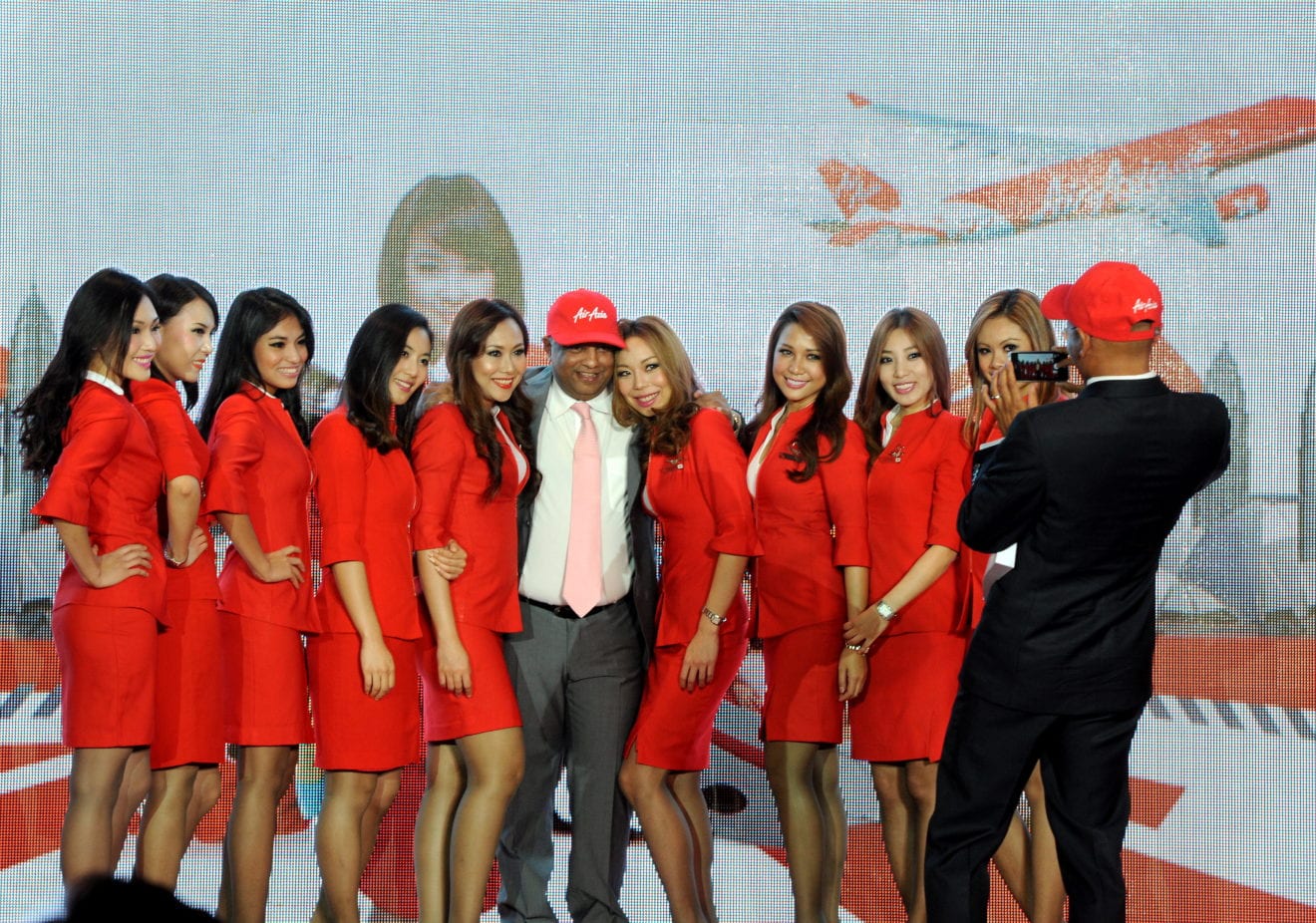
    AirAsia X chairman Tan Sri Rafidah Aziz (fourth from left), Kamarudin (second from left), airline executives and other dignitaries, flanked by cabin crew, celebrating the successful inaugural flight to Jaipur from Kuala Lumpur.

    Kamarudin was speaking at the inaugural flight celebration ceremony. The Kuala Lumpur-Jaipur route is the second direct flight service connecting India and Malaysia offered by AirAsia X after the launch of the Kuala Lumpur-New Delhi direct service in February 2016.

    The Jaipur-Kuala Lumpur service brings the total weekly flights connecting India to Malaysia under AirAsia group to 110 times with a total capacity of 22,755 seats.

    AirAsia X Malaysia has carried over 184,000 passengers in and out of India since the introduction of the Kuala Lumpur-New Delhi route.

    AirAsia group, which comprises AirAsia X and short-haul arm AirAsia, currently serves a total of 19 cities.

    Recently, AirAsia Bhd group CEO Tan Sri Tony Fernandes was quoted as saying that the group is looking to buy Boeing 787s to expand the fleet of its long-haul unit.

    On this, Kamarudin said it is “still under discussion”.

    “At this stage I think it’s premature to talk about it. We are evaluating from a technical aspect and pricing and all those. To confirm it is premature.”

  • 8 best citie to live on this side of the world

    8 best citie to live on this side of the world

    Time Out’s City Life Index, a survey of 15,000 people in 32 global cities, has been released, and it shows which ones promise the most fun and excitement in 2018. Eight of them are on this side of the world.

    The survey, conducted by Tapestry Research, questioned residents on a variety of aspects of city life.

    It ranked cities in categories across food, drink, culture, friendliness, affordability, happiness, and liveability.

    It also “found the key factors that make residents find their city exciting,” from dining out often to feeling proud of where they are from.

    Here, their ranking in ascending order along with their overall scores:

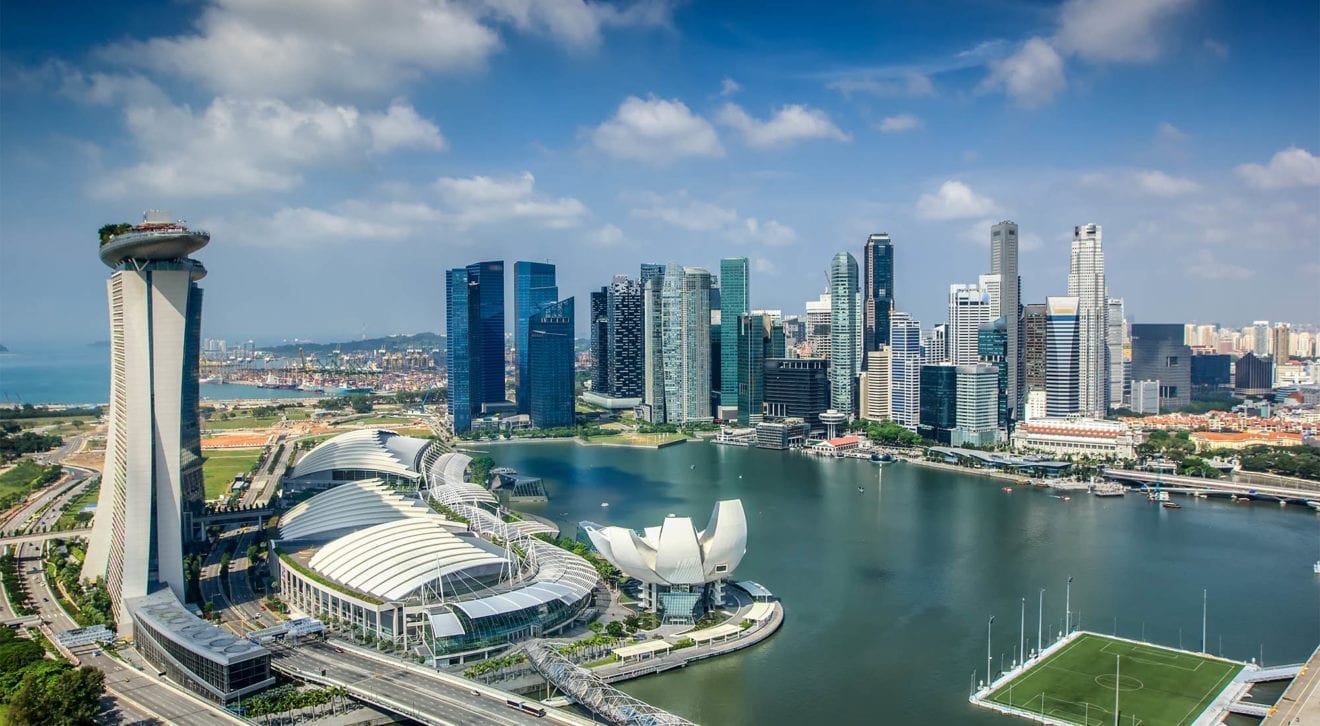
    31. Singapore (98.7) — Those from Singapore may not rate its culture scene highly, but they do value the city’s safety and are perfectly comfortable walking around at night.

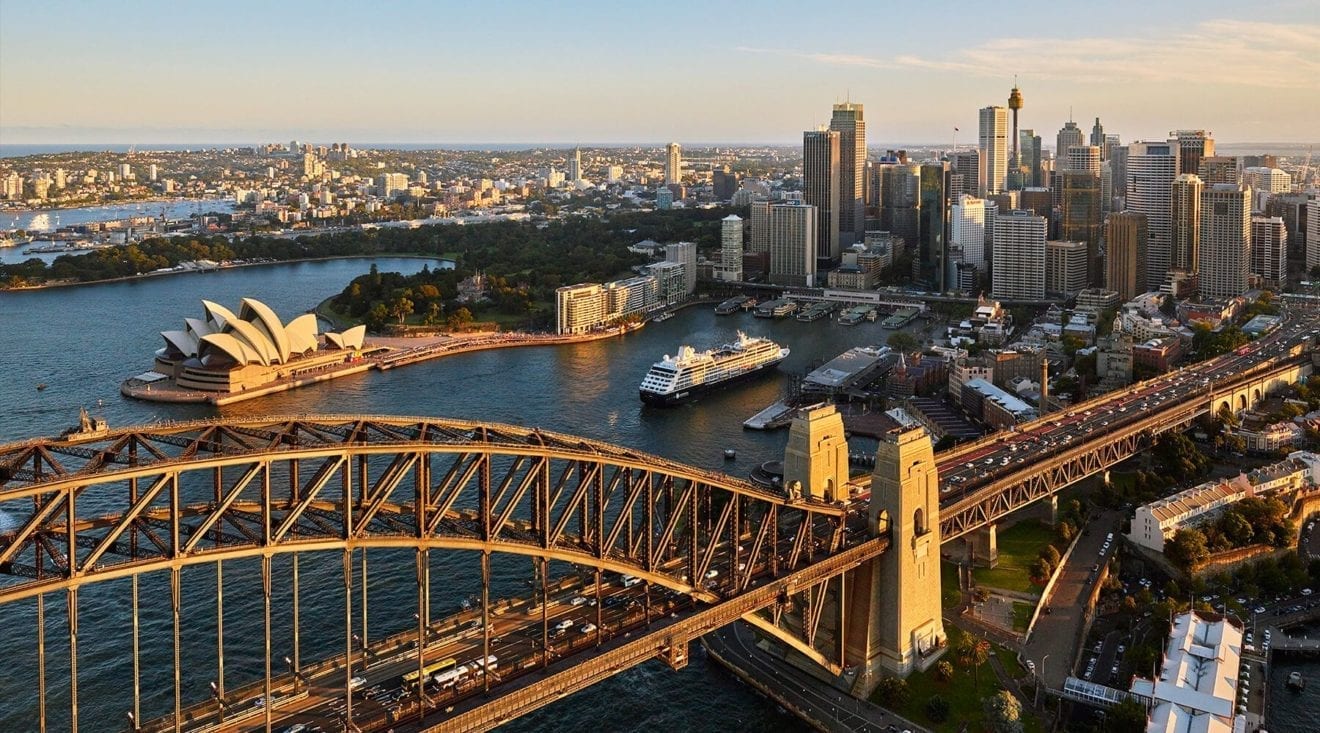
    28. Sydney (106.1) — While they may think the city is lacking in things to do and good restaurants, Sydney residents live a healthy life, with 66% having exercised in the past week and 38% never having taken drugs. They know how to party, though, and are the world’s No. 1 vodka drinkers.

    26. Hong Kong (109.6) — Seventy-five percent of residents said the public transport in Hong Kong was great, contributing to the city’s overall score. They’re also among the biggest restaurant-goers in the world.

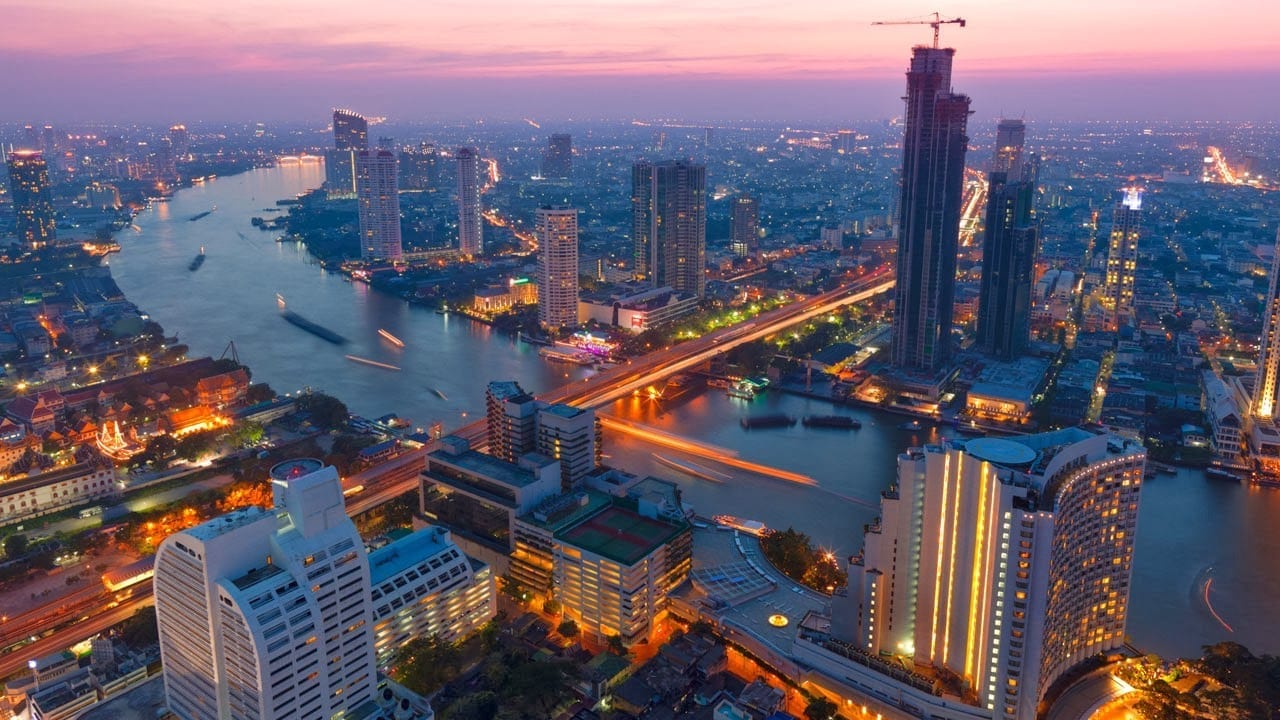
    24. Bangkok (111.0) — The survey revealed Bangkok as the world’s street-food capital, with more people eating on their feet than anywhere else — 42 times a year, on average. They’re also the biggest restaurant-goers, with 94% of respondents having visited a restaurant in the past week.

    22. Beijing (113.0) — The city may be exciting, but the commute is long, with 6% of Beijing residents even commuting for two to three hours a day.

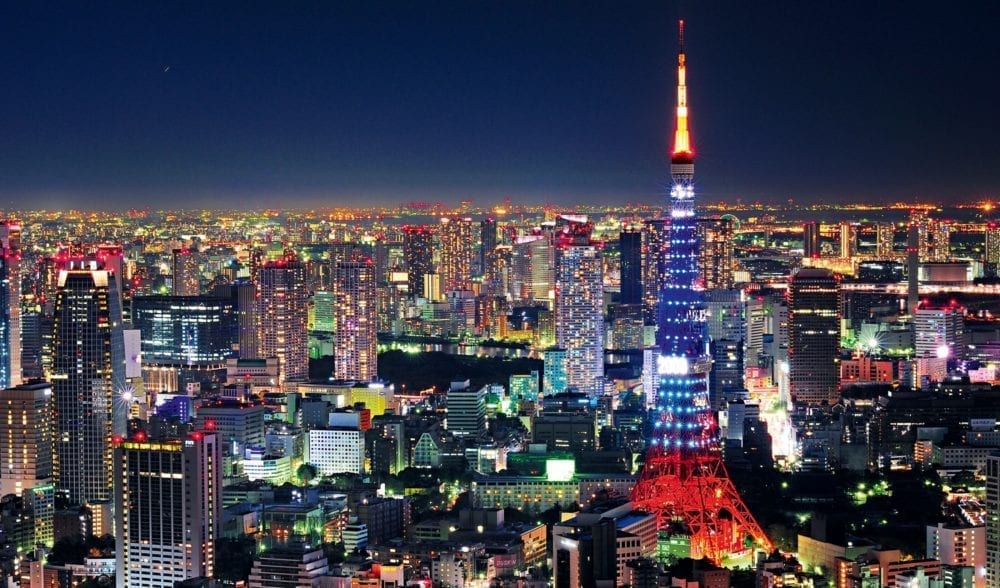
    19. Tokyo (117.7) — Tokyo residents love their food — they visit restaurants more than most other cities on the list.

    16. Shanghai (119.5) — It may not come cheap, but there’s plenty to do in Shanghai, where residents say that while it is tough to find love, 79% believe it is easy to find a more casual encounter.

    4. Melbourne (132.3) — This Australian city came out above all others in terms of happiness, with nine in 10 residents saying they felt happy within the past 24 hours. They also find it easy to make friends and think the food-and-drink scene is one of the city’s best features.

  • Vietnam’s culture, tourist sites introduced at Brussels Holiday Fair

    Vietnam’s culture, tourist sites introduced at Brussels Holiday Fair

    Several Vietnamese companies have introduced Việt Nam’s cultural features, natural landscapes and cuisine to visitors at the 60th Brussels Holiday Fair that is being held in Belgium’s capital city from February 1 to February 4.

    At the event, representatives from Vietnam Airlines, the national flag carrier, have provided visitors with information on its inbound and outbound flights, especially air routes from Belgium and other European nations to Việt Nam.

    Vietnamese Ambassador to Belgium Vương Thừa Phong took the opportunity to promote the image of the Vietnamese land and people to Belgians and other international partners.

    Nguyễn Thị Dung Hạnh from the Gvietnamtravels Company said that this time her company was offering tours designed to fit the requirements of each group of customers and cater to all services, from visa application to buying flight tickets.

    According to her, Belgium is a promising market for Vietnamese travel agencies.

    At the event, several Belgian companies have also introduced their attractive tours to Việt Nam.


    Vietnam News Agency’s correspondent quoted Willy Somers, a representative of Belgian Lauwers Tourism Company, as saying that his company had introduced to its customers many tours from north to south Việt Nam that could be completed in 12 days to 15 days.

    He said the company’s customers have booked all the tours to Việt Nam departing next month.

    According to the plan, the company will conduct tours to Việt Nam throughout 2018, and this proves the Vietnamese market is interested in Belgian customers.

    Việt Nam welcomed nearly 13 million international tourists in 2017, up 29.1 per cent compared with the previous year, of which 1.9 million tourists were from Europe, including more than 29,000 Belgians.

    The 60th Brussels Holiday Fair is taking place from February 1 to February 4 in Brussels. This is a good opportunity for tour operators, airlines, hotels and tour operators in Belgium, as well as foreign partners to seek partners and business opportunities.


  • Who’s travelling to Japan?

    Who’s travelling to Japan?

    Japan’s tourism bonanza shows no signs of abating. The country welcomed a record 28.6 million visitors from abroad in 2017, an increase of 19.3% on the year. Travelers also spent significantly more: 4.4 trillion yen ($39.68 billion), up 17.8%.

    So, where are all of these people coming from? Where are they going? And what are they spending their money on?

    The numbers clearly show geographical proximity is a major factor. Mainland China was the No. 1 source of visitors to Japan last year, accounting for 7.35 million, or 25.6% of the total. South Koreans were close behind at 7.14 million, or 24.8%.

    Back in 2007, only 942,439 Chinese tourists came to Japan. But over the next decade, the figure soared by 680.5%.

    Traffic from Taiwan and Hong Kong was also brisk in 2017: the former accounted for 4.56 million visitors, or 15.9%, while the tally from the latter came to 2.23 million, or 7.7%.

    Although China has played a big role in the tourism boom, it is only part of the story.

    Japan has seen exponential growth in the number of tourists from South East Asia. In terms of sheer growth rate from 2007 to 2017, Vietnam actually led the pack, with an 868% increase over 10 years. Arrivals from Thailand surged 489.3%, while those from Indonesia jumped 448.7%.

    What is interesting is also to see where do they go. As for where international travelers stayed in 2017, the usual destinations came out on top: Tokyo, Osaka, Hokkaido and Kyoto. But in terms of growth from the previous year, Tokyo ranked only 33rd out of the country’s 47 prefectures, with Osaka placing 22nd, Hokkaido 26th and Kyoto 19th.

    Oita Prefecture, in the Kyushu region, logged the biggest rise in overseas visitors. Known for its popular hot springs, Beppu Onsen and Yufuin, the prefecture appears to be capitalizing on tourists’ growing tendency to favor uniquely Japanese experiences over shopping.

    Next up was Saga Prefecture, which is now served by more direct, budget flights from Asian cities. Saga is adjacent to another popular destination, Fukuoka Prefecture, making the area a convenient option with ample accommodations.

    At No. 3 was Aomori Prefecture, in the northeastern Tohoku region. This was partly thanks to international carriers: China’s Okay Airways opened a direct flight from Tianjin to Aomori in May, and Korean Air also increased its flights. “Overseas tourists are going to places like open air hot springs by the seaside or hotels with no electricity for visitors — destinations even Japanese people don’t visit that much,” said Akihiko Tamura, commissioner of the Japan Tourism Agency.

    Few will be surprised to find that Chinese tourists topped the spending ranking, forking out an average of 230,382 yen per person in 2017. The bulk of that money went toward shopping.

    Visitors from the U.K. and Australia, meanwhile, spent the most on food and drinks as well as hotels. Visitors from Spain, France and Italy shelled out the most on transportation.

    South Koreans, on the other hand, placed at the bottom of the rankings for hotels, food and drinks, transport and shopping — and, naturally, overall spending. Yet this does not mean they are frugal travelers: since Japan is only a brief flight away, they tend to stay for shorter periods than tourists from other countries, limiting their spending.

  • AdParlor closes down Indian offices and moves staffs

    AdParlor closes down Indian offices and moves staffs

    Digital consultancy AdParlor has restructured its South Asian operation after shutting down offices in India.

    The global firm previously had two bases in Delhi and Mumbai to service its telecommunications clients Airtel and the Axiata owned-Robi and Dialog.

    However, in a bid to bring a ” localised presence” to the telcos’ South Asian markets, AdParlor has now decentralised its India hub and moved operations out into Nepal, Sri Lanka and Bangladesh. The Indian office have since been removed from the company’s website, while the new bases have still to be added at the time of publication.

    According to AdParlor Asia chief executive officer Matt Sutton, all 10 staff from India have either been redeployed to the new markets or will stay to maintain unspecified “shared services”.

    A spokesman for AdParlor added: “AdParlor Asia Pacific confirms that the organisation has decentralised its operations from India to South Asia – with localised presence in Nepal, Sri Lanka and Bangladesh now set up in order to service our clients in as seamless a manner as possible, bringing our teams closer to our clients’ businesses in those markets.

    “The South Asian operations were previously set-up in India to support our clients in those neighbouring countries. We will be investing further in those markets throughout 2018.

    “The talent and expertise we have in the market will be redeployed within the AdParlor Asia Pacific business in the South East Asian region, whilst shared services will continue to be managed out of India. We are also committed to investing in these markets and are nurturing digital talent there with an open headcount of 30.”

    AdParlor’s parent company AdKnowledge has been part of a joint venture with the Malaysian telco giant Axiata in Asia since 2016.

    A year ago, Axiata completed a major merger with the Indian-based Bharti in Bangladesh, bringing AdParlor’s three clients together under one umbrella in the market.

    According to Sutton, the Asia operation currently has a 30-strong “open headcount” and is growing across the region.

    However, last year, following the departure of AdKnowledge’s chief revenue officer Damien Lavin, the company also said it had an “open headcount” of 45 people across the markets.

    Currently, the company has offices in Singapore, Hong Kong, Thailand, Malaysia, Indonesia, Korea, Philippines and Taiwan.

  • Vietjet 2017 pre-tax profit reaches approximately USD209 million

    Vietjet 2017 pre-tax profit reaches approximately USD209 million

    Vietjet Aviation Joint Stock Company (HOSE code: VJC) announced its consolidated pre-audited financial statement report for 2017 with all indicators growing strongly compared with 2016 and exceeding the plan approved at the company’s Annual Shareholder Meeting.

    Specifically, total net revenue in 2017 reached nearly VND42,258 billion (USD1.86 billion), an increase of 53.7% year on year and exceeded the annual plan by 0.6%. Pre-tax profit stood at approximately VND4,755 billion (USD209 million), up 75.9% year on year and achieved a 126% increase over its yearly plan. After-tax profit of parent company’s shareholders reached VND4,527 billion (USD199 million), equivalent to VND10,065 (USD0.44) earning per share (EPS).

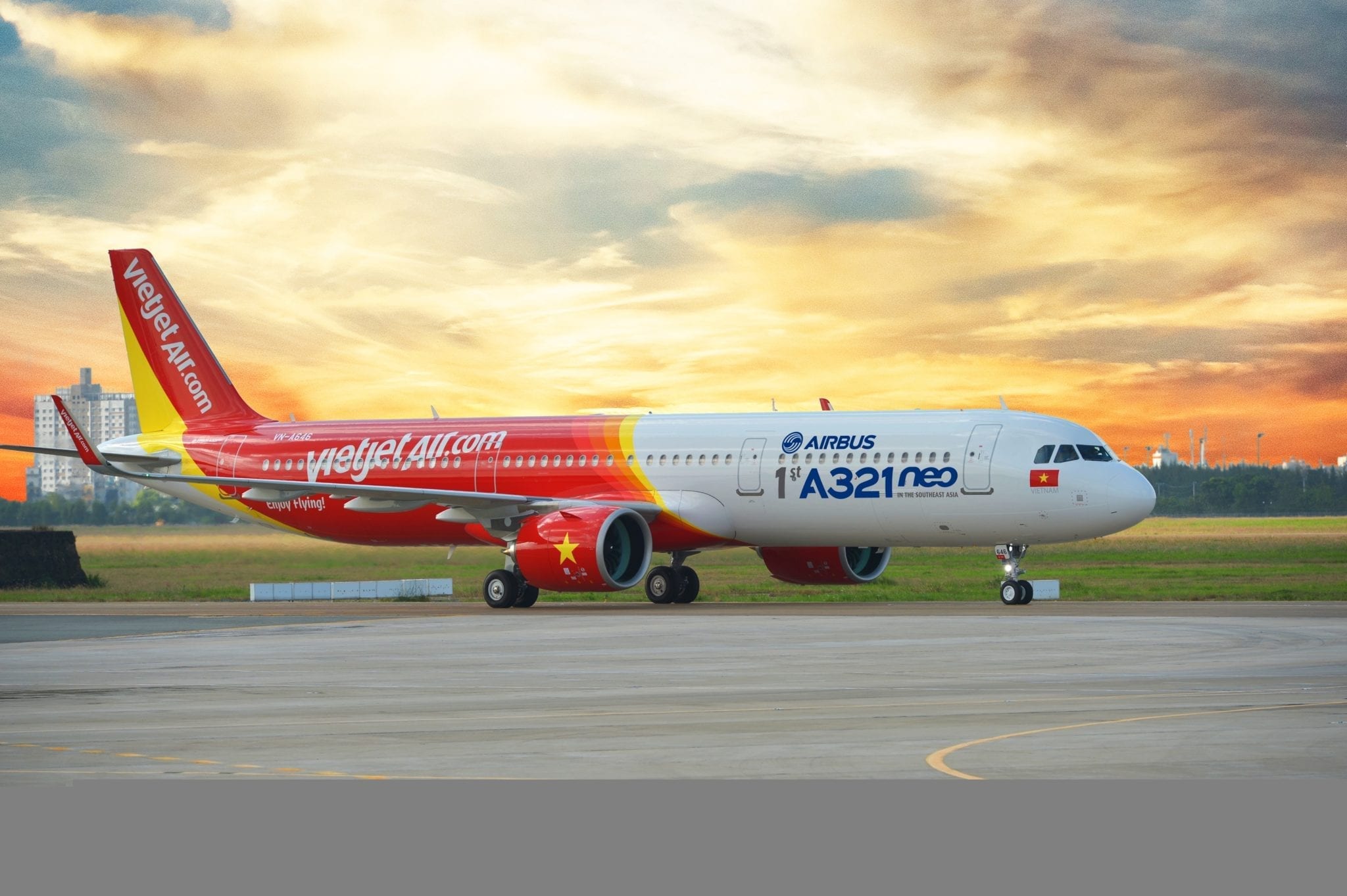
    Thanks to the expansion of its fleet by 17 aircraft in 2017 (including a modern A321 NEO – the first Airbus A321 NEO in Southeast Asia), Vietjet opened 22 new routes (one domestic and 21 international ones), increased its total operating routes to 82, including 38 domestic and 44 international ones. Vietjet carried over 17.11 million passengers in 2017. Air transportation revenue of the year was VND22,577 billion (USD995 million), up 41.8% year on year and exceeded the yearly plan by 4.6%.

    Up to December 31st, 2017, its total fleet consisted of 51 Airbus A320 and A321 aircraft. Vietjet received 39 aircraft out of the total of 219 aircraft ordered from Airbus and Boeing. On time performance in 2017 was 85.59%.

    Cost per available seat kilometers (CASK) excluding fuel decreased to 2.25 US cent, reduced by 7.3% year on year and at the lowest in the world due to the efficient cost control in 2017. CASK including fuel decreased by 2.27% to 3.79 US cent.

    In 2017, Vietjet paid 10% cash dividend, 40% share dividend for 2016 and advanced 20% cash dividend payment for 2017. With its positive business results, Vietjet has increased its 2017 dividend payment from 50% to 60% and

  • SK-II Boutique Spa Malaysia Opens

    SK-II Boutique Spa Malaysia Opens

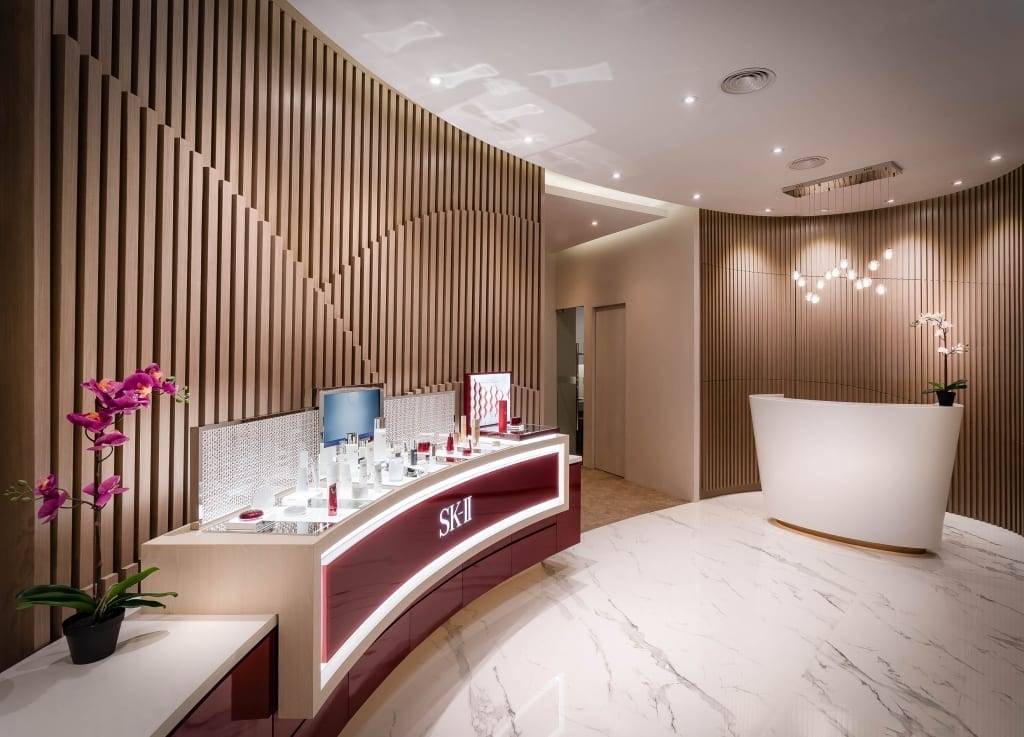
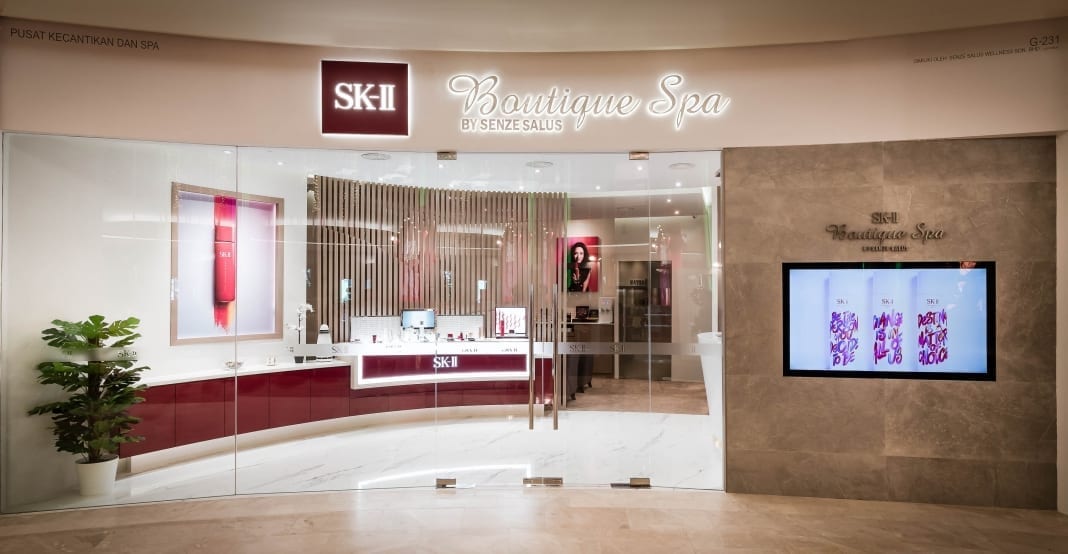
    The SK-II Boutique Spa has opened at The Gardens mall in Kuala Lumpur – its second location after Singapore.

    A Singapore-based Malaysian, Calvin Ng worked for more than 20 years with Procter & Gamble (P&G), the brand owner of SK-II. He then founded Senze Salus, which introduced the SK-II Boutique Spa in 2004. The spa offers facial treatments using only SK-II products.

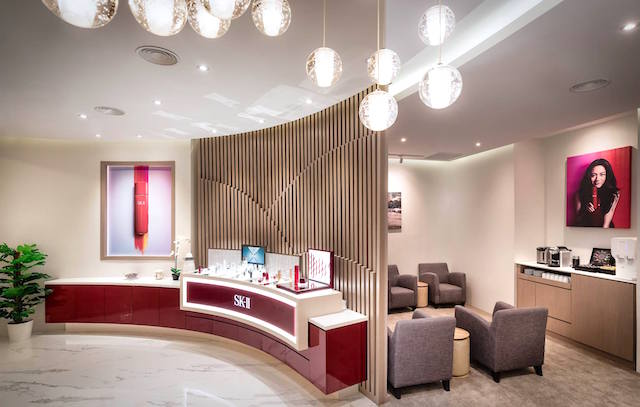
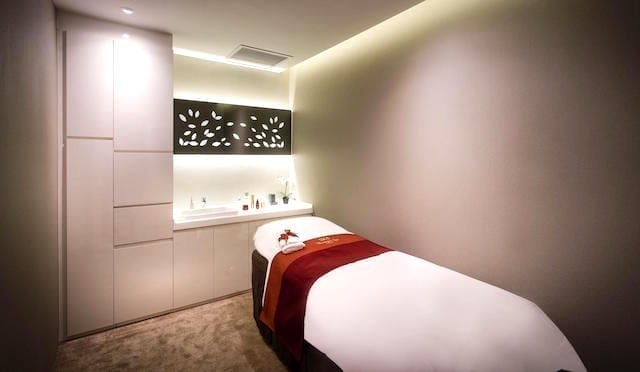
    Its Kuala Lumpur offshoot covers 213sqm and offers 12 soundproof treatment suites as well as a waiting lounge with refreshments, an SK-II beauty bar and a retail section.

    Signature treatments include the SK-II Senzational Facial that tackles multiple skin concerns and incorporates a 55-step facial massage technique. The Senze Oxygenated Facial features a stream of pressurised oxygen infused with SK-II Facial Treatment Essence being applied to the face.

    The SK-II Boutique Spa takes its name from the Japanese skincare brand.

  • First full year of profitability for Airbnb

    First full year of profitability for Airbnb

    Airbnb announced it generated earnings of about $100m in 2017 while bookings grew around 150 percent, in a streak of profitability that marks a contrast with heavily lossmaking peers such as Uber and Lyft.

    The 2017 year marks the first full year of generating income for the San Francisco-based company, which became profitable in the second half of 2016, as it managed to defy some of the disruptions in global travel in 2017.

    Airbnb’s earnings before tax, interest, depreciation and amortisation were $100m for the full year, according to a source close to the company, compared with an earnings loss the previous year.

    Airbnb also announced that Ken Chenault, chief executive of American Express, would be joining its board as the first independent director. He will be the sixth board member of the company, joining the three co-founders and two early investors who sit on the board.

    Airbnb’s chief executive Brian Chesky also announced on Thursday a new set of values for the ten-year-old company, which include “having an infinite time horizon” and “serving all of our stakeholders”.

    In a public letter, Mr Chesky said that he wanted to build a company that would last not only through the 21st century, but also the 22nd, without providing specific details about how the company would do that.

    Over the past 18 months, the company has expanded beyond accommodation into areas such as guided tours, and has hinted that it will add services like flight booking and car rentals in the future.

    In his letter Mr Chesky said that Airbnb would continue to grow these newer areas. “If people are good and mostly the same, then we should be able to offer more than people sleeping in one another’s homes,” he wrote.

    Airbnb’s main source of revenue is the commission it takes from accommodation bookings, and it take a cut of between 9 percent and 15 percent per booking.

    The company’s revenues last year were more than $3.5bn, according to FT calculations and previously reported quarterly figures. Gross bookings grew by about 150 per cent, according to a person close to the company.

    The company raised a $1 funding round in 2017, at a valuation of $30bn, and its investors include General Atlantic and Andreessen Horowitz.

  • ASEAN Tourism Ministers Stir the Pot for Gastro Tourism in Southeast Asia for 2018

    ASEAN Tourism Ministers Stir the Pot for Gastro Tourism in Southeast Asia for 2018

    The ASEAN Tourism Forum ended on a high 26 January, with ASEAN tourism ministers itemising a list of achievements for the region’s robust travel and tourism sector.

    Lauding the completion of a strong VisitASEAN@50 campaign in 2017, which generated a better than expected response, ASEAN’s 10 tourism ministers were optimistic about new marketing campaigns for ASEAN tourism in 2018 and beyond.

    The ministers revealed the following new priorities.

    There will be a new emphasis on promoting the many aspects of gastronomic travel, as outlined in the minsters’ Joint Declaration on Gastronomy and Tourism. The declaration notes that, “gastronomic tourism helps to create a strong sense of place for branding and marketing destinations, and also assists in maintaining and preserving local heritage and identity, and protecting biodiversity”.

    Cruise tourism will be developed further due to its high economic impacts. There will be renewed focus on the effectiveness of destination management, specifically environmental and social issues and the welfare of local communities that cruise tourism touches.

    Cross border bus and coach traffic will also be promoted further, following an agreement by ASEAN Transport Ministers to ease restrictions. The ministers noted that recommendations from studies on recognising domestic driving licences in neighbouring ASEAN countries could boost tourism significantly, especially if there were road enhancements along major tourism corridors.

    Ministers noted that the quality of work supplied by tourism professionals throughout Southeast Asia will continue to rise, in part, due to the completion of all 242 ‘toolboxes’ for job training. Jakarta will host a permanent secretariat in order to improve and unite tourism industry standards across ASEAN.

    Positive Legacy of VisitASEAN@50 Campaign
    The Tourism Ministers at ATF were buoyed by public and travel industry response to VisitASEAN@50 campaign in 2017. Based on preliminary figures from member states, ASEAN is expected to receive 125 million international visitors, exceeding the target of 121 million international tourist arrivals to the region set for VisitASEAN@50.

    If confirmed, this new record will indicate a growth of 8.4 per cent from 2016. Arrivals were dominated by intra-ASEAN travel, accounting for 42 per cent of total international arrivals.

    Targets for length of stay and revenue were also achieved, with ASEAN averaging 7.98 days of stay for international tourists, generating an estimated US$93 billion from tourism in 2017.

    “As we celebrate this most recent success,” said Weerasak Kowsurat, Minister for Tourism and Sports of Thailand, who chaired the Ministers’ meeting, “we still recognise the scale of the task before us and the urgency in enhancing our competitiveness to achieve sustainable development. We must therefore ensure that we unite to create the synergy which brings about inclusive growth and that none of us is left behind.”

    ATF 2019 will be held in Halong Bay, Viet Nam in January next year. The 2020 edition will be in Brunei Darussalam.

  • AirAsia, AirAsia X Malaysia log increase in passenger volume, load factor in Q4 2017

    AirAsia, AirAsia X Malaysia log increase in passenger volume, load factor in Q4 2017

    Budget airlines AirAsia Bhd and its long-haul carrier counterpart AirAsia X Bhd registered higher year-on-year passenger volume and load factor in the fourth quarter of 2017.

    Air Asia carried 10.44 million passengers between October and December 2017, which is a 17% increase from the previous year’s 8.25 million, in line with the 16% seat capacity increase to 11.93 million.

    The low-cost carrier, which saw an expansion to its fleet to 116 aircraft, also saw its load factor improve by 1% to 88% against the 87% registered in the same quarter in 2016.

    Meanwhile, its Malaysian operations reported a 15% increase in passenger volume to 7.79 million from 6.76 million in the quarter under review.

    AirAsia commenced 10 new routes, five originating from Malaysia, two from the Philippines and three from India, while AirAsia Japan commenced its first flight on October 29, 2017, flying between Nagoya and Sapporo.

    On another note, AirAsia X carried 1.54 million passengers in the last quarter of 2017, translating into a 12% increase from the fourth quarter of 2016. Load factor improved 2% to 83% while capacity expanded 10% to 1.87 million from 1.7 million.s

  • Ikea founder passed away

    Ikea founder passed away

    Ingvar Kamprad, the founder of Swedish furniture giant Ikea, has died at the age of 91.

    The furniture giant said Kamprad passed away at his home in southern Sweden on Saturday.

    “The founder of Ikea and Ikano, and one of the greatest entrepreneurs of the 20th century, Ingvar Kamprad, has peacefully passed away, at his home in Smaland, Sweden, on the 27th of January,” the retailer said in a statement.

    “(He) was a great entrepreneur of the typical southern Swedish kind – hardworking and stubborn, with a lot of warmth and a playful twinkle in his eye

    “Ingvar will be very missed and warmly remembered by his family and Ikea colleagues around the world.”

    Founded in 1943 by Kamprad when he was a teen, Ikea began developing its own furniture in the mid-1950s, popularising renowned Scandinavian design – sleek and functional – on an industrial scale and conquering first Europe and then North America before taking on the rest of the world.

    He got the idea for flat-pack furniture as he watched an employee taking the legs off a table to fit it into a customer’s car and realised that saving space meant saving money.

    Kamprad has been previously ranked among the world’s 20 richest people by Forbes magazine. His personal fortune was recently estimated at more than 30 billion euros ($A45 billion) and Ikea is now heading for 50 billion euros in annual revenues.

    Few people can claim to have genuinely revolutionised retail, but Kamprad did, according to Neil Saunders, managing director of GlobalData Retail.

    “When he founded it, Ikea was markedly different to anything that had existed in retail,” he said.

    “Much of this difference was down to Ingvar’s Swedish heritage and instincts.”

    Consumers embraced his ideas, said Saunders who added it is no exaggeration to say that Kamprad’s innovative approach changed not just the furniture sector, but the way people decorated and led their lives at home.

    “He believed that home furnishings should be democratic; that people of all income levels should be able to afford to decorate and furnish their homes stylishly and comfortably. He also believed in thrift, efficiency and hard work.

    “Putting these two concepts together, gave rise to the revolutionary idea of flat-pack furniture. Distributing flat-pack was much more efficient and economical than shipping fully made items. It also divided the effort – prices were lower because the customer had to assemble the product; that was the trade-off or compromise.”

  • HKCYIA Offers Cruise Talks to the Public FREE

    HKCYIA Offers Cruise Talks to the Public FREE

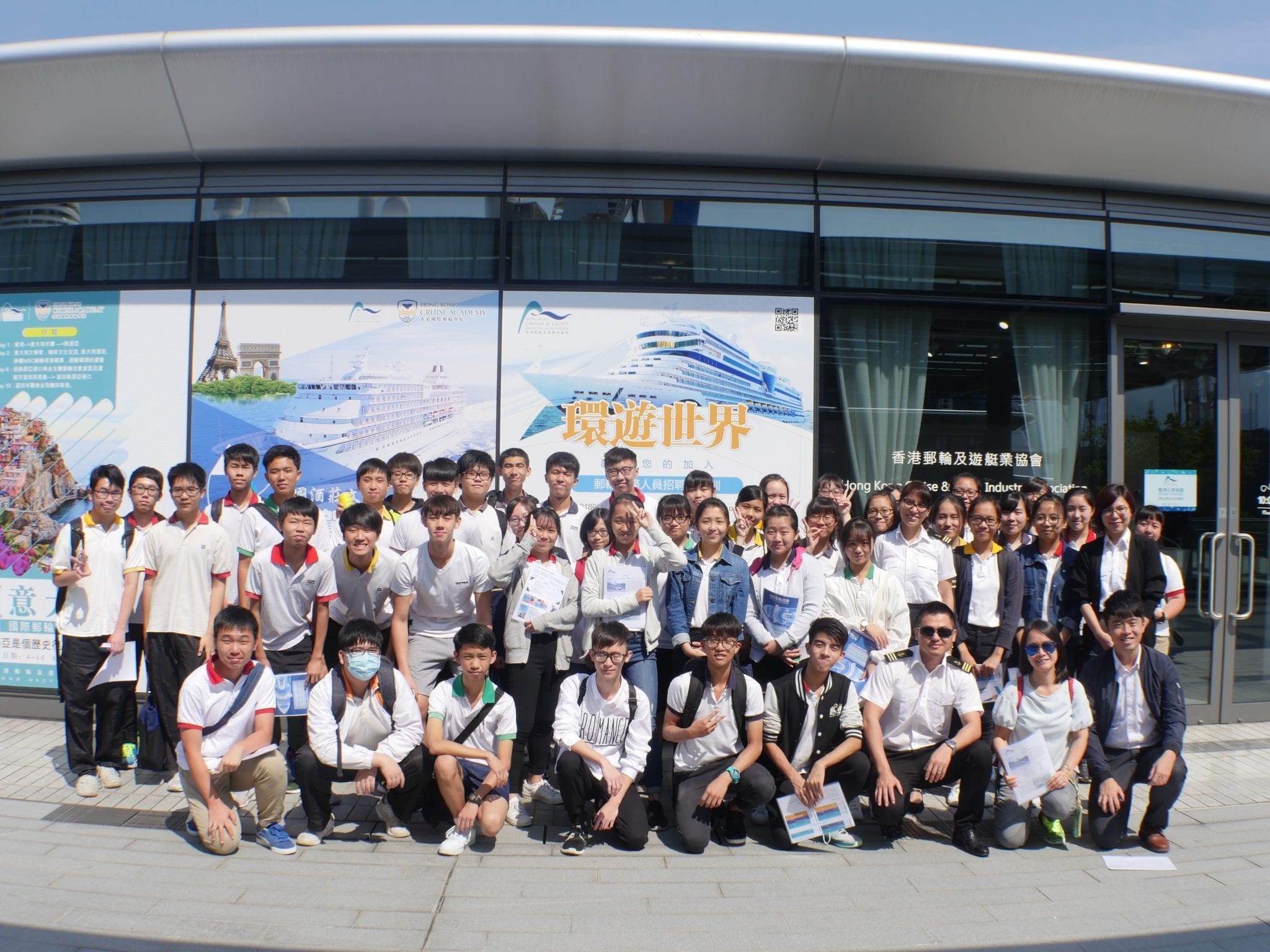
    To promote public awareness of the cruise industry and its contributions to the economy, the Hong Kong Cruise & Yacht Industry Association (HKCYIA) is to provide free talks on cruise careers for youths. This follows the talks for Tourism and Hospitality Studies students which received overwhelming response with over 70 secondary schools having enrolled for the talks since last October.

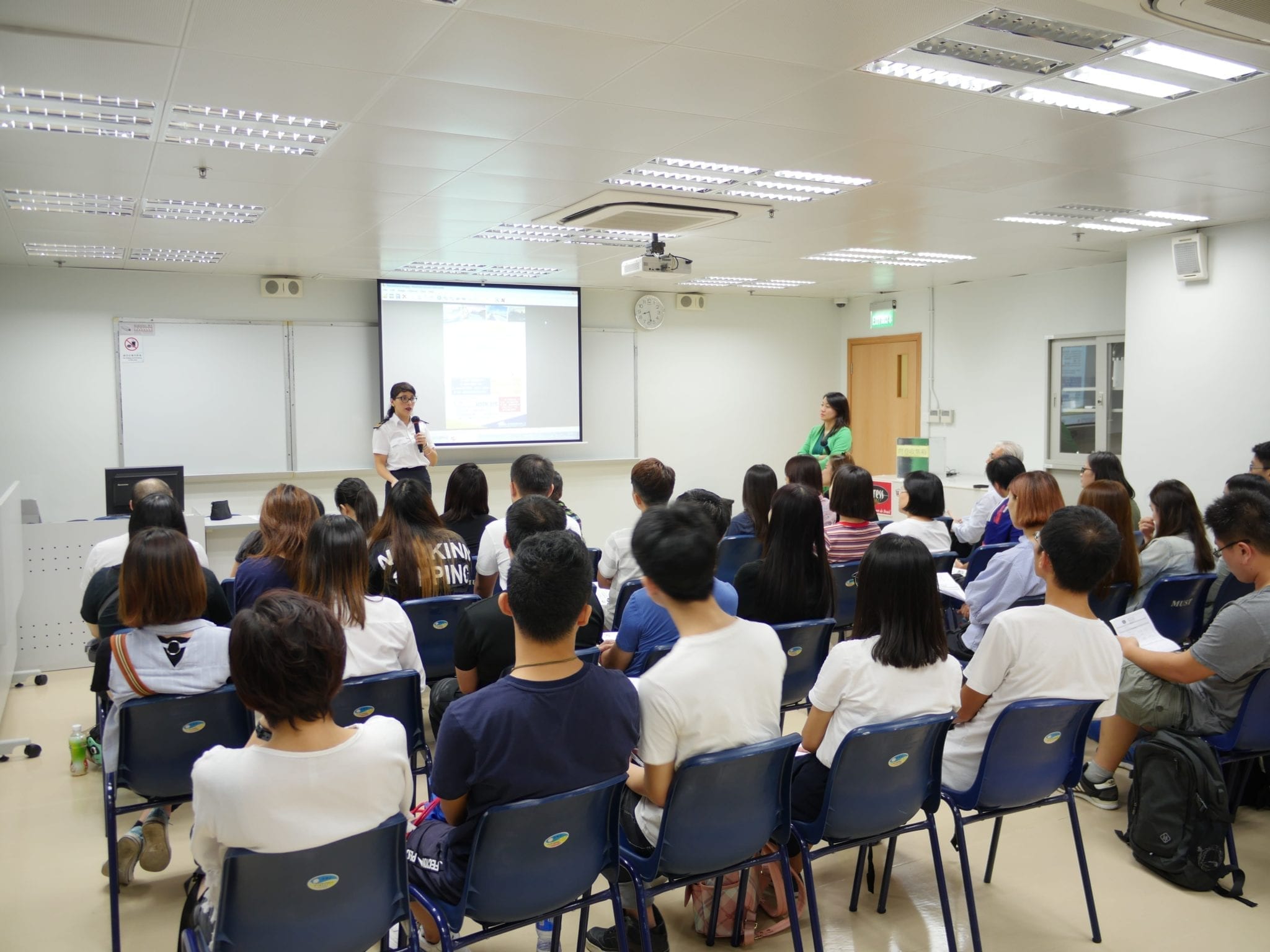
    The cruise talks for the public will be held from now till March. The 3-hour talks will be conducted in English and given by HKCYIA Purser Trainer Laura Escobar, who has over 10 years of experience in the management of European cruises. The talks will cover international cruise information, structure of international cruises, introduction to cruise travel, and career development in cruise industry, providing the public with information about cruise careers and industry developments.

    Kara Yeung, Executive Director of HKCYIA, said “In view of the relatively low awareness of the cruise industry among Hong Kong people, HKCYIA is dedicated to advancing the long-term development of the Hong Kong cruise industry through free talks to the general public. The talks are designed to enable them to acquire a broad knowledge and understanding of the global cruise industry, thereby promoting employment in the fast-growing cruise sector.”
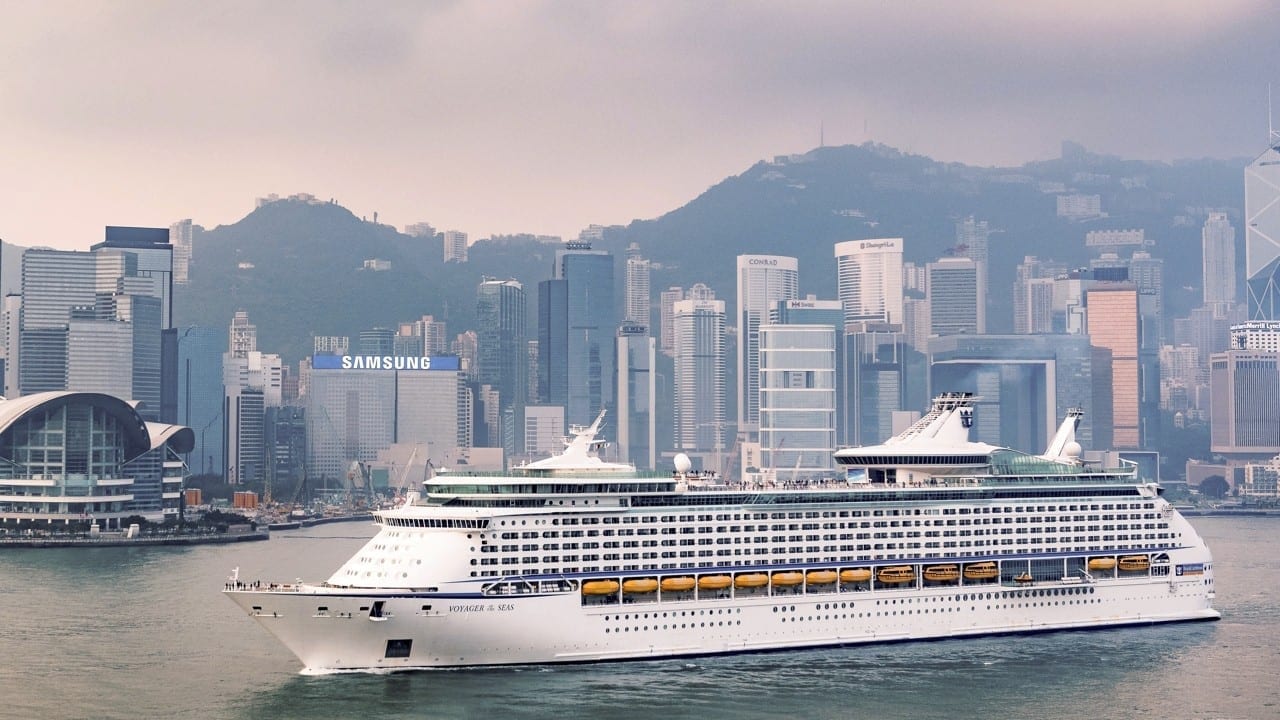
    The free talks will be held at Kai Tak Cruise Terminal where most international cruises berth in Hong Kong.

    Participants can have the opportunity to watch international cruises visiting Hong Kong, including Costa neoRomantica of the Italian Costa Cruises, Queen Elizabeth and Queen Mary 2 of the British Cunard Line. They can also visit the Kai Tak Cruise Terminal and the HKCYIA office. Those wanting to visit the cruises are required to make prior arrangements with travel agencies on their own. For those interested in attending the free talks, please contact Ms. Chan at (852) 2180 0723 for registration as seats will be available on a first-come-first-served basis.


  • Shinsegae to buy local furniture company for $168 mln

    Shinsegae to buy local furniture company for $168 mln

    South Korean retail giant Shinsegae will buy a local furniture company Casamia for KW180 billion (US$167.8 million) in a bid to tap into the country’s home-furnishing industry.

    Shinsegae Department Store will sign a contract with the company’s founder “and others” to buy a 92 per cent stake in the company, as reported.

    Launched as a small furnishing shop in Seoul in 1982, Casamia now has multiple brands, ranging from home decor to office furniture. Sales reached KW121.9 billion in 2016.

    Shinsegae has declined to comment on the acquisition, and Korea Exchange has asked that it confirm media reports in a regulatory filing.

  • Outrigger Konotta Maldives Resort Announces New Package

    Outrigger Konotta Maldives Resort Announces New Package

    The Outrigger Konotta Maldives Resort has announced three new exciting developments for holidaymakers: a new mega value-added Family Getaway experience, an improved All-Inclusive (AI) offering, and a new All-Inclusive Plus (AI+) package.

    The Family Getaway Experience gives a family of four to six their own private 282 sqm two-bedroom luxury pool villa with complimentary transfers by flight and speed boat from Male to the Outrigger in the beautiful south of the Maldives.

    “Our Family Getaway and all-inclusive options really allow guests to switch off from their busy lives and rejuvenate surrounded by pristine natural beauty,” says John Allanson, the resort’s General Manager.

    On site, parents can fully relax with two hours of baby sitting per day offered by the resort.

    There are great activities available. Kids can enjoy beach games, yoga, meditation, “Little” chef and “Teen” chef lessons, paper arts and craft classes, and designing their own t-shirt.

    Children eat free in the Blue Salt restaurant on the same meal plan as their parents.

    Adults have multiple options such as spa treatments, group yoga, cooking classes, the art of barbecuing, scuba diving, paddle boarding, or jet skiing.

    Activities for the whole family include a myriad of wonderful options such as swimming across the equator, family picnic on a remote island, snorkelling trips, dolphin quest, semi-submarine excursions, learning about the stars, and a private family movie night.

    Guests can do good while on holiday. They can join resort’s in-house marine biologist and participate in the island’s coral conservation and education activities, part of Outrigger’s worldwide OZONE program.

    Many of the options are included in the Family Getaway Experience. Others involve a surcharge.

    All-Inclusive and the New All-Inclusive Plus
    The Outrigger in the Maldives has also ramped up its AI offering and created a new AI+ special package. Both let couples and families relax without worrying about extras.

    The enhanced All Inclusive package now includes breakfast, lunch and dinner at The Deck and Pool Bar as well as the main Blue Salt international restaurant. It includes a great selection of wines, beers, cocktails, teas and coffees from any outlet from 11am daily.

    With a new and generous meal and activities credit system, guests can experience an array of themed dinners at Driftwood, enjoy Japanese dining in Nala Rah, have private in-villa dining or have a barbecue on the beach.

    Many non-motorised activities are also included.

    For US$99++ per person per night, experience freedom with AI+ which gives all of the above benefits plus minibar refills, great discounts on private destination dining, reductions on spa treatments and full enjoyment of the chef’s premium dining experiences at The Deck, Blue Salt, Driftwood and Nala Rah (Japanese).

    Guests also enjoy exceptional discounts on private yoga and gym sessions and on the sommelier’s premium wine selections.

    “Families can create their own private luxury world in the azure Indian Ocean at the Outrigger,” says General Manager Allanson. “Unmatched luxury is just a step away with our Family Getaway and all-inclusive options.”

  • AirAsia to add around 30 jets this year amid strong demand

    AirAsia to add around 30 jets this year amid strong demand

    Budget airline group AirAsia plans to add around 30 jets to its airline affiliates across Asia this year due to strong demand growth across the region, chief executive Tony Fernandes said on Tuesday.

    AirAsia, which flies close to 200 airplanes and is the largest operator of Airbus’s best-selling A320 jet, has airlines in Malaysia, Thailand, Indonesia, the Philippines, India and Japan and plans to grow in China and Vietnam.

    “We’ve been able to get the Philippines and Indonesia really rocking, turning them into little gems,” Fernandes told on the sidelines of the World Economic Forum in Davos.

    “Demand is good, the ancillary model is doing well and our JV business using our data has started moving.” Fernandes said the board of AirAsia’s Indian arm, a joint venture with Tata Group, had approved plans to pursue an initial public offering and was appointing bankers for initial work.

    “India is going to be a real nice surprise for AirAsia,” he said.

    The Indian government this month said it would allow foreign investors to participate in a planned privatisation process for rival state-owned carrier Air India, but Fernandes on Tuesday ruled out AirAsia’s involvement.

    “We know what we are good at – low cost,” he said. “Air India is a great airline, but it is really not our business model and not something that we would be involved in.”

    Fernandes told on Tuesday the group will look at ordering more airplanes “eventually but not at present”.

    AirAsia also has no plans to bring forward deliveries despite strong demand, he said.

    Since Fernandes bought what was then a debt-laden carrier for the token price of one Malaysian rinngit in 2001, AirAsia has expanded to become one of the world’s largest low-cost airline groups as well as one of Airbus’s biggest customers worldwide.

    Industry experts have begun to question whether AirAsia will remain exclusively linked to Airbus as it expands, with some suggesting that Boeing 787s could fit into its long-haul operations. Boeing and Airbus are fighting for twin-aisle sales.