Category: Living

Retail News Asia is committed to providing both local and global retailers with the latest Living news throughout the Asian market. This on a daily base.

  • Actxa named partner for Singapore fitness programme

    Actxa named partner for Singapore fitness programme

    Fitness wearables brand Actxa has been appointed as one of the official technology partners of the second National Steps Challenge (NSC) by the Singapore Health Promotion Board (HPB).

    Fuelled by the nation’s positive response to the physical activity initiative last year, the fitness wearables company has launched three new step tracker models alongside an easy trade-up programme, to help Singapore step up and out for NSC Season 2.

    Launched by HPB on 1st October 2016, NSC brings more fun and prizes in motivating the nation to step up and move about every day, anytime and anywhere. Making a welcome return from last year is the popular steps-for-rewards system, where all NSC participants will be rewarded for leading active lifestyles – the more steps taken each day, the more points earned to redeem rewards as well as lucky draw chances.

    The smart gadget used for this fun physical activity programme is the steps tracker, a pedometer-based fitness buddy designed to motivate even more Singaporeans to lead active lifestyles. A firm advocate of spurring a nation of physically active people, Actxa came on board last year to supply the wearable technology, and 2015 saw HPB handing out over 156,000 pieces of the specially produced Actxa Stride, which can still be used for the second season of NSC.

    In addition, Actxa has produced three enhanced step tracker models: Stride+, as well as the Swift and Swift+, which NSC Season 2 participants can choose to use if they are not using any of the three official trackers, including the Actxa Stride, that HPB issues. These additional models are available for trade-ups or direct purchase this year.

    “Actxa is very proud to be a Singaporean company supporting a nationwide initiative that encourages fellow Singaporeans to be active. In support of NSC, we are excited to launch a series of promotions that aim to put our fitness and activity trackers into the hands of everyone, inspiring them to lead active and healthier lives,” said Joel Chin, CEO of Actxa.

  • Malaysia defers raising palm oil share in bio-diesel mix

    Malaysia defers raising palm oil share in bio-diesel mix

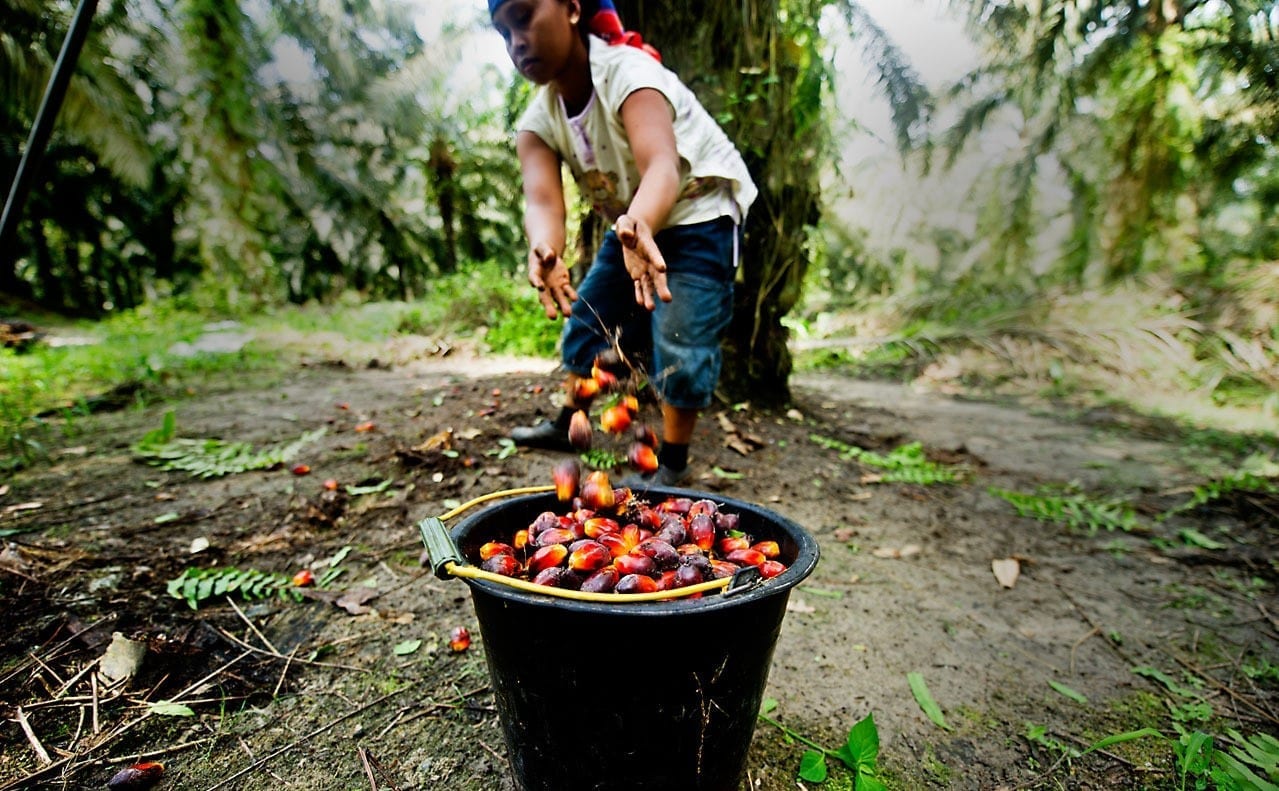
    Malaysia will push back a mandate to blend more palm oil into diesel to a later date following a rebound in crude palm oil prices.

    The biodiesel program, targeted at transportation and industrial sectors, was initially designed in-part to cut the Southeast Asian country’s swelling palm oil inventory that weighed on prices of the commodity.

    “After a thorough study, taking into consideration the difference between crude palm oil and diesel prices at current volatile market, I would like to announce that the implementation of Biodiesel Mandate will be deferred to a later date,” Plantation Minister Mah Siew Keong said in a short statement.

    The content of palm oil in biodiesel will be raised to 10% under the so-called B10 program that blends palm-based methyl ester with traditional petroleum diesel for sale at retail pumps nationwide. Malaysia will also mandate for a 7% blend, or B7, for industrial sector.

    The program, scheduled to be enforced next month, has been delayed twice this year amid mounting concerns from vehicle resellers over potential damage to engine that may prompt manufacturers to dishonor their warranty pledges.

    The rising cost of palm oil could result in higher pump prices for consumers at a time when Malaysian households are grappling with higher cost of living.

    “Although significant effort has been put into for its implementation, the government is committed to ensure that there is no burden of extra cost at this time,” Mah said in the statement.

    Malaysia estimates that the program is expected to consume about an additional 709,000 tons of crude palm oil annually, and contribute to a saving of 820 million liters of petroleum diesel a year.

    Crude palm oil production in Malaysia declined 2.2% month-on-month to 1.67 million tons in October, a seasonally strong month, according to data from the Malaysian Palm Oil Board. On a year-on-year basis, output plunged 17.6% in October and inventory stood at 1.57 million tons.

    Spot prices of crude palm oil has risen more than 30% so far this year as production of the edible oil used in everything from soap to snacks fell in Malaysia and Indonesia due to unfavorable weather conditions.

    Key agricultural areas in Malaysia and Indonesia, which collectively produces more than 80% of the global supply of palm oil, have been hit by lingering effects of 2015’s El Nino weather conditions that shriveled oil palm trees and hurt yields this year.

    El Nino is the unusual warming of the Pacific Ocean that causes a shift of moist winds away from their more typical patterns and results in less rain.

    The benchmark crude palm oil futures on Bursa Malaysia Derivatives for January delivery rose 2.0% to 2,883.00 ringgit on Wednesday.

  • South Korean, Chinese cinema giants line up to enter Indonesian market

    South Korean, Chinese cinema giants line up to enter Indonesian market

    The government’s recent decision to allow full foreign ownership in local movie businesses has attracted the interest of South Korean and Chinese cinema giants to invest in Southeast Asia’s largest market, a government official said.

    Creative Economy Agency (Bekraf) head Triawan Munaf said a number of foreign investors were currently conducting feasibility studies for expanding their operations in Indonesia, home to more than 250 million people. Among the big names on the list are South Korean’s Lotte Cinema and Megabox, as well as China’s Dalian Wanda, which is also the world’s largest cinema chain operator.

    “Hopefully they can come by the middle of 2017,” he said on Thursday on the sidelines of the DBS Asian Insights Conference 2016 in Jakarta.

    Despite being the largest economy in Southeast Asia, Indonesia has one of the least penetrated cinema markets in the world. Data gathered from various commercial cinemas shows that there are only about 1,100 film screens available in the whole of Indonesia, with 35 percent of all theaters being in Jakarta.

    With its population size, Indonesia, Triawan said, ideally should have 15,000 screens.

    BKPM estimates that the recent removal of certain sectors from the nation’s negative investment list, signed by President Joko “Jokowi” Widodo earlier this year, will help efforts to hit the investment target of Rp 594.8 trillion (US$43.6 billion) by the end of this year.

    Under new regulations, foreign investors can now fully own local cinemas, film production houses and distribution firms.

  • Indonesia holds rate steady after six cuts

    Indonesia holds rate steady after six cuts

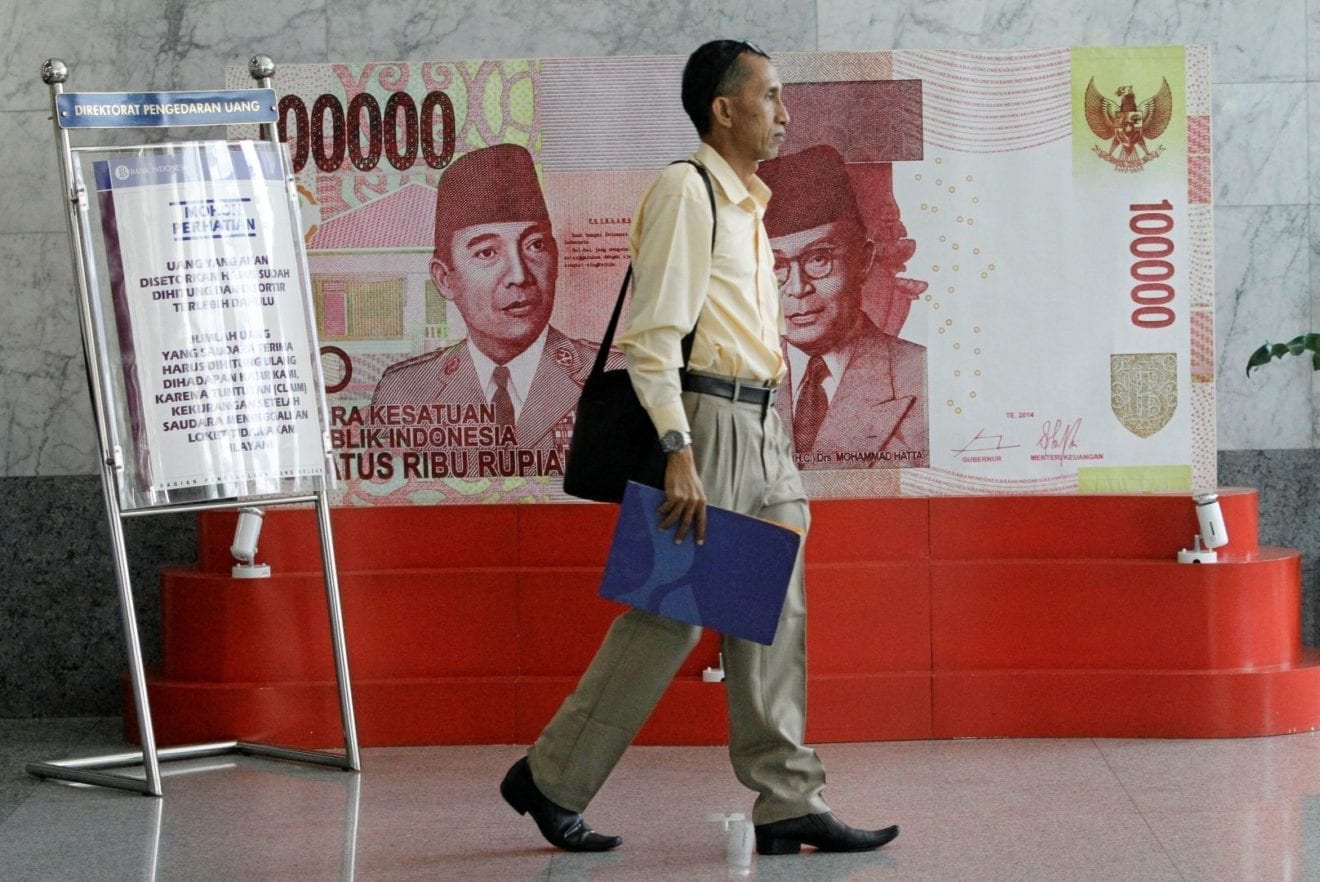
    Indonesia’s central bank kept its benchmark interest rate unchanged after six cuts this year, seeking to calm financial markets in the wake of the United States presidential election results.

    Governor Agus Martowardojo and his board held the seven-day reverse repurchase rate at 4.75 per cent yesterday. Analysts had said market volatility following Mr Donald Trump’s victory meant Bank Indonesia (BI) could not cut its benchmark rate for a seventh time this year.

    The rate hold “is in line with BI’s cautiousness in responding to the escalating uncertainty in the global financial market after the US election”, the central bank said in a statement.

    The central bank had reason to pause after taking aggressive action this year to boost growth amid a benign inflation environment.

    Expectations of more US interest rate increases caused the rupiah to plunge as much as 3.7 per cent against the US dollar last week, prompting BI to intervene to stabilise the Indonesian currency.

    “While BI is chasing for faster growth, one cannot be too complacent of the risks involved and how the rupiah traded post-US elections is a timely reminder of this,” DBS Group Holdings economist Gundy Cahyadi said before the rate decision.

    BI has cut its main policy rate this year by a total of 150 basis points. Despite the rate cuts, loan growth has continued to weaken.

    As of September, annual expansion of outstanding loans was at 6.47 per cent, its weakest in nearly seven years, as commercial banks grappled with increased levels of bad loans.

    The government is forecasting growth of about 5 per cent for this year, well below the 7 per cent targeted by President Joko Widodo when he came to office two years ago.

    Inflation remained subdued at 3.3 per cent in October, close to the lower end of the bank’s 3 per cent to 5 per cent target.

    “BI faces a difficult balancing act,” Capital Economics said. “Despite having cut interest rates six times this year, the domestic economy could clearly do with some additional support… But the threat of further falls in the rupiah means that BI is likely to act with caution.”

  • AEON Your Cash awards Nissan March to lucky winner

    AEON Your Cash awards Nissan March to lucky winner

    Saranya Pipoppinyo (right), Vice President Marketing of AEON Thana Sinsap (Thailand) Public Company Limited, hands over keys to a Nissan March, valued at 451,000 baht, to Suthit Saisuwan from Sisaket, the lucky winner of the grand prize from the AEON Promotion Your Cash Car Lucky Draw campaign which had run from July 1 to September 30.

  • University of Nottingham Malaysia deploys Wi-Fi network

    University of Nottingham Malaysia deploys Wi-Fi network

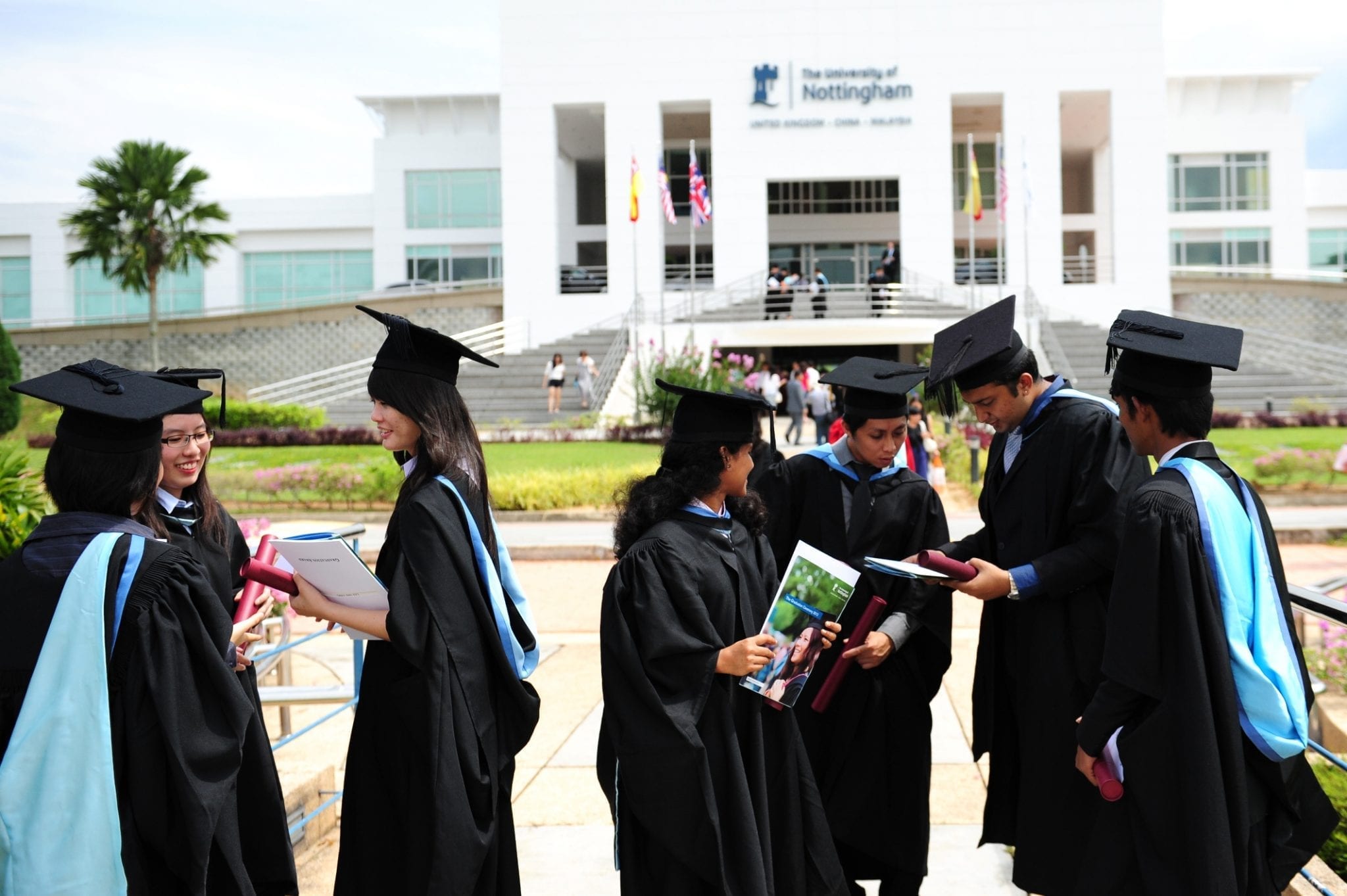
    The University of Nottingham Malaysia Campus (UNMC) has become the first site in APAC to implement a network combining Brocade network switches and Wi-Fi access systems from Ruckus Wireless.

    The new wired and wireless network, deployed under a managed service agreement, provides 2,400 on-campus students with coverage within UNMC’s student hostels.

    “One of our key strategies for competing for the best faculty and students is to provide them with best-in-class facilities, which is why we’ve invested in a complete infrastructure revamp to support our student network services,” said UNMC’s Director of Campus Services Nicholas Ching.

    Established in 2000, UNMC was the first branch of a British university in the country and one of the first to open outside Britain. It has been rated as “excellent” or Tier 5, making it the highest rated international university in Malaysia on a scale of Tier 1-6 by the Malaysian government.

    Ching said a key requirement for UNMC was to provide students with highly reliable Wi-Fi access, offering predictable performance and support for the latest 802.11ac Wi-Fi standard.

    The implementation team carried out a complete site survey across the 11 hostels to ensure seamless wireless coverage without any blind spots. The implementation utilizes Ruckus adaptive antenna technology and automatic interference mitigation, which is designed to deliver consistent, predictable performance at extended ranges, enabling strong wireless coverage in each student dorm room.

    “University students are all digital natives with high expectations about Wi-Fi access quality and a low tolerance for service failure,” said Abdul Aziz Ali, country manager for Malaysia, Brocade. “Accessing high-bandwidth video services, class materials, and social applications is a big part of engaging in campus life.”

    As part of the managed services agreement with UNMC, Brocade partner MYI Technologies will have a resident engineer on site for three years on a 24 by 7 basis. The engineer will also be responsible for supporting the Internet gateway and security components of the university’s student network services.

  • Taiwan’s TBC rolls out new digitized TV platform

    Taiwan’s TBC rolls out new digitized TV platform

    Taiwan Broadband Communications (TBC), a multi-system cable operator in Taiwan, has rolled out a newly digitized platform powered by OpenTV 5.

    NAGRA has been a key partner in TBC’s ongoing digitization efforts providing the operator with both OpenTV 5 advanced set-top box software and system integration services required to support a rapid transition to an all-digital platform and the fulfillment of regulatory requirements.

    As part of this effort, TBC shipped close to one million set-top boxes powered by the OpenTV 5 operating system, marking the largest deployment of OpenTV 5 in Asia.

    “We look forward to continued growth and maximizing customer satisfaction by delivering a new generation of high-quality services to our subscribers,” said Jimmy Chen, TBC’s CEO.

    “We congratulate TBC on their successful transition to an all-digital platform and for reaching a significant milestone in the delivery of advanced digital TV services in Taiwan,” said Jean-Luc Jezouin, SVP for sales in Asia Pacific at NAGRA. “We look forward to supporting TBC as they continue to grow in a very dynamic market.”

    TBC deployed OpenTV 5 with minimal configuration and customization enabling the operator to transition existing services onto a new hybrid TV platform blending both linear and Internet TV services.

    OpenTV 5 is part of NAGRA’s MediaLive Suite, a set of innovative digital television solutions that provides secure, engaging and intuitive user experiences via a back-end that supports an all-screen connected home scenario. TBC selected NAGRA’s OpenTV 5 operating system in 2015.

  • Indonesia has role in tourism development in maritime silk route

    Indonesia has role in tourism development in maritime silk route

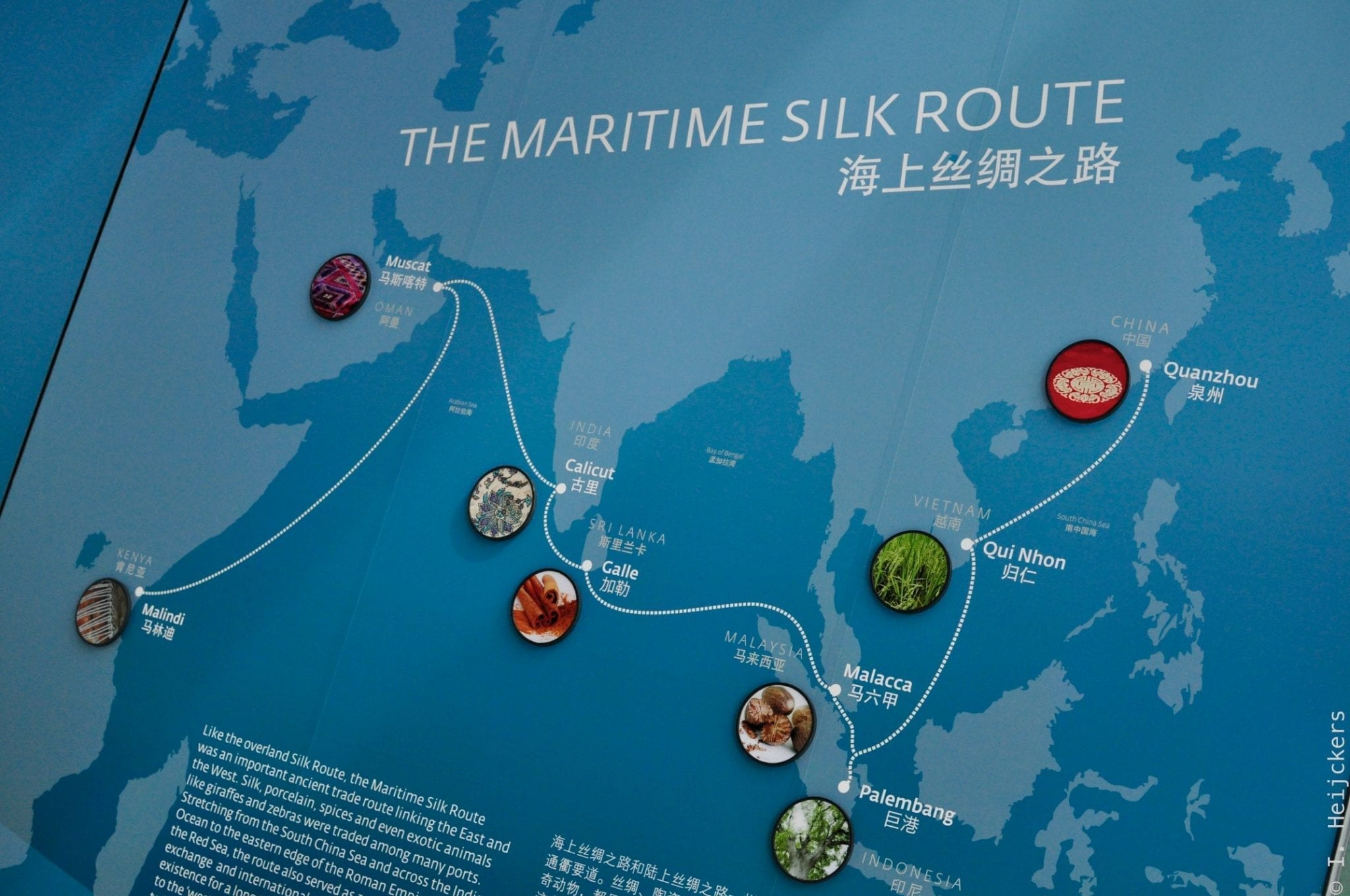
    Indonesia has an important role and can take advantage of tourism development in the maritime silk route of the 21st century in China, according to China National Tourism Administration (CNTA) Information Center Director Cai Jiacheng.

    “Indonesia has its own uniqueness as a global tourist destination, especially for the countries along the maritime silk road of the 21st century in China,” Jiacheng told.

    According to him, Indonesia has a lot of cultural diversity and unique and attractive natural sceneries that can make the country a world tourist destination.

    “However, Indonesia must fix the infrastructure and build good connectivity with a number of other countries, particularly with countries along the maritime silk road,” Jiacheng noted.

    “Indonesia should actually be able to provide maximum services, ranging from easing visas and providing adequate infrastructure, including connectivity, to attract tourists to come to the country,” he added.

    Jiacheng added that Chinese travelers can visit other countries through the ASEAN countries such as Indonesia, Thailand and Singapore.

    “Therefor e, Indonesia has opened the path for China to ASEAN, because of its strategic position to support tourism development in the maritime silk road of the 21st century that can also provide a great advantage for the country,” he said.

    Tourism is playing an increasingly important role in the economic growth of China. Tourism sector accounted for about 10.8 percent of the total growth in Gross Domestic Product (GDP) and 10.2 percent of the national job last year.

    CNTA is targeting 137 million foreign tourists to visit China in 2016, or up to 2.5 percent compared to that of the previous year, while the amount of targeted revenue from foreign tourist arrivals is US $ 121 billion, up by 6.5 percent over the previous year.

    “Therefore, China is serious to work on the tourism sector by using destination packages, connectivity, and the use of information technology for marketing and promotion,” he said, adding that Indonesia can take advantage of the tourism development in the maritime silk road of the 21st century.

  • 70 percent train tickets for Christmas season already sold

    70 percent train tickets for Christmas season already sold

    Seventy percent of the regular train tickets for travel during Christmas and New Year 2017 holidays have been already sold, Bambang Eko Martono, the Director of state railway operator PT Kereta Api Indonesia, said here on Monday.

    “We are targeting 258 million passengers this year,” Bambang Eko Martono stated.

    “PT KAI will offer new additional train tickets that could be ordered on Tuesday (Nov 15) at 12 noon,” he added.

    PT KAI has will make available 13,892 additional train seats during the Christmas and New Year 2017 holiday period.

    “We have made available 212,564 seats per day with 328 regular train trips and 28 additional train trips during Christmas and New Year holidays, about 11 percent more than last year,” he noted.

    The number of passengers travelling by train during the holiday season increased by six percent, from 4.3 million in 2015 to 4.5 million this year.

    PT KAI estimates that revenue during the holiday season could increase up to 10 percent, compared to last years figure for the same period.

  • Indonesia, Singapore agree to develop tourism cooperation

    Indonesia, Singapore agree to develop tourism cooperation

    Indonesia and Singapore agreed to develop cooperation in the tourism sector through the signing of a memorandum of understanding (MoU) in Semarang, Central Java, on Monday.

    Indonesian President Joko Widodo (Jokowi) and Singapore Prime Minister Lee Hsien Loong witnessed the signing of the MoU by Indonesian Minister of Tourism Arief Yahya and Singapore Industry Minister S. Iswaran, representing the Singapore Tourism Board (STB).

    Jokowi, in his statement after the signing of the MoU, said the cooperation will strengthen ties in the tourism sector, including the development of new tourism destinations in Indonesia.

    “We hail the cooperation in the tourism sector that has just been signed,” Jokowi said.

    In the meantime, Minister Arief Yahya said the cooperation, which will be developed, covered three areas. “There are three areas of Indonesian-Singapore cooperation in the tourism sector, namely joint marketing, cruise ships and MICE (Meeting, Incentive, Convention, Exhibition).

    Works that could be done are the development of ports and destinations, the development of human resources, cooperation in the private sector, and exchange of information.

    Yahya said that both countries did no need a long time in the process of reaching the signing of the MoU.

    “This is the fastest signing of MoU that Singapore has ever made,” said Leong Yue Kheong, Assistant Chief Executive of Singapore Tourism Board.

    Since 2010, Singapore has shown its interest to cooperate in the development of cruise ship business, but Indonesia was still calculating the advantages and disadvantages of the cooperation with Singapore.

    It was in the era of Jokowi did Indonesia decide to give priority to cooperation in the tourism sector with Singapore.

    Earlier, Jokowi and Lee Hsien Loong held a bilateral meeting at Perdamaian Guesthouse, Semarang, Central Java.

    Jokowi, who was accompanied by First Lady Iriana Joko Widodo, arrived at the guesthouse at 9.30 am after flying directly from Jakarta. He arrived ahead of the Lees arrival.

    Lee and his wife Ho Ching arrived at the guesthouse at around 9:50 am. He was accompanied by Central Java Ganjar Pranowo to walk into the guesthouse.

    After the welcoming ceremony, Jokowi and Lee directly held a bilateral meeting at the guesthouse.

    As planned, the meeting includes a number of activities, including Indonesia-Singapore “Leaders Retreat Tete-a-Tete,” a bilateral meeting, as well as signing of the MoU on the results of cooperation between the government of Indonesia and Singapore.

    After luncheon, Jokowi and Lee and his entourage are also scheduled to attend the official opening of Kendal Park Industrial Estate By the Bay, which is located in Kendal District, Central Java Province.

    The president and Lee are scheduled to make an observation tour in this area before returning to Semarang.

    The president and the First Lady are scheduled to return to Jakarta at night by the Indonesian Presidential Aircraft-1.

    Coordinating Minister for Maritime Affairs Luhut Binsar Panjaitan, Minister/State Secretary Pratikno, Tourism Minister Arief Yahya, and the Head of Capital Investment Coordinating Board (BKPM) Thomas Lembong accompanied the president during the flight to Semarang.

  • Rimowa wins lawsuit against Korean copycat

    Rimowa wins lawsuit against Korean copycat

    Luggage manufacturer Rimowa has won a lawsuit against the owner of the Holly brand in South Korea.

    A Seoul court has acknowledged that the grooved design is a defining characteristic of Rimowa products so deserves to be protected from imitation.

    Saying the Holly suitcase has a similar grooved design and could be mistaken for a Rimowa product, the court slapped a ban on further distribution or sale of the Holly suitcase to protect consumers from confusion.

    “We couldn’t be happier that the court acknowledged the brand character of our grooved design,” says Rimowa president/CEO Dieter Morszeck.

    Rimowa’s first aluminum suitcase with the signature grooves was produced in Germany in 1950.

  • Chinese tourists visiting Indonesia up 20 percent

    Chinese tourists visiting Indonesia up 20 percent

    The Indonesian Tourism Ministry and the China National Tourism Administration have agreed to check certain tourism operators who are unprofessional and harm tourists interests.

    “We are ready to blacklist such operators since tourism is a service-based business. Managing the tourism business ecosystem with a sense of commitment and professionalism is crucial. What is at stake is to keep the tourism business sustainable,” Indonesian Tourism Minister Arief Yahya said at a meeting with the Chief of the China National Tourism Administration, Lin Jinzao, on the sidelines of the China International Travel Market (CITM) held in Shanghai from November 11 to 13.

    Travel operators and agents who violate commitment made to their customers must be dealt with sternly, he stated, adding that unprofessional tourism operators will have a detrimental impact on the future of the tourism sector.

    The China National Tourism Administration has taken several steps to control such unprofessional elements, including travel agents, as part of the efforts to make tourists feel comfortable while on vacation in China, he noted.

    “First of all, we express our gratitude to China as more and more Chinese tourists visit Indonesia,” he underlined.

    China is now the biggest source of tourist arrivals in Indonesia, overtaking Singapore, Malaysia, Australia, Japan and South Korea.

    “We have set ourselves the target of attracting 20 million tourists in 2019 and nearly 50 percent of them will come from China,” he disclosed.

    In this regard, he underscored the importance of stepping up tourism cooperation with China to achieve the target.

    In addition, he pointed out that his ministry will also focus on promoting the “Great China” branding which covers China, Hong Kong and Taiwan.

    He also invited Chinese investors to invest in the Indonesian tourism industry.

    “We invite Chinese investors engaged in the tourism sector to invest in Indonesia which offers natural and cultural attractions. Now is the time to make long-term investments in the tourism sector,” he observed.

  • Indonesia antsy over WTO’s expected tobacco ruling in 2017

    Indonesia antsy over WTO’s expected tobacco ruling in 2017

    The Indonesian government and tobacco farmers are waiting anxiously for the result of a dispute settlement against Australia’s plain tobacco packaging policy that they expect will come out in 2017, more than three years after the government submitted a request for consultations with the World Trade Organization (WTO).

    The Trade Ministry’s director general for foreign trade negotiations, Iman Pambagyo, said he hoped that the settlement result would be in favor of tobacco-producing countries.

    “We expect WTO panelists to announce the result in the first quarter of 2017. We still think that the policy violates the trade rules,” he said.

    He added that while Indonesia fully supported the objectives of improving public health and protecting the environment, it was the country’s right to defend its economy against regulations that violated international trade rules, disciplines and obligations.

    According to the WTO, on Sept. 20, 2013, Indonesia requested consultations with Australia concerning certain Australian laws and regulations that impose restrictions on trademarks, geographical indications and other plain packaging requirements on tobacco products and packaging.

    The move came nearly a year after Australia became the first country that obliges all cigarettes sold in its jurisdiction to be wrapped in dark brown packaging in December 2012.

    The Australian government found that it was the least attractive color, particularly for young people.

    The policy went into force along with a tax increase to realize the country’s plan to bring down smoking rates from 16.6 percent in 2007 to less than 10 percent in 2018.

    The Australian Bureau of Statistics claims that smoking rates decreased to 12.8 percent a year after the policy took effect, compared to 15.1 percent in 2010.

    Australia’s move has been copied by the UK and France, which regulate that all cigarette packages manufactured for those countries must be in plain form.

    Singapore considered a similar provision last year as well, but dropped the idea after encountering some technical difficulties.

    After Indonesia submitted its consultation request to the WTO, several other countries and blocs requested to join the consultations, namely Brazil, Cuba, Guatemala, Nicaragua and the European Union.

    The Indonesian Tobacco Farmers Association (APTI) told The Jakarta Post that although Australia was not the main buyer of Indonesian tobacco, more countries would apply similar policies.

    “The policy’s provision will decrease our tobacco exports as antitobacco movements have emerged in other countries,” APTI head Wisnu Brata said.

    Djarum, Sampoerna and Gudang Garam are among the companies whose cigarette brands are available in Australia.

    Data from the Industry Ministry show that some 6 million people are involved in tobacco farms and businesses across the country. Many of them are export-oriented, such as in West Nusa Tenggara (NTB), East Java and Central Java.

    The value of tobacco exports reached US$981 billion in 2015 and $1.02 trillion in 2014.

  • Korean wealthy individuals to jointly buy a Homeplus store

    Korean wealthy individuals to jointly buy a Homeplus store

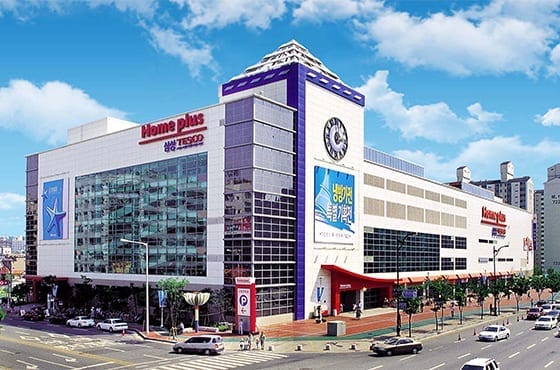
    A group of affluent individuals would come up with 90 billion won ($75.5 million) to jointly own a Homeplus Co. superstore outlet in the suburban city of Pyeongchon, Gyeonggi Province, evidence that retail investors are joining their institutional counterparts in search for alternative investment options amid prolonged low-interest rate environment.

    According to investment industry on Tuesday, Vestas Investment Management Co. was named as a preferred bidder to buy Homeplus’s Pyeongchon branch from Alpha Asset Management Co. The purchase price is expected to reach about 90 billion won.

    homeplus

    Vestas, a Seoul-based investment manager that specializes in real estate investment, will be creating a private equity fund in hands with wealthy retail investors for the takeover deal, raising 30 billion won through the individual investors and borrowing the remainder from financial institutions.

    The investment manager tapped demand from retail investors through preferred client service centers of banks and brokerage houses in affluent neighborhoods in Seoul last week. There are many clients who are seeking medium-risk and medium-return private equity investment products amid low-interest rate environment and they are willing to invest up to billions of wons, said a preferred client service center officer who asked to be unnamed.

    The elite client banking and brokerage service centers are planning to offer the real estate private equity fund from mid-November until the end of this year. The fund limits the number of retail investors to 49, requiring each individual to invest roughly 600 million won in average. Vestas Investment Management expects its real estate private equity fund to become popular among well-to-do retail investors as it carries lower risk compared to securities and delivers higher profits than bonds. This would be one of very few cases in Korea that a small group of rich individuals taking over a large-sized hypermarket by creating a real estate fund, market experts said.

    The Homeplus Pyeongchon branch is in Pyeongchon, a new town located on the southern outskirt of Seoul. The superstore with a total area of 28,582 square meters is four floors high above ground and two floors below. Sitting near a large-sized residential district with easy access to public transportations, the hypermarket outlet has steadily generated profits since it opened in 2008. The retail outlet is attached to a 12-year lease contract with household name Homeplus and it expects to deliver profits with annual return rate of between 5 and 6 percent.

  • Indonesia eyes electricity exports to neighboring countries

    Indonesia eyes electricity exports to neighboring countries

    Indonesia plans to sell electricity to Malaysia, Thailand and Singapore as the government is targeting greater profitability from several coal mine-mouth power plants that are anticipated to soon be completed in Sumatra.

    National Development Planning Board (Bappenas) head Bambang Brodjonegoro said the plan was feasible as the power plants would have excess capacity.

    “We can sell the electricity abroad via underwater cables,” the former finance minister said during the ASEAN G2B Infrastructure Investment Forum in Jakarta on Tuesday.

    Bambang said electricity demands were huge in peninsular Malaysia and southern Thailand, where Indonesia could meet those demands at competitive prices.

    “As long as Sumatra’s electricity needs are fulfilled, we can export the excess capacity,” he added.

    President Joko “Jokowi” Widodo’s administration is targeting to complete its ongoing 35,000 megawatt (MW) electricity procurement program by 2019. Of the target, 7,800 MW will be supplied from mine-mouth power plants.