Retail News Asia is committed to providing both local and global retailers with the latest Living news throughout the Asian market. This on a daily base.
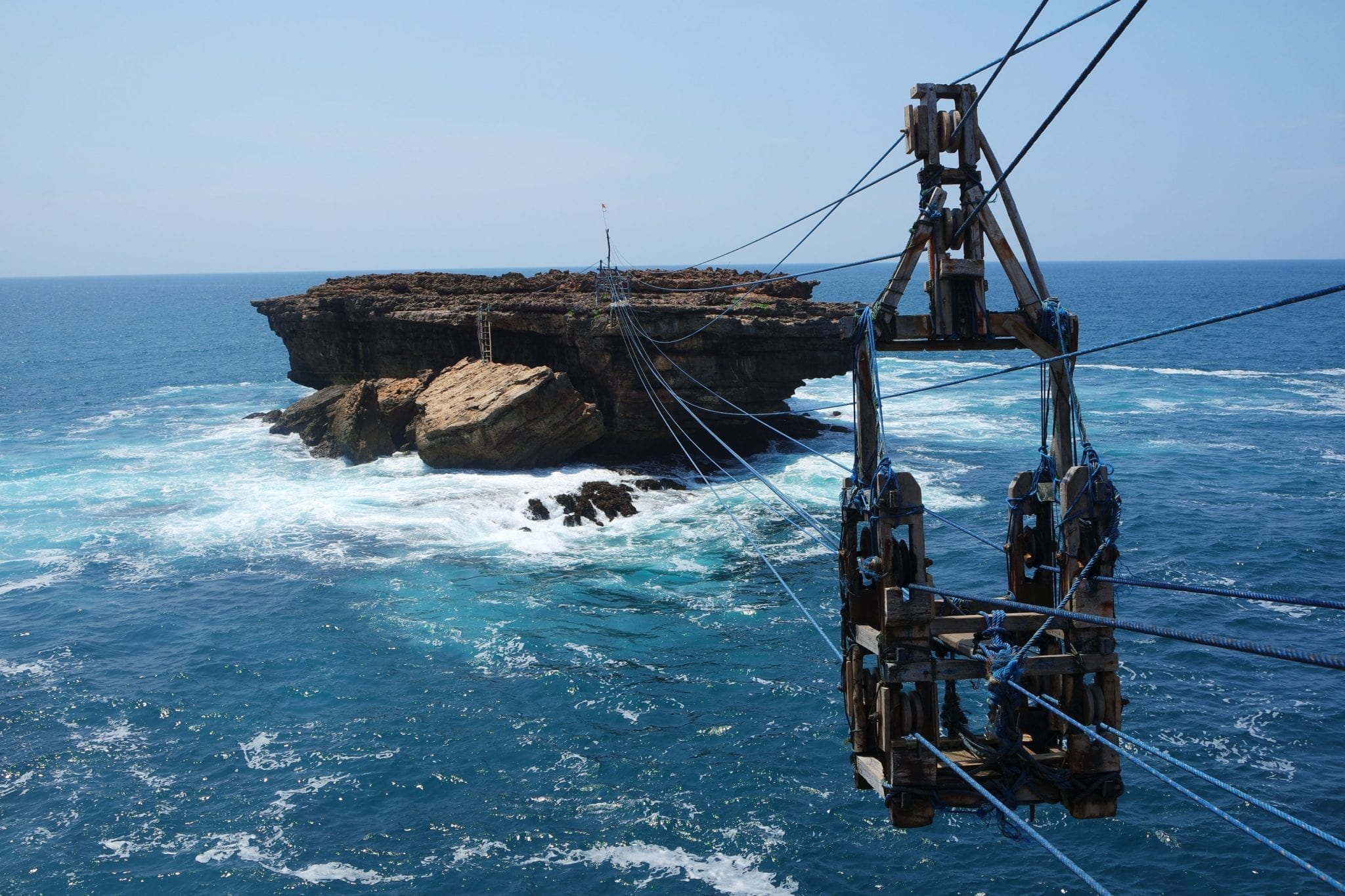
Around 250 thousand tourists visited numerous tourist attractions in Gunung Kidul District, Yogyakarta, in a week during the 2016 Lebaran holidays, according to local Culture and Tourism Office spokesman Hary Sukmono.
“Based on reports received from several tourist attractions, the total revenue generated from 250 thousand tourists visiting the areas amounted to Rp1.57 billion,” Sukmono remarked here on Tuesday.
However, the spokesman acknowledged that the number of tourists visiting Gunung Kidul during the Lebaran holidays in 2016 had dropped slightly from 362 thousand during the same period in 2015.
Sukmono explained that until the end of December 2015, more than 2.6 million domestic and foreign tourists had visited all tourist attractions in Gunung Kidul District.
He said the number of tourists visiting Gunung Kiduls tourist attractions last year had exceeded 2.6 million, with the total local revenue reaching Rp20.9 billion.
The target of tourist arrivals in Gunung Kidul District in 2016 is set to be more than 2.6 million people, and the local culture and tourism office will continue to innovate to welcome tourists who will visit the district, he noted.
The Gunung Kidul local government in Yogyakarta is making efforts to promote and develop the districts tourist spots under the framework of its tourism investment development mission, according to regional development planning board spokesman Syarief Armunanto.
“The tourism investment development mission will focus on natural tourism, village tourism, cultural tourism, and special-interest tourism,” he remarked here some time ago.
Gunung Kidul has several natural tourist attractions, such as the Ngrancah waterfall in Ngleri Village, along with the pristine beaches of Gesing, Ngrenehan, Ngobaran, and Baron, in addition to Krakal, Sunduk, Watu Lawang, Drini, and Sepanjang.
“In 2016, we are going to build and renovate various supporting infrastructure facilities, such as souvenir shops and restaurants,” Syarief said, adding that the district had several interesting tourism villages.
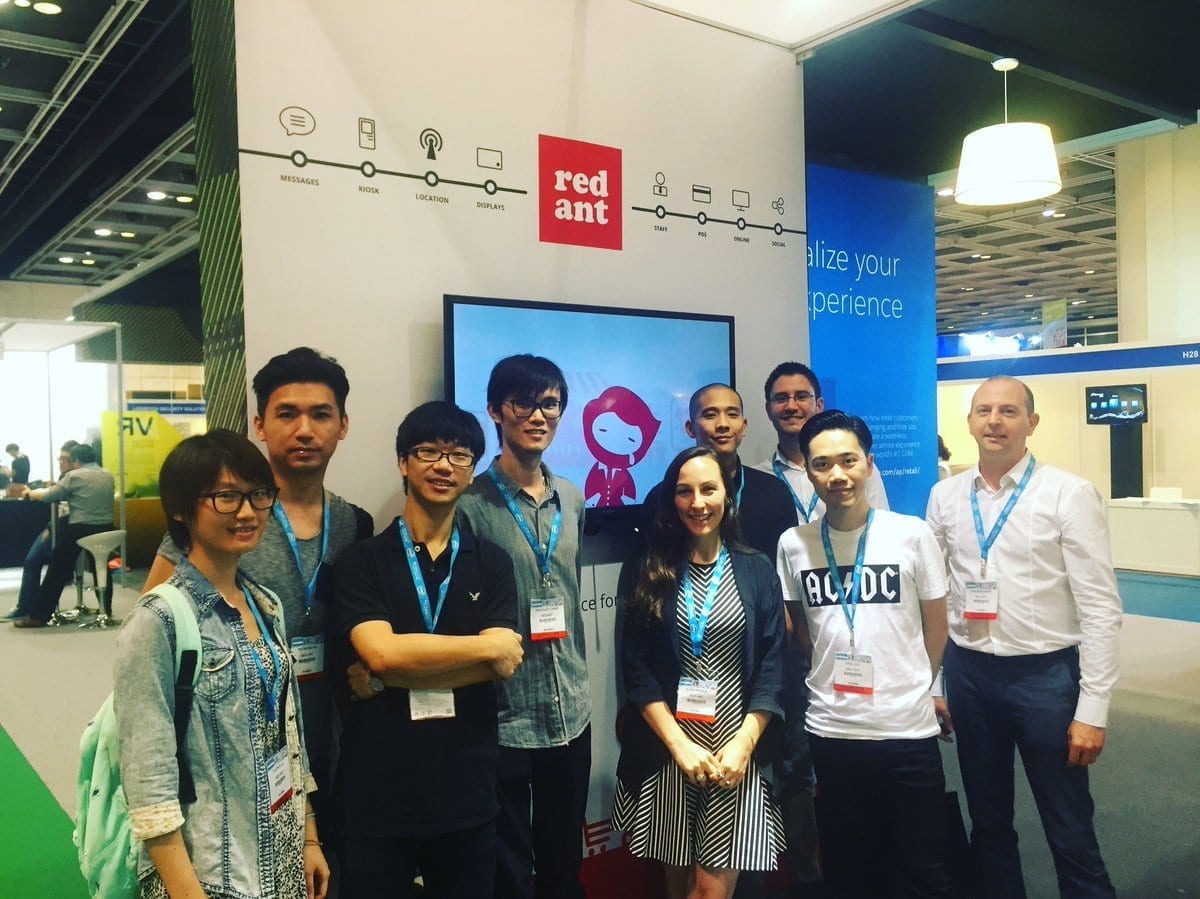
Visitors to the recent Retail Asia Expo in Hong Kong found themselves taking part in a unique experience – chatting to Antony, an AI bot fluent in English, Cantonese and Mandarin and eager to help them find their way around the expo.
Built by connected retail technology specialist Red Ant, Antony was developed as a proof of concept AI and speech recognition platform. Attendees interacted with him as a virtual concierge, getting details about food and beverage options, key locations within the expo and background information on Red Ant.
Antony was created by using a speech to text API for the input – voice commands are sent to an AI platform where they are processed – and output generated using a text-to-speech API. Users simply walked up to his terminal and were prompted to greet him. Then, through a series of guided questions, Antony was able to give information about the venue and catering arrangements.
He proved very popular among the visitors, generating enquiries from a number of representatives from malls, office blocks, transport hubs and hotels.
Jonathan Cummings, Managing Director of global creative agency StartJG, said: ‘It was brilliant to have Antony and his Red Ant colleagues be part of our Interact Zone at the Expo. We curated the space to demonstrate the best and most innovative things happening in retail right now and Antony was a huge hit with visitors. We hope to see much more of Antony and bots just like him in the future.’
Elisa Harca, Red Ant’s Regional Director for Asia, said: ‘The Retail Asia Expo attracts more than 10,000 visitors from 60 countries – it was the ideal arena for showcasing Antony and what he can do. The right technology in the right place is key to ensuring customers have a first-class experience, and Antony demonstrates just how innovative and engaging the latest tech can be.’
Netflix has entered into a partnership with Globe Telecom, to provide access to viewers the Philippine telco’s mobile or broadband service.
Globe customers will be able to subscribe to Netflix through Globe, and enjoy its content anytime, anywhere, on nearly any internet-connect screen, while conveniently charging the monthly subscription to their Globe mobile or broadband accounts.
“The Filipino’s swift adaption to the digital lifestyle and our shift to smartphones also changed the way we enjoy entertainment,” said Globe chief commercial officer Albert de Larrazabal.
“Our partnership with Netflix gives us this extensive library that will allow us to give our customers their much-awaited TV and movie titles whether they are at home or on-the-go,” said Larrazabal.
Tony Zameczkowski, Netflix VP of business development in Asia Pacific, said Netflix content is now available to over 81 million members in 190 countries.
“Our partnership with Globe brings us closer to consumers who love entertainment and enables us to connect even more Filipinos to our top-quality Netflix original shows and movies like Marvel’s Daredevil, Orange is The New Black, Narcos and many more,” said Zameczkowski.
Netflix will also soon be available to customers on Globe’s new customized Broadband plans. Customers can now mix and match their preferred internet speeds that can be bundled with access to content and entertainment devices ranging from smart HD TVs, speakers, streaming devices, gaming consoles and even security cameras.
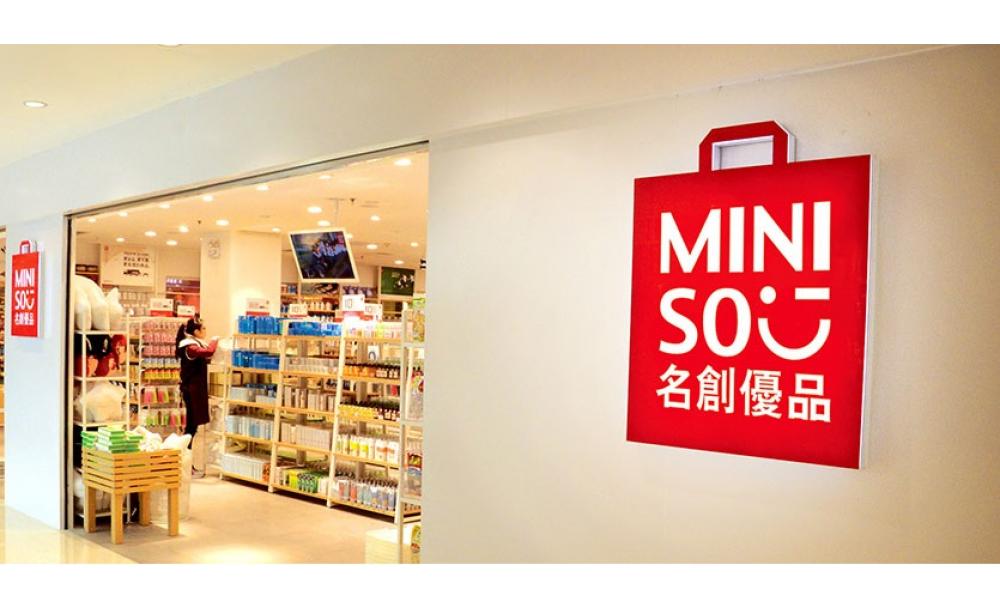
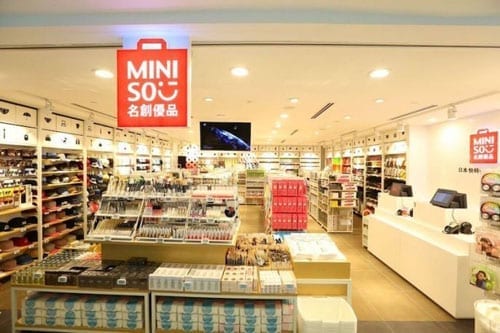
Miniso, a Japanese lifestyle and fast fashion brand that sells merchandise such as homeware, bags and electronics at low prices, will be in Vietnam through a franchise deal inked with Vietnamese group Le Bao Minh.
Le Thi Ngoc Hai – Chairwoman of Le Bao Minh Group – said the two sides signed the franchise deal in April 2016. “In August, we will open the first three stores in Hanoi and the number will double after a month. At the end of this year we will have 13 stores in Hanoi, Ho Chi Minh City, Da Nang, Vinh, Can Tho and Hai Phong,” she said.
Le Bao Minh is the exclusive distributor of Canon brand in Vietnam.
Explaining the group’s expansion into the retail sector, Hai said this plan has been implemented for three years.
“We set up a team of experts to find opportunities for cooperation from world-renowned brands. When learning about Miniso, we find its appropriate to Vietnamese people. This Japanese brand has been very successful in Korea, Malaysia, China, the Philippines, and Thailand,” Hai said.
Hai said with its own characteristics, Miniso will not directly compete with other retail brands in Vietnam. The targeted customers of Miniso are young people. This will be a new retail model in Vietnam.
This group aims to open 200 shops in almost all provinces in Vietnam, creating stable jobs for about 5,000 workers in the next 5 years.
Miniso was founded in Japan in September 2013 by Miyake Jyunya and his Chinese partner and president of the company, Ye Guo Fu. They opened Miniso’s China office in Guangzhou the following month.
Mr Jyunya leads a design team of about 30 in Japan, while the brand and business development team is based with Mr Ye in Guangzhou.
The company’s first priority is to globalize the brand as they see greater business potential in other countries.
To date, there are more than 1,110 stores in China, 25 in Hong Kong and four each in Macau and Japan. The Dubai store is currently under construction and the company will be expanding to countries such as Vietnam, Malaysia, South Korea, the United States and Italy.
The company has increased its revenue five-fold in the past three years and reported a revenue of US$1 billion last year.
GEM, the joint venture entertainment channel between Sony Pictures Television (SPT) Networks and Nippon Television Network (Nippon TV), is expanding into new Asian markets.
The channel will launch in Indonesia, the Philippines and Singapore, making it available to viewers on over 10 pay-TV platforms across six markets in Asia.
From August 1, it will roll out on Indovision, MyRepublic, Nexmedia, Skynindo and Transvision in Indonesia, ACCION’s distribution network of provincial cable affiliates in the Philippines, and Singtel TV in Singapore.
GEM is already available on PPCTV in Cambodia, nowTV in Hong Kong and TrueVisions in Thailand.
Since its launch in 2015, GEM has carved a niche in the premium Asian entertainment space offering first-run and exclusive dramas, comedies and variety entertainment shows from Japan and other northeast Asian markets.
“We’re focused on taking GEM beyond the screen and into the lives of fans across the region via talent tours, local filming and fan meets. Our new series, ‘We are Asia – Dean Fujioka & Friends,’ marks the first original series for GEM, and will pave the way for more localized content in the future,” said Ang Hui Keng, SVP and GM of Sony Pictures Television Networks in Asia.
In addition to the channel’s first original production, viewers can look forward to Nippon TV’s “The Music Day 2016 – Beginning of Summer”, which brings together Japan’s top artists in a festival that celebrates the very best of J-pop.
Reckitt Benckiser is aiming to expand its presence in Indonesia’s consumer market as the British multinational company plans to introduce several new brands.
“We’re looking for an aggressive product and portfolio expansion. We’ll continue to work on building brands, entering new categories. The products will come in the near future,” Reckitt Benckiser Indonesia president director Ratanjit Das said during a recent interview.
Das, however, declined to provide details regarding the brands or their expected launch schedule. The new brands will add to its list of 20 brands already being marketed in Indonesia, such as Durex condoms, Dettol antiseptic, Vanish stain remover and Strepsils throat lozenges.
To deepen its presence, the company will meet head-to-head with its major competitors, namely Anglo-Dutch Unilever, American SC Johnson and Son and Japan’s Kao.
Das said he was confident in the Indonesian market, citing the country’s relatively higher disposable income on the back of falling inflation and greater media use.
“Consumers are becoming more and more aware of household products through the media. Therefore they’re ready to spend and more willing to experiment. So in the future, I would say it will be good for the FMCG [Fast Moving Consumer Goods] business, as well as for us,” he said.
Data from the World Bank show that Indonesia’s GDP per capita rose significantly in the 2004-2014 period. GDP per capita stood at US$3,491.9 in 2014, an increase of more than three times from $1,150.3 in 2004.
The Boston Consulting Group has also projected that 8 to 9 million people are expected to enter the middle-income bracket every year in Indonesia, until the total reaches 141 million in 2020.
According to Reckitt Benckiser, the use of digital media has increased, especially social media like YouTube, and has helped the company advertise its products. At present, it primarily uses digital media to advertise its Durex products due to existing restrictions on condom advertising on television.
Despite the company’s growing preference for digital media, offline activities still dominate Reckitt Benckiser’s marketing activities. For instance, it partners with the Health Ministry and the Indonesia Doctors Association (IDI) in its Healthy Life Mission campaign to introduce Dettol antiseptic at community centers.
The company currently operates two factories in Cileungsi, West Java, and Semarang, Central Java.
In terms of costs, Das said the exchange rate remained one of its biggest business challenges as many products were still imported. High logistics costs amid a lack of proper infrastructure are also two items of concern.
No specific financial details are available regarding the company’s operations in Indonesia. However, its latest financial report reveals that 31 percent of its £719 million ($956.68 million) revenues in the first quarter of 2016 were generated from developing markets, including Indonesia.
Indonesia has been ranked second in the list of “Top 20 Destinations for Muslim Travelers in Ramadan 2016,” in the Mastercard-Crescent Rating Ramadan Travel Report.
The deputy for overseas tourism marketing of the Ministry of Tourism, I Gde Pitana on Monday hailed the achievement which showed that Indonesia has become a more favorite destination for Muslim travelers.
In the survey carried out by CrescentRating, Malaysia was ranked first.
The survey was carried out to know the 20 favorite destinations for travelers during the 2016 Ramadhan holiday.
The ten top destinations for Muslim travelers, according to the survey, are Malaysia, Indonesia, Singapore, Turkey, Brunei Darussalam, South Africa, Maldives, United Arab Emirates, Iran and Oman.
Pitana said in the past few years, a number of countries have focused on Muslim majority markets and have thus become his offices focus of attention with regard to tapping their potential to boost foreign visitors to Indonesia.
With the recognition, he said, it is hoped Indonesia will be better known among Muslim travelers across the world.
“This is a potential segment that, we hope, will contribute much to achieving the target of foreign tourist arrivals this year,” he said.
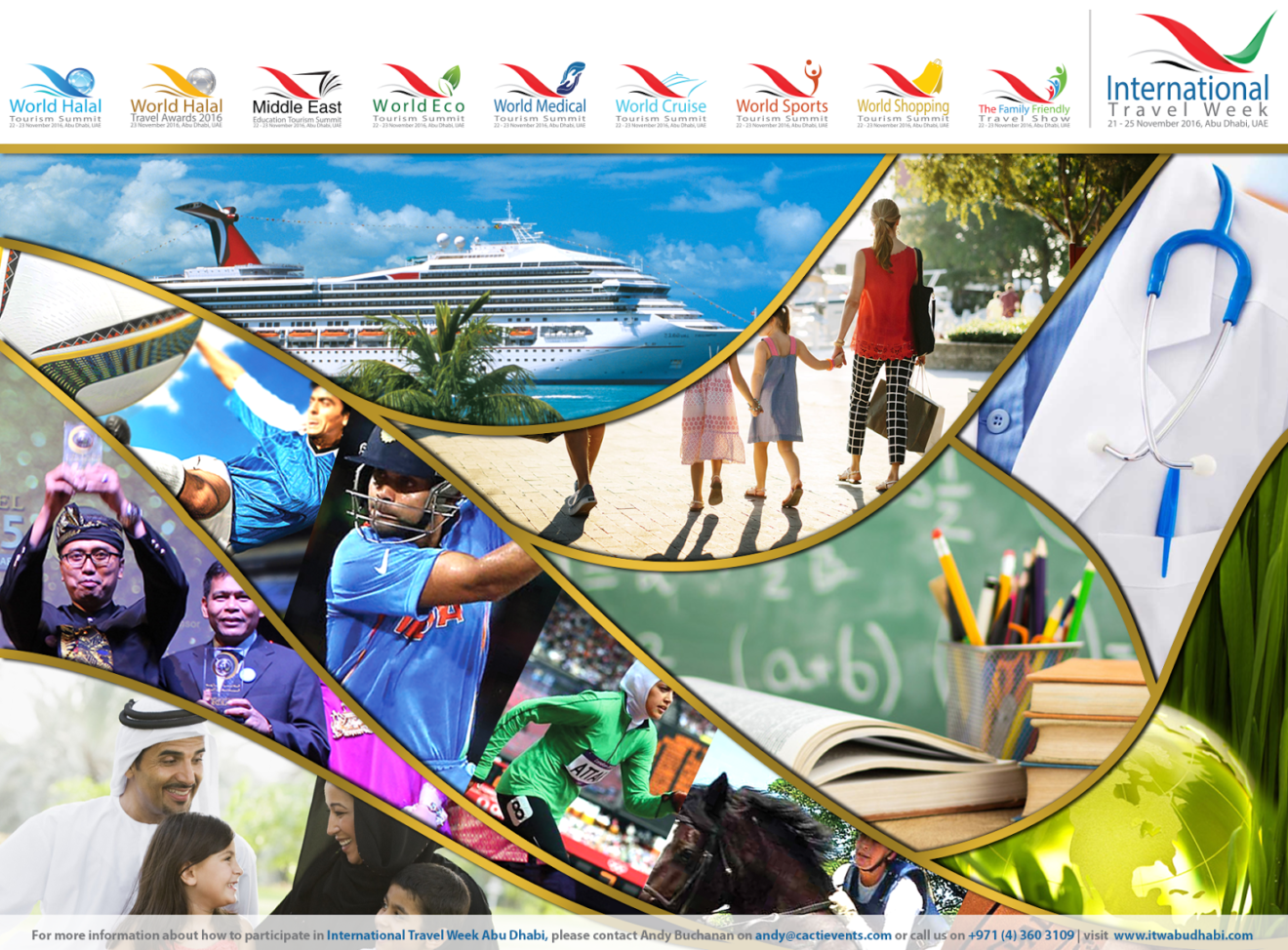
Abu Dhabi will be hosting International Travel Week (ITW Abu Dhabi), a co-location of synergistic travel events each focused on the fastest growing global tourism source market sectors, in November this year.
Taking place from November 21 to 25 at Abu Dhabi National Exhibition Center, ITW-Abu Dhabi will aim to deliver a comprehensive programme which will combine targeted meetings with first-class networking opportunities, inspiring knowledge-bound seminars and innovative experiences, culminating in a glittering gala awards evening to celebrate outstanding achievements across the international halal tourism landscape.
Commenting on the strategic partnership with the host destination, Andy Buchanan, executive organising committee director said: “We are thrilled to bring ITW Abu Dhabi to the culturally-rich and trailblazing city of Abu Dhabi. Against this remarkable backdrop, participants will have the opportunity to discover, connect and be enriched, which in turn will assist them in defining and driving the future of their own business.”
Indonesia Ministry of Tourism are delighted to be the official Headline Sponsor for the ITW Abu Dhabi 2016, and commented: “Indonesia participates again in 2016 but this time bigger than 2015 as we want to bring more sales.” As a major sponsor of the summit, Indonesia Ministry of Tourism expects to welcome key international delegations, investors, tourism associations and market-leading specialists to the summit.
Evolutionary progression
ITW-Abu Dhabi is a progressive and evolutionary event which has developed from last year’s World Halal Travel Summit. The 2015 edition enjoyed unprecedented success, where the summit yielded impressive results, generating more than $18.4 million worth of business on the show floor, and a further $73.5 million stemming from opportunities directly created at the event.
With more than 6,000 travel professionals expected to participate in this year’s ITW-Abu Dhabi, this transformative five-day event is hotly-anticipated to be the premium platform for the global halal travel, medical and shopping tourism industry.
With a dedicated commitment to the fiercely and hugely influential fast-growing travel sectors, ITW-Abu Dhabi will continue to shine the spotlight on the exceptional halal, medical and shopping-relevant opportunities available worldwide at this year’s event, with major influencers bringing their insight and knowledge to the seminar stage.
Expansion of ‘ITW-Abu Dhabi’
Hot on the heels of 2015’s World Halal Travel Summit success, and in response to growing demand for a platform for discussion and recognition on halal, medical and shopping tourism segments, ITW-Abu Dhabi will this year open up a Ministerial Forum, a high level debate of ministers and key stakeholders on Intra OIC (Organisation of Islamic Co-operation), medical and shopping tourism and the real world challenges of implementation. ITW-Abu Dhabi will also host the second World Halal Travel Awards, a glittering event to recognize outstanding products and service within the halal tourism sector. The winners of the 2016 World Halal Travel Awards will be announced at a gala event in Abu Dhabi on 22nd November 2016. The awards ceremony forms a crucial element of the summit which is the largest gathering of global executives operating in the family friendly travel sector. For the first time, ITW-Abu Dhabi will also introduce ‘The Family Vacation Show’ wherein exhibitors will have a chance to interact with consumers face-to-face. The event will be information packed and created to directly sell and introduce offers, packages and promotions to qualified consumer travel audience.
Results-driven
According to Buchanan, the expanded 2016 edition is expected to be a boon for all involved: “ITW-Abu Dhabi was established with a clear objective of providing opportunities to explore and maximise on the latest trends and offerings within the fastest growing travel segments namely halal, medical and shopping tourism. In a concerted effort to distinguish itself on the halal, medical and shopping travel industry event landscape, ITW Abu Dhabi aims to deliver an elevated business-to-business platform that is innovative, inspiring, and result-driven, with the structured five-day programme including elements such as knowledge-sharing seminars, show floor meetings, exceptional networking experiences and a dazzling awards evening. I expect the 2016 edition to be a windfall for those organisations and individuals that exhibit and participate.”
Confirmed participation for the ITW-Abu Dhabi 2016, stretching across multiple spectrums, hails from a diverse spread of key players including Accor Hotels, Bangladesh Tourism Board, Dinar Standard, Etihad Airways, HCA Healthcare, Holiday Bosnia, and Jannah Hotels, among others.
It’s a good time to be looking for a job in the Philippines. According to the latest Monster Employment Index (MEI) data for May 2016, online hiring activity has registered positive growth for the first time ever this year.
Overall recruitment activity has increased 11% between May 2015 and May 2016. This is a 14% improvement from the previously reported -3% decline year-on-year for April.
Tracked by employment website Monster.com, the MEI Philippines is a gauge of online job posting activity, recording the industries and occupations that show the highest and lowest growth in recruitment activity locally.
The Retail sector reported a whopping 106% year-over-year growth in online hiring activity – the steepest growth registered of the industries monitored by the MEI. This is up from 49% year-over-year reported in April.
The Production/Manufacturing, Automotive and Ancillary sector continued to register the sharpest year-over-year decline at -34% in May. This is an improvement from -56% registered between April 2015 and 2016.
Across occupational groups, HR & Admin roles took the lead in the growth of hiring activities at 39% year-over-year. This is huge 34% improvement from the 5% registered in April.
Online hiring in Hospitality & Travel roles remained the weakest, registering -55% year-over-year decline.
“A recent survey by the Philippine Statistics Authority (PSA) revealed strong employment among Filipinos. Preliminary reports have also shown that local unemployment stands at around 6.1% in April 2016, down 0.3% from April 2015. As Philippines continue to position itself as one of Asia’s growth areas, foreign investments are likely to continue to pour into the country to spur growth and hiring,” said Sanjay Modi, Managing Director, Monster.com – APAC and Middle East.
“The Philippines’ retail sector continues to exhibit strong growth partly due to increased consumer spending power, fuelled by increasing income in the BPO sectors. It was recently reported that the hospitality sector had contributed P1.39 trillion to the Philippines economy, despite slower recruitment across these roles. This has likely resulted from the slower turnover within the sector after its hiring spree last May, which worked out well for the sector. Until the need arises, employers are in no hurry to add to their headcount.”
The Monster Employment Index Philippines is a monthly gauge of online job posting activity, based on a real-time review of millions of employer job opportunities culled from a large representative selection of career websites and online job listings across Philippines. The Index does not reflect the trend of any one advertiser or source, but is an aggregate measure of the change in job listings across the industry.
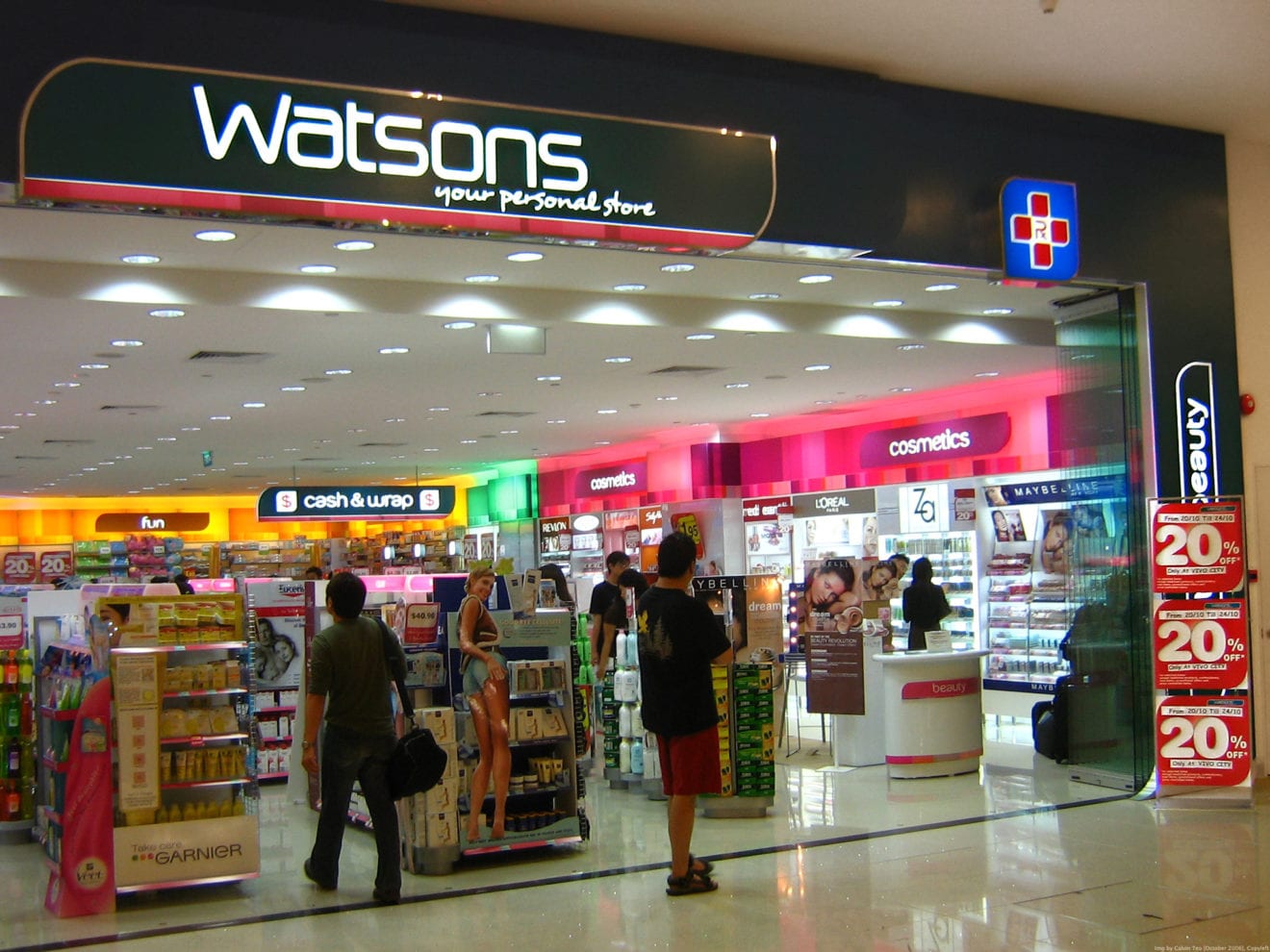
Watson Indonesia plans to open up to 20 new stores this year.
Duta Intidaya, the local Watson’s rights-holder since 2006, will use about 65 per cent of the US$6.49 million raised in its recent IPO to fund the new stores, with the balance of the cash going to repay bank debt.
While there are more than 100 Watson stores in Singapore and more than 400 in the Philippines, the brand is under-represented in Indonesia, where to date just 47 have opened.
Duta Intidaya says the new stores will open predominantly in shopping malls, with one high street store planned for tourist resort Bali. Three new stores have already started trading in Jakarta this year.
Hong Kong-based AS Watson is keen to see the brand catch up its rivals by store network numbers: Century has more than 200 stores and rival Hong Kong chain Guardian has more than 100.
“We are still small, so we need more funds to expand and the IPO is the most proper decision at this time. We want to build a stronger brand,” Duta Intidaya director Sukarnen Suwanto told a press conference.
Duta Intidaya plans to continue growing at a rate of 15 to 20 stores annually, and will launch online in 2017.
Itron, a world-leading technology and services company dedicated to the resourceful use of energy and water, announced today that PT Mecoindo, a joint venture between Itron and a local partner, signed a contract with PT PLN (Persero), a state-owned utility company in Jakarta, Indonesia, to deploy 635,000 Itron smart payment meters. With this Itron solution, PT PLN will provide end-customers with a convenient, cost-effective way to prepay for electricity; thus improving electrification for Southeast Asia residents. Installation is expected to be complete by the end of 2016.
Itron’s smart payment technology is designed to help utilities implement revenue protection measures as well as empower consumers to manage their electricity usage according to their budget and needs. Consumers have insight into how much money they have spent in a given period and how much they have left, reducing the likelihood of an untimely shut-off. In addition to these consumer-focused benefits, utility companies realize business value by simplifying utility customer service, lowering operational costs and reducing delinquent account risks, while improving cash flow.
“We believe Itron’s products are the highest quality in the industry and the best fit for our electrification program,” said Septa Hamid, general manager of supply chain management at PT PLN (Persero). “Our goal is to provide convenient and affordable electricity services to more people in Indonesia, and with Itron’s smart payment solution, we are making that goal a reality.”
“We are pleased Itron’s smart payment solution was selected by PT PLN. Itron’s technology will help PT PLN achieve its electrification goals and bring a greater understanding of energy use and costs for consumers,” said George Daenuwy, PT Mecoindo president director. “We look forward to contributing to this program, which truly demonstrates how we are helping utilities better manage resources for a more resourceful world.”
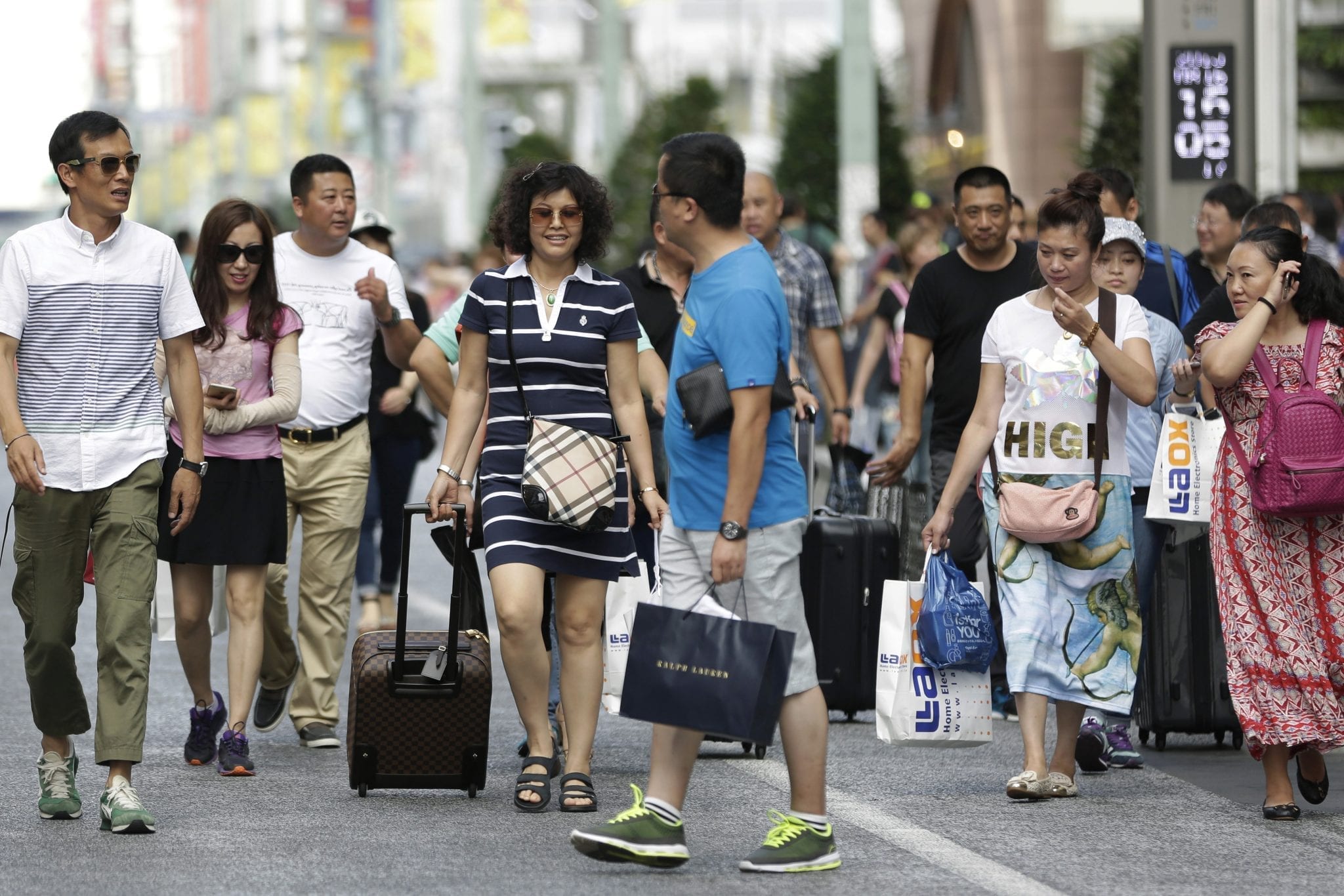
Myths about the behaviour and spending patterns of Chinese tourists abroad have been debunked by a new report.
A study by Oliver Wyman seeks to dispel common misconceptions about outbound Chinese travelers, illustrating how global destinations can sharpen their appeal to meet their changing needs and expectations.
“The Changing Face of the Chinese Traveller” may help global travel destinations, such as Hong Kong, sharpen their appeal to meet travellers’ changing expectations, explains Hunter Williams, Oliver Wyman partner and author of the report.
Myths discussed include “They go abroad only to shop,” “They spend indiscriminately,” “They are always in groups”, “Independent travelers are quickly replacing groups,” and “Chinese travelers are more trouble than they are worth.”
Myth 1: “They go abroad only to shop”.
Not true. While nearly 100 per cent of travellers shopped during their trip, fewer than 15 per cent of Chinese travellers surveyed cited shopping as the main reason for their trip, in contrast to 63 per cent who specified sightseeing as their top motivation. This impacts the ways in which destinations around the world appeal to this audience.
“In Hong Kong, where slowing growth in Chinese travellers and their spending has seen retail sales fall 12.5 per cent in the first quarter of 2016, the city will need to become less dependent on shopping by Mainland Chinese visitors and encourage spending on other activities,” said Williams. “Indeed the study reveals that Korea, now the most popular destination for Chinese travellers, is now the destination where shopping is the primary motivation for travel.
Myth 2: “They spend indiscriminately”.
Not entirely true. Relatively speaking, Chinese travellers do spend large sums while abroad. On average, they spend around US$3000 per person, roughly the equivalent of a month’s household income. It is also true that they spend a lot on shopping – approximately US$1200 – which may have helped to fuel the misconception that they spend indiscriminately. However, only around half of the spending is on themselves. More than 32 per cent is to purchase gifts for others, and 19 per cent is for resale back home.
“Chinese travellers have sophisticated needs, so retailers need a segmented approach that emphasises unique value – it’s no longer enough to offer a blanket approach.”
Myths 3 & 4: “They are always in groups” or “Independent travelers are quickly replacing groups”.
Not true. Both the number of tour-group travellers and the number of independent travellers are on the rise, showing both individuals and groups will continue to be important traveller segments for some time to come. Independent travellers are not replacing group travellers, but are complementing them.
“For example, Hong Kong and Macau rank close to the top for the percentage of independent trips, while Taiwan ranks close to the bottom,” says Williams. “At the same time, over the past few years group travellers have actually accounted for a larger share of all travellers dispelling the misconception that groups are gradually being replaced by individual travel.
“However, The Chinese travellers surveyed considered tour operators to be the single least useful source of information, showing tour operator relationships are no longer enough.”
Myth 5: “Chinese travelers are more trouble than they are worth”.
Not true. As a result of cultural misunderstandings, Chinese tourists can often be misjudged. For example, there is no tipping culture in China and it is often socially acceptable to eat food on public transport. Explaining service charges upfront and the proper usage of facilities can reduce miscommunication. Similarly, rules, and penalties for breaking them (such as cleaning fees for smoking in non-smoking rooms), should be clearly communicated. Open two-way communication is the surest way to avoid misunderstanding, says Williams.
“Today there is no such thing as the archetypal Chinese traveller as this group is complex and multi-faceted. If consumer facing businesses make broad generalisations and buy into the misconceptions, they will miss key opportunities. Businesses need a cohesive Chinese traveller strategy, where the realities of each region and destination must be considered separately.”
Further findings
The report, conducted among 1750 Chinese people who had travelled abroad in the past year, also revealed key travel habits. In retail, duty free captures more than one third of total shopping spend. Cosmetics are the most commonly purchased category, followed by alcohol. However, department stores and shopping malls are the most frequently visited channel. They still receive nearly one third of spend, with clothes, food and souvenirs being the most purchased categories.
Hong Kong has tended to be the default first destination for Chinese travellers with watches and jewellery their most popular shopping category by some distance, with Sogo, Aeon and The Landmark being amongst the most popular retail players.
With offices in 50+ cities across 26 countries, Oliver Wyman is a global leader in management consulting that combines deep industry knowledge with specialised expertise in strategy, operations, risk management, and organisation transformation. Oliver Wyman is a wholly owned subsidiary of Marsh & McLennan.
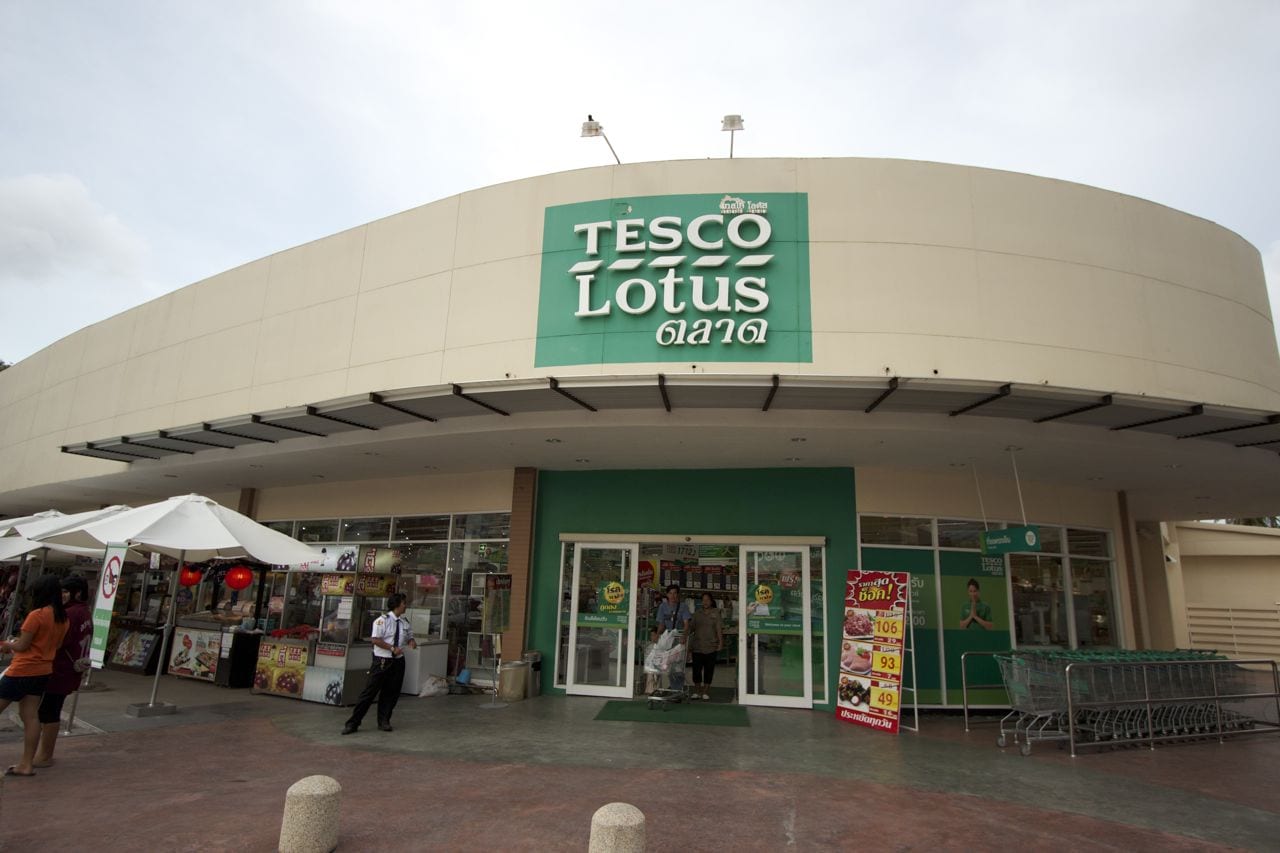
Tesco Thailand aims to double its online shopping sales annually for the next three to five years.
Local digital and online business director for the UK-owned Tesco Lotus business, Wanna Swuddigul, told The Nation newspaper Thai shoppers are looking for instant access to product information and to be able to buy while they browse. The company’s eCommerce site is especially popular in Bangkok and larger Thai regional cities. More than three in four shoppers are female.
“The largest age groups are 25-44 years old. Most online customers are mid- to up-market customers,”Swuddigul said.
“As demand tends to come from customers living in urban areas, Tesco Lotus has recently introduced a new delivery service at lockers located at 48 condominiums along the BTS and MRT lines, in prime residential neighbourhoods such as Sukhumvit, Sathorn, Ratchada, Phayathai and Phaholyothin,” she said.
Tesco Lotus launched an online store in 2012, claiming to be the first major Thai retailer to do so.
Besides its own store, Tesco Lotus offers more than 9000 items on the Lazada online mall.
Tesco Lotus uses big data to carefully monitor changing customer preferences for products and service expectations so as to constantly update the range online.
“By constantly listening to what our customers want and need, we innovate services and solutions that address their pain points,” she told The Nation.
“We aim at least to double the growth of our online sales and order numbers every year, as we have done since the launch of our online business in 2012.”
The best-selling categories online are cold beverages, household chemicals and cooking needs, such as seasonings.
Generali Life Assurance is forging ahead with plans to tap the country’s growing middle class in what until now has been an under-explored market for wealth management products generally, and especially insurance solutions.
With most high net worth (HNW) investors preferring to park money in US dollar or Euro-denominated products, wealth management may seem to be a non-starter in the Thai economy.
But being largely unexplored, Thailand, where the country’s financial system had been fortified and the local business sectors gained much more sustainable strengths after the infamous Asian meltdown of the 1980s, offers attractive opportunities for wealth managers, say local players.
According to Bundit Jiamanukoonkit, country manager and chief executive officer, Generali Life Assurance (Thailand) Plc, the country is witnessing traction in the demand for local products – both in the asset management and insurance segments.
And although the demand for traditional insurance products currently dominates the sector, a growing middle class is helping the market for wealth management-type solutions get bigger.
“I think it’s under-explored,” says Jiamanukoonkit, commenting on the growth opportunity for wealth management in Thailand.
He adds that over the last 10 years, with an increasing number of Thais turning “middle upper class”, the wealth management sector has started coming of age as well.
Competing
The motivating factors, according to Generali, are the same as elsewhere in the region, in terms of children’s education, retirement planning and ensuring social security.
“People want to have available funds to meet their medical needs, and for some in the affluent segment, even planning succession and passing on wealth,” explains Samdarshi Sumit, chief retail officer, Generali Life Assurance (Thailand) Plc.
And according to Jiamanukoonkit, an interesting feature of the competitive landscape in Thailand is that there is no-one who really dominates the HNW market for life insurance.
New channels
Consequently, Generali – with its rich experience dealing with all type of customers including HNW individuals in Europe – has crafted an exclusive tie-up in Thailand with the Kiatnakin Phatra financial group, a local banking group and a significant wealth management player.
This opens up access to a huge client-base with products that clients want.
“We have a complete range of products which are focused on all the segments, including endowment, annuity, whole life protection, accident and health [policies], and everything which is needed by all the segments including the affluent,” says Sumit.
Jiamanukoonkit adds that despite the growing demand for wealth management and insurance products, there remains a need to educate investors.
For instance, the HNW clients think they have more than enough and insurance is not a necessity, he explains.
Months after its debut, Generali with KK Priority’s first HNW insurance solution “CHRONOS” – the 24/7 solution providing worldwide experience that makes life of HNW customers much easier and more fulfilled – has proven the market opportunity that’s worth to pursuit, he adds.
“We want to seek for more understanding among Thai HNW [individuals] and also get closer [to them],” he says.
Still, Jiamanukoonkit’s priority is to scale up, and to be the “number-one choice retail insurer”.
And, however lofty that may sound, he also believes that the goal is not far-fetched.
“As there is no strong established player in the segment, we can do something great and acquire this group of customers and earn their trust,” he says.
His other objectives include offering “better service and a premium brand at a reasonable price”.
New experiences
Generali has also identified ‘going digital’ as an area of significant importance.
“This is especially in the direct marketing business where we have a significant portion of our premium coming from,” says Sumit.
In line with this, Generali has already created a digital platform called Generali 365. This allows its clients to avail of a range of services, from transaction experience to online generation of tax certificates.
“Generali 365 can be downloaded to a mobile and customers can see new offers and new products, as well as get special privileges offers that fulfil their lifestyles on food or hotels, and everything is there within a single application,” explains Sumit.
But being largely unexplored, Thailand, where the country’s financial system had been fortified and the local business sectors gained much more sustainable strengths after the infamous Asian meltdown of the 1980s, offers attractive opportunities for wealth managers, say local players.
Bundit Jiamanukoonkit
And although the demand for traditional insurance products currently dominates the sector, a growing middle class is helping the market for wealth management-type solutions get bigger.
“I think it’s under-explored,” says Jiamanukoonkit, commenting on the growth opportunity for wealth management in Thailand.
He adds that over the last 10 years, with an increasing number of Thais turning “middle upper class”, the wealth management sector has started coming of age as well.
Competing
The motivating factors, according to Generali, are the same as elsewhere in the region, in terms of children’s education, retirement planning and ensuring social security.
And according to Jiamanukoonkit, an interesting feature of the competitive landscape in Thailand is that there is no-one who really dominates the HNW market for life insurance.
New channels
Consequently, Generali – with its rich experience dealing with all type of customers including HNW individuals in Europe – has crafted an exclusive tie-up in Thailand with the Kiatnakin Phatra financial group, a local banking group and a significant wealth management player.
This opens up access to a huge client-base with products that clients want.
“We have a complete range of products which are focused on all the segments, including endowment, annuity, whole life protection, accident and health [policies], and everything which is needed by all the segments including the affluent,” says Sumit.
Jiamanukoonkit adds that despite the growing demand for wealth management and insurance products, there remains a need to educate investors.
For instance, the HNW clients think they have more than enough and insurance is not a necessity, he explains.
Months after its debut, Generali with KK Priority’s first HNW insurance solution “CHRONOS” – the 24/7 solution providing worldwide experience that makes life of HNW customers much easier and more fulfilled – has proven the market opportunity that’s worth to pursuit, he adds.
“We want to seek for more understanding among Thai HNW [individuals] and also get closer [to them],” he says.
Still, Jiamanukoonkit’s priority is to scale up, and to be the “number-one choice retail insurer”.
And, however lofty that may sound, he also believes that the goal is not far-fetched.
“As there is no strong established player in the segment, we can do something great and acquire this group of customers and earn their trust,” he says.
His other objectives include offering “better service and a premium brand at a reasonable price”.
New experiences
Generali has also identified ‘going digital’ as an area of significant importance.
“This is especially in the direct marketing business where we have a significant portion of our premium coming from,” says Sumit.
In line with this, Generali has already created a digital platform called Generali 365. This allows its clients to avail of a range of services, from transaction experience to online generation of tax certificates.
“Generali 365 can be downloaded to a mobile and customers can see new offers and new products, as well as get special privileges offers that fulfil their lifestyles on food or hotels, and everything is there within a single application,” explains Sumit.
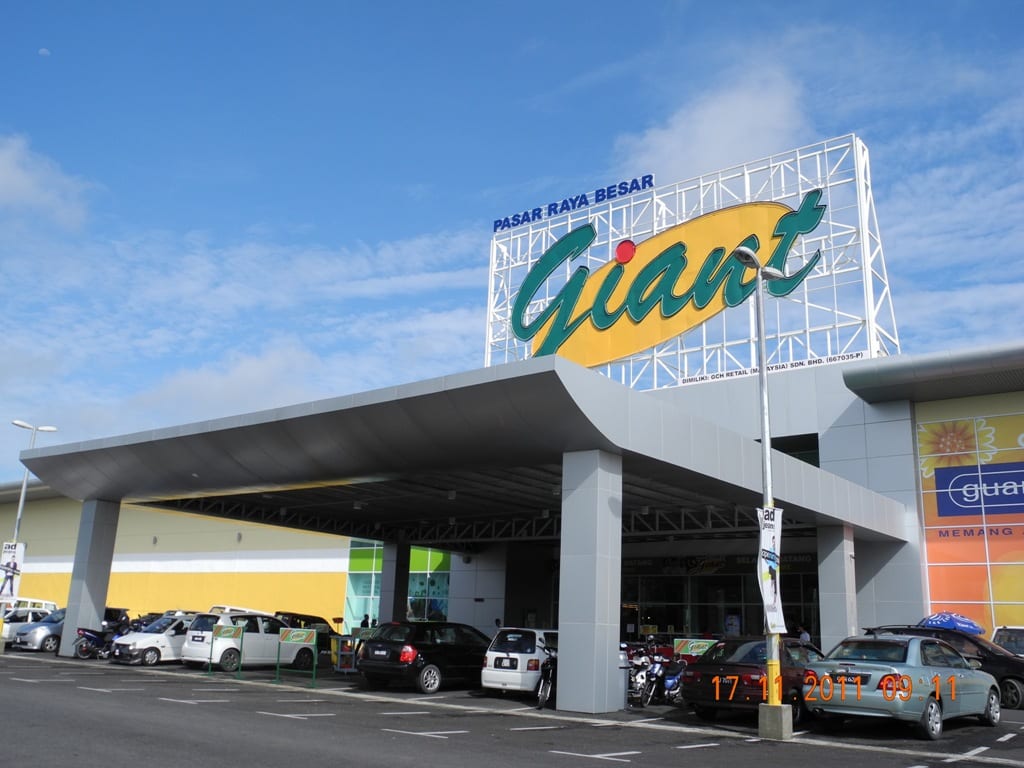
GCH Retail (Malaysia) Sdn Bhd held its Bubur Lambuk Corporate Social Responsibility (CSR) programme at Giant Hypermarket Petra Jaya here yesterday.
Themed ‘Ceria Ramadan bersama Giant & Adabi’, the event saw the presence of Assistant Minister for Early Childhood Education and Family Development Sharifah Hasidah Sayeed Aman Ghazali who distributed the popular must-have Ramadan dish to people from all walks of life at the mall.
GCH Retail general manager Johalias Fazili Fazi and senior manager (Government Relations) Mohd Shahrizal Ayub were also present.
In addition to preparing the ‘bubur lambuk’ and distributing them to the people, GCH Retail also donated RM5,000 to Kompleks Kebajikan Laila Taib.
About 30 children from Kompleks Kebajikan Laila Taib were accompanied by Hasidah on a shopping spree at the hypermarket mall during the event.
Now in its fourth year, the annual programme was first introduced in 2013 and have since received great response from the people nationwide.
GCH Retail Malaysia & Brunei regional director Dato Tim Ashdown in a statement said Giant was honoured to once again organise the programme for a charitable cause as well as to foster closer ties among GCH Retail and the people especially the needy.
“We will continue this commitment of ours to hold this charitable effort in the future.”
This year, visitors of Giant Hypermarket will be able to receive their complimentary bowls of ‘bubur lambuk’ from noon onwards at selected Giant Hypermarkets in seven locations nationwide.