Category: Living

Retail News Asia is committed to providing both local and global retailers with the latest Living news throughout the Asian market. This on a daily base.

  • Retail changes hit Vietnamese labels

    Retail changes hit Vietnamese labels

    After acquiring supermarket chains in Vietnam, Thai retail groups have started strengthening the distribution of products from Thailand to the detriment of Vietnamese labels.

    Central Group and BCJ Group now have more than 50 supermarkets and convenience stores in Vietnam, and VietnamNet reports that more than half of the retail market share in Vietnam is now in Thai hands.

    Metro wholesale supermarkets, which have changed from German to Thai ownership, now feature Thai products in a special area by the main entrance, including household appliances, clothing, processed food and cosmetics.

    VietnamNet says the volume of Vietnamese goods in supermarkets and shopping malls has dropped two-thirds, being replaced by Thai products.

    Vietnamese manufacturers have complained about the volume of their products being cut back after Metro changed hands. Vietnamese goods have reportedly also been replaced at other retail chains, including Big C and B’s Mart.

    Saigon Food general director Le Thi Thanh Lam says that foreign-owned retail chains always demand high discount rates from suppliers.

    Vietnam High-quality Product Association chairperson Vu Kim Hanh says Thai goods will become a major rival for Vietnamese.

  • Profit slump for supplement retailer Eu Yan Sang

    Profit slump for supplement retailer Eu Yan Sang

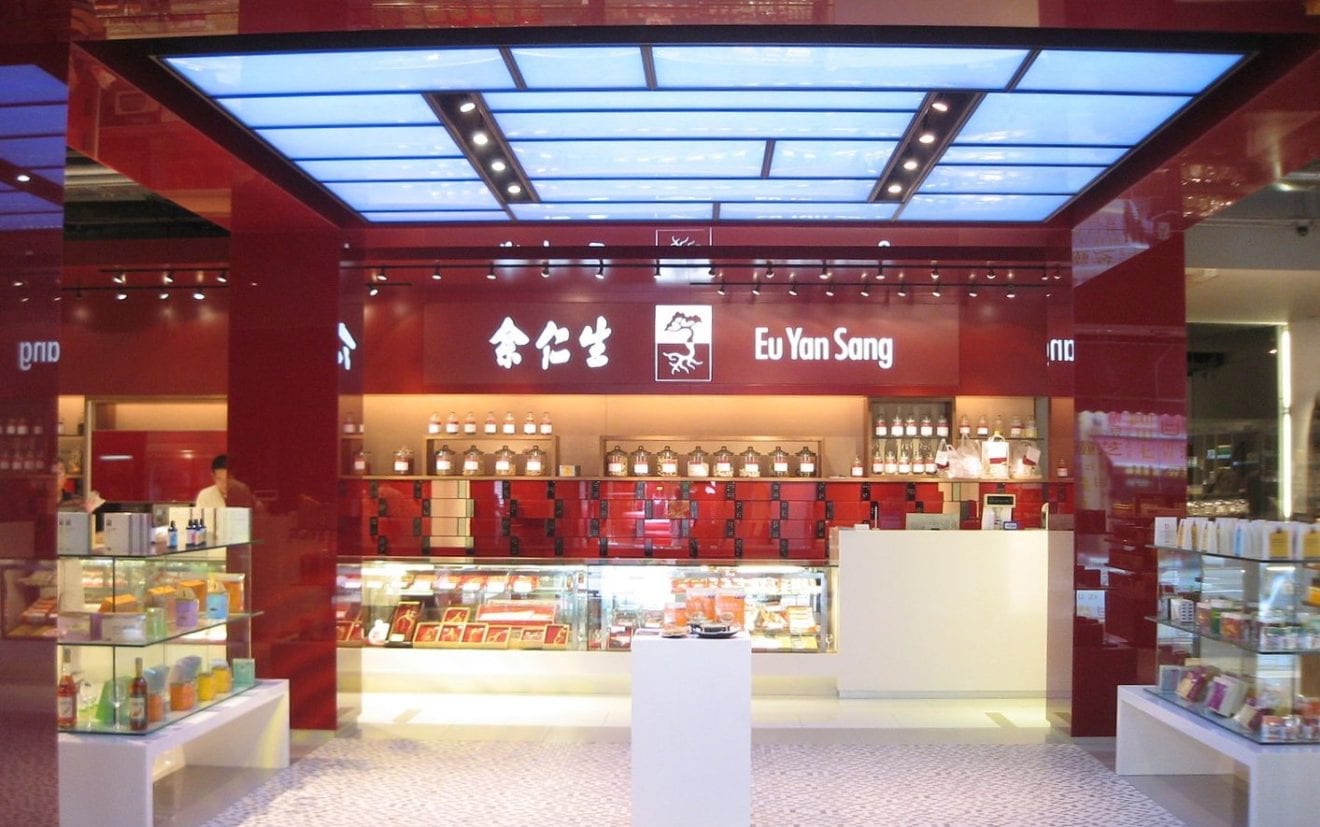
    Singapore supplement retailer Eu Yan Sang International has had its third-quarter net profit slump to S$286,000 (US$208,515) from $5.45 million as a result of declining revenue, foreign exchange losses and expenses related to closing F&B outlets in China.

    Revenue for the four months ending March 31 slipped 6 per cent to $103.87 million, mainly because of lower revenue from the Malaysian market as well as its weakening currency.

    Foreign exchange losses of $1.9 million resulted from the weakening Hong Kong dollar during the third quarter as well as the outlet closures.

    “Despite the sluggish regional economy, we are heartened by the green shoots of recovery budding in some of our markets,” says group CEO Richard Eu. ”We remain committed to improving our performance through cost-reduction initiatives and rationalisation, while seeking greater levels of efficiency through technology.

    “On the other hand, weak macroeconomic conditions continue to weigh down our market performance in Hong Kong and Malaysia.”

  • Parkson revenue falls

    Parkson revenue falls

    Despite contributions from new outlets, Parkson Retail Asia’s department stores have seen third-quarter group revenue fall by 15.6 per cent to S$98.4 million (US$71.5 million), with a 14.4 per cent drop to S$294.6 million for the nine months of its current financial year.

    The Parkson revenue decline reflects same-store revenues falling in Malaysia and Vietnam, plus the weakness of the Malaysian ringgit resulting in lower figures because of the reporting currency being Singapore dollars.

    A pre-tax loss of $7.5 million was recorded by the group for the third quarter, with factors including provision made on loans to managed stores of $4.9 million, and initial losses associated with new stores.

    Same-store sales growth in Malaysia fell 17.4 per cent in the third quarter, but figures for the corresponding quarter last year were bolstered by sales before the introduction of a Goods & Services Tax (GST) on April 1 2015. Also, consumer confidence was below the 100-point threshold for the seventh consecutive year, as reported by the Malaysian Institute of Economic Research.

    Vietnam same-store sales fell 8.2 per cent for the quarter, with a difficult and increasingly crowded retail environment, the company said. For the nine months, a pre-tax loss of $4.9 million has been recorded.

    Sales were flat in Indonesia, edging up just 0.1 per cent. However, the company says consumer sentiment is robust with Bank Indonesia reporting the consumer confidence threshold at 111.1 points, a little down on the 119.1 points at the same time last year. For the nine months, a $3.2 million pre-tax loss was recorded.

    In Myanmar, Parkson same-store sales fell 7.6 per cent, affected by supplier uncertainty about plans to close the FMI Centre, where the store is located, for re-development. However, a new location has been secured, with the new store expected to open by March.

  • Go karts part of mix at new Taroko Park mall

    Go karts part of mix at new Taroko Park mall

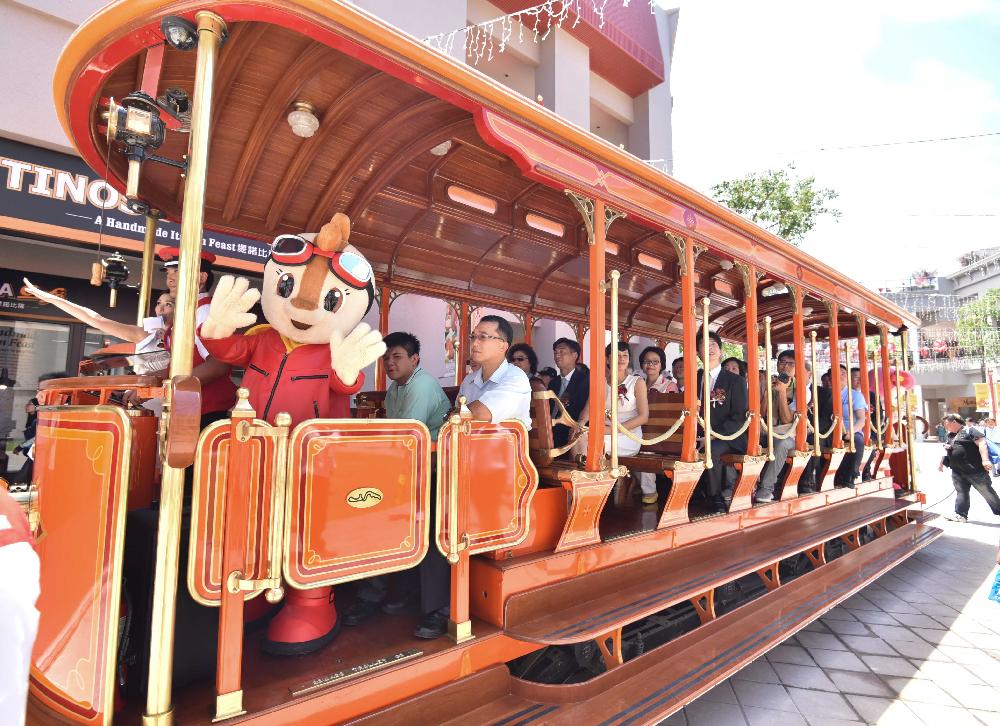
    A carousel and a go-kart racing track are attractions at the new Taroko Park shopping centre in Kaohsiung, in the south of Taiwan.

    It is owned by Taipei-based developer Taroko Development, which aims to generate NT$5 billion (US$154.24 million) in sales in the first year.

    o_1airo3a6n1vmhrcc1eh0tj1tkmv

    Unlike its peers, the company says Taroko Park will gain 61 per cent of its revenue from recreation and dining attractions, with department store sales making up the rest. It aims to provide a fun-filled shopping experience with several sports and entertainment attractions, such as the carousel in the front plaza, and the go-kart track which is a miniature of Japan’s Suzuka circuit. The company believes it sets a precedent for Asia.

    Taroko Development spent about NT$5.3 billion on the mall, which has attracted 220 international fashion and sportswear brands. There is also a shop selling official merchandise of the Lamigo Monkeys professional baseball team.

    o_1airo315g12dfotq1ceusn18dpo

    Developed as a joint build-operate-transfer project for Kaohsiung Rapid Transit and the Kaohsiung City Government, the shopping centre is near the Caoya Station, south of the city’s airport. Taroko Development’s lease with KRTC is 25 years, and is to be extended for another 10 years with the original landowner, the city government, with a guarantee of priority right of renewal for two more 10-year contracts, the company says.

    An aim of the mall is to create job opportunities and attract tourists.

    “Taroko Park’s entertainment and shopping offerings are expected to attract 12 million visitors annually,” says Taroko Development chairman Jeff Tsai. He says the mall is also expected to generate about 5000 jobs as well as boost metro system users by 6 million.

    Kaohsiung mayor Chen Chu made her way to the opening ceremony for the mall via the metro.
    A subsidiary of Taroko Textile, Taroko Development has been determined to enter the shopping-centre industry since its establishment in 2011. It moved into retail last year when it took over the Mode Mall in Taichung from Fubon Life Insurance.

    Taroko has also announced tentative plans to launch a shopping mall in Hsinchu county by the third quarter of next year.

  • Macau Legend buys troubled casino in Laos

    Macau Legend buys troubled casino in Laos

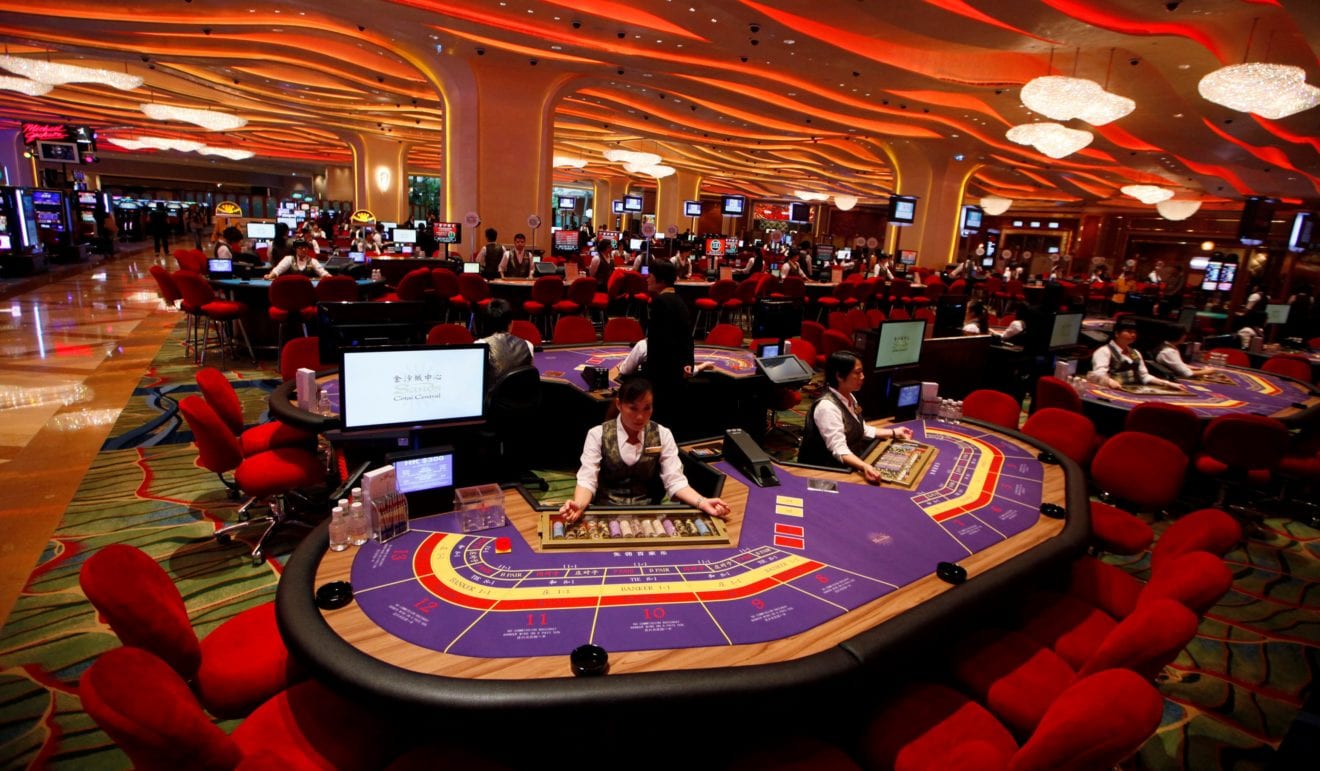
    Macau Legend Development Limited announced via press release on May 13 that it had entered into a USD42 million (approximately HKD326 million) project development agreement (PDA) with a company wholly-owned by the Ministry of Finance of the Lao People’s Democratic Republic, to purchase the Savan Vegas Hotel and Entertainment Complex, a full-service casino, hotel and resort located in Laos’ Savannakhet Province.

    However, the apparently very advantageous and profitable business might be tainted for David Chow’s company, as the Savan Vegas Hotel and Entertainment Complex is involved in a series of serious disputes and legal actions that are directly connected to its owners.

    In another statement on May 5, Lao Holdings N.V., the parent company of Sanum Investments Limited, stated that it has filed three legal actions against Laotian authorities for violating the 2014 settlement agreement reached by both parties, stipulating the sale of the Savan Vegas Hotel and Casino, and other assets, for maximum value to the benefit of all parties.

    David Chow

    David Chow

    According to the same statement, “these actions have been taken in direct response to the expropriation and planned sale of Sanum’s gaming and hotel complex located in Savannkhet, Laos,” that has now reportedly gained the involvement of the Macau company as the buyer.

    “All of the actions taken by the Lao Government over the past two years have been a blatant attempt not only to avoid, but systematically obliterate its legal obligation to work with us in good faith,” said Jody Jordahl, President of Sanum Investments in the same statement.

    However, none of these actions and lawsuits have been reported or identified in the note sent by the Macau Legend to the Hong Kong Stock Exchange as potential risks for the business.

    The Savan Vegas Hotel and Entertainment Complex occupies 50 hectares of land, which currently features gaming facilities with 92 tables and 493 slot machines; a 476 room hotel and convention center, restaurants, bars and other dining, recreational and retail shopping facilities.

    The PDA announced that Macau Legend has an initial term of 50 years which may be extended for an additional period up to another 49 years.

    Regarding the business agreement, the co-chairman, executive director and CEO of Macau Legend, David Chow, said: “We have been looking to invest in and develop integrated resort projects outside of Macau.” He thanked the support of the Lao PDR Government, for their trust in the company to turn the Savan Vegas project into a regional entertainment hub in Southeast Asia.

  • Lotte Mart Vietnam sales grow to $221m

    Lotte Mart Vietnam sales grow to $221m

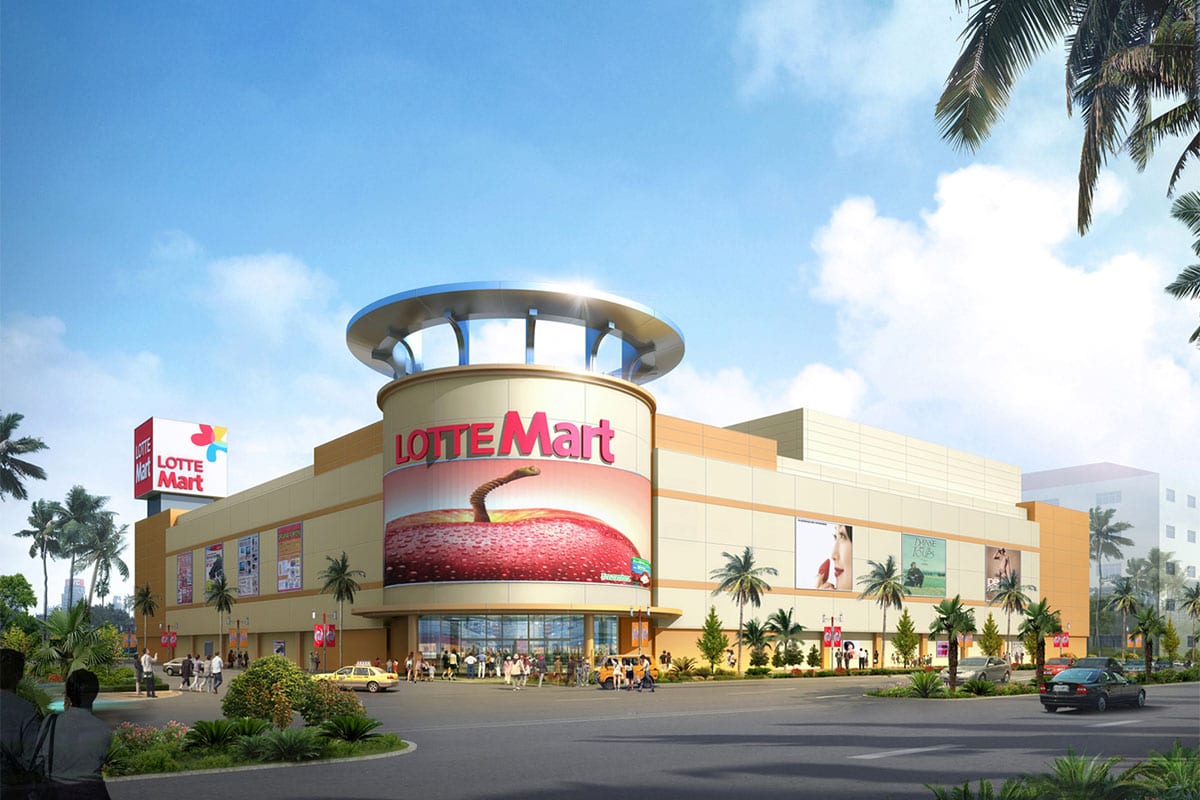
    With 12 stores, hypermarket chain Lotte Mart Vietnam chalked up sales of VND5 trillion (US$221.58 million) last year – 30 per cent growth year-on-year.

    Foot traffic also grew 20 per cent, says CEO Hong Won Sik.

    Its latest outlet opened late last month, and the South Korean company is looking at more mergers and acquisitions so it can achieve its target of 60 stores by 2020, says Hong.

    He says Lotte Mart Vietnam also plans to expand to convenience stores and eCommerce.

    With more than 20 subsidiaries in Vietnam, Lotte has invested more than $2 billion, and is set to double the total investment with plans to build an urban area in the east of Ho Chi Minh City.

  • World’s largest Lego store opens in Shanghai

    World’s largest Lego store opens in Shanghai

    On Wednesday, LEGO has opened its largest retail store in the world inside Shanghai Disneyland as the trial period of the amusement park is ongoing before its official opening on June 16.

    The store features a myriad of LEGO bricks from its walls and even in the floors with two giant LEGO dragons welcoming guests of all ages and sizes.

    According to LEGO China’s general manager Jacob Kragh, getting in the Chinese market is crucial for the company and stressed: “Because in China, we have many children that are still out there without having a good quality play experience, and this is the reason why we feel that in order to be successful in the long run, we have to make sure we reach more Chinese children.”

    LEGO has already been setting up its first Chinese factory in Jiaxing and it is expected to start operations in 2017. It had also started trials for the LEGO Discovery Center in April.

    Currently, LEGO has 250 designers on its slate and launched 350 different products throughout 2015.

  • Sabang Festival expected to attract 30,000 tourists

    Sabang Festival expected to attract 30,000 tourists

    The Third Sabang Festival is expected to attract 30 thousand tourists to visit Weh Island, Head of Sabang Culture and Tourism Zulfi Purnawati has stated. The festival will be held from May 21 to 25.

    “In 2015, as many as 20 thousand tourists visited Sabang during the festival, and this year we have targeted 30 thousand tourists,” Zulfi Purnawati said here Saturday.

    During the Sabang Fair, the exhibition of appropriate technology will be also conducted.

    “As a result, some 23 contingents from the district/city will participate in the event. We are optimistic that 30 thousand tourists will visit Sabang,” Purnawati remarked.

    The implementation of the fair was intended to promote tourism in Sabang as well other destinations in Aceh district.

    Purnawati expected the contingent to utilize the annual event as part of its efforts to promote tourist destinations across Aceh.

    Delegations from North and West Sumatra will also attend the festival.

    Meanwhile, entrepreneurs in some ASEAN countries have expressed readiness to attend the festival.

    Secretary Administration of Sabang Sofyan Adam, who is also the executive chairman of the festival, said that all contingents should confirm their participation.

    “The committee has launched the enrollment drive and all contingents should report to the committee. We have also coordinated with the Sabang branch of state-owned ferry operator PT ASDP Indonesia to help with the implementation of the festival,” Adam remarked.

    Earlier, the Ministry of Tourism (kemenpar) of The Republic of Indonesia stated that the success of tourism really depends on the presence or absence of comfort and hospitality of the community towards tourists at the location.

    “The comfort of a tourist is the main factor which should be of concern to a region while developing the concept of tourism. It is not just a discourse,” Directorate General, Based on Media, Design, Science and Technology in the Tourism Ministry, Harry Waluyo said here Monday.

    He stated this when opening a training course on human resources improvement for tourism at the Dharmas Indonesia University in Pulau Punjung.

    The first impression for a tourist during his or her first visit depends on the service from the local community, and that is why one needs human resources with good manners, according to him.

    “Do not let illegal fees damage tourism, that is the weakness of our community all this time while welcoming tourists,” he said.

    “Develop tourism which other regions do not have, so that there will be a main attraction for tourists,” he explained.

  • Ikea may take over BHS sites

    Ikea may take over BHS sites

    Swedish furniture and homewares retailer Ikea is reportedly planning to take over the leases of an undisclosed number of BHS sites in the UK.

    Such a move would mark a strategic change of direction for Ikea, propelling it onto High St rather than its traditional trading space of big barns in destination centres outside city CBDs.

    The Times newspaper has reported that Ikea has held talks with the administrators of BHS and says if a buyer cannot be found for the entire BHS business it will act.

    An Ikea UK and Ireland spokesman, Daniel Lundholm, said: “I can confirm that we have not and will not be bidding to buy the BHS business out of administration. However, we are exploring a number of potential locations across the UK for more order and collection points.”

    Ikea has 18 stores in the UK.

    Meanwhile, the Daily Mail has reported that BHS’s former owner Retail Acquisitions, run by twice-bankrupt ex-racing driver Dominic Chappell, burnt through more than £100million in 13 months at the company after buying it from Sir Philip Green for £1. The firm’s management battled to block ‘inappropriate’ spending but the company is now in administration putting 11,000 jobs at risk while the Pension Protection Fund is overseeing a £571 million pension deficit.

    BHS, founded in 1928, collapsed last month.

  • Indonesian Culinary Fair 2016 to be held in Japan

    Indonesian Culinary Fair 2016 to be held in Japan

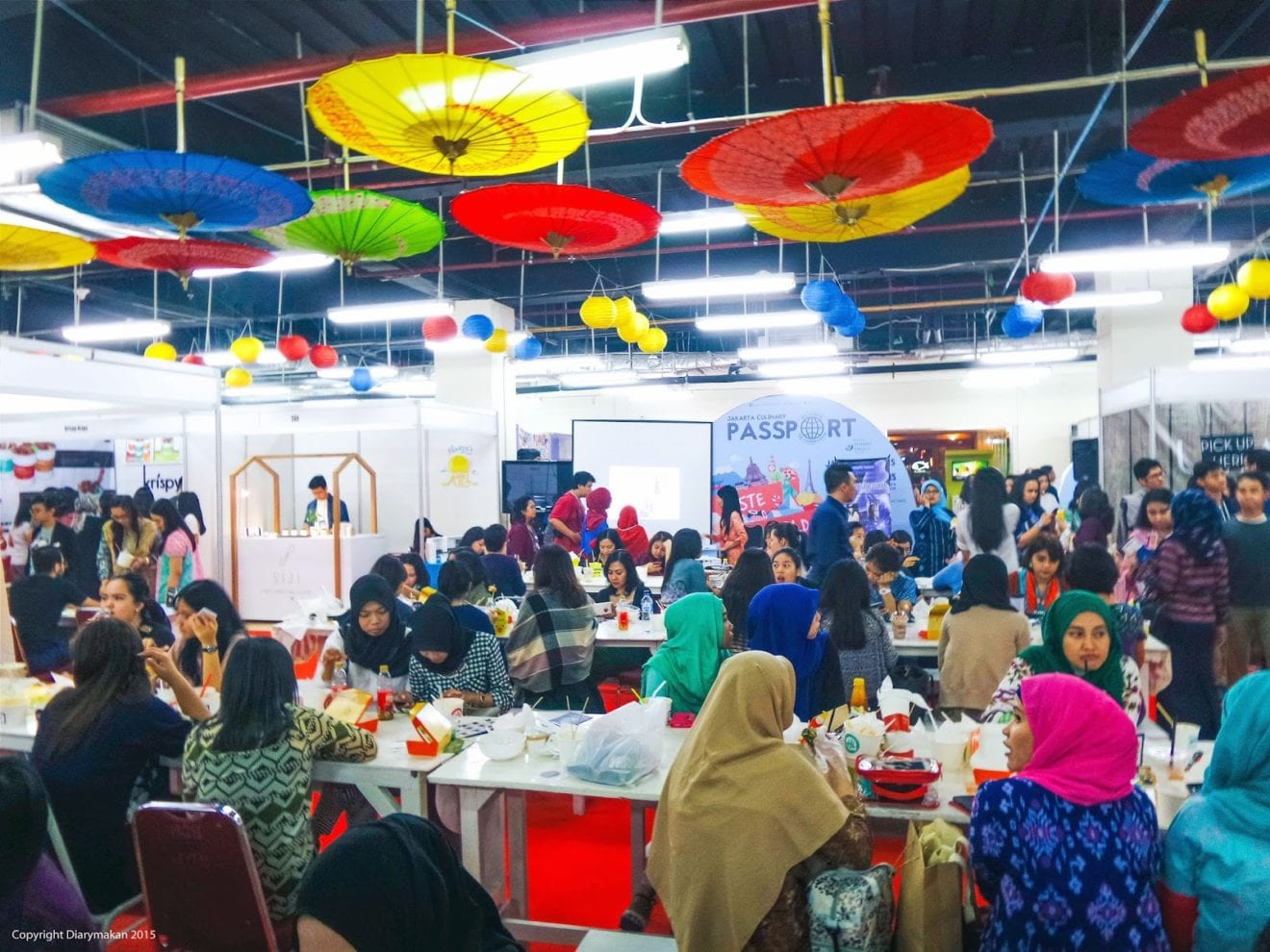
    The Indonesian Culinary Fair 2016, dubbed “The Taste of Indonesia,” will be organized at the Shinagawa Prince Hotel, Tokyo, from May 16 to June 16.

    The organization of the culinary promotion event was in line with the governments policy to intensify culinary diplomacy, Tourism Minister Arief Yahya stated here, Friday.

    The promotion event has been organized to achieve three targets. The short-term target is to introduce Indonesias diverse flavors and tastes, as well as to promote the countrys culinary delicacies.

    The mid-term target is to encourage restaurants and hotels in Japan to offer Indonesian dishes as well as to attract more Japanese tourists to visit Indonesia.

    The long-term target is to send Indonesian chefs to work in restaurants and hotels in Japan and to introduce halal food cooking techniques as well as Indonesian dishes in Japans culinary schools.

    Japan ranks fifth in the list of major countries contributing tourists to Indonesia, according to Deputy Minister in charge of International Tourism Marketing Development of the Tourism Ministry I Gde Pitana.

    During the culinary fair, various Indonesian traditional arts, such as Sasando, will be performed.

    The Japanese government has promoted international cuisines, including halal food, to attract foreign tourists from Muslim majority countries, among others.

    Japan has set a target to attract 30 million foreign tourists by 2020. Six to eight million, or 20 percent of the 30 million tourists, are expected to be Muslims.

    “This is an opportunity for Indonesia to promote its various culinary delicacies and food products, including spices,” Pitana affirmed.

    Last month, the “Wonderful Indonesia” Restaurant was opened in Anhui Province, China, to offer typical culinary delicacies from the archipelago as part of the efforts to promote the countrys tourism and culture.

    Situated in the densely populated area of Hefei in Anhui Province, the Wonderful Indonesia Restaurant was inaugurated by Minister Yahya.

    “There is a growing trend of using culinary diplomacy to support tourism, and almost all television stations are also highlighting this aspect as one of their flagship programs,” Yahya remarked.

  • HMV closes iconic Hong Kong flagship store in Central

    HMV closes iconic Hong Kong flagship store in Central

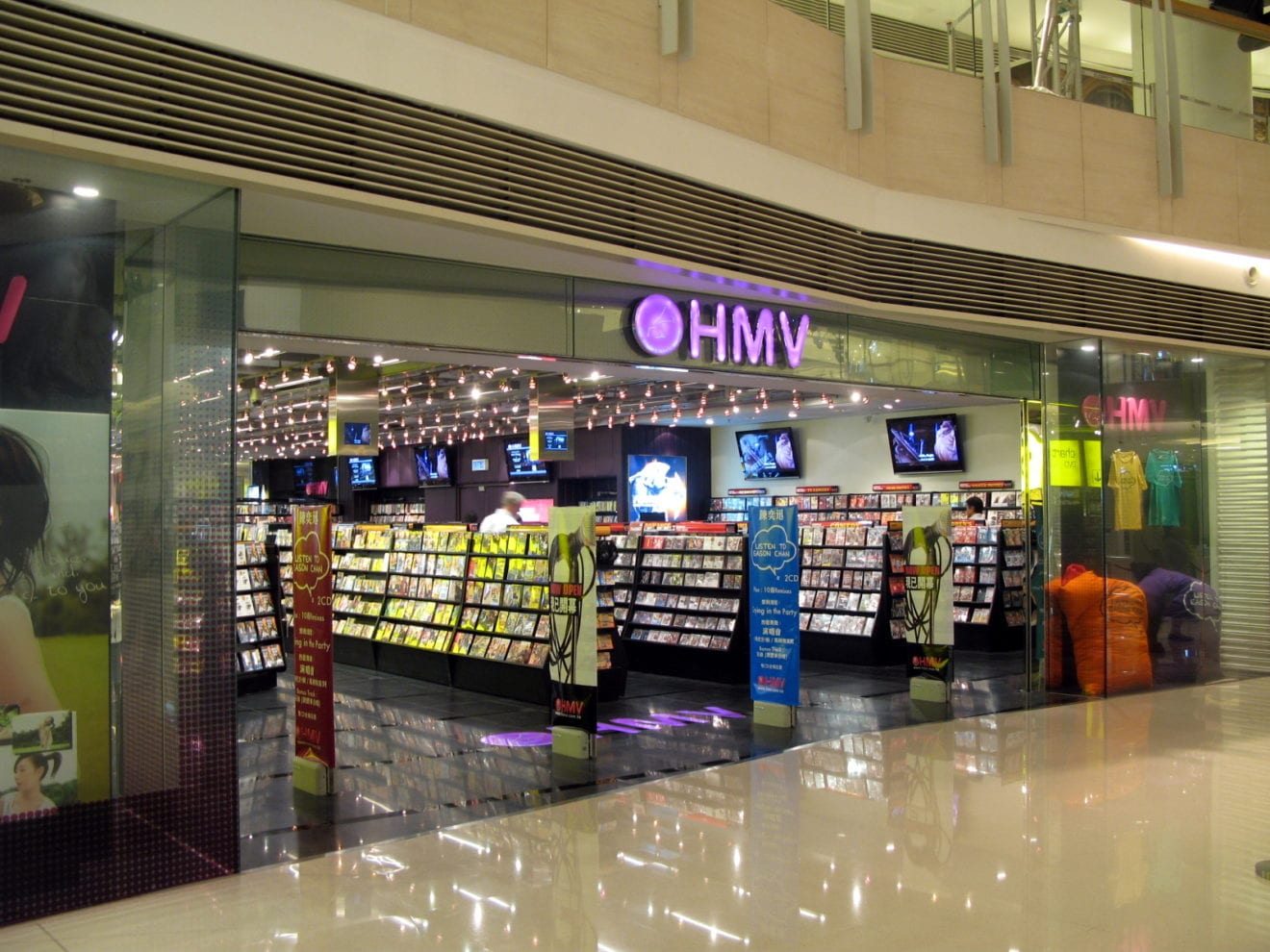
    Hong Kong’s largest music and DVD retailer HMV quietly closed its iconic flagship store in Central last month in a move to lower rental costs, as the city faces its steepest retail downturn since the Asian Financial Crisis.

    The closure will be followed by the opening of a new shop this September, just one block away from the old outlet in Entertainment Building on Queen’s Road Central, which will cost the entertainment retailer roughly HK$250,000 less in rent each month.

    A sign outside the recently-vacated Central store, which was HMV’s second-largest in the city, read:

    “We are closing on 16 April … Exciting new HMV Central opening in September 2016.”

    The new shop, located in the basement of Manning House, Central, will be only about 77 per cent of the size of the former, and will cost slightly more than HK$1 million a month in rent, according to Michael Chik, managing director of agency Sheraton Valuers.

    He said the rent HMV paid for the two-storey store at Entertainment Building was close to HK$100 per square foot, or HK$1.25 million a month. HMV had leased the space on the third and fourth level since 2011.

    “It was a pity,” Gilbert Ho, managing partner at AID, said.

    But he said the decision was not made due to poor sales. In fact, sales at the former Central store had increased by 15 per cent compared to the previous year, Ho said.

    “This doesn’t mean we want the landlord to pocket the money,” he said.

    Ho said it was easier for the company to find a more visible place with a lower rent given the current market situation. “Why not?” he asked.

    A staff member at Onshine Securities, landlord of Entertainment Building, said the company was still seeking a new tenant to replace HMV.

    The new tenant would pay about HK$1.5 million per month for the space, but famous luxury brands, such as Gucci and LV, could enjoy a deeper discount, the staff member added.

    When the British retailer HMV, founded in 1922, went into administration in January 2013, AID Partners brought its operations in Hong Kong and Singapore. The buyout firm sold 81.63 per cent stake at HMV to China 3D Digital for HK$408 million in March this year. AID is the single largest shareholder of the new owner.

    HMV, which currently operates four local outlets, opened its first Hong Kong store in Causeway Bay in 1994. The British brand has had a long bitter battle with the city’s rising rents in the past a few years, closing its Whampoa Garden store and a Causeway Bay store in 2015.

  • Gas Malaysia Q1 earnings beat CIMB Research forecast

    Gas Malaysia Q1 earnings beat CIMB Research forecast

    Gas Malaysia’s 1Q16 net profit, which rose 10% on-year to RM31mil (US$8mil), was at 29% of CIMB Equities Research’s full-year forecast and 24% of consensus.

    The research house said on Thursday the higher earnings were due to lower tax rate and lower losses from its joint venture. Its tax rate fell from 25% in 1Q15 to 21% during the quarter as it reversed some of its deferred tax liabilities.

    “We gather from the company that its tax rates should normalise closer to the statutory rate of 24% in the coming quarters. As for the joint venture, its losses narrowed from RM1.7mil in 1Q15 to RM100,000 in 1Q16. We believe this was due to lower start-up cost during the quarter,” it said.

    CIMB Research raised its FY16-18F EPS by 1%-4% to reflect the lower tax rate. However, it maintained its sum-of-parts based target price of RM1.80, which is 21.7% below the last traded price of RM2.30, and also its reduce call due to its expensive valuation.

    “We prefer Tenaga for its lower price-to-earnings (P/E) and more exciting earnings growth prospects,” it said.

    The incentive-based regulation (IBR) that regulates Gas Malaysia’s tariff and earnings was implemented on Jan 1, 2016. 1Q16 results are the first set of quarterly results reported by Gas Malaysia under the IBR.

    To recap, Gas Malaysia had previously revealed that the allowable WACC for its pipeline assets was set at 8% under the IBR, though it was still consulting with the regulator for a higher rate of return. CIMB Research assumed an allowable WACC of 8% in its earnings forecasts.

    “Although Gas Malaysia’s 1Q16 earnings beat our expectation, we are keeping our assumption as the outperformance was due mainly to the lower tax rate. Gas Malaysia’s 1Q16 EBITDA met our expectation as it accounted for 26% of our full-year forecast,” it said.

    CIMB Research also said there is no guarantee that Gas Malaysia will be allowed to earn the retail margin. A
    lower-than-expected margin approved, if at all, may de-rate the stock. Also, Gas Malaysia trades at 26 times CY16F P/E, higher than PetGas’s 23 times and Tenaga’s 11 times.

    “The latter two, especially Tenaga (Add, TP: RM16.40), provide cheaper exposure to the utilities sector. For exposure to the gas infrastructure sector, we prefer PetGas (Hold, TP: RM22.30) for its stronger earnings resiliency,” it said.

  • Index Living Mall sets plan for Asean market

    Index Living Mall sets plan for Asean market

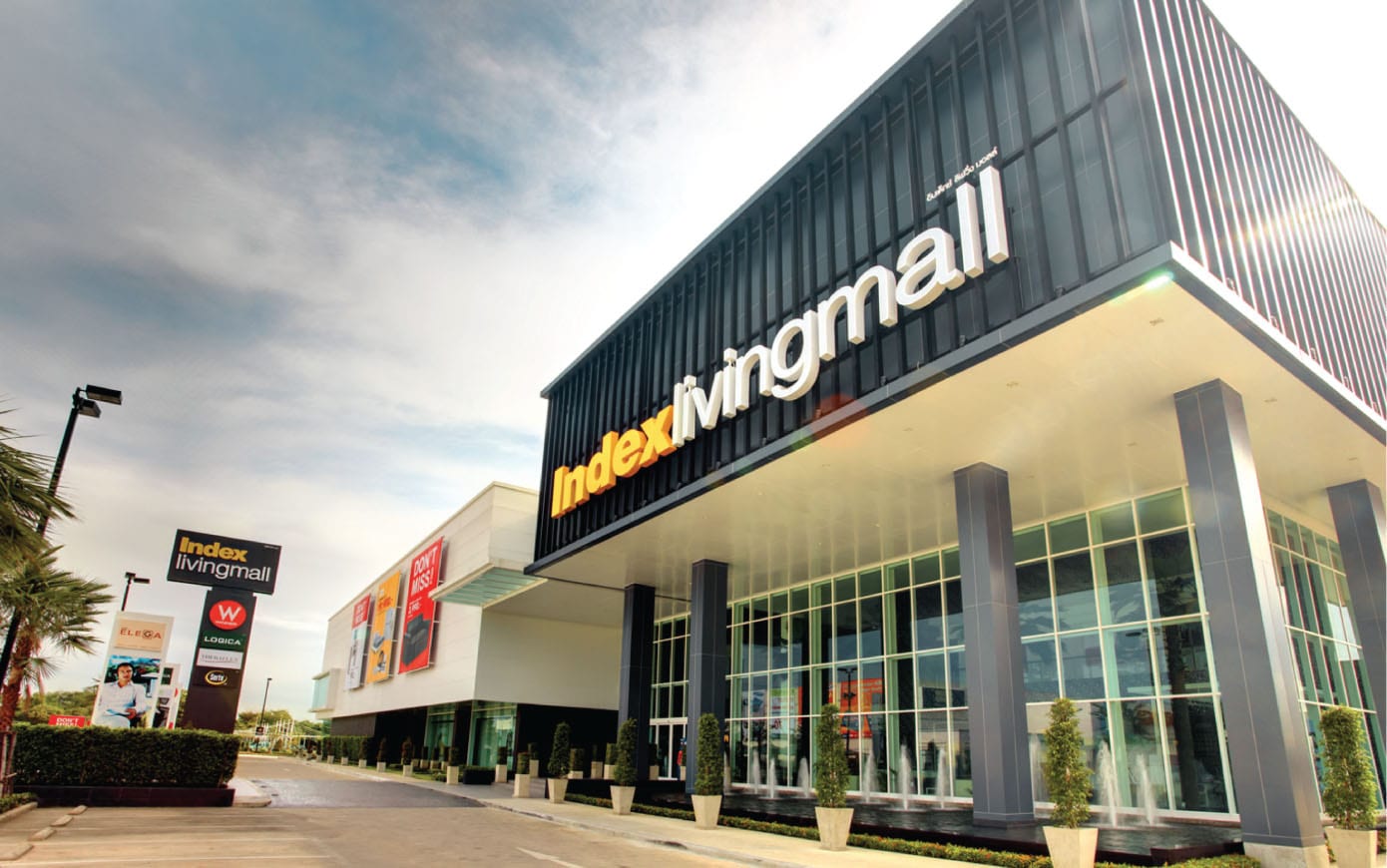
    Thai home-furnishings manufacturer and retailer Index Living Mall has set a strategic plan to open at least one store in a new Asean market every year.

    The company expects the sales contribution from Asean countries to increase significantly from the 6 to 7 per cent estimated for this year to 10 per cent within three years.

    MD Kridchanok Patamasatayasonthi says the expansion is in line with its vision to be the No. 1 player in Southeast Asia in terms of brand awareness in its segment.

    In Thailand, Index Living Mall opened a branch in Nakhon Pathom in February with 7500 sqm of retail space, and another store will open in Chachoengsao next month covering 5500 sqm.

    “We also plan to open another store in Bangkok next January,” says Kridchanokshe.
    Index Living Mall has also opened stores in Malaysia and Vietnam.

    Malaysia’s first store is in IOI City Mall in Putrajaya, followed by another outlet at Aeon Mall in Shah Alam in March, and at Aeon Mall in Kota Bahru last month. The expansion in Malaysia is through a joint venture with Japan’s Aeon Group, and the fourth store will open in Johor Bahru next year.

    In Vietnam, where the brand has had a presence for four years, the company has appointed a new local franchisee to expand its network. The first Index Living Mall in Vietnam under the new partnership, at Vincom Mega Mall in Ho Chi Minh City, opened in January, followed last month by a store at Hanoi’s Vincom Mega Mall.

    “We are negotiating with a potential joint-venture partner in the Philippines and a potential franchisee in Indonesia for partnership deals expected to be finalised next year,” says Kridchanok.

    Index Living Mall posted THB2.5 billion (US$71.242 million) in sales revenue in the first quarter of this year, a 10 per cent increase compared with the same period last year. The company targets THB10 billion in sales this year, up 10 per cent over 2015.

    It has also opened a concept store at Don Mueang International Airport, Sky Living by Index Living Mall – 400 sqm of retail space showcasing its products and accessories.

    After the renovation of the airport’s Terminal 2 to accommodate the growing number of domestic passengers, Index Living Mall aims to create direct customer experiences by providing a premier passenger lounge designed around a variety of room settings, as well as a Kids’ Zone.

    The first Index Living Mall store opened more than 20 years ago, and there are now 26 retail locations throughout Thailand.

  • Bison expands to Myanmar with 2 outlets at airport

    Bison expands to Myanmar with 2 outlets at airport

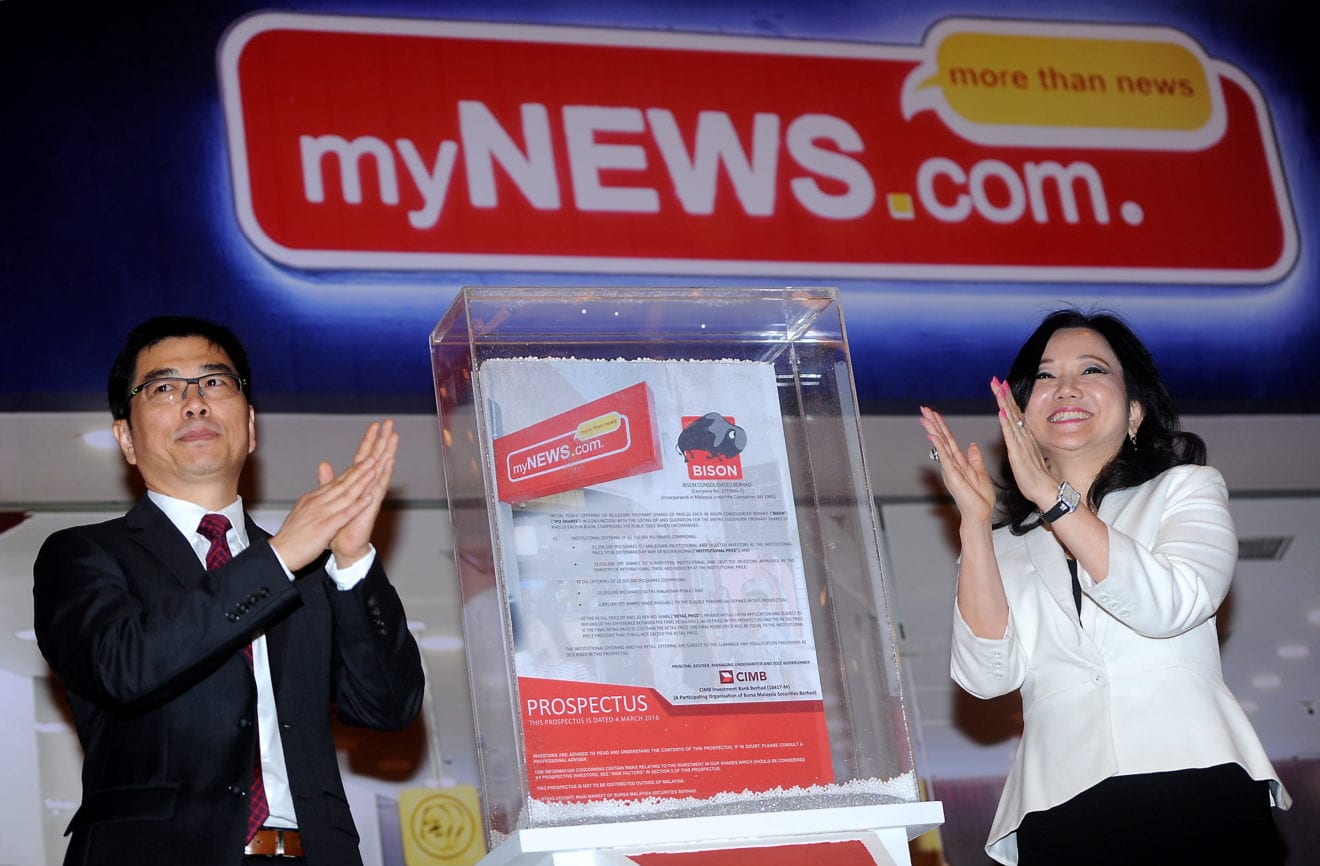
    Bison Consolidated Bhd is expanding its myNEWS.com press and convenience retail brand to Myanmar via a management agreement (MA) with Singapore-based SMI Retail Pte Ltd.

    In a filing with Bursa Malaysia yesterday, Bison said its wholly owned subsidiary Bison Stores Sdn Bhd has signed the MA with SMI Retail, a wholly owned subsidiary of Singapore-listed Singapore Myanmar Investco Limited.

    SMI Retail intends to establish two myNEWS.com outlets at the new terminal of Yangon International Airport and has agreed to enter into the MA to appoint Bison Stores as the independent contractor to provide management services and advisory support.

    Under the MA, Bison Stores agrees to grant SMI Retail a revocable, non-exclusive, non-transferable license to the proprietary business format and retail management and control system developed by Bison Store.

    The MA is valid for five years and is renewable for a further five years upon mutual agreement. SMI Retail’s right to use the Intellectual Property Right is derived solely from the MA.

    If required, SMI Retail will provide assistance in obtaining registration of any trademarks or other intellectual property rights need in Myanmar.

    SMI Retail will also pay Bison Stores a minimum monthly management fee or a percentage of the gross revenue of the business, whichever is higher. All salaries, remuneration, related expenses and costs of secondment of the outlet management and support staff will also be borne by SMI Retail.

    The MA is subject to approval of any other relevant authorities or any other third parties with respect to the implementation of the MA, if required.

  • Korea to control e-cigars in anti-smoking policy

    Korea to control e-cigars in anti-smoking policy

    The South Korean government announced a package of anti-smoking measures on Tuesday that would affect electronic cigarettes as well.

    It will also push for the revision of health-related laws to tighten control on ads for cigarettes, especially near schools, under the plan unveiled jointly by the Ministry of Health and Welfare and the Ministry of Strategy and Finance.

    The smoking rate among South Koreans, aged 19 or older, dropped to 39.3 percent last year from 43.1 percent in 2014. It marks the first time that South Korea’s smoking rate fell below 40 percent.

    The decrease is apparently attributable to sharp hikes in tobacco prices here from 2,500 won ($2.13) per pack to 4,500 won early last year.

    The government, however, made it clear that it’s not enough.

    It stressed that “aggressive non-price policy” is needed to attain the goal of reducing the rate to 29 percent by 2020.

    The health ministry is alarmed by the rapid spread of e-cigarettes despite controversy over safety and effectiveness as a way to kick the habit.

    The ratio of e-cigarette usage among male adults jumped to 7.1 percent in 2015 from 4.4 percent a year earlier. Nine out of every 10 e-cigarette users also smoked, leading to an increase in nicotine intake.

    “E-cigarettes, chewing tobacco and other new types of tobacco exist in a gray area in terms of regulations under relevant legislation,” the ministry said.

    It plans to strengthen regulations on those products, including taxation, ads, sales and warning images, to the level of traditional cigarettes.

    The sale of smaller packets, containing less than 20 cigarettes each, will be banned, as it may affect teenagers’ purchase and dent the efficacy of price hikes.

    Tobacco ads will be prohibited in retail stores within 50 meters of elementary, junior high and high schools across the nation. The ministry added it would then seek to expand the range in stages.

    It also plans to renew its push to place graphic images of the damage done to internal organs by smoking on the upper part of cigarette packets.

    Deliberately hiding the images on shelves will be outlawed under the initiative that requires the National Assembly’s approval.