Category: Living

Retail News Asia is committed to providing both local and global retailers with the latest Living news throughout the Asian market. This on a daily base.

  • Foreign Travel Agencies Expanding into Yogyakarta

    Foreign Travel Agencies Expanding into Yogyakarta

    The competition in travel agency business is getting stiffer in the wake of the free trade agreement of ASEAN Economic Community (AEC). The free trade agreement implementation has seen foreign travel agencies competing directly with local agencies, including in Yogyakarta.

    “Foreign travel agencies have been expanding into Yogya in the past two years,” said Edwin Ismedi Himna, Counsellor of Asita Associatoin of The Indonesia Tour & Travel Agencies (Asita) Yogyakarta.

    He said that the foreign travel agencies are originated from Korea, Japan, the United States and France.

    The free trade agreement implementation will see foreign travel agencies handle both domestic and overseas vacation packages. “Local agencies are being left behind despite efforts [to compete] by setting competitive or cheaper prices,” Edwin said.

    According to Edwin, of 190ish current member travel agencies incorporated in Asita Yogyakarta, only 30 percent are still handling  European and American tourists. “Most agencies prefer to keep targeting Asian tourists that are deemed to have more potential by exploiting short-haul destination programs,” he said.

  • Indonesia wants Mourinho to coach football team

    Indonesia wants Mourinho to coach football team

    Indonesia wants to hire Jose Mourinho to coach its national football team, the country’s minister of Youth and Sports said on Tuesday.Dutchman Guus Hiddink is their second preferred candidate. Hiddink replaced Mourinho ona a part-time basis at English club Chelsea midway through the ongoing season, reports Efe.”This plan has been discussed with President Joko Widodo and the Chairman of the Indonesian Olympics Committee, Erick Thohir, even though this won’t be easy,” minister Imam Nahrawi said, according to the Antara news agency on Tuesday.

    The sports minister acknowledged that the salary of Portuguese coach Mourinho could be a problem, as he charges around $17 million per season.Hiddink is said to be more affordable.Mourinho is scheduled to coach team FIFA legends in a friendly match on Wednesday against stars of Mexican football to commemorate the 50th anniversary of Mexico City’s Estadio Azteca stadium.

    World football governing body FIFA last year suspended the Indonesian team due to government interference, which will prevent it from participating in the 2018 World Cup and 2019 Asia Cup qualifiers.

  • Five million more households to use gas for fuel

    Five million more households to use gas for fuel

    The government hopes to built gas pipe networks for 5 million household consumers in the next 10 years at a cost of Rp70 trillion.

    Utilization of gas as household fuel is more efficient, said Energy and Mineral Resources Minister Sudirman Said, when commissioning the ground breaking ceremony to mark gas network projects here on Monday.

    In five years or by 2019 networks of gas pipes are expected to be already installed for 1.3 million households with an investment of Rp18.2 trillion.

    The projects would be financed with funds from the state budget, state-owned energy company PT Pertamina and state owned gas company Perusahaan Gas Negara (PGN).

    With 1.3 million households using gas for fuel , the country is estimated to save Rp936 billion a year, the minister said.

    Most households and commercial consumers in urban areas in the country use liquefied petroleum gas (LPG), which is relatively expensive.

    Based on the availability of gas and infrastructure of transmission pipelines in 38 cities , gas could be distributed to around 7.9 million households with a cost of Rp111.3 trillion, Sudirman said.

    So far the government already built gas pipe networks serving 204,766 households in a number of cities in Indonesia including pipes built by Pertamina and PGN.

  • Hong Kong Airlines passengers flown by Garuda Indonesia

    Hong Kong Airlines passengers flown by Garuda Indonesia

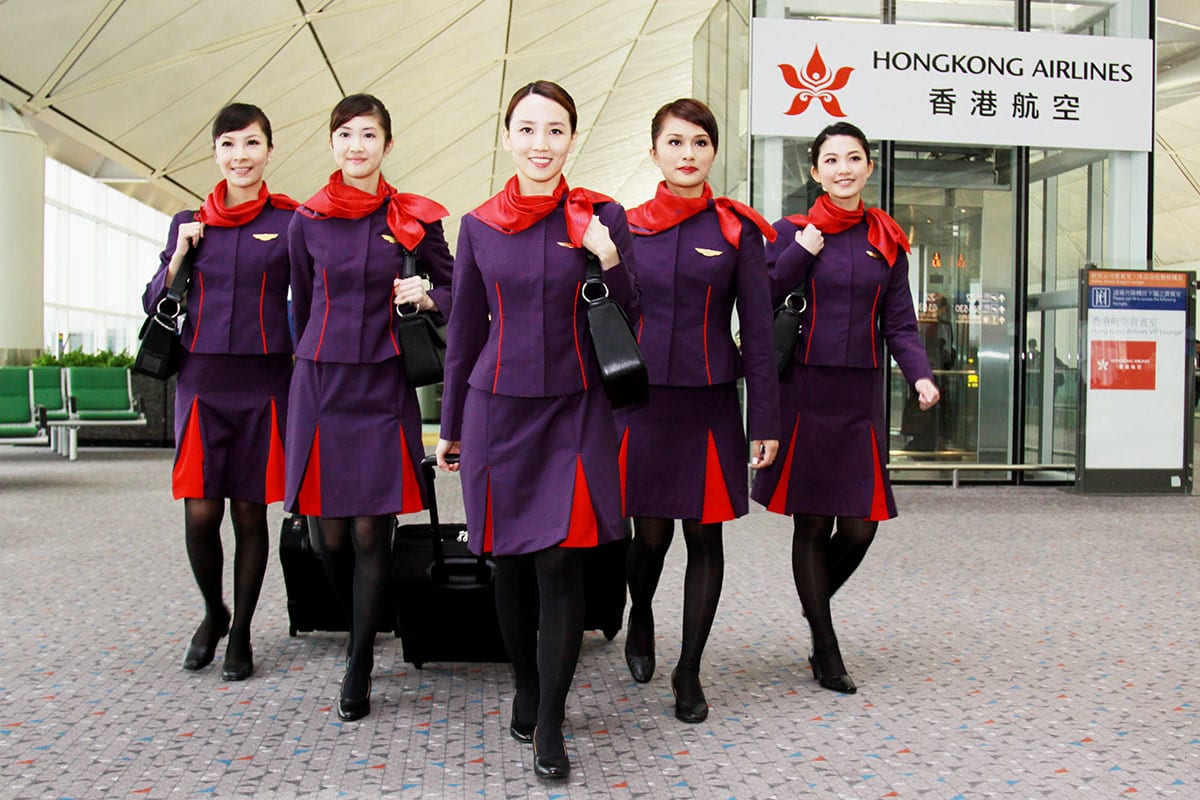
    Some 95 passengers of Hong Kong Airlines flight HX-6704 which encountered severe turbulence have been flown to Hong Kong from Denpasar by a Garuda Indonesia plane later on Saturday.

    “At least 95 passengers of the Hong Kong Airlines plane who survived the turbulence incident have been flown to Hong Kong at 9.35 am Central Indonesia Standard Time (Wita), but the rest have still been given the facility to stay at a hotel to wait for the next scheduled departure,”Ngurah Rai Airport management company PT Angkasa Pura I spokesperson Sherly Yuanita remarked Saturday.

    The severe turbulence on the Hong Kong Airlines flight to Hong Kong over the sky of Kalimantan Island left 17 passengers injured early Saturday morning.

    The ill-fated Hong Kong Airlines plane with 204 passengers and 12 crew members on board took off from Ngurah Rai airport at 1.05 am Wita and was expected to arrive in Hong Kong at 7.05 am local time but the severe turbulence forced it to “return to base.”

    Trikora Harjo, the general manager of PT Angkasa Pura-I remarked that the pilot, Tinios Peter decided to return to Denpasar and landed safely at the airport at 4.28 am Wita.

    “The 12 injured passengers were sent to a hospital in Denpasar soon after the plane landed safely at the Ngurah Rai airport,” he said.

    Turbulence, the most common cause of injury to air passengers, is what nervous fliers fear the most when they board an aircraft.

    Pilots will always keep their seat-belts fastened while seated on an aircraft and will usually advise the passengers to do the same.

    Many different things may cause turbulence, but each and every one of them is known and understood by pilots.

    Turbulence is uncomfortable but not dangerous. It is part of flying, and is not to be feared as different aspects of the weather cause different types of turbulence.

  • Indonesia to promote cruise, yacht destinations in Korea

    Indonesia to promote cruise, yacht destinations in Korea

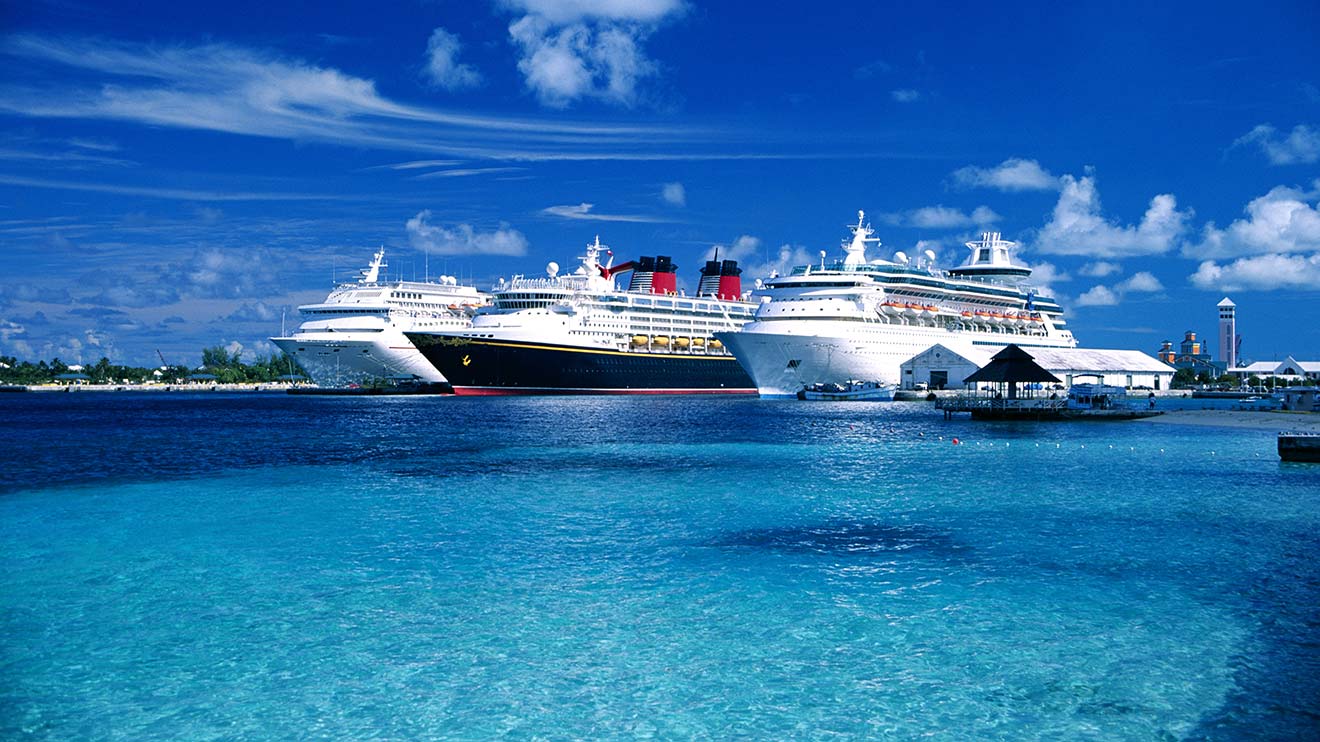
    The Ministry of Tourism will promote Indonesian tourism destinations, especially for cruising and yachting, at the Seatrade Cruise Asia 2016 to be held on May 12-14 in Busan, South Korea.

    During the cruise industry exhibition, the government will introduce Indonesias best cruising and yachting destinations, Deputy of International Marketing Development of the Ministry of Tourism I Gede Pitana stated in a press release here on Thursday.

    The ministry will inform the international companies and yacht owners of the governments step to increase tourist arrivals by simplifying the approval procedure for yachts entering Indonesian waters through the Clearance Approval for Indonesian Territory system.

    “The process to issue an entry permit will take only one hour,” Pitana noted.

    The government is prioritizing 10 yachting destinations, such as Tanjung Kayang Belitung, Tanjung Lesung, Seribu Islands, Mandalika Lombok, Labuhan Bajo, Wakatobi, and Morotai, in which marinas have been built to accommodate yachters.

    For cruise tourism, the five major ports of Belawan in Medan, Tanjung Priok in Jakarta, Tanjung Perak in Surabaya, Benoa in Bali, and Soekarno-Hatta in Makassar will serve as the entry gates to Indonesia.

    Eight marine tourism companies of Indonesia are also participating in the Seatrade Cruise Asia 2016.

    Moreover, the government is promoting its visa-free policy for Korean citizens by advertising its campaigns in the local media and through catalogs placed in Korean high-speed trains.

    The guests at the exhibition will be able to enjoy the performances of Indonesian dancers and several varieties of Indonesian coffee at the Wonderful Indonesia booth at the Seatrade Cruise Asia 2016.

  • Robinsons Retail plans P5 billion ($106m) store roll-out

    Robinsons Retail plans P5 billion ($106m) store roll-out

    The company’s planned capital expenditures in 2016 is a 59 per cent increase from the P3.1 billion it spent in 2015.

    Robinsons Retail said expects to reach more than 200 stores in 2016 and would continue to explore merger and acquisition opportunities.

    “We have also gotten into a good start this 2016 with solid same-store sales growth for the first two months of the year as we benefited from increased consumer spending from a still robust domestic economy. We will continue with our footprint expansion, with focus on areas outside Metro Manila Looking for potential mergers and acquisition continues to be part of our strategy in growing the business,” said Robina Gokongwei-Pe, Robinsons Retail president and CEO.

    Convenience stores and supermarkets will represent a bulk of the planned new stores.

    The retail firm currently operates 10 retail formats under six business segments, including department stores, supermarkets, home improvement stores, convenience stores, drug stores and specialty stores. As of end-2015, it was operating 1506 stores with total GFA of 974,000 sqm.

    The company entered the coffee shop business with the opening of Costa Coffee shops in several locations in Metro Manila last year.

    It also ventured into smaller-format stores like Robinsons Easymart for supermarket and Robinsons Townville for community mall to reach a wider market.

  • Why Singapore is deemed as the failure market for Decathlon

    Why Singapore is deemed as the failure market for Decathlon

    French sporting house Decathlon is a relatively young player in the local retail scene, opening up its store earlier this year. The brand entered the retail scene at a point many established players were pulling out.

    The launch came after it had already established an e-commerce practice for nearly two and a half years to “painstakingly” understand and collect consumer data from the market. It is safe to say when Decathlon started up in Southeast Asia, the public did not really know it was a sports retailer.

    This, admits Clarence Chew (pictured) , head of marketing and communications at Decathlon, was one of the biggest problems.

    “E-commerce is not easy and was a struggle when you are selling products that people don’t actually need. People didn’t care about us. If they saw online that the product was too cheap, they would think it isn’t of quality; too expensive, and they wouldn’t want to spend. So our problem was how do we tell customers we are here?” he said, at a recent event hosted by OgilvyOne called “Delivering consumer value in an era of Disruption”.

    The brand decided to be part of the discovery process using a multi-channel approach. It was wherever consumers were looking and ensured it was part of the consumer journey.

    What also helped Chew in this process was the senior management was able to see e-commerce as part of the customer journey and not as a separate entity from the retail function. As such the goal was more synergistic.

    He added, “It wasn’t a push but rather a pull factor for us that drew customers.”

    Another big sigh of relief for Chew was when he was able to successfully convince the senior management to make Singapore a “failure market” for the brand and  use it as a test bed for all things new and shiny in the digital landscape. After all, failure is vital to any great discovery and innovation. He said:

    “In Singapore, I can do whatever I want with any budget I want. And I will not be blamed if it fails.”

    Chew explained the country was chosen for its dense and diverse population. The city-state structure worked to the brands’ benefit and there was a healthy mix of old and young and locals and expatriates. This helped the brand see the contrast between old school marketing tactics and new shiny toys and figure out what really works.

    “Singapore  is a nice drawing board. Chances are if it works here, all the other countries like Malaysia and Indonesia will all eventually embrace it,” he added. But for every other country, clarified Chew, he would still need to meet the regular KPIs and carry out customised marketing.

    Bringing change internally

    Another challenge Chew faces, is getting people on board to try new ideas. He said:

    “Even if you have a CEO willing to adopt stuff, you have many other people in the organisation who don’t know and don’t care or won’t agree.”

    Agreeing with him was panelist Tony Menezes, VP of Cognitive Solutions at IBM, who also added that the country’s safe nature helped companies come up with creative solutions and ideas without as high a fear of intellectual theft. Ultimately even if technology is available, companies need to be willing to embrace it.

    “Companies need to recognise the disruptive idea will come from day to day interaction with customers and employees. Figure out how to tap into that source,” Menez said.

    For IBM, even today, the company is holding a new contest cognitive bill where employees came up with ideas to make the company a cognitive company across industries. IBM has 50 ideas from it which will come down to 10 to potentially explore.

    Ultimately if the culture of innovation has to be embraced across all levels from top to front-line in a company. When asked by the audience if building relationship is tough in a disruptive world, he said:

    “Brands that have an affiliation with consumers and communicate clearly how they plan to protect personal data, will earn the trust of consumers.”

    He explained that the commonalities amongst the many brand hacks and online breaches in recent years show that leading companies address the problems head on and share a direct strategy  with consumers rather than sit idle.

    “If consumers know that when they opt in they will get something in return from the brand and the brand is clear about it, they will get more trust.”

    And sometimes the best way to do this is to ask. As Todd Kurie, VP of marketing at RedMart, who was also on the panel said:

    “Even relatively old-school tactics like surveys can go a long way to show you are listening”

    He added the brand is a huge believer in simply asking consumers what they want.

  • Korea’s Lotte opens cinema in Hong Kong

    Korea’s Lotte opens cinema in Hong Kong

    Tucked away in a nondescript corner of Shau Kei Wan, on the eastern tip of Hong Kong Island, is the city’s newest movie house, L Cinema.

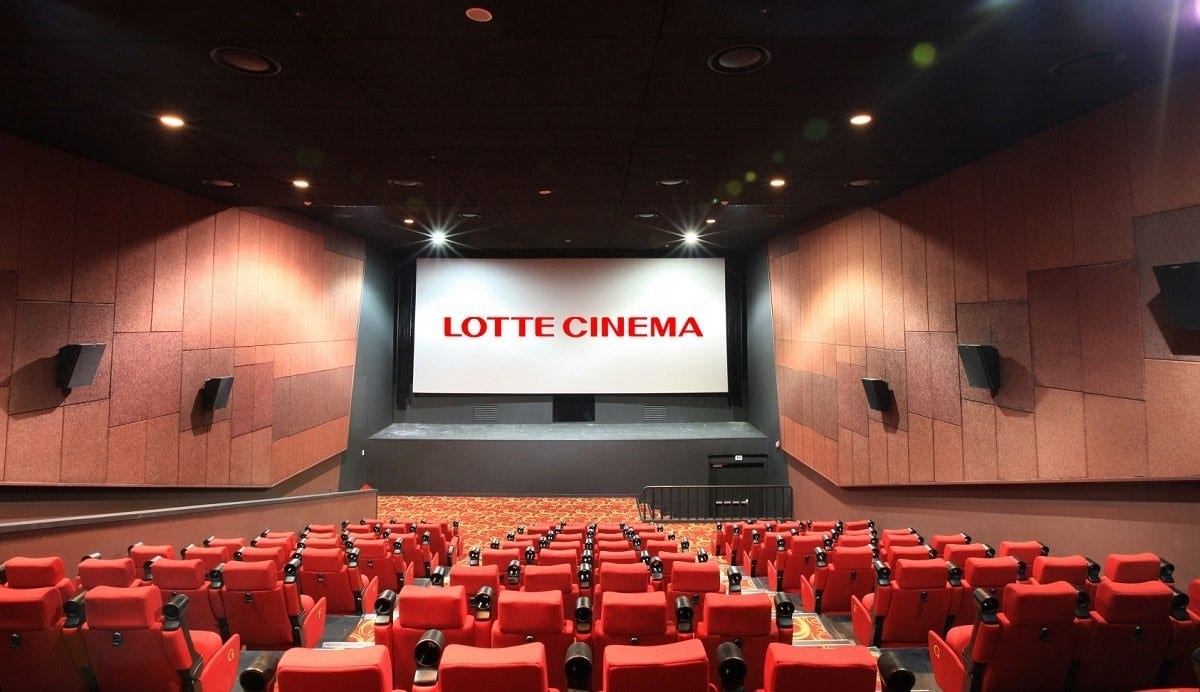
    The first theatre in Hong Kong from Lotte Cinema – South Korea’s second-largest movie-theatre chain – the complex, which opened in February, comprises two auditoria of 87 seats each.

    A visit to the second-floor theatre is like taking a trip back in time: there’s a simple counter serving snacks and a few posters on the walls but that’s about it. And while it looks out of place among the key cutters, launderettes and domestic-helper agencies around Mong Lung Street, an area not big on entertainment or retail, it’s a welcome addition, according to movie-goers who visited one wet Monday night.

    “It’s a really convenient location for people living in the Eastern District,” says 14-year-old Shau Kei Wan resident Felix Ho. “I’ll be coming a lot.”

    “I just watched Zootopia and it was a really comfortable experience. Plus the ticket prices are really good!” says Janet Ho, who is accompanied by two school friends. “The staff are friendly and the sound was fine, though it wasn’t as good as some cinemas, but that doesn’t bother me.”

    Daily screening schedules can be found on the L Cinema Shau Kei Wan Facebook page.

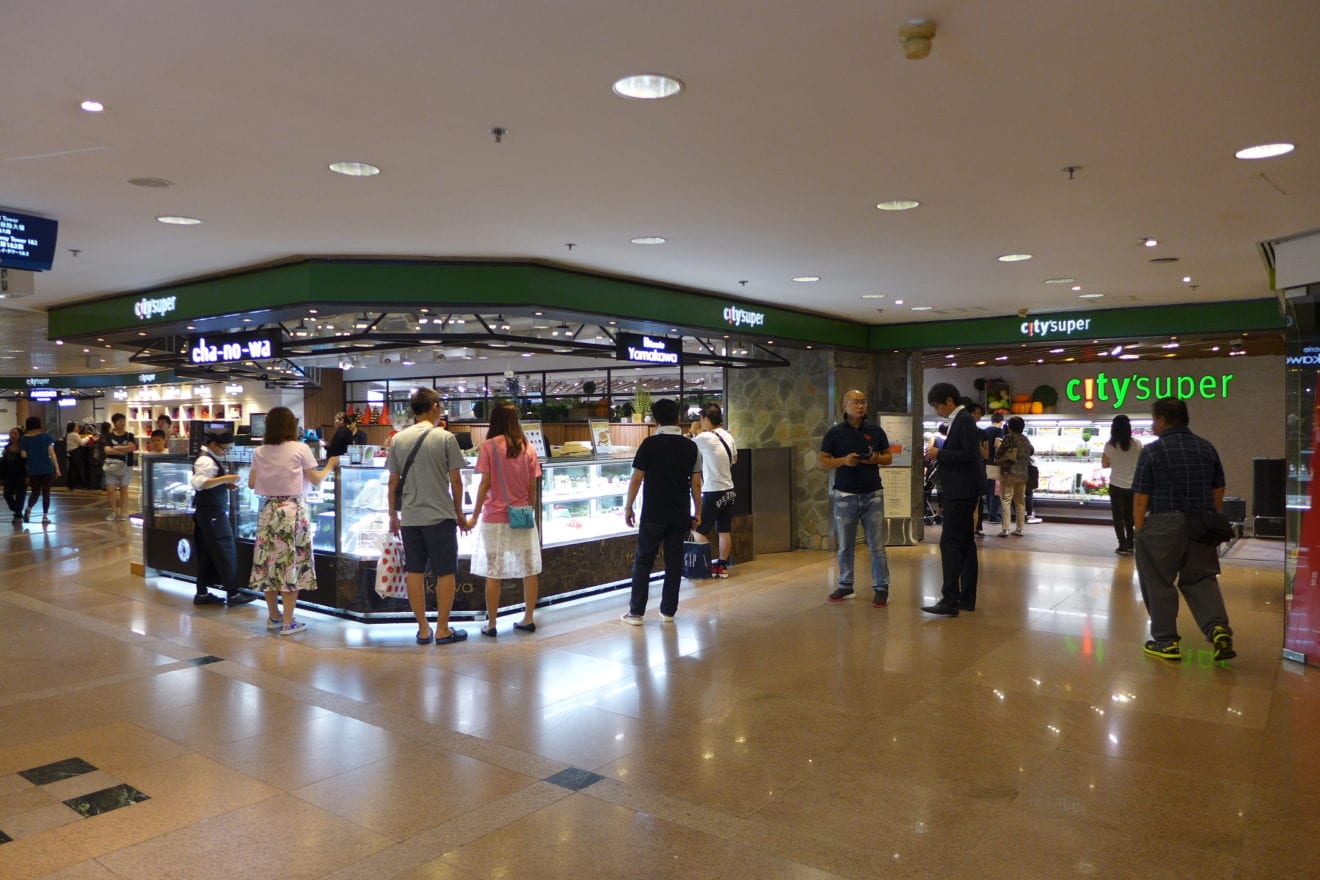
  • City’super was born in Hong Kong after Japanese department store Seibu exited the market

    City’super was born in Hong Kong after Japanese department store Seibu exited the market

    Many customers buy imported food and wine at Hong Kong’s City’super but few would know the group of founders were closely involved with a chain of Japanese department stores.

    In the 1980s high-end retail fashion and food markets were dominated by those Japanese operators. In 1990 Seibu department stores under a group management led by Masashi Ishikawa established its flagship store in the Admiralty district.

    city super

    Japan’s economic downturn during that decade, however, led Seibu to leave Hong Kong and its other overseas markets. Ishikawa, though, had fallen in love with Hong Kong and did not want to leave.

    He and other Japanese management, along with 14 local senior staff decided to create start-ups of their own in the city.

    They considered too many other stores were selling luxury-brand clothes and too few were selling good food and wine. So the City’super concept was born.

    But the 20-member founding group still needed a financial backer before their high-end mega stores could be launched.

    It did not take long to find a supporter.

    They convinced Masaaki Ogino, a Hong Kong-based Japanese businessman with textile manufacturer Fenix Group, about the future of their project. Ogino and his partners took just three days to back it.

    The rest is history.

    Twenty years on and City’super has become a household name for lifestyle stores selling top-quality meats, fruits and vegetables along with wine, beverages and other lifestyle products. It has brought in new concepts to shopping; it was the first adopt a bank queueing system, in which all customers form a line to be served by the next available cashier, and allows them to pay faster.

    But such innovation and always trying something new may not always prove successful.

    In 1998 Hong Kong Telecom introduced interactive TV for shopping on demand and City’super joined the project as a service provider to sell its products on demand through TV. That proved to be too much ahead of its time because internet speeds were slower 20 years ago and the it was not popular. The company exited the venture some years later and suffered a significant loss.

    “The Lesson learned was that we might think twice jumping into new technology. But we don’t regret doing it. It was just a bit costly lesson,” City’super president Thomas Woo said.

    The company’s current hot product, Cha Cha soft cream, had a bumpy start.

    It formed a joint venture with Japanese partners to launch a traditional Japanese confectionery counter selling authentic Japanese sweets and ice-cream but it drew few customers. It lost money for a few years and the company once wanted to close it.

    But a staff member suggested it should be given a six-month period for a final chance. The team eventually developed the popular Japanese green tea soft cream and launched it as a brand — Cha Cha — which now always draws a long queue of customers.

    The company’s first batch of shops opened in Times Square in 1996. It now has four shops in Hong Kong, three in Shanghai and six in Taiwan.

    Besides City’super, it has Log-On brand which sell stationery, travel accessories and beauty products. There are now 12 such outlets in Hong Kong, three in Shanghai and six in Taiwan.

    It also operates the CookedDeli dining stores which offer international cuisine in Hong Kong and Shanghai.

  • South Korea cuts natural gas rates by 6% on lower LNG import costs

    South Korea cuts natural gas rates by 6% on lower LNG import costs

    South Korea will cut retail natural gas prices for households and industry by an average of 5.6% from May 1 to reflect reduced LNG import costs, the Ministry of Trade, Industry and Energy said Thursday.

    It marks the third cut this year after rates fell 9% in January and 9.5% in March. South Korea cut city gas rates by more than 20% last year — 10.3% in May, 10% reduction in March, and 5.9% in January.

    “City gas rates have dropped by more than 38% since the end of 2014,” the ministry said in a statement.

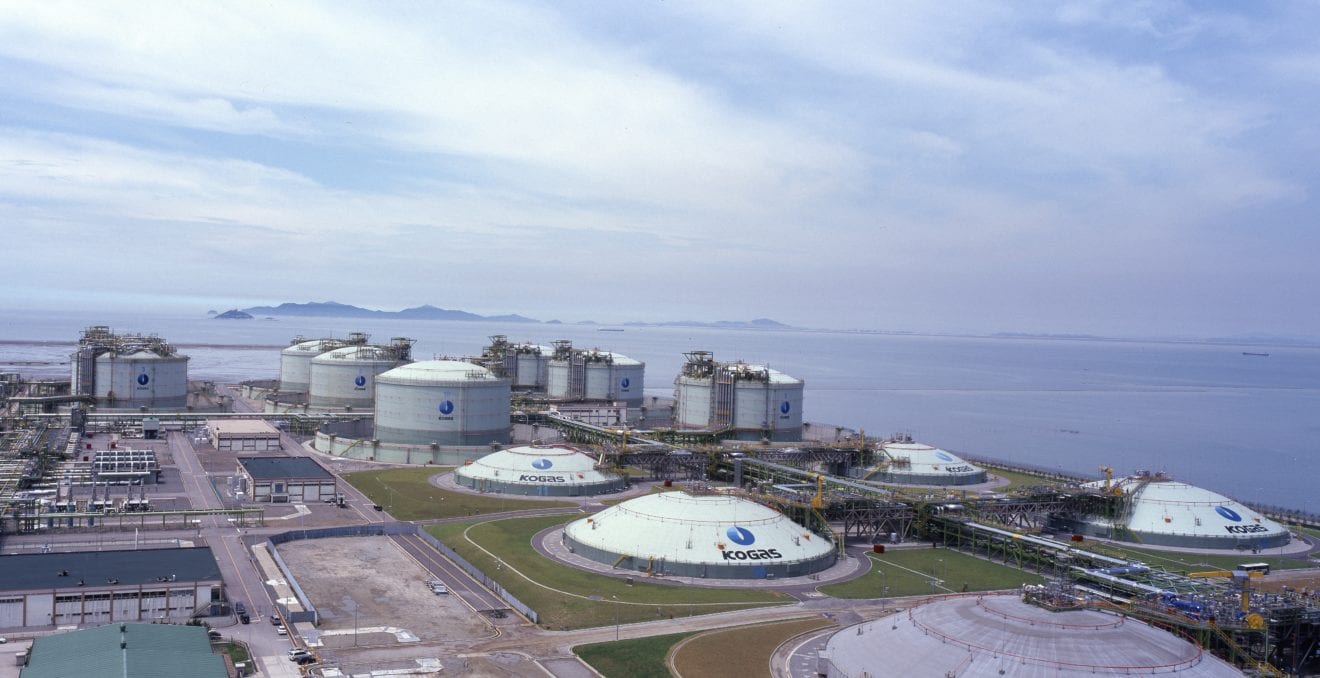
    Despite the price cuts, the country’s LNG demand has been declining. LNG sales by state-owned Korea Gas Corp., which has a monopoly on domestic natural gas sales, fell 4.4% year on year to 3.14 million mt in March.

    For the first three months, Kogas’ LNG sales are estimated at 10.79 million mt, up 1% from 10.68 million mt a year earlier as its sales over January-February increased 3.4% year on year on a cold snap.

    Kogas sold a total of 31.46 million mt of LNG last year, down 10.6% from 35.17 million mt in 2014, which marks the second consecutive year of decline.


  • Mixed fortunes for Dairy Farm Indonesia

    Mixed fortunes for Dairy Farm Indonesia

    Dairy Farm International’s Indonesia operation continues to struggle in food – but Ikea trades above expectations.

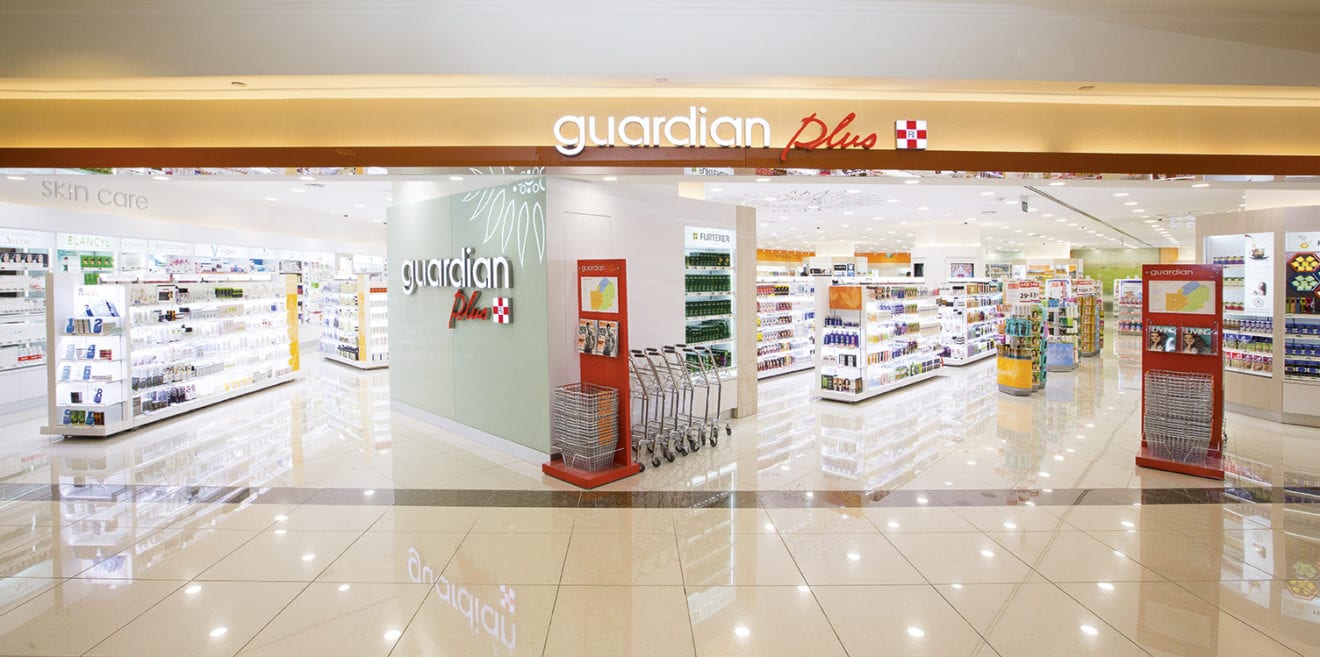
    The Hong Kong-listed company holds a controlling 83.9 per cent share in PT Hero Supermarket Tbk, which operates Giant hypermarkets and grocery stores, Guardian pharmacies and has the nation’s Ikea franchise, among others.

    Hero has reported a first quarter sales decline of 3 per cent to IDR3,409 billion (US$258 million), a 2 per cent improvement in gross profit, but a net loss of IDR 35 billion ($2.65 million).

    “While there are initial signs of margin improvement, the trading conditions for food are expected to remain challenging,” said president director Stephane Deutsch.  “Various initiatives are underway to improve the profitability of the Food business, and continuing progress is expected in both health and beauty and Ikea.”

    Although still relatively new, Ikea was the star of the quarter with sales up by double digits, exceeding both sales and profitability expectations.

    A total 28 net stores were closed in the first quarter, including one Giant Ekspres, 24 Guardian and five Starmart convenience stores. This was offset by the opening of one Guardian and 1 Giant Ekstra.

    In health and beauty, Guardian’s store rationalisation program is “progressing well”, said Deutsch. Together with the introduction of refreshed branding and increasing private label development, the restructure is leading to improvements in both sales and profitability.

    But profitability in the food operations was reduced due to the lower sales, higher stock provisions and increasing costs resulting from last year’s wage increases.

    “Significant attention continues to be given to driving sales growth, and several initiatives are underway to mitigate the effects of rising costs through energy savings and improved productivity,” said Deutsch.

    In food, the strategic decision to increase the focus on fresh produce is showing promising results with strong like-for-like sales growth.

    “Disappointing grocery and general merchandise sales, however, impacted negatively the overall food [division] performance during the quarter, especially in Giant. Action is also being taken to improve the efficiency of the supply chain, with increased centralisation through the group’s distribution centres,” he said..

    Both Giant Ekstra and Ekspres are taking action to improve their trading and their profitability.

    Dairy Farm Indonesia’s upscale format, Hero Supermarket, had stable like-for-like sales and continues to focus on enhancing its offer across the fresh, imported and exclusive ranges to provide a more distinctive choice for customers.

    At the end of the quarter (March 31), Hero operated 582 stores: 54 Giant Ekstra, 153 Giant Ekspres and Hero Supermarket, 295 Guardian Health and Beauty stores, one Ikea and 79 Starmart convenience stores.

  • Siam Makro plans $258m expansion

    Siam Makro plans $258m expansion

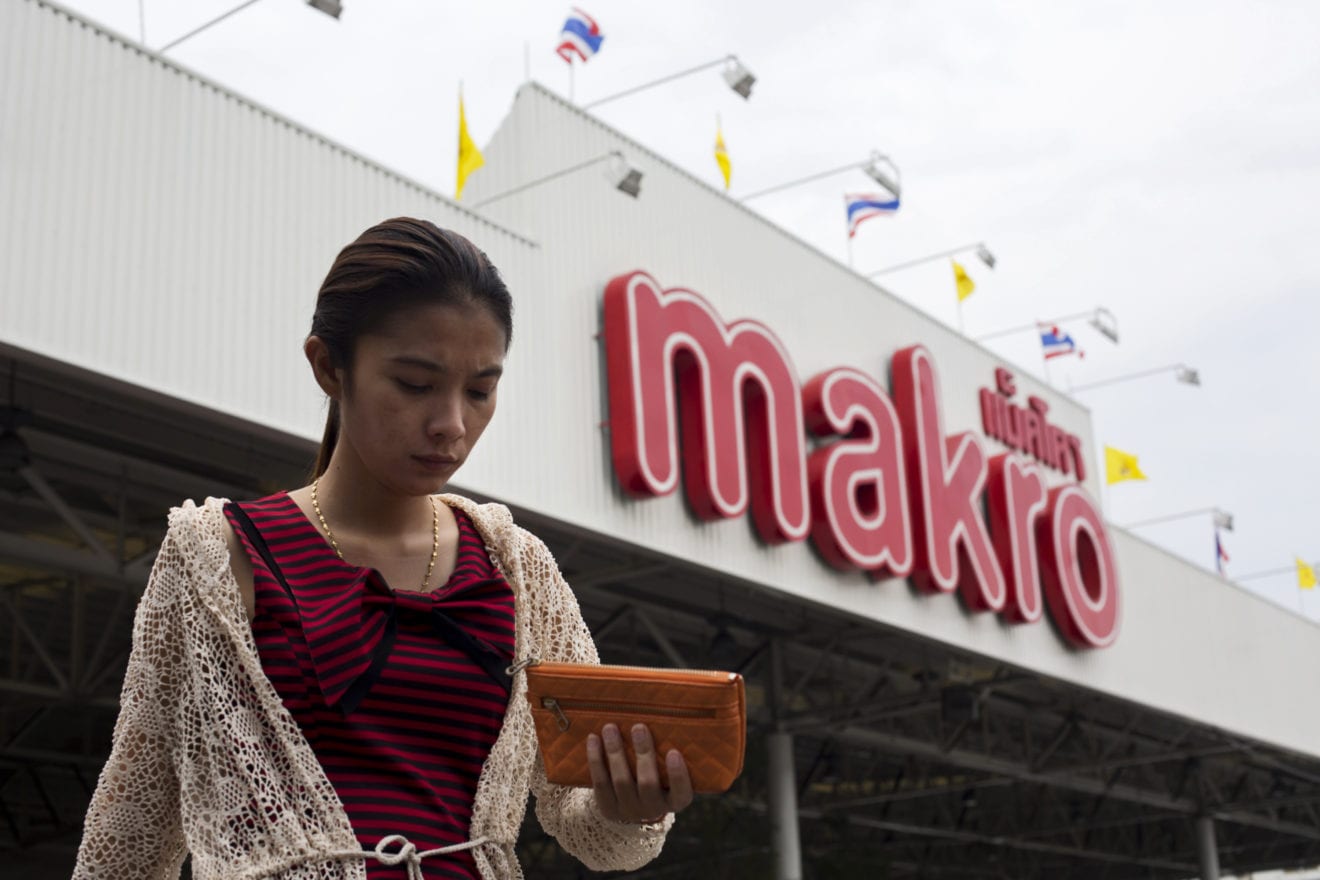
    Thai cash-and-carry chain Siam Makro plans to invest up to 9 billion baht ($258 million) in opening stores this year in Thailand and overseas.

    Its parent company, CP All, which through its ownership of 7-Eleven Thailand is the country’s largest convenience store operator, plans to sell some of its 97 per cent stake in Siam Makro. It has appointed Siam Commercial Bank as financial advisor for a public share sale.

    It is reported CP All aims to keep a stake of more than 50 per cent in Siam Makro, whose main customers are hotels, restaurants and small convenience stores.

    Siam Makro plans to spend 6 billion baht to open 20 stores in Thailand this year, plus 3 billion baht to expand elsewhere in Southeast Asia. CFO Saowaluck Thitaphant says possible markets include Cambodia, Laos and Vietnam.

    She says the company is also interested in India, and plans a store for Myanmar once the political climate is clearer following elections.

    Siam Makro expects revenue to rise by less than 10 per cent this year.

    CP All, controlled by billionaire Dhanin Chearavanont’s Charoen Pokphand Group, says it will use proceeds of the share sale to repay debt.

  • Central Group wins Big C Vietnam auction

    Central Group wins Big C Vietnam auction

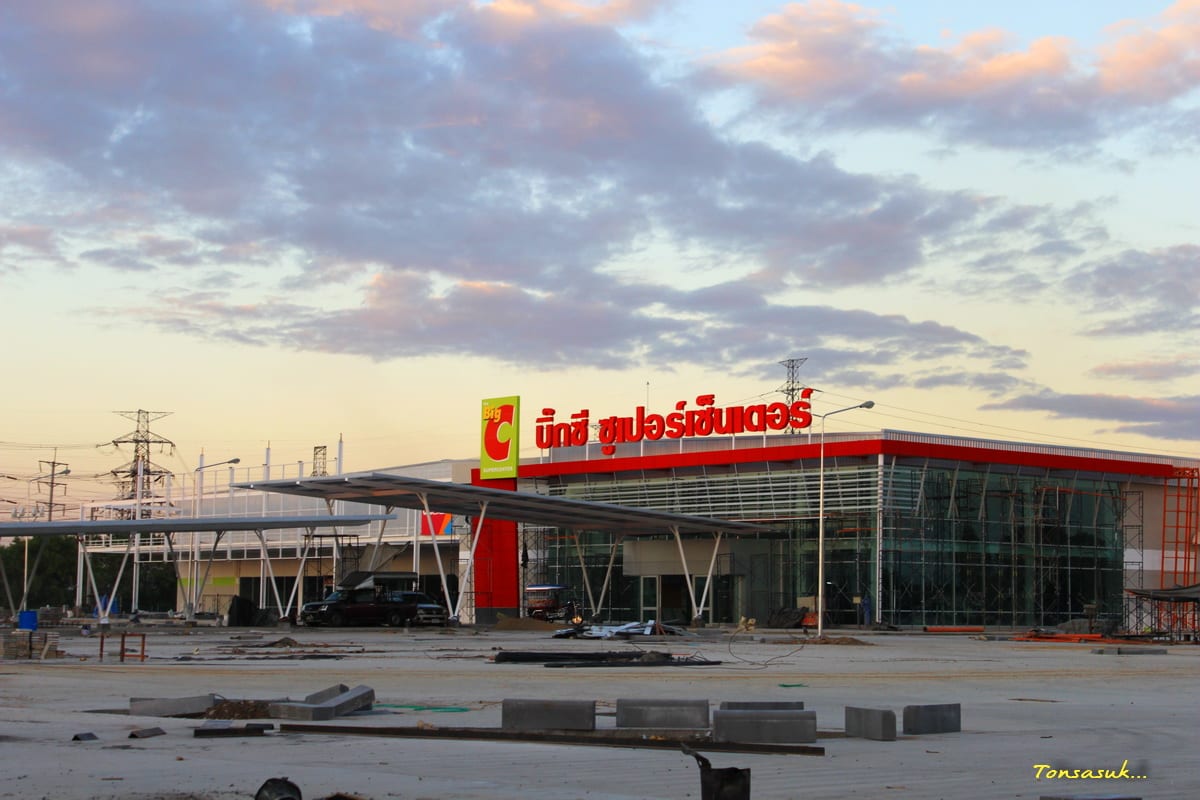
    Thai retail conglomerate Central Group has won the bidding battle for Groupe Casino’s Big C Vietnam business.

    Groupe Casino has confirmed Central paid €1 billion (US$1.14 billion), which will be used to pay down debt.

    That price is as much as $300 million more than the French retailer reportedly expected to get for the business whose value was earlier publicised at around US$800 million.

    One of the rival bidders – Lotte Group of Korea – is believed to have withdrawn from the process when it became clear the price would exceed $1 billion.

    Casino says it will net €920 million after sale costs.

    Central Group is already building a substantial collection of assets in Vietnam, rolling out Robins department stores in main centres and acquiring a controlling interest in the country’s largest electronics retail chain Nguyen Kim. Outside Vietnam it owns department stores in Italy, Germany and Indonesia, amongst other markets. Worldwide it boasts 4400 stores under various brands.

    In an odd twist, Central was a minority shareholder in the Big C Thailand operation which Groupe Casino sold a majority 58.6 per cent stake to rival Thai retailer Berli Jucker last month. Berli Jucker is controlled by tycoon Charoen Sirivadhanabhakdi, who last year paid €3.1 billion for German owned Metro Group’s hypermarket business in Vietnam. Berli Jucker is believed to have bid for Big C Vietnam but lost out to Central.

    The Big C Vietnam operation comprises 43 stores and 30 shopping malls. It turned over  €586 million in 2015.

  • Apple’s book and film services go dark in China

    Apple’s book and film services go dark in China

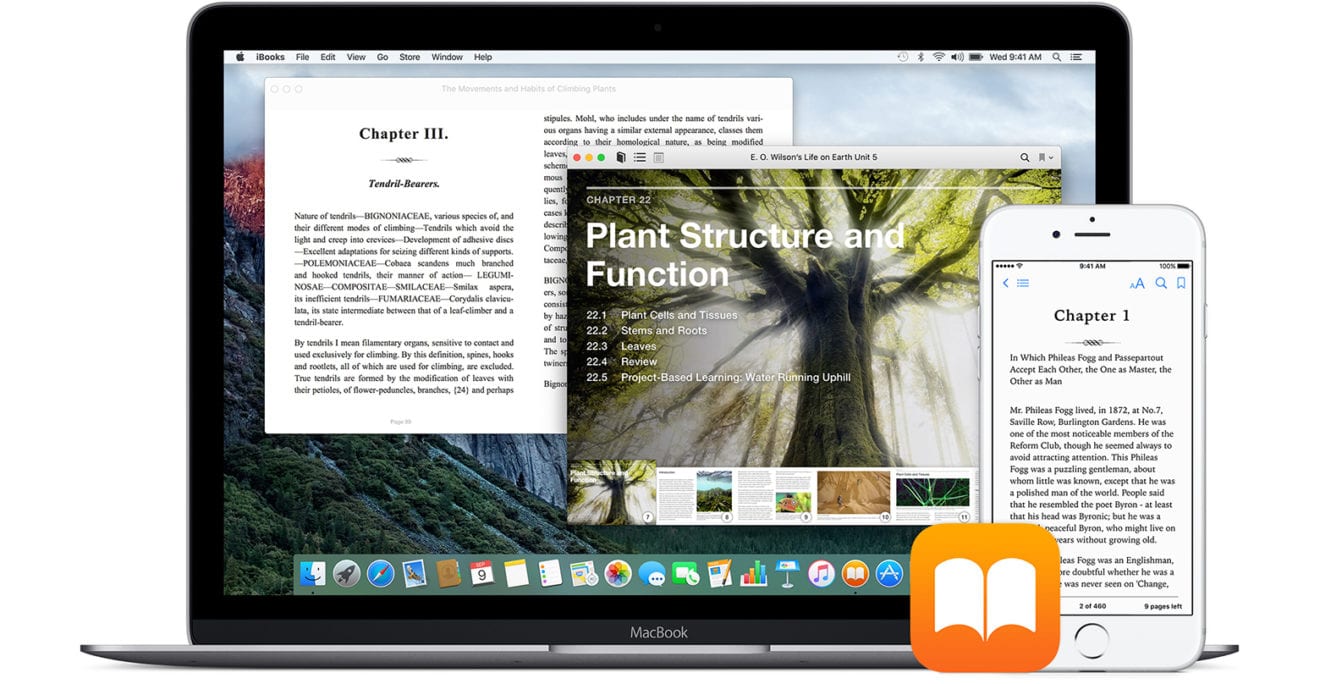
    Apple Inc’s online book and film services have gone dark in China, after Beijing introduced regulations in March imposing strict curbs on online publishing, particularly for foreign firms.

    Attempts by Reuters on Friday to access Apple’s iBooks Store and iTunes Movies services were met with a message in Chinese saying they were “unusable.”

    China’s media regulator, the State Administration of Press, Publication, Radio, Film and Television, demanded Apple halt the service, the New York Times reported, citing two unnamed people. The regulator did not respond to a faxed request from Reuters for comment.

    “We hope to make books and movies available again to our customers in China as soon as possible,” said a Beijing-based Apple spokeswoman, who declined to provide further comment.

    This is not the first time an Apple service has been made unavailable in China.

    The company’s News app, launched last year, can be used in many countries by people who downloaded the app from the U.S., United Kingdom or Australia App Stores. But those people trying to access the service on the mainland are shown the message “News isn’t supported in your current region.”

    The Apple spokeswoman in Beijing said News had only launched in the U.S., United Kingdom and Australia, but declined to comment on how the app could still be used in places like South Korea and Hong Kong but was blocked in mainland China.

    Apple’s second-largest market by revenue is Greater China, which includes Taiwan and Hong Kong, driven by the iPhone’s popularity in the world’s biggest smartphone market.

    But the company has at times met with official resistance from Beijing, with state media once branding the U.S. tech behemoth’s iPhone a danger to national security.

    In March, regulations came into effect that prohibit foreign ownership and joint ventures in online publishing and stipulate that all content be stored on servers in China. The move sparked fear of greater curbs on foreign businesses.

    In an effort to shape public opinion, President Xi Jinping’s government has implemented an unprecedented tightening of internet and media controls and sought to codify the policy within the law, a campaign that critics say ignores human rights and is a burden for business.

    Earlier this month, the U.S. labeled China’s internet censorship a trade barrier in a report for the first time since 2013, saying worsening online restrictions are damaging the business of U.S. companies.

    Officials say internet restrictions are needed to ensure security in the face of rising threats such as terrorism and foreign ideology that could destabilize China.

  • Taiwan domestic supermarket sales up almost 10 percent in March

    Taiwan domestic supermarket sales up almost 10 percent in March

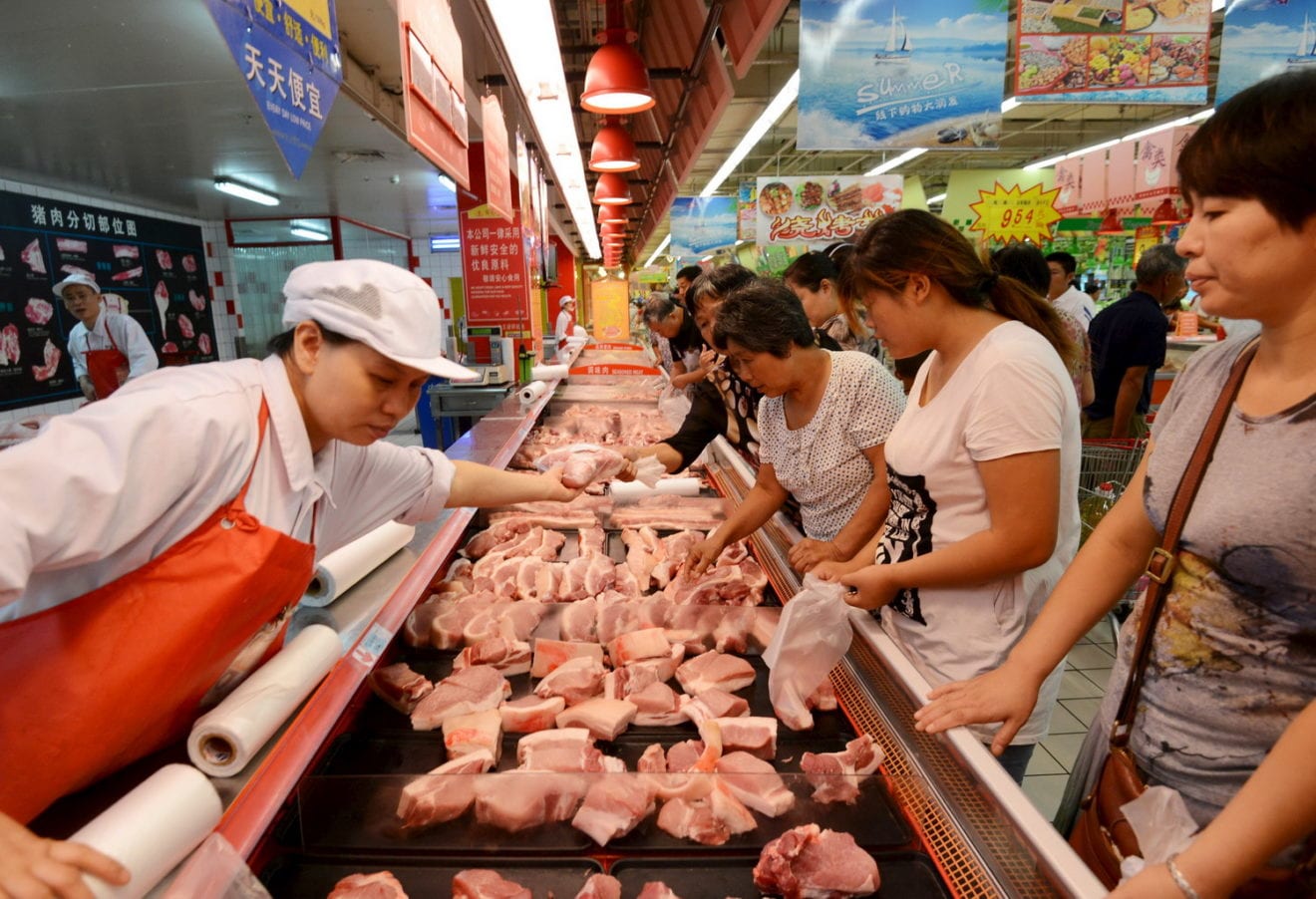
    Sales posted by supermarkets in Taiwan rose almost 10 percent year-on-year in March, outperforming the retail sector as a whole, because of the expansion of their retail networks, according to the Ministry of Economic Affairs (MOEA).

    Efforts to promote fresh food in their stores also boosted supermarket sales compared with the same month a year earlier, the MOEA said.

    In a monthly report on the sales of the wholesale, retail and dining sectors in Taiwan, the MOEA said supermarkets saw sales of NT$14.8 billion (US$458 million) in March, up 9.2 percent from a year earlier, while the overall retail sector’s revenue rose only 1.1 percent year-on-year to NT$319.6 billion .

    The MOEA said that with PXMart, one of Taiwan’s leading supermarket chains, planning to add stores this year and next year, the supermarket segment could continue to see sales grow in the near future.

    PXMart has announced it will expand its network to 900 outlets in 2016 and 1,000 in 2017 from 794 at the end of 2015.

    Also in the retail sector, sales posted by department stores rose 3.6 percent in March from a year earlier to NT$21.9 billion as they introduced new products to consumers and added stores, the report said.

    Sales at hypermarts and convenience stores rose 4.4 percent and 1.4 percent in March from a year ago, respectively, to NT$13.8 billion and NT$24.5 billion, according to the report.

    The domestic retail sector also benefited from a 10.7 percent rise in online retail sales in March from a year earlier to NT$19.7 billion and aggressive promotional campaigns in the automotive industry that pushed the sector’s sales 5.3 percent higher to NT$52.8 billion.

    As for the wholesale sector, the MOEA said, revenue fell 5.3 percent from a year earlier to NT$785.7 billion during the month as notebook computer and LCD TV buyers from Japan continued to cut back their orders.

    Falling prices for flat panels and dynamic random access memory chips also affected wholesale sales in the month, the ministry said.

    Wholesale trade in beauty and health products bucked the downturn, however, posting a 4.7 percent year-on-year increase in revenue to NT$36.4 billion due to a flu outbreak and promotional activities ahead of Mother’s Day, the MOEA said.

    Meanwhile, revenue posted by the dining sector fell 1.8 percent in March from a year earlier to NT$33.6 billion, ending a 13-month streak of year-on-year gains. The MOEA said the decline was due to the high number of rainy days during the month, which kept families indoors.

    Within the dining category, restaurants saw their sales fall 1.7 percent in March from a year earlier to NT$28.5 billion, and beverage vendors saw revenues dip 3.6 percent year-on-year to NT$3.7 billion, the MOEA said.