Category: Living

Retail News Asia is committed to providing both local and global retailers with the latest Living news throughout the Asian market. This on a daily base.

  • Robi launches Wi-Fi in buses and taxis

    Robi launches Wi-Fi in buses and taxis

    Robi Axiata has introduced Wi-Fi services in 100 buses and 100 taxis in Bangladesh as part of a government-led project to improve internet availability in the nation.

    The network services will be available for all users with Wi-Fi enabled devices. Robi will offer its customers purchasing data packs of at least 1GB free Wi-Fi quota to use on the network, and plans to introduce bundles with Wi-Fi quotas in the near future.

    Robi has formed partnerships with local broadband provider Qubee and technology services providers AccessTel, and Aamra to deploy and maintain the hotspots. The rollout on buses and taxis is being conducted in partnership with e-commerce and e-business aggregator Coalesce.

    Over the next six months, the Wi-Fi project will be extended to a total of 500 restaurants and cafes, 100 educational institutes, 10 public places, 350 buses, taxis and trains, as well as airport and rail stations.

    Robi is partnering with the government on a project to realize the vision of a Digital Bangladesh, and improving internet connectivity in the nation is a key component of this initiative.

    The move comes soon after Singaporean operator M1 and the nation’s Infocomm Development Authority commenced a trial of their own Wi-Fi service for public buses operated by Singapore’s main public transport operator SMRT.

  • Bag charge to reduce Indonesia’s plastic waste

    Bag charge to reduce Indonesia’s plastic waste

    The government has made it mandatory for retail businesses across Indonesia to charge customers 1.5 cents for each plastic bag they use.

    Supermarkets and vendors in cities across Indonesia have begun charging customers for plastic bags in a bid to reduce waste.

    The government has made it mandatory for retail businesses across Indonesia to charge customers 1.5 cents for each plastic bag they use.

    According to the Environment and Forestry Ministry, Indonesians consume up to a million plastic bags every minute.

    Indonesia is ranked the world’s second largest plastic waste producer, using more than 187 million tons each year.

    Watch the video to get more details over plastic wastw problem in Indonesia.

  • A British textile designer’s eclectic Hong Kong home

    A British textile designer’s eclectic Hong Kong home

    “I basically live textiles,” says British designer Sarah Coates, who moved to Hong Kong four years ago with her husband, Peter, a journalist with Reuters, and daughter, Stella, now 11 years old. The family home, a light-filled 2,000 sq ft apartment in Mid-Levels, is evidence of her passion for all things woven, crocheted or otherwise crafted.

    “I looked at loads of apartments when we were searching for our new home in Hong Kong, many of which had lots of shiny gold taps, so when our estate agent warned us that this one was ‘a bit basic’ I just thought, ‘Yessss!’” says Coates.

    The location, near Bowen Road, with panoramic views over the city towards Kowloon, was another plus.

    “I like the idea of being slightly removed from the city but still part of it,” Coates says.

    The apartment has an open-plan living and dining room, with a balcony spacious enough to accommodate a large dining table and outdoor sofa.

    “I also enjoy the convenience of living on one level, which is very different to our London home,” she says.

    The couple lived in New York, Beijing and, more recently, the British capital before moving to Hong Kong.

    “I learned my lesson after three international moves,” Coates says. “I ship absolutely everything. It is really important to commit to where you are and to make it your real home.”

    Among the couple’s belongings are a bright pink corduroy three-seater that was Coates’ first ever furniture purchase and a vintage oak church pew they bought while living in New York.

    “The pink sofa is propped up on one side with books but it is so comfortable and reminds me of my first home, so why not?” Coates says.

    Once settled, Coates started designing a range of cushions for Hong Kong design store Deem (recently closed) and developed a retail brand of hand-knitting wool, called KPC Yarns, for Novetex Textiles. “That is the beauty of being a textile designer – it is the ultimate transferable skill,” Coates says.

    More recently, she happened upon a family-owned warehouse with a stock of fabrics from the 1960s that she and her business partner, Tarlan Amigh, have since transformed into the Smith & Coates range of distinctive cushions, lampshades and clothing.

    “The fabric is quite special with a modern sensibility. I know what I like to live with and how a beautifully woven textile, like a bold geometric print or a vibrant motif, can transform a space,” Coates says, pointing to her daughter’s bedroom, a cornucopia of crocheted cushions, bright prints by local artist and family friend Tania Willis and intricately embroidered fabrics.

    “I especially like the Hong Kong-ness of this apartment,” Coates says. “It is also very light, the windows open properly and the parquet floor isn’t shiny, which is often the case in homes here. It was built in 1966 so it has that lovely old Hong Kong feel.

    All I had to do was install fabric Roman window blinds and we were set.”

    One of the four spacious bedrooms has been transformed, magpie-like, into a studio packed with inspiration. Everything from Delft tiles to Lunar New Year decorations is displayed alongside a rail of Smith & Coates coats featuring a crafted aesthetic, and an exotic assortment of prototype lampshades covered in rich silk brocades with metallic threads.

    As an expatriate living what some see as a temporary life in Hong Kong, it is especially important to make an effort to create this sort of sensory “real world” or sense of home with things that are part of your life, says Coates.

    “It’s very easy to think your real life is happening somewhere else but … you have to be present wherever you are living and invest in it.”

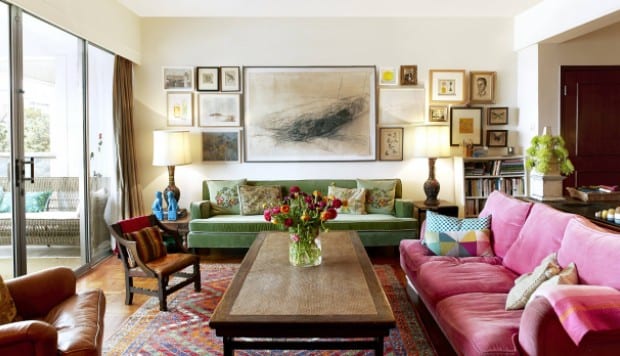
    Living Room Sarah Coates sourced the green Edward Wormley velvet 1960s sofa from local boutique Deem (now closed) while the salmon pink sofa was bought years ago in Britain. The embroidered cushions were handmade by Peter’s Dutch grandmother; Coates crocheted the colourful cushion. The green spotted silk cushion (HK$1,300) was from Smith & Coates (tel: 6245 3500;www.smithandcoates.net). The Scholten & Baijings pink cashmere throw (HK$3,000) was from Droog (www.droog.com), in Amsterdam, in the Netherlands. The opium-bed coffee table was bought years ago in Beijing and the side tables were gifts. The rug was sourced from a shop in Ap Lei Chau that has since closed and the lamps cost about HK$1,000 each from a New York flea market. The pair of aqua Foo dogs cost HK$200 each from the Cat Street market, in Sheung Wan. The small leather and wood chair and the leather armchair were gifts from Peter’s grandmother. The artworks on the wall were collected over the years; the main piece is by British artist Karn Holly (www.mallgalleries.org.uk). The Danish outdoor sofa (HK$9,000), with Smith & Coates cushions, came from Manks (14/F, Cheung Tak Building, 30 Wong Chuk Hang Road, Wong Chuk Hang, tel: 2522 2115).

    Dining room The dining table (HK$1,000) was from Ikea and the chairs (about HK$2,000 each) were sourced from Deem. The tablecloth (HK$200) came from Anokhi (www.anokhi.com), in India. Coates made the ceramic tulipiere based on a Delft piece as a gift for her husband. The orange stool (HK$2,600) was from Smith & Coates. The rug (HK$1,200) was found at Mister Zimi (www.misterzimi.com), in Australia. The Tom Dixon lamp (HK$2,000) was from Homeless (various locations;www.homeless.hk). The pair of artworks on the wall are by Sophie Smallhorn (www.sophiesmallhorn.co.uk) and were bought directly from the British artist. Beneath the artworks are a lamp (from Wah Tung China, 7/F, Lee Roy Commercial Building, 57 Hollywood Road, Central, tel: 2543 2823), candlesticks and fabric that were all bought years ago. The window blind (HK$500) was made by New Bedford Interiors (67 Queen’s Road East, Wan Chai, tel: 2520 0330). The Chinese medicine cabinet and umbrella stand were bought in Beijing. The lacquer lantern (HK$30) was found in a local street market. The artwork above the chest is by British artist and journalist John Piper.

    Entrance The sofa was bought years ago from The Conran Shop (www.conranshop.co.uk), in Britain. Coates crocheted the pair of cushions while the lamp came from Peter’s grandmother. The pen drawing is by artist David Teather (davidteather@hotmail.com). On the left is a Chinese embroidered silk sleeve band, one of a pair brought back from Shanghai in the 60s by Peter’s grandmother.

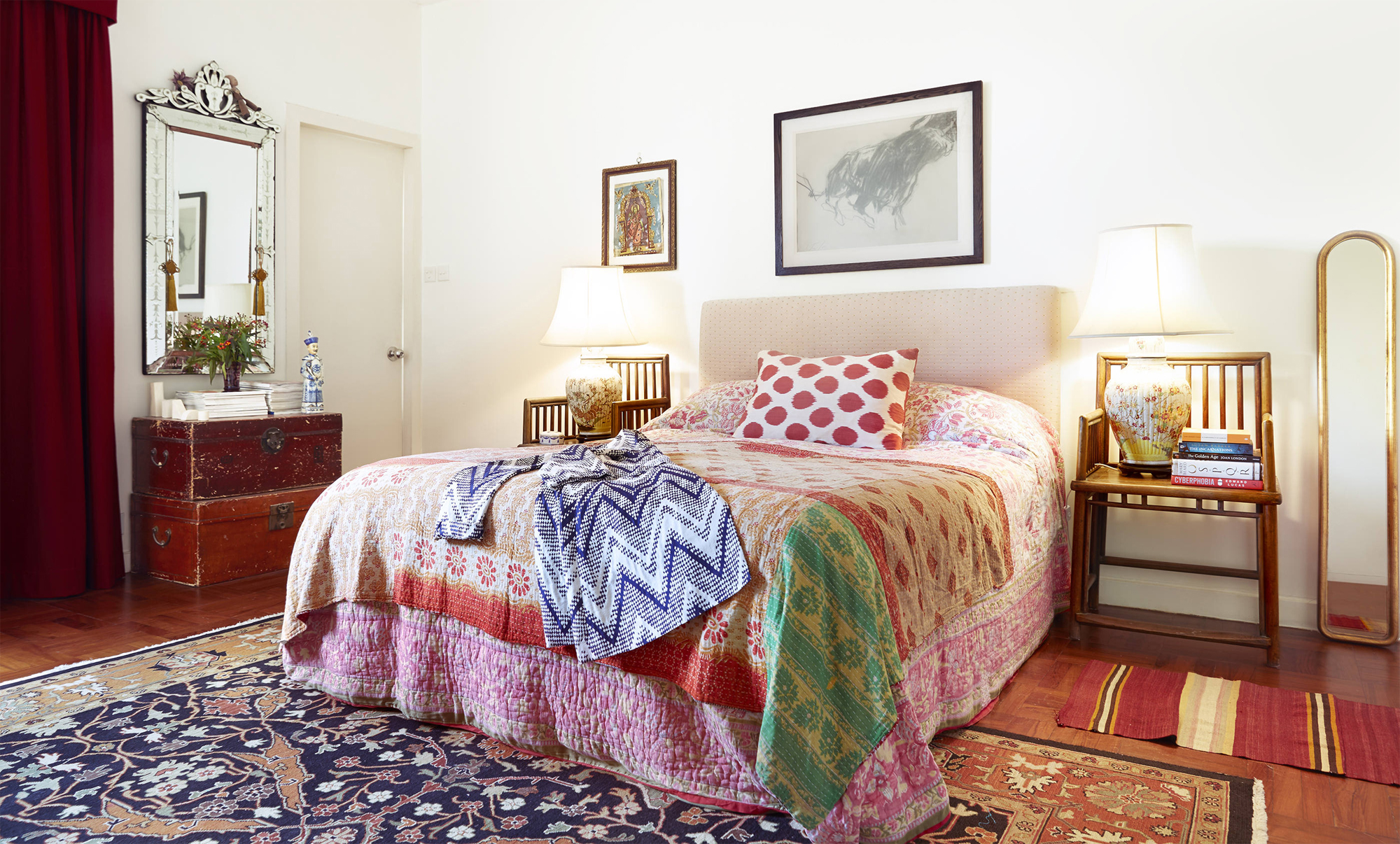
    Master bedroom The bed and headboard came from a previous home. The Venetian ornate mirror was a wedding present. The vintage leather trunks and small figurine were found in a Beijing market. The large floor rug was bought in New York; the smaller striped rug came from Afghanistan. The tall mirror came from Peter’s grandmother. The artwork above the bed is by British artist Jo Taylor (represented by The School House Gallery, in Wighton, Wells-next-the-Sea, Norfolk, tel: 44 1328 820 457) and was bought years ago directly from the artist. On the bed are a Smith & Coates woven silk coat and spotted cushion (HK$1,300). The curtains were made by New Bedford Interiors and cost about HK$1,500.

    Studio An oak dining table, bought years ago in New York, provides ample work space. The chair, from Deem, is part of the dining room set. The brightly coloured work hanging on the chair is a crocheted striped scarf (HK$2,500), which was handmade by Sarah for Smith & Coates. On the clothes rail is a collection of Smith & Coates coats made using vintage silk brocade that comes from a Kowloon silk mill that closed in the 60s. The woven palm mat came from the Philippines and was a present.

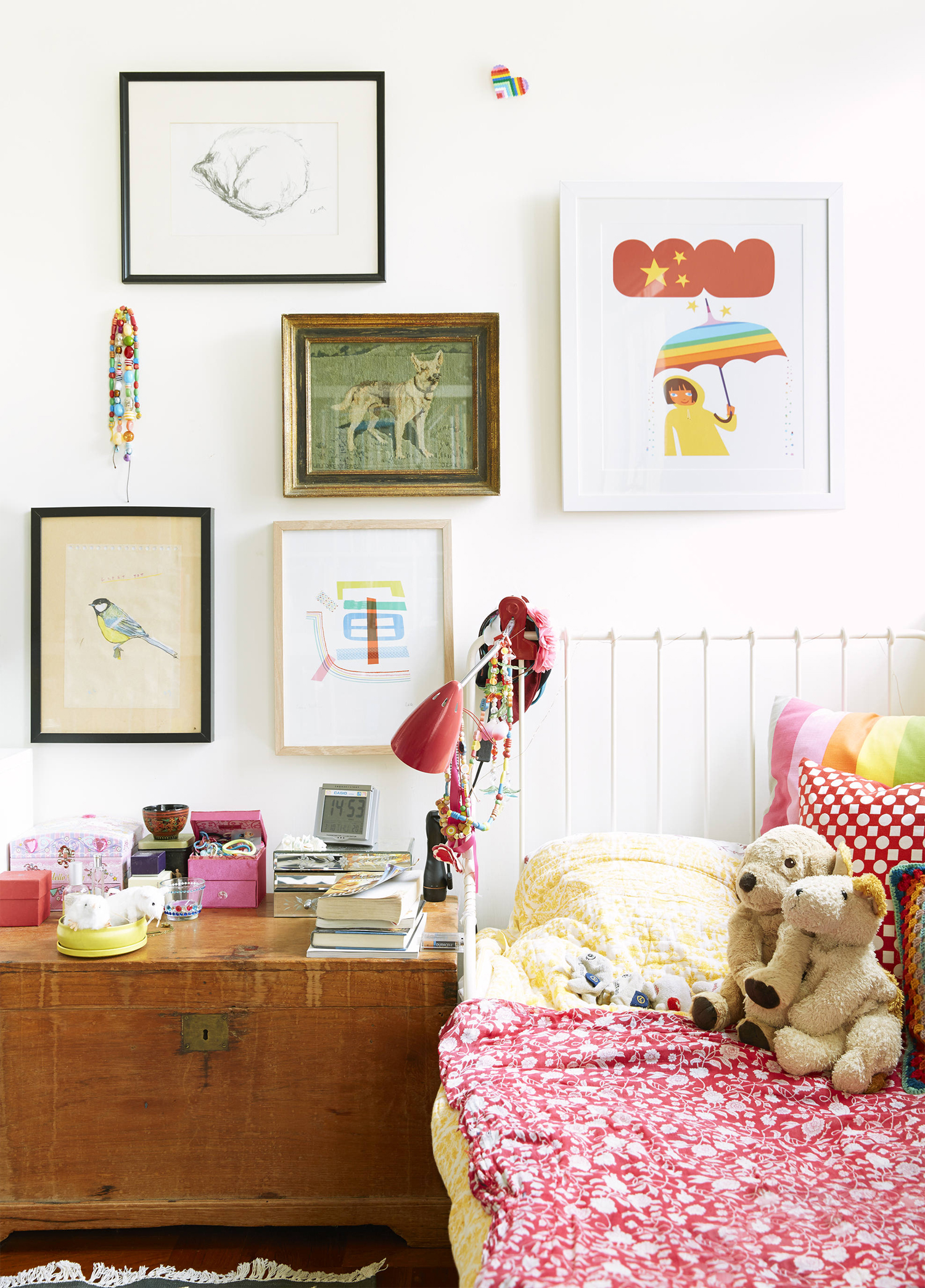
    Child’s bedroom Beside the Ikea iron bed (about HK$800) and Ikea lamp (HK$200) is an Indian storage chest bought years ago from a shop that has since closed. The bed covers came from Anokhi. The striped cushion was also from Ikea. The remaining cushions (about HK$1,300 each) were from Smith & Coates. The colourful prints, above and to the left of the bed, are by local artist Tania Willis (www.taniawillis.com). The rest of the artworks are junk-shop finds and gifts.

    Corridor detail A Smith & Coates hand-crocheted bag rests on an oak church pew bought years ago in New York. It doubles as extra book storage. On the wall are artworks by Willis (left) and Georgia Manifold (www.gmc-art.com).


    TRIED + TESTED

    Double duty A classic Chinese chair bought on Hollywood Road in the 1990s does double duty as a quirky bedside table. The lamp is a vase that was sourced from Wah Tung China and cost HK$2,000. The small box also came from Wah Tung China. Above the lamp is a picture of an Indian deity bought while on holiday in Cochin. The vintage throws on the bed cost HK$1,800 each from Inside (various locations;www.inside.com.hk).

  • Boston Combo concept unveiled by MPPA

    Boston Combo concept unveiled by MPPA

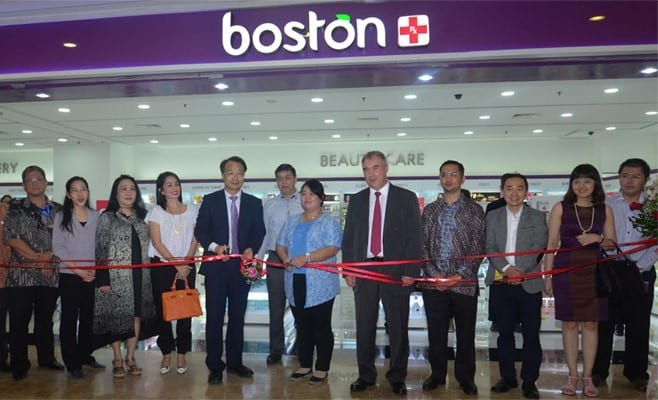
    Multi-format retailer Matahari Putra Prima (MPPA) has launched a new concept, Boston Combo, inPluit Village mall, Jakarta.

    MPPA, which runs FMX, Foodmart, Hypermart and SmartClub, this year expanded its Boston Health & Beauty formats across Indonesia. As well as the latest concept, there is the original Boston Health and the new Boston Regular.

    Boston Combo, with a gross selling area of about 730 sqm, provides cosmetics, perfumes, diapers, dairy products for adults and babies, basic softlines, stationery and organic foods. There is also a pharmacy and optical counter.

    Boston has been refreshing its displays and aisles, making stores easier to navigate, with better lighting and stocked with items that are more targeted and locally relevant.

    Boston operations director Kyu Tae Park says the Boston Combo at Pluit Village provides a range of general merchandise that competitors do not stock.

    MPPA is one of Indonesia’s largest retailers, employing more than 30,000 associates in 112 Hypermarkets, 23 supermarkets (Foodmart Primo/Fresh), 49 minimarket/convenience stores (FMX), 108 health-and-beauty stores (Boston) and one wholesale outlet (SmartClub). At December 31, its store count was 293 in 68 cities throughout Indonesia.

  • Garuda Indonesia Holds Travel Fair on April 29

    Garuda Indonesia Holds Travel Fair on April 29

    Flag carrier Garuda Indonesia will hold the Garuda Indonesia Travel Fair (GATF) event starting from April 29 until May 1, 2016 at the Jakarta Convention Center. The event will be held in cooperation with Bank Nasional Indonesia (BNI).

    “Garuda wants to help passengers prepare their trips with an affordable price,” said A. Toni Soetirto, Garuda Indonesia Commerce Director at Plaza Arcadia Senayan on Tuesday, April 19, 2016.

    Toni said that the GATF will also be held to support the government’s effort in promoting Indonesia’s tourism sector by providing flights to newly developed tourism destination.

    Selfie Dewiyanti, Garuda Indonesia’s Marketing Vice President said that all flight routes will be made available throughout the event. “We guarantee that ticket prices sold in the exhibition will have the best price throughout the year,” Selfie said.

    In addition to Jakarta, the GATF event will be held simultaneously in 14 other cities, including Bandung, Medan, Pekanbaru, Jambi, Semarang, Solo, Yogyakarta, Surabaya, Denpasar, Makassar, Manado, Timika and Jayapura.

  • FamilyMart Malaysia rollout confirmed

    FamilyMart Malaysia rollout confirmed

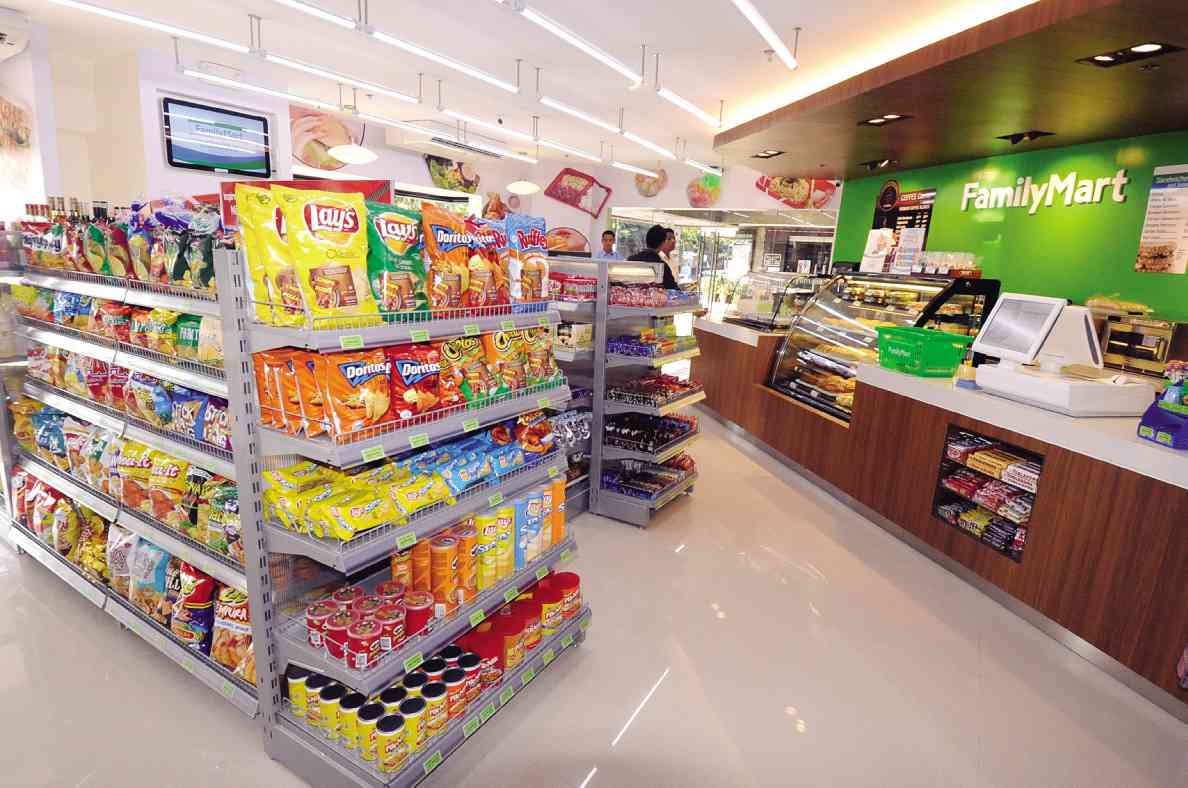
    QL Resources, which produces chicken eggs and seafood surimi, is set to launch a MalaysiaFamilyMart network.

    The company says it plans to open 300 outlets within five years, with the first to be up and running by the end of this year. That will trigger a battle with fellow Japanese convenience store chain 7-Eleven and local startup Bison Incorporated which plans to use the funds from an upcoming IPO to open 150 new stores by 2017.

    QL Resources says its wholly owned subsidiary Maxincome Resources has signed the area master franchise agreement for the development and running of FamilyMart convenience stores in Malaysia. The 20-year agreement is renewable for subsequent periods of 20 years, each at Maxincome’s option, and becomes conditional once the company has registered as a franchisee with Ministry of Domestic Trade, Co-operatives and Consumerism.

    FamilyMart sees the move into Malaysia as an “exciting opportunity” given the country’s growing economy and consumer spending.

    Both parties seem to agree the launch will have a long gestation period, understandable given the current state of the convenience store industry in Malaysia.

    7-Eleven Malaysia dominates the market, with a share of around 82 per cent, through  more than 1900 stores nationwide and with an expansion rate of about 200 annually at present..

    Smaller rival Bison has about 240 newsstands and convenience stores under its brands, which include myNews, Newsplus, MagBit and The Front Page. It also runs WHSmith outlets in Malaysia, in a joint venture with UK’s WH Smith Plc.

    QL Resources says the launch of FamilyMart will open up bigger growth opportunities in the consumer market for the whole group. “It fits into our strategy of strengthening and expanding integration of the group’s value chain.”

    It cites such favourable factors as Malaysia’s increasing urbanisation and per-capita consumption, young population demographic, and a growing trend of proximity and convenience retail.

    Globally, FamilyMart had 17,540 stores in seven countries as at March 31, and is known for its range of ready-to-eat food and beverage offerings as well as convenience items.

    “FamilyMart’s philosophy and values resonate with QL Resources’ mission of providing nourishing agro-based products,” QL Resources says in a statement. “Their emphasis of delivering quality food is also a value that QL Resources, as a food company, values and sees synergy in.”

  • Why the Boots Alliance merger is a success

    Why the Boots Alliance merger is a success

    With a strong international business, a focus on driving productivity and investment in omnichannel, the Boots Alliance Walgreens business is on track to long-term success.

    The inclusion of Boots Alliance’s sales for the full quarter provided a fillip to revenue growth which was up by almost 14 per cent. Underlying sales, while up at headline level, were somewhat more subdued – especially within the US retail pharmacy division.

    The warmer weather in the US, especially during the early part of the quarter, was unhelpful – it meant the traditional cold and flu season did not strike with its usual vengeance. This, in turn, suppressed sales of key seasonal lines like flu, cold and cough medicines. This was noticeable in the front of store retail sales decline of 0.3 per cent on a comparable basis; something only offset by a strong prescription performance which pushed the retail pharmacy division’s overall performance into positive territory.

    Although cold remedies pulled down front of store sales, Walgreens is making encouraging progress in other parts of its retail offer. As a local retailer with a solid network of well frequented stores, Walgreens has a major opportunity to sell more product to existing customers, as well as drawing in a wider audience for products outside of the pharmacy and wellness space.

    Accomplishing this task requires a reinvigoration of the front of store proposition, especially in areas like beauty where Walgreens aim should be to be seen as much as a destination for higher end, more premium brands as it is for essentials and everyday beauty. This transformation has started, especially with the success of the group’s own brands like No. 7 cosmetics, and in the gifting category – which was an area of focus over the holiday period.

    In reshaping the front of store offering, Walgreens is ahead of its main rival CVS which has a lot more work to do in order to shift perceptions. Walgreens, of course, has an advantage as it is able to learn from Boots in the UK, which has, for a long time, been successful at selling both premium beauty and many other non-beauty categories. While Walgreens should not aim to simply replicate Boots, there are elements of the proposition – including the focus on lunchtime snacks and takeaway food – that can be adopted and adapted to the US market.

    Looking internationally, Boots in the UK had a successful quarter helped by a focus on Christmas gifting and also the strong performance of the ‘order online and collect from store’ service. Similar to Walgreens in the US, Boots in the UK has an extensive and localised store network which makes it a convenient option when it comes to picking up products purchased online. This, again, is something that the US operation can learn from and develop as the group looks to grow its omnichannel capabilities.

    Being part of a much bigger group isn’t only creating opportunities for the sharing of brands and ideas, it is also – as the Walgreens always planned – delivering savings. This quarter, synergies saved around US$329 million, and the group remains on target for $1 billion of savings across this quarter. This target is attainable and should help to provide an underlying boost to earnings moving into the second half.

    The successful integration of Boots Alliance and Walgreens has likely given the group confidence to pursue Rite Aid – the proposed acquisition of which was announced last October and approved by Rite Aid’s stockholders in early February. All being well, this transaction should close during the second half of this fiscal year.

    The deal makes sense on a number of levels – not least because Rite Aid has struggled to keep pace with its two rivals and we believe that Walgreens will be able to quickly make the chain more productive.

    Rite Aid has started this work with its Genuine Wellbeing format refresh, which creates a more engaging and enticing shopping experience with enhanced levels of customer service. This is something that Walgreens will be able to bolster, especially through its strong stable of own brands including Boots No 7 cosmetics.

    The potential synergy savings that will accrue from the merger are also attractive. These are estimated at $1 billion which, given the complementary nature of both businesses, are conceivable and go some way to offset the premium that Walgreens offered for Rite Aid.

    With a strong international business, a focus on driving productivity within the US, investment in omnichannel, and the boost from another acquisition, this looks to be a year of progress and change at Walgreens. While all of this activity may cause some short term fluctuations in earnings and sales, it will successfully position the group for longer term success.

  • Story-i to supply Indonesia schools

    Story-i to supply Indonesia schools

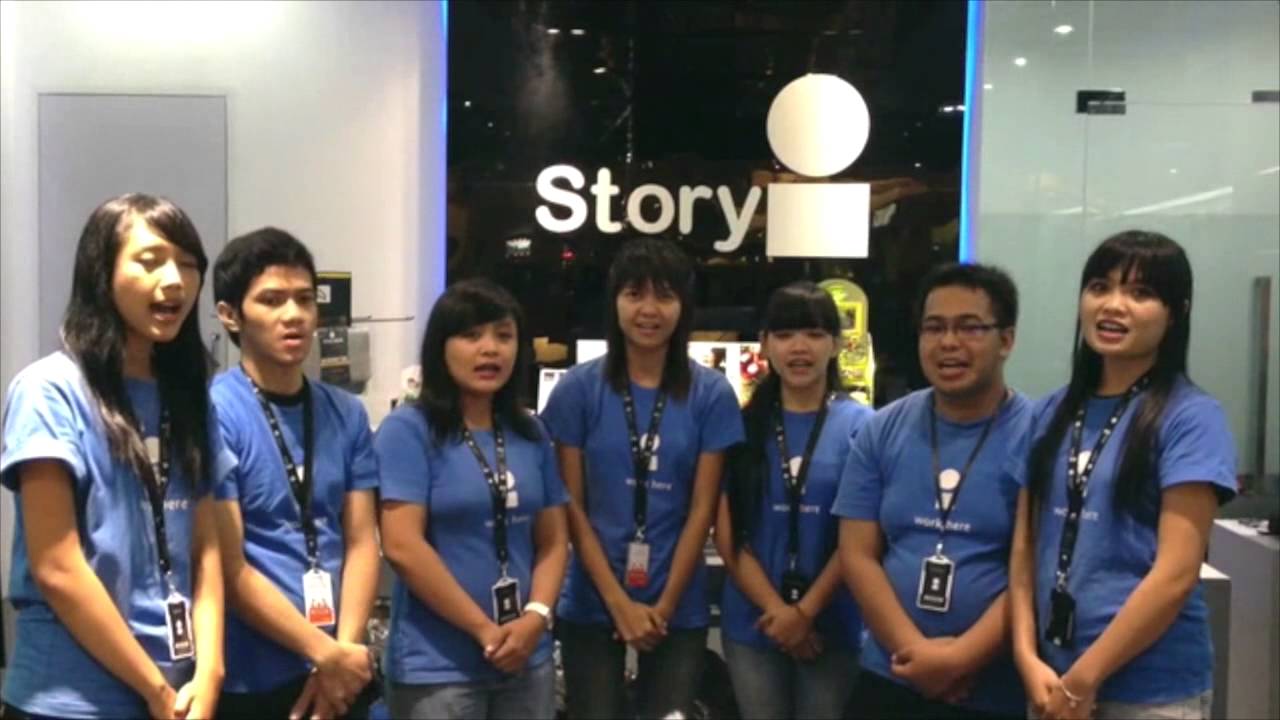
    Story-i will supply new Apple devices bundled with customised applications across Perkumpulan Sekolah Kristen Djakarta’s (PSKD) 16 schools in Indonesia.

    The contract extends to annual hosting and software maintenance fees, and service and maintenance of PSKD’s network infrastructure, potentially delivering $500,000 in sales.

    The rollout of devices, bundled education software and hosting services under the contract with BPK Penabur continues to progress on schedule.

  • Indonesia grants visa free entry to Sri Lankans

    Indonesia grants visa free entry to Sri Lankans

    Indonesia has granted visa-free facility to 169 countries including Sri Lanka under a new visa regulation. Indonesian President Joko Widodo has signed Presidential Regulation concerning Visit Visa Exemption early last month adding 79 countries to the list.

    Indonesian immigration office said passport holders of these countries are exempt for having a visa to enter Indonesia.

    “The visa exemption is valid only for 30 days, non-extendable or convertible into another kind of stay permit,” immigration office said.

    “Foreigners from 169 countries can enter and exit Indonesian Territory through 124 Immigration Checkpoints in airports, seaports and land border.”

    The visa exemption facility can be used for tourism, family visit, social visit, art and cultural, government duty, to deliver a speech or attend a seminar, international exhibition, meetings with head office or representative office in Indonesia, or transit.

    If the 30 days of Visit Visa Exemption facility feels insufficient, visitor still can apply for Visa on Arrival (given for 30 days and extendable for another 30 days) or Visit Visa.

    The 169 countries, special administrative regions of a country, and entities are:

    Albania, Algeria, Andorra, Angola, Antigua and Barbuda, Argentina, Armenia, Australia, Austria, Azerbaijan, Bahamas, Bahrain, Bangladesh, Barbados, Belarus, Belgium, Belize, Benin, Bhutan, Bolivia, Bosnia and Herzegovina, Botswana, Brazil, Brunei Darussalam, Bulgaria, Burkina Faso, Burundi, Cambodia, Canada, Cape Verde, Chad, Chile, China, Czech Republic, Comoros, Costa Rica, Croatia, Cuba, Cyprus, Denmark, Commonwealth of Dominica, Dominican Republic, East Timor, Ecuador, Egypt, El Salvador, Estonia, Fiji, Finland, France, Gabon, Gambia, Georgia, Germany, Ghana, Greece, Grenada, Guatemala, Guyana, Haiti, Holy See (Vatican City), Honduras, Hong Kong (SAR of China), Hungary, Iceland, India, Ireland, Italy, Ivory Coast, Jamaica, Japan, Jordan, Kazakhstan, Kenya, Kiribati, Republic of Korea, Kuwait, Kyrgyzstan, Laos, Latvia, Lebanon, Lesotho, Liechtenstein, Lithuania, Luxembourg, Macao (SAR of China), Macedonia, Madagascar, Maldives, Malawi, Malaysia, Mali, Malta, Marshall Islands, Mauritania, Mauritius, Mexico, Moldova, Monaco, Mongolia, Morocco, Mozambique, Myanmar, Namibia, Nauru, Nepal, New Zealand, Netherlands, Nicaragua, Norway, Oman, Palau, Palestine, Panama, Papua New Guinea, Paraguay, Peru, Philippines, Poland, Portugal, Puerto Rico, Qatar, Romania, Russia, Rwanda, Saint Kitts and Nevis, Saint Lucia, Saint Vincent and the Grenadines, Samoa, San Marino, Sao Tome and Principe, Saudi Arabia, Senegal, Serbia, Seychelles, Singapore, Slovakia, Slovenia, Solomon Islands, South Africa, Spain, Sri Lanka, Suriname, Swaziland, Sweden, Switzerland, Taiwan, Tajikistan, Tanzania, Thailand, Togo, Tonga, Trinidad and Tobago, Tunisia, Turkey, Turkmenistan, Tuvalu, Uganda, Ukraine, United Kingdom, United States of America, United Arab Emirates, Uruguay, Uzbekistan, Vanuatu, Venezuela, Vietnam, Zambia, and Zimbabwe.


  • Ikea expanding to Johor Bahru with new store by end 2017

    Ikea expanding to Johor Bahru with new store by end 2017

    Ikea Malaysia is expanding to Johor Baru and plans are underway to open its new store by end 2017 which will be the first in the southern region of Peninsular Malaysia.

    The Swedish furniture giant said on Thursday the new store would be near Jalan Desa Tebrau.

    Mike King, the retail director for Ikea Malaysia, Singapore and Thailand, said the new store “is part of our overall ambition to expand in Southeast Asia and commitment to provide more Malaysians with affordable, functional and well-designed Swedish home furnishings”.

    He said the group was inviting Malaysians to join its team to pioneer the set up of the new store. Ikea is embarking on the first phase of recruitment for over 50 positions, including those for the store’s management team.

    Openings include positions for the store manager as well as managers and assistant managers for sales, communication and interior design, human resource, sustainability, restaurant, logistics department and more.

    “We believe that growing our business and people goes hand-in-hand. We want to work with down-to-earth and straightforward individuals who share the same passion towards creating a better everyday life for the many people,” King added.

    It said the Ikea workplaces in Malaysia and around the world were different than most retail environments.

    Ikea added that while its brand was successful and strong, its approach was humble and its employees had fun on a daily basis in open, inclusive offices.

    “Our leaders enjoy exceptional freedom to take responsibility. We offer a competitive package of rewards – including an incentive plan, medical benefits, employee discounts and opportunities to learn and develop,” it said.

  • Pertamina to launch new oil fuel products Turbo

    Pertamina to launch new oil fuel products Turbo

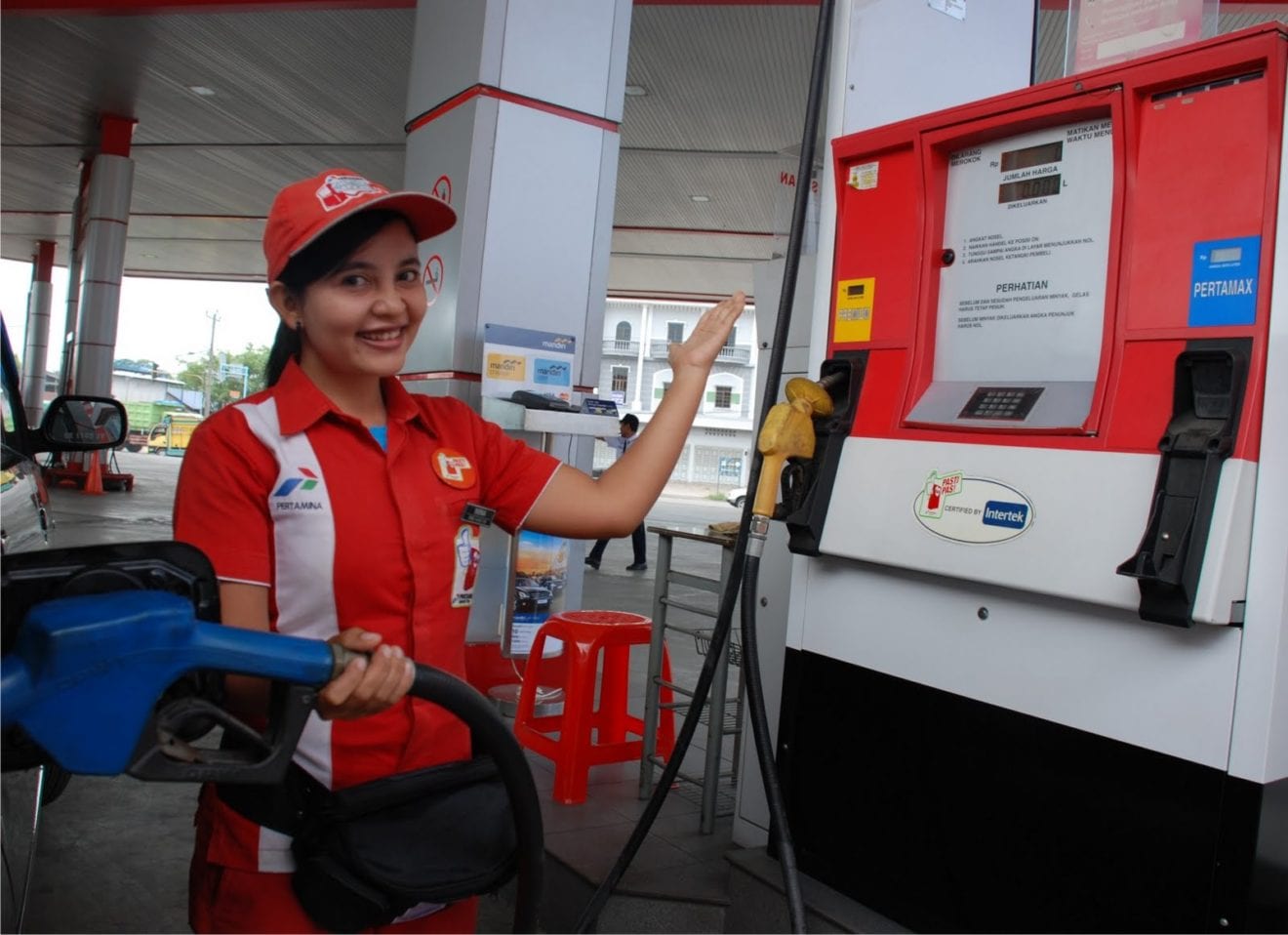
    Pertamina will soon launch a new oil fuel product Turbo with Research Octane Number (RON) 98 to expand the market of its non subsidized oil fuels.

    General Manager of Pertaminas southern Sumatra Regional Marketing Operation Herman M. Zaini said the production of Turbo is part of the companys bid for survival amid the shrinking prices of oil now diving to as low as US$35 per barrel.

    “After the success in launching Pertalite Pertamina will soon come up with Pertamax Turbo to give more choices for the consumers of non-subsidized oil fuels, and to reduce the consumption of subsidized oil fuel,” Herman said here on Tuesday.

    He said currently Pertamina is focused more on business in the downstream sector as business in the upstream sector which normally contributes 70 percent to its income, has suffered badly with deficit as a result of oil price fall.

    The decline in business in the upstream sector, however, has positive effect as it forced Pertamina to innovate and turn out new marketable products in the country and abroad, he said.

    Previously Pertamina had only gasoline products of Premium with RON 88, Pertamax RON 92, Pertamax Plus 95, and Pertamax Racing RON 100, but now it also has Pertalite RON 90 and soon there would be Pertamax Turbo, he said.

    “Currently Pertamina exports lubricant oil to 26 countries including Middle east countries. And now Pertamina is seeking contract for supplying oil fuels for fuel filling stations in Myanmar. Tender is being in the process,” he said.

    If Pertamian won the tender, it will build 1,360 public fuel filling stations in cooperation with Myanmar state company Myanmar Petroleum Products Enterprise, he said.

  • Cinemaxx to Open First D-BOX Theatre in Indonesia

    Cinemaxx to Open First D-BOX Theatre in Indonesia

    D-BOX Technologies and PT Cinemaxx Global Pasifik (Cinemaxx), affiliate of Indonesia’s Lippo Group, are pleased to announce the conclusion of an agreement to install D-BOX immersive motion systems into the first auditorium in Indonesia in 2016.

    “The addition of D-BOX reinforces our commitment to give moviegoers the best cinematic experience possible” declared Mr. Mohit Dubey, President of Cinemaxx. “The D-BOX brand has international notoriety and we are absolutely convinced that today’s agreement, which may expand over time, will be a tremendous success for our business and the satisfaction of our guests.”

    “This announcement marks yet another milestone in our international expansion. Teaming up with an exhibitor like Cinemaxx is an important step in our mission to build on our presence throughout Asia”, mentioned Claude Mc Master, President and CEO of D-BOX Technologies. “Indonesia, the fourth most populous country in the world, is on an upward growth path. It also has a relatively young population which enthusiastically responds to the type of entertainment we provide”, added Mc Master.

  • China, Indonesia, South Korea, Thailand bid for 2023 AFC Asian Cup

    China, Indonesia, South Korea, Thailand bid for 2023 AFC Asian Cup

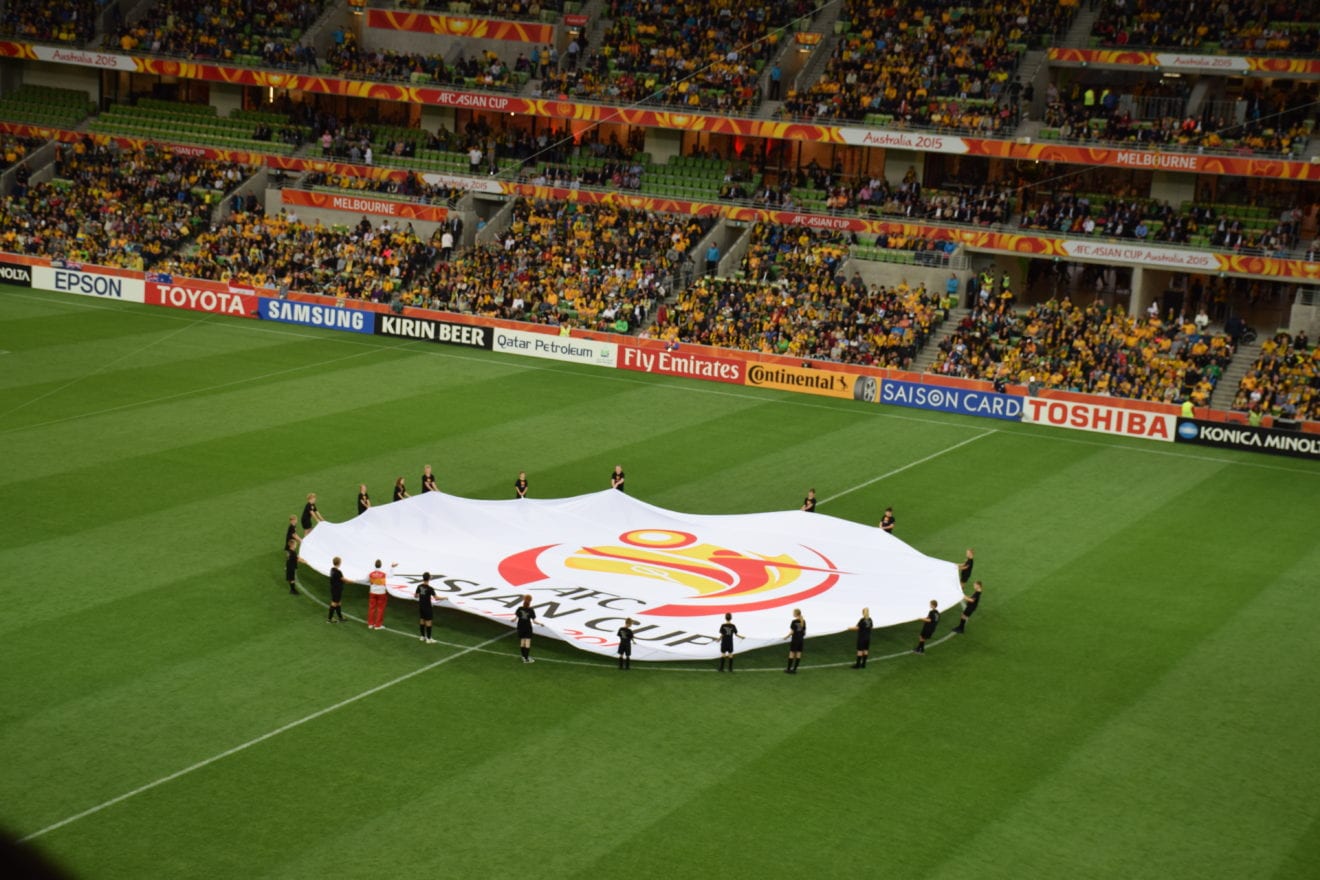
    China, Indonesia, South Korea and Thailand have expressed interest in bidding for hosting the football Asian Cup to be held in 2023, the Asian Football Confederation (AFC) said here on Tuesday.During the meeting held in the Malaysian capital, the AFC Competitions Committee announced that the AFC had received expressions of interest from China, Indonesia, South Korea and Thailand by the deadline of March 31, 2016 to host the AFC Asian Cup in 2023, reports Xinhua.

    “The AFC will now send out the Bidding Agreement and the Host Candidate Questionnaire and seek government guarantees and legal opinion on the bids,” it said. China entered the final when the country hosted the Asian Cup in 2004, but lost to Japan 3-1.

  • Halal tourism in West Sumatra

    Halal tourism in West Sumatra

    The Indonesia Ministry of Tourism will develop Halal tourism in West Sumatra, a province that has a potential for such a concept just as West Nusa Tenggara province, known for similar tourism.

    “West Sumatra has a potential for Halal tourism development as culturally, it is known as a religious province,” the Deputy Assistant of Business and Government Market Segment Development, the Ministry of Tourism, Tazbir, said here on Saturday (April 2).

    He explained that Halal tourism is a universal concept which includes serving healthy food, providing clean accommodation and hospitability. Therefore, all the people find it suitable.

    “We want West Sumatra achieve a similar status as West Nusa Tenggara which has been awarded the Worlds Best Halal Tourism Destination award,” he said, adding that demand for Halal products is from the world community.

    Tazbir remarked that during his visit to a religious area, the hotel where he stayed did not inform him about the direction of Qibla in the bedroom, while hotels in Singapore provide such a facility.

    “Therefore, we need Halal standards for hotels, restaurants and tourist attractions,” Tazbir said.

    He added that the Ministry will continue to push for a campaign projecting Halal tourisms great potential in Indonesia, especially in West Sumatra.

    Nowadays, the concept of Halal tourism is being developed in Aceh, West Sumatra, West Nusa Tenggara, South Kalimantan and Gorontalo, he said.

    Meanwhile, Head of Tourism Office of West Sumatra, Burhasman Bur, assessed that there were no significant obstacles to implementing Halal tourism in the province.

    The tour players just have to follow the administrative procedures. For example, eateries will have to serve Halal meat certified by the authorities.

    He said a regulation needs to be put in place supporting the implementation of the Halal tourism concept and improving services for the guests.

  • Philippine 7-Eleven profits surpass 1 billion pesos

    Philippine 7-Eleven profits surpass 1 billion pesos

    The Philippine 7-Eleven network of convenience stores recorded record profits in  2015, fuelled by new store openings.

    Parent, listed company Philippine Seven, says it surpassed 1 billion pesos (US$22 million) in profits for 2015.

    The 15.4 per cent year-over-year profit rise came on the back of an increase in stores from 1282 in 2014 to 1602 stores in 2015.

    Philippine Seven said retail sales of all stores rose by 25.3 per cent  to P25.8 billion from P20.6 billion compared with prior year.

    The company has been expanding its logistics infrastructure to support its

    unprecedented expansion in Visayas and Mindanao.

    “The rest of the country is relatively uncontested in comparison. We are virtually the only competitor with the critical mass to build out proper supply chains in areas logistically unreachable from GMA,” said Jose Victor Paterno, president and CEO.

    The expansion is  expected to support profitability in the medium term, through cashing in on underutilized warehouses and achieving dominant position in new markets.

    For 2016, the company plans to increase  capital expenditures budget to P3.5 billion to support its accelerated store expansion strategy. The bulk of this amount will fund new store openings, store renovations and equipment acquisition.

    Philippine Seven Corporation operates the largest convenience store network in the country. It acquired the master franchise licence from Southland Corporation (now Seven Eleven) of Dallas, Texas, in December 1982 and was listed in the Philippine Stock Exchange in February, 1998.