Category: Living

Retail News Asia is committed to providing both local and global retailers with the latest Living news throughout the Asian market. This on a daily base.

  • Marui takes up half of Kitte Fukuoka

    Marui takes up half of Kitte Fukuoka

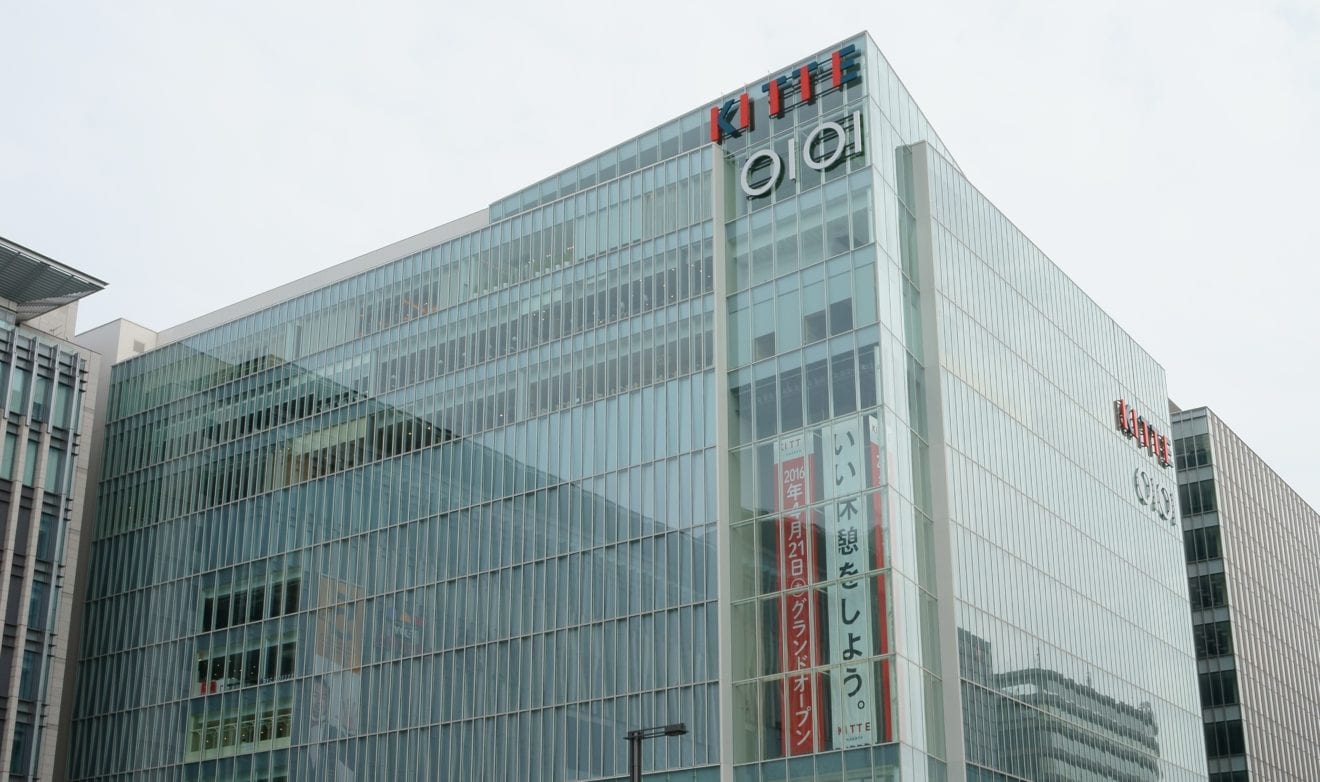
    Marui Group is opening a seven-floor retail centre that will take up half of the new Kitte Fukuokadepartment store.

    With its headquarters in Tokyo and known for its “OIOI” sign, the group will be launching Hakata Maruion floors one to seven at the 14-floor Hakataekichuogai area complex, run by Japan Post, on April 21.

    Covering about 15,000 sqm, Hakata Marui will have more than 130 tenants for food, general goods and fashion. The first six floors will feature cafes.

    A feature store will be 4 Dot Watch by OIOI on the sixth floor featuring such brands as Casio, Citizen and Seiko. It will cater for custom orders and overseas brands, such as Hamilton, La Mer Collections and Rosemont.

    There will also be three “stations” – the My Fit Station for shoes, the Customise Station for personalising products and the Gift Station for personalised gifts.

    Duty-free shopping is available, and discounts may be offered for customers using China’s UnionPay or Taiwan’s EasyCard or Chinatrust cards.

    Each section will feature specially designed environmental sounds.

    With the theme “Anyone, any time, every day”, the shopping complex will have 131 shops as well as Hakata Marui. The list includes HMV & Books’ second Japanese branch, and 30 per cent of the shops will specialise in clothing, such as Uniqlo, which will take up half a floor.

    There will be 50 restaurants and cafes, including Honolulu Cafe, Natural Dining Hakatagi (French/Japanese fusion cuisine) and Tsukiji Sushi Sei.

    There will also be an international clinic and rehabilitation centre, and a wedding hall.

  • US theme park debut for Sanrio’s Hello Kitty

    US theme park debut for Sanrio’s Hello Kitty

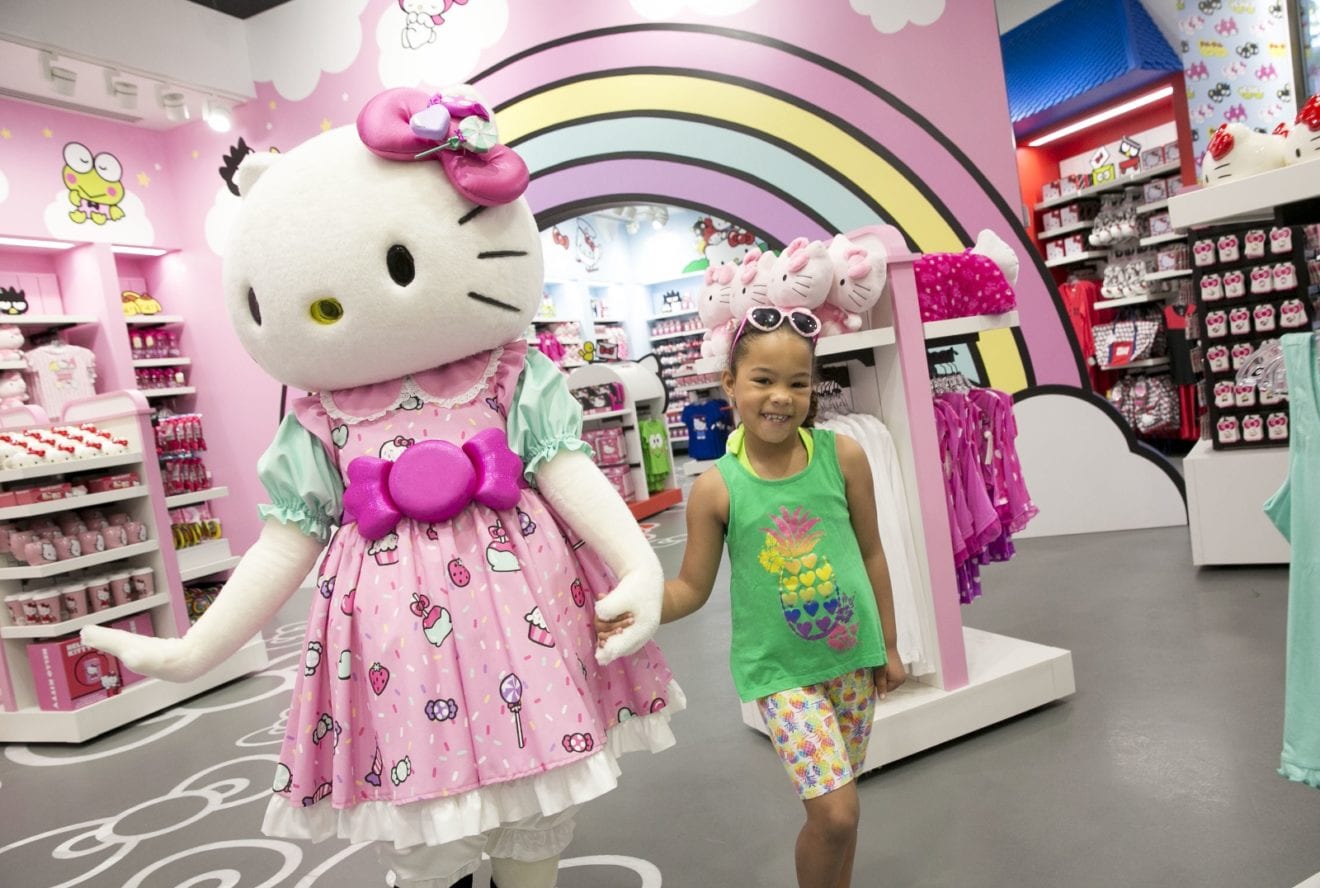
    Global lifestyle brand Sanrio has opened a Hello Kitty Shop at Universal Orlando Resort in the US.

    Opened in conjunction with Universal Parks & Resorts, the store marks Sanrio’s official retail debut and Hello Kitty‘s first appearance at a theme park in North America. On Hollywood Boulevard in the theme park, the outlet offers specialty merchandise including stationery, home goods, apparel, accessories, collectibles and confectionery. Most product is exclusive to the park.

    Other Sanrio characters including Badtz-Maru, Chococat, Keroppi, My Melody and Pompompurin are also be featured.

    “Our partnership with Universal delivers a new touch point for the brand through special products, unique merchandising and a fully branded store experience that incorporates many of our beloved characters,” says Sanrio senior VP of brand management and marketing Jill Koch.

    As well as shopping for exclusive merchandise, customers have photo opportunities at the show, can create souvenir versions of Hello Kitty’s signature bow, send letters and receive gifts.

    Hello Kitty StoreMerchinterior Talent CharacterAven

    With four specially themed areas within the Hello Kitty Shop, fans can find treats at the Hello Kitty Sweet Yummy Shop, loungewear and home goods in the Hello Kitty Lounge, multi-character accessories, stationery and gifts in the Hello Kitty and Friends Town, and collectibles featuring Sanrio characters reimagined with classic Universal properties in the Hello Kitty at the Movies area. New products and designs will be released regularly.

    Guests can also meet Hello Kitty herself, with the 40-year-old Japanese icon making regular appearances.

    Sanrio launched in 1960 and now has more than 50,000 branded items in more than 130 countries, and upward of 15,000 US retail locations including 80 Sanrio boutiques.

    Academy Award-winning director Steven Spielberg is creative consultant for Universal Parks & Resorts, a unit of Comcast NBCUniversal, which wholly owns Universal Studios Hollywood, including Universal CityWalk Hollywood. It also owns Universal Orlando Resort and its two theme parks (Universal Studios Florida and Universal’s Islands of Adventure), four resort hotels and Universal CityWalk Orlando. It also has licence agreements with Universal Studios Japan in Osaka, and Universal Studios Singapore at Resorts World Sentosa, Singapore.

    Comcast NBCUniversal also plans a theme park in Beijing and an indoor theme park in Moscow.

  • CB2 to close outlet in Singapore

    CB2 to close outlet in Singapore

    Three years after its Singapore debut, CB2 – the sister store of American furniture and homeware brand Crate & Barrel – is closing shop for now.

    Its management is looking for a new shop space in a mall, which is likely to be in Orchard Road, says Mr Yung Ong, 36, executive director for the Singapore branches of Crate & Barrel and CB2.

    He says it is time to move as the current store is “not in the right location”.

    CB2 is housed in a 557 sq m space on the second level of Peranakan Place, a row of shophouses next to The Centrepoint mall in Somerset.

    Its entrance on the first level is sandwiched between bak kwa shop Bee Cheng Hiang and coffee joint TCC. Around the corner, there are bars such as Alley Bar, Acid Bar and Odd One Out.

    Crate & Barrel has two outlets here – a five-storey flagship store in Orchard Gateway and a smaller store in Ion Orchard. There are no plans to open new Crate & Barrel outlets here.

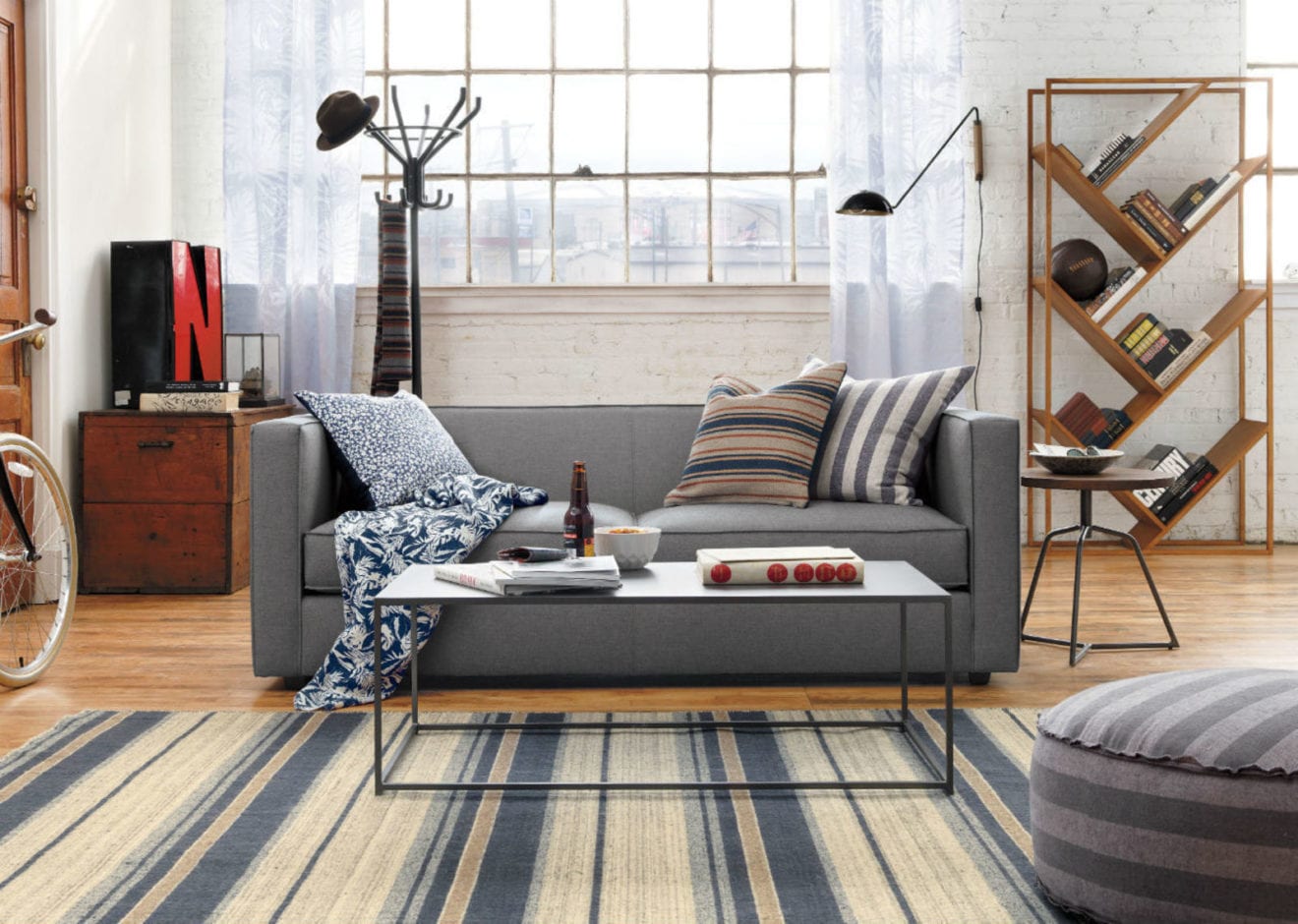
    Mr Ong, whose family owns Peranakan Place, says CB2’s owners had picked the building because they loved its architecture and the space’s expansive, loft-like feel also matched the style of furniture the brand carries.

    CB2 targets young adults and its furniture is designed for small spaces and those on a limited budget. Prices range from $1.95 for a beaker glass to $2,999 for a dining table.

    When CB2 opened here in 2013, it was its first store outside North America and the vibe at Peranakan Place is similar to the neighbourhoods in which the American stores are located.

    Mr Ong says: “CB2 stores have always been in different, hipster- type neighbourhoods and not traditional retail locations.

    “However, we aren’t getting the right (customers) at Peranakan Place. The mindset of people who walk by here is a little different – they are not stopping to look at furniture.

    “It’s strange because Crate & Barrel is just a few doors down at Orchard Gateway and you would think that we would attract buyers from there, but we don’t. But that’s just the market – the consumer behaviour is different.”

    While the other businesses in Peranakan Place are doing well, he says CB2 is not making money. Sales figures grew from the first to second year – although it was not making money yet – but declined in the third year.

    CB2’s hiatus – it will shut next month after holding its closing-down sale – comes after home-grown furniture and home accessories retailer iwannagohome announced in February that it was closing its two stores in Tanglin Mall and Great World City, amid a retail slowdown.

    Other homefurnishing stores have pulled out of Singapore in recent years – Japanese brand Francfranc left in 2014 after two years, while Goods of Desire, a cult Hong Kong lifestyle retailer, exited last year after three years.

    But Mr Ong is optimistic about CB2’s future in Singapore.

    A new store will likely be ready by next year.

    He says: “We’re just in the wrong spot, but that’s part of business. While this type of location might have worked for CB2 in the past, we’re now changing our impression of what’s the right real estate for the brand.”

    CB2 will conduct a sale from April 15 to May 14, with discounts of up to 75 per cent.

  • Robinsons Philippines income jumps 21.9 per cent

    Robinsons Philippines income jumps 21.9 per cent

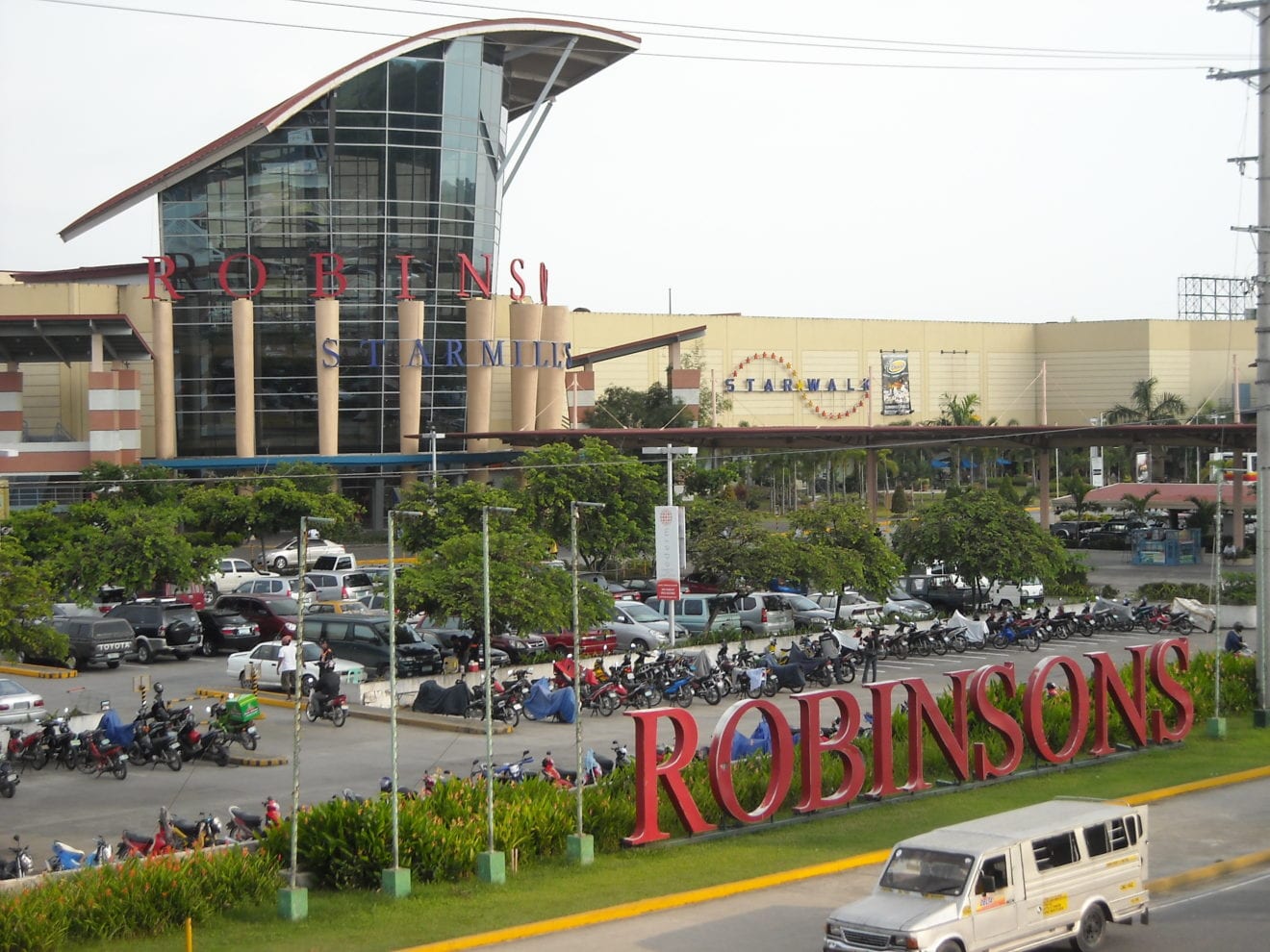
    Robinsons Philippines has reported a 21.9 per cent increase in net income in 2015 to P4.3 billion ($90 million) on the back of same-store sales growth and sales from newly opened stores.

    Same-store sales growth for Robinsons Retail Holdings grew 4.1 per cent in 2015, exceeding the 2-3 per cent consolidated same-stores sales target for the year.

    The company’s consolidated net sales reached P90.9 billion last year, up 13 per cent from P80.4 billion in 2014.

    The retail holding firm of the Gokongwei group reported opening 2015 with 179 new stores and ended the year with a total of 1506 stores.

    “I am heartened by the strong same-store sales growth performance of all our retail formats in 2015, despite the intensifying competition,” Robinsons Retail President and CEO Robina Gokongwei-Pe said.

    “We have also gotten into a good start this 2016 with solid same-store sales growth for the first two months of the year as we benefited from increased consumer spending from a still robust domestic economy. We will continue with our footprint expansion, with focus on areas outside Metro Manila,” Gokongwei-Pe said.

    The opening of new stores expanded the company’s gross floor area by 9.7 per cent year-on-year, the company said.

  • Lotte Duty Free Ginza store opens

    Lotte Duty Free Ginza store opens

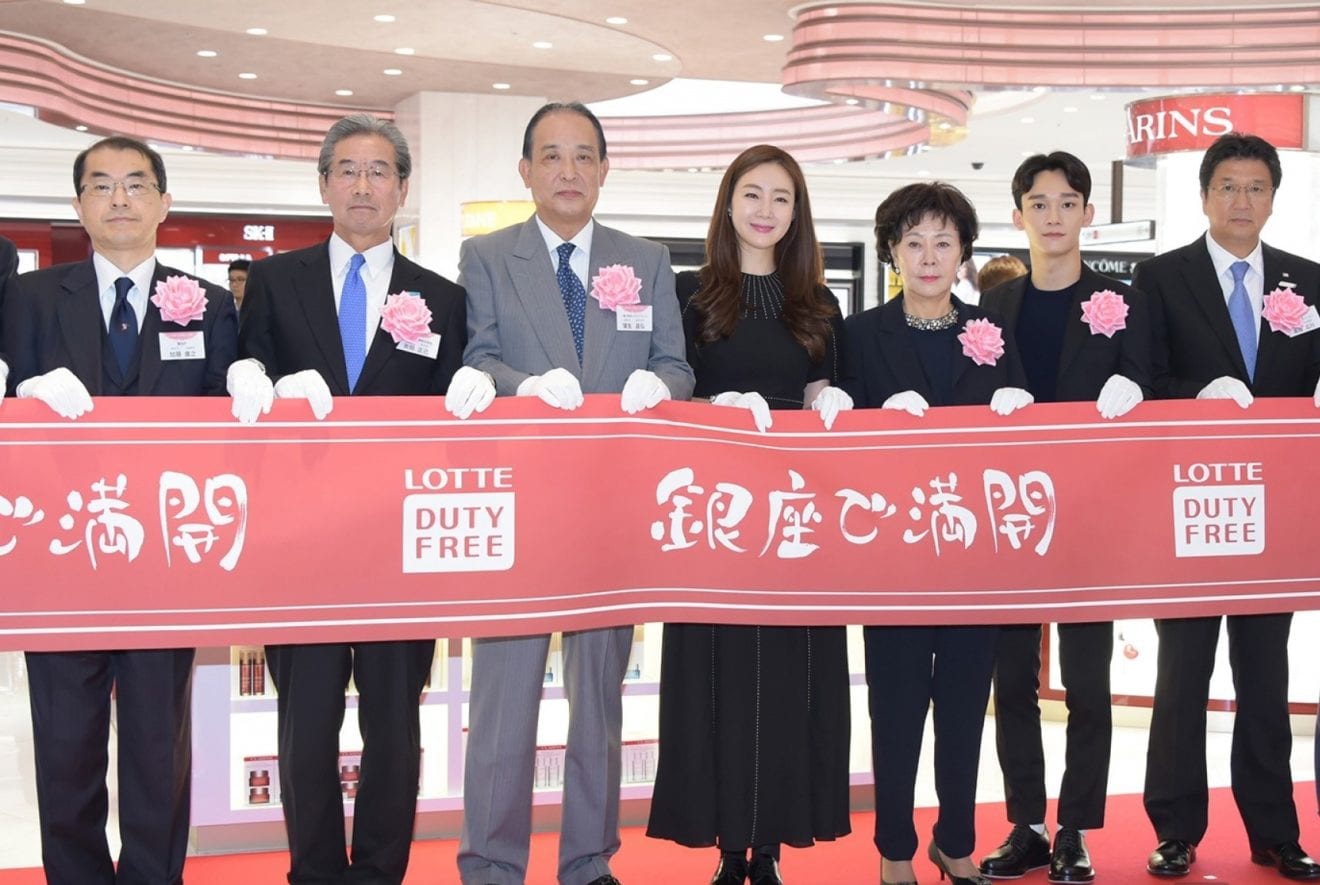
    Tokyo’s new Lotte Duty Free Ginza is the largest duty-free store in the Japanese capital.

    Covering 4400 sqm, it occupies the entire eighth and ninth floors of the new Tokyu Plaza Ginza, at Sukiyabashi intersection, connecting the historic and cultural Hibiya district to Ginza, Japan’s most famous shopping street.

    With about 150 international brands, the store has luxury boutiques on the eighth floor, and international cosmetics on the other floor. Cosmetics include Estee Lauder, Lancome and Shiseido, fashion brands include Alexander McQueen, Coach, Gucci, Hugo Boss, Ralph Lauren, Zegna and South Korea’s MCM, while there will be watches from such brands as Blancpain and Omega.

    There is also a Japanese souvenirs section.

    Tokyu Plaza Ginza is an 11-storey retail, commercial and entertainment complex developed by theTokyu Land Corporation.

    Meanwhile, a two-level Lotte Duty Free store is also planned for Osaka, to open early next year.

  • Teak & Mahogany Accelerates Business Growth And Efficiency With NetSuite

    Teak & Mahogany Accelerates Business Growth And Efficiency With NetSuite

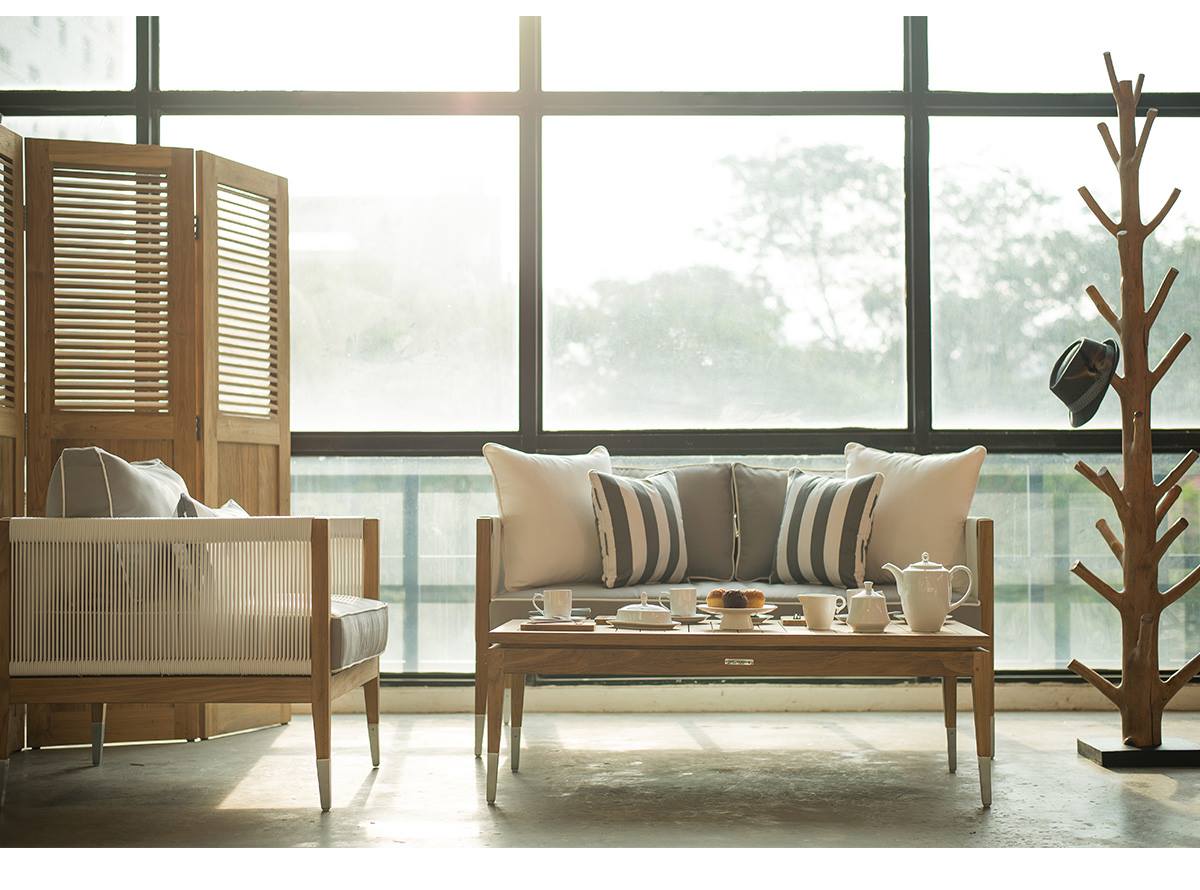
    NetSuite Inc. (NYSE: N), the industry’s leading provider of cloud-based financials / ERP and omnichannel commerce software suites, today announced that Teak & Mahogany, a Singapore-based B2C and B2B merchant of fine outdoor and indoor furniture and accessories, has deployed NetSuite to streamline its business operations and gain operational efficiency to support rapid international growth. Teak & Mahogany replaced two separate instances of MYOB and a number of Excel sheets with one single instance of NetSuite. Teak & Mahogany is now using NetSuite to manage its core business processes, including financials, warehouse and inventory management, order management, CRM and multicurrency management for the Euro and the dollars of Australia, the US and Singapore. Since deploying NetSuite, Teak & Mahogany has experienced end-to-end business efficiency and strong growth in sales to hotels, restaurants, bars, condominiums and other commercial buyers, as well as growth in its retail business, resulting in a 300 percent gain in net profitability between 2014 and 2015.

    Prior to NetSuite, Teak & Mahogany struggled with two separate instances of MYOB, for accounting and retail, while relying on Excel to manually manage inventory and order fulfillments. The siloed applications resulted in regular miscommunication, manual data errors and poor productivity, while a lack of real-time visibility into key business metrics made it difficult to make informed business decisions. After evaluating a number of alternative solutions, including Microsoft Dynamics NAV (Navision) and SAP, Teak & Mahogany selected NetSuite for its rich functionality and flexibility in a single, integrated and scalable solution, based on a cloud architecture that delivers anywhere, anytime access and minimizes IT resource requirements. PGE Solutions, a 5-Star NetSuite Solution Provider partner headquartered in Manila with a regional hub in Singapore, has helped Teak & Mahogany with implementation and ongoing optimizations, aligning NetSuite to the company’s unique business needs and strategic growth objectives.

    Founded in 1996 with a flagship retail store in Singapore, Teak & Mahogany is better positioned with NetSuite to grow its multi-channel business across Southeast Asia and the USA. NetSuite helped to support Teak & Mahogany’s recent introduction of a broader lineup of indoor furniture and accessories, expanding on its traditional outdoor focus to bring its total SKU count above 3,000, including seating ensembles, barbecues, bars, dining sets, lighting and more. NetSuite can help Teak & Mahogany drive sales across its B2B distributor channel, which sells its products in Singapore, Australia and Hawaii through CRM functionality that provides a complete real-time view of customers and prospects, from clubs to condominiums, and automated invoicing that streamlines transactions. Multi-currency conversions in NetSuite also helps the company to seamlessly transact in the Euro with their Danish supplier and in the dollars of Singapore, Australia and the U.S. with their three distributors, with more currencies available as it grows commercial sales across the APAC region. Teak & Mahogany also relies on NetSuite for purchase orders, billing and fulfillment with four retailers in Australia and one in Hawaii that sell Teak & Mahogany merchandise.

    “Our goal with NetSuite from the start was to expand the business and there’s no doubt NetSuite has played a big role as we have increased our profitability,” said Philip Jensen, Teak & Mahogany Co-owner and Marketing and Export Manager. “NetSuite gives us outstanding flexibility and fantastic real-time data that shows us how the company is doing at any time. With NetSuite, we have a greater focus on growing the business with efficiency and real-time KPIs. We’re relying more on NetSuite to drive the future of the company rather than people using spreadsheets.”

    Other key benefits that Teak & Mahogany has realized since deploying NetSuite are:

    Better order fulfillment. Teak & Mahogany has improved order fulfillment accuracy to 100 percent since deploying NetSuite, compared to error rates in the range of 350 a year with previous Excel-based processes, improving customer satisfaction.

    Improved inventory management. NetSuite has helped Teak & Mahogany better manage and replenish inventory, dramatically reducing costly overstock at its 23,000 square feet of multi-floor warehousing space in Singapore.

    Continued inventory enhancements. Expanding usage of bin management will improve inventory efficiency and precision across distributed warehousing space, supported by the OzLINK solution from NetSuite partner Oz Development.

    Greater productivity with a lean workforce. NetSuite automation has helped Teak & Mahogany to consolidate multiple job roles, and since deploying NetSuite, Teak & Mahogany has trimmed the workforce by five full-time personnel, realizing substantial savings.

    According to Zakir Ahmed, Vice President and General Manager, NetSuite Asia: “Teak & Mahogany is one of the growing number of businesses in Asia Pacific turning to NetSuite to help realize efficiencies and support rapid growth. Teak & Mahogany’s impressive gains in profitability are a strong testament to the potential benefits of running a business on a unified cloud-based system.”
  • Investors eye Jaya Grocer Malaysia

    Investors eye Jaya Grocer Malaysia

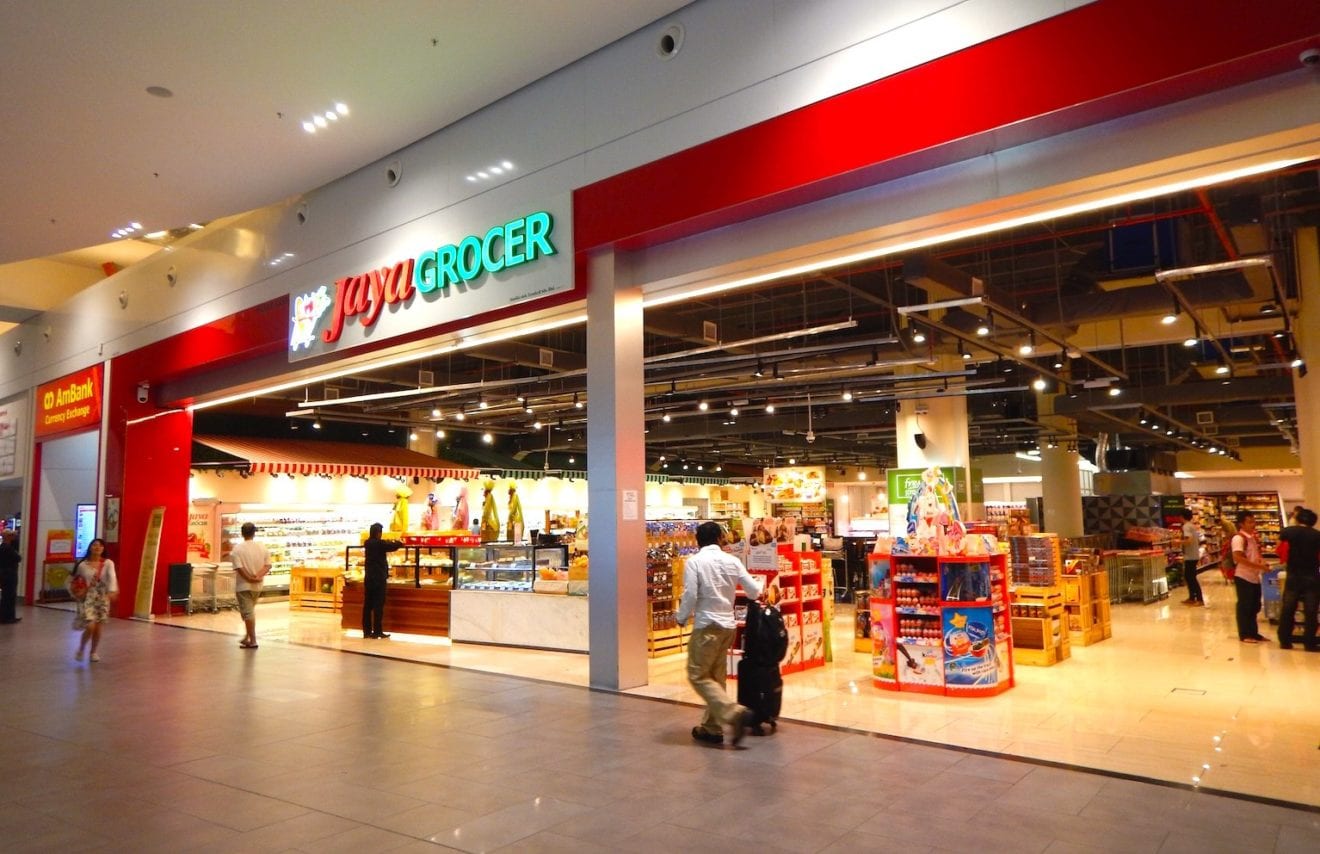
    Jaya Grocer Malaysia is attracting the interest of private equity firms wanting to buy a shareholding of up to 49 per cent.

    Creador, TPG Growth and a Japanese fund based in Singapore have been shortlisted in a deal said to value the supermarket chain at about RM175 million (US$43.8 million), reports The Star. It quotes sources as saying the exercise for the sale of an equity stake began last year.

    Other firms initially interested in a shareholding included the Abraaj Group and Navis Capital Partners.

    Jaya Grocer is owned by Trendcell, with its 16 outlets posting RM18 million in earnings last year. The chain opened its first outlet in Petaling Jaya in 2007, and now has outlets in such malls as the Empire Shopping Gallery, KLIA2 and The Intermark.

    Jaya Grocer was founded by the Teng family, which also founded Giant Hypermarket and Teng MiniMarket Centre (TMC) in Bangsar. The family sold the Giant chain to Hong Kong-based Dairy Farm group in 1999 for an undisclosed amount. Meanwhile, TMC has been wholly owned and run by GCH Retail (Malaysia) since 1980. Also run by the Teng family is Pasaraya Hero, launched in 2010.

    It is unclear if the current sale process, being run through an open-bid system by Deloitte, includes these supermarkets.

    Meanwhile, Navis has invested in Jaya Grocer competitor Village Grocer the Big Group, which runs Ben’s Independent Grocer.

  • Lawson chases retail rival in Philippines

    Lawson chases retail rival in Philippines

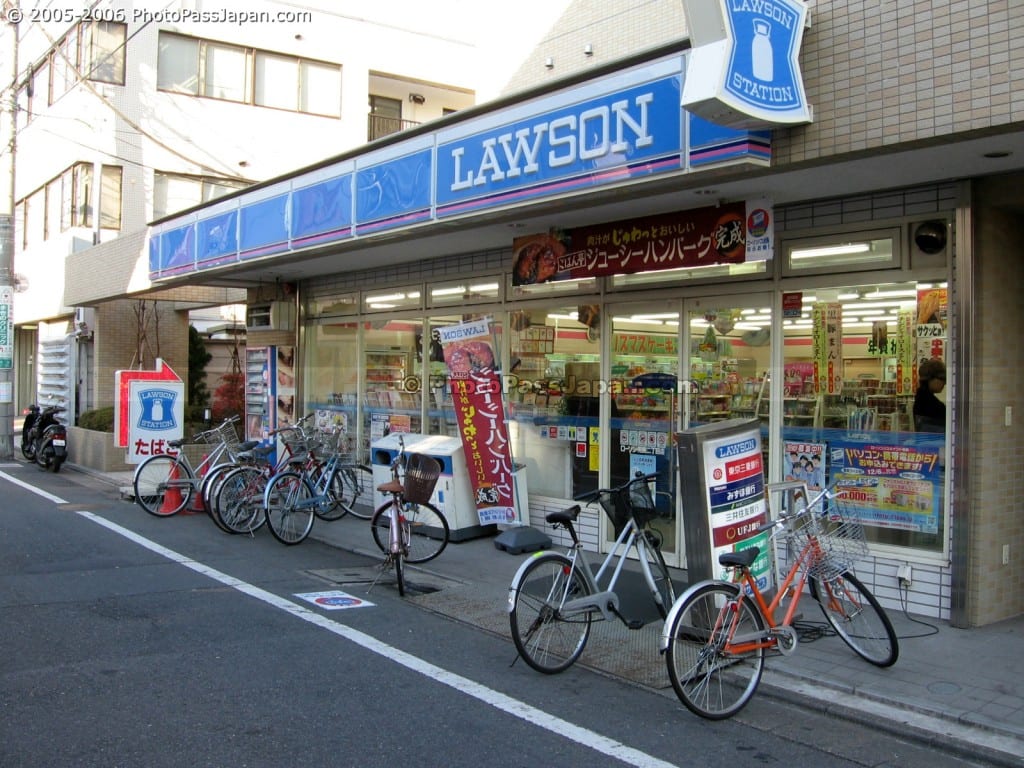
    Japanese convenience store chain Lawson is cautiously planning its expansion in the Philippines, which the company considers a key market to expanding its global presence.

    Under pressure to keep up with rival Japanese chains 7-Eleven, Ministop and Family Mart, which are rapidly opening new stores, Lawson President and CEO Genichi Tamatsuka said Tuesday that the company and its Philippine partner, supermarket operator Puregold Price Club, are developing “a winning franchising formula.” They plan to test the model in late 2016 before moving into full-scale operation in the next two to three years.

     PG Lawson, the partners’ joint venture, opened fewer than 20 stores when they began doing business in the Philippines last year. In contrast, Family Mart opened more than 30 shops when it entered the Philippine market in 2013.

    Lawson and Philippine partner Puregold Price Club officials open first flagship convenience store in Makati central business district

    Going commercial

    “Franchising is the key,” Tamatsuka said. In Japan, 99% of Lawson’s 12,000 stores are franchises, he said.

    PG Lawson has set a medium-term target of opening 500 outlets in the Philippines by 2020. This year alone, they plan to spend 450 million pesos ($9.7 million) on 75 stores located mostly in office buildings.

    On April 5, the company opened its first flagship store and its 20th outlet along Ayala Avenue in the Makati business district. Last year, Lawson opened shops mostly near schools.

    John Hao, Puregold’s investor relations head, said PG Lawson will partner with independent property developers to gain access to office spaces with tenants like outsourcing companies that operate around the clock.

    Most of Lawson’s competitors already have the backing of big real estate companies. Family Mart is partly owned by Ayala Land and Ministop is operated by Robinsons Retail Holdings of the Gokongwei Group, which also owns Robinsons Land. Alfamart, an Indonesian convenience store operator, has SM Group as its Philippine partner. SM owns SM Prime Holdings, the Philippines’ largest developer.

    Lawson CEO Genichi Tamatsuka

    7-Eleven, despite not having a real estate backer, is expanding aggressively. As of the end of last year, it had 1,602 stores nationwide, up 25% from 2014. This year, it plans to spend 3.5 billion pesos to accelerate its openings.

    With more than 2,000 convenience stores serving 100 million people, Tamatsuka sees great potential in the Philippines, where the retail sector is dominated by 700,000-800,000 neighborhood shops called sari-sari (“variety”) stores. Modernizing just 5% of these mom-and-pop retailers translates to around 35,000 convenience stores, he said.

    Lawson sees the Philippines and other Southeast Asian countries such as Thailand, Indonesia, and Vietnam, as important markets for the company’s global expansion. In the next five to 10 years, it expects to have more outlets overseas than in Japan, Tamatsuka said. At present, overseas shops make up just 5% of the total.

  • Malaysia malls target Vietnamese

    Malaysia malls target Vietnamese

    Representatives of Malaysia malls have been in Vietnam trying to drum up business via tour operators.

    But the Malaysians will face an uphill battle luring Vietnamese – Bangkok is only an hour away from Ho Chi Minh City and probably the best-serviced destination in the region, with at least seven airlines offering hour-long flights daily between the two cities.

    Retail and tourism representatives from Malaysia met with tour organisers in Hanoi and Ho Chi Minh City to introduce a campaign aimed at enticing Vietnamese to visit Malaysia to shop.

    Three specific annual sales campaigns were also being promoted by the group, including officials from the Malaysia Tourism Promotion Board (Tourism Malaysia) and Secretariat Shopping Malaysia(SSM).

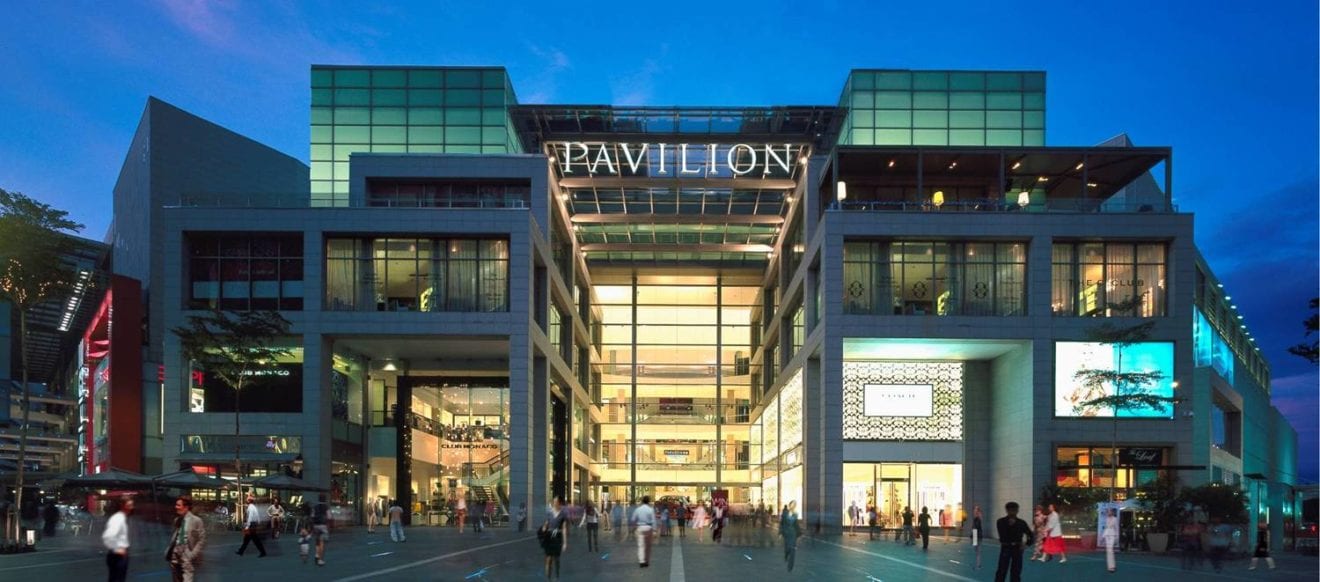
    At an associated travel mart, 14 representatives of 10 malls and retail groups met with travel agencies to seek possible co-operation, reports TuoitreNews. In the delegation were representatives of such groups as the Batu Road Retailers Association, Fahreinheit88, Pavilion Kuala Lumpur and Sunway Putra Mall.

    Tourism Malaysia deputy-director general Chong Yoke Har says the sales campaigns are the 1Malaysia Super Sale for all of March, the 1Malaysia Mega Sale Carnival, from June 15 to August 31, and the 1Malaysia Year-End Sale, on the last two months of the year.

    Tourism Malaysia has also introduced Miss Shophia, the new shopping symbol for Malaysia and designed to help international tourists find shopping experiences.

    Shopping accounts for most of Malaysia’s tourism revenue. As of the end of September last, tourist spending rose 2.9 per cent from a year earlier to RM15.3 billion (US$3.8 billion), or 30 per cent of the total tourism revenue of RM51 billion.

    Last year, 229,626 Vietnamese tourists visited Malaysia, a 19 percent decline from 2014, when they spent about RM560.1 million. Chong is hopeful more Vietnamese will return to Malaysia for shopping as the two countries are relatively close and there are nonstop flights.

    Meanwhile, Bangkok is closer, accommodation is cheaper and shopping malls targeting foreigners and tourists are clustered close together and well served by public transport.

  • TANGS names Kevin Dyson as new CEO

    TANGS names Kevin Dyson as new CEO

    TANGS has announce that Mr Kevin M. Dyson will be appointed Chief Executive Officer (CEO) with effect from 1 April 2016. He will also be appointed as a member of the Board of Directors of C.K. Tang Limited.

    According to a release from TANGS, effective 1 April 2016, Mr Foo Tiang Sooi will relinquish his duties as CEO, and will remain as a member of the Company’s Board of Directors. He will continue to be in the Company as Senior Director.

    As CEO, Kevin will be responsible for all aspects of the business and provide leadership in achieving TANGS’ vision as a world-class retailer.

    Here’s more from TANGS:

    Prior to joining TANGS, Kevin spent 25 years with Barneys New York, a leading luxury retailer in the USA, with extensive experience in store management, merchandising, and the expansion of stores across the USA.

    Mr Foo Tiang Sooi’s new role as Senior Director will be focused on the financial aspects of the business, providing support to the Chairman as well as the new CEO. He has been a member of the Board since 1994, before assuming the role of Chief Operating Officer (COO) in 1999, and being appointed as CEO in 2006.

  • German retail giant Metro to split businesses into two listed entities

    German retail giant Metro to split businesses into two listed entities

    German retail giant Metro said last week it will spin off its businesses into two separately listed units, sending its shares sharply higher.

    “The management board of Metro is preparing the creation of two independent and sector-focused companies through a demerger of the group,” Metro said in a statement.

    Metro shares were the strongest performer on the mid-cap MDAX index of the Frankfurt stock exchange on Wednesday, shooting up 7.73 per cent to €26.47 in a generally firmer market.

    A wholesale and food specialist group would be created comprising the group’s Metro, Makro and Real brands, as well as a consumer electronics products and services group centred around its Media and Saturn retail chains.

    Since there is little operational overlap between the two businesses and limited synergy effects, management felt “very strongly that a split into two independent and focused businesses would be in the best interest of all stakeholders, as it would facilitate a significant opportunity for faster and more profitable growth,” said supervisory board chief Juergen Steinemann.

    “Both entities would become individually stock-listed, with their own distinct profile, management and supervisory boards,” Metro said.

    The aim would be to give each of the companies and their respective management full control over their corporate strategies.

    “This will further increase customer focus, accelerate growth of the businesses, simplify structures and improve time-to-market and operational excellence,” it argued.

    Moreover, both entities would be able to independently pursue acquisition and partnership strategies, enabling them to define their own expansion strategies.

    Metro said its management and supervisory boards “will make a decision on the contemplated demerger of Metro group after a period of intensive consultation and review.”

    Should the boards and shareholders be in favour, “implementation of the demerger is aimed for mid-2017,” Metro said.

    “Over the past years, we have successfully revitalized our core businesses while significantly strengthening our group balance sheet,” said chief executive Olaf Koch.

    “Both our wholesale and food specialist business as well as our consumer electronics business have continued to commercially improve, are on a steady successful path and are best-equipped for an independent future,” Koch said.

    “Our shareholders would effectively own two well positioned market leaders, both of whom are increasingly focusing on their respective business areas and are generating more value for customers, employees and business partners.”

  • Disappointing year for Matahari Putra Prima

    Disappointing year for Matahari Putra Prima

    While the net income of Indonesian grocery retailer Matahari Putra Prima (MPPA) was below expectations, it recorded slightly improved revenue and sales for the year ended December 31.

    Its revenue was Rp13.9 trillion ($US2 billion), with sales up 2.5 per cent from Rp13.6 trillion in 2014. Its net income came in at Rp183 billion, giving it an operating profit of Rp268.8 billion, or 1.9 per cent of sales.

    CEO Noel Trinder says that despite the economic difficulties, the group continued its strategic direction of expanding business through new or enhanced formats.

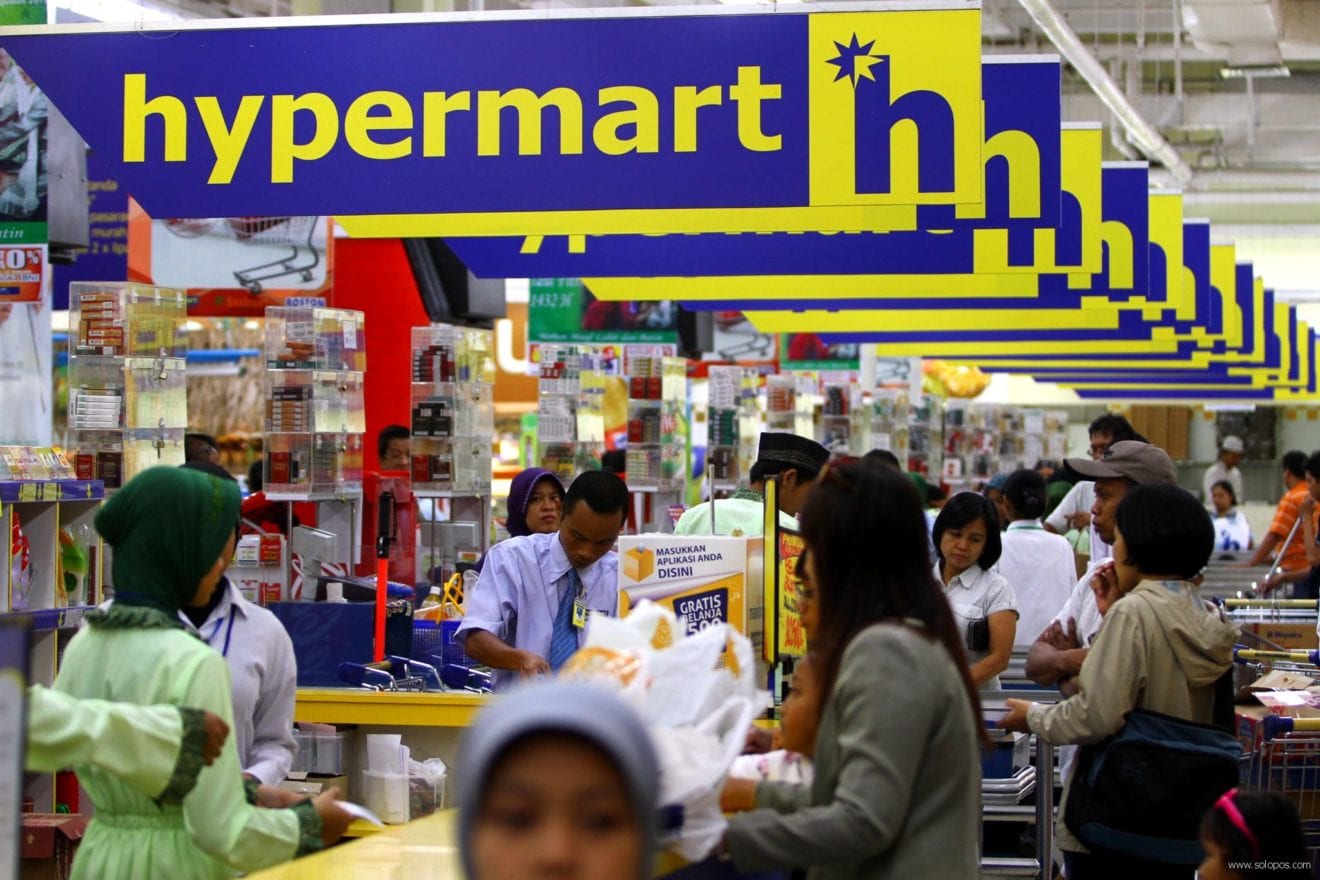
    As well as continuing its Hypermarket G7 rollout, Matahari PP also revamped its Foodmart and Bostonformats, and launched the SmartHub and FMX concept debuts formats on the wholesale side.

    MPPA opened 33 outlets during the year, and now has 293 multi-format stores. Four G7 stores opened, and eight stores were remodelled to the concept.

    One of Indonesia’s largest retailers, Matahari PP has more than 30,000 employees in 112 hypermarkets, 23 supermarkets (Foodmart and Primo/Fresh), 49 minimarket/convenience stores (FMX), 108 health and beauty stores (Boston) and its wholesale outlet (SmartClub).

    In total, it has 293 stores in 68 cities throughout Indonesia.

  • Robinsons Retail Philippines chair retires

    Robinsons Retail Philippines chair retires

    The Philippines’ second wealthiest man according to Forbes, John Gokongwei Jr, has retired as chair and CEO of Robinsons Retail Philippines.

    Robinsons Retail covers supermarkets and household brands such as Toys ‘R’ Us, True Value and Mini Stop.

    Gokongwei, who will turn 90 on August 11, had announced plans to retire and focus on charity work when he reaches 90.

    Gokongwei was born in China to Filipino parents, and arrived in Cebu when he was one year old. He started his multi-billion dollar retail and property empire in the province south of Manila by trading goods using a bicycle and a small boat off the pier of the province.

    His only son Lance Gokongwei, 49, will take his place, while his brother James Go remains as vice chairman.

    Robinsons Retail reported a net income of P3.1 billion ($67 million) in the first nine months of 2015, up 18.8 per cent year on year as net sales rose 12.7 per cent to P63.3 billion.

    As of the end of September in 2015,  Robinsons Retail had a total of 1466 stores, with 208 new stores, a 10.7 per cent increase in gross floor area to approximately 939,000 sqm over a year ago.

  • Masterpiece Auction House opens in Hong Kong

    Masterpiece Auction House opens in Hong Kong

    Indonesia-based Masterpiece Auction House will host its first auction in Hong Kong featuring Southeast Asian and Chinese modern and contemporary art works this Saturday (March 26).

    The public preview will start tomorrow (March 22).

    Masterpiece Auction House recently opened an office in Hong Kong to help expand its market share of the growing Asian modern and contemporary art market, said the President Director of Masterpiece Auction Private Ltd,, Benny Oenardi Raharjo.

    The company plans to host two auctions in Hong Kong every year showcasing artworks – paintings in particular – by established, emerging and young artists from Southeast Asia and Asia. It will also provide junior painters with an opportunity to introduce their work, which will help increase their international exposure.

    “The art market in Hong Kong has been buoyant, with more and more people buying artwork not just for the love of it, but as part of their financial and investment portfolio,” Raharjo said. “Our entry into Hong Kong, a key art hub of the region, will allow Masterpiece Auction House to grab a larger slice of the growing Asian modern and contemporary art market.”

    Associate director-general of investment promotion Dr Jimmy Chiang said Hong Kong has a strategic location in the heart of Asia and is close to the Mainland.

    “Against this backdrop, art auction houses or related companies in Hong Kong enjoy unrivalled access to a huge number of high net-worth individuals in Asia Pacific, as well as a pool of seasoned art managers, art-specific transportation and logistics support.”

    Founded in 2003, Masterpiece Auction House is recognised as one of the leading and the most dynamic auction houses in Indonesia, Singapore and Malaysia. It gives exposure to high quality of fine art, particularly with the vision of developing and raising the national and international exposure of Indonesian art, especially through the medium of paintings.

    *Photo: Masterpiece Auction House president director Benny Oenardi Raharjo.

  • Pfizer doubles its web sales of its health products in China

    Pfizer doubles its web sales of its health products in China

    Online shoppers in China are steadily increasing their purchases of health products, and that offers an opportunity for popular U.S. brands of nutrition supplements. E-commerce sales of Pfizer’s health products, including popular supplements like Caltrate and Centrum, are growing at a more than 100% every year in China, according to Don Kerrigan, Pfizer’s vice president of Global Commercial Excellence & Activation.

    In fact, China has become Pfizer’s second-largest market for health products, exceeded only by the U.S. More than 200 million Chinese consumers have purchased health products from Pfizer, Kerrigan says.

    Many of those consumers purchase Pfizer products online, even though Pfizer does not operate its own e-commerce site in China. Instead, it has been selling since 2012 through an official storefront Tmall in 2012, one of the two giant online shopping portals operated by China’s leading e-commerce company, Alibaba Group Holding Ltd. Pfizer also sells on JD.com, Alibaba’s leading competitor, and other marketplaces in China, including Yhd.com, which is owned by Wal-Mart Stores Inc.

    Leveraging marketplaces enabled Pfizer to quickly begin selling online in China, Kerrigan says.

    The massive traffic to Alibaba’s online marketplaces in China—those marketplaces, mainly Taobao and Tmall, generated $449 billion in sales in 2015, Alibaba says—means companies like Pfizer can gather a tremendous amount of information quickly about what Chinese consumers like, Kerrigan says. That lets relatively new players like Pfizer test the market and respond quickly.

    “An e-commerce platform like Tmall can provide data on what consumers are buying in different categories,” Kerrigan says. “You can gain insight into what else they’re buying, and how consumers are managing their health or their wellness. That is helpful to us in how we build out broader solutions for consumers.”

    While many overseas brands employ e-commerce service providers to manage their web sales in China, Pfizer relies on its own 17-person team in China.

    The explosive growth of online shopping in China can make it difficult for brands like Pfizer to anticipate demand. Kerrigan says his business ran out of stock within hours of the beginning of the annual Singles’ Day online sale last Nov. 11.Alibaba says its Singles’ Day 2015 sales grew 60% over the 2014 event to $14.3 billion.

    Pricing is another issue as some merchants or individuals sell a brand’s products at low prices on China’s big web marketplaces. To differentiate itself from these sellers, Pfizer has developed specific products to sell only through e-commerce channels in China.