Category: Living

Retail News Asia is committed to providing both local and global retailers with the latest Living news throughout the Asian market. This on a daily base.

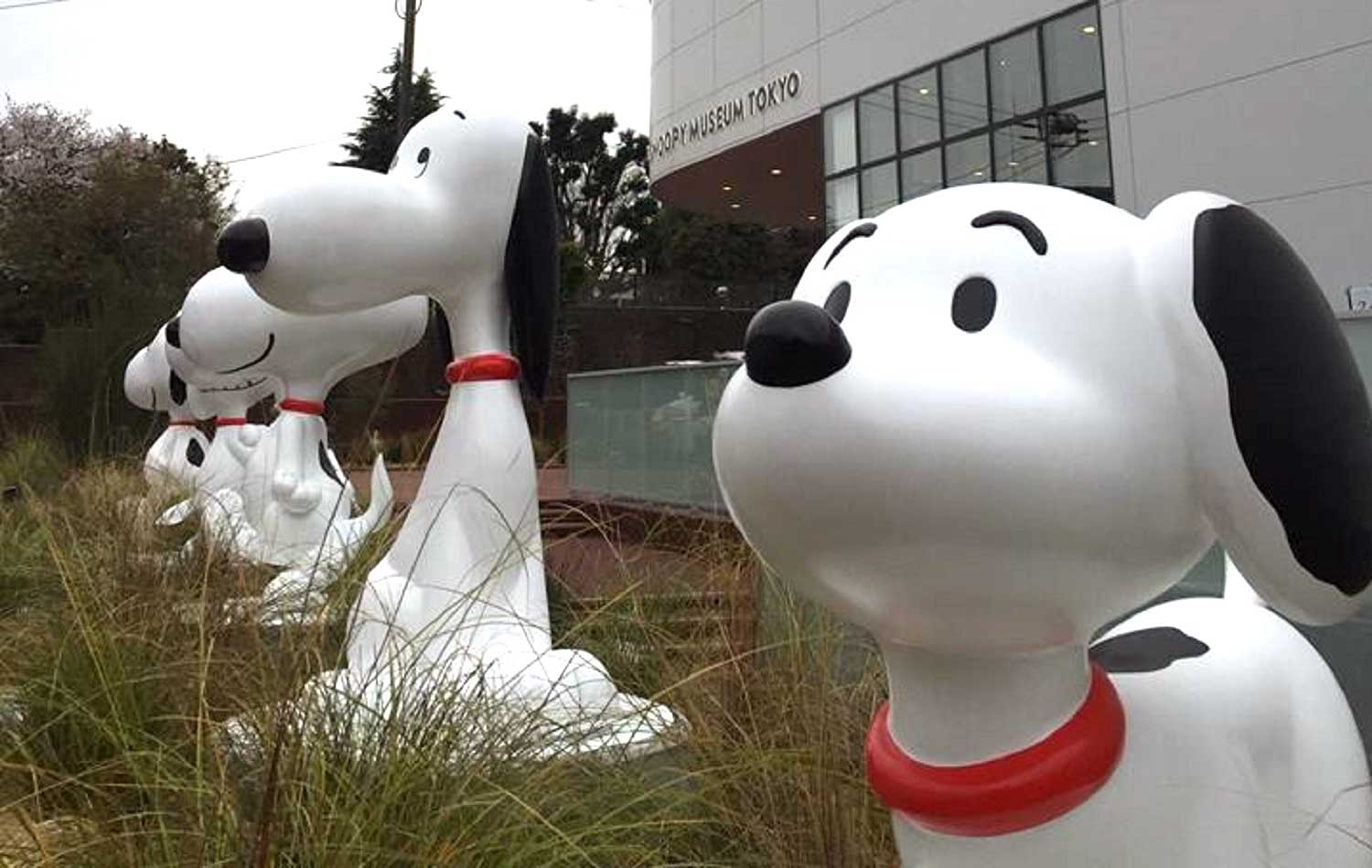
  • Snoopy Museum Tokyo

    Snoopy Museum Tokyo

    An American cartoon has taken life in Japan with the opening of Snoopy Museum Tokyo, in the Roppongi district.

    As well as exhibitions, the museum shop Brown’s Store will sell exclusive items, while Cafe Blanket will serve food and beverages with a West Coast twist.

    It is the first satellite museum of the California-based Charles M.Schulz Museum and Research Center, named after the comic-strip cartoonist who created Snoopy the dog in his Peanuts series.

    Snoopy Museum Tokyo

    Once every six months, until September 2018, Snoopy Museum Tokyo will exhibit original comic strips and other artworks from the collection of the Charles M. Schulz Museum. At the opening exhibition, My Favorite Peanuts, there were about 150 items chosen by Schulz’s widow Jean, including original comic strips.

    The Brown’s Store will offer more than 500 original items, ranging from stuffed toys, stationery and homegoods to foodstuffs, all developed specially for the Tokyo museum.

    Cafe Blanket will feature a “Snoopy Dish Component” comprising sandwiches, mini corn dogs, potatoes and peanut butter. Pancakes, pizza and “My Sweet Babboo”, a milkshake that appears in works Mrs Schulz chose for the exhibition, will also be served.

    Snoopy Museum Tokyo 2

    Like the original, Snoopy Museum Tokyo will show the achievements and personality of Charles Schulz through changing exhibitions, seasonal events and workshops. There will be new original content every six months, curated by the Charles M. Schulz Museum. These will include early comics drawn before Peanuts, such as the Li’l Folks cartoons, animation art, Vince Guaraldi’s jazz music from animated Peanuts cartoons, and rare vintage Peanuts memorabilia. Unpublished sketches and artwork by Schulz will be displayed in a special section.

    Mrs Schulz says Peanuts has been loved by Japanese people for more than 40 years.

  • Giant Cambodia launches in Phnom Penh

    Giant Cambodia launches in Phnom Penh

    Giant Cambodia has opened its first store in the kingdom, in Phnom Penh’s Grand City Mall.

    It is part of a major expansion into Cambodia by the Malaysian wholly owned subsidiary of pan-Asian retailer Dairy Farm International, which also has a 70 per cent stake in Lucky Private, the owner of Lucky Supermarkets.

    Dairy Farm International Indochina CEO Paul Sheldrake says Giant will offer a new experience and choices for Cambodians with its brand-name health and beauty products and housing accessories.

    New international shopping complexes are boosting retail supply in the capital, such as the 57,000 sqm Parkson’s Phnom Penh City Centre scheduled to open last year but revised to late this year. Also coming on line then will be Lion City, an integrated project by Malaysia’s Lion Group covering 61,000 sqm.

    Other new entrants include HongKongLand’s Exchange Square, covering 8000 sqm and opening early next year.

    Real estate analyst CBRE has forecast retail space in Phnom Penh to increase more than 110 per cent by early next year.

  • IKEA Will Open First PUP Store In China

    IKEA Will Open First PUP Store In China

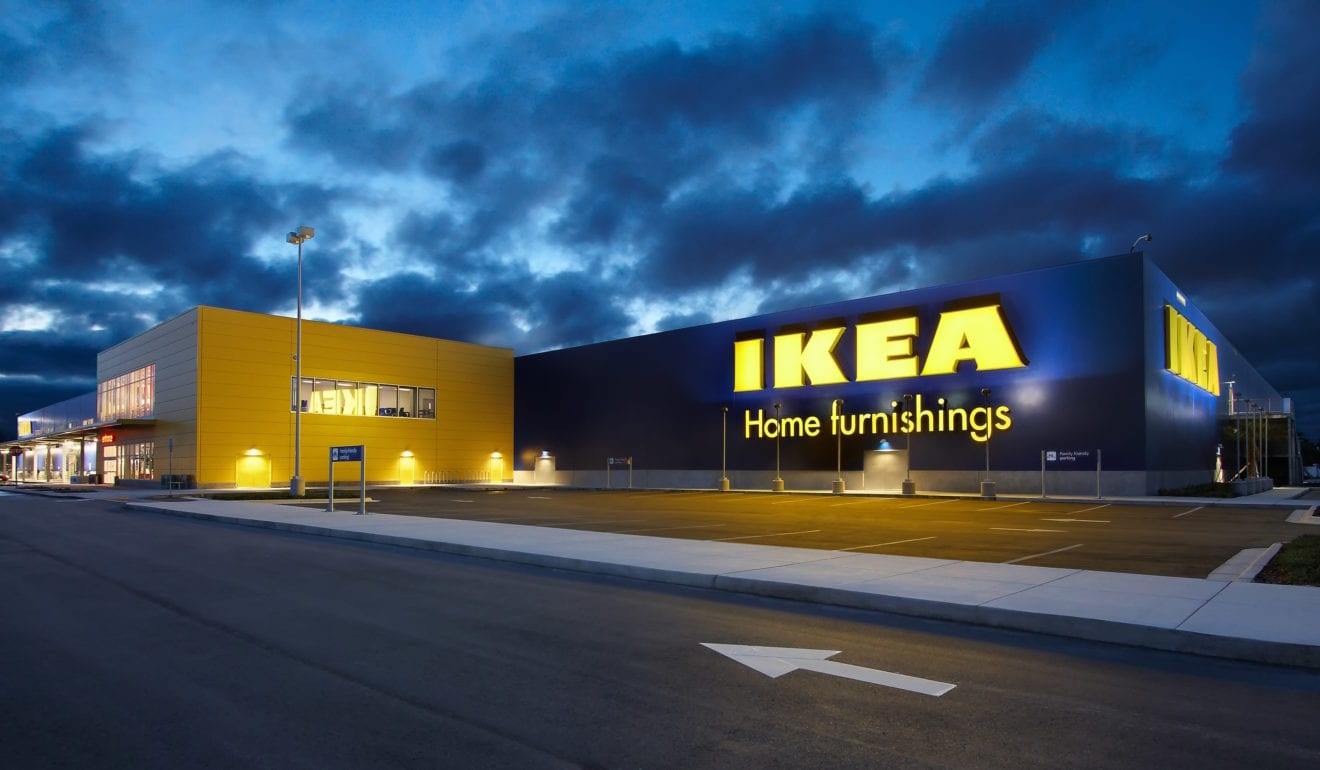
    Ikea’s first pick-up and order point in China is currently being built in Wenzhou and is expected to officially open at the beginning of this summer.

    Ikea PUP store is a new model established by the company in 2015. With an area of about 1,800 square meters, the Ikea Wenzhou PUP store will display about 2,500 kinds of products. Meanwhile, local consumers can order most of Ikea’s products at the order point. It is reportedly a small-sized Ikea and the extension of the Ikea Ningbo store.

    Consumers can first experience Ikea products in the display zones and choose to buy the products directly from Wenzhou PUP store or place an order to the Ikea Ningbo store in eastern China. The ordered products will then be delivered to the Wenzhou order point or to consumers’ homes. In addition, the Wenzhou PUP store will have professional staff to provide home solution planning and purchase services. However, no food and beverage area is available at the PUP store.

    A representative from Ikea China said that the establishment of the Wenzhou order point will make consumers’ shopping experience more convenient. Meanwhile, it will lay a foundation for the future expansion of Ikea’s online businesses. Ikea started the operation of this new PUP model from 2015. So far, it has launched such stores in London, Toronto, and Phuket.

    Ikea’s financial report for 2015 revealed that the company’s total sales for 2015 were EUR31.9 billion, a year-on-year increase of 11.2%. Its sales increase was mainly contributed by store sales, especially new stores integrating e-commerce functions.

  • Luxury gifts retailer opens in Sheung Wan

    Luxury gifts retailer opens in Sheung Wan

    Luxury tableware and gifts retailer Town House is opening another retail store location at Wing On department store in Sheung Wan.

    The expansion of Town House into a fully-fledged retail shop in Wing On is part of a strategy to open new retail locations to take advantage of consumer demands for affordable, high quality home accessories, the retailer said.
    In November 2015, Town House opened its most recent shop at the K11 Mall in Tsim Sha Tsui.

    Suresh Kanji, general manager of Town House said: “We look forward to welcoming customers to all our locations, but take great pride in the expansion of our relationship with Wing On, a great company with a history of over 100 years of serving Hong Kong.”

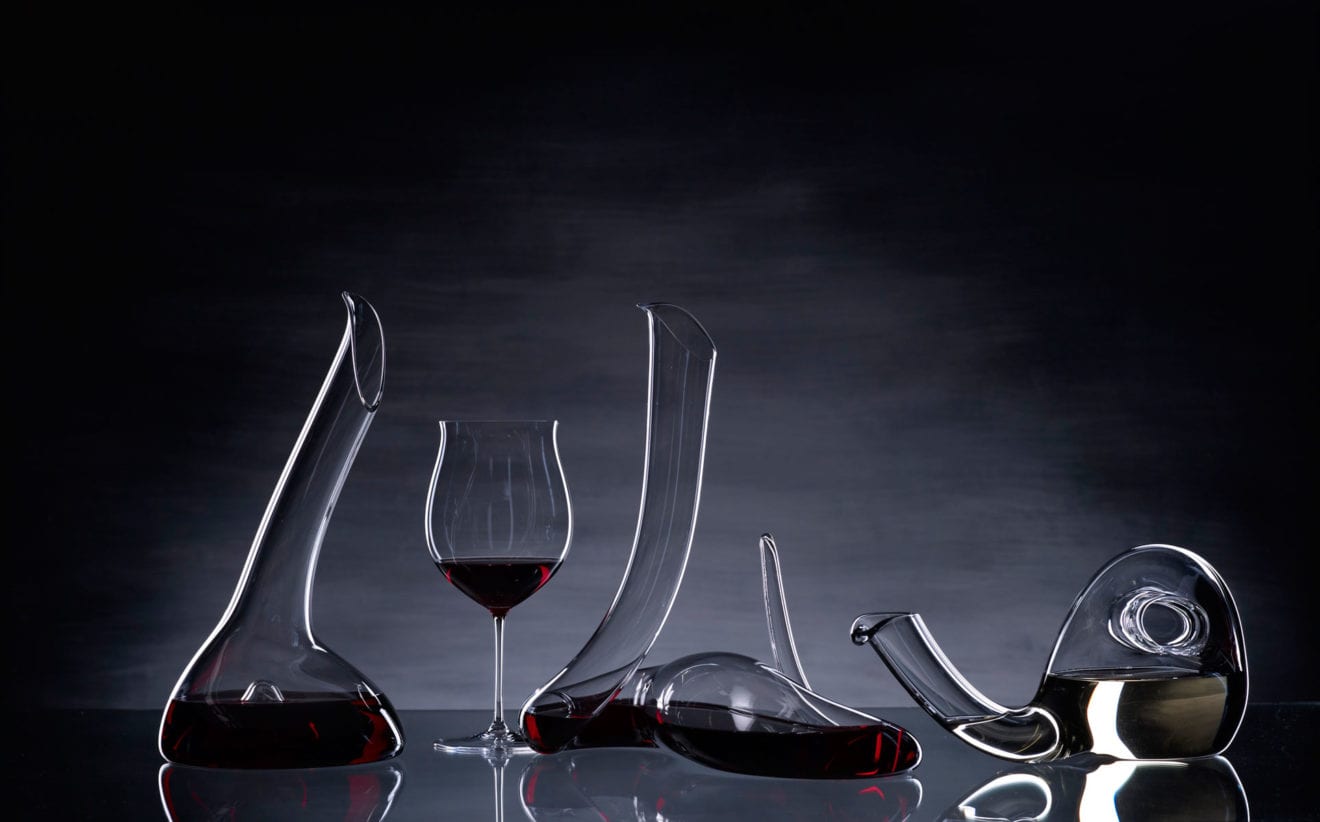
    The new store offers gifts and tableware from renowned brands such as Riedel, Nachtmann Crystal, Bohemia Crystal Glass, Maxwell & Williams, Britto, Laguiole, Duccio di Segna, and A. Anglada.

  • Generika Drugstore eyes aggressive local, overseas expansion

    Generika Drugstore eyes aggressive local, overseas expansion

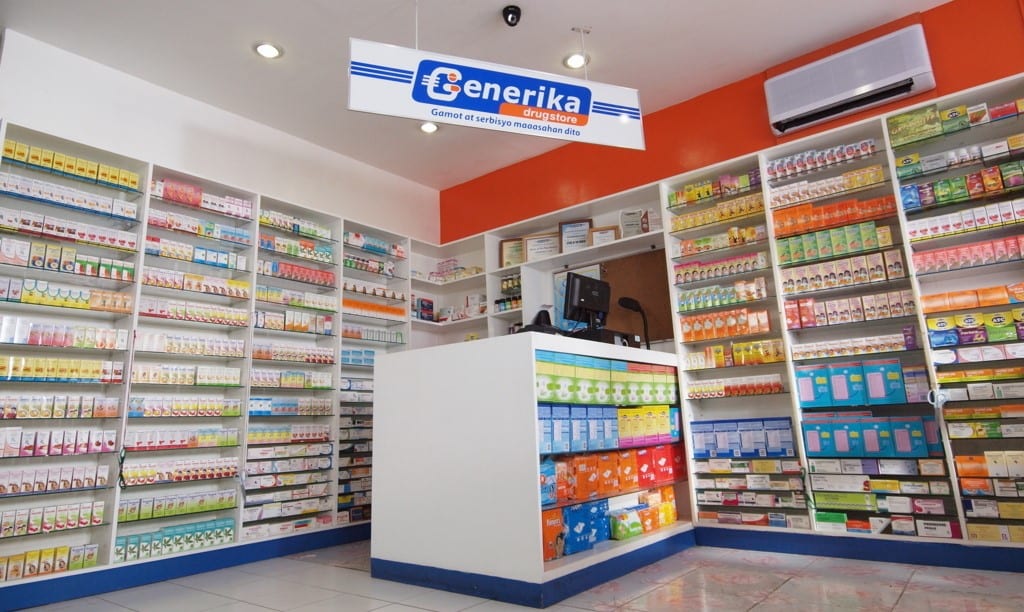
    Generika Drugstore is eying aggressive expansion in the country’s far-flung areas – and possibly abroad into Southeast Asia.

    Generika is country’s third-largest player, half-owned by retail giant Ayala. In 2015 the Ayala group, through its Ayala Healthcare Holdings Inc., acquired 50 per cent of the pharmacy business from cofounder, Frenchman Julien Bello.

    Teodoro Ferrer, president of Generika, said the company plans to boost its 600 stores with 152 more in 2016, and an average of 100 stores annually over the next few years.

    “We need to grow further to more than 1000 stores in less than five years. We also need to focus the product line to include food supplements and also focus on healthcare and wellness, and not just on medicines,” Ferrer said.

    He said the aggressive strategy for a company the size of Generika, founded 12 years ago, could not be compared with opening a branch of a convenience store that sold mostly food and grocery items.

    “You need to have approvals from the local government, from the FDA [Food and Drug Administration]; hire a licensed pharmacist; and then look for the right franchise owner that will take care of your store.”

    Ferrer said the company will put branches in far-flung areas of the country where he believes its services are needed.

    Generika now owns about 42 per cent of its network, since previously it didn’t have the capital to own stores, which cost about P1.2 million to P1.5 million to build. The rest of the stores are operated as franchises.

    “Now that our profit is increasing and Ayala group has come in, we can now expand company-owned stores.”

  • Lotte pulls out of Big C Vietnam race

    Lotte pulls out of Big C Vietnam race

    South Korean retail heavyweight Lotte has reportedly withdrawn from the bidding battle for Big C Vietnam.

    Reuters, quoting unnamed sources familiar with the matter, said the company was not keen to bid aggressively for the supermarket network. Lotte already has its own network of hypermarkets in Vietnam and will no doubt have costed a bid for Big C based on the value of the market share and assets it would acquire versus the cost of continuing its own organic store network growth.

    France’s Groupe Casino is auctioning off the Vietnam business having earlier sold its stake in Big C Thailand to Thai import and export firm Berli Jucker for about US$6.2 billion.

    Lotte Group, which controls Lotte Shopping, declined to comment on the report.

    Big C opened its first Vietnam store in 1998 and has 30 stores in cities across the country.

    At the time it put the business on the market, Groupe Casino said it hoped to be paid about US$813 million, which would be spent paying down debt.

    However based on current bids for the business, sources are now estimating the sale could net closer to $1 billion.

    Thailand’s Central Group, which is has been approached by Berli Jucker to buy its minority stake in Big C Thailand and has a growing portfolio of retail businesses in Vietnam, is thought to remain in the hunt, along with Berli Jucker which through an affiliated company bought Metro Vietnam from Germany’s Metro AG last year and is building a convenience store network in the country under the banner B’Smart.

    Reuters reports at least 10 offers were initially received for the business, with the final round of tender due this week.

  • Duty free sales will recover, says Global Blue China report

    Duty free sales will recover, says Global Blue China report

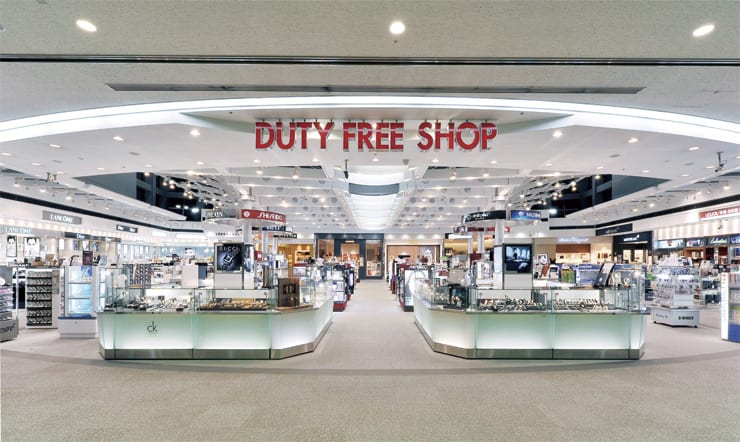
    After 58 per cent growth last year, Chinese tax-free shopping has gone into reverse gear, according to the Global Blue China Shopper Report.

    However, China has retained its position as the number-one global shopper market, accounting for a third of tax-free shopping sales worldwide.

    Switzerland-based Global Blue says May and October are set to be busiest months for travel by “regular” Chinese travellers, offering opportunities for global retailers, who need to focus on value and convenience to attract them.

    Its China report combines data from more than 27 million tax-free shopping transactions with the opinions of 5000 regular Chinese travellers about their travel and spending plans for this year. Regular Chinese travellers are defined as survey respondents who have been on an international holiday in the past two years or plan to go on one this year.

    Despite the recent turbulence, Chinese global shoppers remain a lucrative market, says the report. Last month, Chinese tax-free shopping dropped into negative growth, falling 24 per cent year-on-year. This followed slow growth for the first two months of the year (11 per cent in January and 5 per cent in February).

    Reasons for the decline include the ability to obtain visas (an important consideration for 22 per cent of regular Chinese travellers), and terrorist attacks (safety and security were cited by 56 per cent of respondents as an important destination factor).

    Shopping important

    Fluctuation of the yuan on tax-free shopping sales is likely to be minimal, says the report, as the yuan weakened by just 3 per cent against the euro this first quarter. However, the research indicated that nearly half of those surveyed would reconsider their destination (46 per cent) or cut their shopping budget (47 per cent) because of exchange rates.

    Shopping remains a hugely important part of the holiday experience for regular Chinese travellers, says the report, as 81 per cent of those planning international travel this year will shop during their trip with an average shopping budget of 25,902CNY (US$3997) when travelling to Europe and 18,398CNY for Asia visits.

    May is expected to be the most popular month for travel to Europe, Japan and South Korea, while October will be attractive for visits to other Asia-Pacific destinations such as Australia and Singapore. These two key months coincide with major Chinese holidays: Labour Day (May 1-4) and Golden Week (October 1-7).

    Asia is the main destination for Chinese visitors throughout the year, with 73 per cent of those planning a holiday this year intending to travel within the region. South Korea is targeted by 26 per cent of Chinese travellers this year, followed by Japan (23 per cent).

    When it comes to Chinese tax-free shopping spend within Asia, Japan was the region’s strongest performer during the first quarter with 50 per cent growth. Chinese shoppers accounted for 54 per cent of APAC’s sales. Also, Chinese transactions in Asia increased by 32 cent during the quarter.

    What they like

    When asked what makes a good shopping destination, 35 per cent of respondents opted for a good selection of shopping malls or retail parks, while 33 per cent said they looked for a destination with famous international brand stores. For 31 per cent, the availability of products at better prices than in China was important.

    The research also revealed the top five services that should be offered by retailers looking to attract Chinese shoppers: tax-free shopping (65 per cent), ability to pay with China Union Pay (55 per cent), ability to pay in their home currency (46 per cent), retail staff who speak their language (39 per cent) and Wi-Fi in-store (26 per cent).

    Their main research points for international shopping include travel, shopping and fashion websites (43 per cent) and recommendations from friends and family (also 43 per cent), Social media also plays a key role, either through the brand’s own site (38 per cent) or via inspiration from friends’ pages (36 per cent).

    Opinium Research ran the survey, sampling 5005 Chinese travellers between January 22 and February 1.

    Global Blue came up with the concept of tax-free shopping more than 35 years ago and now creates value for retailers and partners through a range of products and services. It has a presence in 51 countries, employing more than 1800 people worldwide. Global Blue last year powered more than 27 million transactions involving 22 million dyna

  • AEON partners with Major Cineplex Group  to Enjoy Favorite Flicks and Free Snack

    AEON partners with Major Cineplex Group to Enjoy Favorite Flicks and Free Snack

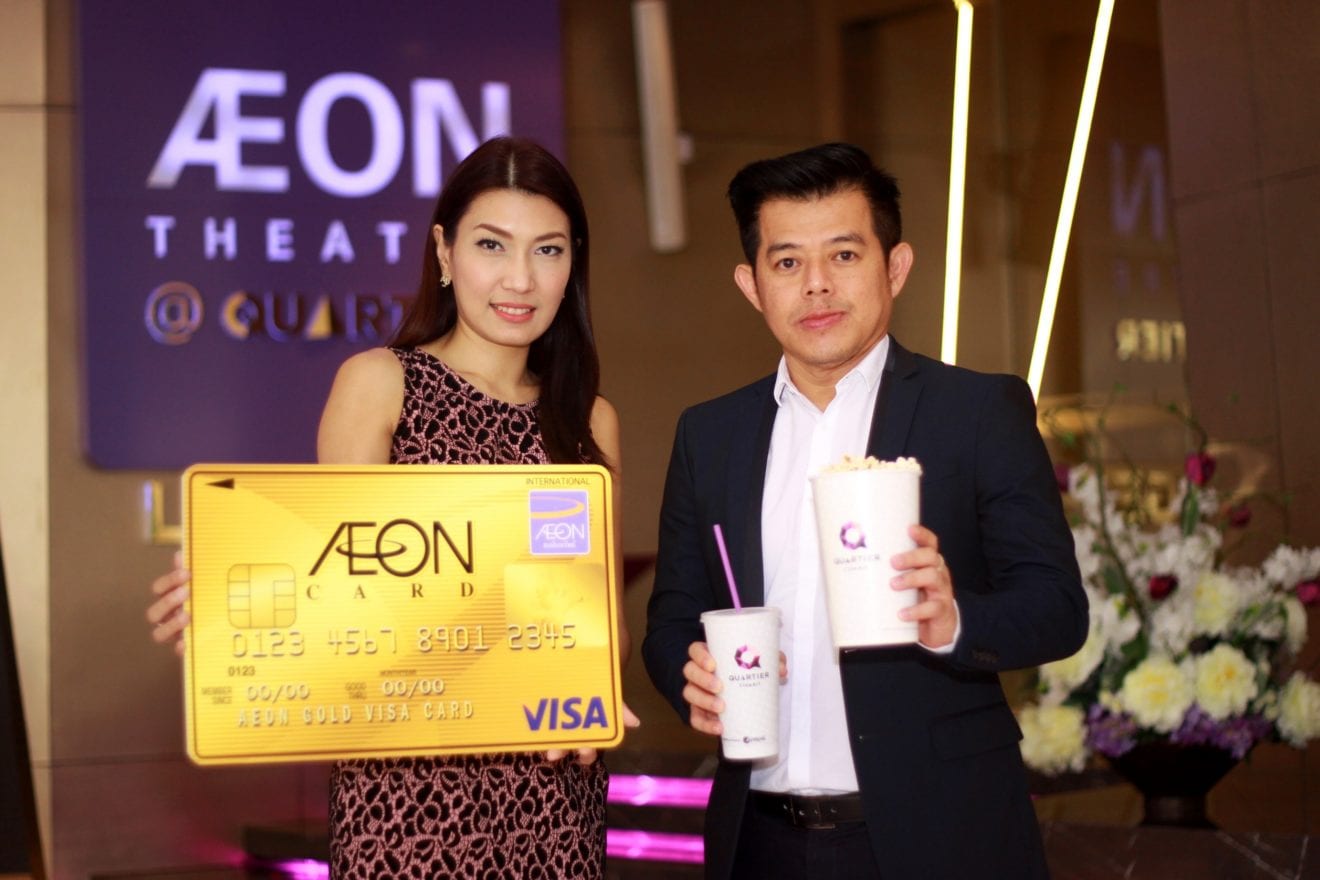
    Mrs. Waraporn Nilpanich (Left), Assistant Vice President – Credit Card at AEON Thana Sinsap (Thailand) Public Company Limited and Mr. Niti Pattanapakdee (Right), Chief Media Officer of Major Cineplex Group Public Co., Ltd., announced the special joint promotion exclusively for AEON Royal Orchid Plus Platinum, AEON Gold and AEON Classic credit cardholders. With every movie tickets purchased, members can enjoy   a free Small Combo Set (22 Oz. drink and 46 Oz. popcorn) for the first 100 members per branch. The promotion is exclusive to Quatier Cineart and all Major Cineplex theaters on April 30th only.

    For more information about AEON activities, please visit www.aeon.co.th


  • Singapore-based Luye Medical Group Completes Acquisition of Healthe Care, Australia’s Third Largest Private Healthcare Group

    Singapore-based Luye Medical Group Completes Acquisition of Healthe Care, Australia’s Third Largest Private Healthcare Group

    On April 18, 2016, Australia’s third largest private healthcare group, Healthe Care, officially became a member of Luye Medicals Group Pte Ltd (Luye Medical Group) after the acquisition from Australia’s Archer Capital Fund was completed. Through the acquisition of Healthe Care, Luye Medical Group has leapfrogged into the ranks of one of the largest international private medical groups in the region.

    Healthe Care will continue to expand its business operations in the Australian market, and work closely with Luye Medical Group to expand its footprint and building high quality healthcare services in Singapore, China and the other Asian countries.

    In the China market, driven strongly by aging population and emerging healthcare friendly policies, the China healthcare market has accelerated its development. According to statistics, the market size of China’s healthcare industry is approximately US 280 billion dollars and the compound annual growth rate of hospital income during 2009 to 2013 was 20%, of which that of private hospitals was as high as 28%. However, due to lack of adequate policy support and infrastructure, it has been difficult for private hospitals to specialize and extend its services to a wider population, resulting in the fact that Chinese private healthcare providers only cover about 10%(1) of the total patients population, notably lower than the 20% to 30% target(2) set by the government. Luye Medical Group believes that the acquisition of Healthe Care will greatly enhance its capabilities in China, enabling it to deliver high quality healthcare services with international standards.

    Mr Choo Kin Poo, Group Vice President, Strategy Planning & Business Development, Operations said: “This is our largest acquisition so far. As a medical group headquartered in Singapore with assets overseas, having Healthe Care on board will allow us to build on our business strategy and plans to expand in Singapore and Asia Pacific.”

    “The acquisition of Healthe Care represents an important milestone in the development of Luye Medical Group. It has great strategy significance and extensive influence on the development of healthcare services and lays the foundation for Luye Medical Group and Luye Group as a market leader both internationally and in China,” said Mr. Liu Dianbo, Chairman of Luye Group.

    Both Healthe Care and Luye Medical Group specialize in areas such as oncology, cardiology, neuropsychiatry, orthopedics, and rehabilitation and synergies with the key therapeutic pharmaceutical products of Luye Pharma Group, another member of Luye Group.

    (1) Statistical Communique on Development in Health and Family Planning of China in 2014, as released by the National Health and Family Planning Commission, in 2014 the patients of public hospitals were 134,150,000 (accounting for 87.3% of the total patients) and the patients of private hospitals were 19,600,000 (accounting for 12.7% of the total patients).
    (2) In 2013, the State Council proposed in the Plan for Deepening the Medical and Health System Reform during the 12th Five-year Plan Period and the Implementation Program, the beds and service quantity of non-public medical institutions shall reach approximately 20% of the total quantity in 2015.

  • Astro Malaysia chief eyes digital dominance in Southeast Asia

    Astro Malaysia chief eyes digital dominance in Southeast Asia

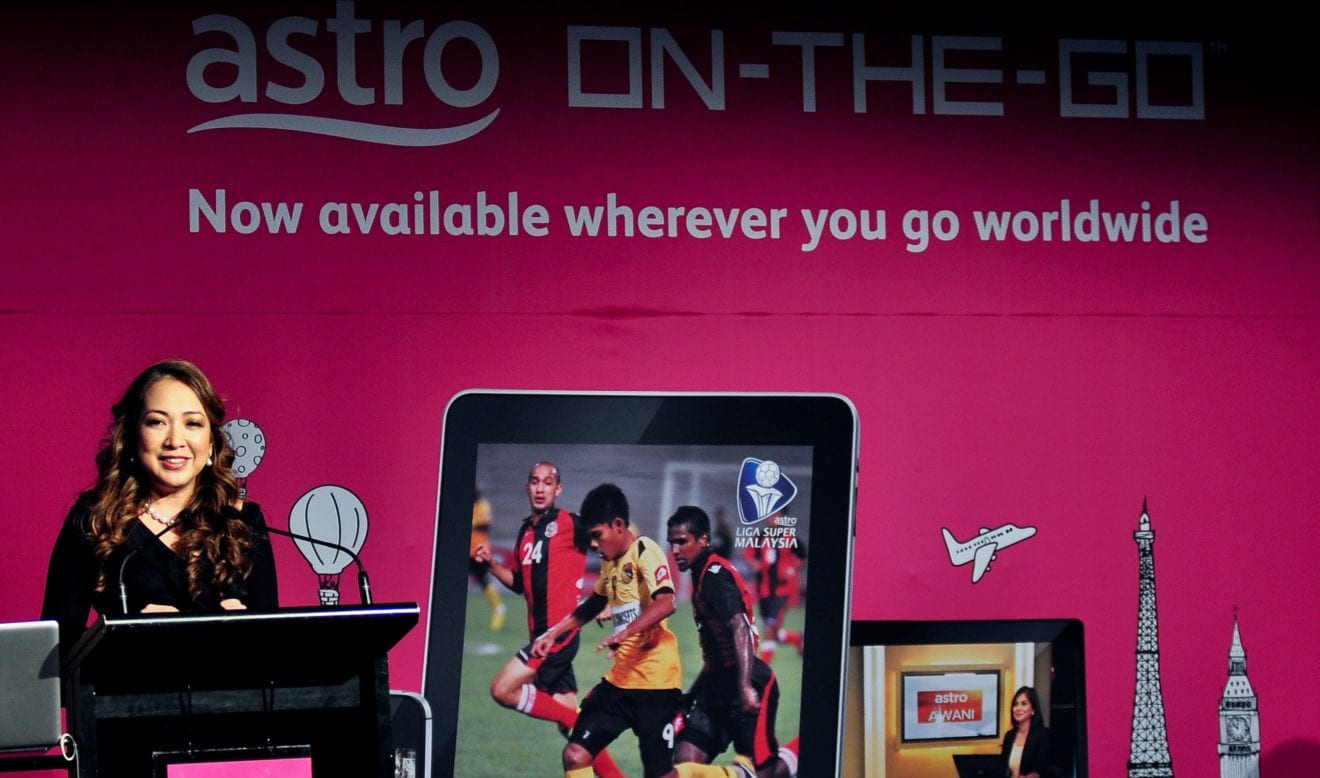
    Rohana Rozhan, the chief executive of Astro Malaysia Holdings, has never shied away from a challenge. As a young girl, she was determined not to be outdone by the boys she grew up with. Now, she is engineering an Internet-powered expansion for the pay TV operator.

    On March 18, Astro announced the launch of Tribe, its latest digital offering. “Tribe is going to differentiate [us] because it’s going to cater to fan bases,” Rohana said.

    Tribe is an over-the-top service, which delivers TV shows and other digital content directly over the Internet. The service debuted in Indonesia in partnership with Axiata Digital Services, a unit of Malaysian telecommunications giant Axiata Group. Astro is looking to launch Tribe in up to three Southeast Asian countries.

    In addition to such content as South Korean TV shows and Asian films, Tribe also offers live events, such as sports matches. Tribe is optimized for mobile viewing, so users can watch their favorite shows anytime on their smartphones or other devices.

    “I think we have slowly evolved,” Rohana told the Nikkei Asian Review at Astro’s headquarters in the suburbs of Kuala Lumpur.

    THE PINK “PIRANHA”   Dressed in pink and carrying a glittering pink smartphone, the 53-year-old Rohana cuts a striking figure in her black-paneled office. On the wall is an eye-catching caricature of her as a “Game of Thrones”-like character, complete with a dragon perched on her left shoulder.

    Nicknamed “Rohana the Piranha” by the neighborhood boys she grew up with, she is now one of Malaysia’s top female corporate leaders, whose ranks also include Aireen Omar, the chief executive of AirAsia, and Nur Qamarina Chew Abdullah, the managing director of the local unit of Japanese retail giant Aeon.

    Rohana has been involved in Astro’s growth from its early days.

    The company started out as a direct-to-home pay TV service in 1996 and now has radio stations, magazines and film production companies under its umbrella. A year ago, it partnered with South Korean multimedia retailer GS Home Shopping to enter the home shopping business.

    Before joining Astro, Rohana worked for a decade at consumer goods conglomerate Unilever in the U.K. and Malaysia. Before that, she studied accounting and economics at the University of Kent, and later completed the Advanced Management Program at Harvard Business School in 2006.

    Although normally an intensely private person, she gave a glimpse of what drives her in her acceptance speech for the Toastmaster’s Golden Gavel Award in 2014.

    She described how, as a child, she fought to be treated as an equal among the boys in her hometown in the state of Sabah, on the island of Borneo. “When you are young, you are quite arrogant,” she said. “Thinking arrogantly that I am as good as any boy and as good as my brothers, I couldn’t [accept] that they were sent to the U.K. at the age of 13 to pursue their studies whilst I was actively encouraged to stay at home to look after everyone and to consider becoming a teacher.”

    She eventually won a scholarship to study in the U.K.

    Rohana was the chief financial officer at Astro when the company was listed in 2003 as Astro All Asia Networks. In 2006, she was promoted to chief executive of the media group’s satellite division, MEASAT Broadcast Network Systems.

    For the fiscal year through January, Astro’s revenue rose 5% on the year to 5.47 billion ringgit ($1.4 billion), while net profit climbed 18% to 615 million ringgit.

    The company delisted in 2010 following a buyout by reclusive Malaysian billionaire Ananda Krishnan and Malaysian sovereign fund Khazanah Nasional, but it relisted at $1.5 billion in 2012 as Astro Malaysia Holdings. Today, Astro has a market capitalization of 15 billion ringgit.

    Astro is now watched in 67% of Malaysian households. “In terms of pay TV market share, we have about a 95% to 96% market share, so we are in a very strong position at the moment,” Rohana said. “In a couple of years, it wouldn’t be a stretch to say that we will be at 80% [of household penetration].”

    With the traditional pay TV market all but saturated, Rohana said she expects subscription-free satellite TV to play an increasingly important role in bolstering the company’s domestic business. Astro began offering this service in 2011 via set-top boxes sold separately from its regular services.

    The service has proved popular among the growing number of viewers who prefer to pay for only the programs they want to watch, rather than subscribe to bundles of channels.

    Rohana said the bulk of Astro’s revenue growth will eventually come from subscription-free satellite services as the company evolves to meet this “piecemeal” style of content consumption.

    “We have every intention of growing the traditional business,” Rohana said, “but it’s so much harder now to sustain our share of the customer wallet [and] most importantly, our share [of] our customers’ time.”

    In addition to market saturation, the company also has to deal with the fact that the emergence of Internet-based smartphone viewing has significantly eroded TV’s position as the “king of media.”

    Management consultancy McKinsey said the availability of  OTT often results in consumers canceling their pay TV subscriptions, known as cord-cutting, or else subscribing to a smaller and cheaper bundle of personalized services, known as cord-shaving. Both of these developments spell trouble for a traditional pay TV operator like Astro.

    Astro CEO Rohana Rozhan

    That’s where Tribe comes in. The new service should help Astro go head-to-head with other Internet-based services and provide the company with a springboard for regional growth.

    But the playing field is already a crowded one.

    In Malaysia, other providers of OTT services include Telekom Malaysia’s HyppTV, local startup iflix, which has already expanded to Thailand and the Philippines, global player Netflix and PCCW-backed Viu.

    Meanwhile, Singapore-based HOOQ, which currently operates in the Philippines, India, Thailand and Indonesia, is planning to enter Malaysia after it launches services in its home market this year. India-based TV channel and content producer Zee Entertainment Enterprises has established itself in Indonesia and Thailand, and is eyeing Philippines as the next step in its Asian expansion strategy.

    Nevertheless, Rohana, who has been Astro’s chief executive since 2011, is confident that her company still has room to grow as it prepares to celebrate its 20th anniversary in September. Her hopes for Tribe in this regard are particularly high. “If you look [beyond] Malaysia, if we are going to make it, we have to do original, local language, differentiated programming, and we are going to have to do more of it. If we are going to do more of it, we need to find bigger scale.”

    Such tailored content, she believes, is crucial to gaining local audiences. “If you take the Malaysian market, our view is Netflix is a complementary service to us. It is not in direct competition.” She explained that Netflix’s library largely consists of international programming, while Astro offers programs in the languages spoken in Malaysia — Malay, Chinese and Tamil — as well as live domestics sports and other events. It plans to produce local language content for Tribe in other regional markets.

    Astro estimates that its viewers spend five hours daily watching its programming, with 80% of that time spent on local language offerings. The company produces TV series, reality shows and films in-house or in cooperation with local vendors. Astro plans to use these existing capabilities and infrastructure as it expands into other regional markets in cooperation with telecommunication providers. “If we do our jobs right, we will not have and pay for the content that Netflix has and paid for. We will focus on what they are not offering,” Rohana said.

    She said that understanding shifts in technology and media consumption behavior is crucial to planning a future strategy. “All I need to do is to watch my son. By watching him, you can see how kids move away from that living room experience [of watching TV] with their parents.”

    Even in the digital age, however, Rohana’s priorities remain the same. She emphasizes three factors: customers, content and experience. Her time spent at Unilever, she said, has helped her in understanding consumers in-depth. “We’re no longer that young, and with that realization comes a lot of things, [like] consumption and how that shifts, we’ve seen [its] evolution,” she said. “We believe that in order for us to be sustainable, [and] to continue resonating with our customers, the best way is to simply reflect the customer base.”

    DIFFERENT STRENGTHS   The company’s 4,700-strong workforce reflects the ethnic makeup of Malaysia: Nearly half of its employees are Malay, 25% Chinese and 21% Indians. Almost half of them are under the age of 30, and the workforce is almost evenly divided between men and women, with women making up nearly 40% of the board of directors.

    Rohana has sought to make Astro a diverse organization in order to become regionally competitive. “We are quite proud of the fact that it’s not only about gender. We call it diversity and complementarity. Ultimately, my dream for Astro is to basically respect the fact that each of us can bring something to the table.”

    For Southeast Asia, the test is to understand the needs of each local market and for Astro to differentiate itself in each one. “It is not a static, one-size-fits-all proposition at all. The reality is we [ask] what do we need to do [and] how do we reinvent ourselves to be part of that conversation [for the next] generation.”
  • Ikea Korea falls foul of regulator

    Ikea Korea falls foul of regulator

    South Korea’s antitrust watchdog has told global furniture giant Ikea Korea to revise its terms regarding refunds for cancelled deliveries.

    Ikea, which opened its first store in southern Seoul in 2014, is running a delivery service for South Korean customers who are familiar with free packaging and door-to-door delivery.

    The service costs between 19,000 won (US$16) and 159,000 won ($137) depending on the distance from its store in Gwangmyeong to the destination.

    Ikea Korea has never refunded the delivery fees for any cancelled items even if the item is cancelled before the delivery truck departs, according to Korea’s Fair Trade Commission (FTC).

    The FTC said the furniture company has to change its refund guidelines to enable customers to get a refund after omitting packaging and other costs upon the FTC’s recommendation.

    Ikea Korea also revised its assembly terms to pay back the money when the customer cancels the service, added the watchdog.

    “We’ve received many complaints about Ikea’s refund policies on its delivery and assembly services,” said Min Hye-young, director of the unfair contract examination division at the FTC.

    “We took action, as all customers have the right to get a refund for their cancelled purchases.”

  • Spar Asia flourishes

    Spar Asia flourishes

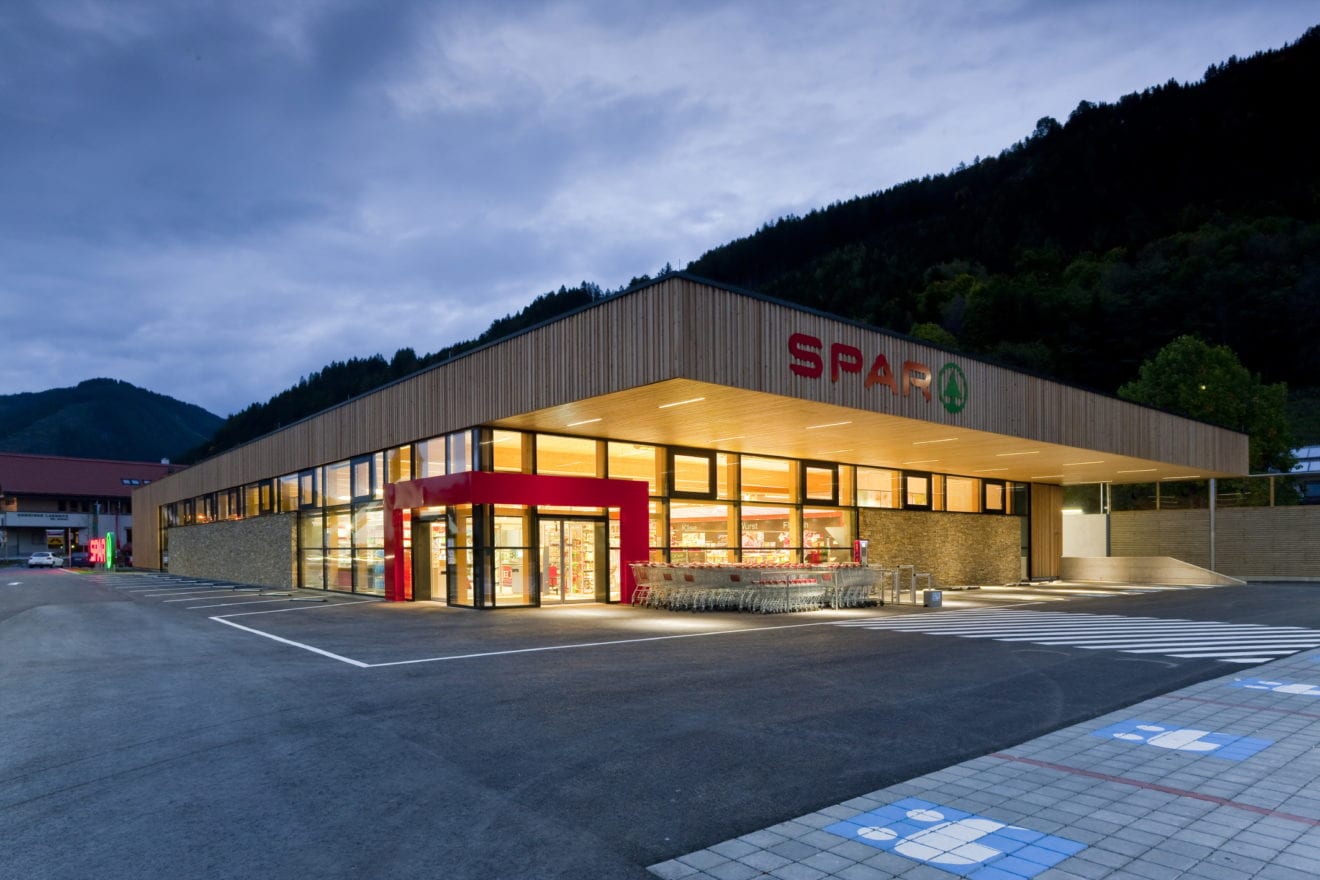
    Food retailer Spar Asia had “significant” developments during its latest financial year.

    In a partnership with Ramayana, the Amsterdam-based group opened 15 stores in Indonesia in nine months, had rapid growth in India after re-entering the market in 2014, and saw its China sales rise 6.8 per cent to €1.9 billion (US$2.14 billion).

    Internationally, its retail sales netted €33 billion for the year, a 3.5 per cent increase on 2014 – the group’s strongest sales growth in five years.

    During the year it entered four new countries, in Asia, Africa and the Middle East, taking its total to 12,100 stores in 42 countries serving 13 million customers a day. Spar International’s multi-format strategy includes hypermarkets, supermarkets, and neighbourhood and convenience stores.

    The fresh department is at the core of the Spar concept, with the stores also offering FMCG products and core non-food ranges. Value is underpinned through its low-priced, quality private-label products.

  • Why Gautier brought French furniture to PH

    Why Gautier brought French furniture to PH

    French furniture maker Gautier has recently opened its first store in the Philippines, the second in Asia after South Korea, bringing in modern pieces for the upscale Filipino market.

    Blims Lifestyle Group, a leading furniture distributor in the country, tapped the French company to provide the local market modern and contemporary trends in the furniture industry.

    Gautier Philippines general manager Katrina Samantha Lim says it took BLG a year to get the French furniture maker to decide on Philippine expansion.

    “This is our first time to venture into the high-end market. BLG has a defined customer base and we are very confident that this new concept will have its own following soon,” she says.

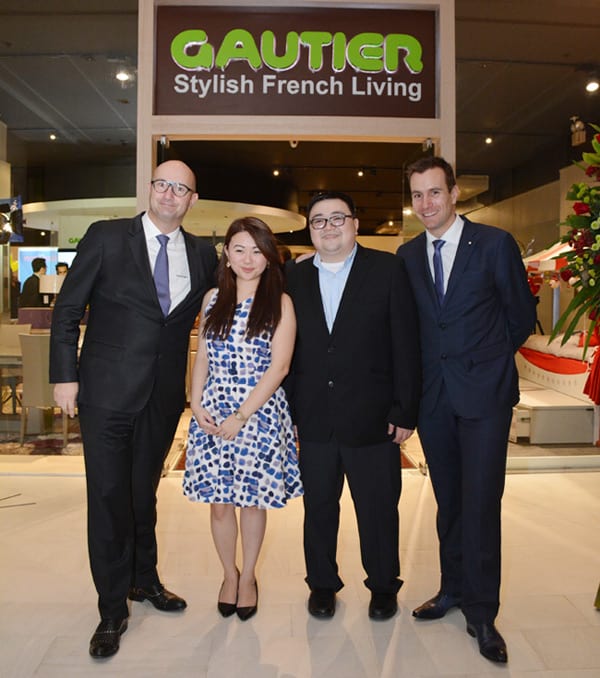
    Gautier Philippines opens its first store at Shangri-La Hotel in Bonifacio Global City.  Shown during the store opening are (from left) Gautier France chief executive David Soulard, Gautier Philippines general manager Katrina Lim, Blims Lifestyle Group president Sam Frederick Lim and Gautier France export manager Hervé Soulard.
    The youngest in a brood of six and the only female, Lim was entrusted the responsibility to look after the high-end venture of BLG.  She is a daughter of BLG chairman Samie Lim.

    The talented young entrepreneur, who exudes feminine flair and artistic sensibility, felt that Gautier’s fine pieces would fit well into the lifestyle of Filipinos.

    She noticed that more Filipino families now start to move up to the upper segment of the market, given their rising income and better opportunities in an economy that is constantly expanding.

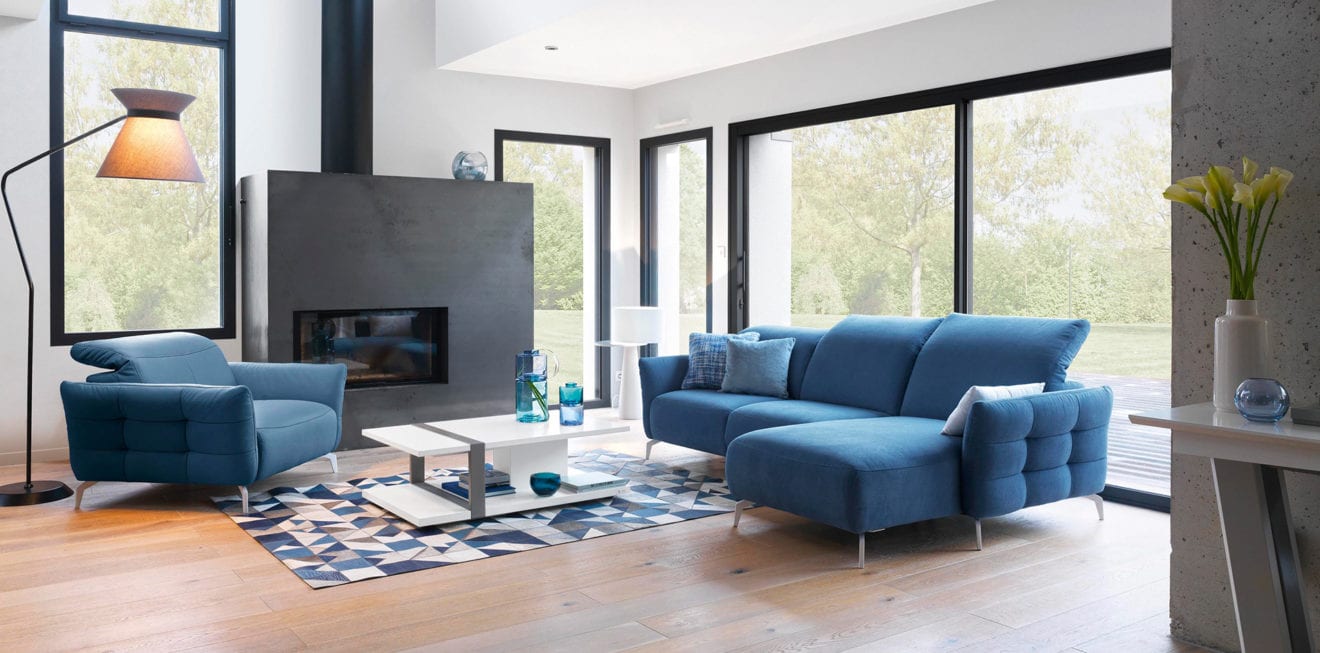
    Housed inside the newly-opened Shangri-La Hotel at Bonifacio Global City in Taguig, the Gautier showroom boasts of a wide selection of finely-crafted furniture suited for modern Filipino homes.

    From very stylish yet utilitarian living room ensemble to sophisticated dining sets and even down to office staples, Gautier has the perfect piece for every corner in every room, she says.

    What is remarkable, Lim says, is that Gautier comes up with the perfect combination of simplicity and elegance.

    All Gautier furniture are guaranteed for 10 years except sofas, soft materials and bedding.  All products also comply with European standards.

    Gautier started as a manufacturer of children’s furniture—a sector where safety and quality are paramount and compromise is unthinkable.

    It was the first French furniture manufacturer to have obtained triple QSE (quality safety and environment) certification. The company limits the future products environmental impact with eco-design approach wherein 98 percent of waste is recycled.

    Gautier is the fifth of Blims’ concept store. Other concepts are the ready-to-use and ready-to-deliver furniture, now industry standards in convenience and practicality.

    Gautier export manager Herve Soulard says the Philippines is a rising market—one with the promise of people moving up and families affording the finest products.

    “The Philippines is also the first country in Southeast Asia where we have presence. We believe that the Philippines will be a big market for us soon,” he says.

    After the Philippines, Gautier is set to expand to Singapore and Indonesia, according to Soulard. Guatier France chief executive David Soulard also attended the opening of the Fort Bonifacio branch.

    In 2015, the French firm spent 10 million euros to acquire new machineries for wood processing. It uses 100 percent Pine wood harvested from Pine tree forest for all its furniture.

    Gautier manufactures its furniture in three production sites in France— La Boupere, Chantonnay and Saint Prouant- all  using cutting edge machineries and equipment.

    With support from local small and medium enterprises, Gautier has become the European leader in contemporary furniture. It employs more than 950 employees across all manufacturing sites.

    It trains its own in-house designers and constantly joins trade shows to keep updated. It has also teamed up with trend watchers in 30 countries.

    With the partnership, Blims is looking at P60 million in annual sales from the Gautier concept in the first year of operations in the Philippines.

    The company is currently looking for more sites in the country, especially upscale retail places and hotels.

    Over 95 percent of the furniture sold in Gautier stores are manufactured in their French factories while the rest are produced in neighboring European countries.

    Lim says the partnership with Gautier is a part of Blims’ raison d’etre or goal to upgrade the living standards of Filipinos.

    Lim says Gautier is not just for chic and classy shoppers.  “It is for today’s socially minded consumers who value the intangibles,” she says.


  • PRG China expanding in confidence

    PRG China expanding in confidence

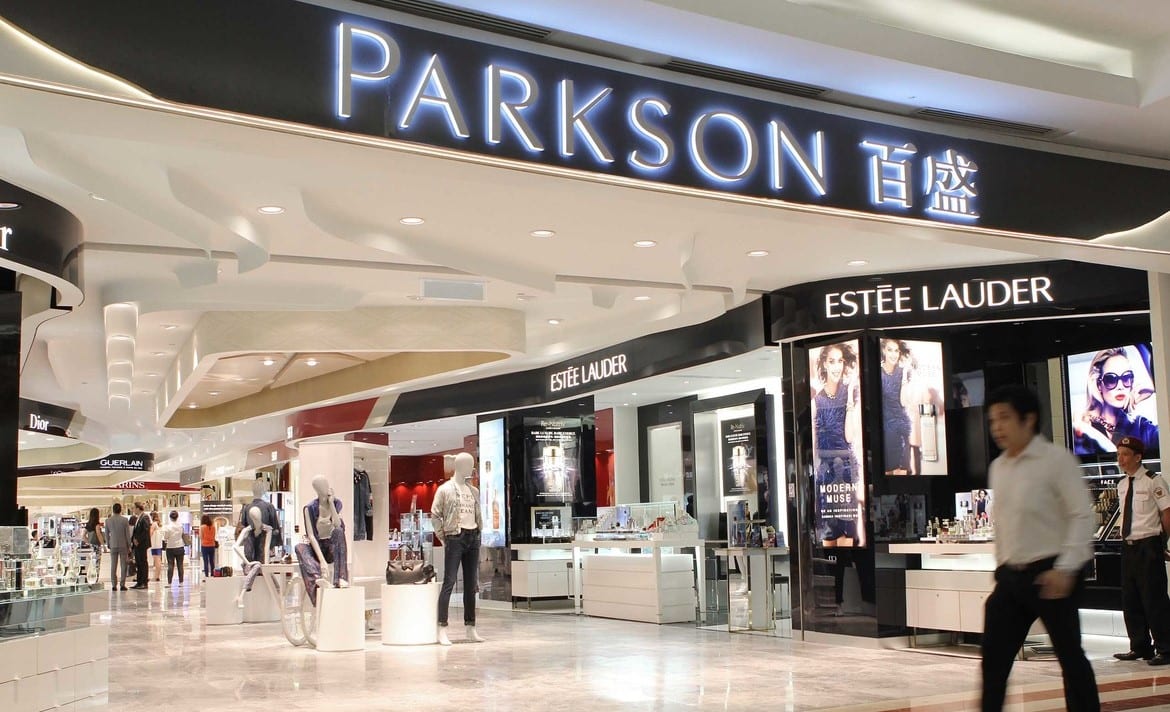
    Despite economic growth cooling, Parkson Retail Group (PRG China) is confident about its shopping mall opening this month in Qingdao.

    This confidence is underlined by an Asian Development Bank prediction that the Chinese economy will grow 6.5 per cent this year, with retail sales expanding 10.6 per cent in the first two months of this year.

    A unit of Parkson Holdings in Malaysia, PRG has 57 department stores in China, with one already in Qingdao. Its latest store is in the new Lion Mall, which the group has acquired for nearly RM1 billion (US$258 million) from Shanghai Industrial Qingdao Development via its indirect unit Qingdao Lion Plaza Retail Management.

    For the financial year ended June 30 last, the group’s China stores contributed about 70 per cent of Parkson Holdings’ revenue and profits.

    Parkson’s first store in Qingdao opened in 1998, its brand equity providing the platform for the group to expand its market share and strengthen its foothold in the fast-growing market. Lion Mall will offer a fully integrated shopping experience, with Parkson and Foodpark as anchor tenants. There will be cinemas, fast-fashion brands, international cosmetics and accessories, F&B, entertainment and other amenities.

    In the Laoshan district of Qingdao, a new financial and commercial hub, the mall is part of a fully integrated development known as the Beer City Project. It has a total gross floor area of about 230,000 sqm, of which about 130,000 sqm are for retail. There will be parking for 2000 cars.

    An exit gate is planned as a direct link to the M2 subway line, which is under construction and will come into service next year.

    On the group’s future plans, a spokesperson says a Lion Mall Phnom Penh in Cambodia is being developed, with the foundation works almost complete.

    “Another development is Parkson City Centre in Phnom Penh, where Parkson has taken a lease of 36,500 sqm and will open the first Parkson department store in Cambodia with sub-tenants in the fourth quarter of this year.”

    Parkson City Centre will include Golden Screen Cinema, making its debut in Cambodia, and Giant Supermarket’s second store.

  • Tesco result improved significantly

    Tesco result improved significantly

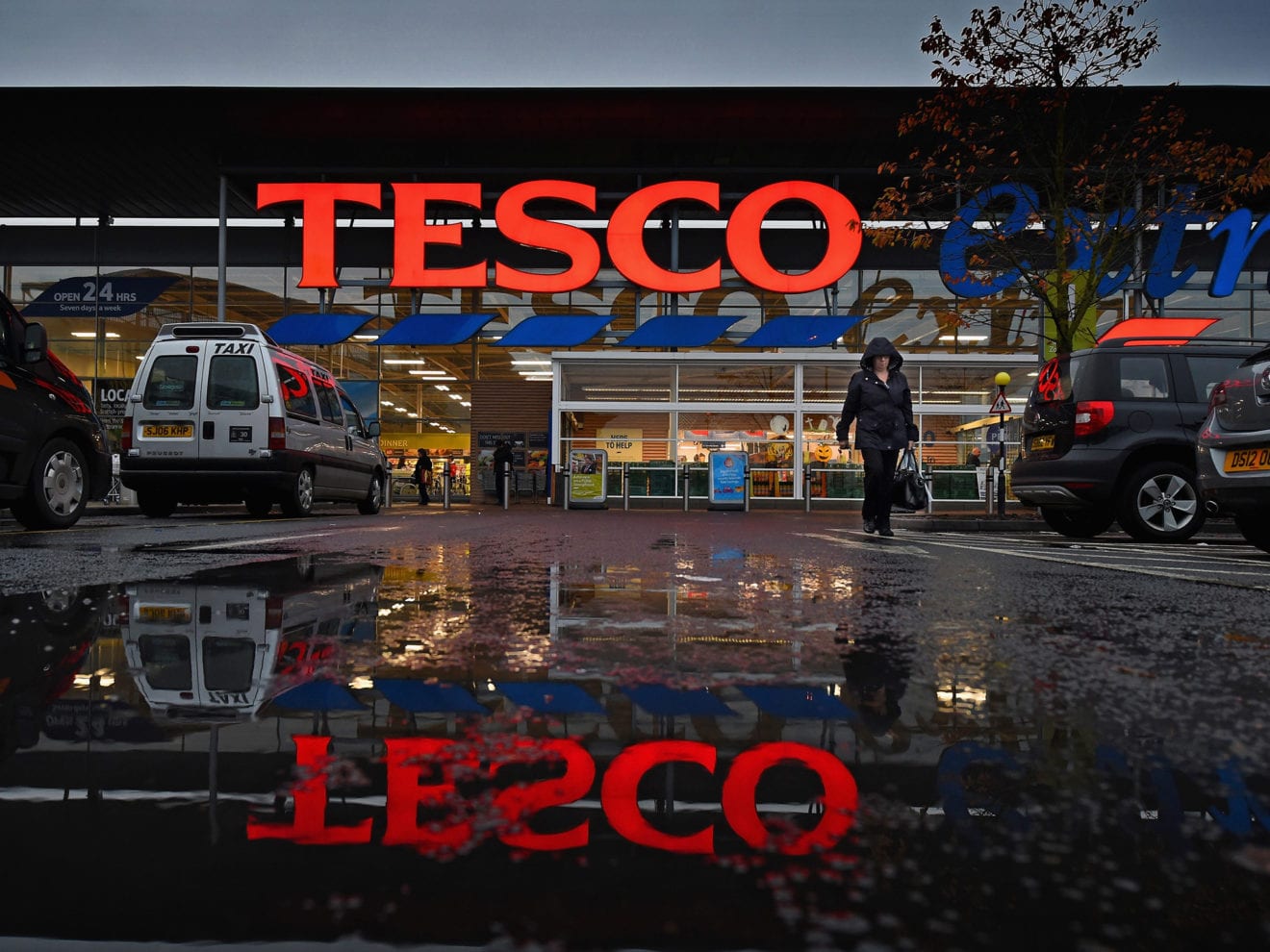
    Tesco’s statutory profit before tax improved from a £6.3 billion loss last year back into positive territory of £162 million as the impact of a deep write-down in the value of its stores last year eased off and it developed promising sales momentum and reduced its operating cost base.

    Although the full year Tesco result showed that core UK like-for-like sales were still negative, its performance has improved significantly. Like-for-likes grew 0.9 per cent during its fourth quarter, following on from a 1.3 per cent rise over Christmas.

    Having suffered persistently at the hands of discounters Aldi and Lidl, customers have responded well to its fight back and aside from Sainsbury’s, it is now firmly outperforming Morrisons and especially Asda.

    Over the last 18 months Tesco has reduced its food range by 18 per cent allowing it to improve availability, and developed its in-store service by introducing 9000 new roles. It has also cut the price of an average weekly shop by 3 per cent over the last year and has largely moved away from heavy promotions towards a more relevant everyday low price strategy.

    Since its year end it has also simplified its price match scheme and launched a new Farm themed entry-level own label. Furthermore, 60 unprofitable stores were closed during the year, which along with a 25 per cent cut in its management team benefitted operating profits.

    Elsewhere Eire like-for-likes turned positive in the fourth quarter for the first time since 2012, in reaction to price investments. European full year like-for-like sales improved 3.5 per cent amid a greater focus on price and fresh food and a consolidation of regional management teams.

    Asian full year like-for-likes stabilised at 0.6 per cent following a marked improvement over the fourth quarter, helped by the sale of the Korean Homeplus business in September which was clearly not profitable. The sale of Homeplus helped generate cash and reduced group debt.