Category: Living

Retail News Asia is committed to providing both local and global retailers with the latest Living news throughout the Asian market. This on a daily base.

  • FamilyMart Japan investing in New Labour Technology

    FamilyMart Japan investing in New Labour Technology

    Japanese convenience store FamilyMart Holdings is preparing to invest ¥25 billion (US$223 million) on labour-saving technologies.

    The firm will partner with tech firm Panasonic to introduce self check-out, digital displays and other similar devices which automate procedures traditionally undertaken by staff.

    The investment is intended to serve the brand’s franchisees who have been burdened with high labour costs in order to keep stores open around the clock.

    Both FamilyMart and its larger competitor 7-Eleven have felt pressured to let go of their 24-hour store policies in the face of a tightening labour market.

    They are also looking at other ways to ease the financial burden on franchisees.

  • Homewares Influenced by SPA and Wellness Concepts

    Homewares Influenced by SPA and Wellness Concepts

    The concept of wellness will increasingly be incorporated into houseware and home designs, predicts consumer market analytics firm WGSN. Speaking at the 34th HKTDC Hong Kong Houseware Fair and the 10th HKTDC Hong Kong International Home Textiles and Furnishings Fair, WGSN Mindset trends specialist Charlie Clark looked at the design concepts, colours and macro directions that will define homeware collections for spring/summer 2020.

    She explained how “sensorial wellness” – the concept of wellness embracing living as well as mental and physical health – is increasingly at the forefront of consumers’ minds and will become a theme in upcoming houseware designs.

    According to Clark, there will be a greater emphasis on the way textures and colours are used to affect our mood, and how the arrangements of spaces and products can make us feel energised or calm.

    Clark highlighted four design trends that have emerged out of this wellness theme, with corresponding zones set up at the Houseware Fair so that visitors could experience how these concepts can be applied to product designs.

    The trends include “Primitive Future”, a tendency toward sensorial simplicity in a blend of high-tech and organic lifestyles; “Hyper Room”, underscoring a mysterious and sometimes moody sense of the future; “Playful Plush”, blending culture with global influences; and “Harmony Lab”, emphasising wellness in the relationship between humans and technology.

    The fairs ran from April 20 to 23 at the Hong Kong Convention and Exhibition Centre. Some 2500 exhibitors from 28 countries and regions were featured at the fairs to showcase the latest houseware and home textiles collections to global buyers. The two four-day fairs welcomed close to 47,000 buyers from 121 countries and regions.

  • Coles launches reusable container for at Home

    Coles launches reusable container for at Home

    Coles is encouraging customers to reduce food and plastic waste at home with its latest promotion, which is this time aimed at adults.

    The Coles Fresh Food Container Program, offers ‘container credits’ when customers spend $20 or more using flybuys online or in-store.

    The credits can be redeemed for a range of five reusable containers from 600mL to 1.5 litres, as well as a specially-designed vacuum pump. The containers are made from durable polypropylene and can ultimately be recycled in a kerbside bin at the end of their life.

    “We know our customers want to reduce food waste for environmental and family budget reasons, and these reusable containers are a great way to keep food fresh in the fridge or pantry without the need for more single-use plastic,” Coles chief operating officer Greg Davis said in a statement.

    The supermarket giant has removed 1.2 billion single-use plastic bags from circulation since they were phased out last year and has diverted more than 542 million pieces of flexible plastic from landfill since 2011 through its recycling partnership with REDcycle.

    “This is a great initiative by Coles to reduce food and plastic waste. When food waste ends up in landfills it produces methane – a powerful greenhouse gas that contributes to climate change. By shopping wisely and storing food in air tight reusable containers we can all do our bit to help the environment and save money, ” Paul Klymenko, CEO of environmental organisation Planet Ark, said.

    The promotion is available in-store running between April 24 and July 2.

  • Music Streaming on Amazon for free using Alexa

    Music Streaming on Amazon for free using Alexa

    If you love music and own an Amazon Echo or another device that uses Alexa as a virtual assistant, we have some good news. Late last week, Amazon announced that those in the U.S. can stream top playlists and stations for free, without having to pay for an Amazon Prime or Amazon Music Unlimited subscription. Instead, a free-ad supported tier of music is available for Alexa-enabled devices.

    Alexa will play for free stations based on a song, artist, genre and era. Playlists like Country Heat, Fuego Latino and others are available without any charge. Amazon says that even without a paid subscription, Alexa will respond to the following commands:

    • Say “Alexa, play the playlist Pop Culture” to stream global pop hits.
    • Say “Alexa, play the Imagine Dragons station” to stream a station that plays music “inspired” by the band.
    • Say “Alexa, play 80s music” to stream a station filled with music from that decade.
    • Say “Alexa, play country music” to stream a station playing that style of music.

    Note that with the free ad-supported service, you cannot request specific songs on demand. You can do that if you sign up for Amazon Prime. The cost of the service is $12.99 per month, or $119 a year. Besides streaming ad-free tunes on demand from your Alexa device, you’ll be streaming Prime Video on your phone, tablet or smart television. You also get free two-day shipping, unlimited photo storage, unlimited reading and free same-day delivery (when available).

    You might also consider Amazon Music Unlimited, which gives you unlimited and on-demand access to 50 million songs. After a 30 day free trial, the service is priced at $7.99 a month, undercutting both Spotify and Apple Music by $2.00 a month.

  • YouTube Music free on Google Home smart speakers

    YouTube Music free on Google Home smart speakers

    Google has just announced that its YouTube Music service is now available on all Google Home smart speakers. Starting today, those who own a Google Home smart speaker will be able to enjoy all the benefits offered by the music streaming service, but there’s a catch.

    Only the first tier YouTube Music experience is available on Google Home smart speakers, which means you you’ll have to put up with ads. Still, if you don’t mind getting a free, ad-supported music experience on your Google Home, you just need to say “Hey Google, play techno vibes,” and your smart speaker should do the rest.

    But that’s not all, if you upgrade to YouTube Music Premium for $9.99/month, you’ll be getting even more control when listening music on smart speakers in the YouTube Music mobile app. For example, you’ll be able to request specific albums, songs, artists, and playlists on-demand.

    Also, you get access to easy-to-use player controls, including unlimited skips and song replay.Besides the benefits mentioned above, a YouTube Music Premium tier will also let you background play music through the YouTube Music app while using other apps, and allows downloads for offline listening when you’re on the move.

    To start using YouTube Music on your Google Home smart speaker, simply open Account Settings in your Google Home app, go to Services and select Music. Then, choose YouTube Music as the default music service, or you can choose YouTube Music as the default music service during the setup process.

    Now, the free service is available not available everywhere yet, so here are the first countries that will get it starting today: United States, Canada, Mexico, Australia, Great Britain, Ireland, Germany, France, Italy, Spain, Sweden, Norway, Denmark, Japan, Netherlands, and Austria. The good news is Google will bring it to more countries soon, so there’s that.
  • Hamley’s set to be sold to Indian Toy Retailer

    Hamley’s set to be sold to Indian Toy Retailer

    Toy retailer Hamleys is set to have its fourth owner in 15 years since it was taken private by an Icelandic investor.

    According to multiple Indian news media reports, Reliance Retail is in the final stages of negotiations with China’s C.Banner International, which has been trying to find a buyer since last October, after three years of ownership.

    C.Banner bought the business in 2015 for US$130 million, but has struggled to produce a profit. The company reportedly lost $15.6 million in 2017 on sales down 2.5 per cent to $86.5 million.

    Sources in India are speculating Reliance Retail will pay between $36 and $50 million, representing a substantial loss for C.Banner on exiting the brand.

    Reliance Retail, a subsidiary of the giant Indian conglomerate Reliance Industries, is in acquisition mode as it tries to expand its business by 30 per cent annually for a decade, an ambition on a scale probably only realisable in India right now. As at the end of last year it operated 9907 stores across 6400 Indian cities with a combined retail area of more than 21 million sqft. Its retail licenses and partnerships include Marks & Spencer, Diesel, Steve Madden and Kenneth Cole.

    “Due diligence for the Hamley’s deal is at an advanced stage,” a source told Money Control, itself a subsidiary of Reliance Industries. “Reliance Retail is aggressively pursuing the deal.”

    Reliance Retail is already the Indian licensee of Hamley’s and operates 50 stores under the banner, representing the toy brand’s largest market by store numbers. There are plans to open 150 more.

    Toy retailer Hamley’s was founded in 1760 as Noah’s Ark. It has about 129 stores globally, including a Regent Street, London flagship and stores in China, Germany, Russia, South Africa and the Middle East. A foray into Vietnam in 2015 ended in failure, however the company still sells toys online there.

    If the acquisition proceeds, it will help boost Reliance Retail’s portfolio. “Reliance can scale up Hamley’s business with its capabilities in supply chain management and strong distribution network.”

  • Hulu now valued at $15 billion

    Hulu now valued at $15 billion

    Hulu is now valued at $15 billion following the company’s repurchase of a 9.5% stake owned by AT&T.  The telecommunications giant received $1.43 billion for its stake in the video streamer. Before the deal was announced, entertainment giant Disney owned 60% of Hulu via a joint venture. Comcast’s NBC Universal unit owns 30% of Hulu. Both Disney and Comcast will decide how to split up the chunk of equity that was just bought from AT&T.

    AT&T acquired the 9.5% ownership of Hulu when it purchased Time Warner last year. The company said that it plans on using the proceeds of the sale to pay down some of the $176.5 billion in debt on its books as of the end of last year. Because the deal did not require regulatory approval, it has already closed. Based on the price paid for AT&T’s 9.5% stake in Hulu, the latter has risen in valuation from $5.8 billion in 2016 to $15 billion. During the same time period, Hulu competitor Netflix has seen its value explode from $41 billion to $152 billion. Disney expects Hulu to turn a profit by 2023, and have 40 million to 60 million subscribers by fiscal 2024.

    “Warner Media will remain a valued partner to Hulu for years to come as we offer customers the best of TV, live and on demand, all in one place.”-Randy Freer, Chief Executive Officer, Hulu.

    Even though Disney owns a majority of Hulu, it’s not stopping the company from launching Disney+ this coming November. Priced at $6.99 per month, the service will feature 500 films from the Disney library along with 7,000 episodes of television shows from the Disney Channel and some original programming.

  • Tinder beats Netflix to become the top-grossing non-game app

    Tinder beats Netflix to become the top-grossing non-game app

    Dating app Tinder has beaten Netflix and it is now the top-grossing non-game app on the iOS App Store, according to intelligence firm Sensor Tower.

    Tinder’s revenue soared by 40% in the first quarter of 2019 to reach $260.7 million, up from $183 million from the same period last year, while Netflix’s numbers went down from $255.7 million to $216.3 million.

    But there is a reason for that: Netflix itself stopped paying the so-called “Apple tax”, a 15% cut on all in-app purchases that go through Apple’s systems, and since December of 2018, all new Netflix subscriptions are handled outside of iOS. Apple traditionally charges companies a 30% cut of their subscription revenue for the first year and then drops that number to 15%, but Netflix is said to have had a special deal with the 15% rate available on day 1. Even those 15%, however, workout to a massive amount when you look at the numbers. At an estimated annual revenue of around $850 million, 15% would amount to around $130 million.

    Netflix pulling out of the App Store subscription program (it had already pulled out of a similar program on Android earlier) is basically a reaction to those huge amounts of money that it had to pay to Apple, which provided only the platform. And of course, this move has allowed Netflix to keep more of its revenue to itself.

    At the same time Tinder’s popularity has continued growing and the company has managed to overcome Netflix as the top grossing app.

    Interestingly, if you look at the general picture of things, you see that the majority of the top grossing, non-game apps in this first quarter of 2019 all had something to do with streaming, either for music or for video. Those apps include Tencent Video (a video streaming service popular in Asia), YouTube, Pandora and YouKu (Chinese YouTube alternative).

    And if you look at just the top downloads, you see that messengers at among the most popular ones: WhatsApp, Messenger, TikTok, Facebook, Instagram, and others.

    Considering these numbers it really is no surprise to see Apple shift to a portfolio of streaming services of its own. The newly announced Apple TV+ is coming this fall and will open a new world of Apple-original movies and shows headlined by an Oprah show and a bunch of Hollywood honchos, plus it will offer streaming from services such as HBO or Showtime. And then you have Apple Arcade, a brand new gaming service focused on quality releases that do not have pay-to-win written all over them.

  • King Living Opens Shanghai Flagship Store

    King Living Opens Shanghai Flagship Store

    Australian furniture and lifestyle brand King Living has opened a flagship retail store in Shanghai, continuing its global expansion into China.

    The new 400sqm space will showcase King Living’s sofa designs, dining ranges, contemporary bed and mattress ranges, and outdoor collections.

    The brand has been a prominent player in Australian furniture design for more than 40 years, and is now continuing to seek a global audience with the opening of the new showroom in the design district of Xuhui in Shanghai.

    As King Living moves into China, it further expands its global reach with existing stores in Singapore, Malaysia, New Zealand and Canada, with a showroom opening in Vancouver slated for later this year.

    The brand represents the deep quality and barefoot luxury of the Australian lifestyle that is in high demand across China, which has been the driving force behind for its expansion.

    “Shanghai is key to King Living’s global growth strategy,” said King Living’s CEO Anna Carrabs. “China provides us with an unparalleled growth opportunity that doesn’t exist in slower-moving markets of developed countries. A key advantage for King Living is that one of our manufacturing facilities is in Shanghai, which allows us to implement initiatives and increase market penetration.

    “Being from Australia, we have a reputation for quality, and I think that sets us apart from some of our global competitors. This is a very exciting time for King Living and we look forward to seeing the Shanghai showroom thrive in what we hope will be the first of many stores in the region.”

    King Living is also one of the first Australian furniture retailers to offer Alipay and WeChat Pay as a payment option throughout all their showrooms in Australia and abroad. These platforms are the preferred payment method for Chinese consumers both domestically and internationally, enabling more customers to transact with their mobile wallet.

  • Asia Pulp and Paper Introduces New Compostable  Bio Container for Takeaway Food to FooPak suite

    Asia Pulp and Paper Introduces New Compostable Bio Container for Takeaway Food to FooPak suite

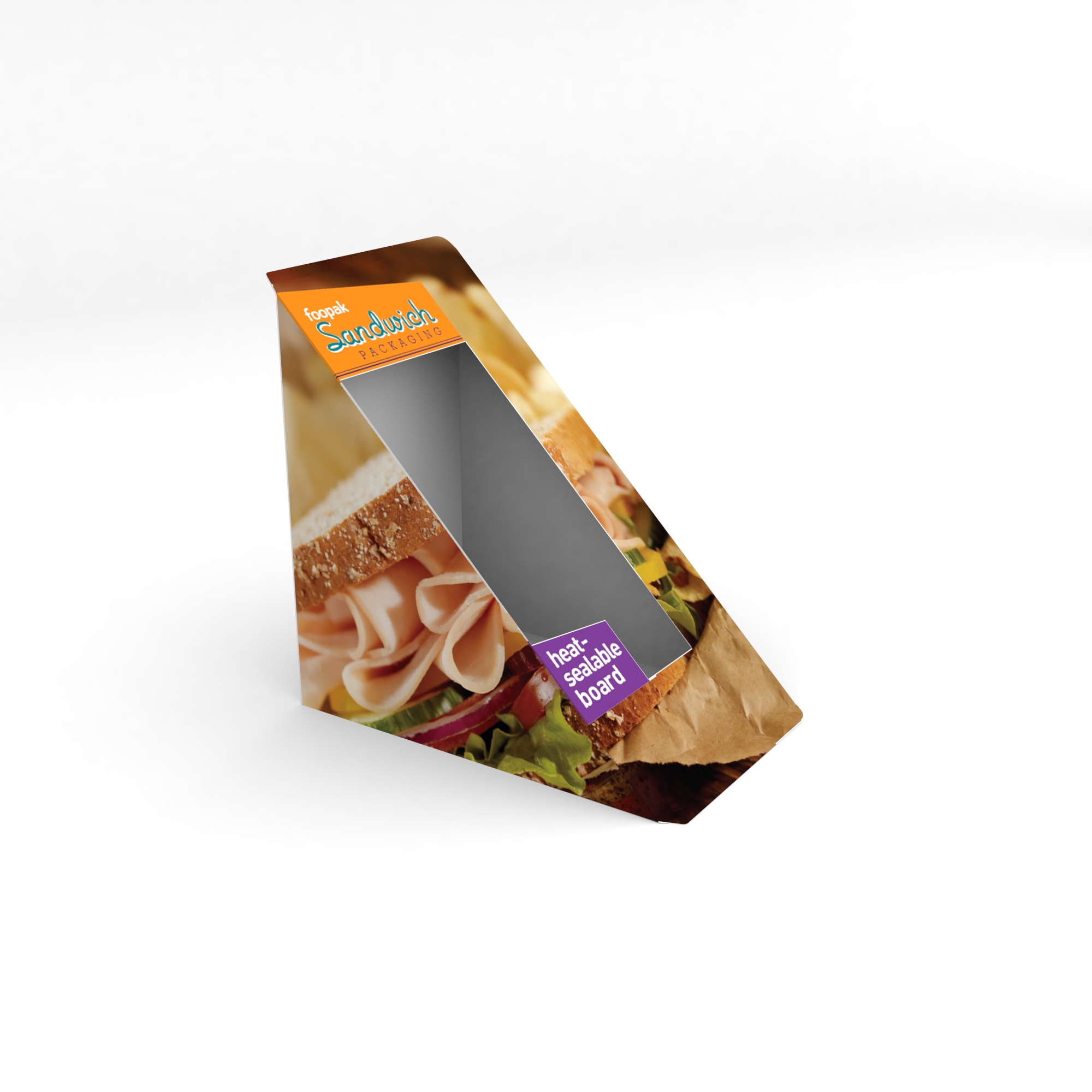
    Asia Pulp & Paper (APP) continues to expand its portfolio to meet the environmentally conscious goals and demands of consumers with the newest addition to the Foopak suite of products: the new Bio Container for takeaway food. Constructed with folding boxboard (FBB), the box offers a fully biodegradable and compostable solution for takeaway containers, trays, and other direct food contact items. The highly durable paper stock capable of breaking down naturally in 12 weeks makes the boxboard an ideal alternative to commonly used plastic boxes.

    The Bio Container’s double coating has an outside layer that is ideal for branding and promotions with a white surface that is excellent for multi-color lithography, letter press, and flexography. The inside layer provides a level 9 grease resistance, designed to protect against water and grease absorption to promote reduced food leakage. Formulated for high-speed bar heat-sealing at 80C/356F for converting and finishing and hot gluing applications. The box is suitable for both microwave and freezer use.

    This new offering from APP is FDA compliant and ISEGA certified for composability within 12 weeks, and available in 260-370 gsm & 13.3-23.6 caliper. Strength and sustainability combined gives brands a solution to single-use plastics that satisfies consumer demands for both quality and environmental impact.

    “Expanding our Foopak line to include FBB to-go containers is another step toward helping brands across the globe reach their sustainability goals,” said Felix Koh, Senior Vice President and Global Business Unit Head, APP. “We’re proud to offer a product that will satisfy the needs of consumers and businesses alike, while extending our market reach.”

  • Disney’s Netflix competitor to debut November 12th

    Disney’s Netflix competitor to debut November 12th

    Disney+, the entertainment giant’s video streaming service, will launch on November 12th. The service will be priced at $6.99 per month or $69.99 for a year. Company CEO Bob Iger shared a screenshot of the Disney+ UI on his Twitter site, and it features rows of rectangular icons. While each rectangle represents a different movie or show, there are also rectangles for different categories of content including those produced by Disney, Pixar, Marvel, Star Wars and National Geographic.

    Subscribers to Disney+ will be able to set up different profiles for those living under one roof. Profiles for kids will automatically feature parental controls. All content can be downloaded for offline viewing, and the service will be available for smartphones and tablets, desktop browsers, game consoles, and smart TVs. Since Disney now owns a majority stake in video streamer Hulu following its acquisition of 21st Century Fox, it plans to offer a combined subscription price for Disney+, ESPN+, and Hulu.

    Iger has said previously that Disney would take things slow in regard to its streaming venture. As a result, a previous report stated that Disney+ will launch with 500 films from the Disney library along with over 7,000 episodes from Disney TV. In addition, there will be original programming including a show based on Disney’s successful High School Musical franchise and another one based on Monster Inc. There also will be a series based on Star Wars that focuses on a bounty hunter like Boba Fett, and one produced by Marvel that has to do with the Avengers characters. Some proprietary programming will come from Pixar. One forecast has Disney spending $1 billion on original programming in 2020, rising to $2 billion by 2024.

    Some of the programming will make use of the Disney and 21st Century Fox television libraries. All episodes of The Simpsons will be on the platform from the first day, and episodes of Malcolm in the Middle will also be available.

    Just before Disney+ launches in November, the company will blow up the Disney Vault. This is where classic Disney movies were kept from public release until they were each made available for a limited time. Disney CEO Iger says that all Disney movies will be available to be exclusively streamed on Disney+. Disney films released this year will make their way to Disney+ after all theater and home entertainment options have expired. Frozen II, the sequel to the hugely popular animated movie, is expected in theaters this November. It will be a Disney+ exclusive when it is offered on the platform during the summer of 2020.

    The company expects to have 60 million to 90 million subscribers by the end of 2024, with U.S. consumers accounting for one-third of subscribers.

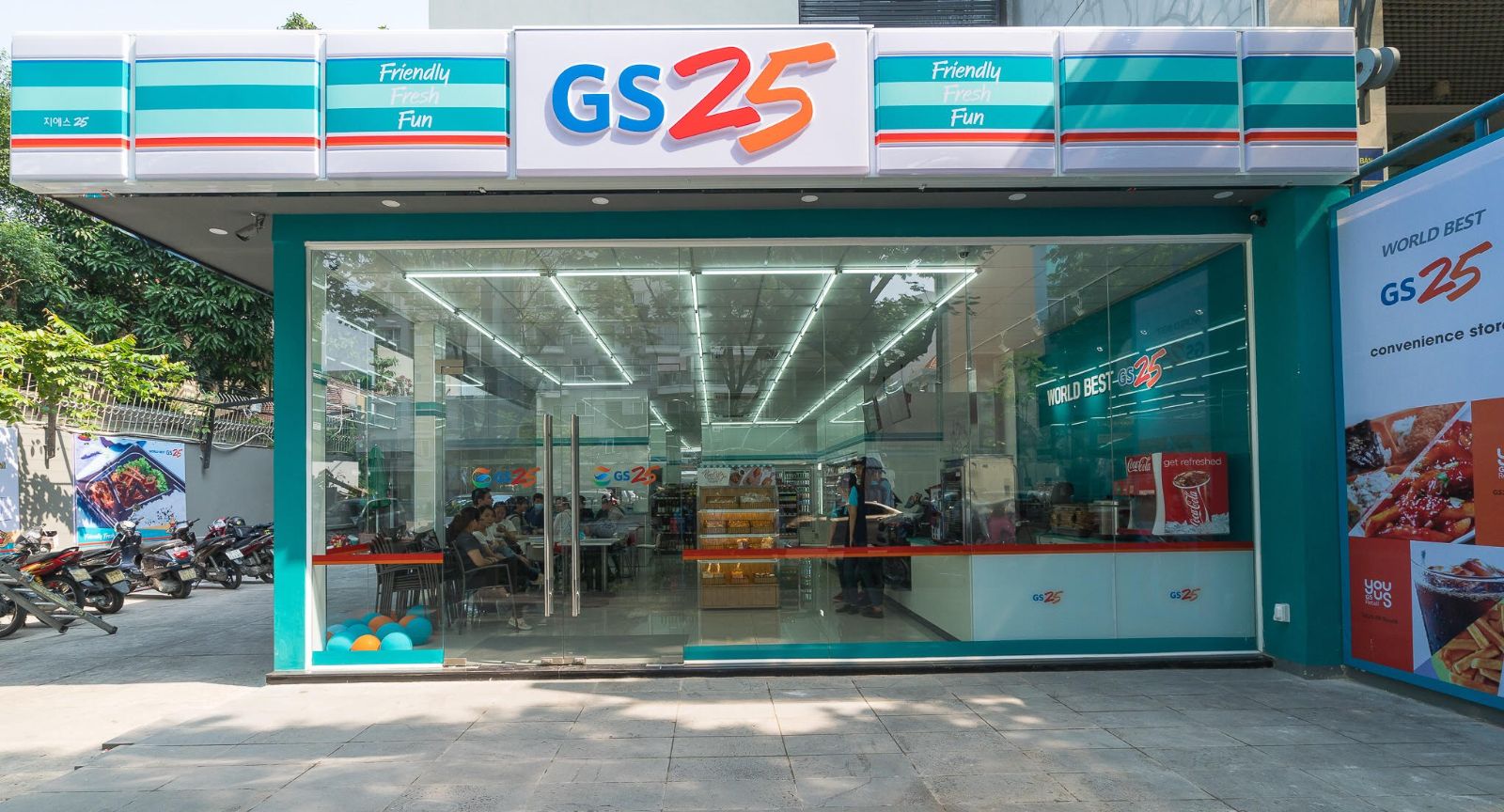
  • Korean GS25 launches shared-bike charging service

    Korean GS25 launches shared-bike charging service

    Starting June, customers of South Korean GS25 convenience stores will be able to charge shared electric bicycles or kickboards.

    GS25 announced on Wednesday that it will set up an electric bicycle and kickboard charging service facility at its stores in partnership with the shared micro-mobility integrated platform “GoGoSing.”

    Under the terms of the deal, GoGoSing will operate 800 shared electric kickboards and shared electric bikes in Gangnam District in Seoul and Pangyo in Gyeonggi Province, while GS25 will set up charging facilities at stores in nearby areas.

    Customers will be able to use an electric kickboard and return it to a nearby GS25 store, and if they need to charge their device, they will also be able to exchange or charge batteries at the stores.

    GS25 expects that this will help convenience stores to move away from their focus on simply selling products and serve as a hub for charging various shared devices, as well as attracting new customers.

    GS Retail has introduced charging facilities for electric vehicles at 45 locales at present, and will offer delivery services for convenience store products since starting from April, in tandem with the delivery application Yogiyo.

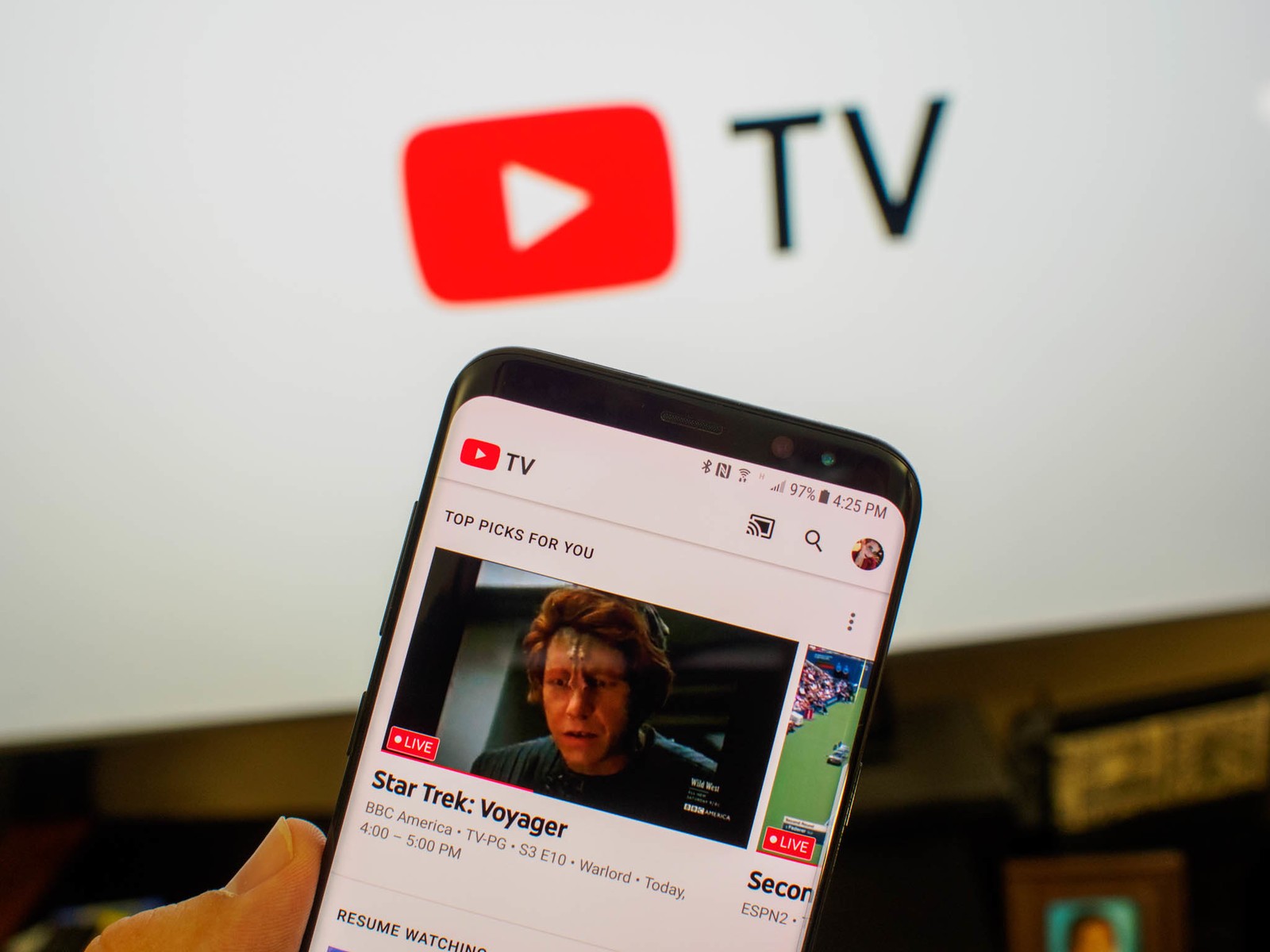
  • YouTube TV’s Subscription Fee is Going Up

    YouTube TV’s Subscription Fee is Going Up

    There are a few different forces fighting each other with YouTube TV right now. First is that the streaming service is still relatively new, especially taking into account how recently it was made widely available in the U.S., and it is likely lagging in terms of subscriber numbers. Second is the content selection available for YouTube TV, which is pretty good and compares well with other services, but depending on what you want, YouTube TV might not have it. And third is the price, which directly impacts, and is impacted by, those first two items.

    For the earliest of adopters, YouTube TV was priced at $35 per month. Then came a small price bump to $40 when YouTube TV added Turner network channels, including TNT, TBS, Cartoon Network, Turner Classic Movies, NBA TV and the MLB Network. When that price hike happened, as is often the case, original subscribers were grandfathered in to the original price. Unfortunately, that’s not the case with YouTube TV’s newest price hike.

    Google announced that YouTube TV will now cost $50 per month — or $55 per month if you subscribe via an Apple device, in order to offset the Apple tax — and that new price doesn’t just apply to new customers but to all customers. New customers will have to pay the new price starting today, but existing subscribers won’t see the bump until after May 13th. Of course, the price hike is coming with new content, this time from Discovery, including Discovery Channel, HGTV, Food Network, TLC, Investigation Discovery, Animal Planet, Travel Channel, and MotorTrend. Plus OWN: Oprah Winfrey Network will become available later this year.

    It’s still a competitive deal considering the content made available, but a $10 or $15 change can be a lot, especially when the point of cord cutting is to save money.

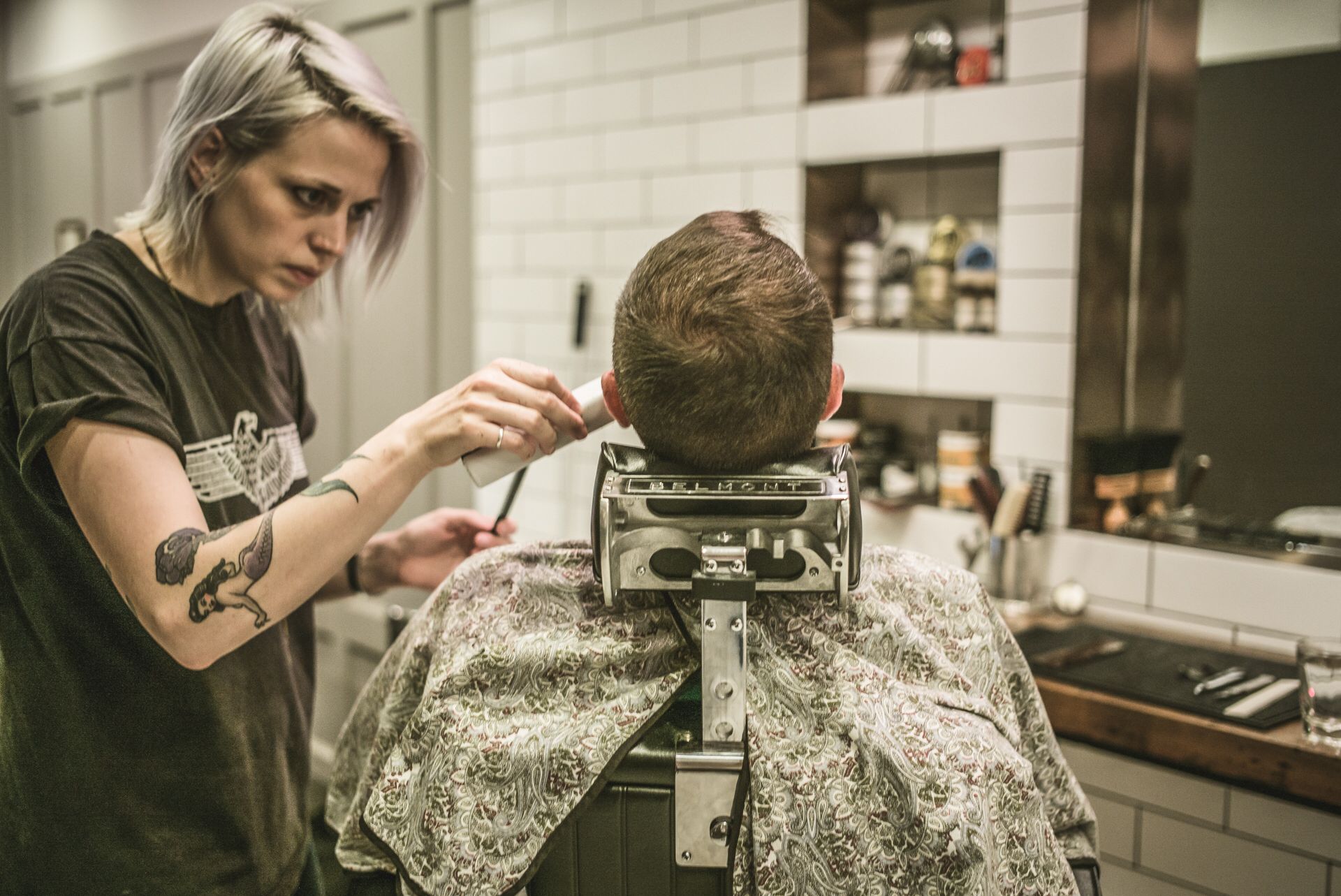
  • Doc’s Barbershop in Chengdu Opens Doors

    Doc’s Barbershop in Chengdu Opens Doors

    Doc’s Barbershop has opened in Chengdu, a stunning retail space that also features a cocktail bar.

    The store was designed by Shanghai-based H Creates Design, headed by New Zealander Hannah Churchill.

    The Chengdu Taikoo Li mall venue delivers a bold, modern look with elegant accents, including a large curved plush velvet banquette and logo-etched copper wall.

    Churchill describes the design as “vintage but with clever pops of texture and colour” to give a modern and fresh look.

    “In a busy retail mall, the store aims to provide a place of refuge where a discerning patron relaxes, with a beverage in hand or having their grooming needs met.”

    The entrance is centred around a high-end cocktail bar with vintage mirror and classic detailing. The seating area to the right uses leather and velvet to create a touch of elegance is flanked on one side by a cooper-panelled wall.  The eight barber’s stations have been designed for comfort of the staff as well as providing a high-end luxury experience for the clientele.

  • Pokemon GO’s most beloved event is back with stunning prizes

    Pokemon GO’s most beloved event is back with stunning prizes

    Niantic, the game studio behind Pokemon GO, has just announced that one of the title’s most popular events will be back for seven days starting next week. The Pokemon GO Eggstravaganza will start on April 16 at 1:00 pm PDT and should end on April 23 at 1:00 pm PDT.

    Pokemon GO veterans will be happy to know that during the event, many rare Pokemon will be available in 2 km Eggs such as Pichu, Smoochum and Magby, while Egg-focused Field Research will be available to complete.

    Obviously, that’s not all, as developers announced that every egg hatched during the event will also include bonus Candy that will help players to boost their newly hatched Pokemon. One other rare Pokemon – Buneary will join the even, and if you’re very lucky, you’ll be able to encounter its Shiny form.

    To sum it up, for exactly a week starting April 16, Pokemon GO players will receive bonuses (2x Hatch Candy, 2x Incubator effectiveness, Lucky Eggs will last twice as long) and a chance to catch rare Pokemon (Pichu, Smoochum, Magby, and Shiny Buneary). Make sure to turn on Adventure Sync to benefit from these prizes throughout the Eggstravaganza event.