Category: Living

Retail News Asia is committed to providing both local and global retailers with the latest Living news throughout the Asian market. This on a daily base.

  • Cineleisure mall unveils new retail concept

    Cineleisure mall unveils new retail concept

    Cineleisure mall has unveiled its new look, welcoming three new tenants. Targeting youth, the revamped mall gets interiors fitted with concrete juxtaposed against rustic wood timber, with a blend of earthy hues and cool steel palettes.

    The mall also extends its mix of food, fashion, and entertainment choices.

    Three new concepts are added this month including Tenkaichi Japanese BBQ and Shabu Shabu, The Alley Luxe, and Amazing Castle.

    New tenants

    Making its debut in Singapore, Taiwanese bubble tea chain The Alley is set to feature its first-ever premium lifestyle cafe concept The Alley Luxe. The outlet will offer the brand’s beverages alongside European-inspired foods such as croissants and cruffins.

    Japanese restaurant Tenkaichi Japanese BBQ & Shabu Shabu will offer a premium buffet, along with Donburi sets.

    As the first of its kind in Singapore and in Asia, Amazing Castle is a kingdom-themed entertainment play centre consisting of nine different activity stages.

    Based on the legend of a fairy kingdom being attacked by invaders, each activity stage features a physically interactive game for participants to confront challenges and ‘fight off invaders’.

    New redemption

    Cineleisure has also launched the Cathay Lifestyle Mall Redemption Mobile app, which allows shoppers to make redemptions seamlessly anywhere, anytime.

    Shoppers who spend a minimum amount at the mall have to photograph their receipt and upload via the app. Once verified, e-vouchers will be sent to the shopper for use at participating shops.

  • Electricity hike hits industry hard

    Electricity hike hits industry hard

    Vietnamese manufacturers are set to increase their selling prices following the 8.36 per cent hike in electricity price that launched from March 20.

    Việt Nam Cement Industry Corporation (VICEM) Bút Sơn announced it would increase the price of its cement by VNĐ30,000 (US$1.29) per tonne immediately after the power price increase.

    Đỗ Tiến Trinh, VICEM Bút Sơn’s general director, said that in addition to the electricity tariff hike of 8.36 per cent, the price of coal sold to cement producers also increased by 2.3 to 5.8 per cent depending on the kind of coals.

    The coal price increase came because electricity accounts for 10 per cent of production cost. In addition, the Việt Nam National Coal and Minerals Industry Holding Group (Vinacomin) has not provided enough coal to cement producers, making them import the product at high prices.

    Trinh said the firm could not afford to offset the rise in input costs and had to increase retail prices to ensure sustainable production.

    VICEM Tam Điệp Company also had the same increase in the selling price.

    According to Phạm Văn Minh, the company’s general director, no business wants to increase retail prices, but electricity and coal make up a big portion of input material costs for cement production.

    Công Thanh Cement Joint Stock Company in the central region did not raise its retail prices but is charging distributors VNĐ30,000 more per tonne.

    Nguyễn Quang Cung, chairman of Việt Nam Cement Association said cement producers were not surprised by the power tariff hike and had been preparing for the change.

    Its calculations showed if the electricity price was increased by 8.36 per cent, cement production cost would rise by VNĐ14,000 to VNĐ15,000 per tonne.

    Steel producers also said they would increase their selling prices.

    SSE Steel Company said it doubled its steel selling price to VNĐ200,000 per tonne, while Thái Nguyên Steel and Iron Corporation (Tisco) increased its selling prices by VNĐ150,000 to VNĐ200,000 per tonnes.

    The Việt Nam Steel Association said it was unavoidable for steel producers to raise their prices as power accounted for 8 to 9 per cent of total production costs. In addition, the import prices of iron ore and steel billets were also rising this year, affecting steel production costs.

    Nguyễn Anh Tuấn, head of the Electricity Regulatory Authority of Việt Nam (ERAV) under the Ministry of Industry and Trade (MoIT) told a press meeting last week that there were about 1.4 million manufacturing businesses in Việt Nam who spend on average VNĐ12.39 million per month on electricity. The average increase in their power bills would be VNĐ870,000 a month.

    While electricity prices have almost doubled in the last decade, the MoIT said Việt Nam’s electricity prices were 8.1 per cent lower than that of China and India, 18 per cent lower than Laos and 26.5 per cent lower than Indonesia. Even with the latest increase, the prices would only be on par with China and India.

    “Việt Nam’s electricity prices are lower than other countries. It is the reason that foreign investors are not interested in investing in electricity projects in the country,” said deputy minister Hoàng Quốc Vượng.

    However, chief economist of the Bank for Investment and Development of Việt Nam (BIDV) Cấn Văn Lực suggested the Government needs to eliminate cross-subsidising mechanisms for units using electricity.

    At present, industrial sectors consuming large amounts of electricity, accounting for 55 per cent of electricity density, such as cement, iron and steel, are being compensated for electricity prices and only subject to the lowest price of 6.8 cents per kWh. Meanwhile, electricity costs households 8.7 cents per kWh.

    “Currently, consumers using electricity for domestic use as well as service enterprises are compensating a certain amount for industrial production enterprises – that is unfair. When there is fairness, people and businesses will agree and are willing to pay more reasonable electricity prices,” Lực said.

    Read more at https://vietnamnews.vn/economy/507842/electricity-hike-hits-industry-hard.html#CEgTqP3b4CrxPzgm.99

  • Insurance industry growth surges 17% in Q1

    Insurance industry growth surges 17% in Q1

    Việt Nam’s insurance industry maintained positive growth in the first quarter of this year, with total premiums surging by 17 per cent year-on-year, according to reports from the General Statistics Office.

    Life insurance surged by 23 per cent, while non-life insurance increased by 9 per cent.

    According to the Ministry of Finance’s Insurance Supervisory Authority (ISA), the insurance industry is targeting a growth rate of 20 per cent this year.

    Experts remain upbeat about the industry’s health in the coming years, forecasting that it will maintain an annual growth rate of 10-20 per cent. Many banks that co-operate with insurers to provide bancassurance products even expect an annual growth rate of up to 30-40 per cent.

    The fast-growing domestic insurance market should thrive thanks to rising living standards and a high gross domestic product (GDP) growth of more than 6 per cent annually over the next three years, experts said.

    The growth potential is great as the country has one of the world’s lowest life insurance penetration levels at less than 1 per cent of GDP. The average insurance premium in Việt Nam stands at US$30, much lower than the global average of $595 and Southeast Asia’s average of $74.

    To maintain high growth, Deputy Finance Minister Huỳnh Quang Hải said the Insurance Association of Vietnam (IAV), in conjunction with other relevant agencies, must raise awareness about insurance.

    IAV also needs to promote closer co-operation among insurers so that businesses can join hands to build and fine-tune the industry’s databases, which will improve the quality of their services, thereby raising their financial capability and competitiveness, Hải said.

    Hải also told insurers to work with IAV and the Ministry of Finance to develop a new insurance business law to contribute to the development of the local insurance market.

    The ISA reported that the country has 64 insurance companies, including 30 non-life insurers, 18 life insurers, two reinsurance companies and 14 insurance brokerage companies.

    There are up to 850 non-life insurance products and 450 life insurance products sold on the Vietnamese market.

    Read more at https://vietnamnews.vn/economy/518204/insurance-industry-growth-surges-17-in-q1.html#lVqMUB0GwB3zyHU6.99

  • New NBA China store the largest outside USA

    New NBA China store the largest outside USA

    The US National Basketball Association (NBA) has partnered with Chinese sports retailer Topsports and its official on-court apparel provider Nike to open the league’s largest store outside North America.

    The new 1145sqm NBA China store at Intime Mall on Beijing’s premier shopping street Wangfujing spans two floors and carries a range of products from jerseys and footwear through to basketballs and memorabilia. Customisable jerseys will be available for fans to personalise via the store’s “NBA Me” service, while other products are designed to reflect Beijing-specific themes including Chinese opera masks and local food. The store’s design is inspired by authentic NBA arenas with a hardwood floor.

    “Our largest NBA Store outside North America underscores the NBA’s long-standing commitment to serving our fans in China,” said NBA China CEO Derek Chang.

    “As the appetite for official NBA products continues to grow in China, this brand-new retail space will provide fans with authentic NBA gear and accessories, exclusive memorabilia and localised products that celebrate their passion for the NBA.”

    “Our goal is to make the Beijing flagship NBA Store a landmark for NBA fans in Beijing by offering them the new retail experience and wide category of merchandise,” said Topsports deputy GM Tian Zhong.

    “We will leverage our extensive retail experience to work closely with the NBA and Nike to provide a variety of products, good customer experience and membership service to all the NBA fans in China.”

  • Ikea to open first small-format store in Sydney

    Ikea to open first small-format store in Sydney

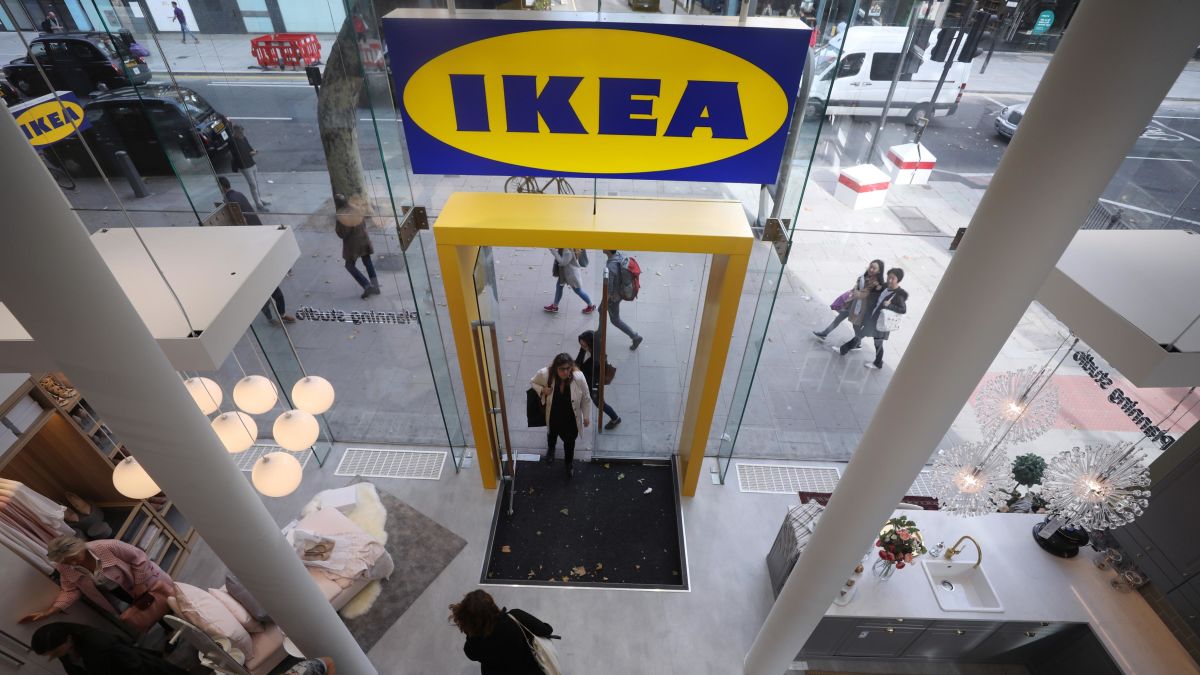
    Ikea Australia’s first small-format store is set to open in Sydney’s Westfield Warringah Mall at the beginning of May.

    The Ikea Planning Studio will provide shoppers on the Northern Beaches with a place to plan and build their dream kitchens and bedrooms. Staff on-site will be equipped with tablets and provide one-on-one consultations to help customers select the right products from Ikea’s range of furniture, appliances, storage solutions and more.

    This stands in sharp contrast to the massive, showroom-cum-warehouse stores that Ikea traditionally has been famous for. But the shifting retail landscape has seen the Swedish furniture giant globally adapt its offer by launching e-commerce sites, providing more do-it-for-me services and, increasingly, experimenting with smaller stores in urban centres.

    “At Ikea, we know Australians are looking for new and more convenient ways to shop their favourite products. We’re excited to be bringing bespoke Ikea shopping experiences to Aussies around the country in locations that suit them,” Ikea Australia country manager Jan Gardberg said.

    “We’ve chosen Warringah Mall as our first location in order to reach even more Australians that live within urban areas, outside of the city centre.”

    The Planning Studio seemingly aims to provide a more immersive shopping experience, with a “luxe bedroom environment” that will transport shoppers to a “hub of femininity through floral scents and classic detailing” and a “soothing wellness sanctuary” that will feature a variety of kitchen solutions.

    In a separate initiative, the retailer currently is hosting a series of “sleepovers” at stores across the country, where select customers can experience how Ikea’s range of sleep solutions – that is, mattresses, bedding and other items – provide a better night’s sleep. This suggests Ikea is looking for ways to interact with customers on a more personalised and experiential level.

    “We want to inspire people to get creative and explore the possibilities of our range. The launch of our small format stores is just another way we’re helping Australians to create personalised and functional spaces within the home,” Gardberg said.

    The Planning Studio’s design was inspired by Scandinavian modern style and Ikea’s design values of sustainability, quality, form, function and affordability, the retailer said, and created with the eco-friendly shopper in mind.

  • Swatch wins trademark lawsuit against Apple

    Swatch wins trademark lawsuit against Apple

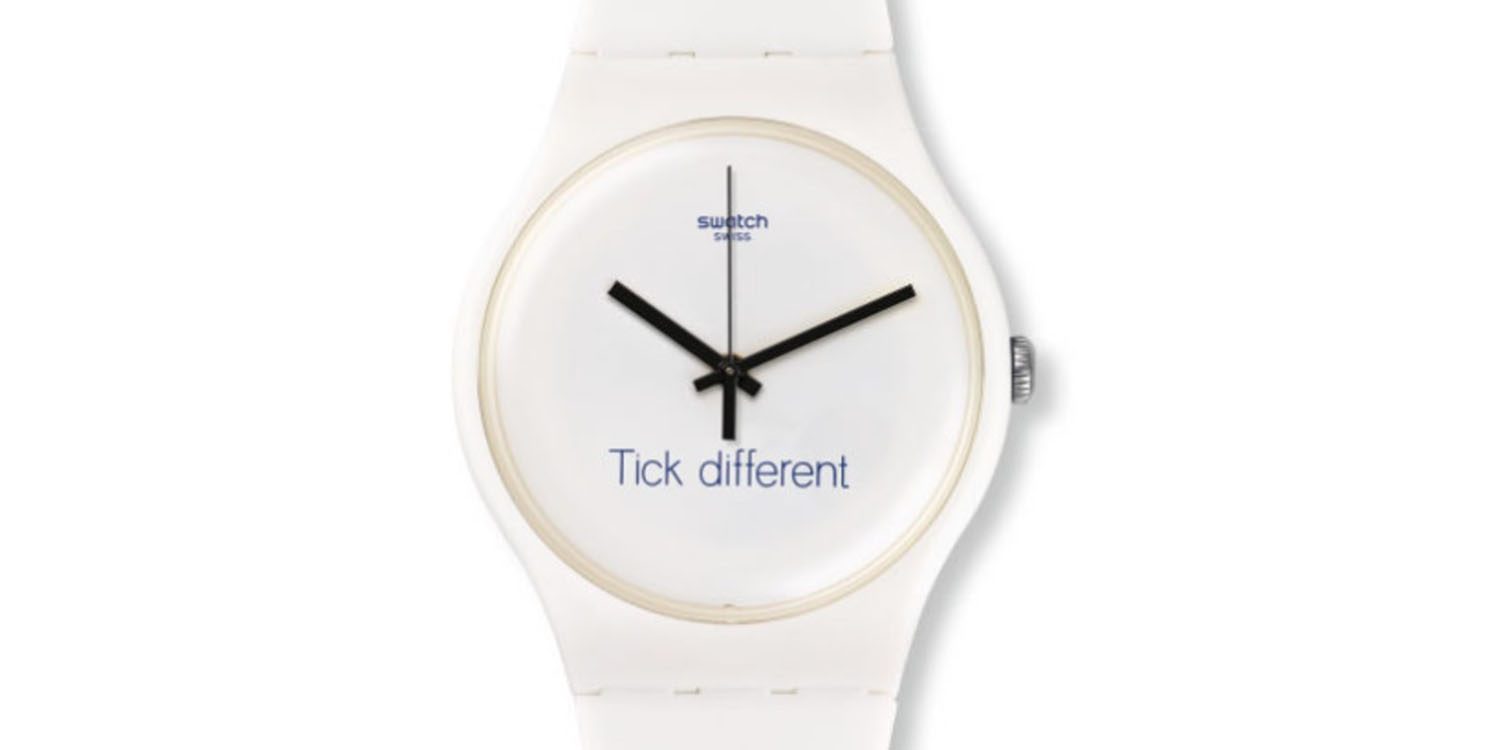
    Swatch is no stranger to legal battles with giants like Apple and Samsung, and to some success, we might add. The Swiss company filed a lawsuit against Samsung two months ago, because the South Korean company copied Swatch’s trademark on its smartwatch faces. However, Swatch was sued by Apple two years ago for a similar reason. The Cupertino-based company claimed in the lawsuit that Swatch’s logo – “Tick different,” which is etched on some of its smartwatches, strongly resemble its famous “Think different” slogan.

    Unfortunately for Apple, a Swiss court has just ruled in Swatch’s favor over the use of its “Tick different” logo. Apparently, the court doesn’t think that Swatch’s slogan infringes on Apple’s own logo, but even if they are very similar, the Swiss company claims the “Think Different” advertising campaign wasn’t too popular in Switzerland to warrant protection.

    The Federal Administrative Court has agreed with Swatch and said that Apple hasn’t given the court enough documents that would back up its case. Of course, Swatch wouldn’t stand a chance in the United States where the “Think Different” advertising campaign remains one the most famous in the company’s history.

  • Spotify and Apple Music were very important to the music industry Last Year

    Spotify and Apple Music were very important to the music industry Last Year

    It’s okay to dance now that the 2019 IFPI Global Music Report is out. The report from The International Federation of the Phonographic Industry shows that a 32.9% increase in paid streaming revenues helped drive a similar increase in total streaming revenue last year. Streaming now accounts for 46.9% of the music industry. Overall, the global music market increased its top line by 9.7% last year to $19.1 billion and revenue from streaming music came to $8.9 billion, up from $6.7 billion in 2017. Streaming was obviously very important to the music industry during 2018. That is especially true since last year music downloads and physical music sales declined 21.2% and 10.1%, respectively.

    As 2018 came to an end, there were 255 million people around the world paying monthly for streaming music. The leading provider globally was Spotify, with 87 million paying subscribers. Apple Music came in second. In the U.S., growth in streaming music revenue came to 33.4% last year, while sales of physical music (records, CDs) declined 22.1%. In the states, the fastest growth came from the paid streaming segment.

    “Streaming revenues, particularly from paid subscriptions, continued to grow in 2018, with all regions posting growth in this area. Overall, growth trends were more diverse across different markets.”-IFPI

    The top two music streamers in the world, Spotify and Apple, are at odds over the 30% that Apple charges Spotify subscribers who pay monthly through the App Store. As we told you last month, Spotify has filed a complaint with the European Commission over this so-called “Apple Tax.” This is why individual Spotify subscriptions cost $12.99 on the App Store as opposed to the usual $9.99 price. With Apple Music available from the iOS app storefront for only $9.99 a month, Spotify claims Apple is giving its own music streaming app a major advantage.

  • Fritz Hansen Opens First Store in China

    Fritz Hansen Opens First Store in China

    Furniture firm Fritz Hansen has launched a Jaime Hayon-designed showroom in the Chinese city of Xi’an.

    The new 1000sqm gallery, represents a stage in the brand’s ambition to become the largest Danish brand in China, is Fritz Hansen’s first store in China and its largest in the world.

    “You always need to find a way to be new, never done before – you need to create an experience,” said Fritz Hansen’s Asia CEO Dario Reicherl in an interview with Dezeen. “Through a series of steps, I believe we can be the biggest Danish brand in China in a couple of years.”

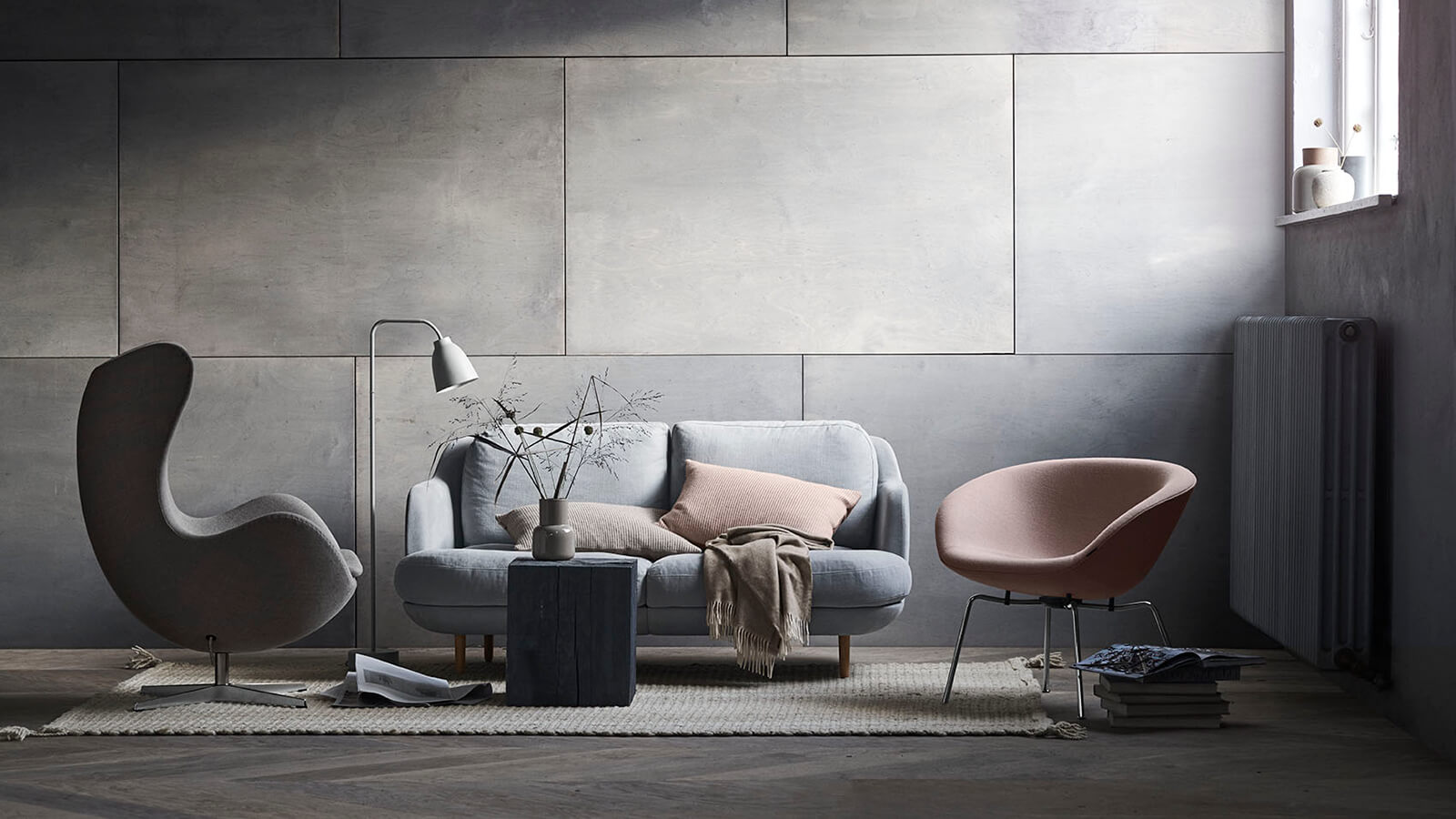
    The gallery/store is designed to resemble a temple with high ceilings, warm-hued walls and vaulted walkways created by the Spanish designer. Furniture on display is arranged in living room-style set-ups. Fourteen more intimate show spaces are accessible by a grand staircase.

    “Like in a labyrinth, you start to discover the little areas and each one has the furniture of Fritz Hansen,” said designer Jaime Hayon, “from the historical ones to the new ones I have designed, and pieces from other designers. The lighting and everything has been composed together with some art, carpeting, plants and small objects. So in this way we can inspire the client.”

    “China is the second biggest luxury market in the world, soon overtaking the US,” according to the brand’s executive VP of sales and marketing Lars Hardboe Galsgaard. “It will definitely be the biggest market and economy in the world in terms of private consumption and commercial consumption within a few years. So if you look at that marketplace, we needed to move here. We need to be part of that and we need to be part of defining design, furniture and lifestyle in China.”

  • Minimum wage increase Kicked off in April

    Minimum wage increase Kicked off in April

    The minimum wage increase announced by the government last December is set to kick in on April 1. Starting Monday, the adult minimum wage will rise from the current rate of $16.50 per hour to $17.70 per hour.

    This means that businesses that have adult employees earning less than $17.70 an hour are legally required to increase their wage rates.

    Businesses will need to advise the employee of this and record the change in writing, such as by drafting a ‘Variation Letter’ for the employee to sign.

    The industry association advises employers should keep a copy for their records in case of an audit by the Labour Inspectors.

    The minimum rates apply to all employees whether they work full-time, part-time or casually and whether they are paid a wage for time worked, a salary, partly or wholly on a commission basis, or for what they produce (piece rates).

    The minimum adult rate applies to any employee aged 16 years and over unless they are eligible for the ‘starting-out’ wage or the ‘training’ wage.

    There is no legal minimum rate for employees aged 15 years or younger.

    If a business has salaried employees, it will need to make sure the employees’total remuneration meets minimum wage requirements for each individual pay period, taking into account any overtime, meetings, or time spent opening and closing stores.

    While the new minimum wage will likely put pressure on other business costs, the association said there are a number of ways to combat this, and to incentivise employees other than simple pay increases.

  • Coco Republic Expands Into New Zealand

    Coco Republic Expands Into New Zealand

    After almost 40 years in business, upmarket furniture brand Coco Republic is set to open the doors to its first ever international store in New Zealand mid-year.

    The 1000sqm store will be located within Westfield Newmarket, the brand’s second shopping centre location.

    “I think we’ve got a very steady approach to growth, and we’re really now in a position that when a unique and compelling proposition presents itself such as this one, we’re not forcing our growth, we’re just taking advantage of those opportunities,” Coco Republic’s CEO Nicholas Foster told.

    According to Foster, the Newmarket site brings together the best of Coco Republic’s destination and boutique offerings. This will include the brand’s chic in-store cafe, L’Americano.

    “Newmarket is going to be incredibly convenient for our core customer demographic in Auckland,” he said.

    “We’ve also secured a site that gives us prime ground level frontage to Broadway, the main arterial road through Newmarket and having a large footprint in that centre will allow us to curate a range of over 300 products to be showcased in that facility. We’re also going to take the food and beverage into that environment.”

    For the last few years, Foster says the furniture brand has focused on several key areas of the business, including investing in in-house design and sourcing teams and attracting talented local interior designers.

    Coco Republic has also been working on offering customers an elevated in-store experience.

    “We’re focused on delivering a unique and inspiring retail experience, where customers come into our showrooms and enjoy being part of the experience. That’s where we’ve also invested in food and beverage in L’Americano, particularly for our larger design centres,” Foster explained.

    “People often come in half a day or a whole day and get inspired and work out their design solutions and enjoy the extension by having a light lunch or a coffee.”

    “We’ve been on an exciting growth strategy over the last few years. We’re a premium aspirational design services brand but we’ve consciously focused on ensuring that we remain accessible from a customer’s perspective.”

    The business has also spent some time investing in its supply chain to increase its speed to market. There is a new 11,000sqm logistics hub in the Quarry in Greystanes too, which will form the basis of logistics for Coco Republic, sister brand Max Sparrow and New Zealand distribution.

  • Kiehl’s opens biggest store in Asia Pacific since their Launch

    Kiehl’s opens biggest store in Asia Pacific since their Launch

    New York pharmaceuticals firm Kiehl’s has launched its largest boutique in the Asia-Pacific region at Senayan City mall in Jakarta.

    The opening of the 137sqm store marks the brand’s 10th anniversary in the territory and is designed to evoke classic New York themes, such as the iconic Brooklyn Bridge.

    “We work hard to remain alongside current innovations and to stay relevant,” said Caroline Foo, GM of L’Oreal Luxe Division, which oversees Kiehl’s. “What has really helped us stay relevant and modern in the business landscape today is that Kiehl’s always personalises its service and moves alongside with innovations to meet consumer needs.”

    Kiehl’s operates 10 boutiques in 21 Indonesian locations as well as an online store.

  • George & Matilda expands up to 70 practices

    George & Matilda expands up to 70 practices

    George & Matilda now has 70 practices in its network, a milestone for the eyecare retailer started in 2016, which brings together independent optometrists under a single banner.

    According to CEO Chris Beer, this model has been the key to success for the business, which recently added local optometrists in Victoria, Queensland and New South Wales.

    “We pride ourselves on being a home for any practice that is focused on delivering the best care for their patients, no matter how they do so,” Beer said.

    “This makes for a very varied and diverse group of partners, which we believe is our key strength.”

    According to Beer, the firm’s ability to listen and learn from its partners to gather information which can then be filtered through its marketing, supply chain and business support structures has resulted in “fantastic results at a time when a lot of retail is hurting.”

    IBISWorld estimates the optometry and optical dispensing industry to be worth approximately $3.7 billion in Australia, with an annual growth of 2.9 per cent between 2014-19.

    Much of this is due to the industry’s distinct mix of retail and service elements, according to IBISWorld senior industry analyst Liam Harrison.

    “With around half of Australians requiring glasses, there is a large market for industry services,” Harrison told IR.

    “Combining traditional retail with service elements has helped the industry both remain relevant and protect its profitability at a time when consumers are looking to reduce their expenditure where they can.”

    However, with businesses offering the purchase of eyewear online, the offering of service elements may not be mandatory to survive in the industry, Harrison argues.

    Looking forward, Beer believes the next year will be transformative for George & Matilda.

    “We started this business with the vision to help the world see better by supporting and uniting local independents to build the best optometry community,” Beer said.

    “It’s a big ambition, but we have invested the time and resources to create something that can bring about meaningful change for the industry in the long term.”

  • Google offers Android users one 99-cent movie rental service

    Google offers Android users one 99-cent movie rental service

    Haven’t seen Lady Gaga and Bradley Cooper yet in A Star is Born? Google will let you rent it for only 99 cents from the Google Play Store. Android users are receiving a notification today about a special offer allowing them to pick one movie to rent from the Google Play Store library for 99 cents (+ Tax). The offer expires on April 21st. Once an Android user takes Google up on the deal, he or she will have 30 days to finish viewing the film selected. The video rented will play in the highest quality for the device being used to view it (4K, HD or SD).

    Typically, a movie like A Star is Born will cost $5.99 to rent in 4K, so Google is offering a good deal here, even though it is limited to one rental. Most likely Google is trying to get Android users to rent a film in the hope that the experience is so enjoyable, they decide to repeat it a number of times, paying full price, of course.

    There are plenty of movies available to rent for 99 cents (+ Tax). You might want to consider one of these:

    • Mary Poppins Returns
    • Aquaman
    • Fantastic Beasts: The Crimes of Grindelwald
    • Bohemian Rhapsody
    • Get Out
    • Ralph Breaks the Internet

    Remember, you only get one shot at a 99 cent rental, so choose wisely. Watch for the notification on your Android phone, or open the Google Play Store app on your device and tap on the Movies & TV heading.

  • Vietnam to end plastic scrap imports from 2025

    Vietnam to end plastic scrap imports from 2025

    Vietnam will not import plastic scrap from 2025 and will deal with the scrap consignments stuck at ports, the government has said. It has ordered the Ministry of Natural Resources and Environment to work with other government bodies to eliminate unnecessary procedures which are delaying their delivery.

    Customs data shows almost 21,600 containers of scrap remain uncleared at ports as of February 22, 44 percent of them for more than three months.

    The government instructed the environment ministry to issue environmental safety certificates to eligible containers so that their importers could use them to manufacture products. All imports of plastic scrap as feedstock would cease on December 31, 2024, it said.

    Prime Minister Nguyen Xuan Phuc ordered to scrap imports temporarily last July, saying Vietnam must not become a dumping ground for other countries’ scrap, leaving thousands of containers stuck at ports for months.

    His orders followed a surge in imports in the first six months after China banned imports of certain wastes.

    But steel, paper and plastic industries have expressed concern since they need to import metal, paper and plastic scrap as feedstock.

    Vietnam imported 9.2 million tons of scrap last year, up 14 percent from 2017, according to Vietnam Customs.

  • Home-and-living brand Jiyoujia debuts in Singapore

    Home-and-living brand Jiyoujia debuts in Singapore

    Alibaba’s e-commerce platform Taobao has launched its home-and-living channel, Jiyoujia in Singapore.

    Marking the brand’s first foray into an overseas market, products are on show at Taobao Home store at NomadX store.

    “Singapore is an important market for Taobao, and we continue to witness strong and sustained demand for the home-and-living category here by shoppers,” said Mickey Xiong, country director for Southeast Asia, at Taobao.

    “In fact, the home-and-living category is our fastest-growing segment here.”

    Jiyoujia also launched its Home Lab portal, one week after its debut in China. Using the portal, curated sets of Jiyoujia products are recommended to customers, promoted through interactive digital showcases. Surfers can hover over each item for more information.