Category: Logistics

Retail News Asia is committed to providing both local and global retailers with the latest Logistics news throughout the Asian market. This on a daily base.

  • Panalpina opens base in Cambodia

    Panalpina opens base in Cambodia

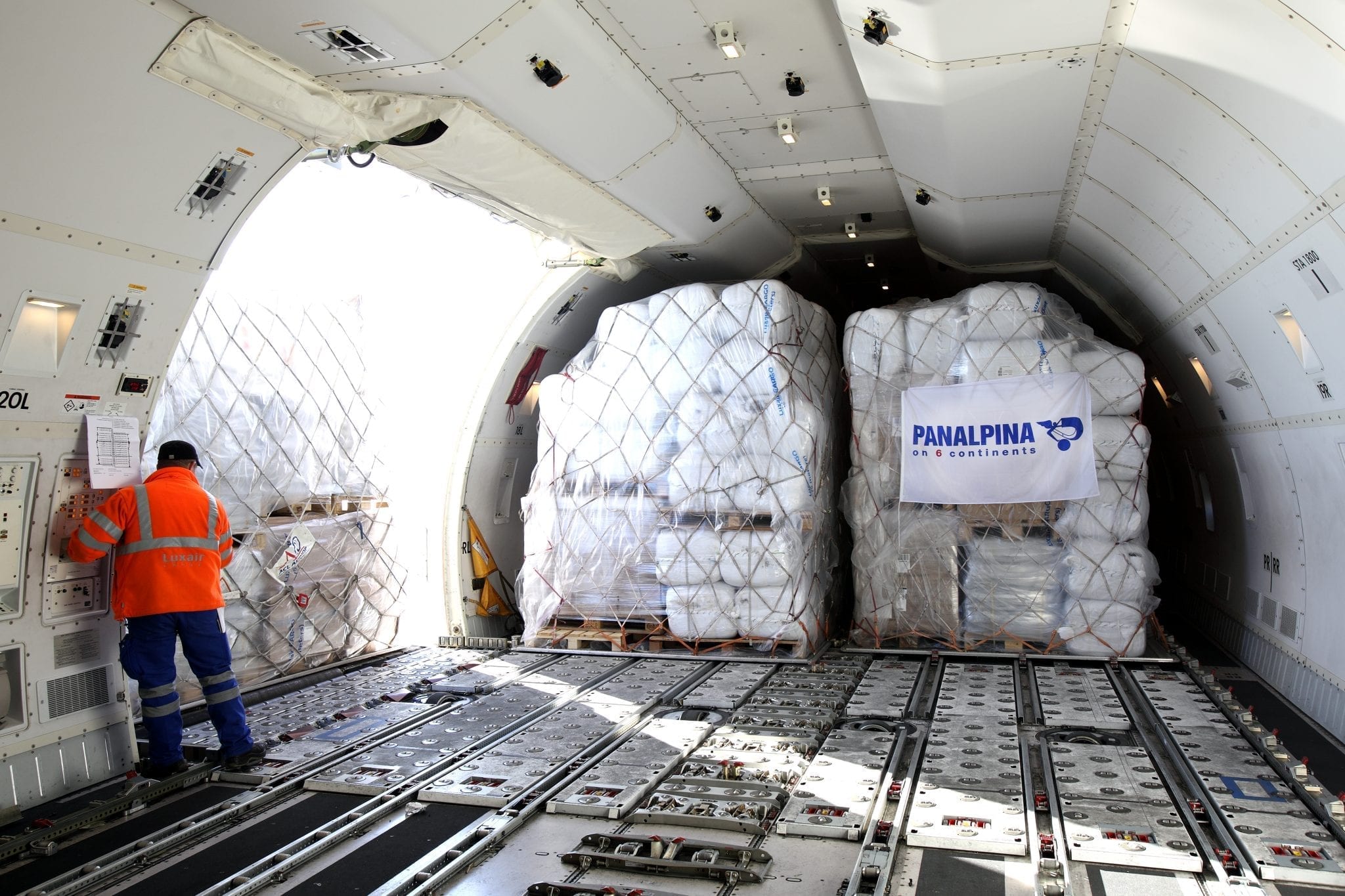
    Cambodia is currently benefiting from two decades of relative economic stability. With a stable annual GDP growth of approximately 7%, the country has become an interesting market for investors. International freight forwarding and logistics company Panalpina has expanded its global presence by opening a new office in the emerging market.

    Cambodia’s political, economic and cultural center, the capital city of Phnom Penh, is now home to Panalpina’s latest venture in Asia. The new office became operational in August, providing global and local customers with air freight and ocean freight services, customer brokerage, in-land transportation, cross-border trucking (with Vietnam and Thailand), Container Freight Station consolidation, and warehousing and storage services.

    “Our new office in Cambodia demonstrates Panalpina’s interest in the emerging economies we believe will provide strong opportunities for business growth,” says Benny Ong, country manager for Panalpina Cambodia.

    “Having a physical presence in the country means that our customers can feel confident conducting business here, knowing that Panalpina is on site to provide the services they need to support their logistics and freight forwarding requirements.”

    With a population of 15 million, Cambodia offers Panalpina opportunities for growth in the textile, agriculture and construction industry. Cambodia’s two biggest industries are textiles and tourism. The garment industry represents the largest portion of Cambodia’s manufacturing sector, accounting for 80% of the country’s exports, which directly impacts the volume of air freight shipments to and from the country.

    In 2015, air freight volume increased 14 percent, year-on-year, at Phnom Penh International Airport, with the increase attributed to a strong demand for Cambodian garments in overseas markets, such as the US and Europe. Cambodia’s total garment and footwear exports earned $6.3bn in 2015, with a growth rate of 6.7% compared to 2014. Exports have been growing continuously for the last 20 years, and are expected to continue growing in 2016.

    Revenue growth has also been enjoyed by two of Cambodia’s international shipping ports, Phnom Penh river port and Sihanoukville. Phnom Penh has enjoyed strong growth in recent years thanks to continually growing container traffic. The port handled 144,813 TEUs in 2015, up 8.3 per cent year-on-year as the result of surging exports, particularly rice and construction materials. Cambodia’s sole deep-sea port Sihanoukville handled 392,000 TEU’sactual container throughput in 2015, with average growth of 10% to 15% per annum during the last five years.

    Agricultural activities remain the main source of income for many Cambodians living in rural areas, and the industry has benefitted in recent years from government policies implementing a quota for rice (Cambodia’s principle agricultural commodity) on exports to China, Europe and the US, and tax free imports of agriculture equipment.

    “As manufacturers increasingly look towards Cambodia as a key market for goods, the need for transport logistics increases.” says Ong. “Cross-border trucking between Cambodia, Vietnam and Thailand is fueling demand for more value added services.”

    As of yet, Cambodia has no proven reserves of oil or natural gas. However, in the last few years, the Cambodian government has granted a number of licenses for petroleum exploration. “Considering the current downturn in the global oil and gas business, the possibility of a burgeoning oil and gas market in Cambodia is an exciting opportunity for Panalpina, and one that we will be paying close attention to in the future,” says Ong.

  • DHL Express Unveals Tsing Yi Service Center in Hong Kong

    DHL Express Unveals Tsing Yi Service Center in Hong Kong

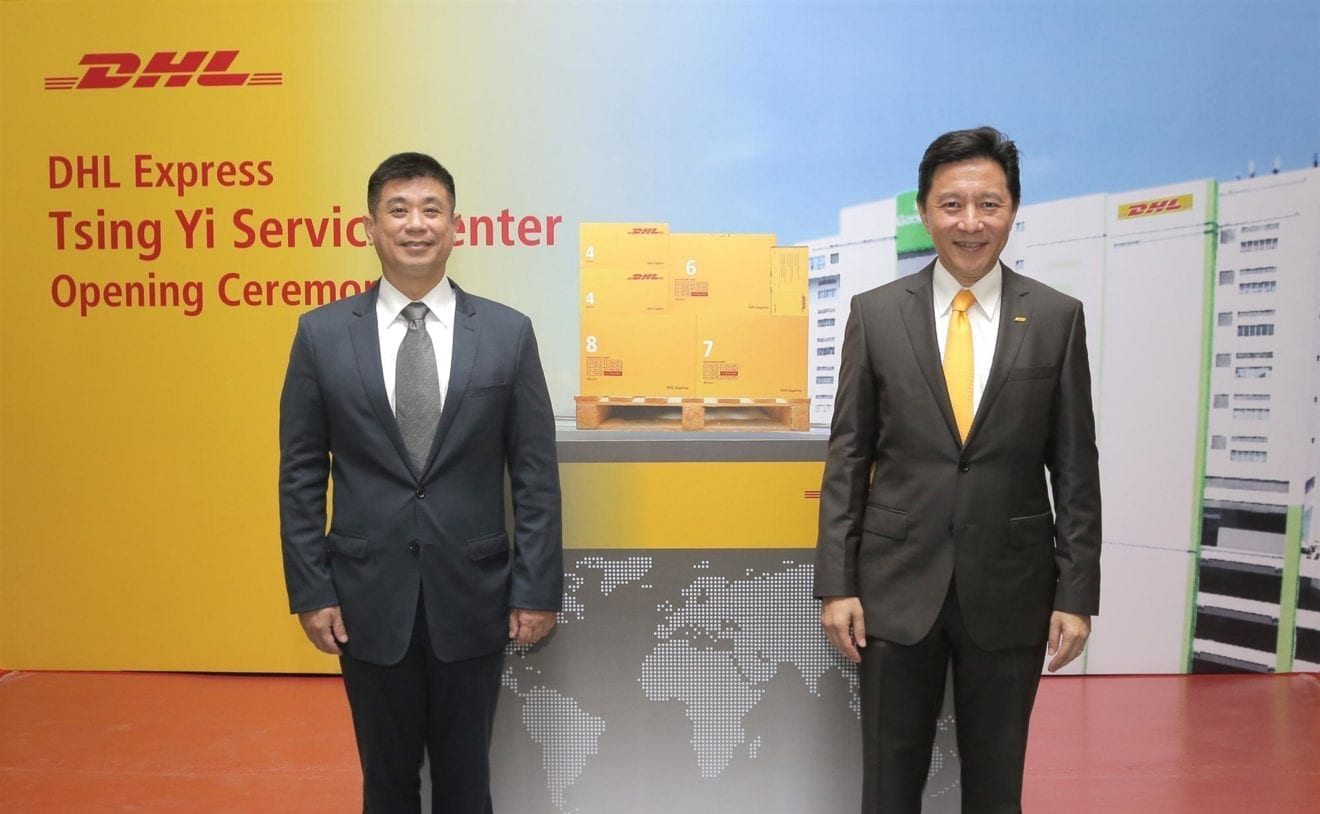
    According to DHL, the new HK$78 million facility is capable of handling 380 tonnes of shipments per day, the strongest out of all DH service centres worldwide.

    “The opening of the new Tsing Yi Service Center follows double-digit growth in our international shipments over the past year, and underscores our confidence in the Hong Kong market,” said Herbert Vongpusanachai, senior vice president and managing director of DHL Express Hong Kong and Macau [right in photo]. “With a steady growth in our Hong Kong business contributed by the strong e-commerce sector, this facility is set to cement our market leadership with its enhanced handling capacity.

    Features include a high-speed reweigh and remeasure machine capable of processing 2,200 pieces per hour, 122 CCTVs and 24-hour monitoring.

    The 13,000m2 centre is located at Goodman Interlink and is double the size of the previous facility, which was located in the same building, according to DHL.

  • DHL and UN Development Programme Hold Airport Disaster Workshops

    DHL and UN Development Programme Hold Airport Disaster Workshops

    Germany’s Deutsche Post DHL Group and the United Nations Development Programme (UNDP) are once again conducting their joint preventative training, known as Get Airports Ready for Disaster (GARD), from September 5 to 9 at Bali’s Ngurah Rai International Airport, Lombok International Airport and Selaparang Airport in Lombok. Indonesia was the pilot country when the program was implemented globally in 2009 – in Makassar and Palu.

    Indonesia is located on the Pacific Ring of Fire where several continental plates collide. As a result, the chain of islands is at frequent risk of earthquakes, tsunamis and active volcanoes. Additionally, Bali and Lombok are categorized as high risk areas in the Indonesian Disaster Risk Index (2013). Airports in both provinces experienced operations shutdown due to volcanic eruptions from nearby Mount Rinjani.

    The multi-day workshop involves over 50 participants – including representatives from the airport operating company, aviation safety experts, national and regional Disaster Management Planning Agencies, Indonesian Red Cross, immigration authorities, the military and the police force – who will be trained to handle the high volume of incoming relief goods and increasing number of passengers during the aftermath of natural disasters.

    “Following natural disasters, airports become vital hubs for the processing of incoming relief supplies,” says Christof Ehrhart, Head of Corporate Communications and Responsibility at Deutsche Post DHL Group. “With sound processes in place at the airport and with the relevant agencies, relief goods and aid can be channeled through airports to reach the affected communities quickly and efficiently. This program continues to help improve disaster management in this geologically high-risk region.”

    “Often airports are unprepared to manage large disasters or humanitarian crisis and as a result, assistance gets slower in getting to those most affected. GARD is working specifically with all partners on the ground to solve any potential bottlenecks that could impede fast response to save lives. I praise the Indonesian government for its commitment to preparedness and the airport authorities for their risk informed management.” says United Nations Resident Coordinator in Indonesia, Douglas Broderick.

    The training includes evaluation of the airports’ capacities for processing high volumes of passengers and cargo and warehousing relief supplies. Location-specific disaster plans are drawn up as well.

    Since 2009, GARD trainings have been held in eight airports in Indonesia, namely Sultan Hassanuddin Airport in Makassar (2009), Mutiara Airport in Palu (2009), Ngurah Rai Airport (old airport) in Denpasar (2011), El Tari Airport in Kupang (2011), Polonia Airport in Medan (2012), Sultan Iskandarsyah Airport in Banda Aceh (2012), Fatmawati Airport in Bengkulu (2012) and Minangkabau Airport in Padang (2013).

  • Hanjin Bankruptcy Causes Global Shipping Chaos, Retail Fears

    Hanjin Bankruptcy Causes Global Shipping Chaos, Retail Fears

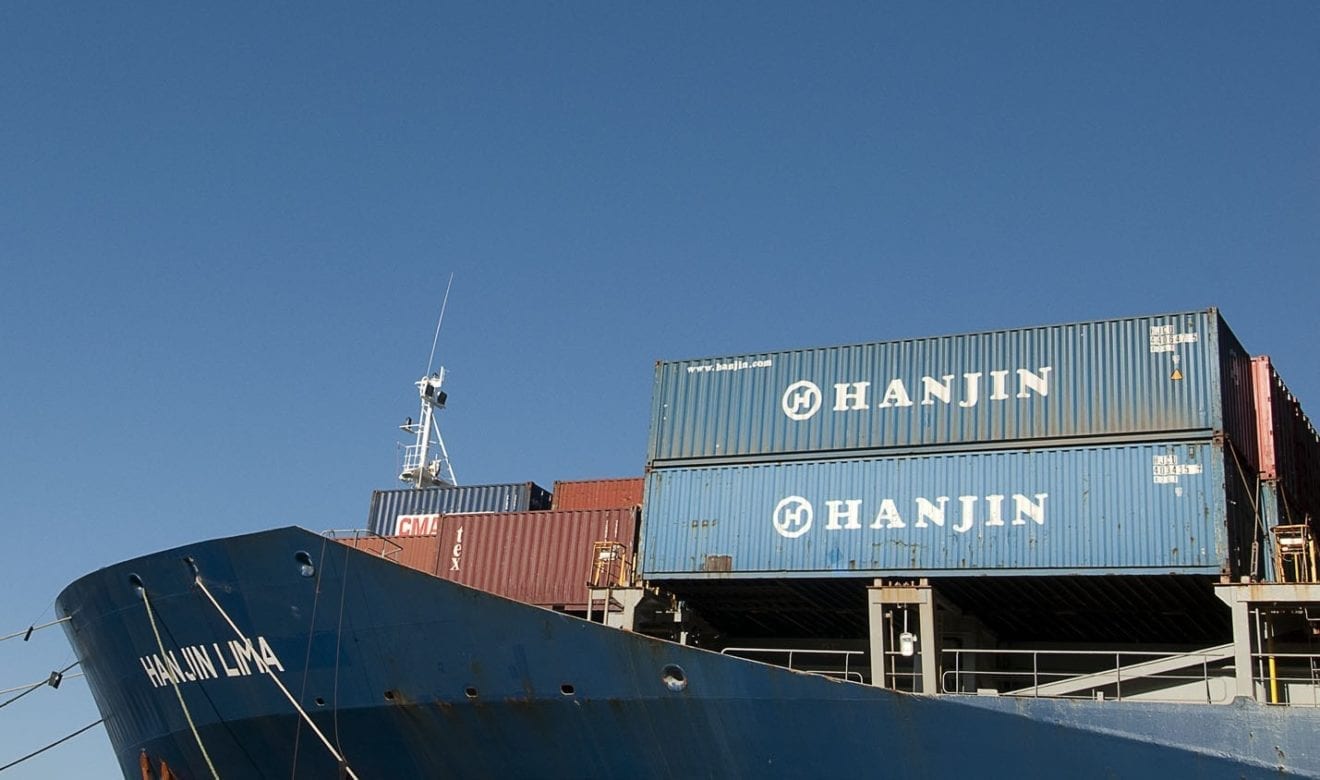
    The bankruptcy of the Hanjin shipping line has thrown ports and retailers around the world into confusion, with giant container ships marooned and merchants worrying whether tons of goods will reach their shelves.

    The South Korean giant filed for bankruptcy protection on Wednesday and stopped accepting new cargo. With its assets being frozen, ships from China to Canada found themselves refused permission to offload or take aboard containers because there were no guarantees that tugboat pilots or stevedores would be paid.

    “Hanjin called us and said: ‘We’re going bankrupt and we can’t pay any bills — so don’t bother asking,’ ” said J. Kip Louttit, executive director of the Marine Exchange of Southern California, which provides traffic control for the ports of Los Angeles and Long Beach, the nation’s busiest port complex.

    Three Hanjin container ships, ranging from about 700 feet to 1,100 feet (213 meters to 304 meters) long, were either drifting offshore or anchored away from terminals on Thursday. A fourth vessel that was supposed to leave Long Beach on Thursday morning remained anchored inside the breakwater.

    The Seoul-based company said Friday that one ship in Singapore had been seized by the ship’s owner. Hanjin Shipping spokesman Park Min did not confirm any other seizures.

    As of Friday, 27 ships had been refused entry to ports or terminals, she said.

    That left cargo headed to and from Asia in limbo, much to the distress of merchants looking to stock shelves with fall fashions or Christmas toys. “Someone from the garment industry called earlier today asking: ‘How long is this going to go on, because I’ve got clothing out there,’” Louttit said.

    The Korea International Trade Association said about 10 Hanjin vessels in China were seized or likely to be seized by charterers, port authorities or other parties.

    Kim Byung-hoon, a director at the KITA, said the association had confirmed that about 10 Hanjin vessels also had been turned away from Chinese ports or were waiting offshore.

    South Korea’s maritime ministry said in a statement that Hanjin’s troubles would affect cargo exports for two to three months, given that August-October is a high-demand season for deep-sea routes. It said 540,000 TEU of cargo already loaded on Hanjin vessels would face delays.

    Hanjin, the world’s seventh-largest container shipper, represents nearly 8 percent of the trans-Pacific trade volume for the U.S. market.

    The National Retail Federation, the world’s largest retail trade association, wrote to U.S. Secretary of Commerce Penny Pritzker and Federal Maritime Commission Chairman Mario Cordero on Thursday, urging them to work with the South Korean government, ports and others to prevent disruptions.

    The bankruptcy is having “a ripple effect throughout the global supply chain” that could cause significant harm to both consumers and the U.S. economy, the association wrote.

    “Retailers’ main concern is that there (are) millions of dollars’ worth of merchandise that needs to be on store shelves that could be impacted by this,” said Jonathan Gold, the group’s vice president for supply chain and customs policy. “Some of it is sitting in Asia waiting to be loaded on ships, some is already aboard ships out on the ocean and some is sitting on U.S. docks waiting to be picked up. It is understandable that port terminal operators, railroads, trucking companies and others don’t want to do work for Hanjin if they are concerned they won’t get paid.”

    The confusion might sink some trucking firms that contract with Hanjin to deliver cargo containers carrying everything from electronics to car parts from ports to company loading bays.

    “They’ve got bills to pay — they could literally close their doors over this,” said Peter Schneider, Fresno-based vice president of T.G.S. Transportation Inc.

    Hanjin has been losing money for years. It filed for bankruptcy protection a day after its creditors, led by a state-run bank, refused to prop it up.

    Other shipping lines may take on some of Hanjin’s traffic but at a price. Since vessels already are operating at high capacity, shippers may wind up paying a premium to squeeze their cargo containers on board, said Jock O’Connell, international trade adviser to Los Angeles-based Beacon Economics.

    The price of shipping a 40-foot container from China to the U.S. jumped up to 50 percent in a single day, said Nerijus Poskus, director of pricing and procurement for Flexport, a licensed freight forwarder and customs broker based in San Francisco.

    The price from China to West Coast ports rose from $1,100 per container to as much as $1,700 on Thursday, while the cost from China to the East Coast jumped from $1,700 to $2,400, he said.

    Hanjin’s bankruptcy was a major factor, he said, although rates also were affected by the upcoming Chinese National day holiday, which will close factories, and by shipping lines sidelining vessels to reduce overcapacity.

    Global demand and trade have suffered since the 2008 recession, while steamship lines continued to build more and larger vessels — immense ships that were conceived as cost-effective when freight costs were higher several years ago.

    But weaker trade and overcapacity have sent ocean shipping rates plunging in recent years. A few months ago, Poskus said, prices hit historic lows globally — down to as much as $600 per container from Shanghai to Los Angeles.

    That wouldn’t even cover fuel costs for the huge ships, he said.

    Poskus expects the current spike in prices to last only a month or two. With about 5 percent of ships in the global trading fleet sitting idle, there is plenty of room to take over Hanjin’s capacity and carriers already are discussing the possibility of adding ships, he said.

    However, prices will have to rise somewhat in order to be sustainable, he said — perhaps to about $1,000 per container.

  • JDA expands in Australia

    JDA expands in Australia

    JDA Software Group, Inc. announced the opening of a new North Sydney office that expands on the company’s Australia and New Zealand (ANZ) presence, which includes an office in Melbourne.

    JDA opened its first office in Sydney in 1994 and now counts more than 100 customers across retail, manufacturing, third-party logistics and wholesale distribution.

    “Since its beginning in 1994, JDA’s ANZ presence has continually grown and we’re proud to count so many customers across industries and solutions that count on JDA to power their supply chains,” said Amit Bagga, regional vice president for Asia-Pacific, JDA.

    “The move to a new office in Sydney represents a commitment by the business to continue to build on the success that our team has achieved.”

    JDA offers a rich portfolio of solutions that have been delivering great value for its customers for more than 30 years, including technology from its merger with RedPrairie (2012), and acquisitions of i2 Technologies (2010) and Manugistics (2006).

    “The Australian and New Zealand market is unique globally. In all of our target market segments, customers face a highly competitive landscape and high operating costs. In addition, their consumers are rapidly embracing omni-channel and demanding a more personalized experience. In such a market, our customers are continuously looking to reduce inventories, increase supply chain velocity, and use their people and capital assets efficiently,” said Bruce How, vice president of sales, ANZ, at JDA.

    “JDA’s solutions are backed by years of experience and driven by continuous customer feedback and research thereby enabling success for our customers. Looking ahead, we plan to continue our focus in empowering customers and driving profitable customer commerce, adaptable manufacturing, and intelligent fulfillment,” continued How.

    The new office is located at Level 3, 60 Miller St, North Sydney.

  • Pelican BioThermal expands in Asia

    Pelican BioThermal expands in Asia

    Pelican BioThermal, providing temperature-controlled packaging solutions serving the life sciences industry, has expanded its operations in Asia with the launch of a new network of distribution partners in the region.

    Pelican BioThermal announced it has joined forces with the region’s distinguished distributors, Pharmaserv Express of the Philippines and CMC Element of China, to further enhance its operations offering in Asia.

    Pharmaserv Express works closely with national health services to skillfully transport pharmaceutical products throughout the complex geography of the Philippines.

    CMC Element distributes a variety of health care products, including pharmaceuticals protected in temperature controlled packaging, across the vast Chinese market using their extensive network.

    The latest development demonstrates Pelican BioThermal’s continued growth in Asia and follows the company’s recent launch of its new operational facility in Singapore.

    The new industry partnerships with these key distributors signals another major development in it’s expanding presence and support network in Asia, further enhancing the extending range of products and services offered by the company in the region.

    In particular, the new distributors enhance customer support for global customers shared with Pelican BioThermal, by offering local hours, local language and local service and inventory at the point of final distribution of pharmaceuticals.

    Pelican BioThermal’s growing global network supports customers wherever they are located and establishing productive partnerships with reliable, reputable, dedicated distributors further strengthens the Asia based business offering.

    The increasing network of distribution partners complements the company’s newly established Asia headquarters, which is co-located with Pelican BioThermal’s authorized distributor for Singapore, Enviropac.

    Benson Teo, Pelican BioThermal’s Senior Director of Sales for Asia, said: “We are delighted to announce the latest additions to our expanding network of dedicated distributors. We welcome Pharmaserv Express and CMC Element to our Asia operations; these well-established partners will play a pivotal part in our expansion efforts in Asia.

    “As the global cold chain logistics industry continues to thrive we want to further demonstrate we have the critical capabilities to support the growing Asia pharma marketplace.”

    The region continues to be an area of pronounced growth for Pelican BioThermal and forging links with these well-established distribution partners will increase the company’s global reach and support network for customers.

  • DHL Introduces Multimodel Mongolian Connection

    DHL Introduces Multimodel Mongolian Connection

    DHL Global Forwarding has launched road and multimodal freight services linking Mongolia to Europe and the US.

    The new road connection to continental Europe has a transit time of less than 20 days and passes through Russia and Belarus. It supports different business sizes by offering both full truck load and less-than-truck load options.

    “Mongolia’s economy is rebounding from the mining downturn, further building on its status as the world’s second-largest cashmere producer and a food and agricultural export hub,” said Kelvin Leung, CEO of DHL Global Forwarding Asia Pacific. “With Mongolian businesses gaining a growing slice of global market share, supported by an increasingly solid network of regional free trade agreements, Mongolia’s dominant trading partners also stand to gain from increases in domestic consumption of foreign goods.”

    The new service is aimed at the movement of goods such as furniture, medicines wine into Mongolia, and exports such as mining spare parts, cashmere products and all-terrain bikes.

    The new multimodal connection with the US offers full container load and less-than-container load options. With a transit time of as few as 18 days, it passes from the US by air to South Korea, by ocean to China and then by rail and road to Mongolia.

    “The new road freight and multimodal services provide both small businesses and large enterprises with an especially cost-effective and timely way of testing demand and establishing consistent trade between both markets,” said Charles Kaufmann, CEO of North Asia and head of value-added services at DHL Global Forwarding Asia Pacific. “As the only international logistics provider with a local presence in Mongolia, DHL enables overseas exporters to gain a head-start in accessing the ‘Wolf Economy’ as it continues its path to the front of the pack.”

    Goods expected to be transported into Mongolia include watches, coffee machines and motorcycles, while exports include aviation spare parts, camel wool and rally cars, according to DHL.

  • Toll, Specialty Fashion build retail distribution centre

    Toll, Specialty Fashion build retail distribution centre

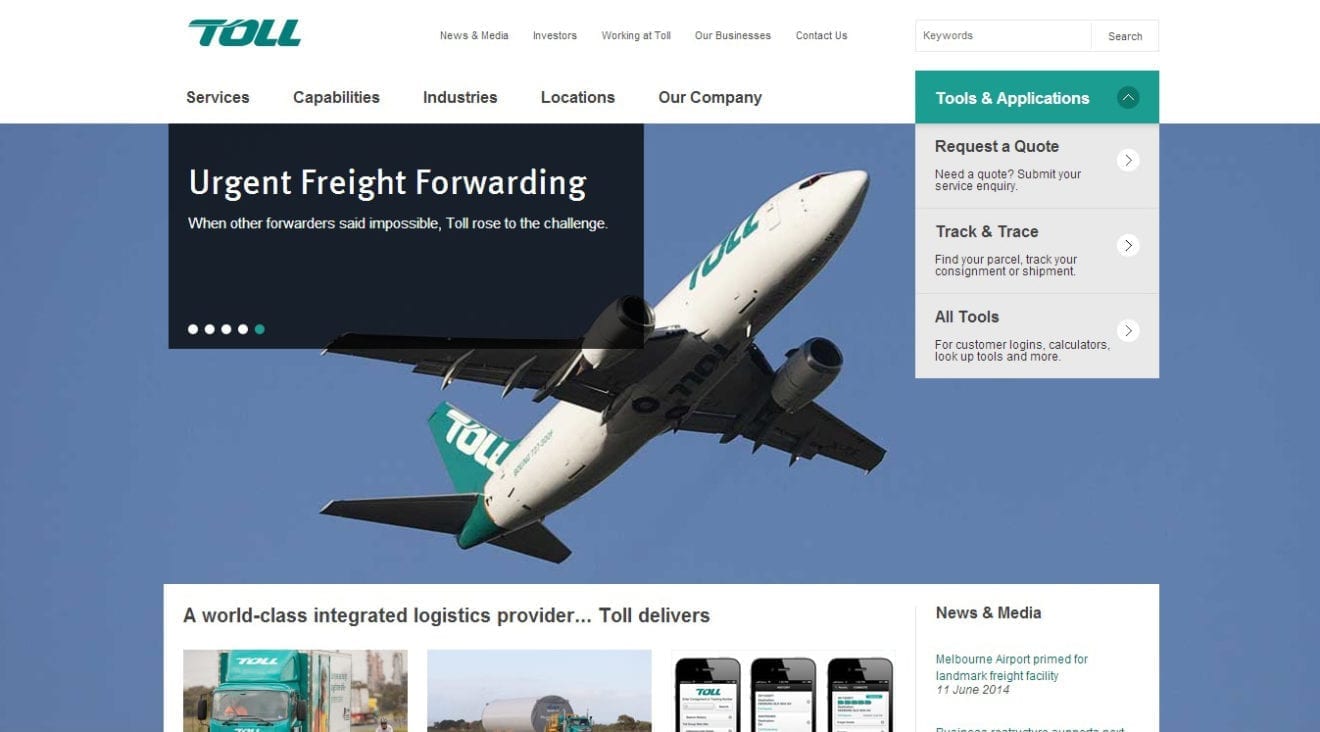
    Toll Group has unveiled its plans to build a state-of-the-art retail distribution centre in collaboration with apparel retailer, Specialty Fashion Group.  The 32,000 square metre distribution centre will be built by Logos Group Australia at the Prestons Logistics Estate, Sydney.

    Fitted with advanced automation technologies to enable fast and efficient distribution to customers, the facility will be one of the first in Australia specifically designed to cater for the growing retail eCommerce market.

    Toll has worked closely with Specialty Fashion Group to design a distribution centre that will meet the demands of the retailer’s recent growth, and support its continual focus on improving omni-channel delivery including online and ‘click and collect’ ordering.

    The Prestons facility will enable Specialty Fashion Group to get products to stores and customers faster than ever before.

    In a ground breaking ceremony at the site, Toll’s Managing Director, Brian Kruger, and Specialty Fashion Group CEO, Gary Perlstein, turned soil to mark the start of construction.

    Brian Kruger said “We are excited to announce our plans for this innovative distribution centre – an Australian first in automation for eCommerce processing and distribution.

    “Our aim at Toll is to connect people and products, and we look forward to working with Specialty Fashion Group to enable a fast, efficient and cost effective supply chain for its customers.”

    Gary Perlstein said “Currently, Specialty Fashion Group sells a garment a second in Australia. We have worked with Toll to create a supply chain solution that enables our omni-channel strategy across all brands for a streamlined and memorable customer experience.”

    Toll has designed the facility to include several leading automation technologies including a multi-shuttle tote storage system, goods-to-person pick stations, automated and ergonomic eCommerce processing stations, automatic carton optimisation machines and a tier one warehouse management system.

    These technologies will enable the site to manage high volumes efficiently and quickly, despatching products for faster delivery and reducing overall costs per unit.

    The facility will employ around 120 warehouse operators and is expected to despatch more than 90 million units annually. Construction is expected to be completed in October 2017.

  • Southco chooses DHL as sole global logistics provider

    Southco chooses DHL as sole global logistics provider

    DHL Global Forwarding announced that   Southco, a global source for engineered access hardware solutions, has chosen DHL once again as its sole global logistics provider.

    The company renewed their existing contract with DHL for another four years for a combination of air, ocean, domestic and customs brokerage services on various trade lanes.

    Southco currently uses DHL Global Forwarding to ship a variety of its latches, hinges and engineered access hardware products between its 17 engineering and manufacturing locations in the Americas,Europe and Asia Pacific .

    DHL transports Southco’s access hardware products via ocean freight and via DHL’s Less-Than-Container Load (LCL) solution. In Europe , the company uses DHL’s road freight to move its finished products from its manufacturing plant in the United Kingdom to continental Europe .

    “With their focus on delivering customized engineering solutions for applications in industries such as automotive, aerospace, mass transit and off-highway/construction, timely delivery and efficient supply chain management is critical to Southco and its customers. Their renewal of the DHL contract for another four years is testament to their confidence in our track record of delivering to their expectations. Our experienced team will continue to optimize their supply chain between South China and the U.S.,” said Piak-Hwee Tan , Senior Vice President, Marketing & Sales, DHL Global Forwarding Asia Pacific.

    “The relationship we have developed with DHL has been crucial to the success of our manufacturing facilities maintaining a continuous production flow, allowing us to get our products to market faster,” said Paul Smith , director, Global Supply Chain, Southco, Inc.

    “With DHL Global Forwarding’s presence in the markets where we operate, it has helped us minimize or avoid unnecessary disruptions to our supply chain during any type of natural disaster or major event. DHL Global Forwarding also provides us with a global point of contact along with regional points of contacts in all regions where Southco operates, providing us day-to-day updates of our shipments and how we perform against our key performance indicators.”

    Southco has more than 100 years’ experience in helping its customers overcome engineering challenges, with a focus on differentiating the engineered “touch points” of their products to ultimately improve the end user experience.

    DHL Global Forwarding has more than 200 years helping its customers meet their needs, including those in the engineering and manufacturing industry with its warehousing, order fulfillment, sub-assembly and transportation management, among other core services.

  • Zebra expands global ISV strategy

    Zebra expands global ISV strategy

    Zebra Technologies Corporation announced a global independent software vendor (ISV) initiative designed to increase collaboration and expand engagement with the wider developer community.

    New independent software vendor initiatives to expand solutions that help customers make smarter decisions with real-time visibility.

    Zebra also announced the appointment of James Pemberton as the global lead of this initiative, which will help our customers make smarter decisions with products, software and services that build visibility that’s visionary.

    The new initiative will increase market penetration with ISV partners and enable enterprise application development through a revamped developer community portal. Zebra’s global ISV program reflects the global nature of software businesses. Partners can join in multiple regions simultaneously; they can register and be recognized for projects globally.

    Zebra offers powerful, go-to-market tools to promote ISV partners’ apps, such as AppGallery, an online and mobile Android app-distribution and management platform. AppGallery is pre-installed on Zebra’s enterprise Android devices, including a global demo capability and virtual shop-window for ISV Partners’ apps.

    Key facts

    • The new program includes global Influence Rewards. These recognize and reward ISVs who influence customers – through their software – to buy Zebra products anywhere globally. They receive free demo kits and financial rewards for registering projects.
    • Zebra’s active developer outreach campaign includes engagement at events such as Andevcon, AppsWorld and DroidCon. Plans are also underway for Zebra’s own global enterprise developer event series, “AppForum2017”.
    • Pemberton’s work with teams across Zebra will create a common approach for ISVs to be more integrated in product development that feeds into Zebra’s enterprise asset intelligence solutions and go-to-market activities.
    • Since 2005, Pemberton has focused on developing, improving, marketing and managing the EMEA ISV program at Symbol Technologies, Motorola Solutions and Zebra. He previously worked in several retail and e-commerce software companies.

    Bill Cate, Vice President, Channel Strategy and Operations, Zebra, said: “The launch of this initiative demonstrates Zebra’s commitment to the channel and clear recognition of the importance of the ISV partner and develop communities. James’ proven dedication to building strategic relationships with these important groups is key to leading Zebra’s renewed efforts to further engage them in building solutions that help our customers know more about their business.”
    James Pemberton, Global ISV Strategy Director, Zebra, said: “Innovation driven by the ISV partner and developer communities strategically aligns with the industry leading product portfolio Zebra offers to its customers, and we are poised to successfully reach more developers focused on enterprise projects than ever before. I’m excited to see this developer outreach and our ISV partner collaboration yield new opportunities, profitability and simplicity to benefit all parties involved.”

  • Xiamen Airlines takes on board EzyCustoms

    Xiamen Airlines takes on board EzyCustoms

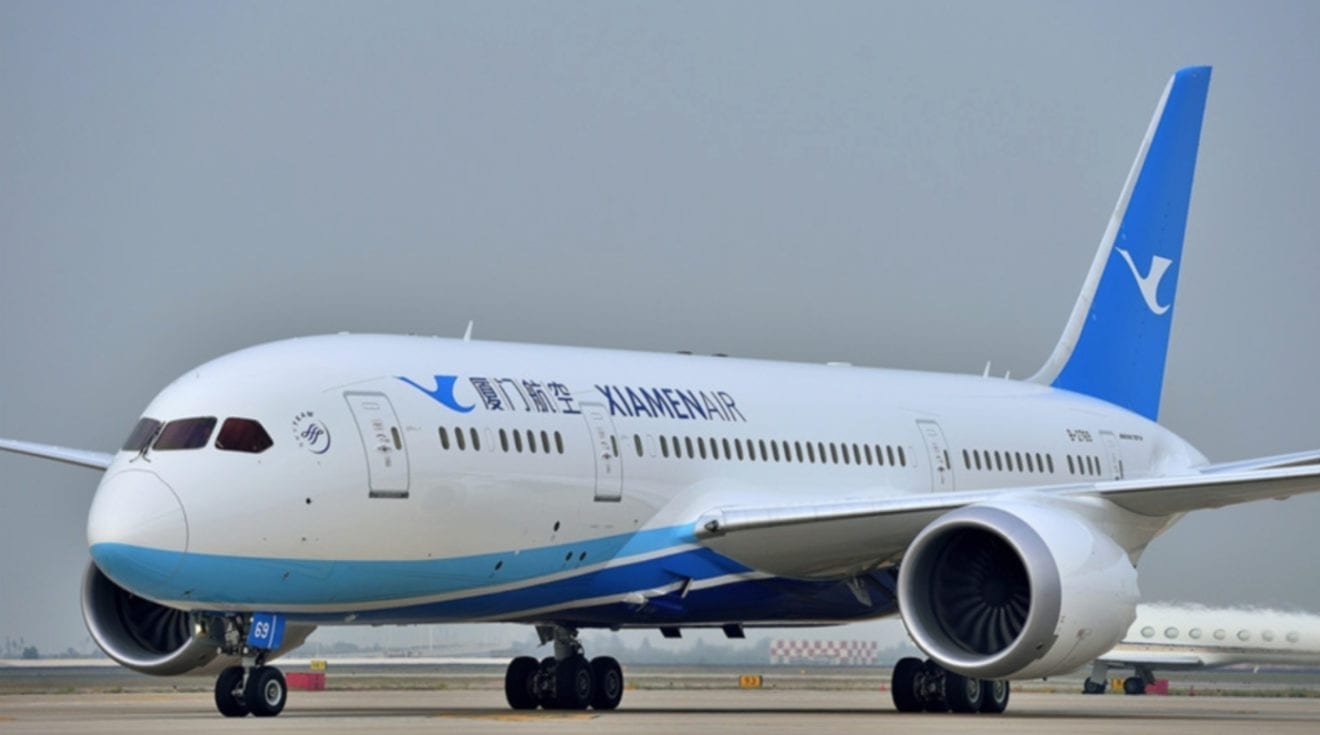
    Global Logistics System (HK) Co., Ltd (“GLS”) welcomes Xiamen Airlines to the EzyCustoms service after the successful implementation of this single platform with multi-Customs integration.

    Xiamen Airlines is extending its network to Canada from July 2016.  The airline is looking for a reliable partner that provides a solution to enable its full compliance with the Canada Border Service Agency (CBSA) Advance Commercial Information (ACI) requirements.

    The ACI programme requires air carriers to electronically transmit air conveyance and cargo information (including supplementary cargo reports where applicable) to the CBSA prior to the arrival in Canada. This requirement allows the CBSA to effectively identify threats to Canada’s health, safety, and security prior to the arrival of cargo and conveyance in Canada.

    EzyCustoms is a one stop web-based multi-Customs clearance platform that fully compliant with the diverse ACI requirements.  It complies with different Customs authorities including: the European Union (EU) Customs, the US AAMS and the ACE (scheduled to start by the end of 2016), the Canada CBSA, as well as the other customs authorities in India, Bangladesh and the Philippines.  At present, a number of China carriers are clients to EzyCustoms service.

    Tony Sham, CEO of Global Logistics System (HK) Co., Ltd said: “GLS is pleased to welcome Xiamen Airlines joining the EzyCustoms community. As an experienced and expert service provider in the industry, we are grateful to be appointed by Xiamen Airlines to fulfil the application, registration and the certification with CBSA.  We look forward to seeing EzyCustoms performs proficiently in the airline’s operations, and to extending our other EzySuite service to Xiamen Airlines in the near future.”

    Yang Gaorong, General Manager of Cargo at Xiamen Airlines said: “Thanks to the GLS support to the implementation of EzyCustoms in Xiamen Airlines.  As EzyCustoms not only fully complies with the ACI requirements in Canada, but also with customs authorities in the other regions around the world, we are better placed with quality assurance while the airline continues to grow.  In addition, we choose to co-operate with GLS as we share the same language and time zone, we can obtain support swiftly.”

  • BigOceanData supplies Singaporean government with vessel monitoring

    BigOceanData supplies Singaporean government with vessel monitoring

    BigOceanData and Alltek Technology Singapore have won a competitive open tender to supply AIS vessel monitoring services to a Singapore government organisation.

    BigOceanData’s modern, web-based AIS (Automatic Identification System) vessel monitoring system and fleet management tools are now helping to track and report on up to 50 material container vessels at any one time that are inward bound to Singapore.

    The tender selection process was tough with the client demanding a very high standard to meet their need for a modern, high-intensity ocean vessel monitoring operation with integrated mapping and charting information.

    “The contract was finally won not only by meeting all the contractual and pricing requirements, but also because BigOceanData was able to demonstrate advanced features such as different ocean state conditions, good AIS coverage both terrestrial and satellite, a modern, user-friendly interface and good local support,” according to Sebastian Koh, Managing Director of Alltek Technology Singapore.

    The system is now fully operational following on-site user training for the agency’s personnel delivered by BigOceanData personnel and Alltek is providing local support.

    The government agency is operating the standard BigOceanData interface. Among the many other features of the system that are now assisting the agency with its high-intensity monitoring operation are the integration of mapping and charting information together with a range of port monitoring tools including ‘vessels scheduled’, ‘vessels in port and departed’ and ‘vessel time in port’ reports.

  • Henkel opens global supply chain hub in Singapore

    Henkel opens global supply chain hub in Singapore

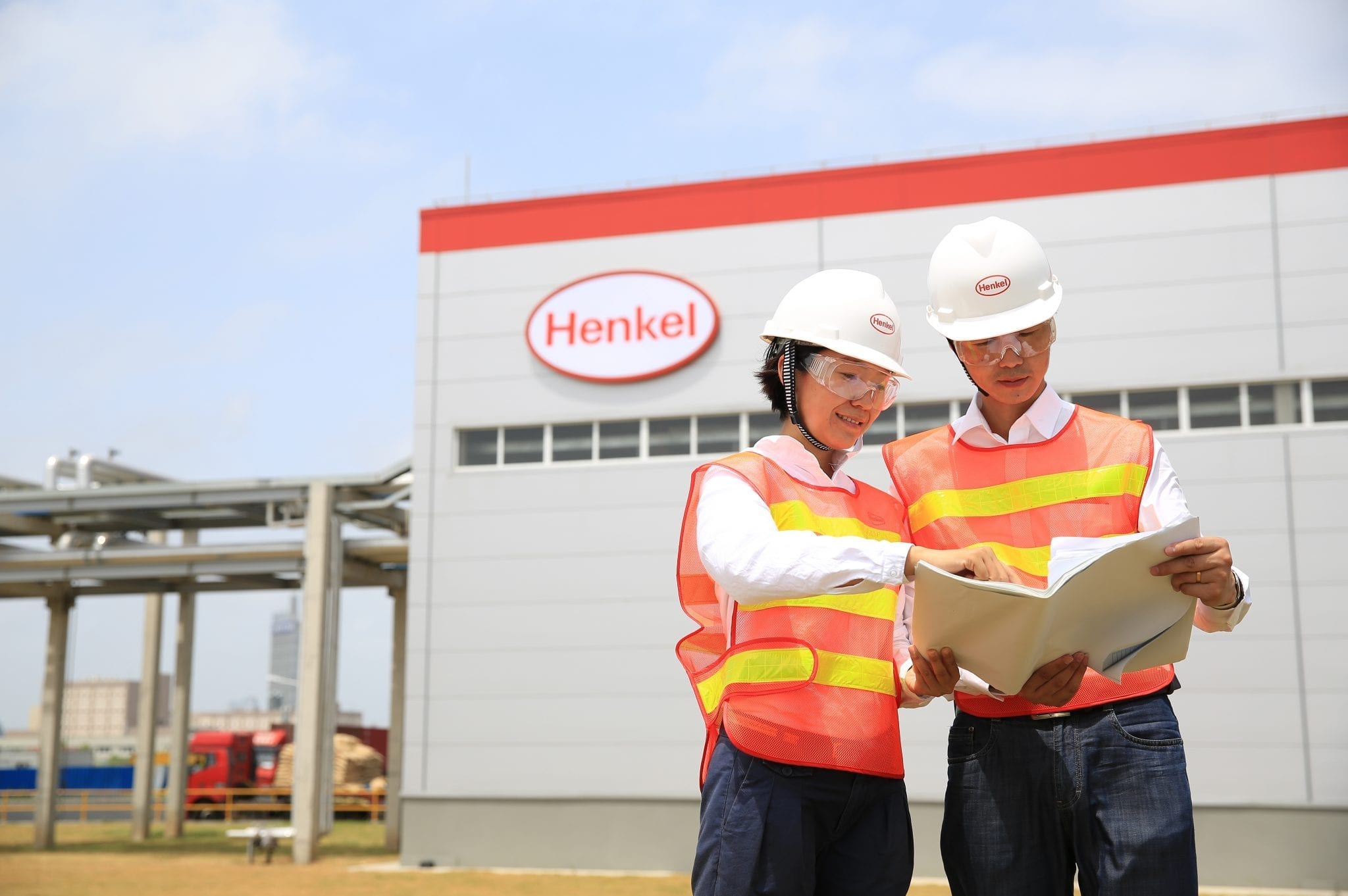
    Henkel has officially opened its global supply chain hub in Singapore. This is a major milestone which follows the successful set-up of the company’s global supply chain headquarters in Amsterdam. Working closely together, the two hubs in Amsterdam and Singapore will steer Henkel’s strategic initiative to consolidate all its supply chains company-wide around the world.

    A single global supply chain is a key initiative of Henkel‘s strategic priority to continuously simplify the organization in order to drive operational excellence and build a scalable business model, increasing Henkel’s competitiveness in terms of speed, agility and efficiency. As such, the initiative will be a key driver for realizing the company’s vision to be ‘a global leader in brands and technologies’.

    The global hubs will centrally manage the purchasing, production and logistics processes of Henkel’s three business units – Adhesive Technologies, Beauty Care and Laundry & Home Care. The effort spans across supply planning, sourcing, manufacturing, inventory and distribution. This harmonization across the entire company will lead to higher process standardization, improved customer service levels and enhanced efficiency.

    Bertrand Conquéret, Corporate Senior Vice President of Global Purchasing at Henkel, said, “Together, the Amsterdam and Singapore global supply chain hubs will steer Henkel’s biggest initiative in business transformation. Singapore was selected for its excellent logistics capabilities, availability of supply chain talent and geographical location in the heart of Asia, which is a key growth market for Henkel.”

    Singapore also serves as a conduit to the trade routes that extend to India and the Middle East and Africa region. Both Singapore and Amsterdam are amongst the largest sea ports and logistics centres in the world. With their strategic locations, the two global hubs are well-positioned to manage the supply chains that connect all our markets globally.

    Notably, the new global supply chain hub builds upon the success of Henkel Singapore, which was established in 1983 and serves as a strategic business and technical services sub-regional hub for the company’s adhesive and beauty care businesses in Southeast Asia.

    Thomas Holenia, Managing Director of the global supply chain hub in Singapore and President of Henkel Singapore, said, “Our successful business presence here of more than 30 years and the global supply chain hub provide a strong foundation for developing Singapore into a global centre of excellence for Henkel – through the implementation of best practices in supply chain management, sustainability, digitalization and talent management.”

    In terms of sustainability, the Singapore hub is partnering with suppliers and business partners to continually improve the sustainability impact across the entire value chain.

    Digitalization is a key component of the global supply chain hub, enabling the standardization and harmonization of data and processes across the businesses and functions. It creates transparency on the vast amount of data on customers, products, raw materials and logistics. This improves the exchange of knowledge significantly, brings consistency in customer service and enables managers to make informed decisions faster resulting in quality processes across markets.

    With a corporate culture that strongly promotes diversity and inclusion, the global supply chain hub currently employs an international and cross-functional team of more than 14 nationalities. In the global supply chain hub, employees from purchasing, supply chain, operations and IT collaborate with other departments as an integrated team on a common agenda. As a result, the team is able to harness the diversity of knowledge, insights and experiences to deliver best solutions.

    In its ramp-up phase, the global hub is in the process of hiring new graduates and experienced managers. It is working closely with the National University of Singapore and Nanyang Technological University to identify local talents who have a global mind-set and strong leadership skills. With an inclusive corporate culture and attractive career development opportunities, Henkel aims to be an employer of choice.

    Chan Ih-Ming, Director of Consumer Businesses for the Singapore Economic Development Board (EDB), said, “Henkel’s decision to house one of its two global supply chain bases in Singapore marks a significant milestone in the Henkel-Singapore partnership. Henkel’s expansion in Singapore is testament to our strategic position as a key supply chain control tower for both Asia and the world. This investment also builds on the growing community of German companies – both Mittelstand and multi-national companies – that are using Singapore as a business hub for the region.

    “The EDB will accelerate our work with companies to equip the Singapore workforce with the right capabilities to seize the exciting professional opportunities in the logistics industry, such as those created to enable Henkel’s sustainable supply chain.

    Dr Steffen Koch, Acting Head of Mission of the German Embassy in Singapore, congratulated Henkel on choosing the city-state to base its global supply chain hub, and said, “Singapore’s prime geo-economic location at the core of the dynamically developing Asia, its business-friendliness as well as its highly efficient ports and airport make it an ideal choice for all kinds of logistical operations.”

    Dr Tim Philippi, Executive Director of the Singaporean-German Chamber of Industry and Commerce (SGC) congratulated Henkel on opening the new global supply chain hub in Singapore, which is a highly desired location in Southeast Asia for its favourable business environment. “The SGC is tasked to promote bilateral business relations between Singapore and Germany and as a chamber, we welcome companies such as Henkel as they contribute towards the bilateral relations between our two nations.”

  • UPS wins package network visibility tool award

    UPS wins package network visibility tool award

    UPS has been named to the 2016 CIO 100 listing for the successful launch and integration of the UPS Near Real-Time Service Performance Reporting tool (NRT) – marking the tenth time the company has been honored at the annual IDG CIO 100 Awards.

    The annual listing to recognize technology innovation is selected by the CIO editorial team, working with more than three dozen judges including industry experts, academics and former CIOs.

    A business intelligence platform, NRT uses advanced analytics to take traditional network management, package tracking and package visibility tools to the next level. It provides UPS operations with the ability to see the state and performance of the service network across all packages moving through all modes of transportation and all buildings, for all UPS customers.

    “NRT is an industry-first solution, designed to find new ways to improve our network performance, overall customer service, and ultimately, customer satisfaction,” said Juan Perez, UPS chief information officer.

    “NRT represent the next step in UPS’s big data and analytics journey, complementing proven customer visibility services like UPS My Choice, and our award-winning route optimization platform, ORION. It’s another example of how UPS is using data to transform our operations and continually improve the customer experience.”

    With the ability to execute complex analytics processes for over 1.5 billion information records daily, NRT consumes data at a rate of 8,700 transactions per second from multiple global sources around the clock, including pick-ups, sorting, transfers and deliveries being moved by truck, train or airplane.

    Applying predictive analytics, NRT provides the ability to proactively identify weather or other conditions that may require alternate plans to meet service commitments and maintain an on-time network. UPS ships more than four billion packages worldwide each year using this real time status monitoring platform.

    The end result is improved visibility across the supply chain and enhanced quality of service for millions of customers every day.

    “Delivering innovation and business value are top priorities for CIOs everywhere, and our CIO 100 awards program celebrates the leading IT organizations that excel at both,” said Maryfran Johnson, Editor in Chief of CIO Events.

    “Our 2016 winners are raising the bar even higher this year with their outstanding work in digital transformation, customer focus and IT-business collaboration.”

    The 29th annual award program recognizes organizations around the world that exemplify the highest level of operational and strategic excellence in information technology.

  • Kemper introduces air monitoring system

    Kemper introduces air monitoring system

    Clearly verify the presence of dust in production: Companies check the hall air quality efficiently with the new air monitoring system AirWatch. Kemper GmbH’s sensor technology is able to determine and document the number and weight of nanoparticles and then analyze it with smartphone, tablet or PC and compare it to limit values.

    Raising employees’ awareness regarding fine dust risk.

    A traffic light display visualizes permanently the status of air quality. The system is suited for any workplace in production facilities, warehouses and logistics halls. With AirWatch, Kemper wants to raise awareness of the dangers behind fine dust.

    “With our new air monitoring system AirWatch, we introduce for the first time a system on the market that is in a position to efficiently measure the number of fine dust particles,” emphasizes Björn Kemper, Managing Director of Kemper GmbH. For this purpose, the highly sensitive sensor technology is essential as it can capture particles right up to the nano range.

    Checks are not depending on the workplace

    Whether industrial production facility, warehouse or logistics operation: AirWatch continuously monitors the air quality regardless of the type of workplace. The air monitoring system measures fine dust particles in a radius of up to 30 meters using a laser-powered sensor. An integrated fan draws in ambient air.

    It is possible to save individual limit values for hazardous substances. A traffic light shows the current air quality level measured against these values. At the same time, the system saves the data across a long time period. Users access the data simply using a smartphone, tablet or PC. A trend display for day, week, month or year also allows companies to analyze concentration of hazardous substances in more detail.

    Verify the presence of fine dust according to WHO standards

    AirWatch captures particles in the range of 100 nanometers up to 16 micrometers. This area includes the fine dust categories PM2.5 for alveolar common dust (A dust) and PM10 for all inhalable dusts (E dust) as defined by WHO. AirWatch automatically classifies the captured particles accordingly.

    In addition to checking the air quality, AirWatch also monitors the effectiveness of ventilation measures. Companies can independently check their compliance with regulations issued by professional associations apart from official checks made by professional associations.

    Highlight the value of employee health
    With the system, Kemper aims to raise awareness of the fine dust risk. “Companies are wise to continuously check air quality with regards to employee productivity.” Yet, dust in warehouses is also a threat to the quality of products and can develop into a tremendous cost factor.

    A best-practice example shows how it is done: Once the Airwatch traffic light jumps to red at the workplace of a metal processor, the employees ask the welder to switch on the extraction and filter plant. “Not only employees consider their health more thanks to AirWatch,” explains Kemper. Employers show that they consider their employees’ health as important. “Within the framework of a successful recruitment of specialists, they place themselves as a sustainable business.”

    Verify hazards despite adherence to limit values

    Counting fine dust particles has great advantage compared to applicable limit values, which analyze the weight of fine dust: If coarse dust particles in the production move around then a limit value is surpassed quickly.

    Mr Kemper explains that the invisible fine dust on the other hand often remains undetected – with fatal consequences: “Millions of fine dust particles which do not reach the weight of the specified limit value make employees sick.”

    Even if the limit value is adhered to, a permanent exposure to fine dust can lead to serious health problems. Current studies show that fine dust is the cause of increased heart attack risk, accelerates dementia, causes cancer and may even lead to death. The WHO classes fine dust as a direct cause of lung cancer.