Category: Logistics

Retail News Asia is committed to providing both local and global retailers with the latest Logistics news throughout the Asian market. This on a daily base.

  • Indonesian minister encourages digital-technology based railway operations

    Indonesian minister encourages digital-technology based railway operations

    Indonesia needs to focus on exploring new digital technologies in its railway operations to make its services more accessible.

    The railway management needs to work towards more efficiency, higher productivity and better security for both, the industry and passengers.

    “Indonesias railway industry has a long history, going back over 150 years. It significantly contributed to the countrys development and growth, especially in the Java and Sumatra areas. Now, it needs to focus on developing digital technologies,” Minister of Transportation Budi Karya Sumadi told a symposium organized by PT Kereta Api Indonesia (Indonesian Railway Corp.) and GE Transportation in Jakarta on Monday.

    The symposium, held to boost the countrys railway operations, was attended by over 200 senior executives and officials from the Ministry of Transportation, the Ministry of Trade, the Ministry of Industry, the Indonesian Railway Corp, GE Transportation, Jakarta Mass Rapid Transit, PT Transportasi Jakarta (TransJakarta), the Transportation Organization Board for the Jakarta, Bogor, Depok, Tangerang and Bekasi (Jabodetabek) Area and the Mandiri Bank.

    “Indonesian railway has become the backbone of the land transportation system in the country, carrying over 200 million passengers and almost 30 million tons of cargo every year,” the minister revealed.

    As per available data, Indonesia currently operates approximately 5,000 kilometers of active railway tracks.

    As part of the National Railway Master Plan, Indonesia will extend its railway tracks for another 12,100 kilometers by 2030, including 3,800 kilometers dedicated solely to the urban railway network, serving Bali, Batam, Kalimantan, Papua and Sulawesi.

    “With an abundance of natural resources, massive population and solid economic foundation, Indonesia is predicted to become one of the seven countries in the world with the strongest economy by 2030. To actualize that vision, Indonesias railway system surely needs to be expanded and modernized to make it much more efficient,” the minister remarked.

    Meanwhile, the President of the Indonesian Railway Corp, Edi Sukmoro, pointed out that in todays world, all means of transport, including land, water and air, need to be optimally operated to provide high quality services to the customers while, at the same time, offering a high investment value for the stakeholders.

    “For the Railway Corp, this means optimizing the use of all of our assets from railway tracks to rolling stocks and other supporting facilities. We believe that the digital technology will help us in reaching that goal,” Sukmoro stated.

    In terms of technology utilization, the Railway Corp has also undergone various innovations to maximize services made available to the customers including a renewal of the ticketing system. Customers no longer need to queue up at the station to obtain their railway passes as the company makes use of information technology.

    The facility of e-ticketing and e-gate as well as the railway restoration services have also seen technology based solutions being applied.

    The passengers will be able to pre-order tickets through a website.

    CEO of GE Indonesia Handry Satriago said the company has helped resolve the toughest challenge in the global railway industry through the use of software and data analysis, bringing down locomotive emissions, ensuring lower fuel consumption and enhancing speed and security.

    GE Transportation networks software is able to optimize the mainline train network, classification yard and inter-model terminal in such a significant way that it boosts the railway systems efficiency and productivity to a level like never before.

    On top of that, GE Transportations software solution helps its customers in optimizing the railways operations while at the same time lessening the use of energy. This ultimately leads to lowering of emissions and fuel costs.

    “Our digital technology has been successfully implemented by our customers, despite the fact that some of them are operating in economically and geographically challenging conditions. The same technology can also be implemented in Indonesia to boost the countrys railway operations to the next level,” he concluded.

  • FedEx has rolled out its Delivery Signature Options in the Asia-Pacific region.

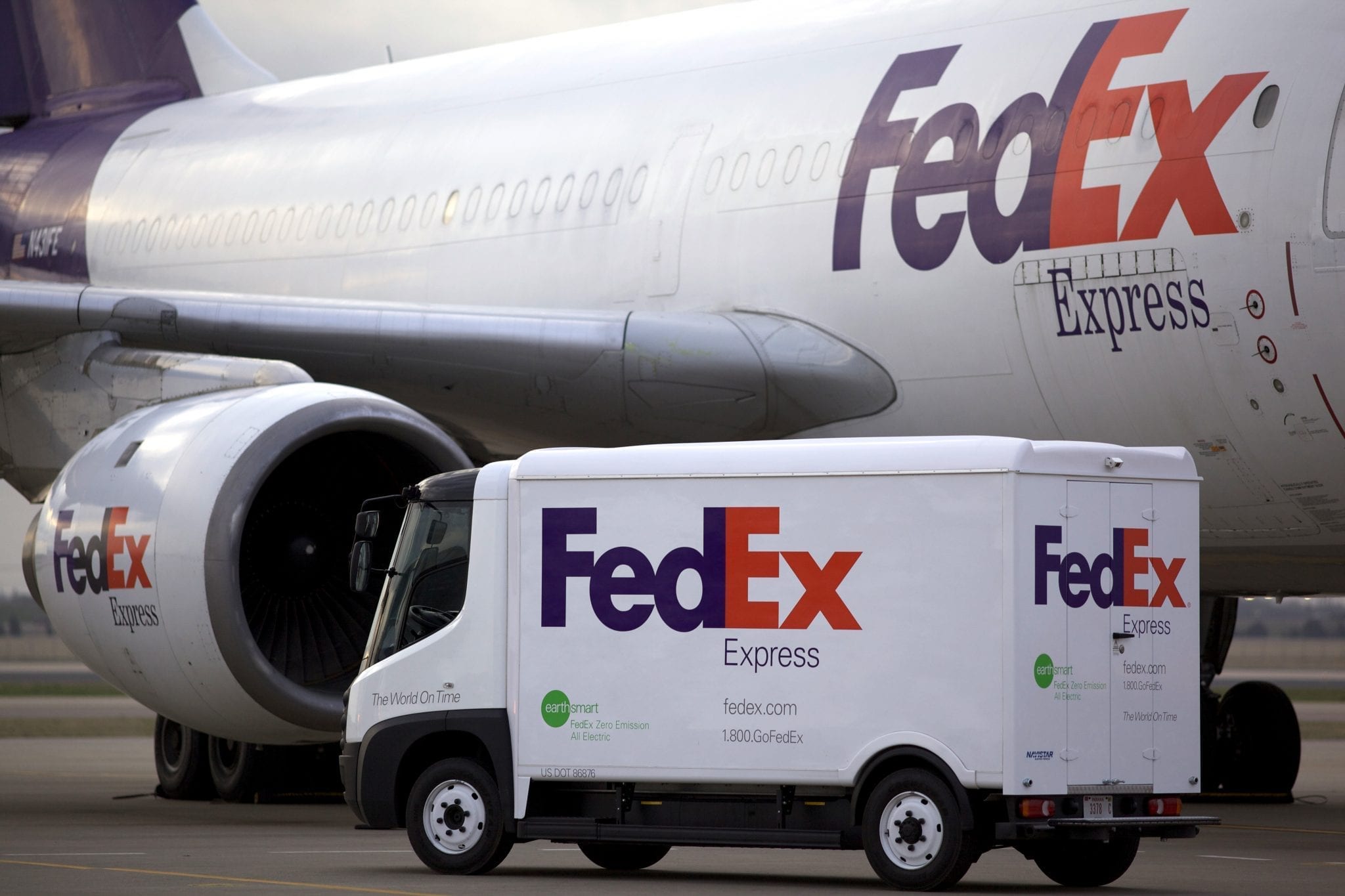
    FedEx has rolled out its Delivery Signature Options in the Asia-Pacific region.

    FedEx has rolled out its Delivery Signature Options in the Asia-Pacific region.

    According to FedEx, the new service allows customers to decide how they want their customers to confirm receipt of their shipments. Four options are available, under which FedEx can either release the package without a signature; with a signature from a neighbour; with a signature from any person at the recipient’s address; or with a signature from an adult at the delivery address.

    FedEx expects the service to be of particular benefit to retailers and their end-customers.

    The four options are available for outbound shipments in all Asia-Pacific markets where FedEx International First, FedEx International Priority and FedEx International Economy are available, according to FedEx.

  • TransRush expands in Australia

    TransRush expands in Australia

    TransRush, a wholly owned subsidiary of China’s cross-border e-commerce logistics provider 4PX Group, has expanded its logistics business in Australia.

    With rapid development and keen competition in the e-commerce industry, geographical borders will continue to diminish and become an irreversible trend in the global logistics realm. TransRush’s arrival will undoubtedly exert a strong influence on Australian international delivery market.

    Widely known in China, TransRush helps customers purchase goods from global online retailers by offering freight forwarding services to both retailers and end consumers based in China. It gains professional logistics experience and financial support from 4PX, which was founded in 2004, and closed its latest investment round with Alibaba’s logistics arm, Cainiao, and Singapore Post.

    Cainiao and TransRush have already reached an agreement for cooperation in the cross-border logistics field, and this partnership will significantly speed up the construction of an intelligent global warehouse distribution network.

    TransRush currently offers many shipping routes from overseas to China, including the United States, the United Kingdom, Germany, Japan, South Korea, Singapore, Australia, and operates 27 overseas warehouses in five global regions.

    Long-term strategic partnerships with Visa and Bank of China have helped fuel the growth of TransRush and with more than 200,000 m2 of global processing centers, comprehensive product lines and services, and competitive technical assistance, the company is emerging as a leader among the many Chinese cross-border logistics companies.

    TransRush’s newest Australia-China Express route has finished preliminary testing, which indicates forwarding goods from Australia to China will only take five to seven workdays at a total cost 20% lower than the industry average offered by its competitors. Red wine, for which Australia is famously known and which is in great demand in China, can also be shipped through TransRush.

    “4PX’s advantage does not only lie in its sophisticated logistic networks and exemplary service,” said Fatin Huang, director of TransRush. “The integration of Cainiao’s network data resource with TransRush’s system will accelerate the development of an intelligent logistics system. All corporations involved incross-border e-commerce will benefit in future.”

    The increasing capital inflow to the logistics industry will bring about even more heated competition in cross-border e-commerce and TransRush’s launch in Australia looks set to shake up the industry.

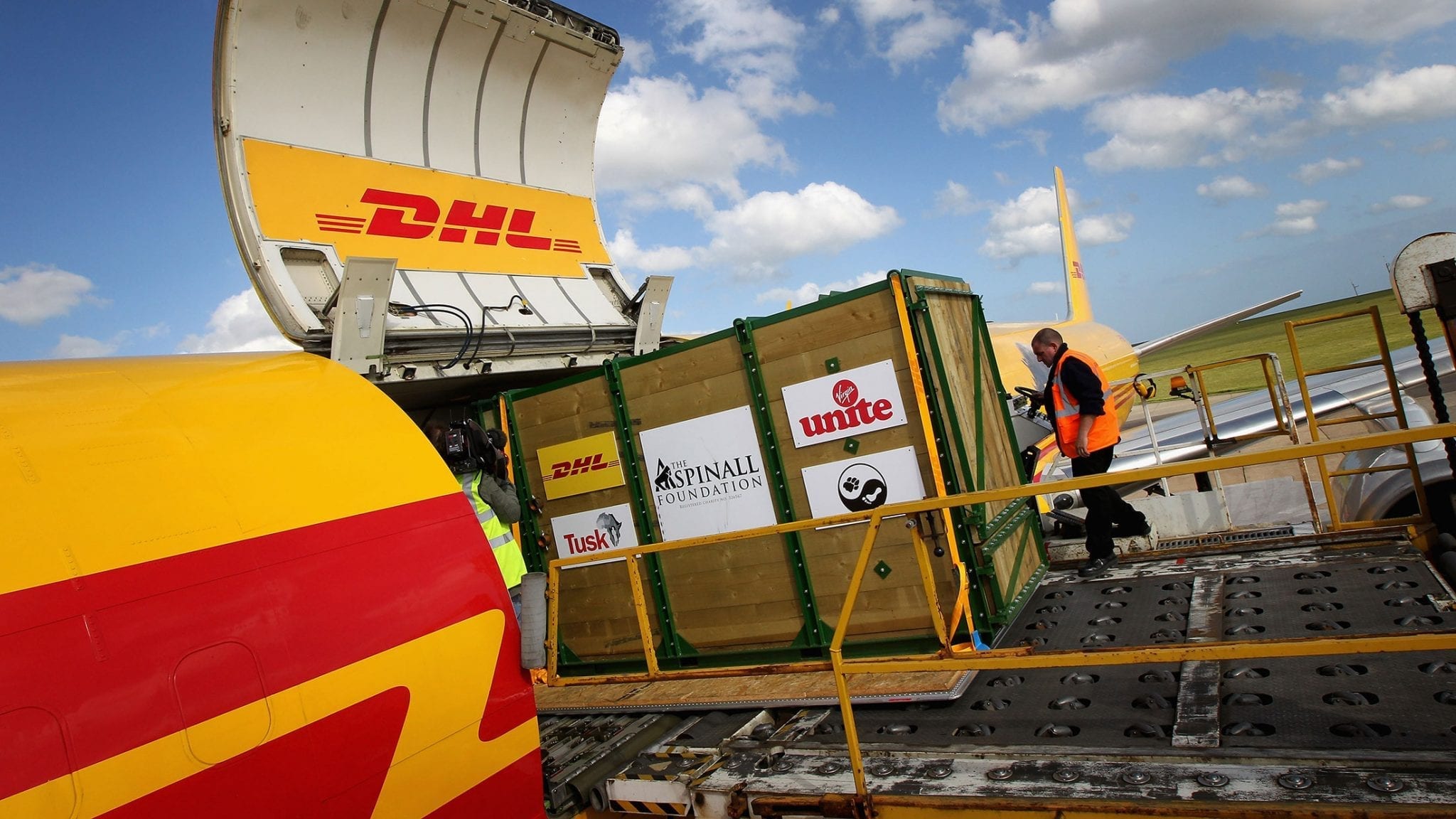
  • DHL Express has opened its Jakarta Gateway 530 facility

    DHL Express has opened its Jakarta Gateway 530 facility

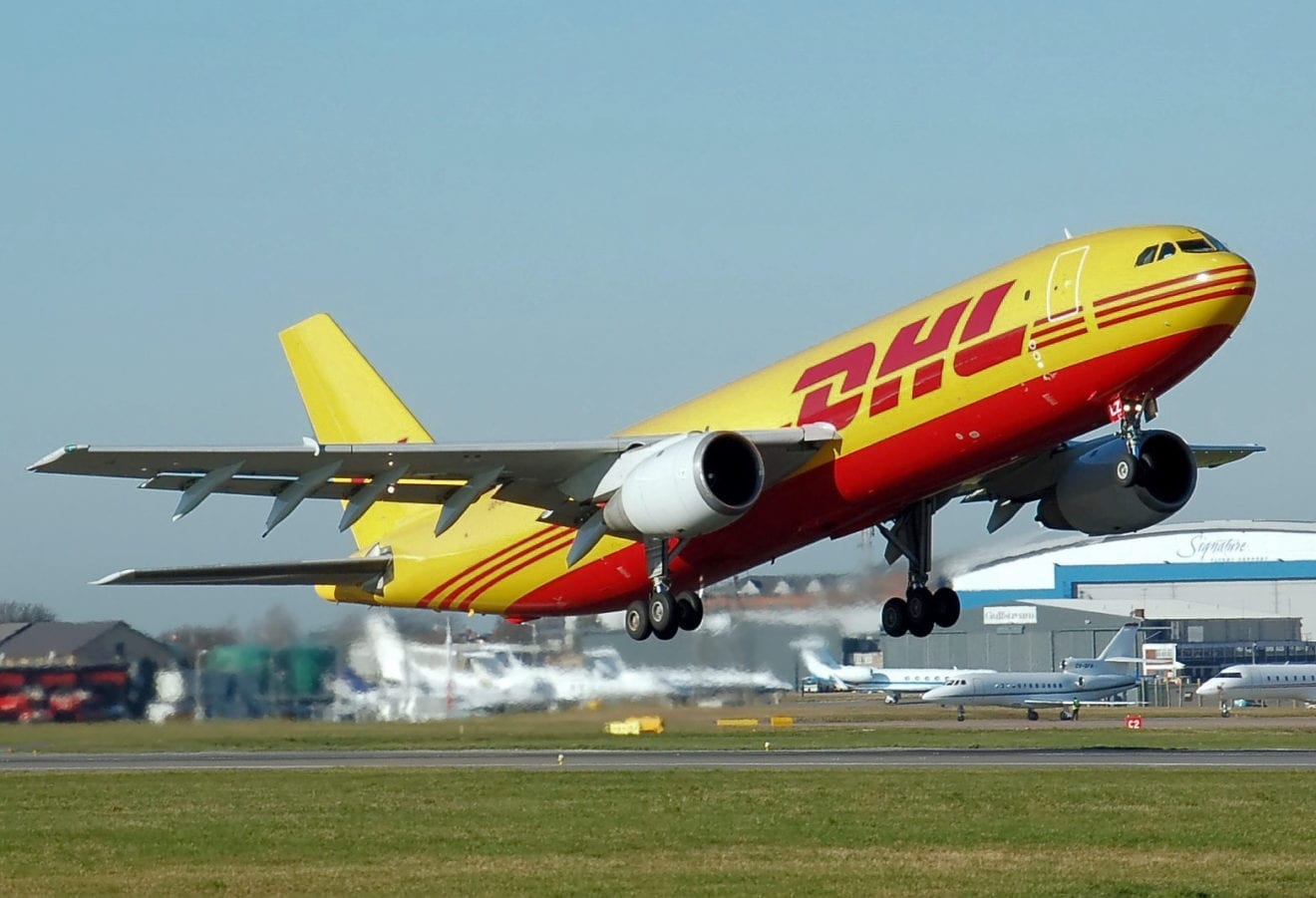
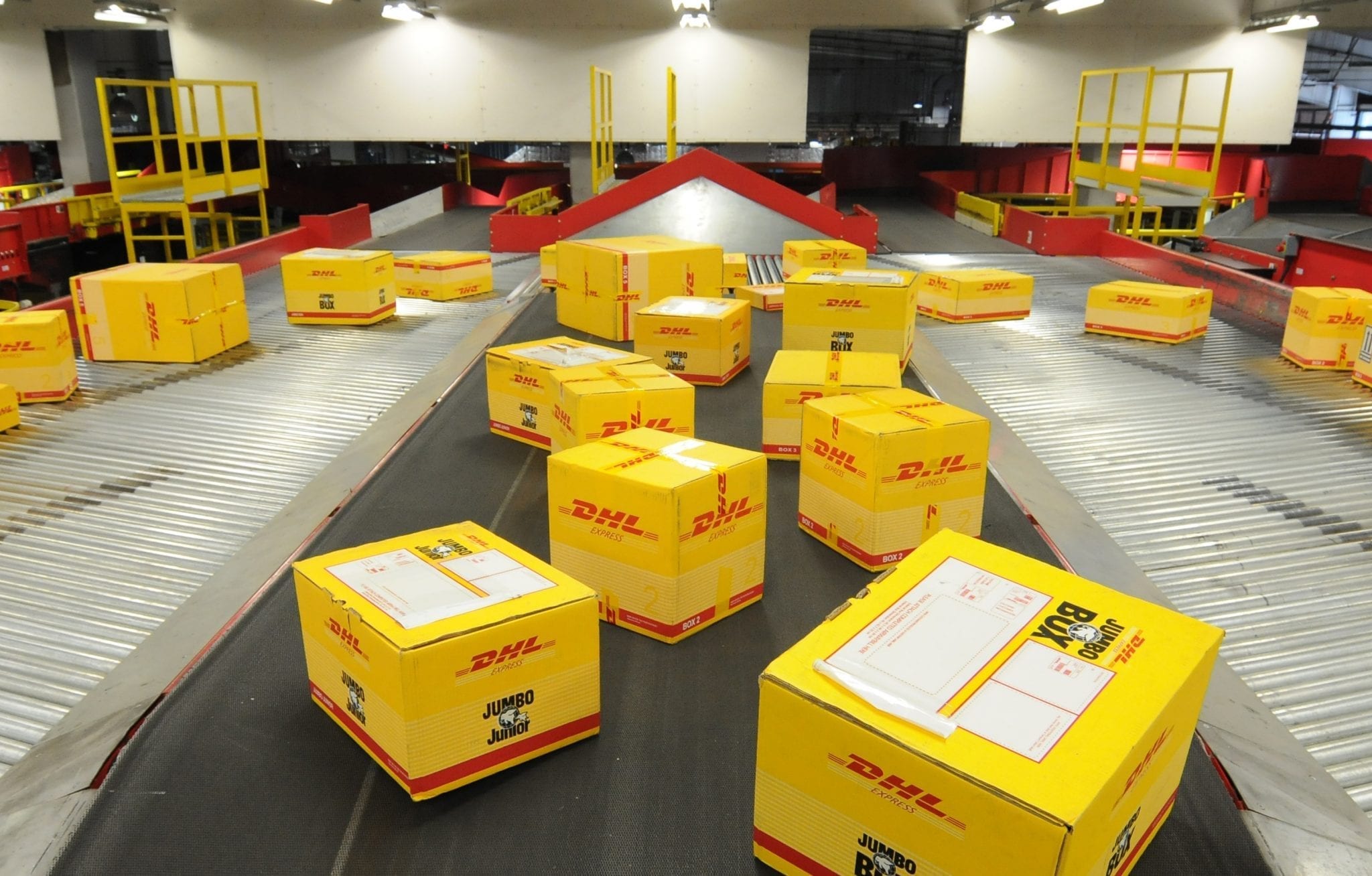
    DHL Express has opened its Jakarta Gateway 530 facility at Soekarno-Hatta International Airport to support Indonesian trade.

    According to DHL, the new 1,353-square-metre facility is an addition to the existing Gateway 510, which is at full capacity. Gateway 530 is capable of handling up to 2 million shipments per year and is equipped with dual-view X-ray screening, an explosive trace detector system and 103 CCTV cameras.

    “Our new Jakarta Gateway 530 will enable local businesses to trade seamlessly with customers around the world,” said Ken Lee, CEO of DHL Express Asia Pacific. “SMEs play a vital role in the Indonesian economy, contributing close to 58% of Indonesia’s GDP and Indonesia remains a key pillar in supporting South East Asia’s economic growth. This new facility allows DHL to continue supporting the growing export and import needs in Indonesia by providing greater access to international markets.”

    The facility offers direct airside access and in-house customs. Major trading partners that will benefit from Gateway 530 include mainland China, Germany, Japan, Hong Kong, Singapore and the US, according to DHL.

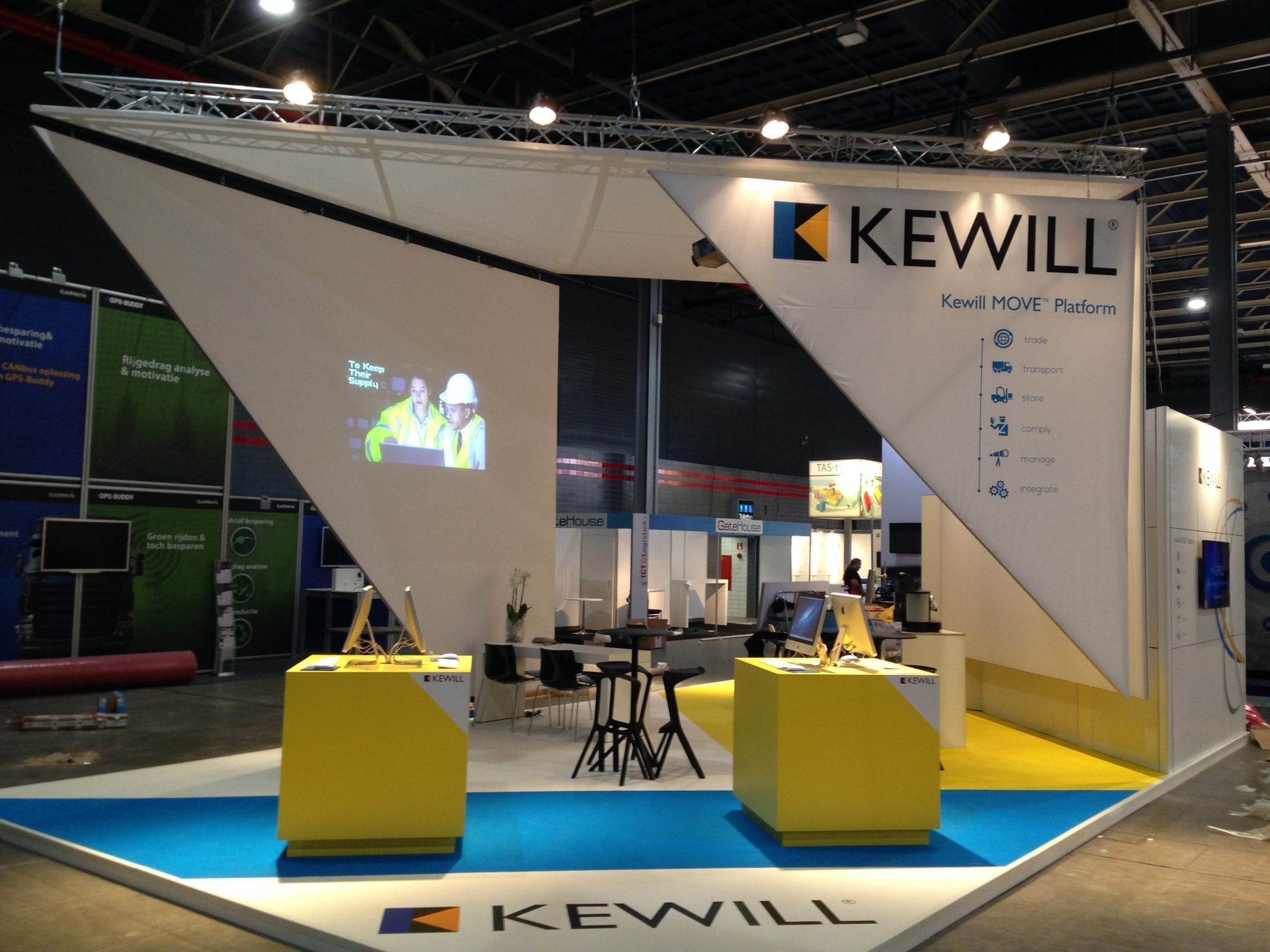
  • Kewill Prepares To Join WCA E-Platform

    Kewill Prepares To Join WCA E-Platform

    Supply chain solution provider Kewill has begun the process to integrate the WCA’s WIN e-platform to its MOVE forwarding platform.

    “With over 6,000 independent forwarder members in 180 countries, many of whom already use Kewill solutions, our partnership with WCA will help us to grow our customer base,” said Doug Braun, CEO of Kewill. “MOVE’s architecture already supports seamless connectivity and the new connection to WIN will give our customers broad reach to reduce their reliance on email and redundant data handling by exchanging shipment data, documents, and milestones with their WCA agency partners.”

    According to the WCA, WIN allows independent forwarders to connect with partner agents, airlines, container lines and other logistics service providers for secure digital collaboration.

    “I am delighted that yet another leading freight forwarding software company has given the go ahead to partner with WIN,” said John DeBenedette, managing director of WIN. “We are very pleased to welcome Kewill to the network. Independent forwarders already have an edge on service and local expertise but lag behind their multinational rivals on seamless IT connectivity. WIN makes the systems of forwarders anywhere in the world interoperable so they can work on a level playing field with multinationals who have more homogeneous IT landscapes.”

  • UPS to open 3D printing factory in Singapore with Fast Radius

    UPS to open 3D printing factory in Singapore with Fast Radius

    Package delivery company United Parcel Service Inc said on Monday it will expand its 3D printing services to Asia with a new facility in Singapore run by its partner Fast Radius that will open by the end of 2016.

    UPS rolled out a similar service in May in the United States. The company owns an undisclosed stake in Fast Radius, which has a 3D printing factory at the Atlanta-based package delivery company’s hub in Louisville.

    In the United States, UPS customers can have parts printed at the Fast Radius factory or at one of 60 UPS Stores equipped with 3D printers and then shipped to them.

    UPS also plans a 3D printing hub in Europe. The company sees 3D printing as a potential threat to its warehousing business where it stores parts for manufacturers, so its strategy is to embrace the new technology and incorporate it into its business model instead.

    Also known as additive manufacturing, 3D printing works by laying down successive levels of material, mostly plastics at this point, to create an object.

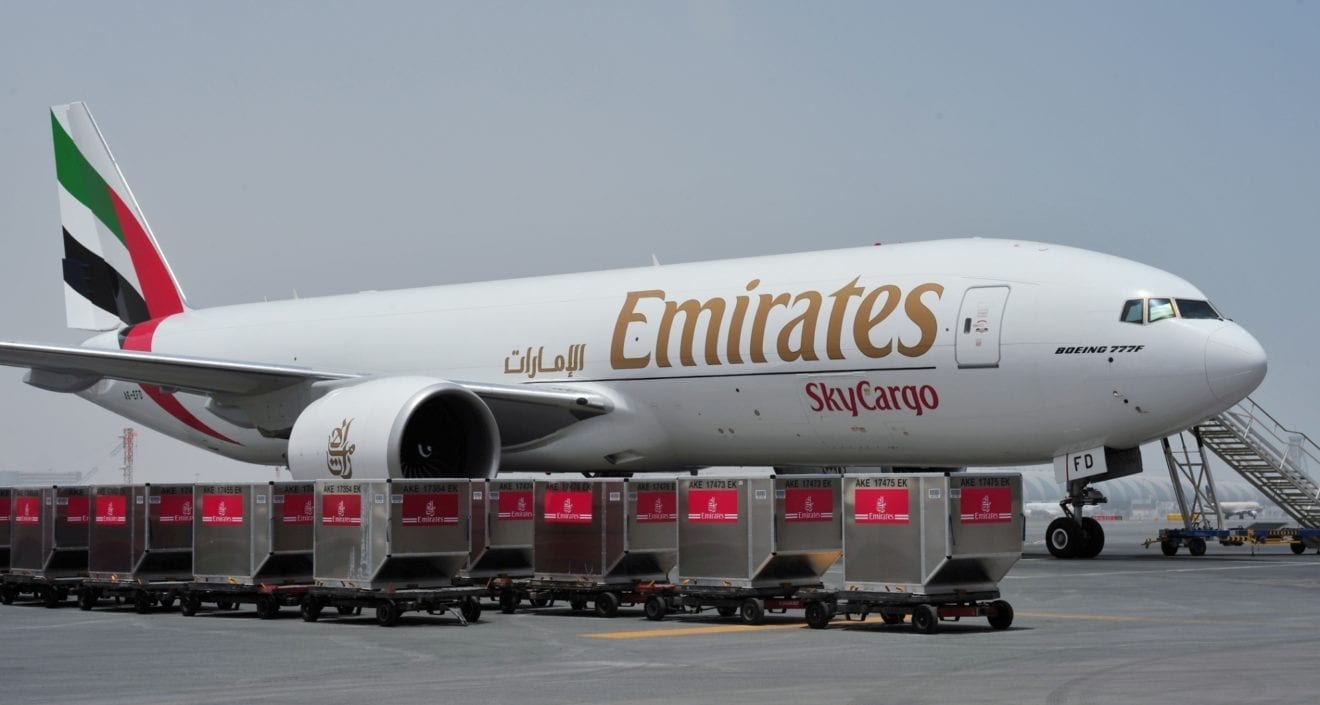
  • Emirates has launched SkyPharma, its new facility at Dubai International Airport

    Emirates has launched SkyPharma, its new facility at Dubai International Airport

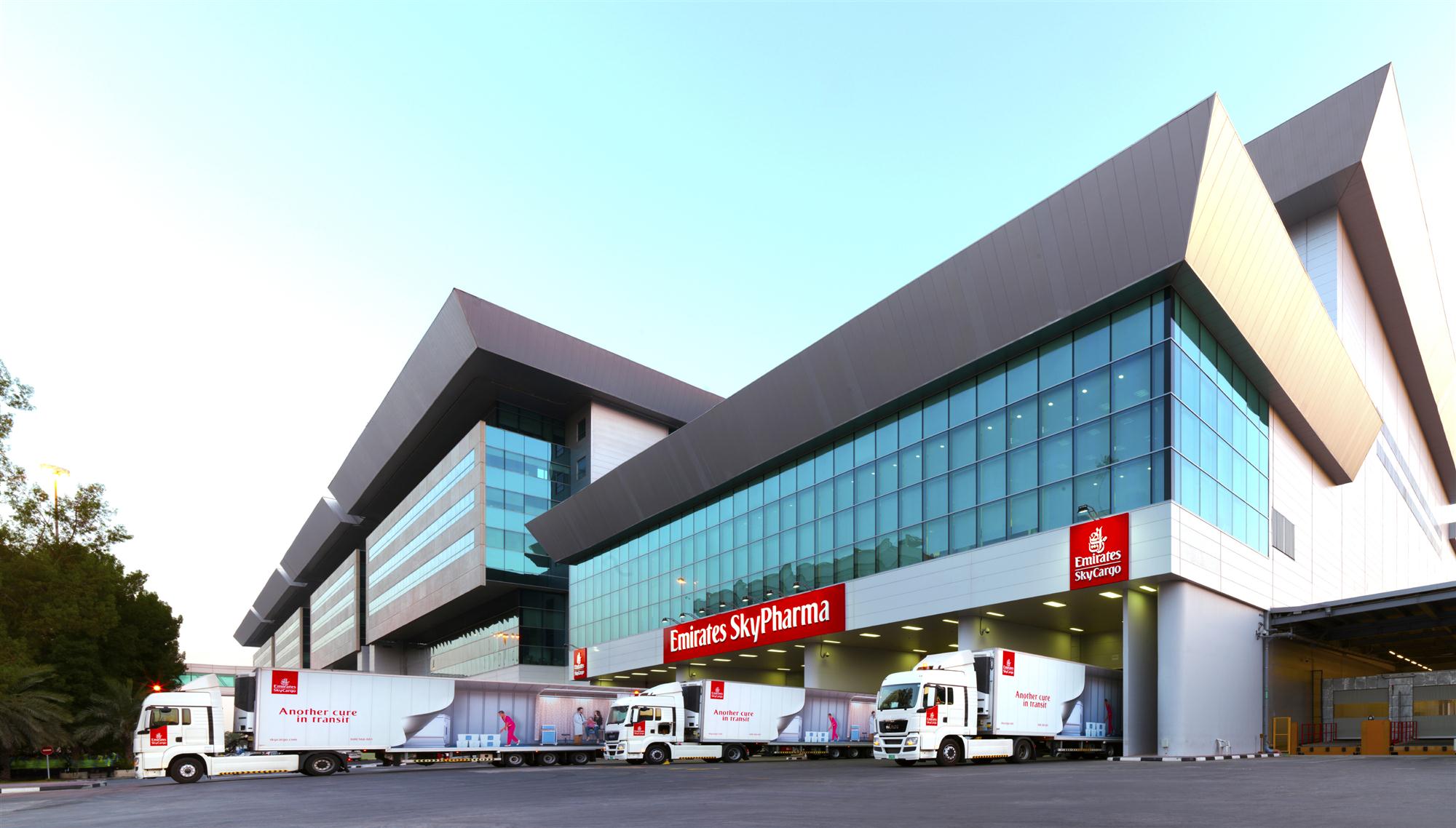
    Emirates has launched SkyPharma, its new facility at Dubai International Airport dedicated to temperature-sensitive pharmaceutical shipments.

    Self Photos / Files - IMG_20160918_093847

    “Every day, pharmaceutical products are critical to the health and well-being of people, and are transported from their place of manufacture to destinations across the world,” said Nabil Sultan, divisional senior vice president of cargo at Emirates. “For many of these products, such as vaccines, the time taken to transport the product from its origin to the destination is of critical importance and the air cargo industry plays an important role.”

    The new, 4,000m2 facility features two temperature-controlled zones of 2°C to 8°C and 15°C to 25°C, 88 cool cells and five temperature-controlled acceptance and delivery truck docks.

    Self Photos / Files - Emirates SkyPharma DXB

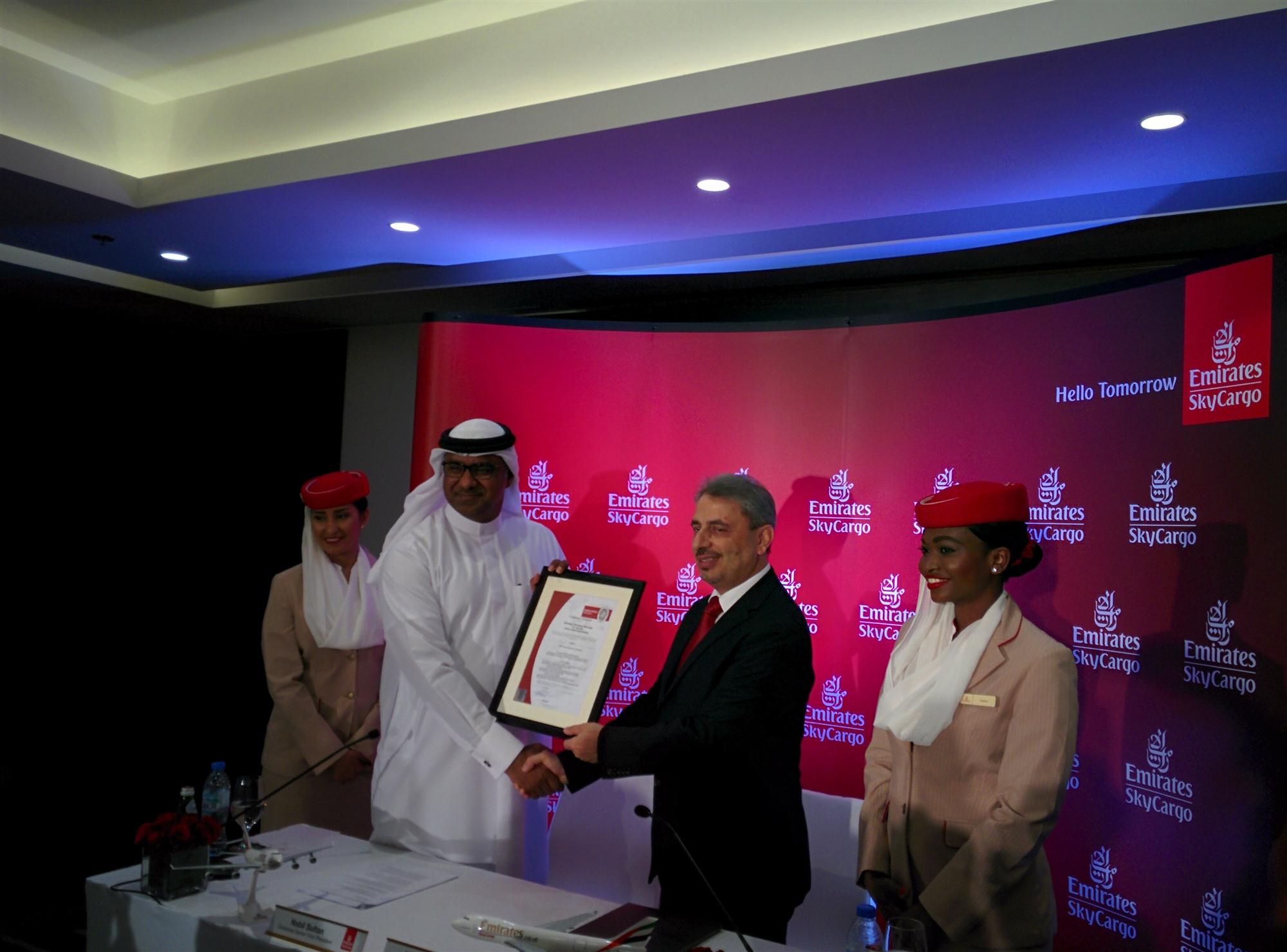
    SkyCargo has also been certified under the European Union’s Good Distribution Practice guidelines for medicinal products for human use, covering all of the carrier’s handling of pharmaceutical shipments at both SkyPharma at Dubai International Airport and SkyCentral, Emirates’ freighter hub at Al Maktoum International Airport, connected by a bonded trucking service consisting of 12 dedicated reefers.

    “The GDP guidelines are today considered the benchmark in the pharmaceutical industry for ensuring that the quality and integrity of the pharmaceutical product are maintained during the transportation,” said Sultan. “Emirates SkyCargo is the first cargo airline in the world that has obtained GDP certification for its multi-airport hub operation.”

    The certification was awarded by Bureau Veritas after an audit process carried out by the agency’s team from Germany.

    “Our new Emirates SkyPharma facility and our new GDP certification will allow us to work even more closely with our partners in the pharmaceutical industry,” said Sultan. “In addition, our dedicated pharma-handling facility at Dubai will further consolidate Dubai’s position as a leading transportation hub for healthcare and pharma logistics.”

    Cargolux was the first airline in the world to awarded the GDP certification for pharmaceuticals in 2014.

  • Arvato gears up for Asia

    Arvato gears up for Asia

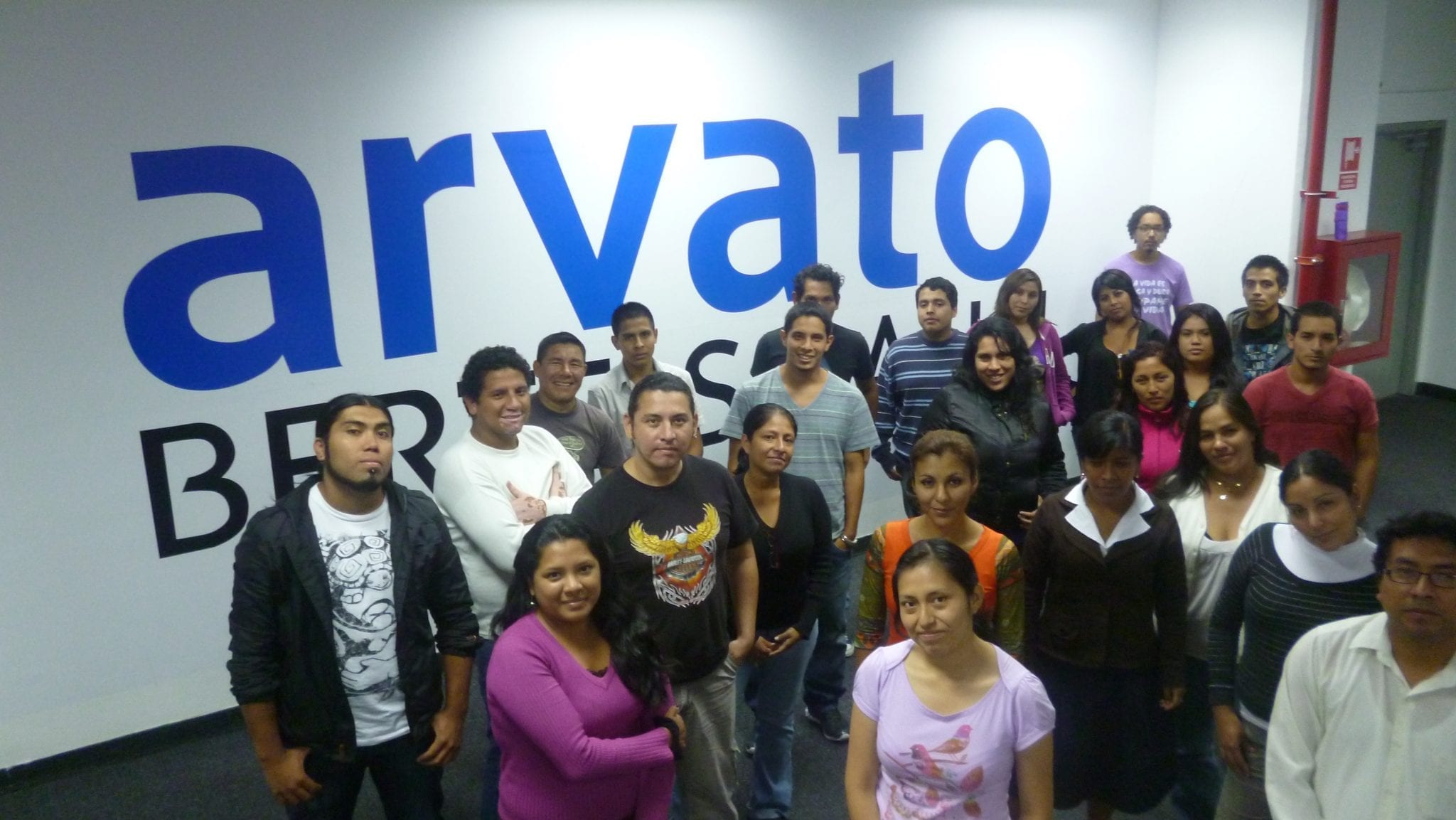
    Arvato has designated Singapore as the new Asia-Pacific headquarters for its supply chain management (SCM) Solution Group. To facilitate this, the company has relocated its existing sites in the country to a single 80,000 square feet unit. Raoul Kuetemeier has stepped up from his previous general management role in China to Head of Asia.

    “We see an increasing demand for SCM solutions that integrate China and other Asian countries and markets. The new headquarters helps us to establish a strategic footprint in the region,” said Kuetemeier. “With our resources pulled together, we also enhance the efficiency of our highly customized SCM strategies and strengthen our leading position as a SCM solutions provider in Asia’s high-tech and entertainment sector.”

    Arvato’s new premise in Changi International Logispark, one of Singapore’s most established logistics clusters, is furnished with an office, warehouse and assembly area where Arvato will carry out increased volumes of regional logistics and value-added services for its clients. The location is prime for its proximity to the Changi airport as well as freight forwarders and expressways. This way, it complements Arvato’s global operational network.

    As part of his new responsibilities, Kuetemeier will focus on streamlining the operations and sales activities for the Arvato SCM Solution Group in the Asia Pacific region. In his new role, he oversees more than 600 employees across Singapore, Shanghai, Shenzhen, Bangkok, Tokyo and Hong Kong.

    Kuetemeier joined Arvato in 2004 where he played a key role setting up new facilities in Germany and Austria. Prior to his current position, Kuetemeier was based in China for eight years. He has a proven track record of supporting multi-national clients to develop their strategic supply chain strategies in Europe and Asia.

  • DHL Opens Link between Bangkok and Phnom Phen

    DHL Opens Link between Bangkok and Phnom Phen

    DHL Express has launched a flight connection between its Bangkok hub and Phnom Penh. According to DHL, the new flight is operated five times a week by K-Mile Air using a Boeing 737-400F, which offers a gross payload of 19 tons. The service is aimed at the growing import and export demands of industries such as garments and construction.

    “This new flight is another step towards unlocking Cambodia’s vast potential for trade in Southeast Asia,” said Ken Lee, CEO of DHL Express Asia Pacific. “Trade between Cambodia and Thailand reached US$5.1 billion in 2015, and the country also imported US$1.05 billion worth of goods from Singapore in 2014. By improving inbound and outbound capacities from markets like Thailand and Singapore where our hubs are located, we are confident that this new flight will further develop Cambodia’s market. With our extensive air network, this dedicated service will enhance the country’s global connectivity and trade relations.”

    Sean Wall, executive vice president of network operations and aviation at DHL Express Asia Pacific, said that the demand for movement of goods will grow further as Cambodia increasingly becomes an important trading player in Southeast Asia.

    “Our latest service is good news for businesses in Cambodia, offering them the capacity, frequency, and seamless export capabilities they need to reach more customers in new markets,” he said. “It also underscores our ongoing commitment to continuously strengthen our network and connectivity to provide more efficient routes for customers.”

  • SingPost introduces Singapore’s first islandwide open parcel locker service

    SingPost introduces Singapore’s first islandwide open parcel locker service

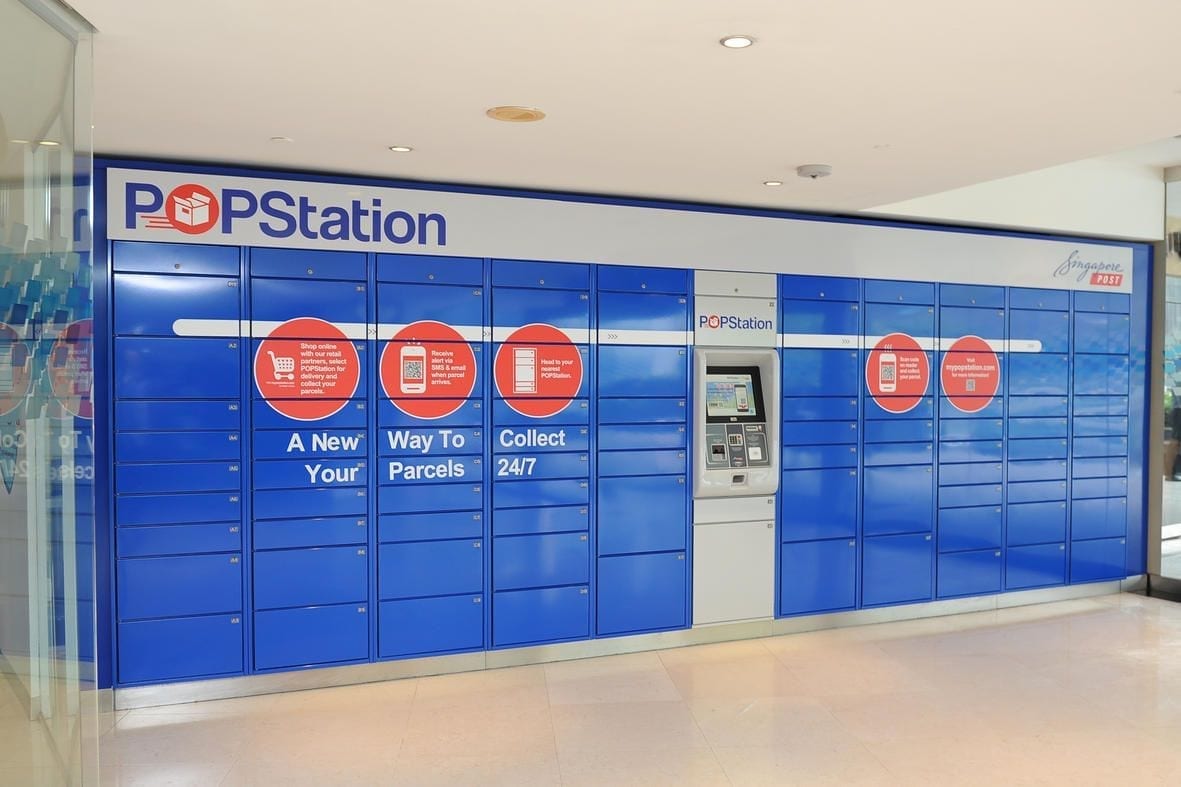
    Singapore Post Limited (SingPost) introduced Singapore’s first islandwide open parcel locker service: Rent-a-POP, an exciting new service for POPStation.

    Retailers and consumers can now rent a POPStation locker to deliver their parcels conveniently 24/7. The SingPost service provides an innovative last mile delivery option to blogshop owners, marketplace sellers and consumers.

    Currently, there are limited cost effective delivery options which provide end-to-end tracking for this customer segment. SingPost’s Rent-a-POP service addresses this gap in the market, and provides a convenient solution that is easy to use.

  • Yusen opens cold storage facility in Cambodia

    Yusen opens cold storage facility in Cambodia

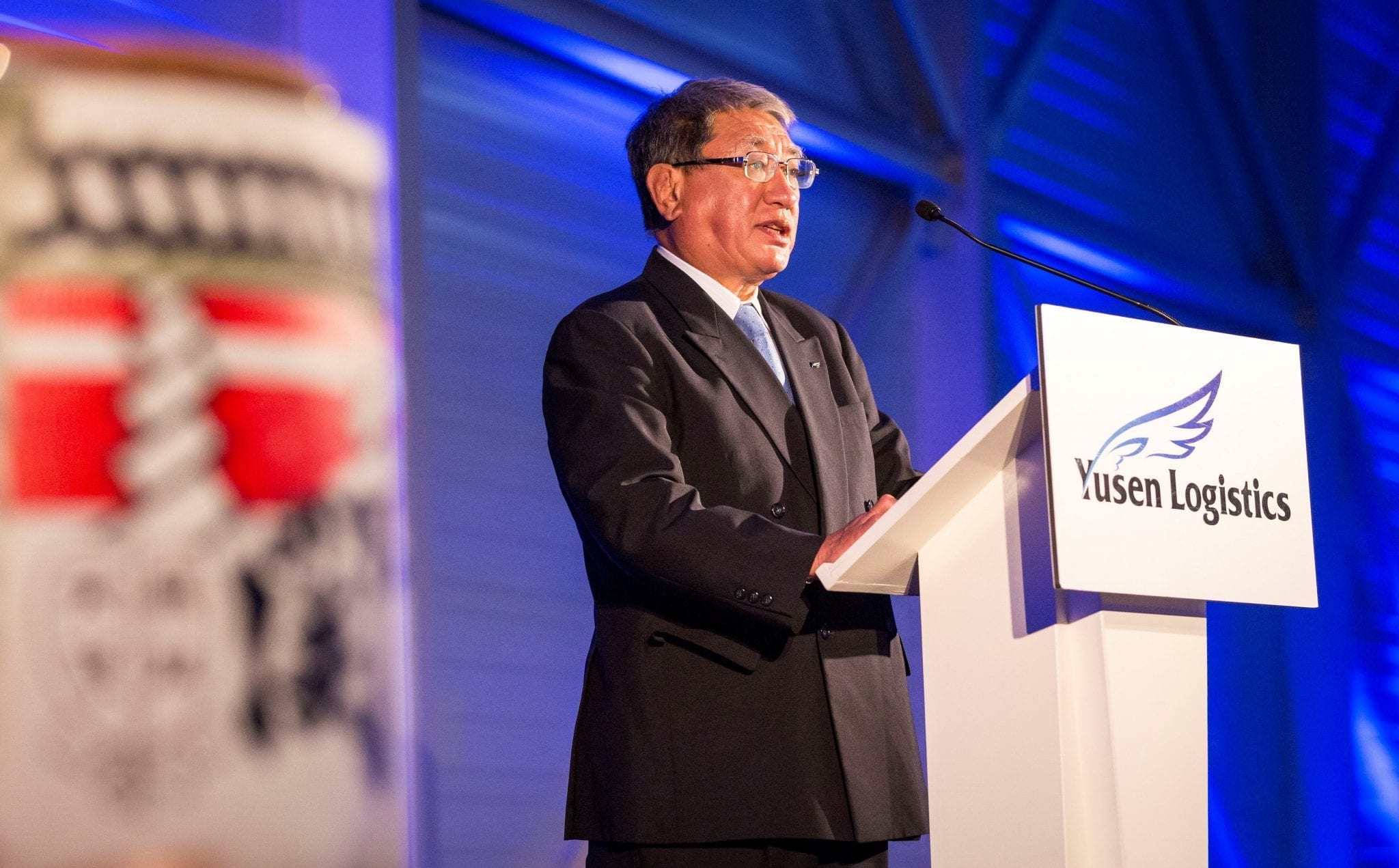
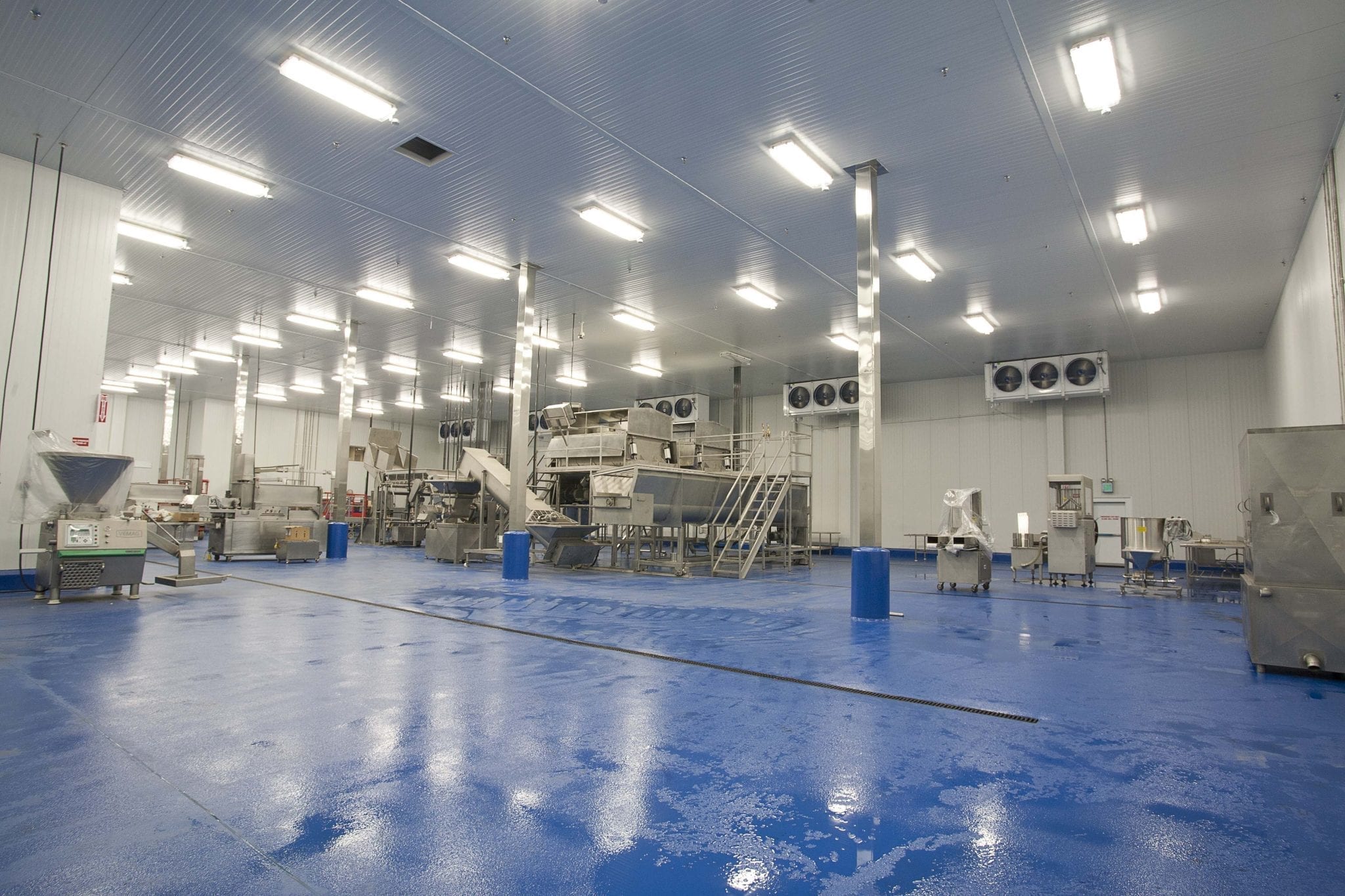
    Yusen Logistics is establishing a temperature-controlled distribution center in Phnom Penh, Cambodia.

    It is one of Cambodia’s largest cold storage facilities. The facility strengthens Yusen Logistics distribution network in Asia and will support Cambodia’s growing demand for warehouse storage for imported general consumer goods and chilled and frozen goods.

    In addition, the company will be offering Cambodia’s first consolidated delivery service in Phnom Penh for retailers and wholesalers.

    The new facility has about 3,000 -square-meter, almost double the capacity of the existing warehouse which included the 120 -cubic-meter temperature-controlled storage area. The expansion will enable the company to handle the storage, processing and distribution of chilled and frozen goods with quality assurance and compliance.

    The consolidated delivery service will be available to customers in Phnom Penh on a daily basis, excluding weekends. Yusen Logistics will also provide the same service for chilled and frozen goods using cold-storage boxes and will ensure product quality is maintained up to the point of delivery.

    The group’s Medium-Term Business Plan, “GO FORWARD, Yusen Logistics – Next Challenges”, positions the ASEAN region as a critical region. The Cambodia subsidiary, which began operations in 2013, has provided a diverse and varied range of logistic services, including ocean and air freight forwarding, customs clearance, domestic delivery, and cross border transportation.

    It has contributed to the smooth supply of goods to Cambodia’s domestic market with the knowledge it has built up in the import of a wide range of goods, especially foods, as well as everyday items. The company is striving to meet the logistics needs of its customers in Cambodia by blending a diverse range of services with the capabilities of new facilities.

  • K Line opens cold storage in Vietnam

    K Line opens cold storage in Vietnam

    K Line announced that construction of a cold storage warehouse in Ho Chi Minh City, Vietnam, by CLK Cold Storage Co. Ltd. – a joint-venture established by Kawasaki Kisen Kaisha, Ltd. (“K” Line), Cool Japan Fund Inc. (“Cool Japan”) and Japan Logistic Systems Corp. (“Japan Logistic Systems”) – has been completed, after which operations start.

    Persons involved in the project, including Mr. Tran Thanh Liem, Chairman of Binh Duong Province, Vietnam, Mr. Satoshi Nakajima, Council General of Japan in Ho Chi Ming City, Mr. Eiichiro Nakanishi (Chairman) and Mr. Hirotake Nakanishi (President) of Japan Logistic Systems Corp., Mr. Nobuo Sugiuchi (Senior Managing Director) of Cool Japan, as well as parties concerned, joined Eizo Murakami, President & CEO of “K” Line, at the completion ceremony.

    K Line’s warehouse location

    About 22 km from central Ho Chi Minh City (about one hour via Route 1). Good access from Cat Lai Port and the international airport. 

    Warehouse features

    As a Cold Storage project based on an all-Japan set-up, this was the first time in Vietnam for both the “hard” and “soft” aspects, from design and construction to cooling equipment and operation of the warehouse, to be led entirely by Japanese companies. Various protective measures for goods as well as energy-saving measures have been taken based on the know-how accumulated by Bangkok Cold Storage Ltd, member of the “K” Line Group, which has been operating Cold Storage services in Bangkok, Thailand since 1989, to safely and hygienically store the precious merchandise of our customers.

    In consideration of environmental conservation, natural refrigerants (NH3 and CO2) have been adopted.  The temperature can be controlled to address the various needs of customers from −50°C to +25°C.  This is the first facility to provide super frozen storage room in Vietnam.

    The company will continue to contribute to the promotion of Japanese foods and ingredients in Vietnam, which is expected to grow even further in the future, using the knowledge and network of Japan Logistic Systems, which has been operating in Vietnam for over 20 years, and “K” Line group’s marine and air transport services.

  • DHL Express Launches Expanded Auckland Facility

    DHL Express Launches Expanded Auckland Facility

    DHL Express has opened an expanded facility at Auckland Airport to cater to growing demand for trade in and out of New Zealand.

    According to DHL, the new NZ$15.3 million (US$11.2 million) Auckland Gateway measures approximately 5,000m2 and doubles the processing capability of the previous facility.

    “International trade via imports and exports now comprises approximately 60% of New Zealand’s overall economic activity and is growing,” said Ken Lee, CEO of DHL Express Asia Pacific. “DHL Express is proud to facilitate trade for local businesses via our international network that connects New Zealand with over 220 countries and territories globally. The most popular trading partners for goods moving in and out of this Auckland-based facility include Australia, China, Hong Kong, Singapore, the UK and USA — with all trade lanes showing solid performance in recent months.”

    Some of the features include high-speed reweigh machines, telescopic extendable conveyors and 360-degreee CCTVs providing 24-hour monitoring.

    Mark Foy, country manager of DHL Express New Zealand, said that the company is committed to helping Kiwi businesses export and import products to facilitate global trade.

    “A key driver for this expanded gateway has been the growth in New Zealand SMEs shipping products internationally via DHL Express,” he said. “This expansion will assist with volume increases from all areas of the country, as innovative Kiwi businesses continue to tap into the global marketplace and reach international customers like never before.”

  • Finnair Targets Seafood, Pharma Growth in Asia

    Finnair Targets Seafood, Pharma Growth in Asia

    Finnair is gearing up for expansion, and preparing for a difficult market, with Asia playing a significant part in its plans.

    Currently, cargo makes up only 17% of Finnair’s revenues, and it’s a part of the airline’s strategic plan to increase that number, although maybe not to the same levels as some Asian carriers enjoy.

    “Our goal is really to maximize revenues in a structured manner in order to contribute as positively to Finnair as we can,” Janne Tarvainen, vice president and head of cargo for Finnair, told us in an interview. “The structured manner means ambitious targets for the strategic focus markets and emphasis on providing value-added, high-quality solutions to our customers

    One of the prompts for this was the 19 Airbus A350-800s joining the Helsinki-headquartered carrier’s fleet. A lot of cargo capacity is being added because of passenger growth, and it won’t be allowed to go to waste, especially after the board of directors strategized to be a modern cargo carrier and sold off the airline’s designated freighter fleet.

    How Finnair plans to achieve these goals is led by its COOL Nordic Cargo Hub programme, a new state-of-the-art cargo hub, which it calls the most modern air cargo terminal in Europe. Opening in May 2017, the terminal will be 31,000 square metres overall, with some 3,000 square metres each for pharmaceutical products and perishables – areas where Finnair hopes to make its mark.

    “Another reason why it’s cool is that it is highly automated,” added Tarvainen. “We have integrated acceptance, delivery and automated racking system and a completely automated ULD-handling.”

    Not only is the hardware Finnair has at its disposal being strongly improved, but the software that manages it is being upgraded, too. The other big initiative that Finnair is undertaking as part of its upgrade is SkyChain Cargo Management, which is to be expanded and put in use in October 2016.

    “It’s almost an off-the-shelf product, requiring a little bit of tailoring to fulfil special requirements set by the local authorities. It’s a production system with a full integration to the terminal automation supporting all the activities we do,” said Tarvainen.

    Finnair is doing all this to link the market it already serves, where seafood makes up a significant part of cargo, and the markets it is eyeing, where it hopes to make pharmaceuticals just as successful.

    There is no doubting the importance of seafood to Japan and to Finnair’s four routes there. Salmon is cultivated and prepared in northern Norway and then trucked to Helsinki, where it is loaded onto flights to Japan. The tagline for this industry is “34 hours from sea to sushi-plate” – giving it a freshness that Japan’s demanding consumers like – and pay for.

    Norway’s salmon farmers generate as much seafood business as Finland in its entirety does – each make up a bit more than 10% of Finnair cargo. Fukuoka, a new Finnair destination in Japan, where first-month figures have been “relatively successful,” proves the point.

    More striking has been the other destination Finnair opened last month – Guangzhou, although the freight carried is very different. The seafood market hasn’t started yet, nor has the pharma side, but inbound from the southern Chinese business centre Finnair is doing “very good loads” of all kinds of industrial goods, Tarvainen says.

    This fits into a pattern of a very good year so far, at least in terms of volume. In so strained a market, revenues are the sort of issue that is getting glossed over in the hope of better days to come.

    “So far this year, load-wise the development has been very, very good,” said Tarvainen.

    Last year, Finnair moved 130 million kilograms of freight, and this year has exceeded that. In the past two months there has been growth of 20%, something which also applies to RTK, he said. “That’s been pretty good. It’s excellent,” he added.

    “We have really focused on certain markets and focused on getting the loads in,” he said of the overall approach.

    Not only has Finnair opened two new routes, one of them already busy, but it has also worked its established markets, the Nordic countries and their Baltic neighbours, well.

    It also is working what its calls its extended home markets of Brussels and London. These two locations are chosen because they are the buckles in different pharmaceutical belts, and the quality of its service, especially on reliability and punctuality, helps win it.

    Tarvainen was cautious about detailing the Brussels market and its impact on the bottom line, saying only it was growing and yields were “a little bit better.”

    Where he is more forthcoming is on the immediate prospects for the sector, and he is not optimistic. Chief among his reasons is China. “The times of double-digit growth are gone. We can see the difference.”

    Longer term, there is not much bounce either. Passenger demand is growing, which means more and more cargo capacity also enters the market. Worsening this is the slump in oil prices. “No aircraft is in storage” he said, adding that cheap oil allows planes to keep flying.

    What is going right is consumer confidence, something Tarvainen hopes will lift the industry, even though he doesn’t believe miracles will happen in the big markets. Probably wise then, as Finnair plans to concentrate on the industry niches and routes where things, if not miracles, can be made to happen.

  • Lalamove delivery app enters Bangkok

    Lalamove delivery app enters Bangkok

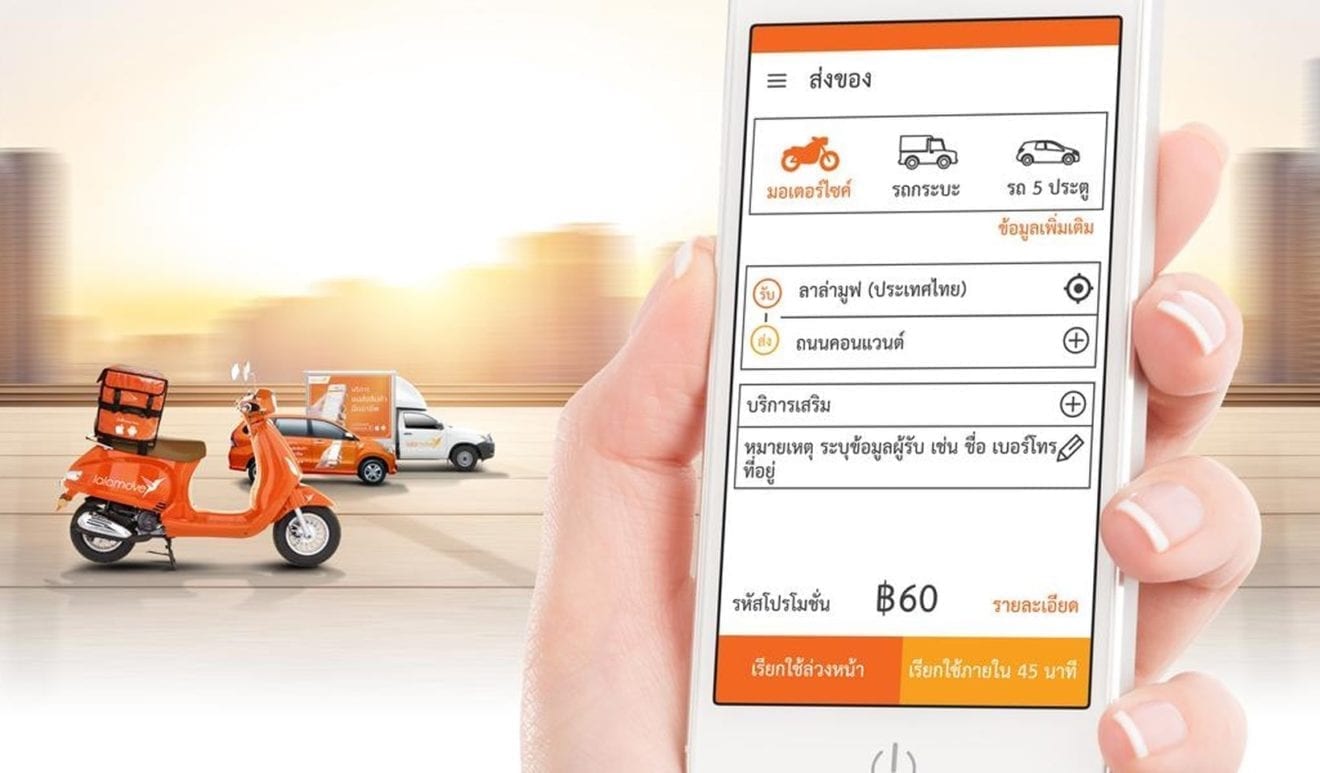
    Out of Hong Kong, on-demand delivery app Lalamove has launched in Bangkok.

    The company is still inviting restaurants and food producers to use its 24/7 dedicated courier service and receive its “Lala Recommended” stamp of approval on Lalamove’s Facebook and Instagram pages, which also promote dishes and produce.

    Already signed up are Own Your Own Fresh, Lobster Gangster, Taka Sashimi Express and The Cooking Crab.

    Lalamove also covers other delivery needs, from documents to furniture, using delivery vehicles ranging from motorcycles to pick-up trucks.