Category: Logistics

Retail News Asia is committed to providing both local and global retailers with the latest Logistics news throughout the Asian market. This on a daily base.

  • Brussels Airport has launched its cool dolly

    Brussels Airport has launched its cool dolly

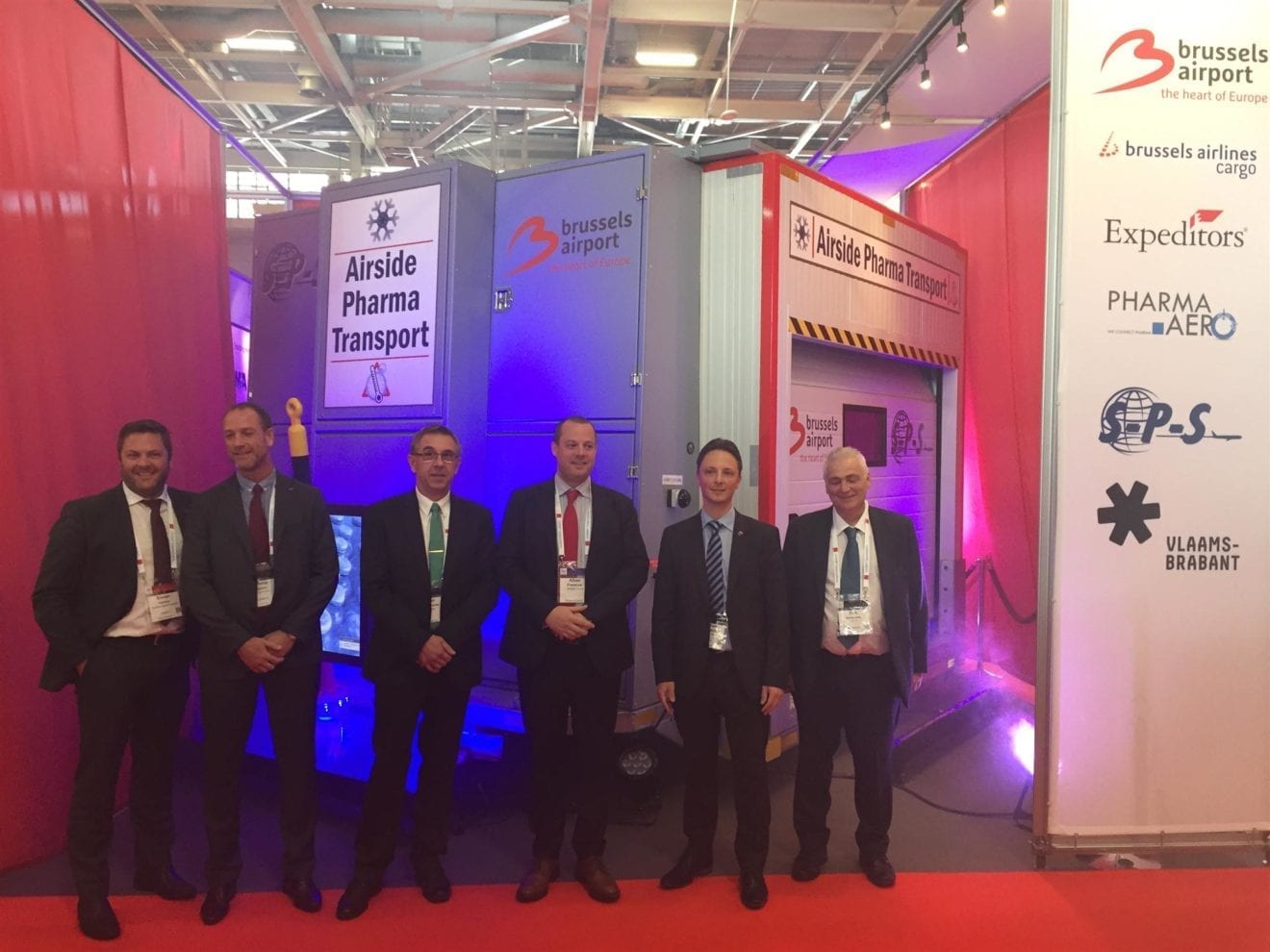
    Brussels Airport has launched its cool dolly on the opening day of the The International Air Cargo Association’s Air Cargo Forum in Paris.

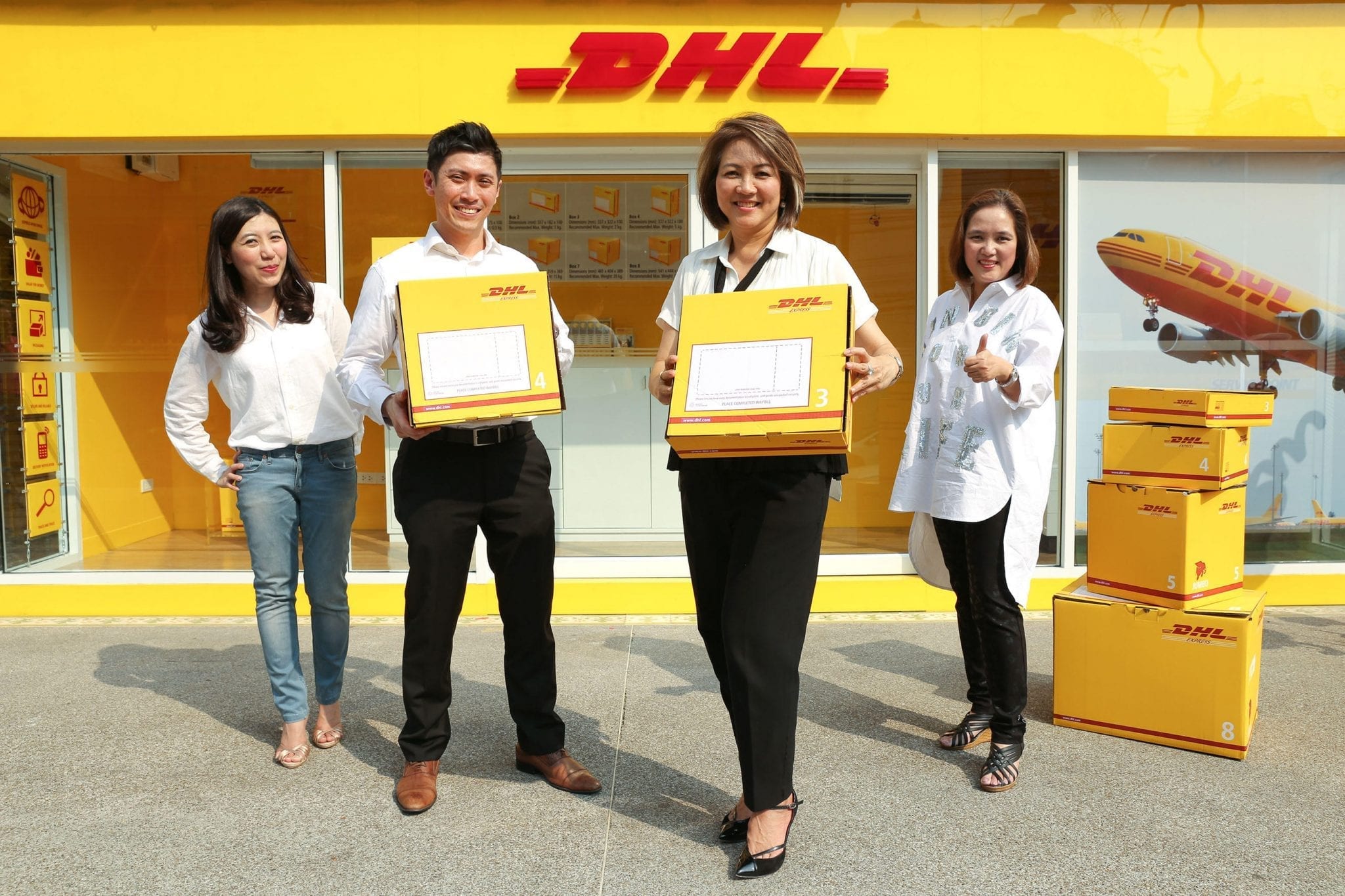
    Following two years of work with its partners, the new airside pharma transport dolly is designed to be the missing link in the cool chain link. The pharmaceutical sector is of major economic importance to Belgium, explained Nathan de Valck, cargo and product development manager at Brussels Airport [second from right in photo], and this dolly had to meet 17 requirements identified by the industry.

    “We wanted to make a cost-effective temperature-controlled airside transport solution available to the market,” said de Valck.

    The pharmaceutical sector has been actively involved in this project, de Valck went on to say, along with airlines, forwarders, handlers and an engineering company.

    One of the requirements of the new dolly was to avoid extremes of temperatures. Temperatures below 5 degrees Celsius or above 25 were unacceptable, but temperatures in between, as long as they were stable, were acceptable.

    Solar panels on the roof allow the dolly to operate autonomously for several days without needing to be plugged in, and the unit is designed to reach the required temperature quickly, meaning the dolly can be used several times a day.

    Brussels Airport has currently ordered four dollies, and will look to increase the number if needed.

  • DHL encourages employees to help local communities

    DHL encourages employees to help local communities

    Deutsche Post DHL calls upon its 500,000 employees to participate in Global Volunteer Day (GVD) for the sixth year in a row. During this year’s official GVD period, employees from all business units will again team up with independent organizations and charities to help in numerous non-profit projects to benefit the local communities in which they live.

    As Christof Ehrhart, Executive Vice President of Corporate Communications and Responsibility at Deutsche Post DHL Group, explains, the Global Volunteer Day 2016 motto – “Working Together for a Better World” – stresses the importance the company places on collaboration: “Employee volunteerism lies at the core of our efforts to connect people and improve their lives. Our GVD activities highlight the fact that when our employees join forces, not only do they donate their energy and skills to help their local communities, but they also grow together as a team. They achieve common goals, they enjoy and are proud of what they do, and they incorporate the GVD spirit into their daily work.”

    In addition to a wide range of specially planned activities for the core GVD period, many employees remain active year-round, cementing lasting ties with the charitable organizations with which they work. Entirely separate from GVD, more than 13,000 Deutsche Post DHL Group employees in Germany have volunteered to participate in initiatives to help refugees. The Group thus operates a dedicated fund to which employees can apply for financial support on behalf of the projects they themselves commit to all year round.

    The vast majority of GVD projects at Deutsche Post DHL Group focus on one or other of the company’s long-standing GoTeach, GoHelp and GoGreen initiatives. Many activities take place in kindergartens and schools, while others take the form of job application workshops.

    However, others see employees volunteer to help people in need, becoming involved in restructuring efforts to rebuild homes in the wake of natural disasters or by organizing donation drives. And as environmental protection remains a major concern for many employees, some choose to plant trees, clean waste from beaches and parks, and support the upcycling trend by turning old, discarded materials into something useful and new.

    Deutsche Post DHL Group launched Global Volunteer Day in 2008. By 2015, over 110,000 employees were involved in providing support to non-profit projects in their local communities as part of the GVD program, contributing more than 260,000 volunteer hours in more than 2,000 individual projects in 114 countries around the world. As an integral component of our Corporate Citizenship activities, Global Volunteer Day supports our sustainability strategy to serve the company’s economic interests and those of our stakeholders’ while balancing these with social and environmental needs.

  • Seatrade has placed an order with Maersk Container for 4,000 containers

    Seatrade has placed an order with Maersk Container for 4,000 containers

    According to MCI, the containers will be Star Cool Integrated reefers that are equipped with an automatic ventilation system. A large number of the reefers will also be equipped with a controlled atmosphere system. Delivery is expected to be completed by December 2016.

    “We are delighted to have been chosen by Seatrade to support their strong market position with reefer containers as a complement to their specialized reefer services,” said Stig Hoffmeyer, CEO of Maersk Container Industry. “The results of their thorough testing confirmed that a reefer container is not a commodity. Innovation and cutting-edge technology is key to ensuring optimal cargo care and low energy consumption throughout the operational life of the reefer.”

    Before choosing Star Cool Integrated, Seatrade carried out live trials of every relevant refrigeration unit by shipping chilled bananas from Ecuador to Germany, monitoring energy consumption and cargo condition.

    “It is essential that our reefer container equipment supports our Fast, Direct and Dedicated concept,” said Yntze Buitenwerf, president and chairman of Seatrade. “Besides timely delivery, our customers need the longest possible shelf life for their produce. The vast majority of our cargo is perishable fruit and vegetables requiring chilled mode transportation with narrow variations in temperature and monitoring of food preservation. In addition, energy efficiency, whole-life costs and long-term operational value are critical to our operations.”

    Some of the units will be manufactured by MCI’s new factory in San Antonio, Chile, while the remainder will be made by the Qingdao factory, according to MCI.

  • Zurich Insurance has launched a solution in Hong Kong and Singapore

    Zurich Insurance has launched a solution in Hong Kong and Singapore

    Zurich Insurance has launched a solution in Hong Kong and Singapore which provides risk-assessment services and protects businesses against the risks associated with supply chain disruptions.

    Called Zurich Supply Chain Insurance, the product is the first-of-its-kind in the Asia-Pacific region and is now available to qualified customers based in the two markets.

    “Increasing globalisation, improved transport and logistics through to technological advancements have enabled companies to source materials from virtually anywhere in the world,” said Keith Thomas, chief executive officer of Zurich’s Global Corporate in Asia Pacific business unit. “While this provides increased flexibility and cost savings, it can also result in complex supply chains that are highly interconnected, more exposed and difficult to manage.”

    According to Zurich, the new solution helps reduce supply chain failures and provides cover if delayed or undelivered supplies result in a financial impact on a company’s operations. Supply Chain Insurance consists of two components. In the first phase, risk engineers carry out a risk assessment to identify and evaluate customers’ exposure to critical risks throughout their supply chain, and recommend prioritized mitigation actions. In the second phase, the risk assessment is combined with other sources of data to underwrite and price the risk.

    “Many organizations are not aware who their key suppliers are, especially in the lower levels of the supply chain, and very few have visibility over their entire supply chain,” said Hassan Karim, technical underwriting manager of Zurich Asia Pacific. “Half of supply chain disruptions occur beyond the preliminary supplier of goods, therefore making it extremely difficult to establish where an organization lies within its suppliers’ priorities.”

    Karim added that it is essential to take a holistic approach and to identify critical supplies when working with customers to manage their exposures.

    “Effective supply chain risk management can present significant benefits to businesses and is becoming an increasingly important driver of their profits,” he said. “Every customer’s supply chain is different so we work with them to shape the appropriate solution and offer an individually tailored policy to meet their specific needs.”

    The Supply Chain Insurance solution has been available in Europe and North America for the past six years, according to Zurich.


  • How to make the most of the Asian food retailing boom

    How to make the most of the Asian food retailing boom

    Asia’s consumers are expected to spend US$5.9 trillion on food, beverages, and tobacco by 2018, making up 60 per cent of global expenditure in this category.

    This means retailers need to expand aggressively, scaling up in new markets and keeping their supply chains adaptable to target more customers to make the most of the Asian food retailing boom. The middle class population in Southeast Asia is projected to grow to 400 million by 2020 and businesses that fail to scale will miss out on this tremendous market opportunity.

    Food retailing is all about delivering the best customer experience through high on-shelf availability (OSA), wide stock variety, and immaculate product quality to drive sales. Whether you are a convenience store chain, supermarket, or hypermarket, the goal is to build and retain a loyal customer base while keeping operating costs low to ensure prices remain competitive. However, food retailers in Asia Pacific face a unique set of roadblocks.

    Countries across the region are at different stages of development. With geographic diversity, companies face significant challenges when it comes to taking advantage of the growth possibilities. This will prove problematic, especially with Asia Pacific’s status as the world’s largest and fastest growing B2C eCommerce region. Consumers will expect faster, better services from food retailers as their threshold for waiting times lower in the “on-demand” age.  A recent announcement by Kantar Worldpanel forecast online grocery sales will be worth US$150 billion by 2025 – currently South Korea and Japan hold the first and second spots on the global e-commerce grocery market with Taiwan in the fifth position and China coming in sixth.

    The Four Ingredients of Supply Chain Success

    Asian food retailers , especially those selling fresh or frozen products, face issues due to the time-sensitive nature of the products which spoil quickly if not kept in the right conditions. Delivering chilled or frozen food across long distances is difficult due to infrastructure and asset availability, with options such as local sourcing or storage not always feasible. In light of these factors, it is critical to change the mindset to view the supply chain as a strategic business enabler driving competitive advantage, rather than a backend function focused on transport and storage. Here are four key ingredients to get you on your way.

    1. Take a fresh look at your supply chain

    Make a commitment to review your supply chain from end to end. What you need to look out for are potential cost inefficiencies and gaps in service performance, and understand the underlying reasons why these occur to help identify appropriate new solutions. For example, can you automate packing processes to speed up your deliveries down the line? Are you facing over- and under-stocked inventories because you cannot accurately anticipate supply and demand? Getting these questions answered is vital to your success. One route is to engage a consultant to assist. However, a specialist supply chain partner with extensive expertise will not only help with the review and design, but also has the capability to deliver. But also think about the long-term strategy and predicted expansion so that the new design is fit not just for today, but for your future business.

    1. Streamline your operations end to end

    Facilities, people, transportation, and technology are the ingredients within your supply chain that influence your overall business performance. Hence, it is important to make the right investments and realise the maximum benefits through continual review and optimisation.

    You can begin by analysing your truck fleets and find ways to fully use their capacity and improve routing. New designs and technologies enable delivery trucks to have different temperature zones to transport ambient, chilled, and frozen products in the same vehicle – enabling food products to be consolidated and transported using a single vehicle rather than needing to run multiple vehicles to the same location. And to accelerate deliveries, transport management systems provide insight and data analysis to determine the quickest and most cost-effective routes – incorporating telematics and real-time tracking gives full visibility throughout the journey which can lead to far more efficient unloading processes at the receiving end. Often, retailers can leverage a specialist 3PL like DHL and its existing investments in resource, technology, facilities and assets, such as trucking, to reduce retailers’ cash outflow and deliver a competitive cost-per-unit. In addition, a good supply chain management (SCM) partner with inroads in emerging markets can offer effective consultation on building delivery networks in new territories.

    1. Add visibility and control

    Gaining more control over your supply chain empowers you to navigate and anticipate any potential disruptions to food product deliveries. The first step is to improve visibility over inventory levels to maximise OSA whilst minimising spoilage – it’s a fine balance to manage and focus on the detailed insights of supply and demand patterns. Inventory optimisation manages stock cost effectively, balancing stock holding with customer service levels by taking into account availability, requirements, and lead time variability.

    A high level of inventory is not only capital intensive but also expensive to service through increased indirect spend, such as warehousing, transport, and procurement. Hence, not only will inventory optimisation reduce logistics costs, but drive excellent service to create satisfied customers by having the right stock at the right location.

    By looking at inventory holding, you can then make informed decisions about your storage requirements, and whether other options are more suitable. For instance, instead of using a conventional warehousing model, you can complement it with cross-docking for fast-moving goods. This speeds up distribution and reduces warehousing space as stock is not moved into storage. You can also consider hybrid inventory models to make the most of your existing warehouse facilities. Effective solutions can help you achieve an average inventory age of between 15 and 30 days which brings the additional benefit of improving cash flow. Achieving these metrics is not easy but specialist knowledge, experience, and sophisticated systems are the catalysts to creating a lean and responsive operation.

    1. Innovate to deliver

    Innovation has become a critical differentiator for food retailers in recent years. Automated sorting and storage retrieval solutions can speed up picking processes and shrink warehousing footprints; packaging technologies can quickly create promotional packs with minimal labor requirements; and IT system development will enhance customer experience should shoppers switch from purchasing in-store to online, where they will have home delivery or “click and collect” options. These are just a few developments and there are many more taking place to help meet the ever-increasing customer expectations when making decisions.

    Get Your Supply Chain Right

    Supply chains are no longer just “part of the organisation” for today’s food retailers. An adaptive and flexible supply chain is the difference between winning and losing the market – given the escalating demands of customers. You must understand your customers, and then focus on those elements which are most important to them to drive sales. Whether you are competing on price, convenience, or quality or even a combination of all three, these best practices will give you a head-start in creating an integrated supply chain that will bring advantages now and into the future.

    If you are part of the Asian food retailing industry, you need to start re-thinking your supply chains today to meet the challenges of tomorrow.

    -Dean Eichorn-

  • DHL Express has inaugurated its South Asia Hub at Singapore Changi Airport

    DHL Express has inaugurated its South Asia Hub at Singapore Changi Airport

    The €85 million (US$85.5 million), 23,600-square-metre facility is located at the Changi Airfreight Centre and features the first fully automated express parcel sorting and processing system in South Asia.

    “Over the years, we’ve invested significantly to bolster our network and services in Asia Pacific,” said Ken Allen, CEO of DHL Express. “Our investment in the DHL South Asia Hub is the most recent in a series of global network investments made, and is the largest infrastructural investment made in Singapore to date. The country’s strategic location not only boosts our operational network capabilities, but also supports growing trade in the region aided by a stronger global economy.”

    According to DHL, the 24-hour facility is 33 percent larger than the previous hub. It is also six times faster, being capable of processing up to 24,000 shipments and documents per hour and handling more than 628 tonnes of cargo during the peak processing window.

    “The DHL South Asia Hub is a significant milestone in further enhancing our multi-hub strategy in the region,” said Ken Lee, CEO of DHL Express Asia Pacific. “With four hubs in Asia Pacific — Hong Kong, Shanghai, Singapore and Bangkok — this links over 70 DHL Express Gateways located throughout the region. Together, these facilities reinforce our customer commitment to provide the most efficient international express connectivity between key markets in the region. This will also allow us to add more network flights in and out of Singapore, such as the recent introduction of the Phnom Penh-Bangkok flight that adds to our existing Bangkok-Singapore service, as regional trade continues to grow.”

    Between 2012 and 2015, the average number of shipments per day grew by 50 percent for Oceania, 30 percent for South Asia and 25 percent for Southeast Asia, according to DHL.

  • Indonesia’s logistic sector lags behind other ASEAN countries

    Indonesia’s logistic sector lags behind other ASEAN countries

    Indonesia needs to work harder to improve its logistic sector because its performance lags behind those of other ASEAN countries such as Singapore, Thailand and Malaysia, Finance Minister Sri Mulyani said on Wednesday.

    “On the Logistics Performance Index (LPI), according to the World Bank, Indonesia stood at 63rd place of the 160 countries surveyed,” the minister said in her opening speech during the Jakarta International Logistics Summit and Expo in Jakarta.

    Singapore topped the list of ASEAN countries, ranking fifth globally, while Malaysia ranked 32nd and Thailand 45th, she added.

    The LPI is a benchmarking tool created to help countries recognize challenges and opportunities they face in their performance on trade logistics and improve it.

    She said there were aspects affecting the competitiveness of logistics in Indonesia, namely a lack of infrastructure and complex customs and excise procedures.

    “To realize this, the government has utilized the state budget and funds from the private sector to develop infrastructure across Indonesia,” she said.

    Besides improving infrastructure, another important measure is to fix the quality of regulations and simplify bureaucracy, she said.

  • All Nippon Airways’ cargo arm is taking aim at the Asia-US and automotive markets

    All Nippon Airways’ cargo arm is taking aim at the Asia-US and automotive markets

    All Nippon Airways’ cargo arm is taking aim at the Asia-US and automotive markets as a way to differentiate itself and to strengthen its overall competitiveness.

    “The market situation is not so easy right now,” says Toshiaki Toyama, president of ANA Cargo. “In order to maintain profitability or minimize loss, we need to adjust our freighter capacity in accordance with the market situation. As a combination carrier, we handle a lot of transit cargo between Europe or the US and Asia. We’re looking carefully at the role of each freighter flight and we’re planning to reduce some capacity for the winter season.”

    Transit traffic between Asia and the US will increasingly be a major focus of ANA Cargo’s strategy going forward. This was given a large boost in July 2016, when the carrier launched its trans-Pacific joint venture with United Cargo.

    “Frankly, we’ve been a little bit surprised because the response has been even better than we expected,” Toyama says. “In particular, we have a lot of manufacturer customers in Kyushu connecting to United’s San Francisco flight at Haneda and they seem to be very satisfied with the shorter lead times.”

    The first phase of the joint venture began on July 5, covering eastbound cargo from Japan to Canada and the US.

    “From the number of cross bookings between UA and us, we can see that the customers are very supportive of this programme,” says Toyama. “We’re preparing for the next phase for westbound traffic, which is scheduled to be early next year. Phase three will include the rest of Asia.”

    Another opportunity exists in the expanded slot arrangement at Haneda Airport. In February 2016, the Japanese and US authorities agreed to give the two countries five day-time slot pairs and one evening slot pair each at Haneda, as opposed to the four evening slot pairs each country used to have. As a result, ANA has already decided to shift a New York and a Chicago flight from Narita to Haneda from late October 2016.

    “From Japan to New York and Chicago, more than 50% of the total volume is transit cargo,” says Toyama. “The timing of the two flights enables morning connections at Haneda of about four hours from Shanghai, Singapore, Bangkok, Jakarta, Seoul, Taipei and Hong Kong.”

    ANA is the only airline to operate its own cargo facility at Haneda, with an 8,800-square-metre warehouse next to the larger Tokyo International Air Cargo Terminal.

    “We actually use TIACT too,” Toyama says. “I think it’s sufficient for now, because there’s a lot of vacant space at TIACT. We also want to minimize costs – Haneda is incredibly expensive and probably one of the most expensive [airports] in the world.”

    He adds that ANA is in discussions with Japan Airlines and Nippon Cargo Airlines to jointly develop an e-cargo programme, and that he hopes that project to be at 100% by 2020.

    Network expansion on the passenger side will also contribute positively to the cargo business. The airline launched Wuhan in April 2016, Phnom Penh this month, and is due to launch Mexico City in February 2017.

    “These destinations are very attractive for the cargo business too,” says Toyama. “Mexico is an automobile manufacturing centre and Japanese manufacturers like Nissan and Honda have factories there. The supply chain doesn’t just include Japan but also major Asian points such as Tianjin, Guangzhou and Bangkok. We still have a few months until the launch but we’ve already received a lot of enquiries from automobile companies and forwarders.”

    According to Toyama, Wuhan is an important target area for the carrier because of the Chinese government’s decision to shift development from the coast to inland areas.

    “I think it’s a reasonable base but I’m not satisfied yet,” he says. “I expect we’ll be able to gradually increase our load to and from Wuhan. Nissan and a lot of semiconductor companies are there, so we’re talking with them and with forwarders about utilizing our network.”

    Not wanting to lose out on growing e-commerce demand to mainland China, ANA Holdings invested in a young Japanese IT company called ACD in June to provide total logistics solutions including special customs clearance services into China. The service started in September. The first phase of the service is targeted at Japanese retailers and began in September, with plans to expand that to Taiwan, Korea and the US.

    ANA Cargo’s fleet consists of 12 Boeing 767 freighters, which Toyama says is enough for now.

    “In our mid-term strategy, we have plans in place to increase the fleet to 13 or 14 if we need to, depending on the market situation,” he says. “The advantage of the 767 is it allows us to access smaller and medium-sized markets such as Cambodia and Myanmar. Wuhan is also a candidate for the 767F, but it’s not yet at a level that requires a regular freighter. Our 767F network is designed around automobile-related demand. That’s why we’re operating it to Tianjin, Shanghai, Guangzhou, Jakarta and Bangkok.”

    The range of the 767F restricts it predominantly to Asia. According to Toyama, ANA is looking carefully at the possibility of operating larger and longer-range freighters, particularly to the US.

    “The passenger side is planning network expansion but they’re more aggressive on Asian routes,” Toyama says. “In order to achieve network balance in terms of cargo demand, we need more capacity to and from the US. The JV with United is one of the solutions, but if we can’t cover all the demand we will need to think about trans-Pacific freighters.”

    One shouldn’t expect to see ANA Cargo’s blue and white livery on a 747-8F or 777F anytime soon though. And even if the carrier decides to go down the trans-Pacific road, it wouldn’t necessarily have to acquire and operate its own aircraft, with options such as charters or ACMI available.

    “Of course, having a large-sized freighter is a dream for us,” says. “But I think we need to be realistic.”

  • Etihad Cargo has signed a multimillion-dollar deal with Trinity Logistics

    Etihad Cargo has signed a multimillion-dollar deal with Trinity Logistics

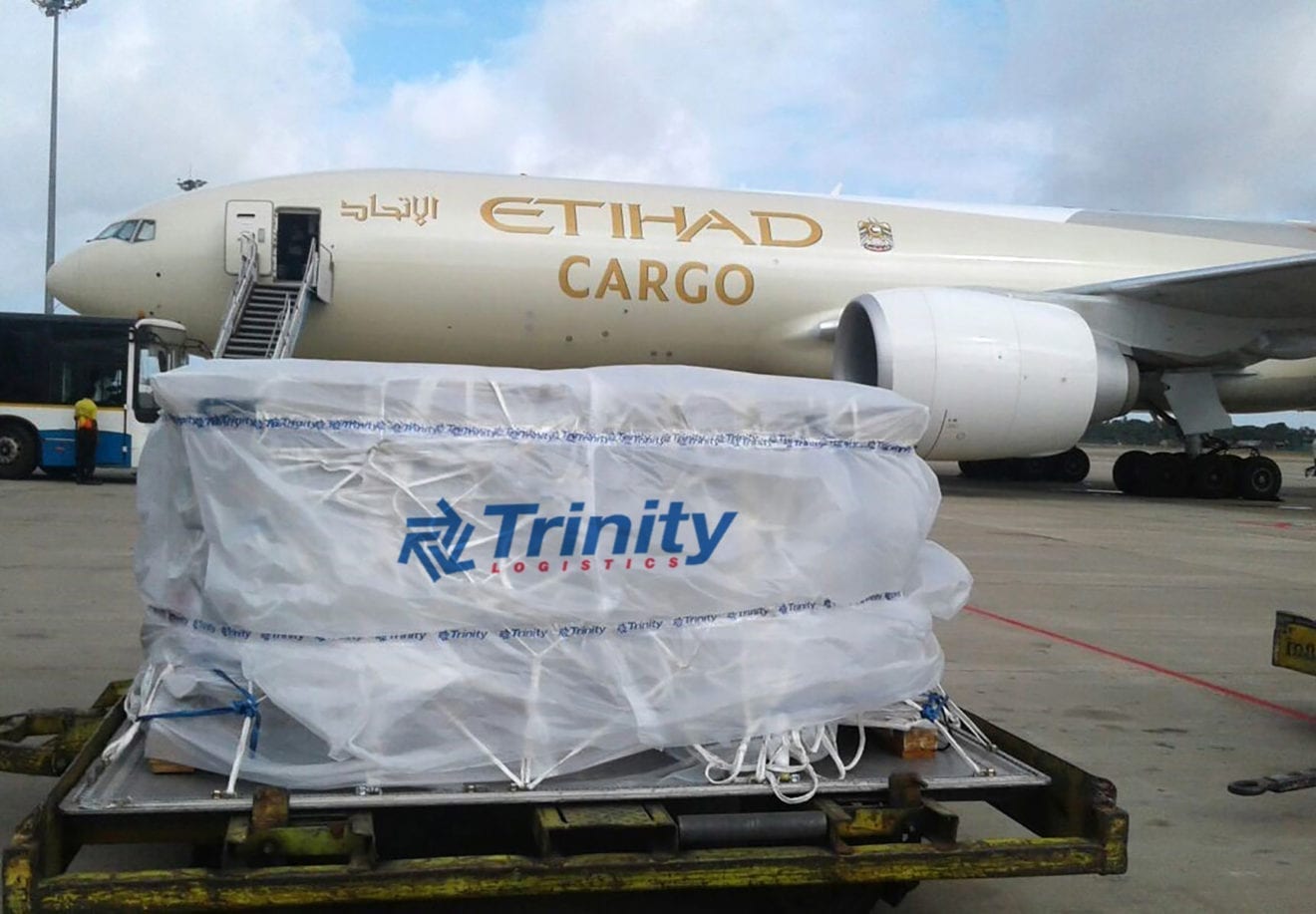
    Under the agreement, the carrier will fly freighters on behalf of the New York-based forwarder from Colombo, Sri Lanka to Columbus, Ohio and to East Midlands Airport in the UK. The weekly flight will be operated with Etihad’s Boeing 747-8F, which offers a cargo capacity of approximately 135 tonnes, or one of Etihad’s 777Fs, which have a capacity of approximately 103 tonnes.

    “Through our partnership, Etihad Cargo and Trinity Logistics are committed to facilitating this important trade,” said David Kerr, senior vice president of Etihad Cargo. “The flexibility our freighter fleet affords us means we are well placed to serve the fashion industry which is so reliant on a responsive supply chain.”

    According to Trinity Logistics, Etihad Cargo had already operated several charter flights for the company over the summer, and the new service will facilitate the movement of garments manufactured in Sri Lanka for brands such as Abercrombie & Fitch, GAP, Nike and Victoria’s Secret.

    “We select our global carrier partners based on their ability to understand the business of our clients,” said David Pereira, president of Trinity. “With Etihad Cargo, they not only displayed knowledge, but understood the value of creating a sustainable product to a very important cargo zip code in United States.  We expect our clients to benefit greatly from this game-changing solution that guarantees them speed and predictability.”

  • U-Freight welcomes call for global e-trading platform

    U-Freight welcomes call for global e-trading platform

    The U-Freight Group has welcomed the call for the establishment of an electronic world trade platform (eWTP) whose objective would be to reduce barriers to make it easier for small and medium-sized enterprises to expand their trading capabilities worldwide.

    The call was made recently by Jack Ma, executive chairman of e-commerce giant Alibaba Group, who believes that such a platform is going to be very fundamental for the next 20 or 30 years for the world economy, and for this century.

    U-Freight agrees that e-commerce can significantly reduce costs for SMEs and also ease access to customers. It believes that such an eWTP will provide SMEs with a transparent and open platform to sell their goods and services globally, thus facilitating their inclusion in cross-border e-trade.

    In Ma’s vision, businesses would create hubs for e-commerce and governments would create virtual free trade zones for small businesses. The eHubs would allow small businesses in one country to sell to consumers in another, with low or no import duties, speedy customs clearances and better access to logistics. When connected, this would create a global network that becomes the eWTP.

    U-Freight Group ceo, Simon Wong says that his company has been showing its commitment to developing e-commerce logistics and in respect of cross-border e-commerce in China, U-Freight has already been qualified by China Customs and CIQ as a licensed Cross-border E-Commerce Enterprise, as well as a Cross-border E-Commerce Logistics Service Provider.

    “We are now concentrating on leveraging the experience that we have already gained in Chinese cross-border trade to make sure that our other strategic hubs in Asia, Europe and North America are equipped to handle the boom in business that will be associated with ever-growing global e-commerce.

    “What Mr Ma is proposing is a platform that can lower the threshold and enable more people around the world to conduct trade by reducing barriers and making it easier for SMEs to expand their trading capabilities.

    “U-Freight believes that such an eWTP would provide SMEs a transparent and open platform to sell their goods and services globally, thus facilitating their inclusion in cross-border e-commerce and leading to a massive growth in cross-border shipments.

    “That’s why we are making significant investments to make sure that we are ready to deliver the logistics services that will be required.”

  • Taiwan Cargo Market Stays Flat

    Taiwan Cargo Market Stays Flat

    With the Asian Development Bank lowering its forecast for Taiwan’s economic growth in 2016 to 1.1%, perhaps it shouldn’t come as a surprise that operators in the freight industry have been disappointed with how the market has performed.

    Eddy Liu, vice president of cargo at China Airlines, says that the company’s first-half results were below expectations.

    “So far, air cargo demand has stayed flat and expansion in available freight capacity continues to outpace the growth in demand,” says Liu. “Under these circumstances, air cargo yields are slowly declining, consistent with persisting weakness in load factors, keeping downward pressure on our cargo business performance.”

    China Airlines is finding ways to address these weakening conditions to remain competitive. “We’re not only making efforts to improve the product mix by expanding the proportion of high-yield freight such as pharmaceuticals, aircraft parts and special cargo, but also focusing on developing and maintaining relationships with freight forwarders,” says Liu. “Furthermore, CI adopts revenue management tools to enhance the sales and space-control functions. In the next 12 months, the aforementioned strategies will still be the main priorities for us.”

    According to the International Air Transport Association, while annual growth in freight tonne kilometres rose to 5% year-on-year in July 2016, FTKs have overall only grown about 3% since the beginning of the year.

    “That’s why we put a lot of focus on the soaring e-commerce market and on strengthening our partnership with post offices and integrators,” says Liu. “Except working closely with postal agencies, particularly China Post and its brokers, Vietnam Post and Malaysia Post, CI also cooperates with UPS, FedEx, DHL, and SF Express to further enhance our revenues and business diversification. In addition, CI has been dedicated to exploring the freight-to-post business since the Taiwan Customs Administration permitted the addition of postal bags to transhipment cargo from March 31, 2015.”

    Another way in which the airline hopes to improve its competitiveness is with its order for 14 Airbus A350-900s. “The A350-900 is fuel-efficient and its payload capability is about 20% higher than other long-range aircraft,” says Liu. “Our new A350-900s will primarily be deployed on long-haul routes to Europe such as Amsterdam, Rome and Vienna, and to the United States, enabling CI to save cost and provide more useful cargo capacity if used on regular passenger operations.”

    The first frame was originally scheduled to be delivered in July 2016, but has since been pushed back to the end of September by Airbus because of production delays.

    “We have temporarily deployed other existing airplanes such as the Boeing 747-400, A330-300 and A340-300 in place of the new A350-900s,” says Liu. “So far there has not been any significant impact on our cargo operations.”

    The carrier is also growing its operations in Southeast Asia and the Indian subcontinent, which Liu says are two main drivers of the global economy and where demands for international shipments are still increasing.

    On top of passenger flights, China Airlines Cargo now serves Hanoi and Ho Chi Minh City four times a week each with 747-400Fs, and resumed dedicated main-deck capacity to Delhi with a weekly 747-400F flight from August 28, 2016.

    Liu says that, given the state of the global economy and the slowdown in the Asian manufacturing sectors, one might expect export growth in Taiwan to flatten out, but that hasn’t necessarily been the case.

    “Fortunately, the increasing global popularity of sports and recreation, as well as growing demand for electric vehicles, means that Taiwan’s functional textiles and electric-vehicle components will become key drivers of air cargo exports,” he says. “Moreover, air shipments of forged wheels, vaccines and semiconductor equipment are also rising.”

    On the other end of the cargo spectrum, the Taiwanese shipping industry has been experiencing similarly challenging conditions.

    “Affected by the slowdown of the world economy, Taiwanese exports suffered 17 straight months of decline, according to statistics released by Taiwan’s Ministry of Finance in early July,” says Lawrence Lee, president of Evergreen Marine Corporation. “In spite of the local market downturn, Evergreen Line managed to secure customer support and achieved a moderate increase in lifting performance during the first half of this year.”

    The first and foremost priority for Evergreen Line in the next 12 months, according to Lee, is to closely watch market developments and optimize service deployment so that company can return to a healthy level of profitability and maintain a sustainable service to its customers.

    Facilitating that is the completion of both the expanded Suez Canal and the expanded Panama Canal during 2016, which has enabled Evergreen to offer more capacity, shorter transit times and improved reliability.

    “We’ve been deploying 8,500 TEU L-type vessels on Far East-US East Coast all-water services since June, replacing Panamax ships of around 4,200 TEUs,” says Lee. “Our internal research indicates that the eco-friendly L-class vessels can offer the equivalent capacity of two traditional Panamax ships while at the same time reducing fuel consumption by 40% and lowering carbon emissions by the same percentage. These efforts are recognized by our customers, especially those who care about the carbon footprint in their supply chains.”

    Evergreen is also counting on its alliance strategy to help it tackle changes in the market. While it is currently still part of the CKYHE Alliance with COSCO Container Lines, “K” Line, Yang Ming and Hanjin, Evergreen announced in April 2016 that it would link up with CMA CGM, COSCO Container Lines and Orient Overseas Container Line to form a new alliance called the OCEAN Alliance, scheduled to begin in April 2017.

    “Our approach is to choose the most suitable partners that can provide complementary services to our network,” Lee says. “Such cooperation can produce synergy, enhance our competitiveness and enable us to cope with changing market demand. Together with the partners of the OCEAN Alliance, we can optimize our service network, expand port coverage, provide more direct sailings and shorten transit times. Most importantly, our service networks can be optimized to enhance our cost competitiveness.”

    In an environment with minimal growth but maximal competition, cost management has become ever more crucial and Lee is wary of how the market will play out in the short term.

    “Low cargo demand and tonnage oversupply have resulted in unsustainable freight rates and imposed heavy pressure on shipping companies,” he says. “Unless the global economy can regain growth momentum and produce sufficient cargo to reduce the gap between capacity demand and supply, the global shipping market, including the local market in Taiwan, is unlikely to pick up in the year ahead.”
  • Garuda Indonesia and Angkasa Pura II Sign Agreement for Air Cargo Business

    Garuda Indonesia and Angkasa Pura II Sign Agreement for Air Cargo Business

    Air carrier Garuda Indonesia signed an agreement with state-owned airport operator Angkasa Pura II at the Soekarno-Hatta airport on Thursday (13/10) to support the creation of a commercial cargo area.

    Both companies agreed to develop AP II’s commercial area in the airport’s cargo warehouse as Garuda Indonesia’s cargo operational service area. According to Garuda’s official statement, there will be revenue sharing between Garuda and AP II from the air cargo business.

    Garuda Indonesia was represented by cargo director Sigit Muhartono, while commercial and business development director Daan Achmad signed on behalf of AP II.

    “In line with Garuda’s target to obtain $269 million of cargo profit share in 2016, the utilization of this facility will significantly support the company’s cargo business,” Sigit said.

    He added he is optimistic in developing the business, particularly as the deal will span 23,000 meters squared.

    Daan shared Sigit’s optimism, saying the cooperation will “give a positive contribution to improving Indonesia’s cargo industry, given that Soekarno-Hatta is one of the largest bases for air cargo business in Indonesia.”

    Currently Garuda Indonesia has 70 Cargo Service Centers (CSC) all over Indonesia. Of all service centers, 46 CSCs are located in airports and 24 are in city centers. Garuda Indonesia Cargo provides shipping from City to Door and City to Port where CSCs serve as Drop and Pick-up Points.

    Garuda hopes to expand its cargo business to remote corners of Indonesia to support the rapid growth of domestic and international cargo shipping.

  • Myanmar’s Trunk Roads in Poor Condition

    Myanmar’s Trunk Roads in Poor Condition

    The Asian Development Bank (ADB) is urging Myanmar to make big investments in its infrastructure and significant policy changes to help it tap its full economic potential. The ADB recommendations were made in a recent Transport Sector Policy Note.

    Decades of underinvestment and isolation have ensured the Southeast Asian country’s roads, rails, ports and airports lag well behind the infrastructure in other countries in the region, the note said.

    “Myanmar has not been investing enough in transport,” the note says baldly, before going on to describe just how debilitating the lack of investment has been.

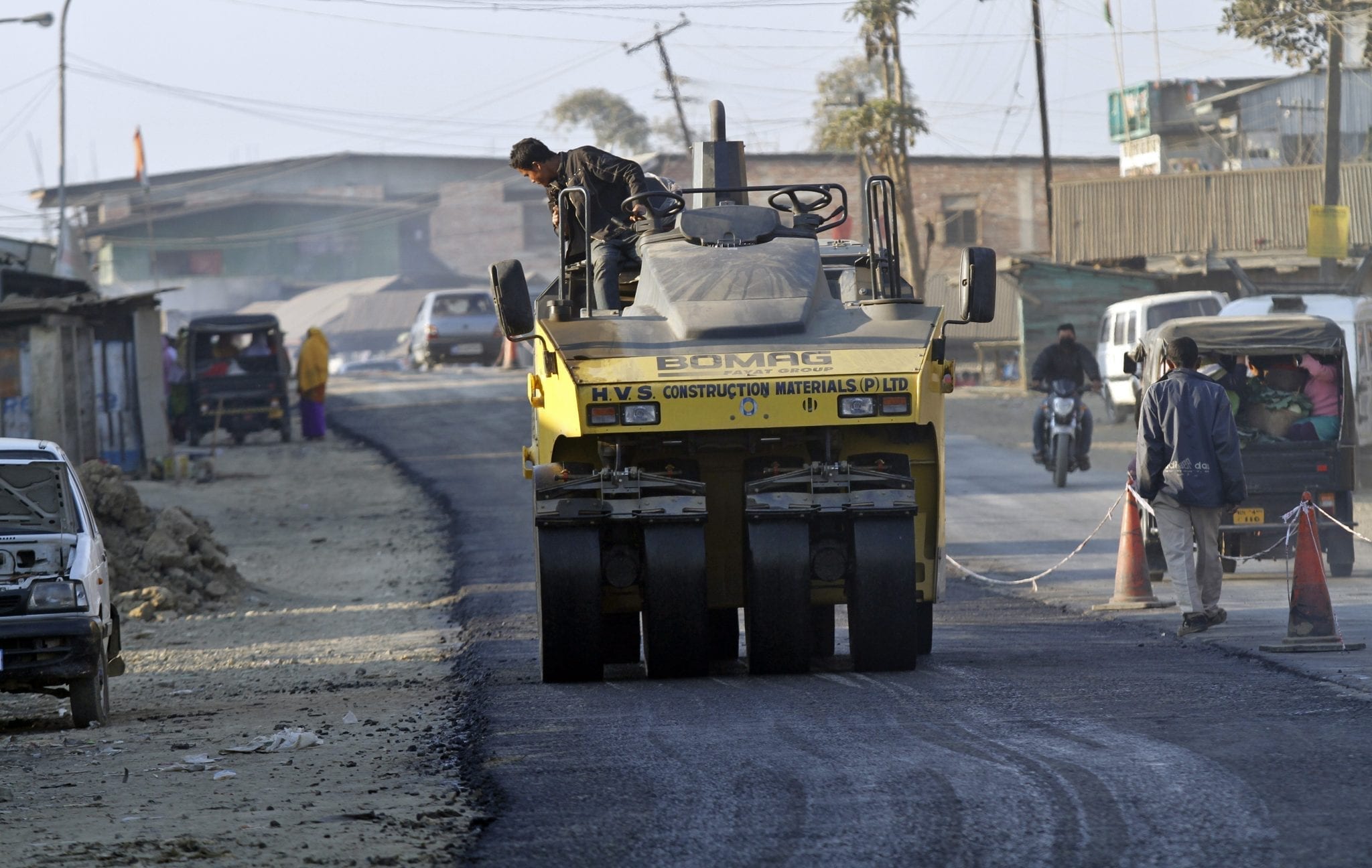
    Sixty percent of the trunk road network is in poor or bad condition, requiring urgent maintenance or rehabilitation. On top of this, poor track conditions means Myanma Railways is forced to operate at 50% of its potential speed.

    “Myanmar’s road network needs better trunk highways and more rural roads. The network is three times less dense than neighboring Thailand’s. It is also of lower quality – only 20% of the roads are paved, against 53% in Thailand – and the roads are narrower,” the note said in elaboration.

    The note offers a more muted but no less critical view of the rail network.

    “Myanmar’s trunk rail lines need modernization, but the tertiary network should be scaled down. The country’s rail network is by far the longest in Southeast Asia, but part of it is unproductive. Neither the current design standards nor the potential demand for over half the network suffices to make commercial operation viable,” the note said.

    While the ADB is critical of the quality of Myanmar’s existing infrastructure, what is really run up the flag pole is the other big problem – that of what is not there at all.

    Roads figure prominently in Myanmar. Twenty million people, including half of the rural population and a key consumer market, lack access to basic roads. More tellingly still in a country which is essentially a delta, the main waterways cannot be used for transport for three months a year because they are too shallow, the note added.

    The ADB, which worked with the Myanmar government to write the note, makes clear what it thinks the lead response should be: investment, and large amounts of it, although it also outlines some significant policy changes to go with the suggested investment.

    Indeed, one of the problems with the ADB’s scheme is not so much the money needed for infrastructure investment but in persuading a national bureaucracy to adopt both lots of restructuring work, such as the corporatization of some services, and what the organization refers to as “deep cultural change.”

    Between 2005 and 2015, Myanmar has spent just 1.0% to 1.5% of GDP on infrastructure, the ADB said. Making this low figure even less productive was a spate of badly-targeted projects: “Few investments have been effective and efficient,” the note said. Compared to other nearby countries, which typically invest 3% to 5% of their GDPs in transport infrastructure, Myanmar’s meagre investment is simply inadequate. (Those other countries include regional peers China, Thailand and Vietnam.)

    Here, the ADB does not pull its punches, and acknowledges a need for some US$60 billion to be spent over the next 15 years. Funding, it says, should come from “from new sources, including development partner loans, bond finance, private sector investment, and investment by state-owned enterprises (once they become financially self-sustainable).” The ADB also urges a broad application of the user-pays principle with levies on fuel and tolls on roads.

    Money spent needs to focus on key national corridors, Yangon and infrastructure maintenance, the bank added, with short-term priorities, besides public transport in Yangon, being highways and railways.

    For the former, the ADB suggests allowing trucks on the Yangon-Mandalay Expressway and upgrading to Class II Asian Highway Standards the international highways to Muse and Myawaddy, which carry most of Myanmar’s border trade but are substandard and in poor condition.

    “A systematic Program of Highway Pavement Maintenance and Improvements could, within five years, bring all major highways to good condition,” the note said, adding the Department of Highways could consider increasing the legal axle load of trucks on main corridors.

    For the railways, the ADB urges a change of priorities for the national railway away from passengers and to goods, which would signal a significant reversal of priorities.

    “Myanma Railways should reallocate assets, staff, and resources to developing long-distance rail freight. Myanma Railways has prioritized passenger transport. However, freight trains are much more profitable. With limited investments and some market development, Myanma Railways could double its share of a growing market,” the note said.

    In a nod to Myanmar’s rivers as potential cargo carriers, the ADB urges development of the Irrawaddy River with the implementation of low-cost navigation aids, channel works, and ports up to Mandalay. It also advocates dredging to ensure a minimum depth of between 1.5 metres and 2.0 metres, as well as developing a more comprehensive network of river ports.

  • Pos Malaysia taps Alibaba Group for growth

    Pos Malaysia taps Alibaba Group for growth

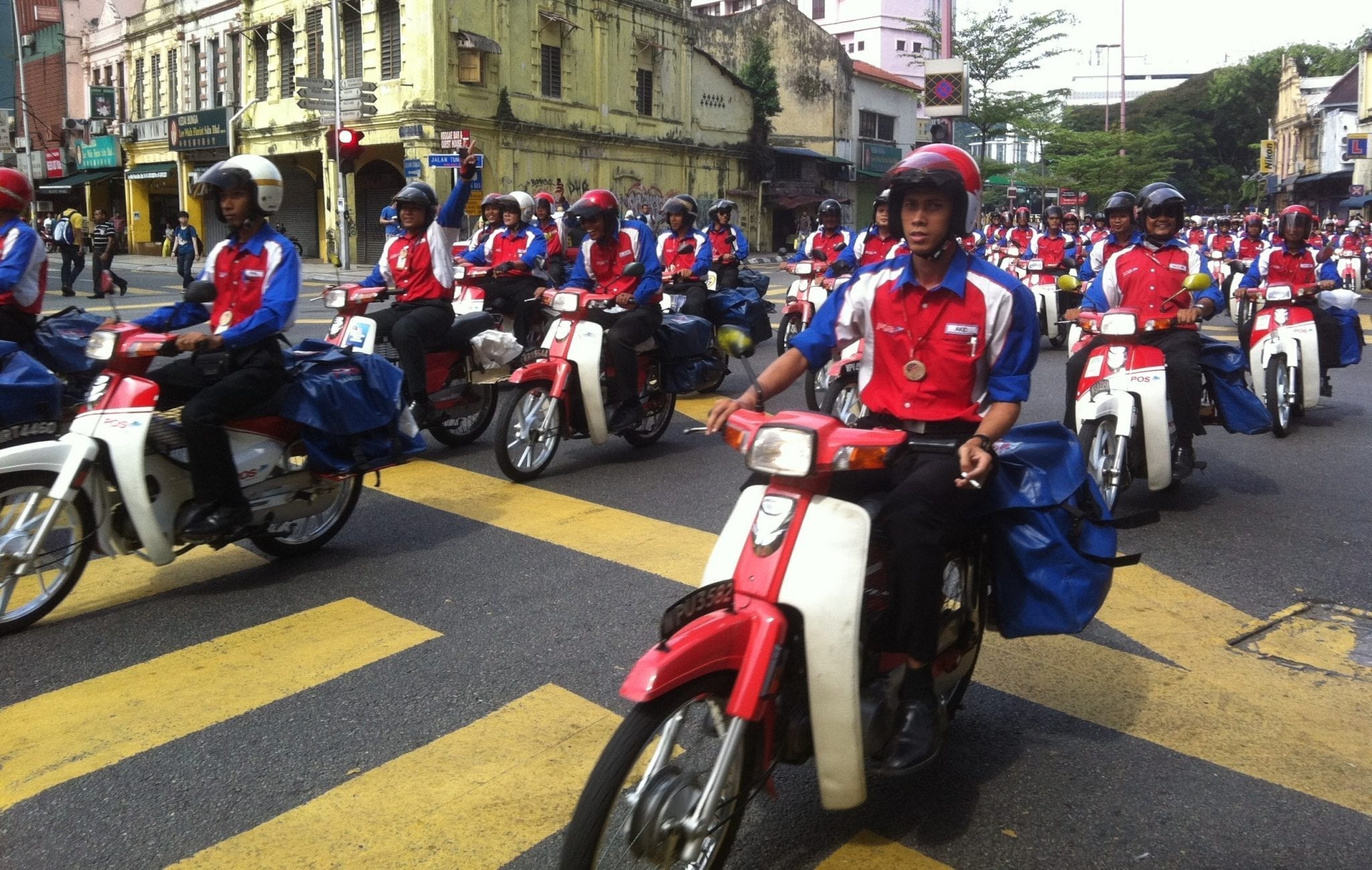
    Malaysia’s biggest postal company is seeking a more direct role in providing logistics services to Chinese e-commerce giant Alibaba Group Holding Ltd, tapping a boom in online retailing.

    Pos Malaysia Bhd plans talks with Alibaba this month on bypassing the middlemen when shipping goods sold on its platforms, Mohd Shukrie Mohd Salleh, its chief executive officer, said. Surging parcel deliveries for online shopping drove a 40% jump in profit in the fiscal first quarter and full-year earnings will be higher than a year earlier, he said.

    “My focus is still e-commerce, and it is driving the logistics business. When e-commerce is booming, somebody needs to deliver these items,” Mohd Shukrie, 42, said in an interview at the company’s headquarters in Kuala Lumpur on Sept 27. “Marketplace owners wants to deal with logistic players directly. I’m going to China to meet up with Alibaba and other market players” in October, he said.

    Postal companies in Asia are remodeling themselves by expanding overseas to meet rising demand spurred by a global retail e-commerce market valued at about US$1.2 trillion by the Universal Postal Union. Pos Malaysia, which started work in the early 1800s delivering mail by bicycle, is the top performer this year among 14 global courier stocks with a market value of at least US$500 million, recording a total return of 49%, beating United Parcel Service Inc and FedEx Corp.

    Pos Malaysia stock has soared 88% from a February low as record earnings from its courier business and a potential increase in tariffs for the first time in six years buoyed the shares. The government is examining its proposal for higher postal rates, said Mohd Shukrie. The company is valued at 25 times its 12-month projected earnings, versus 18 for UPS, the world’s most valuable courier company.

    Alibaba said its delivery affiliate Cainiao Smart Logistics Network Ltd “works collaboratively with logistics participants to enhance customer experience and operation efficiency. “It is natural we talk to industry participants,” it said in an e-mailed statement in response to queries by Bloomberg News.

    While Pos Malaysia handles parcel deliveries for Alibaba through freight forwarders, or so-called consolidators such as Japan’s Sankyu Inc, the Kuala Lumpur-based company wants to deal directly with these marketplace owners, said Mohd Shukrie.

    Eliminating Middlemen

    “The future is about cutting the middleman, and the existence of consolidators will be under threat,” he said. “Right now, we deal more with consolidators for parcels from China to the world, but understandably marketplace owners want to deal with logistic players directly.”

    Consolidators collect and group outward-bound cross-border mail to specific destinations and negotiate special rates with the public postal operators to distribute the bulk mail in the designated countries.

    Singapore Post Ltd, which counts Alibaba as its second-biggest shareholder, said a year ago it plans to expand freight services and warehouses in the US and Europe as Asia’s emerging middle class drives online purchases from overseas.

    “The potential is quite huge for e-commerce,” Lim Sin Kiat, an analyst at Hong Leong Investment Bank Bhd in Kuala Lumpur, said by phone. “Clients are looking for fully integrated services, and it’s still a work in progress for Pos Malaysia to be fully integrated.” Lim has a buy call on the company with a target price of RM3.87. The stock climbed 1.3% to RM3.90 as of 9:58am in Kuala Lumpur, near the highest level in more than a year.

    Logistics Acquisition

    In September, Pos Malaysia completed the purchase of KL Airport Services Sdn Bhd from parent DRB-Hicom Bhd, controlled by businessman Tan Sri Syed Mokhtar Al-Bukhary. The move will boost revenue to RM2 billion (US$482 million) in the year ending March 2018 and allow the company to offer more logistics services overseas, said Mohd Shukrie.

    KL Airport now has two aircraft and the capability to pick up cargoes from the region including Hong Kong, he said. It can expand the fleet by one plane annually in the next five years in tandem with business growth, said Mohd Shukrie, who mentioned Ingvar Kamprad, Ikea’s billionaire founder as an inspiration for building a steady and sustainable business.

    “The pie is growing very fast, we do not want to settle with growing with the market, we want to grow more than the market,” he said.

  • DHL Expands Presence in Hong Kong

    DHL Expands Presence in Hong Kong

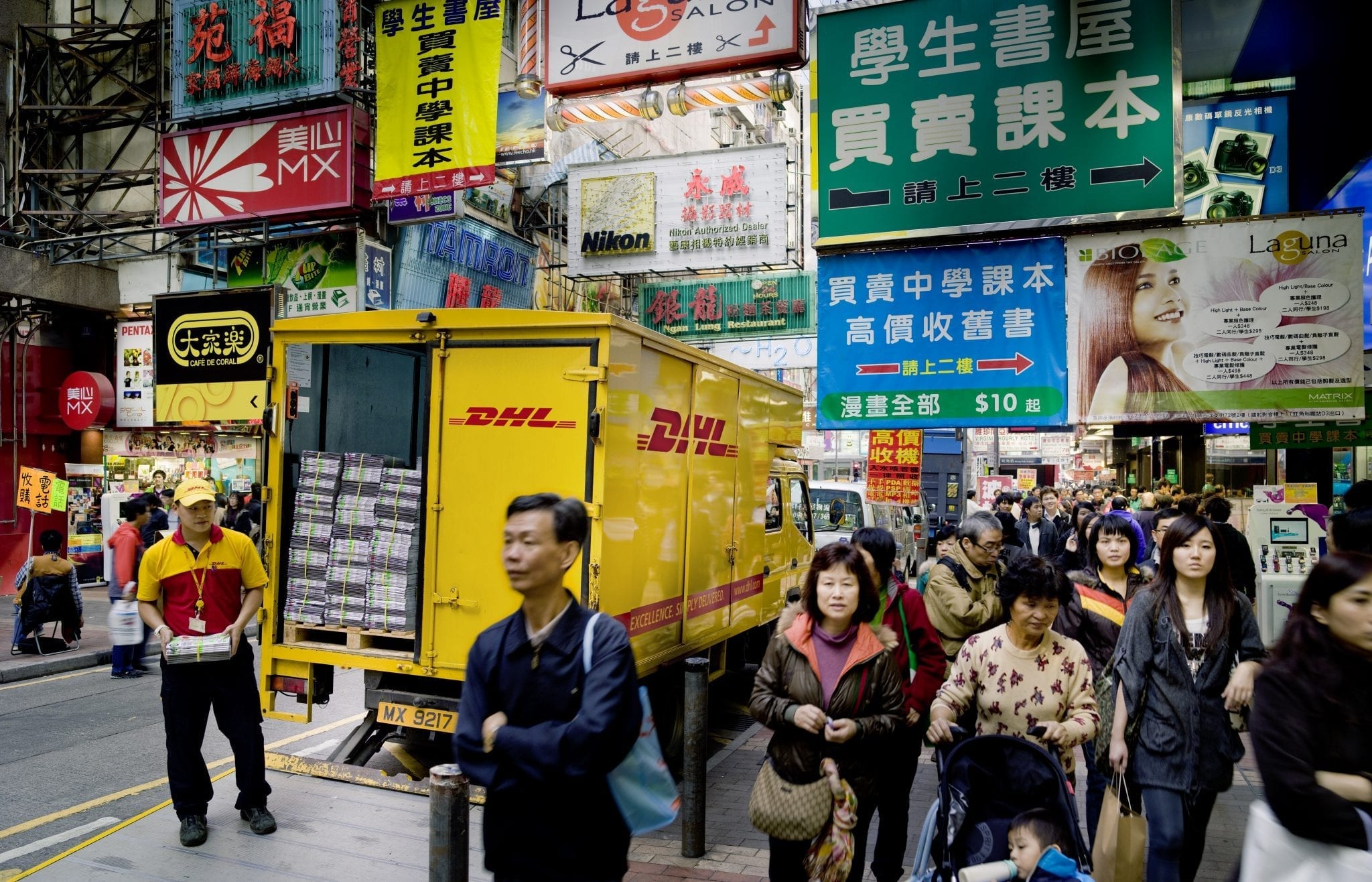
    DHL Express has opened its new Tsing Yi Service Center, a HK$78 million (US$10.1 million) facility on the third floor of the Goodman Interlink building in Hong Kong.

    “The opening of the new Tsing Yi Service Center follows double-digit growth in our international shipments over the past year, and underscores our confidence in the Hong Kong market,” said Herbert Vongpusanachai, senior vice president and managing director of DHL Express Hong Kong and Macau. “With a steady growth in our Hong Kong business contributed by the strong e-commerce sector, this facility is set to cement our market leadership with its enhanced handling capacity.”

    The 12,777-square-metre facility is double the size of the previous facility located in the same building and is capable of handling 380 tonnes of shipments per day, the strongest out of all DHL service centres worldwide.

    “We’ve been looking for a site since 2014,” said Vongpusanachai. “Hong Kong hasn’t been the easiest place in which to look for a new warehouse. There are very few fully equipped warehouses that have the size and scale that we needed based on our requirements.”

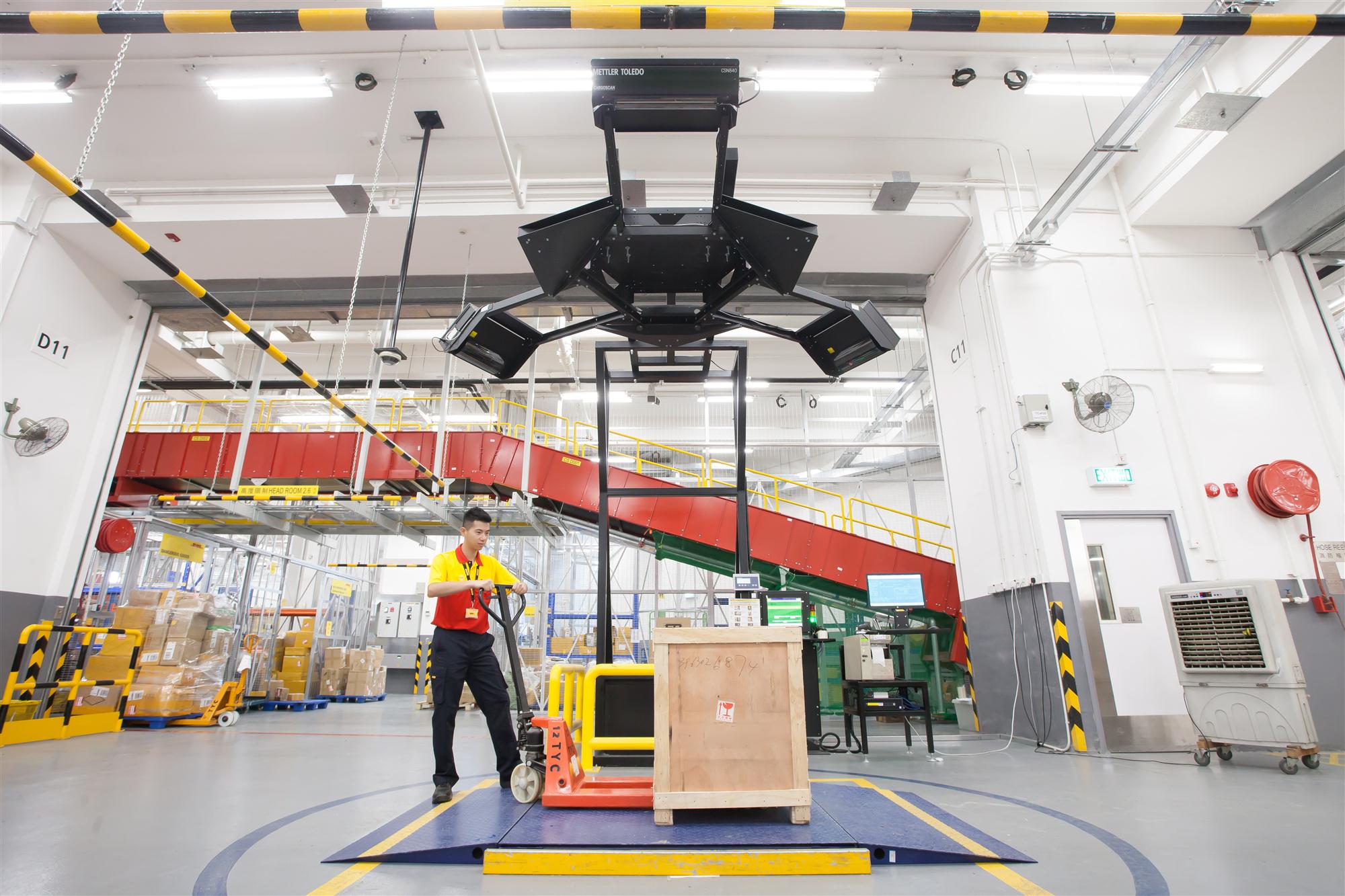
    Self Photos / Files - 3D reweigh & dimensioning machine

    Features include a high-speed automated reweigh and dimensioning machine capable of processing 2,200 pieces per hour, a 3D dimensioning and reweigh machine for unconveyable shipments that need volumetric measuring, a singulator which rearranges shipments so they travel down the conveyor belt one by one, and 122 CCTVs providing 24-hour monitoring.

    “It’s got all the technologies that we wanted,” said Vongpusanachai. “We want to be able to scan the shipments automatically when they come in, we want to sort them so that they go to the correct belt automatically, and we want to be able to build our own aircraft ULDs that we can bring straight to the airport.”

    One other “secret weapon,” according to Vongpusanachai, is the Clear-In-The-Air system, which allows all customs clearance information to be sent to the destination and handled while the plane is still in the air, cutting down transit times.

    Even though economic and trade conditions around the region have been disappointing, Vongpusanachai said that he wasn’t too concerned.

    “We’ve seen a bit of an economic slowdown over the past few quarters, but with the uptick in last quarter’s numbers and with our medium- to long-term look at the economy, we’re confident that we’ll actually see moderate growth in the near term,” he said. “There’s also still a lot of potential in the growth of certain sectors. The government has also increased its forecast for next year in terms of air trade.”

    The major driver of growth for DHL Express in recent times has been e-commerce, which was the predominant motivation for an upgraded facility.

    “We’ve seen a lot of customers moving away from big breakbulk to smaller shipments directly to the workplace or residence,” said Vongpusanachai. “That has been an emerging trend. This facility will allow us to increase our capacity and become more efficient in handling these types of shipments. Our focus as an express company is on time-definite international shipments.”

    The new Tsing Yi centre, which had its soft opening in July 2016, adds to DHL Express Hong Kong’s two other service centres in Cheung Sha Wan and Tsuen Wan.

    “These are some of the largest facilities that we have across the whole network, since Hong Kong is a high-capacity, high-volume exporter,” said Vongpusanachai. “We are always looking for new places. There is a plan but it’s a longer-term plan. Sometimes facilities might not be available yet, but we’re always looking ahead to see where we can expand.”

    The third-runway project at Hong Kong International Airport, which is scheduled to be completed by 2023, will give DHL Express the possibility of increasing capacity by operating more flights, allowing the DHL Central Asia hub to expand.

    “That’s something that we’re looking forward to,” Vongpusanachai said. “We’re very excited about the project and how we can participate in the growth of Hong Kong’s economy.”