Category: Logistics

Retail News Asia is committed to providing both local and global retailers with the latest Logistics news throughout the Asian market. This on a daily base.

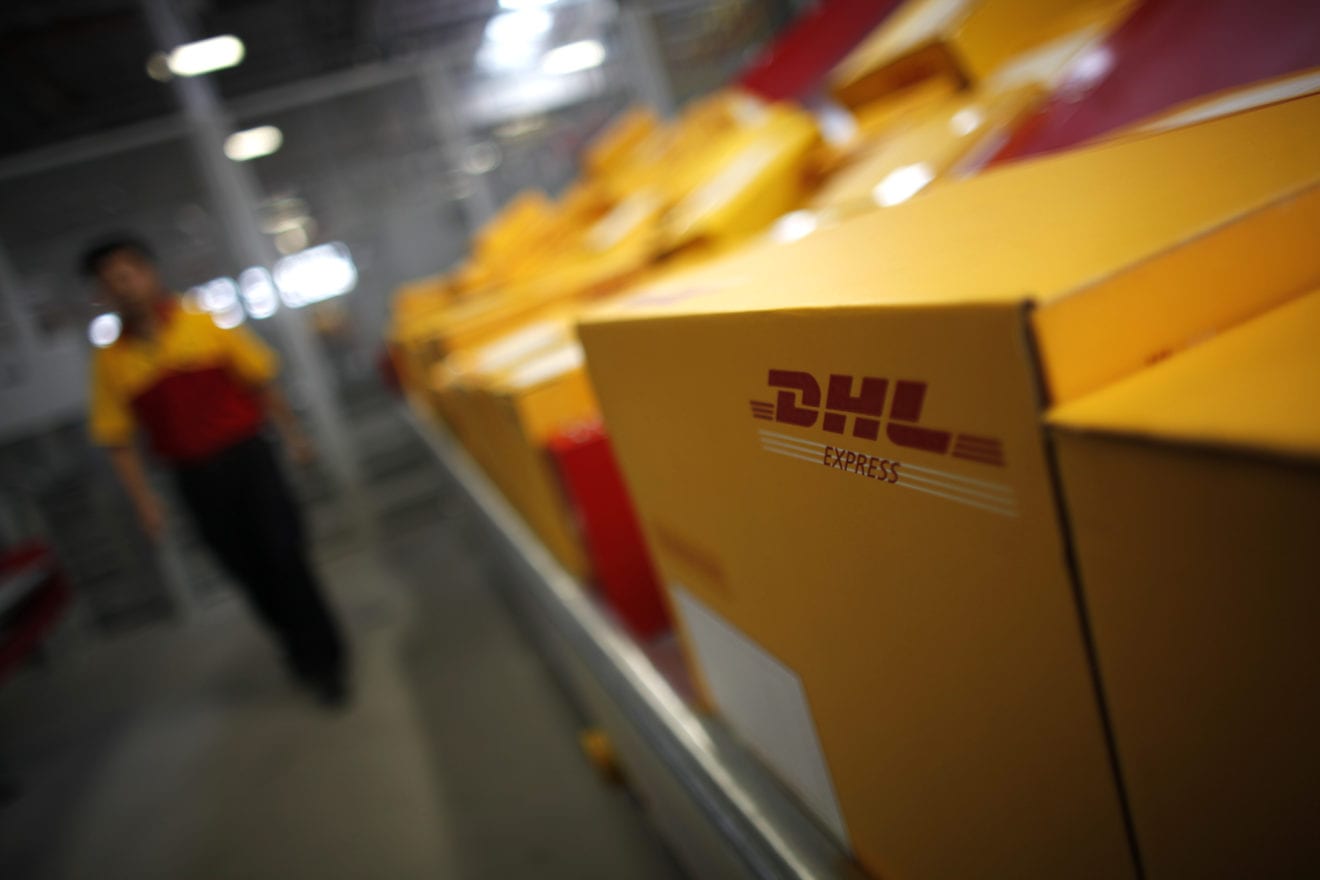
  • DHL Appoints New Hong Kong and Macau Managing Director

    DHL Appoints New Hong Kong and Macau Managing Director

    According to DHL, McQueen will be responsible for long-term growth across sectors such as aviation, consumer goods, healthcare, retail and technology. He will also be in charge of integrating solutions with freight and logistics services from South China’s major development zones.

    “Designing supply chain solutions that meet and exceed the unique needs of customers isn’t just my passion – it’s also essential for long-term growth that can withstand constant disruption and volatility in the marketplace,” said McQueen. “Having laid the foundations for such growth in the Greater China region, I’m excited to be focusing on Hong Kong as the linchpin in our regional operations, and look forward to leading our excellent team of more than 1,000 experienced supply chain employees to even greater heights.”

    McQueen has 24 years of supply chain experience. He was most recently in charge of business development at DHL Supply Chain Greater China, and was previously head of industrial development and solution design director for the Middle East and Africa.

    “We appointed Jez to lead our Hong Kong and Macau operations because of his outstanding track record in delivering rapid and sustainable growth across a wide variety of industries,” said Yin Zou, CEO of DHL Supply Chain Greater China. “Jez has proven invaluable as the head of business development for our operations in Greater China, combining deep expertise in all sectors with formidable acumen for turning supply chain innovations into substantial long-term improvements in customer satisfaction and revenues alike. Hong Kong remains a pivotal market for DHL Supply Chain, and I believe Jez’s skill set and passion for business development make him uniquely suited to handling its broad and dynamic range of multi-industry needs.”

  • KION Group completes acquisition of Dematic

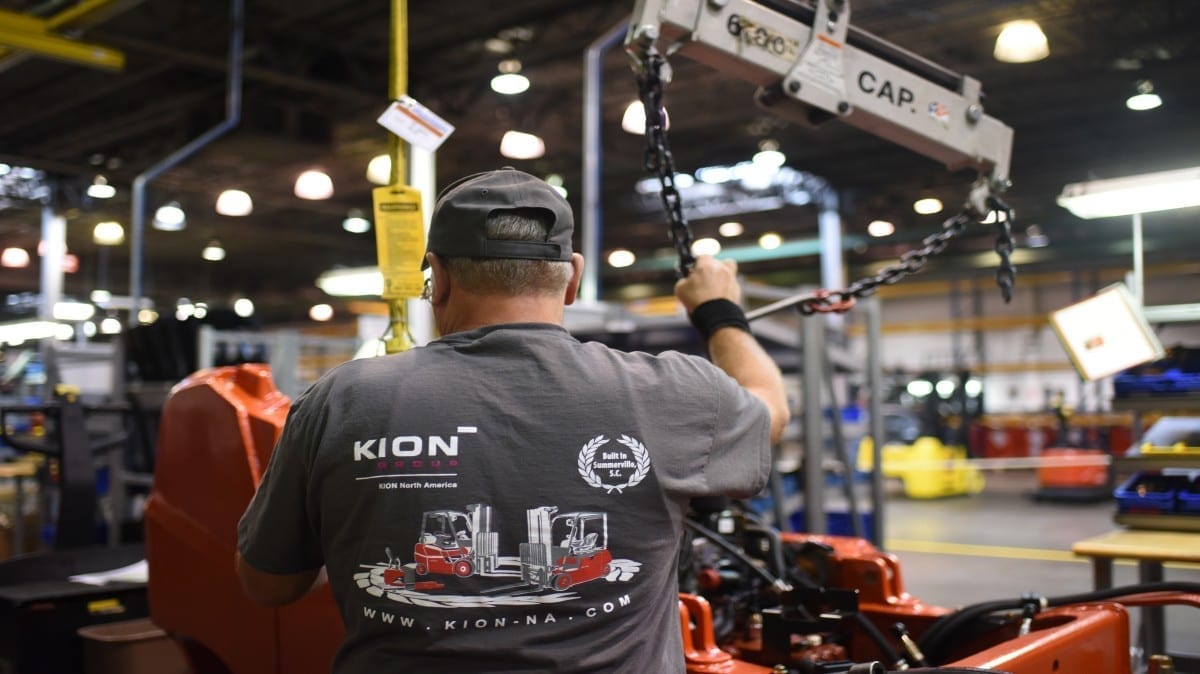
    KION Group completes acquisition of Dematic

    “Today marks the dawn of a new era for the KION Group, Dematic and our customers,” said CEO of the KION Group, Gordon Riske. “The transaction brings together the world’s most profitable manufacturer of forklift trucks and warehouse technology with one of the largest and fastest-growing warehouse automation and software solutions providers. Our combined global presence, intelligent and tailored material handling as well as comprehensive automation and software technology solutions, plus now more than 30,000 dedicated and highly skilled employees will enable us to deliver even more value for our customers.”

    The new Dematic operating unit will be led by John Baysore, previously CEO of Dematic North America, who will hold the role of president and CEO and has a proven track record in growing supply chain solutions business.

    “At Dematic, we are proud to move forward as part of the KION Group, which even better positions us to assist our customers with supply chain performance. The newly established solution portfolio affords our customers the ability to accommodate their ever changing business requirements and will dynamically optimize their warehouse and distribution functions,” said John Baysore. “The market for system solutions is expected to grow by around 10 percent per year in the medium term. We have the innovative technology, software expertise and global network to meet the supply chain requirements of the future, such as those resulting from the rapidly growing e-commerce sector and the many other vertical markets we serve.”

  • Rhenus opens its first office in South Korea

    Rhenus opens its first office in South Korea

    The Rhenus Group is opening its own business operations in South Korea at the beginning of November. The logistics specialist also founded the national company known as Rhenus Logistics Korea at the same time. The office in the South Korean capital Seoul will organise sea and air freight operations, third-party logistics and domestic transport services in future.

    “The primary motive for opening the business site in South Korea is to continue consolidating our Asian network; we’ve been continually expanding this during the past few years. Seoul forms the centre of South Korea and is the focal point of the Sudogwon metropolitan district.

    “More than 25 million people live there and this accounts for half of the population of the country; it therefore provides an excellent starting point for our range of logistics solutions,” says Tobias Bartz, who is responsible for the logistics specialist’s Asian business on the Rhenus Management Board, citing the reasons for the latest developments.

    The Rhenus Group is particularly aiming to establish itself as a partner for transporting, handling and storing raw materials, semi-finished products and industrial and consumer goods in the South Korean market with its complete range of services. Rhenus Logistics Korea then plans to develop the individual solutions for specific sectors, combined with local expertise.

    Much of the country’s trade takes place with Europe – but the new company will also focus on transport between different Asian countries. In terms of its infrastructure, South Korea provides excellent conditions for sea and air freight services for the new national company with Incheon International Airport, one of the largest in Asia, and the port of Busan, which is one of the top 10 in the world according to the number of containers handled. “We also envisage further growth in this market in future after completing the starting phase in Seoul,” says Bartz.

  • Asia Pacific airlines see further cargo uptick in September

    Asia Pacific airlines see further cargo uptick in September

    Preliminary traffic figures for the month of September released by the Association of Asia Pacific Airlines (AAPA) showed further uptick in air cargo markets and steady growth in international air passenger demand.

    In spite of the prevailing weakness in trade conditions, air cargo markets experienced further improvement in September, as reflected in the 5.3 per cent growth in demand as measured in freight tonne kilometres (FTK). The average international freight load factor increased marginally, by 0.5 percentage points to 63 per cent for the month, after accounting for a 4.4 per cent expansion in offered freight capacity.

    Commenting on the results, Andrew Herdman, AAPA director general said: “Air cargo volumes aggregated for the first nine months of the year match those of the same period last year, reflecting the modest upswing in demand in recent months, bolstered by higher shipments of electronics designated for product launches.”

    Collectively, the region’s airlines carried 23.5 million international passengers in September, representing a 7.0 per cent increase compared to the same month last year. Spurred by continued growth in both long haul and regional markets, demand in revenue passenger kilometre (RPK) terms increased by 7.6 per cent, faster than the 6.7 per cent expansion in available seat capacity.

    Looking ahead, Herdman concluded: “Whilst air passenger numbers continue to demonstrate resilience, Asian carriers face challenges in the form of intense competition and cost pressures, as crude oil prices have risen from historical lows. In addition, the lack of impetus for a revival in global trade activity may present some headwinds to sustained growth in air cargo markets.”

  • UPS has entered into a definitive purchase agreement to acquire Marken

    UPS has entered into a definitive purchase agreement to acquire Marken

    UPS has entered into a definitive purchase agreement to acquire Marken, a supply chain company dedicated to the pharmaceutical and life sciences industries.

    The transaction is expected to close by December 31, 2016.

    “Healthcare logistics is a strategic market for UPS,” said Teresa Finley, chief marketing and business services officer at UPS. “Our acquisition of Marken strengthens our portfolio and demonstrates our commitment to customers. We plan to offer new solutions to our customers and generate further growth opportunities for UPS.

    Marken will be operated as a wholly owned UPS subsidiary and will have access to the UPS integrated global network.

    “We are excited to join the UPS organization,” said Wes Wheeler, chief executive officer of Marken. “UPS’s capabilities, particularly in mature markets, will provide many opportunities for us to enhance our service offerings in clinical trials logistics. With UPS, we will improve our efficiency, while continuing to provide our clients with the high-touch, personalized services that they have come to expect from us.”

    Marken has more than 650 employees in 44 locations worldwide and operates 10 depots that are compliant with Good Manufacturing Practices, according to UPS.


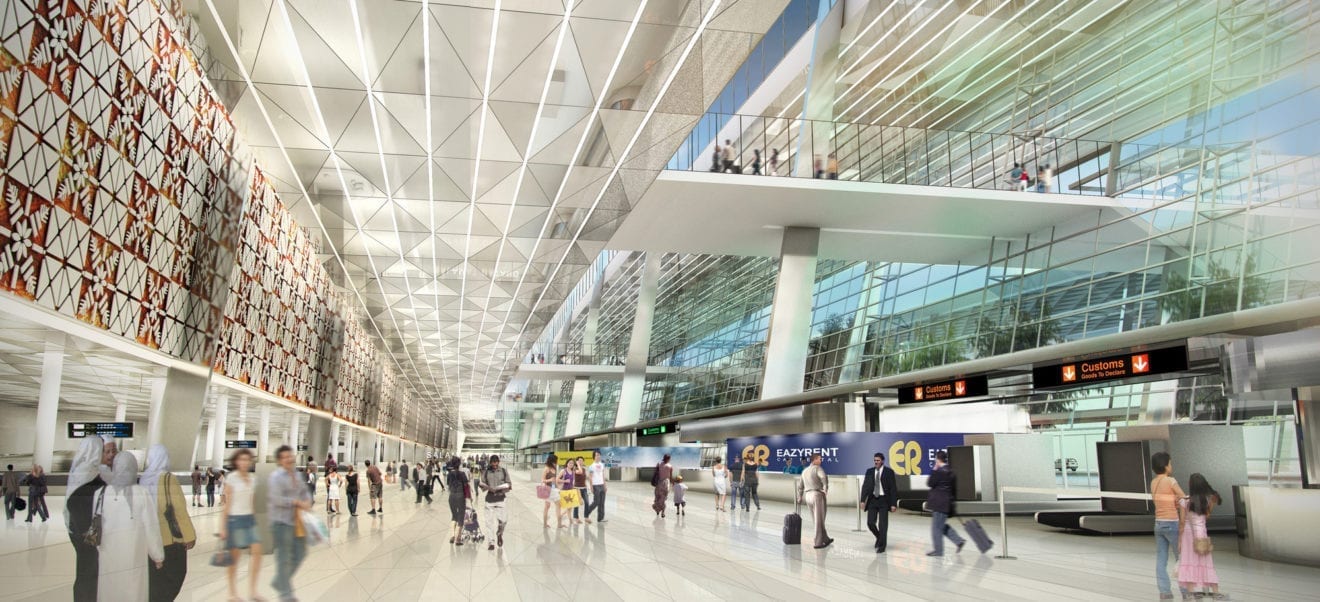
  • Soekarno-Hatta Airport train expected to be operational by July 2017

    Soekarno-Hatta Airport train expected to be operational by July 2017

    The railway service connecting Jakarta to Soekarno-Hatta International Airport in Tangerang, Banten Province, should be complete and fully operational by July 2017, President Director of PT Railink Heru Kuswanto said here Monday.

    The service will provide 124 trips per day, with each train consisting of 10 coaches capable of transporting 274 passengers per trip.

    It is expected to run every 15 minutes to transport a total of 33,976 passengers per day, Kuswanto said.

    Canadian firm Bombardier was appointed to manufacture the trains.

    “The coaches will be delivered from Sweden in March 2017,” Kuswanto said.

    The government has invested US$70 billion to procure 10 trains from the rail equipment division of Bombardier.

    The trains will be customized to meet the national standard of railway gauge of 1,067 millimeters.

    The government has a budget of Rp2.7 trillion for the construction of the airport railway service which will be integrated into several Jakartas city train stations such as Manggarai, Sudirman Baru, Duri, and Batu Ceper.

    The train journey from Manggarai Station to Soekarno-Hatta International Airport is expected to take 54 minutes at Rp100,000 per trip.

    The railway network will be integrated with Terminal 1, 2 and 3 of the Soekarno-Hatta International Airport.

    PT Rilink is a joint venture enterprise between national railway company PT Kereta Api Indonesia and the state-owned airport service enterprise PT Angkasa Pura.

  • GPSengine, Alematics forge partnership in tracking fleets

    GPSengine, Alematics forge partnership in tracking fleets

    Alematics a tracking device manufacturer for fleet tracking and management and GPSengine, a leading hosted platform service provider in IoT, GNSS, Tracking and Telematics,have established a new partnership to support Alematics tracking devices on GPSengine’s Platform Connect hosted platform.

    Based in Taiwan and with a core focus on tracking devices, Alematics provides a range of trackers suitable for a range of industries and applications.  The combined solution made available by this partnership provides customers with a ready to go solution.  Projects in the fleet tracking space take time to develop and implement and this incurs costs for organisations even before they can see basic tracking.  With this combined offering, organisations can install Alematic trackers and start tracking straight away utilising Platform Connect, reducing the cost and time to implement traditional solutions.

    Platform Connect is a hosted platform service that receives, processes and stores information from GNSS, IoT’s, devices, sensors, applications and third party services.  Based in Brisbane, Australia, GPSengine is a white label IoT platform provider, specialising in vehicle tracking.  Recognised globally for innovation and quality, the GPSengine platform is the result of more than 10 years working in the telematics space. Since 2014 their primary focus has been the development and support of an easy-to-skin, customisable white label GPS tracking platform, as well as seamless integration of supporting hardware. This combination means GPSengine delivers a comprehensive M2M technology enabling companies to connect and monitor assets with confidence. Alematics (www.alematics.com) vision and aim is to provide added value for people and companies by creating the latest technologies that bring comfort, efficiency and security to everyday life.

  • World Bank approves loan for Indonesia`s logistics sector

    World Bank approves loan for Indonesia`s logistics sector

    The Executive Board of the World Bank has approved a US$400 million Development Policy Loan for the Indonesias Logistics Reform, which will be used to improve the countrys logistics system and connectivity.

    “These reforms will help Indonesia in achieving higher inclusive growth,” World Banks Country Director in Indonesia Rodrigo Chaves said in a statement received by ANTARA here on Thursday.

    Chaves explained the US$400 million loan will support Indonesia to overcome obstacles in the supply chain, such as dwelling time and trading permits.

    The inefficient dwelling time has resulted in Indonesias logistics costs accounting for 25 percent of the total costs, while Thailand is only 15 percent and Malaysia is 13 percent.

    Currently, the cost of container shipping of oranges from Shanghai, China to Jakarta is cheaper than the cost of similar items shipping from Jakarta to Padang, West Sumatra.

    Though, the distance between the two cities in Indonesia is only a sixth of the distance between Jakarta and Shanghai.

    “Logistics efficiency will improve connectivity and provide a significant impact on the competitiveness of the country. Improved logistics can reduce the cost of goods and services flows, especially in remote and underdeveloped regions in Indonesia,” Chaves said.

    The Development Policy Loan will support Indonesia over a transition period from the commodity-dependent economy to manufacturing-based economy with high competitiveness.

    World Banks Senior Economist Massimiliano Cali added that the high cost and unreliable logistics are obstacles in improving national competitiveness.

    “Managing these problems will increase production and export, thus lifting economic growth,” he said.

    The three main objectives of this funding is increasing the performance of the ports, improving the competitiveness of logistics services and strengthening trade facilitation.

    World Banks support for the logistics reform is an important part of the Partnership Framework of World Bank Group States, which is centered on the governments priority to bring significant changes.

  • Pelindo to build seaport for food transportation

    Pelindo to build seaport for food transportation

    The Indonesia Port Corporation, PT Pelabuhan Indonesia (Pelindo) I, will build seaport infrastructure that supports food logistics transportation in order to reduce shipping costs and improve the quality of food products, Pelindo I Director Bambang Eka Cahyana said.

    “Right now we are paying attention to the food sector. In Belawan, North Sumatra, this year we are building a cold storage,” Bambang Eka said here on last Thursday.

    Cold storage, he added, can retain the quality of food products before they are exported overseas.

    The construction of cold storage in Belawan is a short-term plan for Pelindo I.

    Meanwhile, the medium-term plan of the company is to build a specialized cluster for food processing in Tanjung Balai port, North Sumatra.

    “During this time food processing has not received full attention. If we strengthen the cluster at the port, it will lower logistics costs,” he said.

    Bambang said for the long-term project, Pelindo I will build food processing infrastructure at all seaports throughout the country that are under its management.

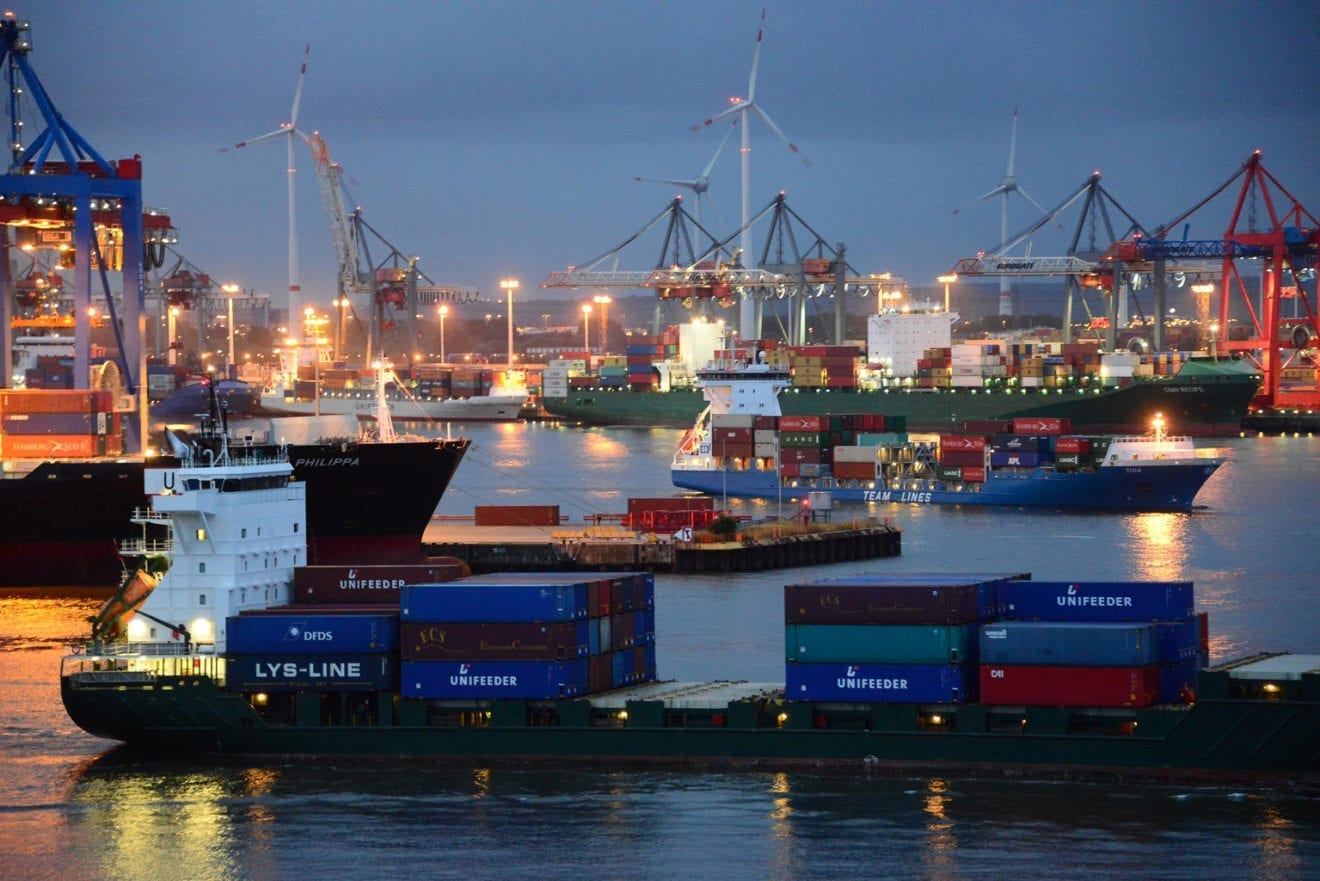
  • The Port of Hamburg has launched a Chinese-language version of its website

    The Port of Hamburg has launched a Chinese-language version of its website

    “China is by a wide margin the Port of Hamburg’s most important trading partner,” said Axel Mattern, joint CEO of Port of Hamburg Marketing. “We aim to do justice to this by now offering our internet presence, not just in German and English as the language of shipping, but also in Chinese. On our travels in China we have found that language still frequently forms a barrier to communication. We aim to reduce this and to facilitate immediate access to comprehensive data on the Port of Hamburg for our Chinese partners and customers through our Chinese internet presence. The new language version of the Port of Hamburg website is a logical extension of our already very comprehensive range of information.

    The website provides information such as liner services, agencies and handling facilities, as well as an integrated database on intermodal services, according to the port.

  • SingPost opens regional ecommerce logistics hub in Singapore

    SingPost opens regional ecommerce logistics hub in Singapore

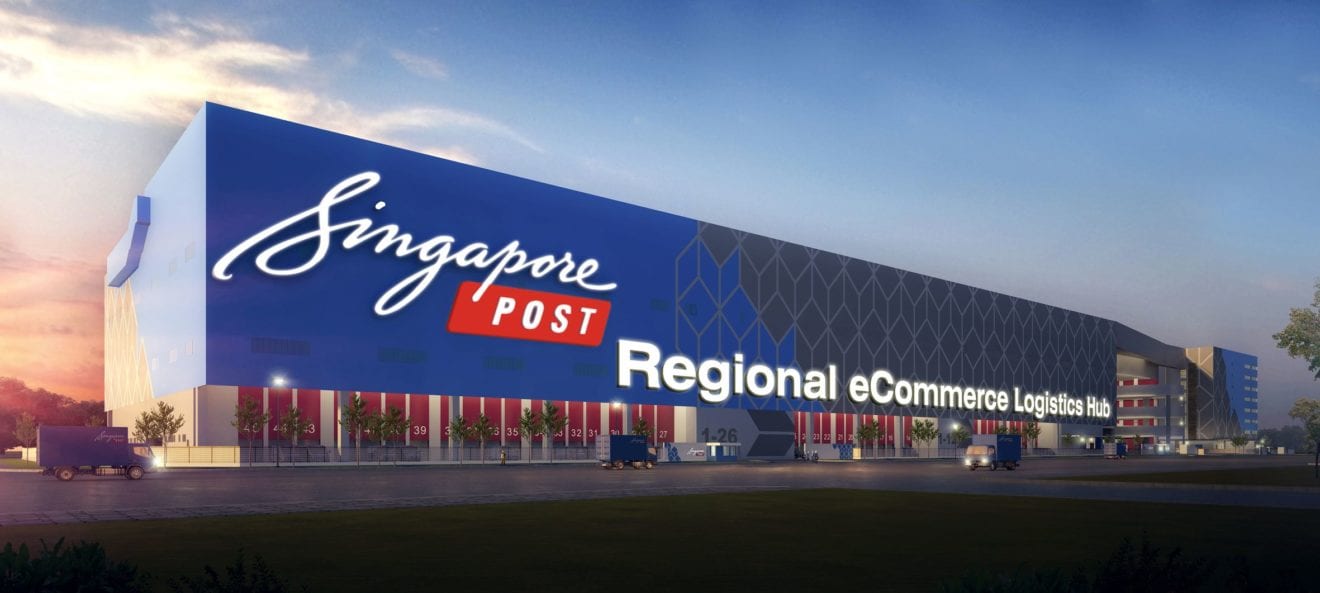
    Singapore Post Limited (“SingPost”) announced the launch of its Regional eCommerce Logistics Hub (“eComm Log Hub”) located at the Tampines Logistics Park. The S$182 million facility is SingPost’s largest eCommerce logistics investment in Singapore to date.

    The eComm Log Hub is officially opened by Singapore’s Deputy Prime Minister and Coordinating Minister for Economic and Social Policies, Mr Tharman Shanmugaratnam.

    SingPost’s eComm Log Hub is a three-storey facility housing two warehousing floors, 150 simultaneous loading bays as well as an office block. The ground floor of the building houses a fully automated parcel sorting facility with a capacity of up to 100,000 parcels a day, and end-to-end sorting, shipping and returns management capabilities that enable quicker order fulfilment. The total built-up area is 553,000 square feet.

    Automation plays a big part in the eComm Log Hub – beyond the fully automated parcel sorting system on the first floor of the facility, the second floor warehouse is also automated, resulting in the entire eComm Log Hub being integrated end-to-end from the eCommerce front-end platform to delivery. The eComm Log Hub will process parcels for delivery within Singapore and those to be shipped to destinations worldwide.

    Said Mr Chua Taik Him, Deputy Chief Executive Officer of IE Singapore, “IE Singapore has been working closely with SingPost on strategies to scale its business in the region, facilitating its projects and partnerships with both brand owners and last mile fulfilment players. Given the strong growth of eCommerce in Southeast Asia, the launch of SingPost’s facility will further support its local and overseas growth. This will also enhance Singapore’s capabilities in fulfilment and facilitate more regional eCommerce trade flows.”

    The Management Team of Sephora Asia said, “This October, SingPost has begun providing us with warehousing services in Australia to handle our beauty and fragrance products. At Sephora, we believe in giving our customers a great end-to-end experience from the time they log in to the moment they receive their purchases. SingPost’s support is critical to delivering that flawless customer experience. With their new eCommerce Log Hub and great solutions like POPStations, we recognise that SingPost is propelling the eCommerce industry forward. We have found SingPost’s professionals to be very conscious of accuracy, cost and service quality.”

    Mr Simon Israel, SingPost’s Chairman, said, “The opening of our Regional eCommerce Logistics Hub is another milestone in the expansion of SingPost’s eCommerce logistics network, which now spans 19 markets across Asia Pacific, Europe and the US. Singapore’s regional connectivity makes it ideally positioned to be a centre for eCommerce. Our Regional eCommerce Logistics Hub leverages on this geographic and infrastructural advantage. Everything in this building is scalable, which means we can keep upgrading it to meet the needs of the future.”

    He added, “With the Regional eCommerce Logistics Hub, our POPStation network and our investments into technologies for new postal and logistics solutions, we are prepared for a sustainable future of car-lite cities and the sharing economy. SingPost is therefore able to shape and play a broader role in how urban logistics is done in Singapore.”

    SingPost’s Centre of Innovation

    At the opening ceremony, SingPost also launched its Centre of Innovation (“COI”).

    The COI was set up in August 2015, with support from the Economic Development Board, to carry out research into new logistics and postal services and products, in collaboration with research institutions and institutions of higher learning.

    Emphasis will be placed on new technologies such as robotics and automation to meet the needs of future customers and markets as well as becoming the tools for SingPost’s next generation of employees.

    Some initiatives now being carried out by the SingPost COI are:

     Deliver significant enhancements to the eCommerce logistics platform which will help support the smart logistics and smart nation initiative;

     Roll out a new version of the Self-service Automated Machine (SAM) platform to enhance customer experience and provide a seamless omni-channel experience encompassing the kiosk and the digital postal office;

     Bring the online and offline world of retail shopping to the SingPost mall, which will provide exciting merchant offerings and delivery options to the customer. Retail merchants will be able to experiment with unique ways of interacting with customers to boost revenue and increase loyalty;

     A digital transformation of the post office to provide customers options to transact with greater ease and pace; and

     Innovate last mile delivery options through building the next generation of POPStations and experimenting with drone delivery across the island.
  • IAG to construct freight facility

    IAG to construct freight facility

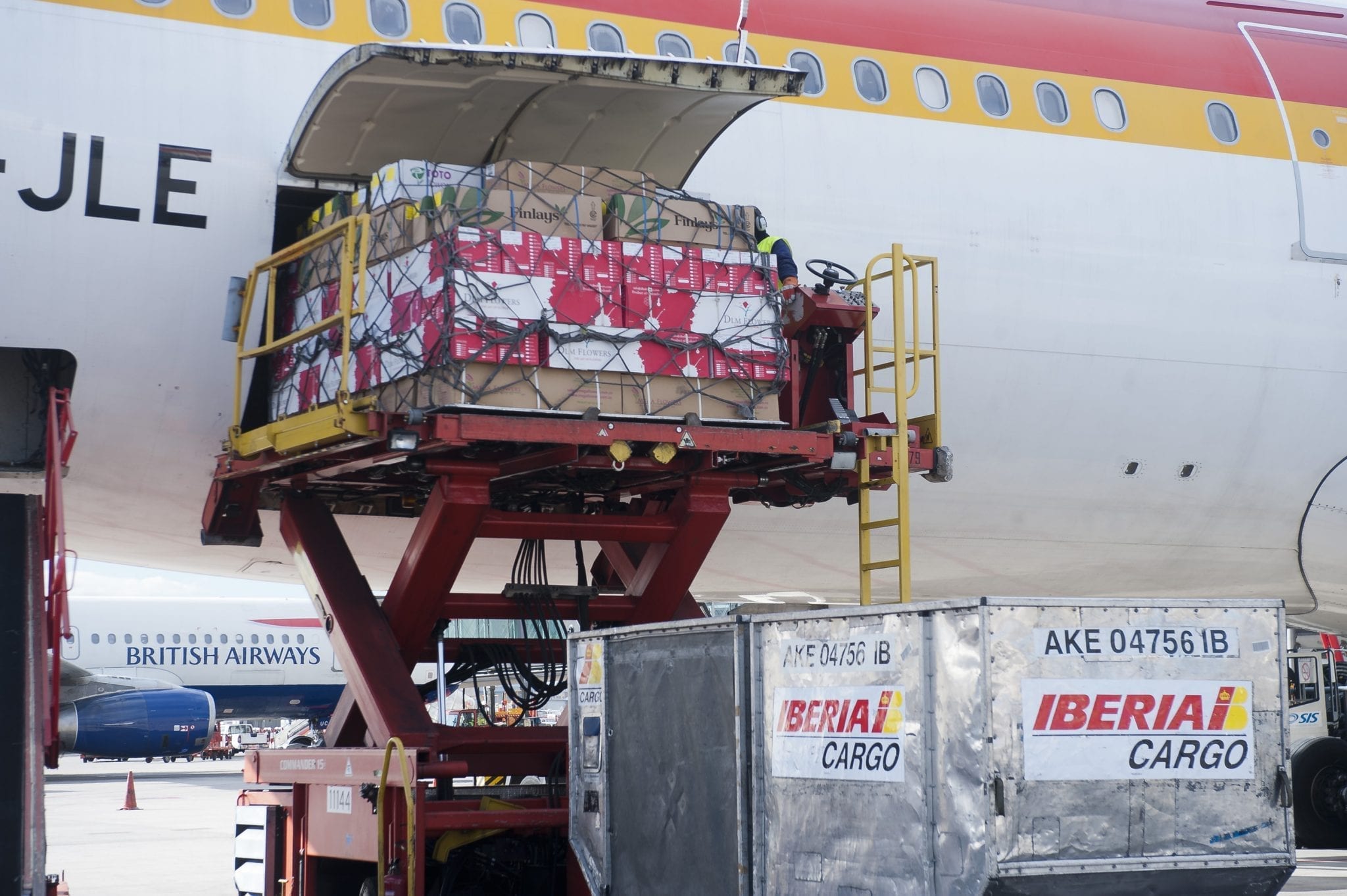
    IAG Cargo has announced that it is set to build a new premium freight facility at its London Heathrow Hub. The new building will be twice the size of IAG Cargo’s existing Premia facility and has been designed around the modern demands of premium airfreight.

    With a larger dedicated Constant Climate Quality Centre for pharmaceuticals; new delivery and collection doors and an advanced warehouse management system that will prioritise freight. The facility is designed to support the future demands of international premium trade.  Set to become operational in 2018, the building will operate alongside IAG Cargo’s existing Premia facility.

    The new building will manage the flow-through of all express Prioritise shipments and passive Constant Climate shipments.

    Drew Crawley, CEO of IAG Cargo said: ‘IAG Cargo’s four airlines now carry more premium freight than at any point in their combined history. With the continued growth of high speed e-commerce and cool chain logistics in particular , as well as the ongoing expansion of the IAG family and network, we need facilities that are ready for the next generation of premium freight.’

    ‘We believe that the  blend of our next generation aircraft, new freight facilities such as this one and our expanding  network means that IAG Cargo is extremely well positioned in the market to meet the current and future premium freight demands of all our customers. Our new premium warehouse will be built away from existing Premia, leaving our current operation and customer service unaffected.”

    Sarah Coulson, Head of Strategy and Business Development at IAG Cargo said: ‘Over the past few years we have continued to see year on year growth in premium freight. Our commitment to consistently deliver a high level of service to our customers has undoubtedly influenced our strong performance in this market. We want to continue our growth and performance in this sector and our new facility will help deliver this.’

    IAG is in the midst of a major fleet renewal programme, which is opening up new route opportunities and providing greater capacity on key trade lanes. The new facility will be designed to accommodate this growth, offering optimised handling capabilities and an enhanced premium proposition.

  • UPS Orders 14x 747

    UPS Orders 14x 747

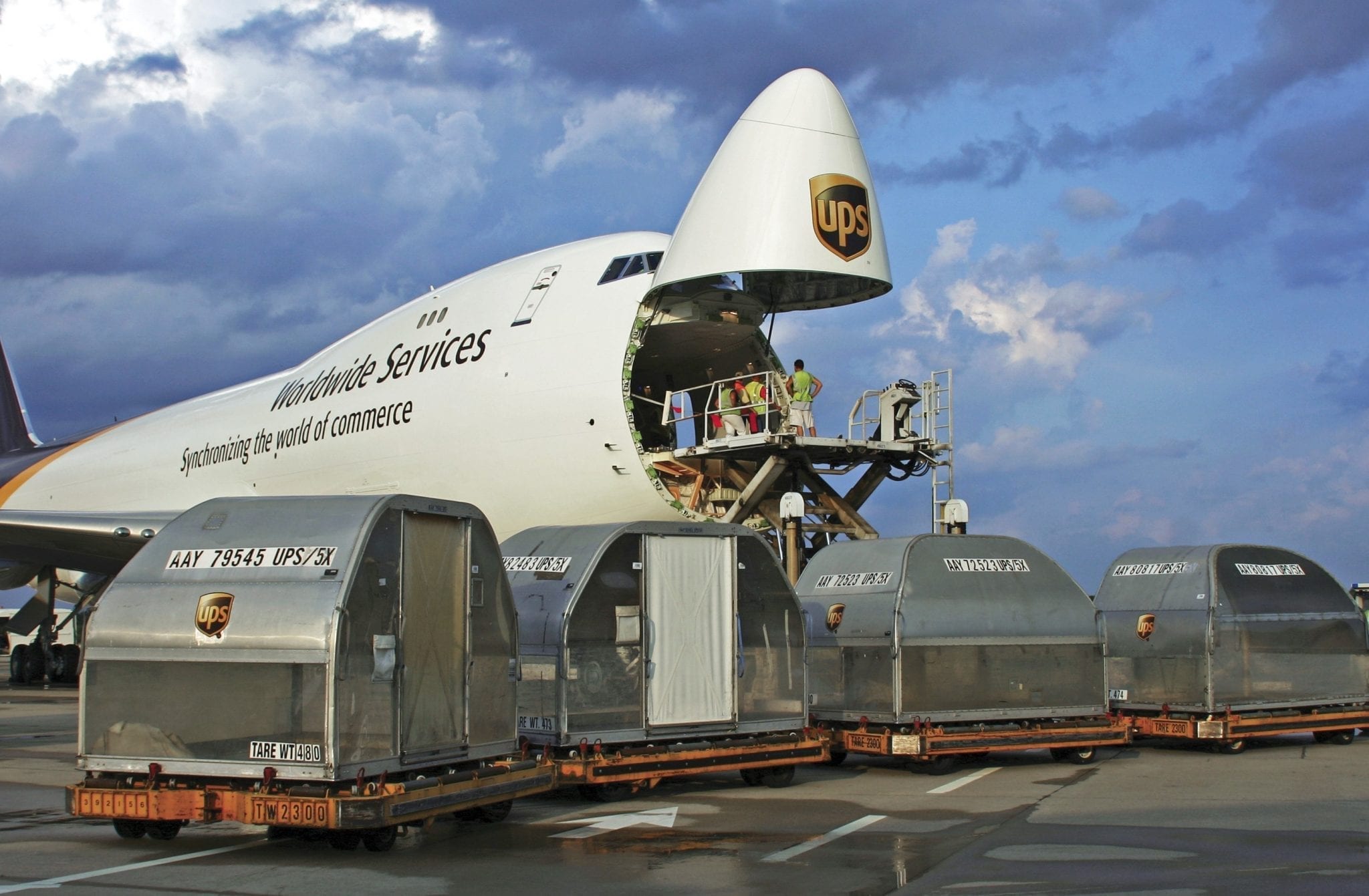
    “These aircraft are a strategic investment for increased capacity for UPS customers around the globe,” said Brendan Canavan, president of UPS Airlines. “The 747-8 will allow UPS to upsize our network in both new and existing markets.”

    The aircraft will be delivered between 2017 and 2020. Each 747-8F offers 16 percent more cargo capacity than the 747-400F and can carry approximately 137 tonnes. Pilots of the carrier’s 747-400F fleet will be able to fly the -8F after a short training course.

    “We benefit from the youngest fleet in the industry and we are continuously investing for both operating safety and efficiency,” said Brendan Canavan, UPS Airlines president. “This investment supports our customers’ future capacity needs while also reducing fuel use and emissions, which enhances UPS Airlines’ position as an industry leader in sustainability.”

    Boeing lowered the production rate of the 747-8 programme to 0.5 per month because of reduced demand. Russia’s Volga-Dnepr Group finalized the acquisition terms for 20 747-8Fs at the Farnborough International Airshow in July 2016, including four that had already been delivered.

    Apart from the new UPS order, the only -8Fs left to be delivered are two for AirBridgeCargo, one for Korean Air Cargo, two for Nippon Cargo Airlines and one for Silk Way Airlines.

    “UPS could not have selected a better aircraft to meet its growing business needs,” said Brad McMullen, vice president of sales for North America and leasing at Boeing Commercial Airplanes. “We’ve continued to make the 747-8 Freighter even better, and we look forward to seeing UPS introduce it to its fleet.”

    UPS operates a fleet of 236 aircraft, consisting of Airbus A300-600Fs, 747-400Fs, 757-200Fs, 767-300ERFs and MD-11Fs, as well as 305 other aircraft that are chartered or on short-term lease.

  • Schiphol Aims to Reinforce Position as Smarthub

    Schiphol Aims to Reinforce Position as Smarthub

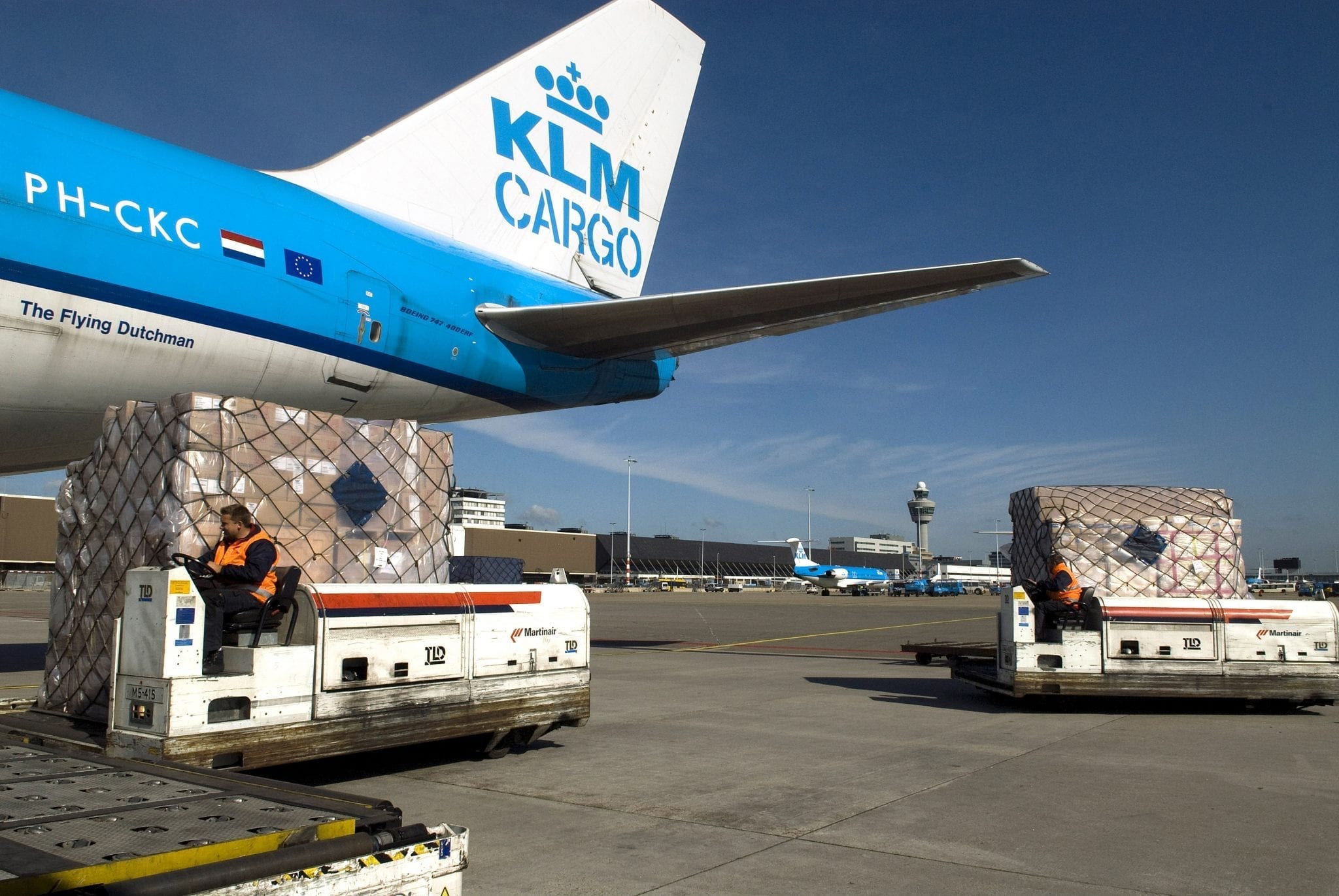
    Schiphol Cargo announced today that it will back further projects as part of its Smart Cargo Mainport Program, aimed at finding innovative schemes to improve cargo flow through the Amsterdam hub. The Smart Program projects centre on cargo flows, encouraging cooperation between the different parties in the supply chain, and is underpinned by transparent data sharing.

    The program brings together Schiphol Cargo as chair, with KLM Cargo, Dutch Customs, and Cargonaut, and has already attracted €375,000 (US$409,000) of Dutch government funding.

    A pilot scheme is currently underway with Royal FloraHolland becoming one of the first to successfully implement Smart Mainport elements in its operations.

    Last month, KLM Cargo also embarked on a pilot scheme aimed at speeding up and enhancing the efficiency of European supply chains bringing cargo to Schiphol for subsequent international shipment.

    The pilot, which kicked off on the route from Frankfurt to Amsterdam, is operated by a consortium which brings together Schiphol Cargo, Jan de Rijk Logistics, Swissport, Kuehne + Nagel, importer Fresco Flowers, Cargonaut and Dutch Customs.

    Under the scheme, a distinction has been drawn between shipments with shorter connecting times and those with less time pressure, and a new schedule is being trialled.

    The schedule marks the first step towards setting up a cloud platform facilitating data exchange amongst the cooperating parties. 

    “We constantly have to deliver value in the hyper-competitive air freight market,” said Marcel de Nooijer, EVP of KLM Cargo and MD of Martinair Holland. “In the ideal supply chain it is all about co-operation and optimization of the movement of shipments, both in the air as well as on the ground. Therefore transparency and access to data through digitization is key!”

    “The Smart Cargo Mainport Program is about facilitating the design and delivery of data driven predictable and compliant air cargo processes. It is not about the Cloud, it is about what we do with it,” said Nanne Onland, executive director of Cargonaut.

    Speaking, Jonas van Stekelenburg, head of cargo at Schiphol, said cooperation was in their DNA in the Netherlands. “We have taken a community approach to this initiative, and people are favourable to cooperating. People will share information with us because they view us as a trusted partner,” he said. “This doesn’t stop with the pilot route from Frankfurt to Amsterdam, and you will hopefully see more new projects in the coming months.”

  • DHL launches air freight service for emergency logistics

    DHL launches air freight service for emergency logistics

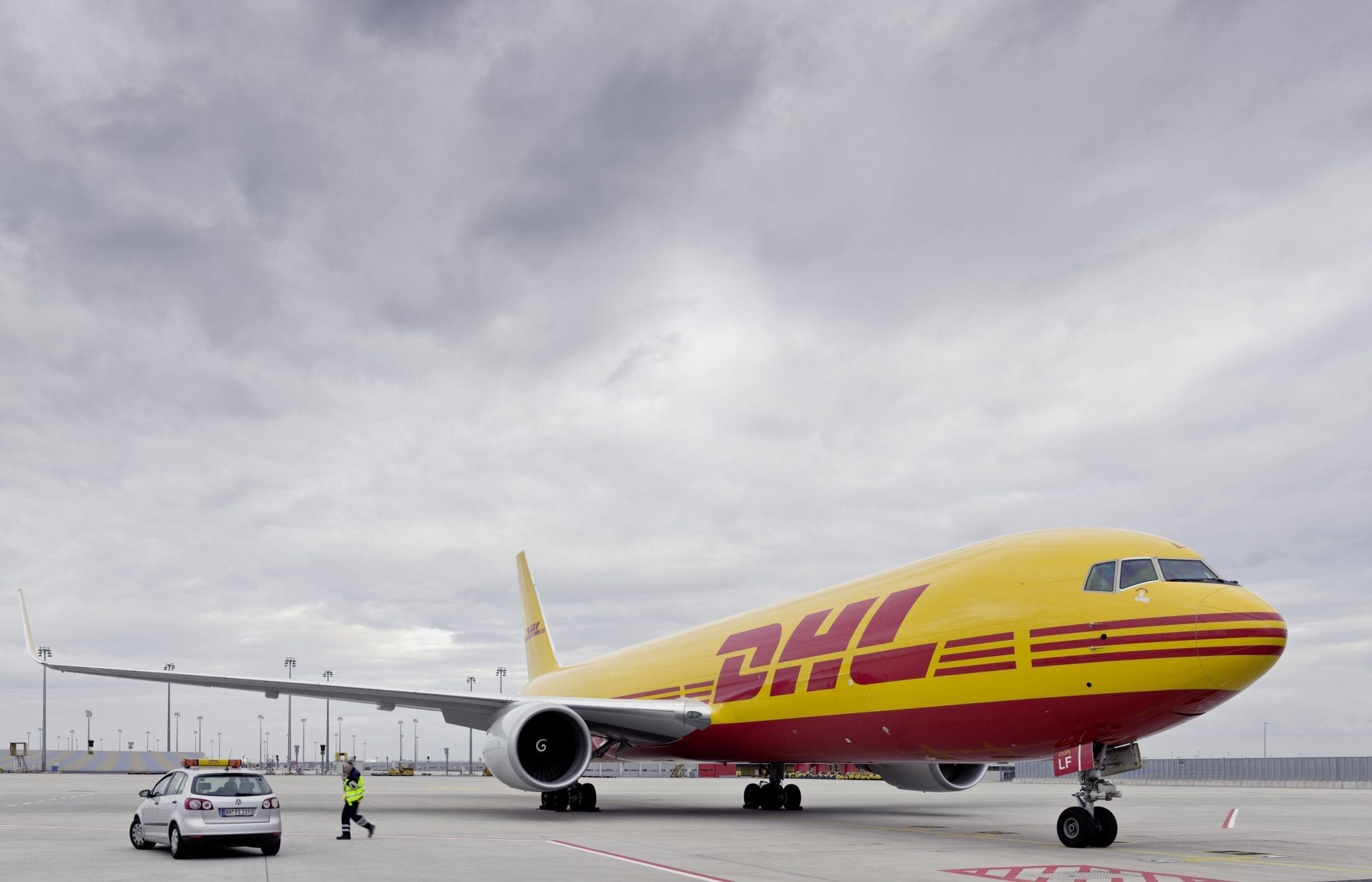
    DHL Global Forwarding extends its product portfolio and launches DHL SameDay Speedline. This new air freight product offers forwarding customers a mission critical solution for emergency shipments. Providing a best flight out service at an optimal cost-performance ratio, each unaccompanied shipment will be proactively monitored from origin to destination.

    With benefits such as 24/7/365 pickup and delivery, collection within 120 minutes and quotations within 60 minutes, the DHL SameDay Speedline product will fill the gap for a much needed global expedited solution. This new service covers urgent delivery of spare parts, critical medical supplies or newly launched products.

    Although DHL SameDay Speedline is a multisector product, it‘s especially attractive for aerospace & aviation, automotive, electronics, energy and life sciences industries.

    “The emergency shipment market is growing with just-in-time inventories for industries from aerospace and energy to manufacturing to adapt their supply chains. The need for mission critical shipment delivery to avoid line down situations continues to arise and requires a partner that has the global reach combined with the technology to provide transparency to each sector specific logistical challenge. DHL SameDay Speedline fills this gap and provides added value through its many service features,” states Ingo-Alexander Rahn, Global Head of Air Freight, DHL Global Forwarding.

    The launch of DHL SameDay Speedline’ s global network of 50+ stations will cover the greatest geographical demand for emergency shipments, with the expectation, that the network will grow through customer demand. A core strength of DHL SameDay Speedline are the 24/7/365 SameDay Contact Centers in the US, Singapore and Ireland, where each shipment is proactively monitored from origin to destination.

    Dedicated customer service representatives will handle the majority of quotes and routing option for door-to-door transits in less than 60 minutes. Customers of DHL SameDay Speedline will receive customized milestone updates of their shipments movement after the logistical event. In case of an irregularity, a resolution to the issue is available within minutes.

    Next to specific industry sectors solutions, the scope of DHL SameDay are those customers that need to ship time-critical cargo regularly or experience unplanned emergencies.

    “We see DHL SameDay Speedline as a multi sector product offering that is especially attractive for aerospace & aviation, automotive, technology, energy, marine logistics and life sciences industries, including temperature controlled, dangerous or out-of-gauge goods,” Rahn adds.

    After surveying more than 200 customers from various industry sectors with emergency shipment needs, DHL Global Forwarding saw a need to develop a product utilizing the best of both worlds, the leverage of the DHL relationships in country with the emergency product technology and intelligence of the DHL SameDay team.

    “Our customers will choose DHL SameDay Speedline for the best flight options to meet just-in-time demand at an optimal cost performance ratio,” stresses Ingo-Alexander Rahn.