Category: Logistics

Retail News Asia is committed to providing both local and global retailers with the latest Logistics news throughout the Asian market. This on a daily base.

  • Gold Star Line Enhances Asia Chennai Service

    Gold Star Line Enhances Asia Chennai Service

    Gold Star Line has upgraded its Asia Chennai Service connecting East Asia with the East Coast of India.

    According to the company, the enhanced ACS will be operated in conjunction with Hyundai Merchant Marine and will begin on January 21, 2017.

    The port rotation will be: Busan – Shanghai – Hong Kong – Yantian – Singapore – Port Kelang – Chennai – Kattupalli – Port Kelang – Singapore – Manila – Busan.

    The service will offer a mid-week window for Central China and a weekend window for South Korea, according to Gold Star Line.

  • Keppel Logistics aims to stay relevant with e-commerce

    Keppel Logistics aims to stay relevant with e-commerce

    Staying relevant in a fast-changing sector is a key strategy for Keppel Logistics, said chief executive Desmond Gay.

    This is why the company – a wholly-owned unit of Keppel Telecommunications & Transportation – embarked on a $4.6 million acquisition of a majority stake in e-commerce logistics company Courex in October.

    Mr Gay told us recently: “We are constantly striving to innovate and evolve, and the Courex acquisition has allowed us to structure ourselves in a way that we become more relevant to the market and the new economy. It is just the first step of things to come.”

    Courex is a third-party logistics service provider that supports the needs of retailers, from last-mile delivery to international shipping and warehousing. It counts Singapore Airlines and Hachi.Tech among its clients.

    Keppel Logistics holds a 59.6 per cent stake in Courex, while the remaining 40.4 per cent is held by founder Joe Chua, who continues to lead the company.

    Mr Gay noted that the acquisition came as a “natural progression” for Keppel Logistics, as it moved to expand from its traditional B2B (business to business) business into the B2C (business to consumer) space, or the e-commerce market.

    “As companies, including our customers, begin to re-look and evolve their supply chains against the backdrop of an e-commerce dominated landscape, we likewise have to adapt and grow new muscle, and develop new capabilities and competencies,” he said, noting that doing so will ensure the company remains competitive.

    Incorporating Courex’s capabilities into Keppel Logistics’ business also allows the firm to better cater to its customers, he said. This is key as more brick-and-mortar retailers turn to online platforms to complement their sales channels.

    The growth prospects for e-commerce in South-east Asia are significant, Mr Gay noted.

    He cited a recent study by Google and Temasek Holdings, which says e-commerce in the region is expected to soar from US$5.5 billion (S$7.8 billion) last year to about US$88 billion over the next decade, and possibly up to US$128 billion even. Singapore’s e-commerce market is forecast to grow from US$1 billion to US$5.4 billion over the same period.

    “Being in the middle of a region like South-east Asia, with more than 600 million people – there we have a huge market opportunity,” said Mr Gay. “With the acquisition, we’re only just starting, and we’re ready to have a bite of the e-commerce pie.”

    Mr Gay expects Keppel Logistics, which has a presence in Australia, China, Indonesia, Malaysia, Singapore and Vietnam, to grow its e-commerce logistics business by at least 15 per cent in annual revenue over the next few years.

    He singled out Indonesia and Vietnam as “bright spots”, noting that Indonesia, in particular, is expected to make up over half the South-east Asian e-commerce market by 2025. The firm will explore opportunities to enter new markets such as Thailand, the Philippines and Myanmar.

    Amid a hyper-competitive market – reports last month said the US-based Amazon is set to enter South-east Asia next year – Mr Gay is positive Keppel Logistics will be able to maintain its edge.

    “A market that is US$88 billion and possibly US$128 billion is big enough, I think, for the various players,” Mr Gay, said.

    “If you look at South-east Asia, it’s still very fragmented. This means you have specialists that provide only last-mile services, for example, or parts of the supply chain, but not quite the entire supply chain.”

    He added: “Our synergies with Courex will also help us move towards being an omni-channel logistics service provider, while retaining our core strengths in providing best-in-class third-party logistics solutions.”
  • Easyship raises more funding

    Easyship raises more funding

    Hong Kong logistics startup Easyship has raised an undisclosed amount of pre-series A funding from 500 Durians, a fund managed by Silicon Valley’s venture capital major 500 Startups.

    Easyship is an online platform providing crossborder logistics services for eCommerce companies, claiming to have access to more than 80 shipping companies and offering visibility on delivery time, cost breakdown, reliability and tracking.

    To date, it has raised aggregate funding estimated at US$2.5 million. The latest round will help it expand into Southeast Asia via Singapore, following the validation of its business model and building of traction in the Hong Kong market.

    Its expansion to Singapore provides strategic access to Southeast Asia and leverages off the city-state’s logistics infrastructure and networks – just as US eCommerce giant Amazon is establishing a presence there.

    The venture originates from problems with international shipping encountered by co-founders Tommaso Tamburnotti and Augustin Ceyrac when they were trying to build the crossborder business of Rocket Internet’s Lazada, as reported. At the time, Lazada was trying to attract more vendors to its platform in China and Hong Kong selling into Malaysia, Singapore, Thailand, and the Philippines.

    However, Lazada’s rapid sales growth was inhibited by a “very unstructured and fragmented” logistics industry. Easyship streamlines this process, providing an end-to-end process for packaging, labelling and tracking goods with couriers. It charges no fees for these services, with sellers paying the couriers. Revenue is generated from courier commissions.

    Easyship claims its saves its 1000-plus clients in Hong Kong up to $20,000 a month on shipping fees.

  • WCA launches e-commerce logistics network

    WCA launches e-commerce logistics network

    WCA Ltd has launched the world’s first dedicated eCommerce logistics network in response to the changing global economy and a marked shift towards online consumerism. The network is open to all players in the cross-border eCommerce supply chain, according to WCA.

    By 2020 it is projected that freight forwarding will be 20 per cent eCommerce driven,” said David Yokeum, founder and chairman of WCA. “Our decision to become involved in eCommerce is a direct result of these projections. Our utmost concern is that network members are supported, and provided with the tools and opportunities necessary for them to become leaders in eCommerce logistics.”

    Launched in mid-October, the network has already seen over 100 logistics companies apply for membership and has attracted the interest of a wide range of companies within the supply chain. “The response has been phenomenal,” said Dan March, WCA chief executive officer. “We have been approached by a number of the world’s largest internet retailers and online marketplaces, all wishing to employ the network to meet their ambitious international expansion plans for B2B, B2C, and C2C business.”

    The WCA eCommerce network is open to all independent freight forwarders regardless of their knowledge or experience in the sector. Companies first join at the eMember level where valuable resources – such as webinars, training sessions and expert consulting – can be utilised to help them become proficient in eCommerce logistics. Once accomplished, eMembers may apply for certified eVendor status, allowing them to trade directly and build volumes and business with fellow eCommerce partners and eTailers.

    “To become a certified eVendor a member must undergo a comprehensive eCommerce capabilities audit,” said Alex Allen, WCA eCommerce’s managing director. “As an eVendor, the company is free to offer logistics services back to the network. The beauty for eVendors is that they are also fully covered by WCA’s industry-leading financial protection programme.”

    WCA eCommerce is the world’s only neutral platform; promoting product development, new partnerships, and business growth in the eCommerce sector. In 2017 WCA eCommerce plans to launch a range of additional benefits, including comprehensive eCommerce shipment insurance, a range of innovative eCommerce-specific IT solutions, preferred rates on global and domestic last-mile and courier deliveries, and regional eCommerce consolidation programmes.

  • DHL invests in new e-commerce distribution centre at Narita, Japan

    DHL invests in new e-commerce distribution centre at Narita, Japan

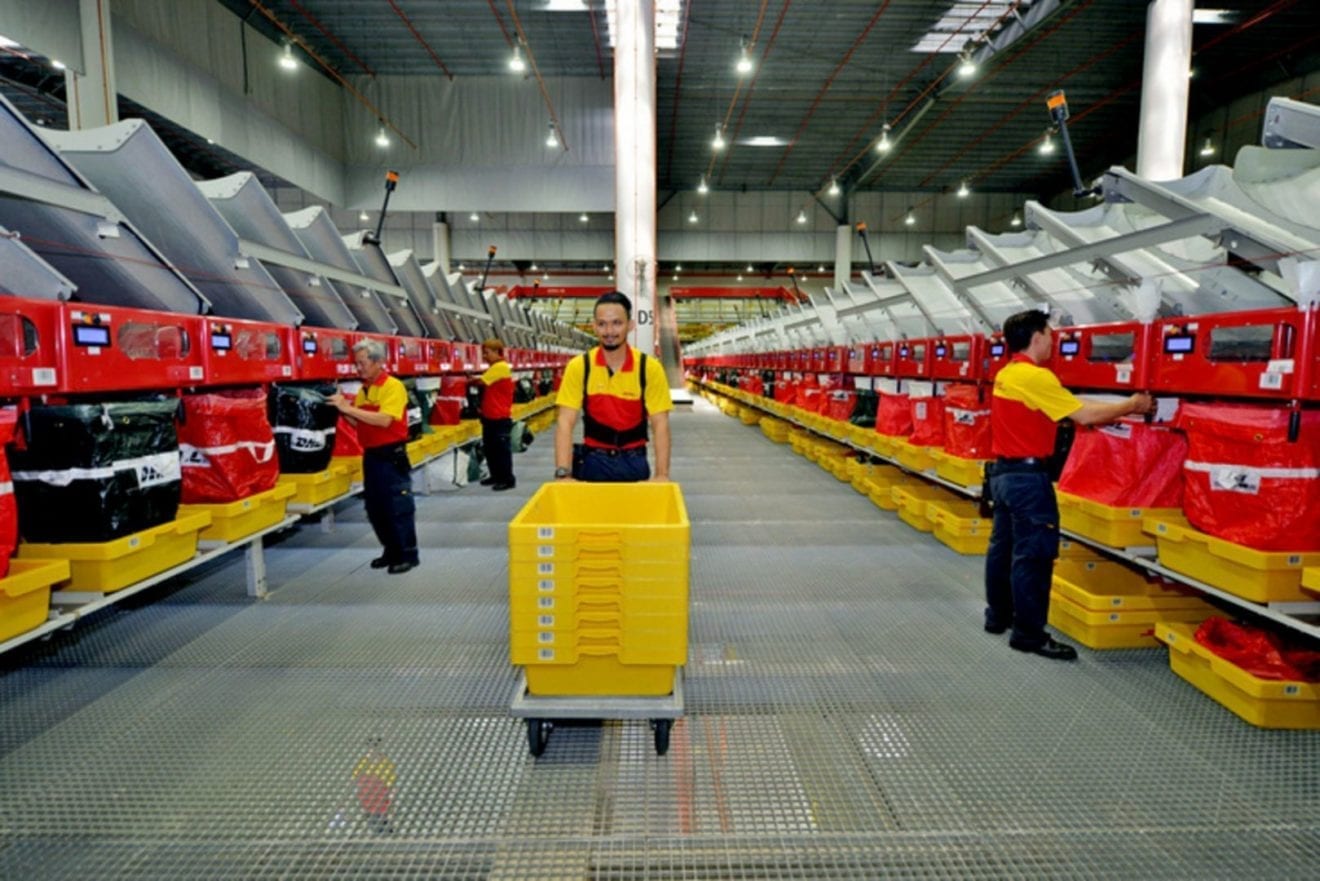
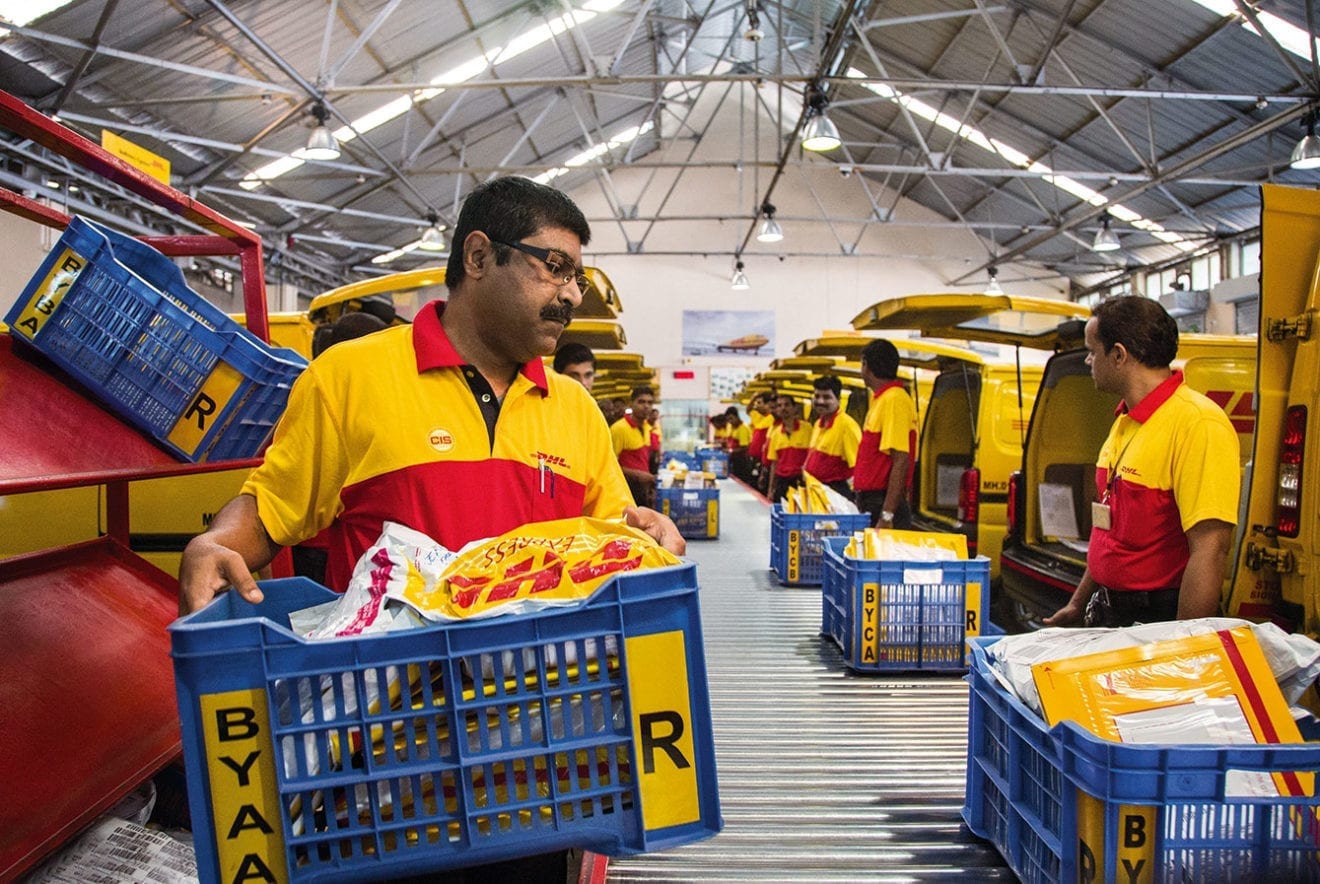
    DHL eCommerce has announced plans to build an Outbound Cross-Border eCommerce Distribution Center in Narita, Japan. The facility, expected to be completed by by April 2017, will broaden the range of e-commerce logistics services available to e-tailers and marketplaces operating in the country.

    New shipping products specifically designed for e-tailers will offer greater choices to reach consumers in Europe, the US and the UK, DHL said. Focused on reliability and value-for-money, the services are tailored according to the unique needs of e-tailers and marketplaces in the Japanese market. This latest development by DHL eCommerce will help drive Japan’s booming cross-border e-commerce market, which is growing at a CAGR of 16 per cent and estimated to hit over €1.1 billion in 2018.

    DHL Parcel International Direct, a cross-border shipping product, will offer affordable deliveries from Japan to the US and the UK, DHL said, adding that this product promises transit times of 4-6 business days, a game changer in the current Japanese logistics landscape. Another cross-border shipping product, DHL GlobalMail Packet Plus will offer the best rates for Japan – Europedeliveries, with transit times of 5 to 10 business days and a high degree of visibility into the status of packages.

    These products will help Japanese e-tailers handle the increasing pressure when it comes to servicing more overseas customers, making timely deliveries, and keeping operating costs low. Major marketplaces will also be better equipped to handle rising volumes of e-commerce deliveries and offer Japanese e-tailers a global reach and value-added services.

    With an estimated cross-border e-commerce value of €38.5 billion, the US is one the top export destinations for Japan’s e-commerce products. Roughly 25 per cent of digital shoppers in the country have made a cross-border purchase in the past 12 months. Europe also presents a tremendous opportunity for Japanese e-tailers. There are currently 303.1 million digital buyers in the region and total e-commerce sales volume has hit €349.4 billion.

    “We are seeing incredible growth in the Japanese cross-border e-commerce market and look forward to helping local players surmount their challenges. Our solutions offer easy one-stop gateway services for e-tailers, enabling them to deliver greater customer experiences while remaining in control of their costs. In addition, we will help them connect with overseas markets by partnering with popular marketplaces to deliver reliable services with a global reach,” said Yoshihiko Sasaki , managing director, DHL eCommerce Japan.

    The distribution centre will be co-located with the Japan Global Distribution Center in Narita established by one of DHL’s divisions. Leveraging a cross-divisional approach, this will help bring Japanese e-tailers to more customers overseas, and enable them to also tap into comprehensive supply chain solutions. This means that customers who utilise the new DHL eCommerce offerings will get access to more in-depth supply chain expertise and an extensive logistics network that serves over 220 countries and territories globally.

    “The power of e-commerce lies in its ability to break physical barriers. E-commerce companies are not limited by geographical borders and have the flexibility to offer services and products to customers in other countries. By combining the deep understanding of the Japanese market which DHL eCommerce has, with the warehousing and transport management capabilities of our sister division, we will be able to explore operations such as fulfilment as part of a global partnership for our customers,” added Sasaki.

    The expansion plans in Japan are part of a larger Asia Pacific strategy by DHL eCommerce. The company also recently revealed its €70 million investment in India to boost the capabilities of the Delhi and Mumbai air hubs to enhance B2C e-commerce delivery in India .

    In June 2016 , DHL eCommerce announced that it will grow its overall presence in China by 50 per cent, with the expansion of the distribution centres in Shenzhen, Shanghai and Hong Kong. Along with the huge growth of e-commerce in China , the distribution centres will enable maximum volumes of over 130 million shipments a year combined.

    Earlier in January 2016 , DHL eCommerce launched domestic delivery operations in Thailand and announced plans to double its fleet and number of depots by 2017. Thailand, with its tremendous growth potential, fast e-commerce adoption, and high smartphone penetration rates, was identified as the first Southeast Asian country to launch the DHL eCommerce domestic delivery service – in line with the Group’s Strategy 2020.

  • Etihad moves 72 high-value racehorses from UK to Kuwait

    Etihad moves 72 high-value racehorses from UK to Kuwait

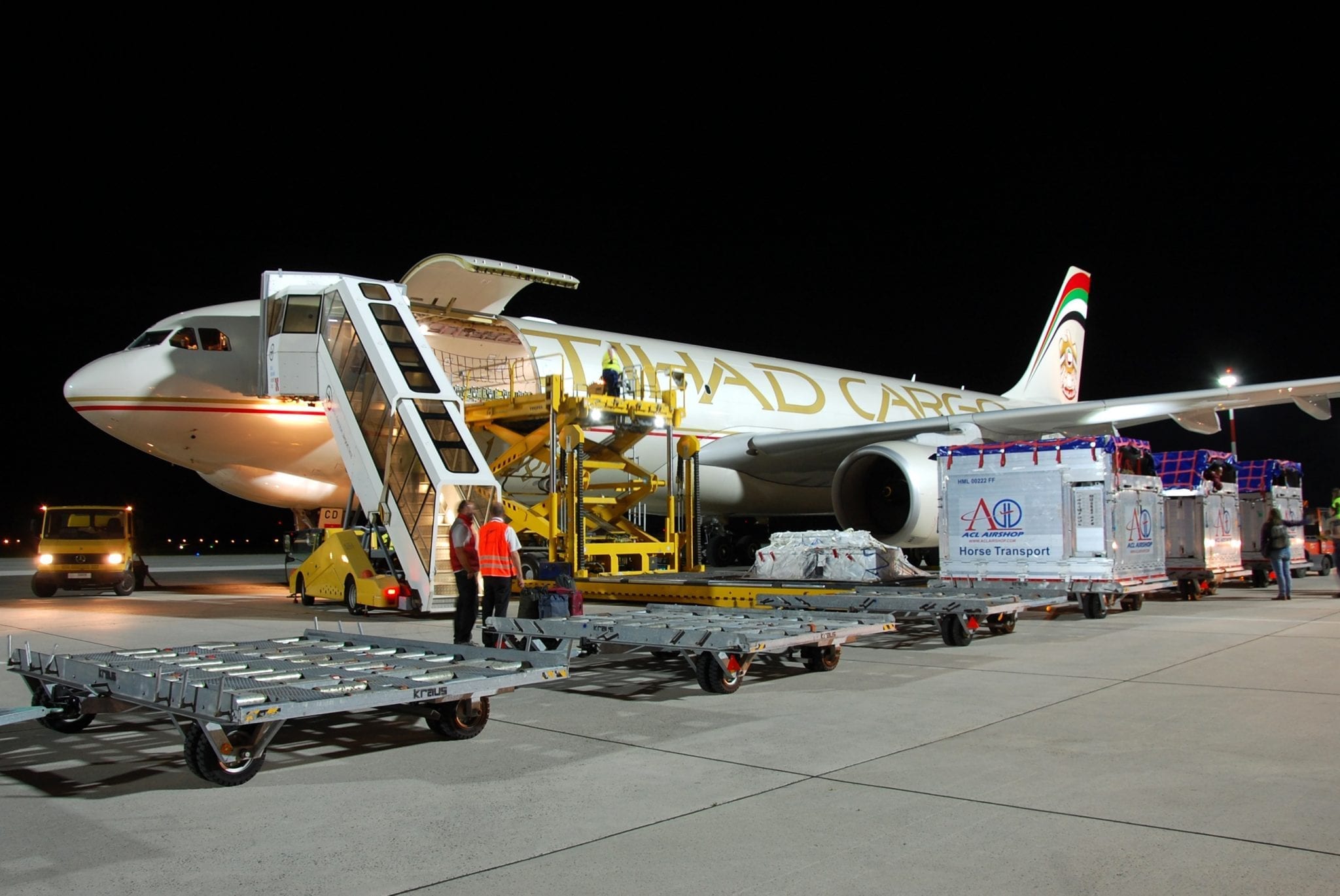
    Etihad Cargo has successfully shipped more than 70 elite racehorses from England to Kuwait after the European racing season. In all, 72 racehorses – worth a combined £36 million (US $45 million) – were transported from London Stansted Airport to Kuwait City, where they will spend the winter months training and racing in the temperate Middle Eastern climate. They were flown on one of the carrier’s state-of-the-art B777 freighters which are equipped with comfortable seating for up to nine grooms and can accommodate up to 75 horses at a time.

    David Kerr, senior VP of Etihad Cargo, said: “Safety is the most important thing for our equine customers, which is why it is imperative we offer a safe and reliable service on all of our shipments. The Middle East has strong ties to these magnificent creatures dating back thousands of years and, to this day, they are arguably the most precious cargo we carry. In 2016 alone Etihad Cargo has been entrusted to transport more than 1,200 horses, with several more large shipments scheduled before the end of the year.”

    A team of six professional grooms handled the horses during loading, while on board the flight – when they visit them in the cargo hold to ensure they are comfortable and calm – and on arrival in Kuwait.

     When the horses arrived at Stansted they were loaded by their grooms into jet stalls, specially designed with non-slip floors which hold three horses apiece. The IATA-approved stalls were then loaded onto the temperature controlled cargo hold of the aircraft in an operation which took more than six hours.

    Conan Busby, MAG’s head of cargo, owners of London Stansted Airport, said: “We are delighted that Etihad Airways chose Stansted to handle this delicate and valuable cargo. Stansted is the UK’s number one airport for horse travel and handles many specialist flights every year. Many of the horses taking part in this year’s Olympic Games and the Queen’s 90th Birthday celebrations passed through Stansted’s dedicated equine facility.”

    Etihad Cargo operates a fleet of nine wide-body freighters – five B777Fs and four A330Fs – which can be configured to carry 75 and 30 horses respectively.

  • DHL eCommerce invests in India to tap surging demand

    DHL eCommerce invests in India to tap surging demand

    DHL eCommerce, a division of Deutsche Post DHL Group, is investing €70 million to strengthen its operations to meet the fast-growing demand for e-commerce logistics services in India.

    Through its subsidiary Blue Dart Express, this investment will go into the expansion of its air hubs in Delhi and Mumbai, which are part of its network of 13 air hubs in India. The latest investment supports the growth of B2C e-commerce in India, and is part of the company’s broader plan to aggressively expand across Asia Pacific.

    “The US and Asia Pacific are the two largest B2C e-commerce markets in the world, and the opening of these new facilities will be another milestone in the expansion of DHL eCommerce logistics network,” said Charles Brewer, CEO, DHL eCommerce.

    “India is a really important market for us and is one of the fastest-growing, with B2C e-commerce expected to grow from €9.6 billion in 2016 to €30-40 billion in 2020,” he said.

    “Recognising the tremendous potential in Asia Pacific, we are making aggressive steps to ensure that our customers are well supported to tap into the growing e-commerce market,” added Malcolm Monteiro, CEO, Asia Pacific, DHL eCommerce.

    In June 2016, DHL eCommerce announced that it will expand its overall presence in China by 50 per cent, with the expansion of the distribution centres in Shenzhen, Shanghai and Hong Kong. Earlier in January 2016, DHL eCommerce launched domestic delivery operations in Thailand and announced plans to double its fleet and number of depots by 20

    The company is also planning to introduce its newly-developed drone, Parcelcopter, for last-mile delivery services in India after getting necessary clearance, Brewer said. “In terms of using the Parcelcopter in India, we would love to do so, but of course is predicated on the local legislation. So whilst you may not see a Blue Dart Parcelcopter flying around India anytime soon, we will as soon as allowed to do so,” he added. The Parcelcopter has successfully completed its trial run in Germany.

  • Amazon Go aims to change retail by eliminating check-out lines

    Amazon Go aims to change retail by eliminating check-out lines

    Amazon.com is using machine learning to try to change the shopping experience and the retail industry in general. Amazon employees are testing a new brick-and-mortar store, called Amazon Go, in Seattle that lets customers using an app bypass the checkout line.

    Using a combination of machine learning, computer vision, sensors and deep learning, the smart store is designed to keep track of what users take off and return to shelves so it can track their purchases in a virtual cart. When they’re done, customers can just leave the store with their purchases; Amazon will charge their account and send them a receipt.

    “We created the world’s most advanced shopping technology so you never have to wait in line,” the company said on its site. “With our Just Walk Out Shopping experience, simply use the Amazon Go app to enter the store, take the products you want, and go! No lines, no checkout. (No, seriously.)”

    The 1,800-square-foot store, located at 2131 7th Ave. in Seattle, is in beta testing now so only Amazon employees are able to use it. The company expects it to be open to the general public in early 2017.

    The store sells pre-made meals for breakfast, lunch and dinner and snacks made by on-site chefs and local bakeries. It also stocks milk and bread, along with meal kits, local chocolates and artisan cheese.

    Customers only need an Amazon account, a smartphone and the Amazon Go app.

    “Four years ago we asked ourselves: what if we could create a shopping experience with no lines and no checkout?,” Amazon said in its statement. “Could we push the boundaries of computer vision and machine learning to create a store where customers could simply take what they want and go? Our answer to those questions is Amazon Go and Just Walk Out Shopping.”

    Patrick Moorhead, an analyst with Moor Insights & Strategy, said he’s intrigued by the concept and a bit surprised that a major retail brand already ensconced in brick-and-mortar stores didn’t come up with it first.

    “Automatic checkout is absolutely a characteristic of the store of the future,” said Moorhead. “But I can see Amazon doing this to drive even more growth by going brick-and-mortar. The only way to be successful in brick-and-mortar is to change the game, and in this case, changing the game with checkout.”

    He also noted that this is a good use of smart technology.

    “This is the ultimate way to use this technology in retail,” said Moorhead. “The challenge with all technology like this is accuracy. What if the system charges you for something you didn’t take? That could be the big challenge to the system.”

  • Sagawa to buy Vietnamese delivery service

    Sagawa to buy Vietnamese delivery service

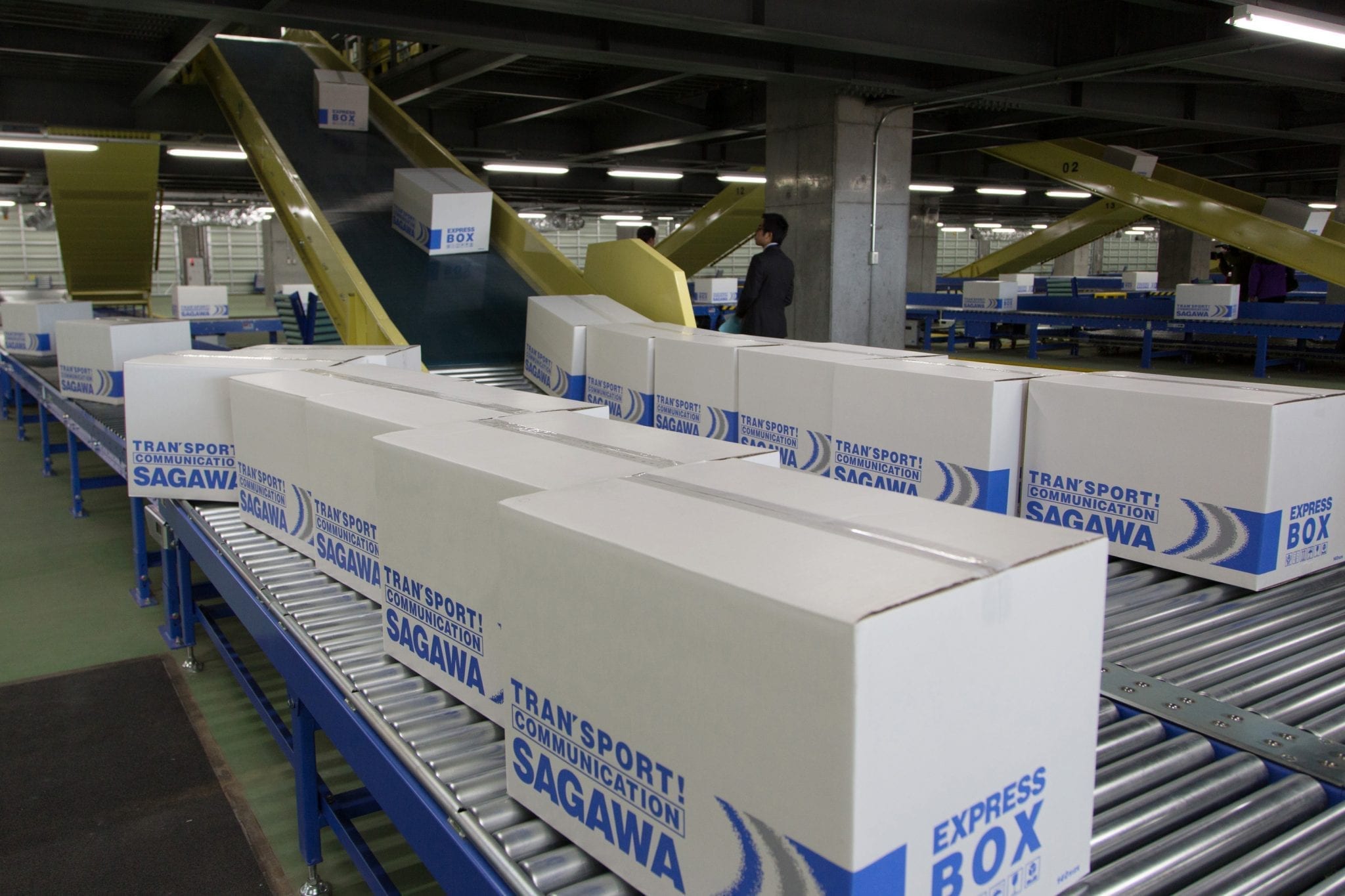
    The Sagawa group will acquire Phat Loc Express, Vietnam’s fifth-largest delivery service, gaining a foothold to expand operations nationwide as online shopping continues to grow.

    Japan’s SG Holdings, the parent of Sagawa Express, will buy all of Phat Loc’s shares from management. The Vietnamese company was established in 2001 and has about 1,200 employees. Its roughly 60 branches cover deliveries in the entire country. Phat Loc logged sales of over $9 million in 2015, and the purchase price likely will be a similar amount. With a market share of just a few percent, the company is dwarfed by Vietnam’s two major delivery services.

    SG Holdings began deliveries in Vietnam via a local subsidiary in 2012. The company handles its own deliveries in Ho Chi Minh City and Hanoi but contracts local businesses for other regions. The purchase of Phat Loc will let SG Holdings expand service nationwide.

    Vietnam’s service quality remains rather low, and packages sometimes arrive late or damaged. The Sagawa group will tap its Japanese know-how to try to boost the quality of Phat Loc’s service in order to challenge Vietnam’s delivery leaders.

    SG Holdings teamed with major Vietnamese real estate and retail company Vingroup in November. The Japanese business will deliver products for the group’s supermarkets and convenience stores. The delivery company is accelerating its Southeast Asian expansion, partnering this year with companies in Indonesia and the Philippines.

  • DHL Express launches Rp-17-billion service center and gateway

    DHL Express launches Rp-17-billion service center and gateway

    International logistics company DHL Express, part of Deutsche Post’s DHL Group, launched a service center and a gateway worth Rp 17 billion (US$1.26 million) to support its business operations in and out of Batam, Riau Islands, on Monday.

    DHL Express decided to expand its business in Batam given its potential as the third-largest city in Sumatra, well known as an industrial area, an emerging transport hub, and part of the Indonesia-Malaysia-Singapore golden triangle.

    “This new investment could improve our network in Indonesia that consists of gateways in Balikpapan, Batam, Denpasar, Jakarta, Medan and Surabaya,” Sean Wall, executive vice president of network operations and aviation of DHL Express Asia-Pacific said.

    The new facility has the capacity to handle 2.4 million kilograms of cargo and process up to 150,000 shipments per year. About 26 people work in the 972-square-meter facility, with three certified employees for handling dangerous goods.

    The company claimed that the facility was launched at the right time because the government is considering whether to make Batam a special economic zone for companies that are involved in aircraft maintenance, repair and overhaul.

    “With the potential of Batam being opened as a special economic zone for the aviation industry, DHL’s investment will be able to support the growth of the aviation industry in Indonesia,” Ahmad Mohamad, senior technical advisor of DHL Express Indonesia, said.

  • DHL introduces fully customized digital Freight platform CILLOX

    DHL introduces fully customized digital Freight platform CILLOX

    DHL Freight introduces CILLOX, a virtual marketplace for enterprises with transportation needs. The fast and seamless solution helps companies to match their full truck load, part truck load and less than truck load offerings with transport providers’ capacities and find the appropriate provider according to their needs. With CILLOX, shippers no longer need to deal with challenges such as lengthy price inquiries and comparisons or unreliable providers – they enjoy end-to-end control of their shipment processes within a single platform. Transport providers profit from guaranteed fast payment with streamlined invoicing and payment processes that improves accuracy.

    “Both companies and carriers benefit from this new business model,” explains Amadou Diallo, CEO, DHL Freight. “With CILLOX, DHL offers a solution to promote the digitalization of the logistics industry and disrupt the traditional road freight business. The launch of the platform is a result of our strategy 2020 and promotes further growth due to its innovative and agile business model.”

    Early user testing during the pilot period was implemented successfully in September and showed high customer satisfaction. As of January 2017, the platform shall be fully operational for all market participants.  Fast and easy processing of transport procedures CILLOX enables companies to find a suitable transport service provider at the touch of a button.

    The platform seeks to address common problems while searching for an appropriate and reliable transport service provider, such as lengthy price inquiries and comparisons, or delays in the Proof of Delivery process, by offering instant access to a large number of DHL pre-qualified and peer-rated providers for fast quotes and easy transport booking. Shippers can pay, manage and track their shipments using a convenient dashboard.

    At the same time, CILLOX offers carriers of all sizes a platform to market their company’s assets and capabilities to expand their customer base and locate suitable loads to further optimize their vehicles’ capacity. CILLOX also facilitates accurate invoicing, payment and electronic Proof of Delivery submission processes, so carriers can profit from guaranteed fast payment. Truck drivers using the CILLOX mobile app receive jobs directly on their smartphone, and automatic status alerts throughout the transportation journey. The extensive range of services provided by CILLOX increases not only DHL’s own, but also its customers’ efficiency and competitiveness.

    Customer experience at the core of CILLOX User needs and requirements are at the core of CILLOX and actual users have been involved from the start of the design and development of the platform. The iterative product development allows the software design to evolve in response to users’ needs and feedback. After the initial launch, further functionalities will be added gradually, including a real-time chat option and mobile document scanning via the mobile app.

  • Boeing has announced the end of its programme to turn Boeing 747-400 into cargo planes

    Boeing has announced the end of its programme to turn Boeing 747-400 into cargo planes

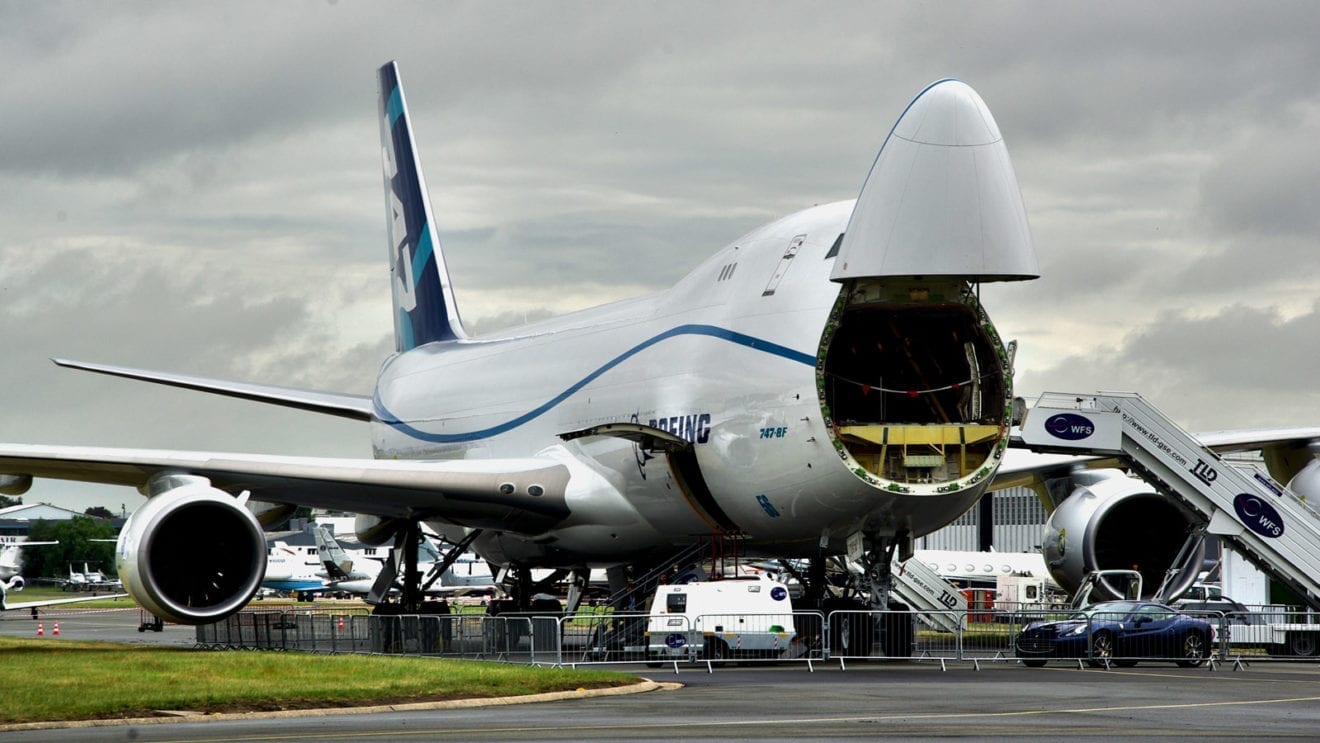
    Boeing has announced the end of its programme to turn Boeing 747-400 passenger aircraft into cargo planes. In October, the plane manufacturer formally announced that management had decided to cancel the programme.

    To some industry executives, Boeing’s decision merely seals the inevitable. One executive from a freighter conversion specialist likened the 747 conversion scene to a graveyard.


    Faced with relentless downward pressure on yields owing to abundant capacity chasing too little cargo in nearly every market around the globe, airlines have been pushed to shrink their all-cargo capacity. Recent years have seen a steady exodus not only of 747-400BCFs but also newer 747-400 production freighters. Cathay Pacific retired its last two 747-400Fs this summer, leaving it with a freighter fleet composed entirely of 747-8 and 747-400ER freighters, plus a lone 747-400BCF.

    Low oil prices may have alleviated the pain of operating older 747 freighters and rendered them more attractive versus the high acquisition cost of 747-8Fs, but the need to maximize load factors through capacity reduction has hastened their exit.

    As converted – as well as production – 747-400 freighters are headed for the shadows, a large question mark looms over their successor, the 747-8. The passenger version of the type never gained much traction, and the freighter programme has been struggling. In April, Boeing announced that with effect from September it would throttle down production of the aircraft from 12 a year to just six – a single freighter every two months.

    In 2013, Boeing was still producing two 747-8Fs a month, but sluggish demand forced it to slow down its output. In the summer the manufacturer went one step further, signalling the possible end of the 747-8 altogether. In its filing to the US Securities and Exchange Commission towards the end of that month Boeing stated that without sufficient new orders and/or an inability to mitigate market, production or other risks, “it is reasonably possible that we could decide to end production of the 747.”

    The demise of the 747-8 would mark the end of an era that began in 1969, when the first 747-100 entered the market. It would leave a gap in the market, with no aircraft other than the Antonov 124 in a similar bracket in terms of payload capability. The next largest freighter in commercial service is the 777-200F, which can carry 105 tons, significantly less than the 140 tons that the 747-8 can lift.

    Arguably a bigger loss would be the disappearance of large freighters with nose-loading capabilities, but most operators have shrugged off that issue, pointing to the presence of 747-8 freighters for decades to come.

    In late October, UPS placed an order for 14 747-8 freighters, plus 14 options. This prompted speculation in some quarters about a longer run for the type. However, with only 109 747-8 passenger and freighter aircraft delivered to date, an order for 14, or even 28, planes still appears a long shot to justify an extended production run.

    Many Asian carriers like EVA Air or China Southern, which used to operate 747-400 cargo aircraft, have decided to renew their freighter fleets with 777Fs instead and are phasing out their 747 contingents both in the passenger and cargo sectors. Of the large all-cargo airlines that are using 747-8Fs, Cargolux recently announced a major review of its business, indicating that without significant change it may not survive as a cargo carrier, which hardly indicates an appetite for more large freighters with price tags north of the US$300 million mark. Nippon Cargo Airlines is not showing appetite for growth, and AirBridge should have more than enough 747-8s to find markets for.

    In its 20-year market forecast released at the Air Cargo Forum in Paris in October, Boeing predicted stronger growth in the narrowbody freighter segment, driven by e-commerce. “The growth of the standard-body share of the fleet will result in a decline in the large- and medium-widebody shares of the total fleet over the forecast period, from 31% and 33% to 28% and 31%, respectively,” it declared.


    Rival Airbus, which has no freighter larger than the A330-200F in the market, is even less sanguine on the outlook for large freighters. Its recently published long-term industry forecast projections that bellyhold capacity will boost its share of the global freight market from 52% in 2015 to 62% by 2035.

  • New technologies to enable greater supply chain efficiencies in Singapore

    New technologies to enable greater supply chain efficiencies in Singapore


    Singapore is set to enjoy greater supply chain efficiencies in near future, thanks to the Urban Logistics technology roadmap for 2020 that was unveiled by the Infocomm Media Development Authority (IMDA) on 28 November 2016.

    The roadmap includes the testing and implementation of new technologies in 12 additional retail malls in Singapore next year.

    The Urban Logistics programme is dedicated to analysing challenges in the logistics sector, identify technologies that can significantly improve Singapore’s supply chain processes, and improve efficiencies.

    2020’s gameplan will address different stages of the urban logistics process, outlining requirements that ensure the Urban Logistics solutions, systems and processes are interoperable, and remain open for interested industry players to adopt and/or adapt.

    This will also help optimise resources, as well as improve turnaround times and process efficiencies.

    Dynamic scheduling

    IMDA’s technology roadmap also includes steps that enable dynamic scheduling to accommodate early or late arrivals as well as complex algorithms to manage increasingly larger volumes of deliveries.

    A unique In-Mall Distribution model of delivery management establishes an in-mall operator to receive goods at the mall unloading bay. This model is designed to improve current delivery/acceptance processes and reduce congestion of delivery vehicles leading to the unloading bay.

    Moreover, this model also enables Singapore’s malls to have extended hours of delivery/acceptance operations, and foster greater automation, professionalism and security of such services.

    “Since the implementation of the In-Mall Distribution solution at Tampines Mall and Bedok Mall in June and September respectively, we have noticed an easing of road congestion around our malls as the queuing time for delivery trucks reduces,” said Teresa Teow, head of Retail Management, Singapore, CapitaLand Mall Asia. “This has resulted in greater efficiency for the different parties along the delivery chain and a better experience for all visitors who drive to our malls, including shoppers.”

  • SingPost strengthens collaboration with Alibaba in eCommerce logistics

    SingPost strengthens collaboration with Alibaba in eCommerce logistics

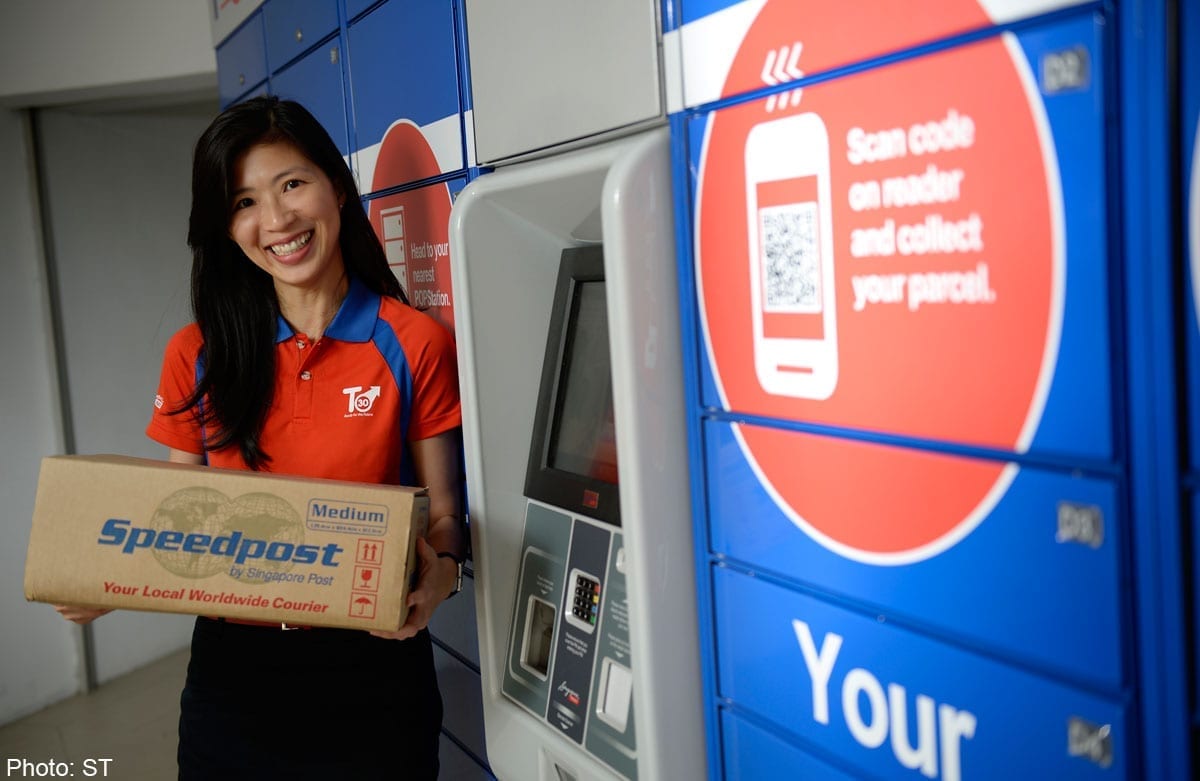
    Singapore Post Limited’s (SingPost) eCommerce logistics collaboration with Alibaba Group Holding Limited (Alibaba) was strengthened as Alibaba’s S$86.2 million investment in SingPost’s logistics subsidiary Quantium Solutions International (QSI) was completed, and regulatory approval for Alibaba’s second investment in SingPost was obtained.

    Joint venture to strengthen eCommerce logistics network

    SingPost completed the joint venture with Alibaba in which Alibaba has invested S$86.2 million for new QSI shares making up 34 per cent of QSI, with SingPost owning the remaining 66 per cent.

    First announced on 8 July 2015, the joint venture is the culmination of deepening business ties between SingPost and Alibaba. Beginning as a customer of SingPost, Alibaba became a SingPost shareholder in 2014, and today, SingPost is a strategic logistics partner for Alibaba.

    QSI, the joint venture between SingPost and Alibaba, will be a common platform to grow and enhance eCommerce logistics capabilities in Southeast Asia and Oceania, to better serve the region’s rapidly growing online retail markets.

    The collaboration will focus on strengthening QSI’s end-to-end eCommerce logistics network, building scale for future profitability. QSI currently operates in 11 markets, providing a full suite of end-to-end eCommerce solutions that includes warehousing, fulfilment, and last mile delivery.

    Mr Simon Israel, Chairman of SingPost said, “The completion of the QSI joint venture underscores the deepening relationship and commitment between both companies to build a leading eCommerce logistics platform together across the region. Both Alibaba and SingPost are confident in the long-term value of collaborating to serve the region’s fast rising eCommerce logistics needs.”

    Mr Daniel Zhang, Chief Executive Officer of Alibaba Group, said, “Our enhanced collaboration with SingPost is another strategic step towards strengthening the fundamental infrastructure for digital commerce that will empower brands and retailers to sell globally through the Alibaba ecosystem. A robust logistics network is vital to helping our merchants successfully serve the vast population across Southeast Asia and Oceania, and realise Alibaba’s vision to ultimately serve two billion consumers worldwide.”

    Update on second share placement

    Approval from the Info-communications Media Development Authority (“IMDA”) has been obtained for Alibaba to increase its interest in SingPost to 14.4 per cent, from 10.2 per cent currently. Alibaba’s further investment of S$187.1 million into SingPost is targeted to be completed by 28 February 2017, in light of the timeline required to obtain the remaining approvals from SingPost’s shareholders at an Extraordinary General Meeting and from the Singapore Exchange for the listing, quotation and trading of new shares on the Main Board of the SGX-ST.

  • Qantas Freight has been appointed as the carrier to transport milk

    Qantas Freight has been appointed as the carrier to transport milk

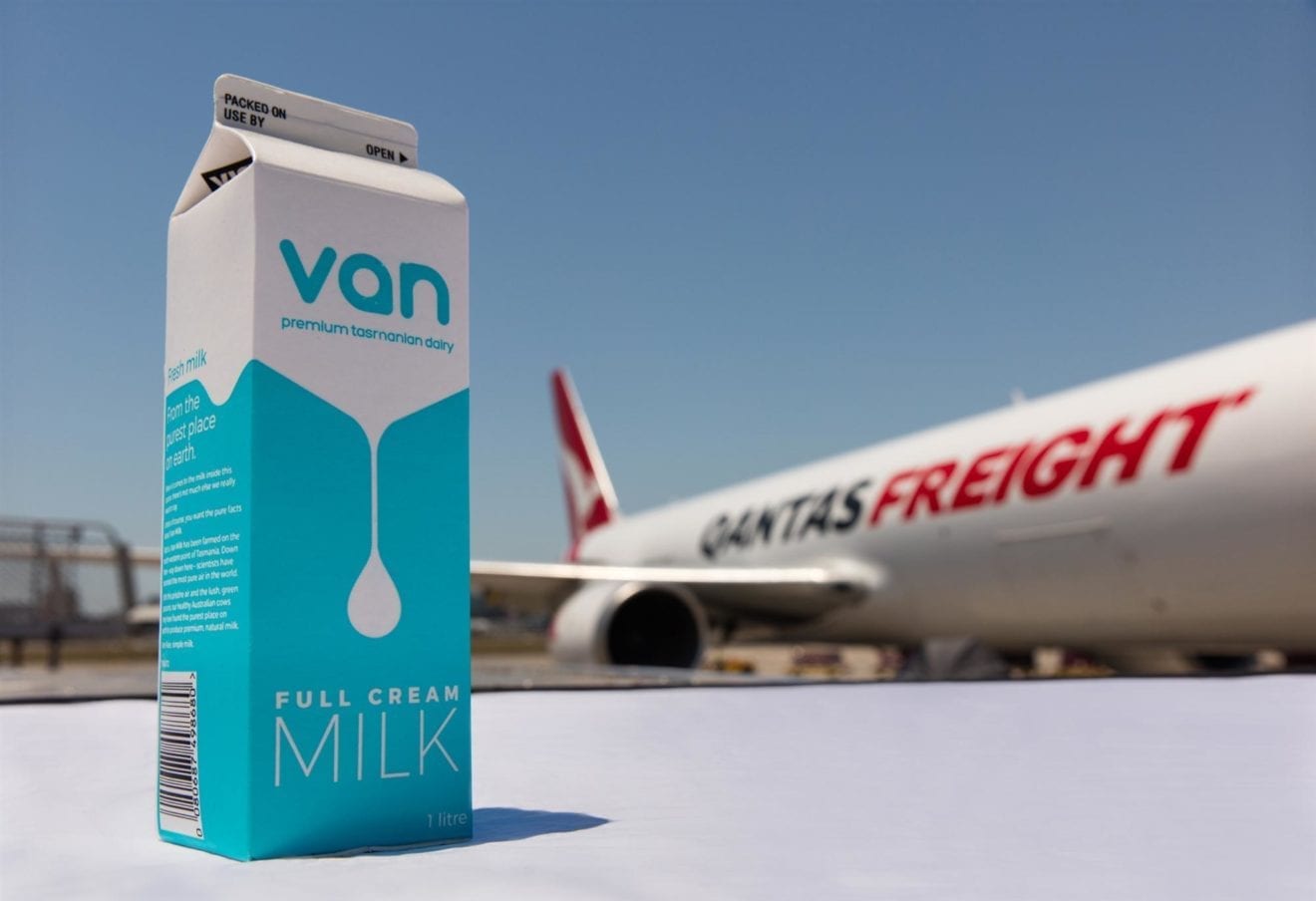
    Qantas Freight has been appointed as the exclusive carrier to transport Van Dairy’s Tasmanian milk to Ningbo, China.

    Starting in the first half of 2017, Qantas Freight will operate a weekly Boeing 767-300 freighter flight from Hobart to Ningbo, carrying more than 50,000 litres of fresh milk. Qantas will look at increasing the frequency if there is additional demand.

    “There is a huge demand for fresh milk in China and the key to satisfying that demand is having a reliable freight partner with an established freighter network, infrastructure and support in China and expertise in handling fresh produce – Qantas provides that,” said Sean Shwe, managing director of Moon Lake Investments, parent company of Van Dairy. “Establishing this trade bridge is an exciting venture for our dairy company, Van Dairy who produce Van milk, and opens the door for access for other Tasmanian producers of fresh perishables such as seafood, fruit and vegetables to air freight their produce on this direct flight to China. It will be a game changer for Tasmania, and we are proud to be leading the charge.”

    According to Qantas, local distributors will truck the milk to supermarkets and convenience stores in Ningbo and Beijing. Moon Lake Investments has plans to extend the dairy’s market reach to Shanghai, Hangzhou and other Chinese cities after the product is established.

    “We’ve been flying freight between Australia and Greater China for more than 30 years, and currently offer freight capacity on 40 flights a week,” said Alison Webster, executive manager of Qantas Freight and Qantas Catering Group. “This includes five dedicated freighter aircraft services, carrying a mix of perishables such as chilled meat, seafood, dairy, fruit and vegetables as well as general cargo. Over the past three years Qantas Freight has developed particularly strong capabilities in dairy export which, with its short-life, requires close collaboration to ensure on-time delivery and quality control throughout the supply chain. We’re really pleased to partner with Van Dairy to help meet the booming demand for fresh Tasmanian milk in China – it’s the ultimate milk run.”

    Qantas currently operates passenger flights from Brisbane, Melbourne and Sydney to Hong Kong, as well as from Sydney to Shanghai. It is also scheduled to launch a flight between Sydney and Beijing in January 2017.