Retail News CRM

Category: Logistics

Retail News Asia is committed to providing both local and global retailers with the latest Logistics news throughout the Asian market. This on a daily base.

  • Maersk Line appoints new Greater China head

    Maersk Line appoints new Greater China head

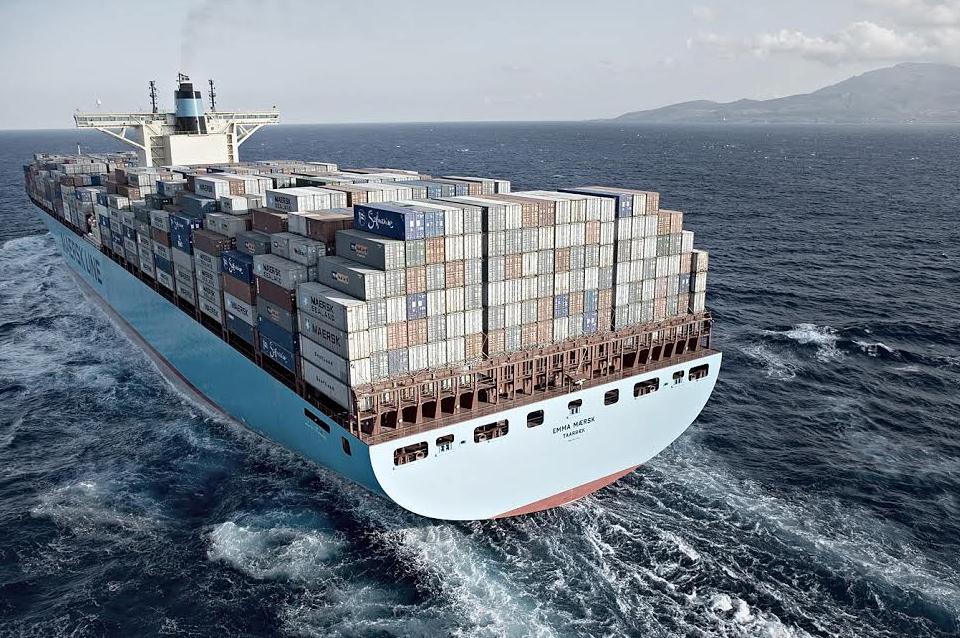
    Maersk Line has announced that effective from 1 January 2017, Mike Fang will take up new responsibilities in Shanghai as Head of Maersk Line Greater China.

    Commenting on his new position, Mike Fang said: “I feel privileged that I can take on this new role. Greater China Cluster contributes around 30% of Maersk Line business globally, this is where we have to win in the market place. I’m keen to explore further the opportunities and growth spots with my colleagues and to ‘Make Greater China Cluster Greater’”.

    Robbert van Trooijen, Maersk Line Asia Pacific Region CEO said: “I’m delighted that Mike has decided to take over as the Head of Maersk Line Greater China. Mike has a track record of outstanding performance in many leadership roles in Maersk Line. I believe that his extensive experience, passion for serving our customers and deep insight of the local market will bring great value to our Greater China organization.”

    Mike Fang joined Maersk Line as a sales representative in 1994. In the past 22 years, he has held a succession of leadership positions in Maersk Line’s business in China including leading Maersk Line’s North China and East China organizations respectively from 2012 to 2015. Most recently, he is the Head of Sales in Maersk Line Greater China.

    Mike Fang was born in 1968. He graduated from Hua Zhong University of Science and Technology with a Master degree in System Engineering in 1992 and earned an Executive MBA from the China Europe International Business School (CEIBS) in 2004.

    Mike Fang will take over from Silvia Ding, who is moving to Copenhagen to take the position as Head of Trade Management in Maersk Line. “Moving to headquarter and stretching myself into a job that can make a multiplying impact on our business, customers and organization has always been in my long term career plan in Maersk,” says Silvia Ding, “I can pass the baton to Mike’s capable hands. Together with the rest of the leadership team, I’m sure the performance of Greater China Cluster will be raised to the next level, building on a strong foundation we together created in 2016.”
  • Emirates SkyCargo has appointed a new manager for Hong Kong

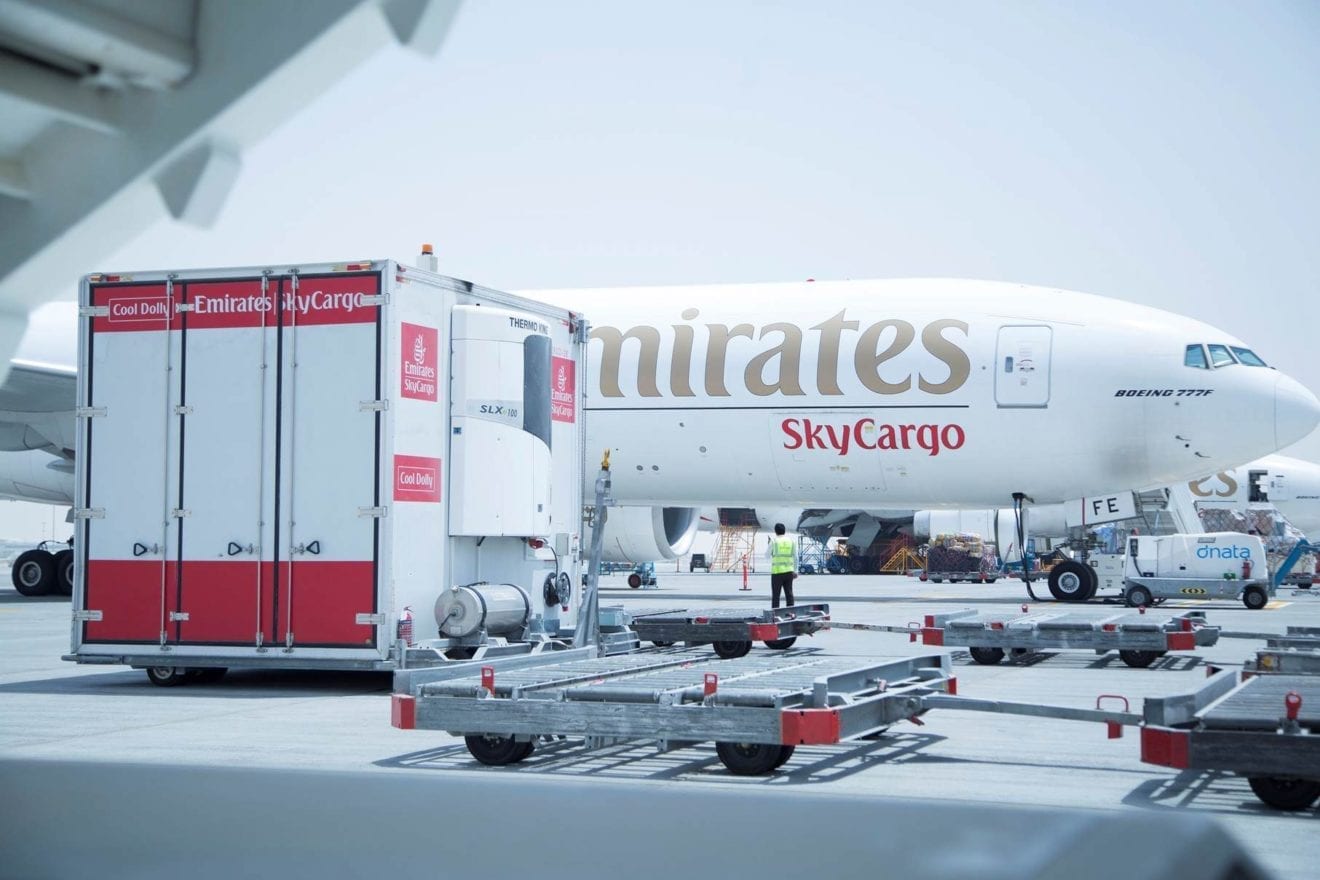
    Emirates SkyCargo has appointed a new manager for Hong Kong

    According to SkyCargo, Yiu has more than 20 years of experience in the logistics industry. He has worked for various global freight forwarders in Hong Kong and China, overseeing operations and capacity procurement.

    Yiu also has experience in contractual partnerships with offline and online carriers, developing multimodal solutions for major shippers.

    Hong Kong is SkyCargo’s largest operation in Asia, with 18 freighter flights per week.

    Emirates SkyCargo’s freighter fleet consists of two Boeing 747-400ERFs and 13 777Fs.

  • Air cargo transport in Asia to double by 2035

    Air cargo transport in Asia to double by 2035

    Airborne logistics networks are expanding in Asia as demand for air cargo delivery in the region is forecast to roughly double in volume over the next two decades.

    Garuda Indonesia and budget carriers are rapidly expanding operations to capitalize on the increase of goods traded via e-commerce as well as electronic products and parts. But with other transporters, including global leaders, stepping up competition, the industry may undergo a shake-up.

    Indonesia has more than 13,000 islands, and Garuda, the country’s national airline, plans to establish an airborne logistics network connecting the core islands. As a first step, Garuda is eyeing a 40% increase in the number of its domestic freight bases to 100 by the end of 2017.

    Domestic demand for airfreight delivery is strong due to Indonesia’s growing middle class, Muhammad Arif Wibowo, president and CEO of Garuda, said. With the increase in e-commerce giving consumers faster access to goods and growing demand for fresh food, land and maritime transportation alone cannot handle the increased freight volume, Wibowo added.

    In the first nine months of 2016, Garuda chalked up $155 million in sales in its freight business, up 13% from a year earlier. While this accounts for 5% of Garuda’s consolidated sales, the carrier intends to raise the ratio to more than 10% as its initial target, Wibowo said.

    Flying high

    Global routes for air cargo transportation are roughly divided into five major networks: Asia/Pacific-Europe, Asia/Pacific-North America, Asia/Pacific, Europe-North America and North America.

    Asia is leading the sector’s growth. Japan Aircraft Development Corp., a consortium of Japanese commercial aircraft developers, forecasts that demand for airfreight services in the three Asia/Pacific networks will grow on average 3% per year and roughly double from the 2015 level by 2035. The average growth of demand on the Europe-North America route and within North America is projected at around 1% each.

    Ocean shipping in Asia is currently slowing. According to the Japan Maritime Center, the volume of ocean cargo transportation dropped 3% in terms of the 20-foot equivalent unit in 2015 from the previous year and logged a 2% year-on-year fall in the January-October period of 2016.

    The slowdown in ocean shipping possibly reflects the consolidation of plants and increased local production by manufacturers.

  • Cambodia to Open Ports to Laos Exports

    Cambodia to Open Ports to Laos Exports

    Cambodia will soon open both its roads and ports for Laos to use in exporting goods abroad, according to an announcement posted on Prime Minister Hun Sen’s Facebook page on Sunday.

    The announcement followed a meeting between Mr. Hun Sen and Laotian President Pany Yathotou in Phnom Penh on Saturday, during which the two discussed strengthening ties.

    The Facebook post did not specify when ports would be open to Laotian exports, or which ports these would be, and the Ministry of Foreign Affairs could not be reached on Sunday for comment.

    Soeung Sophary, a spokeswoman for the Ministry of Commerce, said opening Cambodia’s roads and ports to exports from Laos had been raised during diplomatic meetings in the past, but never agreed upon.

    “As Laos is a landlocked country, this is the first time for Cambodia to let Laos export through us,” she said, adding that she did not know the details of the agreement.

    Hun Sen’s meeting with Ms. Yathotou follows a meeting between the leaders of Cambodia, Laos and Vietnam in Siem Reap last week, during which the prime minister denied that the Don Sahong dam had any downstream effects on Cambodian villagers and warmly agreed to Laos’ offer to sell Cambodia cheap hydropower.

    Laos’s main export is timber, with U.N. Comtrade putting it at 40 percent of the nation’s exports. An internal WWF report leaked late last year asserts, however, that illegal logging in Laos is rampant, and the actual volume of timber leaving the country is poorly documented.

    Denis Smirnov, a consultant for environmental group WWF focusing on the timber trade in Southeast Asia, said it’s unlikely that any illegal exports will find their way through Cambodia, owing to an ongoing crackdown on the trade.

    “The Lao government in May started to enforce the export ban on unprocessed wood for the first time,” he said, adding that it was uncertain whether it would last past the end of the rainy season.

  • Maritime transport sees growth for two consecutive years

    Maritime transport sees growth for two consecutive years

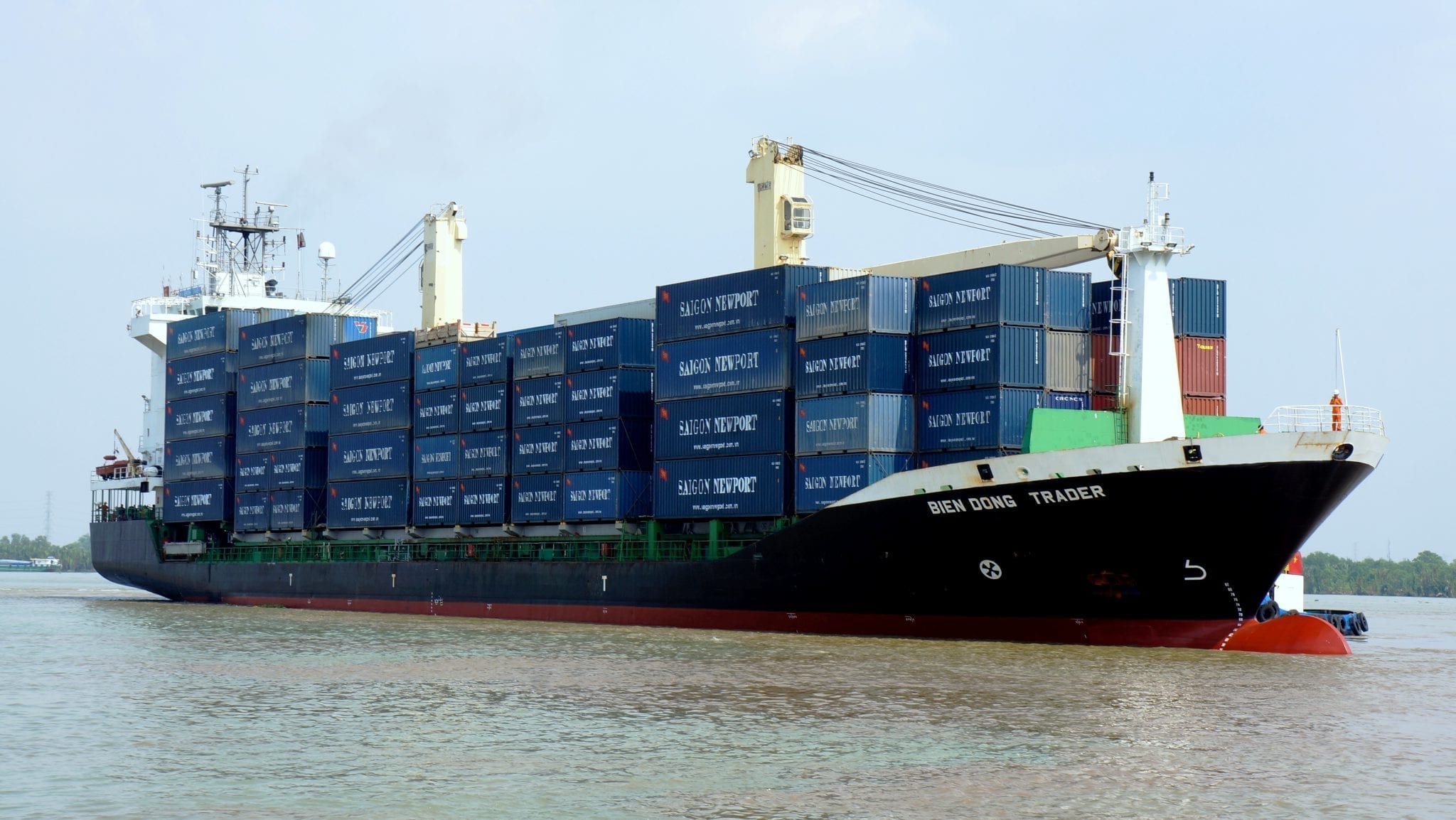
    The country’s maritime transport sector posted growth for two consecutive years, notwithstanding losses, restructuring and even bankruptcy of several large foreign carriers.

    Nguyễn Văn Công, Deputy Minister of Transport, hailed results of the maritime transport sector at the conference of the Việt Nam Maritime Administration (Vinamarine) held in Hà Nội on Monday.

    In 2016, Vinamarine was active in issuing documents guiding the implementation of the Việt Nam Maritime Law 2015. The two most important contents — price listing and seaport service prices — have eased business difficulties, helping to avoid economic losses.

    Công said growth rate of 4 per cent this year, with total output of 123 million tones, is impressive in the current situation.

    “In particular, the Cái Mép-Thị Vải seaport saw a high growth rate of containers. In 2016, the seaport received two million twenty-foot equivalent units (TEU), surging from 499,000 TEU in 2012. More than 1,200 arrivals of vessels weighing more than 80,000 tonnes came to the seaport,” he said.

    The deputy minister asked Vinamarine to continue undertaking checks on seaport service prices. Vinamarine was particularly asked to research and invest into key maritime corridors to develop multi-modal transportation.

    Đỗ Hồng Thái, Vinamarine’s deputy head, said this year, the number of maritime accidents was 21, reducing by two cases from last year. The port authorities also conducted checks on nearly 13,000 arrivals of vessels on local routes, discovering 1,300 vessels with defects. The authorities also implemented checks on more than 2,000 foreign vessels and uncovered 817 with defects.

    “There is no security incident with the country’s seaport system this year. Vietnamese seaports continue to be safe destinations for foreign vessels,” Thái said.

    In 2017, Vinamarine will continue to prepare legal documents guiding implementation of the Việt Nam Maritime Law 2015. It is expected to submit eight decrees and one decision to the Prime Minister for approval. It will also complete several plans such as the seaport development planning by 2020 with a vision to 2030.

    In addition, it will also ensure maritime security by investing in infrastructure and enhancing international co-operation.

  • DHL adding drones and ‘copters to its courier workforce as e-commerce operation expands

    DHL adding drones and ‘copters to its courier workforce as e-commerce operation expands

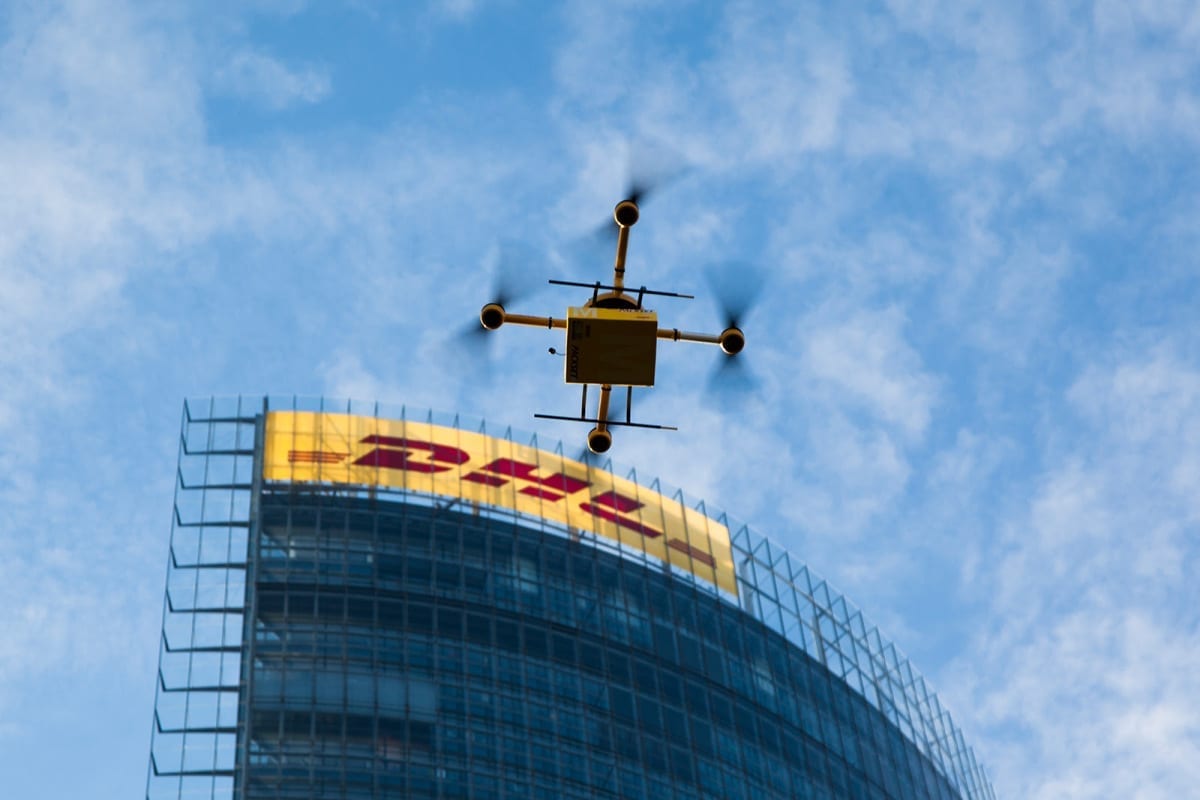
    DHL, the world’s largest logistics company, is poised for a major expansion of its delivery channels, including the wider use of shops where customers can collect parcels, drone deliveries, and what the company is calling “Parcel-copters”, says the chief executive of its rapidly growing e-commerce division.

    Speaking in Hong Kong, Charles Brewer suggested the routine procedure of having a uniformed courier delivering to your doorstep is rapidly becoming less popular, simply because customers these days are less willing to sit at home and wait for arrivals.

    So the company is now in the rapid process of introducing “alternative methods”, which Brewer – who’s been with the German deliveries titan since 1984 – is tipping to see the fastest growth.

    “We are going to have a big, big expansion in the choice of deliveries in some places,” he told on Thursday.

    Courier and delivery market leaders such as DHL, UPS and FedEx are having to adapt fast to ever-changing customer demands, with the emphasis very much now on faster, more convenient, internet-based methods.

    Brewer said his and other firms are increasingly facing what the industry likes to call the “parcel conundrum” – instances when shoppers enjoy the comfort and ease of picking their favourite items and placing their orders online, but are disappointed by the delivery efficiency that follows.

    “Their experience quickly begins to sour as the delivery process starts to take over,” Brewer said, citing a recent DHL survey result that showed more than 80 per cent of consumers are either dissatisfied or very dissatisfied with their online delivery experience.

    Many logistics firms, he added, only made deliveries to people’s homes within a time-banding, of say between 8am and 6pm, when typically people are at work.

    “Nobody wants to stay at home, waiting and waiting,” Brewer added.

    Brewer noted that customers are increasingly asking for what he calls “parcel lockers” and parcel shops, where they can easily collect their deliveries.

    We are going to have a big, big expansion in the choice of deliveries in some places

    A tie-up with intelligent locker makers will allow customers to retrieve parcels from lockers using a secure pin.

    “The fastest growing delivery channel is alternative,” said Brewer, outlining the future emphasis of his e-commerce offshoot.

    Since last year DHL has been running schemes in Germany to have packages actually delivered to the boots of people’s cars – in partnership with Daimler and Audi, the carmakers.

    The company is also partnering with Deutsche Telekom to launch a joint research into applications of unmanned aircraft for the safe and rapid delivery of parcels in urban areas.

    The first application is going to be the DHL Parcel-copter, which has been trialling since 2013.

    In September, it concluded a test of shipping products including urgently needed medicines via unmanned aircraft called “Parcel-copters,” in a Bavarian village of Germany.

    The planes were equipped with a mobile communications module allowing them to be located through GPS data.

    “One thing that will be very popular in Asia are parcel shops,” Brewer said.

    Already logistics companies such as Chinese company S.F. Express have been scrambled to join hands with bricks-and-mortar retailers such as 7-Eleven, to arrange convenient parcel pickup points.

    These alternative delivery methods are still in their infancy, accounting for just six per cent of total market share, while in mature e-commerce markets such as Germany and the Nordic countries, they already represent 10 to 15 per cent, Brewer said.

    “But that’s where we will end up in the rest of the world in the coming years.” he noted.

  • Fujitsu partners with DHL to target wearable technology, IoT

    Fujitsu partners with DHL to target wearable technology, IoT

    The two companies plan to jointly develop IoT solutions designed to improve safety for emergency services. Japanese ICT firm Fujitsu announced a strategic partnership with DHL Supply Chain U.K. to develop new services based on wearable technology and the “internet of things.”

    Under terms of the partnership, Fujitsu will share its expertise to jointly develop solutions designed to improve safety for emergency services. Fujitsu and DHL also plan to use the partnership to drive the creation of new markets in other sectors, such as airline logistics.

    The use of wearable and IoT technology such as Fujitsu Ubiquitousware is said to enable emergency services to track the health of individuals in the field through a dashboard showing their status and location. This technology is also said to provide real-time tracking for the location of protective equipment.

    “As the global logistics leader, we constantly seek out innovations that improve our customers’ lives,” said Paul Richardson, MD for specialist services as DHL Supply Chain U.K. “Wearable technology is going to transform the way we work, helping us understand the dynamics of what’s happening around us and providing real-time insight on our environment as never before.”

    In a separate project, Fujitsu is working with DHL to support the deployment of GlobeRanger IoT scanning and sensor technologies for airline duty free logistics. Following a successful proof of concept, the project is forecast to deliver annual labor savings of more than $564,000 (530,000 euros) and a 59% return on investment for the organization.

  • Asian postal services adapt to post-mail era

    Asian postal services adapt to post-mail era

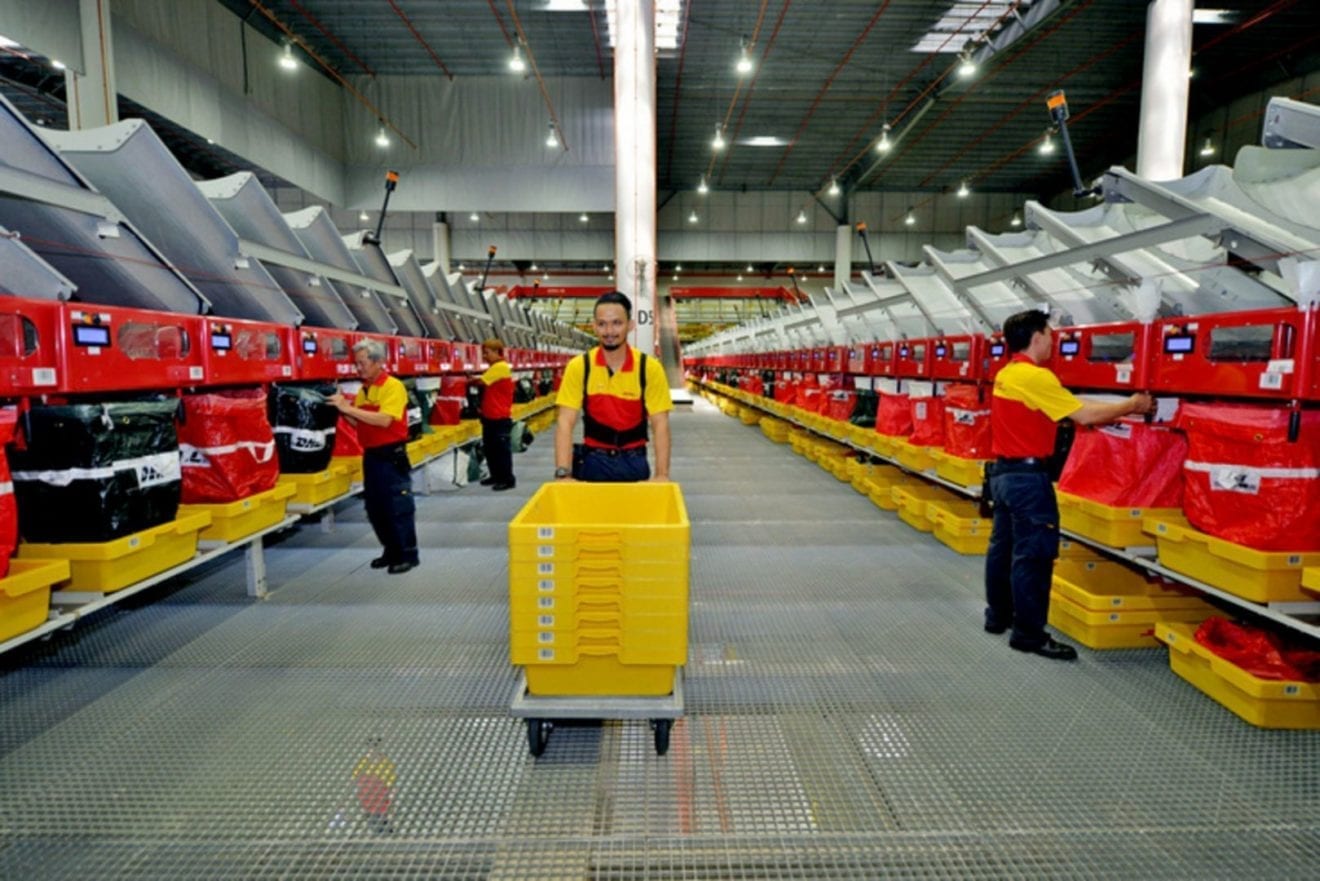
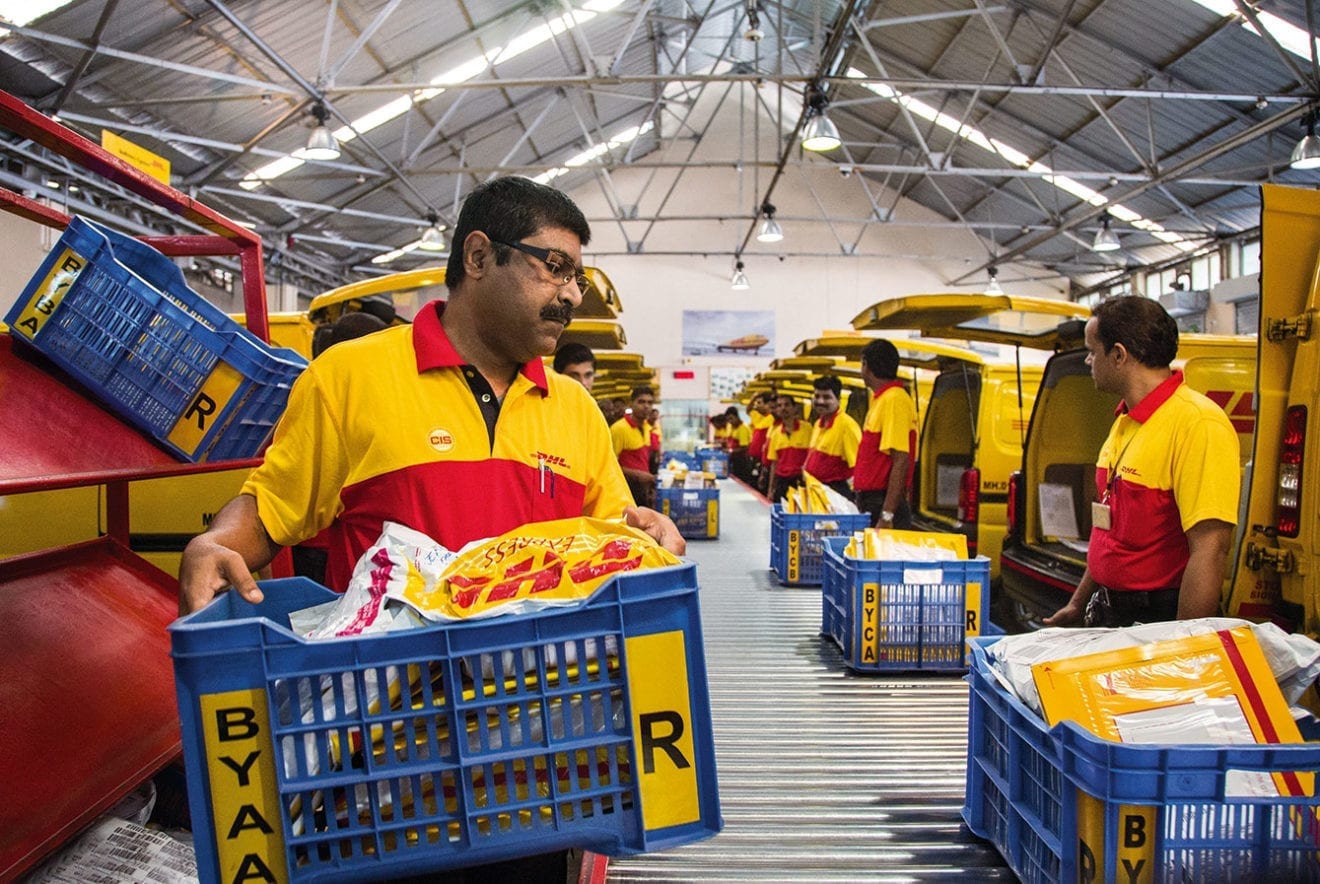
    With the pre-Christmas rush at its peak, a serpentine network of conveyor belts at Singapore Post’s new logistics centre moves parcels destined for addresses across the world in time for the festive season.

    It is a scene repeated in sorting offices around the globe in December, the busiest time of the year for postal firms with armies of workers toiling to get presents delivered on time.

    But times are changing and the explosion of online shopping is forcing traditional delivery companies such as SingPost to adapt or be damned.

    The growth of websites such as Amazon and Alibaba means customers can avoid crowded high streets and buy anything from mobile phones to sports equipment online and send them straight to loved ones.

    US-based research firm eMarketer said online sales are expected to reach $1.9 trillion this year and top $4.0 trillion by 2020.

    And traditional firms are making moves to keep up.

    The nearly 200-year-old SingPost, which is partly owned by China’s Alibaba, last month inaugurated its ecommerce sorting office capable of handling up to 100,000 parcels a day.

    It also now provides a service setting up retail websites for clients and allows for online payments while it has teamed up with brands including Adidas, Timberland and Xiaomi to help expand their online retail sales in the region.

    And last year it expanded its US and European presence by buying ecommerce technology provider Jagged Peak and ecommerce firm TradeGlobal.

    – ‘Change or die’ –

    “In this new digital age, the lives of the traditional postal companies are coming to a turning point: change or die,” said Cris Tran, an analyst with consultancy Frost & Sullivan.

    With traditional mail volumes dropping dramatically, ecommerce offers hope for national postal firms in Asia if they adapt quickly enough and do battle with giants like FedEx and DHL.

    This year’s “Singles Day” ecommerce promotion by Alibaba on November 11 grossed 120.7 billion yuan ($17.8 billion), smashing last year’s sales record of 91.2 billion yuan.

    Asian postal firms “are doing some very innovative things to take advantage of ecommerce”, said Brody Buhler, global managing director for post and parcel at consultancy Accenture.

    Japan Post has partnered with convenience stores to provide 24-hour delivery, while Pos Malaysia is boosting its warehousing, logistics and other other capabilities in a bid to become a full-service ecommerce provider, Buhler said.

    “Pos Indonesia investments in capabilities such as lockers and faster fulfillment from China are great examples of postal organisations investing to take full advantage of the opportunity ecommerce provides for growth,” he added.

    In the year ended March 2016, ecommerce-related revenues accounted for 35.8 percent of SingPost’s turnover which crossed Sg$1.0 billion ($707 million) for the first time, and that is tipped to rise further.

    Teo Chung Piaw from the National University of Singapore’s Business School said Asian postal firms must also compete with domestic startups and delivery specialists such as Japan’s Ta-Q-Bin and China’s SF Express.

    Regulation of state-owned postal firms is also slowing crucial reforms that will allow them to compete better, he added.

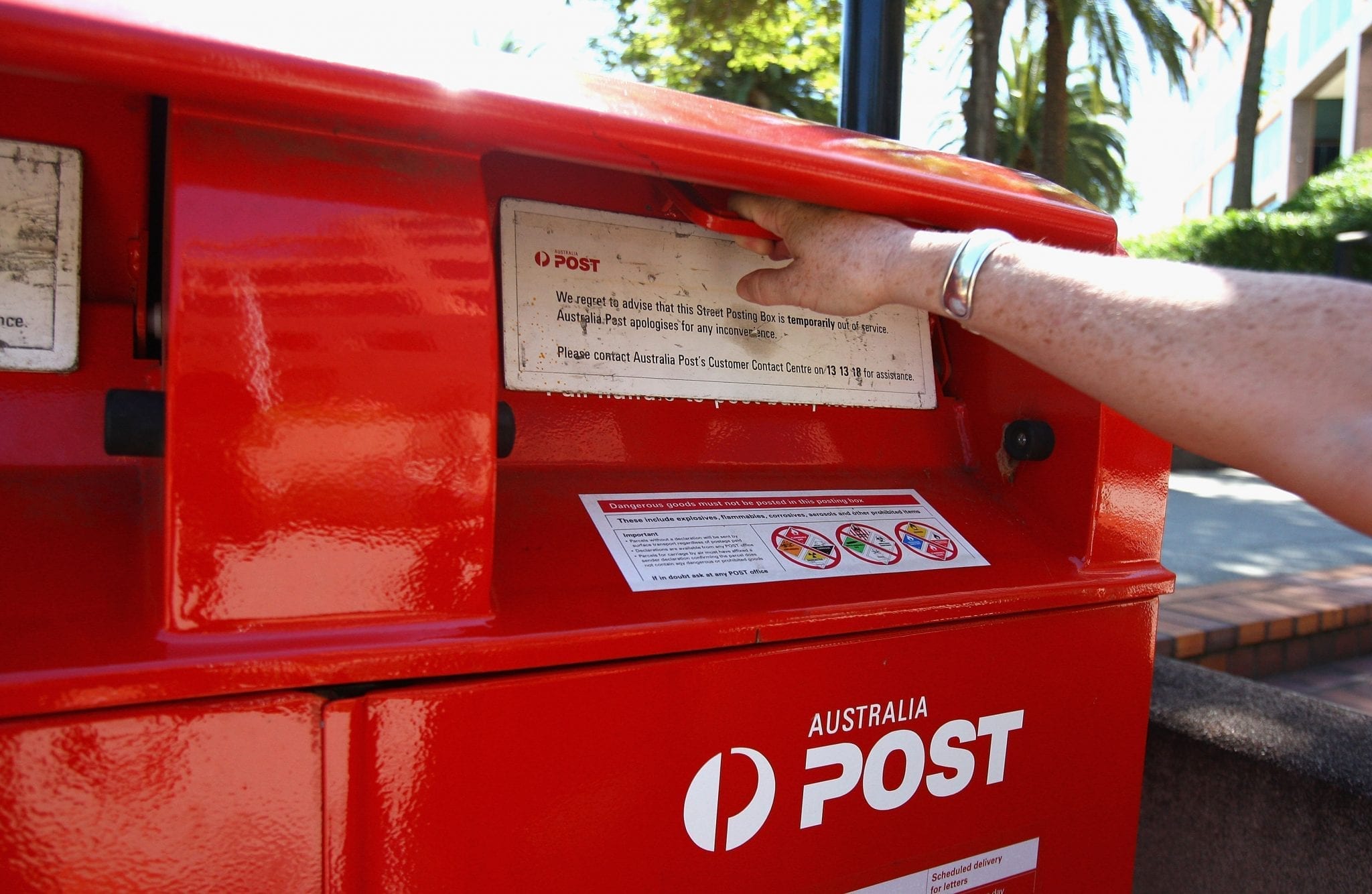
    Government-owned Australia Post needed regulatory approval to raise the cost of a basic postage stamp, a move it said was necessary to ease losses in its traditional letter business.

  • Gold Star Line Enhances Asia Chennai Service

    Gold Star Line Enhances Asia Chennai Service

    Gold Star Line has upgraded its Asia Chennai Service connecting East Asia with the East Coast of India.

    According to the company, the enhanced ACS will be operated in conjunction with Hyundai Merchant Marine and will begin on January 21, 2017.

    The port rotation will be: Busan – Shanghai – Hong Kong – Yantian – Singapore – Port Kelang – Chennai – Kattupalli – Port Kelang – Singapore – Manila – Busan.

    The service will offer a mid-week window for Central China and a weekend window for South Korea, according to Gold Star Line.

  • Keppel Logistics aims to stay relevant with e-commerce

    Keppel Logistics aims to stay relevant with e-commerce

    Staying relevant in a fast-changing sector is a key strategy for Keppel Logistics, said chief executive Desmond Gay.

    This is why the company – a wholly-owned unit of Keppel Telecommunications & Transportation – embarked on a $4.6 million acquisition of a majority stake in e-commerce logistics company Courex in October.

    Mr Gay told us recently: “We are constantly striving to innovate and evolve, and the Courex acquisition has allowed us to structure ourselves in a way that we become more relevant to the market and the new economy. It is just the first step of things to come.”

    Courex is a third-party logistics service provider that supports the needs of retailers, from last-mile delivery to international shipping and warehousing. It counts Singapore Airlines and Hachi.Tech among its clients.

    Keppel Logistics holds a 59.6 per cent stake in Courex, while the remaining 40.4 per cent is held by founder Joe Chua, who continues to lead the company.

    Mr Gay noted that the acquisition came as a “natural progression” for Keppel Logistics, as it moved to expand from its traditional B2B (business to business) business into the B2C (business to consumer) space, or the e-commerce market.

    “As companies, including our customers, begin to re-look and evolve their supply chains against the backdrop of an e-commerce dominated landscape, we likewise have to adapt and grow new muscle, and develop new capabilities and competencies,” he said, noting that doing so will ensure the company remains competitive.

    Incorporating Courex’s capabilities into Keppel Logistics’ business also allows the firm to better cater to its customers, he said. This is key as more brick-and-mortar retailers turn to online platforms to complement their sales channels.

    The growth prospects for e-commerce in South-east Asia are significant, Mr Gay noted.

    He cited a recent study by Google and Temasek Holdings, which says e-commerce in the region is expected to soar from US$5.5 billion (S$7.8 billion) last year to about US$88 billion over the next decade, and possibly up to US$128 billion even. Singapore’s e-commerce market is forecast to grow from US$1 billion to US$5.4 billion over the same period.

    “Being in the middle of a region like South-east Asia, with more than 600 million people – there we have a huge market opportunity,” said Mr Gay. “With the acquisition, we’re only just starting, and we’re ready to have a bite of the e-commerce pie.”

    Mr Gay expects Keppel Logistics, which has a presence in Australia, China, Indonesia, Malaysia, Singapore and Vietnam, to grow its e-commerce logistics business by at least 15 per cent in annual revenue over the next few years.

    He singled out Indonesia and Vietnam as “bright spots”, noting that Indonesia, in particular, is expected to make up over half the South-east Asian e-commerce market by 2025. The firm will explore opportunities to enter new markets such as Thailand, the Philippines and Myanmar.

    Amid a hyper-competitive market – reports last month said the US-based Amazon is set to enter South-east Asia next year – Mr Gay is positive Keppel Logistics will be able to maintain its edge.

    “A market that is US$88 billion and possibly US$128 billion is big enough, I think, for the various players,” Mr Gay, said.

    “If you look at South-east Asia, it’s still very fragmented. This means you have specialists that provide only last-mile services, for example, or parts of the supply chain, but not quite the entire supply chain.”

    He added: “Our synergies with Courex will also help us move towards being an omni-channel logistics service provider, while retaining our core strengths in providing best-in-class third-party logistics solutions.”

  • Easyship raises more funding

    Easyship raises more funding

    Hong Kong logistics startup Easyship has raised an undisclosed amount of pre-series A funding from 500 Durians, a fund managed by Silicon Valley’s venture capital major 500 Startups.

    Easyship is an online platform providing crossborder logistics services for eCommerce companies, claiming to have access to more than 80 shipping companies and offering visibility on delivery time, cost breakdown, reliability and tracking.

    To date, it has raised aggregate funding estimated at US$2.5 million. The latest round will help it expand into Southeast Asia via Singapore, following the validation of its business model and building of traction in the Hong Kong market.

    Its expansion to Singapore provides strategic access to Southeast Asia and leverages off the city-state’s logistics infrastructure and networks – just as US eCommerce giant Amazon is establishing a presence there.

    The venture originates from problems with international shipping encountered by co-founders Tommaso Tamburnotti and Augustin Ceyrac when they were trying to build the crossborder business of Rocket Internet’s Lazada, as reported. At the time, Lazada was trying to attract more vendors to its platform in China and Hong Kong selling into Malaysia, Singapore, Thailand, and the Philippines.

    However, Lazada’s rapid sales growth was inhibited by a “very unstructured and fragmented” logistics industry. Easyship streamlines this process, providing an end-to-end process for packaging, labelling and tracking goods with couriers. It charges no fees for these services, with sellers paying the couriers. Revenue is generated from courier commissions.

    Easyship claims its saves its 1000-plus clients in Hong Kong up to $20,000 a month on shipping fees.

  • WCA launches e-commerce logistics network

    WCA launches e-commerce logistics network

    WCA Ltd has launched the world’s first dedicated eCommerce logistics network in response to the changing global economy and a marked shift towards online consumerism. The network is open to all players in the cross-border eCommerce supply chain, according to WCA.

    By 2020 it is projected that freight forwarding will be 20 per cent eCommerce driven,” said David Yokeum, founder and chairman of WCA. “Our decision to become involved in eCommerce is a direct result of these projections. Our utmost concern is that network members are supported, and provided with the tools and opportunities necessary for them to become leaders in eCommerce logistics.”

    Launched in mid-October, the network has already seen over 100 logistics companies apply for membership and has attracted the interest of a wide range of companies within the supply chain. “The response has been phenomenal,” said Dan March, WCA chief executive officer. “We have been approached by a number of the world’s largest internet retailers and online marketplaces, all wishing to employ the network to meet their ambitious international expansion plans for B2B, B2C, and C2C business.”

    The WCA eCommerce network is open to all independent freight forwarders regardless of their knowledge or experience in the sector. Companies first join at the eMember level where valuable resources – such as webinars, training sessions and expert consulting – can be utilised to help them become proficient in eCommerce logistics. Once accomplished, eMembers may apply for certified eVendor status, allowing them to trade directly and build volumes and business with fellow eCommerce partners and eTailers.

    “To become a certified eVendor a member must undergo a comprehensive eCommerce capabilities audit,” said Alex Allen, WCA eCommerce’s managing director. “As an eVendor, the company is free to offer logistics services back to the network. The beauty for eVendors is that they are also fully covered by WCA’s industry-leading financial protection programme.”

    WCA eCommerce is the world’s only neutral platform; promoting product development, new partnerships, and business growth in the eCommerce sector. In 2017 WCA eCommerce plans to launch a range of additional benefits, including comprehensive eCommerce shipment insurance, a range of innovative eCommerce-specific IT solutions, preferred rates on global and domestic last-mile and courier deliveries, and regional eCommerce consolidation programmes.

  • DHL invests in new e-commerce distribution centre at Narita, Japan

    DHL invests in new e-commerce distribution centre at Narita, Japan

    DHL eCommerce has announced plans to build an Outbound Cross-Border eCommerce Distribution Center in Narita, Japan. The facility, expected to be completed by by April 2017, will broaden the range of e-commerce logistics services available to e-tailers and marketplaces operating in the country.

    New shipping products specifically designed for e-tailers will offer greater choices to reach consumers in Europe, the US and the UK, DHL said. Focused on reliability and value-for-money, the services are tailored according to the unique needs of e-tailers and marketplaces in the Japanese market. This latest development by DHL eCommerce will help drive Japan’s booming cross-border e-commerce market, which is growing at a CAGR of 16 per cent and estimated to hit over €1.1 billion in 2018.

    DHL Parcel International Direct, a cross-border shipping product, will offer affordable deliveries from Japan to the US and the UK, DHL said, adding that this product promises transit times of 4-6 business days, a game changer in the current Japanese logistics landscape. Another cross-border shipping product, DHL GlobalMail Packet Plus will offer the best rates for Japan – Europedeliveries, with transit times of 5 to 10 business days and a high degree of visibility into the status of packages.

    These products will help Japanese e-tailers handle the increasing pressure when it comes to servicing more overseas customers, making timely deliveries, and keeping operating costs low. Major marketplaces will also be better equipped to handle rising volumes of e-commerce deliveries and offer Japanese e-tailers a global reach and value-added services.

    With an estimated cross-border e-commerce value of €38.5 billion, the US is one the top export destinations for Japan’s e-commerce products. Roughly 25 per cent of digital shoppers in the country have made a cross-border purchase in the past 12 months. Europe also presents a tremendous opportunity for Japanese e-tailers. There are currently 303.1 million digital buyers in the region and total e-commerce sales volume has hit €349.4 billion.

    “We are seeing incredible growth in the Japanese cross-border e-commerce market and look forward to helping local players surmount their challenges. Our solutions offer easy one-stop gateway services for e-tailers, enabling them to deliver greater customer experiences while remaining in control of their costs. In addition, we will help them connect with overseas markets by partnering with popular marketplaces to deliver reliable services with a global reach,” said Yoshihiko Sasaki , managing director, DHL eCommerce Japan.

    The distribution centre will be co-located with the Japan Global Distribution Center in Narita established by one of DHL’s divisions. Leveraging a cross-divisional approach, this will help bring Japanese e-tailers to more customers overseas, and enable them to also tap into comprehensive supply chain solutions. This means that customers who utilise the new DHL eCommerce offerings will get access to more in-depth supply chain expertise and an extensive logistics network that serves over 220 countries and territories globally.

    “The power of e-commerce lies in its ability to break physical barriers. E-commerce companies are not limited by geographical borders and have the flexibility to offer services and products to customers in other countries. By combining the deep understanding of the Japanese market which DHL eCommerce has, with the warehousing and transport management capabilities of our sister division, we will be able to explore operations such as fulfilment as part of a global partnership for our customers,” added Sasaki.

    The expansion plans in Japan are part of a larger Asia Pacific strategy by DHL eCommerce. The company also recently revealed its €70 million investment in India to boost the capabilities of the Delhi and Mumbai air hubs to enhance B2C e-commerce delivery in India .

    In June 2016 , DHL eCommerce announced that it will grow its overall presence in China by 50 per cent, with the expansion of the distribution centres in Shenzhen, Shanghai and Hong Kong. Along with the huge growth of e-commerce in China , the distribution centres will enable maximum volumes of over 130 million shipments a year combined.

    Earlier in January 2016 , DHL eCommerce launched domestic delivery operations in Thailand and announced plans to double its fleet and number of depots by 2017. Thailand, with its tremendous growth potential, fast e-commerce adoption, and high smartphone penetration rates, was identified as the first Southeast Asian country to launch the DHL eCommerce domestic delivery service – in line with the Group’s Strategy 2020.

  • Etihad moves 72 high-value racehorses from UK to Kuwait

    Etihad moves 72 high-value racehorses from UK to Kuwait

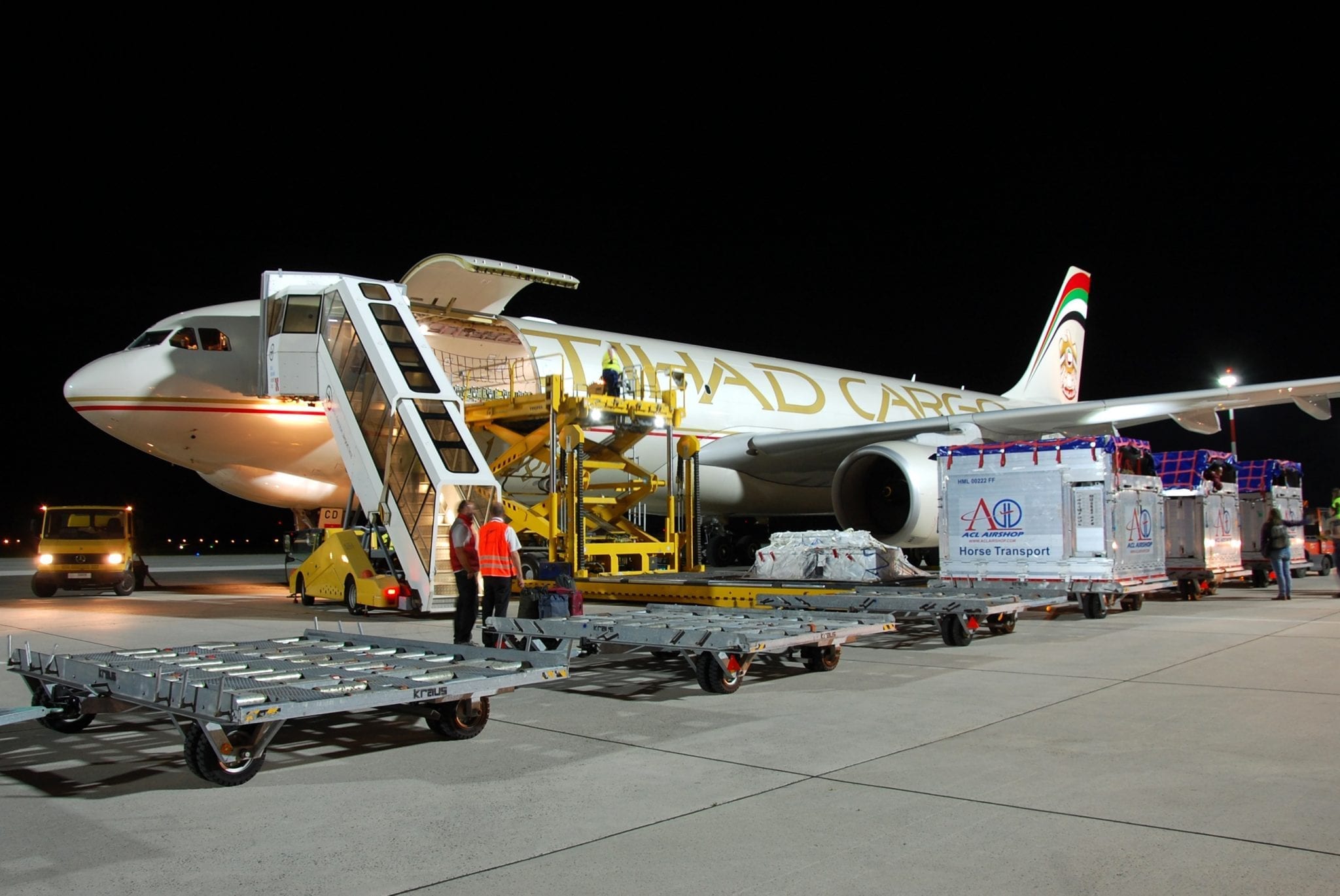
    Etihad Cargo has successfully shipped more than 70 elite racehorses from England to Kuwait after the European racing season. In all, 72 racehorses – worth a combined £36 million (US $45 million) – were transported from London Stansted Airport to Kuwait City, where they will spend the winter months training and racing in the temperate Middle Eastern climate. They were flown on one of the carrier’s state-of-the-art B777 freighters which are equipped with comfortable seating for up to nine grooms and can accommodate up to 75 horses at a time.

    David Kerr, senior VP of Etihad Cargo, said: “Safety is the most important thing for our equine customers, which is why it is imperative we offer a safe and reliable service on all of our shipments. The Middle East has strong ties to these magnificent creatures dating back thousands of years and, to this day, they are arguably the most precious cargo we carry. In 2016 alone Etihad Cargo has been entrusted to transport more than 1,200 horses, with several more large shipments scheduled before the end of the year.”

    A team of six professional grooms handled the horses during loading, while on board the flight – when they visit them in the cargo hold to ensure they are comfortable and calm – and on arrival in Kuwait.

     When the horses arrived at Stansted they were loaded by their grooms into jet stalls, specially designed with non-slip floors which hold three horses apiece. The IATA-approved stalls were then loaded onto the temperature controlled cargo hold of the aircraft in an operation which took more than six hours.

    Conan Busby, MAG’s head of cargo, owners of London Stansted Airport, said: “We are delighted that Etihad Airways chose Stansted to handle this delicate and valuable cargo. Stansted is the UK’s number one airport for horse travel and handles many specialist flights every year. Many of the horses taking part in this year’s Olympic Games and the Queen’s 90th Birthday celebrations passed through Stansted’s dedicated equine facility.”

    Etihad Cargo operates a fleet of nine wide-body freighters – five B777Fs and four A330Fs – which can be configured to carry 75 and 30 horses respectively.

  • DHL eCommerce invests in India to tap surging demand

    DHL eCommerce invests in India to tap surging demand

    DHL eCommerce, a division of Deutsche Post DHL Group, is investing €70 million to strengthen its operations to meet the fast-growing demand for e-commerce logistics services in India.

    Through its subsidiary Blue Dart Express, this investment will go into the expansion of its air hubs in Delhi and Mumbai, which are part of its network of 13 air hubs in India. The latest investment supports the growth of B2C e-commerce in India, and is part of the company’s broader plan to aggressively expand across Asia Pacific.

    “The US and Asia Pacific are the two largest B2C e-commerce markets in the world, and the opening of these new facilities will be another milestone in the expansion of DHL eCommerce logistics network,” said Charles Brewer, CEO, DHL eCommerce.

    “India is a really important market for us and is one of the fastest-growing, with B2C e-commerce expected to grow from €9.6 billion in 2016 to €30-40 billion in 2020,” he said.

    “Recognising the tremendous potential in Asia Pacific, we are making aggressive steps to ensure that our customers are well supported to tap into the growing e-commerce market,” added Malcolm Monteiro, CEO, Asia Pacific, DHL eCommerce.

    In June 2016, DHL eCommerce announced that it will expand its overall presence in China by 50 per cent, with the expansion of the distribution centres in Shenzhen, Shanghai and Hong Kong. Earlier in January 2016, DHL eCommerce launched domestic delivery operations in Thailand and announced plans to double its fleet and number of depots by 20

    The company is also planning to introduce its newly-developed drone, Parcelcopter, for last-mile delivery services in India after getting necessary clearance, Brewer said. “In terms of using the Parcelcopter in India, we would love to do so, but of course is predicated on the local legislation. So whilst you may not see a Blue Dart Parcelcopter flying around India anytime soon, we will as soon as allowed to do so,” he added. The Parcelcopter has successfully completed its trial run in Germany.