Retail News CRM

Category: Logistics

Retail News Asia is committed to providing both local and global retailers with the latest Logistics news throughout the Asian market. This on a daily base.

  • FedEx to bolster its e-commerce business in Asia

    FedEx to bolster its e-commerce business in Asia

    FedEx will expand its global e-commerce business in an effort to compete for the growing number of packages shipped to consumers from China and Japan, executives said Monday.

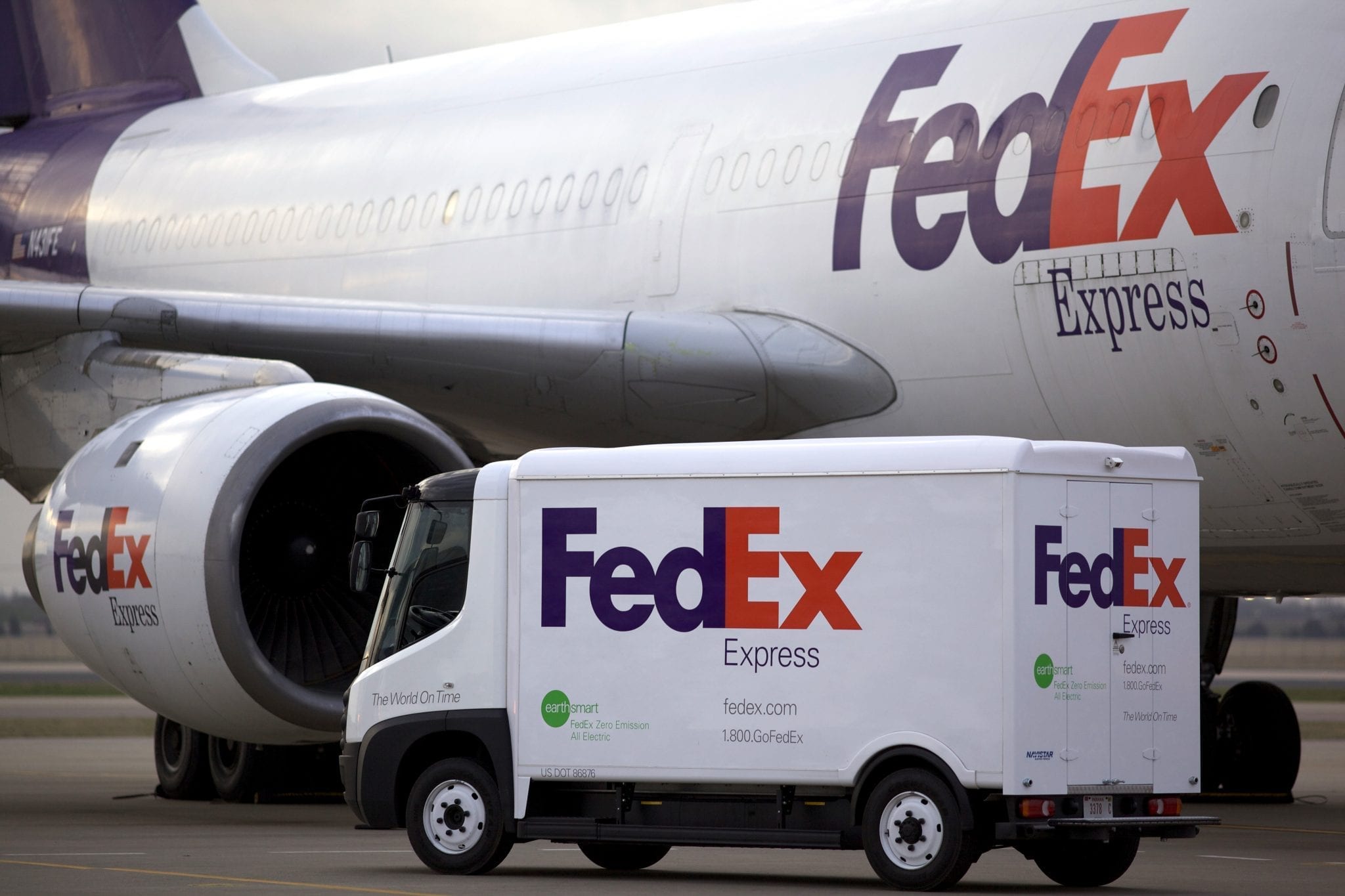
    The company, which in 2014 acquired Bongo International, a company that helps shoppers purchase goods from foreign retailers by automatically adjusting currencies, and customs and shipping costs, by location, is rebranding the business as FedEx CrossBorder. The company plans to expand its services to merchants in China and Japan by next June, said Chip Hull, vice president of the newly named division. The company already consolidates shipments for global e-commerce retailers in the U.S., Europe and Peru.

    Asia “is the second-largest region from an export perspective in the cross-border space, on par with Europe, and is growing at a faster rate,” Hull said. As global e-commerce grows at double-digit rates around the world, “Asia is certainly the 800-pound gorilla in the room.”

    FedEx’s international e-commerce efforts have come as other companies are investing in helping retailers with international online-shopping services. United Parcel Service acquired i-Parcel around the same time that FedEx bought Bongo, and Pitney Bowes acquired Borderfree last year. Deutsche Post AG’s DHL also offers international e-commerce services.

  • Warehouses coming to Laos, Cambodia gates

    Warehouses coming to Laos, Cambodia gates

    Viet Nam will have some 116 warehouses at the border gates with Laos and Cambodia by 2035, according to the Ministry of Industry and Trade.

    Under Decision 229/QD-BCT issued on January 23, the ministry said it would develop professional and modern warehouses with enough logistics services to keep import and export goods at these border gates.

    The warehousing system will promote sustainable development of import and export activities along the border lines, especially exports at border gates along border lines between Viet Nam and the two countries.

    According to specific targets of the plan, by 2025, the warehousing system will meet all demand of the area and have enough capacity to store import and export goods at the border gate regions.

    Eighty per cent of the warehouses will be required to provide important and necessary logistics services, such as storage, handling, inspection and implementation of customs procedures for import and export goods.

    The plan includes the upgrade or building of at least one warehouse at an international border gate region or a major border gate to meet the demand of import and export goods. All goods under the warehousing system will be inspected for quality, food hygiene, safety and other related standards.

    The ministry expected the plan to ensure stability and step-by-step promote growth of imports and exports at border gates along border lines between Viet Nam and the two countries.

    By 2035, all border gates along those border lines will have a completed warehousing system, including 116 existing and newly-built warehouses, to meet all warehousing demand for import and export goods and provide synchronous logistics services for promoting rapid and sustainable development of import and export activities, the ministry said.

  • DHL Supply Chain appoints Jerome Gillet as CEO of its new Singapore cluster

    DHL Supply Chain appoints Jerome Gillet as CEO of its new Singapore cluster

    DHL Supply Chain, which is involved in contract logistics solutions, has named Jerome Gillet as CEO of the new Singapore cluster which includes Singapore, Malaysia, and the Philippines.

    In this role, Gillet will continue to report to DHL Supply Chain Asia Pacific CEO Terry Ryan, while remaining as a member of the regional board.

    The appointment will bring synergy for the three markets and drive new growth for the region.

    The DHL Supply Chain businesses locally will continue to be led by the respective country heads – Jason Goh, managing director, DHL Supply Chain Singapore; Mike Davies, managing director, DHL Supply Chain Malaysia; and Suzie Mitchell, managing director, DHL Supply Chain Philippines — who now report to Gillet.

    “We see tremendous opportunity in Singapore, Malaysia and the Philippines to grow our business with even more focus on greater service quality in the markets. Jerome has repeatedly demonstrated his commitment to customer needs, and, in a changing economic climate, he is well placed to help customers deliver greater value from their supply chains,” said.

    “An innovator and strategic leader, Jerome is well suited to lead the next stage of growth transformation in our Singapore cluster. With his track record of delivering accelerated growth and building strong customer relationships, I am confident he will drive this new cluster in achieving high and sustainable growth.”

    “I am looking forward to accelerating growth in the newly formed cluster with a strong focus on quality, innovation and customer centricity,” said Gillet.

    Gillet’s career in logistics spans over 20 years (the last 17 years in the Asia Pacific) and includes roles in general management, operations and business development. His last appointment as chief customer officer (CCO) of DHL Supply Chain Asia Pacific saw him turn Asia Pacific into the fastest-growing region worldwide within DHL Supply Chain.

    The growth was driven by his business development efforts in key sectors such as Consumer & Retail, Technology and Life Sciences.

    Prior to his role as the CCO, Gillet was the vice president of Consumer sector for Asia Pacific, and increased annual new business gains by over 200% between 2008 and 2014.

  • Last Mile Fulfilment Asia returns for the third edition from 2 to 3 March 2017

    Last Mile Fulfilment Asia returns for the third edition from 2 to 3 March 2017

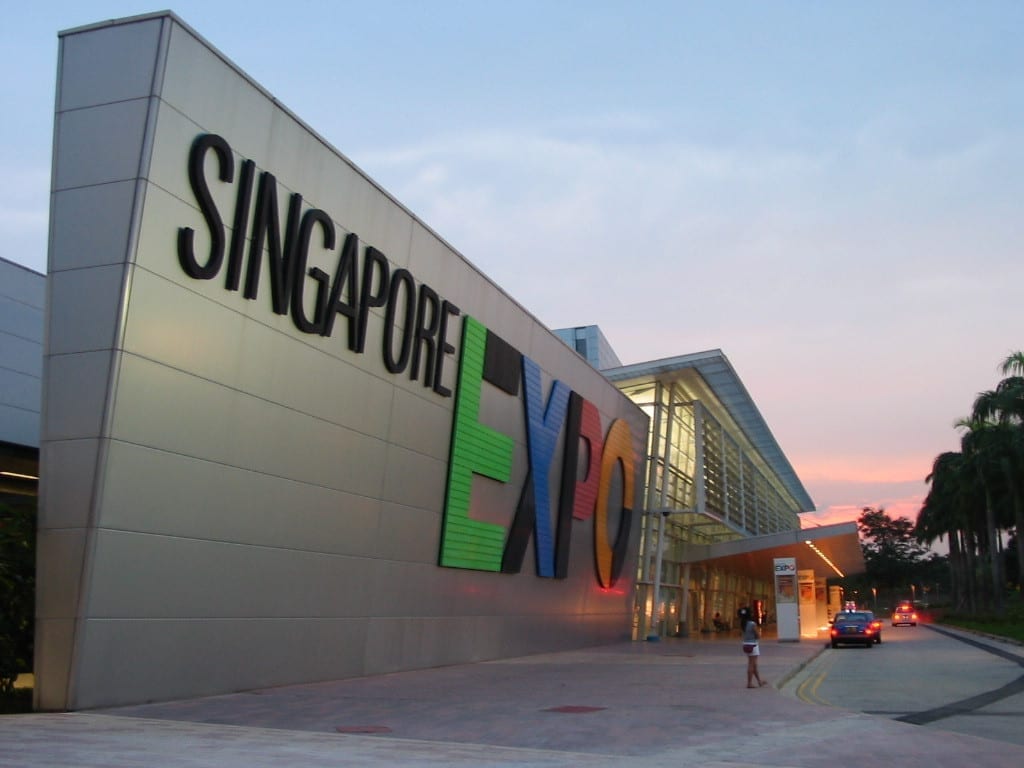
    Last Mile Fulfilment Asia (LMFAsia), the region’s premier trade show for the retail, ecommerce, logistics and parcel industries, returns with the third edition on 2 to 3 March 2017. Themed “Go Global, Deliver Local”, the event aims to drive and strengthen a borderless fulfilment process, where in-market industry players fortify their business locally whilst expanding their foothold in the region through perfecting the last mile beyond borders.

    Amidst a backdrop of economic uncertainties today, Southeast Asia ecommerce market continues to grow to 16 times and will reach $88 billion by 2025 . The two-day conference and exhibition, organised by SingEx Exhibitions will deep-dive into the need to tap on the potential growth of ecommerce, and optimise the cross border fulfilment and delivery processes.

    The multi-track conference component of the trade show will focus on evolutionary topics such as turning fulfilment challenges into opportunities, designing cross-border fulfilment solutions across Asia. In recognising that the last mile of the fulfilment process costs almost 28 per cent of total cost of moving goods , achieving cost efficiency through innovative logistics solutions will be key to amplify the ecommerce market that is already expanding at rapid speed in the region. According to Frost & Sullivan, the global B2B ecommerce market alone will reach US$6.7 trillion by 2020. The 2017 conference will feature a new track “The Future of ecommerce is B2B ecommerce”, in which industry speakers from renowned retail, ecommerce and logistics leaders will share keynotes, highlighting the potential wins of adapting a successful B2C model into the B2B segment to conduct ecommerce business in a similar fashion.

    Separately, the exhibition component of Last Mile Fulfilment Asia will offer a convenient business matching platform for innovative companies to meet potential business partners, and showcase products and technologies that add value in the delivery chain. There will be three thematic zones dedicated to specific solution categories ranging from last mile, fulfilment centres, warehousing to automation.

    Adrian Sng, general manager of SingEx Exhibitions said, “Industry giants from China and US are pursuing significant ecommerce market shares in Asia and it will be a challenging year with headwinds affecting many in the fulfilment business. In order for companies to gain a competitive edge, there is a need to leverage technology to advance and conquer the last mile. This year’s overarching objective will be to bring this to the forefront. Through our focused strategy of curating trade events in emerging markets and industries with high-growth potential, Last Mile Fulfilment Asia will be a driving force for change that will see ecommerce and the fulfilment business playing a much more significant role in the region.”

    Charles Brewer, chief executive officer of DHL eCommerce, who will be sharing during the conference on leveraging opportunities presented in cross-border ecommerce, acknowledges the game-changing benefits last mile fulfilment will bring. “Perfecting logistics is the key to delivering the best ecommerce experience and a great chance to deliver a smile in the last mile. I am looking forward to sharing and connecting with other ecommerce players at the conference to discuss latest trends in this very exciting industry.”

    Joseph Yuen, board chairman of the Hong Kong federation of ecommerce and managing director of China Post Trade Development Company Limited, will also be speaking during the conference on paving the way into doing business in China through “11.11” case study. “Technology brings businesses closer to each other and around the world, but successful cross border ecommerce does need a mastery in the difference in culture, trade practices, government policy and others. On this note, Last Mile Fulfilment Asia 2017 provides a great opportunity for industry stakeholders to catch up with the latest trends and solutions in cross-border ecommerce.”

  • Global logistics executives pick India as leading investment spot

    Global logistics executives pick India as leading investment spot

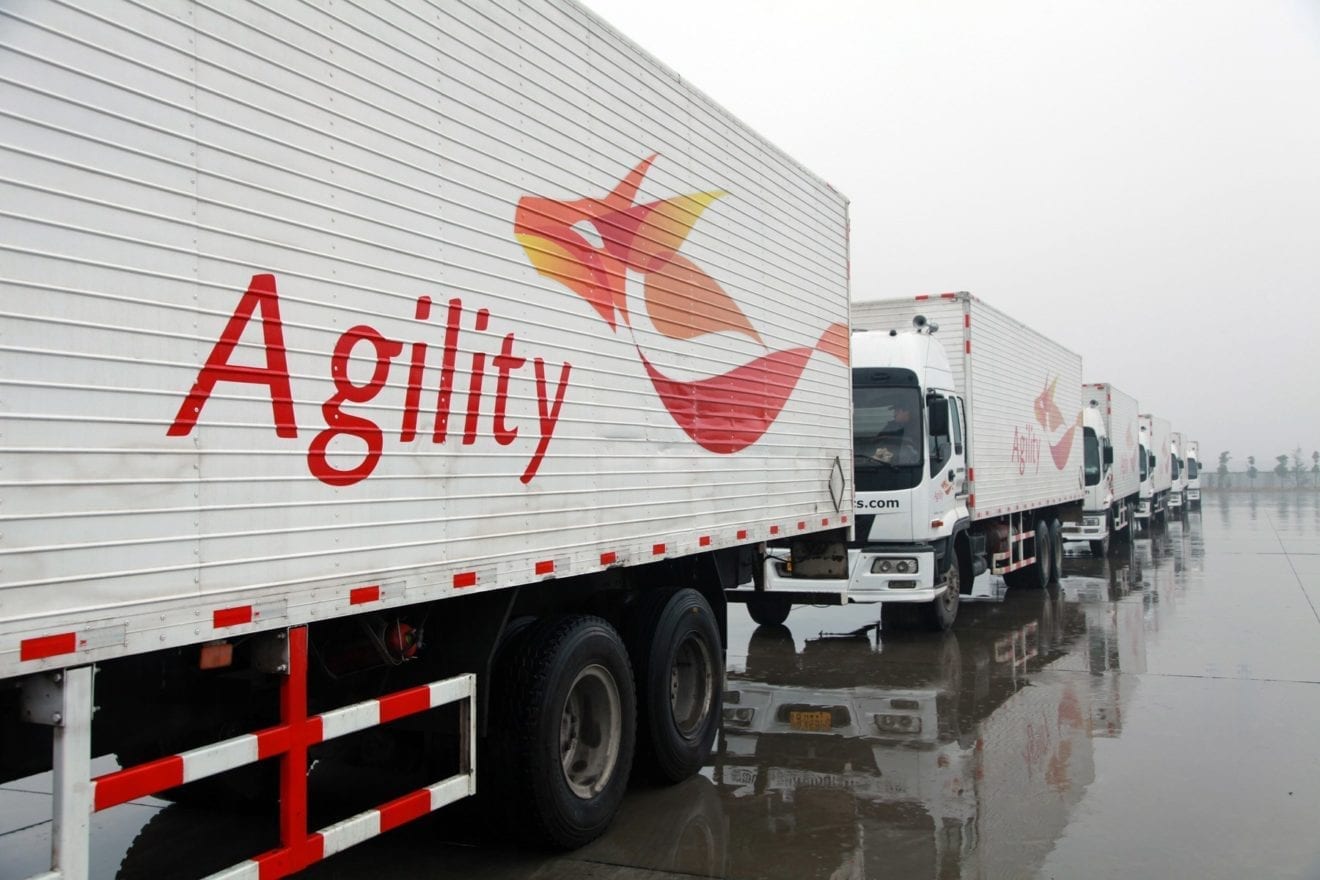
    Agility Logistics has launched the 2017 Agility Emerging Markets Logistics Index, an annual survey of more than 800 logistics professionals. The Index provides an annual snapshot of industry sentiment and a ranking of the world’s 50 leading emerging markets by size, business conditions, infrastructure and transport connections.

    Logistics executives pick India is their top investment destination and say the health of China’s economy is likely to set the tone for emerging markets overall in 2017 in a new supply chain industry survey.

    China, the world’s second-largest economy, again topped the 50-country ranking. India climbed past the United Arab Emirates (UAE) to the second spot, its highest-ever Index ranking. Malaysia at fourth and Indonesia at sixth were unchanged from a year ago.

    In the survey, industry executives identified India as the emerging market with the most potential as a logistics market and as the place their companies are most likely to invest in the next five years. 23 percent of survey respondents said passage of a key tax reform made their companies more likely to invest in India.

    “India’s economy has grown faster than any in the world over the past two years,” said Chris Price, Asia-Pacific CEO of Agility Global Integrated Logistics. He added, “Tax and economic reforms have added to enthusiasm about India, although that optimism has been tempered somewhat in the short-term by the government’s surprise decision to remove large bank notes from circulation and encourage broader use of cashless forms of payment.”

    76 percent of survey respondents said China’s economy is slowing, but only 17 percent said the slowdown is significantly hindering the transport and logistics sector. Nearly 66 percent said a slowing Chinese economy will not alter their business or expansion plans in China.

    Price said, “Vietnam, India and other countries have lured away some production with cheaper wages and incentives,” He continued, “But the e-commerce revolution in China is driving huge inbound freight volumes and reflects a healthy shift toward growth that’s balanced between exports and domestic demand.”

    The Index, in its eighth year, ranks emerging markets countries by factors that make them attractive to logistics providers, freight forwarders, shipping lines, air cargo carriers and distributors.

    “Emerging markets continue to deliver the highest growth rates in the world, but as links in the global supply chain, countries can be extremely hard to evaluate,” said Essa Al-Saleh, CEO of Agility Global Integrated Logistics. “The Index and the survey are useful when it comes to identifying the relative strengths and weaknesses of individual markets.”

  • RoRo To Connect Indonesia-Philippines As Part of ASEAN Connectivity

    RoRo To Connect Indonesia-Philippines As Part of ASEAN Connectivity

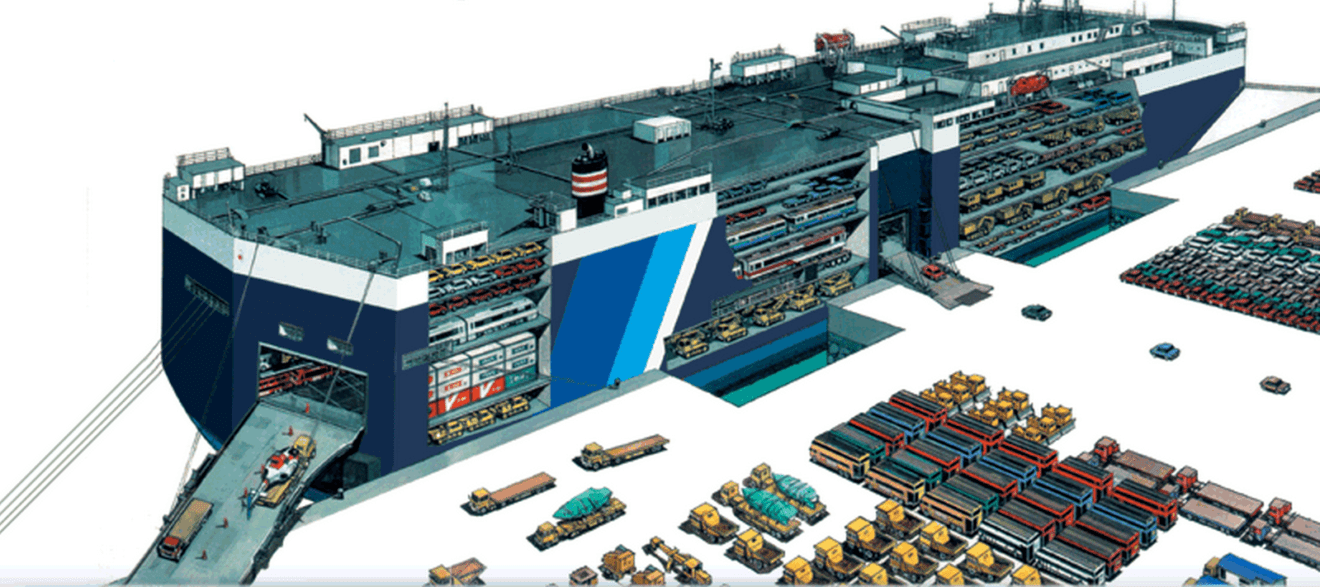
    New economic and trade opportunities are in sight with the opening of the Davao-General Santos-Bitung (D-G-B) Shipping Service, which is one of the target priorities for the Philippines Chairmanship of the ASEAN in 2017.

    Philippine Ambassador to Indonesia Maria Lumen B. Isleta and members of the Philippines and Indonesia Inter-Agency Task Force for the Operationalization of the D-G-B Roll-on/Roll-off (RoRo) Route gathered in Jakarta on Jan 17, 2017, to discuss preparations for the maiden voyage of the RoRo, which will connect Davao and General Santos City to Bitung in North Sulawesi, Indonesia, the Philippine embassy said in a statement here on Thursday.

    The D-G-B RoRo Route under the ASEAN RoRo Initiative aims to enhance maritime connectivity in ASEAN and maximize the use of regional sea lanes.

    The opening of the route is a more cost and time-efficient alternative to the usual Manila-Jakarta-Bitung route, which would take about three to five weeks of shipping time.

    In contrast, direct shipping through the D-G-B route will take only one day and a half of sailing (excluding port stay).

    The route is also expected to spur trade between Mindanao and the Sulawesi provinces in Indonesia. It is also expected to provide greater access for local businessmen to engage in international trade, as well as stimulate other areas of development such as joint tourism promotion, establishment of direct linkages, and increase in investment inflows, among others.

    On Jan 18, Isleta and leaders of the RoRo project task force paid a visit to Manado and met with North Sulawesi Governor Olly Dondokambey to discuss the maiden voyage of the RoRo.

    Meanwhile, The Philippine News Agency (PNA) reported that Philippines President Rodrigo R. Duterte and Indonesian President Joko Widodo will launch the ASEAN RoRo Project on April 28, 2017.

    New economic and trade opportunities are in sight with the opening of the Davao-General Santos-Bitung (D-G-B) Shipping Service, which is one of the target priorities for the Philippines Chairmanship of the ASEAN in 2017.

    Philippine Ambassador to Indonesia Maria Lumen B. Isleta and members of the Philippines and Indonesia Inter-Agency Task Force for the Operationalization of the D-G-B Roll-on/Roll-off (RoRo) Route gathered in Jakarta on Jan 17, 2017, to discuss preparations for the maiden voyage of the RoRo, which will connect Davao and General Santos City to Bitung in North Sulawesi, Indonesia, the Philippine embassy said in a statement here on Thursday.

    The D-G-B RoRo Route under the ASEAN RoRo Initiative aims to enhance maritime connectivity in ASEAN and maximize the use of regional sea lanes.

    The opening of the route is a more cost and time-efficient alternative to the usual Manila-Jakarta-Bitung route, which would take about three to five weeks of shipping time.

    In contrast, direct shipping through the D-G-B route will take only one day and a half of sailing (excluding port stay).

    The route is also expected to spur trade between Mindanao and the Sulawesi provinces in Indonesia. It is also expected to provide greater access for local businessmen to engage in international trade, as well as stimulate other areas of development such as joint tourism promotion, establishment of direct linkages, and increase in investment inflows, among others.

    On Jan 18, Isleta and leaders of the RoRo project task force paid a visit to Manado and met with North Sulawesi Governor Olly Dondokambey to discuss the maiden voyage of the RoRo.

    Meanwhile, The Philippine News Agency (PNA) reported that Philippines President Rodrigo R. Duterte and Indonesian President Joko Widodo will launch the ASEAN RoRo Project on April 28, 2017.

  • Vietjet Air Appoints HACTL for Hong Kong Handling

    Vietjet Air Appoints HACTL for Hong Kong Handling

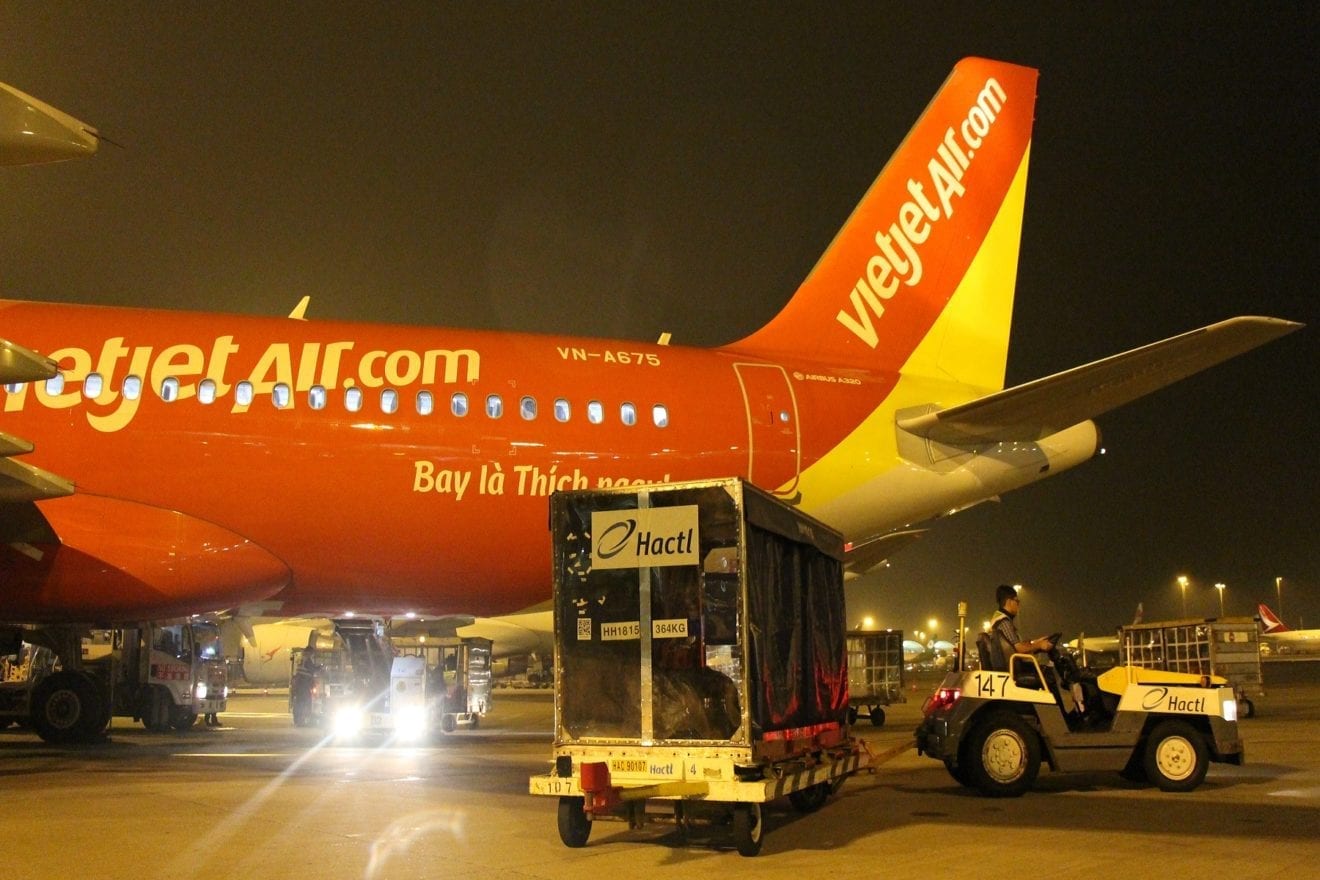
    The daily flight was launched in December 2016 and is operated with an Airbus A320. “We congratulate VietJet on the launch of this exciting new service to Ho Chi Minh, which provides access to an important destination for our customers,” said Mark Whitehead, chief executive of Hactl.

    Major exports from Vietnam to Hong Kong include electronic components, telecommunications equipment and footwear, while imports from Hong Kong include telecommunications equipment, meat products and electronic components.

    “Hong Kong is a very important market for Vietnam, and also a key step in our airline’s development,” said Thi Thuy Binh Nguyen, vice president of VietJet Air. “We look forward to playing our part in facilitating increased trade on this route.”

    VietJet Air launched operations in 2011. The low-cost carrier now flies to 23 international and 37 domestic destinations with its fleet of 42 A320s and A321s.

  • S.F. Express to build Asia’s largest air freight hub in China

    S.F. Express to build Asia’s largest air freight hub in China

    Chinese private logistics giant S.F. Express Co Ltd has pledged to build the busiest air cargo hub in Asia, reaching areas accounting for 80% of the country’s Gross Domestic Product within two hours, including major cities like Beijing and Shanghai.

    The firm said it would construct an airport in Ezhou city, Hubei province in central China, that could handle more than 2.6 million tonnes of freight and 1.5 million passengers by 2025. The airport would be the fourth busiest in the world and could cater for all jets except the Airbus’ superjumbo A380.

    The joint venture in charge of building the air hub has an investment capital of 100 million yuan (US$14.4 million). The venture will be responsible for the design, construction as well as the operation and management of the mega development project.

    A unit of S.F. Express – S.F. Airport Investment – and China VAST Industrial Urban Development Company have contributed 40 million yuan and 60 million yuan, respectively, to set up the joint venture.

    S.F. Airport Investment had invested 470 billion yuan in VAST late last year. S.F. Express, founded in 1993, is the largest private courier in China, and started building its own fleet in 2009. As of November 30, it owned a fleet of 36 aircraft, according to the company’s website.

    China’s logistics industry has boomed following the development of e-commerce giants, such as Alibaba’s Taobao. In 2016, more than 250 million people used courier services each day, according to the state Xinhua news agency.

    At the annual Singles’ Day e-commerce sale last year on November 11, postal services handled 251 million parcels, a 52% increase compared to 2015, according to another Xinhua news report. S.F. Express even rented high-speed trains to ensure punctual delivery of goods.

    The new airport project is part of an aero city mega development, spanning an area of 36 square kilometers, for a population of only a million.

  • Dutch to Indonesia trade mission drums up business for Royal HaskoningDHV

    Dutch to Indonesia trade mission drums up business for Royal HaskoningDHV

    As part of a high level Dutch trade mission to Indonesia, Royal HaskoningDHV has managed to secure two contracts as part of the development of the $300 million Kuala Tanjung Port, as well as enter discussions to pilot a hospital development project in the country of more than 260 million peopale.

    A consortium of Dutch Government officials, including Prime Minister Rutte, Ministers Schultz van Haegen and State Secretary Dijksmarecent, recently travelled to Indonesia on a trade mission. A number of Dutch businesses joined the mission, including professional services firm Royal HaskoningDHV.

    The mission, aside from drumming up mutually beneficial business and political ties between the countries, whose history dates back centuries, also involves collaboration on a number of different projects, from a CEO summit focused on improving the working relationship between Dutch and Indonesian businesses, to investment and collaboration programmes in key sectors, from hospitals to shipping. Additionally, a key discussion point on the agenda related to efforts in solving a pressing problem for Jakarta: the city is sinking at 10 centimetres per year due to unsustainable use of groundwater from beneath the city – endangering up to 5 million people in the north of the city that face immanent flooding. The Dutch government, through the Dutch water sector, is involved in the development process for a lasting solution to sustainable water management for the city.

    Regarding the work, Royal HaskoningDHV Indonesia Resident Director Berte Simons, remarks “Since the Indonesian government asked the Dutch government for assistance in 2007, the Dutch water sector is contributing to a lasting solution to sustainable water management of the city. No small task in this area where space is scarce, stakeholder interests are large and government budgets limited. We are proud to contribute to the National Capital Integrated Coastal Development (NCICD) strategy that not only should be a sanitation, water supply, civil and hydraulic engineering feat but also one in which inclusive urban and socio-economic solutions are key.”

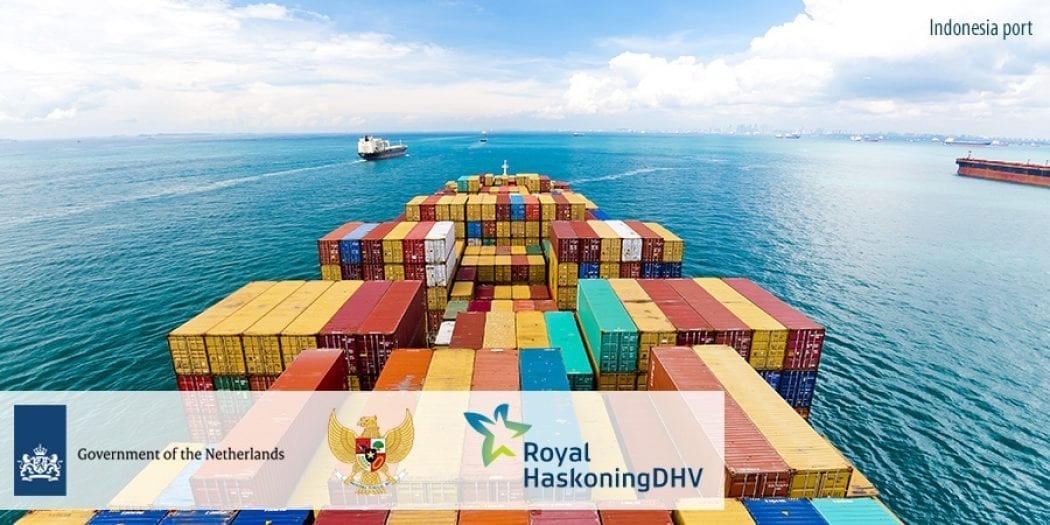
    For Royal HaskoningDHV, with around 350 employees working on projects for production sites in the country, the mission thus far resulted in signing two contracts with the Indonesian port operator Pelindo I for the development of Kuala Tanjung Port in North Sumatra. The port, which is expected to cost around $300 million, is part of the country’s wider maritime highway vision led by President Joko Widodo – which includes a total of 24 new strategic ports in the country. The value of the contracts for Royal HaskoningDHV has not been disclosed.

    Members from Royal HaskoningDHV’s healthcare practice, including Eduard Boonstra, the firm’s Business developer for the segment, also took part in trade discussions surrounding hospital development in Indonesia. The country, whose healthcare expenditure falls in the middle range in relation to its neighbours, offers considerable opportunities for joint benefit from work with Dutch providers – the country has one of the world’s most effective healthcare systems. The firm will work on a pilot project to deliver economically viable hospital designs that are able to contribute to the improvement of the public as well private health sector in Indonesia.

    Eduard Boonstra, remarks, “Together with the Ministry of Health, BPJS and local health authorities, we expect to work on a pilot project after successfully having performed a feasibility study regarding the improvement of the primary care system in Yogyakarta within the framework of Universal Health Coverage. We are proud to be recognised by leading Indonesia hospital operators as integrated design partner in the development of modern, efficient and patient safe hospitals which enable us to further build up our track record in Indonesia.”

  • Making the most of Asia intra-regional trade

    Making the most of Asia intra-regional trade

    Global economic volatility might be worrying some companies in Asia Pacific, but the small- and medium-size enterprise (SME) sector is bucking the trend with strength and optimism for the year ahead.

    Even if trade deals take a new path, the many opportunities that Asia intra-regional trade brings to small business leaders are here to stay.

    In fact, SMEs in this region are bullish about the future. To start with, exports are looking good.

    Among Asia Pacific SMEs, global export revenue for 2016 held steady with the year before, and most SMEs believe that will continue or increase over 2017.

    Trade within Asia Pacific is sparking the most confidence. Intra-regional exports are the driving force of this stronger trend – a recent study found almost nine in 10 Asian SMEs sell goods to markets in Asia Pacific and are set to do so even more. Stronger regional ties and trade linkages are also contributing to the sense of optimism and resilience surrounding small businesses.

    In fact, FedEx-commissioned research found four in 10 Asia Pacific SMEs forecast an average double-digit growth of 20 per cent in intra-regional export revenue in the year ahead.

    In addition, Asia Pacific SMEs also generate the highest level of revenue from intra-regional exports among the four global regions in the study.

    The figures are supported by the latest Asian Development Bank (ADB) findings which show that intra-Asia trade now accounts for 57 per cent of total trade in the region.

    That’s impressive against a backdrop of wide ranging business challenges from higher production costs to increasing competition, along with slower trade growth worldwide.

    It is also welcome news that the crucial financing of SMEs is getting better all the time, with SME finance markets forecasting healthy growth in 2017, especially in Asia.

    Another aspect of SME optimism lies in the fact that small businesses today are now more technology-savvy, well-connected, agile and able to hold their own on the world stage.

    Whether it’s eCommerce, mCommerce, social commerce, the cloud, search engine optimisation, content management systems (CMS), ePayment technology or sophisticated logistics solutions, SMEs can quickly connect with more intra-Asia as well as global markets than ever before.

    So it’s no surprise that eCommerce is generating significant growth – a trend that is particularly pronounced in Asia Pacific, where 80 per cent of SMEs are generating revenue from eCommerce.

    In line with the boom in eCommerce, momentum is building behind two important trends – mCommerce purchases made using mobile devices, and social commerce purchases made via social media platforms.

    Just under 70 per cent of small businesses in the region are currently selling their products via mobile platforms and a similar number offer customers the option of buying via social media platforms such as Facebook.

    These new technologies are essential to attracting and retaining customers.

    So too is the necessity to have an efficient supply chain – in order to enhance customer experience, win new customers and improve bottom lines.

    As eCommerce drives demand for faster delivery, around two thirds of firms operating in eCommerce are prepared to pay more to get products more speedily to market.

    Maintaining high levels of customer satisfaction in a difficult business environment is tough, especially since over a third of Asia Pacific SMEs cite increasing competition with foreign rivals as a major challenge.

    That’s why investment in new technologies and an efficient supply chain is essential for small businesses in navigating and exploiting the ever-changing digital economy, and tapping into all the opportunities ahead in intra-regional trade.

    Karen Reddington, President of FedEx Express Asia Pacific
  • YCH Group to develop high-tech DistriPark in Nantong

    YCH Group to develop high-tech DistriPark in Nantong

    YCH Group, Asia Pacific’s leading integrated end-to-end supply chain management and logistics partner signed a Memorandum of Understanding (MOU) with CPC Nantong Northern New Town Management Committee to develop a DistriPark within the Nantong Integrated Logistics Park to support urban development of logistics infrastructures in Nantong City.

    As a key port and economic centre in the Jiangsu Province, Nantong City is a fast-growing coastal city strategically located along the Yangtze River Delta.  According to a report published by Milken Institute in September 2016, Nantong City is one of the top ten Best-Performing 3rd tier cities in China, characterised by its rapid development and growth of wages, jobs, GDP & FDI in the city.

    The new DistriPark will help to fill development gaps and intensified the growth of logistics infrastructure and capabilities, supporting the rapid urbanisation of Nantong City. The hub will also boost connectivity between the coastal and inland cities of China through the “One Belt, One Road” initiative, bringing further development prospects to China’s inland cities.

    “The DistriPark is strategic and instrumental to YCH’s expansion in the coastal and inland cities of China. With the rapid development and growth of second and third-tier cities in the country, the new facility will provide immediate access to the best-in-class Supply Chain solutions for our clients in the region.” said Dave Lim, Chief Executive Officer of YCH China.

    “The Nantong Integrated Logistics Park was designed to support the rapid growth of consumerism and urbanisation in Nantong City. We are delighted to collaborate with YCH, a notable Singapore company, who will add value in our efforts to develop Nantong into the next major economic centre of China.” said Zhou Yong, Director of CPC Nantong Northern New Town Management Committee.

    YCH has built a comprehensive network in Greater China since the mid 90s, expanding its growing presence in key cities such as Shanghai, Beijing, Tianjin, Hangzhou, Suzhou, Kunshan, Nantong, Chengdu, Xiamen, Shenzhen, Guangzhou, Macau and Hong Kong. In addition to this MOU signing, YCH has also recently launched a Retail Hub in Xiamen, and implemented its EduRISE Talent Development Programme at Jiangsu Vocational College of Business earlier this month.

  • American Airlines Cargo transports priceless art to Hong Kong

    American Airlines Cargo transports priceless art to Hong Kong

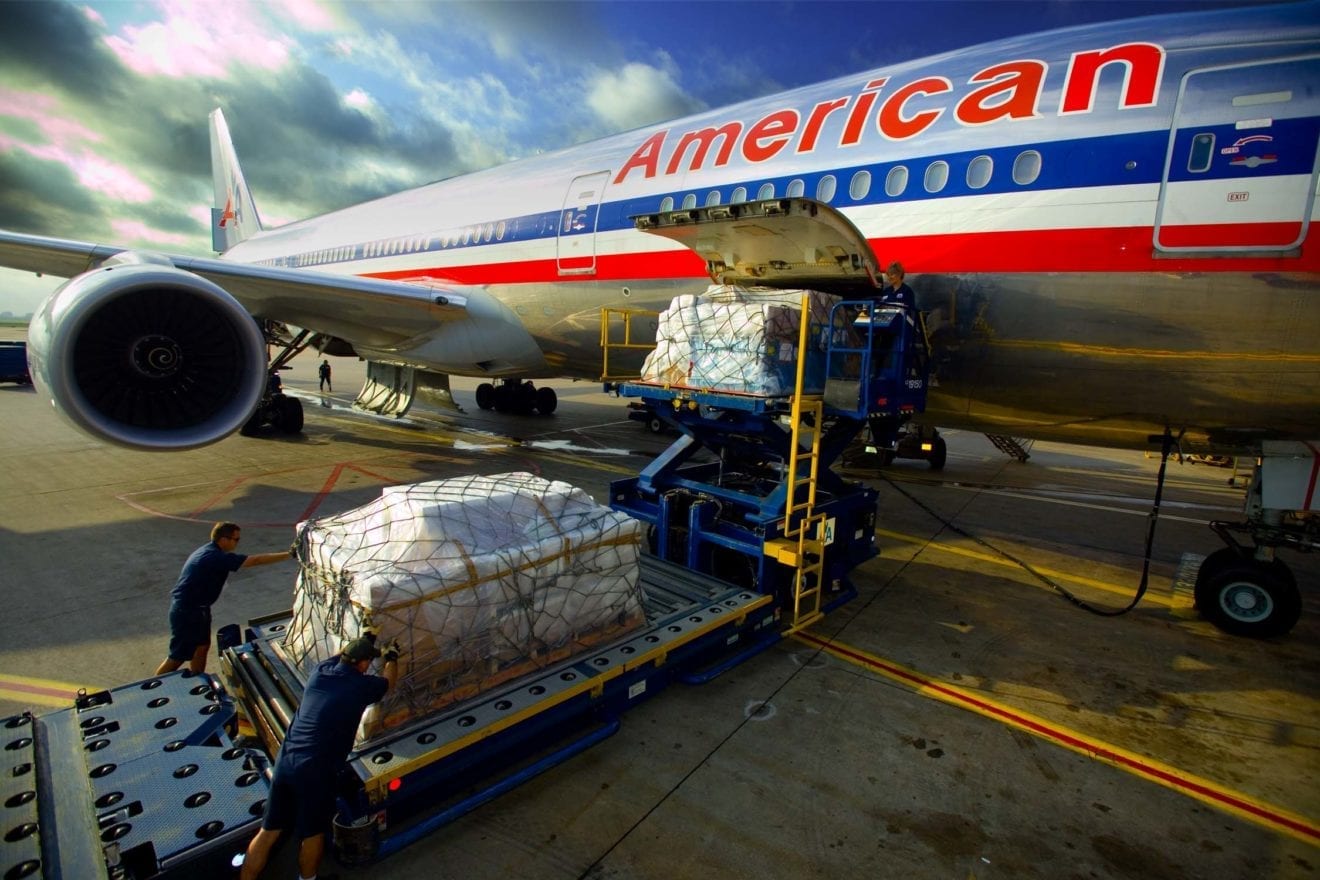
    American Airlines Cargo safely delivered more than 3,000 pounds (1,500 kilograms) of priceless artifacts belonging to the Kinsey African American Art and History Collection from Los Angeles (LAX) to Hong Kong (HKG).

    Working with Cookes Crating, one of America’s oldest and most respected fine art shippers, over 100 artifacts, including paintings, sculptures, rare first editions, manuscripts and official records, were transported to The University of Hong Kong Museum and Art Gallery. The three month long exhibition tells the story of African American achievement and contribution.

    “With priceless artifacts like those in this collection, we offer customers peace of mind with our High Value service, which includes enhanced safety and security measures, such as special handling and surveillance at every touch point,” said Joe Goode, American Airlines Cargo’s managing director, Cargo Sales – Western Division. “Plus, with our direct flight from LAX to HKG, we were able to quickly and successfully deliver the shipment in prime condition before the exhibition’s debut in Hong Kong.”

    The Kinsey family’s long-standing relationship with American was just recently extended to the Cargo division for the shipment of their invaluable collection because of the carrier’s experience in handling high-value shipments.

    “My family and I have been loyal customers of American Airlines for nearly 40 years, beginning with my parents who have visited 100 countries and flown millions of miles,” said Khalil Kinsey, general manager and chief curator – The Kinsey Collection. “American has played an integral role in our business from a travel perspective, and we are excited to expand our relationship to the cargo and logistics aspect. The Cargo division provided a smooth and efficient experience that gave us great comfort and confidence that our crates full of priceless contents would be handled with the utmost care, as well as arrives safely and on time.”


  • HACTL Achieves 1,6% Tonnage Cargo Growth in 2016

    HACTL Achieves 1,6% Tonnage Cargo Growth in 2016

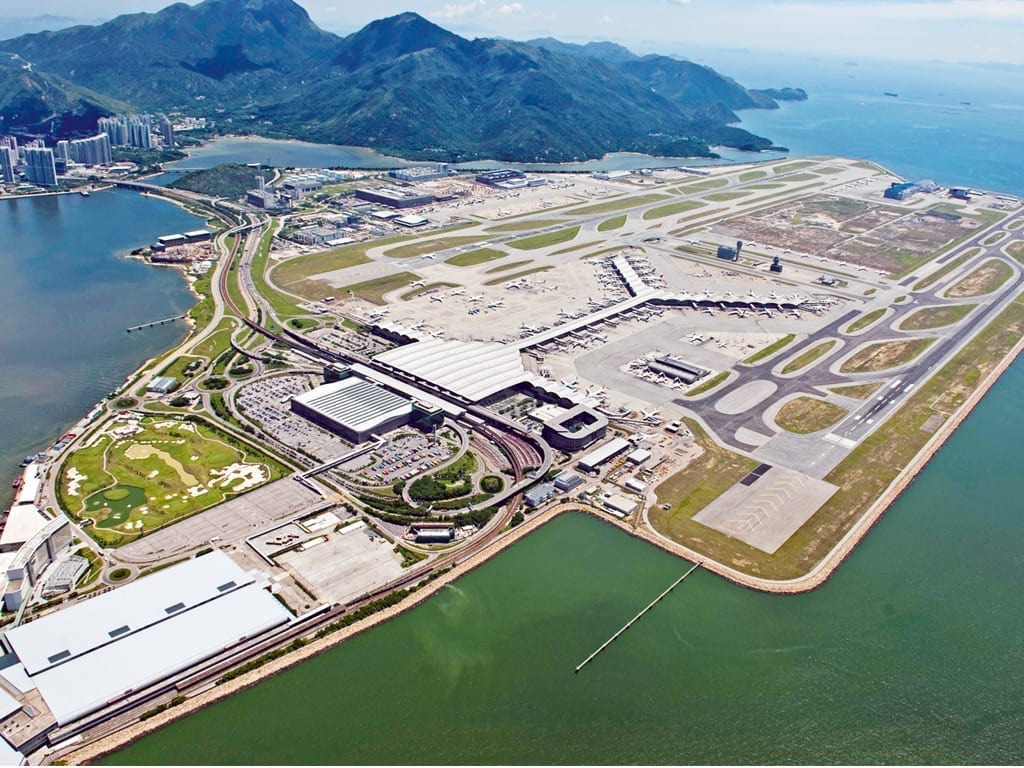
    Hong Kong Air Cargo Terminals handled a total of 1,653,938 tonnes of cargo in 2016, an increase of 1.6% compared to 2015. “From a disappointing start, 2016 shaped up to be a very satisfactory year for Hactl and its airline customers,” said Mark Whitehead, chief executive of Hactl.

    “The best results showed in the second half, and are hopefully indicative of a more settled picture for global air cargo that will continue into 2017. Particularly gratifying is the continuing growth of our ramp-handling business. We ascribe this both to the attraction of Hactl’s unique ability to provide combined terminal and ramp handling in Hong Kong, and to our recent investment in streamlining through the use of mobile computing; this has enhanced productivity and service standards.”

    According to Hactl, transhipments performed most strongly, having grown 29.6% year-on-year. Mail, courier and express traffic grew 8.4% and exports grew 2.1%. Imports declined 8.3%.

    Self Photos / Files - Hactl [2]

    The company’s SuperTerminal 1 set a new weekly record when it handled 41,926 tonnes of cargo from November 28 to December 4, 2016. The ramp-handling business also set new all-time daily, weekly and monthly records.

    Hactl handled 101 freighters on November 23, breaking the previous record of 98 which was set 19 days earlier. From November 28 to December 4, the company handled 628 freighters, beating the previous week’s record of 609. Hactl handled 2,579 freighters in November 2016. The previous record of 2,242 was set in November 2015.

    SuperTerminal 1 is the largest cargo facility at Hong Kong International Airport and is capable of handling 3.5 million tonnes per year.

  • FedEx Trade Networks expands in Malaysia

    FedEx Trade Networks expands in Malaysia

    FedEx Trade Networks, a premier international freight forwarder, announced the opening of a new office in Malaysia. Based in Penang, the additional facility highlights the continued expansion of FedEx Trade Networks to meet the growing market demand.

    “With our network stretching into Malaysia, we are well positioned to proactively respond to customer needs and support them in simplifying the complexities of international shipping,” said Udo Lange, executive vice president and COO, FedEx Trade Networks.

    The new FedEx Trade Networks office is strategically located in Penang’s central business district, with close proximity to the airport and the seaport as well as the city’s key infrastructure facilities. FedEx Trade Networks offers a comprehensive portfolio of services, covering e-commerce, international air and ocean freight forwarding, surface transportation (domestic and cross-border), customs brokerage, trade and customs advisory services as well as other value-added services, including My Global Trade Data, the company’s online suite of information management tools.

    “The world requires a new type of freight forwarder that understands how to turn global logistics into strategic advantages,” said Lange. “FedEx Trade Networks makes the complexities of global shipping simple, striving to provide customers with unparalleled supply chain visibility and logistics transparency to help move their businesses forward.”

    Penang is one of the most urbanised and industrialised states in Malaysia with a high concentration of key industries and sectors, including high tech, electronics and electrical products, industrial goods as well as aerospace, retail and e-commerce. Home to multinationals as well as small and medium enterprises, the city is one of the leading industrial sectors in the world.

  • DHL eCommerce has launched its fulfillment centre in Sydney

    DHL eCommerce has launched its fulfillment centre in Sydney

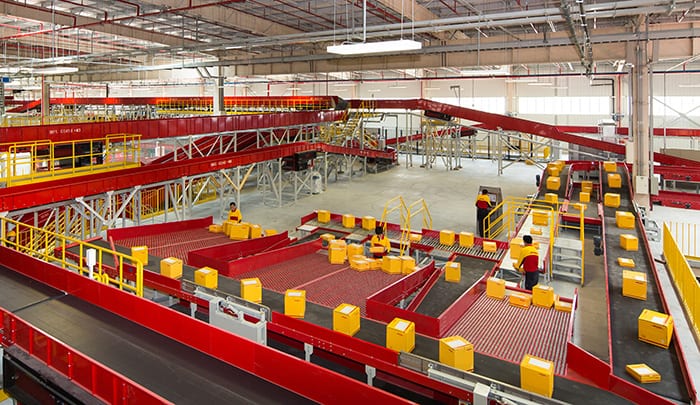
    “E-commerce has gone borderless, and order fulfillment needs to do the same,” said Charles Brewer, CEO of DHL eCommerce. “Our Australian facility adds another node to our standardized global network of fulfillment centres located in the US, Mexico, India, Hong Kong and Central Europe, eliminating the need for e-commerce merchants to hunt for new logistics partners as they look to expand their global reach.”

    According to DHL, the new facility integrates inbound freight, inventory and last-mile delivery into a single consolidated service, operating under the same service level agreements, management platforms and customer support as the rest of the DHL eCommerce fulfillment network. All services will be offered on a pay-per-use basis.

    “Australian shoppers are the second-most likely in the world to buy online from overseas merchants, and the significance of their purchasing power will only increase as cross-border e-commerce grows at an average of 29% per year until 2020,” said Damien Sheehan, managing director of Australia at DHL eCommerce. “Online retailers need to overcome the traditional problems associated with overseas expansion — finding new suppliers in each market, delivering shipments within days not weeks, and keeping costs in check — if they want to stay competitive in this borderless future. The launch of our Australian fulfillment centre gives our customers immediate access to one of the world’s most mature and fastest-growing e-commerce markets, with the scalability and quality needed to reach Australia’s highly savvy online shoppers.”

    Malcolm Monteiro, CEO of Asia Pacific at DHL eCommerce, said that cost-effectiveness and scalability are the most critical issues for online retailers in Australia because the value of the country’s e-commerce sales is expected to grow by almost 50% between now and 2020.

    “Whether it’s extending into new channels, offering more delivery options, or simply increasing inventory and warehouse capacity, global brands need fulfillment solutions that can adapt to their needs without requiring hands-on intervention every time a change occurs,” he said. “Global e-tailers can access our latest fulfillment centre for simplified nationwide inventory and last-mile delivery and also as part of a rapid and painless global expansion.”