Retail News CRM

Category: Logistics

Retail News Asia is committed to providing both local and global retailers with the latest Logistics news throughout the Asian market. This on a daily base.

  • First CEIV Pharma Certification in Singapore for Bolloré Logistics

    First CEIV Pharma Certification in Singapore for Bolloré Logistics

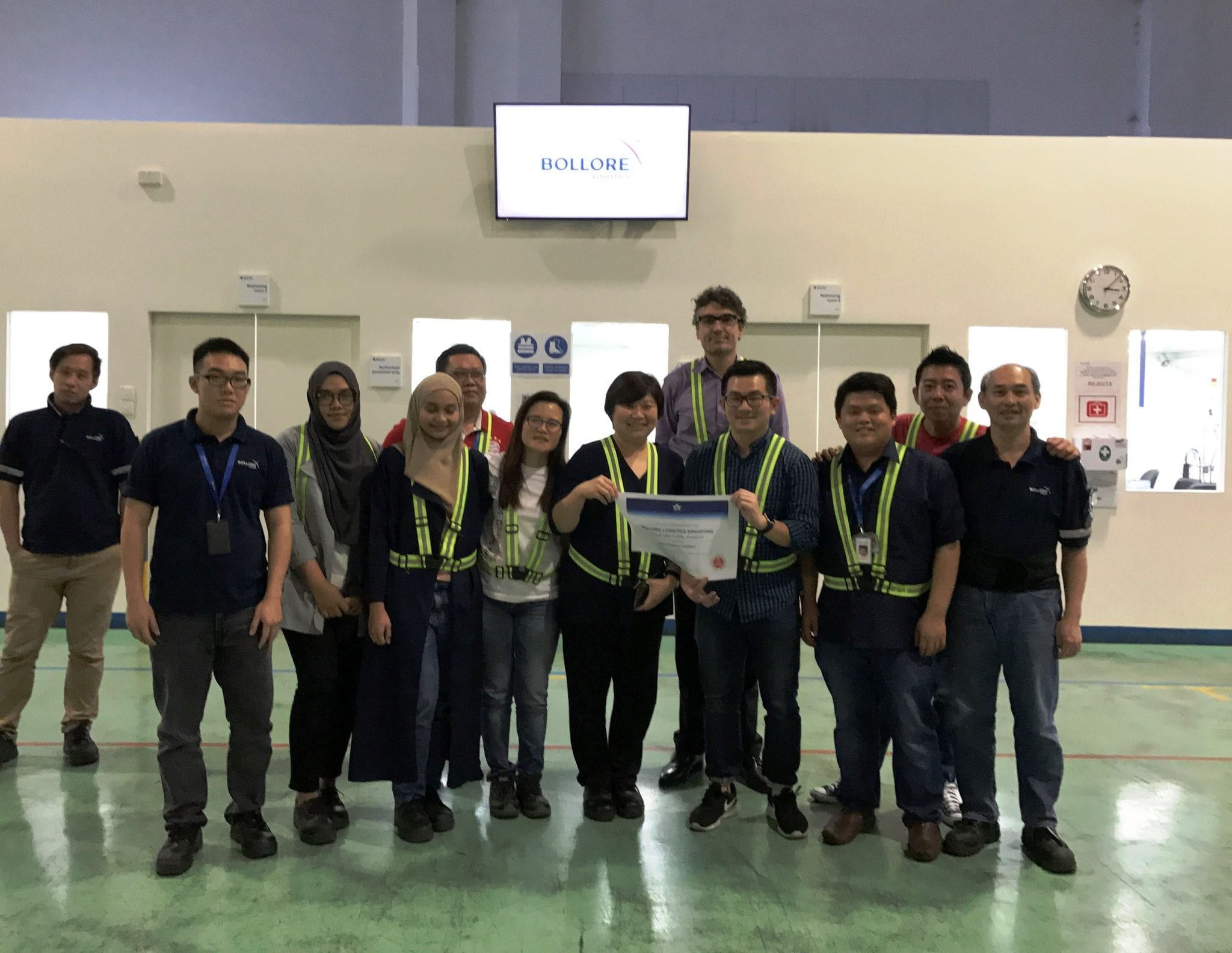
    Bolloré Logistics Singapore was successfully awarded by the International Air Transport Association (IATA) as CEIV Pharma-compliant at its platform located in the Airport Logistics Park, and is one of the first transport and logistics companies in Singapore to receive this certification. The aim of Bolloré Logistics is to deploy this action throughout its global network with on-going certifications on other sites in Asia-Pacific, including in Australia, Hong Kong and Japan.

    This is a new success for the Bolloré Group, which shows its commitment to achieve the highest international quality standard in the global pharmaceutical supply chain for its customers, by continually improving its processes and infrastructures in compliance with the CEIV Pharma standards.

    With its modern and innovative facilities, the excellence of its quality management system, the expertise of its teams and its multiple certifications, Bolloré Logistics is a major global player in the supply chain of pharmaceutical products. Being certified by IATA CEIV Pharma, Bolloré Logistics Singapore fully conforms to all applicable pharmaceutical standards expected from pharmaceutical manufacturers in terms of facilities, equipment, operations and staff and being capable to provide seamless cool chain transportation.

    This global initiative, already in place on European sites in Paris Roissy CDG (France), Brussels (Belgium), Frankfurt (Germany) and Lisbon (Portugal) is also currently in progress on other sites such as Johannesburg in South Africa or Chicago in the USA. IATA created the Center of Excellence for Independent Validators in Pharmaceutical Logistics (CEIV Pharma) in 2015. It aims at setting the industrial standard for air cargo supply chain in pharmaceutical handling excellence.

    It addresses the industry’s need for more safety, security, compliance and efficiency, by creating a globally consistent and recognized pharmaceutical product handling certification. CEIV Pharma encompasses – even supersedes – many of the existing pharmaceutical standards and guidelines, such as IATA Temperature Control Regulations (TCR), European Union Good Distribution Practices (EU GDP), World Health Organization Annex 5, and United States Pharmacopeia Standards.
  • GreyOrange Butler robots selected for japan’s largest home furnishing chain

    GreyOrange Butler robots selected for japan’s largest home furnishing chain

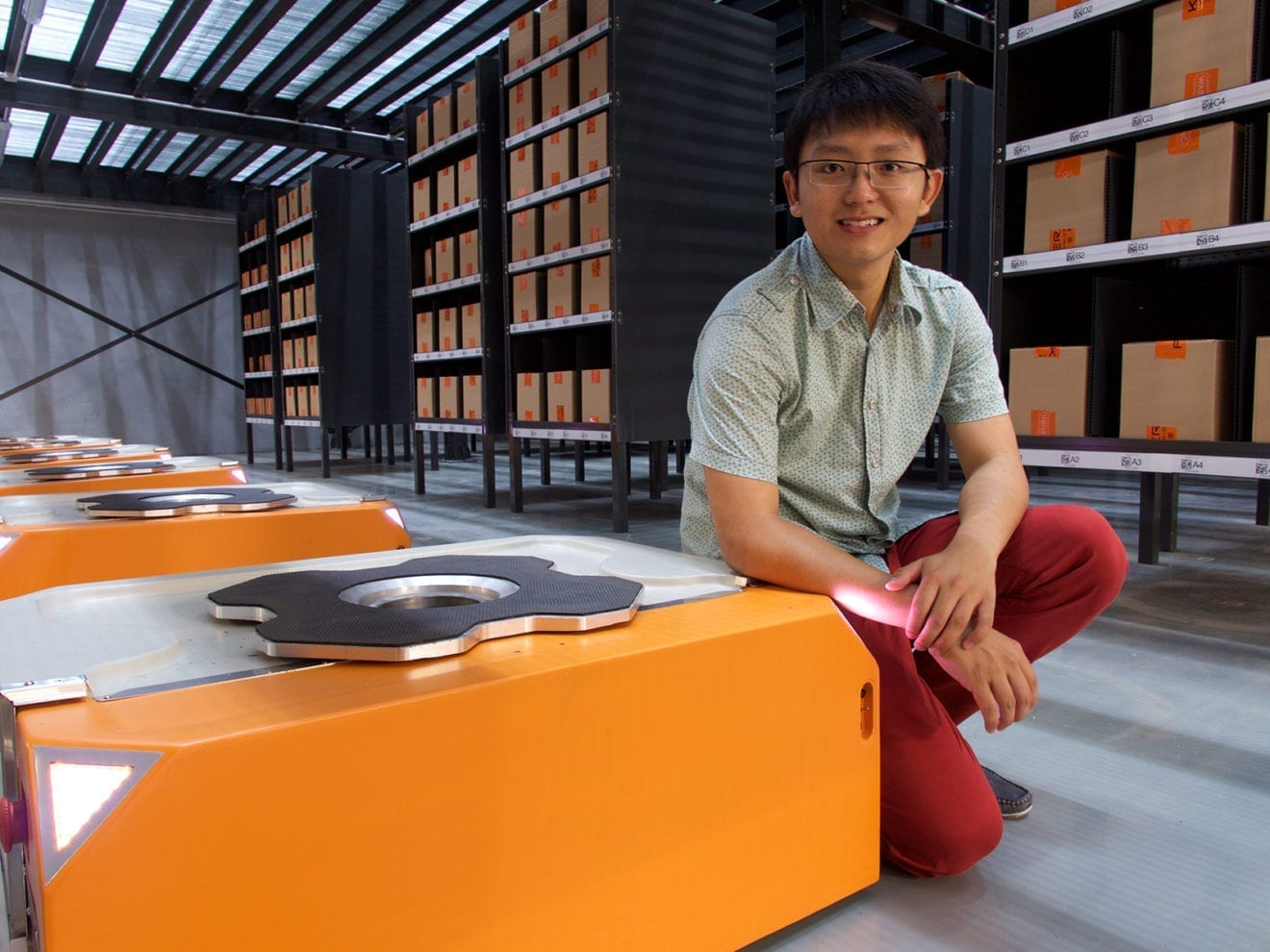
    GreyOrange and GROUND have been awarded the contract to supply robotics solutions to the Nitori Holdings Group, Japan’s largest furniture and home furnishing chain with over 400 stores. The robotics system will be deployed at Home Logistics which is a logistics subsidiary of Nitori Holdings, operating 34 distribution bases and an efficient logistics network for product delivery to stores and e-commerce customers across the country.

    GreyOrange is a multinational technology company that designs, manufactures and deploys advanced robotics systems for automation at warehouses, distribution and fulfilment centres. GreyOrange, headquartered in Singapore, specialises in the design, manufacture and deployment of advanced robotic systems for distribution and fulfilment centres.

    Manabu Matsuura , corporate officer of Nitori Holdings and CEO of Home Logistics said, “We were impressed to find that the GreyOrange Butler is an entirely new robotics concept for warehouse automation unlike automated storage and retrieval systems. Also, Butler satisfies our corporate philosophy that we always pursue ideal workplaces for everyone. For example, we have been an early adopter of technology solutions and were the first user in Japan to leverage robotic storage systems in our warehouses last year.”

    Hiratomo Miyata, CEO of GROUND, the exclusive provider of GreyOrange Butler in Japan said, “We are really happy to announce that Home Logistics has become the first user of the Butler in Japan . They have evaluated several options and are glad to use the Butler as they believe the Butler goods-to-person technology will be a driving force in their strategy to increase productivity in their warehouse operations through robotics.”

    The GreyOrange Butler system will be installed at the Home Logistics Osaka distribution centre, to handle automated inventory storage (putaway) and picking. The Butler software adapts in real-time to changing inventory profiles and order fulfilment patterns, resulting in high productivity and accuracy. This system will be capable of delivering a far higher throughput.

    Nalin Advani, CEO – APAC, GreyOrange said, ” Japan has one of the world’s most mature distribution infrastructure and it is the fourth largest e-commerce market. Over 75 percent of consumers regularly shop online and e-commerce is forecasted to grow to US$200 billion by 2020. We are honoured to work with Nitori Group , including Home Logistics, to deploy our Butlers. The Nitori Group is far-sighted in anticipating the challenges of warehouse operations and addressing it with robotics. We are also excited to be selected for the Japan market where specifications for technology are among the most demanding in the world.”

  • Next-gen logistics lab opens in China

    Next-gen logistics lab opens in China

    A new innovation lab is primed to benefit one of the top players in China’s e-commerce marketplace.

    Zebra Technologies, Digital China and Chinese e-commerce giant JD.com, which Walmart owns a 12% stake in, have joined forces to develop a state-of-the art facility entitled the “IoT + E-commerce Logistics Lab.”

    Residing at JD.com’s pilot warehouse in Beijing’s Shunyi district, the lab brings together best practices, resources and talents in logistics management, data collection, mobile computing, machine vision, cloud computing and IoT.

    The facility will enable the alliance to research and develop, prototype implementation, test and evaluation, and conduct application demonstrations, all of which will support the creation of next-generation logistics solutions, according to Zebra.

    The retailer already utilizes the partners’ barcode printers and scanners and mobile devices in its warehouses and order fulfillment chain, all of which deliver real-time visibility into its operations.

    But now the company is ready to take the next step. Moving forward, lab output will enable JD.com to harness innovative technologies to further boost logistics capabilities, as well as increase enterprise efficiency and productivity — factors it hopes to use to improve its customers’ retail experiences.

    On tap for 2017, JD.com plans to improve the productivity of its current picking and packaging operations using mobile devices; increase the visibility of the tens of thousands of trays and cage trolleys used in JD.com’s operations; and to seek potential of applications of machine vision and data analytics in the logistics industry.

  • SingPost boosts stakes in Indonesian entity

    SingPost boosts stakes in Indonesian entity

    It will benefit from the growing e-commerce market in the country. Singapore Post announced just recently that it will be upping its stakes in an Indonesian entity through Quantium Solutions International Pte Ltd.

    According to OCBC Investment Research, QSI has entered into a share purchase agreement with PT Rantai Bumi Laut (RBL) to acquire 1,800
    ordinary shares, representing 18% of the issued share capital of PT Quantium Solutions Logistics Indonesia (QSLI) for a cash consideration of US$54k.

    QSI is a JV between SingPost (66% stake) and Alibaba Investment Limited (34% stake) whereas QSLI is in the business of e-commerce logistics fulfilment in Indonesia.

    “Recall that QSI set up QSLI with RBL in Jan 2014 with an initial paid-up capital of about S$375k, of which 49% was subscribed by QSI. According to a study by Google and Temasek last year, 18m people in Indonesia fell into the category of online buyers, representing about 7% of the population. By 2025, it is expected that Indonesia will dominate 52% of all e-commerce activity in SE Asia, due to its huge population and island geography,” OCBC said.

  • CC Containers boosts technology, efficiency and safety with United’s world class equipment

    CC Containers boosts technology, efficiency and safety with United’s world class equipment

    In a non-stop industry like container handling, efficiency is king and downtime can be costly. One company that knows this first-hand is Port of Melbourne- based CC Containers, which prides itself on efficiency, reliability and safety.

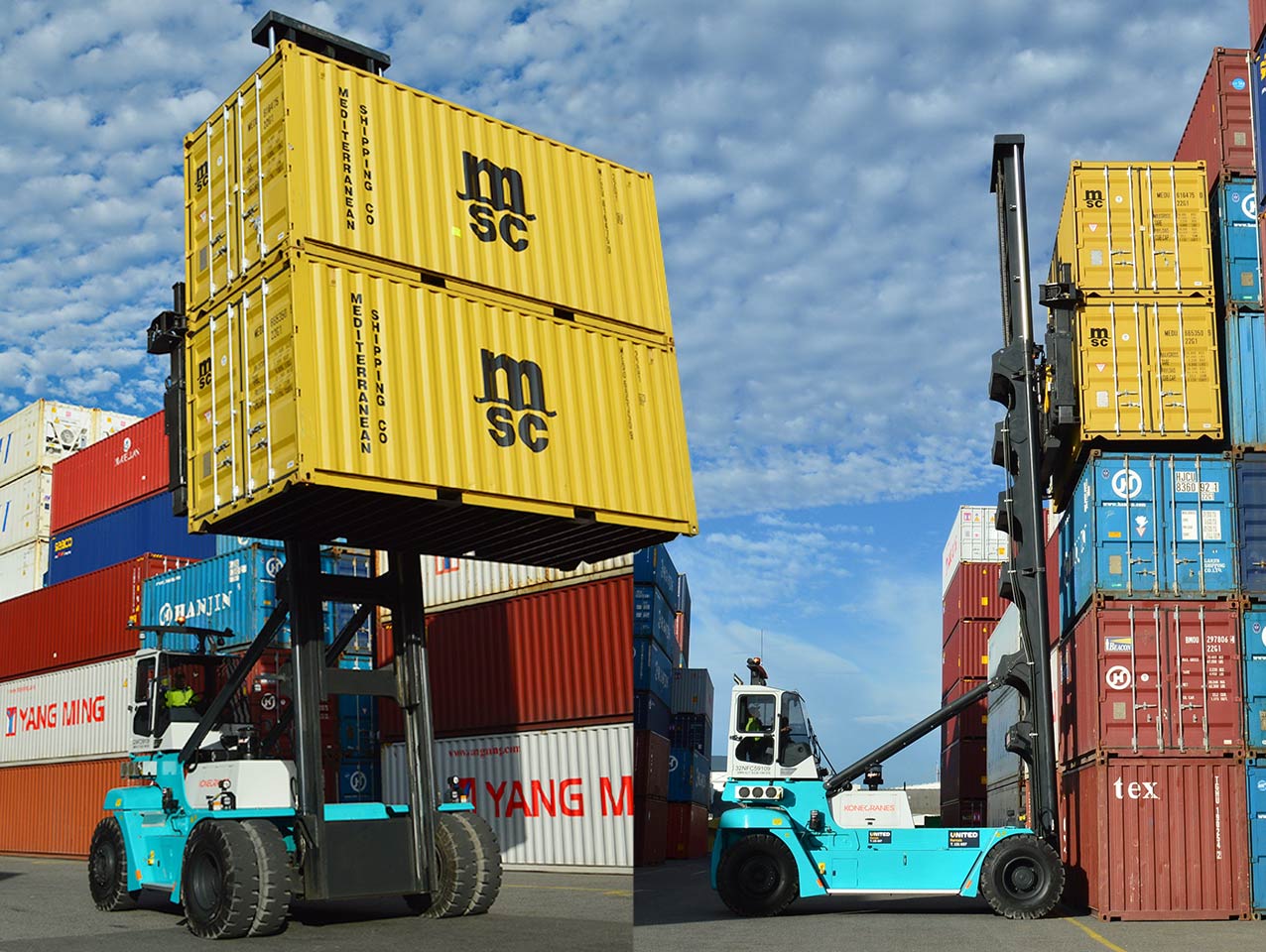
    CC Containers selected United Forklift and Access Solutions to provide the company with Konecranes empty container handling lift trucks to expand its container handling fleet with world-class equipment built tough to cope with high-pace demands and to optimise efficiency for its customers.

    United Forklift and Access Solutions, which is national distributor for Konecranes forklift and container handling equipment also backed the new technology with a dedicated full-time technician on-site for the maintenance, repair and upkeep of the new units, as well as other existing units.

    United supplied a total of five Konecranes SMV empty container handlers to suit CC Container’s expanding operational needs.

    “The container handlers are reliable robust pieces of equipment,” said Mr David Muir, managing director of CC Containers, whose company places a high emphasis on standards of reliability and safety.

    “The other major bonus for us is that the drivers like using them. They have good visibility and comfort and are easy to use, which makes a big difference to staff performance,” says Muir.

    In addition to the advanced container handling technologies, United also provided CC Containers with an experienced full-time technician, Gene Roberts, who is on-site and can respond to any maintenance or repair issues quickly and effectively.

    “Mr Roberts has been a great help to us at CC Containers. He has helped with servicing, monitoring and OH&S requirements, which means we are always meeting or exceeding compliance and standards objectives,” said Muir.

    Konecranes is a major global player in the design and manufacture of heavy duty forklifts, reach stackers and container handling equipment, with its SMV series purpose-built to quickly lift, move and sort both empty and full containers in and around ports. Designed to cope with high demands with both speed and efficiency, the Konecranes empty container handlers in service with CC Containers offer a very fast total operating speed as a function of lifting, lowering and driving speed based on load-sensing hydraulics to cope with extreme demands. The container lift trucks also feature the new Optima cabin – which has enhanced cabin space and visibility – and an extensive range of innovative features which optimise quality, productivity and life cycle cost.

    CC Containers’ expanded Konecranes empty container handlersfleet includes:

    • The ECB 80 empty container handler, which can stack six containers high up to eight tonnes
    • The ECB 90 empty container handler, which can stack seven-eight containers highup to nine tonnes
    • The ECB 100DS empty container handler which can lift two boxes at the same time, up to 10 tonnes capacity, and stack six-seven containers high.
  • Arvato provides trade logistics for shoes and accessories by Marc O’Polo

    Arvato provides trade logistics for shoes and accessories by Marc O’Polo

    Arvato SCM Solutions and MARC O’POLO have expanded their cooperation: as of December 2016, the supply chain and e-commerce specialist is now also responsible for the trade logistics of the premium fashion brand’s shoes and accessories, using RFID technology. As well as storage, order picking and shipping, Arvato will be providing special value-added services from its distribution site in Dortmund. From now on, MARC O’POLO products will be sent from there to trade partners in 16 countries. Goods will be sent to both MARC O’POLO shops and franchise stores, as well as wholesale partners such as Zalando, Amazon, Görtz or Breuninger. The partnership between Arvato and MARC O’POLO was established in 2010. The full service provider initially supported the fashion brand with comprehensive services in the international e-commerce sector. Then, in 2015, Arvato organised a comprehensive omnichannel integration with processes such as Click&Collect, Reserve&Collect and cross docking, as well as introducing a new CRM system and the ‘MARC O’POLO for members’ loyalty scheme.

    Providing trade logistics contributes to a further link of the process chain. Arvato will be in charge of storage, order picking and preparing goods for shipment, all from its 32,000 square metre distribution centre. This task includes comprehensive value-added services such as the allocation of filling material and customer-specific labelling. The goods are then sent to trading partners in countries such as France, Croatia, Sweden, Russia or China.

    Furthermore, since the MARC O’POLO merchandise in both the high street and online shops is equipped with RFID tags, RFID technology has been introduced in the loading docks. This means that items are no longer scanned individually – instead, ready-packed product ranges can simply be recorded in bulk before shipping. This significantly reduces processing time and costs.

    “Storage area and transport costs can also be reduced, thanks to the consolidation of the B2B and B2C business. This is because the journey between the B2B and B2C warehouses in Munich and Dortmund has been respectively cut,” says Niels Weithe, Managing Director for Consumer.

    Products at Arvato SCM Solutions, pointing out another advantage. Karl-Heinz Lauterbach, Managing Director of MARC O’POLO Shoes, is also impressed by the advantages of an even tighter cooperation with Arvato: “Creating closer ties between the online shop and B2B warehouses will optimise our stock in the long term and increase availability in the online shop. Trading partners will benefit from this shelf extension through an optimised sales ratio and turnover.”

  • GreyOrange and Ninja Van partner on advanced sortation system for last-mile delivery

    GreyOrange and Ninja Van partner on advanced sortation system for last-mile delivery

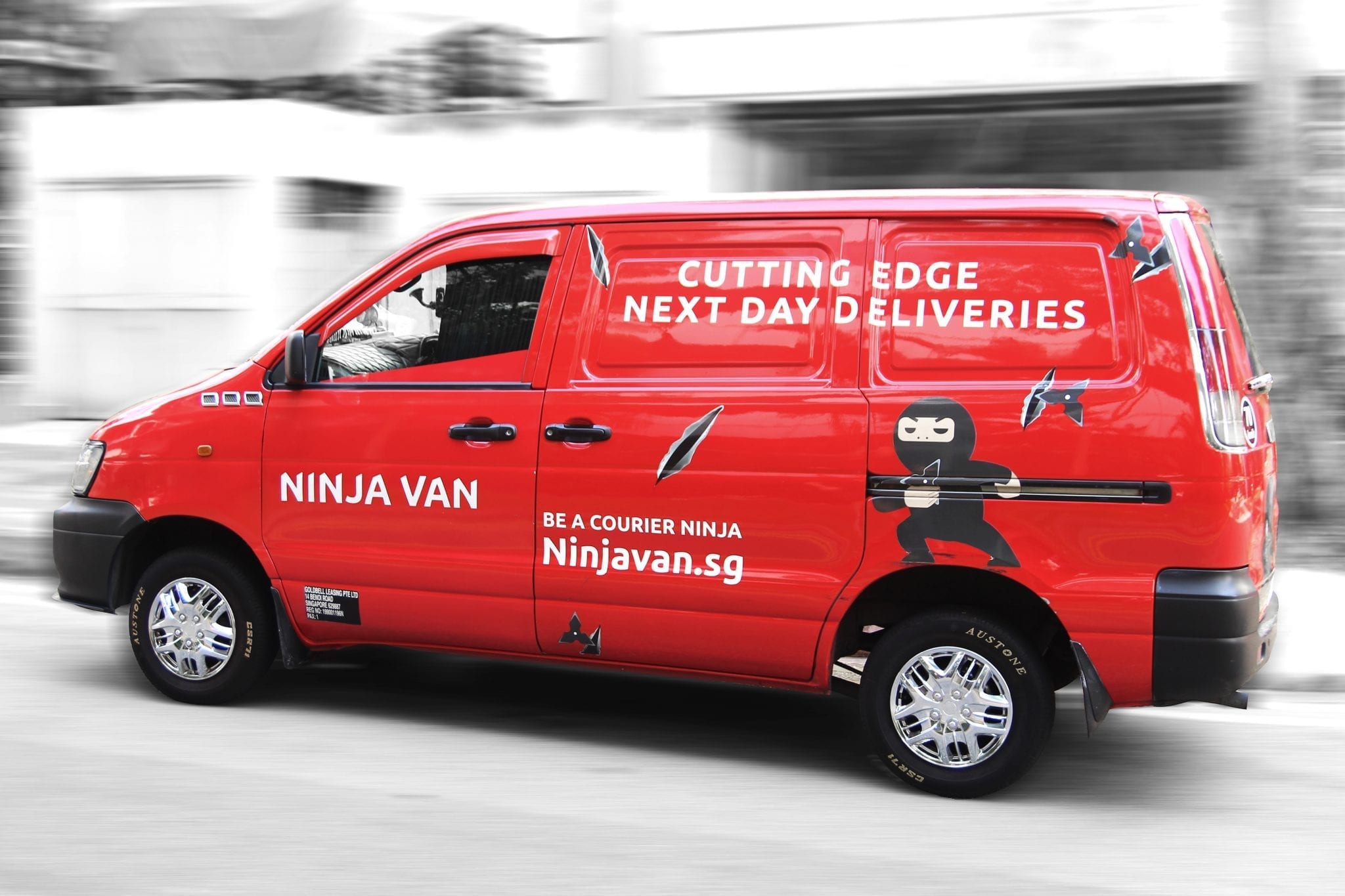
    GreyOrange and Ninja Van have announced the commission of their first high-speed advanced Sortation System capable of handling 6000 parcels an hour at the Singapore hub of Ninja Van, Southeast Asia’s fastest growing last-mile logistics company. Recognised as one of the world’s Top 50 Robotics Companies by Robotics Business Review, GreyOrange, headquartered in Singapore, specialises in the design, manufacture and deployment of advanced robotics and automation systems for distribution and fulfilment centres.

    Nalin Advani, CEO, GreyOrange Asia-Pacific said, “The Linear Sorter has been tried and tested by many of Asia’s leading e-commerce and logistics companies and we are proud to welcome Ninja Van to this family. Both our companies share a similar history in recent years operating in a fast-paced logistics industry that has seen explosive growth in e-commerce and last mile delivery. We know what Ninja Van wants and are looking forward to installing the complete system within the next weeks.”

    Tan Bo Xian, co-founder and COO, Ninja Van Southeast Asia said, “At Ninja Van, technology is always at the heart of everything we do, and we are always looking to optimise and automate processes to improve efficiencies. We have been studying a solution such as this since our early days, and are happy to have grown to the point where our volumes well justify the investment. The GreyOrange Sortation system allows us to operate round the clock with a much leaner team of staff, reducing labour costs significantly. We are also pleased that the line is very compact, optimising space utilisation while increasing productivity.”

    The proprietary embedded system of the GreyOrange Linear Sorter combines advanced software and two lines of high-speed sortation conveyors capable of sorting thousands of parcels in various shapes and sizes including polybags, plus irregular and fragile packages. The system starts at the Auto-spacer where sensors determine how the parcels are spread to ensure gaps between the parcels are even. Each parcel is then identified by 1D or 2D barcodes where both its gross and volumetric weights are automatically recorded, before it quickly moves along the high-speed conveyor which sorts the parcels according to dispatch time, destination and other parameters as determined at different times of the day, including service levels such as same-day and next-day delivery.

  • Kerry Logistics supports fast fashion label Missguided’s global expansion

    Kerry Logistics supports fast fashion label Missguided’s global expansion

    Multi-channel fast fashion retailer Missguided is working with Kerry Logistics Network Limited, Asia’s leading logistics service provider, as supply chain partner to support its ongoing global growth.

    Kerry Logistics will handle all international air and ocean needs for the UK-based retailer, as well as providing a wide range of value-added services and on-the-ground logistics support through its extensive network across the Greater China region and Asia.

    Missguided will make use of Kerry Logistics’ Virtual Buying Office (VBO), a web-platform with supply chain and planning functions designed to provide visibility from Purchase Order (PO) creation through to final delivery, addressing inventory risk whilst further enhancing overall efficiency of its operations.

    “It is fundamental to our business strategy that we have a global logistics partner that has the flexibility to react quickly to our demands no matter where the consignment is coming from or going to,” said Brett Young, operations director of Missguided.

    “Our customers receive market leading options together with a high level of service for a very reasonable price, therefore the initial stock movements are imperative to our overall customer experience.”

    “By using proven, forward thinking partners such as Kerry Logistics, we are able to build on new initiatives, continually improve our customer experience, and in turn support our aggressive growth strategy,” added Young.

    “We are delighted to be working with one of the UK’s fastest growing and innovative brands. Seamless transparency will be fundamental in managing the fast-moving supply chain for Missguided. Our VBO is a highly functional supply chain management tool linking together all supply chain partners into one global system, optimising information flow and efficiency, and thus minimising risks along the supply chain,” said Emma Rowlands, sales director of Kerry Logistics (UK).

    “Our strengths in Asia, combined with the recent acquisition of Apex Maritime and its affiliated companies in the US, will enable a strong platform to manage the client’s strategic growth and expansion across the globe,” added Rowlands.

    Missguided opened its first physical retail space in Westfield, Stratford City, London, in November 2016, and its second, in Bluewater, Kent, is due to open in summer 2017.

  • Qatar Airways Cargo introduces additional pharma express flights

    Qatar Airways Cargo introduces additional pharma express flights

    In a non-stop industry like container handling, efficiency is king and downtime can be costly. One company that knows this first-hand is Port of Melbourne- based CC Containers, which prides itself on efficiency, reliability and safety.

    CC Containers selected United Forklift and Access Solutions to provide the company with Konecranes empty container handling lift trucks to expand its container handling fleet with world-class equipment built tough to cope with high-pace demands and to optimise efficiency for its customers.

    United Forklift and Access Solutions, which is national distributor for Konecranes forklift and container handling equipment also backed the new technology with a dedicated full-time technician on-site for the maintenance, repair and upkeep of the new units, as well as other existing units.

    United supplied a total of five Konecranes SMV empty container handlers to suit CC Container’s expanding operational needs.

    “The container handlers are reliable robust pieces of equipment,” said Mr David Muir, managing director of CC Containers, whose company places a high emphasis on standards of reliability and safety.

    “The other major bonus for us is that the drivers like using them. They have good visibility and comfort and are easy to use, which makes a big difference to staff performance,” says Muir.

    In addition to the advanced container handling technologies, United also provided CC Containers with an experienced full-time technician, Gene Roberts, who is on-site and can respond to any maintenance or repair issues quickly and effectively.

    “Mr Roberts has been a great help to us at CC Containers. He has helped with servicing, monitoring and OH&S requirements, which means we are always meeting or exceeding compliance and standards objectives,” said Muir.

    Konecranes is a major global player in the design and manufacture of heavy duty forklifts, reach stackers and container handling equipment, with its SMV series purpose-built to quickly lift, move and sort both empty and full containers in and around ports. Designed to cope with high demands with both speed and efficiency, the Konecranes empty container handlers in service with CC Containers offer a very fast total operating speed as a function of lifting, lowering and driving speed based on load-sensing hydraulics to cope with extreme demands. The container lift trucks also feature the new Optima cabin – which has enhanced cabin space and visibility – and an extensive range of innovative features which optimise quality, productivity and life cycle cost.

    CC Containers’ expanded Konecranes empty container handlersfleet includes:

    • The ECB 80 empty container handler, which can stack six containers high up to eight tonnes
    • The ECB 90 empty container handler, which can stack seven-eight containers highup to nine tonnes
    • The ECB 100DS empty container handler which can lift two boxes at the same time, up to 10 tonnes capacity, and stack six-seven containers high.
  • DHL broadens logistics reach in Thailand

    DHL broadens logistics reach in Thailand

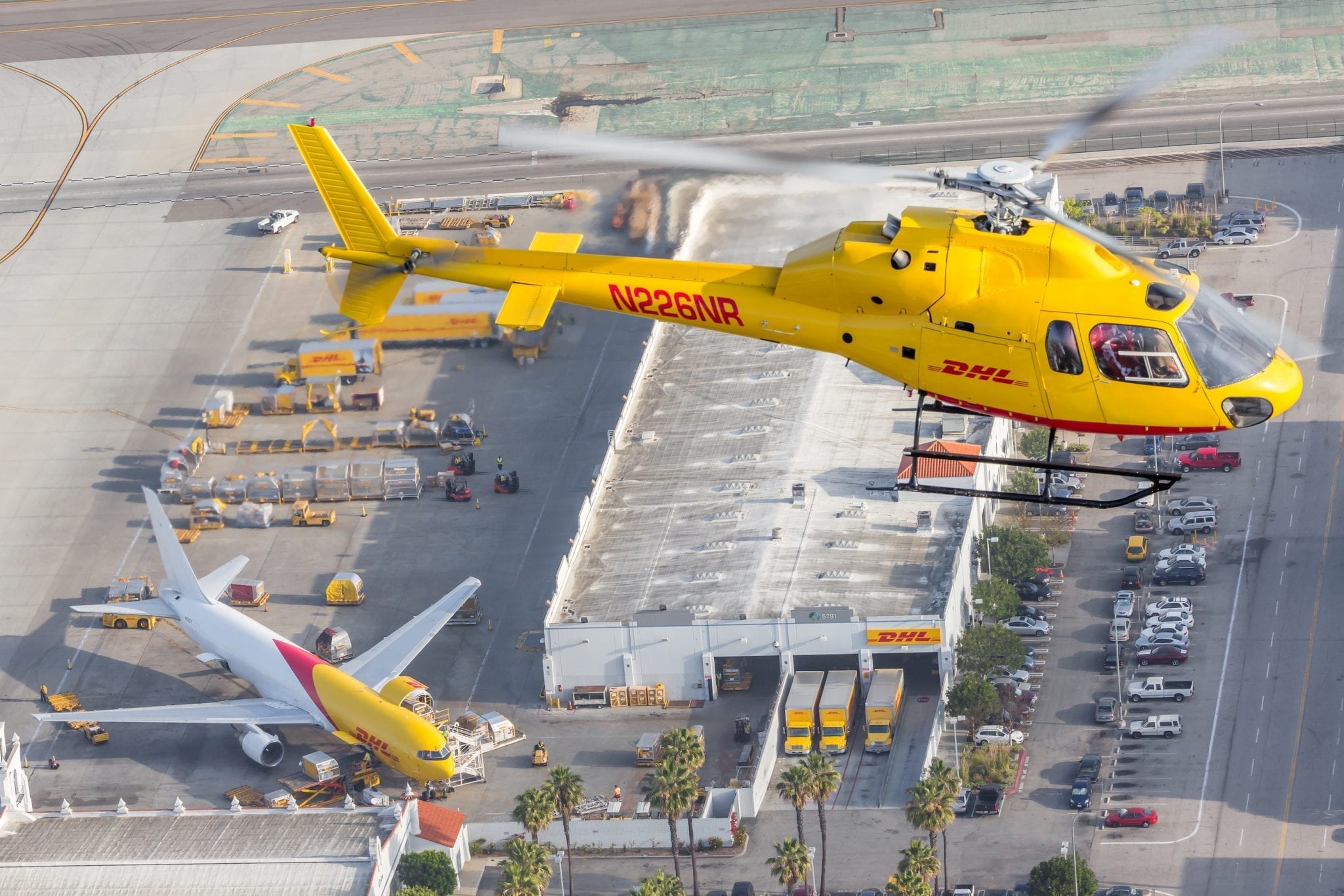
    DHL E-commerce, a unit of Deutsche Post DHL Group, has expanded its logistics service in the Thai market with nationwide coverage and price-competitive business-to-consumer (B2C) international shipping.

    There is also pick-up service for small e-commerce merchants and the 2.7 million small and medium-sized enterprises (SMEs) in Thailand where online sales are growing rapidly, according to top executives.

    Charles Brewer, CEO of DHL E-commerce, said Thailand has a huge growth potential for e-commerce because online sales currently account for only 2 per cent of total retail sales, compared with the global average of 9 per cent.

    Among Asean countries, Singapore’s online sales are the most developed, accounting for 4.5 per cent of total retail sales, compared with Indonesia’s 0.5 per cent of total retail sales.

    To support e-commerce growth, the Thai government needs to help develop the ecosystem for online transactions, e-payment as well as transport and other logistic services.

    Over the past year, DHL has branched into the so-called last mile service for e-commerce in Southeast Asia with a complete range of delivery, pick-up, warehousing and related services as high-volume e-commerce transactions boom in the region due to the high penetration rate of smartphones and other factors.

    Customer expectations on delivery time have also shifted towards the so-called “next day” delivery after placing their purchase orders online, prompting DHL to offer faster services in the Thai market.

    “The e-commerce market in Thailand is the second largest in Southeast Asia and expected to grow 22 per cent annually towards 2020. There are increasing demands for cost-effective and high quality logistic solutions to meet rising consumer needs,” said Kiattichai Pitpreecha, managing director of DHL E-commerce Thailand.

    For Thai SMEs, the expanded service will allow them to deliver products to customers with greater convenience and a faster process so that they spend less time travelling and waiting to drop off their goods.

    With a 3,222-square-metre e-commerce logistic centre in Bangkok, plus vehicles and other facilities, the firm is equipped to deliver 15 million shipments per year in Thailand.

    For merchants, DHL also offers a cash-on-delivery service with daily remittances plus access to a multilingual call centre and easy IT integration to handle online orders so that shippers can easily prepare orders for delivery into the DHL network.

    In addition, DHL offers cross-border services to help Thai customers expand into overseas markets at a competitive price based on a pay-per-use solution.

    Malcolm Monteiro, CEO of DHL E-commerce Asia Pacific, said the government’s recent initiative has boosted opportunities for businesses and industries, especially SMEs, to digitise their operations and services.

    With as many as 2.7 million SMEs, Thailand is seen as a high growth market where these firms will extend their business models into online marketplaces where DHL aims to enable their businesses to leverage the e-commerce potential both domestically and internationally.

    Besides the e-commerce service, DHL has long been a provider of international express delivery services which can help connect Thai SMEs to the global online market.

    At present, DHL has a network of fulfilment centres in the US, Mexico, Europe, Hong Kong, Australia and India, allowing merchandise to get to consumers in those regions faster.

    According to Brewer, the cross-border B2C, or retail e-commerce, is projected to grow to US$1 trillion in 2020 as the DHL operation in Thailand also witnesses a significant growth in this segment over the past year.

  • DHL, Huawei enter ambitious automation partnership

    DHL, Huawei enter ambitious automation partnership

    Deutsche Post DHL Group and Chinese technology conglomerate Huawei Technologies are collaborating on a range of supply chain services for customers using “industrial-grade internet-of-things hardware and infrastructure.”

    The internet of things (IoT) refers to physical devices, such as vehicles, buildings and other items, that are embedded with electronics, software, sensors, actuators and network connectivity that can communicate with each other. That shared information is then utilized to automate and streamline processes. For example, sensors in refrigerators can read bar codes of products and make sure the milk is fresh and the beer is adequately stocked.

    Deutsche Post DHL estimates that the IoT could generate up to US$1.9 trillion in additional value for the global logistics industry by 2025. The logistics company sees the new technology as a way for operators to “better monitor and optimize their supply chain processes with low-cost networked sensors and devices.”

    Under the MOU, Huawei and Deutsche Post DHL Group will collaborate on developing cellular-based IoT technology. The projects will tackle ways to connect numerous devices across long distances with minimal power consumption. Connected devices will share data and to increase visibility in warehousing operations, freight transportation, and last-mile delivery.

    The agreement assigns Huawei’s connectivity experts and network infrastructure accessible to Deutsche Post DHL Group’s automation projects in warehousing, freight and last-mile delivery services.

    “Spending on connected logistics solutions is expected to more than double between now and 2020, and many logistics providers, including Deutsche Post DHL Group, have already begun to explore internet of things applications in their supply chains, including everything from enhanced asset tracking to driverless delivery vehicles,” said Markus Voss, COO and CIO of DHL Supply Chain.

    DHL has already opened its €90 million Advanced Regional Center in Singapore in 2016, featuring almost-entirely automated picking and storing infrastructure that the company says is 20 percent more efficiently than its human equivalent.

  • World’s largest container ship docks in southern Vietnam

    World’s largest container ship docks in southern Vietnam

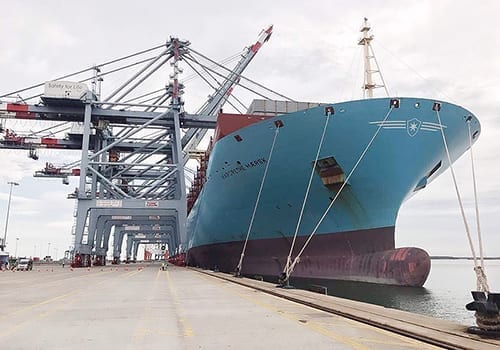
    A giant container vessel arrived at Cai Mep International Terminal in Vietnam’s southern region Monday, helping mark the port on the world’s shipping map.

    The 194,000-DWT Margrethe Maersk of 399 meters long of the world’s biggest container ship family was built in 2015 and is owned by Denmark’s Maersk Line. The vessel can carry 18,300 TEU (twenty-foot equivalent unit).

    Cai Mep in the southern province of Ba Ria-Vung Tau is now among the world’s 19 ports which can accommodate Triple-E class container ships of more than 18,000 TEU.

    Vietnamese transport officials said the arrival marked “a milestone” in the country’s shipping history as they aim to develop Cai Mep into a transit port for cargo shipping between Asia and northern Europe.

  • DHL eCommerce launches Fulfillment Center in Sydney

    DHL eCommerce launches Fulfillment Center in Sydney

    The Fulfillment Center will provide overseas merchants with fast, flexible shipping that integrates inbound freight, inventory, and last mile delivery in a single consolidated service.

    DHL eCommerce, a division of the world’s leading logistics company, Deutsche Post DHL Group, announced the launch of its Fulfillment Center in Sydney, Australia to support booming demand for overseas goods amongst Australia’s online shoppers. International brands and retailers are now able to reach out to the rapidly growing Australia market.

    “Australian shoppers are the second-most likely in the world to buy online from overseas merchants, and the significance of their purchasing power will only increase as cross-border e-commerce grows at an average of 29 percent per year until 2020,” said Damien Sheehan, managing director Australia, DHL eCommerce. “Online retailers need to overcome the traditional problems associated with overseas expansion – finding new suppliers in each market, delivering shipments within days not weeks, and keeping costs in check – if they want to stay competitive in this borderless future.”

    Adding, “The launch of our Australian Fulfillment Center gives our customers immediate access to one of the world’s most mature and fastest growing e-commerce markets, with the scalability and quality needed to reach Australia’s highly savvy online shoppers.”

    The Fulfillment Center will provide overseas merchants with fast, flexible shipping that integrates inbound freight, inventory, and last mile delivery in a single consolidated service. The center also operates using the same service level agreements, management platforms, and customer support as all other parts of DHL eCommerce’s global Fulfillment network, allowing existing customers to expand their sales into Australia with minimal onboarding time and hassle.

    “E-commerce has gone borderless, and order fulfilment needs to do the same,” says Charles Brewer, CEO DHL eCommerce. “Our Australian facility adds another node to our standardized global network of Fulfillment Centers located in US, Mexico, India, Hong Kong and Central Europe, eliminating the need for e-commerce merchants to hunt for new logistics partners as they look to expand their global reach.”

    The center’s design accommodates front-end integration with a range of popular marketplace and web-shop platforms, as well as multichannel order management and last-mile solutions for immediate and highly-accurate deliveries all across Australia. All of the center’s services operate on a pay-per-use model with no capital spend or fixed costs.

    “The value of Australian e-commerce sales is expected to grow by nearly 50 percent between now and 2020, making cost-effectiveness and scalability the critical issues for online retailers in the country,” said Malcolm Monteiro, CEO Asia Pacific, DHL eCommerce. “Whether it’s extending into new channels, offering more delivery options, or simply increasing inventory and warehouse capacity, global brands need fulfilment solutions that can adapt to their needs without requiring hands-on intervention every time a change occurs.”

    Concluding, “Global e-tailers can access our latest fulfillment center for simplified nationwide inventory and last-mile delivery and also as part of a rapid and painless global expansion.”

  • Logistics expected to make up 8-10 percent of Vietnam’s GDP by 2025

    Logistics expected to make up 8-10 percent of Vietnam’s GDP by 2025

    The target was set in an action plan on enhancing competitiveness and developing logistics services by 2025 recently approved by Prime Minister Nguyen Xuan Phuc.

    Under the plan, the logistics sector is expected to grow by 15 – 20 percent by 2025.

    The action plan also aims to make Vietnam one of the world’s 50 leading logistics service providers and to reduce logistics costs to 16 – 20 percent of GDP.

    To achieve the goals, the plan suggested improving policies, attracting more investment into logistics infrastructure and fostering cooperation between local logistics firms and international partners.

    It also hopes to enhance logistic infrastructure connectivity to link Vietnamese ports with neighbouring countries.

    According to the plan, investment is called for the construction of type I logistic hubs in Hanoi and Ho Chi Minh City and type II logistic centres localities such as Lang Son, Lao Cai, Hai Phong, Da Nang, Quy Nhon and Can Tho.

  • Vietnam vows to cut down the time for customs clearance

    Vietnam vows to cut down the time for customs clearance

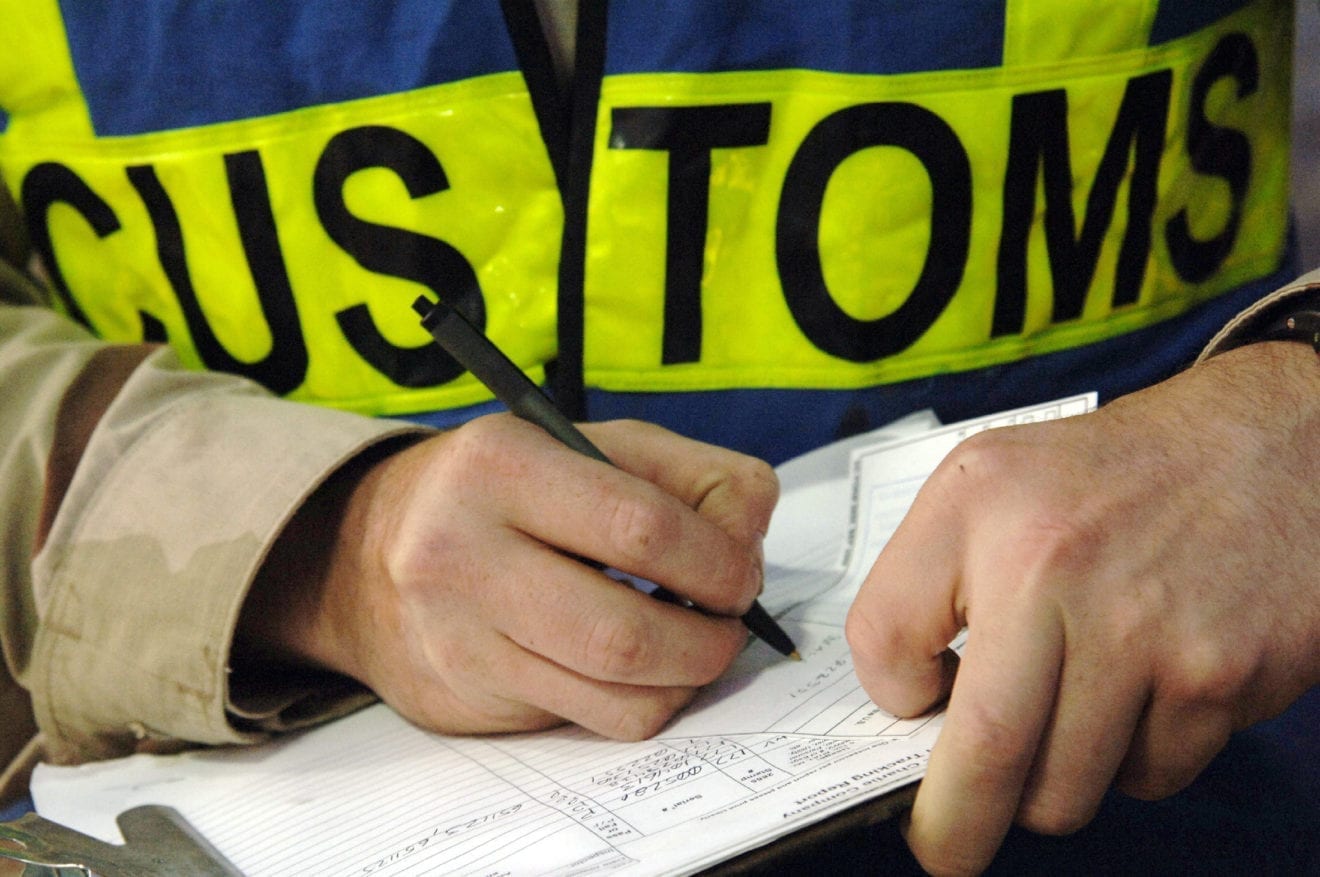
    According to the World Bank, Viet Nam’s commercial transactions across borders index, a measurement of time and cost in import and export activities, has fallen for two consecutive years (2014-2015) due to inadequate management.

    A study conducted by the Viet Nam Chamber of Commerce and Industry and the General Department of Viet Nam Customs showed that the total time for customs clearance takes about 28 per cent of the time while the other 72 per cent is spent on other procedures and management including specialised checks on imports and exports.

    These are indications that specialised management for imports and exports has prolonged the time for customs clearance and increased costs for enterprises.

    In your opinion, what are the main causes then?

    The first thing I should mention is cumbersome legal documents on customs checks. In addition, many goods have no data provided on them for commercial transactions across borders index.

    Coupled with that is that most specialised checks are done by hand or the application of modern information technology to dossiers classification or information exchange between Vietnamese government agencies.

    What is the key reason for increasing the time for customs clearance for specialised checks in our country four times slower than that of other country?

    Before 2016, in our country about 30-35 per cent of goods had to go through specialised checks at customs while in other countries, the rate was just from 5-8 per cent. That is one of the reasons why Resolution 19/2016 has laid emphasis on improving the business environment and national competitive capacity.

    The government’s resolution sets specific targets for each year. For example by the end of last year (2016) only 15 per cent of specialised goods should have been checked and eight per cent by 2020.

    To achieve these targets, it is imperative for the customs sector to make a change in their management methods and in their specialised checks. To achieve these targets, the customs office must practice risk assessments and common international customs clearance procedures, including using IT in information sharing between concerned agencies and the customs office.

    To shorten the customs clearance time, many countries perform customs checking in factories. Can we do that in Viet Nam?

    Checking goods right at factories is common in many countries now.

    With this method, instead of checking the goods at the border gate, representatives of the importing countries go to exporting countries and check the goods in the factories. After finishing their checks on the goods quality, pattern, production chains and more, if they meet required standards, the goods will be certified to go through customs procedures.

    Of course, some international practice and norms will be applied, including risk assessment. However, for imported goods coming from countries with higher standards than ours like the US, EU, Japan or South Korea they will enjoy special treatment when they go through customs. Vice versa, for countries that have often encroached upon our laws, they will be subject to tight checks.

    The PM has set a target that by 2020, all import and export goods must not take more than five days to go through customs clearance. Is this feasible?

    If Government Resolution 19/2017 is implemented, by late 2017 customs clearance will take on average 160 hours. So to achieve the target set by the PM by 2020 for five days (120 hours) customs clearance will be a big challenge.

    To achieve this target, all concerned ministries and sectors have to review and revise 362 legal documents, of which 87 of them have to change in the next few months. Of course, the task is demanding. But we’ll try to do our best to meet the target.