Category: Logistics

Retail News Asia is committed to providing both local and global retailers with the latest Logistics news throughout the Asian market. This on a daily base.

  • FedEx posts strong fiscal Q4 and FY 2017 earnings results

    FedEx posts strong fiscal Q4 and FY 2017 earnings results

    FedEx Corp. reported earnings of US$3.75 per diluted share (US$4.25 per diluted share on an adjusted basis) for the fourth quarter ended May 31, compared to a loss of US$0.26 per diluted share (earnings of US$3.30 per diluted share on an adjusted basis) a year ago.

    This year’s and last year’s quarterly consolidated earnings have been adjusted for:

    Impact per diluted share Fourth Quarter
    Fiscal 2017 Fiscal 2016
    Mark-to-market (“MTM”) pension accounting adjustments ($0.02) $3.47
    TNT Express integration expenses  0.32 —
    FedEx Trade Networks legal matters  0.09 —
    TNT Express intangible asset amortization  0.06 —
    FedEx Ground legal matters  0.05  0.02
    TNT Express expenses and operating results from the date of acquisition  —  0.34
    Tax impact – legal entity restructuring for TNT integration  —  (0.28)

    “Strong fourth quarter results completed a record fiscal 2017,” said Frederick W. Smith, FedEx Corp. chairman and chief executive officer. “We enter fiscal 2018 confident FedEx Corp. will continue to deliver outstanding value and opportunities for shareowners, customers, and team members for years to come.”

    Fourth quarter results
    FedEx Corp. reported the following consolidated results for the fourth quarter (adjusted measures exclude the items listed above for the applicable fiscal year):

    Fiscal 2017 Fiscal 2016
    As Reported
    (GAAP)
    Adjusted
    (non-GAAP)
    As Reported
    (GAAP)
    Adjusted
    (non-GAAP)
    Revenue $15.7 billion $15.7 billion $13.0 billion $13.0 billion
    Operating income (loss) $1.58 billion $1.76 billion ($68 million) $1.51 billion
    Operating margin 10.1% 11.2% (0.5%) 11.7%
    Net income (loss) $1.02 billion $1.15 billion ($70 million) $897 million
    Diluted EPS $3.75 $4.25 ($0.26) $3.30

    Operating results benefited from higher base rates, increased package volume and the inclusion of TNT Express results.  Net income and earnings per share reflect tax benefits of US$104 million, or US$0.37 per diluted share, related to the implementation of new foreign currency tax regulations, the adoption of a new accounting standard for share-based payments, and certain transactions related to the TNT Express integration.

  • DHL signs up for four more A330-300P2Fs

    DHL signs up for four more A330-300P2Fs

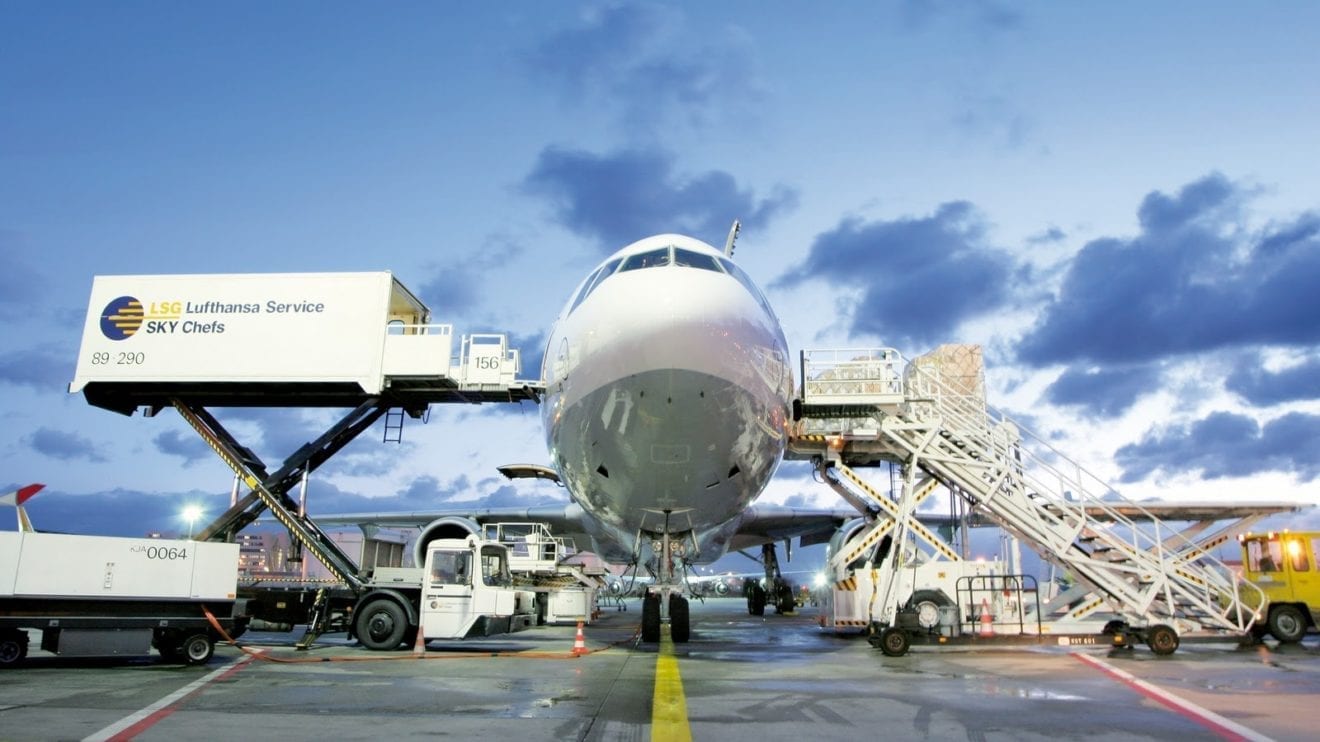
    DHL Express has signed up for four more A330-300 passenger-to-freighter conversions from ST Aerospace subsidiary Elbe Flugzeugwerke.

    The express operator, which in July last year became the launch customer for the conversion programmewith an order for two of the aircraft, said the deal also includes options for a further 10 conversions.

    The contract was signed at the 52nd International Paris Air Show this afternoon, and witnessed by Guests-of-Honour Singapore’s Second Minister for Defense Mr Ong Ye Kung and Chief of the Saxon State Chancellery and State Minister for Federal and European Affairs Dr Fritz Jaeckel.

    The conversion will be carried out by EFW, which is jointly owned by ST Aerospace and Airbus. The aircraft has a payload of up to 61 tons.

    In order to take on the expanded conversion programme for DHL Express, EFW is gradually ramping up its capacity at its facility in Dresden, with a new single-bay wide-body hangar being completed recently.

    Geoff Kehr, senior vice president, global air fleet management, DHL Express, said: “DHL is delighted to be expanding this pioneering conversion programme with ST Aero, EFW and Airbus and securing the option to add more units to our fleet in future.

    “We believe the A330-300P2F, with its favourable payload and range metrics, will address an important demand segment within the air cargo market that is not currently served by any other aircraft type.

    “It will further strengthen the global air network of DHL Express and help us to achieve even greater efficiencies in our aviation operations.”

    The first aircraft under the DHL Express A330-300P2F program is currently undergoing conversion at EFW’s Dresden-based facilities, while work is set to begin on a second aircraft at an ST Aerospace engineering facility in Singapore.

    The first two aircraft are scheduled to be redelivered by the end of 2017.

    The A330P2F conversion programme, launched in 2012, is a collaboration between ST Aerospace, Airbus and EFW.

    ST Aerospace, as the programme and technical lead for the engineering development phase, is responsible for applying for the supplemental type certificates for the freighter conversions from the European Aviation Safety Agency and the US Federal Aviation Administration.

    Aircraft original equipment manufacturer (OEM), Airbus, contributes to the programme with OEM data and certification support, while EFW leads the industrialisation phase and marketing for the freighter conversion programme.

    The A330P2F programme includes two versions – the A330-200P2F and the larger A330-300P2F. DHL Express is EFW’s first customer for the A330-300P2F conversion programme, while a launch contract with EgyptAir Cargo was secured in December 2014 for the A330-200P2F conversion programme.

  • Arvato Unveils Enhanced Automation at New China Distribution Centre

    Arvato Unveils Enhanced Automation at New China Distribution Centre

    International leading service provider for supply chain management, Arvato SCM Solutions, has begun operations at a new China distribution center. The new multi-client facility in Shanghai is equipped with conveyors spanning across five floors, a pick-by-light system and various customized processing modules that feature hands-free scanners.

    “Enhanced automation, increased flexibility in processing lines with customized client specific setups are key characteristics of the new warehouse”, said Raoul Kuetemeier, Head of Asia at Arvato SCM Solutions.

    Arvato had consolidated three of its existing Shanghai sites into the new facility. “We commit to highly-competitive efficiency and agility in our domestic distribution solutions. The new warehouse and technologies installed will support us in achieving these goals”, said Kuetemeier.

    Backed by Arvato’s IT backbone, processes such as picking and dispatch will be supported by semi-automatic technologies such as the newly upgraded pick-by-light system. This will allow Arvato to channel resources on more complex operations such as kitting, returns management and further value-added services. With the automation in place, capacity and flexibility that are critical to manage extreme peak volumes in China have also been enhanced.

    Solutions offered at the site include retail fulfillment, e-commerce and spare parts logistics. Located in the Qingpu district of Shanghai, the new warehouse is within five minutes to the nearest expressway and 15 minutes to the closest airport. The facility will service clients primarily from the high-tech and entertainment, and consumer products industries.

  • Amazon continues to open new fulfilment centres

    Amazon continues to open new fulfilment centres

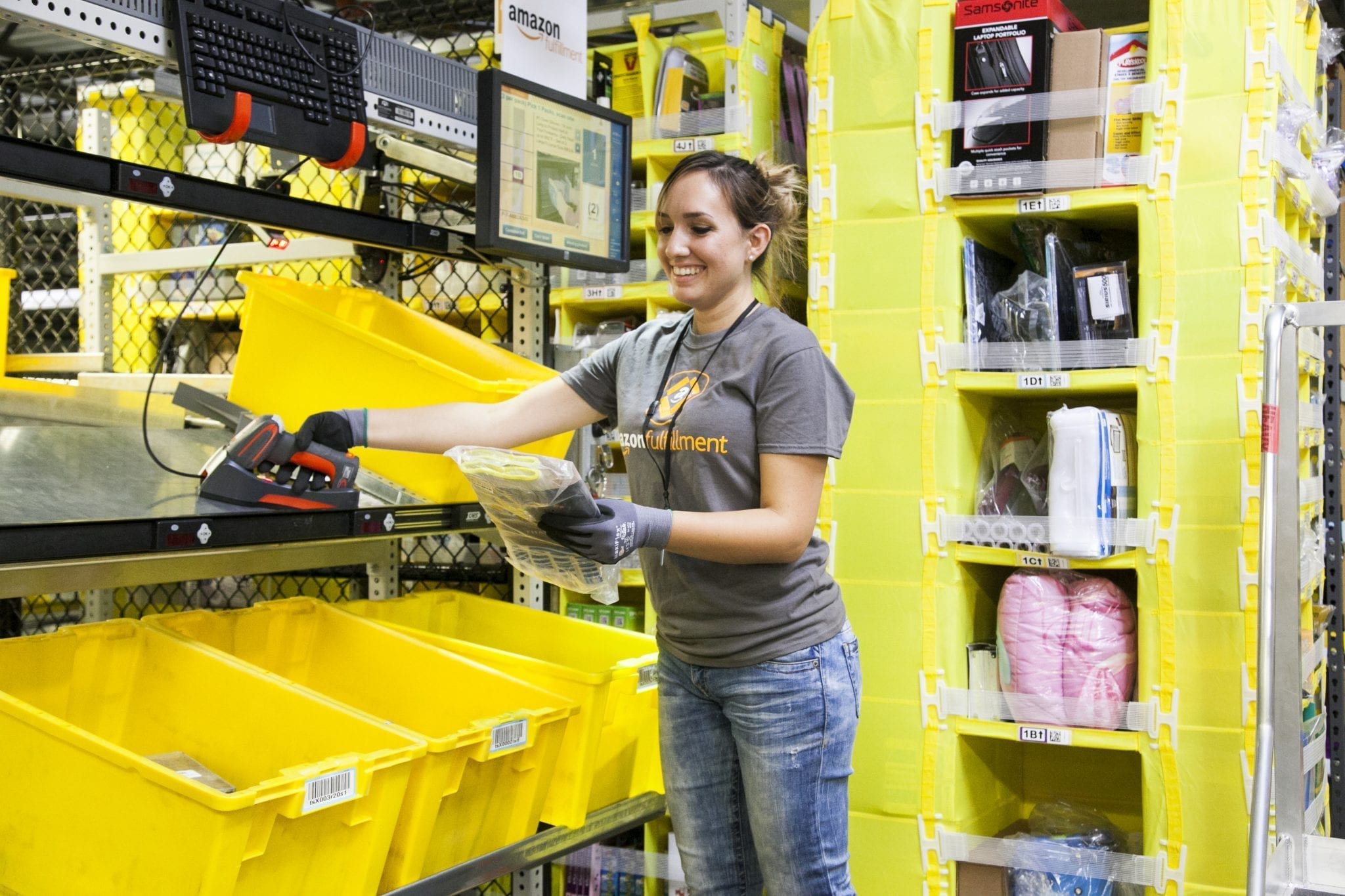
    Amazon.com announced plans to open its second Colorado fulfilment centre in Thornton, which will be the first Amazon Robotics facility in the Centennial State. Amazon will create more than 1,500 new full-time associate roles at this facility.

    “We are excited to continue growing in Colorado with the new Robotics fulfilment center in Thornton,” said Akash Chauhan, Amazon’s vice president of North American Operations. “This facility will utilise robotics, vision systems, and more than 20 years’ worth of software and mechanical innovations. We are grateful for the support we have received from state and local leaders who have helped make this project possible.”

  • UPS rolls out new peak shipping surcharge

    UPS rolls out new peak shipping surcharge

    UPS announced a new peak charge applicable during selected weeks in November and December 2017 for US residential, large packages and packages over maximum limits. The new charge is designed to enable UPS to continue to provide best-in-class value to customers while offsetting some of the additional expenses incurred during significant volume surges.

    “We’re focused on helping our customers achieve success during some of their most important selling seasons,” said Alan Gershenhorn, UPS chief commercial officer. “To meet their requirements, UPS flexes its delivery network to process near double our already massive regular daily volume, and that creates exceptional demands.”

    To meet peak volume demand, among many other investments, UPS acquires on a temporary basis and often at shorter-term premium rates, additional air and truck cargo capacity, temporary facilities, and additional sorting and delivery personnel.

    Further, shipments which are larger, heavier, or have unconventional shapes or sizes create even greater operational complexity during high-demand periods.

    “Our goal is to help every customer obtain the delivery capacity they need, combined with predictable and timely service they count on from UPS, even when there is limited capacity in the UPS network,” Gershenhorn continued.

    The company’s new per-piece peak charge* for the US 48 contiguous states and intrastate Alaska and Hawaii** for applicable package types and periods is summarized in this chart***:

    Nov 19 to
    Nov 25
    Nov 26 to
    Dec 2
    Dec 3 to   Dec 9 Dec 10 to
    Dec 16
    Dec 17 to
    Dec 23
    UPS Next Day Air Residential

    n/a

    n/a

    n/a

    n/a

    $0.81

    UPS 2nd Day Air Residential

    n/a

    n/a

    n/a

    n/a

    $0.97

    UPS 3 Day Select Residential

    n/a

    n/a

    n/a

    n/a

    $0.97

    Ground Residential

    $0.27

    $0.27

    n/a

    n/a

    $0.27

    n/a = no additional charge during this period
    * Peak Surcharge to be published Sept 1, 2017 in a revised version of the UPS U.S. Rate & Service Guide
    ** For packages to and from Alaska and Hawaii, the surcharge is posted on ups.com/rates
    ***Chart does not show all potentially applicable peak surcharges. 

    “With the new peak charge, per-package costs for many shipments will only marginally increase during this very busy time of the year.” Gershenhorn continued.

    For example, a five-pound UPS Next Day Air package shipped from Atlanta, GA to a residential address in Philadelphia, PA will increase about one percent, compared to non-peak shipping times. A similar package shipped to a commercial address would experience no additional cost.

    From November 19 through December 23, UPS will also apply peak surcharges to Large Packages and packages that exceed maximum size limits. These charges are in addition to normal surcharges applicable to such packages. When shipping packages that exceed UPS’s published maximum size limits, customers are encouraged to consider using UPS Freight.

  • ZTO to expand Zhejiang regional warehouse and sorting hub

    ZTO to expand Zhejiang regional warehouse and sorting hub

    ZTO Express (Cayman) Inc., an express delivery company in China, will expand its Zhenjiang regional warehouse and sorting hub.

    Announced at 19th China Zhejiang Investment & Trade Symposium, ZTO plans to invest up to RMB150 million (approximately US$22 million) to expand its current Zhejiang regional warehouse and sorting hub. ZTO has obtained land use rights to an over 32,000 square metre piece of land in Jinyi New Urban District, Zhejiang Province to construct additional office space, warehouse and sorting hub with processing capacity for up to one million parcels per day. Construction is expected to be completed by August 2018.

    “Building additional infrastructure at our Zhejiang regional warehouse and sorting hub is another step in our strategy to expand the scale of our network and improve service quality and operational efficiency,” commented Meisong Lai, founder and chief executive officer of ZTO. “Zhejiang is a very important commercial and regional hub for us and is one of the main distribution channels for the thousands of customers and merchants we provide services to in the area. The additional capacity to process up to one million parcels per day will further reduce regional unit logistics costs, improve customer service and in turn strengthen brand loyalty among our customers and merchants.”

  • The dark zone in Asian shipping supply chains

    The dark zone in Asian shipping supply chains

    CEOs of global shipping companies are operating in a complex environment where business, cultural and geopolitical issues come into play.  There are many intertwining factors that the CEOs have to take into account when they make or condone strategic decisions that affect the value of their companies.

    Sometimes, these decisions seemingly, on the surface, would bring in revenues, improve bottom line or reduce costs.  But in fact, these are myopic decisions that not only negatively affect the value of their companies but also will have a larger negative impact on the industry as a whole.  These decisions may be illegal or corrupt in the western context, but in the Asian context, they are seen as cultural norm.

    Corrupt custom pervasive in Asia

    Whether we want to admit it or not, it is a fact that corruption is relatively prevalent in Asia to the point that it is perceived to be an acceptable and routine way of conducting business.  According to Transparency International, the majority of Asia Pacific countries sit in the bottom half of the Corruption Perceptions Index 2016. 19 out of 30 countries in the region scored 40 or less out of 100.

    Corruption is endemic in the shipping business as it is relatively opaque, and because it operates across the globe in a wide variety of cultural, economic and political situations. And, there is hardly any recognition for a standardized anti-corruption compliance culture, either from the respective governments or the industry itself.

    For example, in day-to-day operations of shipping lines, bribing local officials like port inspectors is an expected part of the transaction to grease the processing of cargoes through ports or checkpoints.

    Illegal oil bunkering occurs when ship-to-ship transfer of fuel takes place not at designated areas and without paying the official fees.  Perpetrators blatantly exploit weak legislation and enforcement.  In this corrupt tradition, they can earn, depending on their status on the hierarchy, anywhere between US$40,000 and US$640,000 per run.

    To show the wide reach of illegal oil bunkering, there are incidents occurring even in Singapore, a country with strict regulations, extensive enforcement and heavy penalties.  In a recent case, JL Petroleum has been fined by Singapore’s court after pleading guilty to supplying marine fuel without a valid license.

    Singapore’s police had said that the illegal trade in ships’ fuel is a lucrative business, and more people have been caught stealing, selling and buying such diesel.

    Intrigue on the high seas

    According to latest figures from the International Maritime Bureau, more than half of the world’s piracy are occurring in South East Asia. Specifically, piracy in the waters off Indonesia, the Strait of Malacca and Singapore Strait has increased exponentially, representing almost 40 per cent of attacks globally.

    Given the scale and frequency of these attacks, it is not hard to have an educated guess that there is corporate collusion with these pirates.  Corrupt insiders within the industry and at the targeted ships’ companies are crucial for the pirates to gain valuable intelligence on when and how to rob the ships of cargoes and fuel.

    In another instance of high sea intrigue, there are many cases of shipping companies ignoring United Nations’ sanctions against rogue countries.  In a recent example, the United States Treasury Department had blacklisted a Singapore company, Senat Shipping, for providing extensive support, including arranging the purchase, repair, certification, and crewing to North Korea’s Ocean Maritime Management Company vessels.  The United Nations had sanctioned Ocean Maritime Management Company for its involvement in the shipment of banned weapons. 

    Increasing valuation by cleaning house

    In as much as we like things to remain business as usual, the fact remains that these corrupt practices in the Asian shipping industry are detrimental not only to the companies involved but are also reflecting badly on the industry as a whole. Bad practices, like the aforementioned corruption, illegal oil bunkering and collusion with pirates, fundamentally erode the ability of shipping companies to operate efficiently and profitably.

    There is much to gain by having an industry with open, transparent legal and regulatory mechanism.  Change, of course, will not be immediate but incremental, as bad practices are so entrenched in the industry.

    If CEOs are aware and are convinced that change is necessary to increase the value of their companies and uplift the image of the whole industry, then this will go a long way to attract investors and funds.  Therefore, CEOs must have the courage and conviction to take corrective measures to weed out these bad practices.

  • GateHouse talks supply chain nirvana at IoT Slam Conference

    GateHouse talks supply chain nirvana at IoT Slam Conference

    Logistics data unifier GateHouse Logistics A/S announces that it has been invited to present its vision of the future direction of data used in the logistics industry at the upcoming IoT Slam Conference being staged at Raleigh in North Carolina on June 21 and 22. The annual Conference brings together the The Internet of Things Community (IoT Community), the world’s largest group of CxOs and IoT professionals.

    The function of the community is to focus on the adoption and application of IoT in commercial environments such as the transport industry, seeking to understand and contribute to applying the technology or overcoming the wide variety of barriers, inhibitors, and technical and operational issues involved.

    “The logistics industry is moving into the smart connected era and an industry-wide and truly system agnostic mobility platform is needed now by all parties involved in the supply chain to control, make visual and rationalize the mountains of data involved in order to reach the next level of business efficiency,” says Jesper Bennike, CEO, GateHouse Logistics.

    He adds: “Data about connected trucks and Just-in-Sequence supplies to smart factories are just the tip of tomorrow’s supply chain issues and the IoT Slam Conference is the perfect platform for GateHouse to discuss its IoT solution with leaders responsible for shaping the use of data in the future IoT logistics industry.”

    As a leading independent logistics data unifier and aggregator, GateHouse Logistics believes that it is within its remit to propose a cross-system data mobility platform to the transport industry that can not only collect and unify all data from all telematics systems, but also distribute it to authorised enterprises as one datastream.

    The mobility platform provides LSP’s with a mixed fleet a unified and consolidated data stream from their whole fleet. The data stream can be easily integrated with any TMS system and it can also securely be shared with third parties.

  • Kerry Logistics expands network through joint venture in CIS

    Kerry Logistics expands network through joint venture in CIS

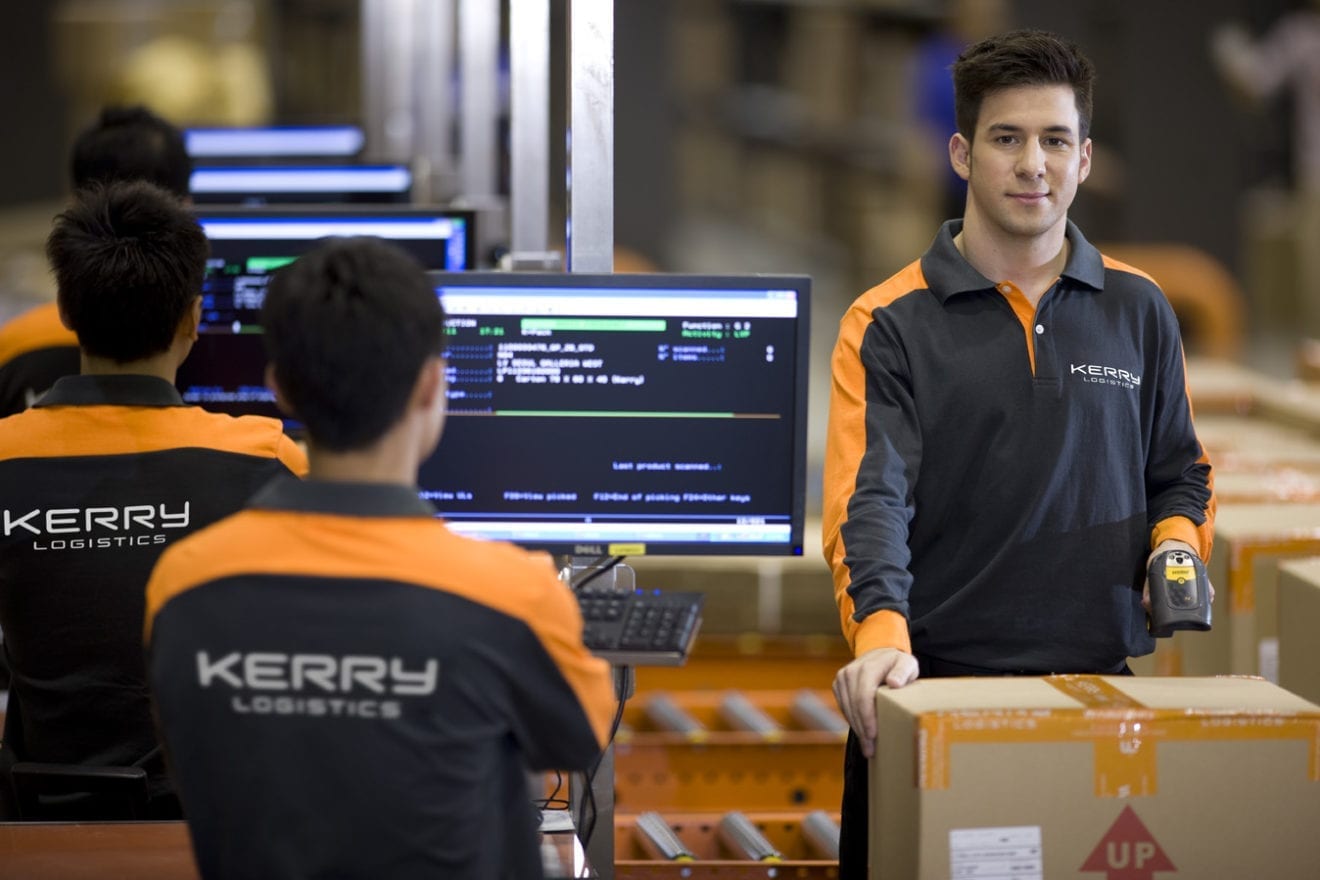
    Kerry Logistics Network Ltd enhances its services and network under the ‘Belt and Road’ Initiative by entering into a joint venture through participating in the equity of Globalink Logistics DWC LLC, a freight forwarding group headquartered in Dubai with operations spanning across The Commonwealth of Independent States (‘CIS’). The move will significantly expand Kerry Logistics’ coverage in Central Asia and the CIS, opening the door to potential markets with tremendous growth prospects.

    The partnership will see nine countries added to Kerry Logistics’ global network. They include Kazakhstan, Uzbekistan, Kyrgyzstan, Tajikistan, Turkmenistan, Georgia, Armenia, Azerbaijan and Ukraine. Leveraging the booming trade between China and Europe, Kazakhstan, in particular, is expected to benefit most from the increasing transit cargo flow along the trade lanes.

    William Ma, Group Managing Director of Kerry Logistics, said, “We are very excited about this joint venture, which is part of our development strategy to tap into the immense opportunities from the Belt and Road Initiative. The new partnership will allow the two groups to leverage each other’s competitive strengths and provide new options and cost-efficient multimodal solutions to our customers with greater flexibility and access to the strongest network in Asia.”

    “While we will continue to develop an overland transportation network for road, rail and multimodal freight services from China to Central Asia and Europe, we will also build upon our expertise in project logistics within our global network to exploit new business opportunities,” added William Ma.

    The move came at the heels of Kerry Logistics’ launch of its rail freight operations between China and Europe. The Group was the market pioneer to complete the first westbound charter freight from Yiwu, Eastern China to Madrid, Spain in August 2016; while the first UK-China eastbound freight train from London to Yiwu commenced its journey in April 2017.

  • Nu Skin picks XPO Logistics as lead logistics provider

    Nu Skin picks XPO Logistics as lead logistics provider

    XPO Logistics, a global provider of transportation and logistics solutions, has been selected by Nu Skin Enterprises, Inc. as global lead logistics provider under a multi-year contract. Nu Skin is a US$2.2 billion provider of premium-quality beauty and wellness solutions to markets in Asia, the Americas, Europe, Africa and the Pacific.

    In collaboration with Nu Skin, XPO is developing an integrated, global supply chain logistics solution that utilises proprietary technology for end-to-end management of product flows. Components include transportation management, warehousing and order fulfillment, as well as value-added services such as co-packing, kitting and real-time inventory tracking. The network will be managed through regional control towers around the world.

    “Our growth strategy requires that we transform our supply chain logistics through scale and innovation,” said Brad Morris, Nu Skin vice president of logistics and fulfillment. “In XPO, we’ve found a partner with industry-leading capabilities and the commitment to invest with us. Together, we’re building a next-generation supply chain logistics partnership that will support our expansion well into the future through continuous improvement.”

    Ashfaque Chowdhury, XPO Logistics president, supply chain­-Americas and Asia-Pacific, said, “We’re excited to work with Nu Skin as the architects of their supply chain logistics transformation. Our team is engineering a technology-rich infrastructure that will be highly efficient on a global scale. This partnership will benefit Nu Skin’s distributors, sales associates, retailers and end-customers.”

    In the first operational phase, XPO will establish a control tower and distribution center in Singapore, and assume responsibility for transportation management and satellite warehouses throughout Southeast Asia and the Pacific, with expansion into other regions projected to follow.

  • UPS study finds traditional distributor model faces mounting risk

    UPS study finds traditional distributor model faces mounting risk

    Companies must adapt amid rapid change fuelled chiefly by millennials and a shift to e-marketplaces; A surge of purchases coming directly from manufacturers and e-marketplaces, bypassing distributors

    Asset-light e-marketplaces and other nontraditional shopping channels, combined with shifting demographics, are upending industrial distributors’ inventory-heavy model more rapidly than previously thought. As a result, distributors must quickly adapt and address threats with everything from sharper mobile offerings to upgraded customer service, a new white paper from UPS shows.

    According to the UPS Industrial Buying Dynamics Study: Buyers Raise the Bar for Suppliers, the biggest shift comes from millennials (defined for this study as those currently ages 21-34) who grew up in a digital era and are bringing their tech-savvy and nontraditional purchasing habits – for example, bypassing the middle man and working directly with the manufacturer – with them into the workplace. The impact on the future of industrial products purchasing may be among the most profound of any modern generation of buyers and provide a glimpse of the future.

    The report, the third such study compiled since 2013, captures a sector undergoing demand changes and channel shifts at a startling speed: 81 percent of buyers have purchased directly from manufacturers, up from 64 percent in 2015. Meanwhile, 75 percent of buyers surveyed have shopped at an e-marketplace, soaring from just 20 percent in 2013. What’s more, 80 percent of buyers are likely to shift to suppliers with a more user-friendly web presence, up from 72 percent two years ago.

    “With e-commerce, industrial buyers can choose from numerous suppliers with the click of a button, leaving the traditional business-to-business distributor model threatened,” said Matthew Guffey, vice president of UPS segment marketing. “Maintaining the status quo, even just for now, is not an effective solution. Distributors have to up their game.”

    The paper identifies four main ways for distributors – including those with smaller ambitions or limited funds – to remain competitive and offers solutions to reach these young corporate buyers where and how they want to interact:

    1. Recognise rising threats: It is imperative to consider strategic investments that bring services to parity with competitors. The paper found that more than half of respondents working primarily with distributors intend to increase e-marketplace spending, representing a looming risk to distributors.

    2. Think digital: Online channels are a necessity and distributors need to strengthen e-commerce capabilities, particularly for mobile ordering. Thirty percent of corporate buyers use mobile channels to order industrial products, and 24 percent are “extremely likely” to do so in the future. Nearly half of all buyers – and 69 percent of millennials – indicated they would likely shift business to a distributor offering a mobile app.

    3. Address buyers’ needs by product: Partnerships can help make businesses more competitive. Look into purchasing insurance on products and shipments to mitigate risk and to help protect and improve cash flow; leverage a logistics provider’s global network to ramp up service more quickly and reach more pockets of growth.

    4. Go beyond the sale: Buyers want interaction beyond the sale (i.e. post-sales support), with half of respondents stating they would switch to a supplier offering assistance with returns, training and on-site maintenance or repairs. Thirty-six percent of millennials need services at least once per month, compared with just eight percent of Baby Boomers, according to the study.

    UPS and TNS conducted the survey of 1,500 buyers of industrial products who are between the ages of 21 and 70 in the United States. Respondents purchased industrial parts, products or supplies in five product categories: equipment sold in a business-to-business transaction; final assembly OEM (original equipment manufacturer) parts; MRO (maintenance, repair and operations) parts; consumables/raw materials – input items used in a manufacturing process; and janitorial and sanitation. Participants came from companies of all sizes, with roughly one-third reporting annual revenue of US$1 million; one-third reporting between US$1 million and US$10 million; and one-third reporting more than US$10 million.

  • Jaguar selects K+N to implement European aftermarket logistics

    Jaguar selects K+N to implement European aftermarket logistics

    Jaguar Land Rover, premium and luxury car manufacturer, has appointed Kuehne + Nagel (K+N) to manage three warehouses in France, Spain and Italy serving Continental Europe. The new contract also includes transport management control tower function and customer contact centres for Jaguar Land Rover retailers for the region.

    The European Aftermarket is of very high importance. The car manufacturer has consolidated its supply chain into a robust logistics setup with innovative processes, including an upgraded Warehouse Management System (WMS). This supply chain will support over 400 Land Rover retailers across Continental Europe.

  • Bolloré Logistics Awarded at the China Offshore Convention in Shenzhen

    Bolloré Logistics Awarded at the China Offshore Convention in Shenzhen

    Present at the China Offshore Convention in Shenzhen from May 25-26, 2017, Bolloré Logistics was honored to receive the “Outstanding Offshore Logistics Contractor of the Year” award in front of the Oil & Gas community.

    “After 50 years serving the Oil & Gas industry around the world, Bolloré Logistics is proud to be recognized for its expertise. I would like to once again thank the organizers for such a great event,” says Mr. Bruce Boudailler, Regional Director Oil & Gas at Bolloré Logistics Asia-Pacific, who received the award on behalf of the Oil & Gas teams from the hands of Mr. Weiping Hu, President of China Overseas Development Association.

    80% of the results were based on WeChat online voting platform, a Chinese social media application, while the 20% remaining were based on the voting of the expert committee from the summit. Initiated by the organizer on WeChat, the voting period went on from May 12-20, 2017, in an effort to select nine outstanding companies in different sectors related to the offshore. Among the last three nominated outstanding logistics contractors of the year, Bolloré Logistics received the most votes out of more than 11,000 persons who voted.

    Recently tasked to lead the Oil & Gas global strategy of Bolloré Logistics, Mr. Bruce Boudailler would like to take this moment to praise the value and commitment of our dedicated teams of specialists, which have been supporting all the segments of the industry.

    Present in the major global hubs, as well as in most of the oil and gas producing countries, with a strong implementation in Africa and Asia, Bolloré Logistics offers tailor-made solutions on contract or project basis.

    The company prides itself in delivering simple or complex solutions to its oil & gas customers, sometimes in the most challenging areas of the world, in full compliance with Ethics and the QHSE standards. Differentiating itself from the other major international freight forwarders, Bolloré Logistics has developed a very strong expertise and track record in handling very big capital asset projects onshore and offshore, and extended the logistics chain beyond the entry gates of the supply bases.

    As an extension of the supply chain, Bolloré Logistics has been integrating for many years in its solutions marine services as well as supply base services. With reference to the Oil & Gas players and many industry suppliers in its portfolio, Bolloré Logistics also created a movie showcasing its technical expertise of logistics operations dedicated to the Oil & Gas in Port Gentil, Gabon.

  • Swisslog launches latest intralogistics innovations

    Swisslog launches latest intralogistics innovations

    Intralogistics provider, Swisslog, is expanding the capabilities of the business by reinforcing its presence in France. The global provider of robotic and data-driven intralogistics solutions have customers which include Unilever, Coca-Cola, Pfizer and Walmart. Already having a well-established presence within the French materials handling market from its base in Paris, Swisslog has historically focused on healthcare related applications. Building on its success since becoming part of the KUKA Group, the company is now investing in the delivery of materials handling technologies to the French intralogistics market.

    Managing director of Swisslog WDS in France and the Benelux, Peter De Henau, believes now is the best time to expand in the French warehouse and distribution sector. Says De Henau: “We are delighted to be strengthening our presence in this vital European market. Together with KUKA, we are looking forward to opening the next chapter of Industry 4.0. Our latest innovations and proven technologies are testament to the support Swisslog can offer businesses in France to help them grow smart with their intralogistics.”

    Edin del Mar is the latest to join De Henau’s growing team as business development manager for Swisslog WDS in France. Joining Swisslog from Savoye, del Mar will play an integral part in expanding the provider’s presence in the country.

    “I am really pleased to be joining Swisslog at this exciting time,” says del Mar. “Swisslog is ready to offer the widest and smartest portfolio of automated intralogistics technologies and services to the French market and is investing heavily in bringing in a new era of innovations alongside its proven solutions portfolio. Having launched multiple solutions such as ACPaQ, PowerStore and SynQ this year alone, I am excited to be working with solutions that many leading global brands are already benefiting from.”

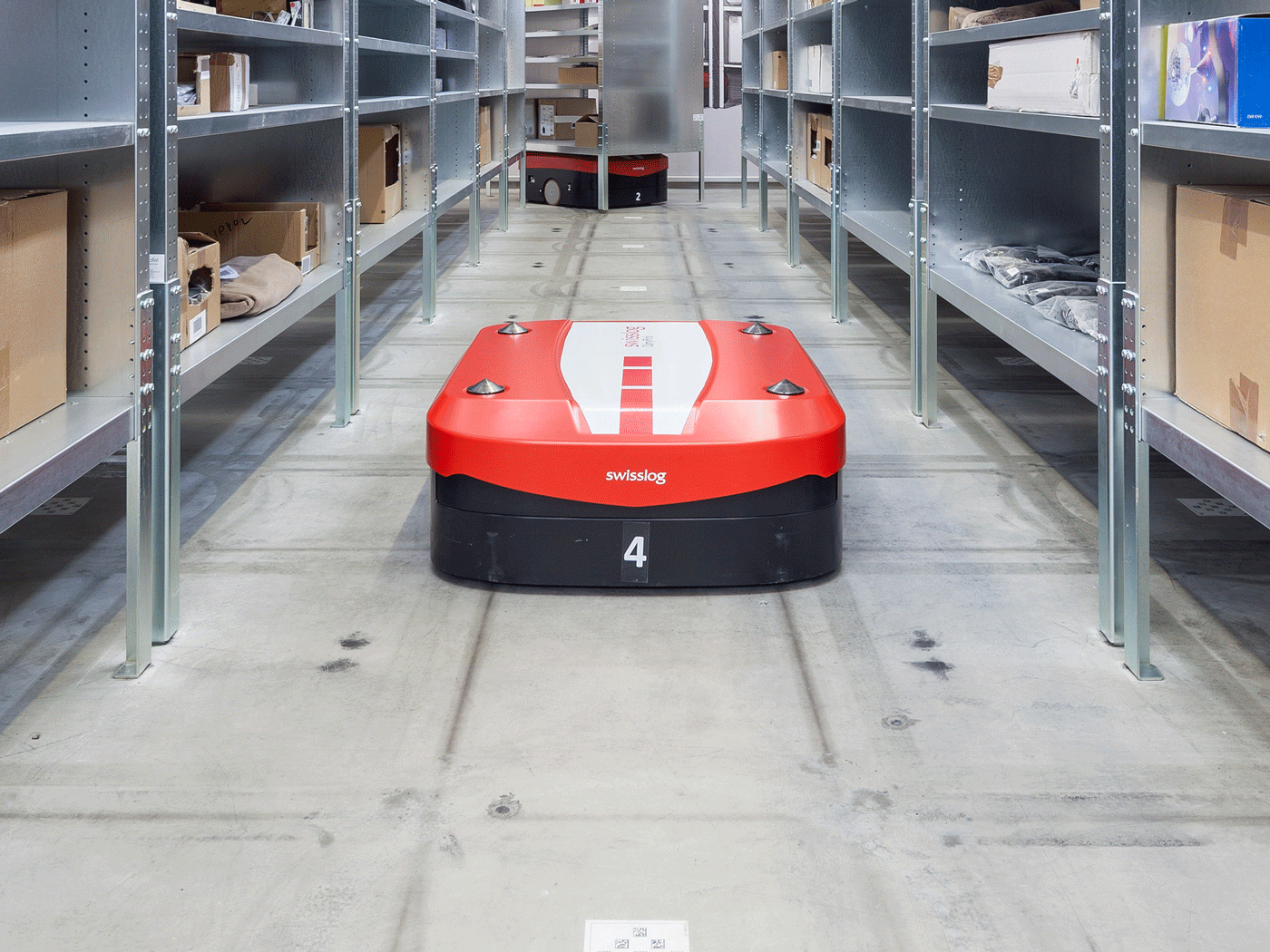
    Swisslog offers proven solutions, including the popular AutoStore and CarryPick technologies, to businesses looking to expand or simply take their first steps into automated warehousing, and the firm’s expansion is already accelerating with the first CarryPick solution being installed for a retailer in the Northern French region.

    “Our technologies may be innovative but our approach is fairly straightforward,” adds Peter De Henau. “While we eradicate risk and inefficiencies for customers by delivering new or adapted solutions, it often takes face-to-face discussions to really demonstrate the range of opportunities we can offer. That’s why it’s great to have a local presence in this key European market.”
    “Every single customer is important at Swisslog and we pride ourselves on providing a tailored approach,” concludes De Henau. “Businesses looking to connect their warehouse to the future can arrange a visit to see our technology in action via www.swisslog.com/solutions-automatisees.”

    Swisslog designs, develops and delivers best-in-class automation solutions for forward-thinking warehouses and distribution centers. The company offers integrated systems and services from a single source – from consulting to design, implementation and lifetime customer service. Behind its growing success are 2,300 employees worldwide, supporting customers in more than 50 countries.

  • DHL boosts cooperation with fashion industry

    DHL boosts cooperation with fashion industry

    DHL is strengthening its ties with the fashion industry and will intensify its participation in this e-commerce driven business sector. DHL has teamed up with multiple fashion organisations across the globe to design tailored initiatives that will help fashion businesses to streamline their international supply chain and expand their business into new markets. Among the new partners are the Council of Fashion Designers of America (CFDA), the British Fashion Council (BFC) and Camera Nazionale della Moda Italiana (CNMI) in Milan.

    “It has always been a major goal of DHL to support the fashion industry in all its different facets. The new approach will allow us to reach an even larger audience of fashion businesses consistently throughout the year with tailored support across their various needs, from producing a collection to shipping it to fashion shows and setting up an e-commerce presence.” said Arjan Sissing, senior vice president corporate global brand marketing, Deutsche Post DHL Group.

    As a partner of the leading US fashion trade association, DHL will co-sponsor and work with CFDA’s innovation partner, Accenture, on a study looking at the future of the industry’s supply chain to help fashion designers more effectively use global supply chains and shipping networks as key means to better target customer needs and elevate their brands. The Council of Fashion Designers of America Inc. is a not-for-profit organization with a membership of more than 500 foremost womenswear, menswear, accessory and jewelry designers.

    Through its cooperation with the British Fashion Council, DHL will launch an award program recognising ‘International Fashion Potential’ supporting British fashion businesses in their ambition to go global. The annual program offers mentoring and logistics support for designers. DHL will provide an annual prize for a promising fashion business and the winner will be announced during London Fashion Week in September 2017.

    In collaboration with Camera Nazionale della Moda Italiana DHL will organise multiple workshops involving start up brands, young designers and members. These seminars will give insights on e-commerce and custom regulations in the fashion business as well as the opportunities and challenges of different trade lanes and transport solutions. Additionally, DHL will form part of a jury together with Camera Moda to select the most international brand designer from all young designers participating. The award will be presented at the Camera Moda opening event in September 2017, and the winner will receive a DHL care package to ease his international express shipments.