Retail News CRM

Category: Logistics

Retail News Asia is committed to providing both local and global retailers with the latest Logistics news throughout the Asian market. This on a daily base.

  • IoT fleet management market worth US$8.28bn by 2021

    IoT fleet management market worth US$8.28bn by 2021

    The global IoT fleet management market is estimated to grow from US$3.16 billion in 2016 to US$8.28 billion by 2021, at a CAGR of 21.26% during the forecast period. According to a report published by MarkesandMarkets, the key factors driving the growth of the market are increased demand for optimised business operations, real-time fleet monitoring, and growing number of government mandates for fleet safety.

    Routing management
    Routing management accounted for the largest share of the IoT fleet management market, by solutions. The growth of this segment can be attributed to rising global road freight traffic and constant R&D activities to develop innovative products.

    According to the Road Freight Transport Statistics of European Commission (EC), the road freight transport of European countries increased by 2.2% in 2015, as compared to 2014, and was the highest in the last five years. Also, the continuous R&D activities by fleet solution providers to develop advanced products help the fleet companies to provide the shortest and less crowded route to fleet vehicles to avoid unnecessary overtime cost.

    Managed services
    The managed services segment is expected to dominate the IoT fleet management market, by services, from 2016 to 2021. Managed services not only offer flexibility but also allow multiple function handling efficiently and, hence, reduce the overall operational cost. These also help to provide the desired operation as per the client’s specific needs, resulting in enhanced customer satisfaction. Further, these services allow work allocation as per the expertise and centralisation of various applications with the data center. The increasing role of IoT in fleet management along with the integration of IoT is resulting in the increased usage of these services. The difficulty for companies to focus on other support functions other than their core business processes has also increased the significance of managed services.

    The Americas region is expected to hold the largest share in the IoT fleet management market. The growth of the market in this region can be attributed to increasing sales of fleet vehicles, high adoption rate of advanced technological products, and regulatory developments by the government. For instance, according to the U.S. Bureau of Transportation Statistics, the number of fleet vehicles includes vans, SUVs, and trucks had increased from 11,550 thousand units in 2010 to 12,276 thousand units in 2015. The increasing number of fleet vehicles propels the demand for IoT fleet management solutions. Also, some of the Original Equipment Manufacturers (OEM) in this region such as Volvo Trucks and Daimler Trucks North America, LLC started offering telematics solutions either independently or in partnership with fleet solution providers. Further, in 2015, Daimler Trucks had successfully completed the testing of truck platooning concept. Also, the U.S. government regulations of Electronic Logging Devices (ELD) mandate makes fleet management solutions a necessary tool for commercial trucks.
  • DHL launches domestic delivery service with nationwide coverage in Malaysia

    DHL launches domestic delivery service with nationwide coverage in Malaysia

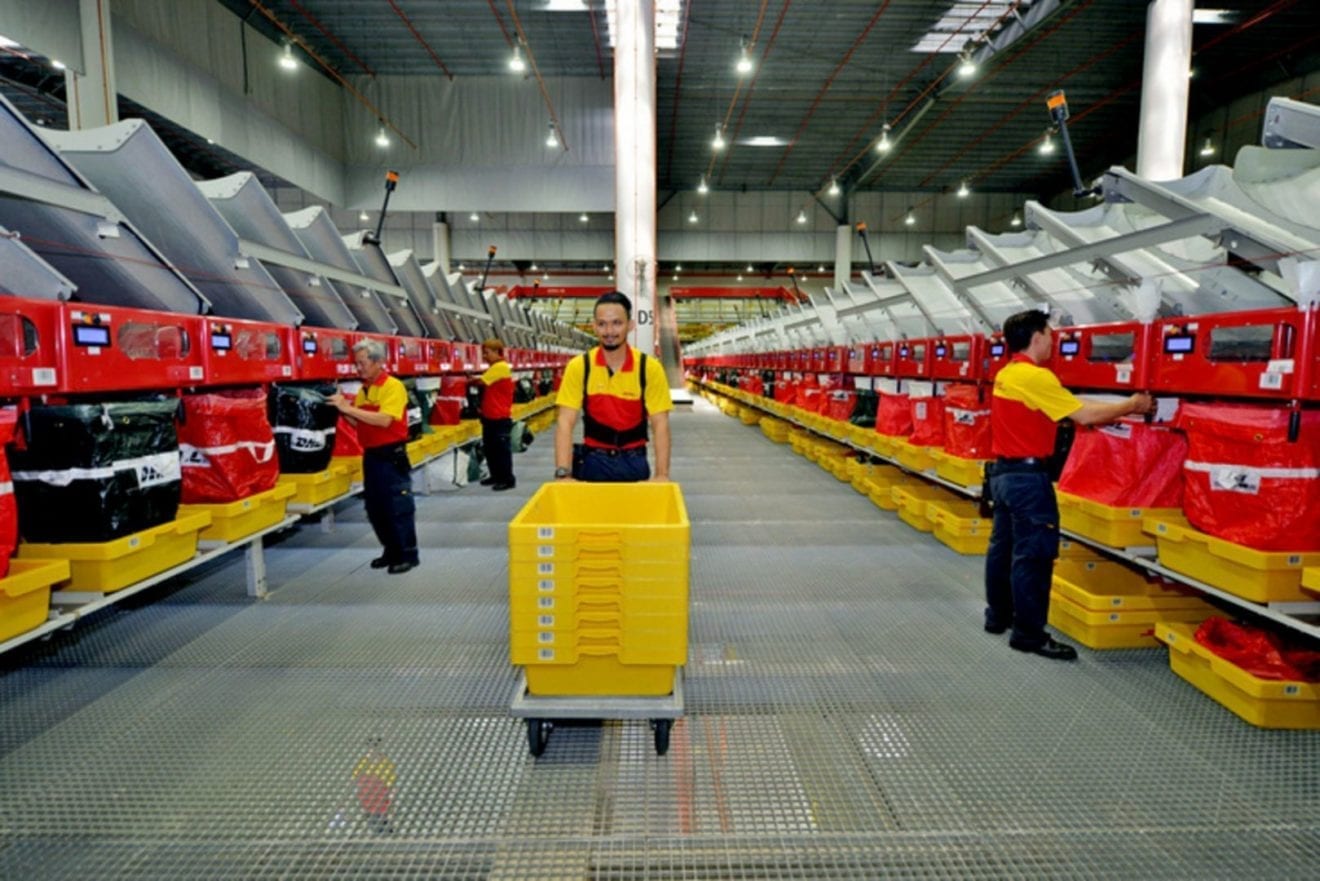
    HL eCommerce, a division of the world’s leading logistics company, Deutsche Post DHL Group, has launched its domestic delivery operations in Malaysia with a range of customer-centric services catered to Malaysia’s growing e-commerce market. Malaysian online retailers will also benefit from DHL’s range of cross-border shipping solutions and network of fulfillment centers globally to enable their international expansion. This will further accelerate the e-commerce market in Malaysia which is expected to grow at CAGR of 15.8% to EUR 1 bn by 2020, largely fuelled by recent initiatives such as the National E-commerce Strategic Roadmap, Digital Free Trade Zone and Economic Transformation Program.

    “E-commerce has become a way of life for Malaysians, with 47% already using their smartphones to shop online,” said Malcolm Monteiro, CEO, Asia Pacific, DHL eCommerce. “Approximately 7 million are already shopping online every month, and with the industry expected to grow to EUR 1 bn by 2020 in Malaysia and globally to US$1 trillion[4] in the same year, businesses need high-quality logistics solutions to leverage this immense growth and meet the rapidly changing needs of online shoppers. This makes the need for a tailored e-commerce delivery service greater than ever before.”

    The investment in Malaysia includes a 48,000 sq ft central distribution hub in Puchong as well as depots in Penang, Johor Bahru, Cheras and Puchong and a fleet of 2-wheel and 4-wheel vehicles. The fleet of vehicles will provide next-day delivery to all urban areas in Klang Valley, Penang and Johor Bahru, and two to four day delivery to all other locations across West Malaysia and East Malaysia.

    DHL eCommerce’s end-to-end domestic delivery solutions will offer pick-up services, track and trace, reverse logistics, cash on delivery with daily remittance and call center capabilities for deliveries within Malaysia. It aims to provide best-in-class domestic delivery with quick, predictive and secure delivery.

  • ALC and NFF agree key freight strategy priorities

    ALC and NFF agree key freight strategy priorities

    With less than a fortnight until the Federal Budget is handed down, it was an opportune moment for the peak bodies representing the nation’s freight logistics and farming sectors to underscore their common interests and agree priority areas for action.

    “This meeting allowed ALC and the NFF to explore the key infrastructure issues involved in getting produce from the farm into our cities and ports,” ALC Managing Director Michael Kilgariff said.

    “We know Australian households want to purchase the freshest possible produce when they do their shopping. We also know that Australia’s high-quality agricultural produce represents an enormous export opportunity. However, industry can only meet the expectations of domestic and international consumers if we have a safe and efficient supply chain.”

    “This requires governments to make the necessary regulatory improvements and infrastructure investments, including constructing major projects such as the Inland Rail linking the ports of Melbourne and Brisbane, with efficient linkages to the ports of Newcastle, Botany and Kembla.

    NFF Chief Executive Officer Tony Mahar said the meeting was a good chance for NFF members to provide their perspective on the National Freight and Supply Chain Strategy.

    “Agriculture is an industry that competes on the global stage. In order to maintain and build our international competitiveness, strategic infrastructure investment is vital.”

    “Farmers are some of the best innovators in growing our produce, but only so much can be done on farm. Once our products leave the farm gate we are heavily reliant on our transport and infrastructure networks to reach consumers. Getting this right is fundamental, which is why we have had these discussions with ALC to identify where key productivity gains can be made.”

    “ALC and NFF will use the outcomes from this meeting to shape our respective contributions to the ongoing development of the National Freight and Supply Chain Strategy. This will help ensure the Strategy is relevant to the needs of the freight and logistics industry, farmers and consumers,” Mr Kilgariff and Mr Mahar concluded.

  • Logistics startup CarPal raises additional funding

    Logistics startup CarPal raises additional funding

    CarPal has raised an additional S$3.83 million (US$2.7 million) to further develop the SaaS solution CarPal Fleet and help businesses build and control their own fleet of drivers. The round is led by new private equity participants, and the existing investor, RB Investments, has re-invested as well. This round follows the pre-series A of SG$1 million raised back in January 2016.

    Launched in July 2014, CarPal is one of the pioneering on-demand logistics service based on sharing economy, headquartered in Singapore. Over the past 2.5 years, it has steadily grown into a popular and reliable last-mile delivery service for consumers and businesses alike, delivering anything from fresh food, flowers, clothing, household appliances to furniture items.

    The company has recently announced the official launch of its new SaaS delivery management solution: CarPal Fleet.

    “Over the past few years, we learned that many of our customers wish to build their own fleet of drivers. This is mainly due to specific requirements or SOP. Hence launching a product to give customers full control over the delivery operations made a lot of sense,” says Maarten Hemmes, founder and CEO of CarPal.

    By allowing businesses to optimise the routing of delivery orders and match the best available driver, CarPal Fleet can bring delivery costs down and help businesses to compete with industry giants such as Amazon, Lazada and Zalora. The logistics startup wants to give businesses more control over their delivery fleet and help them find a healthy mix between in-house and third-party drivers, without actually having to purchase any vehicles or hire additional staff.

    Today, the company has hundreds of customers all over South East Asia. including (full-service) logistics providers, parcel delivery services, food delivery services and others. Businesses use and pay for CarPal Fleet via volume-based pricing.

    The company is competing with others in the space like Bringg and Onfleet. The main aspect that sets CarPal apart from the others is the fact that the business actually recruits drivers in every market for customers to add to their fleet, taking away the initial recruitment efforts.

    The company now consists 15 people and is headquartered in Singapore. It plans to expand into new markets and new segments with this round of additional funding, which includes growing its R&D and sales team.

    To date, CarPal has raised S$4.83 million.

  • Sadleirs Global Logistics accredited as an ‘Australian Trusted Trader’

    Sadleirs Global Logistics accredited as an ‘Australian Trusted Trader’

    Sadleirs Global Logistics has announced that it is the ‘first’ national customs brokerage and international freight forwarder to be fully accredited as an ‘Australian Trusted Trader’ by the Australian Border Force.

    As one of Australia’s oldest family businesses (Sadleirs was founded in 1895), the certification is another pioneering milestone for the company. Sadleirs was selected due to its strong security practices and very long history of compliant behaviour.

    The ‘Australian Trusted Trader’ is a trade facilitation initiative and Authorised Operator (AEO) programme that recognises businesses with a secure supply chain and compliant trade practices. It also provides accredited businesses with a range of trade facilitation benefits. Through this recognition, Sadleirs will now have a dedicated contact within the Australian Border Force, receive a priority service and prioritised examination clearance.

  • Giant ships begin to make a call at Jakarta’s Tanjung Priok

    Giant ships begin to make a call at Jakarta’s Tanjung Priok

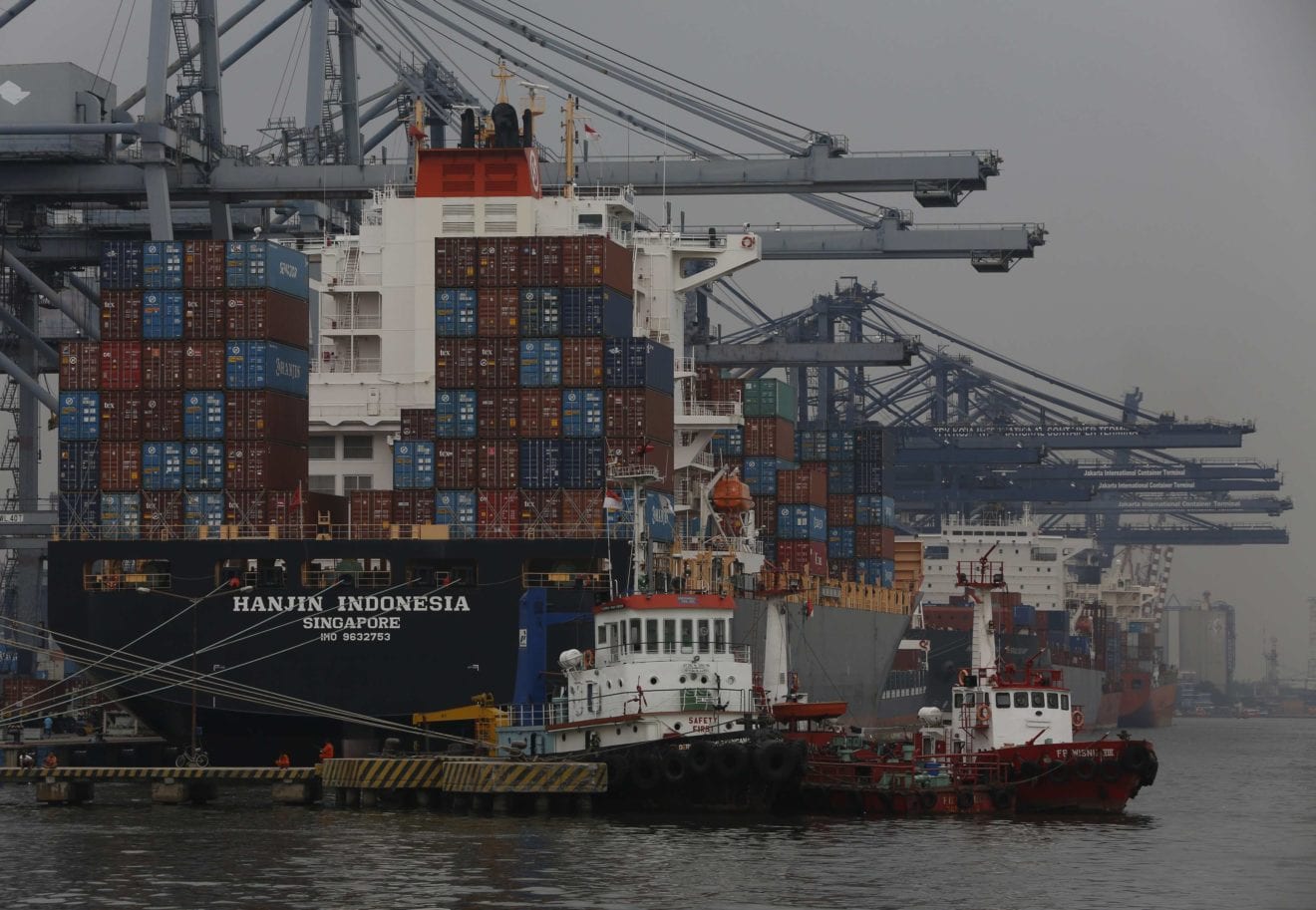
    PT Jakarta International Container Terminal (JICT) in Tanjung Priok said it has entered a new era when it succeeded in serving a giant ship, the Otello of Frances Compagnie Maritime dAffretement – Compagnie Generali Maritime (CMA-CGM).

    “The ships of CMA-CGM are the largest ever making a call at Tanjung Priok,” Chief Executive of JICT, Gunta Prabawa, said here on Monday.

    Earlier, JICT was similarly successful in providing fast services for 2 other giant ships of CMA CGM – the Titus and Tancredi – with port productivity at the JICT of 27-30 Mph.

    Gunta described the visits by the giant ships as a new era of the appearance of more giant ships at the Jakarta port indicating that JICT has been ready to provide world class port services.

    “Global shipping companies have allowed their ships to berth at Tanjung Priok as they have confidence in our services,” Gunta said.

    The 334 meter long Otello had unloaded 1,551 TEUs of container goods at Tanjung Priok, he said.

    He said CMA-CGM has reached an agreement with PT JICT by opening new shipping service called the Java South East Asia Express Services/ Java SEA Express Services/ JAX Services.

    The weekly service will take the route of Tanjung Priok – West Coast (Los Angeles & Oakland) of the United States.

    “The first service of JAX Services began on 9 April, 2017 by the Titus of CMA-CGM. Indonesian exporters and importers are expected to utilize the service,” Gunta said.

    Earlier this month, President Joko Widodo said large ships would began to berth at Jakartas Tanjung Priok port after continued improvements in services by the port operator.

    “Soon or next week there will be a ship measuring 10,000 TEUS to call at Tanjung Priok,” Jokowi said when officially commissioning an access toll road to the countrys largest port.

    The president attributed the success in attracting large ships to Tanjung Priok to improved service including a significant cut in dwelling time.

    The dwelling time, needed for unloading, has been cut short to 3.5 days now from earlier up to six days. Long dwelling time had discouraged ships from making a visit to Tanjung Priok as it would mean losing time and an increase in berthing fee.

    The president himself stepped in to improve services, cut the red tape and simplify all procedures that reduce illegal levies earlier rampant at the port.

    The president said he hoped improvement in the port service would make Indonesia more competitive and the seas transport cost would be cheaper to and from Indonesia as large cargo ships could sail directly to and berth at Tanjung Priok.

    “The flows of goods could be much faster via Tajung Priok. Transit is no longer needed for imported container cargoes in Singapore,” he said, adding large container ships could be berthed at Tanjung Priok.

    Previously large ships carrying container goods for Indonesia have to make a transit in Singapore to unload the cargo to be loaded gain on smaller ships as Tanjung Priok could not yet accommodate large container vessels.

    The new access road would contribute to improving services at the port , Jokowi said, adding “This also helps improve the countrys competitiveness.”

    He said an estimated 3,600 containers would be transported via the 11.4 kilometer access road everyday.

  • DHL to Invest $268 Million in India as National Tax Spurs Demand

    DHL to Invest $268 Million in India as National Tax Spurs Demand

    Deutsche Post DHL Group will invest 250 million euros ($268 million) in India by 2020 to expand its logistics business and tap demand as the South Asian nation introduces a national sales tax that is set to boost movement of freight.

    The goods and services tax will help create bigger distribution centers, Deutsche Post AG Chief Executive Officer Frank Appel said in an interview in Mumbai on Friday. Until now, Indian companies were setting up warehouses in all states to avoid tax burden while the new tax reform may realign the needs of local companies toward larger and fewer mother warehouses, he said.

    The goods and services tax will replace an archaic web of levies and improve ease of doing business in a country with more than 1 billion consumers. Proposed over a decade ago and then refined several times to win bipartisan support under Prime Minister Narendra Modi, the tax is scheduled to be rolled out on July 1.

    “We want to consolidate our distribution centers,” Appel said. “We follow our customers. We adapt to their needs.”

    The 250 million euros will be in addition to the 70 million euros invested in India in the last 18 months, he said. The investment would include all units of DHL Group in India and would cover airport cargo facilities in Mumbai and Delhi of unit Blue Dart Express Ltd.

    The new tax will create an opportunity to optimize the logistics network based on cost and service quality instead of arbitrage tax systems, Appel said. More manufacturers will emerge in India as they don’t have to worry about tax provisions.

    “Goods and Services Tax is a very robust step in realizing ‘Make In India,’” Appel said, citing Prime Minister Modi’s flagship program designed to lure investment in the nation’s manufacturing sector.

  • SATS unveils a brand new US$21mn eCommerce AirHub

    SATS unveils a brand new US$21mn eCommerce AirHub

    SATS, a provider of Gateway Services and Food Solutions, unveiled its new eCommerce AirHub, at a ceremony officiated by S Iswaran, Minister for Trade and Industry (Industry).

    The $21 million facility, co-funded by the Civil Aviation Authority of Singapore (CAAS), enhances Changi’s eCommerce mail sorting capability to support the growing eCommerce market. This new 6,000 sqm facility also features new innovations that will improve productivity and enable airport workers to acquire new skills.

    By deploying state-of-the-art technology, SATS has multiplied mailbag processing capacity by more than three times and streamlined the mail sortation process to deliver quicker turnaround for international eCommerce mail. Processing time is now reduced by 50 per cent. At the same time, automation has provided opportunity for employee upskilling. SATS is currently the only ground handler in the region to operate such an automated airside facility.

    Alex Hungate, president and CEO of SATS said, “eCommerce is expected to continue on its growth trajectory in the region and beyond with continued strong consumer demand. The SATS eCommerce AirHub enhances the competitiveness of the whole airfreight industry in Singapore by offering greater speed and transparency, as well as higher capacity to handle future growth.”

    Kevin Shum, director-general of CAAS, said, “CAAS is pleased to support the establishment of the eCommerce AirHub under the Aviation Development Fund. We are delighted that this initiative has enabled SATS staff to benefit from an enlarged job scope, higher pay, and a more comfortable and conducive workplace. Such collaborations are part of our efforts to transform Singapore Aviation, make the  2 sector more efficient and competitive, create better jobs and improve productivity using technology.”

    Tapping on technology for greater efficiency
    At the official opening of the SATS eCommerce AirHub this afternoon, the company unveiled several new innovations. These include a fully automated mail sortation system that increases the mailbag processing capacity of SATS to more than 1,800 an hour – up from 500 previously.

    Additionally, due to interface integration with SingPost’s airmail consignment operations and the facility’s locality within the free trade zone on the airside, mail sortation operation is streamlined to eliminate the need for mailbags to be transported to and from the hub.

    The combination of these factors has enabled faster mailbag processing that reduces turnaround time by 50 percent – from six hours to three – thus allowing international eCommerce mail to connect to an earlier flight for faster delivery.

    Traceability is also improved at the SATS eCommerce AirHub, as customers, such as SingPost, can now better track and trace their mail via the data interface, for example checking connection status by confirming arrival and departure times.

    Woo Keng Leong, chief executive officer, Postal Services, SingPost, said: “The improved efficiency and tracking from our collaboration with SATS will enhance SingPost’s international mail operations amid Singapore’s growing importance as an eCommerce logistics hub.”

    As well as improving service, SATS eCommerce AirHub will also be more productive: airmail consignment operations are targeted to be at least 30 per cent more efficient with full automation.

  • Cargobase launches “On The Go!” app

    Cargobase launches “On The Go!” app

    Cargobase, the online platform for spot-buy freight, has launched its mobile application “On the Go” for shippers. The mobile application allows users to book, approve and track shipments, as well as interact with logistics service providers. The latter is another effort to eliminate the excessive usage of emails in the logistics industry, making shipment management a wild jungle of information.

    The approval feature supports one of the workflow tools the Cargobase platform offers to its enterprise shippers. If approval from a manager is required to proceed with the service, the mobile application can be used to turn approvals around in minutes, avoiding any delays and unauthorized movements.

    Shipment visibility is important for every stakeholder when a shipment is in transit, think of sales staff, engineers, suppliers, customers or management. With Cargobase, all stakeholders have access to all tracking milestones in a shipment dashboard. The platform is connected to over 300 logistics service providers, such as Kuehne+Nagel, Expeditors, DSV, FedEx and DHL, for automated milestone updates. On top of that, milestones from over 350 commercial airlines are also fed onto the platform.

    To improve the efficiency of communication between shipper and provider, the new Cargobase app has the capability for both parties to interact through chat. This also includes having access to shipments and conversation of team members and the option to view shipment documents on the go.

    “We are learning every day more about the gaps in today’s supply chain and the struggles both shippers and providers go through on a daily basis. We have tackled automating the quoting for spot-buy shipments and are pleased to launch our new mobile app designed to focus on visibility. For shippers it is important to get the right price and service for an ad hoc movement, but what happens next is still a big unknown. Quoted cost and delivery time, versus actual outcomes have a huge delta, but most shippers don’t have the tool to measure this, let alone fix it. That’s where we focus on.” said Wiebe Helder, CEO Cargobase.

  • P&G to invest US$100mn in a new Singapore E-center

    P&G to invest US$100mn in a new Singapore E-center

    Procter & Gamble, in partnership with the Singapore Economic Development Board, established its first digital innovation center in Singapore alongside guest-of-honor, S Iswaran, Minister for Trade and Industry (Industry), announcing an investment of over US$100 million over the next five years to support this E-Center. The launch reaffirmed P&G’s commitment to Singapore and aim to strengthen Singapore’s standing as a leading digital and e-Commerce hub in the world.

    The E-Center – P&G’s first outside the United States of America – will be pivotal to its undertaking of end-to-end digital innovation across three core areas: Supply Chain Management, e-Analytics and e-Business. In the area of Supply Chain Management, termed “i-Supply”, the E-Center will focus on transforming P&G’s supply chain end-to-end, enabling greater accuracy, visibility and more efficient processes.

    The e-Business unit aims to translate digital strategies into scalable plans for the region, and to leverage new digital channels to innovate and improve business models. Through its focus on e-Analytics, the E-Center will also leverage predictive analytics and big data to optimize product distribution and marketing strategy.

    With the launch, P&G will be training 40 employees in the first year to take on digital-related roles in these three capability areas. Through the E-Center, P&G will also expand its partnerships with local Small and Medium Enterprises (SMEs) and start-ups to strengthen digital capabilities and co-develop new digital solutions. To bolster the inauguration of the E-Center, P&G also hosted the second edition of its leadership development program – P&G Leadership College – for SMEs in collaboration with SPRING Singapore.

  • DHL to provide in-plant logistics for Jaguar Land Rover’s new factory

    DHL to provide in-plant logistics for Jaguar Land Rover’s new factory

    DHL has been appointed to manage in-plant logistics for Jaguar Land Rover’s new manufacturing plant in Itatiaia, Brazil. Under the new contract DHL Supply Chain will oversee all aspects of the supply chain, from warehousing through to sequenced track-side delivery. The scope of work also includes the delivery of sub-assembled kits to the production line, streamlining the manufacturing process.

    “We’re delighted to have secured this new contract with Jaguar Land Rover which builds on our long-standing relationship,” said DHL Supply Chain’s Director of Business Development for Brazil, Miquele Lioi. “Our proposal was built on three key pillars: unrivalled sector expertise, derived from managing more than 250 automotive logistics operations worldwide; our strong presence in the Itatiaia region and a clear focus on delivering efficiency and control.”

    Goods arriving at the warehouse will be stored in 8,500 pallet locations where DHL will sort, move and sequence parts, as well as sub-assemble kits of up to 25 components, before shipping in sequence to the assembly line.

    “In these challenging times, the automotive industry has proved that it can reinvent itself by identifying new market approaches, such as Jaguar Land Rover’s new plant in Brazil. In this case, sound logistics planning and a safe and efficient execution are critical to achieving business success,” added Lioi.

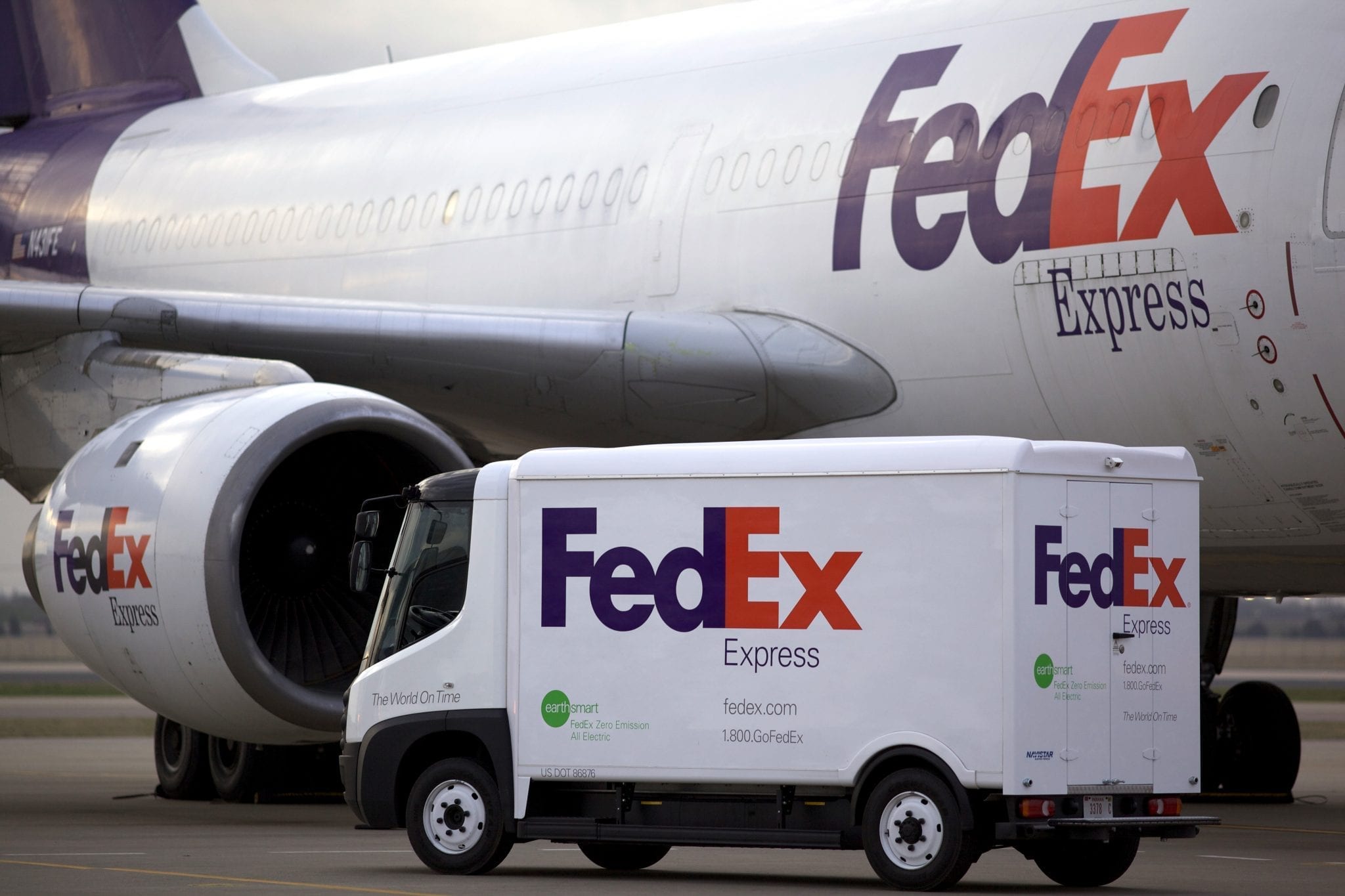
  • FedEx documents global citizenship efforts

    FedEx documents global citizenship efforts

    FedEx Corp. announced the online release of its 2017 Global Citizenship Report (GCR), which details how the company connects the world responsibly and resourcefully.  The annual report includes updates on the company’s strategies, goals, programs and progress in three key areas: Economy, Environment and People.  The report also includes statistics that track the progress of the company’s citizenship goals in fiscal year 2016, which ended on May 31, 2016.

    Highlights from this year’s report include:

    Economy
    FedEx invested more than US$46 million in 97 global communities in FY16 as part of its newly-launched FedEx Cares charitable giving program.  The goal of the initiative: invest US$200 million in 200 communities by 2020 to create opportunities and deliver positive change around the world.  Through FedEx Cares, the company advances entrepreneurship, creates employment pathways for underserved populations, enhances sustainable transportation, makes roads and pedestrians safer, and uses its global network to deliver resources where they are needed most.

    “We constantly challenge ourselves to tackle big problems, in our own backyard and on a global scale, whether it’s helping small businesses expand market reach or investing in communities to help address youth unemployment,” said Neil Gibson, vice president, Corporate Communications, FedEx Services.  “Everything we do to support local economies goes back to our purpose–connecting people and possibilities.”

    A diverse workforce, supplier base and culture enabled FedEx to better serve customers.  In FY16, the company spent US$9.2 billion with small, women-owned and minority-owned suppliers, a 37% increase from FY15.

    Customers who sought information about the company’s corporate citizenship and carbon emissions data as part of their purchasing process accounted for US$6.7 billion in FY16 revenue.

    Environment
    FedEx Express raised the stakes and revised its vehicle fuel efficiency goal.  The company set a new goal to increase vehicle fuel efficiency by 50% by 2025 from a 2005 baseline.  In FY15, FedEx Express met its goal of increasing vehicle fuel efficiency by 30% by 2020, which was achieved five years early.

    “FedEx is committed to advancing our vision of practical sustainability,” said Mitch Jackson, vice president, Environmental Affairs & Sustainability, FedEx Corp.  “Thanks to the innovation and commitment of our team members, we’re changing what is possible and making our goals a reality.”

    As of 2016, the company has more than 2,700 alternative fuel vehicles in its fleet, which is an increase of nearly 44% since FY15.

    FedEx also saved more than 153 million gallons of jet fuel in FY16 by continuing to modernize its aircraft fleet and improve operations.  That’s the equivalent of 230 Olympic-sized swimming pools.

    In FY16, FedEx avoided more than two million metric tons of carbon dioxide emissions through fuel and energy saving initiatives across the company, which is the equivalent to the carbon sequestered by more than 1.9 million acres of U.S. forest in just one year.

    Three new solar installations came online in FY16 bringing the total to 18, helping maintain the company’s ranking as one of the top corporate users of solar power in the U.S., according to the Solar Energy Industries Association.

    People

    Fortune again ranked FedEx as one of the “World’s Most Admired Companies”.  The survey measures nine attributes related to financial performance and corporate reputation.  This is the 17th consecutive year that FedEx has ranked among the top 20.

    Fortune also named FedEx as one of the “10 Best Workplaces for African-Americans.”

    FedEx supports team members who wish to give back to the communities in which they live and work.  In FY16, team members volunteered more than 93,000 hours in more than 500 cities worldwide.

    The company retained 88% of its full-time U.S. team members, up 8% from FY15.

  • Siemens to set up global logistics HQ in Dubai

    Siemens to set up global logistics HQ in Dubai

    Highlighting the importance of Dubai as a strategic logistics hub between East and West, North and South, Siemens has announced plans to set up its global logistics headquarters including its portfolio for airports, cargo infrastructure and ports in the emirate in the near future. The company will also target the site of Expo 2020 Dubai as the future location for this business after the exposition ends. The move supports the legacy aspirations of Expo 2020 Dubai, as well as the industrial and logistics developments in the emirate. Siemens sees great growth potential in the Middle East region and in the logistics market globally. The company expects this development to support its Vision 2020 and related logistics businesses, creating new growth opportunities globally.

    “This strategic decision highlights Dubai’s significance as a major player in global transport and logistics, with some of the world’s biggest airlines and ports operating in and around the emirate. Siemens wants to further expand its operations in order to be close to key customers and markets. The Expo site would be a perfect match, featuring state-of-the-art facilities, infrastructure and technology, coupled with enviable transport connections,” said Siemens’ managing board member and chief technology officer Roland Busch. “We are committed to contributing to Dubai’s economic development goals with the latest innovations in technology. By using digitalization and leveraging MindSphere, our open, cloud-based IoT operating system, we support growth and boost efficiencies in logistics.”

    The headquarters in Dubai would include Siemens’ competences in its portfolio fields for airports, cargo infrastructure and ports. All levels of value addition would be represented locally, including global management and strategy, innovation, digitalization software development, sales, assembly and production. The global logistics market is growing at a compounded annual growth rate (CAGR) of 7.5 percent, according to Transparency Market Research. In a recent report, Frost Sullivan estimated the

    UAE’s logistics sector will grow at a CAGR of 5.7 per cent between 2015 and 2020.
    Siemens has been operating in the UAE for more than 40 years across its different businesses, and currently directly employs 2,600 highly-skilled workers of more than 80 nationalities and enables more than 15,600 jobs in the country. Digitalization is one of the company’s key pillars, alongside electrification and automation, and is implemented across its portfolio. The company uses innovative digital technology to merge the physical and virtual worlds, harnessing data to create value for customers.

  • Kerry Logistics starts UK-China rail service

    Kerry Logistics starts UK-China rail service

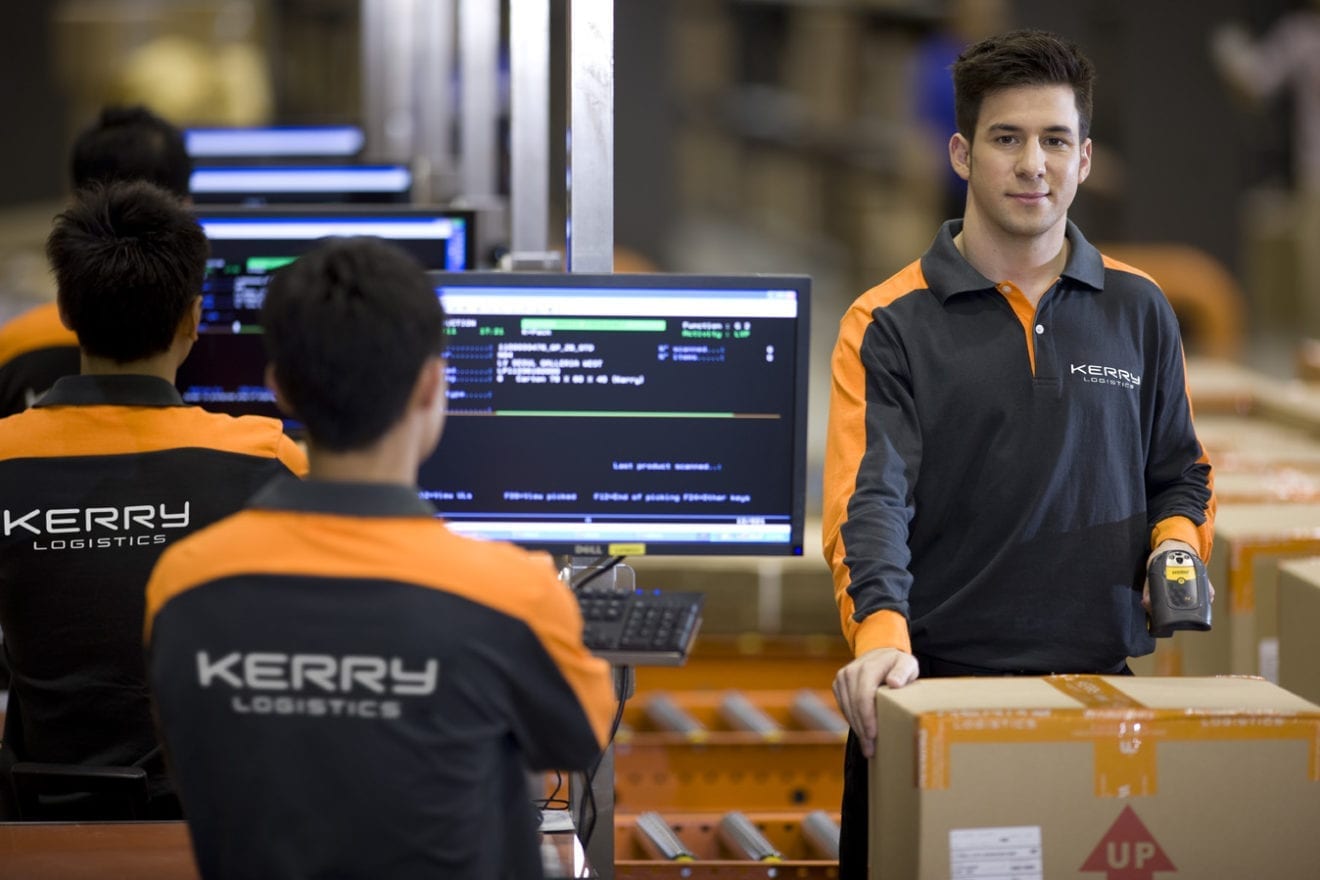
    Kerry Logistics Network participated in the commencement ceremony of the first eastbound freight train from London to Yiwu with the support of a long-standing customer for this service. The project is not only a significant step forward in the Group’s development strategy in line with the ‘One Belt One Road’ Initiative, but also a strategic move advancing the Group’s further expansion into the rail freight and multimodal services.

    The train, which departed on 10 April 2017 from London, is scheduled to arrive eastern China’s Yiwu in around 18 days. The 7,500-mile journey will pass through nine countries, including France, Belgium, Germany, Poland, Belarus, Russia and Kazakhstan. The freight cost is lower than that of air and ocean freight, while it is twice as fast as ocean transport.

    In August 2016, Kerry Logistics delivered a rail freight shipment of over 80 containers from Yiwu to Madrid, Spain, passing through eight countries in 19 days.

    London is the 15th European city and the latest destination added to the China-Europe rail network under the Belt and Road Initiative. The first freight train from Yiwu to London launched on 1 January 2017 took 18 days. It was mainly for carrying clothes, shoes and other consumer goods made in China.

    William Ma, group managing director of Kerry Logistics, said, “We are extremely excited to be the first Asia-based global 3PL to move eastbound freight from Europe along the One Belt One Road trade route, turning part of the roadmap into reality. We are committed to developing an overland transportation network for road, rail and multimodal freight services in China to Central Asia and Europe. We will leverage our global international freight forwarding network to provide end-to-end and cost-effective logistics solutions to connect China with Europe and Asia via air, road, rail and sea.”

    Kerry Logistics will continue to develop under the Belt and Road Initiative to create new form of transportation models, offering more options to customers across various industry segments.

  • K+N and Alibaba.com join hands to offer global logistics services

    K+N and Alibaba.com join hands to offer global logistics services

    Kuehne + Nagel announced a memorandum of understanding (MoU) with Alibaba.com, the B2B business arm of Alibaba Group, to offer global logistics services to customers of the Chinese e-commerce leader’s B2B business unit. Under the MoU, Kuehne + Nagel’s global logistics network and comprehensive capabilities will combine with Alibaba’s expertise in B2B e-commerce, to offer China-based shippers leading e-commerce logistics solutions.

    Since more than a year, Alibaba.com’s paid members in China have been able to instantly obtain quotations, book pickup and destination delivery services for airfreight consignments via Kuehne + Nagel’s digital solution KN FreightNet on Alibaba.com. The e-commerce relationship has already been extended to include less-than-container-load (LCL) solutions as well. Now, the strategic partnership will draw closer cooperation between the e-commerce giant and Kuehne + Nagel with intent to expand the scope of logistics services on offer in the near future to cover the various modes of transportation (air, sea, rail, overland) and contract logistics outside China.

    Steve Su, director of logistics at Alibaba.com, said: “We are pleased to partner with Kuehne + Nagel to offer our SME customers comprehensive logistics services, enabling them to capitalise on cross-border trade opportunities.”

    Wong Siew Loong, president North Asia Kuehne + Nagel, said: “We are excited to enter this MoU with Alibaba.com bringing together Alibaba’s e-commerce penetration with Kuehne + Nagel’s worldwide logistics capabilities. For Kuehne + Nagel, the establishment of this relationship is in line with our global strategy to digitalise logistics services in order to meet the evolving needs of customers today. We look forward to further developing this cooperation by expanding the scope of our e-commerce logistics offering to Alibaba customers in the future.”