Retail News CRM

Category: Logistics

Retail News Asia is committed to providing both local and global retailers with the latest Logistics news throughout the Asian market. This on a daily base.

  • Yusen Logistics taps into CargoSmart for ocean route planning

    Yusen Logistics taps into CargoSmart for ocean route planning

    CargoSmart Limited, a global shipment management software solutions provider that leverages big data for greater visibility and benchmarking, announced that Yusen Logistics Co., Ltd., a global supply chain logistics company, is using Route Master to gain insights to optimise its ocean route planning.

    Providing extensive information about 29 ocean carriers’ available services, Route Master helps Yusen Logistics discover the best routing options to prepare for carrier contract negotiations, make shipment plan recommendations to its customers, and establish routing guides for its internal teams based on the insights.

  • Vietnam logistics firms increase cross-border transport

    Vietnam logistics firms increase cross-border transport

    Amid a growing interest in Vietnam from global garment and technology companies, foreign logistics firms are expanding cross-border transport services between Vietnam, China, and other countries in the region to meet the growing demand.

    Dao Trong Khoa, head of the Vietnam Logistics Business Association’s (VLA) transport division, said at last week’s international seminar on cross-border transport (CBT) between Vietnam and China that CBT has great opportunities to develop.

    Khoa said these opportunities will be driven by the development of regional cross-border e-commerce and transport networks.

    Attention is focused on the development of Shenzhen-Hanoi-Bangkok, and Kunming-Lao Cai-Haiphong networks, which have promising full truckload (FTL) and less truckload (LTL) potential.

    So far, the Chinese-invested ZhenYang Logistics Group (ZYL), which focuses on the ZhenYang-Nanning-Hanoi route and routes between southern China and northern Vietnam, has opened offices in Hanoi and Lang Son province.

    ZYL is the first Chinese logistics firm that has been permitted to cross the border directly without any trans-load at the border.

    “We focus on electronics and high-tech products. Our customers are mainly foreign-invested firms such as Samsung, Foxconn, and global forwarders. We have witnessed the volume of containers grow from 70-80 containers a month in 2013 to 400 containers currently,” Nguyen Quang Tung, branch manager of ZhenYang Logistics Group, said.

    “As the demand continues to increase, ZhenYang is planning to develop LTL services to Vietnam in the third quarter of 2017, while also developing additional multimodal transportation hubs that link Vietnam, China and Europe,” Tung said.

    In another significant move to develop regional CBT routes, Malaysian-invested Overland Total Logistics Services Vietnam JSC (OTL)-which focuses on the Singapore-Malaysia-Thailand-Laos-Vietnam-China route-has partnered with Japan’s Yamato Transport to strengthen its market position.

    Trinh Manh Cuong, general manager at OTL, said “our volume of CBT goods has grown significantly, reaching 700-800 containers per month. We will invest in more facilities, open more hubs, and develop multi-model sea, rail, and cross-border road services in the future.”

    CBT between Vietnam and China is becoming increasingly more popular among international groups and Vietnamese firms alike. The popularity of this market is being driven by the expensive cost of air transport, and the huge risks inherent in sea-based routes.

    According to VLA’s statistics, in 2016, cargo shipped by land transit in Vietnam totalled 19,475 vehicle loads. Cargo shipments between China and Vietnam reached 107,600 loads. The shipping amount between China and Laos, China and Thailand, and China and others is estimated at 2,020, 128,000, and 1,076 loads respectively.

    Notably, cargo throughput at PingXiang and Huu Nghi rose from 1.1 million tonnes in 2013, to 1.5 million tonnes in 2015. At the same time, throughput at HeKou and Lao Cai rose from 650,000 tonnes in 2013, to 1.1 million in 2015.

    As Vietnam is now considered the destination for technology and garments by many multinationals, developing new transport routes has become a lucrative endeavour for CBT firms.

    Multinationals that are currently heavy users of CBT services are the electronics manufacturers Samsung Electronics, LG Electronics and its subsidiaries, Foxconn, Canon, and Foster and its subsidiaries.

    Heavy CBT players in the garment sector include Lear, Adidas, Nike, and Levis, while in the automotive sector Honda, Toyota, Yamaha, and GMV are the primary users of CBT.

    These groups have been expanding their investment in Vietnam, which has led to an exponential increase in their CBT usage.
  • DHL Supply Chain brings IoT to logistics

    DHL Supply Chain brings IoT to logistics

    DHL Supply Chain, the contract logistics specialist within the Deutsche Post DHL Group, forges ahead on its path of digitalization by implementing Internet of Things technology into warehousing to optimize operational efficiency and lay the foundations for safer work practices. Together with Cisco and start-up Conduce, DHL is testing the technology at three pilot sites in Germany, the Netherlands and Poland.

    The solution enables DHL to monitor operational activities in real-time through a responsive graphical visualization of operational data aggregated from sensors on scanners and material handling equipment, and DHL’s warehouse management system. Visualizing operational data with heat maps has changed the way data is analyzed and used at the pilot sites, and is expected to contribute to operational efficiencies and improve employee safety.

  • Rhenus expands global services in its sea and air freight business

    Rhenus expands global services in its sea and air freight business

    The process of internationalisation in the Rhenus Group’s sea and air freight business is continuing to gather pace. The company will increase the number of its business sites in the Asia-Pacific region by more than ten percent during 2017. Alongside Asia, Europe and South America are primary target markets this year. Rhenus is also aiming to improve the connections between air and sea freight and overland traffic networks by providing two new gateways.

    Six new offices, including two in the Philippines (Subic and Clark) and one branch each in South Korea (Busan), Indonesia (Semarang), Thailand (Rayong) and Singapore, have already been opened since the beginning of the year. Other business sites in China, Vietnam, Malaysia, Indonesia and the Philippines are due to follow. “We’re involved in a long-term growth course. We’re now continuing this process with our new business sites,” said Tobias Bartz at the “transport logistic” trade fair in Munich.

    Rhenus is planning to consolidate its network both in air and sea freight and overland services this year and offer new routes. Cross-border trucking, which Rhenus provides in Asia, is becoming increasingly important. However, Asia is not the only area of focus of the Freight Logistics business area.

    “Germany, France, Scandinavia, Eastern Europe and South and Central America are also interesting markets for us,” said Tobias Bartz. Rhenus Air has been offering joint customer solutions involving different modes of transport in conjunction with Rhenus Intermodal Systems since April.

    Another goal involves connecting the air and sea freight sites more closely with the Rhenus overland traffic network. Rhenus is opening a sea freight gateway in Germany at Hilden near Düsseldorf this summer, where consignments from all over Europe will be consolidated and shipped via the ports in the west and south of the continent in future. During the course of the year, another consolidation point for air freight consignments is due to open at Frankfurt Airport.

  • Auchan renews contract with DHL

    Auchan renews contract with DHL

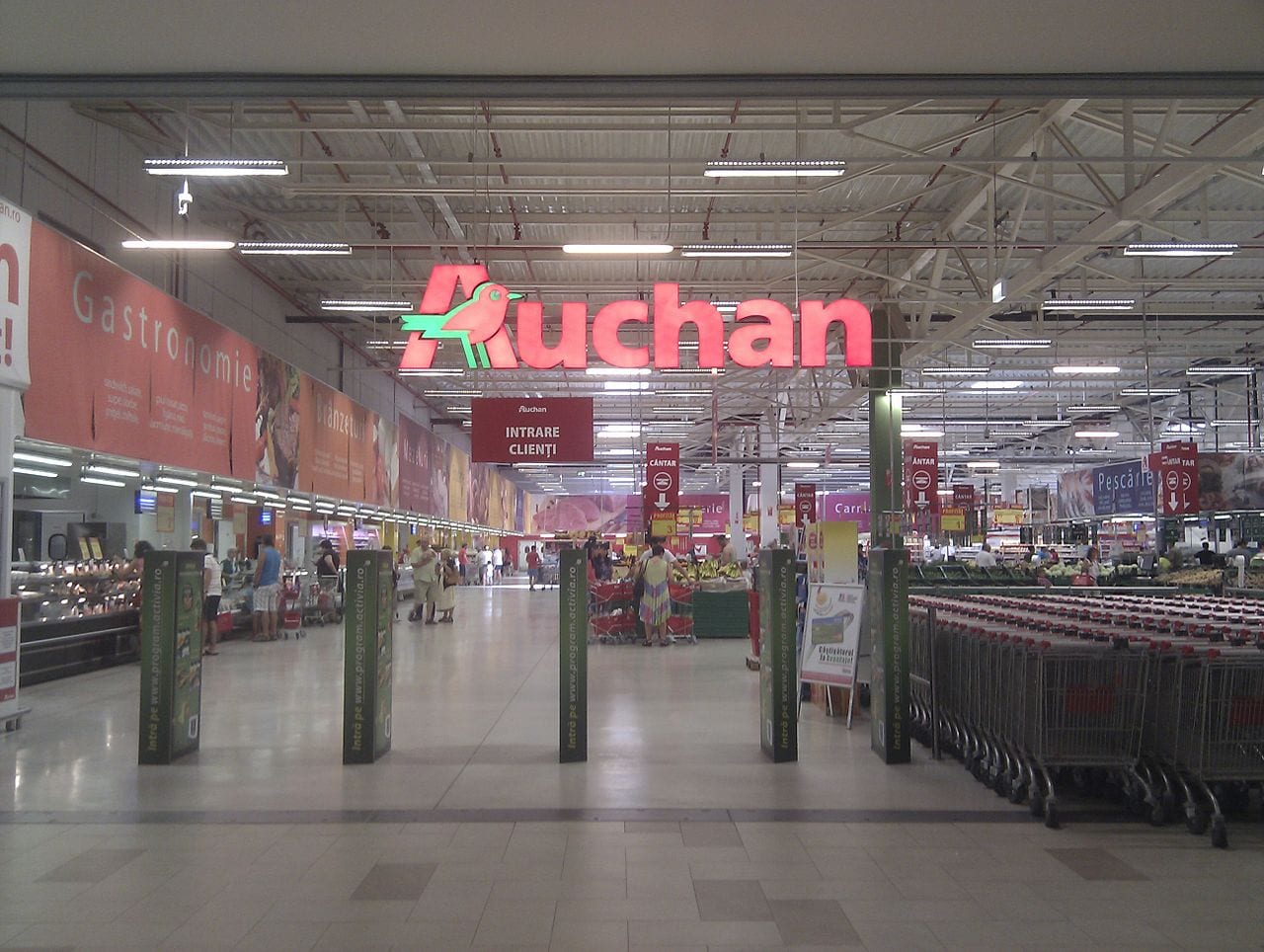
    European supermarket operator Auchan Retail has renewed its contract with DHL Global Forwarding for the management of its inbound supply chain operations.

    As part of the renewal, DHL International Supply Chain will continue to provide purchase order and vendor management, origin consolidation and destination coordination services.

    Auchan Retail is the second largest supermarket operator in France, present in 16 countries in Western, Central & Eastern Europe, Asia and Africa with 3,836 hypermarkets and convenience stores.

    DHL currently manages more than 17,000 TEUs yearly for Auchan from origin countries such as China, Vietnam and Bangladesh to 14 destination countries including France, Russia and Senegal.

    “Our dual dedicated control tower structure – Hong-Kong at origin and Dunkirk in France, at destination – remains a key factor of successful coordination of day to day operations with customer’s teams in Asia and France; it ensures on-time arrivals of Auchan’s shipments using the most cost effective mode. DHL’s dedicated account management team holds the relationship with Auchan and drives the supply chain development agenda,” said Pascal Zakarias, Head of Operations DHL International Supply Chain France.

    Auchan Retail International’s Head of Operations Catherine Hennart added: “Auchan has benefited from the partnership with DHL for nine years now and we want to continue benefiting from their experience which will help us maintain our position in the retail market by allowing us enhanced visibility on our processes and continued reductions on operating costs thanks to DHL International Supply Chain’s constant effort.”

  • DBS to reduce carbon footprint in 3-year partnership with DHL

    DBS to reduce carbon footprint in 3-year partnership with DHL

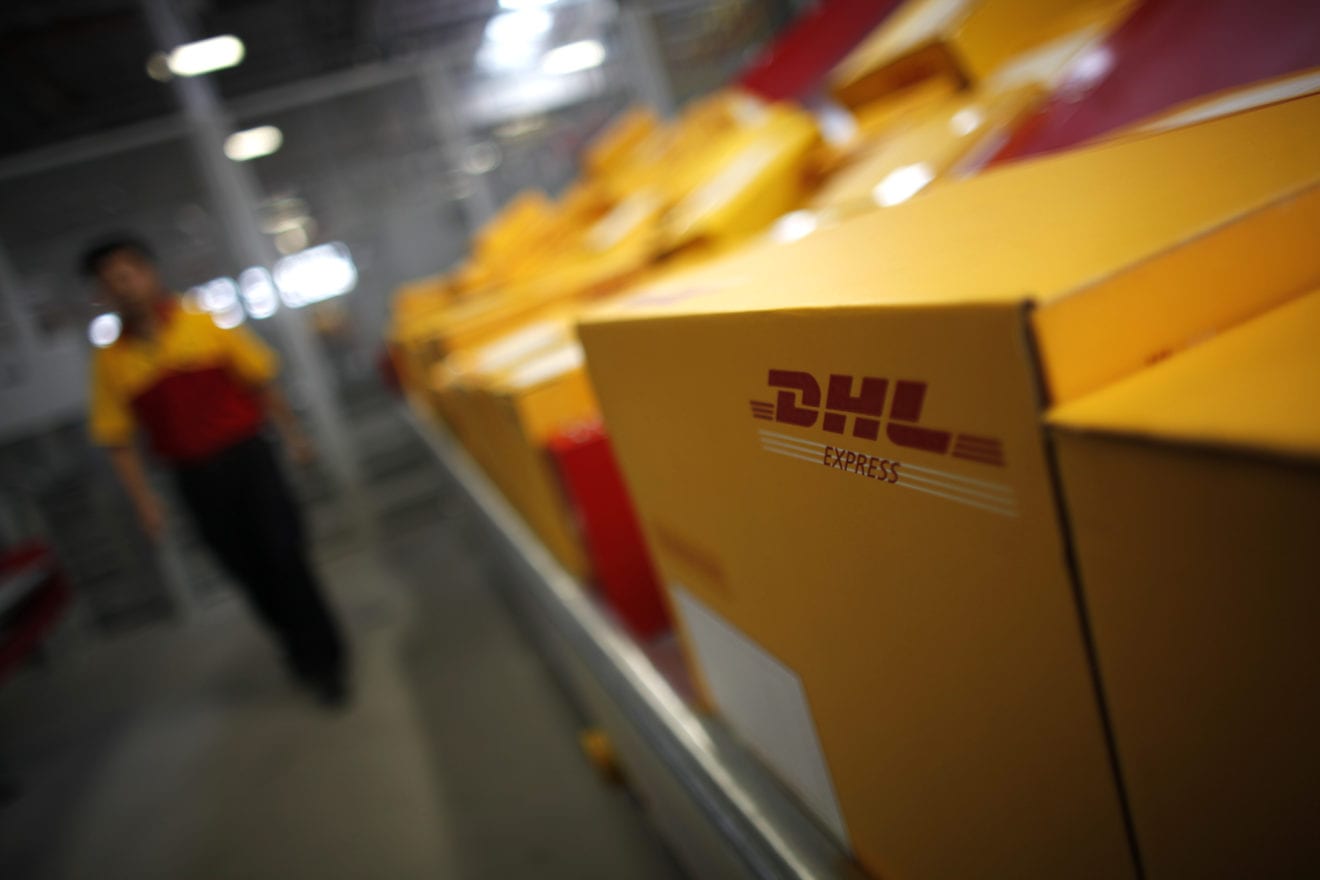
    DBS Bank will partner logistics company DHL Express Singapore to reduce its carbon footprint, according to a joint press release by the two firms on Tuesday.

    The three-year partnership will enable the bank’s global express shipments to become carbon neutral through DHL’s proprietary GoGreen Climate Neutral Service.

    Singapore’s largest bank will utilise the eco-friendly patented solution provided by DHL to calculate and estimate the carbon dioxide emissions of every DBS shipment based on weight and distance travelled.

    The emissions are then offset through reinvestments by the DHL carbon management programme into global climate protection projects. The entire process will be verified by an independent third party for accountability.

    “We believe that we have a role to play in promoting sustainable development,” said Ms Donna Trowbridge, group head of procurement services at DBS Bank.

    “Participating in this innovative initiative is another step we are taking to actively manage our carbon footprint, complementing ongoing efforts to cut our carbon emissions such as incorporating sustainable designs and practices into our offices and branches.”

    At the end of each year, DBS will receive an annual certificate that details the estimated carbon emissions from its GoGreen shipments that were neutralised in environmental protection projects.

    Examples of the global climate protection projects that are part of the carbon management scheme include a biomass power plant in India and wind farms in the eastern and north-central regions of China.

    “As large global companies, we have the power to make huge waves not only in the economy but also in the well-being of societies and the environment. Hence, we are obligated to utilise business practices that ensure both quality of service and future of our green environment,” said Mr Frank-Uwe Ungerer, senior vice-president and managing director of DHL Express Singapore.

    In 2016, DBS’ carbon emissions across its offices and branches in six key markets — Singapore, Hong Kong, China, India, Indonesia and Taiwan — fell by 4 per cent, said the bank.

    Other efforts to cut down on the bank’s carbon footprint include reducing air travel by encouraging video-conferencing and online collaboration tools.

    DBS was the first bank in Singapore to achieve the Green Mark certification endorsed by the National Environment Agency for its branch network in Singapore.

    The DHL GoGreen policy is part of the international group’s commitment to contribute to the communities and regions in which the company operates, and covers environmental management, waste consumption and sustainable sourcing.

    In Singapore, DHL Express tracks its annual carbon emissions and is the official logistics partner of the e-waste recycling Renew programme.

  • SF Express opens branches in Vietnam and Thailand

    SF Express opens branches in Vietnam and Thailand

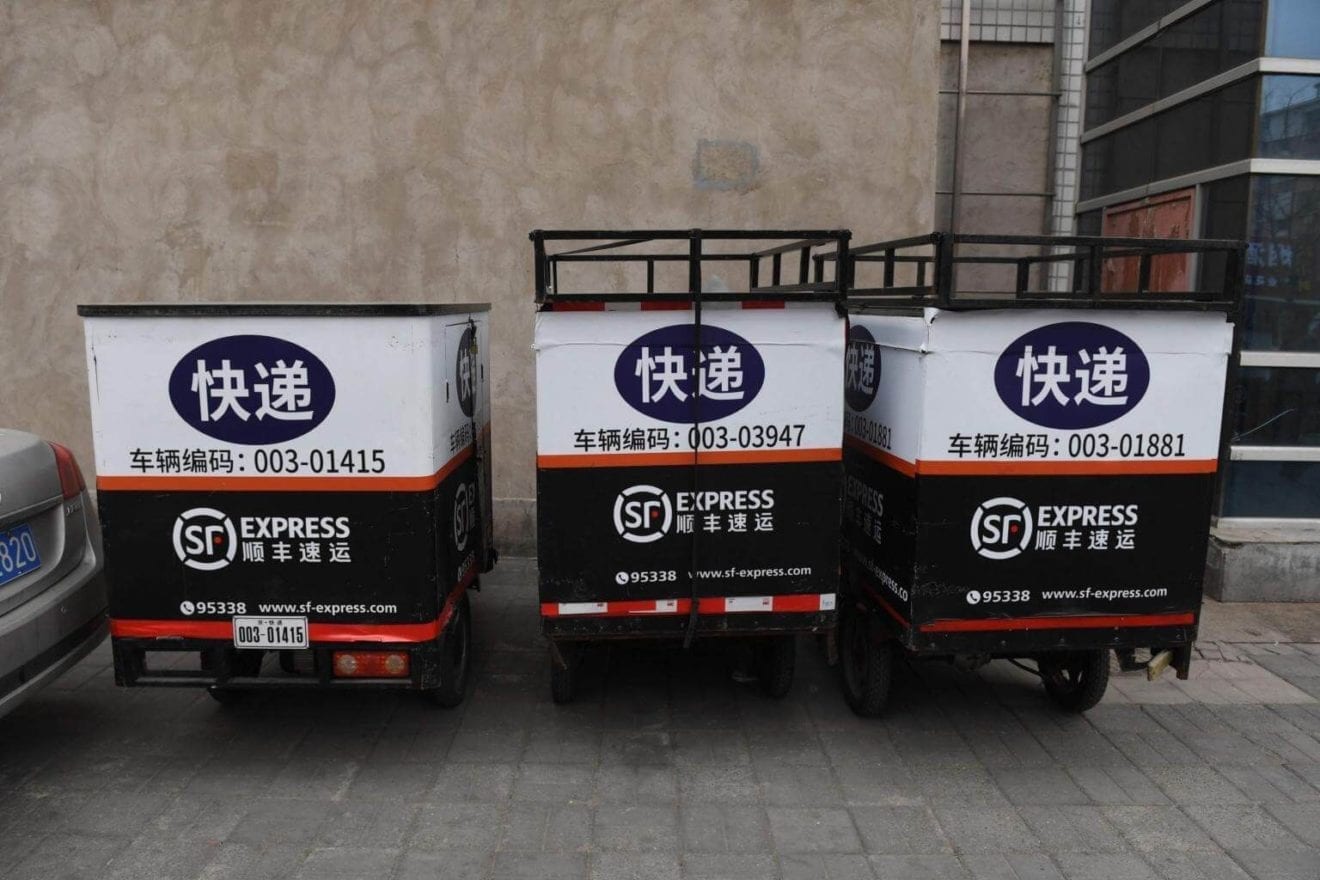
    SF Express, a subsidiary of SF Holdings, a Shenzhen, China-based express delivery firm, recently announced that its service centers in Vietnam and Thailand have formally opened for business, providing export and import express delivery services to local companies and individuals.

    The opening of the two offices are further evidence of the company’s continued efforts to invest in and expand its network in the ASEAN region, on the heels of the opening of service centers in Singapore and Malaysia.

  • Anchanto raises funds to expand its Southeast Asia e-commerce network

    Anchanto raises funds to expand its Southeast Asia e-commerce network

    Anchanto, a Singapore-based e-commerce logistics and selling platform, announced that Luxasia Group (Luxasia), Asia’s leading omnichannel retailer, and transcosmos inc. Japan (TCI), a TSE-listed global end-to-end e-commerce enabler, have made investments to be part of Anchanto’s growth story and offer overall partner services across its network.

    This partner round exemplifies the confidence that two of the largest players in the Asian e-commerce domain have in Anchanto’s current and future business plans.

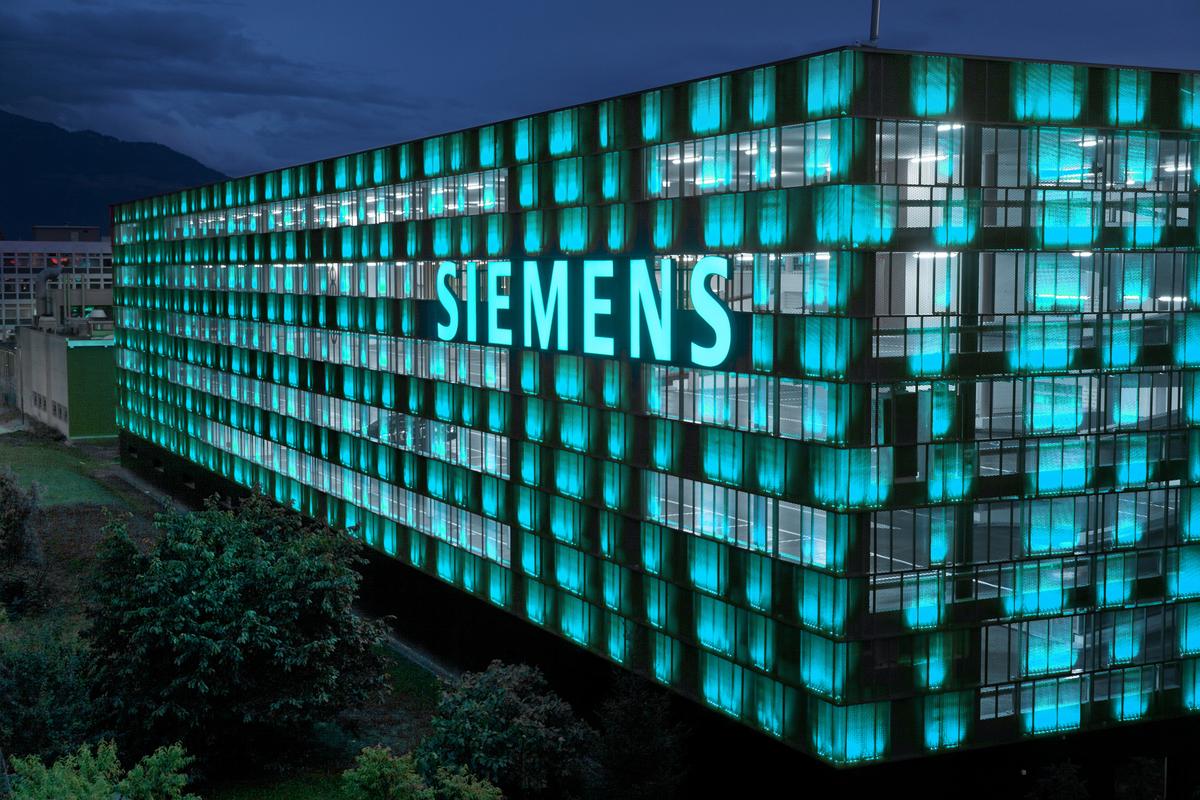
  • Siemens partners with MMH to provide technology for Myanmar’s ports

    Siemens partners with MMH to provide technology for Myanmar’s ports

    Myanmar Mahar Htun (MMH) to provide technology and solutions for Myanmar’s busy ports with ever-increasing requirements. Through this collaboration, MMH will equip ports with cranes that feature Siemens’ technology, which would enable them to upgrade their services, enhance safety features and improve productivity. This is in alignment with the focus of Myanmar Port Authority (MPA) to increase capabilities of the country’s port facilities.

    Myanmar, with its strategic location that is connected to key regional markets China and India, and bordering three other Asian countries, Bangladesh, Thailand and Laos, currently is able to handle around 20 small tankers with around a total of 220,000 deadweight tonnes (DWT). This number is set to further rise with the expansion of its ports. In particular, its Yangon port is expected to handle ships with maximum of 50,000 DWT, putting it in front of ports in other Southeast Asian markets.

    Christian Beckers, head of business development, Digital Factory and Process Industry and Drives, Siemens Myanmar and Cambodia, said: “Growing demand for quality goods plus increase in trade and investments will create new opportunities for expansion of Myanmar’s port and logistics sector. Hence, it is important for the terminals to be equipped with the ability to handle the surging amount of imports and exports expected in the coming years.”

    “Siemens’ innovative technologies can enhance productivity, energy efficiency and flexibility while at the same time fulfil the highest international safety standards and increased competitiveness in the market. Along with MMH and the MPA, we aim to enhance port optimization to reliably handle increased traffic and trade volumes,” he continued.

    Yamon Win, executive director, Myanmar Mahar Htun Co., Ltd said: “Through our solid joint partnership, Siemens and Myanmar Mahar Htun Co. Ltd are able to provide a value-added product range which comprise of a combination of totally integrated and complete range of technologies and tailor-made solutions as well as local contact support for our customers in Myanmar. Our aim is to make Myanmar’s ports more efficient as they expand, and this will in turn make the country more competitive on a regional level, and all the more attractive to investors and operators.”

    Cranes are indispensable for transporting loads in terminals, industrial operations and shipyards. Wherever they are used, they must operate with the greatest performance and safety, as well as optimal availability, reliability, maintainability and cost-effectiveness.

    To underline their commitment to the industry in Myanmar, Siemens and MMH have also recently organized a seminar for their customers to discuss challenges faced by different terminals and identify potential solutions to address these challenges. The seminar, which was also organized with the support of MPA, enabled Siemens to showcase how its technology would enable the companies to enhance their offerings to meet with current and future industry demands.

  • Changi Airport Group names DHL Partner of the Year

    Changi Airport Group names DHL Partner of the Year

    Changi Airport Group (CAG) recognized its top airline partners at the Changi Airline Awards 2017, where a total of 25 awards were presented to airlines whose efforts over the past year contributed significantly to the growth and development of the Singapore air hub.

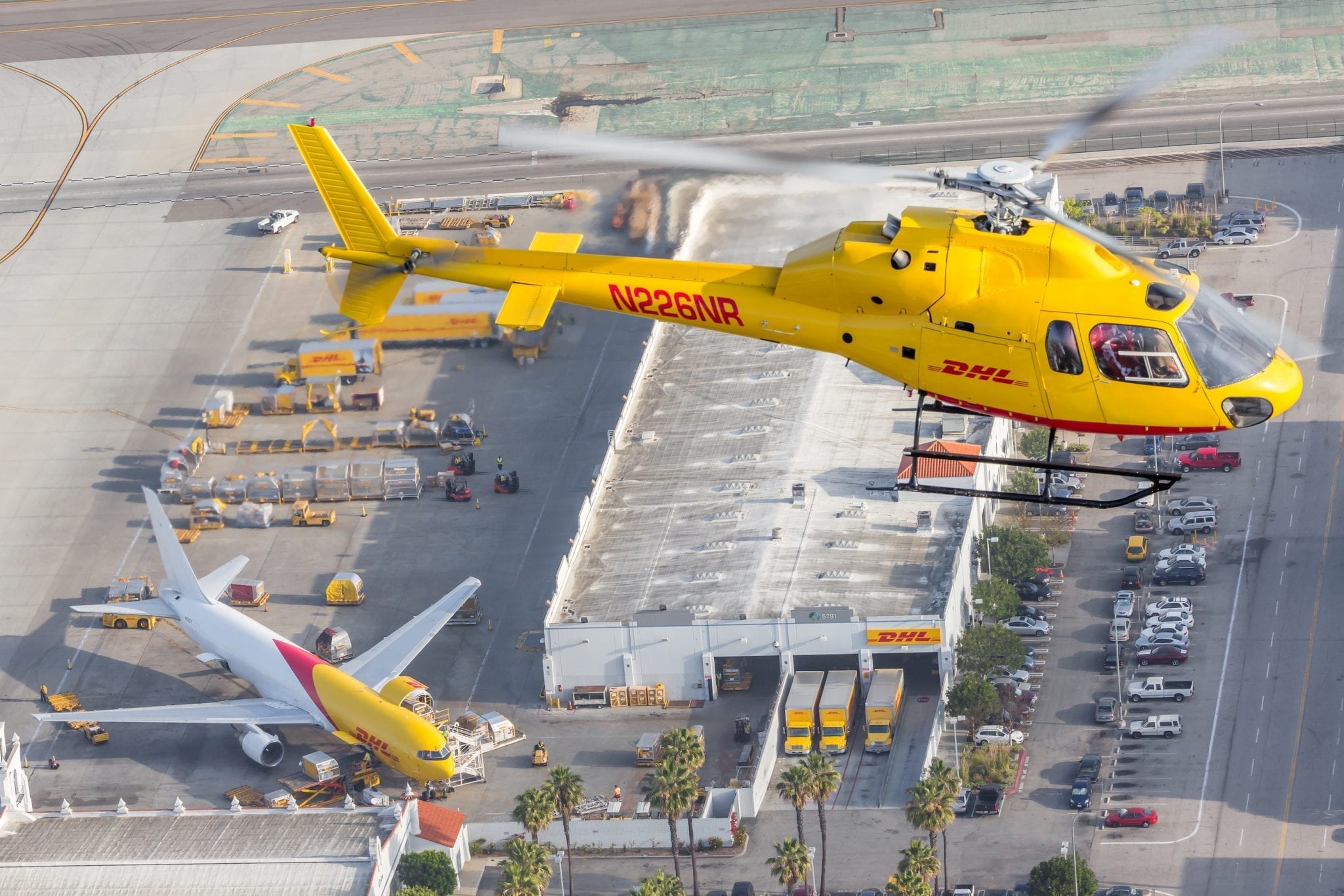
    The Partner of the Year award was presented to DHL Express, in recognition of their strong partnership with CAG to grow and strengthen Changi Airport’s air cargo hub status. DHL Express launched their fully-automated South Asia Hub at Changi Airfreight Centre in October 2016, which tripled their cargo handling capacity to 628 tonnes during the peak processing window, and increased their parcel-sorting speed by six-fold  to 24,000 shipments and documents per hour.

    DHL Express also added new flights through its joint venture (JV) airlines and other airline partners. Last year, with the expansion of the DHL Express operations, Changi Airport welcomed Neptune Air and the return of K-Mile.  As of April 2017, the company’s JV and partner freighter flights at Changi Airport totalled over 30 weekly services or about 12% of Changi’s total weekly freighter services.

    Sean Wall, Executive Vice President, Network Operations and Aviation, DHL Express Asia Pacific said, “The successful launch of our South Asia Hub last year was made possible thanks to the close collaboration we had with Changi Airport Group as well as the Singapore Government. As the heart of our DHL network in South and Southeast Asia, the South Asia Hub in Singapore has allowed us to add more network flights in and out of the country to meet our customers’ needs, and to further capitalize on the country’s prime position for regional and global trade. Singapore remains a strategic node in our global network and we are honored to be named Partner of the Year by the Changi Airport Group.”

    Speaking at the awards event, Mr Lee Seow Hiang, CEO of CAG said, “As we celebrate our successes, we will continue to transform Changi Airport, in preparation for challenges in the future. We will do so by catering supply for future growth, as well as working with our partners to grow sustainable demand for aviation services. Mr Lee mentioned the Airport Collaborative Decision Making (ACDM) initiative as an example of Changi Airport adding capacity to the existing airport eco-system. He said, “ACDM was only possible with the strong support and commitment of all our airline, ground handling and airport partners. As a result, there has been a reduction of 90 seconds in the average taxing time for departing flights during peak hours, translating into fuel savings for airlines.”

    2016 was a positive year for the aviation industry, with lower oil prices offering some respite amidst a highly competitive environment. Changi Airport saw a record-breaking 58.7 million passengers passing through its gates, a growth of 5.9% year-on-year. Changi also welcomed four new airline partners and eight new city links during the year. The airport is on track to receive 60 million passengers in 2017.

  • DHL Parcel offers Alexa interaction

    DHL Parcel offers Alexa interaction

    DHL Parcel’s customers can now use Amazon’s digital smart speaker “Alexa” for updates on their parcels’ delivery status and location.

    “We want to continually expand and improve service levels for our customers, so of course we’re going to take a close look at any new and innovative technologies available. As an innovation leader in the industry, this is the standard we set for ourselves,” said Michaela Lukas, who heads DHL Parcel’s customer service for private customers. “Voice enabled technologies, including hands-free interaction with online apps, will become more and more prevalent in the future.”

    Depending on user feedback, DHL plans to extend the new voice-controlled service later this year to include information on outlet locations, opening hours, products and prices.

    A number of other delivery companies- including DPD – have also been rolling out applications for Alexa on the Amazon Echo and Amazon Dot platforms.

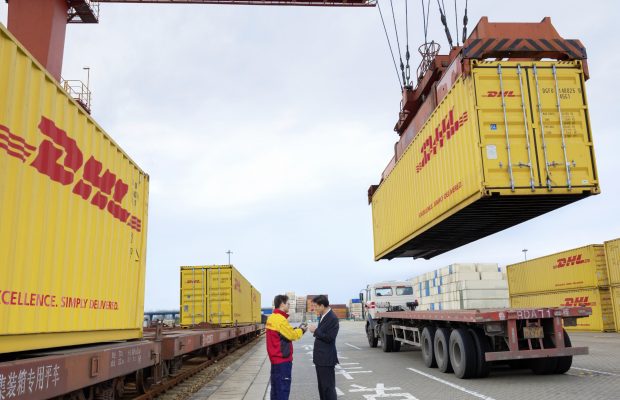
  • DHL opens China Rail Competence Center

    DHL opens China Rail Competence Center

    HL Global Forwarding has opened a central China Rail Competence Center in Stuttgart to help with the coordination of freight transported between Germany and Asia by rail.

    Rail freight volumes between Germany and Asia have increased 10-fold in just one year. In order to meet ever-increasing demand, the onus is on us to grow, optimize processes and create synergies. It is for this very reason that we decided to establish a central China Rail Competence Center,” said Volker Oesau, CEO DHL Global Forwarding Germany and Central Europe.

    In a statement issued today (8 May), DHL said that staff at the Stuttgart Rail Competence Center will develop “appropriate multi-modal transport solutions and coordinating end-to-end transport processes, from collection, export and transit formalities, and the Euro-Asian rail service, right through to customs clearance in the land of arrival and delivery by truck or combined rail transport”.

    DHL Global Forwarding current offers 15 rail connections between Germany and the Far East. The trains follow the course of the trans-Kazakh western corridor and the trans-Siberian northern corridor with a network of rail hubs in the major economic centres of China, Taiwan, Japan and South Korea.

  • Why supply chain integration is crucial in the Industry 4.0 era

    Why supply chain integration is crucial in the Industry 4.0 era

    Local Motors is a carmaker with a difference. Rather than following the traditional vehicle design process, the Arizona-based micro-multinational instead crowd-sources its car designs from an online community. Once the design is chosen, the company harnesses advances in translating data from the digital to the virtual world to build cars almost entirely by 3D printing. This innovative process enables it to build a completely new model of car from scratch in just one year – far less than the industry average of six.

    This is a great example of the revolution that is sweeping the world of manufacturing. Not since the ‘lean revolution’ of the 1970s, often dubbed the ‘third industrial revolution’, have such radical changes been made to the way production is designed, monitored and executed, and the repercussions of this sea-change are being felt all the way down the value chain right into the hands of the end-customer. Today’s always-on, e-commerce-driven global economy is creating a brave new world known as the fourth industrial revolution, or ‘Industry 4.0’ – and businesses need to rapidly adapt  to avoid being left behind.

    Industry 4.0 is shorthand for applying new, digitally-driven capabilities to manufacturing and at each subsequent stage in the value chain. At its simplest, it can mean applying technology to a single stage in the chain – a gold mine in Africa leveraged big data from its sensors to discover an irregularity at a particular point in its production process, for example. Fixing this increased yield by 3.7 percent – or US$20 million – each year.

    However, to realize the full potential of Industry 4.0, companies are looking more holistically at their value chains. With four decades of experience in supporting customers’ supply chains, our business is uniquely positioned to observe how these changes are impacting supply chains everywhere. I believe that a rethink of supply chain management is needed if manufacturers and retailers are to successfully harness the possibilities of Industry 4.0.

    Making supply chains customer-centric

    Once viewed purely in terms of its potential to yield cost efficiencies, supply chain management has evolved. Thanks to big data analytics and changing customer expectations, demand forecasting is more sophisticated. This means that modern supply chains now have a vital additional role in ensuring customer satisfaction and retention.

    To achieve this goal, logistics now needs to work across the company from the front-end to the back-end, seamlessly integrating production, inventory, marketing, sales, payments, distribution and product returns to optimize the supply chain model that balances cost efficiencies with keeping customers happy.

    Embracing innovation

    Achieving this degree of integration is complex – in a recent research study, only 7 percent of business executives believed they had created fully-integrated businesses that could be regarded as Industry 4.0-ready. Access to the right technology is only one part of the puzzle; businesses also need a culture that embraces innovation and a workforce – from c-suites to general staff – that is willing to innovate to drive change.

    However, these barriers to implementing an Industry 4.0-ready supply chain have to be weighed against the potential benefits – and when they are, an almost unassailable business case emerges in favor of making the leap for businesses large and small. Consider the aircraft maker Airbus. The company has invested significantly in creating a “Factory of the Future” by building aircraft in virtual reality, with production lines that include computer-suited personnel and robots working side by side. As a result of these changes, which the company dubs ‘smart production’, Airbus is able to keep pace with increased demand, and also now manufactures its products in a more sustainable way.

    Moreover, the benefits of Industry 4.0. are certainly not confined to large multinational corporations. Closer to home, China-based furniture retailer Markor realized that it could innovate its supply chain to identify trends in customer purchasing behavior. The company created a smartphone app that interrogates big data to identify these trends, then make personalized recommendations to customers on product designs. Using mobile devices, sales staff can show products demos and 3D images of custom furniture. When sales are made, customer preferences and purchase details are saved automatically, and the company uses the information to drive future business.

    The next frontier for competition

    Of course, these are just some examples of technology overhauling the supply chain. Touch-screens, robotics and augmented reality can all be orchestrated to achieve value-creating supply chains capable of responding automatically to changes in end-demand. The central question is not what technology is harnessed, but whether you work with the right manufacturing, technology or logistics providers to enable your supply chain to be truly integrated and demand-driven.

    Get it right, and you’ll be on the way to achieving efficiencies, reduced time-to-market, cost savings, improved productivity and revenue gains. Despite the substantial investment involved, more than half of the respondents in a recent Industry 4.0 global survey anticipated return on investment in just two years.

    In a world where business is increasingly transacted digitally, preparing your supply chain for Industry 4.0 represents the next frontier in the battle for competitive edge.

  • DHL launches e-commerce services in Malaysia

    DHL launches e-commerce services in Malaysia

    DHL e-Commerce has launched its domestic delivery operations in Malaysia, as online shopping gets set to grow rapidly in the Asian nation.

    The investment, from the German-based division of global logistics company Deutsche Post DHL Group, includes a 48,000-square foot distribution centre in Puchong, depots in other critical urban areas such as Penang, Johor Bahru, Cheras and Puchong, and a fleet of 2-wheel and 4-wheel vehicles.

    According to a press release, DHL’s end-to-end domestic delivery solutions will offer pick-up services, track and trace, reverse logistics, cash on delivery with daily remittance and call centre capabilities for deliveries within Malaysia. DHL aims to provide timely delivery and predictive, secure delivery, it said in a statement.

    “E-commerce has become a way of life for Malaysians, with 47% already using their smartphones to shop online,” said Malcolm Monteiro, CEO, Asia Pacific, DHL e-Commerce.

    “Approximately 7 million are already shopping online every month, and with the industry expected to grow to €1bn by 2020 in Malaysia and globally to $1trn in the same year, businesses need high-quality logistics solutions to leverage this immense growth and meet the rapidly changing needs of online shoppers. This makes the need for a tailored e-commerce delivery service greater than ever before.”

    The Malaysian government has more recently been driving e-commerce growth through schemes such as the National E-commerce Strategic Roadmap and the new Digital Free Trade Zone, added Monteiro.
    “Logistics is a key component of this ecosystem, and e-commerce is a vital component of the growth agenda, so we will continue to invest in e-commerce here and worldwide,” he said.

    The Malaysia debut comes as DHL continues to expand its reach in Asia. In March, the company opened a new Fulfillment Centre in Hong Kong, adding to its global fulfillment network in U.S, Mexico, India, Europe and Australia.

    Elsewhere, in December 2016, the firm launched DHL Express Thailand, in a bid to capitalise on the nation’s growing e-commerce business.

  • Efacec Handling Solutions is now Consoveyo

    Efacec Handling Solutions is now Consoveyo

    Consoveyo, a global expert for automated material handling and storage systems, officially announces its name change. Formerly known as Efacec Handling Solutions S.A. (EHS), Consoveyo previously belonged to the Efacec Group, the largest Portuguese corporation in the field of electromechanics and electronics, with a strong presence across various international markets.

    Acquired by the international technology group, Körber AG, Consoveyo has been part of the Group’s Business Area Logistics Systems since September 2015. All subsidiaries under the company in Europe and Asia will now bear its new name. In Southeast Asia, Consoveyo Singapore Pte. Ltd. will continue to provide automated systems support to its customers in the region.

    Alluding to the Portuguese words, ‘aconselhar’ (for consulting), ‘consenso’ (for consent), and ‘consolidar’ (for strengthening and reinforcing), Consoveyo pays homage to the company’s origins in Porto, Portugal, and underlines the company’s competencies and engineering expertise. Consoveyo is also associated to the word ‘convey’ in English, which describes the act of transporting products, communicating, and advising. The new name aims to bind Consoveyo together with the other brand names within the Business Area Logistics Systems, to achieve better synergy within the Körber Group.

    With more than 30 years of experience, Consoveyo is a global leader for automated material handling and storage systems. The company will continue to supply its customers in Europe and Asia with automated systems for intralogistics.

    “The name change symbolizes an important milestone of our integration into the Business Area Logistics Systems and the Körber Group,” Jorge Couto, Chief Sales Officer at Consoveyo, explained. “Being part of this economically strong and successful Group provides Consoveyo with sustainable and comprehensive future growth prospects – both as a business and as an employer. Our staff are excited about the prospects of this new chapter, where we can leverage on the Group’s international customer network, technologies, and the know-how of our sister companies within the Körber Logistics Systems, all while giving back by supporting them with Consoveyo’s solutions and business relations.”