Retail News CRM

Category: Logistics

Retail News Asia is committed to providing both local and global retailers with the latest Logistics news throughout the Asian market. This on a daily base.

  • Amazon launches direct air delivery from US to Zhengzhou

    Amazon launches direct air delivery from US to Zhengzhou

    Amazon has begun its direct air delivery service to Zhengzhou – the capital of central China’s Henan Province.

    Carrying close to one thousand different products each, the planes will embark to China from New York, Chicago and Los Angels – arriving at Zhengzhou Xinzheng International Airport.

    Employees of Amazon logistics services provider WherExpress, told Xinhua news agency that Zhengzhou Xinzheng International Airport offers efficient logistics services to cross-border e-commerce platforms including a swift customs clearance. From here, imports will now be distributed nationwide, reported the news source.

    The US online retail giant made the air delivery decision as more Chinese consumers are shopping online with Amazon, ordering thousands of items including food, clothes and household appliances.

    Talking about China, Amazon had said in March that it was “currently developing the air cargo service and will introduce it soon.”

    The airport in Zhengzhou posted 275,000 tonnes of throughput of imported cargo in 2016, which included imported fruit, aquatic products, meat and live Australian cattle.

    Amazon has been in China since 2004 when it bought the country’s biggest online bookseller Joyo.com for $75 million.

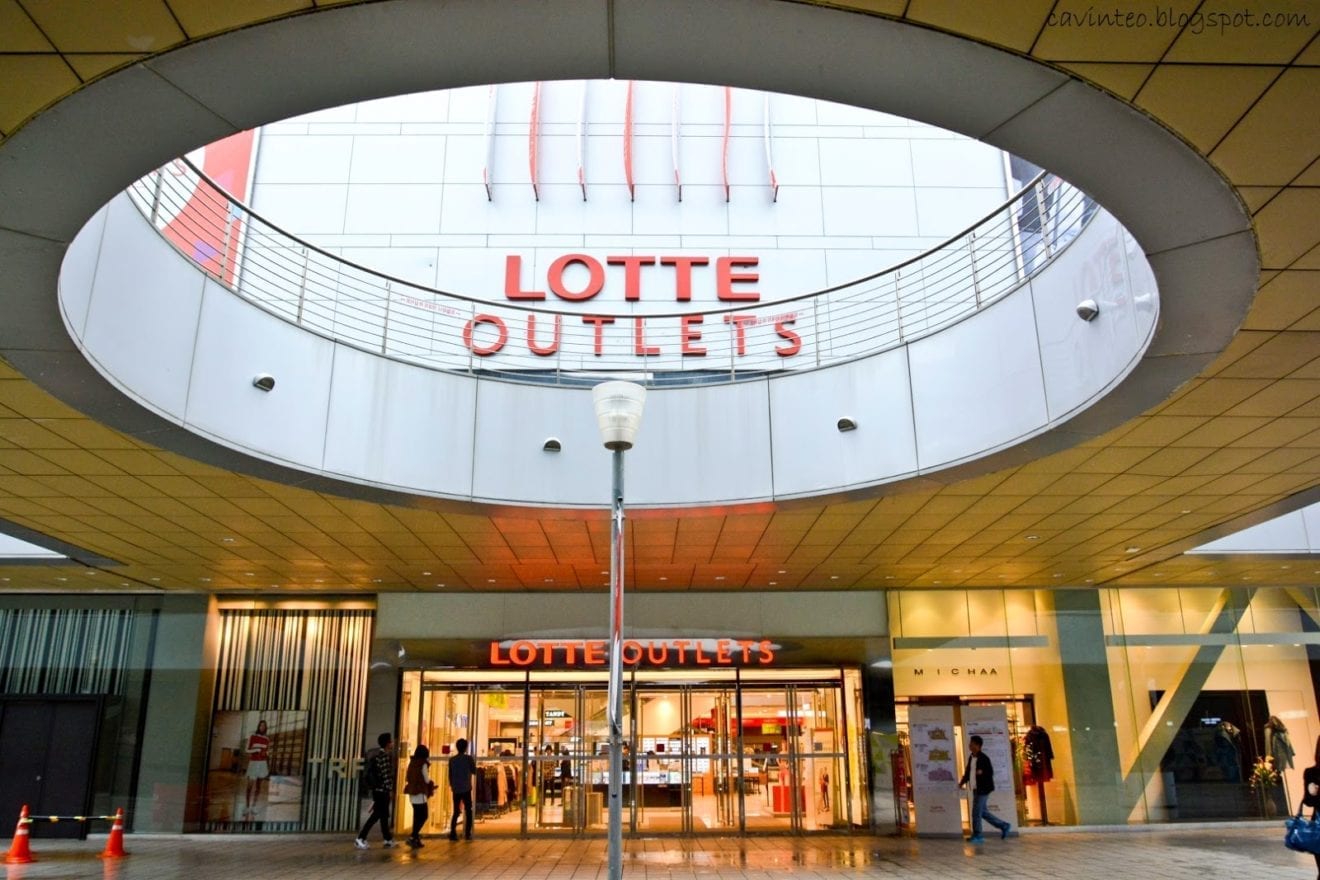
  • Lotte Duty Free taps Vietnam with new airport outlet

    Lotte Duty Free taps Vietnam with new airport outlet

    Lotte Duty Free, South Korea’s top duty-free operator, said it has set up a new outlet at a Vietnamese airport, making a foray into the Southeast Asian market.

    Lotte clinched a joint venture deal with a Vietnamese counterpart to co-run Phu Khanh Duty Free at the Da Nang International Airport, it said in a statement. The South Korean firm owns a 60-percent stake in the airport duty free. The official opening is slated for August, with only part of the shop currently operational. It sells perfume, cosmetics, food & beverage and liquor.

    Da Nang is one of the most popular holiday destinations among South Koreans. PHU KHANH Duty Free shop is located in the new Danang airport, which has been newly expanded due to the recent increase in visitors, and the international flights are on the way to accommodate 4 million passengers per year.

    Korea’s duty-free marketis suffering from a 30-40% decrease in sales due to the due largely to a void in Chinese visitors following Beijing’s trip restriction. Last month, the number of foreign visitors to Korea’s duty-free shop reached a record low this year, falling below 1 million. The number of foreigners who visited Korea’s duty-free shop in April dropped by 40 percent from 1,682,223 in January to 99,806.

    The launch of its Vietnamese duty-free shop underscores Lotte’s push to expand its overseas foothold. Lotte is the third-largest duty-free operator in the world, after Swiss-based Dufry A.G. and DFS of the United States.

    It is the first Korean duty-free operator to have tapped Vietnam.
    Lotte Duty Free said it is planning to open another city branch in Bangkok this month. It currently runs airport stores in Indonesia, Japan and Guam.

  • Honeywell unveils new Connected Freight solution

    Honeywell unveils new Connected Freight solution

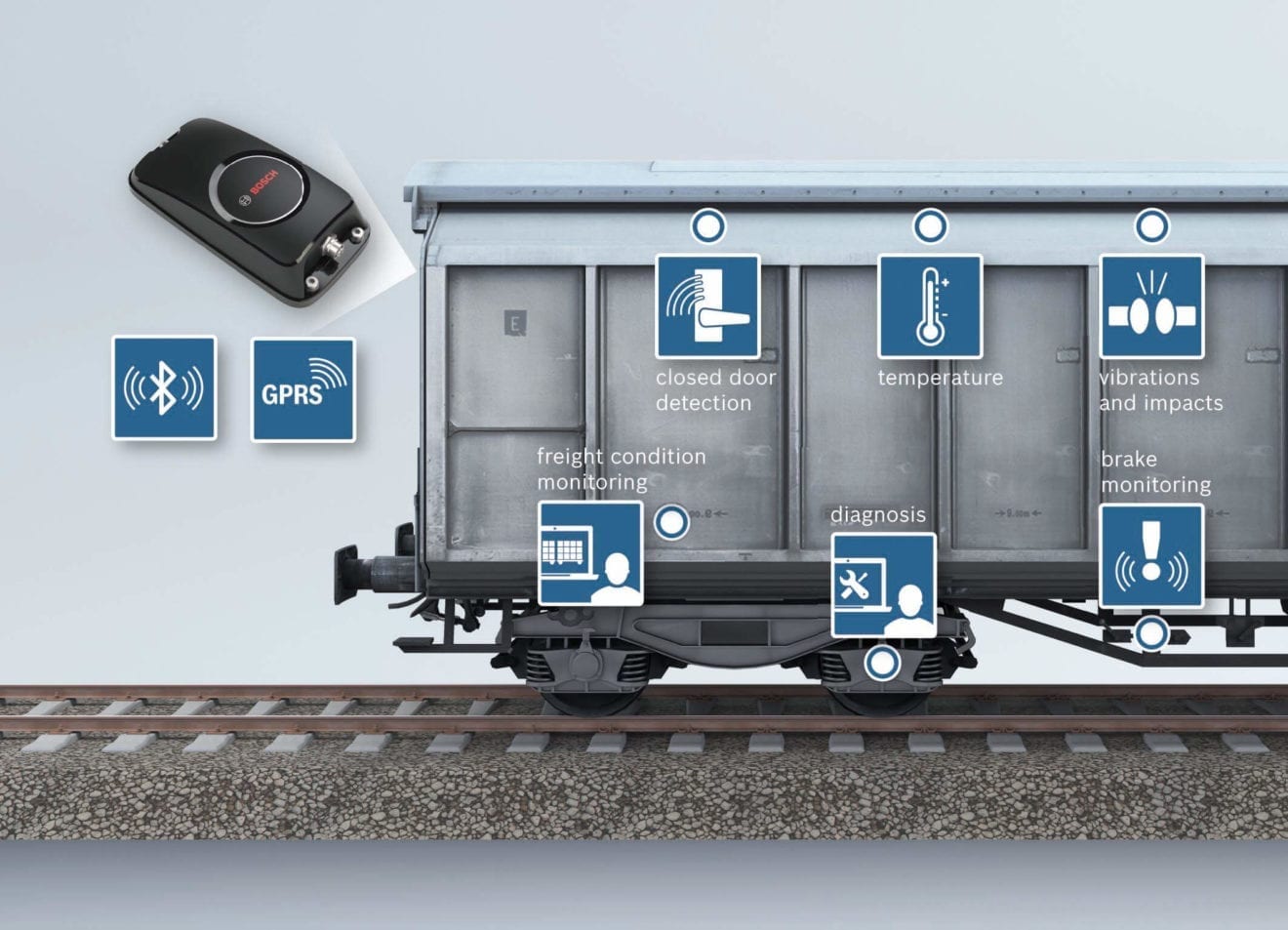
    Honeywell has launched a new Connected Freight solution that gives shippers and logistics companies unprecedented ability to monitor shipments of high-value and perishable goods, helping prevent costly damage and loss.

    The new solution, developed in collaboration with Intel and third-party logistics companies, provides real-time information about the location and condition of critical freight while in transit. The solution was introduced during Honeywell Safety and Productivity Solutions’ launch event today.

    “Honeywell is developing a range of Connected Supply Chain solutions that leverage technology and data to make supply chains more efficient and better able to adapt to rapid change,” said Taylor Smith, president of Honeywell’s Workflow Solutions business. “For shippers, logistics providers, retailers and others faced with a host of costly freight challenges, such as theft, damage, spoilage and delays, this convenient cloud-based solution provides customers with detailed analytics in order to plan, anticipate and react immediately to incidents that occur during shipment.”

    Real-time shipment information is critical, for example, when shipping perishables and goods that require uninterrupted refrigeration, such as pharmaceuticals, or high-value equipment that is sensitive to vibration or shock.

    “After assessing our internal supply chain needs and the needs of the industry, we forged a unique collaboration with Honeywell. Together, we’ve customised Intel’s Connected Logistics Platform technology to deliver an IoT offering that solves real logistics problems,” said Chet Hullum, general manager for Industrial Solutions at Intel. “Thanks to data accessibility, shippers and carriers will be able to establish a more reliable supply chain network by having deeper visibility and information on shipments.”

    Honeywell’s Connected Freight solution consists of cost-effective sensor tags that sense a range of environmental conditions, such as temperature or vibration. The tags can be affixed to pallets or individual packages. The sensor data is captured by a mobile gateway placed inside a truck or shipping container and then transmitted via cellular networks to a cloud-based command-and-control platform.

    Users can establish alerts based on temperature, shock, tilt, humidity, pressure and intrusion detection. The solution can alert manufacturers of high-value, highly sensitive technology if equipment has been damaged while being loaded or unloaded, or if it may have been stolen. The cloud can also store data for compliance and audit needs, and provide predictive and reactive analysis, such as which routes to avoid.

  • Bolloré Logistics Australia Becomes Certified Australian Trusted Trader

    Bolloré Logistics Australia Becomes Certified Australian Trusted Trader

    On April 28th, 2017, Bolloré Logistics Australia became the first international transport and logistics company in the country to be officially accredited as an Australian Trusted Trader under the Australian Economic Operator (AEO) programme developed by the Australian Border Force (ABF).

    Obtaining the Trusted Trader accreditation is the result of extensive audit processing which satisfies the AEO that Bolloré Logistics in Australia sets and maintains the highest level of international supply chain and customs compliance.

    “Being certified an Australian Trusted Trader further supports and facilitates the handling of clients’ international supply and expedites the flow of legitimate trade from all sites in Australia,” says Michael Pinnock, National Customs Manager at Bolloré Logistics Australia.

    This certification is applicable to all five sites in Australia: Brisbane, Darwin, Melbourne, Perth and Sydney.

    Bolloré Logistics Australia will have complete access to the programme benefits when they are introduced in full in the 2017/18 financial year. Benefits will include: reduced cargo inspections at the border, improved cargo lead time, duty deferral, streamlined reporting and priority trade services.

    As a Trusted Trader, Bolloré Logistics Australia also receives a suite of trade facilitation benefits. This includes Mutual Recognition Arrangements established between the Australian Government and Bolloré Logistics which will reduce the customs regulatory burden for Australian exporters entering foreign markets. For example, currently in effect with New Zealand, the Mutual Recognition Arrangement will provide Trusted Trader exporters with border processing benefits.

    As the programme develops, further benefits will be made available to Bolloré Logistics Australia as a Trusted Trader. These include: enhanced cross-agency collaboration with other border agencies, labour mobility and trade in services or even secure trade lanes.

  • Loss-making shipping company turns down real estate investors

    Loss-making shipping company turns down real estate investors

    Despite continuous losses for many years, Northern Shipping Joint Stock Company (Nosco, ticker NOS on UPCoM) attracts many investors due to its abundant land reserves. In 2016, Nosco earned a revenue of nearly VND131 billion ($5.76 million), which accounted for 92.4 per cent of its initial plan. However, it still suffered a loss of VND340 billion ($14.96 million).

    The technical analysis of Nosco revealed that the main reason for this loss is the VND117 billion ($5.15 million) depreciation of fixed assets and interest expenses of VND170.7 billion ($7.5 million). Besides, the company had to spend handsomely on provisions, exchange rate differences, and accounting for the costs incurred.

    According to Trinh Huu Luong, chairman cum general director of Nosco, said that the loss did not derive from business activities but from a huge investment in purchasing ships. As a result, these ships’ depreciation are putting a burden on Nosco.

    For example, previously, Nosco Victory ship was purchased at VND1.2 trillion ($52.8 million) but is only worth VND50 billion now. Similarly, Nosco Glory was purchased for VND1.8 trillion ($79.2 million) and is now worth about VND30 billion ($1.32 million). “If such an investment were made at present, Nosco could earn profit,” Luong said.

    According to the 2017 plan, Nosco expects to generate a revenue of VND87.5 billion ($3.85 million), an equivalent of 56 per cent of the 2016 revenue. One of the reasons for its declining revenue is that in 2017 the company cut down three ships compared to 2016. Now Nosco operates four ships, however, since the beginning of 2017 two of them that had to be repaired.

    Attractive land bank

    Despite its business situation, gloomy future, and negative owners’ equity, Nosco attracts numerous investors. Three investors contacted the company asking to purchase it. Nevertheless, Luong said that they are real estate investors, therefore, what they really want to buy is Nosco’s land bank.

    Some of Nosco’s lands include its headquarter at 278 Ton Duc Thang Street, Hanoi (1,637 square metres), the shipbuilding and repair factory in Lien Mac ward, North Tu Liem District, Hanoi (2,087sq.m), the office at 102 Ly Thuong Kiet Street, Haiphong (91sq.m), and the office at 92 Le Thanh Tong Street, Halong city, Quang Ninh province (36sq.m).

    Meanwhile, according to the Nosco leadership, despite current difficulties, the company’s future is not completely gloomy. Nosco’s losses have been decreasing gradually, so the firm expects to reach the breakeven point soon.

    In 2015, Nosco suffered a loss of VND578 billion ($25.4 million), and in 2016 its loss was VND340 billion ($14.96 million) only. In 2017, Nosco expects to lose a bit over VND200 billion ($8.8 million).

    As of the first quarter of 2017, although Nosco suffered losses, its business prospects are getting brighter. Its loss in this quarter was about VND57 billion ($2.5 million), a significant decrease compared to the VND94.7 billion ($4.17 million) in the same period of 2016.

    Also, in this period, its net cash flow from operating activities was nearly VND3.5 billion ($154,000). If Nosco can maintain these results, it could be feasible for the company to reach the target of reducing losses to VND200 billion ($8.8 million) in 2017.

  • Philippines billionaire Sy’s group counts on logistics as next growth engine

    Philippines billionaire Sy’s group counts on logistics as next growth engine

    Almost 60 years after turning a shoe shop in Manila into a banking-to-property conglomerate that’s made him the richest man in the Philippines, billionaire Henry Sy has found the next growth engine for his group: logistics.

    Mr Sy’s SM Investments Corp. is counting on logistics affiliate 2GO Group to fuel earnings growth as e-commerce and economic growth boosts demand for deliveries, chief executive officer Ricky DyBuncio, 57, said in an interview. Logistics may even become the company’s fourth business pillar after banking, real estate and retail, he said. The logistics company’s shares surged to a record Tuesday in Manila trading.

    “As economic growth spreads nationwide, you will see a more and more increasing need for logistics operations,” Mr DyBuncio, the first person from outside the Sy family to lead SM Investments, said in Manila May 25. “It definitely could grow by double digits for many, many years to come.”

    SM Investments, the country’s most valuable company after Sy-controlled residential and malls builder SM Prime Holdings, has said it needs to expand in high-growth sectors to complement its main businesses. Investments in logistics will help boost earnings as the core businesses reach a scale that makes double-digit percentage growth no longer the norm, Mr DyBuncio said. SM stands for Shoemart, the name of the original store Mr Sy opened in 1958.

    Mr DyBuncio, who took over from the founder’s son Harley Sy last month, has said he’ll look to the company’s share price as a measure of his performance. He will need fast-growing businesses to continue driving the stock higher as his predecessor oversaw a more than a six-fold increase since the shares began trading in 2005.

    Logistics can grow at least two times faster than the economy, according to Mr DyBuncio, who has been looking at investment opportunities in logistics over the past two years. Economic growth is boosting demand for shipping, warehouses and port facilities nationwide.

    Shares of 2GO climbed as much as 21 per cent to 25 pesos, the highest since the company’s 1995 listing, before paring gains to trade at 23.40 pesos as of the midday trading break in Manila on Tuesday. The stock has tripled so far this year. SM Investments fell 0.2 percent to 775.50 pesos.

    The Philippines plans to spend as much as 9 trillion pesos (S$249.1 billion) on infrastructure from this year to 2022 to boost Southeast Asia’s fastest growing economy. The economy grew 6.4 per cent in the first quarter, its weakest expansion in six quarters and is forecast to grow 6.6 per cent this year, according to economist estimates compiled by Bloomberg.

    “You can’t have faster economic growth without logistics,” said Gonzalo Bongolan, vice president at Philippine Commercial Capital Inc., a Manila-based investment bank. “Logistics and the last mile of distribution will become more critical as commercial activities multiply.”

    2GO is the largest provider of so-called end-to-end logistics services in the Philippines, a nation of more than 7,000 islands. The company, which has a fleet of 24 ships, had a 90 percent passenger market share and cornered 38 percent of cargo that passed through the ports where it operated. Customers include SM Investments’ department stores and grocers, Procter & Gamble, and Lazada Group, a Southeast Asian e-commerce operator whose Philippine clients include an SM’s online store.

    Net income will jump about 14 per cent this year to 35.4 billion pesos, based on the average of seven analyst estimates compiled by Bloomberg. That would be the fastest growth since the 16 percent advance in 2012.

    SM Investments indirectly owns about 30 per cent of 2GO. It’s part of portfolio investments amassed to diversify beyond core businesses that include BDO Unibank Inc., the biggest Philippine lender by assets, and China Banking Corp. SM Investments’ two other major units are SM Prime, the nation’s largest shopping mall operator, and SM Retail Inc., the biggest Philippine retailer with 2,303 outlets.

    Return on equity, which fell to about 11 percent last year from the 14.3 percent peak in 2012, will rebound in the next couple of years as returns from its investments, including property assets, improve, DyBuncio said.

    As for the logistics business, DyBuncio said he’s still not certain it will become a core business on the scale of the banking, property and retail mainstays.

    “Is it going to be big enough that we can say it’s a fourth leg? We need to see what happens in the next few years,” DyBuncio said. “We might be able to find the fourth leg but it will probably be a short leg given the size of the group’s three core businesses.”

  • Tanjung Api-Api Port to start operation in December

    Tanjung Api-Api Port to start operation in December

    Transport Minister Budi Karya Sumadi said the Port of Tanjung Api-Api in the regency of Banyuasin, South Sumatra, is to be operational in December, 2017.

    Physical construction of the project is already completed, but the port basin is not yet safe for big ships, Budi said after a meeting on the port and the progress made in the construction of Light Rail Transit project (LRT) in the city of Palembang on Saturday.

    The minister said the port basin is only 3.5 meter deep, therefore it still needs to be made deeper to be safe for big ships.

    He said South Sumatra Governor Alex Noerdin also agreed with the decision to operate the new international seaport in December.

    In addition the 60-kilometer long provincial highway linking the new port with the provincial city Palembang still needs repairs here and there, he said.

    He said later Tanjung Api-Api will need to be linked with toll road and railways to facilitate the transport of cargoes to and from the international port.

    The minister expressed optimism the port would help accelerate industrialization in South Sumatra and neighboring province of Jambi as it would serve as hub port for goods from the two provinces to be transported to Jakartas Tanjung Priok on the way to export market or other regions in the country.

    Meanwhile, Sea Transport Director General A Tonny Budiono said the port would be able to accommodate 464 death-weight ship that could carry 50 TEUs of container cargoes.

    Tonny said in the beginning the port would be operated by the Transport Ministry but later by phases it would be handed over to PT Pelindo II, the state-owned port operator based in Jakarta.

    He said the port has yet to be equipped with cranes to load and unload cargoes including containers. Normally ships already have their own cranes , but work would be faster if the port would also have cranes, he added.

    The quay of the port is 50×20 meters, the trestle is 118 X 8 meters and the causeway is 100 X 8 meters .

    Construction of the port project cost around Rp178 billion with fund from the state budget.

    The South Sumatra provincial administration contributed Rp48 billion for the construction of land supporting facility.

    Palembang will co-host the next Asian games in 2018, therefore, the government hastens the completion of infrastructure including the sea port and the LRT project.

  • Mighty Jaxx wins FedEx small business grant contest

    Mighty Jaxx wins FedEx small business grant contest

    Khoo Seng Thiam, managing director, FedEx Express Singapore congratulates Jackson Aw, Founder, Mighty Jaxx International Ptd Ltd who placed first in the 2017 Small Business Grant Contest in Singapore.

    FedEx Express recently announced the winners of the 2017 FedEx Small Business Grant Contest in Singapore. The winner of the contest was Mighty Jaxx International Pte Ltd, a design studio that specialises in developing art collectibles. The company was awarded a grant of S$25,000.

    Born out of pure love for designer toys, founder Jackson Aw has always been curious about the manufacturing process behind the toys he collects. Since their launch in 2012, the company has over produced 200 designs and delivered thousands of products to collectors in over 50 countries. Their limited-edition collectibles are designed in collaboration with world renowned artists and international brands such as DC Comics, Cartoon Network and New Balance. Mighty Jaxx International plans to use its grant to build new universes with original characters and to expand overseas to large-scale international events such as Comic-Con International.

    The First runner-up is E-TracX, a DJ academy. Its goal is to change people’s lives for the better through music. The company was awarded a grant of S$10,000. The second runner-up prize, worth S$5,000, was awarded to Xtreme DSP Global Pte Ltd, a company that sells lightweight, user-centric wireless communication headsets. The winning businesses were selected by a panel of industry leaders.

    “Small businesses make up the backbone Singapore’s economy and continue to play a vital role in an increasingly globalised marketplace. With the rise of e-commerce, it is a testament to the resilience of local SMEs that they continue to stay ahead, despite facing stiff competition within and outside the region,” said Khoo Seng-Thiam, managing director, FedEx Express Singapore. “In its second year, we hope that the FedEx Small Business Grant Contest can continue to encourage innovation and inspire small businesses in Singapore to dream big.”

    The contest was open to all for-profit small businesses that met the entry criteria, such as the number of employees in the organization and the length of time the companies had been established. Eligible SMEs were required to register online and outline their business plans to “go global”.

    Originally conceived in the US five years ago, the FedEx Small Business Grant contest has since expanded to include Brazil, France, Germany, Hong Kong, Singapore and the UK. This year, the contest made its debut in India, Italy, and China.

  • Reebonz opens S$40m e-commerce hub in Tampines

    Reebonz opens S$40m e-commerce hub in Tampines

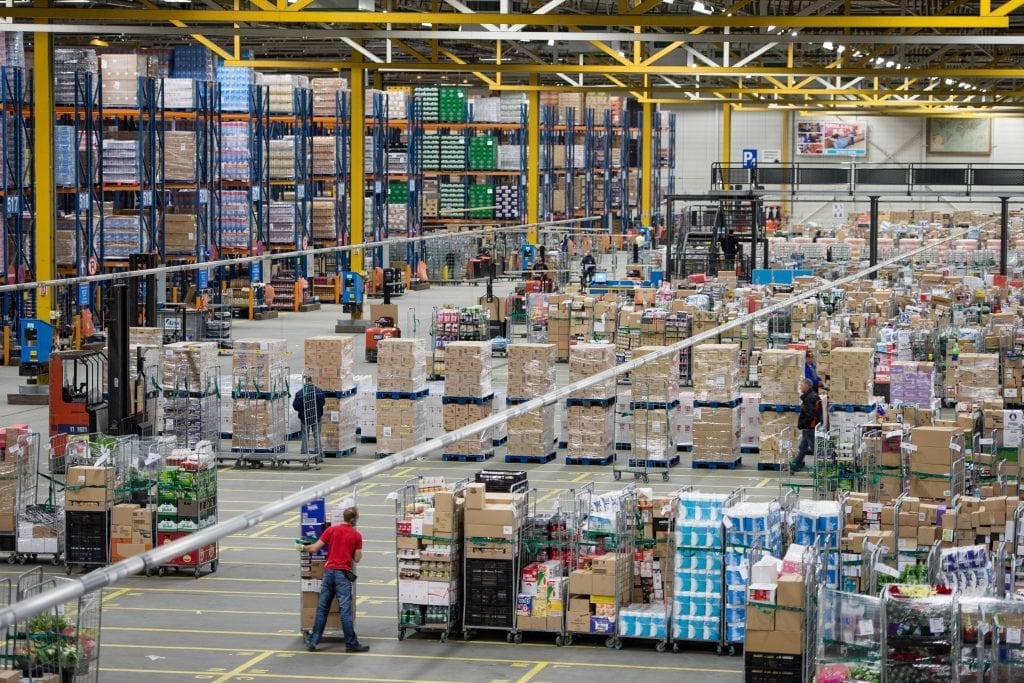
    With both local and regional consumers increasingly buying luxury goods online, homegrown e-retailer Reebonz on Tuesday opened an eight-storey e-commerce hub in Tampines to ramp up its cross-border operations and meet the evolving demands of their customers.

    “The Reebonz e-commerce hub will be a platform for us to scale across the region in terms of having a centralised distribution centre that will distribute our products across 17 countries around the world,” said Reebonz CEO Samuel Lim. “We’ve invested heavily into warehouse management systems, distribution management systems, being able to integrate the whole operations within one central location – I think that’s important to scale.”

    The 200,000-square-foot space, which cost around S$40 million to build, is four times larger than its previous office and distribution centre and now stock more than 500,000 types of products – more than 11 times its previous capacity.

    Reebonz also plans to house an incubation hub for local luxury startups and designers in future.

    Speaking at the official opening of the hub, Minister of Trade and Industry (Industry) S Iswaran said players like Reebonz serve as “shared platforms that uplift the entire retail sector”.

    “Smaller companies might be reluctant to start due to lack of scale or technical skills,” he said. “Others may face challenges in reaching out to new customers and coordinating processes for e-commerce fulfilment.

    “Here, players like Reebonz can serve as shared platforms that uplift the entire retail sector. Smaller companies can leverage e-marketplaces like ‘Reebonz Boutiques’ to list their products, which requires less resources than a standalone platform and eases access to global markets.”

    He also highlighted how Reebonz’s e-marketplace has emerged as an online incubation space for emerging designers and local entrepreneurs.

    “Emerging designers and local entrepreneurs have a simple, less risky space to refine their branding and test new products,” he said. “I urge more local brands to take advantage of such platforms to scale up and enter new markets.”

    TAPPING GROWTH

    Since its launch eight years ago, the local brand has expanded its sourcing channels from distributors to individual sellers and boutiques around the world.

    The business-to-consumer retailer branched out to a consumer-to-consumer platform and a merchants’ marketplace last year, allowing consumers to buy and sell pre-loved items to others and giving consumers access to products from boutiques around the world.

    “It definitely helps to have a space where we can tap into the larger clientele base that Reebonz obviously has,” said shoe designer Mashizan Masjum, whose eponymous shoe label joined its marketplace platform in April.

    “As part of an emerging brand, it can be quite lonely at times as well as you’re trying to make a name for yourself regionally and globally.”

    Mr Iswaran said that the Government would help local retailers tap growth opportunities on the e-commerce front, as part of the Retail Industry Transformation Map’s target to grow e-commerce’s share of total retail receipts from 3 per cent to 10 per cent by 2020.

    This includes helping companies to enter foreign markets through e-commerce platforms and prioritising initiatives relating to the digital economy.

    “E-commerce is going to be a defining aspect of the retail industry in Singapore, the region and the world,” he said. “So we want to make sure that our companies have the capabilities to embrace this trend, ride on its growth and benefit from it. Which means capabilities in terms of the technology, business model and market access.

    “And on the other side, we want to make sure that our people have the skills to participate in the new job functions and careers that are being created.”

    According to Mr Iswaran, an estimated one in every five sales in the Asia Pacific would be conducted through an e-commerce platform, while an estimated 3.9 million users – or nearly three-quarters of residents in Singapore – will turn to e-commerce by 2020.

  • DHL launches China – Belarus rail freight service

    DHL launches China – Belarus rail freight service

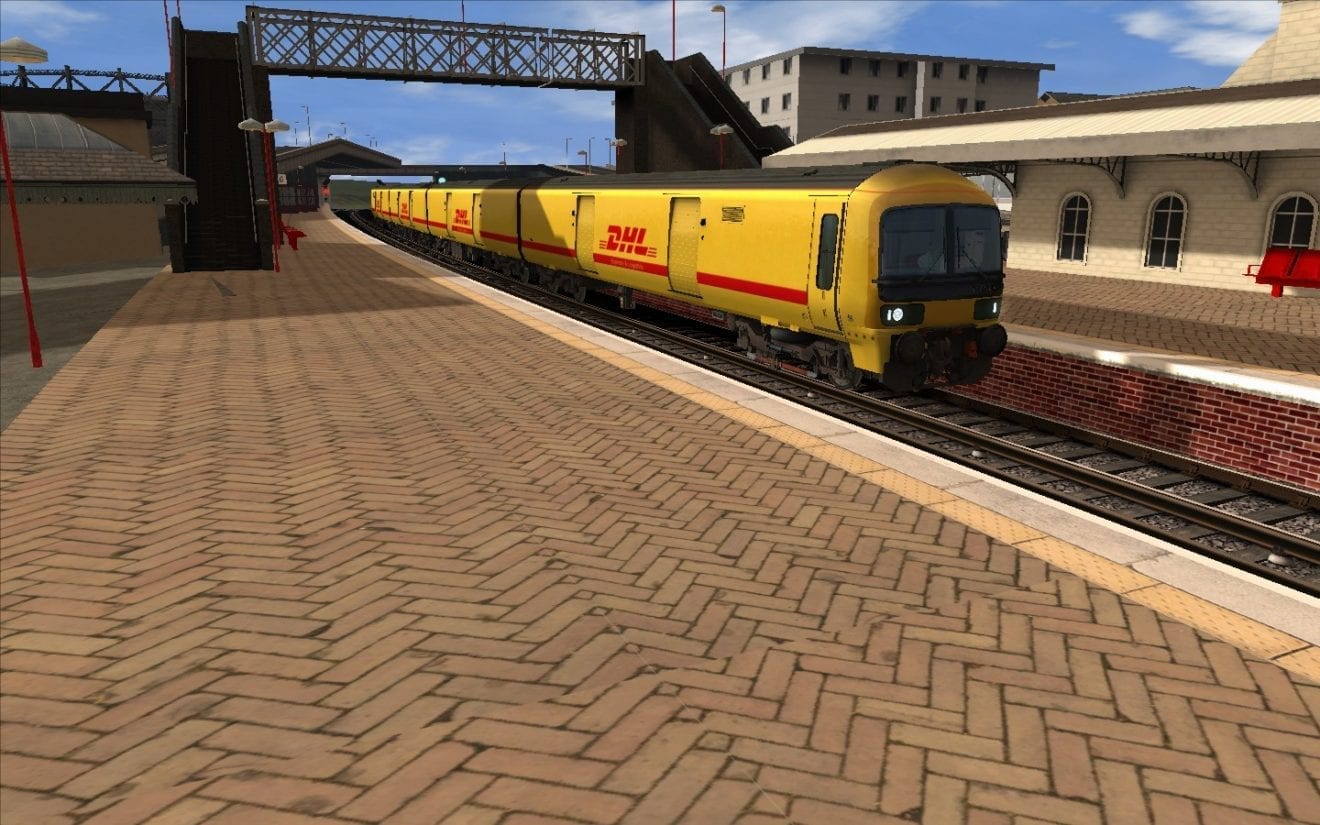
    DHL Global Forwarding launched a new rail freight service between Shenzhen, China, and Minsk, Belarus, on May 22 with a transit time of less than 12 days.

    The new service passes through Alatau Shankou – Dostyk on the Chinese-Kazakhstan border which is already used by several other intermodal services, including rail connections from Chengdu, Zhengzhou, and Lianyungang to continental Europe.DHL will manage the new route together with China Brilliant, an integrated service provider in manufacturing and consumption with which DHL signed a memorandum of understanding in 2016. The service offers both less-than-container load (LCL) and full container load (FCL) for electronics, industrial and automotive parts, and fresh food from both both Eastern Europe and China.

    “Eastern Europe’s economies are growing faster than almost any others worldwide, with significant export opportunities arising from the region’s rising wages and disposable income levels,” says Mr Steve Huang, CEO, DHL Global Forwarding Greater China. “Minsk offers Chinese businesses an efficient gateway into the Baltic States and Nordic countries in addition to other European destinations like Warsaw, Hamburg and Tilburg via Brest. With Shenzhen’s economy exceeding expectations to grow by 9% last year, the route also opens sizable opportunities for European exporters.”

    “The partnerships that DHL has with governments and businesses globally, coupled with our market strength in Shenzhen-based supply chains, have come together to create a solution that directly meets the needs of China’s expansion-hungry manufacturers and producers,” says Mr Zhang Chunhua, founder of China Brilliant Group.

    DHL has been offering intermodal rail services connecting China, Japan, and southeast Asia with Europe since 2010 on the following corridors:

    • North Corridor: Suzhou – Warsaw connecting Chinese engineering and manufacturing hubs to Europe in 14 days
    • South Corridor: Lianyungang and Chengdu to Istanbul via Kazakhstan, Azerbaijan, and Georgia including two water crossings in 14 days, and
    • West Corridor: Zhengzhou – Hamburg (electronics), Chengdu – Lodz (high-tech and automotive products) and now Shenzhen – Minsk (electronics and consumer products).

  • Consoveyo Singapore welcomes new general manager

    Consoveyo Singapore welcomes new general manager

    Consoveyo S.A. has appointed Poul H. Lorentzen as general manager for Consoveyo Singapore, effective 1 April 2017. In his new role, Poul’s top priority will be to identify and develop business opportunities for the company in Southeast Asia (SEA).

    Prior to joining Consoveyo, Poul was director of the logistics systems division at Jungheinrich Lift Trucks Pte. Ltd. He has also held various management positions at MHE-Dematic, Siemens L&A, Siemens Dematic, and Dematic, where he was responsible for the business and strategic objectives for regional growth and profitability.

    Poul hails from Denmark but has spent over 30 years in SEA. Sharing from his familiarity with the demands and intralogistics requirements of this market, he said, “There is much potential for automated material handling technologies in this region, as countries like Singapore are encouraging local businesses to stay competitive by adopting advanced warehousing solutions that enhances productivity. My experience in this industry has prepared me for this new role at Consoveyo, and I look forward to leading my team as we work towards meeting the new objectives set out by Körber Logistics Systems.”

    Jorge Couto, chief sales officer at Consoveyo, concluded, “It is an exciting time for Consoveyo as the company aligns itself to meet Körber’s expansion strategy. We have built a very qualified and motivated team to support our clients operating in the SEA region. Poul’s experience in this field will bring a great boost to the team, and I’m confident that his presence will further strengthen our Singapore team to bring Consoveyo to greater heights.”

  • Bolloré Logistics Singapore Unveils Plan for S$10 Million Logistics Automation Facility

    Bolloré Logistics Singapore Unveils Plan for S$10 Million Logistics Automation Facility

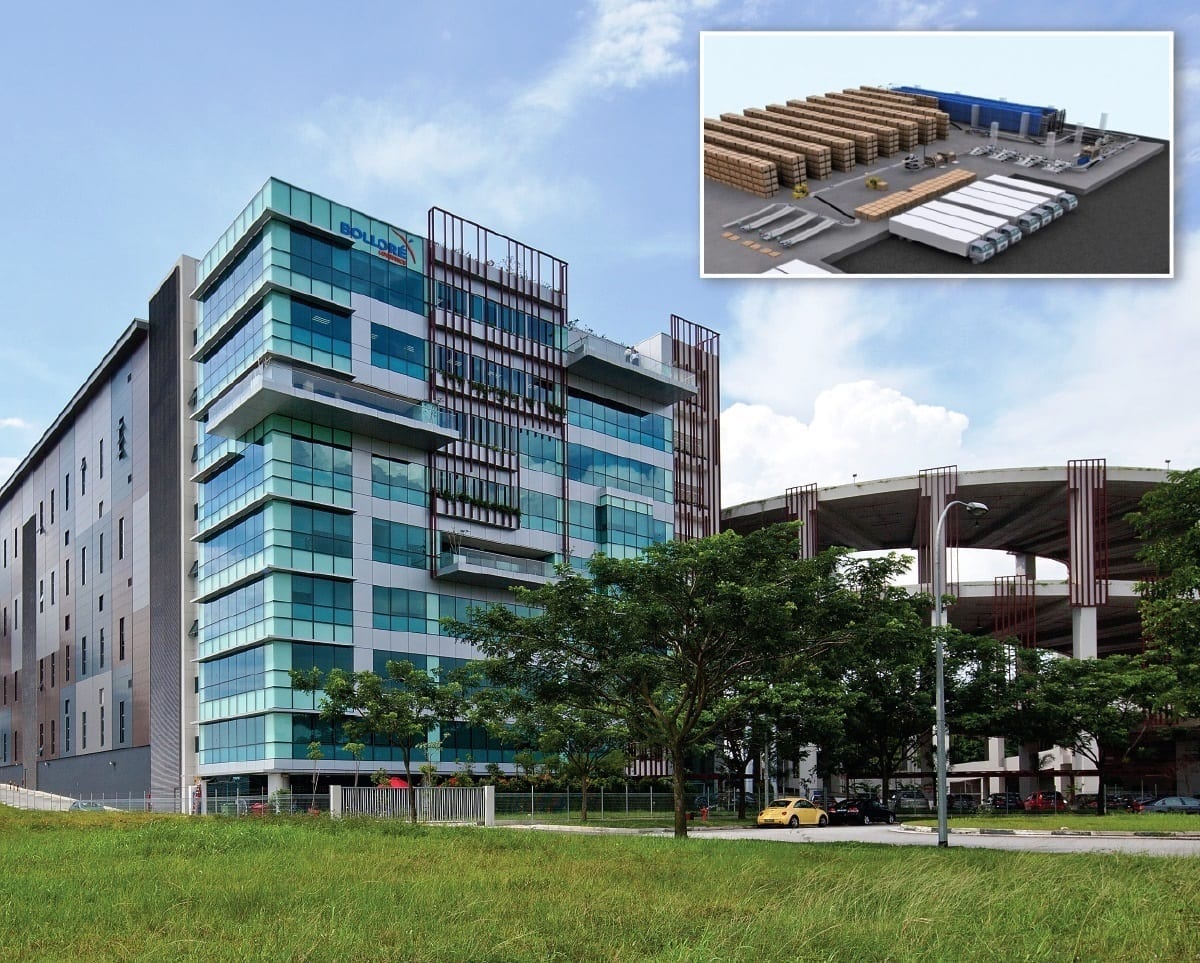
    Bolloré Logistics Singapore, a major player in international logistics and freight forwarding, announces plan for its first automation facility with one of the world’s leading luxury products group LVMH today.

    Supported by the Singapore Economic Development Board (EDB), the new 20,000 square meter automation facility will be built with an investment of S$10 million between Bolloré Logistics and LVMH as part of a long-term partnership to significantly drive productivity and increase space efficiency.

    “Automation is the key for Singapore’s logistics sector to cope with emerging patterns globally. The setup will be housed in Bolloré Logistics Green Hub, our high-tech logistic facility in Pioneer Turn, and we are happy to announce that the co-development of this automation has secured a long term commitment from LVMH. Bolloré Logistics strives to be at the forefront of innovation and prides itself in developing advanced supply chains for its customers,” says Mr. Cyril Dumon, Chief Executive Officer of Bolloré Logistics Asia Pacific.

    “The close partnership between LVMH and Bolloré Logistics has strongly supported the growth of the business in the last 15 years. With the introduction of automation, it further reinforces our connections and emphasizes our expertise on safety, quality, service and efficiency for the next 10 years,” says Mr. Guillaume Mechain, Supply Chain Director of LVMH, Asia Pacific.

    Collectively designed by Bolloré Logistics, LVMH and Dematic, this combination of multi-shuttle system and picking technology is the first of its kind to be deployed in Singapore and the region.

    The state-of-the-art facility will bring significant transformation to tackle supply chain operations – from the order preparation process, inbound to final dispatch of the orders, to integrating control checks that ensure greater accuracy.

    It also allows Bolloré Logistics to meet new challenges arising from the emergence of e-commerce and increase of future distribution channels globally, by bringing with it the capability to prepare e-commerce orders with a high level of accuracy while reducing the time to market, thus increasing its agility and capacity to absorb peak level of activity.

    “Working closely together with Bolloré Logistics, we have developed an innovative automated solution that will bring tremendous improvements in productivity, accuracy and space efficiency. This project represents a number of industry firsts both in Singapore and in the Region and we are delighted to be involved with the Bolloré Logistics team in designing, delivering and supporting the project,” says Mr. Michael Bradshaw, Director Dematic SEA.

    The facility will allow for higher storage density to make efficient use of limited warehouse space in Singapore. In terms of productivity, it will achieve throughput levels up to 10 times as compared to conventional methods, and will improve order lead time while using only half of the existing manpower resources.

    “Bolloré Logistics strongly believes that innovation starts from the bottom and has invested in various training and developmental programs within the company over the years. Our objective is to empower our staff. As part of Change Management, Bolloré Logistics has initiated several HR initiatives and a dedicated pilot development program known as ‘Level Up’. The program which includes a variety of technical and soft skill training, is specifically designed to equip our staff with necessary skills to cope with challenges that may come with automation,” note Mr. Fabien Giordano, Managing Director of Bolloré Logistics Singapore.

    “The ground staff is looking forward to this automation facility. Early communication is already in place to assist the staff so they are prepared for what’s coming. Although staff skills need to be upgraded through training, they can use this chance to expand their skillset and integrate flexibility to increase productivity,” note Mr. Tan Kok Xiong, Supervisor, Bolloré Logistics Singapore.

    With Singapore as the company’s regional hub, the new facility through its adaptable and scalable world-class system aims to create a future-ready infrastructure to support the demands of the Asia Pacific region. The plan is also in line with the government’s direction towards a future-ready Singapore and is supported by EDB.

    “Bolloré Logistics’ partnership with LVMH is an excellent example of the supply chain collaborations that EDB wants to help grow in Singapore. Such investments in operations excellence support Singapore’s efforts to transform the industry and create better jobs for Singaporeans,” says Mr Lee Eng Keat, Executive Director of Logistics, Singapore Economic Development Board.

    This project sets as a flagship and creates a model for Bolloré Logistics globally as the future of warehousing in land-scarce countries once it is slated to complete in January 2018.

    Starting Innovation at the Heart of Asia Pacific

    This initiative is just one of the many in the pipeline under the Bolloré Logistics vision to shift the paradigms of the logistic industry through innovation and technologies starting from the heart of Asia Pacific in Singapore.

    Bolloré Logistics created B.Lab, an internal innovation community in 2016 in order to accelerate the digitization of the supply chain. The objective is to improve our value proposition with existing clients by creating new products, services and innovative processes in relation with the digital.

    Their flagship logistic facility Green Hub in Pioneer Turn – a 42,000 square meter Bolloré Logistics high-tech warehouse facility has achieved remarkable accolades since its launch in 2012. The integrated logistics center also serves as a regional distribution center for multinational corporations. As an eco-friendly solution to reduce CO2 emissions, the group also introduced its first hybrid shuttle in 2015. And in 2016, BlueSG, a subsidiary of the Bolloré Group, has been awarded a 10-year car-sharing contract by the Singapore government to operate a fleet of 1,000 electric cars by 2020 under the national electric vehicle (EV) car-sharing programme, a major step towards Singapore’s vision of a car-lite and an environment friendly society.

  • Lalamove Pick-Up Price Drops Down

    Lalamove Pick-Up Price Drops Down

    Hong Kong based on-demand delivery app Lalamove is moving its moves upwards to a new high. Lalamove is offering its growing customer base a special new cut-price for its pick-up rentals at just THB 450 plus THB15 per kilometer for the first 100 kilometers; with rates dropping down even further with distances exceeding this and attracting out-of-town movers who need a pick-up and driver beyond Bangkok. Currently, Lalamove door-to-door delivery services are available from Bangkok to the capital as well as Chonburi, Rayong, Chanthaburi and Nakhon Ratchasima.

    More and more customers are taking advantage of Lalamove’s quality pick-ups, experienced drivers and professional delivery services. Customers are increasingly using Lalamove to move home, transport goods bought and sold between individuals advertised online as well as office moves.

    Capable of transporting one ton per pick-up with additional services such as the driver and extra hands helping with the load, Lalamove is perfect for moves both near and far.

    Easy to use and customer-friendly, the Lalamove app has also recently been redesigned to enhance the user experience with scope for adding more features too.

    Lalamove now hosts the largest delivery service area across Asia with operations in Hong Kong, Singapore, Bangkok, Taipei, Manila and 43 cities in China with over 50,000 drivers. The number of registered users regionally has grown to more than 5 million in the past three years. In Thailand, the number of download is currently 210,000 with over 17 thousands of registered drivers.

  • Arvato scores two awards for its logistics solutions in China

    Arvato scores two awards for its logistics solutions in China

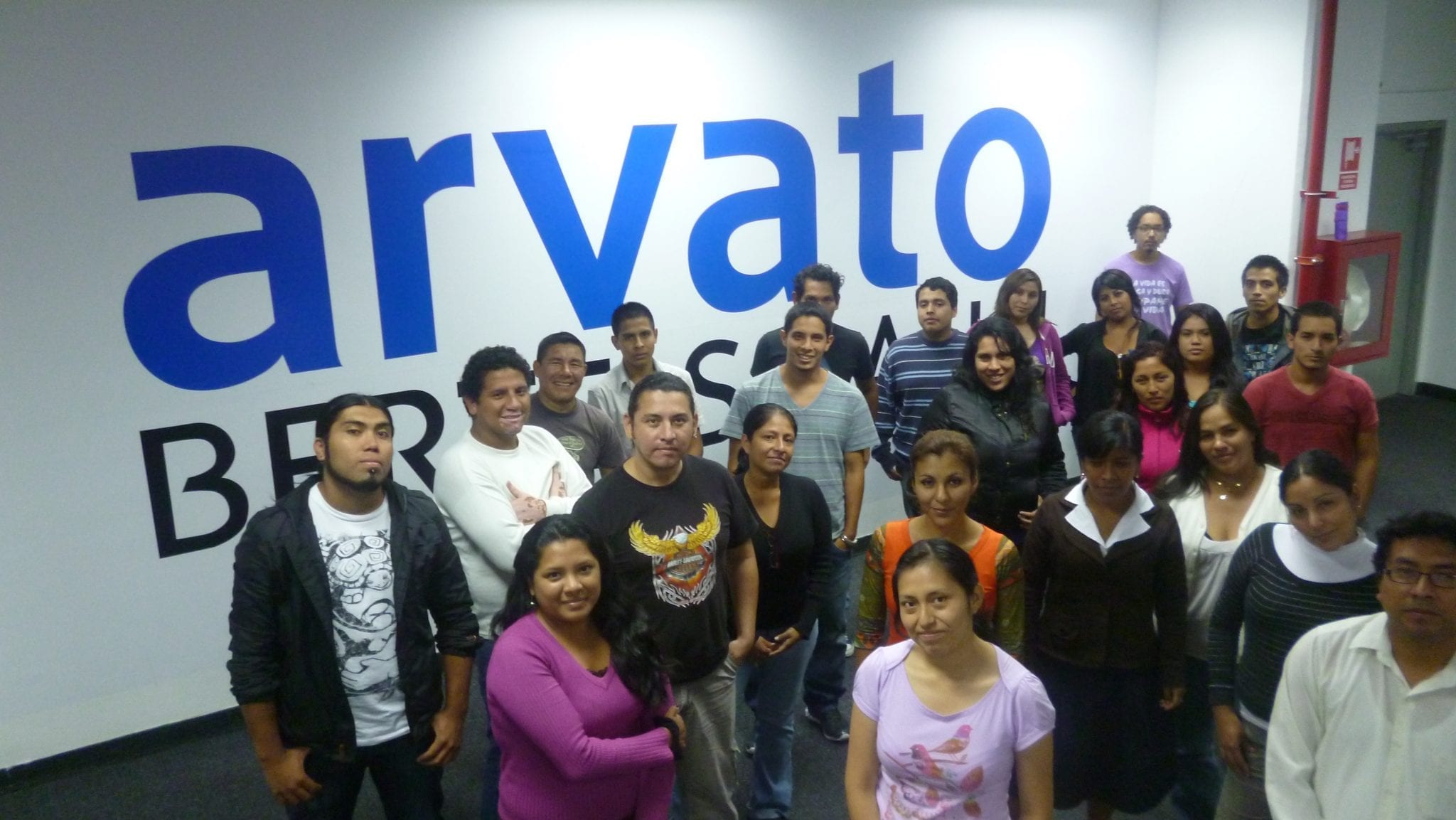
    Arvato SCM Solutions was honoured with “Best Partner” and “Service Award” by Oriflame – one of the world’s leading direct selling beauty companies. The awards recognise Arvato’s exceptional contributions in developing and executing an agile B2B and B2C domestic fulfillment system for Oriflame’s China business.

    “Oriflame’s vision has always been to be the top direct selling beauty company and China is a key growth market.” says Jason Dong, operations director at Oriflame China. “To support and further build upon our expanding network of consultants and customers, we rely on partners like Arvato that are able to innovate in its solutions and adapt swiftly to our needs.”

    Arvato was commended for the implementation of digital solutions that enhanced the efficiency and quality of its domestic fulfillment model. This includes automation of the order management process and utilisation of computerised tools such as the Pick-by-Light system; with all data integrated into one centralised IT back-end system. The result is end-to-end visibility, better accuracy and control that are critical for managing Oriflame’s wide portfolio of Swedish, nature-inspired beauty products.

    For Oriflame’s consultants and customers, the seamless flow of information allows them to track their orders in real-time via the Oriflame app, WeChat app, or Short Message Services (SMS). Because of the scalability and flexibility built into the system, Oriflame’s customers can be sure that they receive their orders timely even during extreme promotional peak periods such as during China’s annual 11.11 Global Shopping Festival. Their customer journey with Oriflame is further enhanced with an efficient returns management process through Arvato’s reverse logistics solution; and receipt of the most up-to-date promotional materials through Arvato’s value-added services.

    “The ‘Three-Year Service Award’ also marks a significant milestone in the partnership between Arvato and Oriflame,” says Li Zhang, head of the consumer products business unit at Arvato SCM Solutions China. “Over the span of three years, Arvato has expanded its services to three sites across China – Beijing, Shenzhen and Shanghai; in support of Oriflame’s rapidly growing business.”

    Arvato received both awards at Oriflame’s 2017 Summit for Service Providers.

  • DHL adds another China-Europe rail link

    DHL adds another China-Europe rail link

    DHL manages new route with supply chain partner China Brilliant, providing both LCL and FCL service to DHL customers.

    DHL Global Forwarding has launched the first regular service connecting Shenzhen to Minsk, Belarus via rail in less than 12 days. The new route covers new overland connections to several major cities along China’s “Belt and Road” and is the latest route in the DHL Asia-Europe-Asia multimodal network.

    DHL will manage the new route together with China Brilliant, an integrated service provider in global manufacturing and consumption with which DHL signed an MOU last year. Offering both Less-than-Container Load (LCL) and Full Container Load (FCL) services along the route, DHL gives businesses increased flexibility to meet rapidly growing and evolving market demands for electronics, industrial and automotive parts, and fresh food in both Eastern Europe and China.

    “Eastern Europe’s economies are growing faster than almost any others worldwide,¹ with significant export opportunities arising from the region’s rising wages and disposable income levels,² ” said Steve Huang, CEO, DHL Global Forwarding Greater China. “Minsk offers Chinese businesses an efficient gateway into the Baltic States and Nordic countries in addition to other major European destinations like Warsaw, Hamburg and Tilburg via Brest.”

    “With Shenzhen’s economy exceeding expectations to grow by 9% last year,³ the route also opens sizable opportunities for European exporters looking to sell to one of China’s most vibrant trade and business hubs, or use it as an important gateway to Southeast Asia and the rest of the Chinese consumer market. Our newest route further supports strategic infrastructure projects designed especially to support the Belt and Road, such as the Great Stone Industrial Park – the largest joint project between China and Belarus that will span decades;⁴ strengthens bilateral ties between the two countries; and also lays the groundwork for further rail connectivity to the Nordic and Middle Eastern states involved in the Belt and Road.”