Category: Logistics

Retail News Asia is committed to providing both local and global retailers with the latest Logistics news throughout the Asian market. This on a daily base.

  • FedEx Trade Networks expands Into Malaysia with Penang office

    FedEx Trade Networks expands Into Malaysia with Penang office

    FedEx Trade Networks, a subsidiary of FedEx Corp. and a premier international freight forwarder, today announced the opening of a new office in Malaysia. Based in Penang, the additional facility highlights the continued expansion of FedEx Trade Networks to meet the growing market demand.

    “With our network stretching into Malaysia, we are well positioned to proactively respond to customer needs and support them in simplifying the complexities of international shipping,” said Udo Lange, executive vice president and COO, FedEx Trade Networks.

    The new FedEx Trade Networks office is strategically located in Penang’s central business district, with close proximity to the airport and the seaport as well as the city’s key infrastructure facilities. FedEx Trade Networks offers a comprehensive portfolio of services, covering e-commerce, international air and ocean freight forwarding, surface transportation (domestic and cross-border), customs brokerage, trade and customs advisory services as well as other value-added services, including My Global Trade Data, the company’s online suite of information management tools.

    “The world requires a new type of freight forwarder that understands how to turn global logistics into strategic advantages,” said Lange. “FedEx Trade Networks makes the complexities of global shipping simple, striving to provide customers with unparalleled supply chain visibility and logistics transparency to help move their businesses forward.”

    Penang is one of the most urbanised and industrialised states in Malaysia with a high concentration of key industries and sectors, including high tech, electronics and electrical products, industrial goods as

  • DHL Express launches On Demand Delivery

    DHL Express launches On Demand Delivery

    DHL Express has launched a new “On Demand Delivery”, which it says has been developed in response to significant growth in premium cross-border e-commerce volumes.

    With On Demand Delivery, shippers can choose to activate specific delivery options and have DHL Express notify their customers via email or SMS about a shipment’s progress. The customers can then select the delivery option that best suits their requirements via the On Demand Delivery website.

    DHL said that the service is “specifically tailored” to the demands of international e-commerce deliveries, where the majority of shipments are addressed to residential addresses and customers crave flexibility and convenience.

    “We have seen the share of e-commerce deliveries grow from about 10% in 2013 to more than 20% of the international volumes of DHL Express in 2016,” said John Pearson, CEO Europe and Global Head of Commercial, DHL Express Europe.

    “This has primarily been driven by the strong demand for high-value and premium goods in the global marketplace, as well as the emergence of start-up retailers who are expanding opportunistically to new overseas markets and therefore require a worldwide door-to-door delivery service. In response to the dynamic growth and to ensure that our services continue to exceed customer expectations, we have launched On Demand Delivery.”

    Charlie Dobbie, Executive Vice President, Network Operations, Aviation and IT, DHL Express, said: “On Demand Delivery isn’t just a new customer interface – it also represents an enhancement of our worldwide network, as we have tailored our last-mile operations to meet the specific demands of cross-border e-commerce deliveries.

    “Thanks to On Demand Delivery, we can support the service offering of online shippers and improve the delivery experience for their customers, while improving our own efficiency, particularly for last-mile deliveries.”

    The  On Demand Delivery site can be accessed from smartphones, tablets and PCs, and offers receivers up to six delivery options. Shippers can incorporate their own branding into customer notifications.

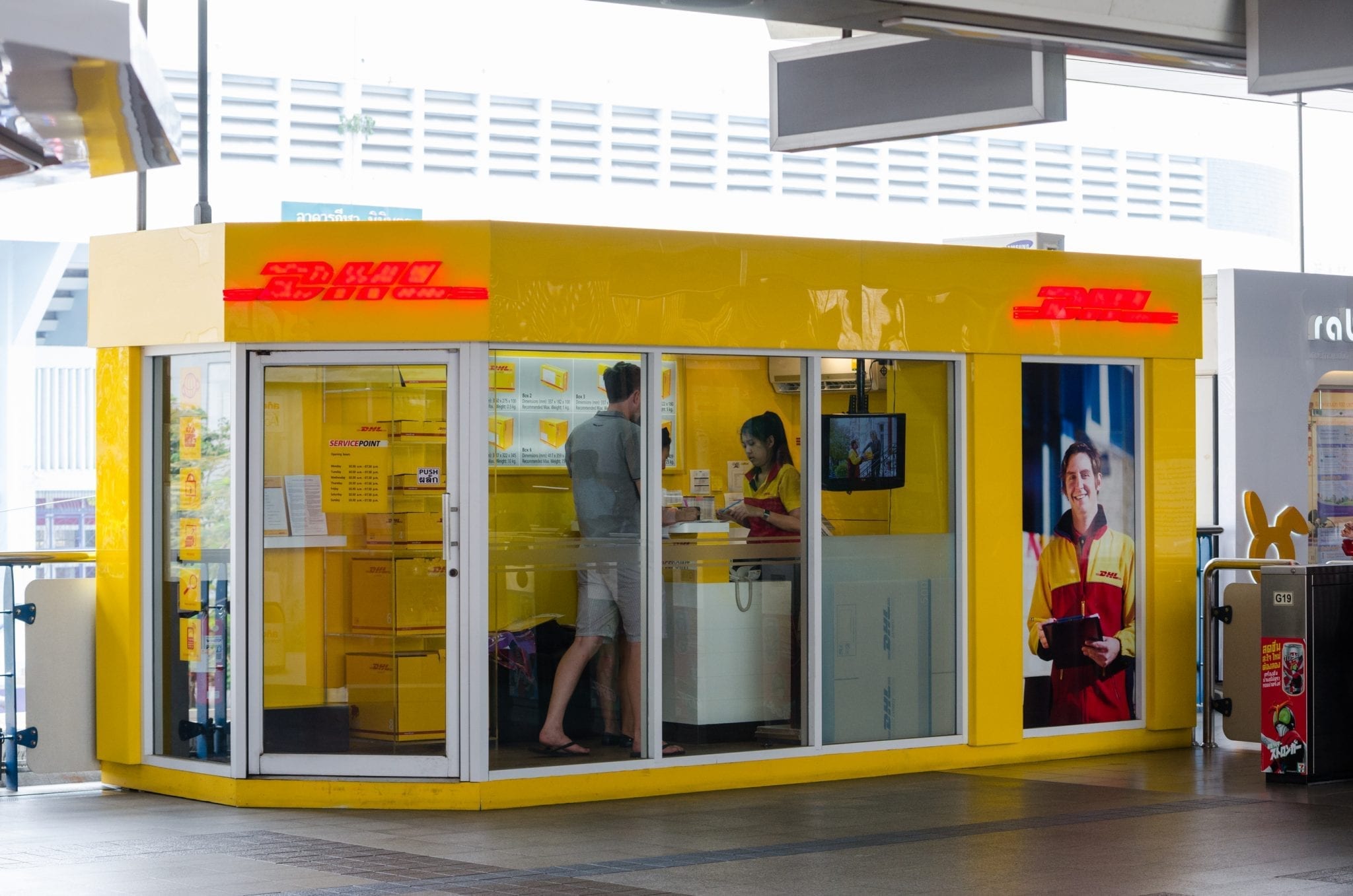
    Receivers can schedule a delivery, arrange delivery to a nearby DHL Service Point or their own alternate address, and request that a shipment is put on hold during a vacation.

    DHL Express plans to roll out the On Demand Delivery to more than 100 countries through 2016 and 2017.

  • DHL eCommerce unveils new distribution center in Japan

    DHL eCommerce unveils new distribution center in Japan

    DHL eCommerce, a division of Deutsche Post DHL Group, unveiled its plans to establish an outbound cross-border eCommerce distribution center in Narita, Japan by April 2017.

    The distribution center will be co-located with the Japan Global Distribution Center, created by one of DHL’s divisions. The cross-border shipping product DHL Parcel International Direct will provide affordable deliveries from Japan to the United States and the United Kingdom, guaranteeing transit times of four to six business days, DHL eCommerce said. DHL GlobalMail Packet Plus, another cross-border shipping product, will provide the best rates for Japan-Europe deliveries, offering transit times of five to 10 business days and a high degree of visibility into the status of shipments.

    The expansion plans in Japan are part of DHL eCommerce’s larger strategy in the Asia Pacific. The company recently unveiled its 70 million euro (U.S. $74.3 million) investment in India to boost the capabilities of the air hubs in Delhi and Mumbai to enhance B2C e-commerce delivery in India.

    In June 2016, DHL eCommerce announced its plans to grow its overall footprint in China by 50 percent. In January 2016, the company launched domestic delivery operations in Thailand and announced plans to double its fleet and number of depots by 2017.

  • Asia’s Largest Logistics and Maritime Conference Opens

    Asia’s Largest Logistics and Maritime Conference Opens

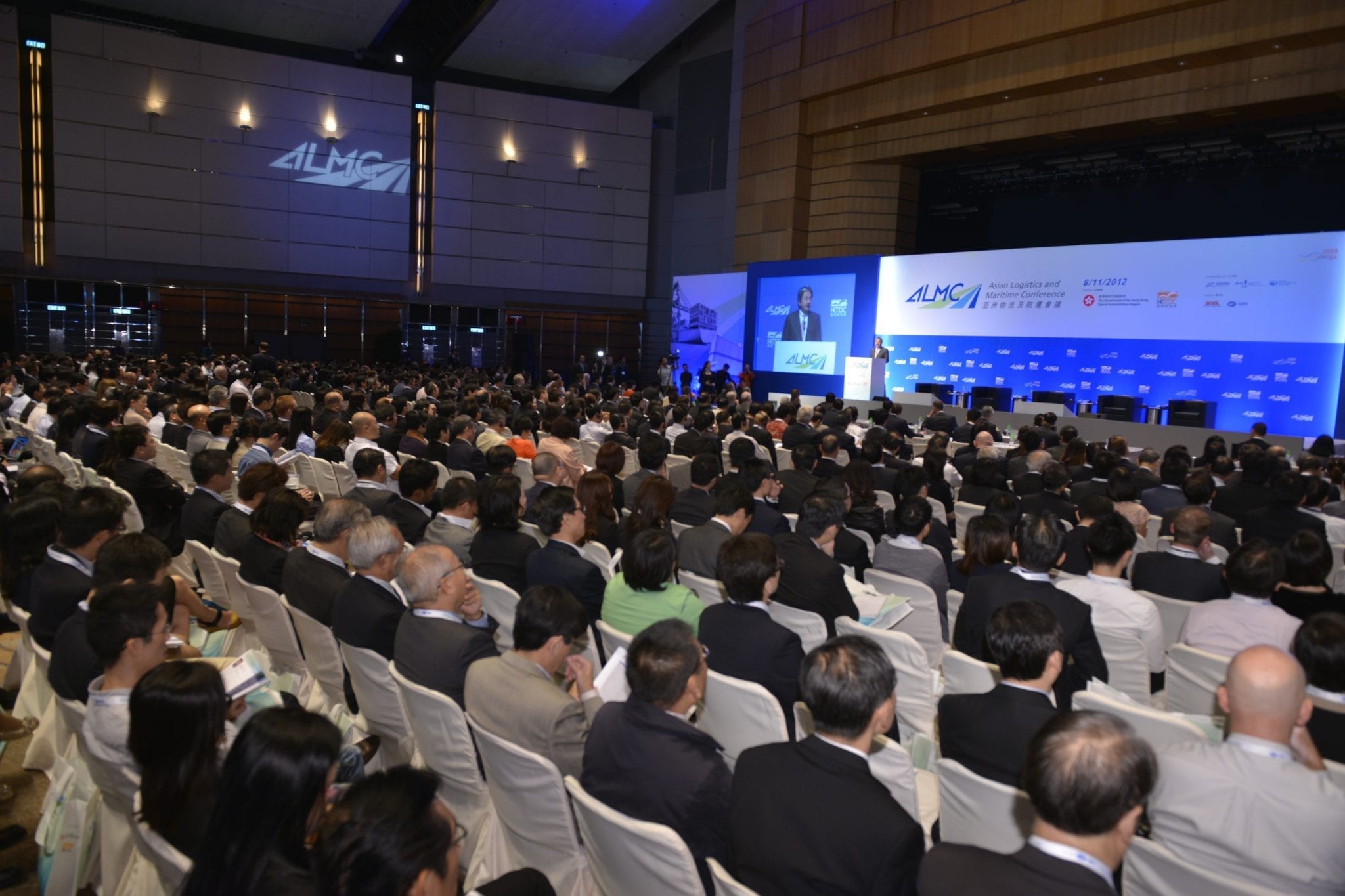
    The sixth Asian Logistics and Maritime Conference (ALMC) today (22 November) launched its two-day run at the Hong Kong Convention and Exhibition Centre. More than 70 leaders from the logistics and maritime industries are speaking at the conference. Today’s activities included the plenary session “China’s Grand Initiatives: Where are the Opportunities?” The ALMC is the largest event of its kind in Asia, welcoming industry elites from some 30 countries and regions. The conference is jointly organised by the Hong Kong Trade Development Council (HKTDC) and the Government of the Hong Kong Special Administrative Region (HKSAR).

    Speaking at the opening ceremony, Carrie Lam, Acting Chief Executive of the HKSAR, said, “Strategically located at the heart of Asia, Hong Kong has long been the gateway to southern China, and the bridge between the Mainland and the rest of the world. Our infrastructure is world-class, rated first in the World Economic Forum’s Global Competitiveness Report. Our robust economy, trade freedom, regulatory efficiency, and excellent logistics services have made Hong Kong one of the world’s busiest logistics hubs.”

    In her welcoming remarks, Margaret Fong, Executive Director of the HKTDC, said: “The ALMC aims to help the industry navigate choppy economic waters and chart a course towards new business opportunities. The three main themes of ALMC 2016 are the Belt and Road Initiative, China’s 13th Five-Year Plan and cross-border e-commerce. In each case, the logistics and maritime industries are front and centre. In just a few short years, the Belt and Road Initiative has moved from the drawing board into reality, with new ports, roads and railways linking markets along the Belt and Road routes from Asia to Europe via the Middle East and North Africa. In addition to infrastructure, world-class shipping and logistics services and know-how are required to fully realise the potential of the Initiative.”

    China’s grand initiatives

    A highlight of this year’s ALMC was this morning’s plenary session “China’s Grand Initiatives: Where are the Opportunities?” Three high-profile speakers examined key strategies of the Chinese mainland – the Belt and Road Initiative, “Internet Plus” and “Made in China 2025”. The three speakers were HE Sultan Ahmed Bin Sulayem, Group Chairman and Chief Executive Officer, DP World; Zhao Huxiang, Vice Chairman, China Merchants Group; and Joseph Phi, President, LF Logistics.

    Addressing various topics, seven forums were also held today focusing on the Supply-chain Management, Logistics, Air Freight and Shipping sectors. As well as helping the logistics industry analyse the latest market trends, the forums also shed light on how the manufacturing and trading industries can capitalise on the latest logistics solutions to grow their business, lower costs and increase competitiveness.

    The first Supply-chain Management & Logistics Forum “Relocating Your Manufacturing Base – the Pros and Cons”, heard from speakers about the risks and opportunities from a supply-chain management perspective. Speakers included Dr Qu Jian, Vice President, China Development Institute; Dr John Cheh, Vice Chairman and CEO, Esquel Group; Takeshi Kondo, General Director, Yusen Logistics (Vietnam) Co, Ltd; and Tommy Lui, Director & Group Chief Representative – Southern China, Li & Fung Development (China) Ltd.

    Other forums today included “Changing Landscape of Asian Air Cargo”, “Expert Panel: What’s on the Horizon for Liner Shipping?”, “Staying Ahead in Temperature-controlled Cargo Handling”, “Expert Panel: Tanker and Gas Trade Outlook”, “Sustainability – Greening the Supply Chain” and “Expert Panel: Dry Bulk Market Outlook”.

    Cross-border E-commerce

    Tomorrow’s plenary session will be on the topic of “Cross-border E-commerce: Who Will Rule the Game?” The HKTDC has invited Dr Guo Dongbai, CTO, AliExpress; Zheng Changqing, Senior Director, eBay Inc; Andrey Zatsepin, Head of International Logistics, Ozon.ru; and Haruko Takachi, CEO, Japan Post International Logistics Co, Ltd. to discuss the latest developments in cross-border e-commerce.

    The rapid development of digital technology is disrupting the retail industry, prompting the HKTDC to enrich this year’s ALMC programme for supply chain management and logistics. Tomorrow’s forums include “Omni-channel Strategy: Navigating the Future of Retail”, which will showcase outstanding examples of multi-channel retailing and examine online-to-offline (O2O) integration and ways to improve the customer experience. Expert speakers include Pieter Paul Wittgen, Co-Founder and COO, Grana.com; Filippo Gori, Business Development Director, International Brands, Vip.com; and Malcolm Monteiro, CEO, Asia-Pacific, DHL eCommerce. The trio will discuss the impact of omni-channel retailing on supply chain management and logistics.

    Other forums tomorrow include “New Opportunities for Modern Logistics Industry in the PRD Region and Zhuhai from the completion of the Hong Kong-Zhuhai-Macau Bridge”, “Big Data, the Cloud and Your Business”, “Dalian Development Area – Core of Liaoning FTA, uprising International Financing, Logistics and Shipping Centre of Northeast Asia” and “Linking North America and Asia: Transpacific Trade back on Track”.

    Exhibition and business matching sessions

    To help industry professionals gather the latest market intelligence and services, and promote Hong Kong’s advantages in logistics, the HKTDC is once again organising an exhibition alongside the conference. Nearly 100 exhibitors are showcasing their e-logistics solutions and logistics, maritime and related services. The HKTDC is also arranging more than 150 one-on-one business matching sessions to help participants foster new business partnerships.

    This year’s ALMC is supported by the Hong Kong Logistics Development Council (LOGSCOUNCIL) and the Hong Kong Maritime and Port Board. It is also a flagship event of the Hong Kong Maritime Industry Week.

  • FedEx brings packages to 7-Eleven stores

    FedEx brings packages to 7-Eleven stores

    FedEx Express, a subsidiary of FedEx Corp and convenience store chain 7-Eleven, announced today that customers and online shoppers can collect their packages at selected 7-Eleven stores. The service is only applicable to shipments of up to 10 kilograms in weight and 105 cm in dimension and with a total value for customs of no more than US$500 per shipment.

    FedEx Express, a subsidiary of FedEx Corp and convenience store chain 7-Eleven, announced today that customers and online shoppers can collect their packages at selected 7-Eleven stores. The service is only applicable to shipments of up to 10 kilograms in weight and 105 cm in dimension and with a total value for customs of no more than US$500 per shipment.

    Customers simply need to reply to their FedEx pre-delivery notification message and indicate their preferred 7-Eleven location. They will then receive an SMS message with the pick-up details.  Customers are required to present both the air waybill number and SMS message at their chosen 7-Eleven store upon pick-up.

    Packages must be collected within five days. Anthony Leung, managing director, FedEx Express, Hong Kong and Macau said the company’s retail service network expansion was a response to market needs. Rose Yeung, sales and marketing director, 7-Eleven Hong Kong and Macau, said this represented “another step forward in expanding our service portfolio, which includes bill payment, ticketing, self pick-up and donations.”

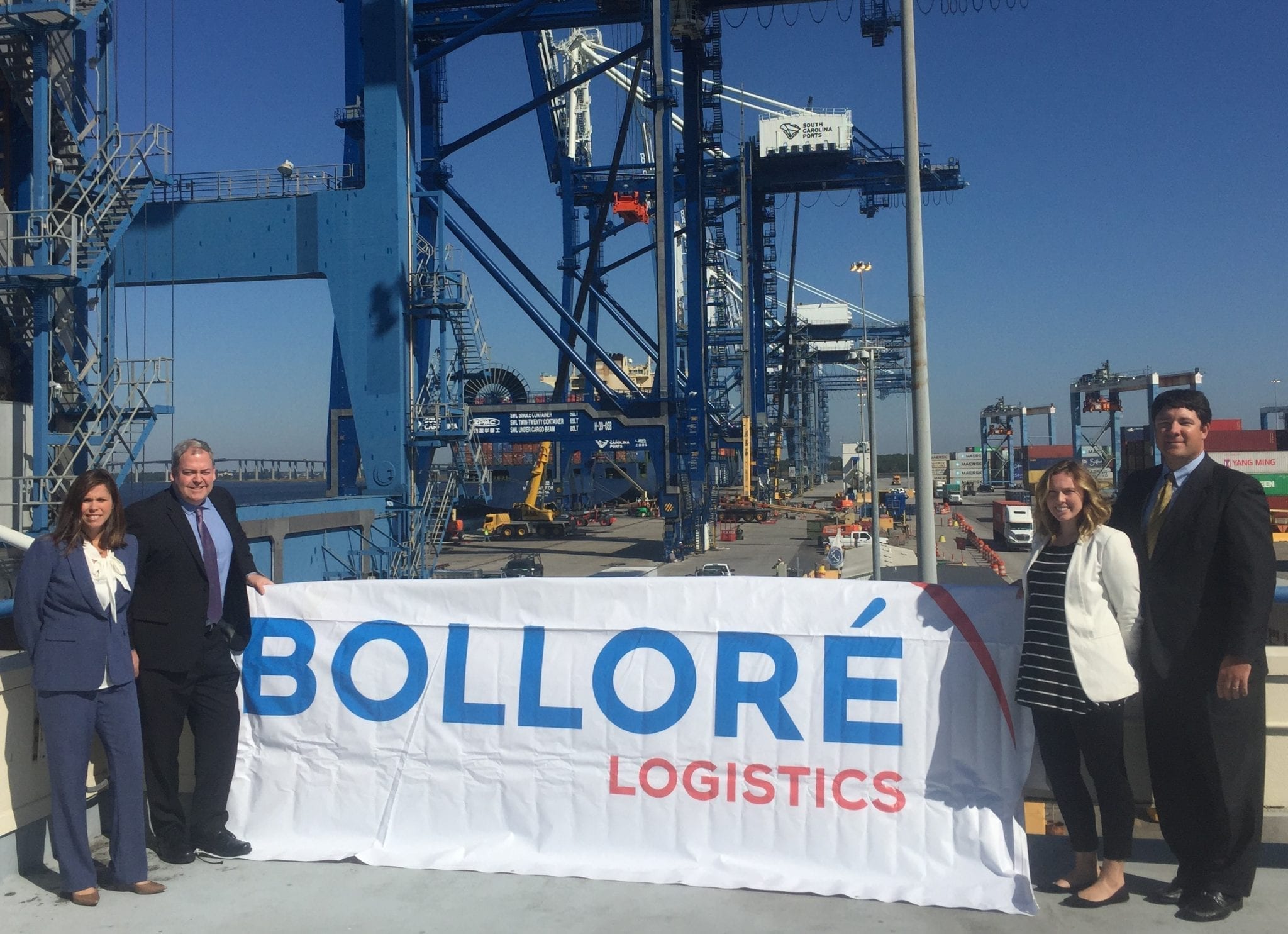
  • Bolloré Logistics USA Has Opened a New Office in Charleston

    Bolloré Logistics USA Has Opened a New Office in Charleston

    The US Southeast continues to expand in both population and manufacturing infrastructure, and the Port of Charleston serves as the international ocean gateway to support this region.

    Planned port expansions and deepening projects are poised to push the Port of Charleston into the top three USA container volume ports (along with New York and L.A.) by 2020.

    Bolloré Logistics Charleston will focus on the heavy east/west ocean traffic flows with North Europe as well as China, Japan, and Southeast Asia. The new office will focus on a number of industries in the Carolina’s, including Aerospace, Automotive, Manufacturing, and Retail to name a few.

    Mr. Tyler Smith, in addition to being the Branch Manager, is a Licensed Customs Broker. Bolloré Logistics USA now has an active corporate license with U.S. Customs and Border Protection in the 16th Customs District covering all Customs ports in the State of South Carolina.

    Ms. Candice Kurent will be responsible for the sales development.

    “Opening our newest office in Charleston demonstrates our commitment to grow in the United States and a specific focus on the dynamic and growing economy in the Southeast,” mentions Mr. Seth Brown, Regional Manager for the Southeast. “With our new office, we show our commitment to being close to our customers, unlike many of our competitors who are choosing to centralize or off-shore their operations. We are already a Top10 logistics and transportation player globally and our aim is further profitable growth in the coming years,” he adds.

  • Amazon Prime is launching in China

    Amazon Prime is launching in China

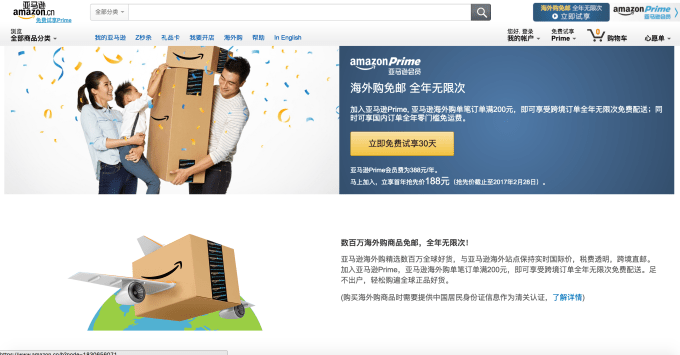
    Amazon announced it’s bringing a version of its Prime membership program to customers in China, which will include free, cross-border shipping from the Amazon Global Store as well as no minimum free domestic shipping, the company says. The service, which will compete with local rivals like Alibaba and JD.com, will cost 388 yuan ($57.23) per year after the first year, a discounted rate.

    Unlike the U.S. version of Prime, there aren’t a host of perks for Chinese customers outside of the shipping deals – instead, the main focus here is on increasing Amazon’s footprint in China by making it more affordable to buy foreign products from its site.

    Amazon today doesn’t have a significant footprint in China – less than 1.5 percent of the market, according to iResearch. It even launched a store on Alibaba’s Tmall site last year in order to reach Chinese consumers.

    Cross-border e-commerce is a growing trend in China, thanks to rising incomes and increased demand for foreign products. According to a McKinsey study from earlier this year, cross-border consumer e-commerce amounted to an estimated $40 billion (U.S.) in 2015, more than 6 percent of China’s total consumer e-commerce. The report also said it’s growing upwards of 50 percent annually.

    Chinese Prime members will be able to shop over 4 million international products from the Amazon Global Store – a storefront the company launched in November 2014 to cater to an international audience. The localized store’s millions of products are organized across 30 product categories, including those that appeal to Chinese consumers like apparel, shoes, baby, toys, home, kitchen and beauty.

    These international orders are delivered by Amazon fulfillment centers in the U.S. through its global logistics capabilities, says Amazon, and Prime members will receive those packages in an estimated 5-9 days in 82 cities.

    screen-shot-2016-10-28-at-9-58-38-am

    In some cases, orders may take longer. Single orders of over ¥2,000 or total orders for a citizen in a year totaling more than ¥20,000 will be routed through a customs channel which requires additional processing time, the retailer notes.

    Meanwhile, Amazon Prime members can also take unlimited free shipping with no minimum purchase on more than 9 million domestic products.

    “Launching a unique program designed for our Chinese customers shows our obsession with Chinese customer needs, and demonstrates our long-term commitment to growing our business in China,” said Russ Grandinetti, Senior Vice President of Amazon, in a statement about the launch. “We will continue to innovate for customers in China to deliver more value over time.”

    To kick off the launch, Amazon is discounting the Prime membership to encourage signups. Instead of ¥388, it will be ¥188 for the entire first year. A free, 30-day trial is also available from z.cn/prime.

    The launch coincides with Amazon’s third Global Shopping Festival, which runs until December 2, 2016, and will include deals on over 70,000 international brands as well as Black Friday deals on the Amazon Global Store.

  • Walmart Invests $50M In JD.Com’s O2O Logistics Services App New Dada

    Walmart Invests $50M In JD.Com’s O2O Logistics Services App New Dada

    Walmart has made a US$50 million strategic investment in New Dada, formerly known as Dada and controlled by JD.com Inc., in another step deepening an existing partnership between the global retail giant and China’s second largest e-commerce firm.

    New Dada was created in April from a merger between JD.com’s O2O (online-to-offline) unit and Dada Nexus Ltd., a venture-backed Uber-like mobile app that focuses on providing last mile logistics services.

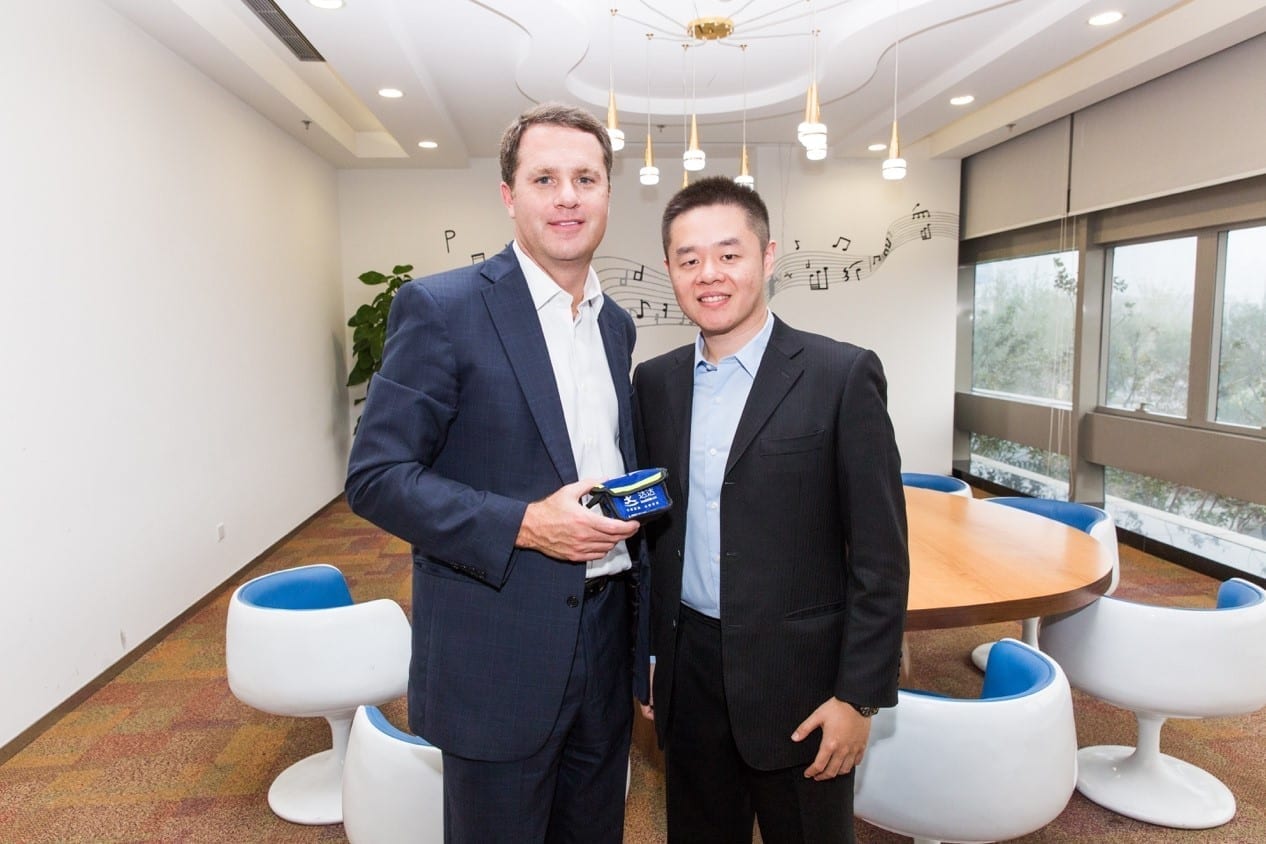
    “Our alliance with JD and cooperation with New Dada will enable seamless shopping to millions of customers across China,” says Walmart CEO, Doug McMillon.

    The O2O logistics services provider New Dada currently has more than 25 million registered users, and provides local on-demand delivery capabilities with 2.5 million crowd-sourced deliverers across more than 300 cities in China.

    New Dada currently offers customers two-hour delivery on groceries ordered from Walmart stores to customers within a 3-kilometer radius of more than 20 Walmart stores in China. The number of Walmart stores offering two-hour delivery is expected to double by the end of the year.

    Officially launched in 2014, Dada operates through Imdada.cn and last completed a US$300 million series D round of financing from DST Global, Sequoia Capital and others in January.

    It previously raised three rounds of venture funding from DST Global, Sequoia Capital, Greenwoods Investment Management and other undisclosed investors.

    In April, JD.com paid US$200 million in cash and injected JD Daojia assets into Dada in exchange for a 47.4% stake in the newly merged Dada.

  • Changi Airport Group strengthens pharmaceutical supply chain in Singapore

    Changi Airport Group strengthens pharmaceutical supply chain in Singapore

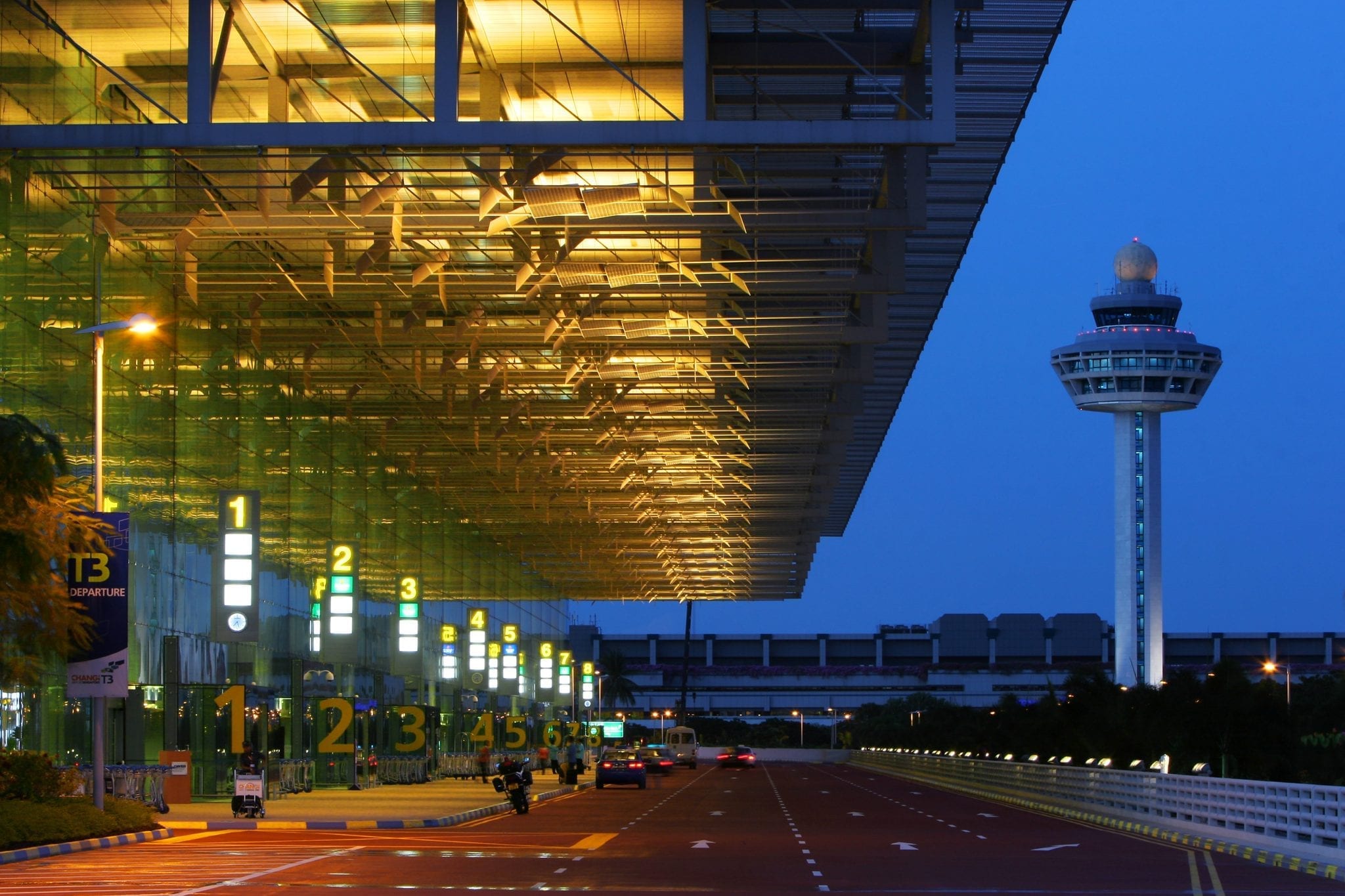
    Changi Airport is the first airport in Asia to join Pharma.Aero as a strategic member, together with partner Singapore Airlines Cargo who comes on board as a full member. Both parties envisage that this effort will raise pharmaceutical handling capabilities at Changi Airport.   An organization comprising stakeholders of air cargo supply chain from around the world, Pharma.Aero is dedicated to achieving excellence in end-to-end air transportation for pharma cargo.

    Pharmaceutical cargo is among the fastest growing segments at Changi Airport, growing 19 percent year-on-year for the first nine months of 2016, and registering a five-year compounded annual growth rate (CAGR) of 13 percent from 2010 to 2015.

    The South West Pacific and North East Asia regions account for 45 percent of total share of pharmaceutical cargo at Changi Airport. In terms of volume, Australia, China and India are Changi’s top three pharmaceutical markets on a year-to-date (January to September 2016) basis. The top markets showing strongest growth for the period are China (+51 percent), Vietnam (+35 percent) and Hong Kong (+32 percent).

    Pharmaceutical products that pass through Changi Airport include vaccines, tablets and pills. These products are highly sensitive to fluctuations in temperature. Pharmaceutical cargo is the sixth most valued segment in terms of total air cargo handled, and account for under 10 percent of total value of cargo handled.

    Changi Airport is well-equipped with specialized facilities to be the preferred gateway of pharma cargo in Asia, with the two ground handlers (Coolport by SATS and Coolchain by Dnata) having the ability to handle more than 300,000 tonnes of temperature sensitive cargo annually. Our excellent connectivity (6,800 flights to 330 cities served by over 100 airlines) and strong mix of freighter and bellyhold capacity provides ample options for pharma shippers to access the global economy.

    Changi Airport is the first airport in Asia to embark on a community approach for the IATA CEIV Pharma certification, thereby raising the local community’s handling standards and capability for temperature-sensitive pharma cargo. The pioneer group of companies in the Changi CEIV Community consists of Singapore Airlines Cargo, dnata Singapore, Global Airfreight International Expeditors Singapore, CEVA Logistics Singapore, and Schenker Singapore.

    SATS Coolport, a major cargo player at Changi Airport, was the first facility in the world to attain the IATA CEIV Pharma certification in 2014.

    Global spending on pharma cold chain logistics is projected to grow at eight-nine percent per year, totaling US$16.7 billion by 2020 according to Pharmaceutical Commerce. Asia is expected to account for the largest regional share growth with more than $1.2 billion of cold-chain growth through 2019.

  • DHL eCommerce will invest €70 million to expand its air hubs in Delhi and Mumbai

    DHL eCommerce will invest €70 million to expand its air hubs in Delhi and Mumbai

    DHL eCommerce will invest €70 million (US$75.1 million) to expand its air hubs in Delhi and Mumbai, supporting the growing e-commerce industry in India.

    According to DHL, the 5,761m2 Delhi hub and 4,274m2 Mumbai hub will be equipped with automation to handle a daily volume of more than 500 tonnes. The upgrade will allow Blue Dart Express, a subsidiary of DHL, to process more shipments faster and deliver them to Indian consumers by air.

    “The e-commerce industry is an extremely exciting one that offers tremendous opportunities for businesses and consumers alike,” said Juergen Gerdes, CEO of post, e-commerce and parcel at Deutsche Post DHL Group [third from right in photo]. “The global B2C cross border e-commerce market will multiply in size to US$1 trillion in 2020. The growth is driven by increasing consumption from expanding middle classes, greater mobile and internet penetration and improving logistics and infrastructure as consumers increasingly shop online and expect shorter delivery times. With our added focus on innovation such as the StreetScooter and In-Car Delivery, we are gearing up to ensure we stay ahead of the game and be able to anticipate and meet the needs of the overall industry, e-tailers and end customers.”

    Charles Brewer, CEO of DHL eCommerce, said that the completion of the upgrades will mark another milestone in the expansion of the DHL eCommerce logistics network.

    “India is a really important market for us and is one of the fastest-growing, with B2C e-commerce expected to grow from €9.6 billion (US$10.3 billion) in 2016 to between €30-40 billion (US$32.2-42.9 billion) in 2020,” said Brewer. “This investment in India, as well as recent investments in the Americas and elsewhere in Asia Pacific this year, showcases our commitment to the e-commerce industry by delivering high quality, reliable logistics solutions to meet the rising demands of e-commerce consumers.”

  • Dachser India upgrades offices in Mumbai

    Dachser India upgrades offices in Mumbai

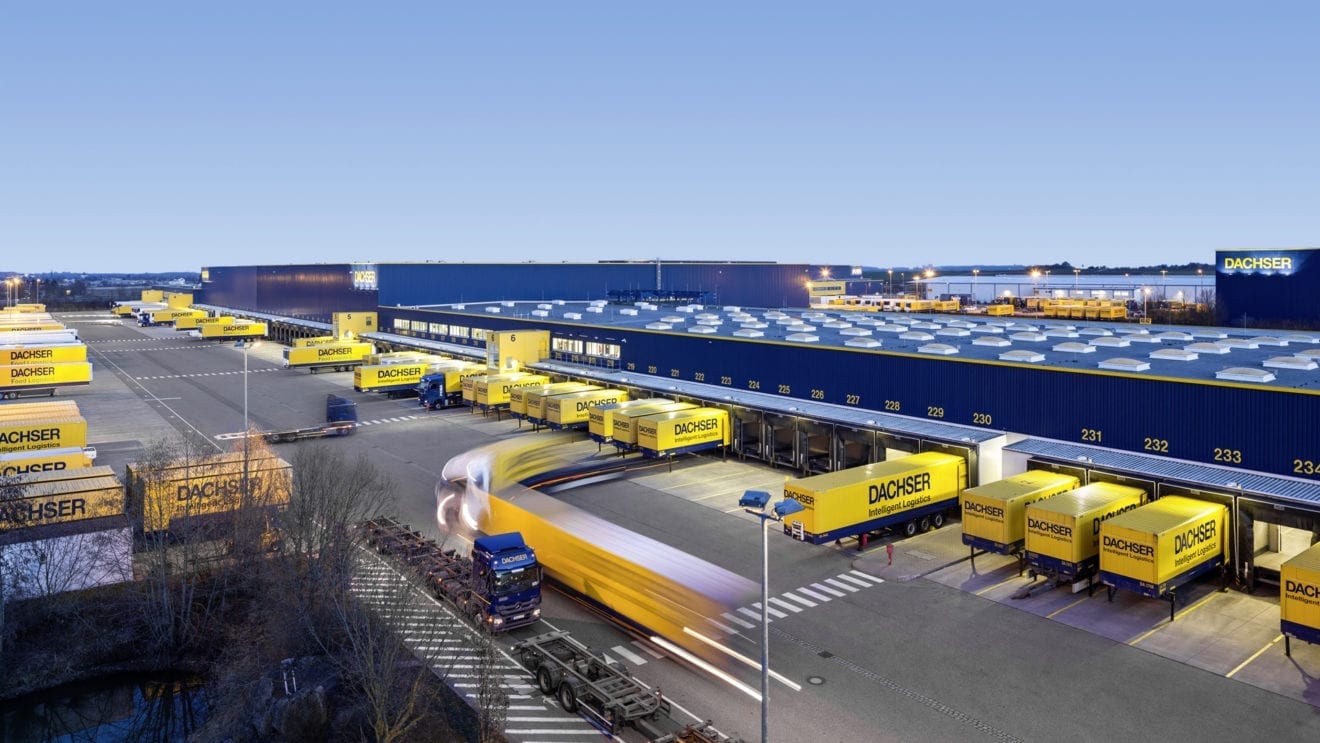
    Dachser India has moved to a new regional office in a thriving business area in Mumbai, to be closer to its brand named customers and enable staff from different departments to communicate more effectively.

    “With India’s strong developing manufacturing, automotive, FMCG and e-commerce market, there is an increasing need for quality and integrated logistics solutions. As we focus on India’s positive economic growth and upcoming favorable government reforms, we are very excited about our strategic investment in the new Regional Office in India and look forward to offering more efficient support and promote Dachser’s brand promise to our customers in India,” says Huned Gandhi, Managing Director Air & Sea Logistics India.

    The new open plan office is located in Sakinaka a leading commercial district in the city with easy access to public transport links.

    In another development Dachser incorporated its air, ocean, customs and operations staff under one roof in a new operational office in Mumbai. In total 100 employees will work in the new office which is close to the international airport and its customers in the western region of the city.

    “The western region has always been a consistent market with strong potential and demand. The new office will enable us to gather all our sea and air freight staff in one office thereby strengthen the effectiveness and efficiency of the branch operations. ”

    Dachser now has 25 offices across the subcontinent with one of the largest country wide logistics networks of any international company.

  • Halal certification for DB Schenker’s Kuala Lumpur Logistics Centre

    Halal certification for DB Schenker’s Kuala Lumpur Logistics Centre

    Schenker Logistics (Malaysia) announced that the Kuala Lumpur Logistics Centre 9 (KLC9) warehouse located in Shah Alam is officially accredited for their halal logistics operations under the international halal standard for logistics IHIAS 0100:2010. The accreditation covers both storage and transportation.

    The certificate was presented by IHI Alliance executive director Hj Rafek Saleh to Schenker Malaysia Logistics director Claus Kuhnert in Shah Alam.

    According to Kuhnert, this recognition is timely as halal supply chain management is an emerging requirement for FMCG brands. It is a new milestone for DB Schenker to be the first accredited multinational third party logistics service provider to receive this international halal logistics recognition.

    “Schenker Malaysia understands the importance of a halal value chain, and an unbroken halal supply chain for big brand owners serving Muslim markets in Southeast Asia. We feel that this need is not well served by the logistics industry and we at Schenker Malaysia see this as an opportunity to become one of the first fully certified international logistics service provider in Asia. We are gearing towards full compliance to serve the halal industry as the innovative integrated logistics service provider of choice,” he added.

    DB Schenker expects the halal logistics solutions offered by the company will allow their clients to achieve a total halal supply chains for food, cosmetics and pharmaceutical companies, and strengthening its position in the FMCG business.

    The accreditation will also enable DB Schenker to actively participate as the MNC logistics player in strengthening Malaysia’s position as a global halal hub.

  • Arvato opens bonded warehouse in China

    Arvato opens bonded warehouse in China

    Arvato SCM Solutions is expanding its presence in China with a new bonded warehouse that will serve clients in the high-tech and entertainment and consumer products industries. The new 2,000 m² facility is located in the Shanghai Waigaoqiao Free Trade Zone.

    “The launch of our third distribution center in China is necessary as we meet an increasing demand for logistics services in the region,” said Raoul Kuetemeier, Head of Arvato SCM Solutions Asia.

    The Shanghai Waigaoqiao Free Trade Zone is unique for its government incentives and preferential tax policies; a strategic location for the distribution of goods into mainland China and trade between Asia and rest of the world. “This new bonded warehouse enhances our logistics network in the Chinese market and underscores our commitment to provide the most flexible and competitive supply chain solutions for our clients.” said Kuetemeier. Arvato is already represented by five distribution centers across Asia.

    Arvato will provide end-to-end logistics services in the new multi-user facility. This includes the processing of imports and exports as well as warehousing, multi-channel distribution, returns management, and other value-added services. The access-controlled location is also equipped with a monitoring system and has more than five loading bays. In the licensed bonded warehouse, goods can be stored duty-free indefinitely.

    The new logistics center in Shanghai’s Pudong district offers outstanding structural conditions for efficient distribution. It is within close proximity to the Waigaoqiao harbor and Yangshan deep-water port. The airport, central highways and container freight station within Shanghai are also easily accessible.

  • Germany To Help Iran’s Port Infrastructure

    Germany To Help Iran’s Port Infrastructure

    Germany, which has been aggressively pushing for closer economic ties with Iran following the lifting of international sanctions against the latter, wants to play a pivotal role in the modernizing and upgrading of Iran’s dilapidated infrastructure and transport system. Germany signed six memoranda of understanding (MoUs) aimed at boosting transport cooperation following a late October meeting between Abbas Akhoundi, Iran’s minister of roads and urban development, and Alexander Dobrindt, Germany’s minister of transport and digital infrastructure, who led a delegation of major German shipping, port and marine companies.

    Iranian and German sources said that a German company is participating in a tender for completing two terminals at Chabahar Port in southeastern Iran, which was recently in the news because India is keen to develop it for strategic and trade reasons. German multinational Siemens is holding talks with Iran for developing suburb transport in Tehran and Tabriz, as well as the rail lines between Tehran and Tabriz.

    The lifting of sanctions against Iran has led German business executives and the shipping industry to tap what they describe as “huge business potential.” Hamburg Port, for example, has been trying to identify areas and ways to establish and upgrade ties with that country’s port facilities.

    Since the imposition of sanctions, Iran has struggled to have a normal trading relationship with the outside world. While the German industry has been euphoric – and this applies particularly to Hamburg, whose port prides itself as the “gateway to Asia” – the realities are different; indeed, access to Iran’s lucrative market is not an easy undertaking.

    Strategically located at the crossroads between the Arabian Peninsula and Central Asia, with ports in the Caspian Sea and the Gulf region, Iran is interesting for shipping lines. Iran also offers opportunities for foreign investment in important sectors such as oil and gas, electricity production, air, sea and road infrastructure, telecommunications, etc.

    Described as part of the “Axis of Evil” in 2002, Iran’s breakthrough came on January 16, 2016, when the first of the multiple layers of trade sanctions were removed, breaking the shackles that badly inhibited that country’s shipping and trade, and giving it access to huge sums of money that had been frozen under the sanctions regime.

    However, experts at a special event in Hamburg a few months back told shippers and others that only part of the sanctions had been lifted on January 16. While the ban on imports of Iranian oil and gas products, and against the country’s ship-building and shipping sectors, had been lifted along with restrictions on bank remittances, the situation remains complex in the sector of so-called “dual use” goods, which can be used both for civilian and military purposes.

    One of the first to take advantage of the lifting of sanctions was European aerospace company Airbus, which has bagged aircraft orders from Iran Air to replace its outdated A340 aircraft. The city of Hamburg, experts say, could flank trade with Iran by providing expertise in several areas, including modernization of Iran’s fleet of mercantile ships.

    US companies are not, yet, permitted to have dealings with Iran, although their associate companies in Europe can do so. However, weapons and certain police equipment are still prohibited. Also prohibited are deals with companies that are controlled by Iran’s revolutionary guards or those that have supported Iran’s atomic programme.

    Iran has been trying to recruit German companies to set up operations, particularly in the seven free trade zones in Iran for which the government has been dangling carrots in the form of incentives, including a 20-year tax holiday. Since Iran is keen to join the World Trade Organization, it has been trying to highlight the fact that many of its old agreements on trade and legal protection are in force. However, new companies to be established in Iran will be governed by certain religious laws and, as such, are required to have a Persian name or title, as Iranian legal experts have been saying during meetings with German companies. “Such a requirement can be a deterrent because many German companies are unsure what the implications would be on their business. I would suggest that companies do their homework before moving large-scale investments to Iran,” one German-Iranian told on the condition of anonymity.

    Meanwhile, Iran is in a rush to catch up with the rest of the world by modernizing its infrastructure and its economy.

    Hamburg and its port stand to benefit immensely from Iran’s opening. In 2014, German exports to Iran amounted to some €2.4 billion (approximately US$3.1 billion, in 2014 dollars), while imports from Iran were about €300 million, according to numbers from the German Statistics Bureau. Hamburg’s two-way trade with Iran amounted to roughly €214 million in the same year. International trade experts at Hamburg’s Chamber of Commerce are optimistic that German trade with Iran would double from its present level after all sanctions are lifted.

    Some 353 companies based in Hamburg already have business connections with Iran. Despite sanctions, some of these companies maintained business ties with Iran even during the embargo period. Hamburg, which is by far the world’s leading trading hub for Iranian products, including carpets, has the largest concentration – about 20,000 – of Iranian nationals or people of Iranian origin in Germany; the city hopes to resume its once flourishing trade and shipping through the Iranian diaspora.

    Another important German state interested in trade with Iran after the lifting of sanctions is Hesse, which recently sent a 40-member delegation led by Hesse minister for economics, energy and transport Tarek Al-Wazir to Iran. The trade volume between Hesse and Iran was around €212 million in 2015 (US$230 million), according to the state’s economics ministry.

    “The reputation of products and services offered by Hesse is traditionally good in Iran,” Al-Wazir said. There is huge potential in the expansion of the processing industry, the transport infrastructure and in urban development.

    During German minister for economic affairs and energy Sigmar Gabriel’s visit to Iran in early October, Gabriel’s second visit to Iran within 14 months, Iran’s oil minister had said that German banks were becoming a hindrance. “We have billions (of dollars) with which we could do good business with the Germans,” Bijan Namdar Zangeneh, the oil minister, was quoted as saying after his meeting with Gabriel in Tehran.

    The money cannot be transferred due to problems with the banks. Iran’s minister told journalists that that “is bad for us, but also bad for the Germans.”

    Germans say that although the sanctions against Iran were lifted in January, trade has not made much headway. A precluding factor is that part of the punitive measures – the so-called secondary sanctions – imposed by the United States are still in force. German and European banks are, consequently, dissuaded from financing Iran deals. In 2015, for example, Germany’s Commerzbank paid a hefty US$1.45 billion fine to US authorities because of violating American sanctions in deals with Iran. France’s large bank BNP Paris also had to pay a billion-dollar penalty.

    Iran’s economy has not done badly, with the International Monetary Fund forecasting an average growth rate of 4% for the next five years. Official Iranian projections suggest a GDP growth rate of 5% for 2016.

    Iran’s neighbour Turkey is also eyeing the opportunities unfolding in Iran; Turkey offers itself as an ideal transit point for German and other western companies wanting to enter Iran. Turkey trumpets its “manifold advantages,” particularly, for SMEs which can enjoy customs duty benefits. Turkish experts, who say that all the machinery and production tools in Iran are outdated, believe that German companies, with their past trade relationship with Iran, can look forward to a welcoming market with huge investment needs.

    Some German companies are looking at using Turkey to tap Iran’s huge business potential. Since 2014, Turkey has a preferential trade agreement with Iran. This agreement eliminates many customs duties. German companies can save customs duty twice because Turkey, a member of the European Customs Union, exempts German products from customs duty on exports to Turkey. All products shipped from Turkey to Iran are treated as Turkish products and thus spared the customs duties.
  • Matheson Flight Extenders has signed an agreement with Cathay Pacific

    Matheson Flight Extenders has signed an agreement with Cathay Pacific

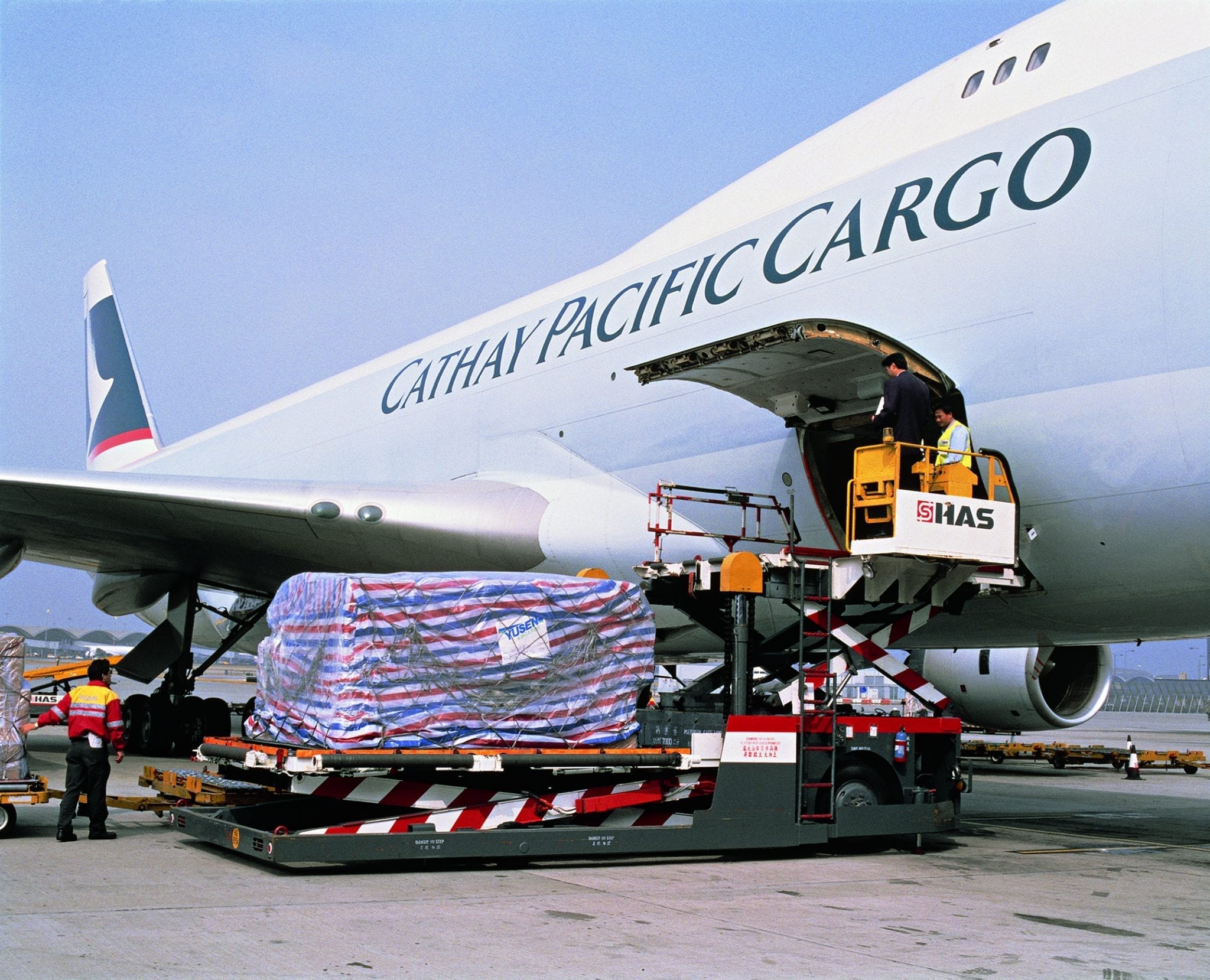
    Matheson Flight Extenders, Inc. has signed an agreement with Cathay Pacific to act as a freight consolidation agent to provide export and import services at Portland International Airport.

    Matheson Flight Extenders, Inc., a subsidiary of Matheson Trucking Inc., recently added eight employees to support Cathay’s new twice-weekly Boeing 747-8F flight to Hong Kong via Anchorage which was launched on November 3.

    “This is an exciting opportunity for Matheson to once again expand into the international freight arena,” said Charles Mellor, chief operating officer for Matheson. “We handled similar services for Asiana Airlines and are proud to be a key facilitator in the partnership between the Port of Portland and Cathay Pacific. Providing consolidation for import/export goods benefits the economy of Portland and businesses in the region.”

    According to Mellor, Cathay first contacted Matheson about providing consolidation services at Portland.

    “We quickly presented a bid and began negotiations,” he said. “The referral was a result of our previous partnership with Asiana. We have the ramp space to park a 747 close to our hangar, making it more convenient to load and unload the aircraft.”

    Cathay expects the flight to carry 40 to 60 tonnes of cargo from Portland every month, including semi-finished footwear and apparel, electronics and perishables such as blueberries, cherries, Dungeness crabs and oysters.

    The Portland flight operates every Thursday and Saturday and is routed via Anchorage and Los Angeles from Hong Kong, and via Anchorage on the way back.