Category: Logistics

Retail News Asia is committed to providing both local and global retailers with the latest Logistics news throughout the Asian market. This on a daily base.

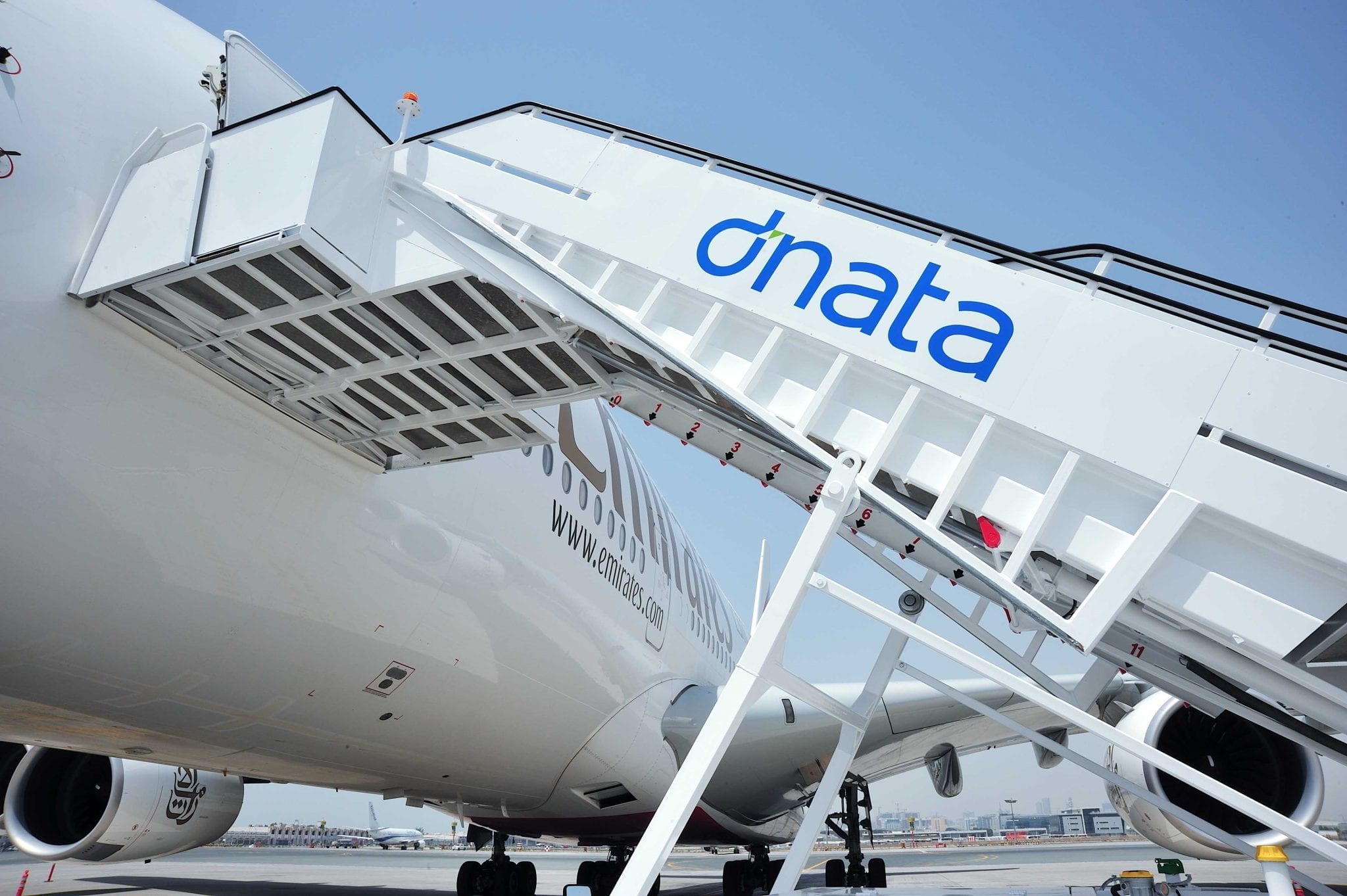
  • Dnata has inaugurated its customer service centre for cargo at Dubai Airport

    Dnata has inaugurated its customer service centre for cargo at Dubai Airport

    According to dnata, the new 5,000m2 facility is located at Freight Gate 5 at the Dubai Airport Free Zone and is expected to handle 25,000 tonnes of export cargo every month.

    “What we see today is the result of meticulous planning, creative thinking and most of all, listening to our customers,” said Gary Chapman, president of dnata and group services. “We are looking to bring about further efficiency, cost-saving and surpass our customers’ expectations.  We take pride in being a leader in cargo handling, and it’s important to constantly raise the bar when it comes to innovation and customer service. I believe this new centre really demonstrates our commitment to providing a secure and efficient environment for our customers’ cargo needs.”

    According to dnata, the service centre features new export counters, government agencies, a special cargo acceptance area, a new office space for airline and freight forwarders, as well as dnata’s new Cargo Integrated Control Centre, which operates 24/7 and simplifies information flow between all stakeholders. The CICC also monitors, troubleshoots and enables quick decision-making to improve efficiency.

    “While we have accomplished a great deal, we are always looking to innovate and offer better service to our customers,” said Chapman. “They have come to expect that of us, and we are constantly looking at ways to improve. We have exciting plans ahead. The evolution of this facility will see the opening of an import customer service centre, as well as additional storage and handling capacity for our export customers.”

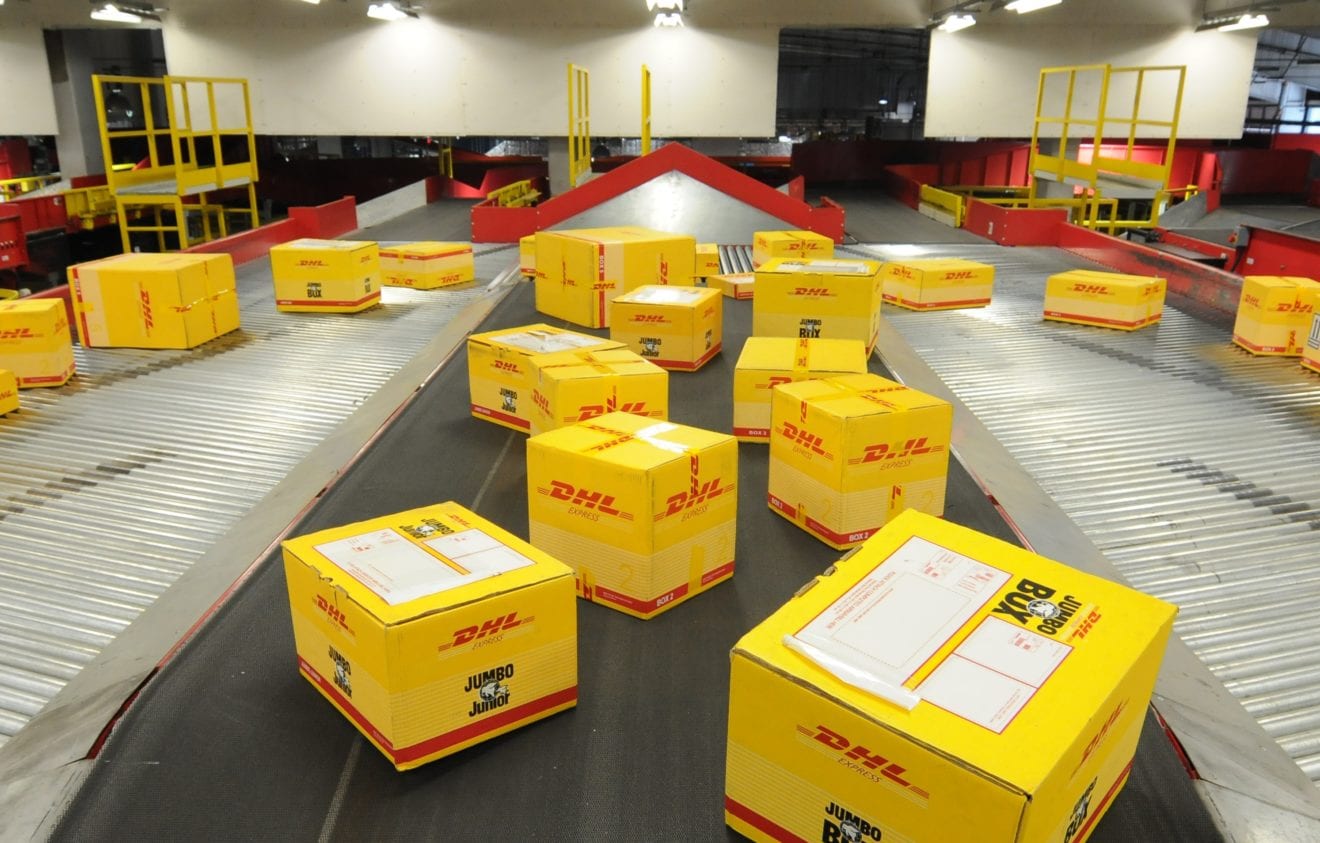
  • DHL leverages on China’s Belt and Road

    DHL leverages on China’s Belt and Road

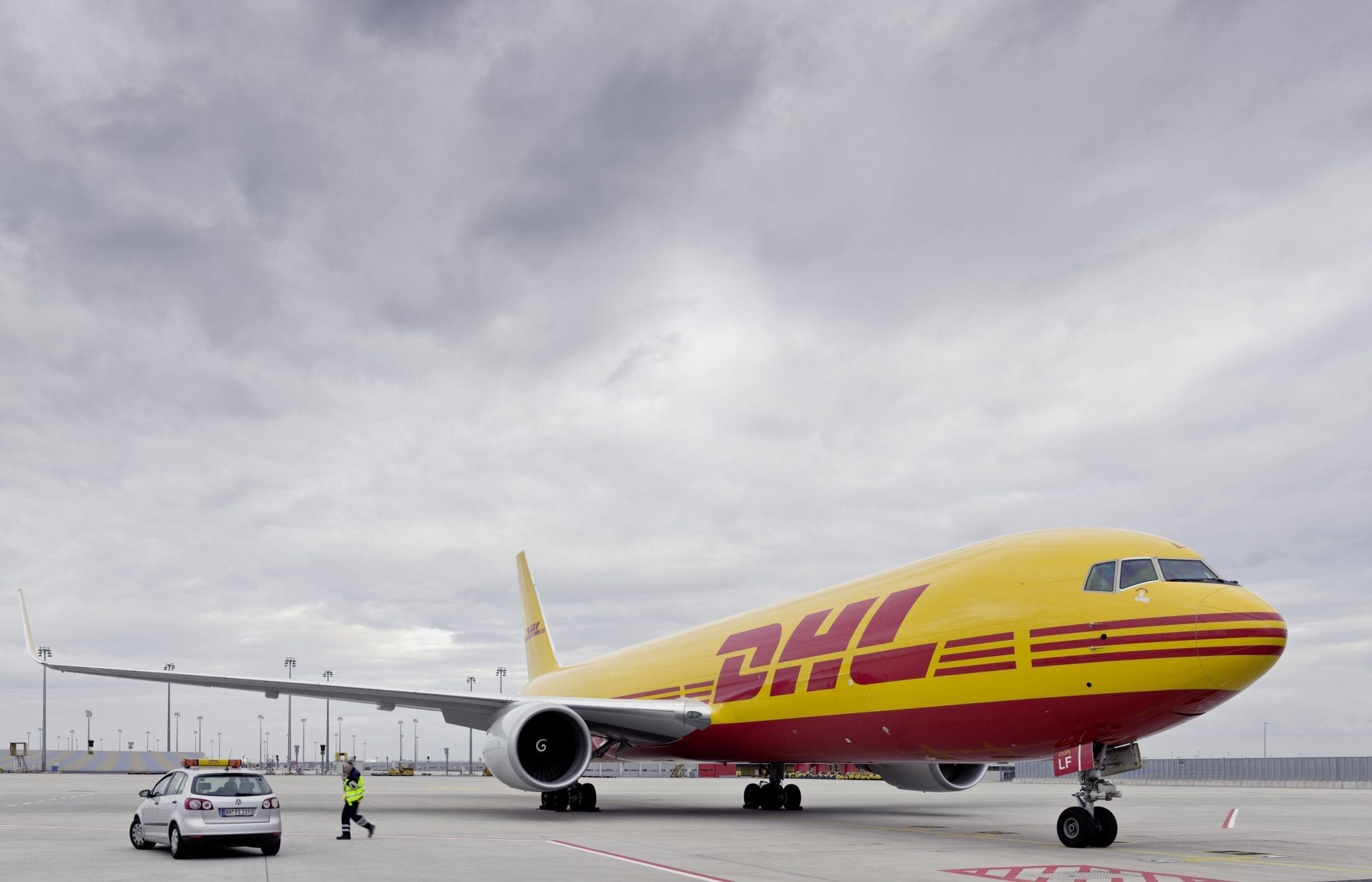
    DHL Global Forwarding continues to enhance its services which leverage infrastructure developed as part of “Belt and Road”, the Chinese trade initiative that could influence up to half of all global trade once completed.

    “Trade is the enabler for greater prosperity and a sustainable future. We believe logistics is the backbone of global trade, and nowhere more than in Asia have we seen the tremendous transformation of the economies as rising standards of living and a growing middle class has fuelled increased consumption and trade,’ said Frank Appel, CEO, Deutsche Post DHL Group.

    Frank Appel was speaking in conjunction with DHL’s Delphi Dialog forum on the implications of “Belt and Road” for international trade. The forum, with renowned experts from the government, business and academia, is the latest in a series which examines trends and developments that shape our world and the logistics industry.

    Making ‘Belt and Road’ accessible for business

    China’s investment in Belt and Road infrastructure – more than US$75bn (Euro 67.5bn) in the 18 months to June 2016 – bolsters regional cooperation and promotes trade. Since 2010 and in line with the vision for “Belt and Road”, DHL has been developing scheduled connections offering rail services across multiple cities in China, and linking it to road solutions throughout South East Asia and ferry services from North Asian cities in Japan and Taiwan.

    From South East Asia and other parts of North Asia, the road and ferry connections feed into China’s rail system which connects into Europe, with final distribution by road across the continent. This intricate connection of rail, road and sea services offers customers an additional logistics route, fostering trade between economic powerhouses of Europe and Asia.

    “We have been focused on building connectivity between China and regional countries, and connections into Europe via all combinations of road, rail and sea services,” said Steve Huang, CEO, DHL Global Forwarding China. “A multimodal solution – combining all modes of transport – enables customers to better manage their supply chains – offering flexibility, cost savings and potentially a reduced carbon footprint.”

    “The new service provides greater flexibility and speed for Japan’s exporters, including sectors like automotive and electronics production which already enjoy market dominance in Europe,” said Mark Slade, President and Representative Director, DHL Global Forwarding Japan.

    “With Less-than-Container Load services to Europe, Japanese businesses can improve the efficiency of fulfillment and inventory management at cost-effective rates, helping them maintain their competitive edge as world-class manufacturers.”

    Broadly, combinations of multimodal services can reduce transport costs by up to six times and up to 90% reduction in carbon footprint as compared with air freight, making it an increasingly attractive option for SME and MNC customers alike.

    DHL launched a further three new multimodal services:

    • Sea & Rail service: A Less-than-Container Load (LCL) service between Japan and Germany which allows businesses to export low-volume shipments for as little as half the cost of standard air freight. With a transit time of about 22 days, shipments are moved from Kobe to Taicang via sea, and by rail to Hamburg through hubs like Duisburg, Lodz, Malaszewicze and Warsaw.
    • Road & Rail service: The Vietnam-Europe service takes Full Container Load (FCL) cargo from Hanoi to Chengdu via road, followed by rail to hubs like Lodz, Duisburg and Hamburg in Europe, arriving in 21 days. An LCL option for the Vietnam-Europe service will commence in Q4 2016.
    • Rail, Road & Sea: Further boosting our Southern rail corridor offering announced last year, the new Chengdu-Istanbul service traverses three Central Asian countries – Kazakhstan, Azerbaijan, and Georgia – as well as two sea transit segments before arriving at Istanbul in 14 days.

    The three new services build on a series of major DHL investments in the last 12 months, including a multimodal service between Japan and Warsaw via Suzhou announced in November 2015; and an MOU signed in May 2016 with Chengdu’s Gateway Logistics Office to upgrade infrastructure and customs processes. DHL has been developing multimodal services along the Belt and Road since 2010, when it launched a suite of five services – International Rail, Rail-Air; Sea/River-Rail; Sea-Air and Cross-Border Road Freight.

  • Hazmat Worries Growing

    Hazmat Worries Growing

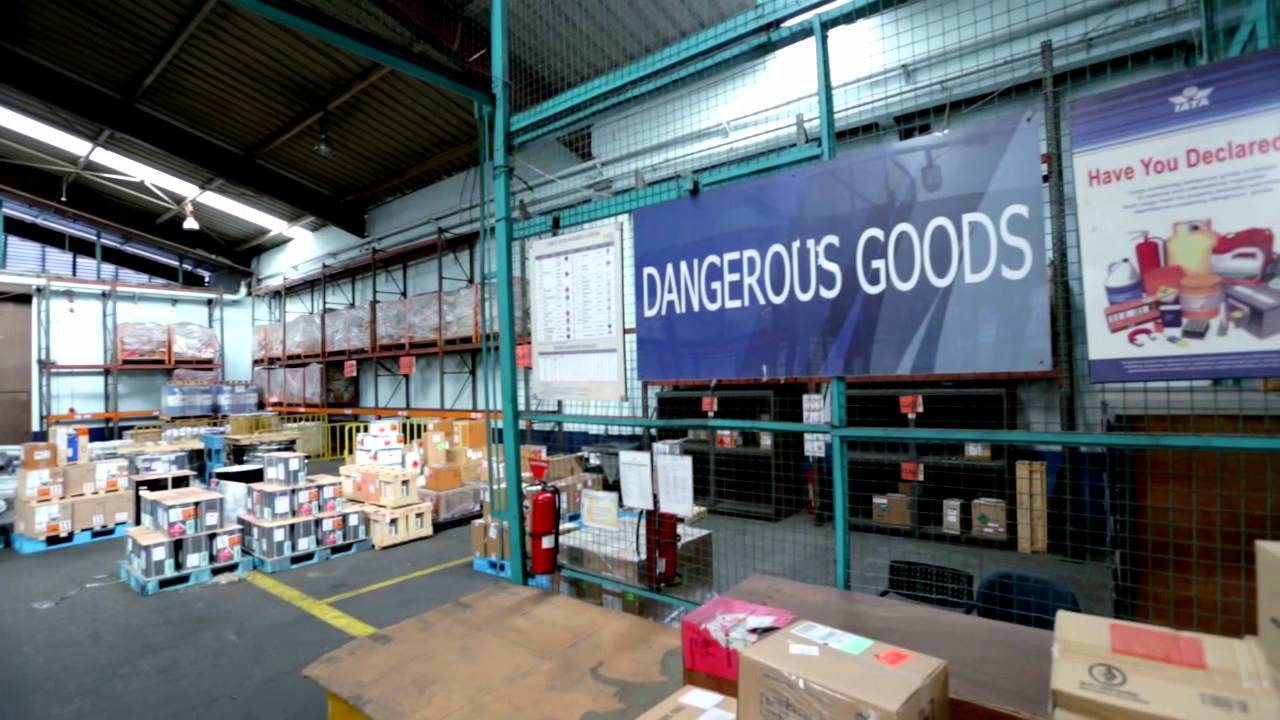
    Concerns are rising about hazardous cargo. Bans on Galaxy Note 7 smartphones by airlines mark the latest flashpoint in a debate on how to reduce risks from carrying dangerous goods, but there are also worries in the maritime sector.

    Troubles with Samsung’s Galaxy Note 7 have reignited the debate on lithium batteries. After faulty batteries on some units went ablaze, several airlines, including Finnair, Qantas, Aeroflot and Air Canada, have banned the smartphone from their cargo holds.

    Samsung has recalled 2.5 million of the smartphones in at least 10 countries and promised to send replacements out as quickly as possible.

    Airlines that knowingly carry the version with potentially defective batteries or shippers that send them as air freight would be breaking IATA’s Dangerous Goods rules, which mandate that “lithium batteries identified by the manufacturer as being defective for safety reasons, or that have been damaged, that have the potential of producing a dangerous evolution of heat, fire or short circuit are forbidden for transport (for example those being returned to the manufacturer for safety reasons).”

    The International Civil Aviation Organization (ICAO) issued an interim ban on lithium-ion battery shipments on passenger aircraft, which came into effect on April 1. According to ICAO, it will stay in force until a new, safer packaging standard has been established.

    The ban has been criticized by battery manufacturers and some shipper organizations. Many airlines have refrained from comment. According to IATA, about 400 million lithium-ion batteries are produced every week. Most of them are shipped by ocean carrier, but a small contingent goes by air.

    Much of the opposition to bans has revolved around the issue of undeclared battery shipments, which are seen to pose a greater risk. In a joint letter sent in early August to ministers of trade, industry and transport, and directors of civil aviation in the world’s largest lithium battery producing countries, IATA, the Global Shippers Forum, the International Air Cargo Association and several battery manufacturer interest groups called for lithium battery safety regulations to be enforced at the point of origin, including the initial shipper and the battery manufacturer.

    The US Federal Aviation Administration (FAA) appears bent on stepping up enforcement. It recently hit a company that had tendered a shipment of 30 four-ounce ‘Fryer Boil-Out Foaming’ tablets made of corrosive sodium hydroxide for air transportation from Florida to North Carolina to UPS with a US$54,000 fine.

    The amount and the fact that a shipper was punished (usually the FAA metes out fines to carriers, who then deal with clients who have tendered hazmat cargo without proper identification) suggest that the administration is sending out a signal, one airline executive commented.

    In June the FAA slapped a US$350,000 penalty on Amazon, after the company had tendered a package containing a one-gallon container of “Amazing! LIQUID FIRE,” a corrosive drain cleaner, for air transport to UPS. DHL was fined US$455,000 for seven hazardous materials violations back in February.

    “It’s like the Wild West where some companies, lacking in logistics expertise, make serious mistakes in the shipping process, such as unwittingly sending hazardous material via air freight without the benefit of knowledgeable, trained shipping professionals who can provide the necessary advice in adhering to regulations and keeping the flying public safe,” remarked Brandon Fried, executive director of the US Airforwarders Association.

    “As e-commerce volumes increase, shippers will likely experience an increase by the FAA in vigorous enforcement of hazardous material regulations to avoid similar occurrences,” he added.

    IATA has warned about hazardous materials being shipped without proper declarations in mail. The rapid growth of e-commerce, drawing in many merchants with scant or no knowledge of hazardous goods regulations, has heightened concerns about this.

    Concerns about misdeclared hazmat shipments are not confined to air cargo. According to mutual insurance association P&I Club, mis-declared cargo is responsible for 27% of incidents on ships, second only to poor packaging.

    Cargo insurance firm TT Club recently issued a warning about hazardous cargo. Peregrine Storrs-Fox, the company’s risk management director, pointed out that risk assessment surveys at ports over the last 12-18 months have found “worryingly little adherence to segregation requirements for dangerous goods.”

    He pointed to the explosion at Tianjin port a year ago, which resulted in insured losses between US$2.5 and US$3.5 billion. “It underlines how cargo in transit, potentially mis-declared, or packed or handled incorrectly, can cause widespread damage and loss of life,” he said.

  • Garuda Indonesia expects US$25 million from intl cargo

    Garuda Indonesia expects US$25 million from intl cargo

    The Indonesian flight carrier, Garuda Indonesia, is expecting US$25 million from international cargo service by the end of 2016.

    “Currently, the average income from cargo per month is US$21 million. Business cargo, mainly catering to the international market, will continue to support the company’s revenue stream,” President Director of Garuda, Arif Wibowo, said here on Tuesday.

    According to him, one of the strategies developed by the company to increase the cargo capacity is to open international flights.

    “We should explore international markets and also enlarge our cargo capacity on overseas flights,” he added.

    He pointed out that the largest component of cargo business of Garuda currently comes from China, covering Canton and Shanghai, reaching about 20 tons per day.

    Meanwhile, the cargo capacity from Tokyo and South Korea is about 20 tons per day, and from Europe is around 14-15 tons per day.

    To capture the growth opportunity in the cargo business, in particular in the international market, Garuda is opening new routes and adding frequencies of domestic flights to a number of foreign countries.

    For instance, he stated, the Jakarta-Madina flight will be available in December 2016. Also, the Surabaya-Madina route will be opened.

    To support its flight expansion plans, Garuda provides 50 units of Boeing737 MAX, while its subsidiary, Citilink, provides 50 units of Airbus A320.

    Regarding the business expansion to China, Garuda will soon open an international flight on the Denpasar-Chengdu route in January.

  • Logistic Operators Become More Green Globally

    Logistic Operators Become More Green Globally

    A combination of external and internal pressures are continuing to drive a ‘greening up’ of logistics operations in Asia and worldwide. Increasingly, though, companies are implementing such developments as part of an overall corporate business strategy rather than a standalone area of activity.

    Some of the key trends in that context were outlined by John Manners-Bell, chief executive of UK-based global logistics industry research and analysis company Transport Intelligence, who spoke on the subject of ethics and sustainability in the supply chain at a recent conference, The Future of Logistics, in London, and is now writing a book on that subject.

    One of the key points to emerge from the conference session which discussed those issues, Manners-Bell told Asia Cargo News earlier in September, was that ethical and environmental logistics practices were now increasingly part of wider corporate sustainability/social responsibility programmes being implemented by companies as an integrated element of their overall business development.

    Another key point to emerge from the conference, he continued, was that ethical behaviour and commitment to environmentally-sustainable practices need not be at the expense of profitability. “In fact, best practices in logistics and supply chain management bring together ethics, sustainability and bottom line performance in a holistic approach,” he argued.

    Expanding on that point, Manners-Bell suggested that going back a decade or so, most manufacturers, retailers and logistics providers still tended to view the development of greener supply chain and other operations as something “nice to have” or a potential additional competitive advantage but basically separate to the actual business of making money.

    “Now, companies increasingly see that they need to get all those elements right in order to prosper. For example, if you are a multinational consumer electronics manufacturer or retailer and one of your suppliers in China is found to be mistreating its workers or releasing large quantities of toxic chemicals into the environment, that could have a huge negative image on the global image of your brand,” he said.

    Commenting specifically on supply chain trends in that context, Manners-Bell confirmed that logistics providers were now focusing both on developments designed to improve the environmental performance of operations for customers and their own internal “green” credentials.

    “Logistics providers are being pushed by their customers to make their supply chains more environmentally friendly, but many are also large corporations in their own right and therefore have a responsibility of their own to operate in a sustainable way,” he said.

    One recent example of the first of those trends saw major Asian region and global logistics provider DHL announce in June that it had launched DHL Carbon Calculator, “a new online application which delivers live data-based emissions calculation for almost all shipment sizes and modes of transport for local, national and international deliveries.”

    Kathrin Brost, vice president, green strategy and customer intelligence at DHL Global Forwarding, which tested the Carbon Calculator together with customers, explained that the calculation was carried out online based on intelligent algorithms.

    “While many other computational tools provide only a rough estimate of the transport emissions and the route, the Carbon Calculator taps into real logistics data,” she said. “That data includes the route to the nearest airport or harbour, the main leg by air or sea and the ‘last mile’ in the destination country.”

    More recently, at the beginning of this month, French global logistics provider Geodis highlighted the ‘environmental’ credentials of a new rail transport operation it had just introduced between Wuhan in central China and the city of Lyon in France for Marseille-based designer jeans manufacturer Kaporal.

    Vincent Allal, head of Kaporal supply chain, claimed the new service enabled that company to reduce its transport time, costs and environmental footprint. “Rail transport is a real alternative to air travel that was previously not considered. The transit is relatively short, we have halved our bill on this transaction and we are very sensitive to the low environmental impact of this solution,” he added.

    One of the latest instances of a logistics provider “internal” green development saw Samskip, which operates one of Europe’s largest multimodal container logistics systems, report in August that subsidiary frigoCare had completed the installation of what it claimed was the largest solar panel system in the Dutch port of Rotterdam, a major European gateway for Asian deepsea container traffic, as part of its “sustainability strategy.”

    That initiative, undertaken in partnership with Dutch renewable energy company Zon Exploitatie Nederland (ZEN), comprised the installation of some 3,100 solar panels on the roof of frigoCare’s 14,000 pallet-capacity cold store in that port. The installation covers an area of 7,500 square metres and is said to be capable of generating 750,000kWh of electricity a year.

    “The new solar panel installation is owned by ZEN, while the roof’s surface is provided by frigoCare,” explained Samskip. “In turn, frigoCare benefits from access to a cheaper, and ‘greener’, energy supply. Under the agreement between frigoCare and ZEN, the solar panels will meet around 30% of this requirement. Any excess power will go back into the local electricity grid.”

    FrigoCare managing director Jan Bouman added: “When we upgraded our cold store, which is primarily used to store frozen fish, we wanted to make it as environmentally-friendly as possible. The partnership with ZEN has enabled us to reduce our annual carbon emissions by around 325 tonnes a year.”

  • Hong Kong Airport remained at the top of the list of China’s busiest airports for cargo

    Hong Kong Airport remained at the top of the list of China’s busiest airports for cargo

    Hong Kong International Airport remained at the top of the list of China’s busiest airports in terms of cargo traffic for 2015.

    According to statistics, Hong Kong handled a total of 4.38 million tonnes during the year. While this was only a 0.1% year-on-year increase, the airport also maintained its status as the busiest cargo airport in the world for a sixth consecutive year.

    In April 2016, the airport authority received approval from the government for its outline zoning plan and to proceed with the reclamation work for the three-runway system. The expansion project, which includes a 3,800, runway, new taxiways and a new passenger terminal, isn’t expected to be completes until at least 2023, and it remains to be seen whether that will further limit the growth of the cargo business.

    Next on the list was Shanghai’s Pudong International Airport, which handled approximately 3.28 million tonnes in 2015, a 2.9% growth over 2014.

    But flights at the airport are still prone to lengthy delays. According to the Civil Aviation Administration of China, Pudong came last in a ranking of the on-time departure performance of 27 major airports, with just 54.3% of flights departing on-time. 

    “We’re trying hard to solve the congestion issues during the day and talking to the air traffic control authorities,” says Xun Meng, deputy general manager of the Aviation Logistics Development Company at the Shanghai Airport Authority. “Unfortunately we don’t have much control over ATC and slots, but as an airport operator, we have the responsibility and duty to fight for what’s best for our customers. So we’re going to try and coordinate slots for cargo by solving one or two issues. For example, we could agree with some domestic airlines to lease or sell their spare or unused slots to cargo carriers.”  

    Two other factors that could benefit the development of the cargo business, according to Meng, are the completion of the fifth runway and the optimization of military and civil airspace in the Shanghai area. 

    FedEx has been building its own ¥700 million (US$105 million) freight hub at the airport. The necessary inspections will be carried out from July to the end of November 2016. 

    “From December to April next year, it will be handed over to FedEx and they will be launching operations,” says Meng. “This hub is located at the western cargo area and will handle mainly international express shipments and cargo in transit.” 

    The implementation of e-freight has become an important indicator in the evaluation of the efficiency of airports around the world and is something which Pudong is taking very seriously. 

    “This also has very important practical consequences on the development of our hub,” says Meng. “Since we signed an agreement with IATA, Shanghai Customs, the Inspection and Quarantine Bureau, China Eastern Airlines and the e-customs department in March 2015 to promote the digitalization of cargo, we’ve set up and coordinated all the relevant groups and units, agreed on the work flow, and worked hard to roll out the e-freight programme.” 

    With the help and support of the customs department, the airport has been running trials on the use of electronic air waybills for imports and encouraged forwarders and carriers to enter into multilateral e-AWB agreements, so that carriers such as China Eastern, Cathay Pacific, Korean Air and Lufthansa can implement e-freight pilot programmes. 

    “We’ve made a lot of progress – during the first half of the year, e-AWB coverage at Pudong reached 40%,” says Meng. “More than 10 airlines and 80 forwarders are now part of our e-freight initiative, and more than 100 logistics companies have multilateral e-AWB agreements. We handle more than 30,000 e-AWBs every month, which is the highest in China and the second highest globally.” 

    Meng says that China’s readjusted economic growth isn’t a cause for major concern. 

    “The easing of the economy actually has benefits for us too,” he says. “We can use this opportunity to reorganize the airport’s facilities, accelerate the upgrade of our infrastructure and enhance our communication with the relevant government departments.” 

    The airport also has to standardise its operations and change the traditional way of thinking which places more importance on the passenger side.

    “In an environment where there are both opportunities and challenges, we realize that many domestic forwarders and carriers are looking for new trade lanes so we have to become more competitive,” says Meng. “For example, China Southern is constantly improving its high-end products such as temperature control for fresh produce and pharmaceuticals, as well as information and messaging platforms that raise the customer experience. Air China is becoming more and more professional, strengthening its partnership with Cathay to optimize the operation of widebody freighters and improving its hubs at Beijing and Shanghai. China Eastern is turning to the integrated logistics model, looking in particular at developing the e-commerce, express and forwarding businesses.”

    Additionally, Meng says that Pudong airport will need to keep up with the development of Shanghai’s free trade zone, and use whatever chances there are to reform further so that it can improve its high-end offering and overall service efficiency.

    “We also have to strengthen our cross-border e-commerce markets,” he says. “This is something that we have in common with the free trade zone and it will be extremely important for air cargo going forward.”

    In fourth place, Guangzhou Baiyun International Airport’s throughput for the year was roughly 1.54 million tonnes.

    In the next 12 months, the airport will be focusing on the consolidation of exports, the long-haul business, the construction of a cold chain hub, cross-border e-commerce and international transhipment, according to Tony Tang, general manager of the Air Logistics Service Company at Guangzhou Baiyun International Airport Co., Ltd.

    “We’re in partnership discussions with various companies to establish agreements so that we can work closely together on the commercial, technical and managerial aspects of the cold chain,” he says. “That way, we can strengthen our cold chain infrastructure and promote the growth of the business together. In terms of transhipment, we’ll integrate international and domestic flights so that customers have a wider range of transfer options. 

    Guangzhou Baiyun is planning a cross-border trucking service whereby shipments originating in Hong Kong or Macau pass through customs and are trucked to the airport, where they are then loaded onto international flights.

    “After this service is enabled at International Cargo Terminal 1, we estimate that Baiyun will receive an additional 2,000 tonnes of international cargo per year,” says Tang. “This will also help to raise our competitiveness in the Pearl River Delta.” 

    The airport’s total throughput for 2015 represented a 5.8% year-on-year increase, which Tang says was mainly due to the growth of the international business, which was up 9.6% over 2014.

    “Firstly, this came from the increase of freighter flights from Japan, South Korea and the Middle East,” he says. “Secondly, we allocated prime slots to international flights in order to encourage a boost in frequencies.”

    Baiyun is planning infrastructural upgrades to improve service quality and efficiency. For example, it will be investing ¥330 million (US$49 million) to build an integrated cargo complex so that customs, inspection and quarantine, warehousing and offices will all be housed under one roof.  

    “In terms of software, we’ll be upgrading our cargo IT system later this year,” Tang says. “Customers will be able to make delivery and pickup bookings online, which will help to achieve a paperless process at the terminal. At the same time, we’ll also implement a smart warehousing system so that the location and condition of all the cargo can be tracked and monitored.”

    What is posing a challenge for the cargo team at Guangzhou’s airport isn’t necessarily the slowing down of China’s economy, but rather the rapid growth of road and rail transport.

    “There is not much room left to grow the air freight market within 1,000km of our airport, so we’re trying hard to develop niche markets such as express and small parcels,” says Tang. “But we still think there’s huge potential in aviation, especially on routes over 1,000km long and transcontinental routes. Compared to the US, which saw a total cargo and mail throughput of about 67 million tonnes, China handled 14 million tonnes, only about 21% of the US total. This shows our potential compared to developed countries.”

    The third airport in the Pearl River Delta to be among the top 10, Shenzhen Bao’an International Airport handled a total of approximately 1.01 million tonnes in 2015, ending up with a rank of fifth.

    According to Zhengling Sun, deputy general manager of Shenzhen Airport Co., Ltd., an upgrade to the airport’s bonded logistics centre is almost ready.

    “We’re now carrying out a renewal of facilities, hardware and software,” says Sun. “We’ve already handed over all the proposals and relevant documentation to Shenzhen Customs, and we plan to be operational later in July.” 

    During the year, Shenzhen’s airport added a number of international flights, such as China Southern to Dubai and Sydney, Shenzhen Airlines to Tokyo and Air China to Frankfurt and Los Angeles.

    “We would like to introduce more freighter services, but bellyhold cargo on international passenger flights is also a good addition,” says Sun. “We’ll continue to work together with airlines to add more freighter routes, especially international routes and those in support of the Belt and Road Initiative. We’ll attract more airlines to choose Shenzhen through factors such as slots, the customs process, our air logistics policy and our internal management.”

    In response to the booming aviation market in China, Bao’an Airport is rolling out a new phase of construction work, consisting mainly of a third runway, a new passenger terminal, a satellite building, a domestic terminal and warehouses for forwarders. Planning and feasibility studies are also being carried out for a new 100-hectare cargo zone at the northern end of the airport. 

    Sun says the growth in 2015 mainly came from international and regional routes. 

    “We opened a route to Taiwan, and SF Express, China Airlines Cargo and EVA Air Cargo all launched freighter services between Shenzhen and Taipei, with up to 10 flights a week,” he says. “Cargo and mail volume for the Taiwan route increased 95% year-on-year to 43,000 tonnes. Polar Air Cargo, which launched a direct flight to the US in July 2015, also boosted its frequency from one per week to five per week.” 

    The new 73,000m2 SF Express freight centre, which opened over the course of the year, currently handles about 500 tonnes per day, of which 400 are for SF’s own freighters and 100 are for the bellies of commercial flights. 

    More growth is on the way, according to Sun, who says that Shenzhen airport’s international air cargo market is full of potential because Guangdong province is such a huge exporter.

    “Against the readjusted GDP growth across the country, Shenzhen has already restructured its economy and cannot be compared with other inland cities,” he says. “Shenzhen’s GDP no longer relies on agriculture, but is instead based on technology and entrepreneurs. The fact that these high-tech products need to be exported brings us many opportunities. 

    Zhengzhou Xinzheng International Airport, which stayed in eighth ninth place, handled about 403,000 tonnes in 2015, a year-on-year growth of 8.9%.

    To cope with increasing demand, the airport launched operations on its second runway in 2015. The 3,600m runway raised the Zhengzhou airport to category 4F.

    “We usually use the first runway for takeoffs, while the second is mainly used for landings,” says Shu Xia Kong, spokesperson for the board of directors at Henan Airport Group. “On average, more than 250 aircraft land on the new runway every day.”

    Zhengzhou is well on its way towards being ready for the arrival of Cargolux China, which is scheduled to launch operations from the airport in 2017. A major piece of land is being developed into the northern cargo zone, which is designed to be capable of handling 150,000-200,000 tonnes per year when complete.

    “The main functions are to satisfy the needs of international air freight, with plans for a bonded warehouse, a large integrator hub, terminal for other airlines and a cold chain facility,” Kong says. “We’re also planning to construct a taxiway, two access roads and other facilities such as a dangerous goods warehouse and loading and unloading bays that will occupy about 55,000m2.”

    Cargolux isn’t the only company to have chosen to establish a base at Zhengzhou’s airport.

    “China Postal Airlines is going to build a domestic and international sorting centre here which will handle up to 150,000 tonnes per year,” says Kong. “The Dalian Yidu Group, a major fruit trader, has also chosen our northern cargo zone as the site for a cold chain food import distribution centre, which will be capable of handling 200,000 tonnes per year.”

    With all this development, the airport is expecting a throughput of 90,000 tonnes for the first quarter of 2016, as well as a total of 450,000 tonnes for the year, according to Kong. 

    Zhengzhou Xinzheng recorded the second-highest growth among China’s top 10 airports in terms of throughput for 2015, after Kunming Changshui International Airport, which increased its throughput by 12.2% to about 355,000 tonnes.

    Top 10 airports in China in terms of cargo throughput for 2015

    Airport

    2015 total throughput [tonnes]

    2014 total throughput [tonnes]

    Change [%]

    Hong Kong International Airport [HKG]

    4,380,000

    4,376,000

    0.1

    Shanghai Pudong International Airport [PVG]

    3,275,231

    3,181,655

    2.9

    Beijing Capital International Airport [PEK]

    1,889,440

    1,848,251

    2.2

    Guangzhou Baiyun International Airport [CAN]

    1,537,759

    1,454,044

    5.8

    Shenzhen Bao’an International Airport [SZX]

    1,013,691

    963,871

    5.2

    Chengdu Shuangliu International Airport [CTU]

    556,552

    545,011

    2.1

    Shanghai Hongqiao International Airport [SHA]

    433,600

    432,176

    0.3

    Hangzhou Xiaoshan International Airport [HGH]

    424,933

    398,558

    6.6

    Zhengzhou Xinzheng International Airport [CGO]

    403,339

    370,421

    8.9

    Kunming Changshui International Airport [KMG]

    355,423

    316,672

    12.2

  • DHL eCommerce Singapore has launched a hybrid shipping product to help e-tailers

    DHL eCommerce Singapore has launched a hybrid shipping product to help e-tailers

    DHL eCommerce Singapore has launched a hybrid shipping product to help e-tailers in Singapore tap into the cross-border e-commerce market in Australia.

    According to DHL, the new product, called Parcel International Direct Australia, delivers shipments of up to 20kg to major Australian cities in four to six business days.

    “Consumers worldwide are increasingly expecting greater choice and convenience in their delivery options, and demanding greater visibility and reliability during the process,” said Malcolm Monteiro, CEO of Asia Pacific at DHL eCommerce. “In a recent DHL study, we found that over 59% of customers consider shipping costs, delivery time and choice of the delivery partner before making an online purchase. As a result, e-tailing businesses and online sellers require more cost-effective and varied means to ship their products to remain competitive. Parcel International Direct Australia is a versatile shipping product that will help merchants expand their footprint in the online cross-border market.”

    Deliveries can be made to conventional addresses, P.O. boxes or parcel lockers. No additional charges will be imposed for delivery to remote addresses, according to DHL.

  • Crown launches MPC 3000 series lift truck in Southeast Asia

    Crown launches MPC 3000 series lift truck in Southeast Asia

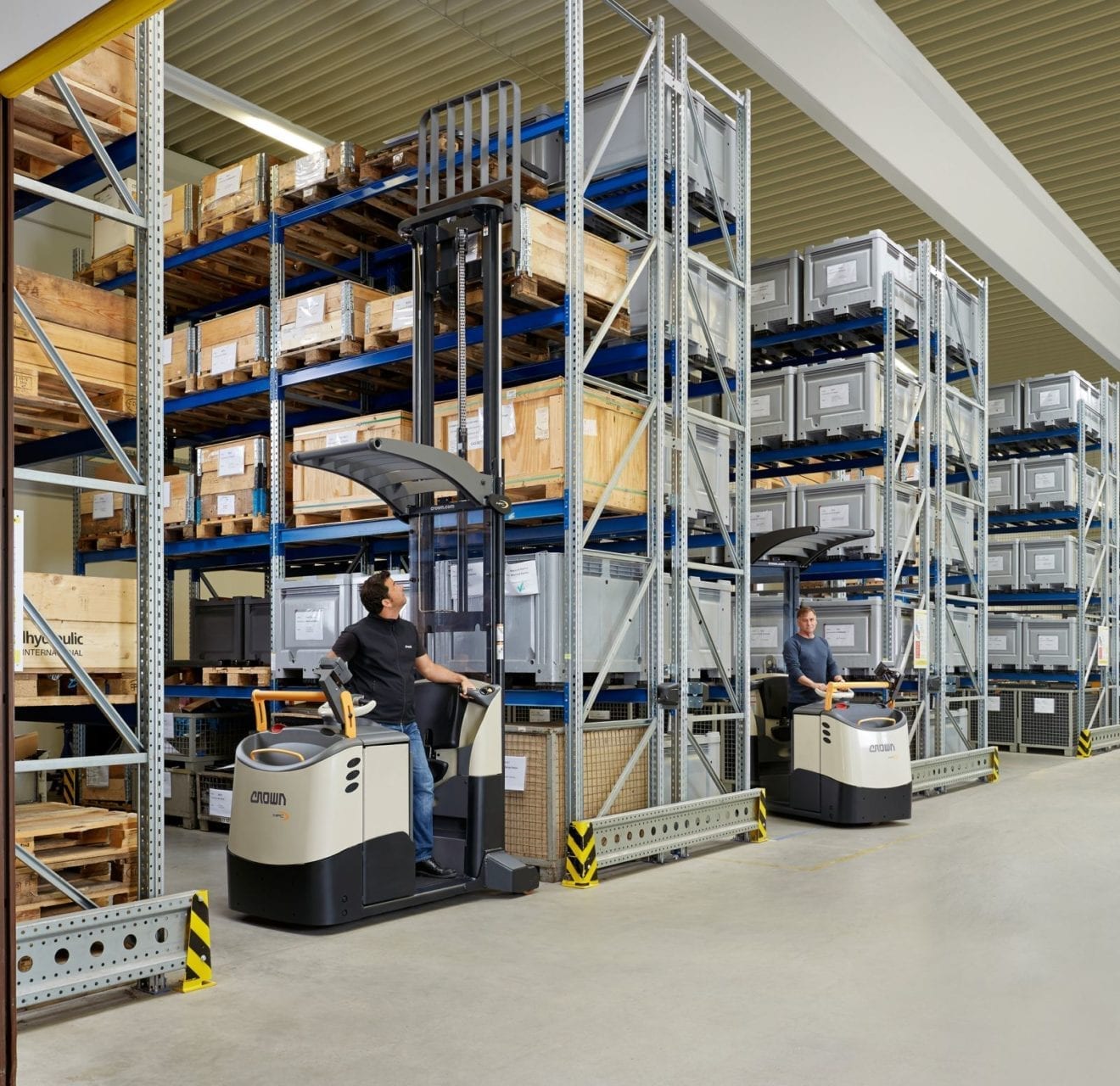
    Crown Equipment has released a new series of state-of-the-art lift trucks combining the benefits of an order picker with the advantages of a counterbalance forklift.

    The new Crown MPC 3000 Series combines a high-lift, clear-view mast with an outrigger-free counterbalance design and an ergonomic ride-on platform; a combination that creates a versatile, multi-purpose lift truck capable of performing tasks usually requiring more than one piece of equipment.

    It features the tried-and-tested Crown AC traction motor for reliability and powerful acceleration, and is capable of travelling up to 12.5km/h and lifting 1200 kilograms to a height of 4.3 metres. It can lift full-capacity loads (at a 600mm load centre) to the full height of the mast.

    MPC 3000’s all-round solid steel construction is designed and tested to withstand intensive use while its large, long-life load wheels are easily accessible for quick replacement.

    The MPC 3000 automatically adjusts cornering speed and acceleration depending on steer wheel angle, fork height and load weight, for stability. Combined with responsive brakes and a suspended, shock-absorbing floorboard, MPC 3000 maximises operator safety, comfort and confidence.

    Unique Layout

    The MPC 3000’s layout makes it ideal for order picking as well as replenishing low-level pick slots from high-level storage, an activity that usually requires separate reach trucks and high-lift trucks.

    A lack of outriggers aids work in close proximity to machinery, sandwich-stacking four-way pallets and manoeuvring in tight or congested areas efficiently and safely.

    MPC 3000’s nested I-beam mast construction, plus clear-view fork carriage and overhead guard, provides operators with an almost unobstructed field of vision both forwards and upwards for swift, precise and safe usage. Optional lift/lower buttons on the backrest offer even better vantage points for positioning loads both on and off the truck.

    Crown Product Engineering Development and Support Manager Michael Croxford said Crown has delivered a highly developed product capable of streamlining lift truck fleets and increasing efficiency for an array of material handling operators.

    “With the MPC 3000, Crown has delivered a state-of-the-art machine capable of performing multiple warehousing tasks such as order-picking and sandwich-stacking multiple pallets while reducing the amount of equipment required,” Croxford said.

    “It is also capable of simplifying the put-away process at the receiving facility in certain applications.

    “Combined with its ergonomic refinement, reliability, durability and operator safety features expected of Crown equipment, the MPC 3000 is capable of reducing operating costs and saving time in a number of applications.”

    The MPC 3000’s advanced design includes other proven Crown features such as Access 123, e-GEN braking and electronic steering. Fleet managers can also choose from a wide range of optional Work Assist accessories, enabling them to customise forklift trucks for specific requirements and create an even more ergonomic and user-friendly working environment.

    For more information on the Crown MPC 3000 please go to www.crown.com

  • DHL, UN hold airport disaster preparedness workshops in Indonesia

    DHL, UN hold airport disaster preparedness workshops in Indonesia

    Germany’s Deutsche Post DHL Group and the United Nations Development Programme (UNDP) are once again conducting their joint preventative training, known as Get Airports Ready for Disaster (GARD), at Bali’s Ngurah Rai International Airport, Lombok International Airport and Selaparang Airport in Lombok.  Indonesia was the pilot country when the program was implemented globally in 2009 — in Makassar and Palu.

    Deutsche Post DHL Group and United Nations Development Programme Hold Airport Disaster Preparedness Workshops in Bali and Lombok. L-R: Teguh Pratomo (MoT); Medi Herlianto (BNPB); Christian Usfinit (UNDP); Welani Widjaja, Managing Director, DHL Global Forwarding Indonesia; Chris Weeks, Director of Humanitarian Affairs, Deutsche Post DHL Group.

    Indonesia is located on the Pacific Ring of Fire where several continental plates collide. As a result, the chain of islands is at frequent risk of earthquakes, tsunamis and active volcanoes. Additionally, Bali and Lombok are categorized as high risk areas in the Indonesian Disaster Risk Index (2013). Airports in both provinces experienced operations shutdown due to volcanic eruptions from nearby Mount Rinjani.

    The multi-day workshop involves over 50 participants — including representatives from the airport operating company, aviation safety experts, national and regional Disaster Management Planning Agencies, Indonesian Red Cross, immigration authorities, the military and the police force — who will be trained to handle the high volume of incoming relief goods and increasing number of passengers during the aftermath of natural disasters.

    “Following natural disasters, airports become vital hubs for the processing of incoming relief supplies,” says Christof Ehrhart, Head of Corporate Communications and Responsibility at Deutsche Post DHL Group. “With sound processes in place at the airport and with the relevant agencies, relief goods and aid can be channeled through airports to reach the affected communities quickly and efficiently. This program continues to help improve disaster management in this geologically high-risk region.”

    “Often airports are unprepared to manage large disasters or humanitarian crisis and as a result, assistance gets slower in getting to those most affected. GARD is working specifically with all partners on the ground to solve any potential bottlenecks that could impede fast response to save lives. I praise the Indonesian government for its commitment to preparedness and the airport authorities for their risk informed management,” says United Nations Resident Coordinator in Indonesia, Douglas Broderick.

    The training includes evaluation of the airports’ capacities for processing high volumes of passengers and cargo and warehousing relief supplies. Location-specific disaster plans are drawn up as well.

    Since 2009, GARD trainings have been held in eight airports in Indonesia, namely Sultan Hassanuddin Airport in Makassar (2009), Mutiara Airport in Palu (2009), Ngurah Rai Airport (old airport) in Denpasar (2011), El Tari Airport in Kupang (2011), Polonia Airport in Medan (2012), Sultan Iskandarsyah Airport inBanda Aceh (2012), Fatmawati Airport in Bengkulu (2012) and Minangkabau Airport in Padang (2013).

  • Gravity’s transport app offers real time shipping schedules

    Gravity’s transport app offers real time shipping schedules

    Gravity Supply Chain, a developer of cloud-based apps that helps companies modernize the management of their global supply chains, released RTM (Route-to-Market), a new tile for its Transport app that provides up-to-date sailing schedules for over 50 major ocean carriers, over 250,000 port pairs covering over 90 percent of the world’s container capacity. Transport RTM is an advanced solution that enables logistics providers to deliver these capabilities directly to their customers as part of their end-to-end supply chain visibility and execution solution.

    The Transport RTM tile offers a sailing schedules search engine 3PLs and supply chain managers can use to select any global port pair and date range, and instantly see all sailing options. Uploading information related to contracted rates with various shipping lines enables users to create lists of routes that can be filtered by factors such as quickest sailing route and cost.

    “RTM is the newest feature of our mission to create one holistic data hub that provides our users with the real-time information they need to view, control, share and execute sourcing, supply, transport, inventory and selling activities anywhere in the world,” said Darren Palfrey, COO, Gravity Supply Chain. “This is especially valuable to 3PLs struggling to close the  technology gap between what shippers need, and what all but the industry’s largest players can offer.”

    The RTM tile is available today at no additional cost to all Transport app users. The Transport app integrates with your transportation partners and systems and automates the creation of packing lists, advance ship notices and compliance documents, and provides real-time tracking so retailers, brands and product companies know where their products are at all times with real-time tracking visibility. Transport is one app in Gravity’s suite of apps that make up its cloud-based end-to-end supply chain management and logistics platform.

  • China Airlines Becomes 9th A350 Operator

    China Airlines Becomes 9th A350 Operator

    The carrier, which has 13 more on order, is the ninth airline operator of the new type.

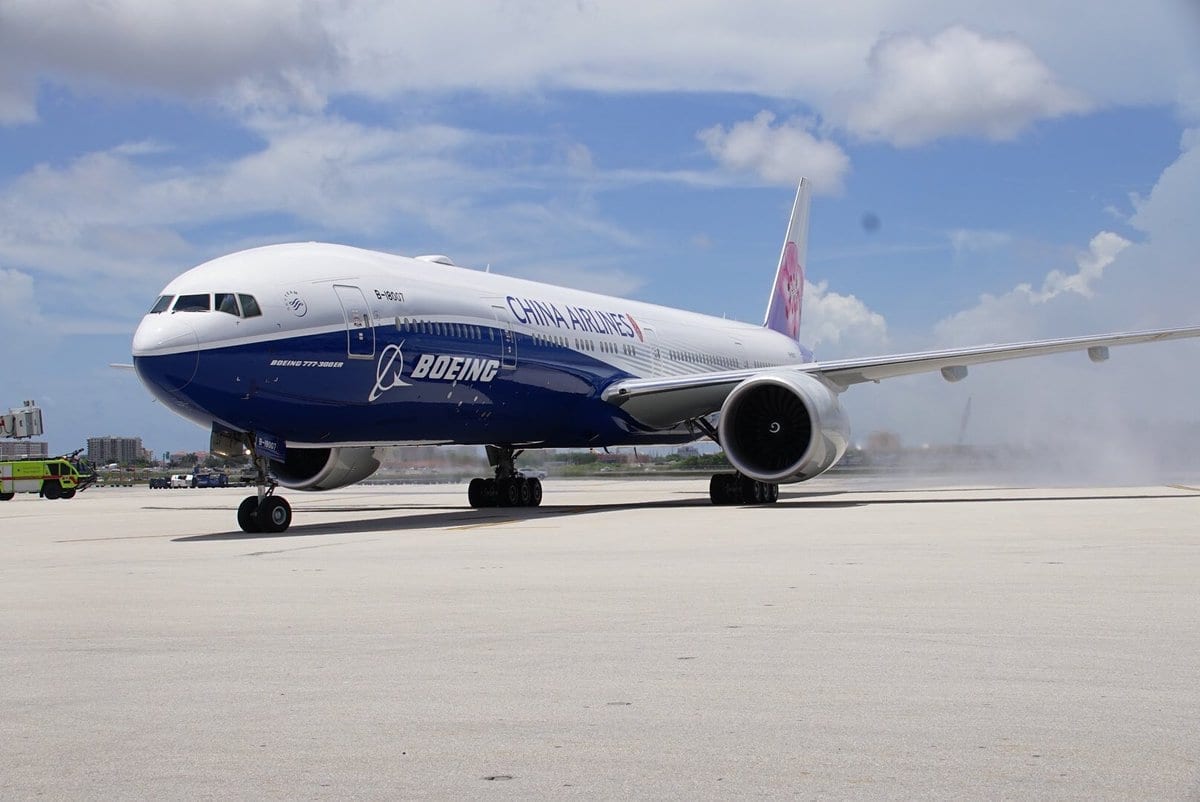
    China Airlines will deploy the first A350 on regional routes such as Taipei-Hong Kong for crew familiarization towards the end of October 2016, before flying it to Amsterdam, Vienna and Rome from January 2017.

    According to the airline, it expects to receive three more A350s by the end of the year, with the other 10 scheduled to be delivered during the next two years.

    Airbus had originally planned to deliver the first frame to China Airlines in July 2016, but pushed it back due to production delays.

  • Maersk Line has ordered 14,800 additional refrigerated containers, to be delivered in 2017.

    Maersk Line has ordered 14,800 additional refrigerated containers, to be delivered in 2017.

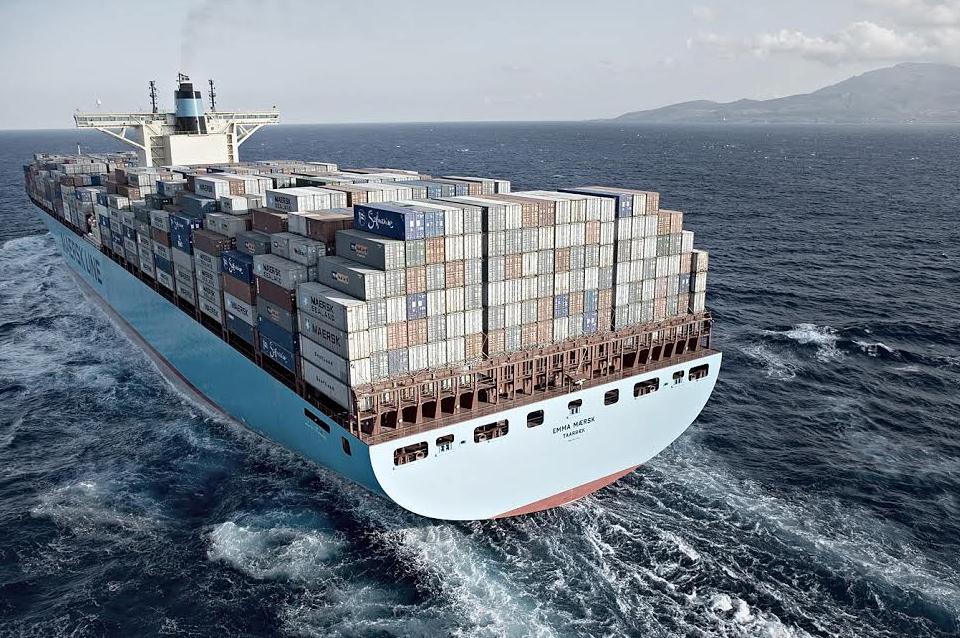
    According to Maersk, which already has a reefer fleet of more than 270,000 containers, some of the new ones will be used as replacements while the rest will be used for expansion.

    “We continue to invest and modernize our reefer fleet to include the latest technologies in supply chain visibility and cargo care,” said Shereen Zarkani, head of reefer management at Maersk Line. “With the new equipment we will offer even stronger products across the reefer portfolio – enhancing transparency and care to our customers’ perishable products across Maersk Line’s extensive network.”

    The new reefers will offer enhanced data visibility and care to customers.

    The investment will lower the average age of the line’s reefer fleet to 7.9 years, according to Maersk.

  • DHL rolls out global augmented reality program

    DHL rolls out global augmented reality program

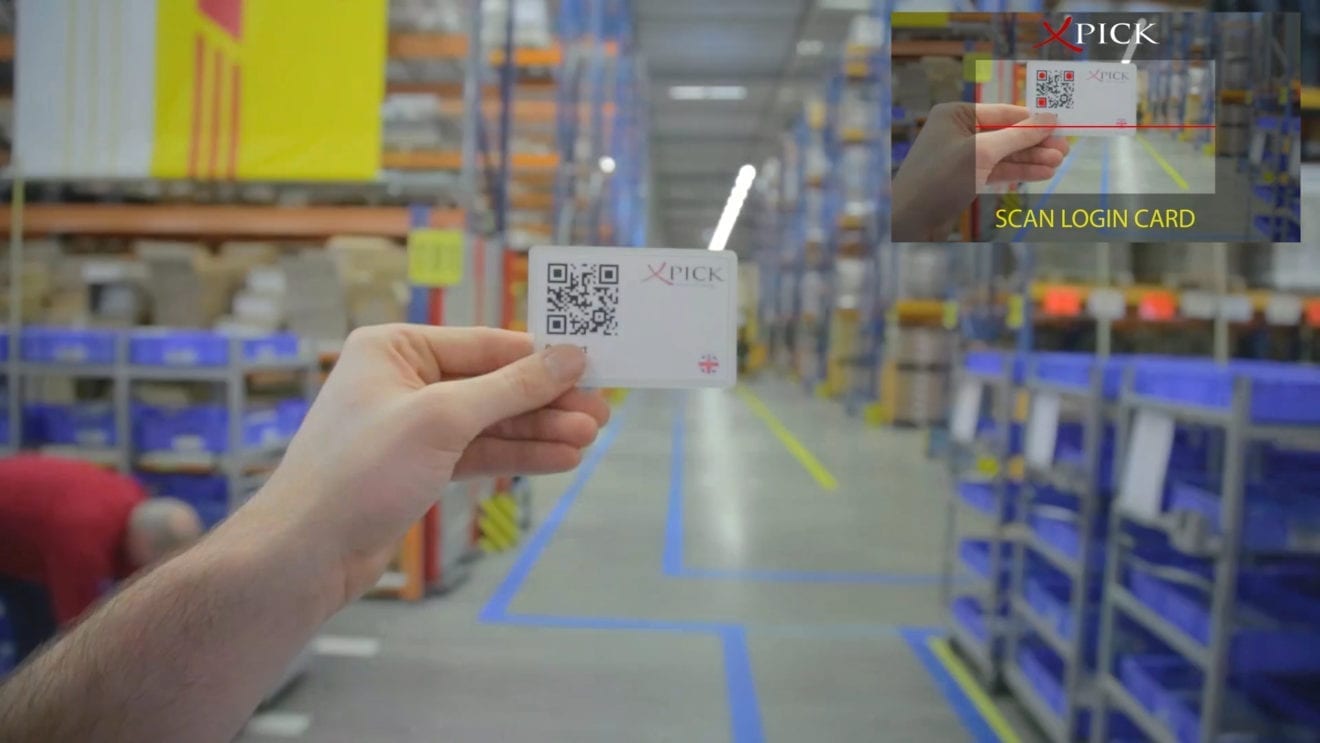
    DHL Supply Chain is rolling out the next phase of its Vision Picking Program following a successful trial of the augmented reality technology in the Netherlands. Since the trial, DHL and partners Google, Vuzix and Ubimax have refined the vision picking solution and DHL is now expanding the program across different industry sectors on a global scale, forging another step forward for augmented reality solutions in logistics.

    “We are excited to further test and develop vision picking as a solution that can be readily available to our customers. More importantly, this technology is not just one step towards digitalizing manual processes on the shop floor, it also takes us one step closer towards Industry 4.0. Testing technologies like augmented reality, robotics and Internet of Things will continue to be a big part of our DNA,” said John Gilbert, CEO Supply Chain.

    Pickers are equipped with advanced smart glasses which visually display where each picked item needs to be placed on the trolley. Vision Picking enables hands free order picking at a faster pace, along with reduced error rates. Throughout 2016, the smart glasses will be piloted across various industries such as technology, retail, consumer and automotive industries. The data available from these pilots will further determine the technology’s potential for broader implementation. The pilot sites are spread across the United States, Mainland Europe and the United Kingdom, with the Ricoh facility in Bergen op Zoom, the Netherlands, where the solution was first tested, being the launch site for this new exploration phase.

    “The Vision Picking Program is DHL Supply Chain’s first translation of what augmented reality solutions can look like for supply chains. The broad spectrum in which the technology can be applied across various sectors is exciting to us, and the potential of this technology for business is still largely untapped. We believe this program is a game changer in how we run our supply chain operations and deliver added value to our customers,” states Markus Voss, CIO Supply Chain.

    Augmented reality market with exceptional potential growth

    The augmented reality and virtual reality market is said to be the next big thing after smartphones, although estimates vary significantly. Goldman Sachs estimate in their base case $80 billion for both virtual and augmented reality by 2025, while M&A advisory firm Digi-Capital predicts a total volume of $150 billion by 2020. Regardless of the actual size, exceptional growth seems to be certain if the current success of mobile app Pokémon Go is anything to go by. Investors are also convinced of the technology’s prospects, having made 225 venture capital investments worth $3.5 billion in the last two years.

    DHL Supply Chain will be one of the first companies to widely implement the technology into their operations. The initial 2014 test in the Netherlands showed a significant increase in productivity, reduced error rates and overall rise in employee satisfaction, proving that augmented reality can make an impactful difference in reality.

  • Changi Airport Infrastructure Aimed at Competitiveness

    Changi Airport Infrastructure Aimed at Competitiveness

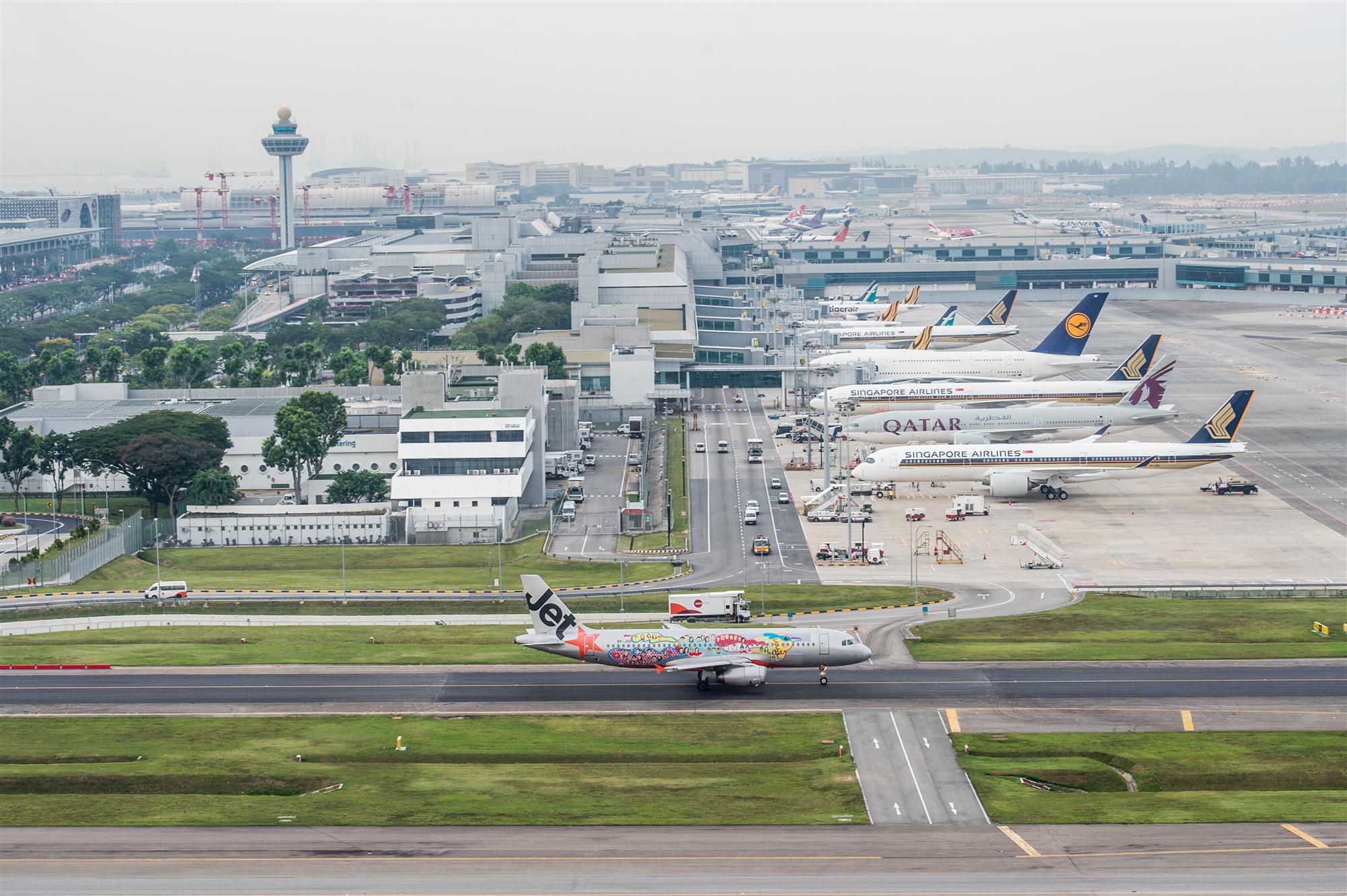
    Singapore’s Changi Airport is already one of the leading aviation hubs in the world, but to help keep it competitive against the current backdrop of sluggishness, overcapacity and decreased yields, the airport has several large-scale infrastructural upgrades in the pipeline, in both the short and the long term.

    “We look forward to two new facility openings – the DHL Express South Asia Hub and the SATS eCommerce Hub in the fourth quarter of 2016,” says Hui Hoon Phau, assistant vice president of the cargo and logistics development division at Changi Airport Group. “DHL’s 24-hour express facility will be able to support five times more flights in Singapore and three times more tonnage per day with their new hub. SATS will be the first ground handler in the world to own such an airside facility, with automated processes for single scanning and sorting to save cargo-processing time and increase efficiency.”

    Announced in March 2015, DHL’s new €85 million (US$94.8 million) express facility occupies a total land area of approximately 26,000 square metres. It will also feature DHL’s first fully automated express-parcel sorting and processing system in Singapore and South Asia.

    CAG also announced in March 2016 that it was launching a cargo community which would pursue the International Air Transport Association’s Center of Excellence for Independent Validators on Pharmaceutical Handling certification, similar to the approach adopted by Amsterdam and Brussels. Changi will be the first airport in Asia to implement such a community.

    According to CAG, it will support six companies from different parts of the supply chain to undergo the certification process: Singapore Airlines Cargo, dnata Sinagpore, Global Airfreight International, Expeditors Singapore, CEVA Logistics Singapore and Schenker Singapore.

    The Civil Aviation Authority of Singapore and the Singapore Development Workforce Agency will also jointly provide assistance grants to the company for the certification process, which includes training and independent assessments of requirements such as the capability of maintaining a cargo hold temperature range of 10-25°C, and the execution of appropriate temperature-controlled handling.

    Phau says that the pioneer group of companies is on track to complete the IATA CEIV Pharma certification by next year.

    Self Photos / Files - SIN

    Overall, air cargo traffic at Singapore has been relatively stagnant of late, at 1.83 million tonnes in 2012, 1.84 million tonnes in 2013 and 2014, and 1.85 million tonnes in 2015.

    But that could change this year. “Although cargo traffic at Changi has remained stable over the past few years, this should be viewed against the backdrop of a slowing global economy which had in turn depressed air cargo demand,” says Phau. “That being said, air cargo volume at Changi had a healthy performance in the first six months.”

    Boosted by strong performances in March, April and June, Changi handled 950,250 tonnes of air freight in the first half of 2016, a 4.2% increase compared to the same period in 2015.

    “Double-digit growth was recorded by niche cargo segments such as perishables and pharmaceuticals, continuing the strong growth from previous years,” says Phau. “With Changi’s excellent facilities and connectivity in the region, there remains potential for carriers to tap into the global demand for such niche cargo by leveraging on Changi as a transhipment hub.”

    Despite the sluggish growth of the global air freight market, the airport still managed to attract the arrival of two new freighter operators in June 2016, which saw the launch of K-Mile Air’s five-times weekly services between Bangkok and Singapore using a Boeing 737-400F, as well as Silk Way West Airlines’ commencement of twice-weekly 747-400F services between Singapore and Baku, with stopovers in Kuala Lumpur and Dubai.

    There have been new passenger flights with bellyhold cargo too, such as United Airlines’ launch of a non-stop from San Francisco with a 787-9 in June and Singapore Airlines’ launch of Airbus A350-900 flights to Dusseldorf in July 2016.

    “We remain confident in the long-term potential of the cargo business at Changi Airport,” says Phau. “To support the long term growth of Singapore’s cargo and logistics sectors, dedicated facilities for air freight and air express services, as well as MRO activities, will be developed as part of the Changi East development.”

    According to CAG, the project involves the development of a 1,080-hectare plot of reclaimed land to the east of the current airport. It will include a fifth passenger terminal, a large air freight centre and a third runway, which is currently used by the military and is to be repurposed for civilian use. The entire project is estimated to be completed in the second half of the 2020s.

    With all this investment, CAG feels that the airport is in a solid position to solidify its status as one of the major aviation hubs not just in the region, but across the world.

    “Notwithstanding the healthy air cargo performance at Changi during the first six months, we remain cautiously optimistic in the short term, given the sluggish economic growth of world trade and the uncertainty of the Brexit impact on the air freight industry,” she says. “We continue to work with our partners to strengthen Changi’s capabilities, such as our pharmaceutical handling capabilities, and pursue growth in niche segments to ensure that we are well-positioned for future growth.”

  • UPS expands its on-demand 3D printing network to Asia

    UPS expands its on-demand 3D printing network to Asia

    UPS will expand its on-demand 3D printing network to Asia when Fast Radius opens a factory in Singapore by the end of the year.

    According to UPS, it will also set up a team in Asia to create a centre of excellence which will develop supply chain solutions and promote the use of 3D printing.

    “3D printing will have a significant impact on industrial manufacturing and 21st century supply chains,” said Ross McCullough, president of UPS Asia Pacific. “At UPS, we are embracing disruptive technologies and integrating them into our global logistics network. We believe that much like e-commerce digitized and transformed retail, 3D printing will have a similar impact on manufacturing.”

    Advantage of 3D printing include lower inventory for slow-moving parts, lower transportation costs, shorter production runs and better customization.

    “UPS’s 3D printing Centre of Excellence reinforces Singapore as an innovation-driven economy,” said Michelle Ho, managing director of UPS in Singapore. “Having Fast Radius’ factory connected to UPS’s network means customers can send their 3D printing orders by 5pm and have them delivered to their customers in most major Asian cities within 24 hours. The automotive, high-tech, aeronautic and aviation, healthcare and retail industries have a lot of opportunity to take advantage of this type of manufacturing.”

    Fast Radius will direct 3D printing orders to the manufacturing location in either Singapore or the US, depending on speed, geography and product requirements, according to UPS.