Category: Real Estate

Retail News Asia is committed to providing both local and global retailers with the latest Real Estate news throughout the Asian market. This on a daily base.

  • CapitaLand opens new Raffles City mall in Chongqing

    CapitaLand opens new Raffles City mall in Chongqing

    Capitaland has opened a Raffles City mall in Chongqing, China.

    The first component in the 1.12 million sqm megastructure to be opened to the public was the development’s 235,000sqm shopping mall, which launched on September 6 with 95 percent committed occupancy. About 40 per cent of the more than 400 international and local brands are new-to-market brands for the city, flagships or new concept stores.

    Located in Chaotianmen, it is Singapore’s and Capitaland’s single largest development in China at RMB24 billion (US$3.37 billion).

    “The opening of Raffles City Chongqing marks a new milestone in Capitaland’s contribution towards and benefiting from China’s urbanization push,” said Capitaland Group president, China, Lucas Loh.

    “As the ninth Raffles City development to turn operational, it is by far our largest and most complex integrated development. Seven years in the making, Raffles City Chongqing is a megastructure that melds astounding architectural design with sustainable urban planning. The development was purposefully built to spearhead the renewal of the Chaotianmen riverfront district with world-class live-work-play amenities and improved accessibility.”

    “As the representation of Capitaland’s new-gen malls in China, Raffles City Chongqing combines experiential retail concepts with digitalization to excite and engage shoppers,” said Capitaland CEO commercial management, China Chin Phei Chen.

    “Value-added services such as augmented reality navigation, restaurant booking and carpark reservation are supported by the Capitastar app. In addition to curating an attractive tenant mix, we have also created public spaces with regular art and heritage showcases for the public to enjoy, learn and discover.

    “Raffles City Chongqing is at once a showcase of local culture to the world and a beacon of international sophistication in the aspiring global city; in short, a destination for both residents and tourists,” he said.

  • Shopping malls in the Philippines popularity on the rise

    Shopping malls in the Philippines popularity on the rise

    Shopping malls in the Philippines are bucking international trends and are trading stronger than ever, says retail technology expert Nikki Baird.

    Their secret, she says, is that they offer a wider range of experiences to customers.

    “Shopping malls in the Philippines are all-in-one destinations that not only provide shopping, dining, and entertainment but also offer community events, access to government and utility services, and even places of worship,” Baird told the recent National Retail Conference and Expo in Manila.

    But, she warned, neither mall operators or their retail tenants in the Philippines can afford to be complacent because the industry is constantly changing.

    “The rise of e-commerce, evolving consumer tastes, dynamic competition, and other developments in the global retail landscape challenge Philippine retailers to pursue innovations in both brick-and-mortar and digital stores.”

    Baird, VP of retail innovation at Aptos, a retail technology solutions provider, said global store-innovation trends are showing how retailers are responding to consumers’ emerging needs and demands.

    “The global shift in consumer behavior puts pressure on retailers around the world to rethink their customers’ journey and experience in their online and offline stores,” said Baird. “In response to this, brands are embracing digital and behavioral innovations to deepen customer relationships, provide in-store services, use stores as fulfillment centers, harness rich customer data, host in-store events, and offer store-only exclusives.”

    With retail sales forecast to almost double in Southeast Asia to US$1.38 trillion in 2025 from $720 billion last year, the importance of connecting digital — where consumer shopping begins — to the retail store will only increase in the Philippines. To prepare for this growth, retailers are investing in in-store innovations and technologies to ensure each store offers optimal customer service and the right inventory to meet the personalized tastes and needs of every shopper.

    “Filipino retailers need to increasingly merge their brick-and-mortar and digital touchpoints to ensure the most seamless experience for the consumer and the most productive and profitable use of inventory across their network,” added Zaki Hassan, regional VP for Asia Pacific at Aptos.

    Aptos works with more than 1000 retail brands across 65 countries.

  • Siam Piwat gives mall space to disabled and underprivileged suppliers

    Siam Piwat gives mall space to disabled and underprivileged suppliers

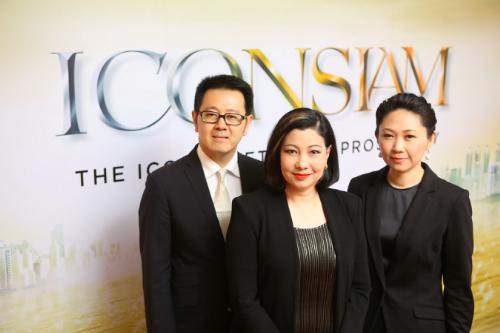
    Thai shopping-centre operator Siam Piwat has created special zones in two of its malls stocking products made by people with disabilities, underprivileged people and special-needs children.

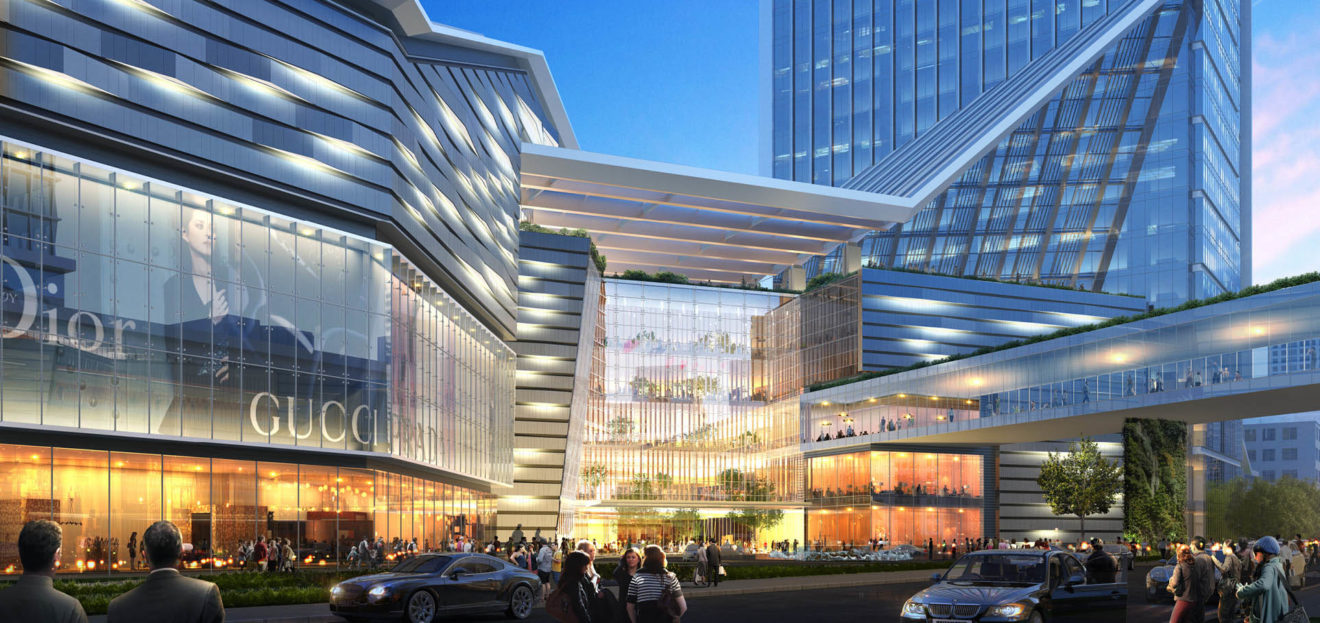
    Called Made by Beautiful People, the products are now available at IconCraft on the fourth floor of IconSiam and in the ODS (Object of Desire Store) on the third floor of Siam Paragon. Both malls are in Bangkok.

    The initiative is an expansion of its ongoing social contribution Citizen of Love, launched in 2009 in which it aims to “share love, provide opportunities and bring pride and equality for all Thais”.

    Space for the Made by Beautiful People displays is provided free by Siam Piwat.

    “With an aim to inspire, to create opportunities and generate sustainable careers and income for the underprivileged people, the company offers full assistance for the sales and marketing of the products,” said a Siam Piwat spokesperson.

    “Products now available are from seven pioneering charitable organizations and groups:  Vocational Development Center for the Disabled, Light for the Disabilities Foundation, Anusarnsunthon School for the Deaf, Arunothai for Special Needs Project, Autistic Thai Foundation, Na Kittikun Foundation, and Sikkha Asia Foundation.

    “The ultimate goal is to culminate an empowering space, a creative showcase of their works and their talents, a place where products made by people, whose hearts know no boundaries, are connected to local consumers and visitors from across the globe,” said the spokesperson.

  • Spring City 66 in Kunming, China Opens

    Spring City 66 in Kunming, China Opens

    Spring City 66, Hang Lung Properties’ first entry into Southwest China has opened in Kunming.

    Now the single largest commercial complex in Kunming, the city’s latest landmark is the ninth Mainland China project developed by the group, following projects in Shanghai, Shenyang, Jinan, Wuxi, Tianjin and Dalian. The 432,000sqm commercial complex comprises a 160,000sqm shopping mall as well as serviced apartments and a 66-level Grade A office tower.

    “Situated at the heart of Kunming, Spring City 66 is seamlessly connected to two Metro lines, with its exceptional modern architecture infused with elements drawn from nature,” said Hang Lung’s CEO Weber Lo.

    “Upholding our customer-centric principle, we are introducing nearly 300 top international and local retail, dining, lifestyle, and entertainment brands, of which one third are making their debuts in the city. With the provision of a confluence of unique experiences, excellent customer service quality and the deployment of advanced technology to help us better understand customers’ needs, we strive to bring the one-of-a-kind Hang Lung branded experience to our customers.”

  • Change of heart for Chinese Takashimaya

    Change of heart for Chinese Takashimaya

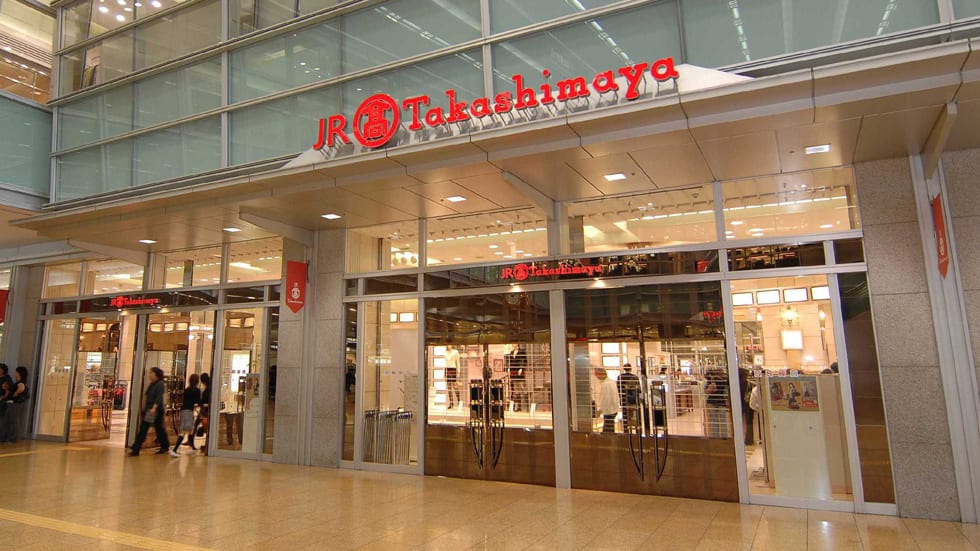
    Takashimaya in China has reversed its decision to shut down its Shanghai store after negotiating a rent reduction.

    “Due to support from the landlord and Shanghai Changning District, we can expect improvement in profitability of the business,” read a statement from the firm.

    Takashimaya in China has not turned a profit since its launch in 2012 despite its location in close proximity to a large and affluent Japanese community. Takashimaya was anticipating a ¥2–3 billion (US$18.7–28.1 million) loss at the end of this financial year before the reversal.

    It is not clear whether or not the firm received assistance from the Chinese government to continue operating, although tax incentives may have been likely. The closure of Takashimaya would have had a significant effect on the local area’s economy given the recent sale of a large interest in nearby rival store Carrefour following years of losses.

    An online commentator referenced in a Nikkei report wrote, “The problem with Takashimaya is its location, which is far away from the main road and the poor goods on offer. Probably only ghosts will shop there.”

  • Aland to open fashion flagship store in the US

    Aland to open fashion flagship store in the US

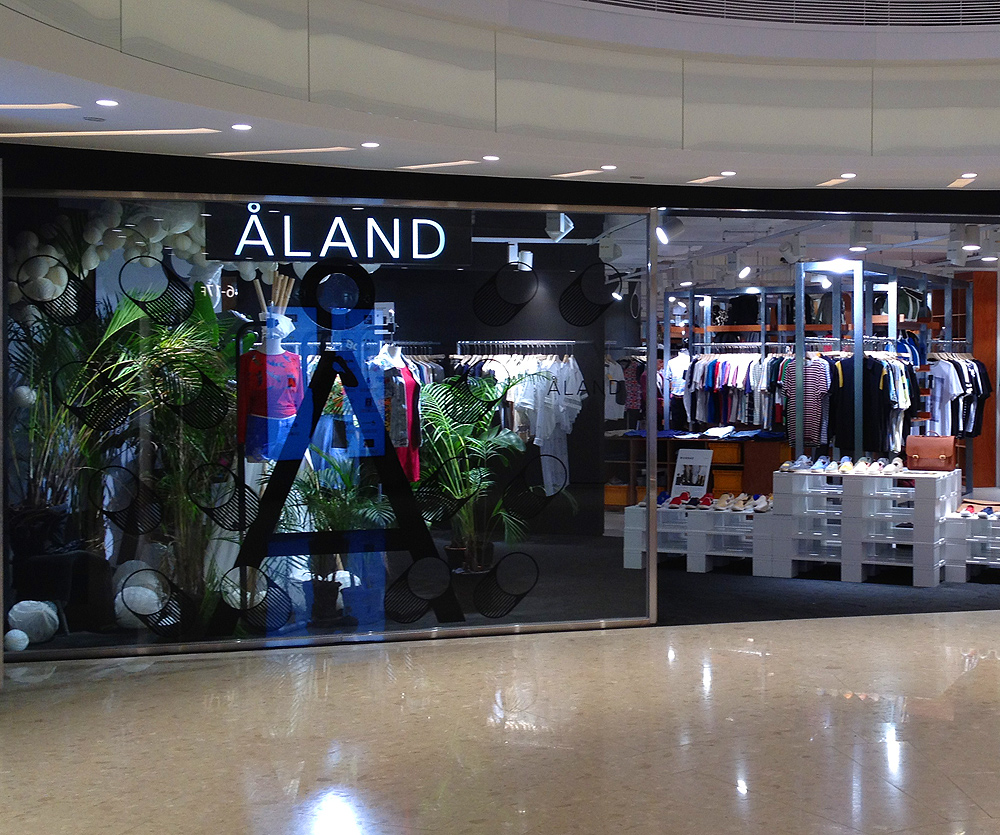
    Mall developer Triple Five announced that Aland’s 10,000sqft outlet will “bring everything that Korean fashion stands for to American Dream; unique designer brands worn by K-Pop stars, K-Beauty and more”.

    The multi-concept store is known for its range of basic retail items through to curated Korean fashion designs. It opened its first US location in Brooklyn last year.

    Aland operates more than 20 stores in its home market as well as in Hong Kong and Thailand.

    “We look forward to opening a flagship location at American Dream, where guests from New Jersey and the New York metro area and around the world can shop for a highly curated selection of affordable basics, as well as learn about rising independent Korean designers,” said Aland’s co-founder Kinam Jung. “While K-Pop has become mainstream cultural phenomena, customers can find popular items worn by BTS, Blackpink, Monster X, and etc. Åland will be the go-to-place for those who love K-Culture.”

    South Korean fashion chain Aland hopes to become a key drawcard of the 3 million sqft American Dream mall when it opens on October 25.

  • Wave House moves away from Sentosa after 10 years

    Wave House moves away from Sentosa after 10 years

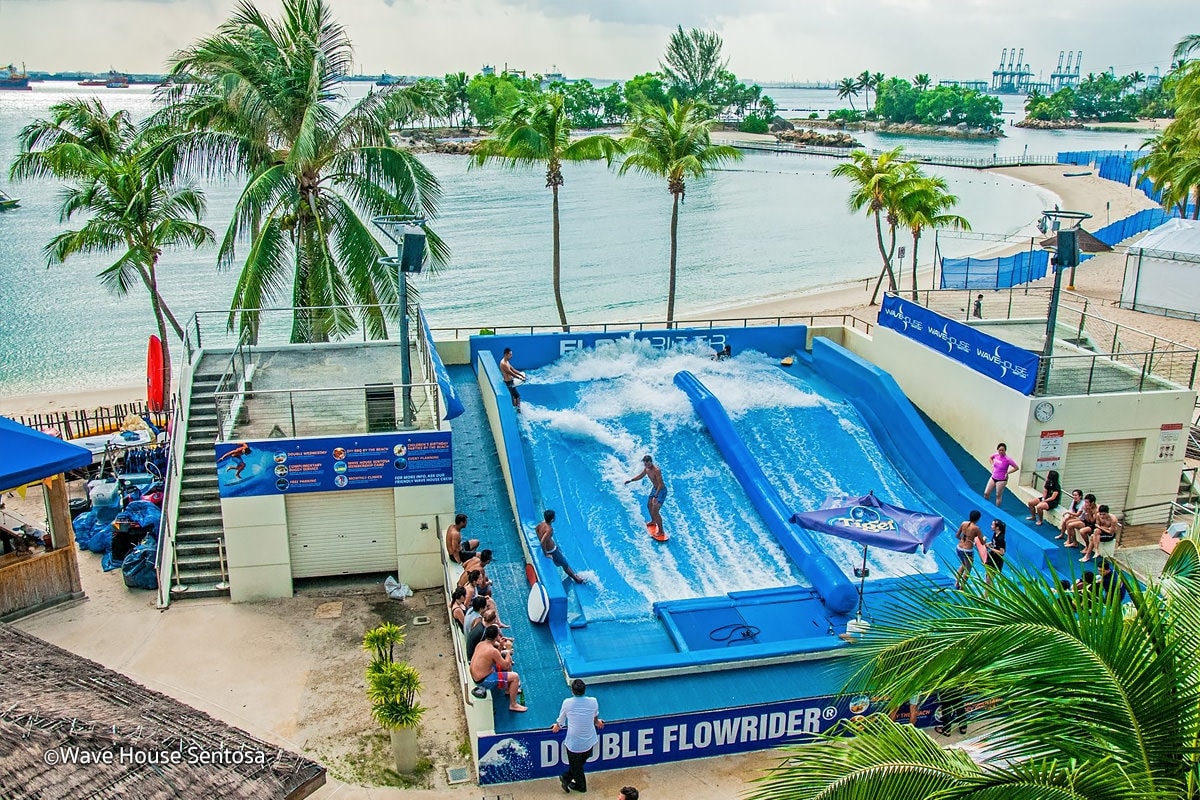
    Wave House Sentosa is set to celebrate its 10th year anniversary with a line-up of activities and promotions – and a new home.

    Wave House was one of Singapore’s first integrated surfing-and-lifestyle destinations. The facility, which includes an enclosed surfing space, eatery and surfwear store, will be relocating to the main island of Singapore after 10 years on Sentosa.

    Wave House made a splash in Singapore back in October 2009, featuring high-adrenaline flow boarding and 10-foot Flowbarrel wave rides. A large population of local Singaporean surfers, skaters and skimboarders flock to Wave House Sentosa every year.

    “We are proud to celebrate a decade as Wave House Sentosa has always been the top location choice for surfers as well as the ultimate beach front dining, drinks, parties and event space venue in Singapore,” said Wave House Sentosa cofounder Tan Xu Teng.

    “Wave House Sentosa has established a reputation for delivering world-class thrills with a Singapore touch. Over time, it has also evolved into an iconic lifestyle attraction and recreation space for both locals and tourists.”

  • PLQ Mall set to welcome shoppers on 30 August

    PLQ Mall set to welcome shoppers on 30 August

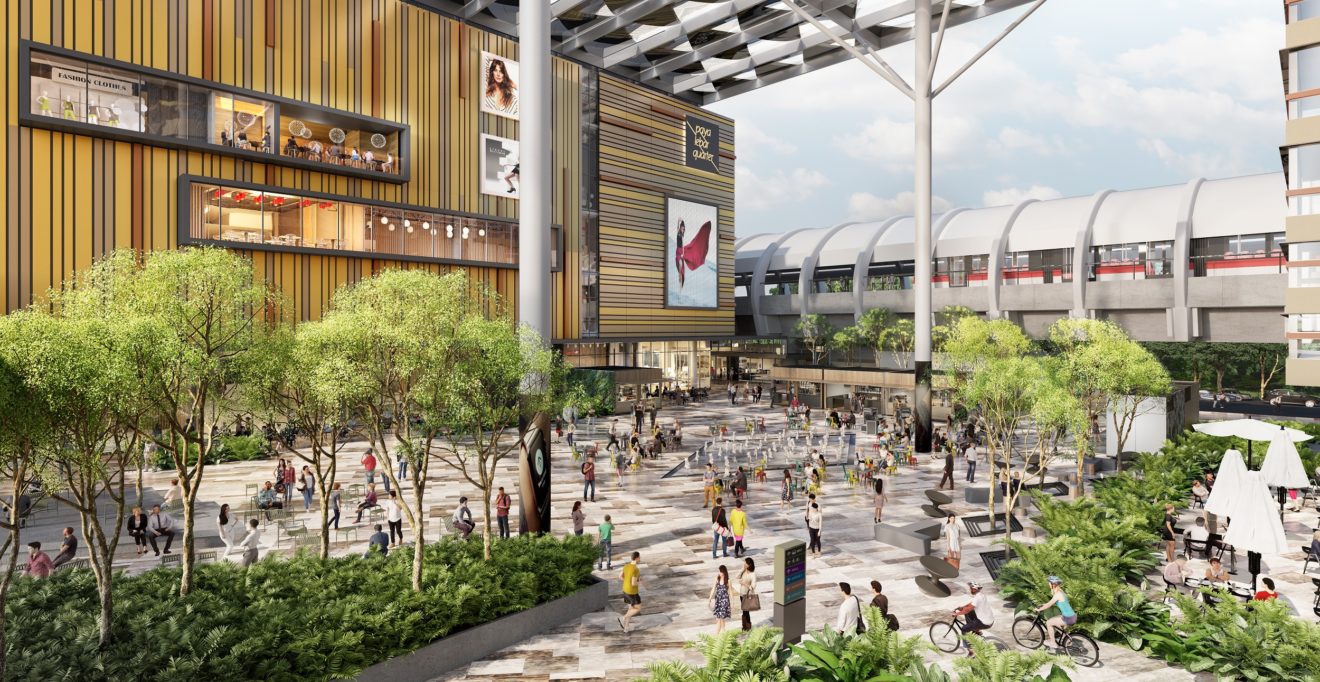
    Paya Lebar Quarter (PLQ) by Lendlease continues to realise its vision of transforming Paya Lebar into a vibrant business and lifestyle hub. The three Grade A office towers — home to 18 multi-national corporations and leading Singapore organisations — and PLQ Mall are approximately 90% leased and under final negotiations. A preview of PLQ Mall will commence on 30 August, with grand opening celebrations set for 24 October.

    The approximately S$3.6 billion landmark development is Lendlease’s largest to date in Singapore and home to its new Asia headquarters. Its residential component, Park Place Residences at PLQ, is over 99% sold with just three units available for sale.

    The new city precinct supports Singapore’s car-lite vision with its superb connectivity. PLQ has direct links to the dual line Paya Lebar MRT interchange and seamless connection to the wider Park Connector Network. The 22,000-strong workforce and one million residents[1] within a seven-minute walking radius of PLQ will benefit from the excellent connectivity to the rest of Singapore through PLQ.

    A placemaking project, PLQ will bring a wide range of alfresco dining options at PLQ Parkside; a sheltered and activated PLQ Plaza designed to host year-round events, festivals and celebrations, outdoor kiosks embedded with programmable LED light display; a water fountain; and an outdoor children’s play area amidst 100,000 square feet of lush greenery that is both pedestrian and personal mobility device-friendly.

    “We are proud to be contributing to the Urban Redevelopment Authority’s (URA) vision of the transformation of Paya Lebar, the most centralised sub-regional business and lifestyle hub in Singapore. PLQ is a great showcase of Lendlease’s core expertise in urban regeneration and placemaking by combining quality retail, entertainment and lifestyle options with community-centric spaces that resonate with the rich heritage and culture of the area,” said Tony Lombardo, CEO, Asia, Lendlease.

    Home to leading corporations and Lendlease’s first global flexible workplace solution

    As an integral component of the URA’s plans for the 12-hectare Paya Lebar Central precinct to be a sub-regional business hub for Singapore, PLQ Workplace, with close to 900,000 sq ft of space, is home to leading enterprises including CBRE, JLL, PropertyGuru, NTUC Income, Great Eastern, Intellectual Property Office of Singapore (IPOS), Bayer, as well as Virgin Active’s first fitness club in the east.

    Leveraging its experience in developing hundreds of workplaces for leading corporates globally, Lendlease has also launched its inaugural flexible workplace solution, csuites, at PLQ. The new flexible workplace combines the benefits of premier corporate offices, such as technology integration, privacy and security with the advantages of shared services and collaborative spaces offered by co-working. csuites offers companies the flexibility of shorter leases, seamless move-in experience and sustainability credentials, while enabling them to retain their own culture and identity.

    Office workers at PLQ can leverage the publicly-accessible high-speed Wi-Fi throughout the development, which enables them to work from desks and boardrooms to terraces, cafes, parks and restaurants around PLQ, supporting the new way of working which is more informal and collaborative.

    New concepts join a quality retail cluster 

    The quality of brands and new retail concepts at PLQ Mall, with over 200 shops, add another dimension to the diverse options already available for consumers in the area. Joining anchor tenants Shaw Theatres, FairPrice Finest and KopiTime, a new thematic food court by Kopitiam, PLQ Mall will welcome numerous new F&B concepts like:

    • Mom’s Touch by No Signboard Group

    The first in Singapore – Popular South Korean Fried Chicken Chain

    • Hayai

    The first in Singapore – No pork, no lard Onigirazu (Japanese rice sandwich)

    • Wursthans Switzerland

    The first in Singapore – authentic Swiss sausages in a contemporary all-day dining setting 

    • Fong Sheng Hao

    The first in Singapore – famous charcoal-grilled toast and milk tea café from Taiwan 

    • Lucky Bird

    Honest-to-goodness Singapore chicken rice with a modern twist

    Shoppers can look forward to new family-friendly stores like Komma, a DIY craft supplies and workshop; My Art Studio; Smigy Kid’s Indoor Play and Sing My Song Family Karaoke.

    There is also a strong line up of internationally recognised brands such as UNIQLO, Tokyu Hands, Foot Locker, Cotton On, LANEIGE, Innisfree, Etude House, Haidilao Hot Pot, The Providore, Wine Connection and Starbucks Reserve™, as well as popular homegrown brands such as Challenger, Popular Bookstore, TungLok Seafood, Duckland, as well as UOB High Street Wealth Centre, amongst others. Shaw Theatres will feature 12 halls, including premium halls and an IMAX theatre with the latest laser projection technology.

     One of the most sustainable precincts in Singapore

    PLQ is on track to be one of the most sustainable precincts in Singapore.  All seven buildings have received BCA Green Mark Platinum – the three office towers and retail mall have been awarded BCA Green Mark Platinum for Non-Residential Buildings NRB: 2015 (GM NRB: 2015) and Park Place Residences received BCA Green Mark Platinum for Residential Buildings.

    In addition, the three Grade A office towers are the first commercial development in Singapore to register for the WELL Core and Shell certification, the world’s first building standard focused exclusively on increasing the wellbeing and productivity of occupants. csuites is also on track to be the first flexible workplace product to achieve the Building and Construction Authority’s (BCA) Green Mark Healthier Workplaces certification.

    PLQ is also the first private mixed-use development to secure the Public Utilities Board’s (PUB) Active Beautiful and Clean (ABC) waters certification.

  • Retail grows 10 per cent for the Philippines’ SM Investments

    Retail grows 10 per cent for the Philippines’ SM Investments

    The Philippines’ SM Investments has achieved 14-per-cent sales growth in the first half-year, its retail division up by 10 percent.

    Profit for the half-year rose 27 percent, with banking and property divisions driving most of the growth.

    The company said SM Retail  – which at the end of June had 2600 stores – earned P5.7 billion (US$109.2 million). Excluding the adjustments due to the adoption of a new accounting standard for leases, (IFRS 16), which changes the way leases are treated in financials, its retail division’s net income grew 10 percent to P6.3 billion.

    Net group income rose to P23 billion ($440.7 million) in the first half, P4.9 billion up on the same period last year.

    “We delivered a strong first half, underpinned by remarkable bank earnings and robust residential take-up,” said SMIC president and CEO Frederic DyBuncio.

    “Our retail business continues to do well and we are pleased with the rapid expansion of our minimart footprint through Alfamart,”

    The company’s property and banking business account for the vast majority of its income – 41 percent and 40 percent respectively. SM Retail accounts for 19 percent.

    The property business SM Prime, which owns 72 shopping malls in the Philippines and seven in China, increased its income by 16 percent to P19.3 billion in the first half. Mall revenues, including retail rents, cinema and event ticket sales and amusement facilities, accounted for 55 percent of SM Prime’s total sales.

    As at the end of June, the Philippines’ SM Investments assets totaled P1.1 trillion, 5 percent more than at the same time a year earlier.

  • Parkson closes Puchong store after just 18 months

    Parkson closes Puchong store after just 18 months

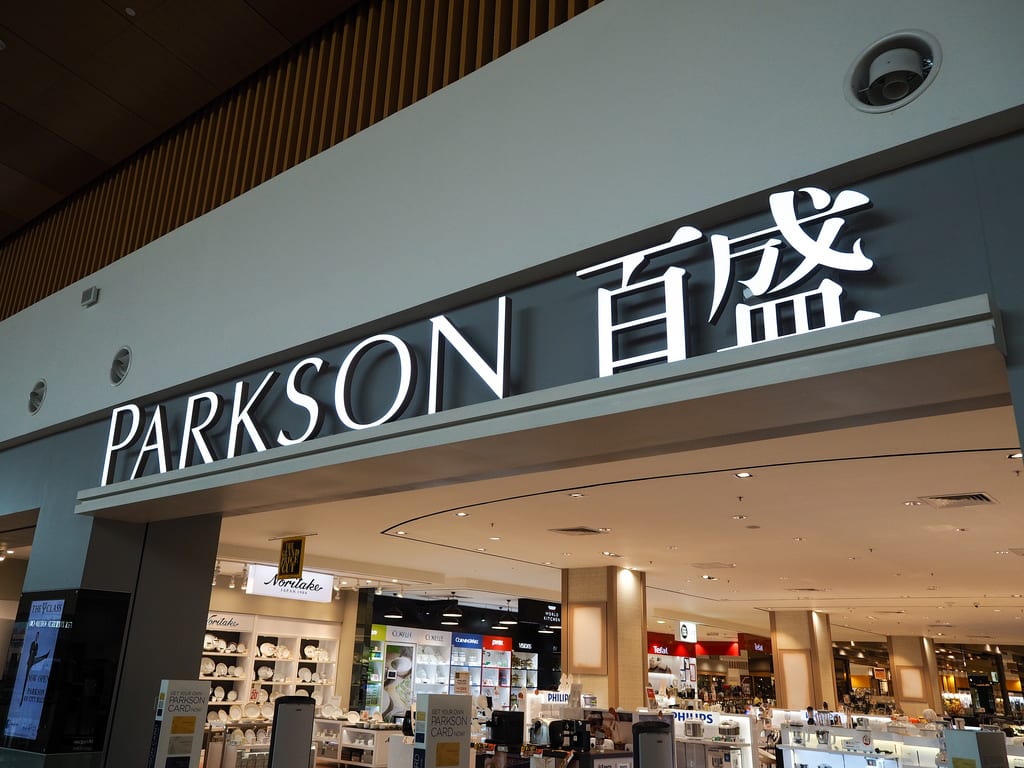
    Malaysian department store operator Parkson has closed its store in Puchong just 18 months after it opened.

    The closure follows its exit from Suria KLCC in downtown Kuala Lumpur after 20 years.

    A Parkson spokesperson said the Puchong store had not met sales expectations.

    “The retail market is very dynamic. Store openings and closures are part and parcel of our business. In Malaysia, shopping malls are mushrooming everywhere and the demographics are ever-changing. Understandably, we are always cautious and selective when choosing new store locations. However when sales do not meet expectations, we have to cut losses and move on,” the spokesman said.

    The Parkson Puchong store was located in M Square Mall at Millenia City. It opened in January last year, with 32,516sqm of retail space.

    While store closures appear to be an ongoing story within Parkson – it has shuttered multiple stores in Vietnam as well during the last two years – there are some positives to be taken from the company’s recent results. In the nine months to March 31, the company achieved sales growth above 5 percent – double the rate of Malaysia’s department-store sector, according to Malaysia Retailers Association data.

    Despite store closures, revenue in the March quarter rose by 2 percent year on year to RM788 million (US$187 million).

    Parkson currently operates 43 stores, one more than it had in 2015 but two fewer than in 2017.

  • Central Group has plans to spin off the retail division

    Central Group has plans to spin off the retail division

    Thai mall operator Central Group will list its Central Retail Corporation unit, combining retail businesses in Thailand, Vietnam and Italy.

    The listing is scheduled to take place before the end of this year and the company expects it will raise between US$1 billion and $2 billion.

    “We are reaching customers in new ways through physical and digital platforms,” said Central Group president Yol Phokasub. “The platforms are especially focused on personalisation, based on data from our 27 million customers worldwide.”

    Central operates almost 2000 stores in Thailand. It runs 134 outlets in Vietnam under a variety of banners, and nine in Italy, trading as “Rinascente”.

    The move follows the group’s acquisition of Zalora Thailand, as well as a joint venture with Chinese e-tailer JD and an investment in ride-hailing business Grab.

    Central will also delist its Robinson Pcl subsidiary with a tender offer.

  • Hang Lung Properties overcomes challenges

    Hang Lung Properties overcomes challenges

    Hong Kong-headquartered mall operator Hang Lung Properties has overcome the regional economic headwinds to report a solid increase in revenue from its core leasing business.

    Hang Lung, which owns eight Mainland China shopping centers carrying the 66 brand, along with The Peak Galleria, Fashion Walk and Amoy Plaza in Hong Kong, achieved a 2 percent rise in rental revenues during the first half year, despite a 6 percent period-on-period Renminbi (RMB) depreciation

    “We have sustained solid growth in our core leasing business in the first half of 2019 despite the uncertainties in the global economy,” said Ronnie C Chan, chairman of Hang Lung Group and Hang Lung Properties.

    “The growth momentum of our leasing portfolio, especially at our mainland properties reflected effective measures taken to improve our tenant mix and enhance facilities and customer services.

    “Our properties outside of Shanghai have achieved remarkable revenue growth of 14 percent, while our investments in asset enhancement in Shanghai are paying off handsomely, as evident from the strong performance of Plaza 66.”

    He said the progressive completion of the major renovation at the Grand Gateway 66 mall in Shanghai this year is expected to deliver a similar boost in revenue and a number of new properties will commence business in the second half of this year.

    Revenue from the eight mainland malls rose by 8 percent to RMB 1.479 billion (US$214.8 million) for both Hang Lung Properties and Hang Lung Group. The asset enhancement initiatives at Grand Gateway 66 caused a short term disruption of rental income, while the properties outside of Shanghai achieved 14 percent revenue growth.

    In Hong Kong, the company said the performance of its core leasing properties was stable.

    Combined revenue at Hang Lung Properties and Hang Lung Group both recorded growth of 3 percent, to HK$2.014 billion and HK$2.096 billion, respectively.

    The company said that while the US China trade dispute shows no sign of abating, the group remains cautiously optimistic its business will deliver sustainable growth in both Hong Kong and the mainland.

  • Singapore retail store rents ease in second quarter

    Singapore retail store rents ease in second quarter

    Central Singapore retail rents eased by 1.5 percent in the second quarter of this year, according to data from the Urban Redevelopment Authority.

    That followed a smaller quarter-on-quarter decline of 0.2 percent in the three months to March 31.

    At the end of the June quarter, there were 320,000sqm of space in the pipeline, down from 364,000sqm three months earlier.

    Singapore retail space occupied by tenants rose by 74,000sqm in the quarter, more than reversing a 14,000sqm decline in the prior period.

    That contributed to a fall in the vacancy rate across the city from 8.7 percent to 7.7 percent.

    Singapore retail rents ease in second quarter

  • CapitaLand Malaysia Mall Trust profits down

    CapitaLand Malaysia Mall Trust profits down

    Introducing fresh retail concepts and organizing more shopper-centric initiatives weren’t enough to prevent a 5.7 percent fall in net property income (NPI) for CapitaLand Malaysia Mall Trust (CMMT) in the first half of this year.

    CapitaLand Malaysia Mall REIT Management (CMRM), which manages the trust, (US$25 million) for the period, down from 110.4 million ($26.8 million).

    The company said Gurney Plaza, East Coast Mall and Tropicana City Office Tower turned in stronger performances that partially mitigated lower contributions from the Klang

    Valley shopping malls Sungei Wang, 3 Damansara and The Mines.

    But David Wong, CMRM’s chairman, was positive about the trust’s future prospects despite the decline.

    “Amid a challenging operating environment, we are optimistic that the underlying strength of CMMT’s portfolio of quality malls will continue to deliver sustainable income distributions for unitholders in the long term.

    “We continue to reinforce our efforts in strengthening the appeal of CMMT malls through proactively managing lease renewals, introducing fresh retail concepts and organizing more shopper-centric initiatives.”

    Low Peck Chen, CMRM’s CEO, said during the first half of the year Gurney Plaza and East Coast Mall continued their steady performance to chart year-on-year revenue growth.

    “Our Klang Valley malls remain affected by the growing supply of retail space. Sungei Wang and The Mines were further impacted by downtime from asset enhancement works and vacancies.

    “The Jumpa lifestyle zone in Sungei Wang is on track to open by end-September. The new retail concepts at Jumpa will complement the existing offerings in the Bukit Bintang- Kuala Lumpur City Centre shopping belt and help to revitalize and boost the appeal of Sungei Wang,” she said.

    “For The Mines and 3 Damansara, we are focusing on strengthening their tenant mix in key trade categories to enhance their positioning as necessity shopping malls.”

  • SM Group nearly ready to take over Harrison Plaza in Manila

    SM Group nearly ready to take over Harrison Plaza in Manila

    SM Group will assume ownership of Manila’s Harrison Plaza complex from the Martel family by next year, most likely refurbishing the seven-hectare property into a new mixed-used development.

    “The plans are being reviewed,” said a source from the firm. “It might be mixed use, but definitely there will be a mall.”

    “The area is a prime location and can be very well expanded into another sprawling mall with residential developments around it,” said SM Investments Corp chairman Jose Sio last year upon announcing the group’s plans to develop and manage the complex.

    Harrison Plaza has been a highly recognisable fixture in the city since its construction in 1976, and is often referred to as the Philippines’ first modern shopping centre. The complex has, however, fallen into decline in the years since its renovation in the early 1980s. It currently has around 200 shops.

    SM will buy out the plaza’s current owners from its contract with local government, which expires next year.