Category: Real Estate

Retail News Asia is committed to providing both local and global retailers with the latest Real Estate news throughout the Asian market. This on a daily base.

  • Knight Frank Boosts Research Team in APAC

    Knight Frank Boosts Research Team in APAC

    The global property advisor has appointed an industry veteran to oversee its research teams across the region. Knight Frank has appointed Christine Li as head of research, Asia-Pacific, based in Singapore, it said in an announcement on Monday.

    Li brings over 15 years of industry experience delivering research and strategic analysis for both commercial and residential real estate markets. She joins from Cushman & Wakefield, where she spent six years, most recently as head of research, Singapore and Southeast Asia.

    Li will oversee the firm’s forecasts and insights across office, industrial and residential sectors as well as specialist asset classes such as student accommodation, multi-family and data centres, and will provide an Asia-Pacific perspective on Knight Frank’s global reports, the announcement said.

    Christine’s experience working with Singapore’s leading institutional and private investors, alongside her breadth of expertise across Asia and profile in the market make her the ideal candidate to lead Knight Frank’s research in the region, Kevin Coppel, managing director, Knight Frank Asia Pacific, said.

  • AEON to build $190-mln shopping mall in northern province

    AEON to build $190-mln shopping mall in northern province

    Vice-chairman of Bac Ninh People’s Committee, Vuong Quoc Tuan, said the province would provide support for the key project to get underway as soon as possible.

    General director of AEON Mall Vietnam, Nakagawa Tetsuyuki, said the Bac Ninh Province’s traditional products and farm produce would be sold at the outlet and possibly be exported to Japan. Around 3,000 jobs would be created, he added.

    In February AEON had signed an MoU with Thua Thien-Hue to do market research for opening an AEON mall in the central province. It is likely to cost $160 million.

    AEON has six malls in HCMC, Hanoi and Hai Phong and the southern province of Binh Duong.

    It plans to have 20 across the country by 2025 with the total investment of $2 billion.

  • Bright prospects seen for Vietnam property market

    Bright prospects seen for Vietnam property market

    Economic stability, positive investor sentiment, strong demand, and a diverse range of products are keeping the property market robust. The assumption that Covid-19 would cause the market to slump has proven baseless, and market research aftermarket research shows property prices increasing across the board.

    Vietnam’s bright economic prospects and strategies adopted by many major property developers also contribute to the market’s strength.

    According to the World Economic Outlook Report, a survey by the International Monetary Fund (IMF), in 2020 Vietnam’s economy grew at 2.4 percent, one of the four highest rates in the world. Its effective anti-epidemic strategy and economic growth are expected to be highlights this year too. Fitch Ratings forecast Vietnam’s GDP to grow at 7.5 percent even of there is a new outbreak.

    “Vietnam has well-controlled the pandemic, so we think the economy will recover when domestic demand bounces back,” Sagarika Chandra, head of Vietnam analysis at Fitch Ratings, said.

    Nguyen Xuan Thanh, a Fulbright University lecturer and member of the prime minister’s Economic Advisory Group, said the positive investor sentiment despite the Covid-19 crisis is driven by the stable economy and sound financial system.

    The belief that everyone would surely get vaccinated this year further strengthens investor sentiment, he said.

    “Stocks and real estate are still good investments.”

    The market has seen a geographic shift from areas such as HCMC. If in the past the most important southern market was Saigon, it is now its satellites such as Binh Duong, Dong Nai and Long An provinces and others with tourism potential such as Binh Thuan, Ba Ria – Vung Tau and Khanh Hoa.

    Bui Nguyen Huyen Trang, senior director for Vietnam at JLL, stressed the importance of property developers in construction and urban planning.

    “They must carefully study urban planning to create sustainable value for their large-scale projects.”

    During Covid-19 times, businesses with strong foundation, offering a wide range of products towards demand for home ownership would have more opportunities to succeed.

    The eastern part of Ho Chi Minh City is forecast to be a property hotspot, when Thu Duc City has been officially established, pushing housing prices in this area to record levels.

    With rapidly improving infrastructure that boosts regional connectivity, satellite towns and tourist cities in Binh Duong, Dong Nai, Ba Ria – Vung Tau, and Binh Thuan are of immense interest to investors.

    Terence Alford, director of capital markets and investment services at Colliers Vietnam, said developers tend to search for alternative locations to HCMC to increase value.

    They also focus on creating living spaces to not only increase choices for customers but also contribute to improving the quality of life, setting new trends and offering new life experiences.

    Novaland, a property developer, has recently released its financial report. In 2020 the company achieved profit after tax of VND3.91 trillion, 7 percent higher than it targeted and up 15.3 percent from 2019.

    Total consolidated revenues from sales of units and projects and services were VND8.6 trillion. As of December 31, 2020, Novaland’s total assets were worth VND144.54 trillion, an increase of 60.6 percent from a year earlier.

    In 2020 Novaland disbursements were allocated for M&A activities and project development. The company continues to raise funding from reputed financial institutions at home and abroad despite Covid-19, showing the trust in which it is held by partners.

    Novaland introduced new products in the last few months of 2020. Despite pandemic impacts, resort real estate projects such as the NovaWorld Phan Thiet and NovaWorld Ho Tram still drew great attraction.

    Experts do not foresee the property market crashing this year despite an increase in price levels, but instead expect it to remain strong due to strong demand, economic growth and stability and businesses’ clever strategies.

    In a recent report titled ‘Ready for a new cycle from 2021,’ VNDirect Securities Company said Vietnam’s property market has a seven-year cycle.

    In 2021 it is getting ready to enter a cycle of high growth amid positive factors such as amendments to the 2020 Construction Law and 2020 Investment Law and a forecast of solid economic growth this year.

    “The development of infrastructure and lower mortgage interest rates will have a direct impact on the real estate market. The upward trend in prices will continue due to the growing demand for housing,” VNDirect added.
  • Hong Kong Home Posts Record-High Rent

    Hong Kong Home Posts Record-High Rent

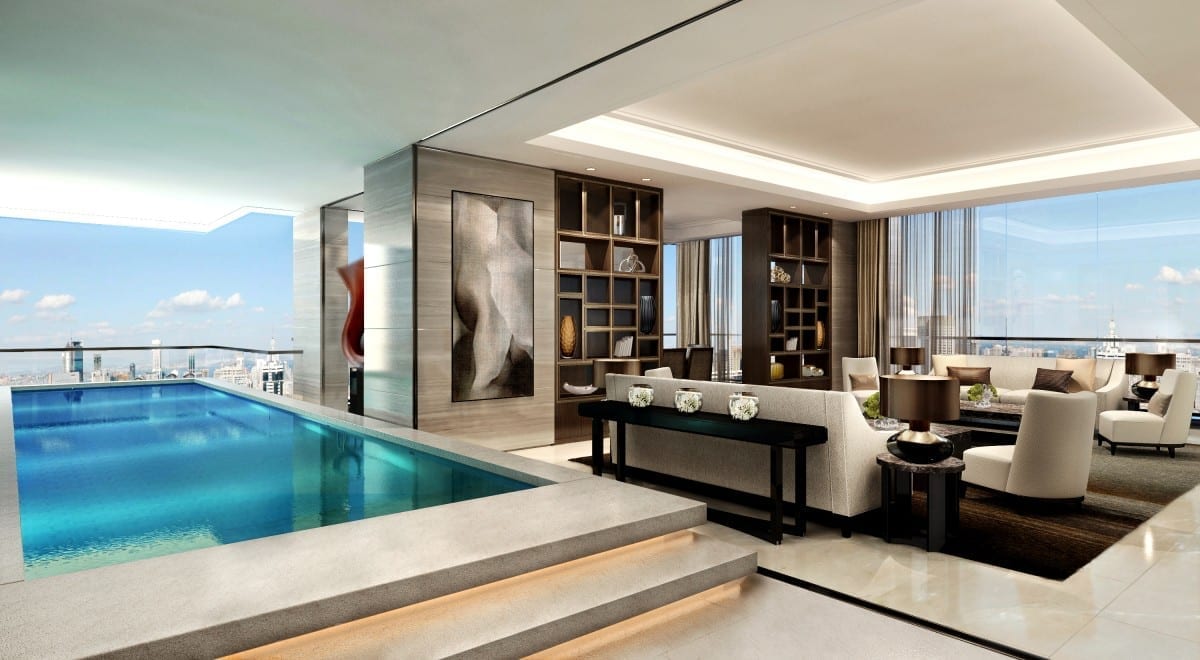
    Hong Kong’s luxury property market continues to post record numbers with the latest leasing contract.

    A 10,804 square foot home in the city’s wealthiest district was rented out for HK$1.35 million per month, according to a statement from local developer Wharf Holdings.

    This is a record figure, according to a Bloomberg report citing real estate agency Centaline.

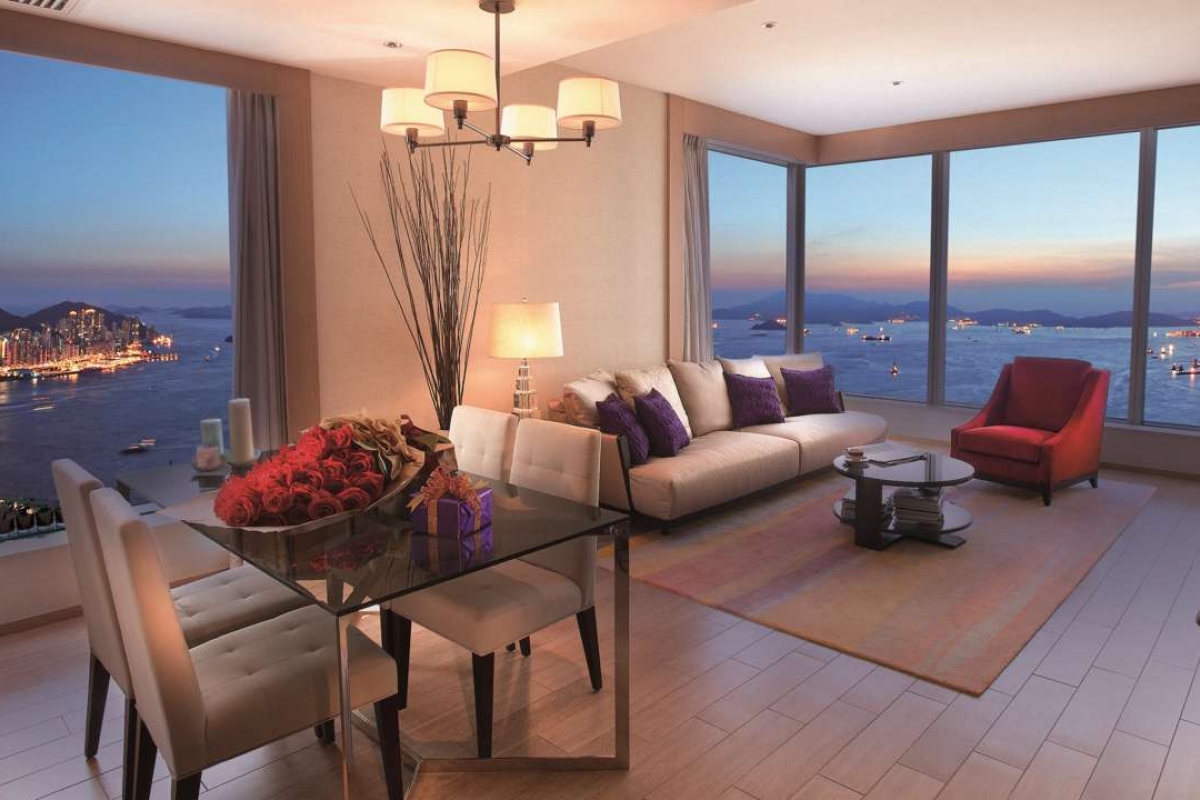
    The house overlooks the Victoria Harbor and comes with a private garage, garden and internal elevator. Wharf has seven of these units in the area with plans to sell four and lease the rest.

    The unnamed tenant marks the second anonymous record-setter in weeks for Hong Kong’s property market.

    Last month, a 3,378 square foot home in the same district sold for a record figure of nearly $60 million.

    Despite political uncertainty and an ongoing pandemic, Hong Kong continues to top rankings as the most expensive property market. According to a recent think tank report, the city’s homes were the least affordable worldwide for the 11th consecutive year.

  • Centara unveils world’s second family-centric Centara Mirage waterpark

    Centara unveils world’s second family-centric Centara Mirage waterpark

     Centara Hotels & Resorts, Thailand’s leading hotel operator, expands its popular family-themed resort brand with the world’s second Centara Mirage, opening in a popular beach destination in southern Vietnam.

    Located a few hours’ drive from Ho Chi Minh City, Centara Mirage Resort Mui Ne will be a Spanish Mediterranean themed waterpark resort inspired by nautical adventures and voyages of discovery.

    Opening in late April 2021, the 984-key resort will infuse the guest experience with elements of fantasy, wonder and awe. Fantastic family-friendly facilities include diverse dining, an observatory tower café, separate playgrounds and Kids’ Clubs for younger and older children, Cenvaree Spa, and the world’s first Spa Candy, a wellness destination designed specifically for children. The resort’s waterpark will feature a lazy river, water slides, splash pool, cliff jumping pool and kids’ pool, ensuring children enjoy endless days of excitement and fun.

    Centara Mirage has become hugely popular in Thailand following the success of Centara Grand Mirage Beach Resort Pattaya, which opened in Pattaya in 2009 and is still widely regarded as Thailand’s top family resort today.

  • Luxury Hong Kong Apartment Breaks Sale Record

    Luxury Hong Kong Apartment Breaks Sale Record

    Located in Hong Kong’s exclusive Mid-Levels neighborhood, the apartment is Asia’s priciest, according to «Bloomberg.»

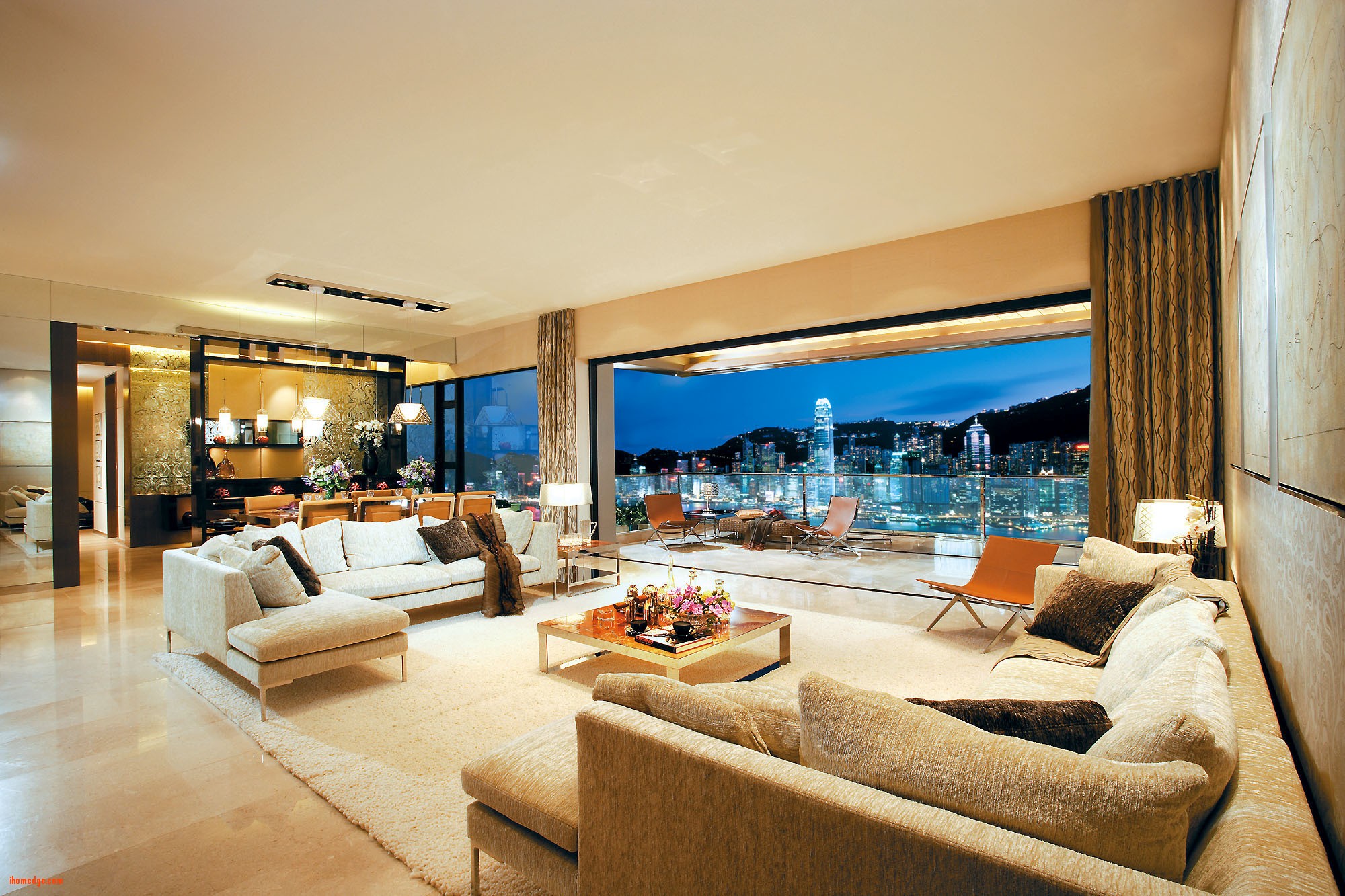
    A 3,378 square foot penthouse at the 21 Borrett Road development was sold on Monday for HKD $459,408,000 ($59,258,165) to an unnamed buyer, according to transaction details published by the developer.

    The apartment on the 23rd floor also comes with its own swimming pool and three parking lots, according to its prospectus. The first phase of sales at the development, which was delayed from 2019, includes 15 units measuring between 2,075 and 3,378 square feet.

    Developer CK Asset Holdings, which is run by tycoon Victor Li, delayed sales of the project amid social unrest in the special administrative region, and the luxury property market has been reeling from the fourth wave of Covid-19 infections and economic downturn, according to Hong Kong daily The Standard.

    The sale of the apartment, which broke the record made by another luxury development in Mount Nicholson in 2017, could be a sign that the local property market is looking up.

  • Covid hits coworking office space rents in HCMC

    Covid hits coworking office space rents in HCMC

    Rents for coworking office space in HCMC decreased 12 percent year-on-year last year due to the impacts of the Covid-19 pandemic, a report says.

    The occupancy rates of coworking office space in Grade A and B buildings last year plunged by 7 percentage points as its supply experienced the lowest growth since 2017 to 6 percent, according to a report by Savills Vietnam, the leading global property services provider.

    The gloomy outlook for the coworking space market, which boomed in the country between 2017 and 2019, has prompted investors to cancel expansion plans.

    The New York-based co-working startup, WeWork, the third-largest startup in the U.S. and the sixth-largest in the world, stopped leasing an office in HCMC’s District 1 while UP Co-working Space, headquartered in Hanoi, also postponed its plan to open two new offices in District 7, the report says.

    The number of newly registered coworking companies in the country also dropped by 6 percent.

    “2020 was a challenging year for both traditional and shared office segments. The market has been seeing a number of tenants turn to lower-priced office buildings and shophouses to cut down on rental costs in order to maintain their business,” said Vo Thi Khanh Trang, head of Savills Vietnam’s market research department.

    While the traditional office space has shown signs of a slight recovery in late 2020 thanks to better containment of the Covid-19 outbreaks in Vietnam, the shared workspace business has yet to see similar positive signs, Trang said.

    Before the Covid-19 pandemic broke out in Vietnam in January last year, co-working spaces had expanded in HCMC’s central districts since the limited traditional office space there was unable to meet burgeoning demand.

  • HCMC hotel occupancy hits record low

    HCMC hotel occupancy hits record low

    HCMC’s average hotel occupancy rates dropped 54 percentage points year-on-year to 20 percent last year as Covid-19 travel restrictions hit foreign arrivals, a report says.

    Over 3,600 hotel rooms were closed last year as the number of foreign tourist arrivals plunged 85 percent year-on-year to 1.3 million, according to real estate consultancy Savills.

    Average room rates fell 29 percent year-on-year to $61 per night, the report said. Total supply fell 5 percent year-on-year to 15,200 rooms in 111 hotels.

    The development of Covid-19 vaccines will help the industry improve over the next two years and it is expected to make a full recovery by 2024, the report said.

    Vietnam halted all international flights from March 25 in an unprecedented move to stem the spread of the novel coronavirus.

  • Covid-19 shadows as Hanoi real estate market recovers

    Covid-19 shadows as Hanoi real estate market recovers

    Most real estate classes in Hanoi showed recovery signs in Q4 2020, but Covid-19 uncertainties continue to loom over the market this year.

    The retail category saw total supply in the last quarter increasing 1 percent year-on-year to 1.6 million square meters with the launch of the 36,000-square-meter Vincom Mega Mall Ocean Park in the eastern part of the capital, according to a report released Tuesday by real estate consultancy Savills.

    However, average rents fell 3 percent year-on-year, while occupancy dropped 2 percent, showing that Covid-19 impacts remain on the market.

    “Footfall is slowly recovering but yet to return to pre-pandemic levels with impulse and extravagant spending limited to increase savings,” the report said.

    The office category saw supply rising 6 percent year-on-year and average rent up 3 percent with growth in demand from companies in services, information and communications technology and e-commerce.

    By next year, around 208,000 square meters from 15 projects will enter the office market. But as the Covid-19 pandemic has prompted companies to downsize and reduce operating costs, the downward trend in office space demand is set to continue, the report said.

    The apartment category saw sales rising 27 percent from the third quarter to 6,700 units, but the figure was 37 percent lower year-on-year.

    “Local demand remains steady, particularly for affordable units. Developers have started focusing on the suburbs and surrounding provinces,” the report said.

    Savills forecasts that average asking prices, which have increased 4 percent per annum over the last five years, is set to continue rising thanks to infrastructure upgrades, including two metro sections and ring roads.

    This year, around 25,000 units are set to enter the market, most of them Grade B. Fifty-seven percent of the new supply will be in the districts of South Tu Liem and North Tu Liem.

    The hotel category, which suffered the biggest Covid-19 damage as international arrivals plunged, saw occupancy recovering by 12 percentage points quarter-on-quarter to 33 percent, against 75 percent in the last quarter of 2019.

    Do Thu Hang, senior director of advisory services at Savills Hanoi, said many hotels downtown have been successful in attracting more domestic customers as the number of foreign tourists dropped.

    As Hanoi expects to receive 11-15 million domestic tourists this year, compared to 8 million last year, it is likely that hotels will continue to focus on the domestic segment as the resumption of regular international routes is uncertain, she added.

  • Sheldon Adelson, creator of the Cotai Strip, Marina Bay Sands, dies at 87

    Sheldon Adelson, creator of the Cotai Strip, Marina Bay Sands, dies at 87

    “It is with unbearable pain that I announce the death of my husband, Sheldon G. Adelson, of complications from a long illness,” she said in a statement.

    Adelson was diagnosed with non-Hodgkin’s lymphoma in 2019 and recently resumed treatment.

    She dubbed the casino mogul as the “love of my life” and her “soulmate,” before saying he is “utterly irreplaceable.”

    Adelson is survived by his wife, five children and grandchildren. In a statement, President Trump said that “Sheldon lived the true American dream.”

    “The world has lost a great man. He will be missed,” the statement read.

    President Bush released a statement in tribute to his “friend” Adelson, who he praised as an “American patriot.”

    “Sheldon battled his way out of a tough Boston neighborhood to build a successful enterprise that loyally employed tens of thousands – and entertained millions,” the statement read.

    Trump’s eldest son, Don Jr, also paid tribute to the casino giant, saying: “He treated his employees like family. His philanthropic generosity changed countless lives.”

    According to Forbes, Adelson had a net worth of $35.6billion as of Monday.

  • Condotel, beachfront villa market slump

    Condotel, beachfront villa market slump

    Resort real estate supply and sales fell to a five-year low last year, according to real estate consulting company DKRA Vietnam.

    Supply of villas fell by 79 percent to 541, and only 239 were sold, an 88 percent decline, it said.

    There were only three new condotel projects with a total of 525 units last year, a 95 percent fall. Sales fell by 96 percent.

    The leading condotel markets like Khanh Hoa, Da Nang, Phu Quoc did not have any new projects.

    Leisure travel fell into the severest crisis in decades. The market is not expected to make a revival in 2021.

    According to some experts, the situation in the resort real estate market in 2020 was partly caused by the changing investor sentiment due to the Covid-19 pandemic.

    However, even before the pandemic, the level of investor interest in resort real estate remained low because of the incomplete legal status for these types of assets and the dispute that broke out over reneged promises of regular returns on investment.

  • How art and apps drove growth for K11 malls

    How art and apps drove growth for K11 malls

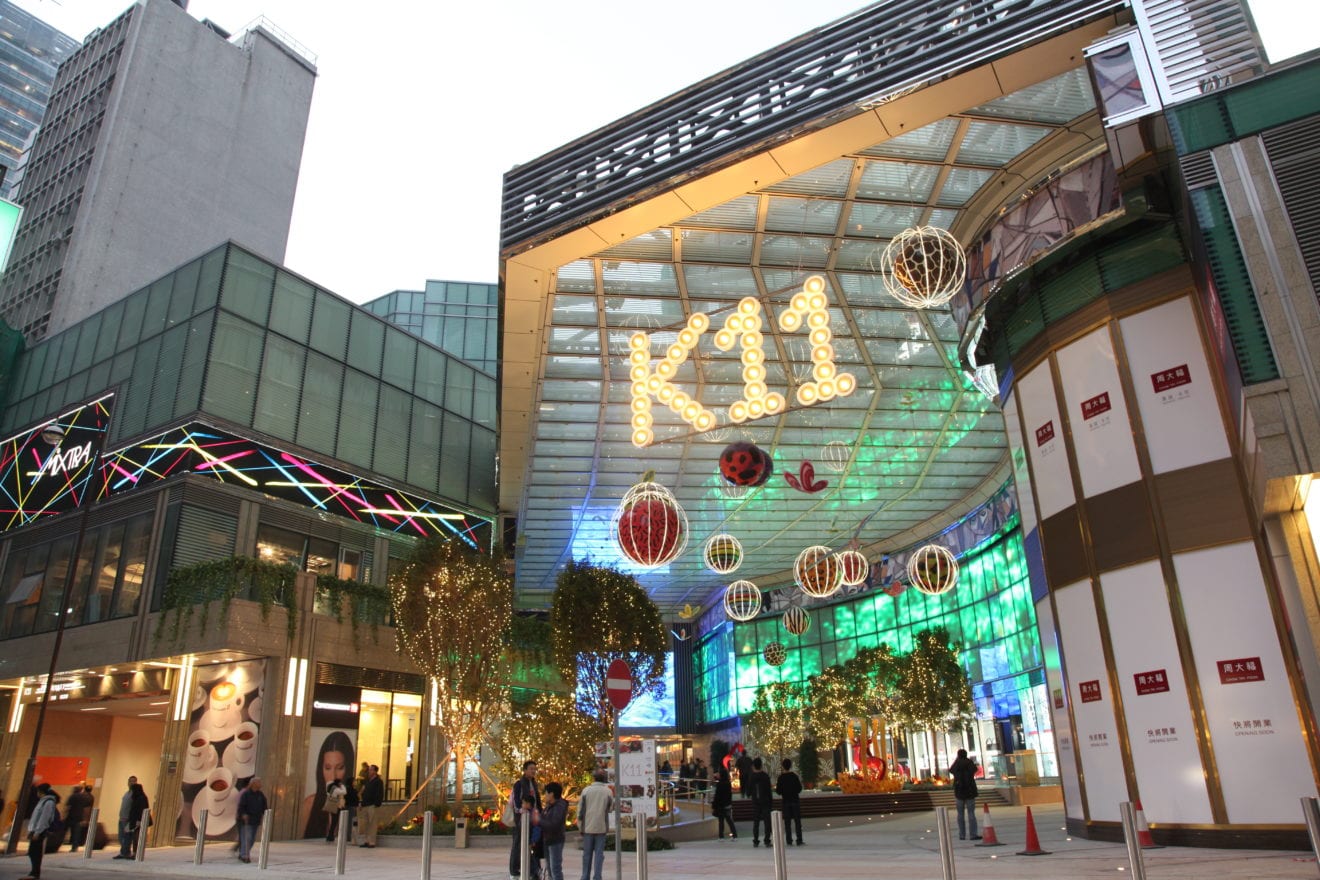
    How art and apps drove growth for K11 malls – before and after pandemic. Revenge consumption has helped K11 shopping centres across Mainland China and Hong Kong flourish in the wake of the Covid-19 pandemic as the company worked to attract customers back to spending mode – and away from rival malls.

  • Simon Property and Taubman revise terms of merger deal

    Simon Property and Taubman revise terms of merger deal

    Simon Property Group, the biggest U.S. mall operator, will cut its purchase price for an 80% stake of rival Taubman Centers by 18%, both companies said on Sunday, as the coronavirus upends the retail industry sector.

    The agreed discount comes as the two companies settled a legal dispute over the transaction, which Simon had previously threatened to walk away from, citing the hit to the industry from COVID-19.

    Under the revised terms, Simon will pay $2.65 billion for the 80% stake in the Taubman Realty Group (TRG), cutting its offer price to $43 per share in cash from $52.50 originally announced in February.

    The Taubman family will sell about one-third of its ownership interest at the transaction price, leaving them with a 20% stake in TRG, the companies added.

    The companies said they also have settled their pending litigation in a Michigan court over the merger and the companies expect the deal to close later this year or early next year.

    Simon, which runs shopping chains such as the Woodbury Common Premium Outlets in New York, said in June it was abandoning the deal.

    Simon said at that time the coronavirus outbreak had “disproportionately hurt” Taubman’s malls given their location in densely populated metropolitan areas and reliance on tourism.

    Online shopping growth had already slashed foot traffic at brick-and-mortar retail stores and the pandemic has only accelerated that trend.

    Simon also said Taubman did not cut costs to mitigate the impact of the pandemic.

    Taubman had said Simon’s termination of the deal was without merit and filed a lawsuit rejecting Simon’s allegations.

  • Hanoi short of premium office space

    Hanoi short of premium office space

    Companies in Hanoi are struggling to find Grade A office space in the downtown area because of limited supply.

    Major Grade A office buildings in the downtown district of Hoan Kiem are recording 95-100 percent absorption rates due to high demand in the capital city, according to a recent report by real estate consultancy Savills.

    These buildings include the BIDV Tower with an occupancy rate of 100 percent, ConerStone Building, 99 percent, Hanoi Towers, 97 percent and Pacific Place, 96 percent.

    The Covid-19 pandemic has not caused major impacts on office demand in the capital city, with the absorption rate in the third quarter falling just 1 percentage point to 90 percent, the report said.

    Demand for office from foreign direct investment companies is set to rise in the future, Savills expects. Hanoi posted the highest GDP growth in the country in the first nine months at 3.3 percent, said Le Tuan Binh, head of Hanoi commercial leasing at Savills.

    The real estate consultancy said it has received many requests for new office space in the city, especially from foreign companies with deep pockets that are expanding or establishing their factories in the country.

    Hanoi’s overall office supply rose 4 percent year-on-year to 1.9 million square meters in the third quarter, and Savills forecasts that addition of over 60,000 square meters will enter the market in the last quarter.

  • CapitaLand Malaysia Mall Trust hurt by Covid-19

    CapitaLand Malaysia Mall Trust hurt by Covid-19

    Shopping center operator CapitaLand Malaysia Mall Trust suffered a 17.2 percent hit to quarterly income, which was knocked down to $6.08 million for the third quarter.

    The fall was largely attributed to higher levels of vacancies and the rental relief granted to tenants under Malaysia’s Recovery Movement Control Order – an order that has been extended until the end of the year to slow the resurging transmission rates of Covid-19.

    “In light of the prevailing cautious business and consumer sentiments exacerbated by Covid-19, the operating environment for Malaysia’s retail industry continues to be challenging in the near-term,” CapitaLand Malaysia Mall REIT Management chairman David Wong said.

    “We will continue to keep a pulse on the evolving situation and closely engage with our tenants. In addition, we will focus our efforts on stabilizing the portfolio through proactive asset and lease management to build greater resilience in CMMT’s retail ecosystem.”

    And, with foot traffic recovering to around 58 percent of normal levels and tenant sales to 82 percent, the firm is keeping a cautious eye on the near-term market conditions.

    CMRM’s CEO Low Peck Chen said the business focus in the short term is in strengthening its operational efficiency and supporting its tenants in adapting to the new normal brought on by the Covid-19 pandemic.

    “Notwithstanding near-term challenges, we remain positive on CMMT’s long term prospects on the strength of our income- and geographically-diversified assets.”