Category: Real Estate

Retail News Asia is committed to providing both local and global retailers with the latest Real Estate news throughout the Asian market. This on a daily base.

  • Singapore’s Robinsons store closing after 162 years

    Singapore’s Robinsons store closing after 162 years

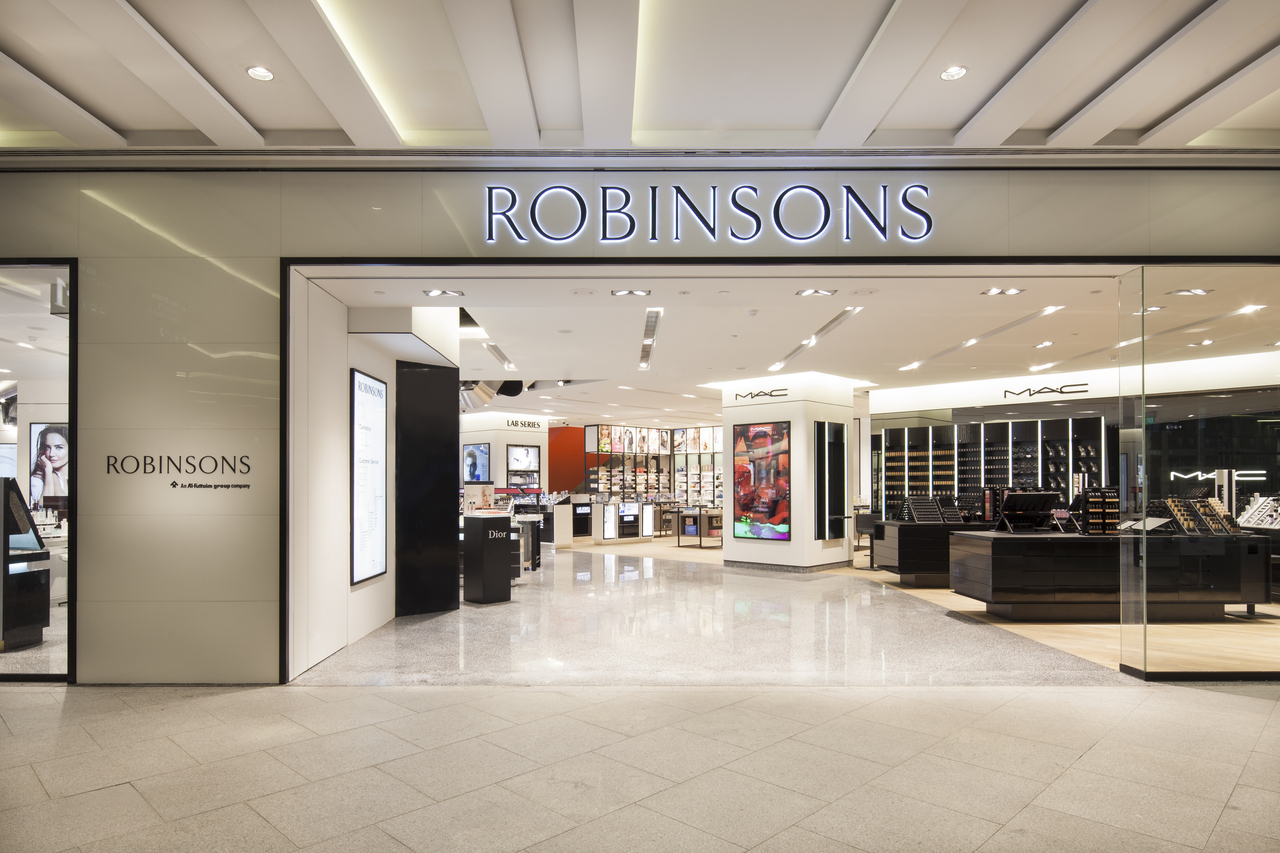
    Singapore’s department store Robinsons is closing its last two brick-and-mortar outlets, ending an era dating back 162 years. The business has been placed into liquidation effective today. Robinsons had already closed its Jem Mall store just a few months ago. Now the 186,000sqft, six-storey flagship at The Heeren which opened in 2013 and the other at Raffles City, opened in 2001, will follow.

    Robinsons is owned by UAE-based Al Futtaim Group which paid $600 million for the business back in 2008. Al Futtaim owns the rights to multiple fashion brands in Singapore, along with the Marks & Spencers business.

    In a statement released today, senior GM Danny Lim said the decision was made due to weak demand at department stores.

    “We regret this outcome today. Despite recent challenges in the industry, the Robinsons team continued to pursue the success of the brand. However, the changing consumer landscape makes it difficult for us to succeed over the long term and the Covid-19 pandemic has further exacerbated our challenges.

    “We have enjoyed success over the years, and it has been an honour for Robinsons to serve the Singapore market. I am grateful for the dedication of our team, and for the support shown by our customers over the years.”

    While Covid-19 has had an impact on footfall at every retailer in the city, it only exacerbated the trend towards consumers shopping online and at specialty stores, and shifting away from department stores.

    According to a report in the Business Times, Robinsons has been trading at a loss for the last six years as footfall and sales fell.

    In 2014, the business achieved sales of S$257.3 million, but by 2018, turnover had fallen to $153.8 million, resulting in a loss of $54.4 million.

    While the stores are being placed in liquidation, it is unclear if the company will continue to operate online, at least in the short term. The co-branded Robinsons OCBC credit card will be discontinued in April.

    Cameron Duncan and David Kim of corporate restructuring company KordaMentha have been appointed provisional liquidators. Their first task will be to assess the best course of action to maximise the return to creditors. It is not yet clear how long the stores will continue to trade, but the company said in its statement that it hopes they will remain open during the coming weeks to clear stock and “facilitate final sales for customers before they are shuttered”.

    Staff were told of the decision today and the company says it has confirmed with the liquidators that the next payment cycle will be honoured. Unions representing workers are in talks with the liquidators over settlements.

    Robinsons dates back to 1858 when Englishman Philip Robinson and business partner James Spicer, a former jailkeeper, opened Spicer & Robinson on a site which is now known as Raffles Place.

    The demise of Robinsons in Singapore comes in the sme week that Japanese department-store operator Tokyu announced it was exiting Bangkok, following on the heels of rival Isetan.

  • CapitaLand income tumbles as tenants granted rent waivers

    CapitaLand income tumbles as tenants granted rent waivers

    Property giant CapitaLand said it will further waive and potentially defer rent for qualifying small and medium-sized enterprise (SME) tenants, though this will lead to an “adverse impact” on its earnings this year.

    The move is in accordance with the latest Covid-19 (Temporary Measures) (Amendment) Bill in Singapore, which requires landlords to provide SME tenants with additional rental relief amid the pandemic.

    The timing and payment of the rental rebate and any deferral are dependent on the authorities’ assessment of the eligibility of the group’s SME tenants, said CapitaLand in a statement on Monday (June 8).

    CapitaLand group chief financial officer Andrew Lim noted that the financial strain from the Bill “remains high”, despite assistance to defray the group’s ongoing operating costs through measures such as the Jobs Support Scheme and other specific measures for Singapore real estate investment trusts (Reits).

    “The financial strain that the measures mandated by the Act will place on the group remains high and will have an adverse impact on CapitaLand’s financial performance this year. We, therefore, maintain our conviction that the impact of the regulatory intervention be applied objectively, transparently and proportionally, as a shared responsibility across all stakeholders, so that the commercial real estate ecosystem can continue to be competitive locally and internationally after the crisis,” he added.

    Under the Government’s new rental relief framework, SMEs that have seen a significant drop in their average monthly revenues will receive an additional two months’ waiver of base rental for qualifying commercial properties, and an additional one month’s waiver of base rental for industrial and office properties.

    These additional rental waivers will be borne by the landlord, and be applied to June and July 2020 for SMEs in qualifying commercial properties, and May 2020 for SMEs in industrial/office properties, as long as their leases or licenses were in force on April 1.

    Before the Bill was passed, CapitaLand said it had already provided some level of rental relief and committed to pass on any government property tax rebates and cash grants to eligible tenants when informed.

    CapitaLand Mall Trust has committed a rental relief package of approximately $114 million, which translated into rental waivers in April and May for almost all its shopping mall tenants, inclusive of the value of property tax rebates

    Additional rental waiver was granted from March 27 to 31 for tenants ordered to close their premises since March 27. Some tenants were also granted a waiver on their turnover rent and were permitted to use the one-month security deposit to offset their rents in March, said the group.

    Inclusive of the Government’s property tax rebate and additional rental assistance, Ascendas Reit – which is under the CapitaLand group – had waived two months’ rent (from April to May) for retail and food and beverage tenants within individual buildings and amenity centres in its portfolio.

    CapitaLand Commercial Trust also extended rental relief to retail, F&B and services tenants whose businesses have been hit, on top of passing down the applicable property tax rebate to eligible tenants.

    “CapitaLand remains committed to working with our tenants through these trying times. It is in our interest to see our tenants ride through this with us. We are all in this together because everyone in the ecosystem has been impacted,” said Mr Lim.

  • Harbour City signs up 70 new tenants as it refocuses from tourists to locals

    Harbour City signs up 70 new tenants as it refocuses from tourists to locals

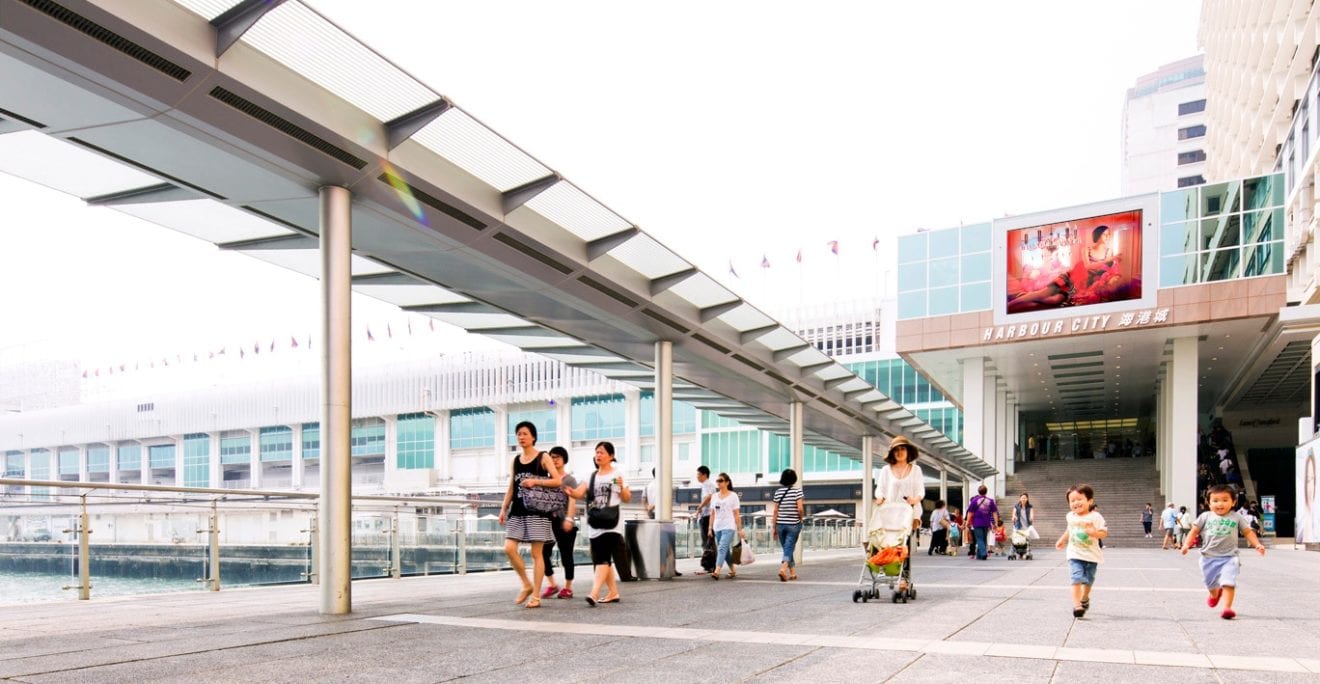
    The owner of Hong Kong’s biggest shopping center is offering its tenants additional rent concessions, with a catch: extend the leases for at least 18 months in a market facing the third wave of coronavirus infections. The tactic has come as a shock to retailers at Harbour City, an upmarket mall located in Tsim Sha Tsui tourist district that is vying with Causeway Bay for dwindling visitors in the city. The mall, ultimately owned by Wharf Reic, has asked its 400-odd tenants to decide by July 24 in a strongly-worded letter seen.

    Besides committing to new leases, Wharf also requires its tenants to meet other conditions to receive a 40 percent retroactive discount to rents in May, according to the July 10 letter. Wharf had earlier halved rents for tenants from February to April.

    Among other requirements, they will need to have paid up before July 15 all their outstanding rents, charges, and arrears accrued as of June 30, according to the letter.

    The offer “is a one-off measure” to deal with the current situation faced by the retail industry and does not mean more are in store, according to the letter signed by Veronica Chan, who is general manager of retail leasing and business development at Harbour City Estates.

    “If we fail to receive your signed version of the Side Letter by 24 July or if you shall attempt to make any changes to our Side letter, we would treat it as your refusal to accept the arrangement … and in which event we would not consider offering you any rental concession for the month of May,” she said in the letter. “We would like to emphasize that we would not entertain any changes or amendments thereto.”

    While the tenants’ responses to the Harbour City’s letter were mixed, many have quietly expressed their disapproval of the tactic, according to an industry source who declined to be identified because of confidentiality issues.

    Some of them are not signing, while several are signing by crossing out the lease renewal clause, the person said. Others have decided to sign for now and could still return the concession to the landlord when they decide to not renew the lease, the source added.

    The practice of requiring lease renewal in exchange for rent concessions is rare, said Lilian Chiang, senior partner and head of the property department at law firm Deacons.

    “There was actually no such thing in the past until this year. Currently, I have tenants asking me every day whether they could exit [the lease],” she said, adding that it would “shock you” that international brand names are also asking the same thing.

    Hong Kong retail landlords set alarm bells ringing with profit warnings.

    Wharf may not be alone in employing the tactic. Link Reit, the biggest property trust in Asia, is said to have requested lease renewal before granting rent concessions, according to people with knowledge of the matter.

    “There has to be given and take on both sides and any leasing agreement will only be mutual concessions and compromises,” said Link’s spokesperson. “The closest thing to the arrangement is lease restructuring.”

    Every landlord has a different practice to retain tenants and avoid having too many vacant shops, which hurts the overall attractiveness of a shopping centre, Chiang added.

    “Tenants tend to compromise with the new terms and conditions in exchange for rental concession, otherwise they might not be able to keep their business or pay rents or other operating costs to overcome this difficult period,” said Polly Chu, a partner at law firm Withers.

    The letter is a way of rent restructuring by the developer or landlord to keep their tenants, she said. It may also suggest the landlord has confidence that the retail business will return to normal in the future, Chu added.

    Tsim Sha Tsui is a tourist district that is among the hardest hit in the retail crisis. Yet, at the same time, it has recently usurped protest-hit Causeway Bay as the most expensive shopping belt in the city.

    Harbour City is one of the most expensive shopping centres, charging as much as HK$1,000 per square foot on average, according to market sources.

  • Hyundai Department Store to open Pet Park complex

    Hyundai Department Store to open Pet Park complex

    A pet park complex that features daycare centers for pets as well as pet swimming pools is coming soon.

    Retail giant Hyundai Department Store Group announced Tuesday that one of the largest ‘pet parks’ in South Korea will open at the new Hyundai Premium Outlet Space 1 that is scheduled to open on Nov. 6 in Namyangju, Gyeonggi Province.

    The park will be named after the pet park’s signature mascot, Heendy, and will cover an area of 1,322 square meters on top of the outlet store.

    Playgrounds, feeding tables, photo zones, water fountains, and other facilities will become available as well as premium pet facilities including pet schools, swimming pools, spas, hotels and grooming shops.

  • The Starhill reveals high-end tenants ahead of reopening early next year

    The Starhill reveals high-end tenants ahead of reopening early next year

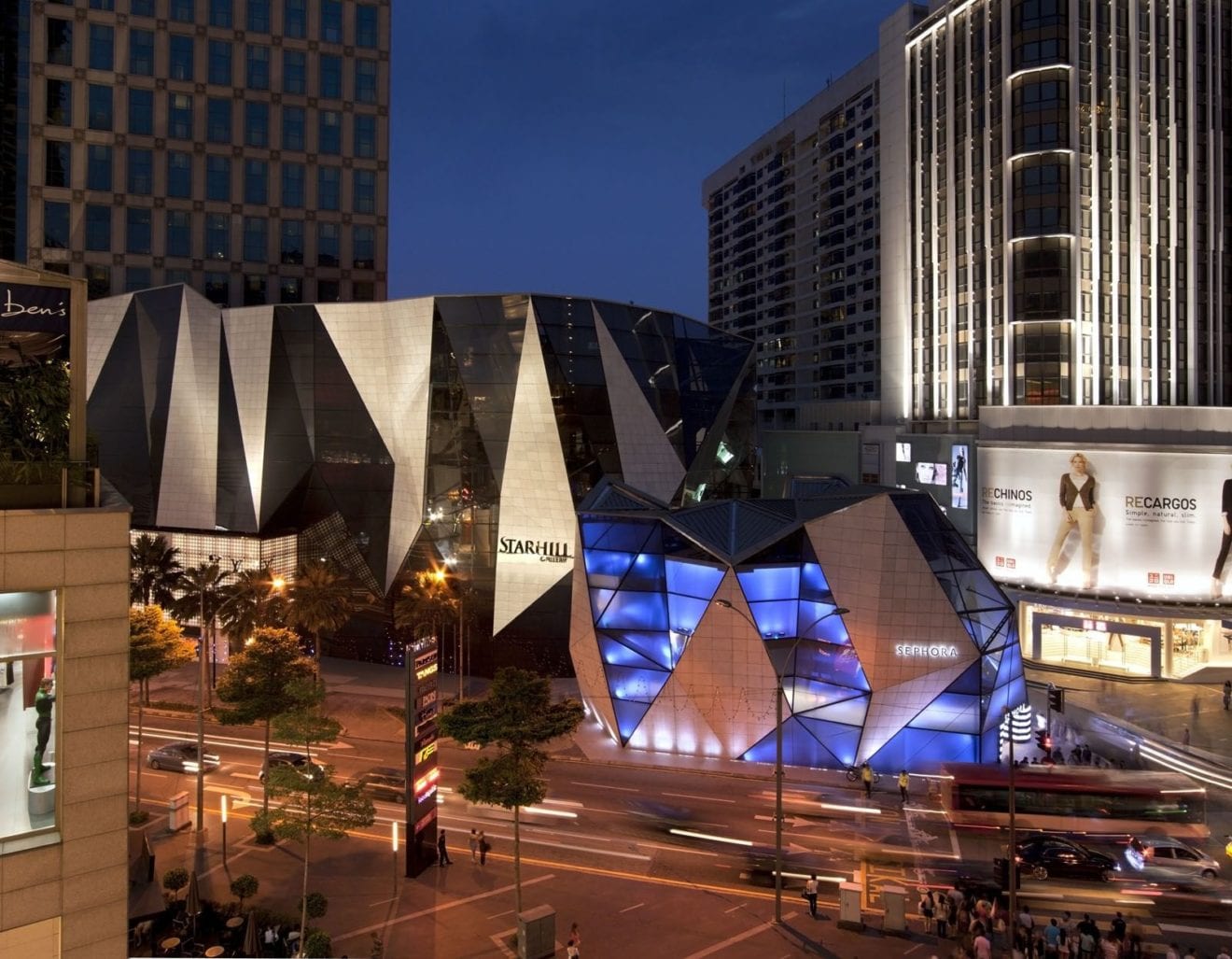
    The iconic Starhill Gallery, which is part of a portfolio of retail assets owned by Singapore-based Starhill Global Real Estate Investment Trust (SGREIT) will undergo a transformation and revealed as The Starhill – Home of the Tastemakers in 2021.

    The mall, the most luxury retail establishment in the Bukit Bintang shopping district was developed by YTL Corp Bhd more than two decades ago.

    It opened in 1996 and houses more than 100 renowned luxury timepiece and jewellery brands, as well as other contemporary luxury labels.

    The mall was renovated in 2005, with renowned American architect David Rockwell at the helm of the project, which resulted in its current glass dome-like façade.

    YTL Land & Development Bhd vice president Joseph Yeoh said the mall will be partially closed (from October this year) for renovation with some brands continuing to operate.

    Yeoh said, the completion of phase one renovation is scheduled for the second quarter of 2020 in tandem with the relaunch of Shook!, Lu Yu Tea House and Jogoya.

    The soft opening of new stores and other food and beverage outlets is scheduled in the last quarter of 2020.

    Hospitality and retail experience under one roof

    Yeoh said the mall, after undergoing the transformation will redefine Kuala Lumpur’s shopping scene in a new concept that infuses hospitality into the retail experience.

    The mall, which sits directly opposite Pavilion KL, is connected to YTL’s five-star JW Marriott Kuala Lumpur hotel by a “Time Tunnel”. The link bridge also connects to YTL’s The Ritz-Carlton Kuala Lumpur.

    Yeoh said, with Kuala Lumpur remaining among the top five most popular tourist destinations in the Asia Pacific region alongside Tokyo, Seoul, Bangkok and Singapore based on Mastercard Destination Index 2019, it is crucial for The Starhill to optimize the cross cultivation of experiences between the retail and hospitality floors to offer unique shopping offerings for hotel guests from the two luxury hotels.

    Key to the refurbishment is to improve spatial layout, circulation and overall shopping experience; all interior common areas will be fully refreshed.

    A new double-volume entrance atrium will feature a lush green wall with multiple LED screens projecting brand videos of The Starhill and tenants to welcome all visitors.

    The central atrium will also be overhauled to include a new connecting bridge plying across the sun-lit atrium and cantilevered balconies designed as pop-up space.

    The Bukit Bintang facade will be given a facelift with new LED screens and a new café terrace on level one overlooking the new piazza.

    Yeoh said, the concept of The Starhill reinforces the group’s positioning as the place to be in Bukit Bintang.

    “The Starhill bucks the city’s cookie-cutter mall trend, going boutique-sized at 300,000 square feet of retail space to cultivate a more personalised retail ambience which is warm yet discreet when others have gone mega with an anodyne take on the shopping experience. Today, discerning shoppers seek special access and discoveries but most importantly, they want meaning, authenticity and connection and this is what we set out to achieve in The

    Starhill,” he said.

    YTL has partnered with top consultants from the region.

    Yeoh said, the consortium comprising Cistri (Singapore), Husband Retail Consultant (Hong Kong), Kokai Studio (Shanghai) and Eight Partnership (Hong Kong) – expert retail, design and branding consultants have meticulously studied the fluid landscape and identified transformative, game-changing strategies for The Starhill over the last two years.

    “With fast-changing values and consumption behavior among savvy and socially-connected consumers, the transformation to become The Starhill is in line with the need for retail malls to constantly evolve and differentiate to stay at the forefront of the changing retail landscape,” said Yeoh.

    More luxury rooms after the transformation

    The JW Marriott Kuala Lumpur will add 162 rooms to its current inventory on the upper floors of The Starhill.

    The Starhill, facing Jalan Gading and Jalan Bukit Bintang, will be distinguished by four floors of experiential retail space and three more floors of hotel rooms creatively converted from former retail space in the upper levels of the mall.

    Offering new and stylish accommodation, the new extension will be seamlessly integrated with the lower retail space in one vertical seven-floor development – a first in Asia that truly breaks down the boundary between retail and hospitality.

    Combining JW Marriott Kuala Lumpur and The Ritz-Carlton, Kuala Lumpur, there will be over 1,100 rooms seamlessly connected to The Starhill in two year’s time contributing excellent footfall to the retail floors, said Yeoh.

    The Starhill, coupled with the new hotel rooms, will officially launch in 2021.

  • Hanoi new apartment supply hits 5-year low

    Hanoi new apartment supply hits 5-year low

    Hanoi’s Q3 new apartment supply fell 60 percent year-on-year to a five-year low of 3,100 units as Covid-19 hampered new launches. Of the new supply, only 700 units, or 23 percent, came from four new projects, while the rest were from nine existing ones, Do Thu Hang, director of advisory services at real estate consultancy firm Savills Hanoi, said at a press briefing Thursday.

    “Major developers have been delaying launching new units this year due to Covid-19 impacts,” Hang said.

    The supply shortage has caused prices to rise 10 percent year-on-year to $1,500 per square meter, Savills data shows.

    However, these factors have also caused sales to fall 44 percent year-on-year to 5,200 units, with Grade B and Grade C accounting for 99 percent, while the absorption rate dropped 12 percentage points year-on-year to 20 percent.

    In the best-case scenario, apartment sales in the capital city is estimated at 20,000 units this year, nearly half of last year, Hang said.

    In the last quarter, nearly 10,000 apartments, mostly Grade B, are set to enter the market from 12 projects.

    Whether there will be a surge in new supply in the last months of the year depends on Vietnam’s ability to contain the pandemic, said Nguyen Duc Them, project sales manager of Savills Hanoi.

  • Hong Kong retail rents slip

    Hong Kong retail rents slip

    The world’s most expensive retail strip is likely to endure another six months of industry slump as shop owners struggle to replace premium tenants amid Hong Kong’s deepening recession.

    Global brands from Prada to Rolex and Victoria’s Secret have in the past year vacated their space near or along Russell Street in Causeway Bay – whose rents exceeded those in New York, London, or Paris at the peak of the cycle – as the economy suffered from political upheavals and public health crisis.

    “The market has not seen the bottom yet. I think the worst will only come at year-end,” said Edwin Lee, founder, and chief executive of Bridgeway Prime Shop Fund Management, which owns 18 street shops across the city. “People expect the Covid-19 vaccine to be ready and available by early or the middle of next year when confidence is expected to recover.”

    Those vacant shops could end up being absorbed by mass-market fashion stores or supermarket chains, potentially devaluing rent premiums, he added. The pandemic and dwindling tourist arrivals have been a major blow and local consumers alone could no longer support big brands, he added.

    Hong Kong’s economy has contracted in the past four straight quarters, marking its worst recession on record. The Covid-19 pandemic since January, as well as months of social unrest last year, have choked tourism and undermined the government’s efforts to revive activity.

    Without the power of tourist dollars, Hong Kong has recorded steep declines in retail sales for 18 straight months, according to official statistics. They amounted to HK$187 billion (US$24 billion) this year through July, or HK$26.7 billion a month, compared with an average of HK$36 billion a month in 2019.”>“Now that the big brands have left the scene, it is quite difficult to find new tenants,” said Tony Lo, director of shops at Midland IC&I. They are unlikely to be leased out this year as the pandemic has not been resolved, he added. “I’m not very optimistic. Many of the shops in Causeway Bay cater to individual travelers mostly from mainland China.”

    Hong Kong retailers should create experiences for local shoppers to survive with ‘zero tourists’

    Emperor International, one of the bigger landlords on Russell Street, said some of its units “are for lease now,” according to WhatsApp reply to questions from the Post. The firm has “been in touch with different tenants,” it added.

    Shop vacancy rate in Causeway Bay has risen to 11.6 percent in August, according to data compiled by Centaline Commercial, more than triple the level in January. The rate in Central has surged to 20.4 percent from 8.1 percent over the same period, and to 16.5 percent from 10.5 percent in Tsim Sha Tsui.

    “Causeway Bay has almost zero tourists and people are reducing their outings,” said Raiky Wong, director of shops at Centaline Commercial. “The streets seem deserted these days.”

    Hong Kong is not alone in bearing the brunt of the Covid-19 pandemic. Twenty out of 22 Asia-Pacific cities tracked by Knight Frank reported a drop in valuations and forecasts of prime retail property in the first half of this year.

    The bleak outlook suggests rents will weaken in the coming months, said Lee of Bridgeway Prime Shop Fund Management, who regularly buys and sells shop lots in the city.

    Rents along Russell Street have fallen by two-thirds from around HK$3,000 (US$387) per sq ft in 2013 to HK$1,000 currently, Lee said. They could bottom out at HK$500 per sq ft by year-end before some signs of recovery after the Lunar New Year in February, he added.

    Shop owners may be pressured to accept offers even if the rents are lower to generate cash flow, according to Lo of Midland. Some have offered to take up short-term leases this year as many businesses have low visibility on the recovery prospects.

    New tenants that decide to take over the vacant space will be banking on neighborhood spending to survive, said Lee of Bridgeway. These would include mass-market fashion retailers or high-end supermarkets selling imported foods like Japanese wagyu beef, he added.

    For Russell Street’s big brands, retailers can no longer sustain their businesses without tourist spending power. “They definitely cannot sustain by just relying on local consumption,” Lee said.

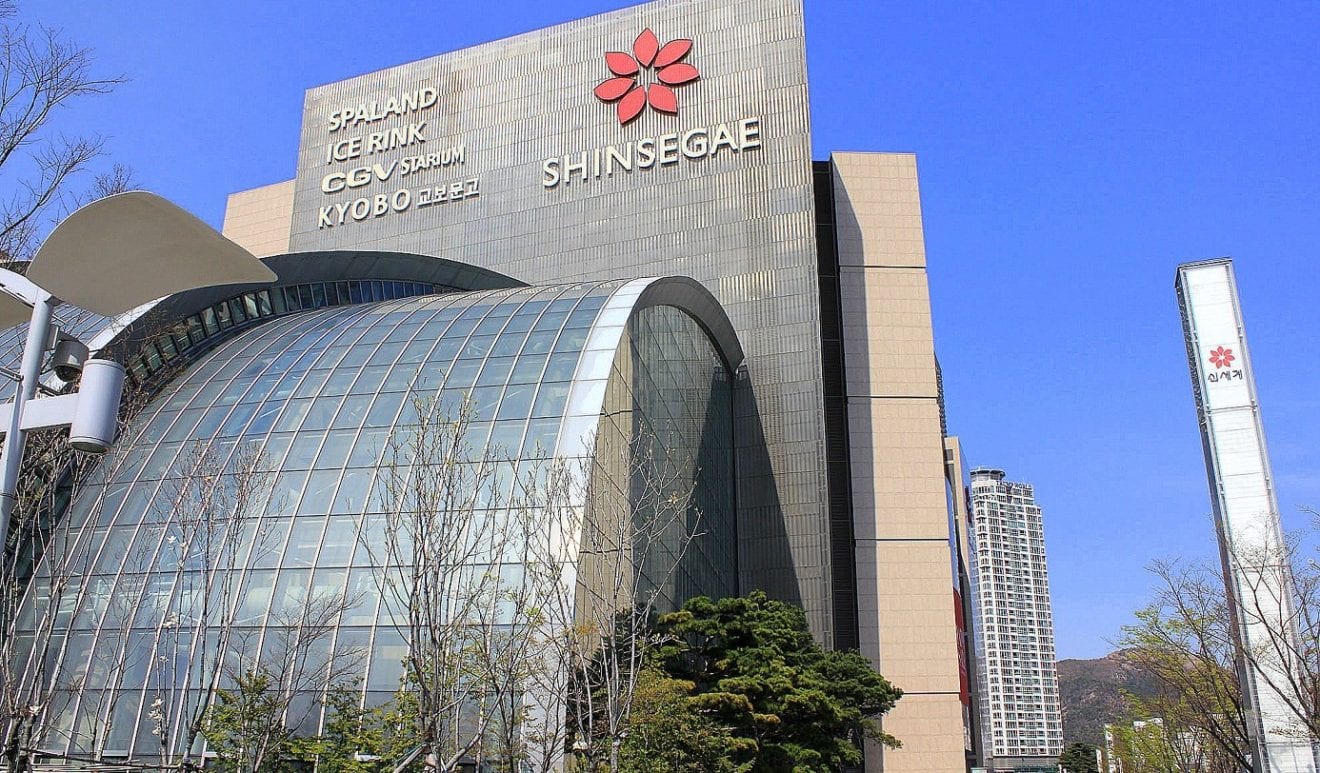
  • Shinsegae, Taubman Asia open Starfield Anseong

    Shinsegae, Taubman Asia open Starfield Anseong

    The new Starfield Anseong, the second joint venture between Taubman Asia and Shinsegae Property, opened today in Anseong, Gyeonggi Province, South Korea. The one million square foot, modern shopping, entertainment, and dining destination is Taubman Asia’s fourth successful development project. It will serve as the primary mall for Anseong, one of the fastest-growing areas of South Korea. This press release features multimedia.

    The new Starfield Anseong mall in Anseong, Gyeonggi Province, South Korea Starfield Anseong is nearly 100 percent leased, with over 90 percent of tenants open, and is expected to be fully occupied by year-end. The mall is anchored by Shinsegae Factory Store, E-Mart, Toy Kingdom, and successful entertainment concepts, including Aquafield, Sports Monster, and Megabox, an upscale cinema. Starfield Anseong also offers 280 of the most in-demand fashion, dining, and entertainment concepts. In response to the global pandemic, the mall has implemented a wide variety of enhanced safety protocols in accordance with legal requirements.

    “Starfield Anseong represents the best of the collective expertise of Shinsegae Property and Taubman Asia,” said Paul Wright, president, Taubman Asia. “We are pleased to offer this impressive assortment of retail, dining, and entertainment experiences to customers in Gyeonggi.” “Starfield Anseong will serve customers in the southern region of Gyeonggi and will meet the high expectations of the local residents following the successful opening of Starfield Hanam and Starfield Goyang,” said Young-rok Lim, president, Shinsegae Property.

    “With a high priority on customer safety, we are certain our customers will experience a true shopping theme park previously unseen anywhere in the region. Starfield Anseong’s diverse offerings such as children’s education, entertainment, and food and beverage facilities, which have proven popular in other Starfield facilities, have been strengthened and together with other popular brands making their regional debuts, are all gathered in one place.” Shopping & Dining Starfield Anseong’s wide variety of prominent international brands includes Zara, Nike, Uniqlo, H&M, Vans, COS, Guess, Adidas, BMW, Patagonia, Camper, Polo Ralph Lauren, Lacoste, West Elm, and Under Armour.

    Popular national brands such as SPAO, Genesis, Beanpole, Studio Tomboy, Jaju, Casamia, Wonder Place, and Hanssem are also featured. Approximately 100 of the mall’s brands are the first store of the kind in this region of Greater Seoul. The mall has dedicated 113,000 square feet to dining options, including Gourmet Street’s eight restaurants and the Eatopia food court featuring 21 unique food kiosks, optional outdoor seating, and views of the neighborhood park. City Market, anchored by No Brand Supermarket, offers 15 additional casual dining options, a deli, and nine specialty food concepts that include a wine shop, a butcher, and a bakery.

    Other dining destinations include Sanghaeru, Tokkijung, Lobster Bar, No Brand Burger, and Mansukjang. Entertainment & Experiences Starfield Anseong offers many entertainment options and experiences, including a 48,000 square foot Megabox cinema with seven screens, a 28,000 square foot Sports Monster sportsplex with everything from rock climbing to basketball, and a 98,000 square foot Aquafield indoor/outdoor water park and spa. Concepts focused on children’s entertainment includes Champion 1250X and Sang Sang Sketch Play.

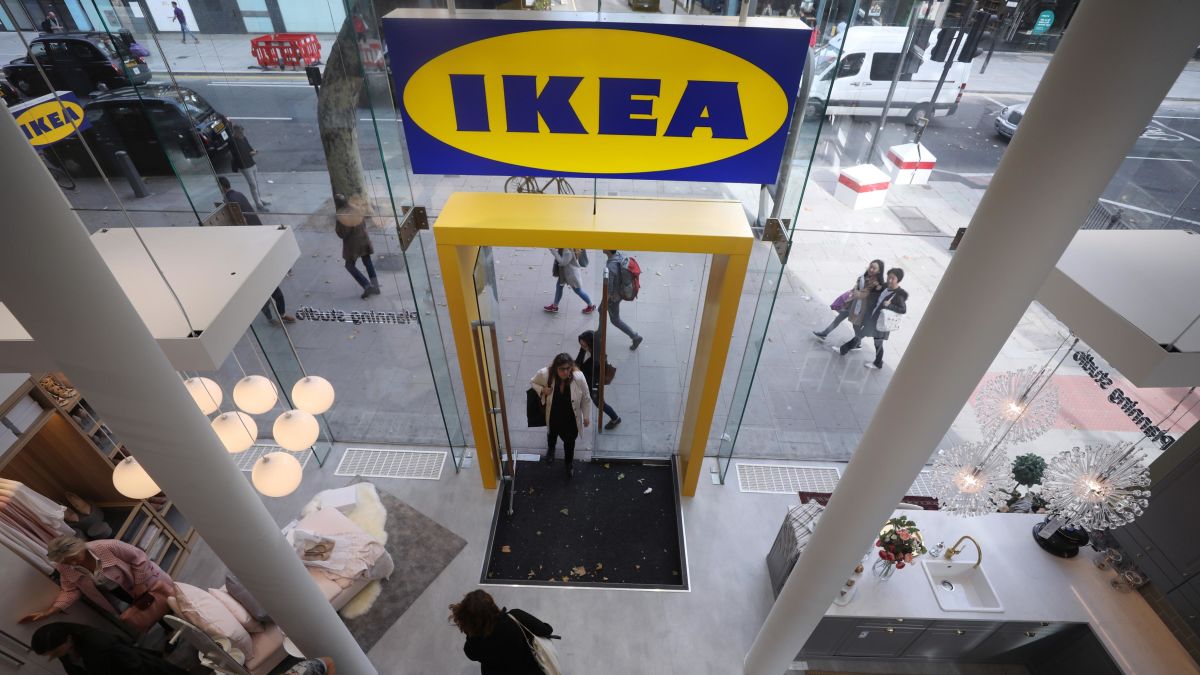
  • Ikano Centres to build drive-thru F&B facility next to Ikea Batu Kawan

    Ikano Centres to build drive-thru F&B facility next to Ikea Batu Kawan

    Building on the first phase opening in December last year, Ikano Centres, part of IKEA Southeast Asia, is excited to launch a new drive-thru concept next to IKEA Batu Kawan in North Malaysia. Focusing on food and beverage (F&B), the drive-thru will be the natural next phase in the development of its meeting place that embraces the new age of convenience.

    Expected to be fully operational by mid-2021, the drive-thru component will complement the current dine-in IKEA restaurant and F&B tenants. The latest addition will see more food options across the 200,744 square feet gross leasable area.

    “Malaysians have a great love for food and appreciate the convenience,” said Christian Roejkjaer, Managing Director of IKEA Southeast Asia & Mexico. “For many, drive-thrus have become a quintessential part of their lifestyle and may play a crucial role in our ‘new normal’. Building our first drive-thru concept in Batu Kawan is one way for us to create a safe and positive space for the community to come out and enjoy their favorite food.”

    IKEA Southeast Asia’s Shopping Centre and Mixed-Use Director, Christian Olofsson added, “We look forward to welcoming more partners that share the same community-spirit, to further build a retail destination that Malaysians and tourists will want to visit.”

    Ikano Centres is also pleased to welcome its first partner to complement the on-the-go concept – McDonald’s Malaysia. Taking up approximately 35,000 square feet space, the quick-service restaurant at Batu Kawan will be Penang’s 16th free-standing McDonald’s Malaysia outlet.

    According to Azmir Jaafar, Managing Director and Local Operating Partner of McDonald’s Malaysia, this outlet will reflect the iconic fun, bright and comfortable atmosphere that most Malaysians have come to love.

    “At McDonald’s Malaysia, we continue to cater to changing trends among customers who are increasingly seeking convenience, as well as fast and friendly service to complement their on-the-go lifestyles. We are excited to expand our drive-thru footprint to Batu Kawan, where customers can now enjoy ‘feel-good-moments’ just by conveniently driving by and ordering their favorite meals from a McDonald’s restaurant window,” said Azmir.

    Also, Ikano Centres is in dialogue with petrol station operators to meet the high demand within the growing township of Aspen Vision City in Batu Kawan.

    The latest anchored-by-IKEA commercial development is a joint-venture between IKEA Southeast Asia and Malaysia’s Aspen Group to develop Aspen Vision City, transforming Batu Kawan into an iconic hub in the Northern region of Malaysia.

    “Batu Kawan’s development has been tremendously progressing towards becoming the third satellite city of Penang. We are elated to welcome another well-known international brand, McDonald’s to Aspen Vision City’s (AVC) neighborhood. As a globally famous quick-service restaurant chain, their presence in AVC will surely be a crowd-puller, which also caters to a workforce of approximately 16,000 at the Batu Kawan Industrial Park.

    Earlier this year, we also saw students joining the newly launched The Ship Campus as well as the University of Wollongong KDU Batu Kawan Campus. Other projects to be completed are Vertu Resort, Vivo Executive Apartment, and Viluxe with 3,132 units of residential units which will add traction to AVC,” said Dato’ Murly Manokharan, President & Group CEO of Aspen Group.

    Within the region, IKEA Southeast Asia owns and operates five shopping centers anchored by IKEA. Both the blue-box home-furnishing stores and its meeting places are committed to serving the evolving needs of millions of visitors to create a better everyday life for many people.

  • Hotels for sale at new high amid pandemic blues

    Hotels for sale at new high amid pandemic blues

    Hotels with ‘for sale’ signs have mushroomed across different parts of Vietnam, despite scarcity in buyers.

    The sales trend first kicked off in central areas of HCMC and Hanoi’s Old Quarter, but later spread to other tourism hotspots like Phu Quoc Island, Da Nang City, and other coastal towns including Nha Trang, Vung Tau, and Quy Nhon.

    Dozens of hotels have been listed for sale each day by brokers or on real estate websites, since the second Covid-19 outbreak hit the country late July.

    Longtime brokers in the real estate market say the current wave of hotel sales is the biggest they have seen in the past decade.

    On the streets of Ly Tu Trong, Le Thanh Ton, Bui Thi Xuan, and a few others, nearby HCMC’s iconic Ben Thanh Market, many 30-100 room hotels are listed for sale. Prices commonly range from a few dozen billion to hundreds of billions of dong (VND1 billion = $43,160), with some going up to VND1 trillion.

    The current situation is completely contrary to 5-7 years ago when a wave of investment in mini-hotels was so popular in Saigon that many street houses were bought specifically for such renovation purposes.

    However, brokers said currently listed hotel prices are still at a higher than expected threshold, complicating the sales process.

    Vo Quoc Phuong Trang, head of hotel investment consultancy at real estate service firm Jones Lang LaSalle (JLL), said the hotel business sector was among the groups first and hardest hit by the pandemic.

    There were no mergers and acquisitions in the hospitality industry during the first half of the year as uncertainty caused by the Covid-19 outbreak gripped the sector.

    Mauro Gasparotti, director of real estate consultancy Savills Hotels Asia Pacific, said the limited number of flights have prevented buyers from inspecting properties, and so negotiations are delayed.

    Four- and five-star hotels are still holding up but those with three stars and below are facing challenges since there are few guests, he said, explaining that some are experiencing 10 percent occupancy rates, while the minimum to sustain operations is 35 percent.

    Foreign tourist arrivals in Vietnam between January and August fell 66.6 percent to 3.77 million, according to the General Statistics Office.

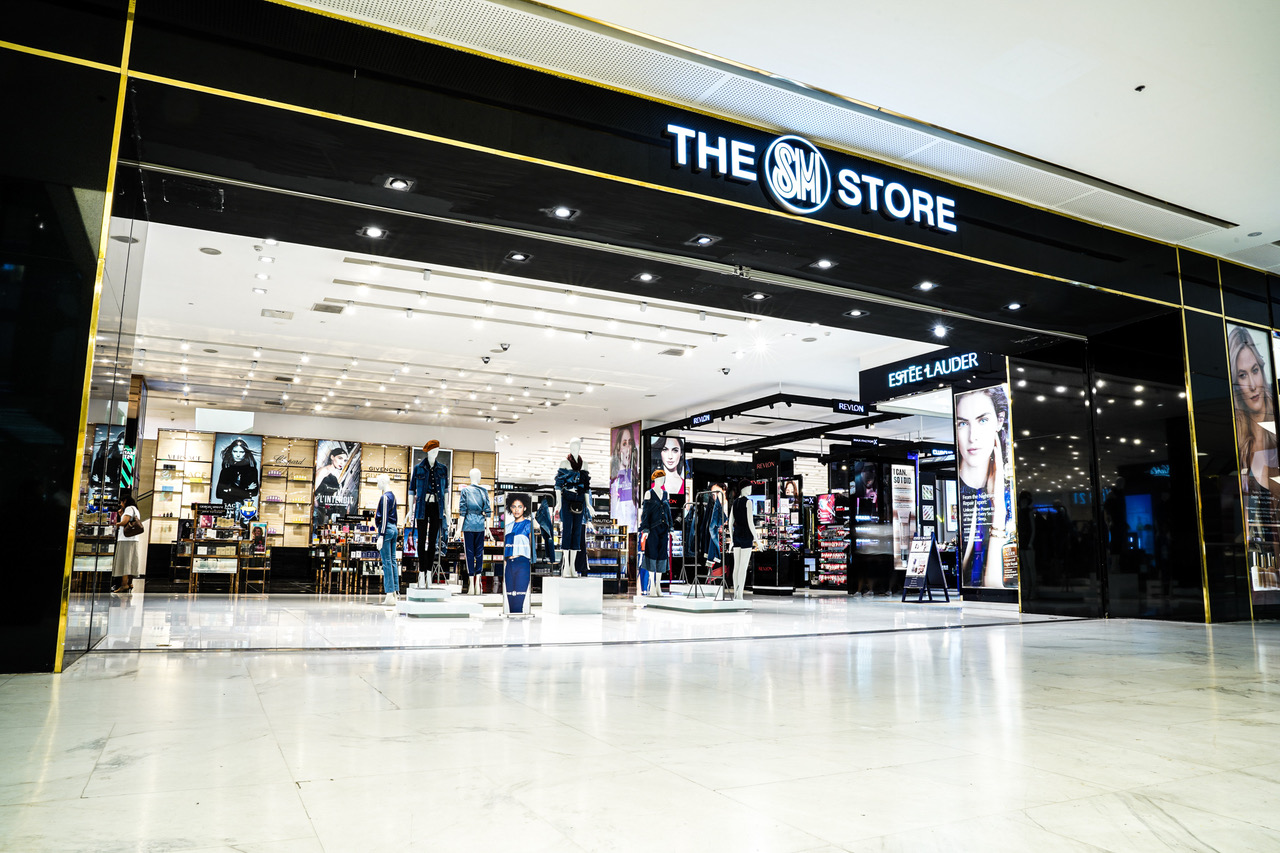
  • The SM Store Advances Omnichannel Merchandising Strategies with Aptos Technology

    The SM Store Advances Omnichannel Merchandising Strategies with Aptos Technology

    Aptos, a recognized market leader in retail technology solutions, today announced that The SM Store, the largest department store chain in the Philippines, will deploy Aptos Merchandise Financial Planning to optimize its omnichannel merchandising strategies. The solution will provide end-to-end support for the retailer’s merchandise planning activities across its bricks-and-mortar and online channels.

    The SM Store, formerly known as SM Department Store, has over 60 stores strategically located in key cities throughout the Philippines and carries a wide range of apparel, accessories, housewares, general merchandise and lifestyle products. The SM Store is part of SM Retail, Inc., a significant player in the retail industry in the Philippines.

    SM Retail has come a long way since its founder, Henry Sy Sr., realized his dream to open a shoe store in Manila in 1958. Today, SM’s retail operations are the country’s largest and most diversified, with food, nonfood and specialty retail stores.

    With the guiding principle of offering a one-stop shopping experience, The SM Store continues to enhance the way it engages with its loyal customers. This has included investments in its online shopping platform, ShopSM, allowing customers to shop anytime, anywhere.

    As customers’ browsing and buying behaviors have expanded, so too has The SM Store’s complexity in planning merchandise across channels. In order to delight customers with the right merchandise while consistently meeting financial goals, the Aptos solution will provide end-to-end support for The SM Store’s merchandise financial planning activities. This includes strategic planning and budgeting, planning by attributes, buying and assortment strategy, in-season management, and more.

    Once deployed, Aptos Merchandise Financial Planning will be utilized by over 120 merchandise planners within The SM Store business. The Aptos solution was selected over competitive offerings due to its ability to support The SM Store’s different shop formats and an increasing number of channels, the ease of use and intuitiveness of the application, and the flexibility of the solution to evolve with The SM Store over time.

    “SM’s tagline of ‘We’ve got it all for you’ emphasizes the importance this retailer places on its merchandising strategy, buying decisions and vast assortment,” said Noel Goggin, Aptos CEO and culture leader.

    “Merchandise planning is the foundation of developing, buying and delivering the best assortments to customers while achieving margin and inventory investment targets. With Aptos Merchandise Financial Planning, The SM Store can optimize product distribution and stock levels across channels — a powerful differentiator as it advances its omnichannel vision. We are proud to work with this customer-centric and highly diversified retailer, a true leader in the dynamic and growing Philippine retail market.”


  • CapitaLand still eyeing mall opportunities in Mainland China

    CapitaLand still eyeing mall opportunities in Mainland China

    China’s nationwide lockdown to combat Covid-19 and provisions for tenant relief saw CapitaLand Retail China Trust’s net property income slip in the June half-year. The trust’s manager, CapitaLand Retail China Trust Management has reported an NPI of US$47 million, down 17.9 percent on the same period a year earlier.

    The figure also reflected the absence of a contribution from CapitaMall Erqi after its master lease ended last December and its subsequent sale in May. New contributions from CapitaMall Yuhuating, CapitaMall Xuefu, and CapitaMall Aidemengdun, purchased last August, offset some of that reduction.

    CRCTML CEO Tan Tze Wooi said the trust’s enlarged portfolio recorded a 25.9-per-cent quarter-on-quarter improvement in shopper traffic for the three months to June, with tenants’ sales up by 23.7 percent over the same period.

    After a 6.8-per-cent contraction in China’s GDP in the March quarter, the government stepped up economic stimulus measures in the second leading to a 3.2-per-cent increase.

    “China’s policy focus to support businesses and boost domestic consumption has bode well for the retail sector’s recovery.”

    Meanwhile, the trust’s Yuquan Mall, currently undergoing fit-out, is on track to open at the end of this year, with about 70 percent of space leased already.

    The CEO said the trust was continuing to look for acquisitions to boost the Mainland China portfolio.

  • Parkson to give up on full-scale stores in Vietnam

    Parkson to give up on full-scale stores in Vietnam

    Malaysian department-store operator Parkson is to quit operating full-scale stores in Vietnam after years of losses. At one stage the company had 10 stores in the country and was confident of long-term success given it was the first overseas department-store brand to enter the market.

    This week, Singapore-listed Parkson Retail Asia announced that subject to shareholder approval, it will sell the Parkson TD Plaza Shopping Centre it anchors in the northern port city of Haiphong for US$10 million, representing a $500,000 loss on book value, but a $500,000 premium on local valuation. Parkson’s Vietnam operations are owned by Parkson Haiphong, a wholly-owned subsidiary of Parkson Retail Asia, which is two-thirds owned by Parkson Holdings of Malaysia. The purchaser is local company Thuy Dong Construction Trading.

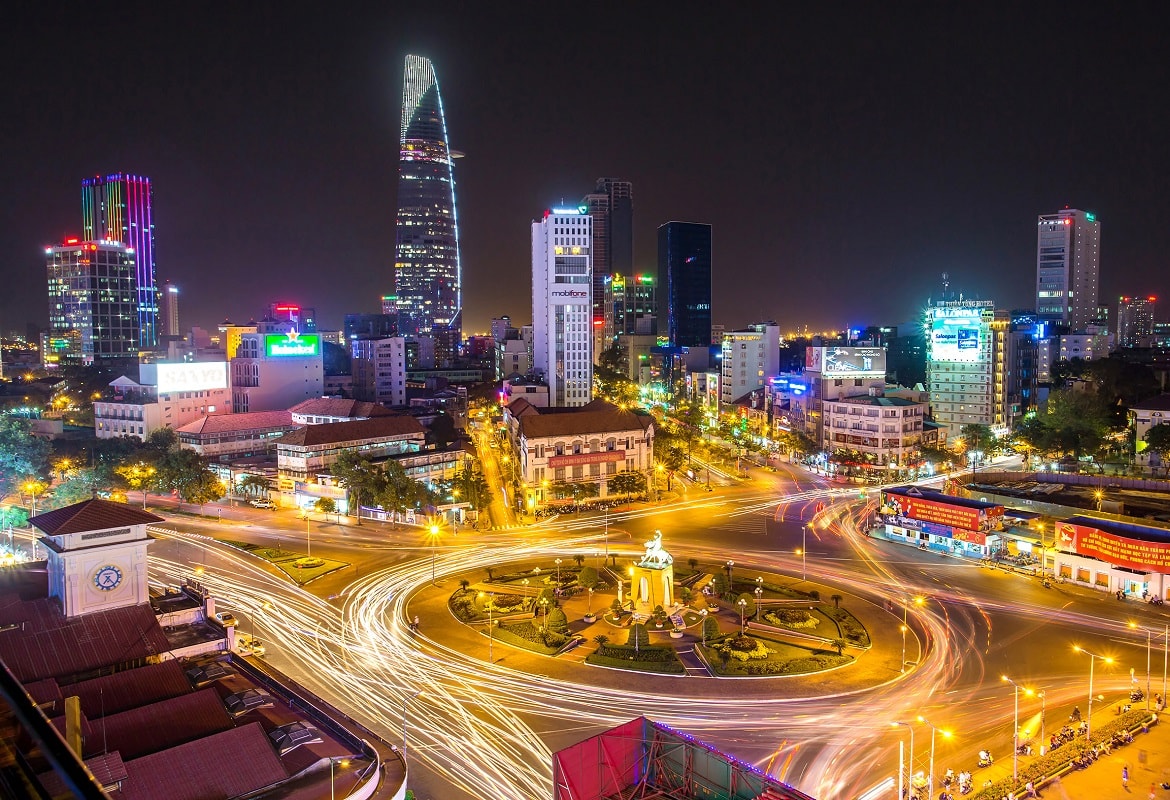
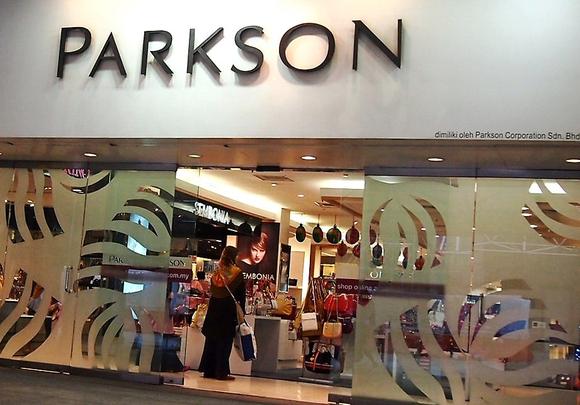
    The disposal leaves just one property remaining in downtown Ho Chi Minh City, (pictured above), which used to house the brand’s flagship in the country. A large part of that store has since been leased out to Uniqlo and another Japanese retailer, Muji, is believed to be currently fitting out at least part of the remaining space.

    “Following the completion of the disposal of the [Haiphong] property, Parkson Vietnam will only continue its business of operating and managing the store in Ho Chi Minh City, and will cease to operate any Parkson brand department store on the property.”

    The way this statement is worded, it suggests that the company will no longer operate a department store in Ho Chi Minh City and by converting such large parts of the building into space leased to other retailers, it would appear the strategy is to morph into a property manager.

    However, local Vietnamese media are reporting the store will reopen this Friday, July 31, but only take up the ground floor, a compact area which previously housed only a beauty zone and a large part of which has been taken over by Uniqlo.

    Parkson Vietnam began renovating its six-story Ho Chi Minh City store in the Saigon Tourist Plaza building in April of last year. In recent months, a billboard has been placed on the remaining front of part of the building saying it will reopen soon.

    At the time the refurbishment was announced, the company said the aim was to deliver a new shopping experience featuring modern facilities, and a higher standard of service for shoppers. But it appears as if almost all the categories it once sold will be stripped out leaving just a beauty offer.

    Parkson said the new store design concept “will turn the store into an all-in-one destination that offers a combination of shopping, food & beverage, and entertainment” (translated).

    It appears that Parkson has finally admitted defeat in a market where it moved rapidly into neighborhoods with relatively low incomes, selling products that could be obtained cheaper elsewhere, and with archaic customer-service systems. One example was if a customer wanted to buy a set of towels from one concession, they had to walk to the opposite end of the floor and pay for them before being allowed back to browse other items on an adjacent display. Buying multiple items – as customers of a department store often to – required an endless series of return route marches, escorted by store staff, to a cashier’s counter, multiple debit-card transactions and multiple shopping bags – yet all transactions were processed by Parkson itself who would later reimburse concessions for goods purchased.

    In October 2018, Parkson Vietnam announced its fifth store closure, in the affluent expatriate suburb of An Phu. Three more followed before this week’s Haiphong announcement.

  • Giant Phoenix Palassio mall opens in India

    Giant Phoenix Palassio mall opens in India

    Indian developer Phoenix Mills has launched a 1 million sqft mall in Lucknow, called Phoenix Palassio.

    “Phoenix Palassio is the first mall to become operational of the five that we are developing as a part of our ongoing expansion of over 5 million sqft across Lucknow, Pune, Bengaluru, Indore, and Ahmedabad,” said The Phoenix Mills non-executive chairman Atul Ruia. “This expansion will see us double our mall portfolio by 2024.

    The new mall opens as India is gradually emerging from its coronavirus lockdown, meaning many visitors to the property may be entering a mall for the first time in months. With the pandemic in mind, Palassio has launched with minimal contact services, social distancing markers, UV bag screening, sanitized shopping trolleys, multiple convenient hand sanitizer locations and contactless payment points throughout the stores and parking areas.

    “We are confident that as the nation unlocks, rigorous compliance with government guidelines and global best practices in retail will set the tone for the sector’s revival,” said Ruia.

    The mall opened fully leased, with well-known international and local brands taking space, including some who making their debut in Lucknow.

    Despite the high-profile design and launch of the mall, the Phoenix Palassio website states opening hours will be restricted from 9 am to 11 pm during weekdays – closed on weekends.

  • Sands Shopping Carnival aims to revive Macau retail

    Sands Shopping Carnival aims to revive Macau retail

    Sands China is to launch the Sands Shopping Carnival at Venetian Macau next month to boost the local retail market.

    Co-organized by the Macau Chamber of Commerce, the promotion will feature some 500 free booths for local SMEs and Sands retailers to promote their products. Besides shopping, the Sands Shopping Carnival will also feature an international cuisine zone, shows, lucky draws and activities for children.

    “With this three-day, large-scale sale event, we hope to provide a free business platform for local SMEs and Sands retailers to gain more business opportunities,” said Wilfred Wong, president of Sands China.

    “I am convinced that by bringing together international retail brands and local SMEs in the same venue, we can create huge synergistic effects that will help foster domestic consumption, thereby contributing to the gradual recovery of Macao’s economy,” Wong said.

    The free-admission shopping event is scheduled to launch on August 7 with strict safety measures.