Category: Real Estate

Retail News Asia is committed to providing both local and global retailers with the latest Real Estate news throughout the Asian market. This on a daily base.

  • Centara donates 10,000 room nights to medical heroes

    Centara donates 10,000 room nights to medical heroes

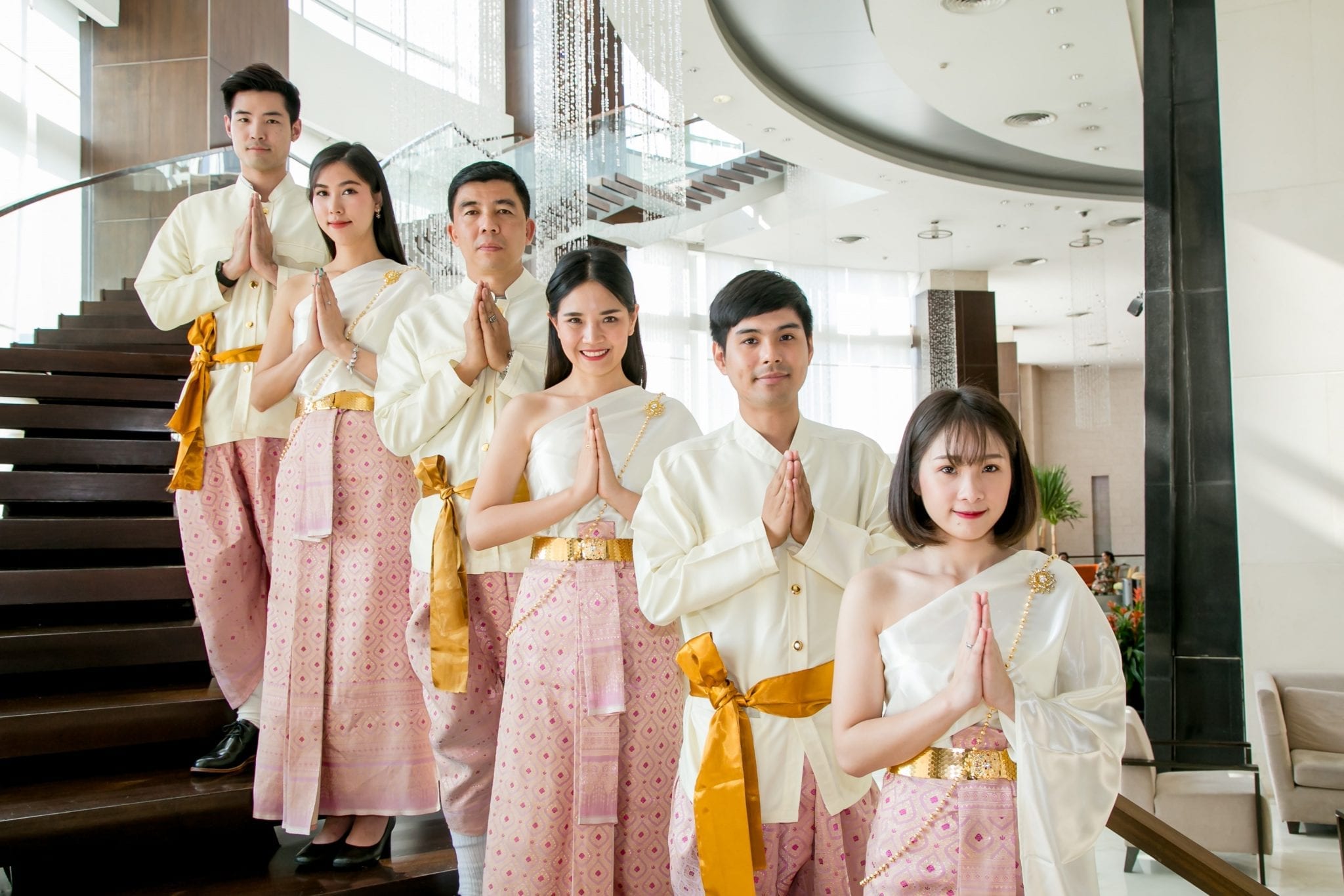
    Centara Hotels & Resorts, Thailand’s leading hotel operator, continues its support of the country’s medical workers with the launch of its “10,000 Thanks” campaign dedicated to the heroes working tirelessly for the wellbeing of the people. 

    As a token of heartfelt gratitude for the healthcare heroes in the ongoing fight against COVID-19, Centara is donating 10,000 room nights for doctors and nurses to enjoy a complimentary one-night stay for two guests at any Centara Hotels & Resorts property in Thailand or overseas. 

    In recognition of their continuing hard work and the challenging circumstances in which doctors and nurses have been working, Centara is offering frontline medical staff across the country a chance to take a much-deserved break, completely free of charge, to recharge and reconnect with their loved ones.

    “10,000 Thanks” can be redeemed across the group’s five existing brands – Centara Grand, Centara, Centara Boutique Collection, Centra by Centara, and COSI – in destinations across Thailand and overseas, including a number of resort destinations such as Pattaya, Hua Hin, Phuket, Krabi and Samui as well as urban destinations such as Bangkok, Chiang Mai, Udon Thani and Hat Yai.

    The free night offer is reserved for medical front line professionals who are doctors and nurses with Thai nationality or currently residing in Thailand only.

    Coinciding with Thailand’s lifting of all restrictions in July following months of phased re-opening, the “10,000 Thanks” offer can be booked between 1stJuly – 30th December 2020 for stays within the same period. 

    Centara is also extending appreciation to all other workers across the medical industry with an offer of 25% off every rate across the group’s entire portfolio spanning 18 destinations. “25 for heroes” bookings can be made on www.centarahotelsresorts.com between 1st July – 30th  December 2020with no restrictions on travel period. 

    The “10,000 Thanks” and “25 for heroes” medical personnel campaigns are the latest in a series of initiatives launched by Centara Hotels & Resorts to help communities and individuals affected by the COVID-19 pandemic. 

    Since April 2020, the group has partnered with charities and government organisations to provide 1,500 food boxes to support at-risk communities, and offered hotel rooms in Centara Grand at CentralWorld and Centara Muscat Hotel Oman to host healthcare staff and people in need. Centara’s Help the Heroes’ campaign also aims to support those in need with donations going to the Chaipattana Covid-19 Aid Fund (and other pandemics) and Thai Red Cross Society.

    “Thailand has not seen community transmission of COVID-19 for over a month now, and there’s no question of the importance the role our country’s healthcare heroes play in keeping us healthy and safe. As restrictions in the country start to ease, we invite doctors and nurses to enjoy a much-needed holiday on us, as a humble token of our immeasurable appreciation of their selfless efforts,” said Thirayuth Chirathivat, CEO of Centara Hotels & Resorts.
  • Suntec City to host Singapore’s first-ever mall live-streaming shopping festival

    Suntec City to host Singapore’s first-ever mall live-streaming shopping festival

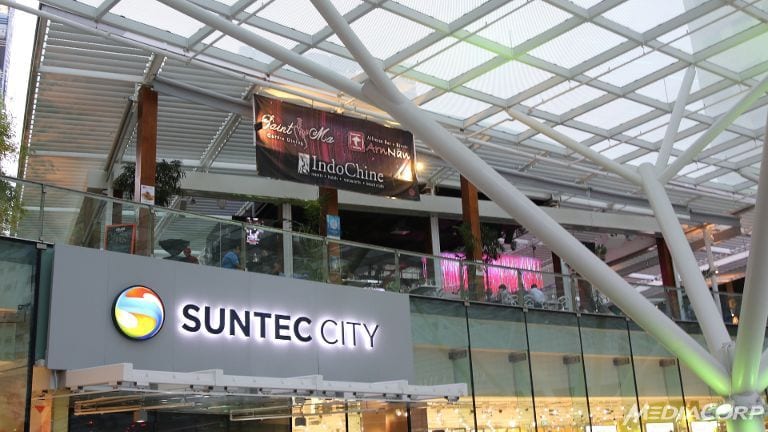
    Suntec City will host Suntec Shopfest next week, a first-of-its-kind, live-streaming shopping festival in Singapore.

    The mall operators’ interactive live stream show will be broadcast via the Suntec+ app during four-hour-long interactive sessions showcasing 16 participating Suntec City stores with more than 40 brands, including Harvey Norman, Fossil, Aldo, Royal Sporting House, W Optics, Clarks, ToTT and more to be announced in the coming days.

    Over the four days, shoppers will be offered discounts of up to 60 percent as well as more than US$28,700 worth of savings, more than $14,350 worth of prizes and products exclusive to the live stream.

    “Mall-shopping is definitely one of the favorite pastimes that Singaporeans have missed most,” said Suntec City’s property management firm APM’s deputy chairman Anthony Yip. “Taking a leaf from the rising popularity of live-stream shopping trends in China, it is the right time to launch such a concept here.

    “The Suntec Shopfest represents a mix of the best of traditional shopping with convenience and some seriously good deals.”

    Shoppers will be able to watch, comment and ‘like’ via the Shop Live platform on the Suntec+ app as hosts introduce the products. By tapping on pictures of the individual products, shoppers can view product details before proceeding to purchase items with either credit or debit cards during the live stream. The items can be picked up directly in store from the retail stores in Suntec City or via courier service from selected brands.

  • Mitsui Outlet Park planned for Taichung, Taiwan

    Mitsui Outlet Park planned for Taichung, Taiwan

    Japanese developer Mitsui Fudosan is set to open a Mitsui Outlet Park in Taichung, Taiwan.

    The plans, which will include a Mitsui LaLaport shopping mall, have been given official approval by the area administration following a delegation to led by Taiwan Mitsui Fudosan Group chairman Shitamachi Ichiro, which was granted an audience with Taichung’s Mayor Lu Shiow-yen.

    The agreement brought a successful conclusion to discussions that had been underway since March last year. It is Mitsui Fudosan’s second LaLaport project in the country.

    The site will undergo initial development work at the end of this month, aiming for an opening date during 2022. The complex is likely to generate employment for 3500 staff in the region.

    A Taichung City government press release indicated a surge in Japanese investments into the area and a generally favorable outlook for the city’s consumer market.

  • Siam Piwat & Simon JV opens in Bangkok in Siam Premium Outlets

    Siam Piwat & Simon JV opens in Bangkok in Siam Premium Outlets

    Siam Piwat and partner Simon Property Group will open Siam Premium Outlets in Bangkok next week.

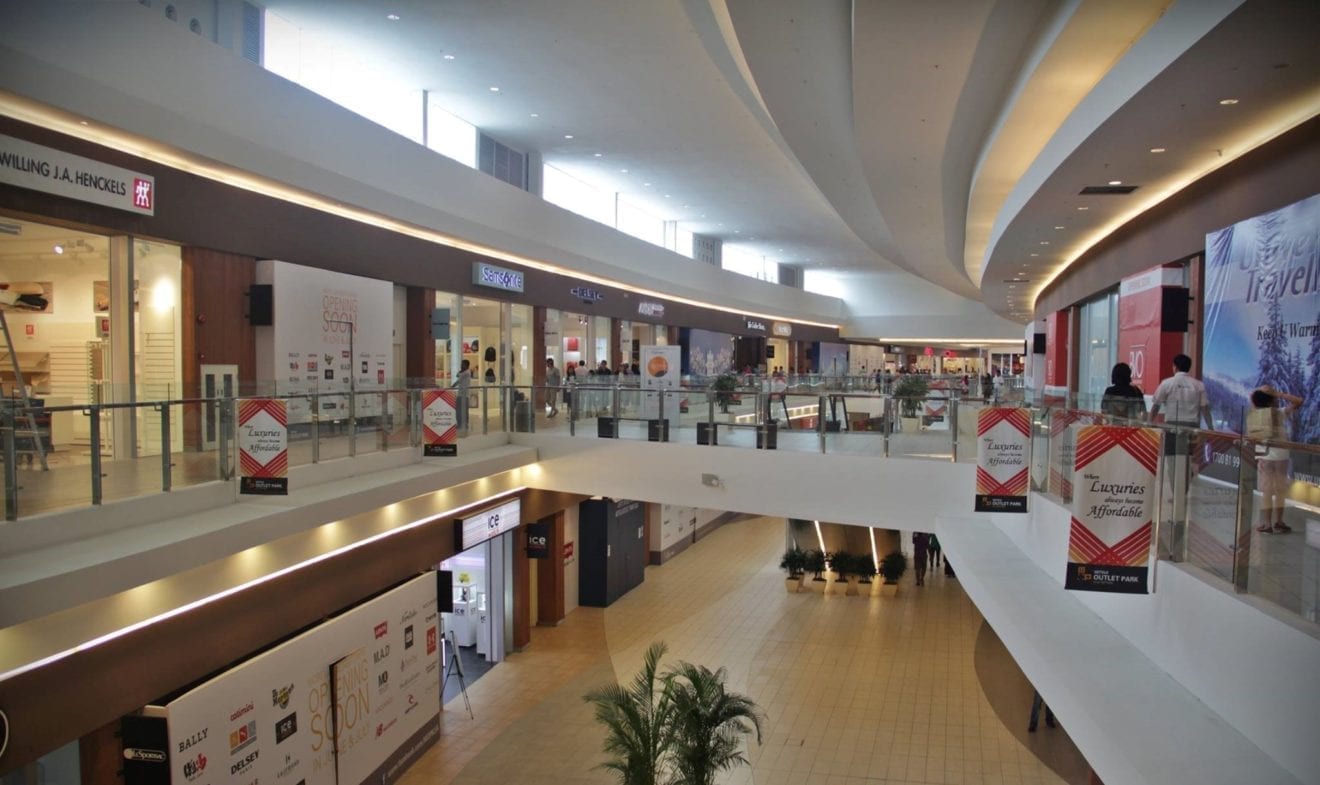
    Located near the Suvarnabhumi International Airport, the first Premium Outlets-branded shopping center in Thailand will open on June 19. The center will feature more than 200 brands, from global luxury labels including Burberry, Balenciaga, Coach, Hugo Boss, and Montblanc, to local brands, including EveandBoy and Jim Thompson.

    The joint venture, Siam Piwat Simon, said 60 brands will feature exclusively at Siam Premium Outlets Bangkok.

    The shopping center will also house a 1300sqm Nike premium store, locally inspired art, and a 1200sqm food hall concept by Food Republic.

    “Siam Premium Outlets Bangkok will be an economic driver for the Thai economy; the center will create more than 1000 career opportunities,” said Michael Tang, MD of Siam Piwat Simon.

    “The experience of the center extends beyond shopping with amenities and design features that make the center an exciting community space and a relaxing shopping destination.”

    According to Tang, the shopping center will team up with other key tourist attractions to “enhance the appeal of the area as a major local and tourist destination”.

  • Is It the right time to invest in Thai properties?

    Is It the right time to invest in Thai properties?

    Recently, the Bank of Thailand has announced a repo cut of 1% to stabilize the Thai economy. The move has shocked many experts as they consider it as a drastic measure, but most experts also agreed that this move would help stabilize the economy in the long run.

    Currently, most economists believe that Thailand’s economy will recover from the global coronavirus pandemic by summer end, and despites the current situation, real estate investments might be a good opportunity in the Thai market.

    A rising market since years but demand is weakening

    Recent years have been boon for Thailand’s real estate market. Thailand continues to move towards the real estate sector, which focuses on amenities, and lifestyle to fit the global milieu. In 2017, the global real estate consultancy reported that property rates in Thailand rose by 6% to US$ 4440 per square meter. However, during the same year, over 60,000 new condominiums hit the market to weaken the overall demand.

    The trend has continued ever since. Despite strong demand in the global market, the local market in Thailand laden with debt-ridden consumers experiences a sluggish demand.

    On the other hand, the real estate companies in Thailand have moved close to the best infrastructure facilities like transport, and international schools to appeal to global consumers. 

    Is it a good time to Invest in Thailand?

    Thailand has long been known to be an attractive real estate market. The country’s status as a global medical and travel tourism destination makes it an attractive opportunity for all investors.

    In regards to the pandemic situation, the country has witnessed a few cases of infections, unlike many other nations. Moreover, the global clout around coronavirus pandemic has helped open new opportunities in Thailand. For example, many seasonal Chinese lodge owners have left Thailand to head home. This has created a vacuum in key real estate markets like the cities of Phuket to create more opportunities for new investors.

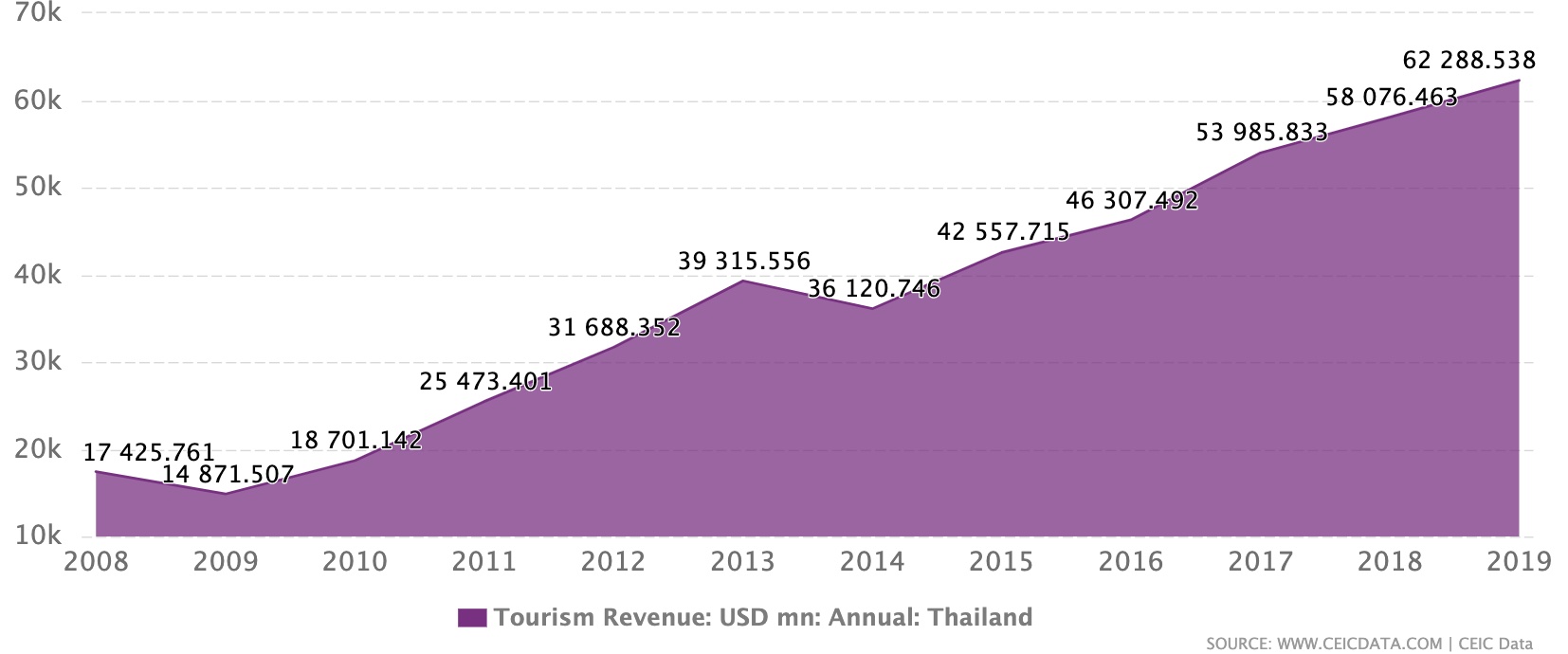
    On the other hand, Thailand has also witnessed a move away from travel-based tourism in recent years. The country has long depended on revenues from the tourism industry to drive the economy.

    However, in recent years, the government has encouraged real estate investments, and construction of lifestyle apartments to encourage old-age retirement facilities, and expatriates to move to the country. This has led to a surge in house pricing and investments accordingly.

    However, despite the burgeoning rate of growth in the real estate market, Thailand has managed to secure high growth with low-rates. According to Investopedia, expatriates can lead a comfortable life in Thailand with a US$ 1000 income per month. This can be a boon for expatriates working for multinationals in the country. Cities like Bangkok are home to major districts, which are now home to global expatriates. And, thanks to the on-going pandemic,

    Thai real estate investment will likely remain a promising opportunity until the summer end and prices remain quite low compared to Singapore or Hong Kong for instance.

    What to Do to Buy a Property in Thailand?

    Thailand, like many developing countries, poses a major promise and a slew of challenges for international investors. As with many legal systems, foreigners are not allowed to own land in Thailand.

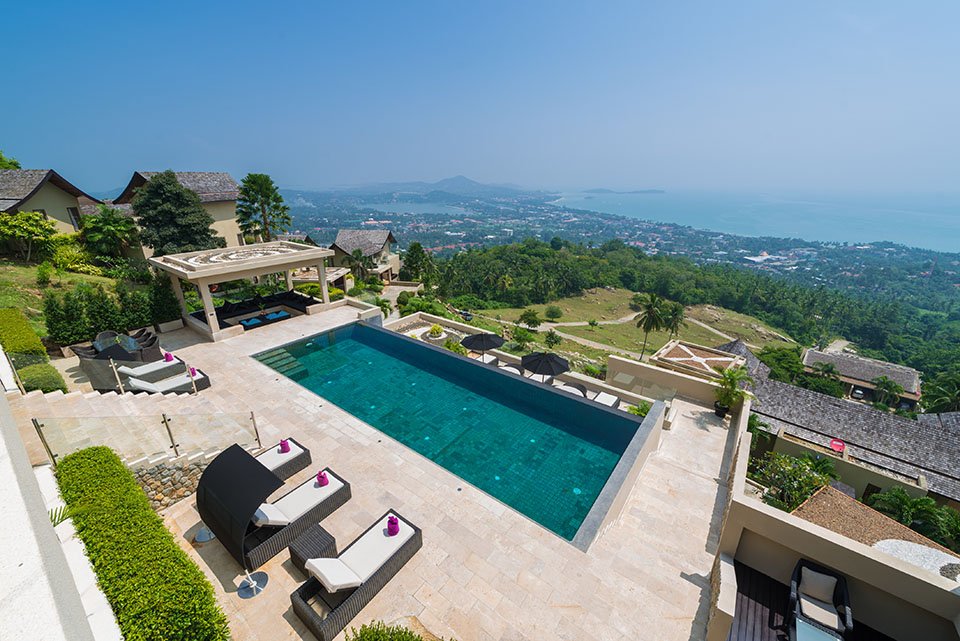
    However, there are many legal ways to run a successful business in Thailand, to own a property for your investment goal or just as a second home in the region, and real estate agencies like Samui Exclusive, help you to have all the keys to buy a property in Koh Samui , with an all-inclusive service, from the market research to the property management.

    For example, depending on the titles, and location of lands, some titles can be leased to foreigners on a temporary basis. Additionally, a person of foreign origin can also lease land for a long duration, or up to 30 years. Moreover, owners of Thai limited companies can also acquire lands through the company.

    Due to legal limitations of owning the land, foreigners commonly engaging in leasing the land for long-term or acquiring land through marriage, and family in Thailand.

    Key takeaways

    Many global travelers and employees of multinational companies call Thailand home, thanks to its hospitable culture, and world-class schools, and medical facilities. Thailand continues to drive strong economic growth along with hot properties at reasonable rates. In this aspect, Thailand continues to hold many promising surprises for international investors.

  • Indian retailers in mall revolting

    Indian retailers in mall revolting

    Indian retailers with stores in shopping malls are threatening to close shop if landlords do not meet demands for waivers and new rental agreements.

    Retailers representing 350 brands are seeking relief from tough rental commitments in the likely face of 12 months of low business driven by the Covid-19 crisis, proposing new arrangements such as revenue-sharing models. The brands have sent an ultimatum to malls including DLF, Ambience, Nexus, Pacific, Phoenix Group, Oberoi, and Mantri following the failure of some retailers to revise rental agreements.

    “We cannot survive without collaboration,” said Future Retail MD Rakesh Biyani in a Times of India report. “If not, there will be further job losses in the sector.”

    Of all Indian retailers, those that could be hardest hit by continuing patterns of buying this year are likely to be apparel and fashion.

    “Retailers and brands have to additionally deal with massive accumulation of inventories, unprecedented disruption in manufacturing and supply chain, and the huge shift of customers to e-commerce, among other things,” read the retailers’ ultimatum.

    Indian mall footfall is expected by some industry observers to continue to be affected by the Covid-19 pandemic well after the outbreak resolves, with consumer behavior potentially permanently gravitating towards online shopping.

  • Japanese department-store sales continue to drop

    Japanese department-store sales continue to drop

    Japanese department store sales plunged 60 percent last month as the Covid-19 crisis saw retailers close or operate under reduced hours across the country.

    Sales in the Matsuzakaya and Daimaru department stores were down 73.2 percent year on year, although that was an improvement on the 79.1-per-cent decline a month earlier.

    Rival operator Takashimaya says its sales were down by 62.9 percent, while Seibu and Sogo reported a decline of 61.5 percent.

    As in neighboring South Korea, duty-free sales have been severely affected by the absence of inbound mainland Chinese tourists. In Takashimaya’s duty-free division, sales fell by 98.7 percent.

    As Inside Retail Asia reported yesterday, South Korean duty-free retailers temporarily shuttered metropolitan stores in response to a significant decline in tourist numbers caused by the coronavirus epidemic.

    However, department-store sales there have shown signs of recovery as social-distancing restrictions were eased by the country’s government.

  • South Korean duty-free retailers closing downtown stores

    South Korean duty-free retailers closing downtown stores

    South Korean duty-free retailers are temporarily shuttering metropolitan stores in response to a significant decline in tourist numbers caused by the coronavirus epidemic.

    Numerous outlets at prime tourist destination Jeju Island will be closed this month. A Lotte Duty-Free store that has already been operating under reduced hours since February will close pending the resolution of the crisis. Hotel Shilla’s store, which has suspended trading on weekends and holidays throughout the outbreak, will cease trading for a fixed one-month period.

    Jeju Island tourism has faltered significantly in recent months under heavily-reduced international flights, with a 99.2 percent drop in foreign tourist numbers year-on-year during April.

    The South Korean duty-free retailers shuttering stores also include Shinsegae Duty-Free’s locations in Gangnam and Busan will close on Sundays and Mondays from this month on, while airport duty-free stores under all local operators are largely closed for business at this time.

  • CapitaLand Singapore malls test new technology in virus fight

    CapitaLand Singapore malls test new technology in virus fight

    CapitaLand Singapore plans to roll out “innovative tech solutions” in its properties as the city-state prepares for phase one reopening tomorrow, June 2.

    Among the measures: anti-microbial coating for high-contact areas including lifts and lift buttons, door entrance buttons, handrails, touch screens, toilet cubicles and basins, family rooms and customer service counters; disinfected floor mats which clean shoe soles when walked on; and disinfection robots.

    “CapitaLand malls have continued to operate and serve the daily needs of Singapore throughout the circuit breaker period,” said Chris Chong, MD of retail at CapitaLand Singapore. “Now that the nation is gearing up for Phase 1 safe reopening, we are committed to take the necessary precautions to protect the health of our shoppers, tenants and employees as they gradually return to their workplaces.”

    The robots will be deployed to the basement floors and level one of Tampines Mall and Bukit Panjang Plaza, two of the company’s busiest centers, before being progressively rolled out at other CapitaLand properties.

    Meanwhile, PhotoPlasma air disinfection systems will be introduced in CapitaLand’s lift cars to “energize atmospheric air into a plasma state, in turn eliminating air-borne and surface microorganisms such as virus and bacteria”.

    Another technical innovation being used is automatic escalator handrail disinfection at The Atrium@Orchard. An Ultra UV device installed in the escalator system will disinfect handrails while the escalators are running.

    And two lifts at The Atrium@Orchard will also be fitted with a QR code registration device, allowing tenants and shoppers to scan a QR code and activate the lifts without contact with lift buttons.

    All visitors to the company’s malls will be required to undergo temperature checks upon entry and must wear masks at all times. Signs and queue markers will enforce safe distancing

    “With precautionary measures in place, we create a safe environment to welcome the community back to our malls upon the gradual easing of Singapore’s circuit breaker,” said Chong.

  • Lotte Shopping gearing up store-exit plan

    Lotte Shopping gearing up store-exit plan

    South Korean retail group Lotte Shopping will sell off 121 stores this year in an attempt to recover from the impact of the coronavirus pandemic on sales.

    The company says it will close five department stores, 16 discount stores, 75 supermarkets and 25 physical stores linked to its online mall LOHB within this year.

    The move accelerates Lotte’s existing plans to sell roughly 200 stores to refocus on e-commerce.

    A spokesperson from the firm indicated Lotte would move to quickly shake off its less-profitable assets in the interests of improving its financial health. Lotte Shopping’s first-quarter results, at a loss of US$35 million, represented a massive drop from the $88.2 million profit it achieved during the same period last year.

    Lotte Shopping has around 700 department stores, discount stores, and supermarkets.

  • DFS Group starts winding down Changi Airport liquor business

    DFS Group starts winding down Changi Airport liquor business

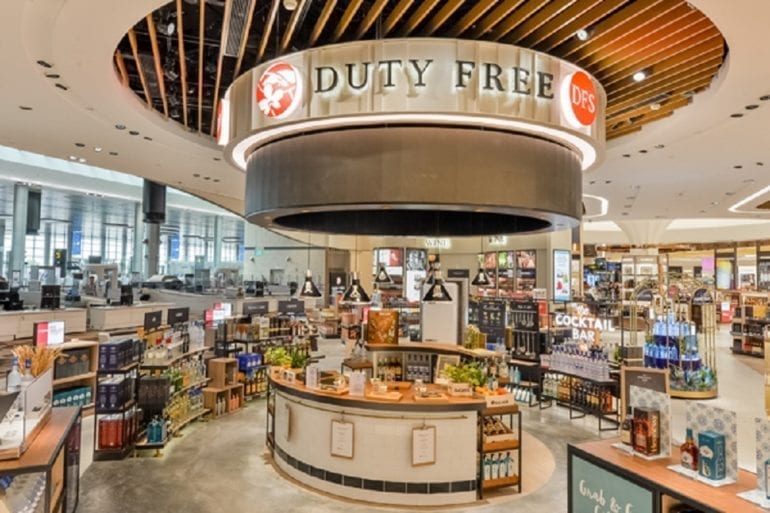
    DFS Group will close all of its stores at Changi Airport on June 8 as its 35-year tenure as wine and spirits concessionaire comes to an end.

    With two of Changi Airport’s four terminals now mothballed in the wake of the Covid-19 crisis, and the number of travelers passing through the remaining ones at a record low, DFS Group has taken to selling more than 200 wines and spirits online at iShopChangiWines.com, offering discounts of up to 70 percent off regular price. The company says it will absorb taxes and duties for customers, who do not have to travel to receive the discount.

    From now until May 22, daily flash deals will run on the site as well.

    “As one of DFS’ most esteemed allies for the last 35 years, we thank Changi Airport Group for their ongoing support and partnership,” said Aymeric Lacroix, DFS Group MD Asia South.

    “We will continue to serve our customers with the same passion for excellence that has distinguished us at Changi Airport until our official exit in June.”

    DFS Group opted not to bid to renew its concession at Changi Airport because it did not believe it could continue to trade there viably.

    “Our decision not to bid was based on our unique understanding of the business environment as the current operator of this concession at Changi,” chairman and CEO Ed Brennan said in a statement last August.

    The LVMH-owned group withdrew from Hong Kong International Airport as well, several years ago. At Changi, DFS Group will be replaced by South Korea’s Lotte Duty-Free.

    DFS Group’s Changi exit applies only to its high-profile liquor concession. The company will continue to operate its multi-label “Fashion Avenue” at Terminal 3 and various brand boutiques across all operating terminals.

    Since winning the Liquor and Tobacco concession in 1985, DFS Wines and Spirits opened numerous stores across Singapore Changi Airport, including in Terminal 2 (1990), the first of its kind Duplex store at Terminal 3 including the Raffles Long Bar (2015), the second Wines & Spirits Duplex store at Terminal 2 (2016) and the first ‘walkthrough’ retail concept store at Terminal 4 (2017).

    “For 35 years and over 300 thousand hours, DFS has been in operation at Changi Airport. Over three wonderful decades of memories and friendships later, it has become an iconic go-to stop for passengers leaving and arriving in Singapore, carrying more than 700 different wines and spirits brands, and selling more than 200 million bottles,” said Lacroix.

  • Centara Hotels & Resorts makes food donation to the Thai Government’s Public Relations Department

    Centara Hotels & Resorts makes food donation to the Thai Government’s Public Relations Department

    Centara Hotels & Resorts, Thailand’s leading hotel operator, recently donated 1,500 food boxes to the Thai Government’s Public Relations Department, as part of its ongoing efforts to help those communities and individuals most affected by the COVID-19 pandemic. The meals, which were prepared by a team of food and beverage staff at Centara’s flagship, Centara Grand at CentralWorld, were presented by General Manager of the hotel, Robert Maurer-Loeffler, to the Deputy Director-General of the Government Public Relations Department, Pichaya Muangnao. The meals were distributed to people impacted by COVID-19 and others needing assistance.

    The COVID-19 pandemic is causing hardship for communities all across Thailand, and Centara is committed to providing help wherever we can. We hope our meal box donation to the Government Public Relations Department will bring some immediate relief to Thai people and those in need.

    Centara recently launched Help the Heroes, an initiative designed to directly benefit health workers and vulnerable communities impacted by COVID-19. When a consumer buys a Centara cash voucher for a future escape, Centara will add a further 50% value to the purchase. Half will go to the buyer, with the value of the voucher being increased by 25% to help them get more out of their next adventure, when it is safe to travel again.

    And the other 25% will be made as a donation to those in need, with the customer able to choose which of the two charities Centara donates to. The company is also providing complimentary hotel accommodation and meals to healthcare workers, with Centara Grand at CentralWorld providing hotel rooms for medical staff from the Police General Hospital so that they can save travelling time and return to work as refreshed and recharged as possible.

  • Retail landlords and tenants should prepare for a ‘new era’

    Retail landlords and tenants should prepare for a ‘new era’

    The relationship between retail landlords and tenants is set to change forever after the Covid-19 pandemic, according to Thai real estate executive Jariya Thumtrongkitkul.

    “Retail landlords and tenants’ co-operation will become more crucial than ever before,” says Thumtrongkitkul, who is head of advisory and transaction services – retail at CBRE Thailand.

    “Both sides will now consider more realistic rents and flexible leasing terms and conditions depending on retail business and sizes. Partnership rents and percentage revenue sharing are preferred options of this co-operation rather than fixed rent.

    “Even though this will make the retail market more sophisticated, it is the most realistic approach going forward in the new normal era,” she says.

    The sudden arrival of Covid-19 has highlighted the drawbacks of fixed-rent lease agreements, where tenants do not disclose their transactional data to landlords: while the latter could always predict their income from one month to the next, tenants were exposed to uncertainties of income due to uncontrollable circumstances, which could include anything from social unrest, pandemics or factors seriously impacting either tourist or local consumption patterns.

    Thumtrongkitkul says developers face a new challenge in restoring customer confidence in safety, engagement and appetite when visiting shopping centres. This may force changes in the way retail space is used, she argues.

    “As social distancing becomes the new normal, shopping centers will likely to provide more semi indoor-outdoor areas where customers can enjoy fresh air, various temporary spaces for pop-up stores or unique retail formats and additional recreation areas like green space, outdoor seating, pet-friendly areas, auditorium space, rooftop space and jogging lanes.

    “These new landmark and other signature areas of the shopping malls will flourish as additional points to boost customers’ engagement and confidence in safety, and create positive and unique shopping experiences in those malls. CBRE believes hygiene and cleanliness will also be one of the retail design principles and touchless technologies that reduce direct surface contact such as automatic toilets, entrance door sensors, and automated parking will be heavily introduced as a result of social distancing.”

    Among retailers, some brands might be forced to permanently shut down their unprofitable branches, and others will become more selective in choosing a suitable location and rental price, says Thumtrongkitkul.

    “Shorter lease terms and less security deposit are expected for more liquidity. More importantly, businesses are strategically adjusting their operating space as less service area is required on the storefront.

    “We are seeing retailers, especially F&B, fashion, cosmetics and personal-care businesses shifting their focus heavily towards the e-commerce territory. The fastest adapters like the fast-food chains will downsize their seating areas to have bigger operating kitchen and delivery pick-up areas. A big casual dining restaurant, for example, will now scale down their space. “Retailers’ rental space requirement may be reduced by 20 to 40 per cent from its original size pre-Covid-19.”

    Thumtrongkitkul says that as health-and-wellness concerns drive more consumers to seek indulgences online during time of social distancing, retailers will redeploy resources. They will pour the money saved from operating expenses – such as lower rents or network or store-size reduction – into expanding an always-on presence to equip their business in “the cut-throat competition of digital platforms”.

    “Enhancing online users’ positive experiences will become their main digital strategy.

    “Consumers should now brace themselves for a new breed of retail businesses that are already thriving off the ‘lazy economy’ consumer pattern occurring in major cities around the world,“ she adds.

    “With online shopping, at-home-fitness classes, and home cinema apps like Netflix to ready-to-eat food deliveries, people will fill their households with comfort products and wellness-maintenance upgrades such as lounging furniture, gym equipment and electronics for remote working which is becoming the most widespread working trend nowadays. Therefore, both retail landlords and tenants must strive to create ‘positive shopping experience’ for these health-conscious and convenience-centric consumers.

    “CBRE Thailand believes that long term, in the ‘new-normal’ era, the Thai retail market will inevitably undergo major readjustment of retail space for wellness purposes and relationships among all the market’s stakeholders as well,” Thumtrongkitkul concludes.

  • Robinsons Jem mall store in Singapore about to close

    Robinsons Jem mall store in Singapore about to close

    Singapore department store Robinsons is to close its store in Jem mall in what it terms an “amicable exit” after negotiations with landlord, Lendlease.

    The Robinsons Jem store will close by the end of August, leaving the Al-Futtaim Group-owned retailer with just two remaining stores in the city-state, at The Heeren on Orchard Road and Raffles City.

    In a statement, Robinsons said it had been discussing its future at Jem since November and “the timing of the exit has been scheduled on a mutually agreed basis”.

    The company offered no further explanation or comment on the closure, although it did indicate it sees its future appealing to “a new generation of shoppers which includes customers both online and offline”.

    “Robinsons is an iconic brand, and the management is committed to ensuring viable and successful operations in Singapore. They are grateful for the ongoing support received from their Jem store customers over the years, and look forward to serving them at their other locations,” said the statement.

    The retailer plans to revamp its online presence, adding additional solutions for buying products and services and last month it opened a store on LazMall.

  • SM Aura launches online shopping service during lockdown

    SM Aura launches online shopping service during lockdown

    Philippine shopping mall SM Aura Premier has launched an online shopping service for customers facing restrictions on movement during the coronavirus pandemic.

    The Aura Concierge system allows customers to select a method of receiving essential goods, including curbside and drive-through pick-up. Online users can connect to businesses via social media or directly to order products and arrange payment. It also features an automated chat facility providing details on product availability.

    The service also allows for home delivery via the mall’s bike ride-sharing partner and delivery platform Angkas, who will purchase and pick up items ordered by customers.

    Registered customers are designated a personal shopper who will complete orders and deliver items directly to the customers on the same day of purchase.