Category: Real Estate

Retail News Asia is committed to providing both local and global retailers with the latest Real Estate news throughout the Asian market. This on a daily base.

  • PH’s 1st Outlet mall opens August

    PH’s 1st Outlet mall opens August

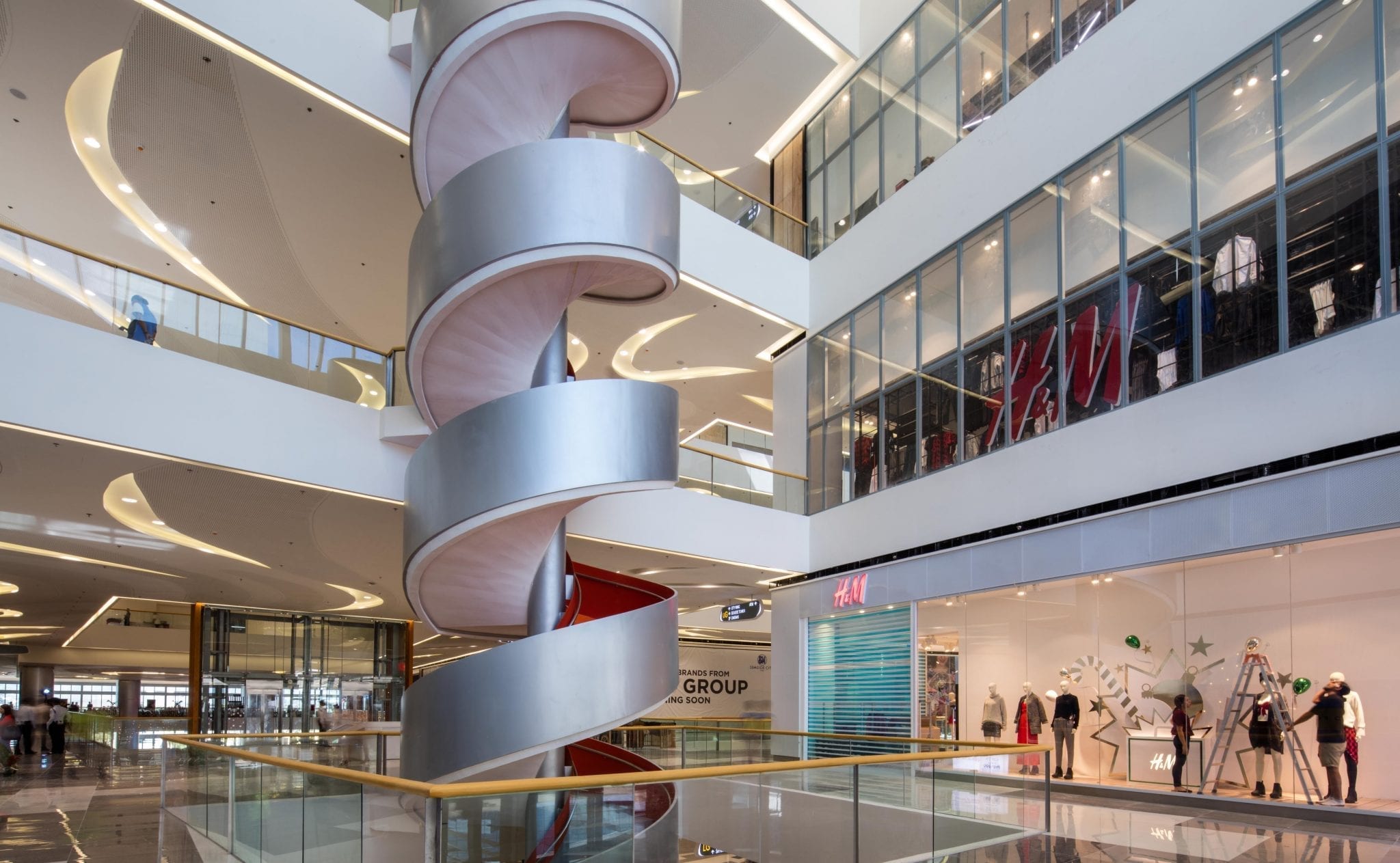
    Cathay Land, Inc. and London-based Freeport Retail are set to open the first Outlet mall in the Philippines on August 2.

    Some PHP2.5 billion was invested for the construction of Outlet mall in Tagaytay City which sits along Km.48 Aguinaldo Highway, Silang, Cavite.

    Cathay Land President Jeffrey Ng said the Cavite-Laguna Expressway would make the Acienda Designer Outlet mall accessible from Metro Manila as it would be only 30 minutes away from the Ninoy Aquino International Airport and the Entertainment City.

    Outlet mall’s target market is Tagaytay’s 16.5 million locals and tourists with above-average income level and high level of fashion consciousness.

    “With Tagaytay City being a popular tourist destination among locals and tourists, we are confident that they will all enjoy our promise of high quality Outlet shopping at par with what they experience abroad,” said Ng.

    He added that the company is bullish in its first Outlet mall here with the country’s strong retail industry driven by rising income, remittances, and tourist arrivals.

    With this, Cathay Land and Freeport Retail are out to find strategic locations for their second Outlet mall in the Philippines set for launching within three years.

    “In 2012 we started our focus on Asia, which is a major Outlet opportunity. Our Outlet village in Malaysia opened at the end of 2015,” Freeport Retail Co-Founder and Commercial Director Chris Milliken said, adding that Kuala Lumpur now has three Outlet malls.

    An Outlet mall in Australia also opens on the same date with the launching of Acienda Designer Outlet mall in Tagaytay.

     

  • Vista Land targets to have 60 malls by 2020

    Vista Land targets to have 60 malls by 2020

    Vista Land & Lifescapes Inc., the property-development firm led by former politician Manuel B. Villar Jr., said it targets to have 60 malls by the end of 2020, a threefold increase from what it has right now.

    “We remain bullish with the expansion plans of our leasing business through our subsidiary, Starmalls Inc., to add 38 more malls in the next three years,” said Villar, the Vista Land chairman. Currently, the company and its subsidiaries have 22 malls.

    “We remain optimistic for the industry, given the strong demand for our commercial spaces and housing products, propelled by the stable growth in the disposable income, OFW remittances and sound Philippine macroeconomic fundamentals,” he said.

    Consolidated capital-expenditure budget for 2018 was set at P50 billion, a significant portion of which was allotted to the construction of malls. The company expects to hit 1.4 million square meters (sq m) in gross floor area by the end of this year, from last year’s 1 million sq m. The said target is bigger than its previous target of 1.3 million sq m. “Our company is poised to have another banner year for 2018, as our additional leasable spaces are now contributing significantly to our current financial results, in addition to the sustained double-digit growth in our residential business. We are looking at a double digit 10-percent to 15-percent consolidated net income growth this year,”

    Vista Land President and CEO Manuel Paolo Villar said. Vista Land has an established presence in about 133 cities and municipalities across 46 provinces, and intends to focus on the development of its communities, integrated urban development combining lifestyle retail, prime office space, university town, health care, themed residential developments and leisure components. The companies owned by Villar are allotting some P175 billion in capital expenditures through 2020, mainly in real estate, property leasing, retail, hotel, education and health.

    About 60 percent of the total capex will go to real-estate development and about a third of the amount to leasing and retail business, as well as for the development of new retail concepts.

    “We are very bullish [for 2018], as we take advantage of the various collaborations among our companies, in addition to the sustained sound Philippine macroeconomic fundamentals. Our various expansion programs implemented in our property development, including memorial parks, malls and retail businesses, are yielding positive results and are taking advantage of the significant synergies that we have unlocked,” Villar said.

    His listed firm Vista Land & Lifescapes Inc. will pursue its plan to put up malls and residential projects in the countryside, as it aims to deliver double-digit growth in the next three years, while All Value Holdings Corp., a privately held firm of the family, will be going full blast with the expansion of its home improvement, supermarket, bakeshop and coffee-shop businesses.

    Villar said the capex will be funded by both internally generated cash and borrowings.


  • Alibaba Revamping Ladies’ Rooms To Make Waiting More Fun

    Alibaba Revamping Ladies’ Rooms To Make Waiting More Fun

    Alibaba’s Tmall and shopping centre operator Intime have partnered to create a New Retail-driven model for restrooms.

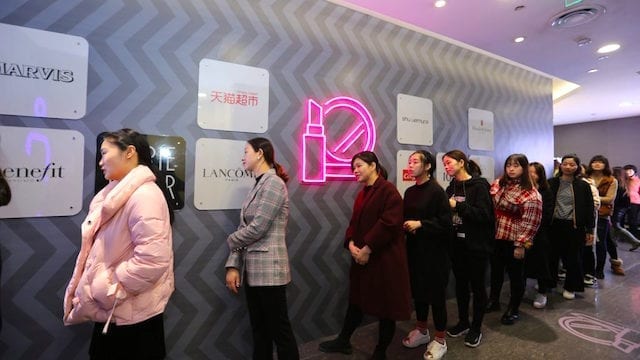
    Last week, the two unveiled the first “Smart Ladies’ Room” at the West Lake Intime Shopping Mall in Hangzhou City. It’s the latest extension of New Retail by Tmall and Intime, after they last month showed off a smart nursing room for mothers shopping at malls.

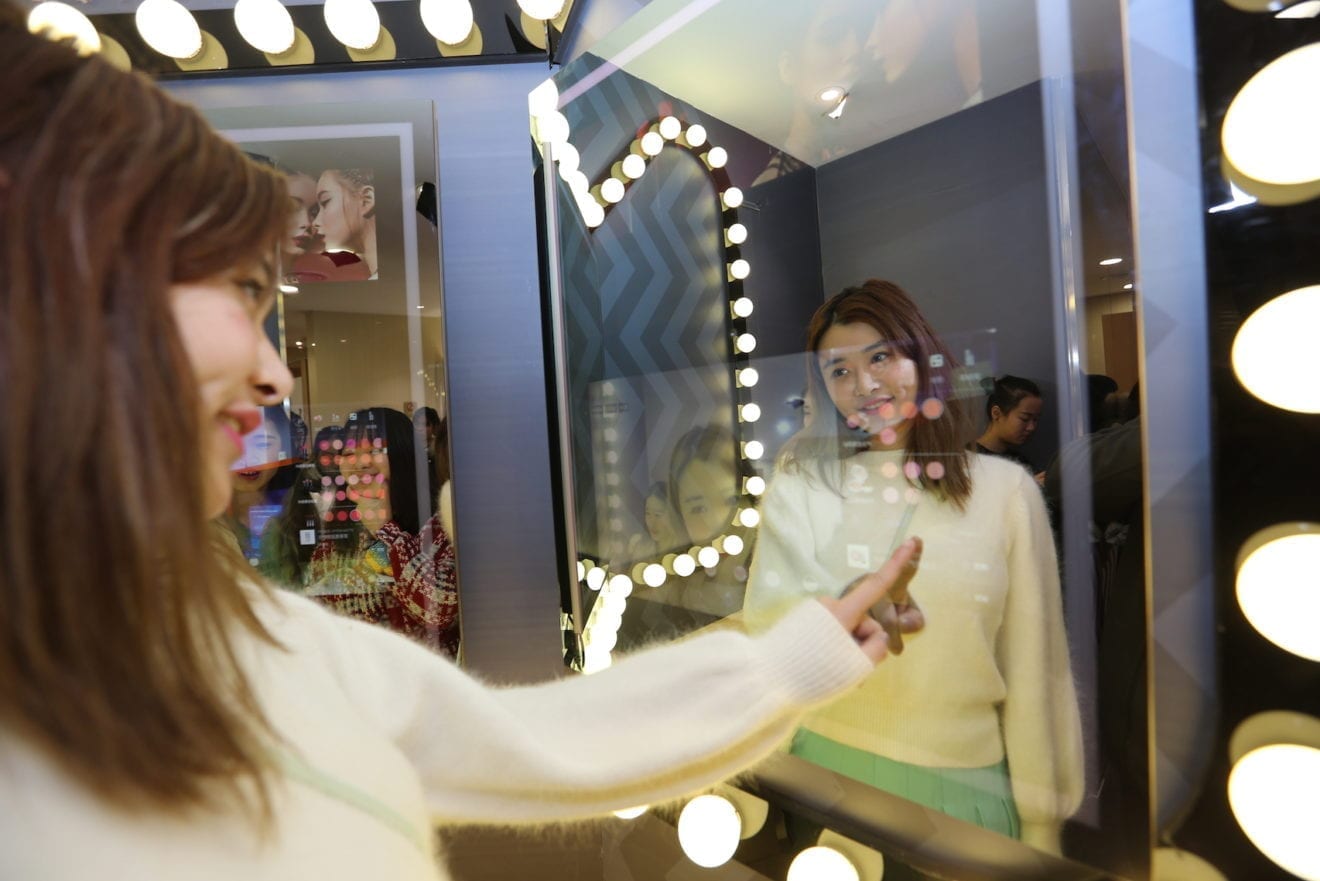
    Consumers waiting in line can make use of technologies like a pair of ‘magic mirrors’, an augmented-reality-powered digital screen that lets shoppers virtually try on and purchase cosmetics, including a wide array of lipstick, blush, eyeliners and eyeshadow, and a vending machine offering beauty and feminine products from nearly 10 brands, including Shu Uemera, Lancome, Elizabeth Arden and Benefit, to lighten the load for ladies out shopping. All products can be purchased for RMB 0.01 each through the Alipay mobile wallet.

    The Smart Ladies’ Room at West Lake Intime Shopping Mall is already open to the public, while one at Hangzhou’s Wulin Intime is under construction. The company said its next steps involves reworking more restrooms at tourism sites, shopping malls and hotels.

    Alibaba’s plans to expand the model to more public restrooms coincides with China’s continued push for a “toilet revolution,” a national drive to improve sanitation and build more clean restrooms across the country.

    China intends to build or renovate 64,000 toilets at tourist sites between 2018 and 2020, by the end of which the country aims to raise tourism revenue to RMB 7 trillion – up from RMB 3.9 trillion in 2016, according to the Xinhua News Agency.

  • Pradera Retail Rolls Out Post-Millennial Shopping Center in Shanghai

    Pradera Retail Rolls Out Post-Millennial Shopping Center in Shanghai

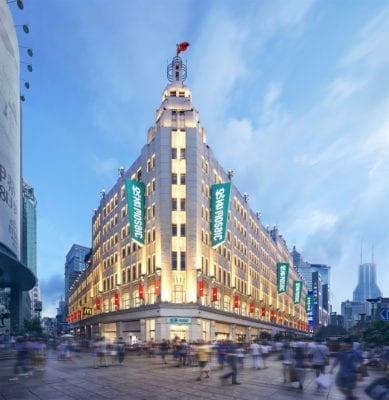
    Global retail asset management specialist Pradera Retail Asia has opened M-Square at Mosaic Shanghai (pictured).

    On the ground floor of Mosaic Shanghai, M-Square assembles brands popular among young consumers such as Korean cosmetic brand Too Cool For School, Taiwanese bubble-tea store Bu’er Tea, coloured contact-lens shop Sweet Color, Hong Kong mixed drink bar Beauty Bowly, fragrance store Scent Boutique, fashion eyewear brand Rebel Without A Clause, and coffee store 72 Now.

    Launch day included a ceremony attended by senior executives from Pradera Retail Asia and Mosaic Shanghai, as well as tenant representatives. There were also performances and interactive activities.

    Next to three subway exits on East Nanjing Road, Mosaic Shanghai covers 40,270sqm over seven floors offering retail, dining, lifestyle and entertainment. It is one of the entertainment leading malls on the East Nanjing Road.

    Mosaic Shanghai is undergoing a business upgrade to provide a shopping experience aimed at young consumers. This will include The Shanghai Dungeon, the first attraction of its type in Asia, set to open this year.

  • Developer in China seeks permission for high-rise towers

    Developer in China seeks permission for high-rise towers

    A Chinese businessman who is eyeing a parcel of land on the West Loop has filed a zoning change application that would allow him to build residential towers as tall as 15 stories high with up to 200 units per tower.

    The potential building heights listed in paperwork submitted to the city Monday would rival some of the tallest buildings in downtown Tyler. However, in interviews on Tuesday, the developer and his representative indicated they planned to scale down from what the application says and focus on three- to four-story buildings.

    Xing Tan, the China-based businessman, is seeking to develop a 178-acre piece of land near the intersection of west southwest Loop 323 and Earl Campbell Parkway, near Sam’s Club, that has been vacant for years.

    Tan’s vision is to build an East-meets-West community and sell housing on the land in the Chinese and American markets, according to Karen Lee, his Dallas-based spokeswoman who translated for him during an interview Tuesday. A significant part of the project’s vision is to bring Chinese exchange students to Tyler, Lee said.

    In order to build the residential towers, Tan’s company, America Hongyun City International Enterprise Group LLC, is seeking a zoning change from the city of Tyler that would allow what the company calls “low-rise” and “mid-rise” residential towers, among other things.

    Low-rise towers would be between four and seven stories with a parking garage of up to three stories, according to the company’s zoning application. Mid-rise towers would be between eight and 15 stories with a parking garage of up to five stories, according to the application. By comparison, the Bank of America Building is 20 stories, the People’s Petroleum Building stands at 15 and the old Carlton Hotel is 14.

    The entire ground floor of each tower may be used for commercial space, according to the application. The options include post offices, police departments, banks, restaurants and retail shops. Certain wholesale and manufacturing facilities would be prohibited.

    The property currently is zoned as a planned commercial district, which means the land can be used only for commercial purposes. Tan’s company is seeking to have the property classified as a planned mixed-use district 2, which allows for high-density residential development.

    Kyle Kingma, the city of Tyler’s planning manager, said Tuesday that applications for such high buildings are uncommon in Tyler.

    “It’s not infrequent to have multifamily requests — but mixed-use high-rises, that’s pretty rare,” Kingma said.

    Requests for zoning changes go to the city’s Planning and Zoning Commission, which meets monthly. Kingma said the commission typically considers applications at the regular meeting the month after the applications are submitted, but this project could take a few months.

    “The next step is for the city to review their request and go back to them with some comments and questions on their proposal,” Kingma said. “We’re going to have multiple departments take a look at it.”

    Bryan Rossman, a manager at Adams Engineering, has been representing Tan in the project and presenting Tan’s vision to community leaders. Adams Engineering has been doing due diligence work for Tan’s company and submitted the zoning application on the company’s behalf.

    Rossman said in an interview Tuesday afternoon that the development proposal is not finalized, and that the towers are still just an option.

    “We are just barely in the development process,” Rossman said. “I don’t know who’s wound around the axle about the (building height), but (the investors have) already demonstrated that they want to embrace the local culture.”

    Lee, translating for Tan, said he is used to high-rise buildings where he is from in the Guizhou Province in China, but said Tan is committed to embracing a combination of Chinese culture and American culture. He is now seeking to focus on three- or four-story buildings, she said.

    “The local culture is different,” Lee said. “This is the first case when East meets West, and we (will change our) mindset.”

    Rossman said it is too early in the development process to say whether Tan will submit a revised zoning application.

    “That’s a discussion that is later on in the development process,” Rossman said. “It’s way too early to talk about that.”

  • Hong Kong retail real estate sales looking good

    Hong Kong retail real estate sales looking good

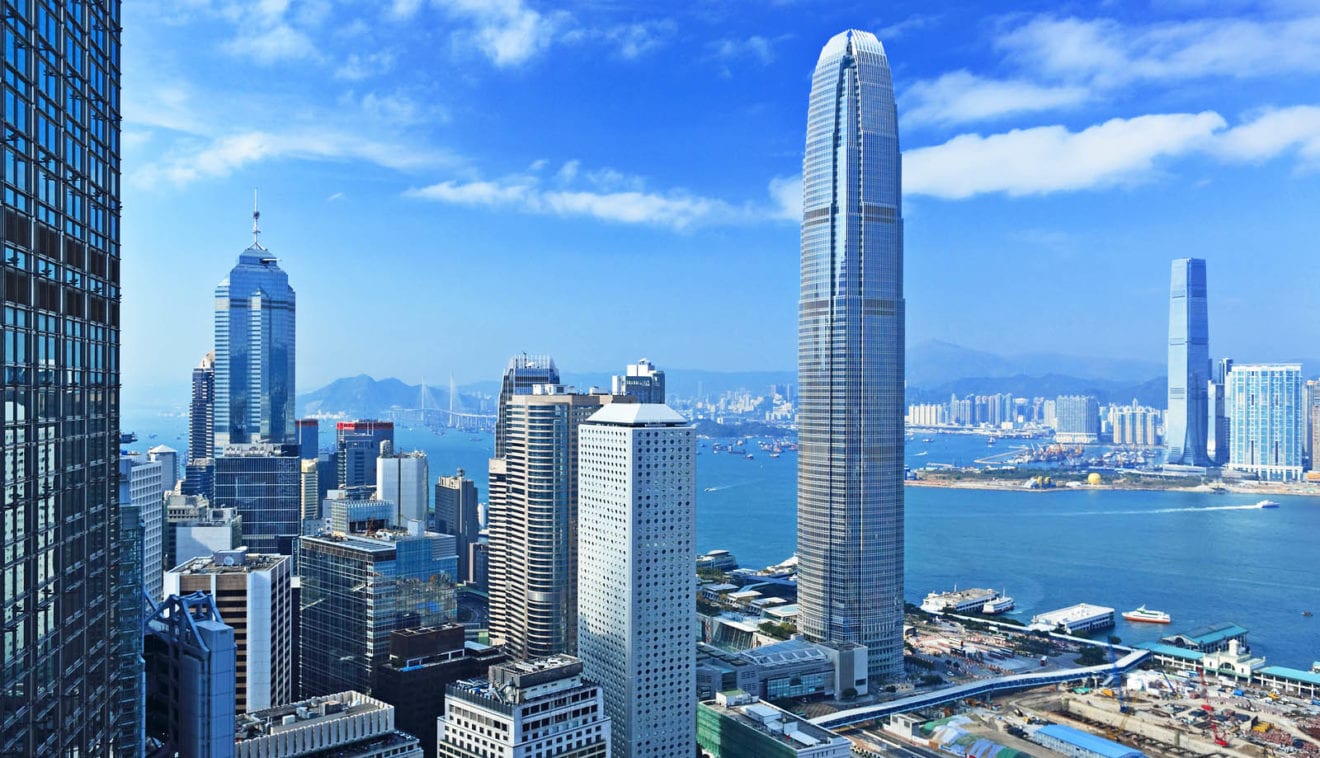
    Hong Kong retail real estate sales are showing signs of growth, more transactions in January and December than any other month last year.

    According to a research report from Midland IC&I, which sourced data from the land registrar, sales of retail space last month totalled HK$3.05 billion (US$396 million). This exceeds the average monthly figure for the first 11 months of 2017, which was HK$2.3 billion. It excludes Link REIT’s HK$23 billion mega-sale of 17 malls in December.

    There were 145 recorded retail shop sales in January.

    Huang Han-cheng, CEO of APH shops, described the market as “still hot” adding the market was benefitting from a return of investors and tax policies.

    Midland said the retail real estate market has been supported by improving retail figures which in turn were aided by rising visitors to Hong Kong.

    The overall Hong Kong property market achieved $16.3 billion (US$2.1 billion) worth of commercial transactions in January, surging 170 per cent year-on-year and representing the second-highest monthly total in nearly five years.

  • E-Land Group to get US$91 million fund injection

    E-Land Group to get US$91 million fund injection

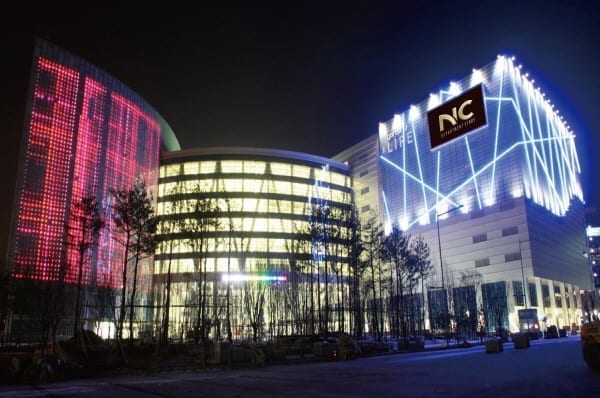
    Singapore’s sovereign wealth fund GIC has injected KW100 billion (US$91 million) into Korean retail major E-Land Group.

    The round was part of a KW200 billion investment led by Hong Kong-based Anchor Equity Partners. With interests in malls, restaurants, theme parks, hotels and construction businesses, E-Land has built its cornerstone on fashion apparel.

    This latest infusion of capital follows the Meritz Financial Group investing KW300 billion in the firm as part of a consortium led by Korea’s Keystone Private Equity last month. GIC has previously invested in E-Land – in 2009 it acquired an outlet of hypermarket Kim’s Club and the Gangnam branch of its NewCore Department Store. It subsequently leased them back to E-Land.

    At the end of March last year, GIC was estimated to have assets under management of between US$359 and $398 billion.

    GIC’s previous investments in South Korea include KW130 billion backing for cafe chain A Twosome Place.

  • Vietnam property sales rise in January

    Vietnam property sales rise in January

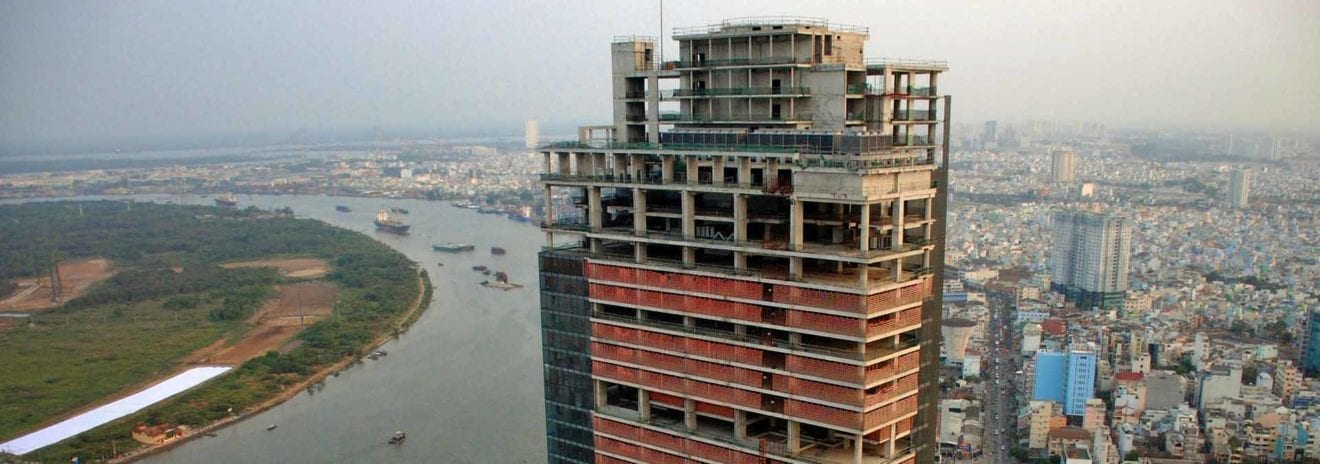
    The domestic property market reported more sales in January compared to December 2017, according to the Ministry of Construction’s Housing and Property Market Management Department.

    It said that in January, Hà Nội had 1,650 transactions, an increase of 13.8 per cent and HCM City had 1,900, a rise of 8.6 per cent over December’s figures.

    In Hà Nội, many housing projects have been completed and offered with attractive trade promotion programmes. The offerings are in the high- and mid-end segments and are located in convenient places. There are many kinds of area and payment methods can be flexible, the department said.

    Some projects had many sales in January, including Season Avenue, Hà Đông; An Bình City-Bắc Từ Liêm; Sunshine Riverside Tây Hồ and Romance Plaza, Hà Đông.

    Average offered price of an apartment in January rose 0.14 per cent against the December price. Of which, the price surged 0.17 per cent for high-end apartments, 0.05 per cent for mid-end apartments and 0.56 per cent for affordable apartments.

    Price of house on land had an increase of 0.24 per cent compared with December.

    Liquidity on the HCM City property market also increased in January. High- and mid-end apartment segments reported many sales.

    Customers paid attention to apartments having one or two bedrooms and price at about VNĐ1 billion (US$44,000) per unit, but the supply was low.

    Projects reporting many transactions included New City Thủ Thiêm, District 2; Saigon Intela-Bình Chánh District; and Melosa Garden, District 9.

    Average selling price increased 0.24 per cent for apartments and 0.81 per cent for house and land.

    The price declined 0.05 per cent for high-end apartments, but rose 0.33 per cent for mid-end apartments and 0.53 per cent for affordable apartments.

    The department said that by January 20, the value of the property inventory stood at VNĐ25 trillion, a drop of 19 per cent from the previous month.

    The value of property inventory in January was VNĐ5.27 trillion in Hà Nội, VNĐ19 billion lower than the value in December.

    In HCM City, the property inventory was VNĐ4.62 trillion, a fall of VNĐ47 billion.

    According to the State Bank of Việt Nam’s report, total outstanding loans in the property sector reached VNĐ446.36 trillion in the third quarter of 2017, a quarter-on-quarter increase of 2.1 per cent.

    Resort property

    The department also had a report on development of resort property, the hot spot on the property market.

    In the report, the Ministry of Construction appraised 71 “condotel” and “officetel” projects that have been built nationwide since 2015. .

    Meanwhile, provincial and municipal authorities have given licences to develop many more projects.

    However, many difficulties have arisen over investment, construction, trading and management of operation for those projects, the department said.

    Therefore, the ministry has proposed that the Prime Minister direct ministries to solve them.


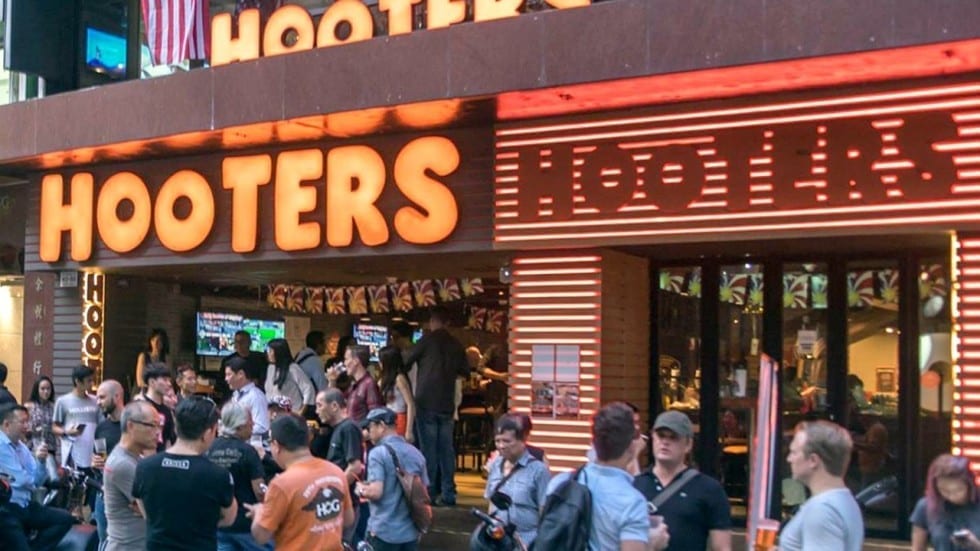
  • Hooters Hong Kong to face legal action from unpaid rent

    Hooters Hong Kong to face legal action from unpaid rent

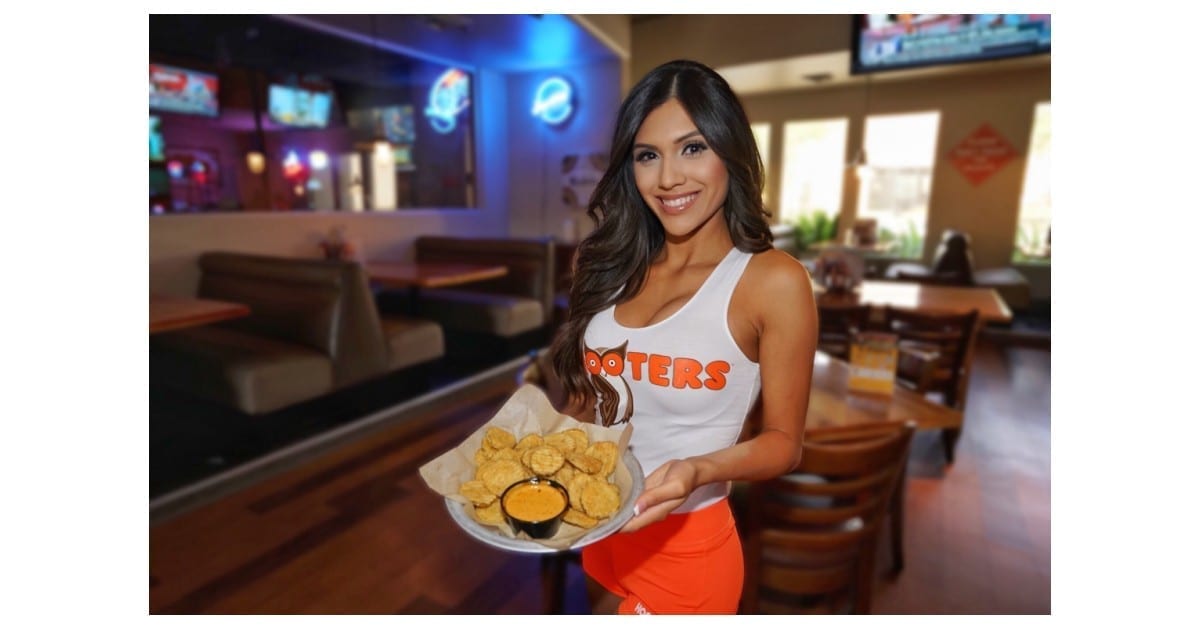
    Again accused of failing to keep abreast of rent payments, Hooters Hong Kong is facing legal action and eviction from its Wyndham Street premises in Central.

    A writ filed by landlord Dor Fook last week says the American restaurant chain has failed to pay nearly HK$1.52 million (US$194,300) in rent since October.

    The document says Hooters Restaurants signed a 10-year lease in March 2016 for its ground-floor venue, agreeing to pay $330,000 a month for the first year. It also signed a five-year lease for a room above the shop, agreeing to a monthly rent of $24,000 for the first year.

    Known for its buxom female servers in skimpy outfits, the restaurant is accused of not paying its rent and rates for the two spaces, constituting a repudiation of the lease.

    Seeking to repossess the premises, the landlord will also claim $371,700 for every month the restaurant stays put, starting from this month, and $17,932 a month for rates.

    This follows a previous threat of eviction in September, when Dor Fook lodged a legal bid for $1.13 million, about three months’ rent. Hooters Asia president Daniel Yong then said the company had paid off all its outstanding debt the day before the bid.

    However, it is reported this week that Yong has left the company.

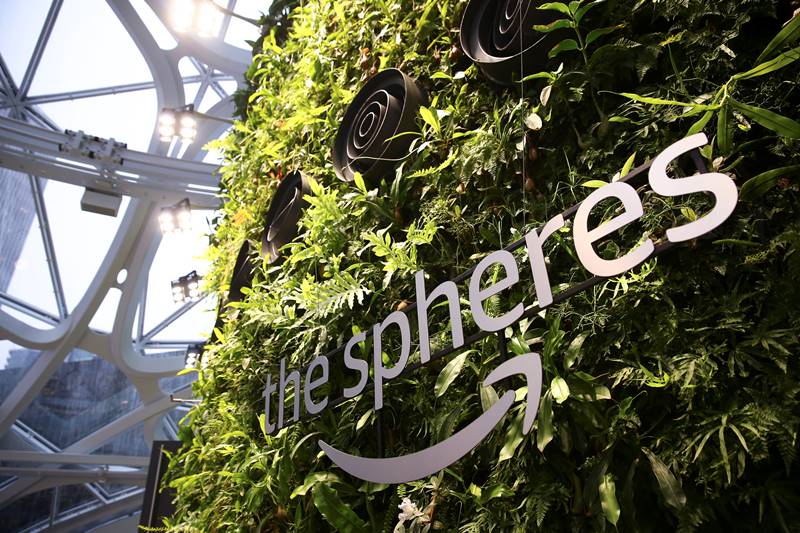
  • Wow! Amazon opens rainforest office space ‘Spheres’ in Seattle

    Wow! Amazon opens rainforest office space ‘Spheres’ in Seattle

    E-commerce giant Amazon has opened a rainforest-like office space in Seattle that it hopes will spark new ideas for employees.

    While cities across North America are seeking to host Seattle-based Amazon’s second headquarters, the world’s largest online retailer is still expanding its main campus.

    Company office towers and high-end eateries have taken the place of warehouses and parking lots in Seattle’s South Lake Union district.

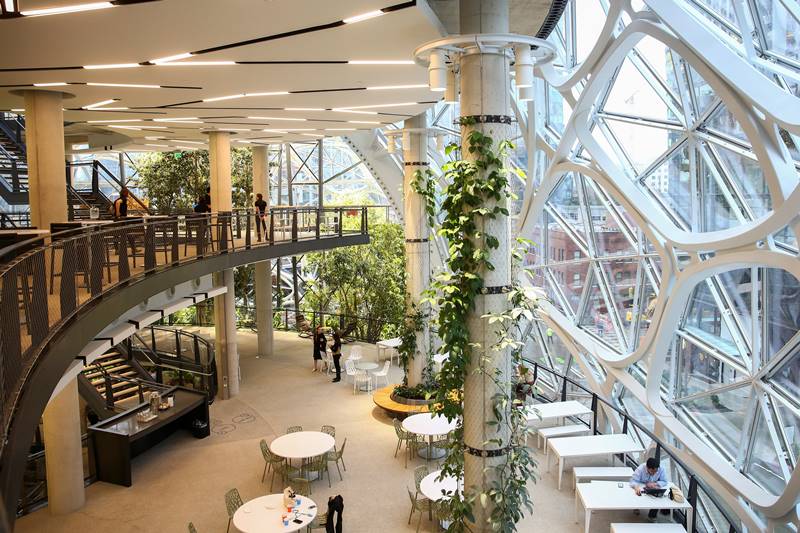
    The Spheres’ three glass domes house about 40,000 plants of 400 species. Amazon, famous for its demanding work culture, hopes the Spheres’ lush environs will let employees reflect and have chance encounters, spawning new products or plans.

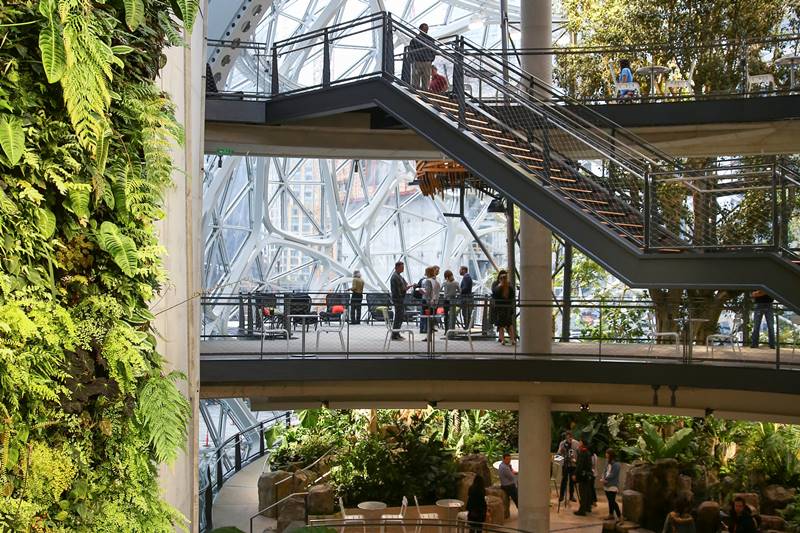
    The building’s facade contains 2,643 panes of glass that are energy-efficient, with a film interlayer to keep out infrared wavelengths that produce unwanted heat. The space is more like a greenhouse than a typical office. Instead of enclosed conference rooms or desks, there are walkways and unconventional meeting spaces with chairs.

    There are no enclosed offices, conference spaces or desks in the building and employees can meet in treehouses suspended under 40+ foot trees or in sitting areas and walking paths alongside cascading waterfalls

    Plants, trees, sunlight, soil, and water take center stage – the sound of running water and the scent of flowering plants create an instant botanical immersion that takes visitors far away from the urban landscape

    The project created more than 600 full-time jobs, and is part of Amazon’s more than $4 billion investment in the design, development, and construction of its Seattle headquarters.

    Jeff Bezos, Amazon’s billionaire founder, officially opened the project in a ceremony with Amazon executives, elected officials and members of the media – by voice command.

    “Alexa, open the Spheres,” Bezos said, as a circle in the Spheres’ ceiling turned blue just like Amazon’s speech-controlled devices, whose voice assistant is named Alexa.

    Amazon has invested $US3.7 billion on buildings and infrastructure in Seattle from 2010 to (northern) summer 2017, a figure that has public officials competing for its “HQ2″ salivating.

    Amazon has said it expects to invest more than $US5 billion in construction of HQ2 and to create as many as 50,000 jobs.

    “We wanted to create something really special, something iconic for our campus and for the city of Seattle,” said John Schoettler, Amazon’s vice president of global real estate and facilities.

    Earlier this month, the online retailer narrowed 238 applications for its second headquarters to 20. The finalists, from Boston and New York to Austin, Texas, largely fit the bill of being big metropolises that can attract highly educated tech talent.

    The Spheres will be open to provide educational opportunities to the Seattle community through tours, field trips and partnerships with local schools and universities.

    The Spheres also include a visitor center – called The Understory – that is open to the public year round. The Understory provides a fully immersive, 360-degree experience where visitors can get up close and personal with the science, engineering, and plants behind The Spheres.

    “The Spheres are sure to become an iconic part of downtown Seattle, and I applaud Amazon for its latest innovation,” Gov. Jay Inslee said. “These unique buildings are so much more than a beautiful creative space for Amazon employees. They will help conserve a number of rare plant species from around the world and provide countless educational opportunities for local students – and that’s something Washington can take pride in.”

  • China’s e-commerce giants to buy Dalian Wanda malls

    China’s e-commerce giants to buy Dalian Wanda malls

    Three Chinese e-commerce giants led by Tencent are buying into shopping centres as part of an alliance that will help fund property magnate Wang Jianlin’s HK$30 billion (US$3.8 billion) plan to take his Dalian Wanda Group private.

    Jianlin describes it as the world’s biggest single alliance between the new economy and bricks-and-mortar businesses as he vows to turn his flagship commercial property unit into an online-to-offline service provider.

    After shedding properties in Australia, China and the UK to help reduce debt, he is now selling off nearly 14 per cent of Dalian Wanda Commercial Properties to some of the mainland’s biggest internet and retail players.

    An investor group led by Tencent, along with e-commerce heavyweight JD.com, electronics retailer Suning and Wanda partner Sunac China Holdings, the stake is being sold for RMB34 billion (US$4.36 billion).

    On its website, Wanda presents the share sale as part of a transformation of the company from a real-estate developer with nearly 240 shopping centres across China into a commercial management company focused on integrating online and offline consumption.

    As part of the deal, Dalian Wanda Commercial Properties will be renamed Wanda Commercial Management Group.

    However, the new partners may lead the financing of new malls, with the website statement noting “Tencent, Suning and other investors will use their financial prowess to continuously support Wanda Commercial to speed up its growth, helping the company to achieve its goal of 1000 Wanda Plazas in China as early as possible”.in

    Wanda says the partners are keen to relist the commercial real-estate unit, still privately held after a 2016 buyout led by Wang, “at the earliest opportunity”.

    Also, the new group will use the online resources of Tencent, Suning and JD.com as well as its own offline commercial assets to “carry out various collaborations, jointly building a new consumption model in China that will integrate both online and offline services”.

    Wanda Commercial’s total debt at the end of June was RMB279 billion, according to ratings agency S&P.

    Tencent’s investment of RMB10 billion gives it a 4.12 per cent stake, while Suning and Sunac’s twin outlays of RMB9.5 billion will them a 3.91 per cent stake each, and JD.com’s RMB5 billion yields a 2 per cent stake.

    Meanwhile, WeChat owner Tencent last week said it might buy into French retailer Carrefour’s China business, along with local retailer Yonghui Superstores. This follows Amazon’s acquisition of Whole Foods for US$13.7 billion.

  • New shopping center opened in Ho Chi Minh City

    New shopping center opened in Ho Chi Minh City

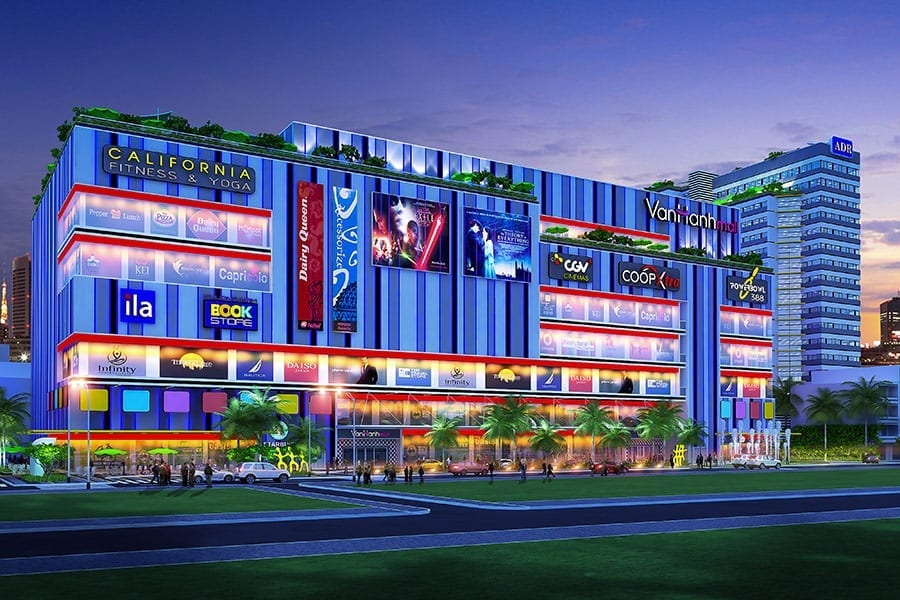
    Vietnam’s newest shopping centre, Van Hanh Mall, has opened in Ho Chi Minh City, on Su Van Hanh Street in District 10.

    Built on a 90,000sqm site, the shopping complex has 55,000sqm of retail space, which is 90 per cent occupied already, by more than 200 international and local brands.

    Tenants include Bata, Charles & Keith, Levi’s, Mujosh and Nike and a raft of dining options, including Buffalo Wild Wings, Crystal Jade, Sushi Kei, Starbucks and Phuc Long coffee.

    For entertainment, there is a CGV multiplex cinema, a Superbowl amusement center and a giant European-themed bookstore.

    A Co.opXtra hypermarket, operated by Saigon Co.op and Singapore’s NTUC FairPrice, also opened, marking the brand’s third outlet in the city.

    There are nine parking floors from basement to fifth floor, enough space for 350 cars and 3000 bikes.

    Built at the cost of VND1 trillion (US$43.9 million), Van Hanh mall rentals range from US$30-60 per sqm.

  • Zhejiang World Trade Center to have new face

    Zhejiang World Trade Center to have new face

    Hong Kong architectural and interior design practice Leigh & Orange (L&O) has been engaged to redesign the Zhejiang World Trade Center in Hangzhou.

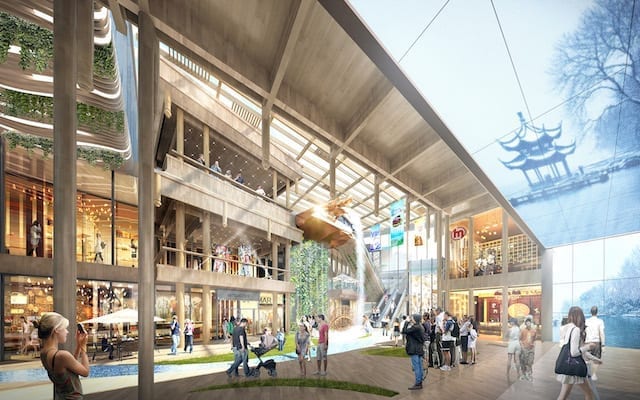
    Built in 1987, the centre was originally designed as a key foreign trade venue during the early years of Chinese economic reform. With the concept of a transit-oriented development, the new design will help rezone the hotel/office/convention centre clusters to become a catalyst for the business community.

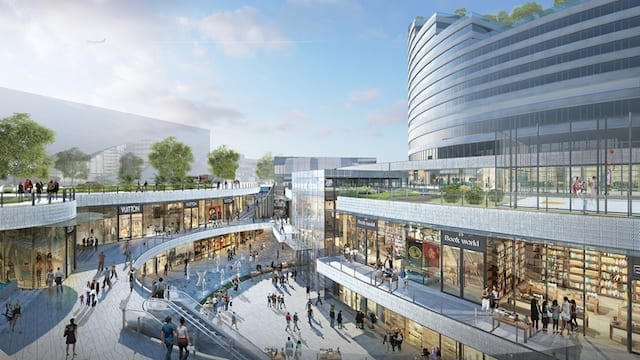
    In heart of the Huanglong financial district, near West Lake, the project is primarily an underground redevelopment with a construction area of 79,250sqm, including 24,700sqm of commercial spaces. The basement retail will be seamlessly connected to the metro, forming a public gathering space and focal point for the community.

    Central to the design is a “retail park” concept, featuring an indoor sport-themed arcade and an outdoor park trail. There will be two major retail anchors, a sports-themed concept store and a flagship bookstore.

    L&O project director Kelvin Li says the project will help shape the future of the Huanglong district. “With the 2022 Asian Games in Hangzhou, we hope to work hand-in-hand with Hangzhou Metro to transform this into a world-class mixed-used development. ”

    Construction will start in April and is expected to complete in 2021.

  • Cypark awarded RM260.51 million solar plant project

    Cypark awarded RM260.51 million solar plant project

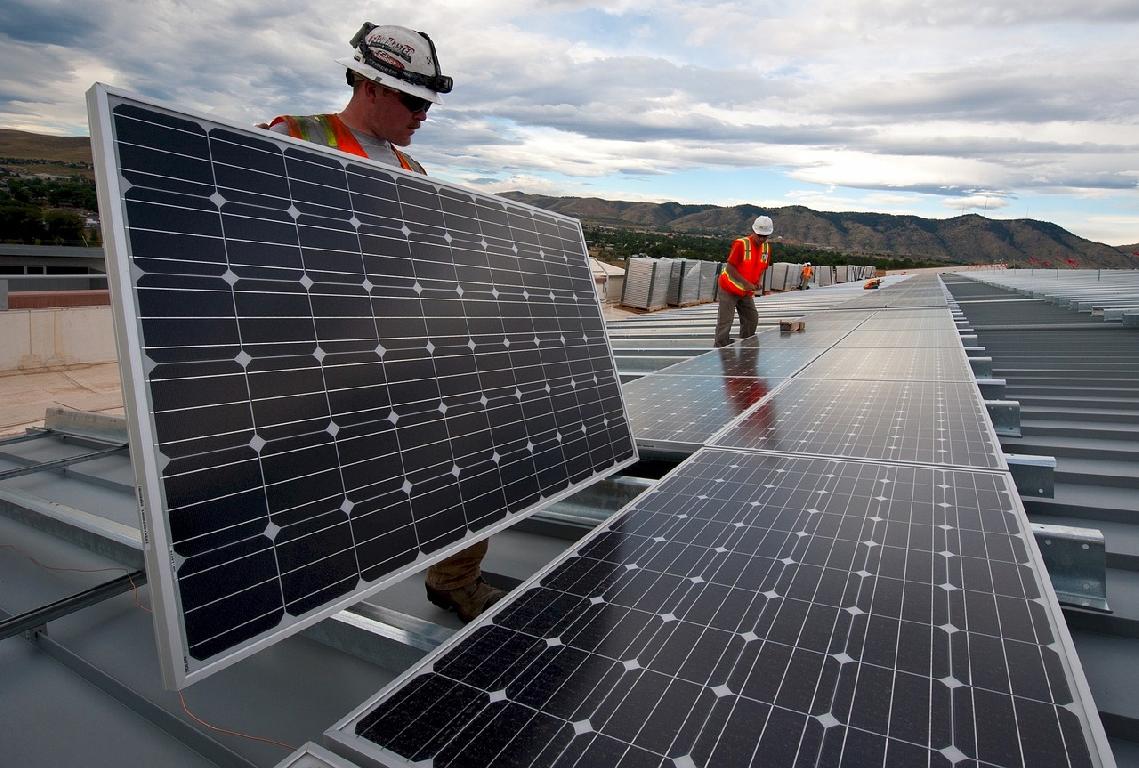
    Cypark Resources Bhd has bagged a RM260.51 million contract for the construction of a 30MW large scale solar photovoltaic plant at Empangan Kelinchi, Negeri Sembilan.

    The company told Bursa Malaysia it had on January 26 accepted the conditional letter of award dated January 26, 2018 from Cove Suria Sdn Bhd.

    The engineering, procurement, construction and commissioning of the plant is for a period of 24 months, while operation and maintenance will last for 21 years.

    At 2.31pm, Cypark’s share price was unchanged at RM2.52 on some 227,300 shares done.

  • CapitaLand Mall Trust remain stable despite challenges as retail sector stalls

    CapitaLand Mall Trust remain stable despite challenges as retail sector stalls

    Despite challenges in the retail sector, CapitaLand Mall Trust (CMT) maintained stability in its fourth quarter.

    “This points to the underlying strength of our well-located malls, and the management’s continuous focus on enhancing their offering as well as improving efficiency,” says CMT management company CMTML chairman Professor Richard Magnus.

    CMT achieved net property income (NPI) of S$119.3 million (US$90.6 million) for the period, to the end of December, up 2.6 per cent from the final quarter the previous year.

    With Singapore’s GDP growth expected to be stable this year, competition in the retail sector will remain intense, with new retail space coming onstream, says Magnus. “To stay at the forefront of a dynamic retail landscape, CMT will continue to push the boundaries and explore new ways to future-enable its malls.”

    CMT’s malls had an occupancy rate of 99.2 per cent at December 31, says CMTML CEO Tony Tan.

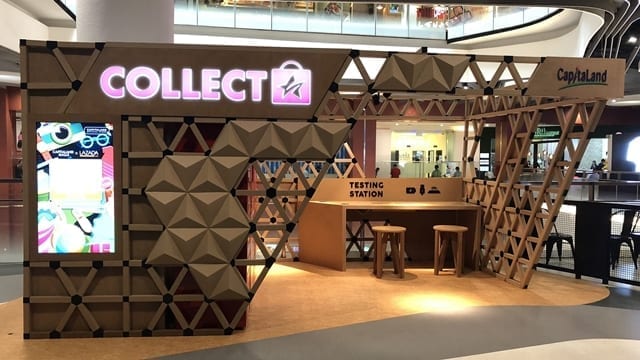
    “As part of our ongoing effort to enhance the offline and online shopping experience in our malls, we introduced seven click-and-collect lounges under CapitaLand’s partnership with e-commerce player Lazada. They are in Bedok Mall, Bugis+, IMM Building, JCube, Plaza Singapura, Tampines Mall and Westgate.”

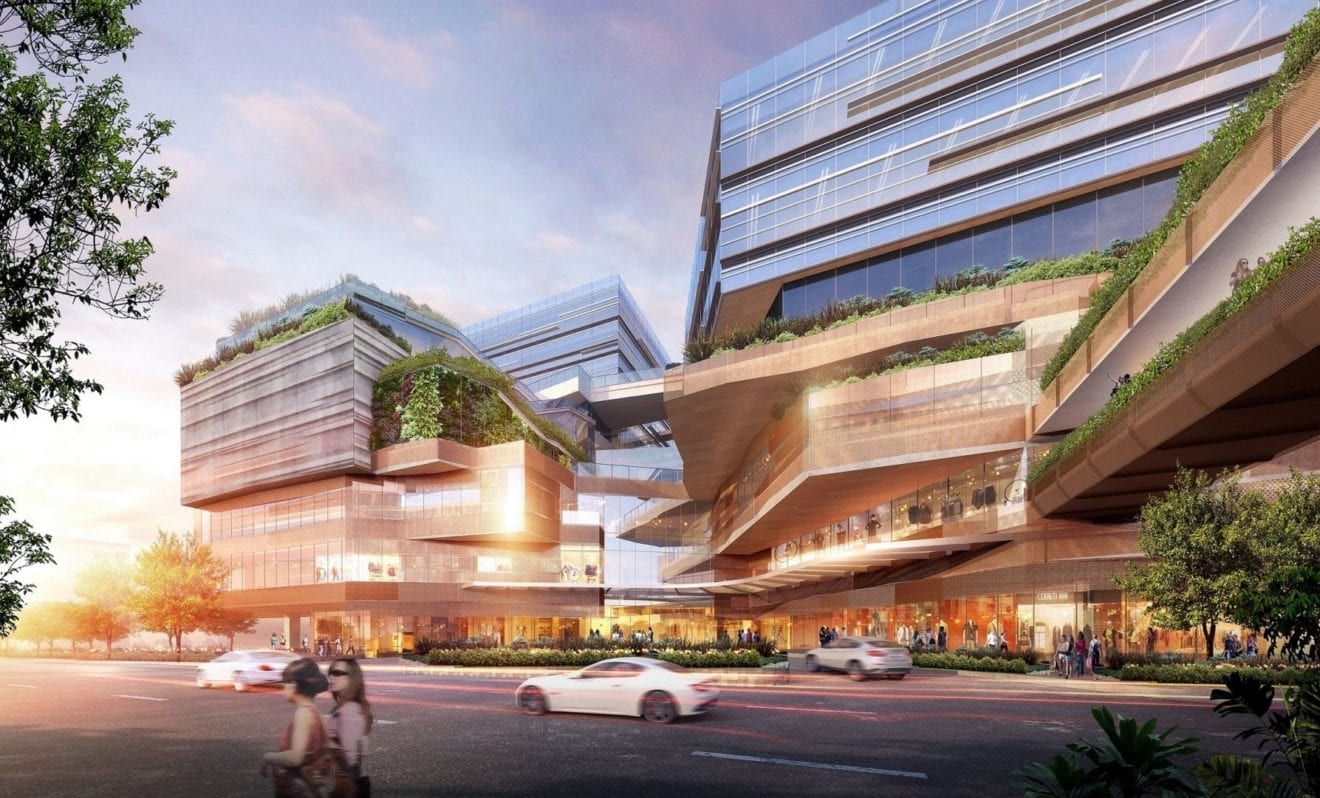
    He says construction for Funan is progressing well. “With less than two years to target opening, Funan has received strong leasing interest for its retail and office components.”

    For its fourth quarter, CMT recorded growth of 1.8 and 2.6 per cent in gross revenue and NPI respectively year on year. The increase was mainly because of higher occupancy for Bugis Junction and The Atrium@Orchard, partially offset by lower gross revenue from Bedok Mall because of lower rental rates and reduced occupancy.

    For the full year, CMT recorded S$682.4 million in gross revenue, down 1.1 per cent. This was mainly because of the closure of Funan mall for redevelopment, lower rental rates and the lower occupancy at Bedok Mall. This was partially offset by higher rental from IMM Building, JCube and Clarke Quay.