Category: Real Estate

Retail News Asia is committed to providing both local and global retailers with the latest Real Estate news throughout the Asian market. This on a daily base.

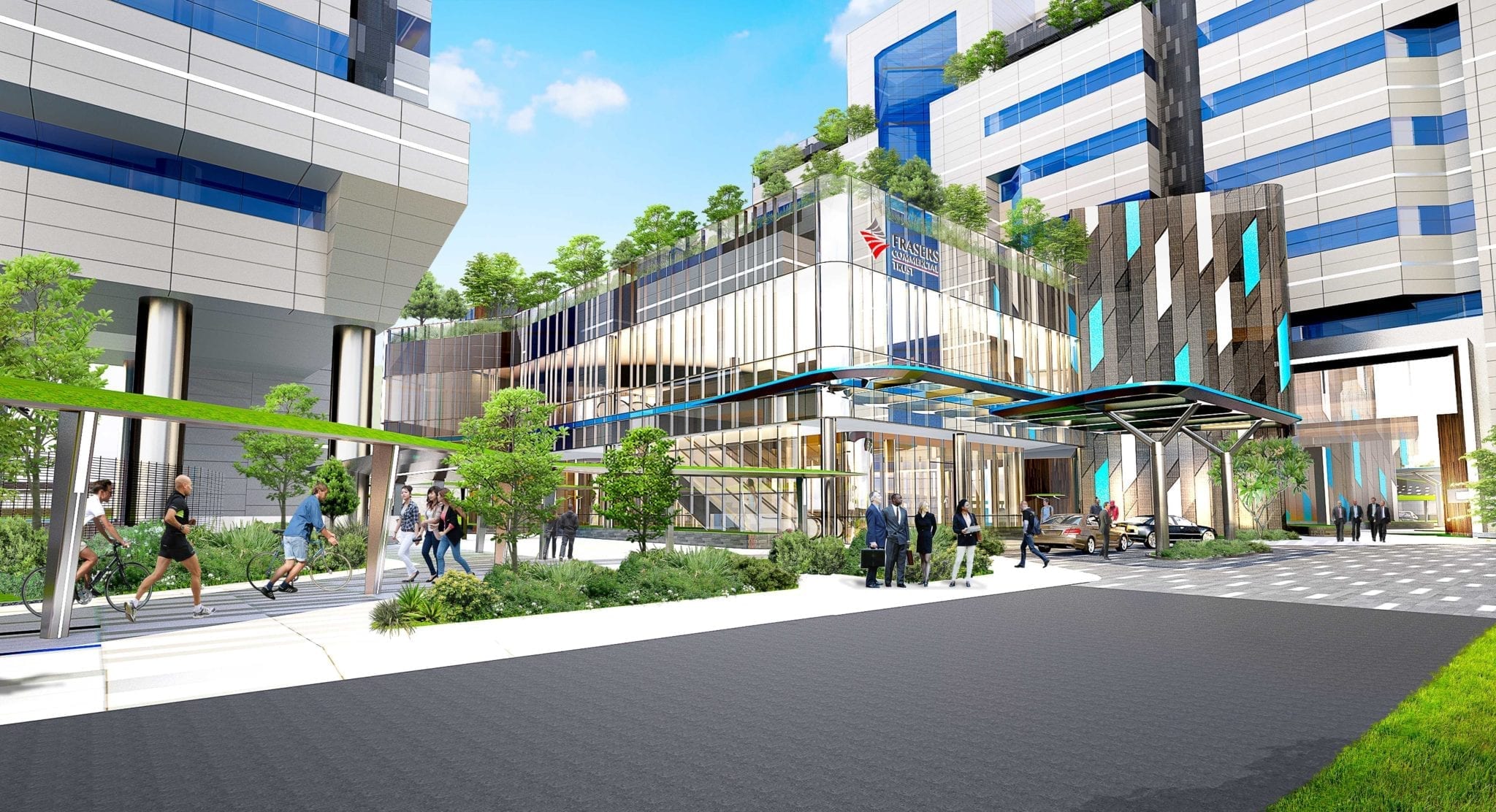
  • Frasers Commercial Trust Q1 DPU down 4.4% on lower occupancies

    Frasers Commercial Trust Q1 DPU down 4.4% on lower occupancies

    Frasers Commercial Trust (FCOT) has posted a first-quarter distribution per unit (DPU) of 2.40 Singapore cents, down 4.4 per cent from 2.51 Singapore cents in the same period a year earlier as property income fell while the number of issued units had increased.

    The topline took a hit from lower occupancy rates at Alexandra Technopark, China Square Central, 55 Market Street and Perth’s Central Park.

    Gross revenue for the first quarter ended Dec 31, 2017 dipped 11 per cent to S$35.3 million from the same period a year earlier. China Square Central was impacted by planned vacancies to facilitate asset enhancement works at the retail podium.

    A weaker Australian dollar also dented takings.

    Net property income fell 14.9 per cent to S$24.9 million. Half of this came from FCOT’s three Singapore buildings and half from its three properties in Australia.

    In December, FCOT announced its maiden acquisition in the United Kingdom. It expects to complete its purchase of a 50 per cent stake in Farnborough Business Park by the end of January.

    Meanwhile, the S$45 million makeover of Alexandra Technopark announced a year ago is slated to be completed in the middle of this year.

    China Square Central’s retail podium will also undergo a S$38 million asset enhancement starting in the first quarter of 2018 with completion expected by mid-2019.

    FCOT had a 80.3 per cent average occupancy rate as at Dec 31 and an average committed occupancy rate of 86.6 per cent.

    WeWork Singapore, the co-working space operator, has committed to lease around 28,700 sq ft of space at one of China Square Central’s heritage shophouse blocks, FCOT added in its results filing on Monday.

    WeWork will take up the space in phases starting with 16,800 sq ft in the second half of 2018.

    Jack Lam, chief executive of the Reit manager, said: “We are delighted to welcome WeWork to China Square Central … The take-up by WeWork is a strong testament to the attractiveness of China Square Central as a work and business location. We foresee rising demand for co-working facilities and other non-traditional workplace formats in light of the continuous evolution of work culture and reshaping of the business ecosystem.”

    First-quarter earnings per unit was 1.64 Singapore cents, down from 2.36 Singapore cents in the same period a year earlier.

    Net asset value per share was 1.55 Singapore cents as at Dec 31.

    FCOT had a gearing of 34.8 per cent as at Dec 31, and an interest coverage ratio of 4.3 times.

    The counter added two Singapore cents or 1.31 per cent to close at S$1.55 on Monday.

  • Hermes to receive HK$900 million from selling its space

    Hermes to receive HK$900 million from selling its space

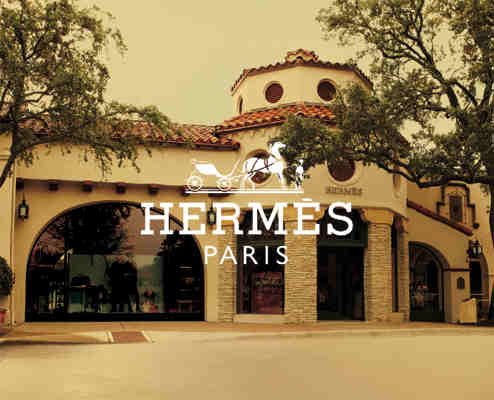
    British property developer Chelsfield has bought the ground floor of The Galleria shopping centre in Central from French luxury brand Hermes for HK$900 million (US$115 million).

    Comprising four retail shop units and a basement, the floor has a combined area of 7100sqft (660sqm).

    Hermes makes a profit of $710 million through the sale of its former flagship space, after buying up the component units in succession since 2000 for a total of $190 million.

    After deciding in 2016 to relocate its flagship to Prince’s Building, just a five-minute walk away, Hermes put the floor on the market.

    For Chelsfield, the deal is its second acquisition of a commercial property in Hong Kong within a month. It partnered with Hong Kong real-estate investment firm Pamfleet to buy a shopping centre in North Point last month for $2 billion from Fortune Reit.

    Chelsfield expanded to Asia in 2016, when it took over the real-estate division of the Dymon Asia Group. The Asia arm of the UK firm is now run by Dymon’s former management team led by former Grosvenor executive Nick Loup, who joined Chelsfield in 2015 as part of the takeover.

  • Centara begins construction of their second COSI lifestyle hotel

    Centara begins construction of their second COSI lifestyle hotel

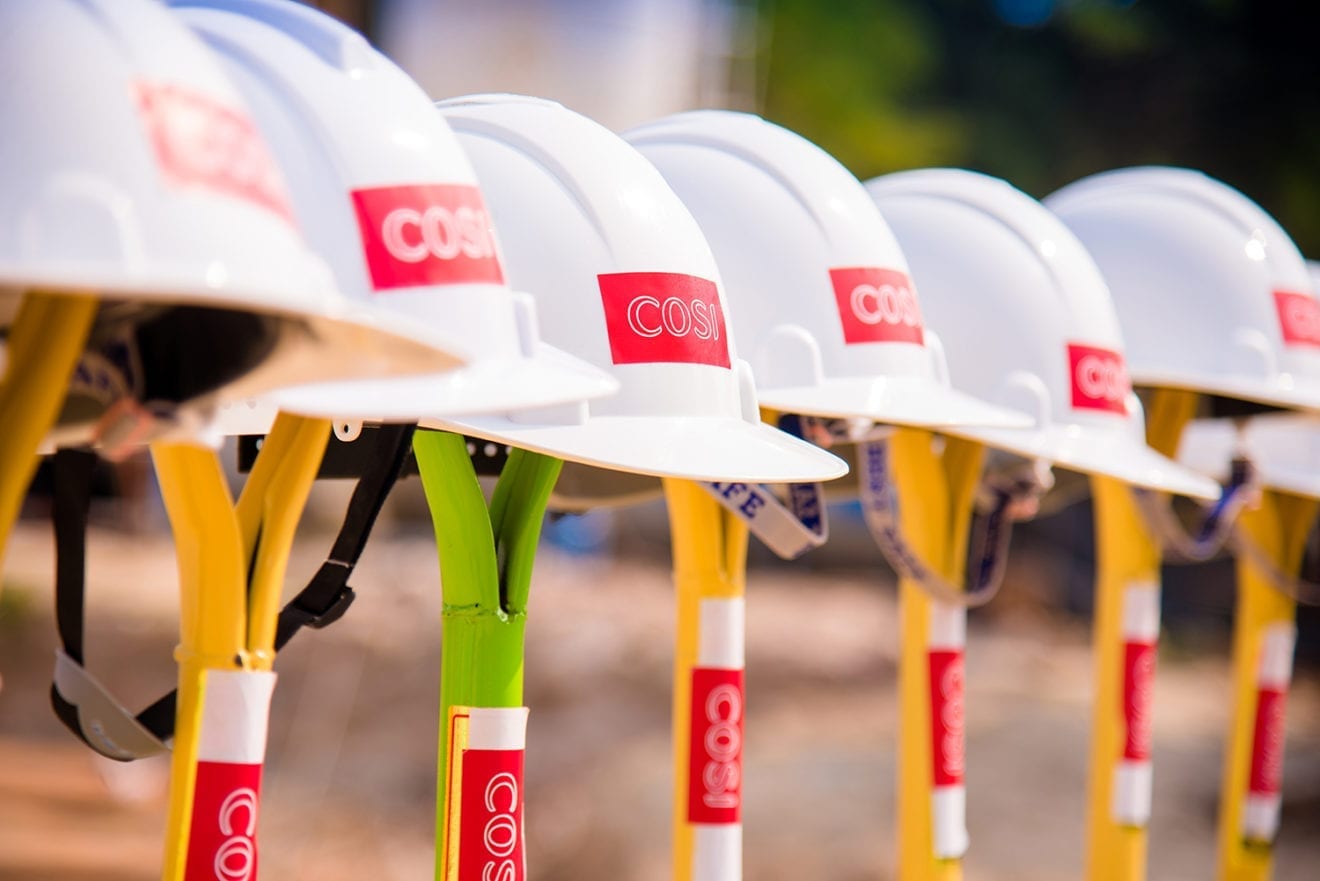
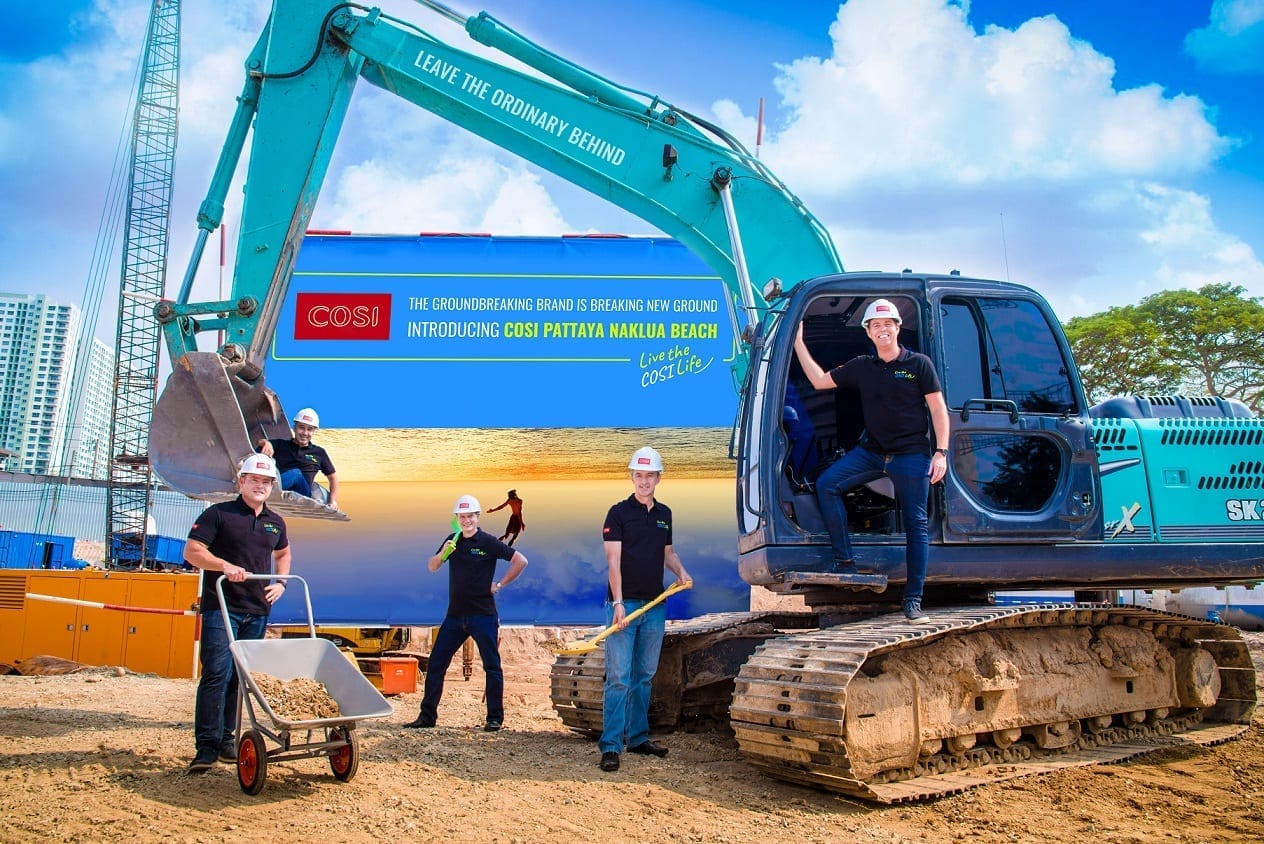
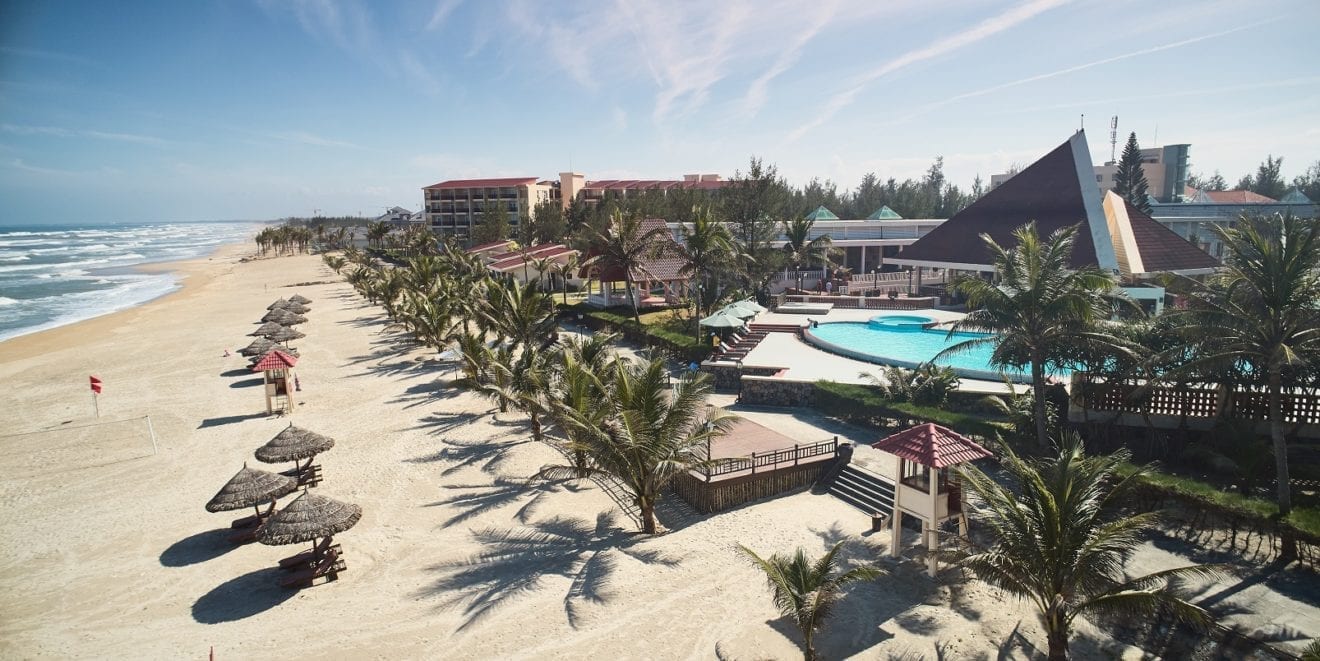
    Centara Hotels & Resorts recently broke ground in North Pattaya for another COSI hotel. COSI is a new brand designed for the modern, connected lifestyle of a growing travel market segment.

    It offers friendly, simple and affordable accommodations, with innovations like smartphone integration, self-service check-in, and a unique 24-hour lifestyle café concept with more freedom and flexibility. The first COSI hotel opened in Samui in December.

    COSI Pattaya Naklua Beach will offer 282 hi-tech rooms, all with Smart TVs. Free Wi-Fi and convenient USB ports are in every room and throughout the hotel. COSI also features a swimming pool, laundromat, and the all-hours “Hub”, a social hangout and digital playspace, with integrated WYSIWYG (What You See Is What You Get) Café.

    Guests can enjoy free food and drink there using the daily credits they get with their stay. The location is a short walk to the beach and 5-minutes’ drive to Central Festival Pattaya. The hotel will open in 2019.

    The development of the COSI brand is an integral part of the company’s ambitious, five year expansion plan. Within that timeframe, Centara expects to add close to 40 more COSI hotels to its portfolio, all situated in resort and city locations throughout Thailand and Asia.

  • China’s biggest retail owner posted declining revenue, again

    China’s biggest retail owner posted declining revenue, again

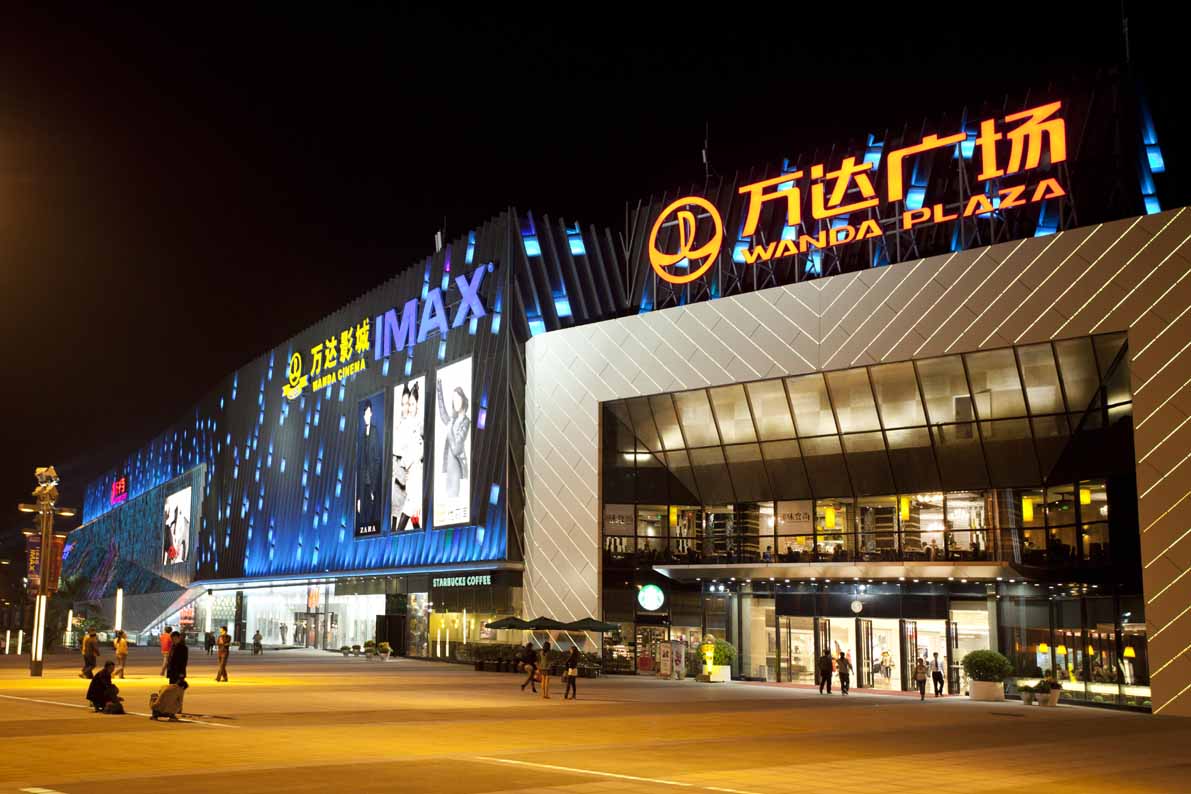
    Dalian Wanda Group, the largest mall owner in China, posted a 10.8 percent decline in revenue for 2017 — making it the second year in a row the retailer reported a drop.

    Wanda explained its performance of only about $35 billion in revenue as being due to selling off its cultural and tourism holdings, reported the Wall Street Journal. The company’s cultural assets account for 28 percent of its overall revenue, or nearly $11 billion.

    Analysts say Wanda’s retail portfolio is not the cause of its reported revenue decline.

    “Wanda is doing quite well in its shopping malls, from their rental-income growth and high occupancy rate,” S&P Global Ratings’ Dennis Lee told the Journal. Income derived from rents increased 30 percent this year for the company.

    In its report, Wanda also noted for the first time that 93 percent of its holdings are located in China. The information — never previously disclosed, according to the Journal — may be in response to the pressure the company faced last year amid the Chinese government’s crackdown on capital outflows to sell off its overseas real estate and other holdings.

    Last fall, Wanda was selling five foreign developments, including One Beverly Hills, a $1.2 billion condo and hotel project, while in July it sold of $9.4 billion worth of its hotel portfolio.

    In 2016, Wanda’s decline in revenue was explained by a drop in residential markets.

  • New shopping centre in India combines contemporary architecture with traditional styles

    New shopping centre in India combines contemporary architecture with traditional styles

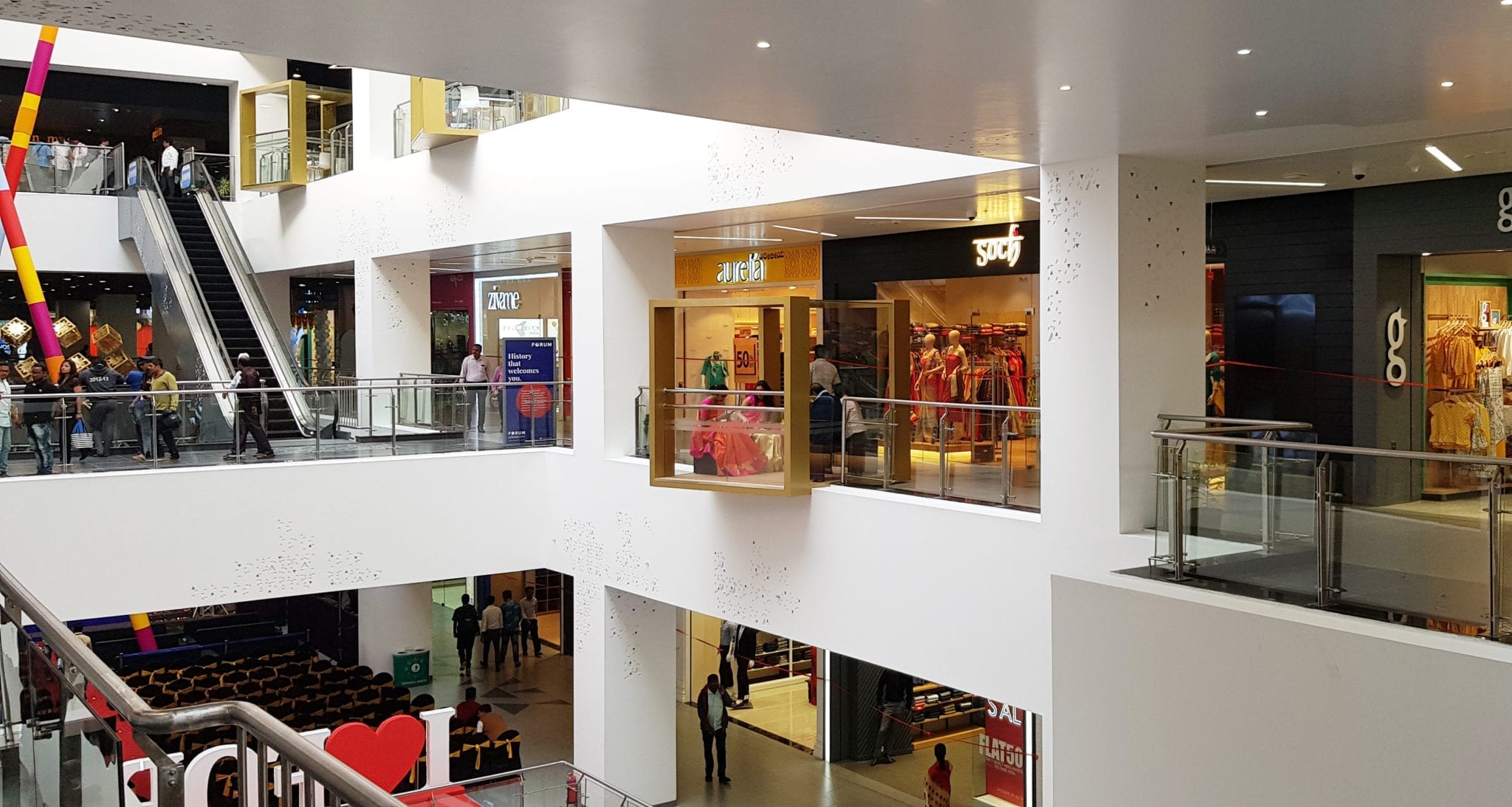
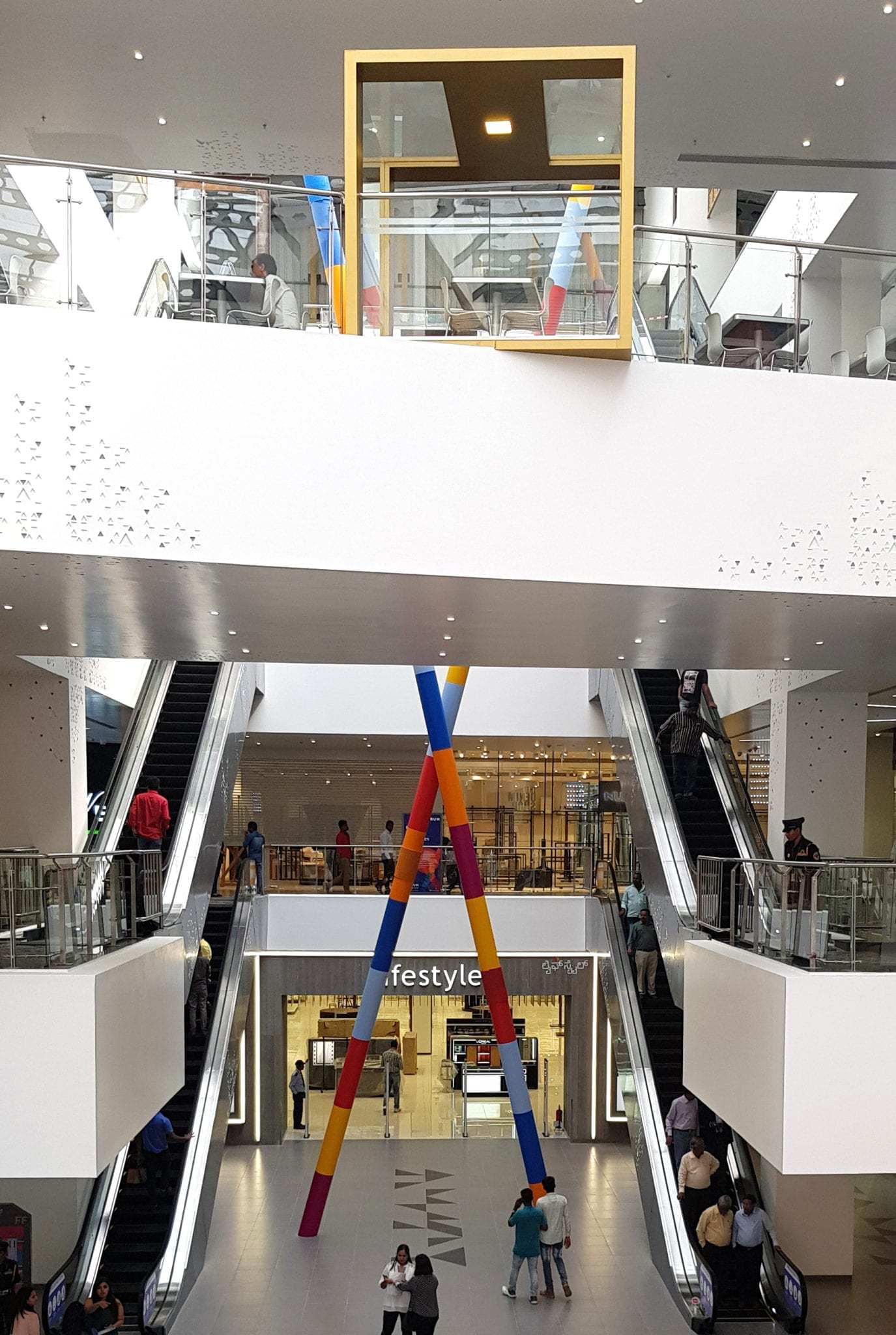
    A shopping mall designed by international consultant Broadway Malyan has opened in India. The firm was appointed by Prestige Group to design the interior fit-out and exterior façade of Forum Mall, Mysuru.


    The shopping mall comprises 54,000 sqm of space, and is home to over 150 local and international brands, with big names such as H&M, Nike, Levi’s and Apple all taking space within the mall. It also includes a hypermarket and department stores, and leisure needs are catered for through the inclusion of a multiplex, gaming arcade and range of restaurants and cafes.


    The interior design was inspired by local culture, including celebrations such as the Dussehra and Holi festivals, landmarks such as Mysore Palace, and textures and materials including Mysore Peta, Sarees and Jali Stonework. These design references have been merged with a modern style to create a unique retail environment.


    Ankit Kamboj, associate director at Broadway Malyan, said: “Our challenge was to combine cultural elements with a contemporary, clean architectural style. The balance is important; both aspects should complement rather than detract from each other.


    “By designing the façade and interiors we have been able to ensure that the same design approach is followed throughout to create a strong identity for the mall.


    “Significant growth is expected in the retail sector in the city and Forum Mall looks set to capitalise on this by offering a new type of retail and lifestyle destination for local residents to enjoy.”


    The interior design is underpinned by simple, white plaster on a number of core surfaces such as the ceilings, main pillars and escalators. By using this neutral approach, the featured elements stand out more. Depth and texture is added to the design the ways in which various materials, patterns and light is used.

     Kolam drawings, which is a style specific to the south of India, are printed over floors, glass balustrades and pavements to add further distinction and also help with wayfinding by highlighting key areas such as the entrances, lifts and public squares.

    Prestige Group is one of the leading developers in India with a range of landmark developments throughout the country. As well as retail schemes, they deliver residential, commercial and hospitality projects. Retail is one of Broadway Malyan’s core areas of expertise, and the firm is currently providing advice for a number of projects throughout India, from small, niche retail projects through to large malls and out of town shopping destinations.

  • CapitaLand signs MoU to explore investing in an integrated development in Wuhan,

    CapitaLand signs MoU to explore investing in an integrated development in Wuhan,

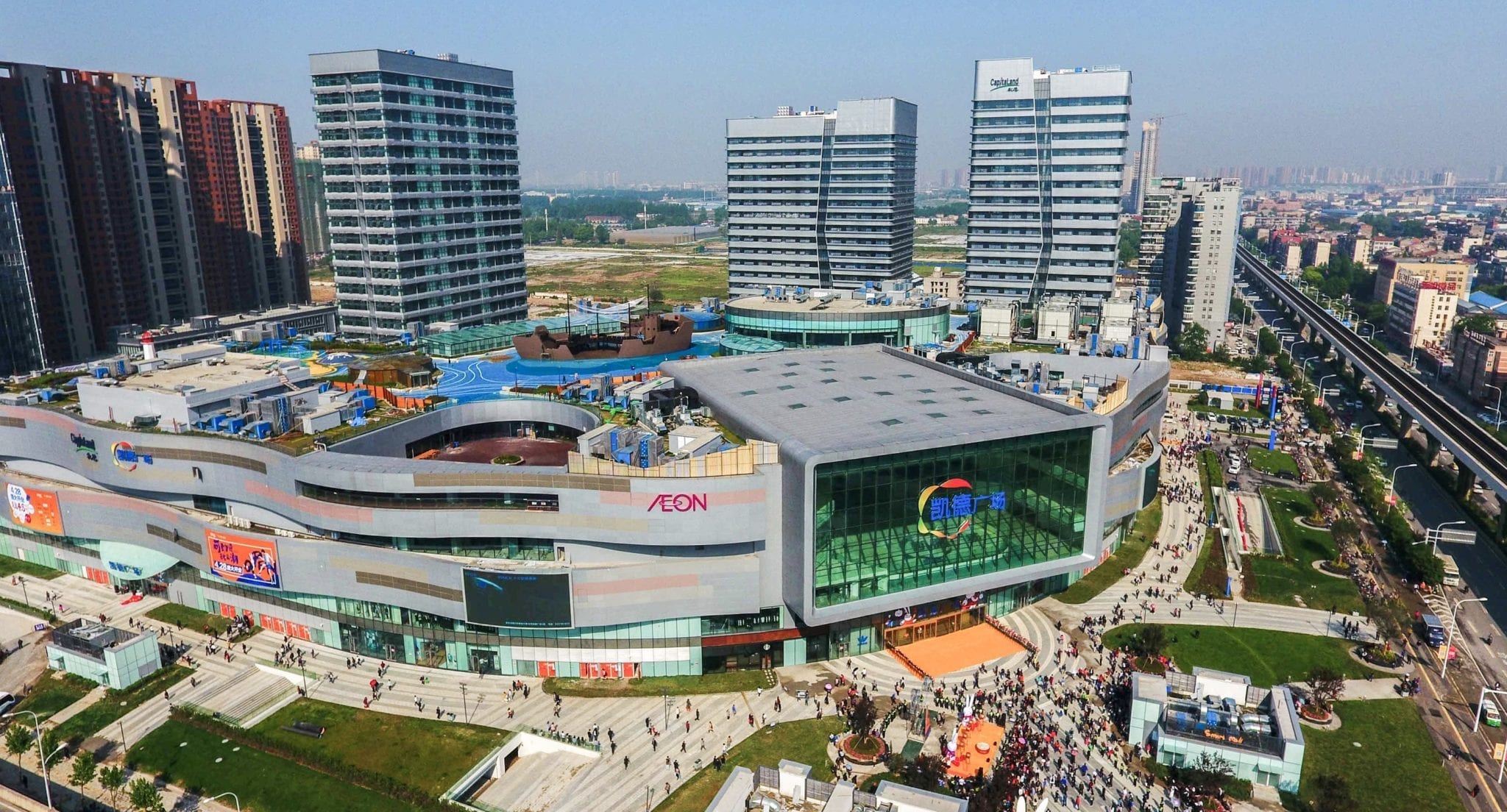
    Following a major reconstitution of its China shopping mall portfolio, CapitaLand is eyeing expansion opportunities under its “core city clusters, dominant assets” strategy. Through its wholly owned subsidiary CapitaLand China, CapitaLand today signed a Strategic Cooperation Memorandum of Understanding (MoU) with the district government of Wuchang – known as the urban core and one of three key areas of Wuhan, the capital of Hubei Province. The MoU sets out the general principles of collaboration between CapitaLand and the district government in developing a prime site in Wuchang. The potential scale of the proposed integrated development on the site is expected to surpass all CapitaLand’s existing properties in central China.

    Mr Lim Ming Yan, President and Group CEO of CapitaLand Limited, said: “Unlocking the value of mature assets for reinvestment into new growth opportunities is a hallmark of CapitaLand’s capital recycling strategy. As part of our proactive capital management, the Group has divested S$2.5 billion worth of assets and deployed some S$5.8 billion toward new properties in 2017. The proposed divestment of 20 non-core retail assets announced in early January, will further enhance our financial flexibility to invest in other compelling opportunities.”

    Mr Lim added: “In China, we are focused on deepening our presence in core city clusters where we can leverage our existing operations to grow faster. As the major transport and commercial hub in central China with strong economic fundamentals, Wuhan is a high-growth city that is set to benefit further from China’s Belt and Road Initiative. The city’s rapid urbanisation has created a high demand for quality real estate products and services, particularly integrated developments that will make efficient use of land to fulfill consumers’ intertwined live, work and play aspirations in one central location. CapitaLand looks forward to making greater contributions to Wuhan’s urban development through quality projects.”
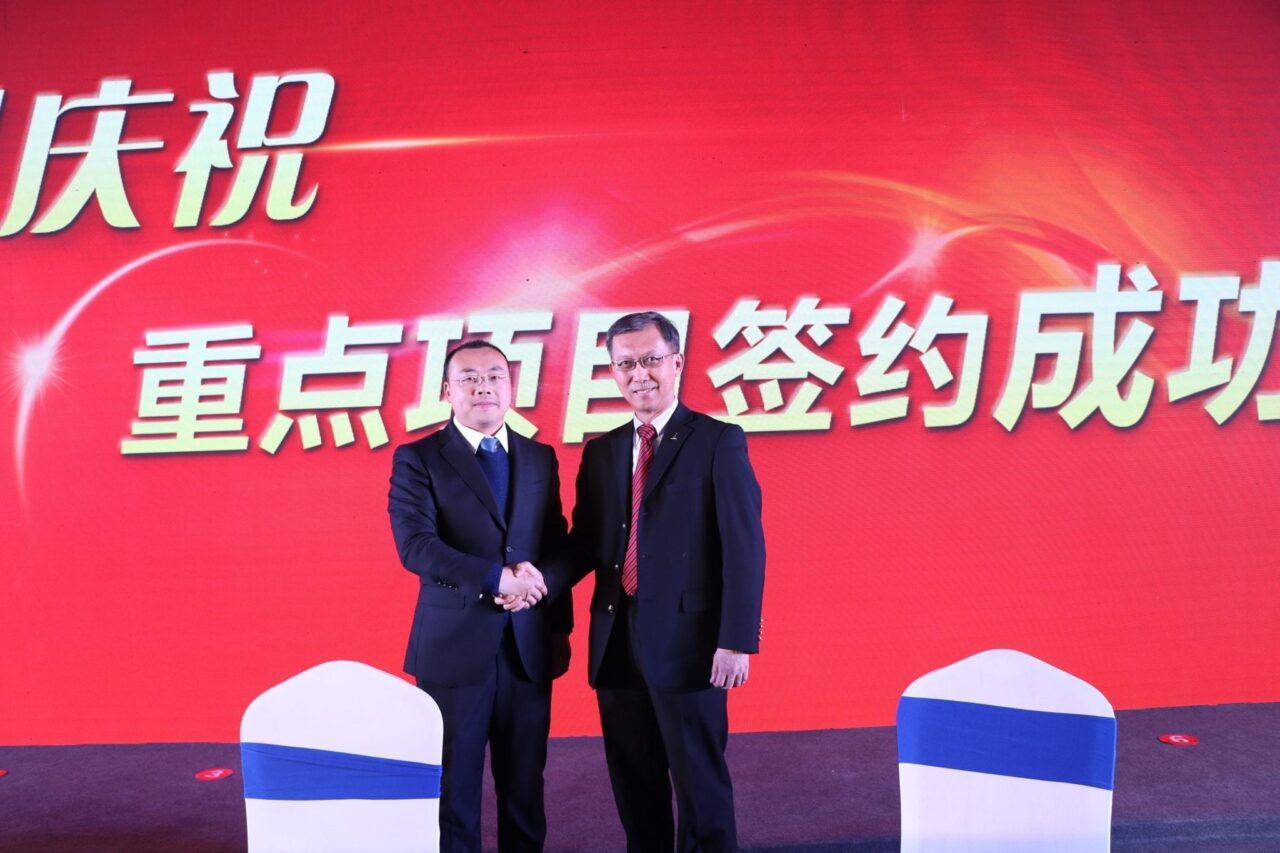
    Mr Lucas Loh, CEO of CapitaLand China, said: “CapitaLand’s leadership in integrated developments is fast gaining market recognition. Serving as an enabler to catalyse an area’s economic growth, our integrated developments are well-sought after by Chinese urban planners around the country. To date, the Group owns and manages 23 integrated developments with over 6.2 million square metres (sq m) of gross floor area (GFA) in China’s first- and second-tier cities, making CapitaLand the foreign developer in China with the largest portfolio of integrated developments. Last year, CapitaLand marked the successful opening of six of these – namely Raffles City Changning in Shanghai, Raffles City Shenzhen, Raffles City Hangzhou, Capital Square in Shanghai, Suzhou Center, and CapitaMall Westgate in Wuhan. We will continue to build on our growing track record to take on more integrated developments in strategic locations that maximise the returns on our investments.”

    The MoU signing followed last April’s opening of CapitaMall Westgate in Wuhan’s Hankou area. Comprising a shopping mall, two office towers and one SOHO block that span about 250,000 sq m in GFA, it is CapitaLand’s fifth largest integrated development in China and its biggest in central China to date. Opened with a high committed occupancy of about 93%, the retail component of CapitaMall Westgate drew more than 435,000 shoppers over its first four days of operations.

    Besides CapitaMall Westgate, CapitaLand owns and manages a second integrated development in Wuhan’s Hankou area, namely CapitaMall Wusheng, which also comprises a serviced residence Somerset Wusheng. CapitaLand’s portfolio in Wuhan also includes two other shopping malls, namely CapitaMall 1818 in Wuchang and CapitaMall Minzhongleyuan in Hankou. In addition, The Lakeside, Wuhan – a 2,246-unit residential project by CapitaLand is currently under development; 1,526 units launched to date have been fully sold. Through its wholly owned serviced residence arm The Ascott Limited, CapitaLand also manages four serviced residences in Wuhan.

    Wuhan is the largest city in central China, with a population of about 12 million people. Based on advance estimates, Wuhan achieved a GDP growth of 8% in 2017 – outpacing the national average. A major transport hub, Wuhan connects the rest of the country via well-established highway and railway networks, and one of the largest inland ports in China. With its central location and fast-growing economy, Wuhan has attracted strong international trade and foreign direct investment. Its key industries are car manufacturing, steel production and optical-electronics, including housing China’s largest production centre for optical-electronic products. Leading multinational corporations such as Citroen, Foxconn, Hewlett-Packard, Honda, Nissan, Philips and Siemens have established operations in Wuhan. In addition, Wuhan is home to several well-known local companies such as Dongfeng Motor, FiberHome Technologies Group and Wuhan Iron and Steel.

    Wuhan is part of the five core city clusters under CapitaLand’s China strategy, which also include Beijing/Tianjin, Shanghai/Hangzhou/Suzhou/Ningbo, Guangzhou/Shenzhen, and Chengdu/Chongqing/Xi’an.
  • Johor set to open Capital 21 in August

    Johor set to open Capital 21 in August

    An August opening date has been set for Malaysia’s Capital 21 mall, with its museum and indoor theme park.

    Initially the development was scheduled to open earlier this year.

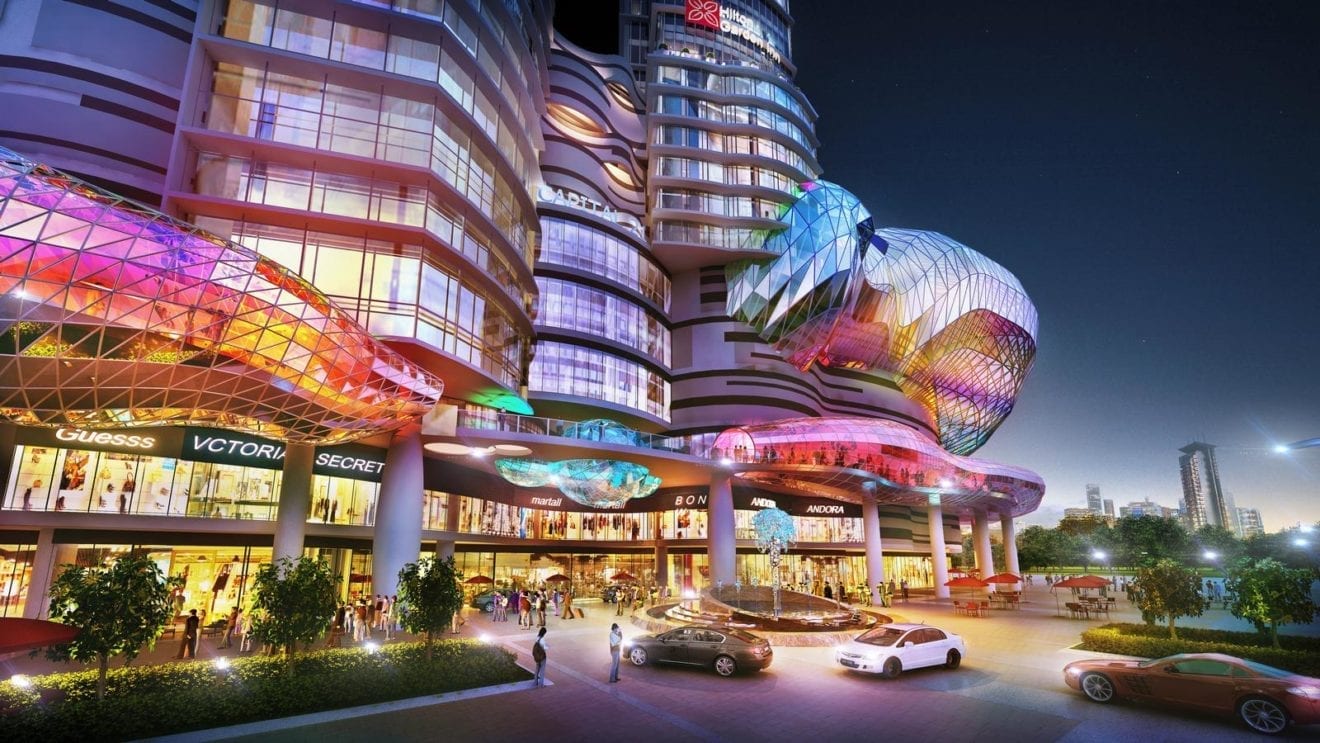
    Being developed in Johor Baru by Capital World, the 1.4 million square-foot (130,000sqm) shopping mall will include three floors of retail alongside the MCM Studio indoor theme park, being promoted as the largest in Southeast Asia and the fifth largest in the world.

    It will have three themed sections: Cartoon Planet (animated characters), Movie Planet (Transformers, Dinosaur World and Haunted House themes involving augmented- and virtual-reality technologies) and Music Planet, with a circus tent and also offering music and theatrical events.

    Two hotels are also under development for the complex, a Hilton Garden Inn and The Planet Hotel, both expected to open next year.

    On the mall’s 11th floor, the First World Museum will offer the culture, landmarks and history of 21 countries.

    “With the rise of online shopping and e-commerce, we changed strategy many years ago,” says Capital World group director Siow Chien Fu. “Our theme park is the major attraction for this project, supported by the shopping centre.”

    Near the causeway link to Singapore, Capital World believes the theme park will appeal to its residents despite competition from Universal Studios Singapore.

  • MRCB-Quill REIT’s Q4 net profit down 80% on deficit in revaluation

    MRCB-Quill REIT’s Q4 net profit down 80% on deficit in revaluation

    MRCB-Quill REIT’s (MQREIT) net profit for the fourth quarter ended Dec 31, 2017 plunged 80% on a RM18.2 million deficit in revaluation of its investment properties.

    It made a net profit of RM3.3 million for the quarter under review, compared with Rm16.9 million for the same quarter in 2016.

    This was on 18.3% higher revenue of RM46.1 million, compared with RM38.9 million for the same quarter in 2016.

    The REIT comprises of 10 buildings worth a market value of RM2.2 billion as at Dec 31, 2017.

    In 2017, 14% of MQREIT’s total net lettable area was due for renewal.

    As at Dec 31, 2017, MQREIT successfully renewed approximately 80% of these leases. It is now in active negotiations for the renewal of leases due in 1Q 2018.

    In its filing with Bursa Malaysia, MQREIT said the Klang Valley office market is expected to remain challenging and for 2018, they will focus on asset management and leasing strategies that are centred on tenant retention.

    For the 12 month period ended Dec 31, 2017, MQREIT registered a 11.4% jump in net profit to RM9.9 million, compared with RM62.8 million for the same period in 2016.

    Revenue for the period was 32.8% higher at RM181.5 million, compared with RM136.7 million in 2016.

    Its share price gained one sen to RM1.22 today, with 131,200 shares changing hands.

  • Titijaya Land teams up with Tokyu Land

    Titijaya Land teams up with Tokyu Land

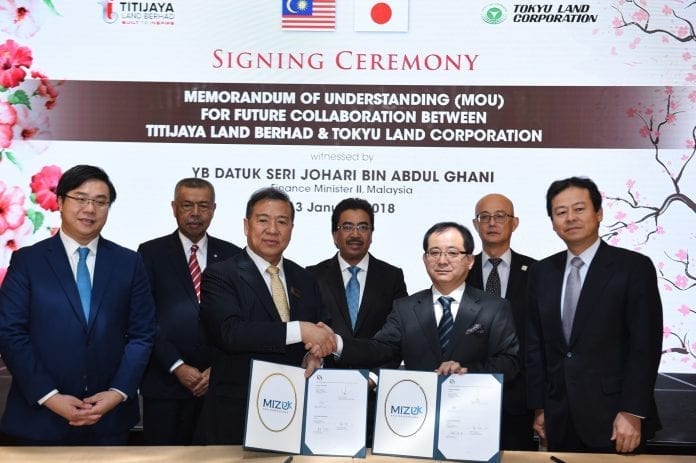
    Bursa Malaysia-listed property developer Titijaya Land Berhad (Titajaya) has signed a memorandum of understanding with Tokyu Land Corporation (TLC) to establish a provisional collaboration in the real estate industry.

    In a statement, Titijaya said it will share and exchange knowledge and expertise with TLC with the intention of further revolutionising their real estate development and to explore potential collaborations for any property development projects that either of them may undertake.

    TLC, founded in 1953, is a real estate firm involved in urban development, wellness and overseas business. It is a core subsidiary of the Tokyu Fudosan Holdings Group, a Japanese company listed in the Tokyo Stock Exchange.

    “By entering into the MOU, we are able to leverage on TLC’s strength to further revolutionise our business,” said Titijaya Land Group Managing Director Tan Sri Dato’ Lim Soon Peng.

    TLC is to establish itself in the Malaysia property development sector by capitalising on Titijaya’s current and upcoming market, he added.

    TLC is known for its technology, expertise, creativity, and innovative knowledge in developing and marketing real estate with an edge, putting it a class ahead in the urban property development realm.

    This includes multiple large-scale projects in Shibuya (birthplace of TLC), Ginza, Takeshiba, and other urban areas.

    Its development in Shibuya is a transit-oriented development (“TOD”) concept with a bus terminal as well as tourist support facility that supports the activities of local and international visitors. TLC also has a good track record in property

    According to the MOU, Titijaya and TLC are desirous of collaborating in real estate development areas such as, but not limited to, residential, office, transit oriented development, senior housing, urban hotels and other forms of hospitality, commercial and retail properties.

    It also includes property management and operations, as well as the establishment of or investments in real estate investment trusts (“REITs”).

  • MUJI Moves Into Hospitality With New MUJI Hotel and Restaurant

    MUJI Moves Into Hospitality With New MUJI Hotel and Restaurant

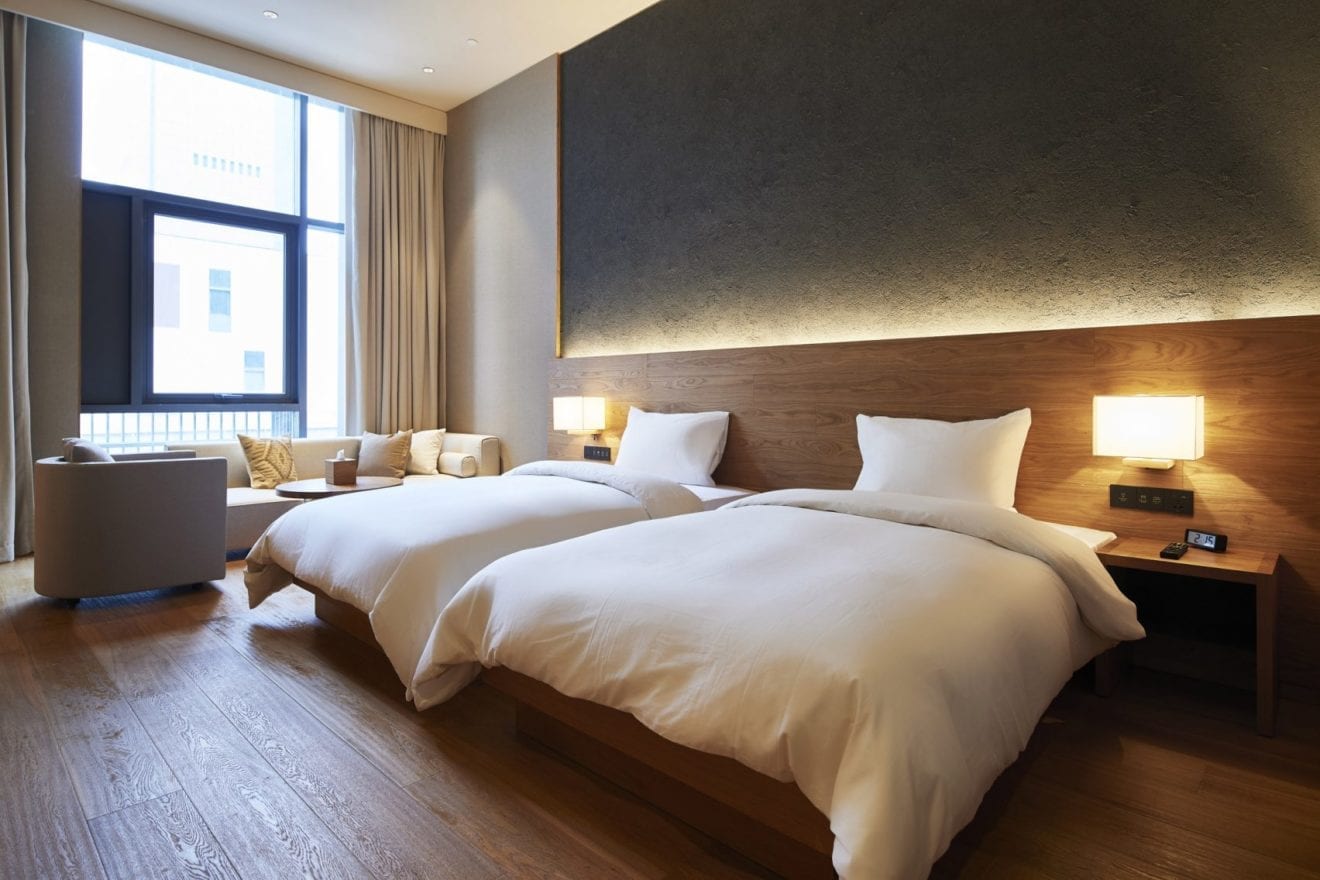
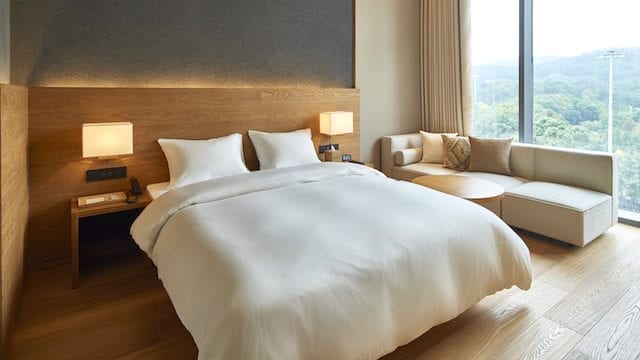
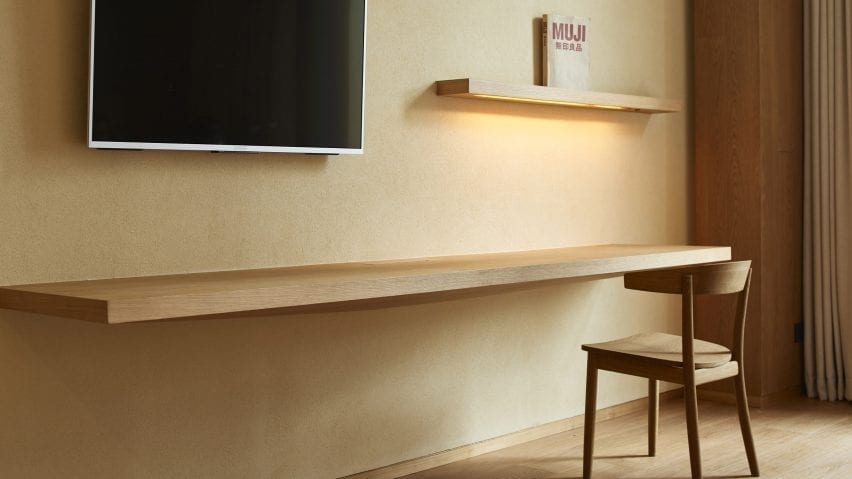
    Wood-lined bedrooms, a minimal diner, a library and a shop feature in the Muji Hotel in Shenzhen, which opens next week.

    In the Futian district, it is the first hospitality project initiated by the Japanese retailer, known for its minimalist homeware products. These feature in the hotel to reflect Muji’s simple aesthetic – described by the brand as an “anti-gorgeous, anti-cheap” concept.

    As well as 79 guest rooms, the hotel will offer a gym, a diner, three meeting rooms, a library and a shop, as reported.

    In the bedrooms, Muji products will range from toothbrushes to electric kettles and wall-mounted CD players.


    Muji Diner, the third-floor restaurant, will serve local food inspired by international home cooking, all served on Muji dinnerware.

    On the same floor and to be open 24 hours a day to the public as well as guests, the library will have a selection of more than 650 books.

    A small gym is equipped with running machines, aero-bikes and workout equipment, while a shop allows guests to buy the products they have been using inside the hotel.

    A second Muji hotel will follow in Tokyo’s Chuo City next year.

    The hotels are the latest architectural project to be initiated by the Muji, following on from a 9sqm prefabricated house and a trio of huts designed by Konstantin Grcic, Jasper Morrison and Naoto Fukasawa.

    Established in 1979, Muji is commonly referred to as a “brandless” company as its products bear no logos.

  • Centara Signs Private Partnership Agreement for Centra by Centara Government Complex

    Centara Signs Private Partnership Agreement for Centra by Centara Government Complex

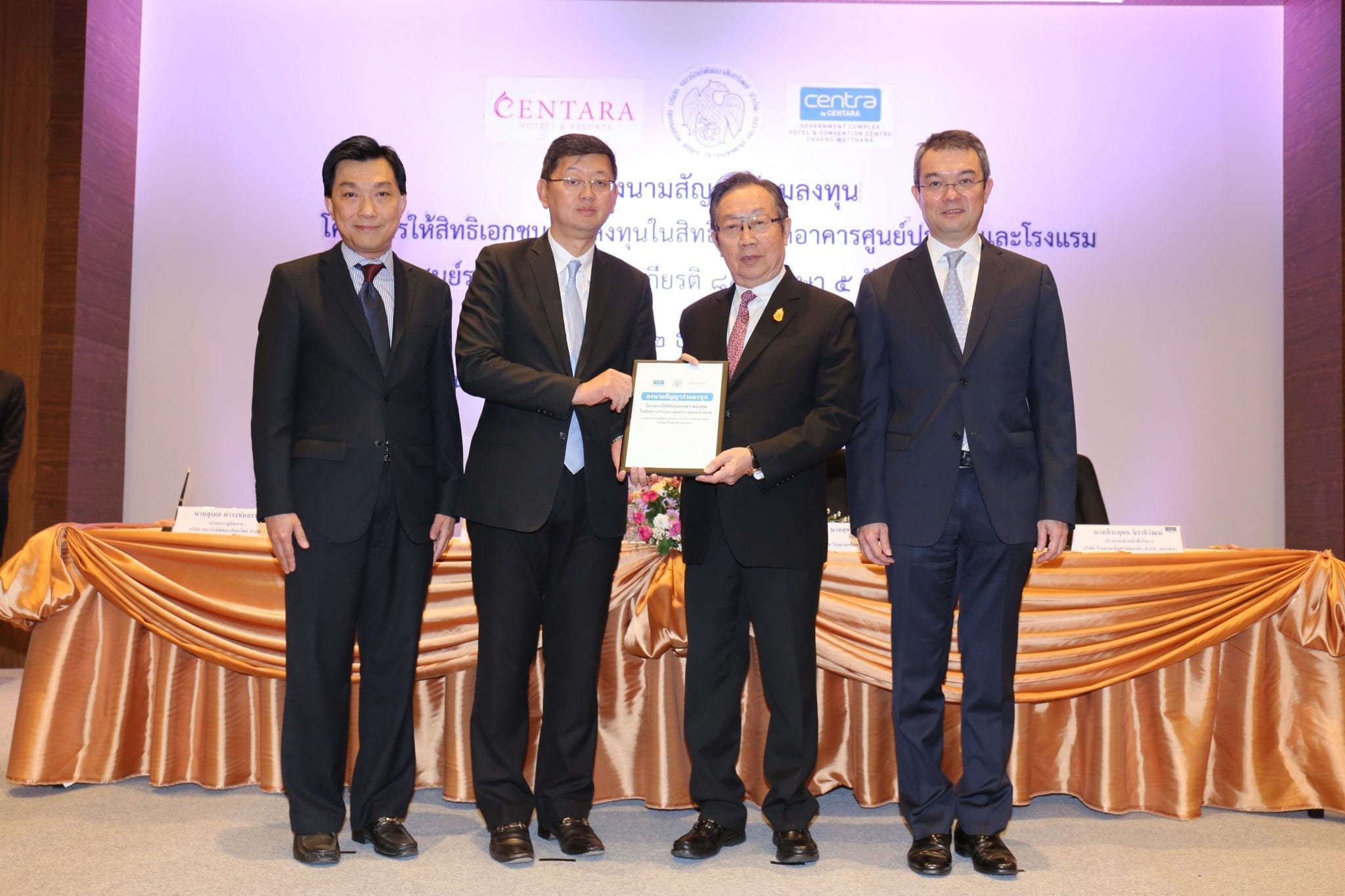
    Centara Hotels & Resorts, Thailand’s leading hotel operator, announced a long-term lease agreement for Centra by Centara Government Complex Hotel & Convention Centre Chaeng Watthana.  Centara’s Chairman of the Board Suthikiati Chirativat signed the agreement for the 204-room hotel and conference property in the Thai government community 10 minutes from Bangkok’s Don Mueang International Airport. Centara had managed the property for its owner, Dhanarak Asset Development Company Ltd., since 2011. The 20-year, around 1.2 Billion Baht lease deal with Dhanarak effectively turns ownership over to Centara.

    “Centra by Centara Government Complex continues to play a vital role in the facilitating of official and government business in Thailand. Having managed this successful hotel and convention centre for 6 years the investment in a long term lease in this property was a logical step and supports our strategic plan to double Centara’s size within the next five years,” said Centara’s Chairman of the Board Suthikiati Chirathivat.

    Centra by Centara is one of the hospitality group’s six hotel brands. The Centra by Centara Hotel and Convention Centre at the Government Complex offers ideal accommodations and meeting facilities for businesspeople, delegates and officials. Its 24 meeting rooms, including the large Vayupak Grand Ballroom, can host a variety of large and small conferences and events simultaneously. Hotel and conference facilities are integrated so that guests can easily walk between meeting and event venues, restaurants, and their hotel rooms. The Centra by Centara property also hosts weddings and concerts.

    The Government Complex in which the property is located is home to over 30 official departments and agencies. It functions like a small town, including banks, retail shops, restaurants, clinics and other amenities. There is parking for over 2,000 vehicles.

    Dhanarak Asset Development Company Ltd., the property’s original owner, was established by the Thai Ministry of Finance to build and manage the Government Complex. Centara has ambitious plans to eventually renovate both the hotel and its attached convention centre.

    Over the next five years, Centara Hotels & Resorts aims to double its size with additional properties in Thailand and its new international markets, while spreading its footprint into new continents and market niches. Its flagship properties in Bangkok, Centara Grand & Bangkok Convention Centre at CentralWorld, and Centara Grand at Central Plaza Ladprao, have established the company’s reputation as the leading meeting, conference, and large event host in Thailand.

  • Centara appoints new Business Development VP to support expansion

    Centara appoints new Business Development VP to support expansion

    Centara Hotels & Resorts, Thailand’s leading hotel operator, announced the appointment of Allen Thomas as Vice President Business Development, effective January 1st. Thomas has 28 years of experience developing hotel and resort businesses, a career that includes positions with HPL and Como Hotels and most recently Resorts Holdings International. His appointment marks another significant Centara move in their five year plan to double the company’s size and become a major regional hospitality brand.

    Mr. Thomas will report to Centara’s Deputy CEO Markland Blaiklock. He will be responsible for executing the company’s plan to grow from 58 to 134 hotels over the next five years. Mr. Blaiklock himself was brought on board in October to lead the expansion strategy. In the weeks since then, Centara has already launched its new affordable lifestyle hotel brand COSI; signed a joint venture to take ownership of Centra by Centara Government Complex Hotel & Convention Centre Cheang Watthana; announced a significant upgrade of its technology infrastructure in partnership with Oracle and IDeaS; and finalised an agreement with Nakheel to develop a family lifestyle resort in Dubai.

    Centara’s CEO, Mr. Thirayuth Chirativat commented, “Allen is a tenured industry expert with an impressive track record of growing the brand footprint of hotel and resort businesses in Asia and beyond. We are confident of meeting our expansion targets with a professional of Allen’s calibre leading our Business Development division”.

    With this latest appointment, Centara’s management team is almost complete following its recent reorganisation. The company is building a diverse and experienced leadership structure to set it up for continued future success.

  • SPH REIT’s net property income up, thanks to higher rents

    SPH REIT’s net property income up, thanks to higher rents

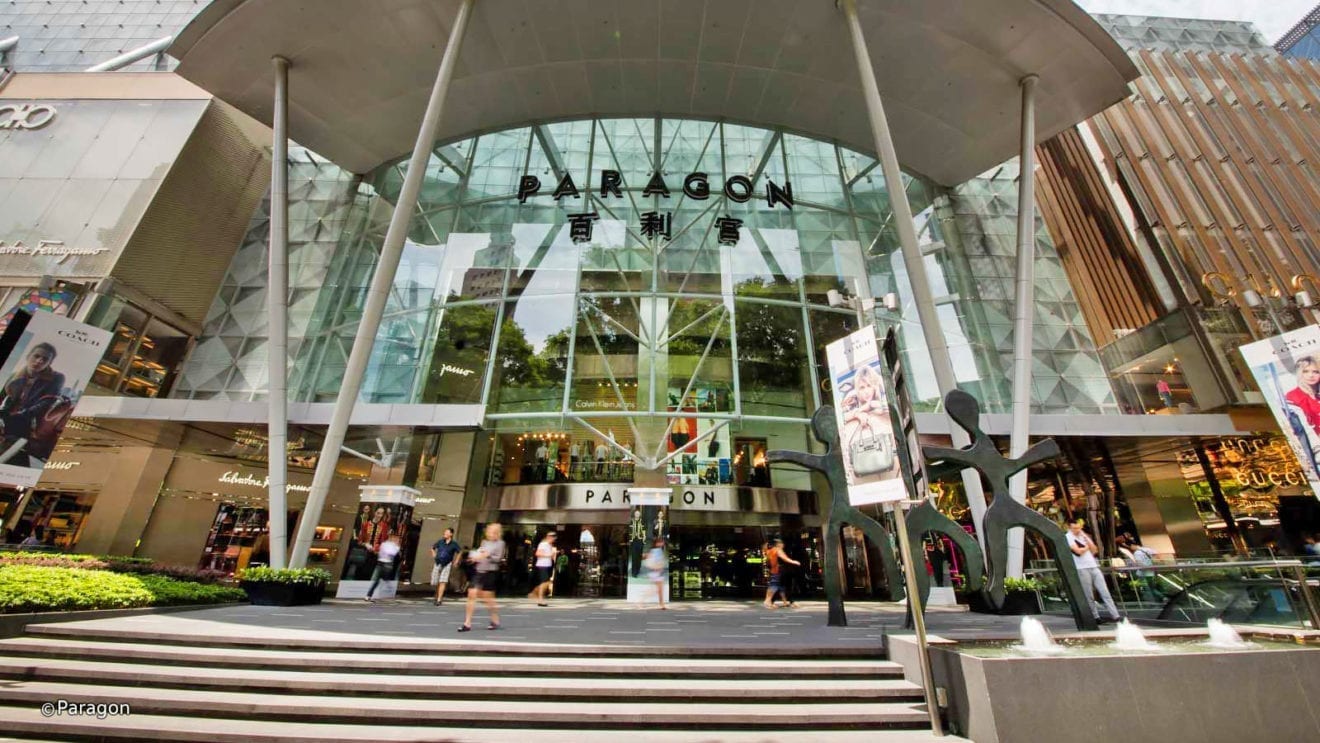
    Higher rental income has helped boost first-quarter turnover at SPH Reit, which owns two malls, Paragon in Orchard and The Clementi Mall in Clementi.

    Both properties continued their track record of full occupancy amid headwinds in the retail environment, says SPH Reit.

    Gross revenue for the quarter, to the end of November, grew 1.7 per cent to S$53.5 million (US$40.2 million), on the back of higher rental income, while net property income rose 1.9 per cent to $42.2 million.

    “In keeping with our long-standing philosophy of partnering tenants toward mutual success, the rental review for tenants takes into consideration occupancy cost,” says the group. “This will better position them to ride on the sales recovery since June.”

    However, there was a negative rental reversion of 10.6 per cent for Paragon’s new and renewed leases, which had mainly been committed 12 months earlier. This represented 4.4 per cent of the mall’s net lettable area.

    There was only one tenancy change at Clementi Mall, and the overall portfolio rental reversion – based on the weighted average of all expiring leases – was a negative 10.6 per cent for the quarter, compared with a positive 1.2 per cent for new and renewed leases last year.

    Meanwhile, SPH Reit Management CEO Susan Leng says the group has maintained its track record of 100 per cent committed occupancy and delivered steady performance. “The Singapore economic outlook has improved and retail sales have shown signs of recovery since June.

  • Aeon Mall’s 9-month profit seen rising 10% to record

    Aeon Mall’s 9-month profit seen rising 10% to record

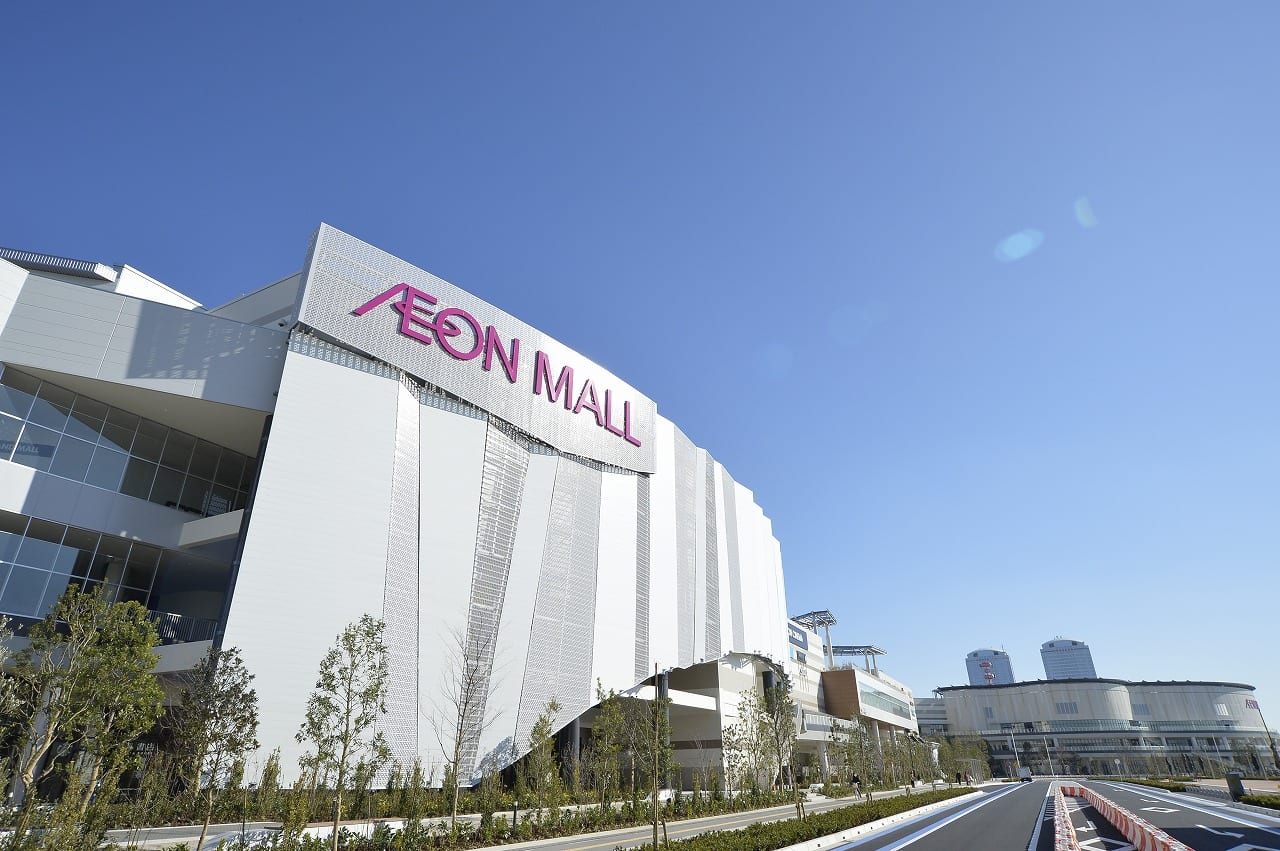
    Strong earnings in China and Southeast Asia have helped boost operating profit for Japanese developer Aeon Mall to about ¥33 billion (US$293 million) for the nine months to the end of November.

    This is up about 10 per cent on the same period a year earlier, and would be a record. Its previous high was ¥30.1 billion in 2013as reported. Operating revenue rose 7 per cent to a little more than ¥210 billion.

    Its Southeast Asian business has come out of the red, with overseas losses shrinking to nearly ¥1 billion for the period from ¥2.9 billion previously. Thirteen of the company’s 19 malls in China and Southeast Asia turned a profit, up from eight out of 17 a year before.

    In Japan, sales rose 3 per cent for specialty-store tenants in its malls offering household products, food and other items, boosting rent revenue correspondingly.

    Aeon Mall’s operating profit for the full year through February is expected to rise 11 per cent to ¥50 billion on a 9 per cent gain in operating revenue to ¥295 billion.

  • CapitaLand sharpens China focus by selling 20 malls to Vanke

    CapitaLand sharpens China focus by selling 20 malls to Vanke

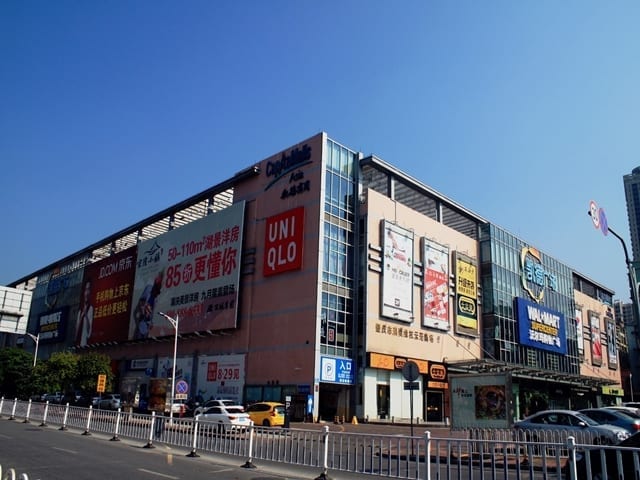
    CapitaLand China is about to sell 20 malls across China, following a year of record openings for the Singapore group.

    Through its wholly owned subsidiary CapitaLand Mall Asia, CapitaLand has signed agreements with unrelated parties to divest its share of interest in a group of companies that hold 20 retail assets with an agreed value of RMB8.3 billion (S$1.7 billion/US$1.2 billion).


    Each mall has an average gross floor area (GFA), excluding car park, of about 40,000sqm. They are spread across 19 cities, of which 14 are non-core cities in which CapitaLand has a single mall.

    Set for completion in the second quarter of this year, the transaction is expected to generate net proceeds of about S$660 million and a net gain of about $75 million for CapitaLand. The resultant loss of recurring income will be limited as the 20 malls account for about 4 and 7 per cent of CapitaLand’s respective total and China shopping mall portfolio valuation.

    The move follows CapitaLand’s divestment of CapitaMall Kunshan last month, and the formation of a JV between CapitaLand and CapitaLand Retail China Trust in November to acquire Rock Square, a 84,000sqm mall in Guangzhou.

    ‘Cusp of change’

    “China is sitting on the cusp of transformative changes to its retail industry, characterised by a burgeoning middle class and the rising popularity of omni-channel retailing,” says CapitaLand president/group CEO Lim Ming Yan. “CapitaLand is seizing this window of opportunity to reconstitute its mall portfolio with a sharper geographical focus.”

    He says that unlocking the value of mature assets for reinvestment into new growth opportunities is a hallmark of CapitaLand’s capital recycling strategy. “We will continue to invest in dominant assets in core Chinese city clusters, where we already enjoy a competitive advantage.”

    Lim sees China as an important core market for CapitaLand, with its competitive advantage in integrated developments acting as a key differentiator.

    CapitaLand last year opened a record 1 million square metres of retail space across eight developments in Singapore, China and Malaysia – its largest retail space offering in a single year. Of these, six are retail components of large-scale integrated developments in China, averaging about 130,000sqm. They are in fast-growing Chinese cities such as Hangzhou, Shanghai, Shenzhen, Suzhou and Wuhan.

    Post-divestment, CapitaLand’s mall network in China will be concentrated in 22 cities, compared to 36 before. It will comprise 491 malls, 45 of them in first- and second-tier cities. More than half are the retail component of integrated developments.

    CapitaLand’s largest retail presence is in Beijing and Shanghai, where it owns/manages eight malls each, followed by Chengdu with six and Wuhan with four. Following the acquisition of Rock Square, CapitaLand will have two malls in Guangzhou.

    The five core city clusters under CapitaLand’s China strategy are Beijing/Tianjin, Shanghai/Hangzhou/Ningbo/Suzhou, Guangzhou/Shenzhen, Chengdu/Chongqing/Xi’an, and Wuhan.