Category: Real Estate

Retail News Asia is committed to providing both local and global retailers with the latest Real Estate news throughout the Asian market. This on a daily base.

  • Thai Listed Property Developer Sansiri Invests $80m In Six Global Startups

    Thai Listed Property Developer Sansiri Invests $80m In Six Global Startups

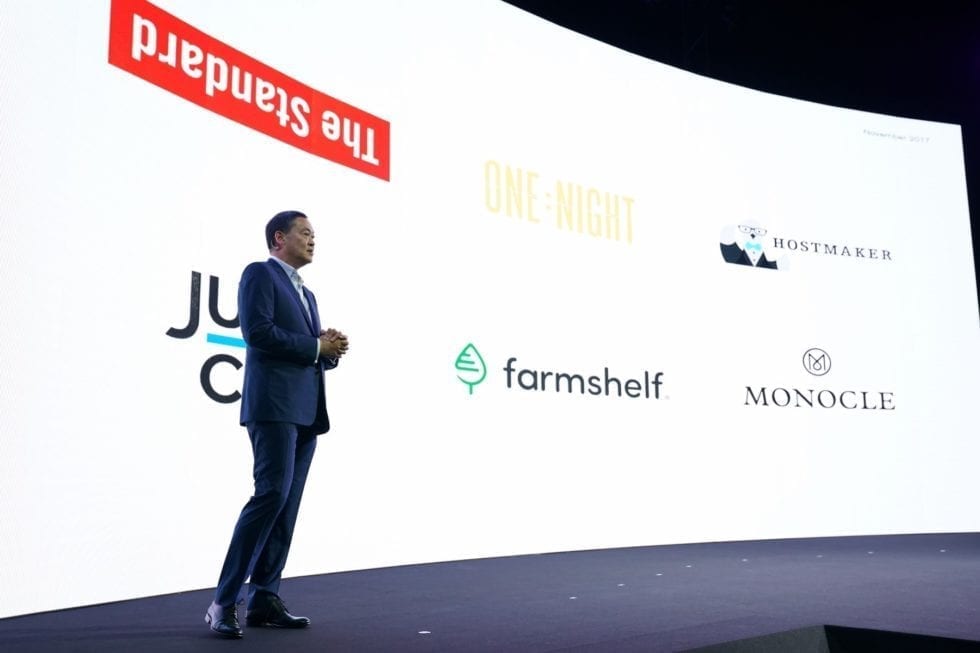
    Thai listed property developer Sansiri Pcl announced an investment of $80 million across six global technology and lifestyle companies as part of a bid to expand beyond real estate development and into the global market.

    Of this, Sansiri will invest about $58 million in US-based boutique hotel chain Standard International and its mobile booking application, One Night. The Thai firm will hold a 35 per cent stake in the hospitality firm.  

    The remaining include a $3.1-million stake in Tyler Brûlé’s lifestyle magazine Monocle; $6.6 million in London’s Airbnb management firm Hostmaker; $12 million in Southeast Asia’s co-working space JustCo; and $300,000 in a smart indoor farm technology firm Farmshelf, according to a Financial Times report.

    Srettha Thavisin, president of Sansiri Pcl, said that the company’s investments will focus on three key activities, which include strategic investment in global lifestyle brands; developing property technologies in partnership with industry disruptors; and enhancing influence and audience through premium lifestyle media.

    Kang Wan Sing, Founder and CEO of JustCo, said that the partnership with Sansiri will support JustCo to launch four co-working spaces in Bangkok. “We expect to have 20 co-working spaces across Asia-Pacific by 2018, giving Sansiri access to our 12,000 members,” he added.

  • Foreign Investment Hotspots In Asia Pacific

    Foreign Investment Hotspots In Asia Pacific

    Cross-border real estate investment in the Asia Pacific region could achieve a record high this year as foreign investors shore up interest and seek assets in greener pastures beyond borders.

    As it stands, year-to-date intra-regional cross-border transaction volumes have already exceeded the previous 10-year record high in 2015 (1Q15-3Q15) by 30 per cent, and is currently a 21.8 per cent step up from its 10-year average (2007-2016).

    Singapore the main source of intra-regional capital

    Chinese would be the largest group of foreign investors if inter-regional flows were part of the picture. But in the context of intra-regional capital flows (which only considers deployment within Asia Pacific), Singapore continues to dominate with year-to-date foreign investments currently standing at US$5.6 billion.

    China (US$2.1 billion) and Hong Kong (US$2.9 billion) were ranked second and third respectively given a significant portion of capital are recycled between the two closely-integrated countries.

    These three countries make up 85 per cent of total source of foreign capital within the region.

    Much of the capital from these countries is allocated to office assets. From the standpoint of Singapore investors, most are seeking to plough capital in gateway cities such as Melbourne and Sydney, which offer steady and attractive income streams.

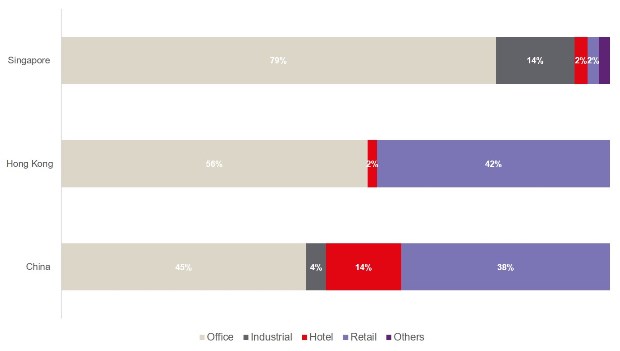
    79 per cent of Singapore capital has been allocated into outbound office assets, with 11 out of 18 of the office assets acquired based in Australia.  One such cross-border deal is the acquisition of 206 million Telstra Plaza building by Singapore’s ARA Asset Management and co-investment vehicle Straits Real Estate.

    While 45 per cent of China capital is allocated to office assets, most are flowing into Hong Kong strata-titled opportunistic assets, with a focus on capital growth.

    Figure 1: Allocation of intra-regional cross border capital outflow by asset classSource: JLL

    Australia and China most popular for foreign investors

    Australia and China draw the most foreign investments given assets in those markets generally offer more attractive yields. But relative to domestic purchasers, (Figure 3) India stands out with 65 per cent of its total transactions coming from foreign investors (all of which were Singapore based institutional funds investors).

    One notable example was Singapore sovereign wealth fund GIC’s US$1.4 billion joint venture with DLF Cyber City Developers, which also happened to be the largest cross border deal year-to-date.

    These investors are looking to ride the investment wave via debt deals and joint ventures with local partners, as the market continues to grow in depth and demonstrates their willingness to shift from traditional markets if the opportunity presents itself.


  • Gaw Capital, Consortium Partners To Acquire 17 Shopping Centers in Hong Kong

    Gaw Capital, Consortium Partners To Acquire 17 Shopping Centers in Hong Kong

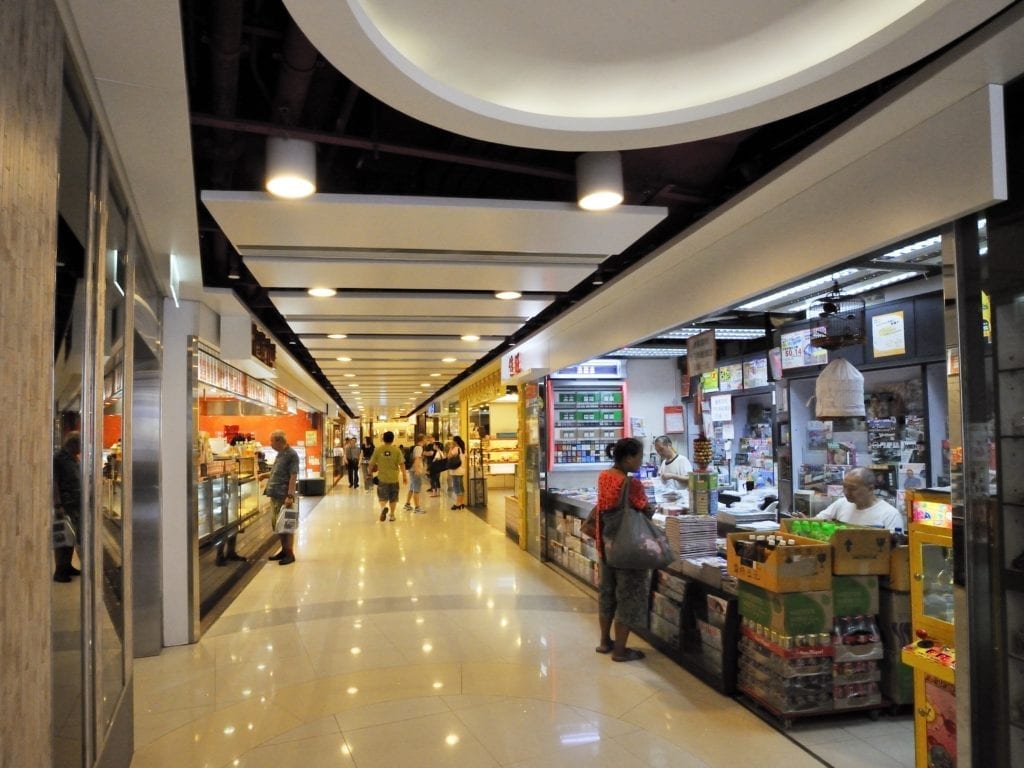
    Hong Kong-based real estate private equity firm Gaw Capital Partners and a consortium of partners including Goldman Sachs have won a bid to acquire a retail portfolio comprising 17 shopping centers in Hong Kong from Link Asset Management Ltd for HK$23 billion (US$3 billion).

    The portfolio is comprised of a number of strategically-located properties across Kowloon and the New Territories districts that sit in the heart of densely-populated communities and in close proximity to metro stations. The gross floor area of the portfolio totals 2.2 million square feet of prime retail space and comes with over 8,000 parking spaces that are connected to transport links. The properties were priced at an average of around HK$7,922 per square feet, excluding parking.

    “We are delighted to have won the bid together with our consortium partners to acquire and manage these assets,” said Kenneth Gaw, president and managing principal of Gaw Capital, in a company announcement. “Despite the rise in e-commerce, we believe retail facilities such as these continue to be highly important foundations of community life, and we recognize their strong potential to thrive in the years ahead. We look forward to applying our deep experience in repositioning commercial property to add significant strategic value to these shopping centers.”

    The shopping center portfolio include Cheung Hang Shopping Centre, Kai Yip Commercial Centre, Kam Tai Shopping Centre, Lei Cheng Uk Shopping Centre, On Ting Commercial Complex, Shek Lei Shopping Centre I & II, Tai Wo Hau Commercial Centre, Tsz Ching Shopping Centre, Yau Oi Commercial Centre and Yung Shing Shopping Centre, Kwai Fong Plaza, Kwai Shing East Shopping Centre, Lai Kok Shopping Centre, Lee On Shopping Centre, Retail and Car Park within Shun Tin Estate, Tsing Yi Commercial Complex and Lions Rise Mall.

    Gaw Capital, with US$13 billion asset under management, has over 12 years of experience investing in commercial properties in Greater China, and has raised five commingled funds targeting the Greater China and Asia Pacific region since its inception.

    Last week, ERES APAC II – China Outlet Mall Fund, a China outlet mall investment fund backed by Gaw Capital, Allianz and German asset management firm TIAA General Account, reached the first close of US$550 million.

    This October, it entered into a framework agreement to acquire SKY SOHO, a group of Class A office buildings in Shanghai’s Linkong Economic Park district, from SOHO China through one of the funds under its management.

  • CapitaLand and CRCT to jointly acquire 100% interest in company that owns Rock Square

    CapitaLand and CRCT to jointly acquire 100% interest in company that owns Rock Square

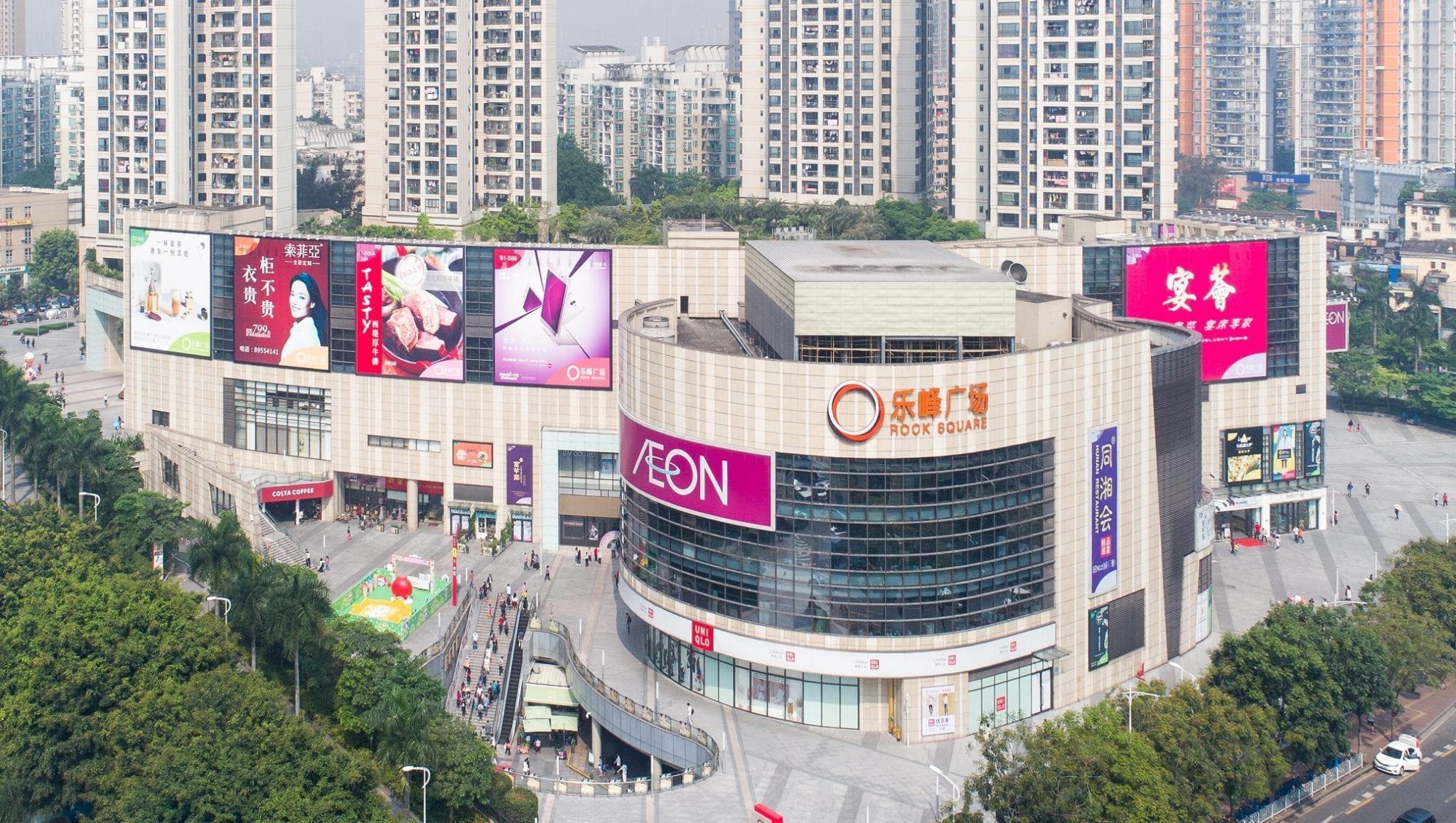
    CapitaLand and CapitaLand Retail China Trust (CRCT) have formed a joint venture to acquire all the shares in a company that owns an operational shopping mall, currently known as Rock Square, located in Haizhu District in
    Guangzhou. CRCT is the majority shareholder with a 51% stake in the joint venture, while CapitaLand owns the remaining 49%. This marks CapitaLand’s second mall and CRCT’s first in Guangzhou, the provincial capital of Guangdong Province in South China and one of four first-tier cities in China.

    Total purchase consideration payable is about RMB3,360.7 million (about S$688.9 million), which includes but is not limited to the company’s interests in Rock Square with an agreed value of RMB3,340.7 million (about $684.8 million). The transaction is expected to be completed by 1Q 2018.

    Rock Square is one of the largest malls in Haizhu District with a gross floor area (GFA) excluding car park of about 83,591 sq m. Surrounded by densely populated residential estates, the mall caters to about 800,000 residents from middle- and high-income households within a three-kilometre radius. The mall is directly connected to Shayuan metro station, which serves Line 8 that links Guangzhou’s eastern and western areas, and
    Guangfo Line that connects Guangzhou with Foshan. The planned extension of Line 8 and Guangfo Line by 2019 is expected to increase the mall’s population catchment.

    Mr Jason Leow, CEO of CapitaLand Mall Asia, said: “China is an important core market to CapitaLand. We continue to invest in our China shopping mall business under our ‘core city clusters, dominant assets’ strategy, which focuses on strengthening our presence in five city clusters with quality assets that command a dominant market position. Given Rock Square’s significant scale and strategic location with excellent transport links, the acquisition presents a rare opportunity to increase our exposure to the high-growth retail market in a first-tier city.

    As an operational mall with upside potential, the acquisition will also help CapitaLand to increase our recurring income base as we continue to expand our business.”

    Mr Leow added: “When completed, the acquisition will boost CapitaLand’s retail presence in Guangzhou, where we currently own and manage CapitaMall SKY+, which opened in 2015. By leveraging on our experienced team in Guangzhou to manage the new mall, we will be able to benefit from the network effect of an enlarged portfolio.”
    Mr Tan Tze Wooi, CEO of CapitaLand Retail China Trust Management Limited, said: “The acquisition marks CRCT’s strategic entry into another first-tier city after Beijing and Shanghai.

    It represents a progression of our portfolio reconstitution strategy, whereby capital from the sale of CapitaMall Anzhen is recycled into a multi-tenanted mall with a longer balance tenure and stronger growth potential. The addition of Rock Square serves to diversify CRCT’s tenant base and improve the quality of earnings by increasing our exposure to more varied and higher-yielding trade categories. Post-completion, the accretive acquisition will boost CRCT’s portfolio size by about 28% to approximately RMB15.1 billion (about S$3.1 billion).”

    Mr Tan added: “In view that leases accounting for over half of the mall’s total rent are up for renewal between 2018 and 2020, the timely acquisition will present us with a window of opportunity to achieve rental uplift through active tenant mix adjustments, unit reconfiguration and improvements to the layout. This is supported by the mall’s current mix of popular retailers, which serves as a strong base to attract more quality brands to enhance
    the overall shopping experience. Coupled with the cost synergies from working with our sponsor CapitaLand to manage the mall, we are confident of driving the growth of Rock Square and turning it into a significant contributor to our overall performance.”

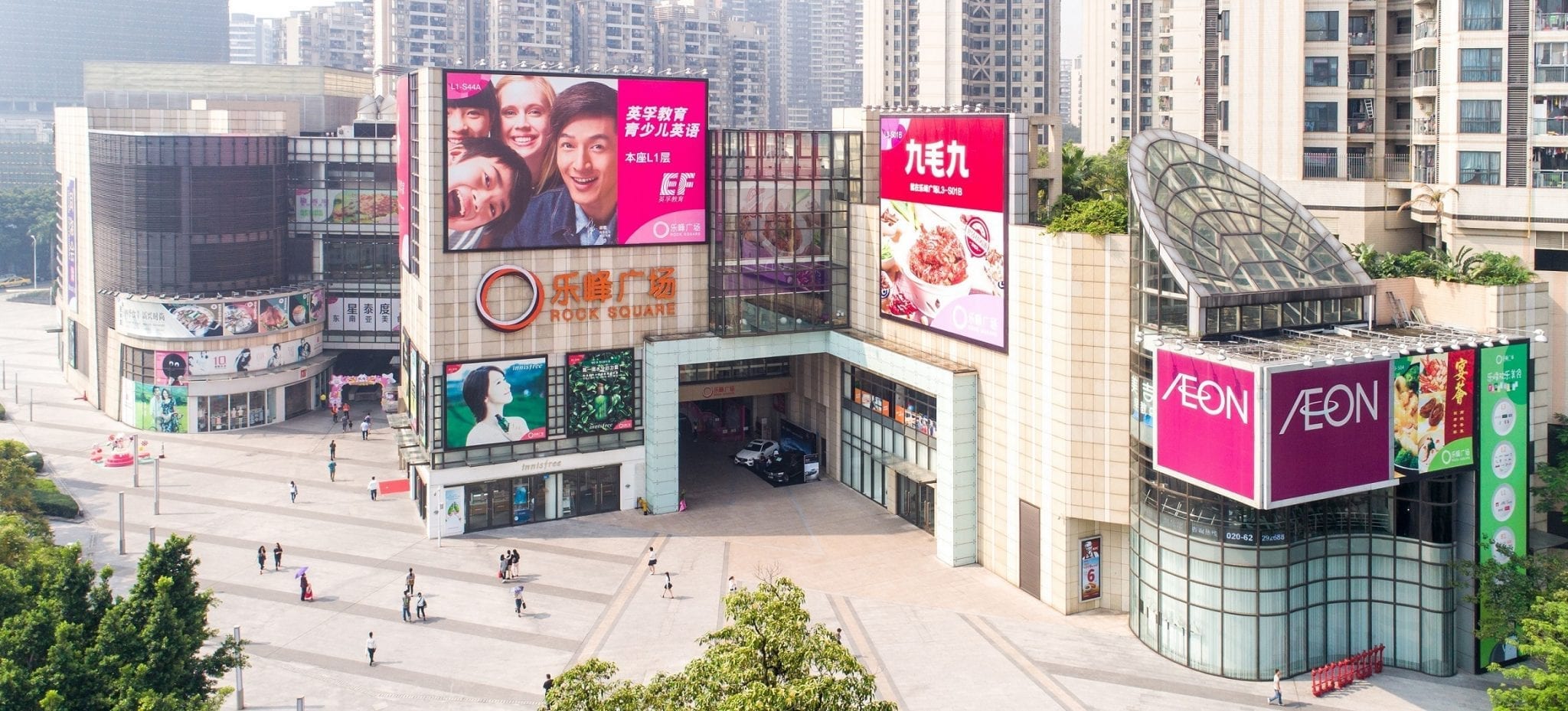
    Opened in 2013, Rock Square is a five-storey shopping mall with three levels above ground and two basement levels. Positioned as a modern and trendy retail destination offering a wide range of fashion, F&B, children-oriented and entertainment options, the mall houses well-known international brands such as AEON, UNIQLO, ZARA and Victoria’s Secret. As at June 2017, the mall was 96.4% committed.

    The mall is located in Haizhu District, Guangzhou’s second most populous urban district that also ranks high in terms of disposable income per capita4. A popular residential area for Guangzhou’s new affluent class, Haizhu District is home to the Creative Industry Zone (where leading technology firms such as Tencent are based), the city’s landmark Canton Tower and top tertiary institution Sun Yat-sen University.

    Guangzhou is the most populous city of Guangdong Province with a population of 14 million. It is an important communications and transportation hub in South China with a flourishing high-tech industry. In 2016, Guangzhou’s GDP grew 8.2% year-on-year, outpacing the national average of 6.7%. In the same period, both disposable income per capita rose and total retail sales rose by 9.0%. These positive indicators are expected to see further growth support, as Guangzhou transforms into a major commercial centre in South China with a
    fast-evolving retail scene and an increased emphasis on driving domestic consumption.

  • Puregold gets nod for triple merger

    Puregold gets nod for triple merger

    A deal that will take the Puregold store count to 324 in the Philippines has been approved by the Securities and Exchange Commission.

    It involves a merger for Puregold Price Club with three supermarket companies owned by Estenso Equities, its 50-50 JV with Ayala Land: Daily Commodities, First Lane Super Traders and Goldtempo Company.

    The three Estenso Equities units comprise 17 stores mainly in Cabanatuan City, and the provinces of Aurora, Bulacan and Rizal. They will all soon carry the brand name and be converted to Puregold stores.

    Under the merger terms, Puregold will issue paid-in capital of up to US$10.9 million (PHP922.7 million), and also common shares pegged at PHP14.5 million. The merger follows Puregold’s acquisition of five B&W (Black & White) stores in Roxas City, Capiz, in August, bolstering its store presence in the Western Visayas region.

    Established in 1998, Puregold has evolved from one hypermarket. It now has an omni-market presence and claims to work with more than 1500 suppliers and trade partners, serving more than 300,000 sari-sari (mini retail) stores and small businesses as well as more than a million Puregold Perks members.

  • Christmas Fiesta at Landmark Hong Kong

    Christmas Fiesta at Landmark Hong Kong

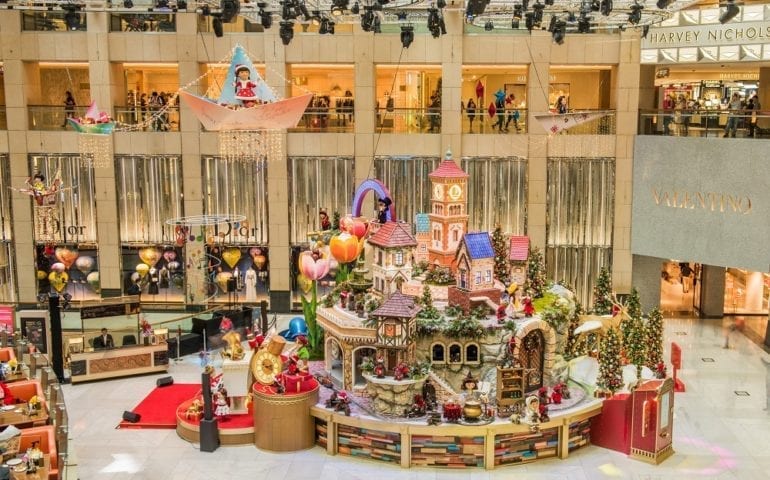
    A whimsical ideal world of the imagination begins at LANDMARK with the return of ‘Santa Paws’ and a cast of creative children and their inspired ideas to make our planet a better place this Christmas.

    In ‘Dream Square’ kids gather to share their Christmas hopes and wishes; ‘Aqua Island’ brings unlimited clean water to wherever it’s needed most; in the ‘Great Fruit Garden’ giant fruit blooms from the smallest seeds to feed the world; reindeers take flight amongst ‘Wishes in the Clouds’ bringing the message of Christmas joy to all; in the Recycle Depot, Robo, the recyclo-bot is given life from the old and unwanted; and in ‘Homegrown City’ there is a roof to spare for everyone.

    The imaginative installations of charming animated characters, in 10 amazing displays set across LANDMARK’s four buildings, showcase an idealised world of child-like wonders that celebrate the power of the imagination as the source of unlimited creativity, to imagine and build a better world.

    This year the festive magic also goes mobile and features in the “LANDMARK HONGKONG” app, which, from 24 November 2017 to 1 January 2018, enables shoppers to contribute to a better world by enjoying LANDMARK reward privileges.

    A wide variety of Christmas entertainment and shopping give rewards across LANDMARK’s iconic buildings.

    The app also reveals a special hidden scene within the ‘Harvest for the World’ display at LANDMARK ALEXANDRA.

  • A unique festive extravaganza at Pacific Place

    A unique festive extravaganza at Pacific Place

    Pacific Place has just put on an enchanting experience for the whole family. From 23 November 2017 until 1 January 2018, Pacific Place exhibits the spirit of “Christmas Spectacular” with festive surprises around every corner.

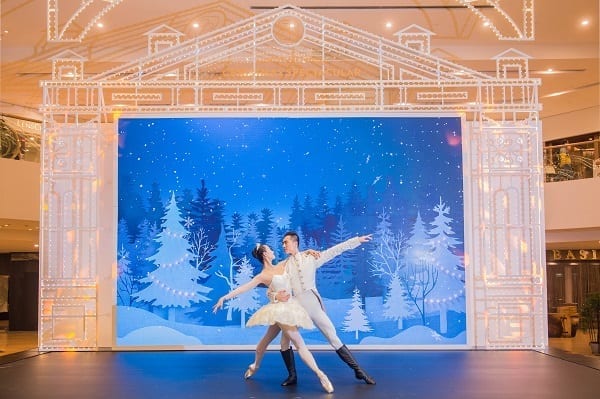
    Pacific Place becomes the season’s must-see destination, re-imagined as a bright and magical Christmas theater.

    Outstanding performances on the dramatic Garden Court stage, and a curated selection of seasonal pop-ups populate Pacific Place.

    Pacific Place is pulling out all the stops this year, hosting over 60 performances from world-class companies, including
    Asia’s foremost classical orchestra, Hong Kong Ballet, who will be performing excerpts from the quintessential Christmas ballet, ‘The Nutcracker’, the Hong Kong Philharmonic Orchestra, Opera Hong Kong, the City Chamber Orchestra of Hong Kong and the Hong Kong Bach Choir.

    The stage is set for truly magical performances from the likes of Elia Astorino as well as children’s choirs from across Hong Kong. Feast your eyes on the dreamlike scenery of the fairy-lit Christmas Theatre located in Garden Court, where the glorious sounds of Christmas music will fill your heart with joy and excitement.

    Christmas installations and programmes are only one part of the numerous initiatives that Pacific Place has planned to delight its aficionados.

    Pacific Place is aware of the changes in the retail industry and together with its tenants is unveiling a series of activities aimed to engage the demanding customers in Hong Kong.

    The programme is characterized by an interactive platforms which brings together art, craftsmaship (i.e. DIY workshops), music, and Christmas atmosphere, but more importantly tries to engage different demographics.

  • Centara Hotels & Resorts sets out 5 year vision and strategy for growth

    Centara Hotels & Resorts sets out 5 year vision and strategy for growth

    Following Centara’s recent announcement that it had strengthened its management team by welcoming back seasoned industry professional Markland Blaiklock, in a newly formed role of Deputy CEO, the group has now released its significant expansion plans for the next five years.

    Centara is Thailand’s largest domestic hotel operator and continues to increase its international footprint, with 57 properties in operation or under development across 12 countries in Southeast Asia, the Indian Ocean, China, the Middle East and the Caribbean. The company operates a diverse portfolio ranging from 5-star luxury hotels in major cities to remote tropical island resorts and innovative value properties. It differentiates itself from competitors by offering gracious, Thai-style service; branded spas and restaurants with excellent reputations; and a variety of formats and service innovations that deliver quality and value to business and leisure travellers.

    In 2017 Centara was active in Asia and the Middle East opening new hotels, signing management and joint venture agreements, and launching its new COSI lifestyle brand. It plans to continue growing, doubling revenue during the next five years by executing three, broad strategies.

    Centara’s three strategies for growth:

    1. The company plans to expand its current portfolio, doubling the number of properties it operaties via new investments and management agreements. It will add hotels and resorts where tourism demand, the business environment, and synergy with existing company assets and customers offer the best strategic opportunities.

    In geographic terms, Centara aims to become more prominent in Southeast Asian markets, the Indian Ocean and the Middle East, while expanding its footprint into East Asia, Africa, and the Caribbean. The company will also develop and expand new brands (such as COSI) to fill gaps in its hotel and resort portfolio.

    1. The company will identify and pursue new business opportunities outside its historic hotel and resort core. These related businesses – branded residences are an example – will leverage Centara’s hospitality competencies and competitive strengths, targeting new or growing markets through brand development or acquisitions.
    2. The company will strengthen its core infrastructure, including operating platforms, technology, and reputation. It wants its systems to be best in class to ensure business and service processes are efficient and effective. This includes improving the customer experience via websites, mobile apps, relationship management systems and loyalty programmes. Centara also aims to increase international brand awareness using mass media, new media, event and relationship marketing.

    Thirayuth Chirativat, Centara’s Chief Executive Officer, remarked on the vision. ”We are entering a significant phase of growth. Centara has always been at the forefront of the hospitality industry in Thailand and with our concerted focus on expansion in both new and existing markets, we will become an even more prominent regional player in the coming years. With the dynamic and progressive management team we have in place, the future development and growth of the company is very exciting.”

    Centara believes a clearly-articulated vision, well-designed strategies, and motivated people led by an experienced management team will achieve growth for the benefit of its shareholders, customers, partners and employees.


  • Philippine tycoon Henry Sy’s grandson Howard aims to carve out his own niche with self-storage biz

    Philippine tycoon Henry Sy’s grandson Howard aims to carve out his own niche with self-storage biz

    Howard Sy, the grandson of Chinese-Filipino retail magnate Henry Sy Sr, is on a mission to establish his own business empire and he is starting with self-storage.

    Last year, the millennial businessman launched StorageMart, a self-storage service for individuals, households, and businesses. Howard said he is looking to expand to all the major cities in Metro Manila.

    “So far, we have two facilities in Makati. One in Yakal Street and the other in Eran Street, which is closer to [Bonifacio Global City]. We recently just opened StorageMart Eran, which now also includes climate controlled units for customers who need to store sensitive items,” he said.

    The 28-year-old entrepreneur is the third of the four children of Hans Sy, the second son of Henry Sy Sr, who is the richest man in the Philippines, according to Forbes. Sy, turning 93 in December, is chairman emeritus of diversified conglomerate SM Investments Corp. The tycoon began his mall empire from his first ‘Shoemart Store’ in Carriedo, Manila in 1958.

    It may be too early to predict that Howard could create a new business empire such as his grandfather’s SM Group of Companies, but the millennial businessman is bent on taking the same path — establishing a business through one’s own resources or bootstrapping.

    What made you decide to start your own business?

    Ever since I was young, I wanted to start my own business. One way or another, I was going to make it happen. I initially worked as an analyst for Macquarie Funds Group for three and a half years. We had a Philippine infrastructure fund investing in the local infrastructure. This provided me with the right foundation and work ethics, and a good amount of seed capital for my first business. One afternoon, I was watching the show “Storage Wars” on TV with my family and it hit me: “Is there a market for self-storage in the Philippines?” After a bit of research, I saw that there was, and that’s when the idea of StorageMart was born. After two years and a couple of failed property negotiations, I finalized my first property and opened StorageMart Yakal.

    How do you see self-storage business as a sector? What is your vision for StorageMart?

    The self-storage industry in the Philippines is currently in its infancy stage as there are only a few players in the industry so far. The primary goal of the sector is industry awareness. Filipinos need to be made aware that we now have the self-storage service in the country, and this is different from their stereotype thinking of what an extra storage space is. Currently, many people view the storage service as just a worn down dingy extra space you throw your extra stuff in at dirt cheap prices. This is where StorageMart comes in and educates the market that there is such a thing as quality convenient self-storage spaces at affordable rates.

    I plan on making StorageMart the benchmark of quality self-storage in the Philippines. I want to offer international quality self-storage service locally, while keeping it at affordable rates. Our self-storage facility locations will focus on convenience for our customers as they will be situated in extremely accessible locations.

    Although you belong to the millennial generation, you seem to be more traditional when it comes to business. Are there other brick-and-mortar businesses you want to explore and why?

    In terms of business, I am more traditional since I grew up under the tutelage of my family. They’re all very traditional, so I turned out somewhat similar, but that doesn’t mean I’m not interested in online businesses.

    Currently, there’s no other brick-and-mortar business I’m looking into, but there are definitely some online businesses I would love to explore. The biggest draw of an online business for me is the fact that the initial capex for one is just so much lower than a brick-and-mortar business. Expansion is not hindered by the lack of capital. Its potential to grow also won’t be hindered by a physical location. The potential is enormous, but so is the chance of failure.

    Are you also an investor? Are you interested in investing in online platform businesses?

    I’m not much of an investor. All of my savings and earnings are in StorageMart, so I don’t really have much capital for anything else. I am definitely interested in making an online platform business. Who wouldn’t be? It really just boils down to finding the right idea and executing it.

    Have you considered launching an IPO someday for StorageMart?

    I would consider launching an IPO for StorageMart. I’ve heard that in the US, self-storage REITs are one of the top performers throughout the years, so I would hope StorageMart could do the same.

    As a young businessman, are there other knowledge and skills you’re interested to learn and why?

    I would love to learn more with regards to the technical skills in running an online business. I, for one, am not too comfortable getting into an online business, where I would have to be reliant on someone with an IT background just because I literally have no knowledge about it. If I ever get into that, I’d definitely look into learning even some basic knowledge of the field.

    Belonging to a family of the most successful business people in the Philippines, what are the important lessons in life and business that you learned from them?

    Be extremely hands-on. Know every part of your business. There is no excuse to not understand or be on top of any part of your business when it is just starting up. How else will you compete with the bigger and more established companies? Be patient. Don’t expect to get rich quickly. Put in the hard work, so that when the opportunity comes, you will be ready. Be thrifty. Once you realize how hard and slow it is to earn money, you’ll naturally become thrifty.
     

  • Experience a tree-covered sky villa in southern Saigon with the EverGreen Project

    Experience a tree-covered sky villa in southern Saigon with the EverGreen Project

    experience-a-tree-covered-sky-villa-in-southern-saigon-with-the-evergreen-project

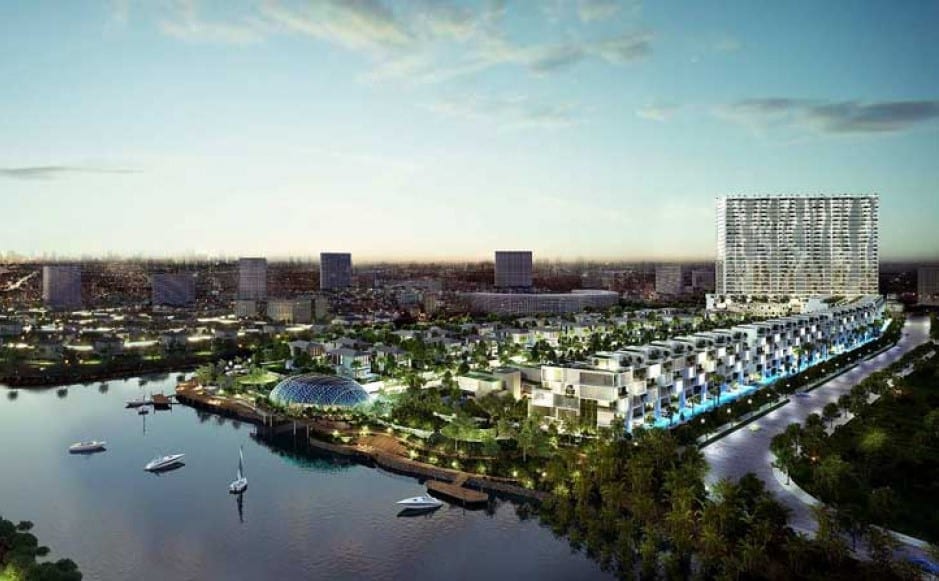
    Sky Villas Tower is at the heart of the EverGreen Project, ideally located on Nguyen Luong Bang Street in Phu My Ward, District 7 with 3 sides facing rivers. The project’s main investor is Tai Nguyen Company with total investment capital of about VND8 trillion ($350 million) for 208 villas. Spanning the area of 74,000 square meters, the project’s building density is 45 percent, land-use factor is at 2.0, creating a residential area for a maximum of 1,100 persons. The project has three kind of areas: Sky Villas, City Villas and Garden Villas. The apartments are designed based on a sky villas model to be as comfortable as a presidential suite in a 5-star hotel. Each villa has an average area of 250-280 square meters (300-335 square yards) with 2-5 parking spaces in the underground parking lot. Prices are projected at nearly $1 million each.

    experience-a-tree-covered-sky-villa-in-southern-saigon-with-the-evergreen-project-1

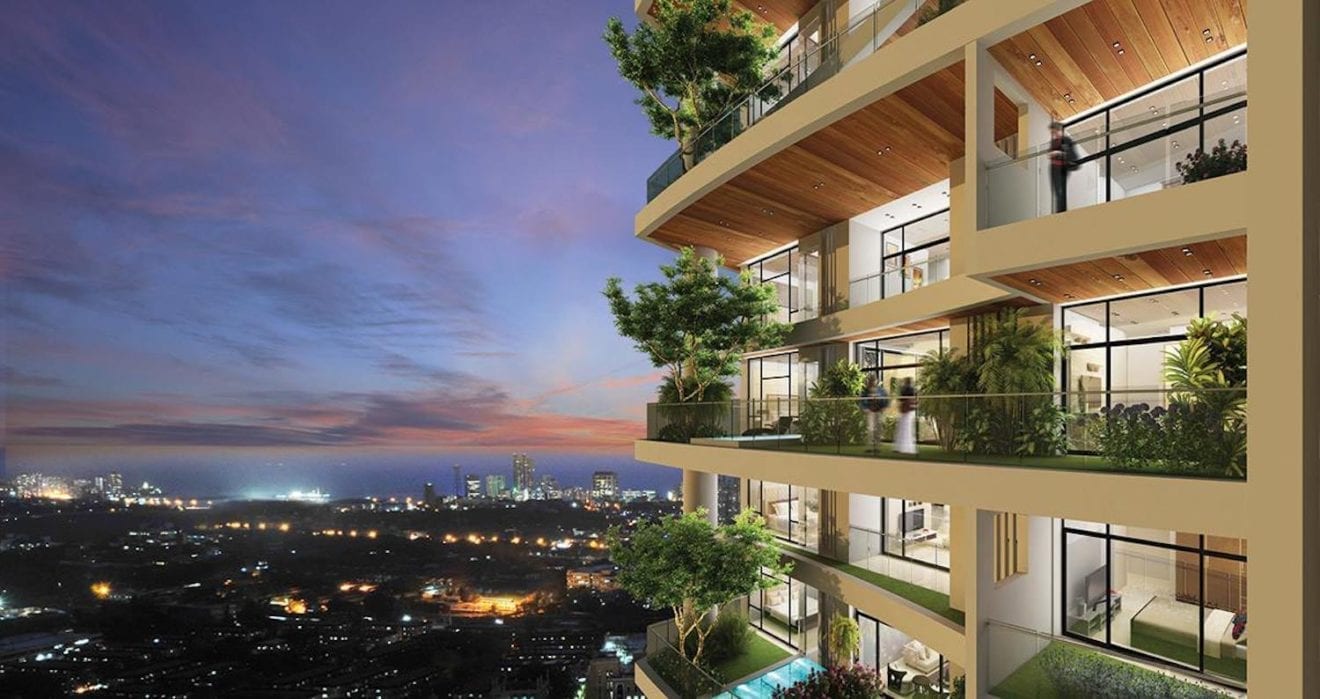
    The apartments’ winding balconies will be covered in trees, making the whole tower look like a waterfall. Every time the wind blows, the lines of ferns will sway gently, giving the impression that the entire tower is reaching out to the sky.

    experience-a-tree-covered-sky-villa-in-southern-saigon-with-the-evergreen-project-2

    The main investor has selected ferns to cover the entire front, back and roof of the tower, providing a green and effective cooling solution for the building.

    experience-a-tree-covered-sky-villa-in-southern-saigon-with-the-evergreen-project-3

    Ferns are suitable for the city’s humid tropical climate, where they can grow well without the need for frequent watering. It is therefore guaranteed that the apartments will enjoy a green space all year round without any significant effort from their owners.

    experience-a-tree-covered-sky-villa-in-southern-saigon-with-the-evergreen-project-4

    The architects drew inspiration from the patterns found on ferns to bring a touch of elegance and style to the balconies with strands of white concrete. All these decorative concrete strands have been imported from aboard.

    experience-a-tree-covered-sky-villa-in-southern-saigon-with-the-evergreen-project-5

    Each sky villa is spacious and isolated, ensuring privacy for their occupants. The villas have a wide open space with large glass doors, giving a full view of the outside. Depending on personal preferences, homeowners can also decorate their rooms with global brands such as Hermes, Jojo Armani or Versace.

    experience-a-tree-covered-sky-villa-in-southern-saigon-with-the-evergreen-project-6

    Another unique feature of the building is each villa has a separate floor. The height difference between two consecutive floors is 75 centimeters (29.5 inches), creating a soundproof space between villas. This unique feature allows homeowners to choose which direction their rooms are facing without affecting the general structure of the building.

    experience-a-tree-covered-sky-villa-in-southern-saigon-with-the-evergreen-project-7

    The complex also includes a wide variety of facilities with three community areas built over thousands of square meters. The Sky Club houses meeting rooms, conference halls, a children’s playground as well as wedding and family gathering halls. Marina Club, with the Bird’s Nest Restaurant as its highlight, is the perfect venue for hosting parties that require luxury and privacy. Finally, City Club is the complex’s central square, where everyone in the community can hang out and socialize.

    Outside Sky Villas is a USD18 million marina, which is built according to international standards and offers yacht maintenance services. This marine is built by Tai Nguyen company to meet the needs of EverGreen residents, who like to own a yacht.

    On November 25, EverGreen project will be open to interested buyers.

    experience-a-tree-covered-sky-villa-in-southern-saigon-with-the-evergreen-project-8
  • Vietnam to tighten credit for high-end property developments

    Vietnam to tighten credit for high-end property developments

     Vietnam’s central bank plans to issue a circular to the country’s commercial banks instructing them to prioritize credit for low-cost housing and social housing projects while slashing loans for high-end and mid-level developments.

    Governor of the State Bank of Vietnam Le Minh Hung made the remark at a National Assembly Q&A session on Friday.

    Banks will be allowed to use no more than 50 percent of their short-term funds for medium- to long-term purposes including mortgages until the end of this year. The ratio will be slashed to 45 percent in 2018 and 40 percent in 2019, according to the draft circular revised by the central bank.

    According to the central bank, long and medium-term credit accounts for 53-55 percent of the total loans offered by commercial banks, while long and medium-term funds make up only 13-15 percent of their total mobilized capital. The unbalance in using short-term funds for medium-to long-term purposes could pose huge risks to banks, said experts.

    The central bank has also raised the risk ratio of property loans at commercial banks to 200 percent from 150 percent.

    Property loans have reached VND400 trillion ($176.12 million), accounting for 6.5 percent of total outstanding loans in the country, Hung said.

    Some legislatures have expressed concerns that banks could offer more property loans in a bid to reach the credit growth target for this year. Governor Hung quashed these remarks, saying the target was set by the government and banks are not under pressure to reach it at all costs.

    Credit growth reached 10.6 percent in the first nine months of this year, leaving the annual growth target of 18-20 percent seemingly out of reach.

  • Premier outlet malls to receive some financing

    Premier outlet malls to receive some financing

    A US$750 million fund to finance premier outlet malls in China has been set up by asset manager Allianz and realty investor TH Real Estate.

    The Eres APAC II – China Outlets fund will be established by the Allianz real-estate investment arm Allianz Real Estate. It aims initially to raise the target commitments ($750 million) to acquire two established outlet malls, Florentia Village Jingjin, between Beijing and Tianjin, and Florentia Village Shanghai.

    In fact, say the asset managers, the fund has identified a pipeline of targets.

    Allianz will be the anchor investor with a 30 per cent share, the balance to be held by institutional investors like TH Real Estate, which will also act as fund manager. RDM Asia, part of Italy’s Fingen Group, will be asset manager.

    It is not the first partnership for Allianz and TH Real Estate, but is their first bid to form an investment fund in China. In 2004, both parties invested in Europe Outlet Mall Fund followed in 2008 by the UK Outlet Mall Fund.

    Three months ago Allianz partnered with Singapore’s Keppel Group to buy Hongkou Soho in Shanghai for $525 million.

    “China is moving toward an economy led by services and domestic consumption,” says Allianz Real Estate Asia-Pacific CEO Rushabh Desai. “Alongside the traditional brick-and-mortar retail formats, outlet malls have been successful in attracting buyers looking for branded products at discounted prices. We look forward to replicating our European outlet mall performance in China.”

  • Prime retail rents in Hong Kong still top Asian rankings

    Prime retail rents in Hong Kong still top Asian rankings

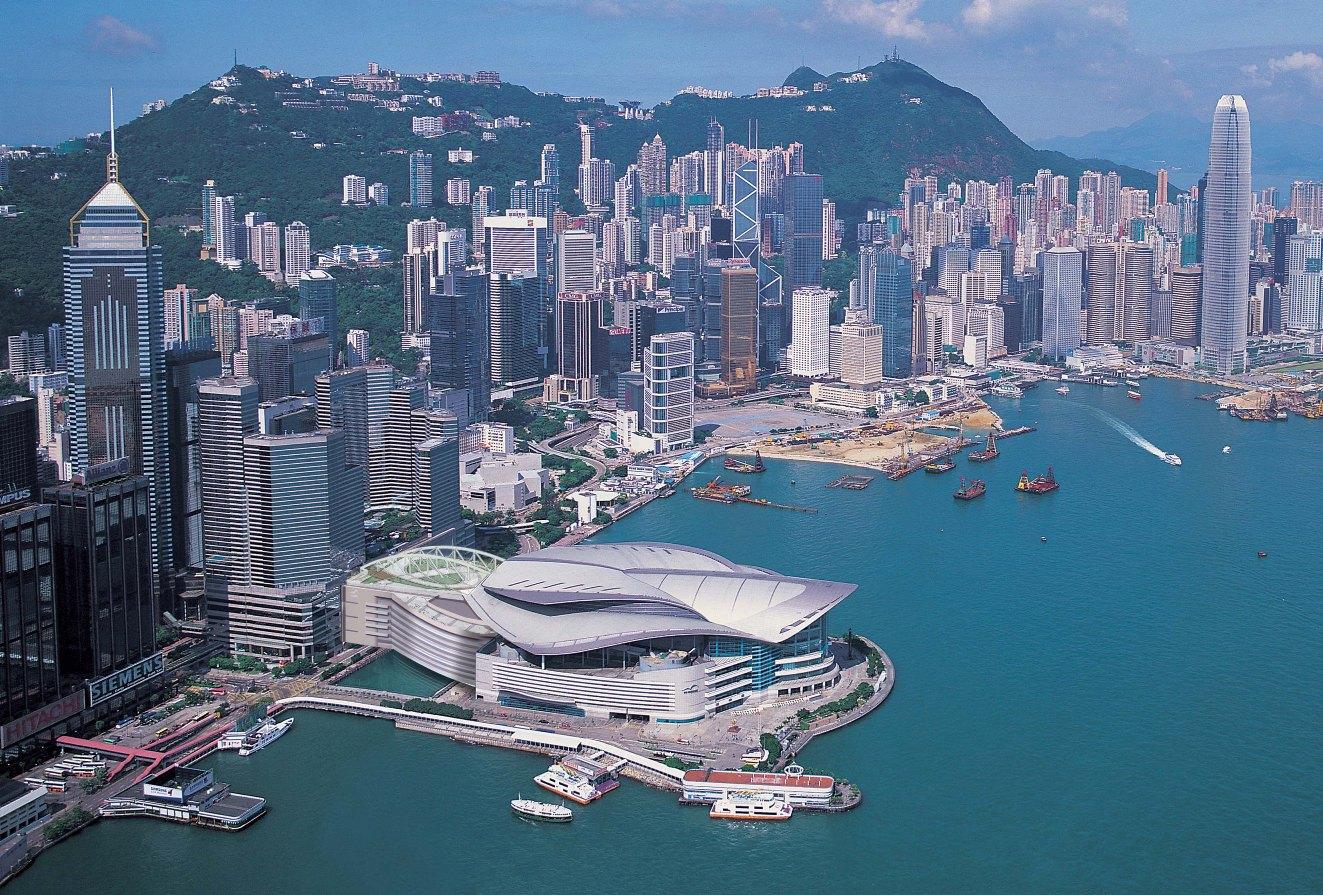
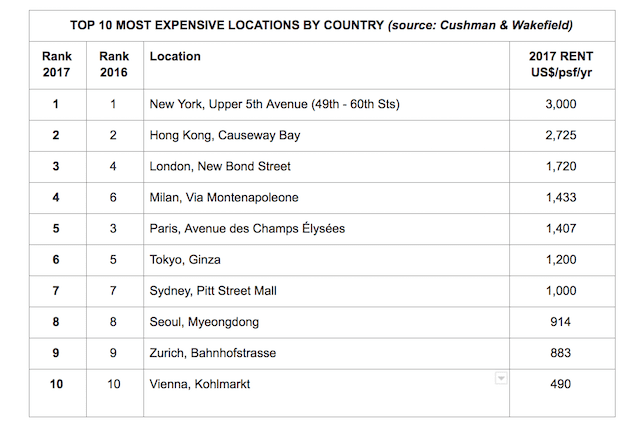
    Despite plummeting retail rents in Hong Kong, Causeway Bay has retained its ranking as Asia’s most expensive retail strip – and the world’s second, behind Upper 5th Avenue in Manhattan, New York.

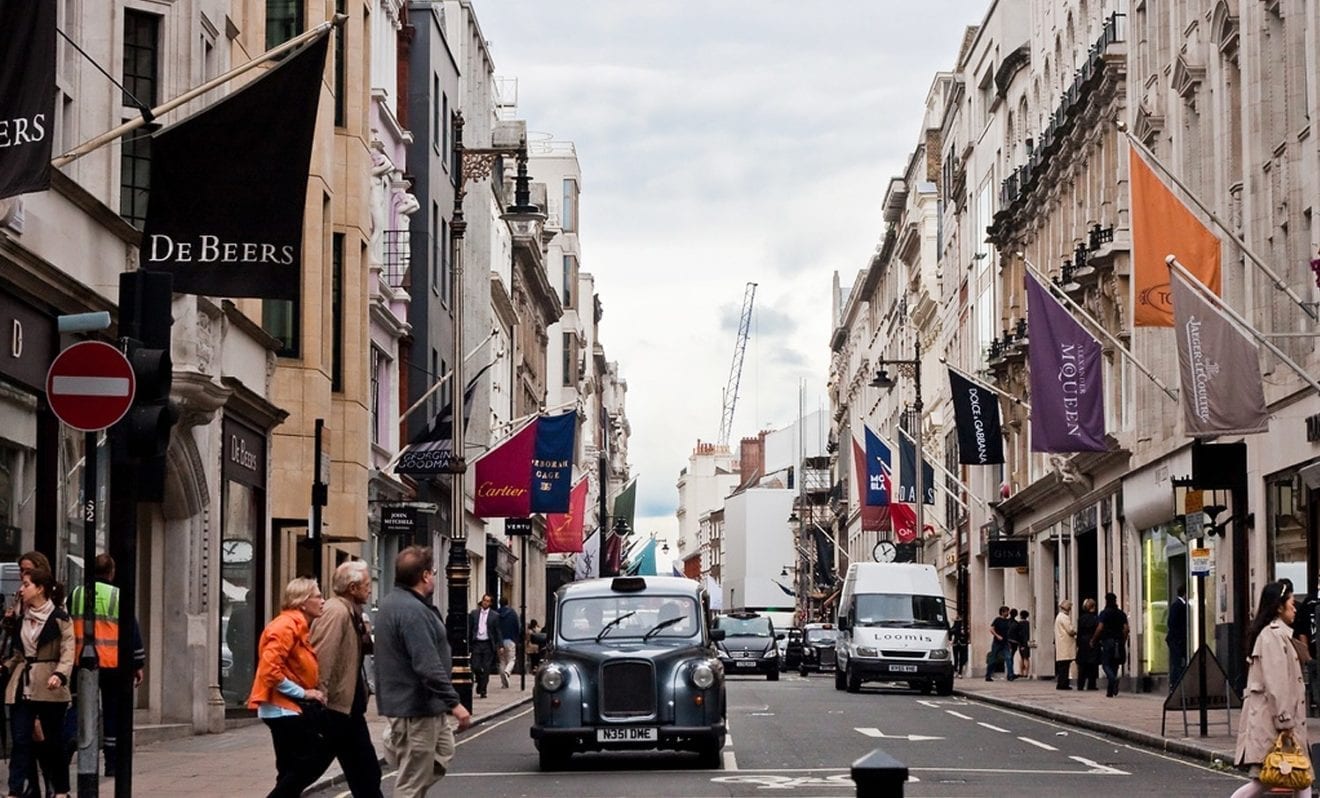
    Soaring London rents have seen New Bond Street rise to become the world’s third most expensive retail street, according to an annual survey by Cushman & Wakefield.

    The annual Main Streets Across The World report, now in its 29th edition, tracks 451 of the top retail streets around the globe and ranks the most expensive in 68 countries and regions by prime rental value using Cushman & Wakefield’s proprietary data.

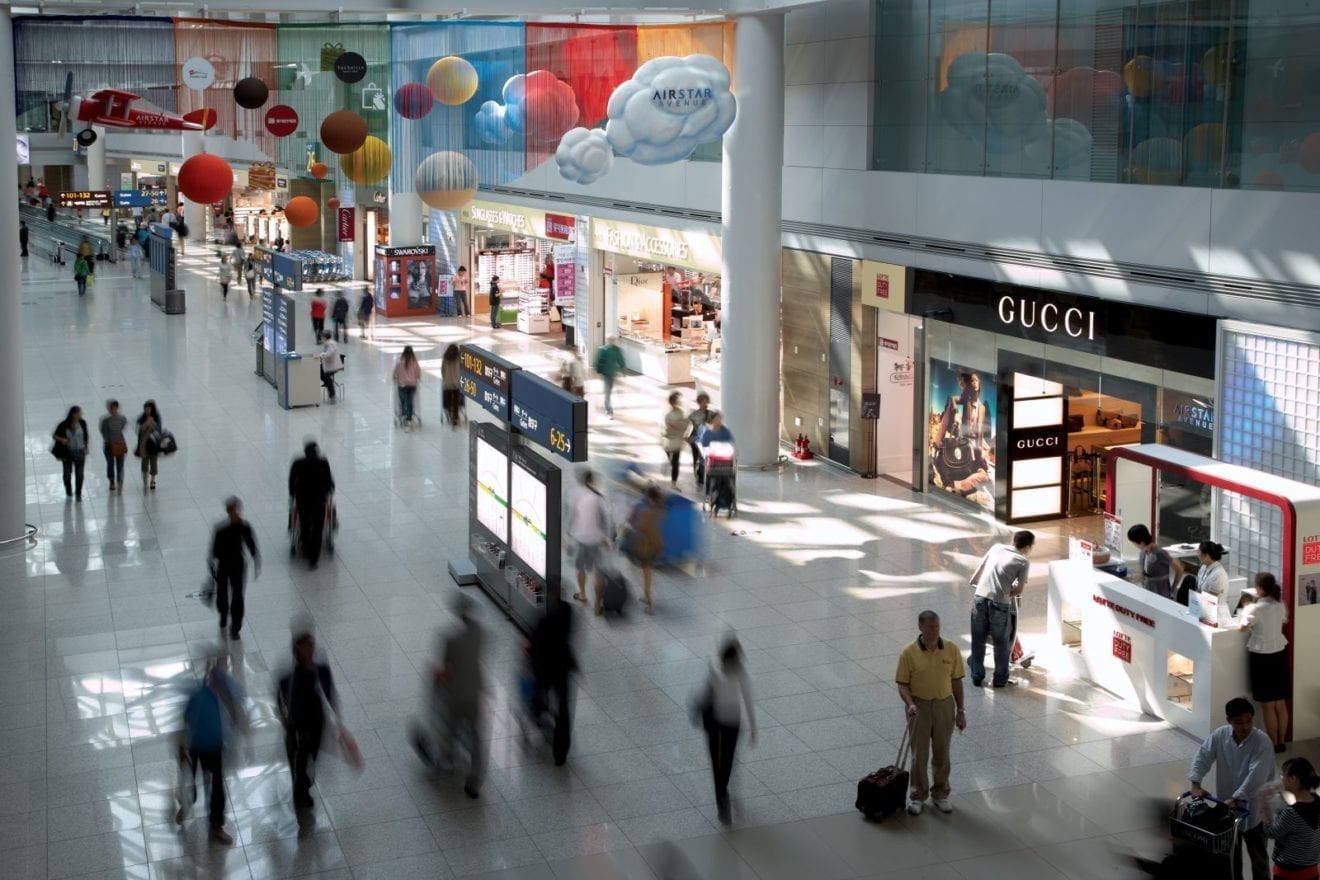
    Only three Asian cities feature in the top 10 globally, with Tokyo’s Ginza in sixth place, down one place from last year, and Myeongdong in Seoul eighth, its same ranking as before.

    The Top 10 list is as follows:

    Average annual rents on Upper 5th Avenue stayed the same as last year at  US$3000 (HK$23,400) per square foot. Despite a 4.7 per cent fall to US$2725 (HK$21,255) psf/yr, Hong Kong’s Causeway Bay retained its second place and Cushman & Wakefield observed the rental correction in the district “is almost complete” nearing the year’s end.

    London’s New Bond Street leapt into third place as rents increased by more than a third (in local currency) on the previous year to US$1720 psf/yr.

    Report author Darren Yates, head of EMEA retail research with Cushman & Wakefield, said that despite a lot of negative headlines, global retail remains as dynamic and vibrant as ever in response to technological and demographic change across the world.

    “Premium retail destinations, including Upper Fifth Avenue, Causeway Bay and New Bond Street, are highly sought after by international brands seeking to create engaging retail experiences that offer something new and exciting. The most innovative retailers are combining their online and physical platforms to create a seamless omni-channel experience for the customer, but profile and location play such a crucial role in the premium retail experience,” he said.

    Rents “will be better”

    Kevin Lam, Cushman & Wakefield’s executive director, head of retail services in Hong Kong , said that while rents eased in causeway Bay during this year, the pace of decline has slowed in the second half and the correction is expected to finish towards year-end.

    “Rents in Causeway Bay will be in a better position next year, although there will still be some distance between the rents of Causeway Bay and of Upper 5th Avenue in New York,” he said.

    “Ranking at second place globally reflected a softening of high street rents in Causeway Bay, but the plus side is this healthy correction has driven greater diversification in trade mix on the high street. Apart from the luxury trades which have always been dominant in Causeway Bay, there are more lifestyle merchandise, food and beverage and Mainland China brands entering the district, which would enhance the shopping experience for customers.

    “As cases of duplex and triplex leasing become rarer, we expect the number of varieties of shops will increase.”

    Meanwhile, Mainland China’s retail market continues to evolve as a rapidly growing consumer base of savvy, brand-aware shoppers seek out new and sophisticated retail experiences. Beijing’s Wangfujing is ranked 11th in the global table, with annual rents at $477 psf/yr. The city’s online retail market has experienced exceptionally strong growth and internet sales now account for about 18 per cent of the total, although 12.4 million sqft of new space is expected to become available in the Fengtai and Tongzhou districts in 2018 as new developments complete.

  • New entry in the top highest rents globally

    New entry in the top highest rents globally

    Bond Street in London is the new entry in the podium of the highest rents globally, after overtaking the Champs Elysées in Paris.

    Property firm Cushman & Wakefield released the new list this week and said that Upper Fifth Avenue in New York stays top ($3,000 per square foot) with Hong Kong’s Causeway Bay next ($2,725). After Bond Street ($1,720) is Milan’s Via Montenapoleone, with the Champs Elysées now in fifth place.

    Bond Street rents raced ahead by almost 40% in the year 2017 to June as demand stayed strong despite fears over Brexit. In fact, the Brexit effect could have been partly responsible for the rise with a tourist surge as international visitors took advantage of the weak pound after the Brexit vote.

    Report author Darren Yates of Cushman & Wakefield’s Darren Yates said: “London’s major thoroughfares are some of the most desirable and expensive streets in the world. Although there was a pause in activity in London in the initial aftermath of the EU referendum, the start of 2017 brought a resurgence in leasing deals.”

    There had been fears this summer that some luxury brands would quite the area as it had become so expensive with Colliers International telling The Guardian that a number of Bond Street leases were being “quietly marketed”.

    Dolce & Gabbana, Hugo Boss, De Beers and DKNY were among the big names said to be looking at a move.

    But Yates said he hasn’t seen any signs of big brands wanting to move, although he added that with the property market slowing, they are probably less likely now to want to hand over million of pounds to encourage an existing tenant to move as they have done in the past.

    A new report from Savills earlier this year showed that Bond Street is evolving into a home for ultra-luxury brands with fewer affordable luxury or premium labels occupying stores there.

    Super-luxury retailers now occupy 73.9% of its retail space, up from 62.8% over the last five years, and following the launch of the report, Savills said it would see a further 12 new stores by year-end, a high number and on a level with the peak reached in 2012.

    The newcomers include several ultra-luxury names (Alaïa, Delvaux and Officine Panerai).

  • Prices of retail space and retail rent fall slightly

    Prices of retail space and retail rent fall slightly

    The retail property market remained subdued in the third quarter although the decline in rents moderated, the Urban Redevelopment Authority said.

    Prices of retail space fell 0.9 per cent in the three months to Sept 30, compared with the second quarter. That followed a 3.2 per cent decline in the second quarter.

    Retail rent dipped 0.2 per cent in the third quarter compared with a drop of 1.2 per cent in the second – a sign that the worst may be over, analysts said.

    Ms Tay Huey Ying, JLL head of research and consultancy, said: “This is the mildest quarterly correction since the downturn started in the first quarter of 2015, and comes alongside the strongest quarterly net absorption so far this year.

    “Demand for islandwide retail space expanded by 15,000 sq m in the third quarter, a reversal from a contraction of 41,000 sq m in the first quarter and a contraction of 3,000 sq m in the second quarter.”

    Mr Desmond Sim, CBRE Research senior director, noted that the rental index for the Central area saw its first increase in 10 quarters, up 0.7 per cent in the third quarter from the second quarter.

    He said the retail market is finding its footing, thanks to improved tourism traffic. “Retail rents in Orchard Road are leading the recovery, as median rents of new leases recorded in the quarter inked its first quarter-on-quarter increase of 1 per cent after 10 quarters. This is in line with the continually strong interest for retail space in Orchard Road malls, particularly from new-to-market international brands.”

    Weakness still lies in the fringe areas, he added. While overall consumer sentiment has improved, challenges such as high operating costs, labour constraints, the threat of e-commerce and competition from shopping havens in other countries, remain.

    Edmund Tie & Company research head Lee Nai Jia noted that there are also more online shopping portals such as Reebonz opening brick-and-mortar stores.

    Cushman & Wakefield research director Christine Li said: “With Amazon Prime Now in the market, retailers are looking to innovate to stay relevant and compete for shoppers’ dollars.”

    “Many other big box retailers such as Courts, Decathlon, Gain City and Harvey Norman are upping their ante and investing heavily on their e-commerce platform to complement their brick-and -mortar presence,” she said.

    Shopping centres like Century Square, Funan Mall and SingPost Centre do not want to be left out and have embarked on aggressive asset enhancement works to refresh its tenant mix and overall look and feel, she added.