Category: Real Estate

Retail News Asia is committed to providing both local and global retailers with the latest Real Estate news throughout the Asian market. This on a daily base.

  • Hongkong Land set to open US$1.1b Beijing shopping centre

    Hongkong Land set to open US$1.1b Beijing shopping centre

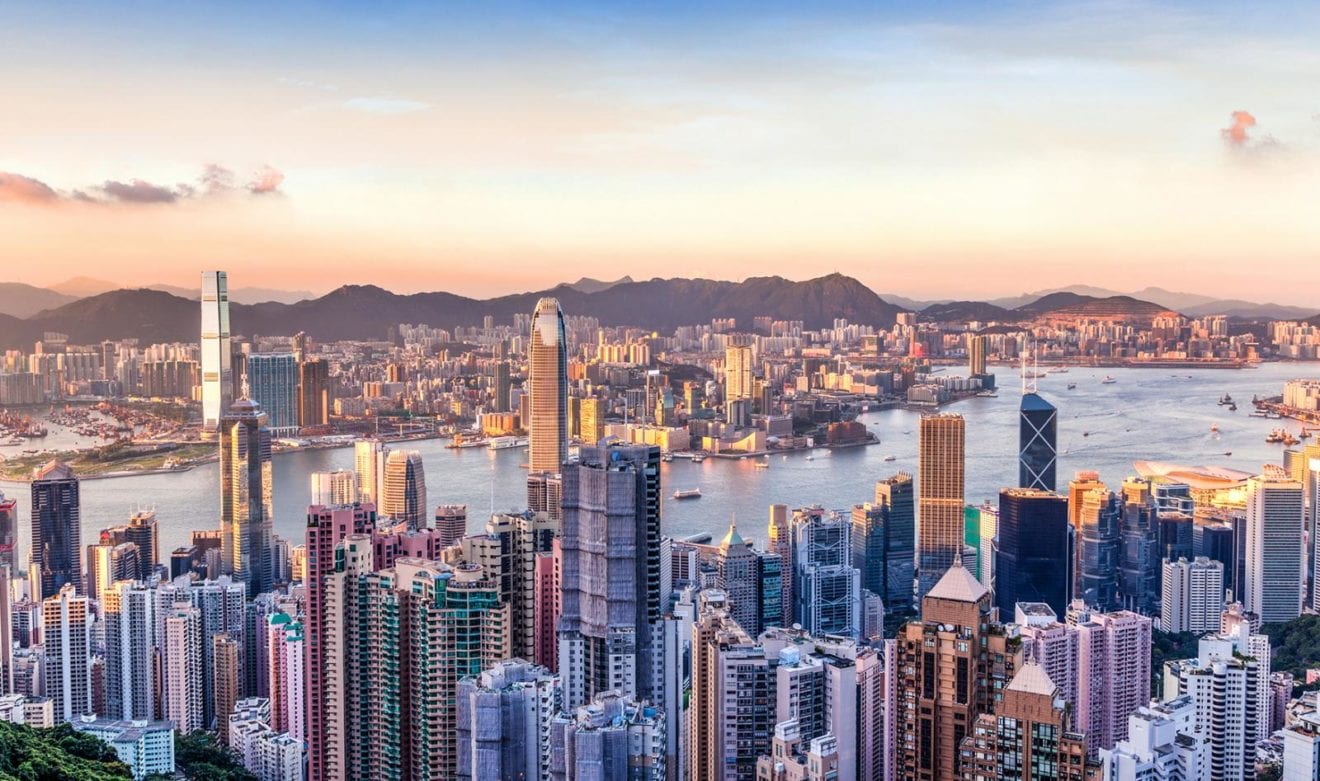
    Hongkong Land Holdings, the largest commercial landlord in Central, is making its first retail foray in Beijing – a market that drastically differs from its home turf.

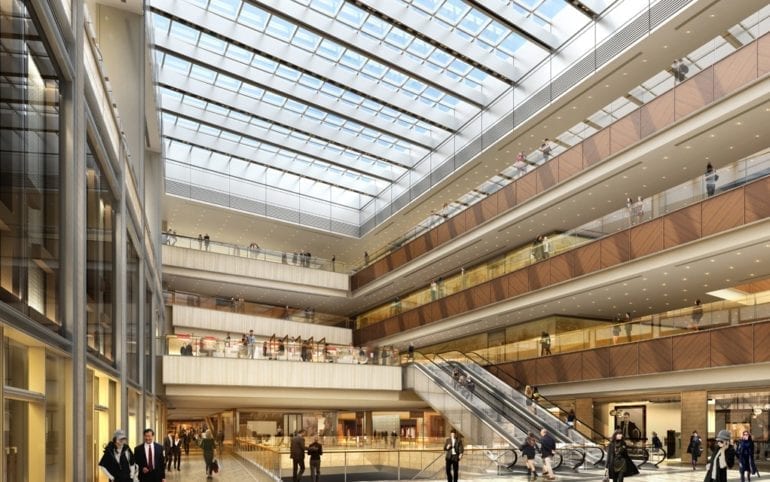
    The developer will start trial operation of WF Central, a 150,000 square metre retail, dining, hospitality and lifestyle hub in downtown Wangfujing, at the end of November 2017.

    The US$1.1 billion investment is the company’s first large-scale shopping centre endeavour in China’s capital. It also operates shopping centre in Shanghai, Chengdu and Chongqing.

    The company said it envisaged the complex as a Beijing landmark of quality living, by integrating luxury, fashion, food, lifestyle, art and culture, and a 74-room Mandarin Oriental hotel. The retail space is about 50,000 square metres.

    Hongkong Land has spent a lot of time and energy on this project. Although it acquired the site in 2011, negotiations to buy the property stretch back more than 10 years.

    “WF Central is poised to meet the needs of China’s next-generation of consumers and stands as a testament to Hongkong Land’s ability to transform communities with diverse, sophisticated and attractive development,” said Raymond Chow, executive director of the company at a press conference. “This is not a 10-year, 15-year investment. It is a generational investment.”

    With the soft opening Hongkong Land will introduce a mix of more than 100 tenants including luxury brands such as Chopard, Jimmy Choo and Moschino and also fast fashion brands like Victoria’s Secret and Pandora. Dining includes Cheesecake Factory, Beijing’s first; lifestyle such as Yan Ji You Bookshop, Pure Yoga centre and footwear and sports apparel brand Under Armour.

    Asked about the competitive landscape and the impact of e-commerce, Chow said he is “very confident” about the Beijing market, as Hongkong Land will bring global best practices and has strong ties with retail brands.

    He said the shopping centre will not only offer shopping but also lifestyle, art and culture components.

    “These components you cannot buy e-commerce platforms. You have to come to the city centre and experience it,” Chow said.

    But he also admitted that WF Central will operate in a very different environment compared with Hong Kong, where office workers and residents in the building above can stroll to the lower-level mall.
    Ji Ming, a manager of JLL North China research team, said WF Central in Wangfujing is known for its tourist attractions and is teeming with crowds.

    Beijing’s downtown mall vacancy rate stand at 6.2 per cent, according to JLL data, a healthy level.

    “Although there are lots of malls out there, there are still some brands catering to younger generation that they can’t find elsewhere,” she said.

    She said mall operators in Beijing are increasing fast fashion, restaurant and lifestyle elements to compete with e-commerce, and the most successful of these has been Taikoo Li in Sanlitun, developed by another Hong Kong company Swire Properties.

    “I would say Taikoo Li is a benchmark, and a newcomer like WF Central should look at it for success,” she concluded.
  • The Hong Kong shopping experience is never the same anymore

    The Hong Kong shopping experience is never the same anymore

    To gauge how much the Hong Kong shopping experience is changing, take a walk through Pacific Place mall.

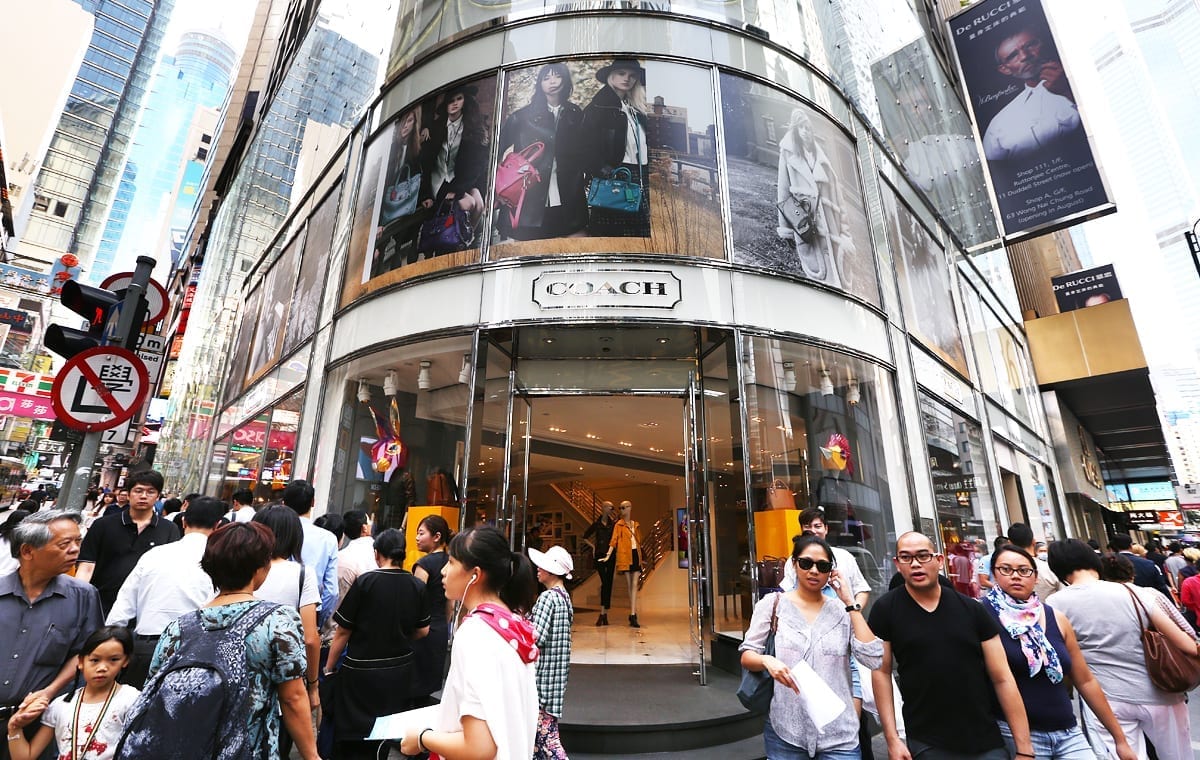
    Burberry Group Plc has shrunk its store and the space now also houses a Pure yoga studio and juice bar. Coach Inc. has been replaced by a tea company. Some of Louis Vuitton’s space has given way to a Southern California-style bar and restaurant.

    Gone are the days when Chinese would queue up to get inside Prada, Gucci and Tiffany, and leave laden with luxury handbags and watches.

    The wealthiest now travel further afield, and even those who visit Hong Kong are cutting back. Average spending per overnight visitor, of whom three quarters come from China, dropped 8.8 percent in the island city in 2016.

    Luxury goods have been the hardest hit, with August 2017 sales less than a third of their April peak in 2013 before China cracked down on conspicuous consumption.

    Buying habits of Chinese shoppers have also evolved, as they have become more comfortable buying luxury brands at home, or online, and have become more price sensitive when shopping abroad. This is having an impact on the $390 billion global luxury goods market and nowhere is it being felt more than at Hong Kong’s malls.

    Since the downturn, Pacific Place owner Swire Properties Ltd. has refreshed its tenant mix to cater to changing spending habits and woo new visitors. It has signed 30 new tenants and doubled the number of food and beverage outlets in the past 18 months.

    Other landlords, including Wharf Holdings Ltd. and Hysan Development Co., are also including more lifestyle and food outlets.

    Still, as visitor arrivals and retail sales start to rebound, there’s limited upside for Hong Kong’s landlords, said Patrick Wong, Bloomberg Intelligence property analyst in Hong Kong. “Receipts might be stable and resilient, but if things turn better, they may not be able to capture the growth there,” he said.

    For mall owners, broadening their mix of tenants is helping blunt the negative impact of lower retail sales, although a return to the heady times looks unlikely.

    No matter how many cups of cold brew Starbucks sells, or shoes Nike flogs, they won’t be enough to offset the drop in sales of $10,000 handbags and glittering diamond necklaces. Landlords earn less through the portion of receipts tenants must share with them, and they’ve had to drop base rents for new tenants as well.

    In the first half, retail revenue for Swire dropped 0.2 percent and Hysan’s fell 0.1 percent, said Wong. Meanwhile Wharf, Hong Kong’s biggest retail landlord, saw sales growth of three percent because its mammoth Harbour City mall is less reliant on luxury sales.

    Swire says things would have been worse if it had left things as they were. “The revamp of our tenant mix has put us in a strong position for 2017, especially with sales at our mall improving since mid-2016, even amidst a very challenging retail market,” Fiona Shiu, general manager of Pacific Place said in an email.

    Pacific Place mall has posted sales growth in the first two quarters of 2017. Traffic has been encouraging, with increased car park use, it said. “We are confident that this positive trend will continue,” said Shiu.

    While Burberry, Diane von Furstenburg Studio LP and LVMH Moet Hennessy Louis Vuitton have decreased the size of their stores in Pacific Place, they aren’t pulling out altogether. Coach, which no longer has an outlet in the mall, said it is investing to renovate its Hong Kong locations and remains committed to the market.

    “It’s a cycle, luxury brands won’t abandon Hong Kong, they will reduce the number of their stores,” said Nicholas Bradstreet, a managing director at Savills Plc in Hong Kong. “Hong Kong has always been very resilient, but there is a caveat, it is not going to bounce back to the heyday of 2013.”

    In 2016, the average Chinese tourist traveling overseas spent about 17 percent less on shopping, but more on leisure and entertainment, according to the consultancy Oliver Wyman.

    Hong Kong isn’t the only Asian city where things are evolving. Mall operators in Singapore have turned to unique lifestyle or dining concepts to stand out in a competitive landscape.

    The proportion of food and beverage tenants in Singapore malls has doubled to 40 percent in the last 10 years, according to Desmond Sim, head of research for Singapore and Southeast Asia at real-estate services firm CBRE Ltd.

    Burberry has renegotiated leases and is keeping a tight control on all operating expenses, the company’s then chief executive officer Christopher Bailey said in November 2016.

    For Pure, whose owners are said to be seeking to sell a controlling stake in the gym chain, the new high-profile location in Hong Kong is a bonus.

    “Having Pure Yoga Pacific Place in the prime space of Hong Kong’s premium lifestyle and shopping destination, alongside luxury brands such as Prada, Hermes and Louis Vuitton, is testament to the increased significance of health and wellness in the city,” the company said.

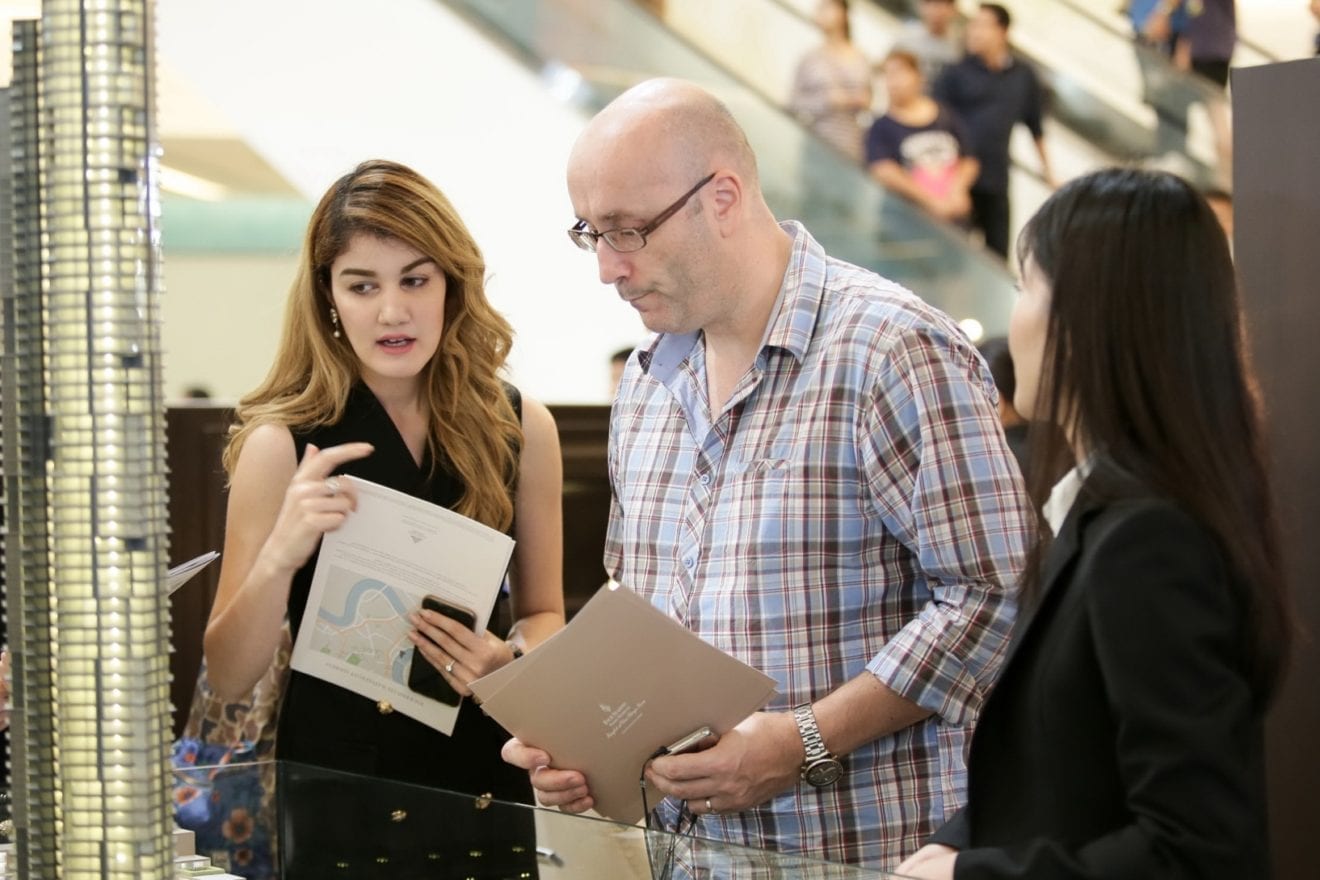
  • Siam Paragon Luxury Property Showcase 2017

    Siam Paragon Luxury Property Showcase 2017

    The property market in 2017 and 2018 has a positive outlook thanks to several factors, including indicators of a continued recovery of the Thai economy, good purchasing power – especially for high-end and luxury property, and the government’s economic stimulation measures and policy to promote property development in preparation for an aging society. All these contribute to the emergence of new markets and increased demand for property ownership among the Thais and foreigners.

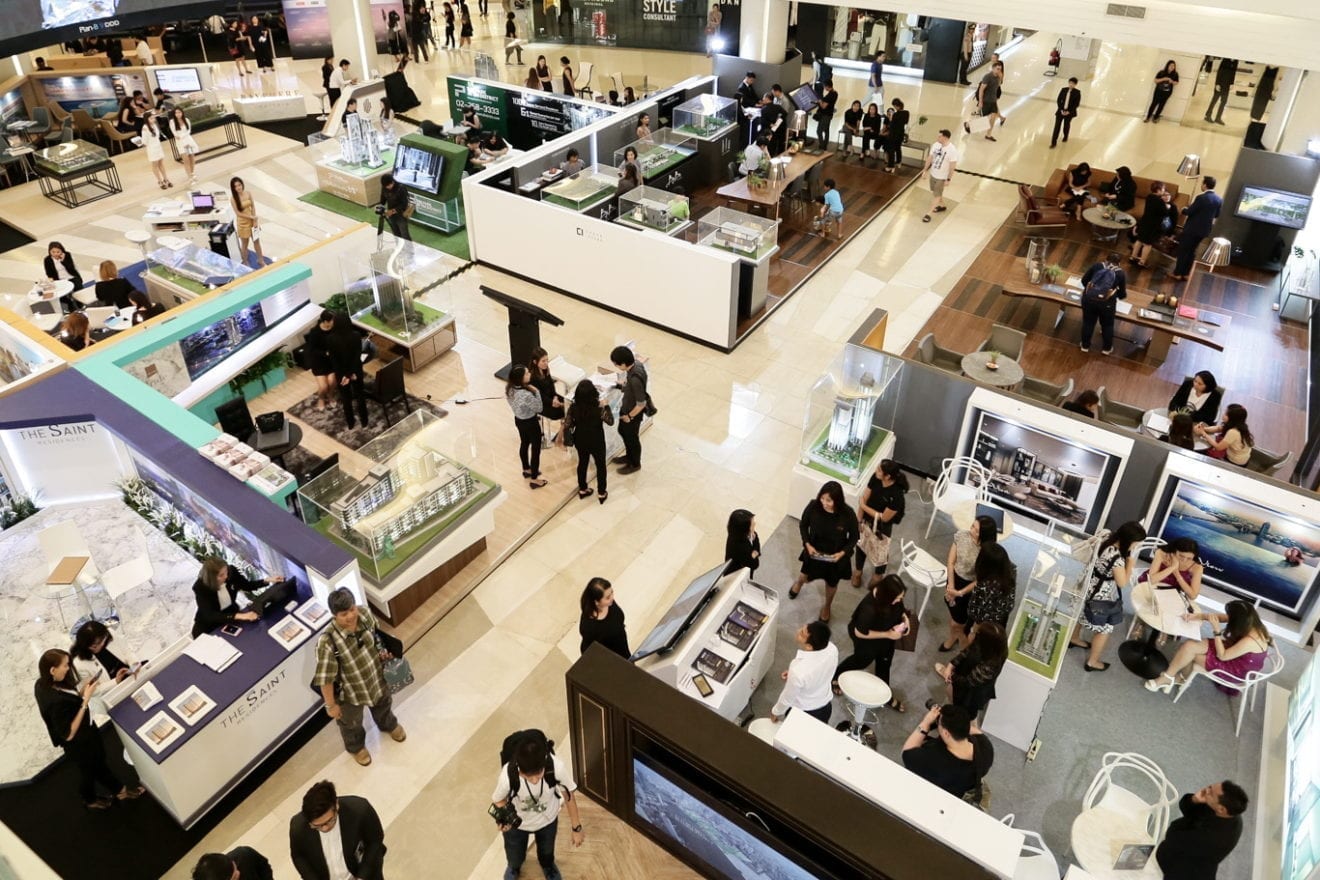
    Due to demand for superior luxury property, Siam Paragon Shopping Center will organize the Siam Paragon Luxury Property Showcase 2017, bringing together all the leading premium property developers in Thailand to showcase masterpiece and high-end residential projects and holiday homes. The event will be the eleventh edition of this grand expo, showcasing 14 projects of super-luxury houses, condominiums and resorts with more than 3,000 units by Thailand’s leading developers, plus luxury yachts for ultimate luxury living. The showcase, which comes with special offers to welcome the year’s end, aims to meet every need of potential buyers and investors, whether they are looking for opportunities to own high-end property and assets or for long-term investments.

    Chanisa Kaewruen, Deputy Managing Director of Marketing Events and Business Relations, Siam Paragon Shopping Center said, “Both the luxury and super-luxury condominiums and low-rise property markets have experienced continued growth since the beginning of 2017. Thanks to low interest rates and increased loan approval rates, the property market will grow further in the fourth quarter and get even better in 2018. The organizing of this showcase will offer a great opportunity for the developers to reach their target customers and for potential buyers to enjoy special offers, exceptional prices and promotions that will make the decision-making process easier,” said Chanisa.

    The projects to be showcased at this event are all residential and holiday home masterpieces on the best locations. They are ARNA EKAMAI, BLUEPHERE PATTAYA, CANAPAYA RESIDENCES, FOUR SEASONS PRIVATE RESIDENCES BANGKOK AT CHAO PHRAYA RIVER, LAVIQ SUKHUMVIT 57, THE LOFTS SILOM, MOVENPICK RESIDENCES & POOL VILLAS, NARA 9 BY EASTERN STAR, NIVATI, THE PANO, THE RESIDENCES at SHERATON PHUKET GRAND BAY, SWAN LAKE RESIDENCE KHAOYAI and WISH SIGNATURE II MIDTOWN SIAM. Special for this year, luxury yachts by BOAT LAGOON will also join the showcase, responding to demand for luxury assets.

    “Developers have prepared to meet investors and buyers’ demand in this year and next year by offering more mixed-use projects, increased private space, fully furnished units with high-end furniture, and other services and facilities for the best comfort and convenience. Strategies to satisfy the buyers’ lifestyle and special offers to attract investors are expected to be well received like previous years during this 11-day event,” said Chanisa.

    Neti Narumit, a condominium investor, property broker and ultra-luxury condominium specialist, has made interesting comments about the market, particularly for high-end property. According to him, the fact that the luxury and super-luxury property market has been growing every year is because they are not much affected by economic situations. This market still enjoys demand from the Thai upper class and foreigners as well as long-term investors. Luxury properties on great locations with extravagant design and quality materials remain the market that both developers and investors show great confidence in. As prices rise every year, this sector continues to grow with great strength.

    “The property market, especially the upper market, will continue to grow next year in line with the growing economy thanks to the flow of funds from foreign investors, the completed megaprojects that have resulted in high prices for land, the government’s special economic zone development and the growth of important cities across the country. This market receives great attention from investors and developers and is still able to create excellent capital gain, resulting in confidence by both Thai and foreign investors. In particular, the new generation of businesspeople – those who are good at financial management, have great lifestyle and look for a stable investment that offers long-term returns, will invest more in property, especially in the upper market. They feel confident that this market has sourced the best locations with high demand, such as the city center, areas connected to parks and water or the rapid transit systems, commercial districts and travel destinations like the sea and mountains, and that the prices of these properties will only increase. This group of investors also express confidence in brands with luxury design and use of technology and innovations to offer the best service and buyer satisfaction. They feel confident in both the value of property and the brands of high-priced projects.”

    The Siam Paragon Luxury Property Showcase 2017 will take place on November 9-19 at the Fashion Hall and the Fashion Gallery on the 1st Floor of Siam Paragon Shopping Center, where leading developers will showcase superb high-end residential projects and excellent investment opportunities with three special offers. The first offer is discounts and promotions for luxury residential projects and holiday homes on great locations. The second offer is for top spenders at the event. The customer with the highest spending will receive an exclusive yacht trip in Phuket worth 350,000 baht provided by Boat Lagoon Yachting. The prize includes one-day luxury stay on the yacht for ten people with complimentary food, drinks and champagne. The second and third top spenders will each receive a round-trip ticket to Phu Quoc, Vietnam for two people, worth 108,000 baht from Bangkok Airways and three-night accommodation at the Turquoise Suite at the JW Marriott Phu Quoc Emerald Bay Resort & Spa with complimentary meals worth 192,500 baht. The fourth and fifth top spenders will receive a powerful wireless vacuum cleaner from Dyson V8 Animal Vacuum worth 25,900 baht. The third offer is a special privilege for Kasikorn and Thanachart credit card holders. When spending with their respective credit card, Kasikorn customers will receive up to 12,000-baht cashback and an installment payment option with 0% interest for up to ten months while Thanachart customers will receive up to 14,000-baht cashback and an installment payment option with 0% interest for six months. For more information, please call 0-2610-8000.

  • Rough week for Tang Shing-bor

    Rough week for Tang Shing-bor

    Property tycoon Tang Shing-bor has sold a block of land next to Times Square shopping mall for a total of HK$950 million (US$122 million).

    Previously the Causeway Bay land housed two buildings, and the sale paves the way for it to be redeveloped into a 34,500sqft (3200sqm) retail tower, reports the Hong Kong Economic Times.

    The buyer of the Percival Street site is believed to be Hysan Development, which owns Hysan Place mall and neighbouring Lee Garden properties.

    Real-estate intelligence website Mingtiandi says the deal is another sign of Hong Kong’s robust commercial property market and the rising popularity of the “Ginza-style” vertical shopping-mall format.

    Dubbed Hong Kong’s “shop king”, Tang had been gradually buying up parts of the two adjacent buildings, culminating with his $250 million purchase last year of the 1100sqft ground-floor Kung Wo Tong tea shop. Before this, the billionaire founder of real-estate investment firm Stan Group had paid more than HK$100 million to acquire full ownership of the neighbouring five-storey building, since demolished.

    Market analysts predict the new owner will redevelop the combined site into a retail tower modelled after the high-rise buildings dominated by retail and nightlife offerings in Tokyo’s upscale shopping district Ginza, says Mingtiandi.

    Meanwhile, the Percival Street sale marks the third major disposal in less than four months for Tang, who is said to have had property transactions worth a total of $5.9 billion since July.

  • Topshop Hong Kong saves money in rent

    Topshop Hong Kong saves money in rent

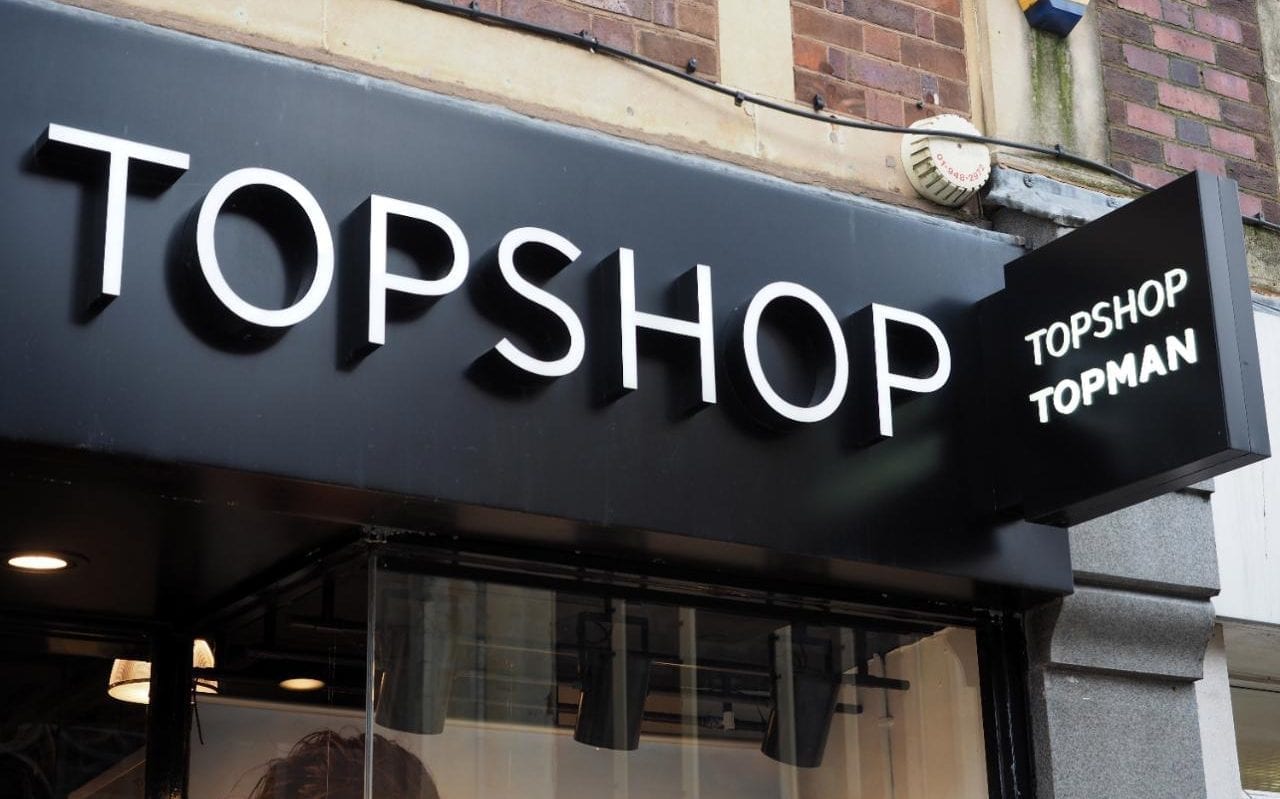
    Renewing the lease for its Queen’s Road shop in Central, fashion brand Topshop Hong Kong has halved the rent.

    It now has a rate of HK$1.5 million (US$192,000) a month for its 12,000sqft (1100sqm) store on one of Hong Kong’s busiest shopping streets, reports Asia real-estate intelligence group Mingtiandi.

    The new deal gives the UK-based retailer of youth-oriented apparel and accessories another three years in the podium of the Asia Standard Tower for around $125 a square foot per month. Topshop had balked at the $3 million it had been paying for the space since signing its previous lease in 2013, the Hong Kong Economic Times reports.

    The cut-rate deal is the latest sign of an adjustment in Hong Kong’s retail real-estate scene as landlords scramble to deal with fashion brands and luxury retailers scaling back their footprints in the face of declining sales and recalibrated expectations, says Mingtiandi.

    It represents a return to leasing rates seen before a surge of demand from fashion brands prompted a rents rise several years ago. Topshop moved into its Queen’s Road space in 2013 after agreeing to double the amount former tenant Chinese Arts and Crafts had been paying for the street corner.

    Swatch last month took over two underground shops in the Central Building on Pedder Street for about $350 a square foot per month, after Hugo Boss moved out midway through its lease. Signing its lease in 2014, Hugo Boss had been paying more than double the rate that Swatch negotiated.

    At the end of its lease, jewellery retailer Chow Tai Fook walked away from the underground shop for which it had been paying $3 million a month in Nathan Road, Mongkok. The landlord has been looking for a tenant to take over the space at $1.5 million a month, says Mingtiandi.

    In Causeway Bay, Prince Jewellery and Watch is reported to have renewed its lease of a six-storey, 7300sqft shop on Russell Street for $1.8 million a month, about 38 per cent less than it had been paying since 2013.

  • Centara appoints Deputy CEO to lead next phase of growth

    Centara appoints Deputy CEO to lead next phase of growth

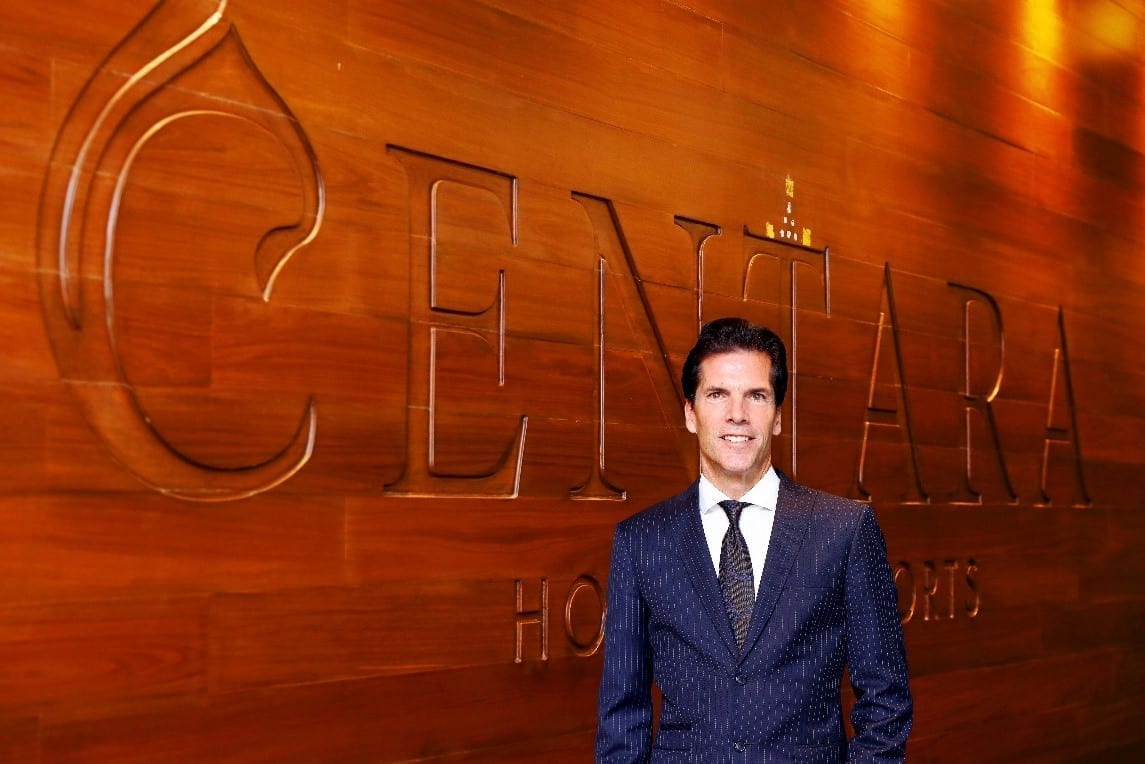
    Centara Hotels & Resorts, Thailand’s leading hotel operator, announced the appointment of Markland Blaiklock as Deputy Chief Executive Officer, effective immediately. Mr. Blaiklock will be responsible for steering the continued expansion of Centara, which aims to double both its revenues and number of properties over the next five years.

    Blaiklock returns to Centara in an expanded capacity having previously served as the company’s Chief Operating Officer in 2015. He has held senior executive positions with Le Meridien, Shangri-La, Raffles and Accor hotel groups, in Asia and North America. He is a Canadian national educated in England and France.

    Centara created the new Deputy CEO position and brought in the experienced executive to focus on the company’s ambitious growth plans over the next five years and beyond. Blaiklock will also oversee operations, human resources, sales, marketing, business development and legal services.

    Centara has been expanding outside its base in Thailand, where it operates 32 properties. The company currently has 67 properties open or under development across 13 countries in Southeast Asia, the Indian Ocean, China, the Middle East and the Caribbean. The next phase of growth will see Centara become an even more significant regional brand with properties opening in China, Cambodia, Laos, Indonesia, Qatar and the UAE.

    Centara manages a diverse brand portfolio catering to the needs of key business and leisure travel segments. Its properties range from large, upscale city hotels and convention centres, to elite island resorts and economy products. The company recently launched a new affordable hotel concept, COSI, designed for the new generation of connected lifestyle travellers. In addition to expanding COSI, Centara aims to develop new businesses where it can leverage its competitive strengths of Thai hospitality, food and spa expertise, and synergy with the Central Group.

    Blaiklock’s operational experience will also be put to work leading improvement of Centara’s technical platforms and systems, ensuring the company’s core infrastructure supports its vision for global expansion.

    “I’m delighted to be back with Centara during this dynamic period of growth for the company,” said Markland Blaiklock. “The plans are ambitious and exciting. I look forward to contributing my experience, energy, and leadership to Centara’s capable team. Together we can achieve great progress.”

    Centara’s Chief Executive Officer Thirayuth Chirativat added, “We are delighted to have Markland back with Centara. This new position is an important component in our growth plans and his proven leadership qualities will help us accomplish our goals.”

  • SM Prime revenue going up

    SM Prime revenue going up

    Rental revenues from mall expansions and consistent improvement in same-mall sales have helped boost income for integrated property company SM Prime Holdings.

    For its third quarter, the company had 16 per cent year-on-year net income growth to PHP5.6 billion (US$110.5 million). This led to a 15 per cent increase in net income in the first nine months to PHP20 billion.

    Consolidated revenue was up 12 per cent to PHP64.6 billion, while overall operating income grew by 16 per cent to PHP30.1 billion.

    “Our performance in the third quarter is a testament to the buoyant overall economy that benefits the whole property market,” says SM Prime president Jeffrey Lim.

    Mall revenues for the first nine months showed 10 per cent growth to PHP38.5 billion, with the malls contributing 60 per cent of consolidated revenues. Mall rentals went up by the same percentage to PHP32.8 billion, primarily because of expansions and openings over the past two years. Same-mall sales were steady with 7 per cent growth.

    Cinema and event ticket sales eased by 3 per cent to PHP3.3 billion, whereas revenues from amusement and merchandise sales surged by 26 per cent to PHP2.4 billion.

    Consolidated mall operating income improved by 12 per cent to PHP21.3 billion, with the operating margin maintained at 55 per cent.

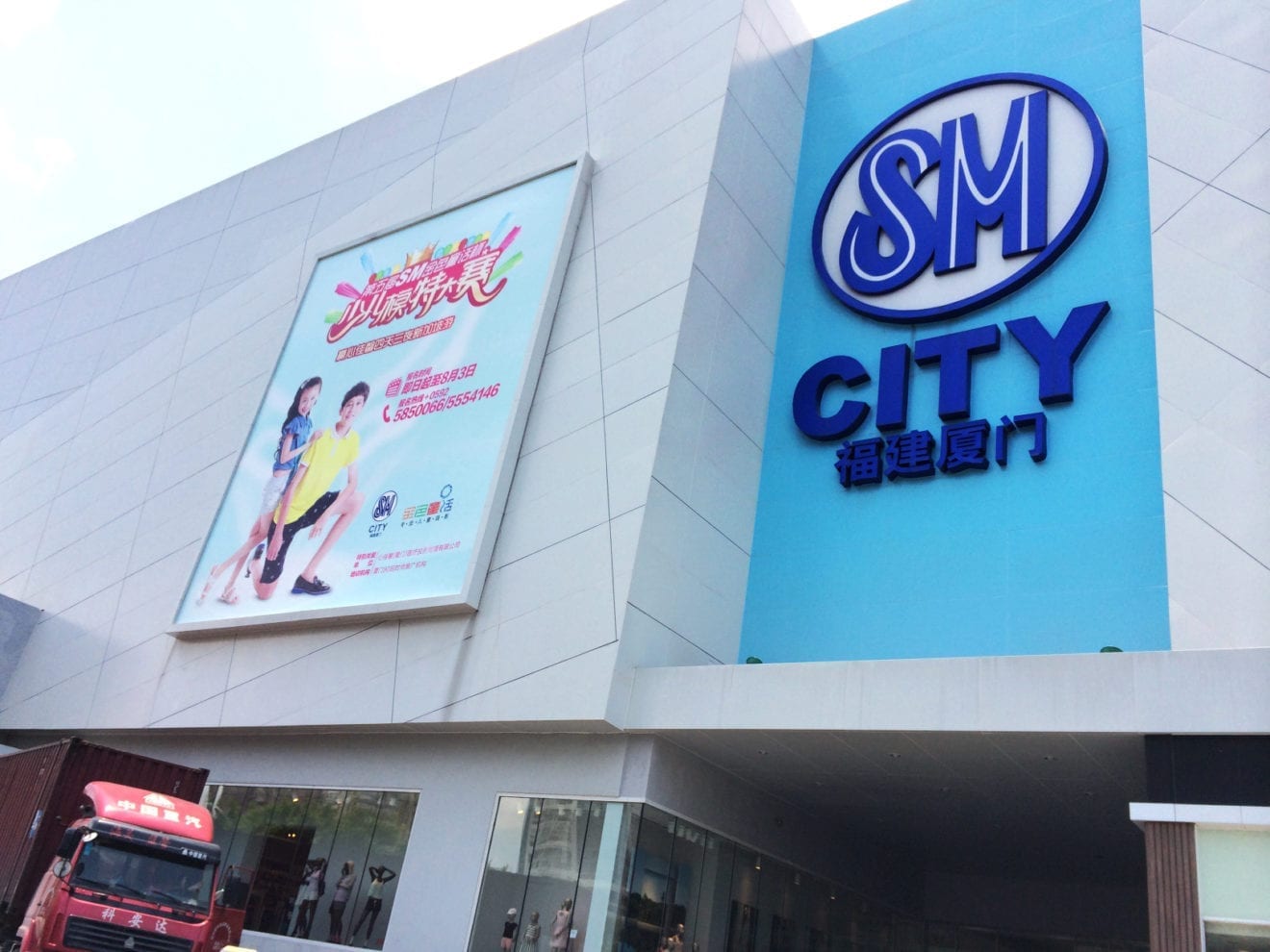
    SM Prime has 65 shopping malls in the Philippines and seven in China, and will open two more malls this year, SM Center Lemery in Batangas and SM Center Pulilan in Bulacan, taking its provincial property count to 44 from 38 a year ago.

  • Double opening for Lotte Duty Free

    Double opening for Lotte Duty Free

    Following a soft opening in May, Lotte Duty Free has expanded its presence at Da Nang International Airport in Vietnam, with an official opening today.

    As the first Korean travel retailer to tap Vietnam, Lotte now has two stores at the airport, one of 974sqm and the other 117sqm. The opening was timed so the stores are trading before the 24th APEC Summit in Da Nang, which starts on Monday.

    Trading as Phu Khanh Duty Free, the main store had its soft opening in the new terminal in May as a JV between Lotte Duty Free (60 per cent) and a local partner, Phu Khanh Duty Free Trading Company. The store offers 115 brands, including 14 Korean labels, across such categories as tobacco, cosmetics, watches, accessories, eyewear and toys.

    Lotte Duty Free CEO Jang Sun-wook says Vietnam is expected to become a bridgehead for the company in Southeast Asia as a new market with soaring foreign tourism.

    He says the company is also considering opening an extra store in downtown Da Nang.

    Already the company is projecting sales of more than KW30 billion (US26.7 million) in the airport stores’ first full year of trading, and says it is seeking other travel-retail opportunities in Vietnam including Hanoi, Ho Chi Minh City and Nha Trang.

    Da Nang is expecting foreign tourist numbers to grow by 30 per cent this year to 2.1 million, the company says.

  • ‘Robust’ quarter for Suntec REIT

    ‘Robust’ quarter for Suntec REIT

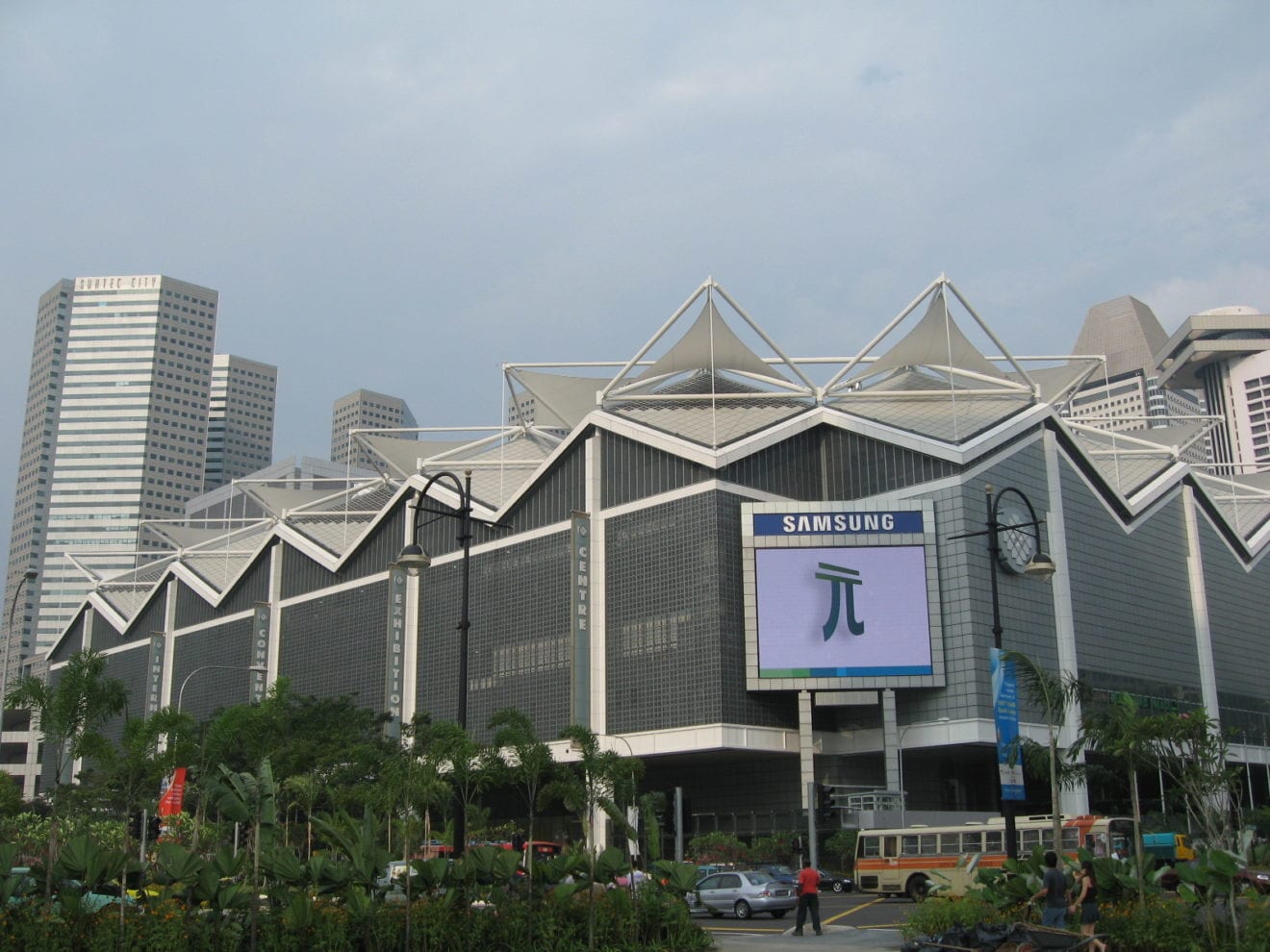
    Suntec Real Estate Investment Trust (Suntec REIT) reports a “robust” third-quarter performance, thanks to offshore properties.

    Gross revenue rose 10.6 per cent to S$91.1 million (US$66.7 million) for its third quarter, mainly because of a higher contribution from Suntec Singapore plus a new property in Sydney, says trust manager ARA Trust Management (Suntec).

    Net property income rose 11.6 per cent to $63.9 million for the quarter, while for the year to date, gross revenue was up 11.4 per cent to $266.9 million and net property income grew by 13 per cent to $185.1 million.

    “While the Singapore assets continued to deliver steady income, the two properties in Australia contributed to our robust performance this quarter,” says ARA Trust Management CEO Chan Kong Leong.

    For the Singapore retail portfolio, the overall committed occupancy as at the end of September was 99.1 per cent. The committed occupancy for Suntec City Mall was steady at 99.3 per cent while that for Marina Bay Link Mall stood at 93 per cent.

    Chan says Suntec City Mall saw a 12.2 per cent increase in year-to-date footfall while tenant sales per square foot grew by 4.9 per cent.

    “We also secured a number of new-to-market brands that will further enhance the city’s retail offerings.”

  • Lumine Singapore features fashion plus food

    Lumine Singapore features fashion plus food

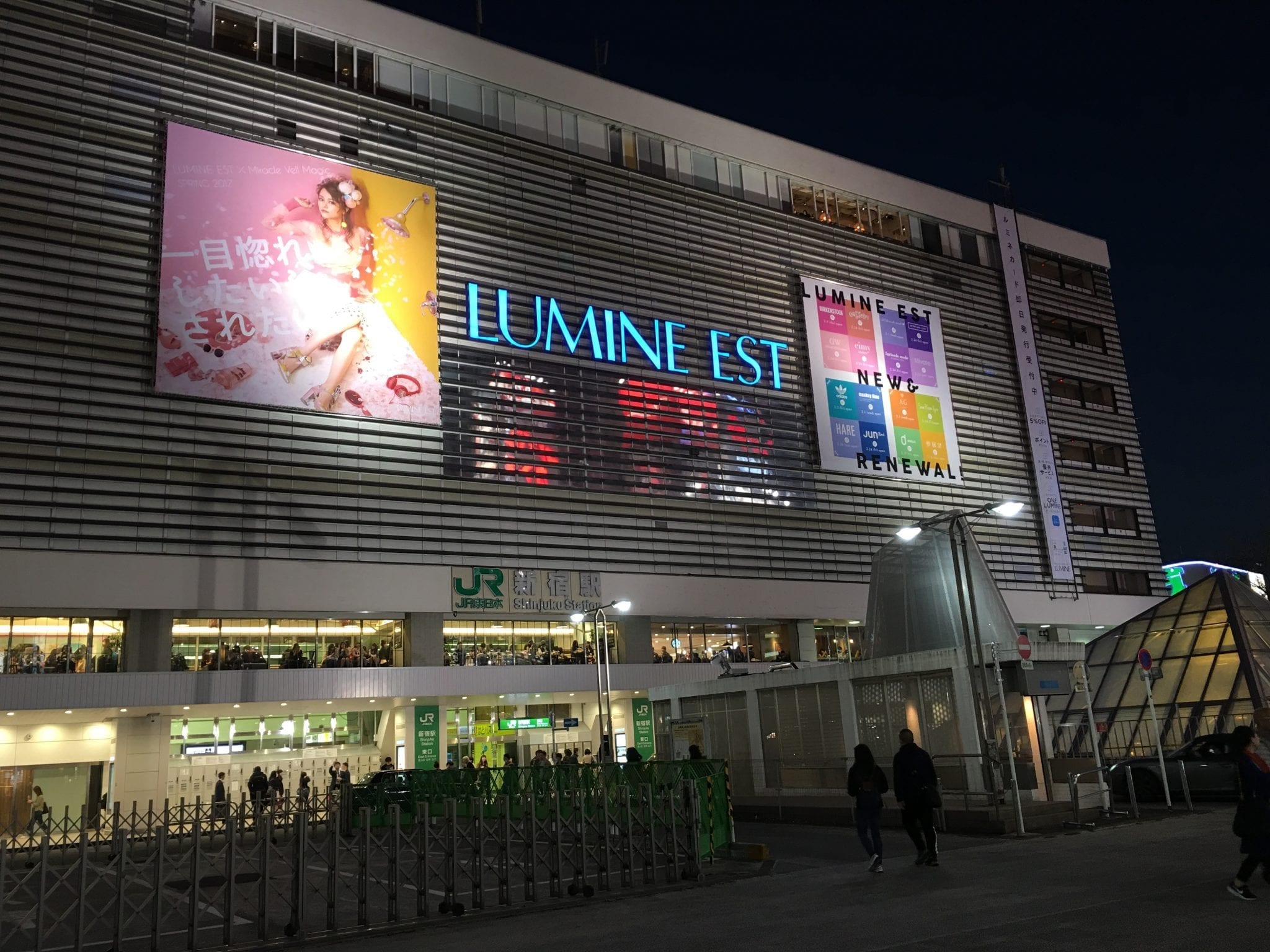
    Japanese fashion and food both feature in the new Lumine Singapore fashion mall in Clarke Quay Central.

    For its launch, in line with its philosophy “I am who I am”, the mall invited Japanese and Singapore personalities known for their individuality.

    “Singapore is an important milestone in our business plan because it is an important gateway to the Asian market and pivotal in positioning the brand on the world map,” says Lumine Singapore MD Naokazu Kozakai.

    With expertise in direct management and subleasing, plus access to more than 2200 tenants in its malls, Lumine intends its Singapore mall to be a platform for Japanese brands to jumpstart their entry in the city and other markets in the region.

    As tipped in July, the 10,000sqft (930sqm) specialty lifestyle store targets independent, sophisticated women, offering the same shopping experience as its 15 malls in Japan. Included is Lumine cafe, which will be run by Create Restaurants Asia.

    Lumine Singapore offers a collective of 20 fashion brands that are iconic in Japan including Fray ID, Ien, Lagunamoon, Lily Brown, Mila Owen, Moussy, Sly, Snidel, Spick & Span, Tomorrowland and Ungrid. There are also shoes and accessories from Drama HP France, Le Talon and RoomsShop, plus exclusive Zoff eyewear.

    A brand incubation program is part of Lumine’s business strategy. “We have created a space as a testbed for Japanese brands in the new store called Lumine Lab,” says Kozakai. “It aims to share and explore the diversity in Japanese fashion and craftsmanship.”

    Featuring first in the space are influencer-based Japanese brands including And Couture, Emoda, MercuryDuo, Murua and Rienda.

    Among women attending the official opening were musician/entrepreneur Aarika Lee, entrepreneur Savina Chai, food artist Suwa Ayako, model/DJ Una and musician Yuuki (YJY).

  • Mixed quarter for CapitaLand Malaysia Mall Trust

    Mixed quarter for CapitaLand Malaysia Mall Trust

    In a third quarter of mixed results, CapitaLand Malaysia Mall Trust (CMMT) saw its net property income fall 2.2 per cent year on year to RM60.1 million (US$14.1 million).

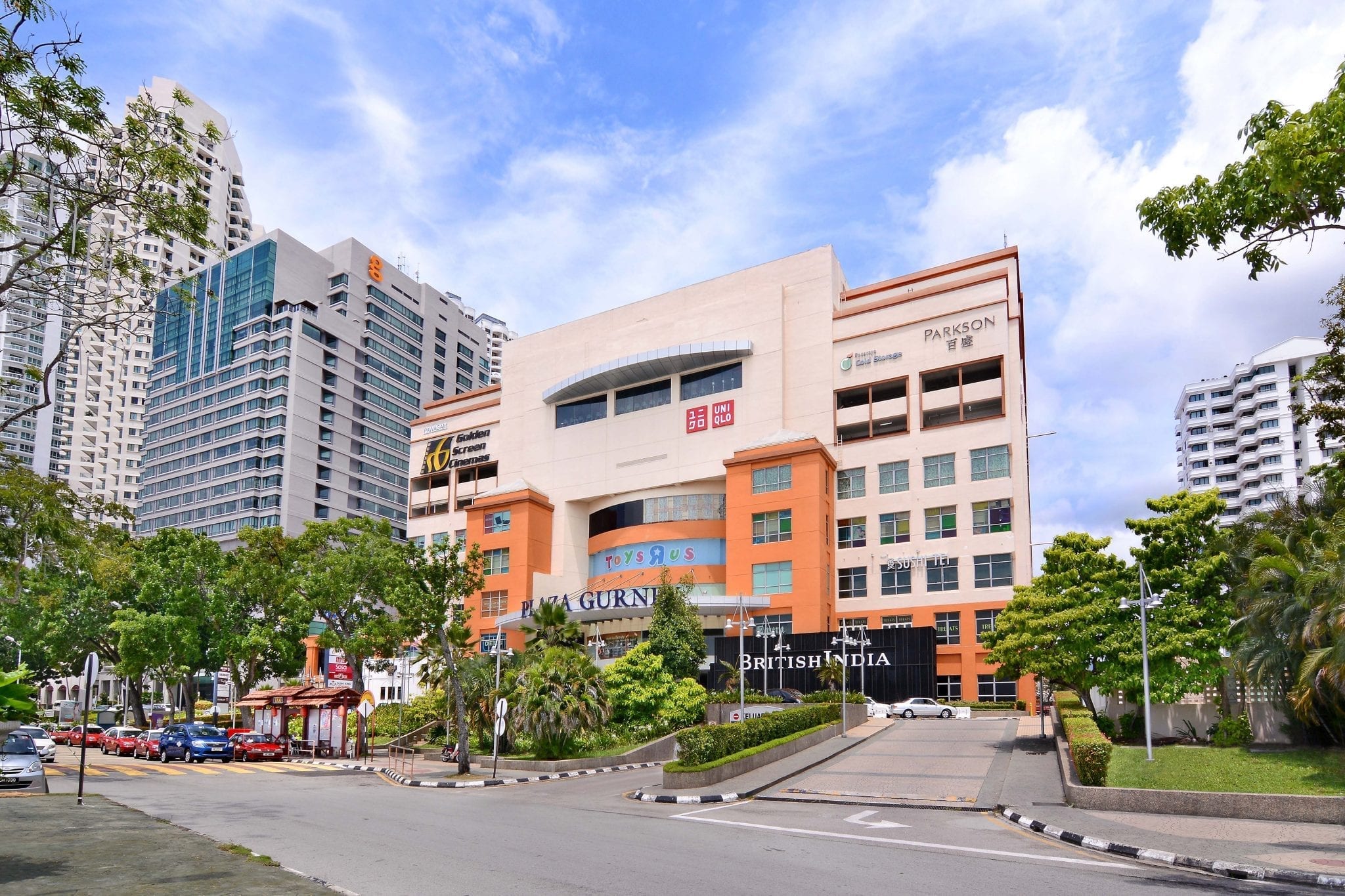
    East Coast Mall and Gurney Plaza turned in stronger performances to partially mitigate lower contributions from the trust’s Klang Valley shopping malls.

    Cautious consumers and growing competition from new malls have affected Malaysia’s retail sector, says chairman David Wong of CapitaLand Malaysia Mall REIT Management (CMRM), which manages the trust.

    “Our Klang Valley malls continued to be affected by the increased supply of retail space in the vicinity,” says CMRM CEO Low Peck Chen.

    She says a reconfiguration of the basement level at Gurney Plaza to increase the F&B offering is expected to contribute to income from the fourth quarter.

    “At Tropicana City Mall, a Japanese restaurant was added to the standalone F&B cluster

    adjoining the office tower. Another restaurant will join the cluster next month to make a total
    of four F&B outlets, all of which have extended hours past midnight to better meet the needs of consumers.

    “Shoppers at The Mines will also find more shopping and entertainment choices on Level 4 following reconfiguration works.”

    Meanwhile, a rejuvenation of the 40-year-old Sungei Wang Plaza is expected to start soon.

    “During the quarter under review, we organised several family-oriented experiential marketing
    activities to enhance the shopping experience, which drew more visitors to our malls.”

  • Malls in Philippines unlikely to follow US stores to extinction

    Malls in Philippines unlikely to follow US stores to extinction

    Malls in the Philippines are unlikely to be replaced by online channels soon, as millennials seeking to spend on experiences drive demand for restaurant space, a property consultant said Monday.

    Food and beverage now account for 40 percent of mall space, compared to 60 percent for retail. The sector used to account for just 20 percent, according to data from Leechiu Property Consultants.

    “These malls in Asia have one thing in common, they are utilitarian malls,” said the consulting firm’s CEO, David Leechiu.

    Malls in the Philippines, unlike in the US, are very accessible to consumers, located in “high-density” areas with office and residential buildings.

    Citing a Credit Suisse study, Leechiu said 20 to 25 percent of malls in the US may close in the next 5 years as online shopping grows.

  • New W hotel collaborates with Xu Zhi fashion label

    New W hotel collaborates with Xu Zhi fashion label

    Last week a fast-food brand partnered with a fast-fashion label: now a luxury hotel is teaming with a Chinese fashion label…

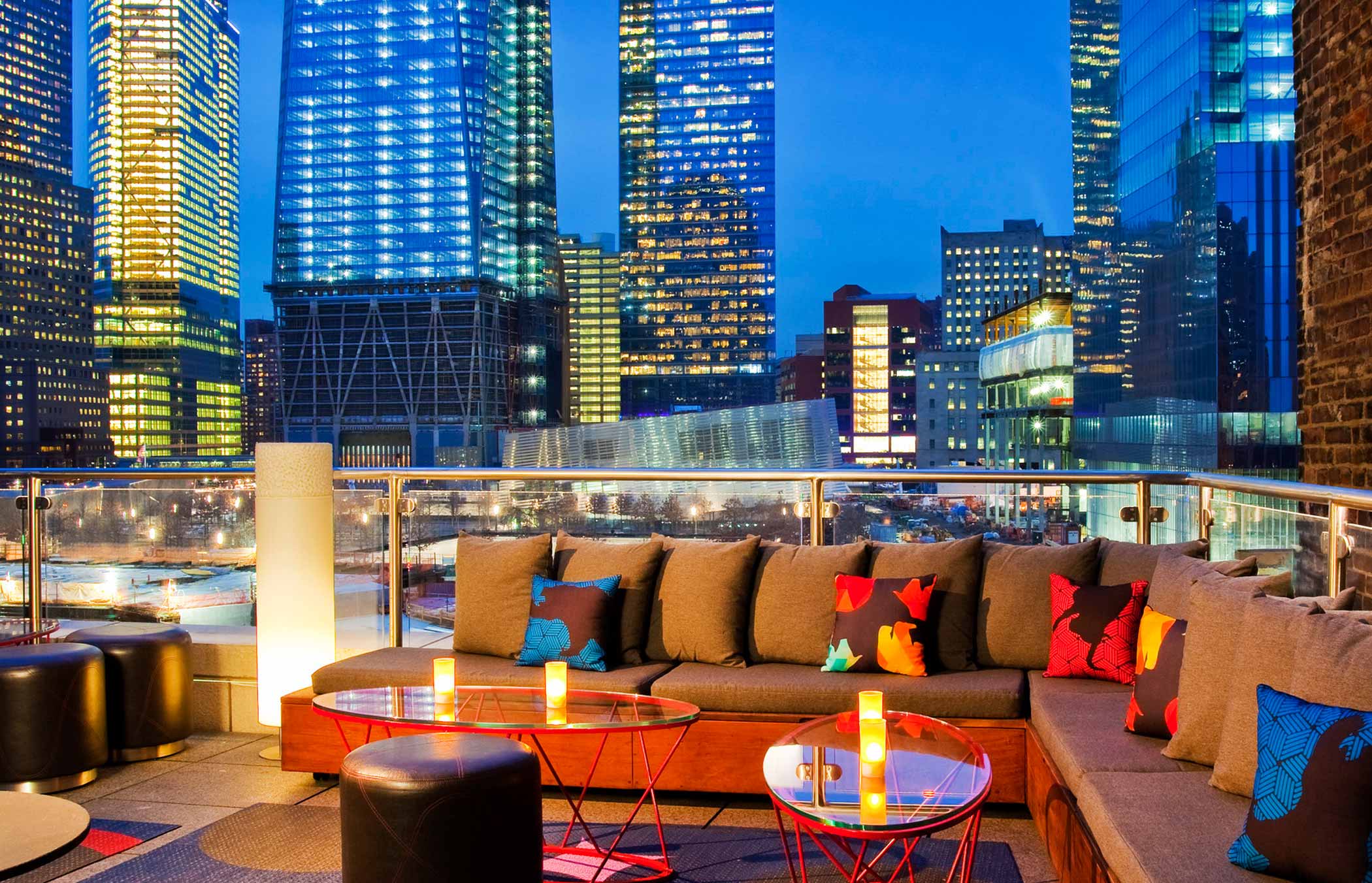
    In time for Shanghai Fashion Week, W Hotels Worldwide unveiled an exclusive capsule collection by Chinese fashion brand Xu Zhi to mark the opening of the first W hotel in Shanghai.

    Six distinct looks and several travel accessories make up the Xu Zhi for W Hotels collection, inspired by the city’s glamorous past as well as the edgy design of W Shanghai – The Bund.

    “W has always been associated with high-octane fashion,” says luxury brand management senior director for Asia Pacific for Marriott International, Carol Zhoul. “We have always dedicated ourselves to aspiring artists and young fashion designers.”

    “W has always been one of my favourite hotel brands – they bring so much passion to the design of their properties,” says designer Xuzhi Chen of Xu Zhi. “Both W and I design with bold innovation and a contemporary attitude.”

    Hosted at the new hotel, Xu Zhi’s runway presentation was W’s first show at Shanghai Fashion Week. Nearly 400 guests attended the “Sleepless Shanghai” event, with VIPs being granted backstage access to the hotel’s high-design suite Cloud on the Bund, where the capsule collection was displayed amid the suite’s neon art and hanging bed.

    The collection is available at W Hotels The Store online.

    W Shanghai – The Bund, with 374 guest rooms, was designed by GA Design showcasing historic and modern influences while offering skyline views of the city’s new financial district.

  • Kiwi Property launches virtual reality fashion show

    Kiwi Property launches virtual reality fashion show

    Landlord investment firm, Kiwi Property, has launched  the first 360° virtual reality fashion show in Aotearoa, allowing consumers to see spring fashion collections via headsets.

    Launched as the Non-Stop Fashion Show, shoppers are invited to don a VR head set to be transported to the front-row of a fashion show with 360° views of the catwalk, featuring the latest fashion trends from retailers at Kiwi Property-owned centres..

    “We hope to provide our customers with an exciting experience in a convenient, inclusive and accessible space; we’d like to show them that style can be fun and attainable,” said Karlee Lightbourne, national marketing manager at Kiwi Property.

    “We’re dedicated to create exceptional experiences for our customers, as we continue to evolve in step with demand,” she said.

    A 24-camera unit from Jaunt One was used to film the show, which is a Hollywood-quality 360° camera and shoots in every direction.

    “Shot in 3D, anyone can come in and put on a headset for a front-row seat at a live high-end fashion show,” said Craig Whitehead, chief creative officer from creative agency 99 who has worked with Kiwi Property on the campaign since late last year.

    “It’s all about connecting New Zealand shoppers with fashion inspiration in a whole new way, something we’re really excited about.”

    The show is being screened via Vodafone Smart V8 smartphone devices and will feature at

    Sylvia Park and LynnMall in Auckland, Centre Place in Hamilton, The Plaza in Palmerston North, Northlands in Christchurch and North City in Porirua.

  • Bangkok’s Stadium One puts focus on sports retail

    Bangkok’s Stadium One puts focus on sports retail

    Downtown Bangkok’s first sports community mall, Stadium One, is planned to open in November.

    Developed by Sportsociety Co, the retail project is at the Banthat Thong intersection opposite Tesco Lotus hypermarket and near National Stadium, Chulalongkorn University and several shopping centres.

    Stadium One will cover about 27,000sqm, of which 20,000sqm will house 124 shops selling sports products and equipment. The five-storey building will also include a sports clinic, 5000sqm for indoor sporting activities, and 2000sqm for events.

    Sportsociety’s four partners – Thanomkiat Summavuthichai, Natapak Rekijtisirikul, Sittichai Srisanguansakul and Pongwat Tiyapornchai – have budgeted THB200 million (US$6 million) to rent the project site from Chulalongkorn University for seven years.

    Executive director Thanomkiat says the number of people concerned with their health has been continually rising. The market size for the sporting business is estimated to be worth THB160 billion, with growth of 8 to 10 per cent a year.

    “Thailand’s sporting market is in an upside trend,” Thanomkiat says. “The market size for sporting goods is still lower than Singapore and Malaysia by several times. With this growth opportunity, sporting goods and fitness chains will be parading to the Thai market soon.”

    Leading the way will be a Swedish fitness brand that will offer around-the-clock service in a 1000sqm space at Stadium One in November, says Sportsociety director Natapak.

    He says about 60 per cent of space at Stadium One is already booked and about 90 per cent  is expected to be taken by opening time.