Category: Real Estate

Retail News Asia is committed to providing both local and global retailers with the latest Real Estate news throughout the Asian market. This on a daily base.

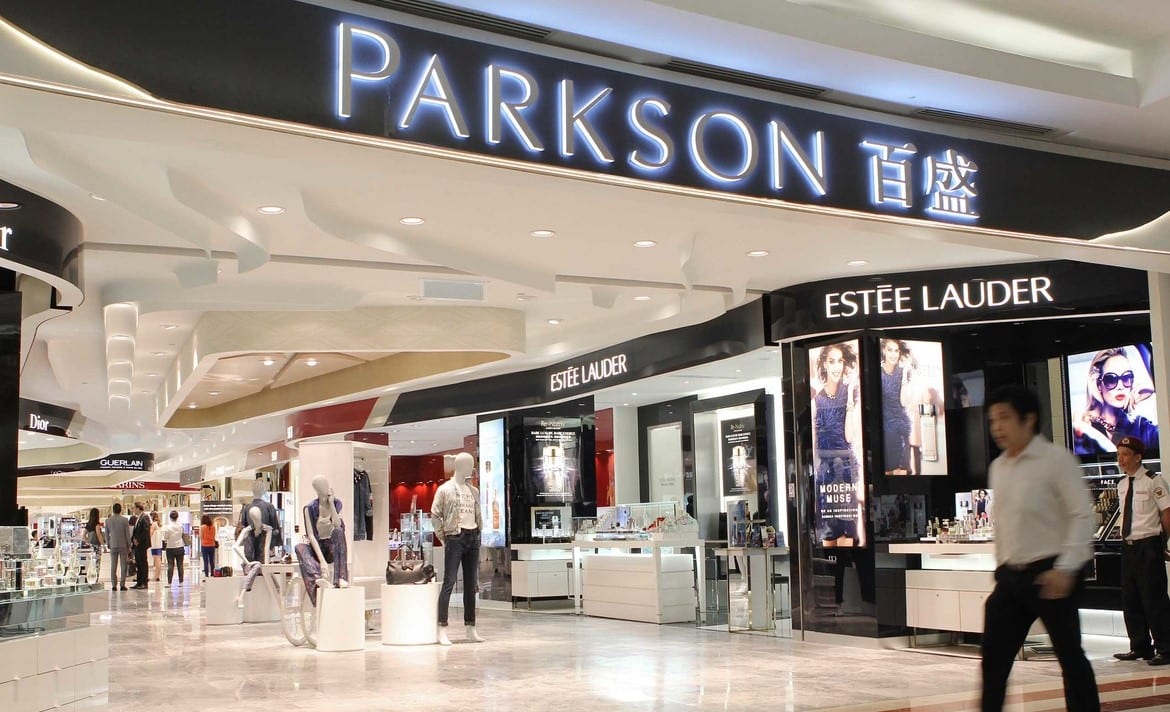
  • Sales rebound as Parkson Retail transformation plan pays off

    Sales rebound as Parkson Retail transformation plan pays off

    With a rebound in same-store sales, lifestyle retailer Parkson Retail Group had a 1.9 per cent increase in half-year operating revenue to RMB2.3 billion (US$ 344.9 million).

    The figures reflect the impact of the transformation plan under which the company is redefining its image and spinning categories off into stand-alone concepts.

    Second-quarter same-store sales grew by 2.4 per cent, following a 2.2 per cent drop in the first quarter, according to its unaudited interim results.

    Total operating revenue for the half-year rose by 1.9 per cent to RMB2.3 billion, leading to an operating profit of RMB70.6 million – an increase of RMB122 million from a loss of RMB51.4 million for the same period last year.

    Total merchandise sales totalled about RMB6.5 billion while concessionaire sales contributed about 84.8 per cent. Direct sales contributed the balance of 15.2 per cent.

    The cosmetics and accessories category became the biggest contributor (46.2 per cent) to first-half sales, with the previous leader, fashion and apparel, contributing about 45.1 per cent. Groceries and perishables contributed about 5.4 per cent, while household and electrical about 3.2 per cent.

    Total operating revenues of the group increased 1.9 per cent to RMB2.3 billion, mainly attributable to a RMB14.2 million boost in rental income from the Qingdao Lion Mall, plus a RMB19.3 million tax refund.

    Business revitalised

    Parkson says its business was revitalised during the period thanks to progress with its transformation plans. While China’s economy was stable, the retail market was still challenging and competitive but with positive signs of a rebound.

    There was a 4.3 per cent decline in total gross sales proceeds at RMB8.1 billion, including value-added tax. This was mainly attributable to four stores being closed during the half.

    “Over the past few years, the Chinese retail market has seen an unprecedented evolution,” says Parkson. This presented one of its most challenging periods.

    “We came to China with a department store concept 23 years ago to serve the Chinese middle class which was looking for quality products. Today, we are still serving the fast-growing Chinese middle class, whose focus has shifted to comfort and healthier lifestyles. To ensure we continue to realise our mission, we have made every effort to evolve and adjust by launching multiple retail formats, improving our merchandise and service portfolio, and enhancing our operations and portfolio management.

    “We have refined specific business unit operations, identifying cosmetics, F&B and supermarkets as key units to be developed as standalone businesses. These units can run both within our network of department stores and outside the Parkson ecosystem.

    “A good example is Parkson Beauty, which we will launch as a specialty standalone concept store in Changsha International Financial Square, Hunan province. This concept was specifically designed to target customers who prefer to shop offline and enjoy lifestyle experiences with fashionable products and personalised services. Parkson Beauty will showcase our cosmetics brands and help us to capitalise on the segment’s growth. It is one of the most resilient retail segments against market headwind.”

    Move into malls

    The group launched Qingdao Lion Mall last year, marking its move into the shopping mall segment. The mall offers more than 200 brands with Parkson’s department store, a supermarket, fashion labels and F&B. “There is high occupancy, an excellent tenant mix, innovative marketing campaigns and efficient management.”

    Meanwhile, the group has been contacted by commercial property developers with the first managed shopping mall expected to open this year.

    In May, the group launched its second Parkson Newcore Citymall, in Nanchang, following the success of the Shanghai Newcore Citymall and extending its partnership with E-Land Group to offer Korean-themed merchandise and lifestyle elements. “This off-price city-mall format is an example of our efforts to attract young and fashionable consumers, with more Citymall concept stores to be launched.”

    The group’s first gourmet supermarket, the Parkson Supermarket, was launched in the Qingdao
    Lion Mall in September last year. “This Parkson-branded standalone supermarket offers a broad variety of premium local and imported products, and caters for emerging middle-class and family consumers who are looking for quality lifestyle choices.”

    A third supermarket will be launched before year’s end.

    “In the F&B segment, our strategy is to build a brand, gain recognition then incorporate it with our other retail formats to create synergy. The third Hogan Bakery outlet was opened in Shanghai Parkson after gaining popularity, and the group will speed up expansion of this brand, opening more stores in Shanghai and expanding to other provinces.”

    Department stores will also open in Changsha and Chenzhou this year.
  • Marriott forms joint venture with Alibaba

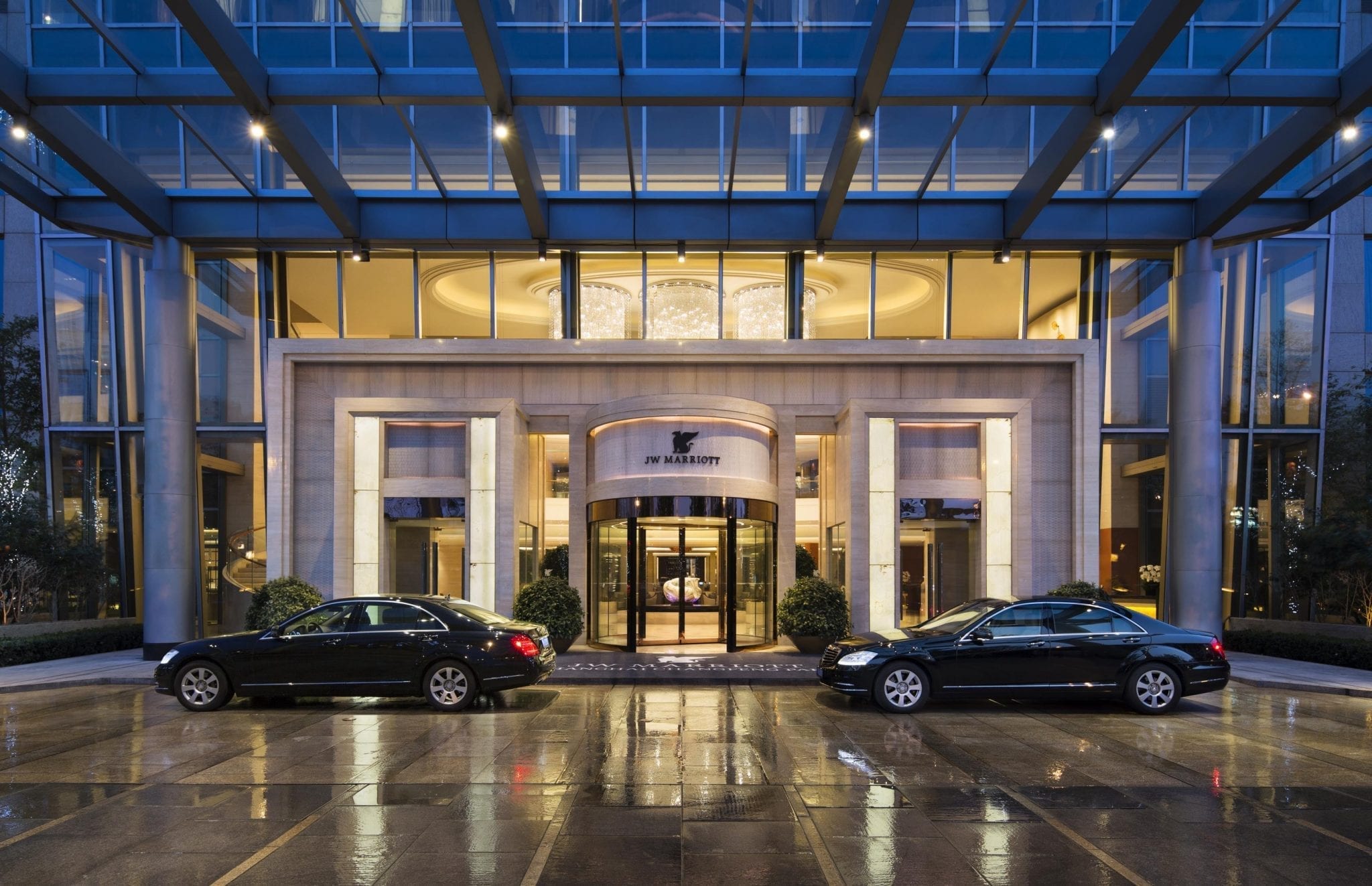
    Marriott forms joint venture with Alibaba

    Marriott has inked a joint venture with Alibaba Group aiming to “redefine the travel experience for the hundreds of millions of Chinese consumers” who travel each year.

    Marriott, which has a bevy of brand and deep hospitality experience, is facing intense challenges from online booking sites, price aggregators and new economy giants like Airbnb. However, consumerism in China is evolving. With earning powers rising, Chinese consumers want more. Marriott feels it can give them that.

    The hospitality giant aims to use Alibaba as a gateway for all its international brand. It also gives the firm the ability to reach Alibaba’s 50 million mobile monthly active users.

    “We are proud to join forces with Marriott International – combining our large-scale consumer base, leading-edge technology and consumer insights with their unparalleled hospitality expertise,” Daniel Zhang, Chief Executive Officer of Alibaba Group said in a press release.

    “Together, we are elevating and redefining the travel experience for Chinese consumers to be more seamless and personalized as they embark on adventures to discover the world,” he added.

    The joint venture will use the resources of both companies to manage Marriott’s storefront on Fliggy, Alibaba’s travel service platform. Besides reaching directly to Alibaba’s customer base, the venture will see a link between Marriott’s popular loyalty programs and Alibaba’s loyalty program, and support Marriott hotels globally with content, programs and promotions targeting the Chinese traveler.

    “By forming this partnership, we are pairing our hospitality expertise with Alibaba’s digital travel platform, retail expertise and digital payment platform, Alipay, and driving membership to our loyalty programs. With the growing number of Chinese consumers exploring new destinations, this venture will introduce our hotels worldwide to this new and growing traveling class,” Marriott International CEO Arne Sorenson said.

  • Megaworld Corporation income jumps 11 per cent

    Megaworld Corporation income jumps 11 per cent

    Property giant Megaworld Corporation, which specialises in developing integrated urban townships, achieved first-half net income of PHP6.69 billion (US$130.4 million), an 11 per cent improvement on the same period last year.

    Rental income drove its earnings for the period.

    Megaworld’s rental business, which includes malls and commercial centers, saw its income soar 20 per cent to PHP5.83 billion.

  • McDonald’s China partners with property developer

    McDonald’s China partners with property developer

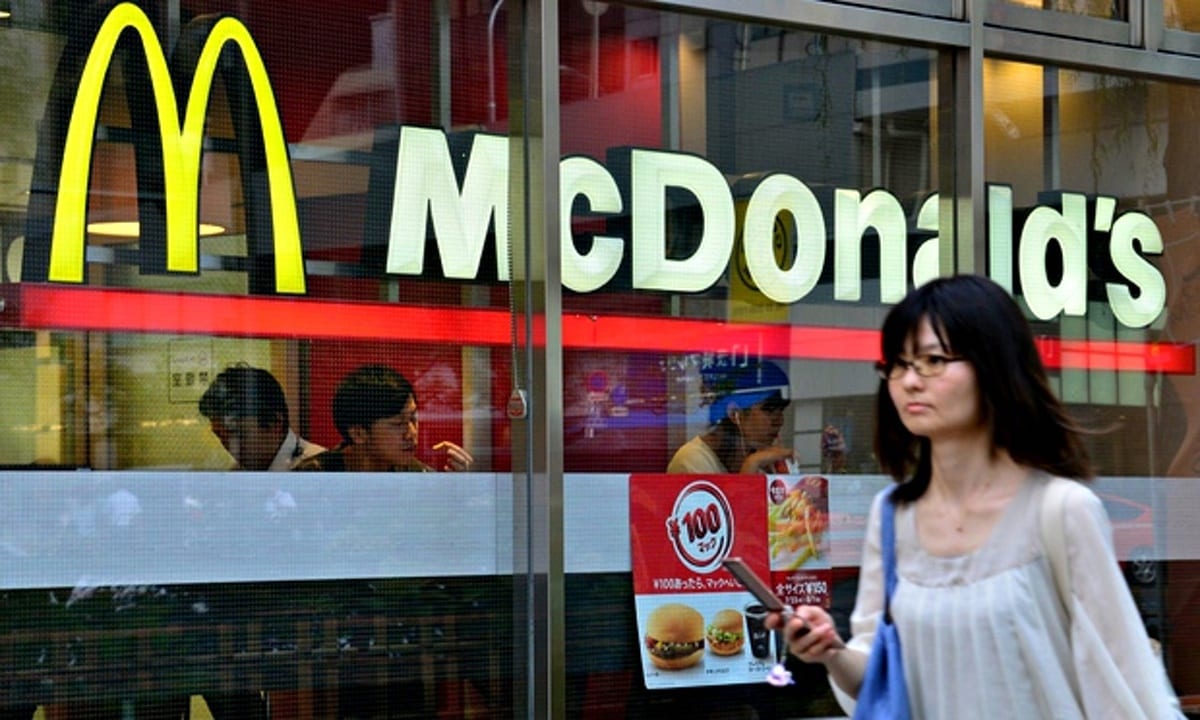
    McDonald’s China has formed a partnership with property developer Evergrande Group with the aim of speeding up expansion throughout the mainland.

    This has been announced just a fortnight after the US fast-food giant sold a controlling stake in its Chinese and Hong Kong divisions to China’s state-owned Citic Group. The newly formed McDonald’s China unveiled a plan to add 2000 more restaurants to its 2500 outlets on the mainland China over the next five years.

    Citic chairman Chang Zhenming says the strategic co-operation with Evergrande will help McDonald’s restaurants quickly expand its footprint, especially in third- and fourth-tier cities.

    Evergrande will give McDonald’s “priority” in site selection for its residential property developments nationwide, Citic says.

    The restaurant chain is now aiming to have 45 per cent of its China stores in third- and fourth-tier cities, with more than 75 per cent of them offering delivery.

    Evergrande Group has about 700 property projects in 240 mainly lower-tier mainland cities.

  • CLSA Capital sells Zing! mall for $2 billion

    CLSA Capital sells Zing! mall for $2 billion

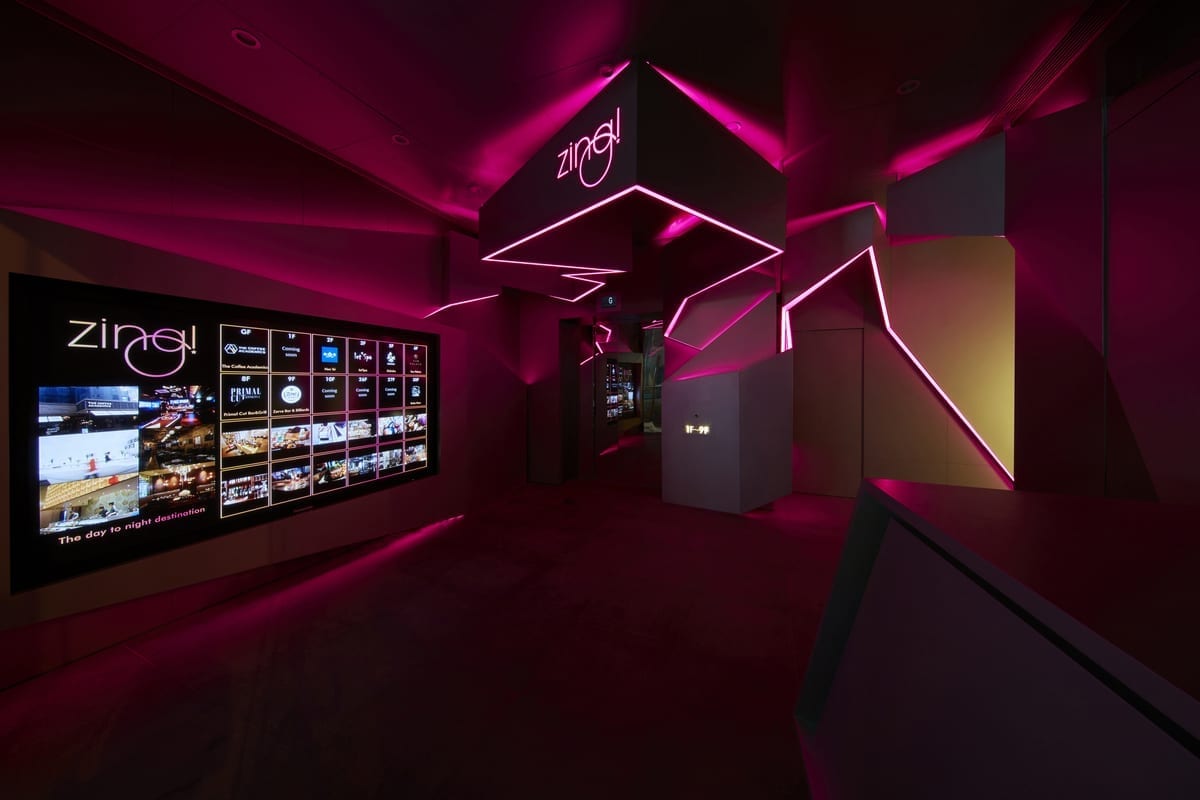
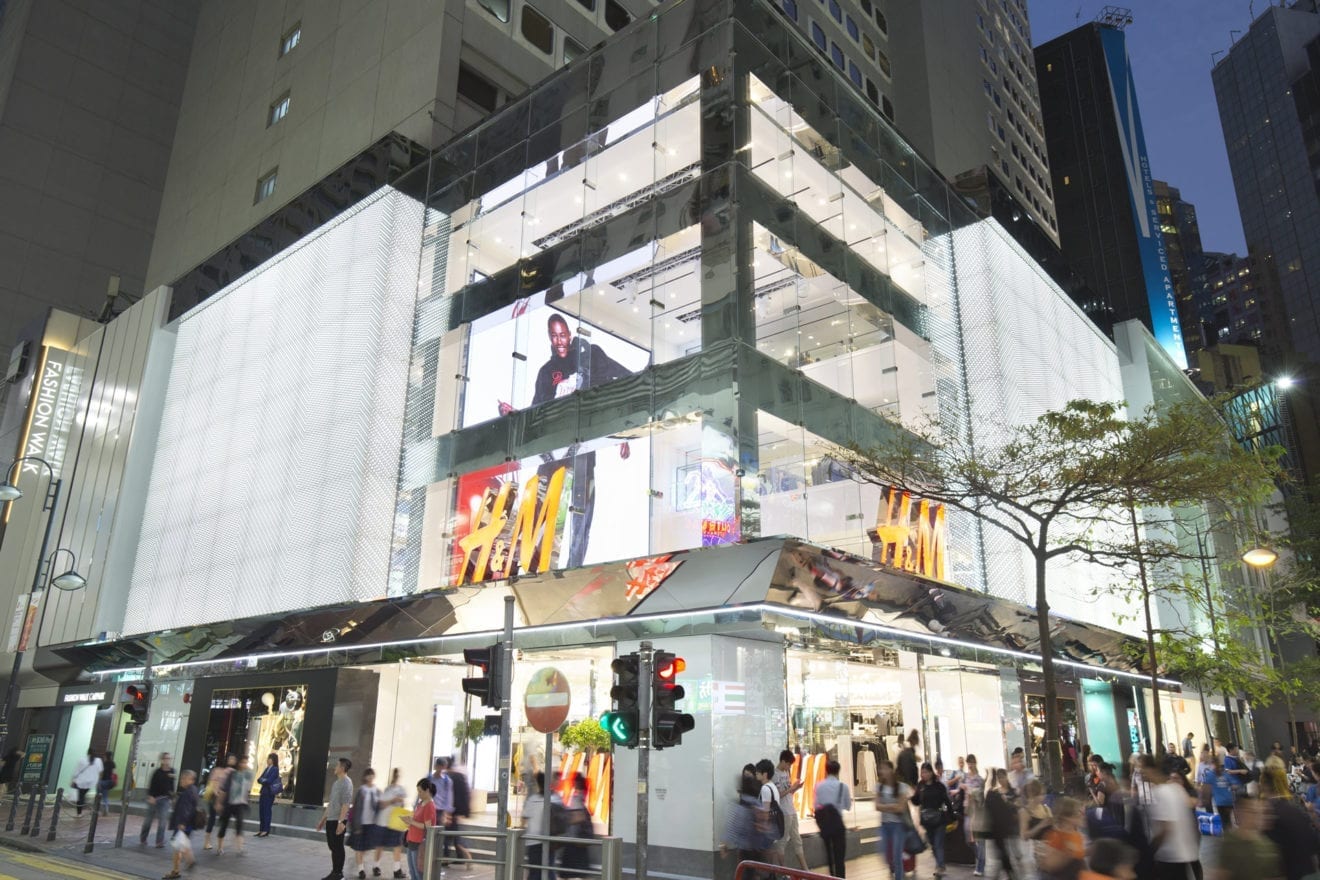
    CLSA Capital Partners has sold the 27-storey Zing! mall building in Causeway Bay for HK$2.1 billion (US $268.6 million).

    An unknown buyer completed the deal by paying $1.1 billion after selling The L. Plaza in Sheung Wan to CLSA for $1 billion

    Zing!’s 79,051 sqft (7344 sqm) of space is believed to be fully leased out to retail tenants including F&B, beauty salons, gyms, clubs and karaoke venues. It is next to Times Square Hong Kong.

    CLSA Capital Partners bought the building, formerly known as Bigfoot Centre, in 2014 for $1.4 billion.

    After being refurbished, it was relaunched as Zing! in March 2015. The private equity arm of CLSA put Zing! on sale via public tender in May.

  • Bangkok retail space limited despite growth

    Bangkok retail space limited despite growth

    Downtown Bangkok retail space is limited until the end of the year, according to a second-quarter report by property consultant Edmund Tie Thailand.

    Total retail stock downtown was 1.34 million sqm for the period, with three retail completions totalling 12,513 sqm as well as one of 6311 sqm in midtown. The next project is set for completion in the first quarter of next year.
    Average occupancy levels in the downtown for the quarter were steady at 92.7 per cent from the first quarter despite the new supply. Occupancy increased by 0.6 per cent year-on-year, and the average retail rent remained the same at THB2600 baht (US$78) a sqm per month – a decline of 1.14 per cent on year-on-year.

    Retail developments in the midtown market set for completion this year are all part of either office or residential mixed-use projects.

  • DFS Group Unveils New Duty-Free Stores at Singapore Cruise Centre

    DFS Group Unveils New Duty-Free Stores at Singapore Cruise Centre

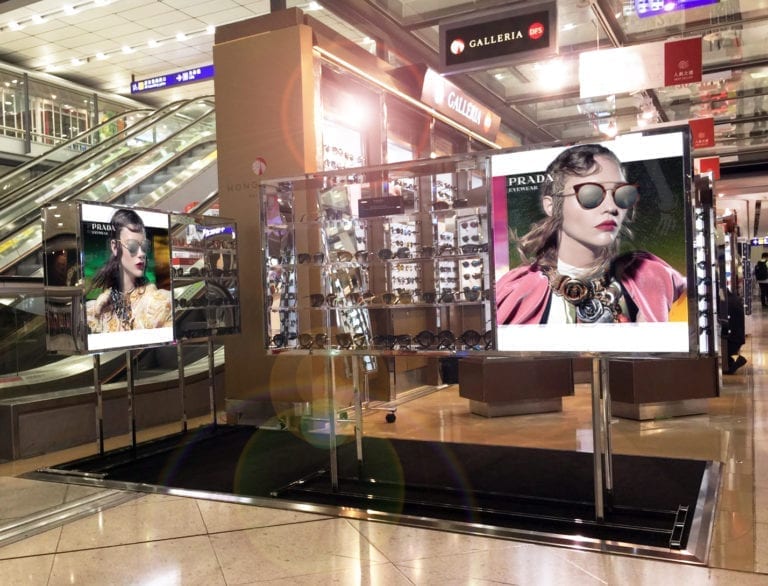
    DFS Group, the world’s leading luxury travel retailer, today unveiled its updated duty-free stores at Singapore Cruise Centre (SCC). Since being awarded SCC’s first ever master duty-free and general merchandise concession in December 2016, DFS has created a retail environment inspired by the local landscape that delivers DFS’ signature luxurious shopping experience.

    For the first time, SCC consolidated a number of its existing duty-free concessions across six categories including wines, spirits and tobacco, beauty and confectionary into a single contract. The stores, which are located at SCC’s Tanah Merah and HarbourFront terminals span seven outlets and are accessible to travelers arriving and departing from Singapore by ferry or cruise ship.

    “It has been an honor working with SCC for the past two decades and we are delighted to be continuing our partnership for the next five years,” said Wilcy Wong, DFS Group Managing Director, Singapore and Indonesia. “At DFS we focus on offering a premium retail experience where travelers are given a one-stop, seamless shopping experience. We are excited to grow our relationship with SCC and look forward to providing a broader retail experience to travelers at the ferry terminals.”

    DFS, Singapore Cruise Centre is home to over 150 brands and offers an assortment of retail products from alcohol, tobacco, cosmetics, fashion to travel accessories. The extensive range also includes many exclusive items in wines and spirits, available for purchase only at DFS. The retail experience and offering also grants travelers an opportunity to purchase all essential travel items before embarking on their outward journey.

    A gateway to the neighboring Indonesian Riau Islands, DFS, Singapore Cruise Centre is modern and fresh, incorporating nautical elements that reflect the nearby island destinations. Both Batam and Bintan are popular destinations from Singapore. The main retail space at both the arrival and departure areas has been expanded to 6,000 sq ft. to accommodate over 6.3 million ferry passengers and 560,000 cruise passengers annually.

    “The opening of the new DFS stores at SCC marks a strong relationship between DFS and SCC. Passengers at our terminals are now able to experience an array of retail offerings with more store space, new retail concepts, as well as new brands, which hand in hand work to elevate the overall shopping experience,” said Christina Siaw, CEO of SCC.

    The DFS HarbourFront departure store is also home to an exclusive Whiskey Bar and Cocktail Bar, where guests can sample from a range of whiskies or indulge themselves in specialty cocktails made from fresh ingredients by DFS’ in-house bartenders. Created in collaboration with The Whiskey House at DFS’ Terminal 2 Duplex at Singapore Changi Airport, the Whiskey Bar is an extension of DFS’ interactive approach to spirits, educating and engaging customers through guided tastings so they can find their perfect match when making a purchase.

  • Hang Lung profits hit by falling rents

    Hang Lung profits hit by falling rents

    Falling rents have hit profits for Hang Lung Properties, which has posted a 4 per cent decline in underlying net profit to HK$3 billion (US$383.9 million) in its first half.

    Asset-enhancement initiatives in Hong Kong and Shanghai also caused disruption of rental income, but this was for a short term and had been expected.

    However, total operating profit rose 5 per cent to $4.541 billion and $4.743 billion year on year for Hang Lung Properties and Hang Lung Group respectively.

    Chairman Ronnie Chan Chi-chung says the group achieved a solid performance on its core leasing business against a backdrop of challenging business conditions, and a yuan depreciation of 5 per cent.

    Rental income from its eight mainland shopping malls rose 2 per cent to RMB1.338 billion (HK$1.55 billion), with the rental revenue of Shanghai Plaza jumping 23 per cent.

    Total revenues of the six malls outside Shanghai fell 3 per cent, however, with some having to downwardly adjust rents to optimise tenant mix and occupancy, says the group.

    For instance, rental income at its Shenyang mall dropped 28 per cent, as it had to replace non- performing tenants, but the retail sales had mild growth despite lower occupancy.

    In Hong Kong, commercial portfolio revenues slipped 1 per cent to $1.118 billion, but Chan says the group’s main business focus is on the mainland where it has 250 million sqft of land reserves awaiting development.

    However, the group may also consider undertaking more redevelopment projects in the old districts of Hong Kong.

  • Centara to Support Programme That Puts Surplus Food to Good Use

    Centara to Support Programme That Puts Surplus Food to Good Use

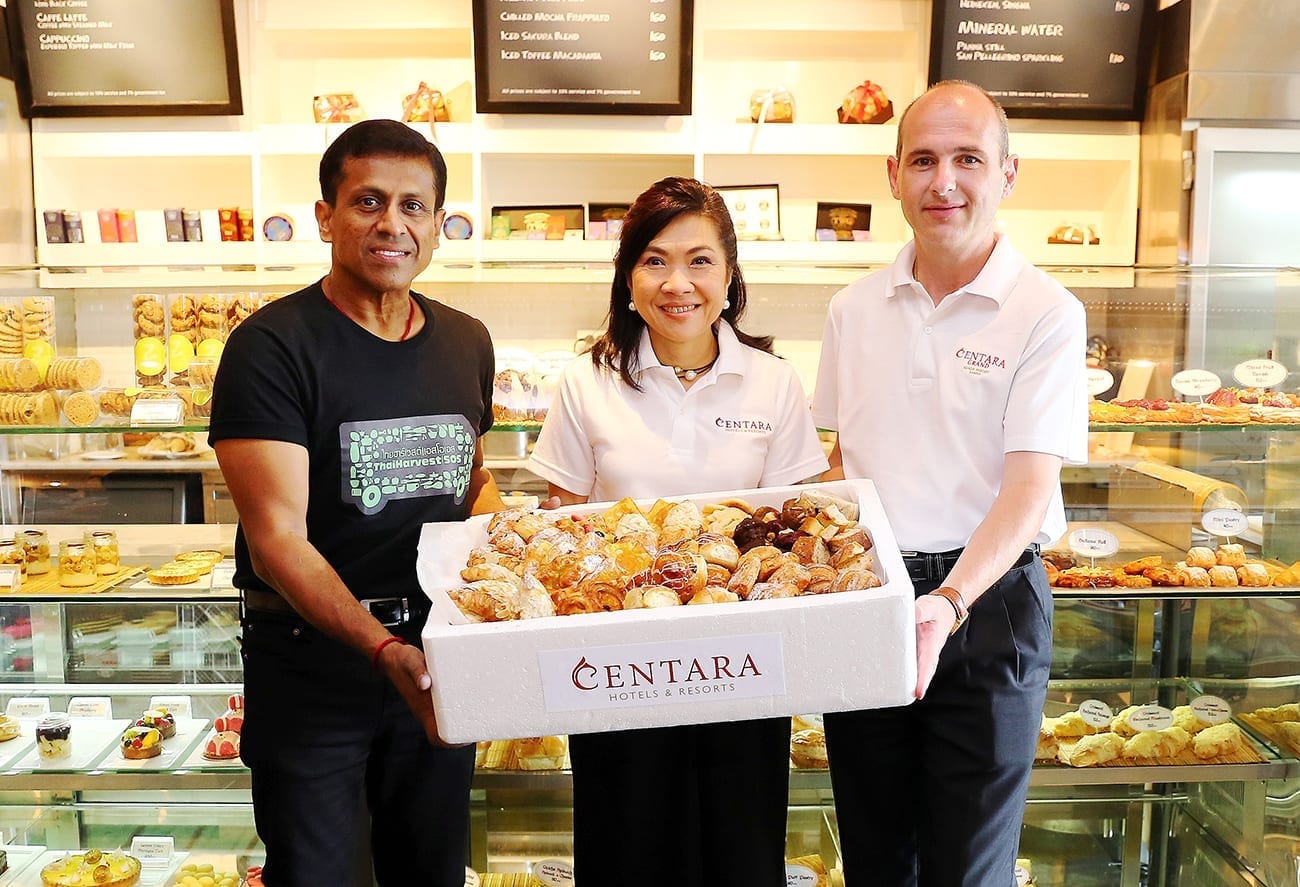
    Centara Hotels & Resorts, Thailand’s largest hotel operator, will participate in an innovative new charity operation that collects and distributes surplus food to benefit people in need, starting this August. The operation, ThaiHarvest|SOS is a joint initiative with OzHarvest, the pioneering Australian organization that has established a proven and successful “Food Rescue” model which is being adopted around the world, and the Thai Foundation Scholars of Sustenance (SOS)

    The programme’s mission is to eliminate hunger and food waste through the re-distribution of quality surplus food. Experts estimate as much as a third of food produced for human consumption is wasted in the transport, distribution, and preparation supply chain. When this food ends up in a landfill, it represents a tremendous waste of resources and a lost opportunity to help people unable to afford adequate nutrition.

    The OzHarvest rescue and redistribution system has proven a safe and efficient way to reduce this waste and benefit the planet. Begun in Australia 14 years ago, it is now being replicated in the UK, South Africa, New Zealand, Peru, Indonesia and Vietnam. An important part of the initiative is educating people about the problem and opportunity of food waste.

    In Thailand, ThaiHarvestISOS picks up good quality surplus food daily from participating supermarkets, hotels, food courts, restaurants and other businesses. Trained inspectors sort the food and assure its safety. Food no longer fit for human consumption is taken to local farms for composting. The rest is refrigerated and delivered to the needy. Since 2016 ThaiHarvestISOS has donated over 60,000 meals to organizations such as Mercy Center Orphanage, Half Way Homes for men and women, the Pak Kred Babies’ Home and the Poh Teck Tung Foundation.

    In August Centara Hotels & Resorts will begin donating surplus food from its Centara Grand hotels at CentralWorld and Ladprao. Eventually it hopes for all its Thailand properties to participate. These main two properties will also arrange an event called “Master Class Dinner”. It will be led by Will and Steve, celebrity chefs who won Australia’s The Seven Network’s top rating cooking show in 2015 – My Kitchen Rules Australia and known as chefs who support OzHarvest campaigns and now ThaiHarvestISOS.

    “We are thrilled about the leadership taken by Centara to partner with us on our mission to eliminate hunger and reduce food waste through the re-distribution of quality surplus food. Their commitment and support will allow ThaiHarvest|SOS to both help reduce food waste in Thailand and at the same time, provide good meals to those in need in our community”, said Gopi Krishnan, Head of Programmes at OzHarvest and ThaiHarvest|SOS.

    “As we prepare food for our guests, unavoidably at the end of each day we have surplus – for example, bakery items or excess from a large banquet,” said Centara’s Corporate Director of Food and Beverage, Winfried Hancke. “It is a shame to let this food go to waste when there are so many people who could benefit from it.”

    Supatra Chirathivat, Centara’s Senior Vice President Corporate Affairs & Social Responsibilities, noted how well the programme fits the group’s social responsibility and sustainability goals. “Being a good member of the community means helping those less fortunate and using the earth’s resources more efficiently. We’re

  • Challenges, but CapitaLand Mall Trust proves steady

    Challenges, but CapitaLand Mall Trust proves steady

    CapitaLand Mall Trust had net property income of S$117.5 million (US$86 million) for its second quarter to the end of last month – 1.2 per cent higher than the $116.1 million for the same period last year.

    “Notwithstanding the challenges in Singapore’s retail sector, the trust has produced yet another steady set of results,” says CEO Tony Tan of CapitaLand Mall Trust Management, which manages the trust.

    Its portfolio occupancy at June 30 was 98.6 per cent, outperforming the average market occupancy level, says Tan.

    During the quarter, a major asset-enhancement initiative was completed for Bukit Panjang Plaza, with the rooftop garden and level-four public library being expanded. Other improvements include new dual-file escalators and a skylight roof.

    At the end of April, Funan blazed a trail with the launch of its one-of-a-kind experiential show suite, a first for Singapore retail, says Tan. “Two months later, and with more than two years to go before its target opening, Funan’s retail component is already 30 per cent committed.”

    He says the decreases in gross revenue for the year’s first two quarters were mainly because of Funan as it closed in July last year for the redevelopment.

  • VivoCity hosting food workshops for children

    VivoCity hosting food workshops for children

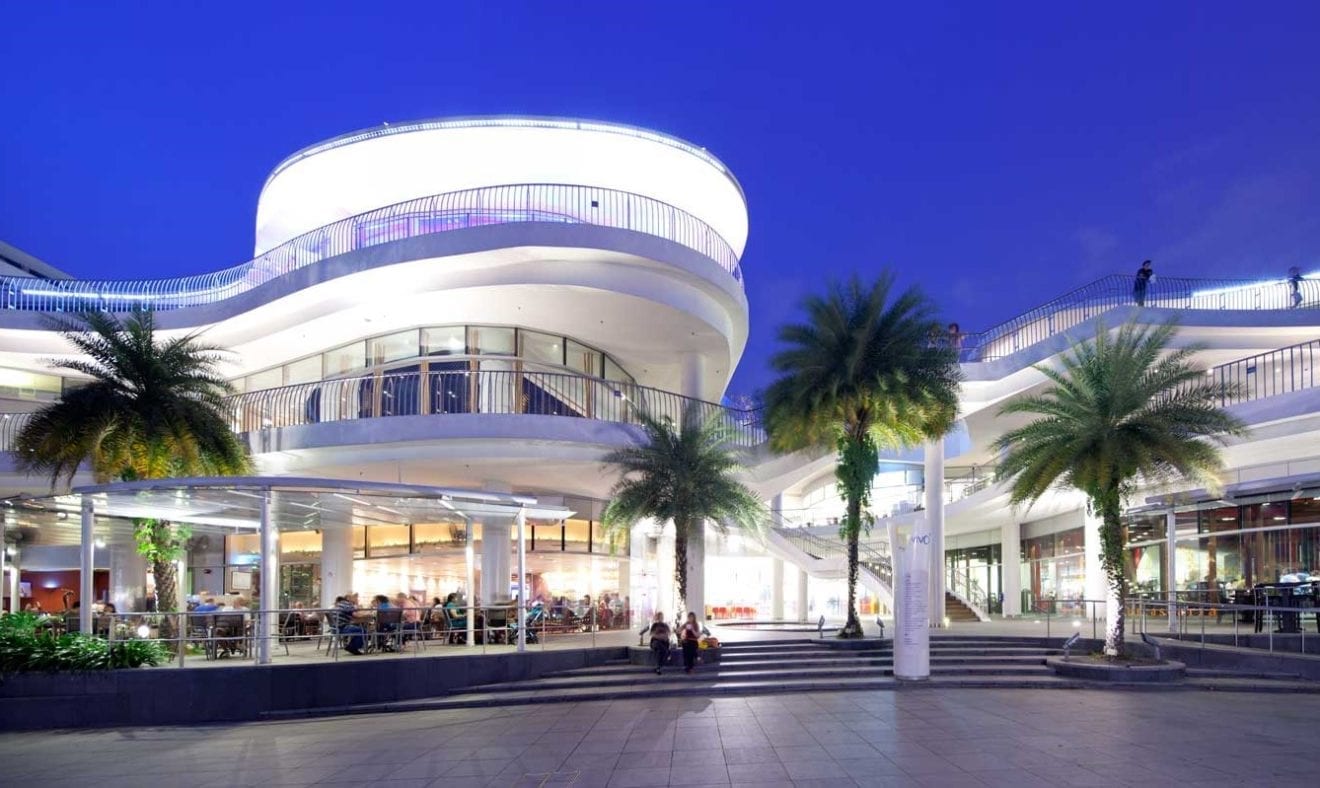
    VivoCity will host two food workshops for children next weekend led by Chef Mong from team-building company Cookyn and food artist Shirley Wong, also known as “Little Miss Bento”.

    Each workshop is limited to 30 teams comprising a parent and a child, and is available on a first-come, first-served basis (registration has opened). Participants will take home their masterpiece and a goodie bag worth more than SG$20, with two teams judged top in each workshop each winning $250 Mapletree vouchers.

    Entry is open to VivoCity customers who have spent $50 during the promotion period, with a registration fee of $10.

  • Summer Hill set to transform Phra Khanong’s lifestyle landscape

    Summer Hill set to transform Phra Khanong’s lifestyle landscape

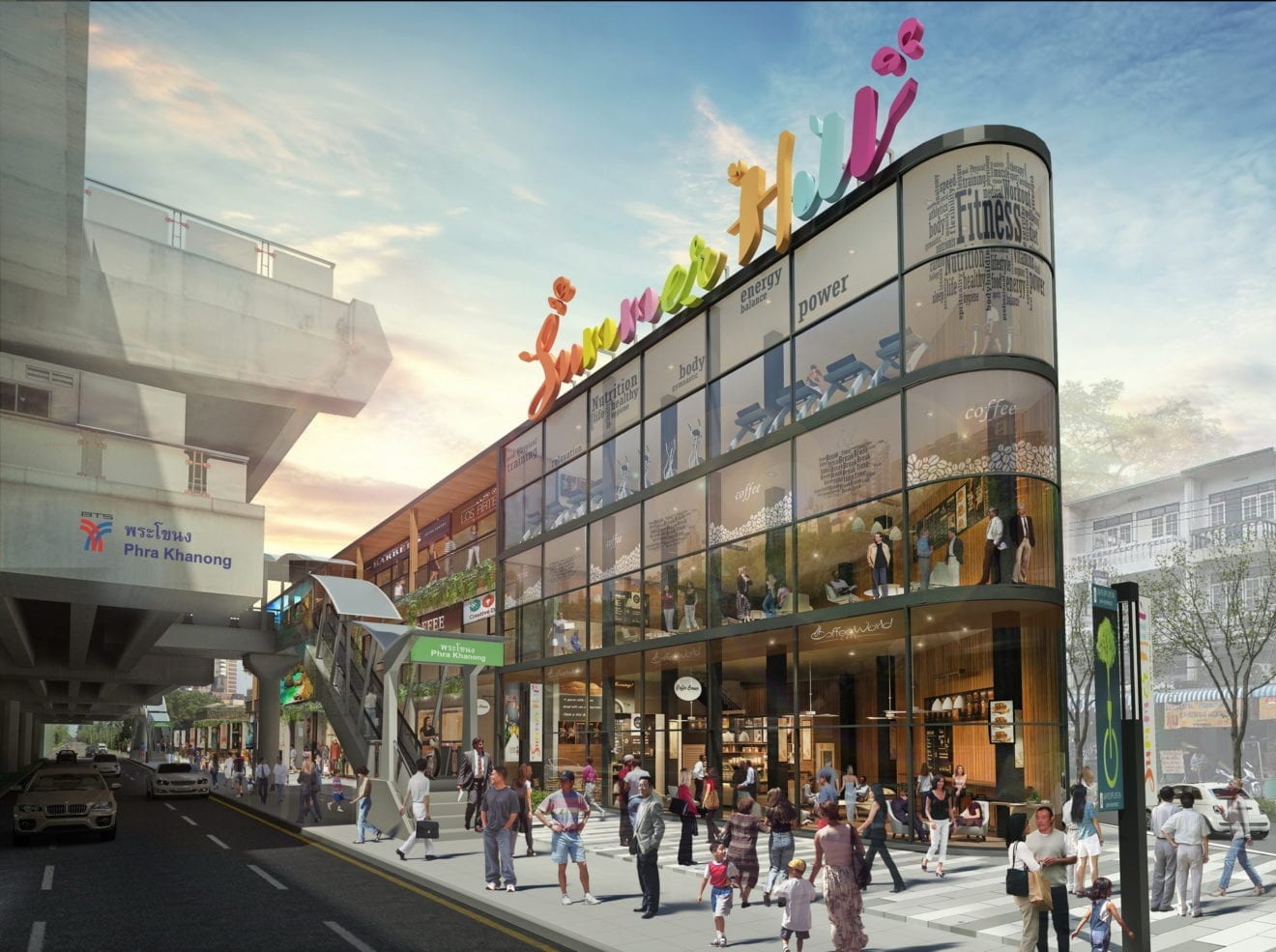
    Summer Hill, a stylish new summer-inspired community hub by Boutique Prakhanong 1 Limited, a direct subsidiary of the leading property developer Boutique Corporation Public Company Limited (“Boutique”), is set to transform the Phra Khanong retail and lifestyle landscape when it opens its doors this year.

    Located just one step from BTS Phra Khanong, the mixed-use development features an assortment of stores, cafes, restaurants, fitness centers and co-working spaces for visitors to shop, hangout, savor a delicious meal or drink, and just enjoy their “summer-like” urban lifestyle.

    Summer Hill is the latest project by Boutique, which is responsible for the development of a number of high quality hospitality projects in premium sites throughout Thailand, including Southeast Asia’s first ever Hyatt Place, launched in 2016 in Patong, Phuket. Since its inception in 2004, Boutique has successfully launched more than 10 development projects and currently has more than 5 projects in the pipeline. Its first foray into retail came in 2012, with the opening of the award-winning urban oasis Rain Hill on Sukhumvit 47.

    “After conducting extensive market research, we began to see the potential for Phra Khanong to become Bangkok’s next trendy, upmarket neighborhood. We decided to open Summer Hill here as we realized there’s nothing quite like it in the area or planned for the next couple of years. We also have experience of developing in Sukhumvit, having launched numerous real estate projects in the area so far. There’s a real need for a quality lifestyle-oriented mixed-use development – a place where visitors can eat, drink, go to wellness stores, specialty stores, and attend fitness and education classes; basically, the focus is to cater to consumers’ lifestyles,” said Mr. Prab Thakral, President and Group CEO of Boutique Corporation Public Company Limited.

    The mixed-use development, set on approximately 5 rai of land, will be home to 40 leading brands carefully selected to cater to the plethora of Bangkok residents’ urban lifestyles. With a mix of outdoor and indoor space and a gorgeous 160m-long frontage along Sukhumvit Road, Summer Hill’s clear glass façade design will become a landmark and trendy meeting point in Phra Khanong.

    Summer Hill is also planning a second phase of the project, expected to be completed by 2018, which will involve the development of a 10,000 square meter office building with integrated retail on the ground floor, allowing office workers to also make use of the premium facilities.

    “As Boutique has extensive experience and expertise across a variety of sectors in the Sukhumvit area, we are perfectly placed to capitalize on the ongoing trend for mixed-use developments in the marketplace. Mixed-use buildings can often be the key to revitalizing and brightening underdeveloped areas, while also being more energy efficient, sustainable, and more in line with modern urban lifestyles. For example, people nowadays no longer want to spend so much time commuting to work or play,” Mr. Prab added.

    Mixed-use developments, like Summer Hill, have also responded to the recent increase in popularity of e-commerce in Thailand by offering unique and enjoyable shopping experiences that are just not available online. By featuring a combination of shops, restaurants, entertainment and lifestyle outlets, Phra Khanong residents and visitors can visit whenever they want, to do whatever they want.

  • Starfield Goyang set to open in August

    Starfield Goyang set to open in August

    The third mall under Shinsegae’s Starfield brand has set its opening date for Aug. 24, according to Shinsegae Property.

    Starfield Goyang in Goyang, Gyeonggi Province, will span 365,000 square meters and will include a kids’ theme park and Shinsegae’s flagship outlets such as Shinsegae Department Store and Emart Traders.

    Other entertainment facilities previously showcased at Starfield Hanam, including Aquafield and Sports Monster, will also open in Goyang. Starfield is the brainchild of Shinsegae Group Vice Chairman Chung Yong-jin, who promised a new paradigm for Korea’s retail industry.

    The group made a 1 trillion won (US$877 million) investment in the mall and joined forces with U.S. property developer Taubman. Shinsegae Group said the better-than-expected performance was a result of Starfield’s exclusive “shopping theme park” concept, and its offering of diverse experiences such as a movie multiplex, indoor gym, swimming pool and spa.

    Starfield Hanam went beyond merchandising products, but strived to interact with customers by providing places where people can share time and experiences Shinsegae Property said the shopping mall will cater to families, taking into consideration the suburb location of the outlet. Areas specialized for children will be twice as large as similar areas in Starfield Hanam.

    Shinsegae’s Toy Kingdom will be expanded into a theme park-like store that includes hands-on programs for children and cafes for parents. The mall will run a one-week pre-opening event starting Tuesday, ahead of its grand opening in late August.

    Shinsegae Vice Chairman Chung Yong-jin has also reportedly taken extra care in the opening of the third Starfield mall, having commented in past interviews that “revenue comes from the time spent (by visitors)” and that he wished to open Starfield branches nationwide

  • Trump Takes On Tanah Lot

    Trump Takes On Tanah Lot

    Property mogul turned President of the United States Donald Trump has a lot on his plate, but that hasn’t stopped him from setting his sights on a six-star resort development in the Tabanan Regency of Bali.

    Much like the man himself, the development remains controversial. What impact will the resort have on tourism to the island and will the unrest among the local community threaten its success?

    Specifics of the resort, such as how large it will be and how many jobs it will offer the local community, are still yet to be released which has caused some concern in the regency. The land on which the resort is planned was forcibly taken, according to reports of locals, during the Suharto era and eventually developed into the five-star Pan Pacific Nirwana Bali Resort. The plans for redevelopment are believed to include expansion of the 18-hole golf course.

    Construction of the Trump International Hotel and Tower Bali, in conjunction with local magnate MNC Group founder and expected future politician Hary Tanoesoedibjo, is expected to begin in early 2018 after years of deliberation.

    The project in Bali is one of two – the other slated for West Java, which is tipped to feature a theme park. The West Java project is also causing concern, particularly among environmental activists who fear the Gunung Gede Pangrango national park development will threaten many endemic animals and fauna, according to a report from the Associated Press earlier in the year.

    Like many Trump properties around the world, the resort will be managed and maintained by a firm, in this case the MNC Group, which has leased rights to the Trump brand.

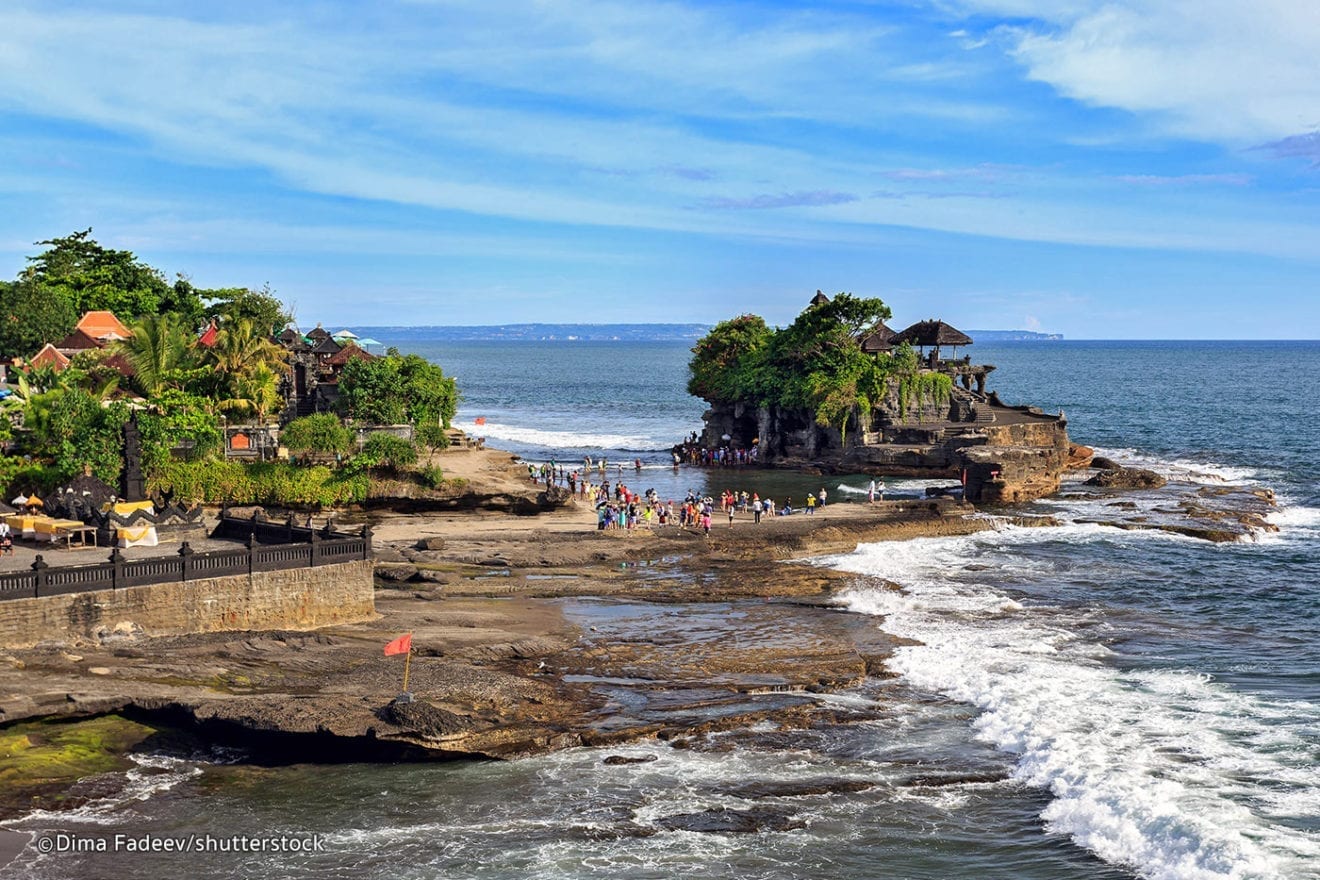
    The news has upset many in the local community who are concerned with the resort’s proximity to 16th-century Hindu temple Tanah Lot temple – one of the resort’s major attractions.

    “I would strongly recommend against any new developments that impact the temple. These things are sensitive in Bali,” I Gusti Ngurah Sudiana, local head of the country’s peak Hindu group Parisada Hindu Dharma Indonesia, told Bloomberg.

    “The Balinese don’t tend to speak up, but these things related to the sacredness of the temple are very sensitive, only the enforcement is too weak.’’

    Indonesia Investments too noted concern in a January report: “according to local beliefs land nearby temples cannot be used for the purpose of leisure (such as a golf course). On the eastern side of the existing golf course there stands a small temple and therefore local people do not want to see an upgraded (expanded) golf course.”

    “Rumours have spread across the island over further forced land sales and the potential of Tanah Lot to be all but obscured by the hotel.”

    Rumours have spread across the island over further forced land sales and the potential of Tanah Lot to be all but obscured by the hotel. At this stage, a lack of details or open consultation from the government is doing little to smooth anxieties.

    A recent Four Corners programme, a long-running television documentary series produced by the Australian state news agency ABC, investigating the development as well as the business ties between Trump and Tanoesoedibjo and featuring a segment in which Tabanan regent Eka Wiryastuti dodged questioning has become emblematic of the difficulties in obtaining straight answers.

    “If anything’s been approved, it’s been done very privately and very quietly,” Mark Davis of Four Corners says during the programme.

    Bali remains a favourite among tourists because of the island’s ability to balance dream beach resort holidays and strong cultural experiences. A development which threatens that balance could threaten the unique drawcard Bali offers the world.

    But, obscured details aside, does Bali need a big name attraction like Trump?

    Maybe not, data from the National Statistics Bureau (BPS) suggests, with overall foreign tourist arrivals growing rapidly year on year. Over 4.2 million foreigners visited Indonesia between January and May this year, a 20.38 percent increase on the same period a year earlier.

    Of that number, 2.3 million touched down at Bali’s Ngurah Rai International Airport. This represents an increase of 23.66 percent from the 1.86 foreign visitors a year earlier. Bali is on track to reach the 5.5 million foreign tourists target, around a 30 percent increase from 2016.

    But the Trump brand may need a sure-fire hit like the iconic South Bali cliff face locale. With resorts, hotels and casinos around the world carrying the Trump name taking a financial hit as his presidency continues to garner controversy, a well-located luxury resort amid an ever-growing tourist base could buck that trend.

  • Sun Hung Kai Real Estate plans $20m marketing splurge

    Sun Hung Kai Real Estate plans $20m marketing splurge

    Sun Hung Kai Real Estate is spending HK$20 million in what it says is its largest ever marketing promotion aimed at driving foot traffic into 12 malls over the summer holiday season.

    The campaign launched yesterday (July 18) and will run until August 31. The budget is 10 per cent higher than last year’s and the company hopes to boost footfall by a similar proportion – to 62 million – driving combined mall sales to HK$2 billion.

    A quarter of the budget will be dedicated to the Tai Po Mega Mall. The company has also created an app, which cost HK$15 million to develop, and provides “a more user-friendly service to customers, such as car searching, e-membership and reservations”.

    “Online shopping is becoming popular but the percentage in Hong Kong is still relatively low, with 3 to 4 per cent,” Maureen SY Fung, director of SHKP told China Daily in an interview.

    “And we are in a ‘problem solving industry’, we will face the trend positively and improve ourselves with technological aids, like the newly launched mobile phone app.”

    At the core of the campaign is the promotional activity “Summer Cool Carnival” focusing on ice cream and swimming pool themes. Educational and entertainment workshops, like Dessert In Vogue Workshop, Little Master Chef Dessert Workshop and VR Torrent Adventure, for kids and parents will help draw people into centres, along with a fashionable selfie spot designed by Korea’s Kimkimlab. More than 100 pop-up stores will open during the period.

    “The retailing industry is picking up, the atmosphere is good, so we believe a better performance of the 12 shopping malls on the coming half-year in terms of both passenger flow and turnover,” Fung said.