Category: Real Estate

Retail News Asia is committed to providing both local and global retailers with the latest Real Estate news throughout the Asian market. This on a daily base.

  • Rental services popping up in every corner of South Korean life

    Rental services popping up in every corner of South Korean life

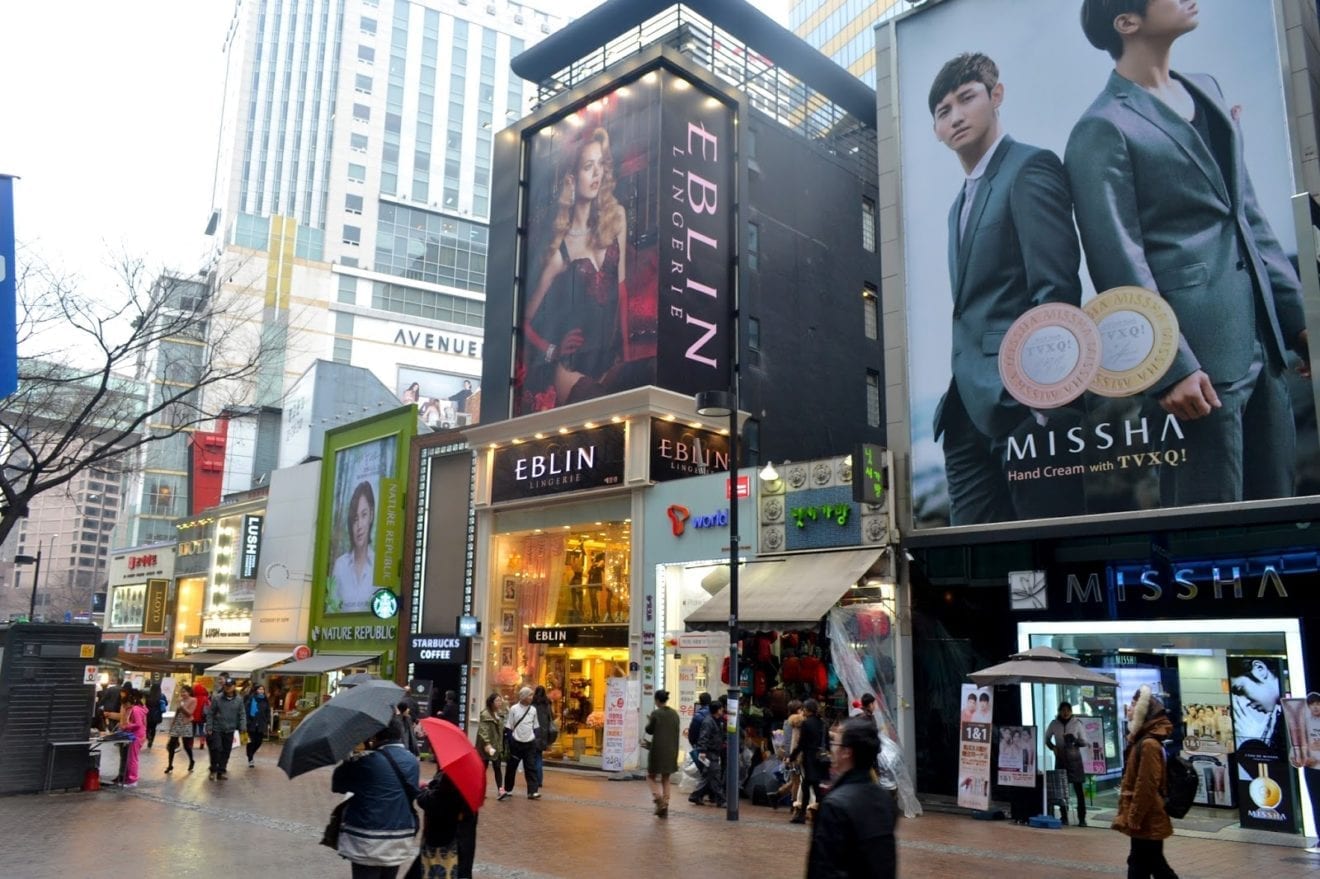
    The rental service market in South Korea is rapidly expanding into every corner of South Koreans’ life with items ranging from fashion accessories to digital cameras and furniture, as a growing number of consumers are willing to borrow products at affordable prices.

    According to the KT Economy and Research Lab, the rental business in the country has increased over 30 percent in the last five years, with businesses that rent personal and household goods seeing a 50-percent jump.

    Last year’s market size for rental services is estimated at 25.9 trillion won (US$23.1 billion), sharply up from 19.5 trillion won posted in 2011. The local rental market is expected to further grow to reach 28.7 trillion won this year, 32 trillion won in 2016 and 40 trillion won in 2020, the think tank predicted.

    “Consumers are getting increasingly smart by reducing unnecessary spending while meeting their need to consume,” said Kim Jae-pil, a researcher at KT Economy & Research. “They are also not adverse to sharing goods with others to reduce their financial burden.”

    The researcher says that renting goods has emerged as a lucrative business here, as people, especially the younger generation, are increasingly open to the idea of borrowing items for everyday use and less inclined towards ownership, which was the case with their parents.

    In the past, the country’s rental service sector has been largely led by the auto rental business, as a growing number of young consumers on tight budgets want to experience a wide range of vehicles, with some players nimbly moving to capitalize on such subtle changes.

    Cars registered to rental services are estimated at some 624,000 units in 2016, a more than twofold increase from 280,000 units in 2011, according to data compiled by the Korea Rental Car Association.

    Retail giant Lotte Group and energy conglomerate SK Group are among those who have entered a car rental business.

    Market leader Lotte Rental has some 25 percent market share, with a customer base of some 2.3 million, followed by AJ Rent-a-car with a 12 percent share and SK Networks, which has an 11 percent market share.

    Recently, however, the rental business has further expanded its territory. People nowadays have started renting miscellaneous goods that can be considered rather unusual to borrow.

    SK Planet Co., the operator of leading e-commerce site 11Street, opened up a fashion rental service within the online shopping site named Project Anne last September, joining the rental business race.

    Over 30,000 apparel, handbag and accessory items from some 150 brands are available, with total subscribers standing at 95,000 as of end-February this year, according to the company. A subscriber can rent Gucci or Ferragamo handbags for a minimum fee of 80,000 won per month, with no laundering required, and can later purchase the item.

    SK Planet has partnered up with 17 companies that sell household goods to offer rental services to its users, diversifying the lineups to high-end wedding suits, kids items and beauty equipment, while retaining the existing lineup of air and water purifiers and massage chairs.

    Since its launch on November 2016, transactions in the rental shop have spiked 146 percent as of February.

    “Consumers are becoming more interested in rational or reasonable consumption, opting to borrow goods rather than to own something,” said Kim Min-seok, a manager at 11st. “Consumers can save on the cost by paying reasonable prices (to rental services), and they can trust such rental services.”

    Lotte Department Store, the country’s largest department store chain, operates a premium rental boutique named Salon de Charlotte, which mainly caters to those wanting to borrow party dresses, fancy suits and jewelry.

    Rare or less-sought-after items ready for rental services include suitcases, adjustable beds and golf clubs.

    “The rental business has seen rapid growth in the past few years as consumption was not backed by a rise in income,” said an analyst at SK Securities. “Without a sharp rise in disposable income, rental business in the country will continue to grow.”

  • Centara Relaunches Stunning Danang Resort After Major Upgrade

    Centara Relaunches Stunning Danang Resort After Major Upgrade

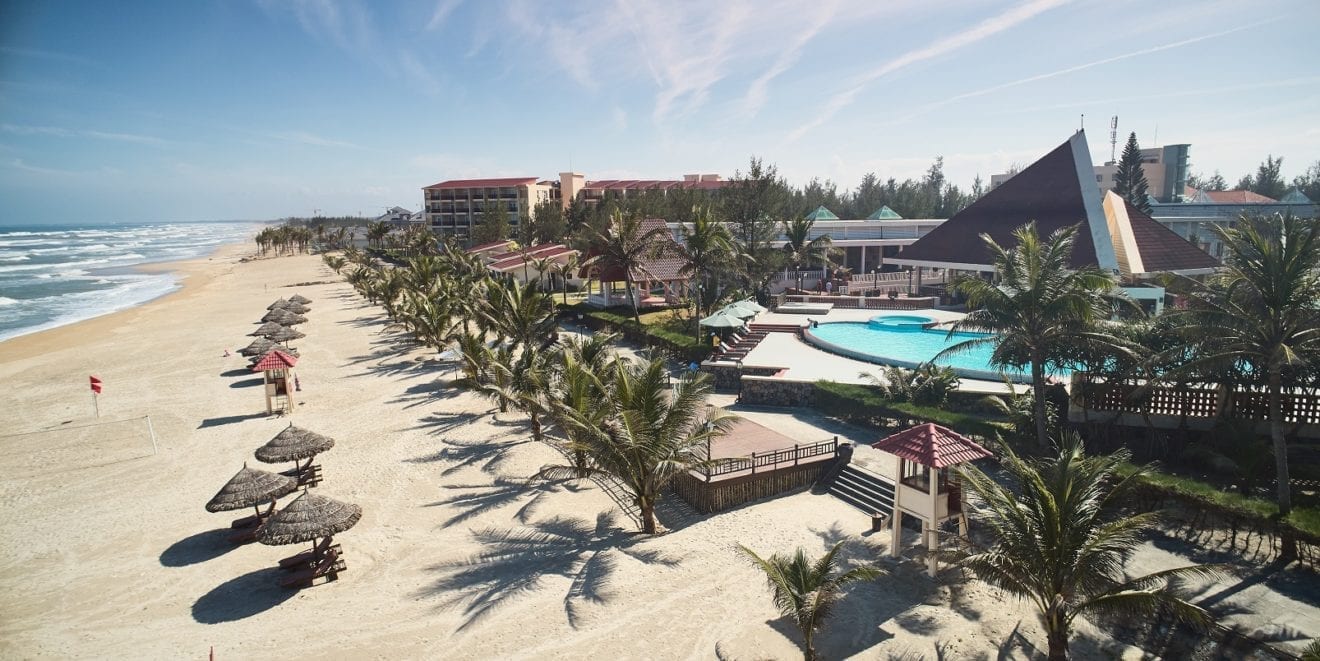
    Centara Hotels & Resorts, Thailand’s largest hotel operator, reopened the Centara Sandy Beach Resort Danang following an extensive renovation and upgrade. The resort offers an excellent location on the white sands and clear waters of Non Nuoc beach. The site is designed to offer secluded privacy on a private beach, but is conveniently within 20 minutes of Danang’s airport and downtown, two championship golf courses, and the Hoi An World Heritage site. Its beautiful surroundings, combined with the recent improvements, make this a destination worth considering for vacationing families, couples or friends, as well as weddings or business events.

    A choice of accommodations includes rooms, villas and bungalows, with up to 92 square meters of living space. The resort’s newly-designed premium rooms and suites feature furnished balconies where guests can enjoy views of the East Sea, forested mountains, and 42 acres of manicured gardens. All 198 rooms are just a few steps away from a swimming pool – one in the gardens, the other at the beachfront.

    For families with young children, Centara offers a children’s pool, Kids’ Club, and babysitting service. Active adults and teens will enjoy the fitness centre, tennis court, games area, and activities such as kayaking, beach volleyball and kite flying.

    Amenities include Centara’s SPA Cenvaree, a sanctuary set in the tropical gardens that pampers guests with traditional Thai treatments and herbal balms. Centara added two new restaurants, giving the resort a total of five. They range from Ginger & Lime, featuring Thai, Vietnamese and Asian fusion dishes, to the two delightful poolside bars that offer an eclectic array of pizza, gelato, international classics and Vietnamese street food.

    For weddings and business events, the resort now has two flexible function rooms with seating up to 90, plus outdoor areas popular for large receptions. The garden or beachfront pool areas can accommodate cocktail, banquet or cabaret functions of several hundred guests.

    The improved resort also offers a library, tour information desk, complimentary shuttle service to Danang and Hoi An, and free wireless internet.

    “Centara Sandy Beach Resort Danang benefits from one of the most beautiful sites in Vietnam,” said Thirayuth Chirathivat, Chief Executive Officer, Centara Hotels & Resorts. “Our goal when we upgraded the rooms, facilities and landscaping was a resort deserving of its exceptional natural surroundings. We wanted the result to be a vacation or event that would be unforgettable.

  • Vietnamese property developers see new tricks in VR

    Vietnamese property developers see new tricks in VR

    As competition in the property market heats up, developers are seeking new ways of attracting buyers – one recent attempt makes use of virtual reality and augmented reality (VR/AR).

    It’s expected that VR will boom this year, with a wide number of sectors taking advantage of the latest technology, including real estate, which will allow potential buyers “real” experiences of property projects.

    A recent report by Cushman & Wakefield estimated that VR and AR would become a US$2.6 billion market in real estate by 2020, as headsets such as the Oculus Rift and the Microsoft Hololens become common place over the next few years.

    “It’s essential to begin preparing for the expansion,” Cushman & Wakefield said. “In addition to virtual walkthroughs of both finished and unfinished buildings and virtual models projected onto desks and tables in the real world – innovations which are already in development – companies see opportunities for more game-changing features a little further down the road, once mass adoption takes hold.”

    Cushman & Wakefield cited a research report released last year by Goldman Sachs, saying that VR/AR hardware and software is finally catching up with consumer expectations, and are posed to disrupt a number of markets, including real estate.

    Catching up with the trend, several Vietnamese developers have started to use VR and AR in their marketing to promote sales, such as Vingroup, Sun Group and BIM Group.

    At a recent sale opening of Citadines Marina Ha Long, BIM Group used the Microsoft Hololens to demonstrate every detail of the project in front of buyers’ eyes.

    A representative from the developer said that the use of new technologies would help make up for the gaps in traditional marketing tools.

    Phan Thanh Hue from Booyoung Vina was quoted by Dau Tu Bat Dong San (Real Estate Investment) newspaper as saying that the new technologies brought life-like experiences to customers.

    Dinh Anh Tuan, director of 3D Vni, which provides the hardware, said that many customers were excited about the new experiences. Tuan said that developers were staring to use VR and AR in marketing and more expansion was expected.

    Tuan said that VR was forecast to become an indispensable trend, changing the face of marketing and sales in many sectors, including real estate. This technology would also help increase the competitiveness of property products, he added.

    According to Pham Ngoc Mai Anh, director of ADT Creative, a start-up in VR applications, there is an increasing interest in using VR by property developers.

    However, because of current prices, VR is now only appropriate for high-end segments rather than having broad appeal, experts say.

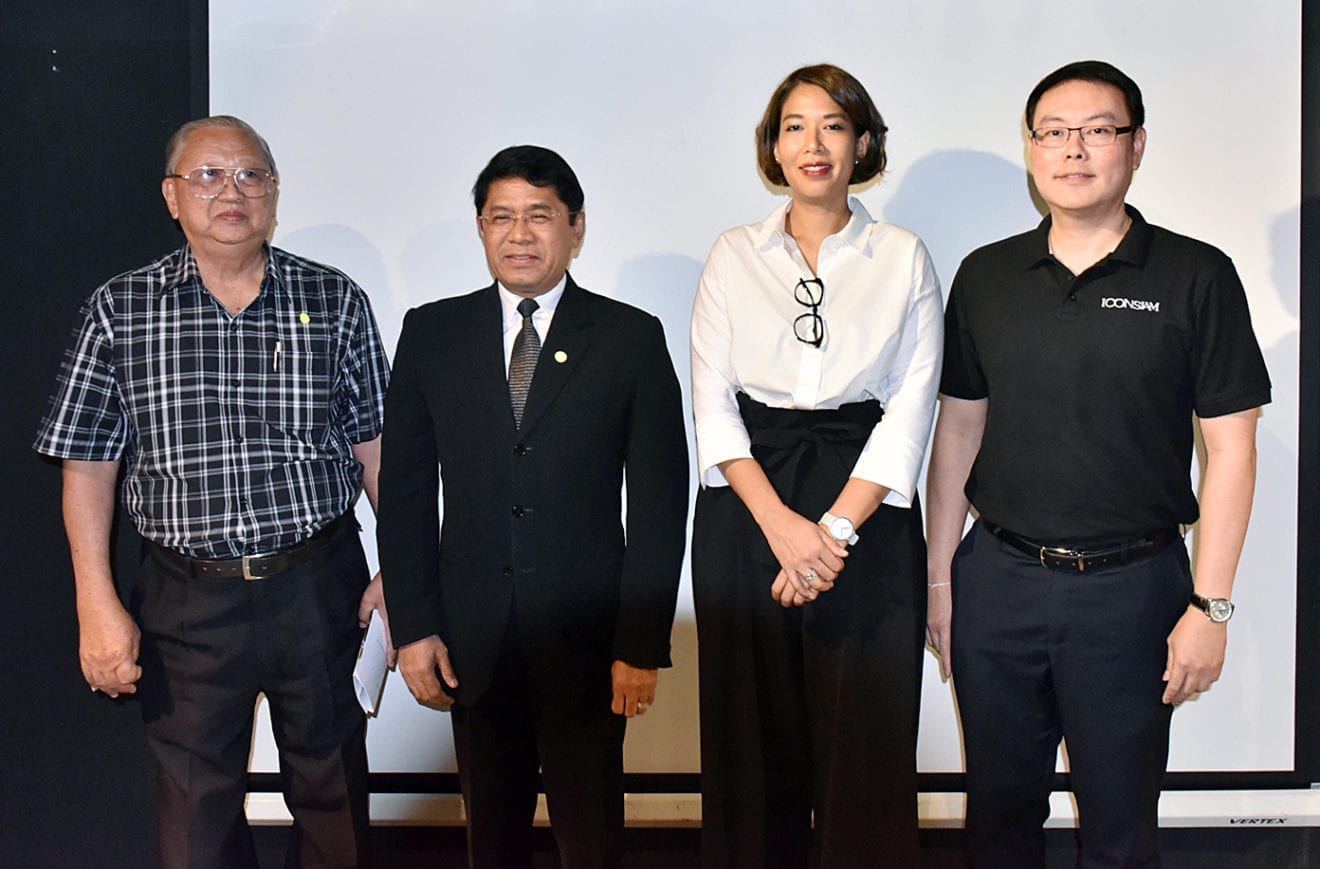
  • ICONSIAM supports the building of  “Kadeejeen-Klongsarn Center”

    ICONSIAM supports the building of “Kadeejeen-Klongsarn Center”

    Through many years, ICONSIAM has a policy of responsibility towards society, the environment, and culture by contributing to the sustainable development of local communities and the long-lasting co-existence with the Chao Phraya River. Hence, ICONSIAM continues to fulfill its missions related to social development throughout the three projects, namely the conservation of natural resources and the environment of the Chao Phraya River in the vicinity, the sustainable development of the communities and their unique local wisdom, and the preservation of the precious culture and traditions of the people living along the Chao Phraya River generation after generation.

    ICONSIAM has cooperated with the Urban Design & Development Center (UddC), Kadeejeen-Klongsarn Community, including homes, temples, schools, and government agencies in Kadeejeen-Klongsarn community, and the PPCP (public-private-community partnership), which comprises of governmental agencies and private organisations, in particular religious leaders in communities including  Buddhist Chief Abbot of Wat Prayurawongsawat Phra Brahmapundit, Head to Goowatin Islam Mosque Imam Nawin Sasanakul, and Assistant Abbot to Santa Cruz Church Father Anthony Ekkachai Soratchakit, to co-work and draw development plan for establishing “Kadeejeen-Klongsarn Center”.

    Mr. Supoj Chaiwatsirikul, Managing Director of ICONSIAM Co., Ltd, said another key aspect of ICONSIAM’s CSR activities lies in the contribution to the development of the communities sustainable. ICONSIAM has foreseen that the project will create benefit for the communities and society, so that the company has taken part to the Kadeejeen-Klongsarn Center project since 2015. During the past two years, ICONSIAM has seen the community strength and unity, and so proud of being part of the community center’s initiative in Kadeejeen-Klongsarn areas. Moreover, ICONSIAM highly expects that the center will be a pilot project and be as a model for other communities’ development. The center will not only be learning and knowledge exchange information center, but also preserve tradition and culture, as well as promote eco-tourism, and increase incomes for people in the communities to have better living standard

    Assistant Professor Niramon Kulsrisombat, director of the Urban  Design & Development Center (UddC), said that the initiative for establishing of the Kadeejeen-Klongsarn Center came from the realization that the areas is one of the oldest communities in Bangkok-Thonburi, which have deep and strong background. During the past 10 years, people in the communities and outside the area have created many activities to rehabilitate this neighbourhood to become lively again. Yet, temporary activities have its limitation and most are not permanent, it could not reach the development target in tangible outcome, despite people in the communities and other organisations have gradually increased their cooperation. As a result, people in Kadeejeen and Klongsarn communities have initiated an idea to establish “Kadeejeen-Klongsarn Center” (KK Center) as social areas and gateway for visitors to reach the area.

    Kadeejeen-Klongsarn Center which will be completed in establishment in 2018 is located on an area of over 250 square meters of the Memorial Bridge adjacent to the riverfront court of the City Law Enforcement Department, which is where Kadeejeen and Klongsarn meet. It is one of the strategic areas to serve the communities as having every kind of transportation including road and water ways, and railway in the near future. The Kadeejeen-Klongsarn Community Center will serve as public utility areas and as the gateway to these communities as well as a starting point for tourists and general people who are searching for information and exchange idea and knowledge about these areas. In addition, the center will also serve as a showcase for products from these communities.

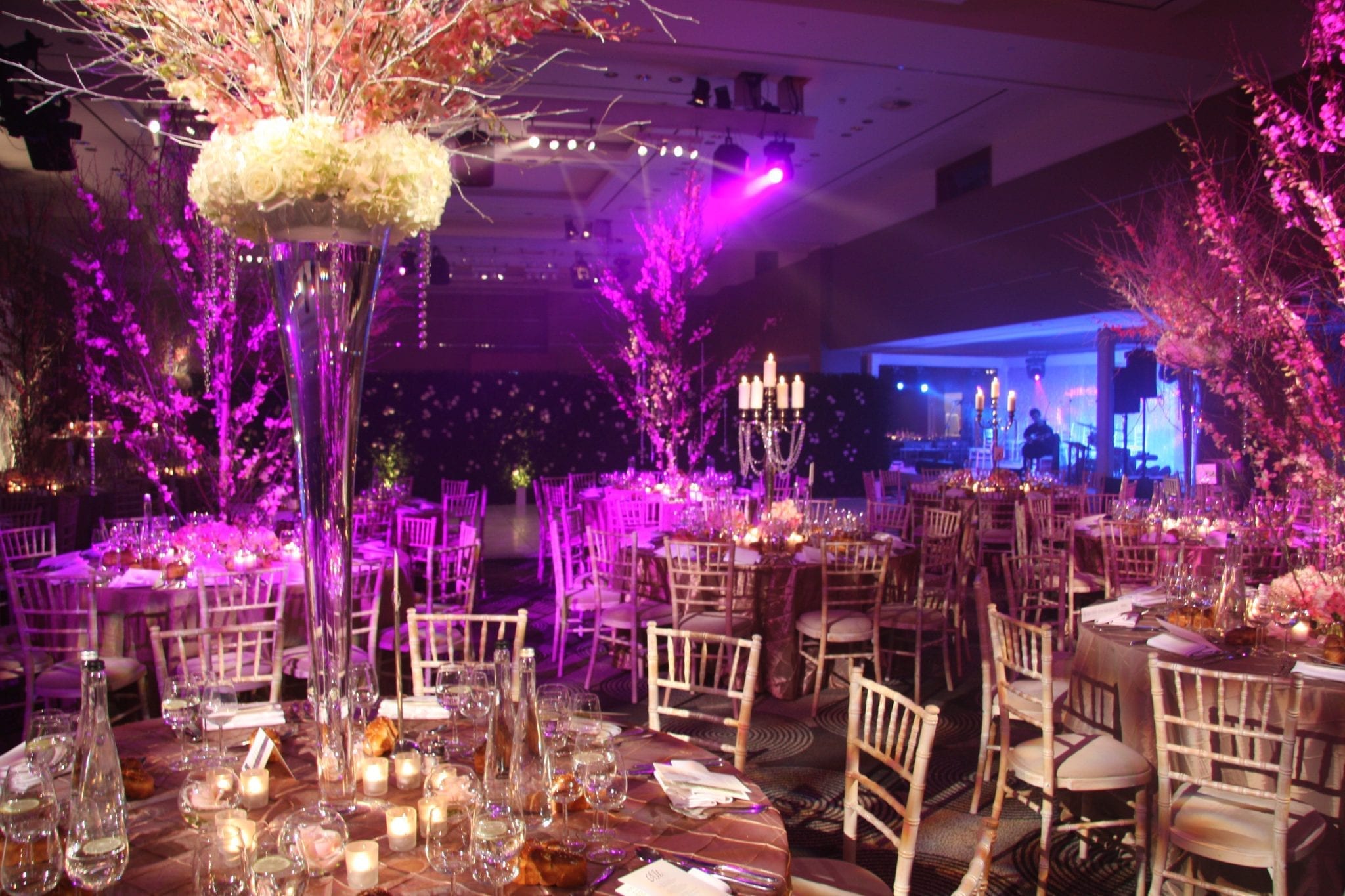
  • Sofitel Foshan Brings Dream French Style Weddings to Life

    Sofitel Foshan Brings Dream French Style Weddings to Life

    Foshan’s newest and tallest hotel, Sofitel Foshan, offers bespoke French-style weddings for couples in love, setting a new benchmark for modern romance.

    As Sofitel Hotels & Resorts’ first design hotel in Mainland China, Sofitel Foshan boasts a perfect location, connected to the Louvre International Exhibition Center. The hotel features a stunning interior design concept by Cheng Chung Design (HK), that blends the best of Chinese and French styles with furniture and interior design that represents the Lingnan culture’s free spirit and confidence, honoring prestigious French monuments and icons.

    At 236 meters tall with 62 stories, the structure towers over Shunde and Sofitel Foshan is the tallest hotel in Foshan, an iconic skyscraper with 360 degree views of the city – a perfect backdrop for couples to spend a special moment together or even for surprise proposals.

    Lovebirds staying at Sofitel Foshan may choose from 325 elegant guest rooms with 4 different interior design themes: Modern, Post-Modern, Neo Chinese, and Signature French. The furniture and décor in every room and suite is available for purchase, as well, allowing couples to bring a piece of their wedding night home as a souvenir and reminder of the memories made at the hotel.

    For the ultimate dream wedding, the iconic Napoleon Grand Ballroom is sumptuously designed with Baroco style. Located on the 8th floor of the building, the design is inspired by Louis XIV and décor in Napoleon III apartments, and the ballroom boasts high ceilings and elegant decorative crown moulding, representing the best of 17th century French opulence and grandeur. Paintings on the ceiling depict marvelous French soirees and balls with rows of sparkling chandeliers and each element was chosen to exude luxury and refinement.

    Altogether 6 meeting rooms offer the latest A/V equipment. There is also an 8th floor outdoor garden Eden. The space features elegant white archways and lush green surroundings making it an ideal setting for a wedding ceremony or photo shoot. Sofitel Foshan’s events and meetings facilities feature state-of-the-art design and technology for couples to hold memorable weddings.

    Sofitel Foshan tailors each wedding and offers a vast array of options so couples may also choose from a variety of wedding packages according to their preferences and needs for endless possibilities and options – from more quiet, low-key settings to large, extravagant packages. The Magnifique Wedding specialists are also available to help guide couples through the sea of choices and crucial decisions they encounter when planning the big day.

    Whether it is a private intimate wedding ceremony or a grand wedding celebration, Sofitel Foshan has elaborately crafted a wide selection of wedding options for couples, to present guests a gourmet feast full of romance and affection from the RMB 3,888 Pearl Wedding Package to RMB 9,888 Emerald package. And a Diamond Wedding Package with the price of RMB 10,888 will be available for couples who would like to enjoy an ultimate wedding experience.

    Sofitel Foshan brings each dream wedding to life with inspiration from French and Cantonese “Art de Vivre” as well as the wealth of culture and history found in the neighborhood. Couples will enjoy a world-class venue to start the first day of the rest of their lives together in the modern luxury hotel.

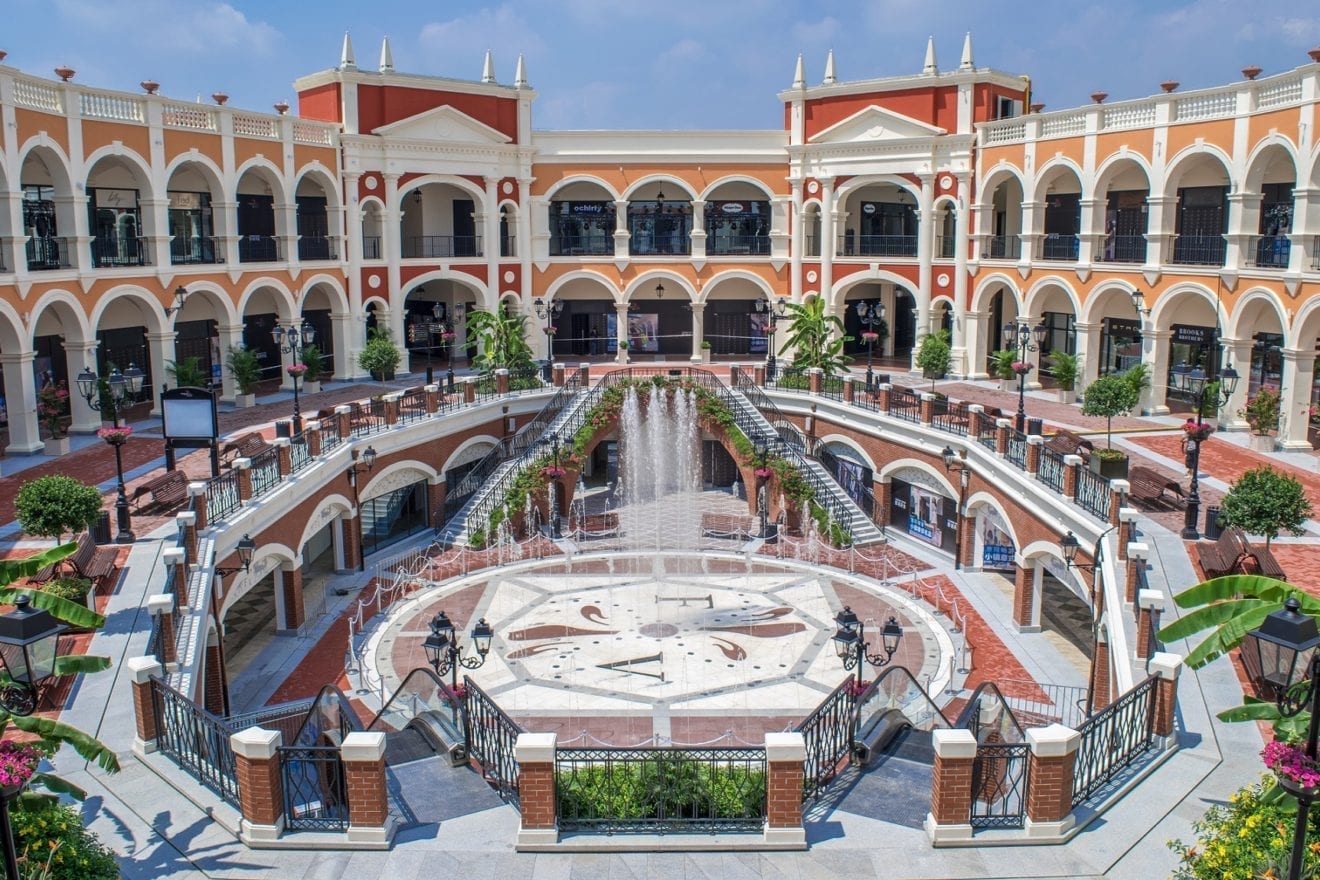
  • Florentia Village opens in Hong Kong

    Florentia Village opens in Hong Kong

    Despite the decline of tourist arrivals into Hong Kong last year and challenges in the luxury retail sector, Italian-owned mall operator RDM has just opened its first Hong Kong outlet.

    Located in the KC100 complex near Kwai Hing MTR station, Florentia Village is hoping to attract 500,000 customers this year thanks to its proximity to the airport and mainland immigration checkpoints.

    The 60,000-sqft boutique-style mall comprises upscale luxury brands, such as Prada, Salvatore Ferragamo, Versace and Kenzo.

    Of its visitors, the mall is forecasting 50 per cent to be mainlanders, 25 per cent Hong Kongers and the remaining 25 per cent international travellers and expats.

    With three existing malls in China – Shanghai, Tianjin and Guangzhou – RDM is confident their brand name will travel.

    “Our brand is growing fast in China, so having the same type of operation in a different approach with a very strong mix of luxury brands, we are sure to attract customers from China visiting Hong Kong,” said Maurizio Lupi, managing director of RDM Asia.

    In China the mall is expecting double-digit turnover growth. Here in Hong Kong, perhaps the optimistic figures from December 2016, when mainland visitor numbers increased 6.1 per cent to 3.95 million, may bear out Lupi’s certainty.

  • Vanguard to target retail investors in China

    Vanguard to target retail investors in China

    The Vanguard Group, which had $4.2trn in assets under management as of 3 March this year, will set up in the Shanghai Free Trade Zone under China’s Wholly Foreign-Owned Enterprise (WFOE) scheme as Vanguard Investment Management (Shanghai) Ltd.

    The new operation will be located in the Shanghai World Financial Center and plans to carry out investment management, investment consulting, client liaising and servicing, marketing, investment research, investor education and business development.

    Charles Lin will be Vanguard’s head of China and managing director, while the general manager is Clare Zhao, Vanguard’s current head of China institutional business.

    “This new milestone solidifies our commitment to China,” said F. William McNabb III, chairman and chief executive of Vanguard.

    “Bringing our unique and proven investment approach to the millions of investors in China is an important initiative for Vanguard’s international business,” said McNabb.

    Vanguard has been serving institutional clients in China, including insurance, banking, asset managers and other financial institutions, for several years, and in 2014 set up a representative office in Beijing.

    Vanguard is known in the industry for its low investment costs. It has reduced the asset-weighted average expense ratio of its US funds from 0.68% in 1975 to 0.12% today – less than one-fifth of the US industry asset-weighted average of 0.62%.

    The company has also taken its low-cost strategy to international markets including Australia, Japan, Europe, Canada, Singapore, and Hong Kong.

    Earlier this month it launched a new direct-to-consumer investment service in the UK which will charge an annual account fee of just 0.15% a year, capped at £375 (€441, $483).

  • Hotel Shilla to invest W186.5b in Hong Kong duty-free store

    Hotel Shilla to invest W186.5b in Hong Kong duty-free store

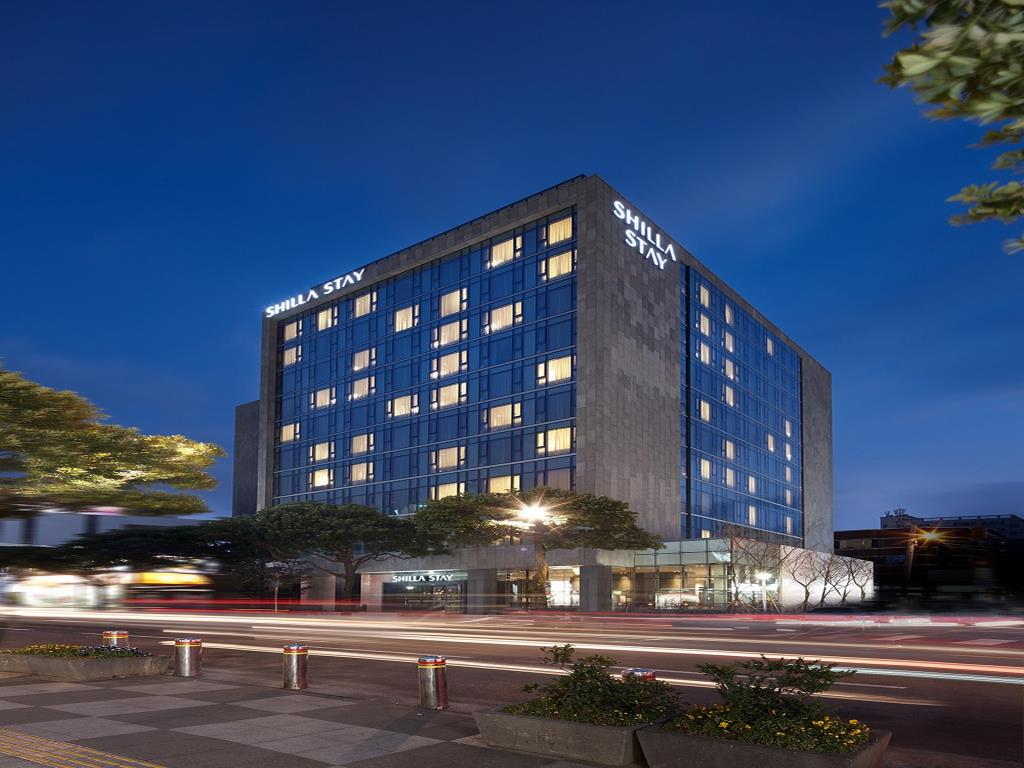
    Hotel Shilla will spend 186.5 billion won (US$166.74 million) for its duty-free store that is scheduled to open at Hong Kong International Airport in December.

    With the opening of the store, Hotel Shilla will have a presence in Asia’s three largest airports including Incheon and Singapore. The hotel and duty-free operator will issue corporate bonds worth 200 billion won to finance the investment. Hotel Shilla won the license last month and will sell cosmetics and accessories. It plans to maintain the outlet until September 2024, it said in an investment prospectus.

    The company has loaned 86.5 billion won to its wholly owned subsidiary Shilla Travel Retail Hong Kong and will also fund the remaining 100 billion won.

  • Million-dollar Sakura Park in Phu My Hung Midtown

    Million-dollar Sakura Park in Phu My Hung Midtown

    Sakura Park is part of the Phu My Hung Midtown complex, Phu My Hung’s first development in cooperation with leading Japanese real estate companies.

    Designed by Bangkok-based Land Sculptor Studio, Sakura Park is a perfect combination of Japanese and Vietnamese culture and architecture.

    The park introduces a wide range of community spaces suitable for all ages featuring kid’s corner with sand playground; fountain plaza; a quiet area for book lovers and picnic lawns for families. Paths running through the park will be ideal for jogging, while a multi-functional sports zone is perfect for those work-out enthusiasts.

    Sakura Park will retain the natural boundary of the waterfront with a garden of aquatic plants for environment preservation and youth education. A riverside path will also include a modern pavilion and stone steps for people to sit on and enjoy the beautiful scenery.


    There are two walking paths in Sakura Park with one running along the river displaying serene scenery of the waterfront. Another path under the beautiful Singapore sakura canopy is expected to be the best blossoms viewing place in town.

    Sakura Plaza, at the center of the park, is built in the shape of a flower blossom. The plaza features a fountain with beautiful jets dotted like flying petals. The outstanding part at the heart of the plaza is an eight-meter high Sakura statue that can swirl in the wind.

    Sakura Park is part of the Phu My Hung Midtown complex, Phu My Hung’s first development in cooperation with leading Japanese real estate companies Daiwa House Group, Nomura Real Estate Group and Sumitomo Forestry Group.


    This project is the South Saigon real estate giant’s biggest investment in the past three years. Construction materials were carefully selected and imported from Europe.

    After the success of the first phase, with 100 percent of apartments at The Grande sold out, at the end of May, Phu My Hung Midtown will launch its second residential project – The Symphony at the center of the complex and adjacent to Sakura Park.


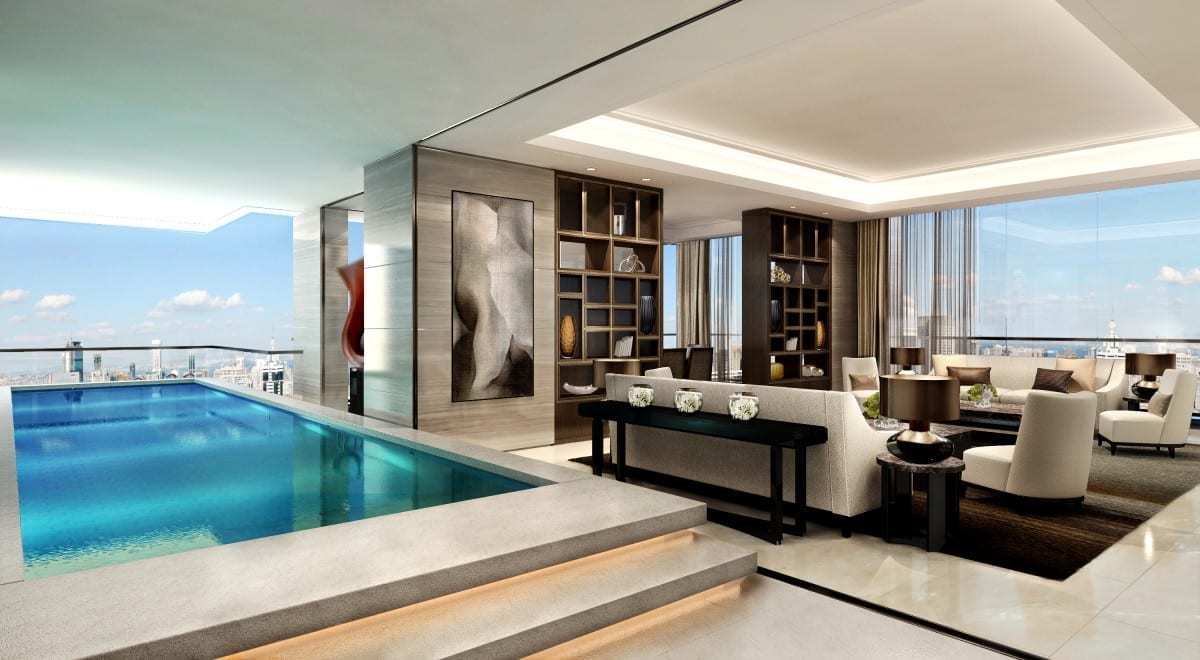
    High-end facilities will be featured on the top floor to maximize views over the river and Sakura Park to give residents a truly amazing experience at Phu My Hung Midtown. The project is expected to be completed in 2019.
  • Boost for Sinarmas Land profit from Indonesian recovery

    Boost for Sinarmas Land profit from Indonesian recovery

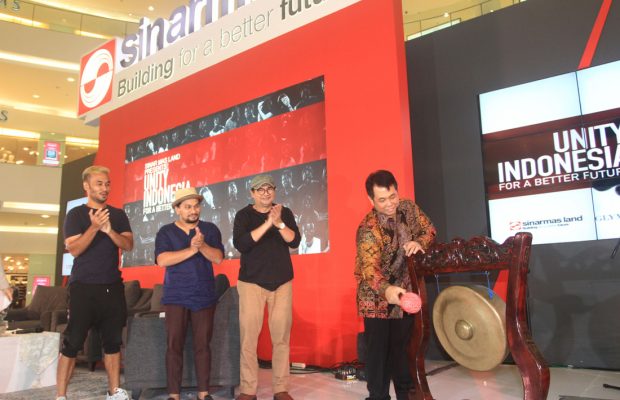
    Propery developer Sinarmas Land saw its profits soar off the back of better sales from its joint venture developments. Net profit surged 136.6 per cent to S$37.2 million for the three months to March 31. This came off the back of higher revenue, which rose 31.8 per cent to S$237.1 million.

    It attributed its stellar performance to an increase in residential units handed over to home buyers in its mixed-use development BSD City in Indonesia, but said it was offset by lower sales of industrial land in Indonesia.

    It also recorded a share of profits in joint ventures of S$3.8 million for the first quarter, compared with a loss of S$3.1 million in the same period last year.

    Ms Margaretha Widjaja, executive director of SML and vice-chairman of Sinarmas Land Indonesia, said that Indonesia’s economic recovery has been aided by improved commodity prices, albeit at a gradual pace.

    While Indonesia’s property sector had been negatively impacted by extended periods of lackluster economic performance, consumer purchasing power is set to improve, she added.

    “The group is cautiously expecting a stronger recovering, following the Indonesian government’s larger infrastructure spending, increased direct investments, led by the implementation of economic stimulus packages,” she said.

    Earnings per share came in at 0.87 cents for the first quarter, compared with 0.37 cents for the same period a year earlier.

    Net asset value as at March 31 was S$0.44, down from S$0.47 three months earlier.

  • Vietnam cuts size limit for apartments to reach low-income buyers

    Vietnam cuts size limit for apartments to reach low-income buyers

    The construction ministry has approved a developer’s request to build 25-square-meter apartments. Vietnam’s Ministry of Construction has given the go-ahead for a real estate developer to build apartments as small as 25 square meters (270 square feet) to attract low-income earners.

    The ministry’s Housing and Real Estate Market Management Department, in a letter issued late last month to a domestic developer, said the firm would be allowed to build 25-square-meter apartments before the ministry sets new national standards for apartment sizes.

    Vietnam’s construction law from July 2015 abolished a previous requirement that set the minimum area for an apartment at 45 square meters, but did not stipulate a new limit.

    In December 2015, a government decree on developing houses for low-income earners came into force and set the minimum area at 25 square meters. Decrees often requires guidance from related ministries before they are implemented.

    Construction businesses and provincial authorities have been seeking permission to build commercial houses of 30-40 square meters to attract individuals, small families and low-income buyers, and the permit has been granted given the huge demand, the construction ministry said.

    Binh Duong Province, an industrial center neighboring Ho Chi Minh City, last year launched 5,000 apartments as part of its housing program for low-income people, and has started construction of another 10,000 units.

    Vietnam currently has 2.2 million people working in industrial parks, but only 20 percent of them have their own homes, according to the construction ministry.

  • Lotte World Tower becomes tourist hotspot in Korea

    Lotte World Tower becomes tourist hotspot in Korea

    Lotte World Tower has drawn 126,000 daily visitors on average in April, becoming Korea’s newest tourist hotspot.

    The number is set to grow faster this month, as Lotte holds various events around the nation’s tallest skyscraper in Jamsil, southeastern Seoul, during the “golden week” holiday. According to Lotte Corporation, Monday, 3.16 million people have visited Lotte World Tower and its neighboring Lotte World Mall since the tower’s April 3 opening. About 102,000 people per day visited the site on weekdays, while 203,000 per day visited there on weekends.

    In particular, Seoul Sky, the nation’s highest observation deck located between the 117th and 123rd floors of the tower, was visited by 120,000 people ─ about 4,800 a day enjoyed the city view from the 500-meter-high deck.

    Lotte, which has suffered a decreasing number of Chinese tourists over a missile dispute, now expects to achieve its goal of attracting 60 million tourists a year. The growing number of visitors positively affected sales revenue of facilities there as well. The aquarium, cinema, shopping mall, department store, discount store and electronics shop in the mall respectively had 33.6, 48.5, 15.8, 10.6, 19 and 61.5 percent more sales in April than a month earlier.

    The duty free shop alone suffered a 40 percent sales decrease, due to the Chinese government’s de facto travel ban on group tours to Korea.

    As more tourists are expected to visit the tower this week, Lotte has begun to hold various events. Until next Monday, visitors can enjoy the Sweet Swan public art project at Seokchon Lake. Lotte expects the massive swan family sculptures will boost sales of the nearby shops, as the 2014 Rubber Duck project and 2016 Super Moon project did.

    Families with children may enjoy a LEGO festival at a park in front of the tower. Four million LEGO parts will be available to visitors during the festival, so they can participate in making an eight- meter-wide and 12-meter-high flower which will be displayed at the park. Lotte World Tower is also holding exhibitions and classical concerts during the holidays.

  • Global shopping center completions rise, led by China

    Global shopping center completions rise, led by China

    CBRE’s annual study of global retail development found that builders completed 12.5 million sq. m. of shopping centers globally last year, up 11.4% from 2015. China dominated the top ten most active global markets with seven Chinese cities making the list. Melbourne ranked number ten—the only non-Chinese city in Asia Pacific to have made the top ten.

    Developers completed more retail centers across the globe last year than in 2015, yet momentum appeared to wane in many countries as retailers strive to find the right balance of brick-and-mortar and e-commerce operations.

    “In the omnichannel era, retailers are focused on ensuring that they have the optimal mix of brick-and-mortar stores and e-commerce operations, so they are using sophisticated analytics and market knowledge to choose the best store sites rather than the most store sites,” said Anthony Buono, Chairman of CBRE’s Global Retail Executive Committee.

    Meanwhile, construction activity overall has slowed in many markets amidst a more cautious approach by investors and occupiers. The global pipeline of retail centers under construction declined by 22% y-o-y to 33.5 million sq. m. at the end of last year, according to the CBRE report.

    The Asia Pacific region, particularly China, remains the global hotspot for retail construction totaling 26.6 million sq. m.—79% of the global total. Of this, China accounted for 19.7 million sq. m.

    More than 90% of Asia Pacific cities hosted large-scale retail construction in 2016 compared to 56% of cities in the Americas and 14% in Europe, the Middle East and Africa.

    “The Chinese retail market is showing some signs of recovery. Leasing demand is stabilizing despite oversupply concerns,” said Joel Stephen, Senior Director, Advisory & Transactions, Retail, CBRE Asia. “Retail markets are thriving across Asia Pacific, with strong demand supporting construction in markets like Melbourne, Brisbane and Ho Chi Minh City.”

    China’s largest volumes of retail space under construction are in Shenzhen and Shanghai, which together account for about 40% of the pipeline in China. Elsewhere, retail construction remained relatively limited in India, especially tier-one cities like New Delhi and Mumbai, whilst major retail markets in Asia such as Tokyo, Hong Kong and Seoul, are all anticipating mix-used development in their CBD locations.

  • SM Investments Corporation announces key organizational changes

    SM Investments Corporation announces key organizational changes

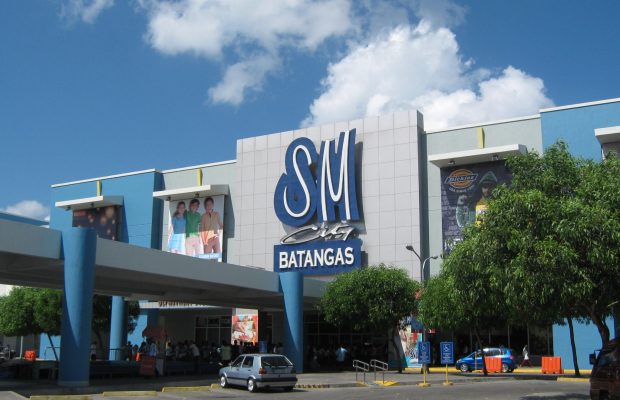
    The Board has already conferred upon Mr. Henry Sy, Sr. the role of Chairman Emeritus, in recognition of his role as the founder of SM and all of its core businesses. Mr. Sy, who is a multiawarded entrepreneur and philanthropist, opened the first ShoeMart store in 1958, a business now simply known as SM, and fostered it to become one of the largest holding companies in the country.

    SM has likewise evolved into a dynamic and highly synergistic group of businesses with market leading positions in retail, banking and property development as well as a growing portfolio of other investments that can capture the high growth opportunities in the emerging Philippine economy.

    Board Changes

    Mr. Jose T. Sio was appointed to succeed Mr. Sy as the Chairman of the Board. Mr. Sio, as SM’s Chief Financial Officer for 26 years, was highly instrumental in supporting the phenomenal growth of SM and its subsidiaries. He instilled strict financial discipline across all businesses that later helped the company achieve optimal results even as the whole group maintained a sound and stable financial position. Mr. Sio was a senior partner at Sycip Gorres Velayo & Co prior to joining SM on November 1990.

    New members of the board include Mr. Frederic C. DyBuncio as Director and Mr. Alfredo Pascual as Independent Director replacing Mr. Ah Doo Lim who joined the Board in 2008 and has served the full term as an independent director.

    Mr. DyBuncio brings with him a wealth of experience in banking where he spent over 20 years with JP Morgan Chase and its predecessor companies. He was assigned to various places apart from the Philippines such as New York, Seoul, Bangkok, and Hong Kong and held various executive positions where he gained substantial professional experience in the areas of credit, relationship management and origination, investment banking, capital markets, and general management.

    Mr. Alfredo Pascual just completed his six-year term as President of the University of the Philippines (UP). Prior to his involvement in the academe, he worked at the Asian Development Bank (ADB) for 19 years in such positions as Director for Private Sector Operations, Director for Infrastructure Finance, and Advisor for Public-Private Partnership.

    Mr. Pascual was also among the pioneers in investment banking in the Philippines having held executive positions in State Investment House, Inc., First Metro Investment Corporation, Philippine Pacific Capital Corporation now known as RCBC Capital, and Bancom Development Corporation which eventually merged with Union Bank.

    Management Appointment

    Mr. DyBuncio will assume the role of President of SM Investments in place of Mr. Harley T. Sy who will remain as Executive Director of the Board. Mr. DyBuncio joined SM in 2011 as Senior Vice President and eventually as Executive Vice President handling the company’s portfolio investments. This portfolio has since grown to include Belle Corp., Atlas Mining, the Net Buildings, CityMalls, MyTown, and most recently, 2Go.

    These changes affirm the continuing role of professionals in executing the larger vision of SM while further strengthening the group’s good governance and sustainability practices.

  • Prime retail rents in Singapore dip 0.4% in Q1

    Prime retail rents in Singapore dip 0.4% in Q1

    Marina Centre, City Hall, and Bugis precincts reported lower rents. The challenging retail scene was proven by the drop in island-wide prime retail rents, which slipped 0.4% in the first quarter of the year.

    According to the Singapore Retail Bulletin by Knight Frank, this was largely due to lower rents in the Marina Centre, City Hall and Bugis precincts.

    Rents of prime spaces in Marina Centre, City Hall and Bugis precincts fell by 3.7% YoY as landlords continue to offer attractive rental packages to draw retailers.

    On a yearly basis, prime rents at the Orchard Road reported precinct reported a 0.7% slump.

    Meanwhile, average rents of prime spaces in suburban malls fell by 2.1% compared to one year ago.

    “Whilst well-established and well-managed malls generally report strong footfall trends, some other suburban malls still grapple with weakening patronage and having to achieve the right retail trade mix in a bid to improve attractiveness for consumers,” Knight Frank noted.