Category: Real Estate

Retail News Asia is committed to providing both local and global retailers with the latest Real Estate news throughout the Asian market. This on a daily base.

  • Keppel boosts Saigon Centre stake

    Keppel boosts Saigon Centre stake

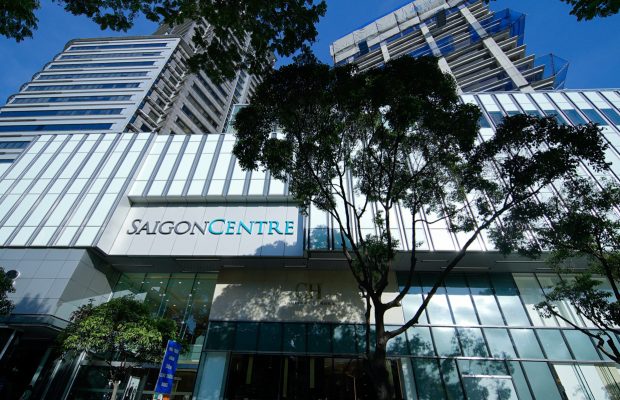
    Singapore-headquartered Keppel Corp has paid VND 845.9 billion (S$53.5 million) to boost its stake in Ho Chi Minh City’s Saigon Centre beyond 50 per cent.

    Saigon Centre, a mixed-use development incorporating a shopping centre anchored by Takashimaya department store, apartments and office space, is a joint venture between Keppel and local company Watco. The first stage, a small shopping mall beneath an 11-story tower, opened in 1996. Last year the expanded 55,000 sqm mall opened, and construction continues on a second tower of approximately 40 stories above it.

    The mall is trading well, 100 per cent leased, with several Japanese retailers, including Owndays, making their debut in the market. Chanel is constructing what is expected to be a make-up studio on the ground level in a prime space previously used for events and pop-ups.

    Keppel now owns 53.5 per cent of the Keppel Land Watco I, II and II companies and 76.2 per cent of Keppel Land Watco IV and V.

    “Keppel Land is committed to grow its commercial portfolio in key Asian cities. Vietnam, one of our key growth markets, continues to attract foreign direct investments which will drive positive demand in the property market from homes to offices and mixed-use developments,” said Keppel Land CEO Ang Wee Gee in a statement.

  • Thailand’s Central Group set to build mall in Cambodia

    Thailand’s Central Group set to build mall in Cambodia

    Thai ambassador to Cambodia Nuttavudh Photisaro says Central representatives have already studied the proposed site, not yet revealed publicly.

    “By investing in a shopping mall, they hope the trade volume between the two countries will increase,” says Nuttavudh.

    CBRE Cambodia associate director Ann Sothida says shopping malls still have a chance to grow in Cambodia because the market has increased purchasing power and has only a limited number of shopping malls of international standard.

    Trade between Thailand and Cambodia eased by 6 per cent last year to US$5.6 billion. Cambodian exports to Thailand amounted to $936 million, while the country’s imports from Thailand amounted to $4.7 billion.

    Phnom Penh’s shopping centres comprise Aeon Mall, which is building a second outlet in the city, City Mall, Parkson and Soriya Mall.

  • Aeon Vietnam plans second Hanoi centre

    Aeon Vietnam plans second Hanoi centre

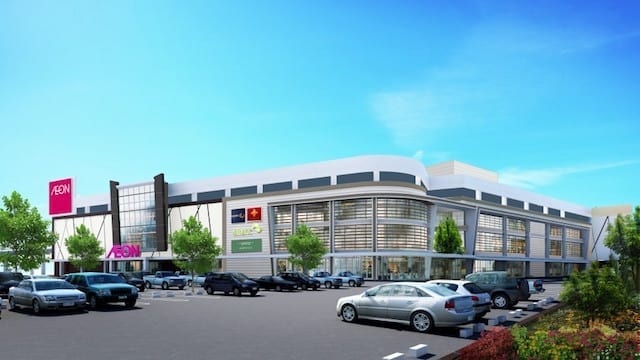
    Aeon Vietnam is to build a second property in Hanoi, in the Ha Dong district in the city’s west.

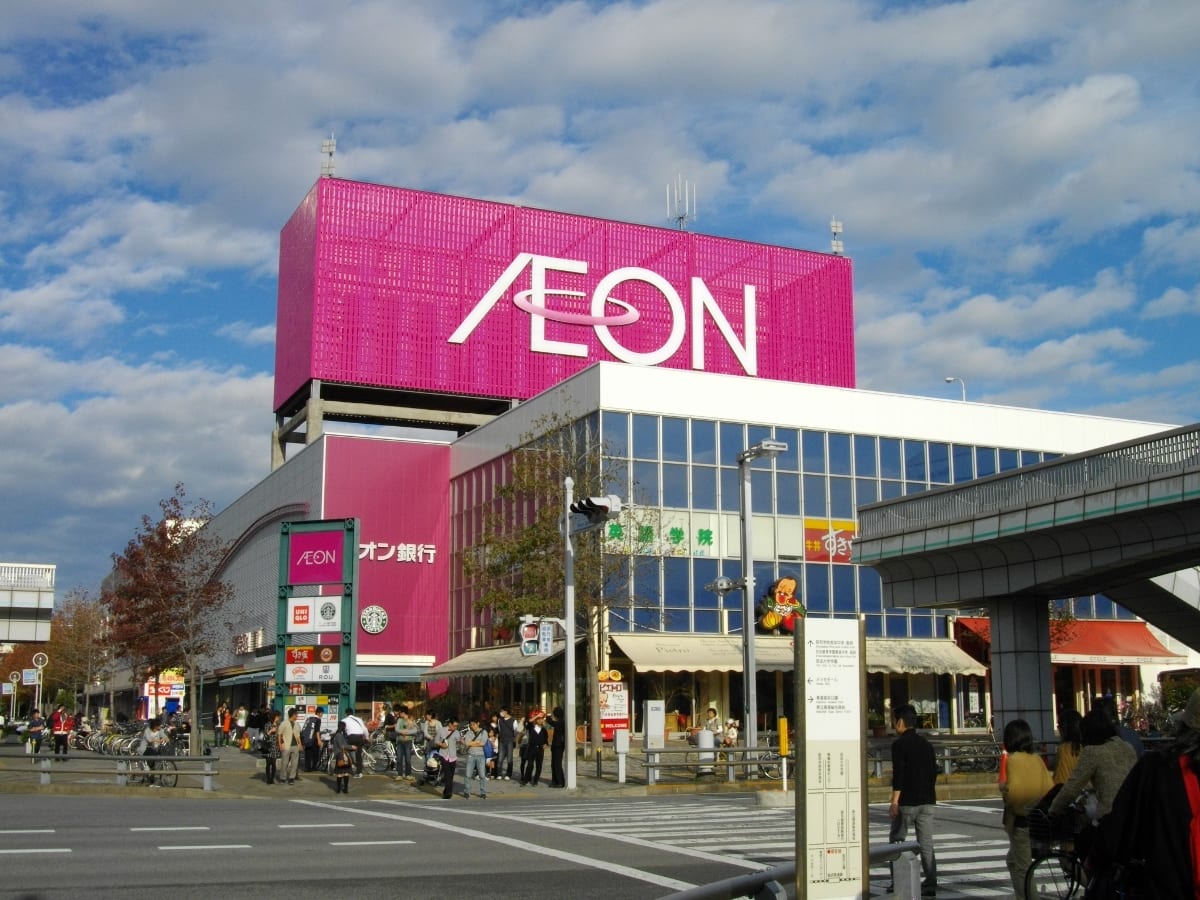
    This follows the Japanese group launching in the Vietnamese capital two years ago, with a mall in Long Bien.

    An Aeon Vietnam representative says the project, covering 9.5 hectares, will cost VND4.500 tillion (US$200 million). The expected opening date will be in 2019.

    However, the group is yet to determine the specific location for its fifth shopping centre in Vietnam. Ha Dong is developing, and investing in extended ring-road system with a Bus Rapid Transit link with downtown Hanoi. An urban railway is planned to launch next year.

  • PropNex spreads wings to Indonesia; next stop Vietnam

    PropNex spreads wings to Indonesia; next stop Vietnam

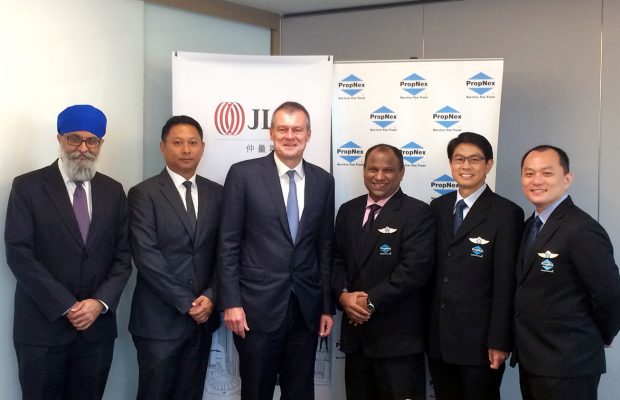
    Amid a lacklustre housing market at home, PropNex Realty, one of Singapore’s largest real estate agencies, embarked on its first regional expansion in the second half of last year with its entry into the massive Indonesian market.

    “The reasons were quite clear. We have been in existence for 17 years. The first 15 years we had no intention to go regional because the market was very much upbeat,” said PropNex CEO Ismail Gafoor in a media briefing ahead of the company’s grand opening in Indonesia next Tuesday.

    “When all the cooling measures started we straightaway had a strategy … It was time for PropNex to go and stretch its wings regionally.

    “Naturally, we selected Indonesia because a lot of Indonesians, wealthy investors, do have a home in Singapore and they always see Singapore as a safe haven, secure and a place for schools and financial businesses … Also, among the Asean countries it has the highest population of 260 million.”

    PT PropNex Realty Indonesia, set up through a master franchise arrangement, has grown to seven offices with a sales force of 600 within a few months, said Mr Ismail, adding he was confident it will cross the target of 1,000 by the end of the year.

    Affluent Indonesians continued to show keen interest in Singapore’s properties, he added.

    There have been “numerous sales” with Indonesian buyers picking up mass-market condominiums, he said, noting that there will be “natural interest” among Indonesians in the higher end of the market if prices drop further.

    PropNex has Vietnam next in its sights as it continues its regional expansion, but it is still in the early stages of finding a partner, said Mr Ismail.

    He said there has been little immediate impact from last Friday’s easing of property cooling measures and loan curbs in Singapore.

    “Over the weekend, we have not seen any push in activities or buying interest patterns. To me, these are all not the key drivers. The key drivers … would be to tweak the Additional Buyer’s Stamp Duty (ABSD) for the second and third properties for locals and foreigners,” he said.

    Nonetheless, Mr Ismail welcomed the easing as a “positive step”.

    Under the latest changes effective from last Saturday, the Seller’s Stamp Duty (SSD) will be payable if a homeowner sells his or her property within three years of purchase, down from four years previously.

    The SSD rates will also be lowered by 4 percentage points for each tier — to 4 per cent for properties sold in the third year; 8 per cent for those sold in the second year; and 12 per cent for those sold within the first year.

    In addition, the Government will no longer apply the Total Debt Servicing Ratio (TDSR) framework to mortgage equity withdrawal loans, with loan-to-value ratios of 50 per cent and below.

    The Government had imposed a series of cooling measures and borrowing curbs since 2009, to rein in a steep jump in home prices as the economy emerged from the global financial crisis.

    These measures included the SSD, ABSD, tighter loan-to-value ratios and mortgage servicing ratios, as well as the TDSR, among others.

    From the recent peak in 2013, private home prices in Singapore have fallen 11.3 per cent, while resale HDB prices declined 9.9 per cent, reflecting the sustained impact of the loan curbs and cooling measures.

  • Aeon to spend $200 mln for 2nd mall in its Hanoi expansion plan

    Aeon to spend $200 mln for 2nd mall in its Hanoi expansion plan

    Vietnam is considered Aeon’s priority destination in Southeast Asia with the largest number of shopping centers to date.

    Japanese retailer Aeon is planning to pour $200 million into its second shopping mall in Hanoi this year, a company official said, which would see its investment in Vietnam’s capital nearly doubling.

    The new facility covers an area of 9.5 hectares (23.5 acres) in Ha Dong District, Hanoi’s largest suburb by population. It is scheduled to come into operation at the end of 2019.

    That will be the fifth shopping mall Aeon has opened in Vietnam, after its first unit was launched outside Ho Chi Minh City’s downtown in January 2014.

    Vietnam’s retail market, drawing attention by retail giants such as Japan’s 7-Eleven, Swedish fashion firm H&M and Thailand’s Central Group, is listed in the top five in Southeast Asia and ranked 11th globally in terms of growth rate, based on the A.T. Kearny 2016 Global Retail Development Index.

    Vietnamese people are gradually shifting away from traditional retail channels to modern retail stores and centers. Spending at supermarkets, convenience stores, and shopping malls, as opposed to traditional local shops, is expected to rise to 40 percent of consumer spending by 2020, from 25 percent currently, government data show.

    The government has projected the retail market’s value to hit $179 billion by 2020, up 52 percent from last year.

    Aeon is the largest retailer in Asia with a network of around 300 consolidated subsidiaries and 26 equity-affiliated companies, ranging from convenience store chains and supermarkets to shopping malls and specialty stores.

    In Southeast Asia outside Vietnam, the Japan-based company is also running one shopping mall in Cambodia and two others in Indonesia. It plans to open the second facility in Cambodia in the summer of 2018 and two more in Indonesia within that year.

  • Good direction for Korean rental booms

    Good direction for Korean rental booms

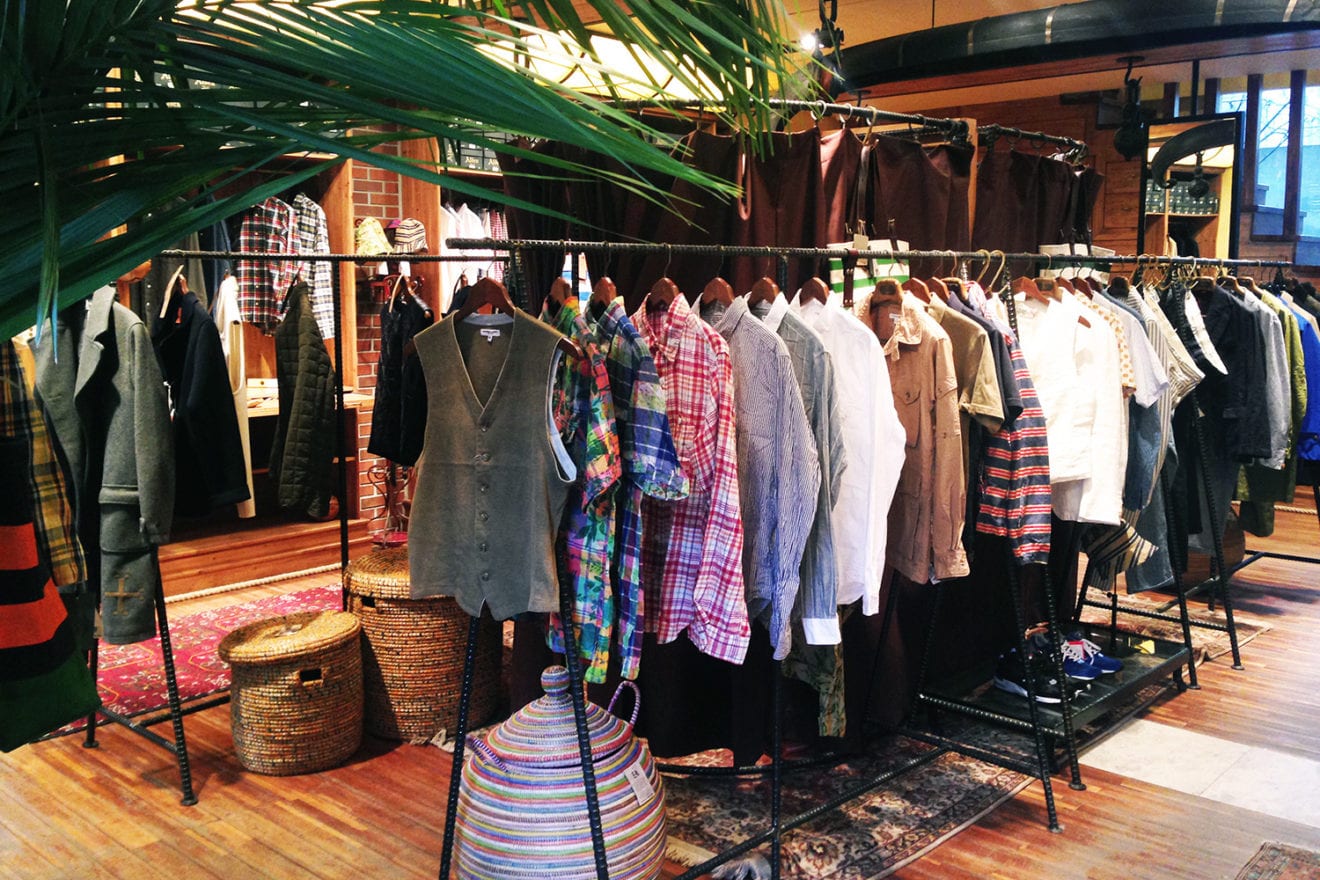
    South Korean Rental services, which in the past were typically limited to water purifiers or bidets in South Korea, are rapidly embracing other products.

    According to big data analysis firm Daumsoft, online mentions of “rental service” on blogs and Twitter more than doubled over the past three years from 75,300 in 2014 to 177,003 in 2016, and now include more lower priced goods, with shorter rental periods.

    Although water purifiers still ranked first in terms of the number of references, apparel such as clothes, coats, and bags have developed a significant presence in the rental market recently, officials said.

    For instance, the word “clothes” as a related term for rental services increased from 5587 mentions in 2014 to 23,047 in 2015 and 31,112 in 2016, while “coats” and “bags” soared from 108 to 14,777 and 454 to 3228 from 2014 to 2016, respectively.

    “While dress rentals for parties or other special occasions are most popular overseas, renting clothes for weddings (as guests), job interviews, and company meetings is also popular in Korea,” the company said. “The reason behind the dramatic increase in the number of ‘coats’ and ‘bags’ is probably because they’re among the more expensive fashion items.”

    Women were the biggest customers of the rental services, the analysis showed, with the word “women” topping the list in terms of the number of online mentions (at 23,848), followed by “babies”, with Daumsoft adding that baby products are increasingly sought after by local mothers.

    “During economic hardships, people tend to think twice about their spending and try to get the most out of their budget,” said professor Oh Se-jo at Yonsei University School of Business, adding that people compare more carefully the quality and the diversity of their consumption.

    “Rental services best serve consumers who want to save but at the same time pursue their interests and hobbies, which is why they’ll continue to grow,” he said.

  • Retailers snag prime spots for flagships amid lower rentals

    Retailers snag prime spots for flagships amid lower rentals

    Rising vacancies and plunging rentals in shopping malls may be a headache for landlords, but it is not all bad news for retailers who have taken advantage of lower rentals to snag prime locations for their flagship stores.

    More than 10 flagship stores were set up islandwide last year, noted property consultancy Cushman & Wakefield’s research director Christine Li. This is the highest number since the global financial crisis in 2009, she said.

    The last wave of flagship stores were set up between 2007 and 2009, when Orchard Road was undergoing a makeover.

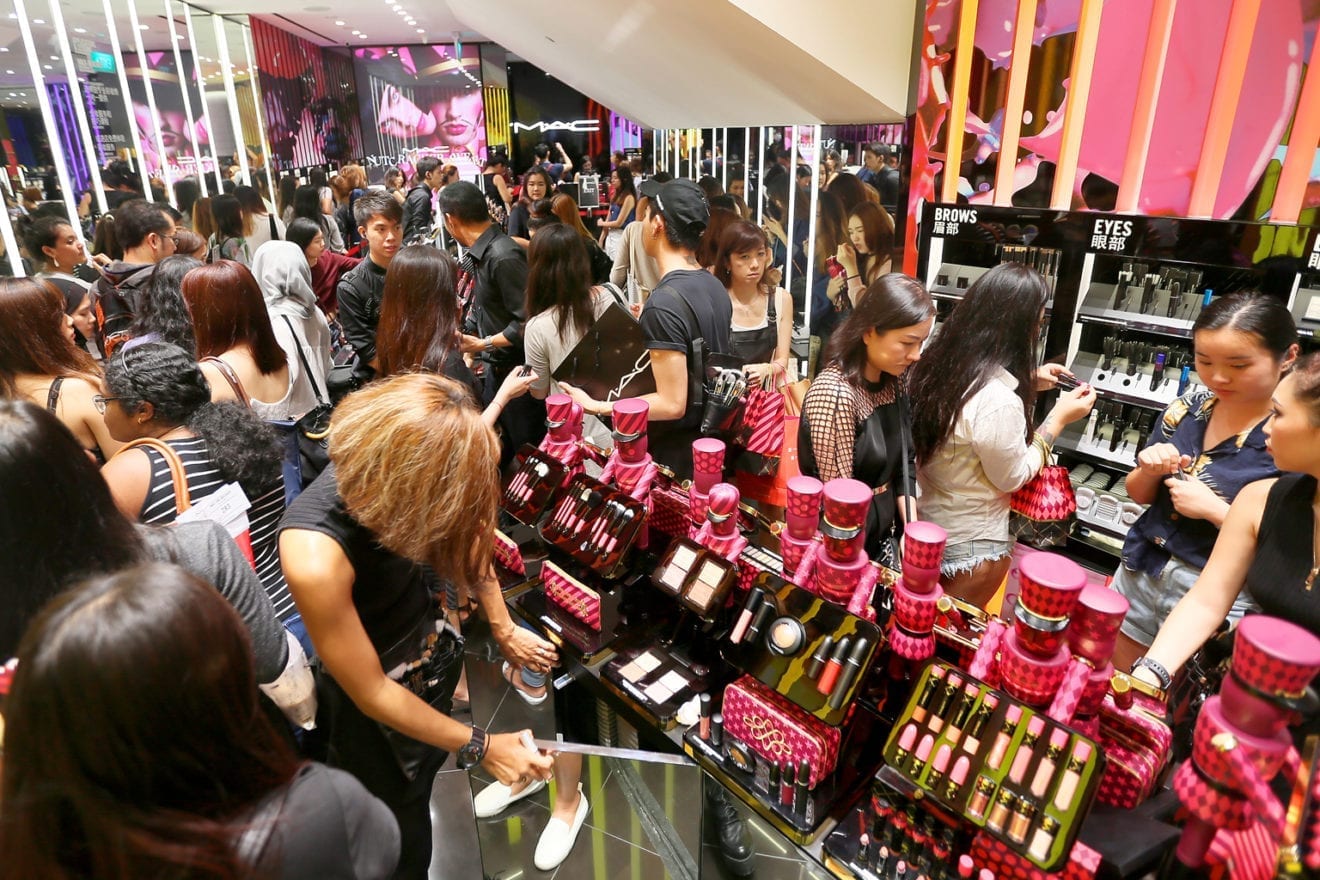
    Last year, cosmetics label MAC and Sephora opened flagships at Ion Orchard, while Japanese fashion retailer Uniqlo unveiled a three-storey store in Orchard Central. Other new flagships include those of watch brand Rolex at Marina Square and German leather goods brand Braun Buffel at Marina Bay Sands.

    Ms Li said: “In the lower rent environment, 2016 saw a ‘flight to quality’ as retail brands that are still optimistic on expansion took this opportunity to upgrade to larger prime retail spaces vacated by previous tenants.”

    • 10 At least this number of flagship stores were set up islandwide last year. This is the highest number since the global financial crisis in 2009.

    She said flagships are strategic, as they reinforce and enhance a brand’s presence and status.

    Uniqlo’s founder Tadashi Yanai said the firm decided to open a flagship in Orchard Road as it sees Singapore as a gateway to not only the markets in South-east Asia but also in the Middle East and Africa.

    “Despite the faltering retail climate in Singapore, Uniqlo’s belief in the potential of this region is what has driven (our) decision to launch the three-storey Global Flagship store here,” he said.

    The islandwide vacancy rate for retail space was 7.5 per cent at the end of last year, up from 4.5 per cent at the end of 2013, Urban Redevelopment Authority (URA) data showed.

    The climbing vacancy rate has, in turn, reduced rental rates. The median rental rate for retail space in the third quarter of last year was the lowest on record, falling to $9.82 per sq ft per month for the Orchard Road area – the first time it fell below $10, URA data showed.

    Riding on the wave of soft rents, French sporting goods retailer Decathlon even secured a 15-year lease for a 35,000 sq ft outlet in Viva Business Park in Chai Chee, which opened in January last year.


  • KL Gateway has been launched

    KL Gateway has been launched

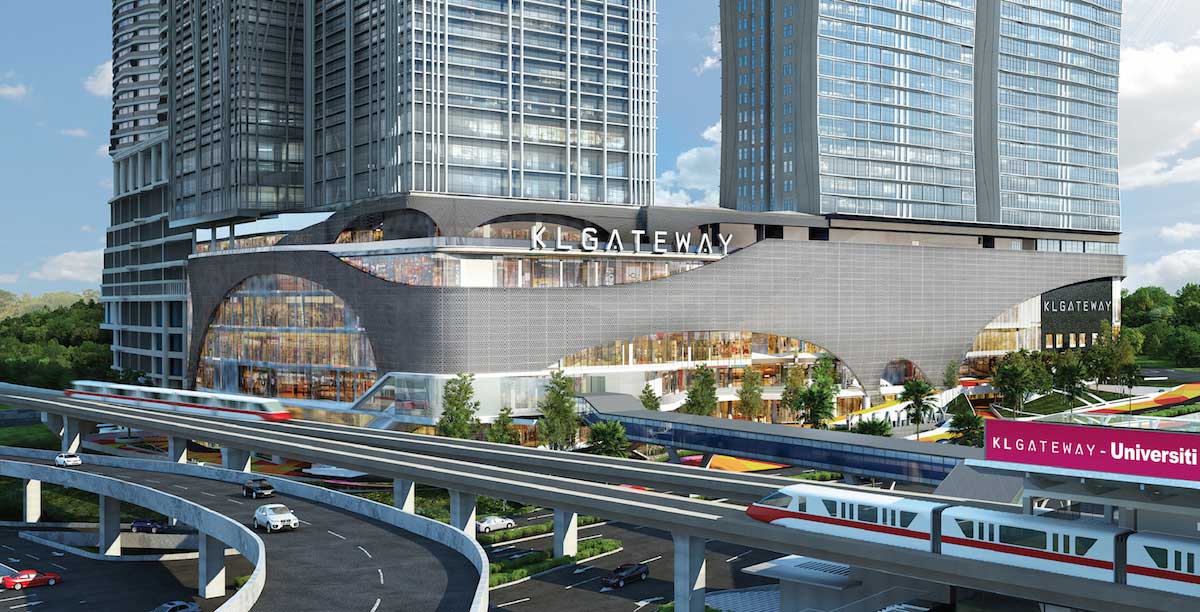
    Kuala Lumpur has a new mall, KL Gateway, with a gross floor area of about 500,000 sqft (46,451 sqm).

    Connecting with corporate office towers, KL Gateway has a 10,000 sqft outdoor landscaped garden and offers free Wi-Fi internet access in its common areas. A 100m link bridge connects the mall to the KL Gateway-Universiti LRT station.

    Tenants at the mall include Daiso, H&M, Home’s Harmony, Mr DIY, Times Bookstores and Village Grocer.

    Korean fashion brand The Twee will be opening its first flagship store for Southeast Asia on the ground floor. The store, with more than 929 sqm of retail space, will stock a broad range of trendy Korean apparel, accessories and footwear for both men and women.

  • Lotte plans second Hanoi mall

    Lotte plans second Hanoi mall

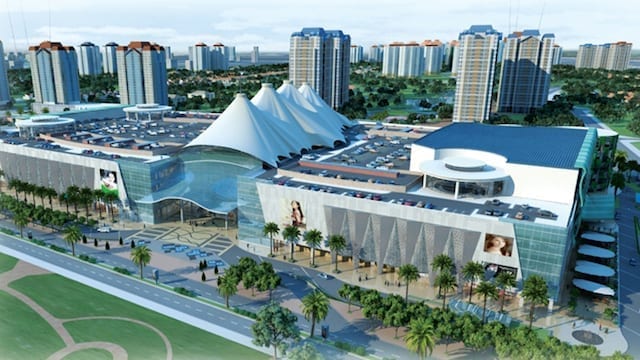
    South Korean conglomerate Lotte is to build a second Hanoi mall.

    It will be in a 200,000 sqm complex near West Lake in the Vietnamese capital, The Korea Heraldreports.

    Included in the mall will be a department store, supermarket and a cinema, all to be directly run by Lotte affiliates.

    Construction is set to start within the next couple of months for completion in 2020.

    It has been reported that the project, previously known as Ciputra Ha Noi Mall and owned by the Citra West Lake City Development Company, was acquired by Lotte this year.

    Started in 2007 with an estimated investment of US$2 billion, the project has been stalled for various reasons.

    The total investment capital of the new Lotte project is expected to reach nearly $300 million.

    The Lotte Group invested $400 million in the 65-storey Lotte Center Ha Noi mall, currently the second-tallest building in the city.

    The Korean giant plans to expand its retail network in Vietnam through mergers and acquisitions, and plans 60 shopping malls in the country by 2020 – a five-fold increase, reports Nikkei.

    Lotte has 285 shopping centres in Asian countries including China, Indonesia and South Korea, and views Vietnam as one of the fastest-growing retail markets in the region. In October, Lotte Mart launched its e-commerce channel in Vietnam following the introduction of Lotte Shopping TV in 2012.

    As well as providing South Korean products to Vietnamese consumers, Lotte plans to export Vietnamese products like coffee, dried fruit, wooden artifacts and ceramics back to its home market.

  • First phase of Europark Dalian complete

    First phase of Europark Dalian complete

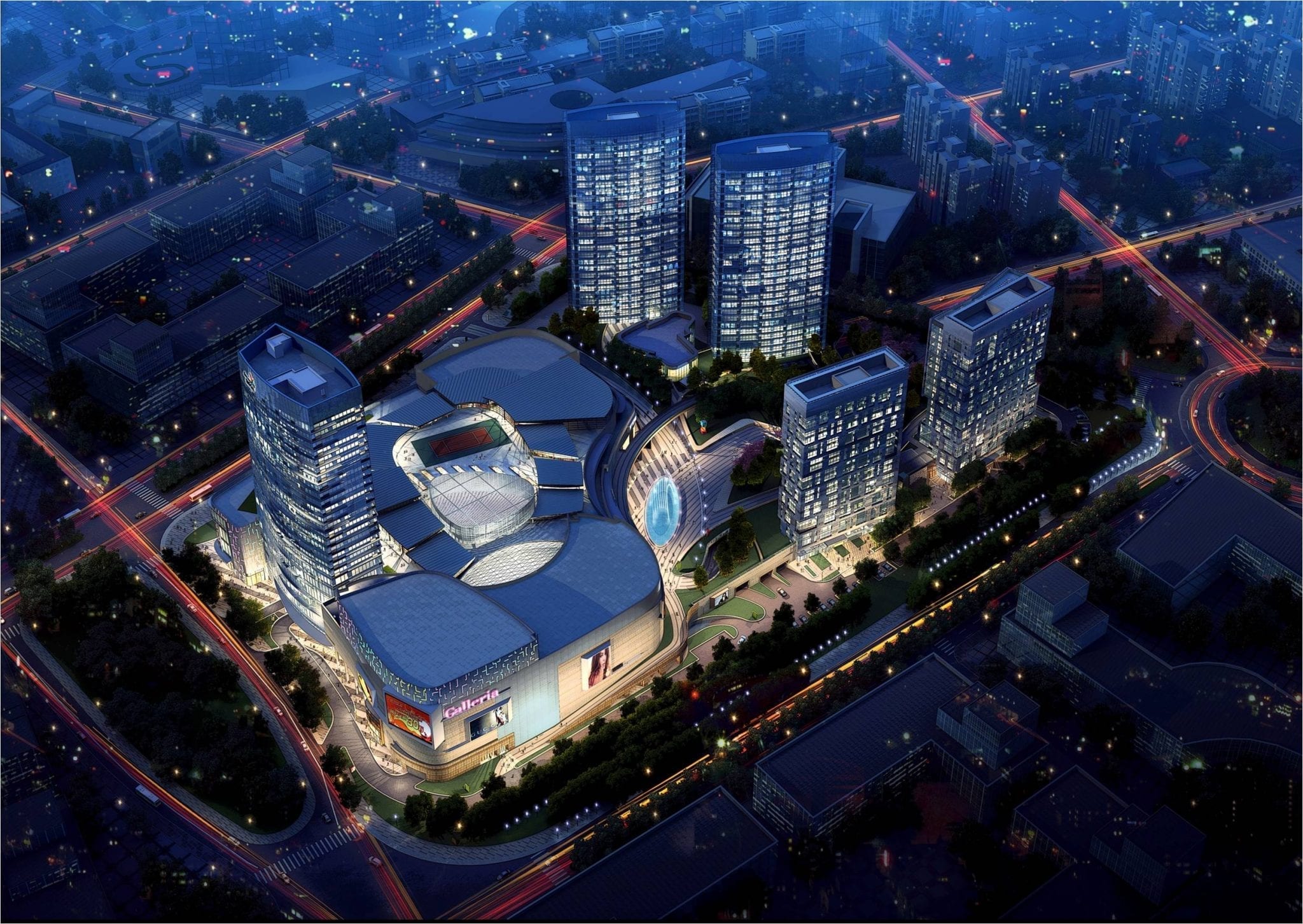
    New York-based architecture and urban planning firm Laguarda.Low Architects has completed the first phase of Europark, a 3 million sqft (280,000 sqm) mixed-use complex in Dalian.

    Set on a landscaped park in the heart of Donggang’s CBD, Europark Dalian comprises the award-winning Galleria Mall, a tower of apartment suites, two SOHO office towers and two residential towers, which are planned for the second phase of construction starting late this year.

    “Now the first phase is complete, we are certain the cutting-edge architectural style, contemporary design and endless retail options in this complex will attract attention throughout the region,” says Laguarda.Low principal John Low.

    Officially opened in August 2015, the Galleria Mall is the first European-style shopping centre in Donggang. It is at the site’s centre, offering four levels of retail, including Adidas, H&M, Nike and Zara stores plus an Imax theatre – all arranged around a central skylight that permeates daylight to all levels.

    The Galleria Mall has won such accolades as the China Building Complex Award in 2011, the Design Innovation Award in 2013, a bronze award for retail development in 2014 and the New Media Service Marketing Award in 2015. Laguarda.Low also designed the mall’s interior.

    In partnership with international landscape design firm SWA, Europark has the biggest green park in Donggang. The development is within walking distance of Dalian Port and the Davos Conference Center.

  • Ginza Six mall on track for April launch

    Ginza Six mall on track for April launch

    Tokyo’s Ginza district is gearing up for the opening of its biggest shopping centre, Ginza Six mall.

    It occupies the site of the former Matsuzakaya Ginza department store, which closed in June 2013.

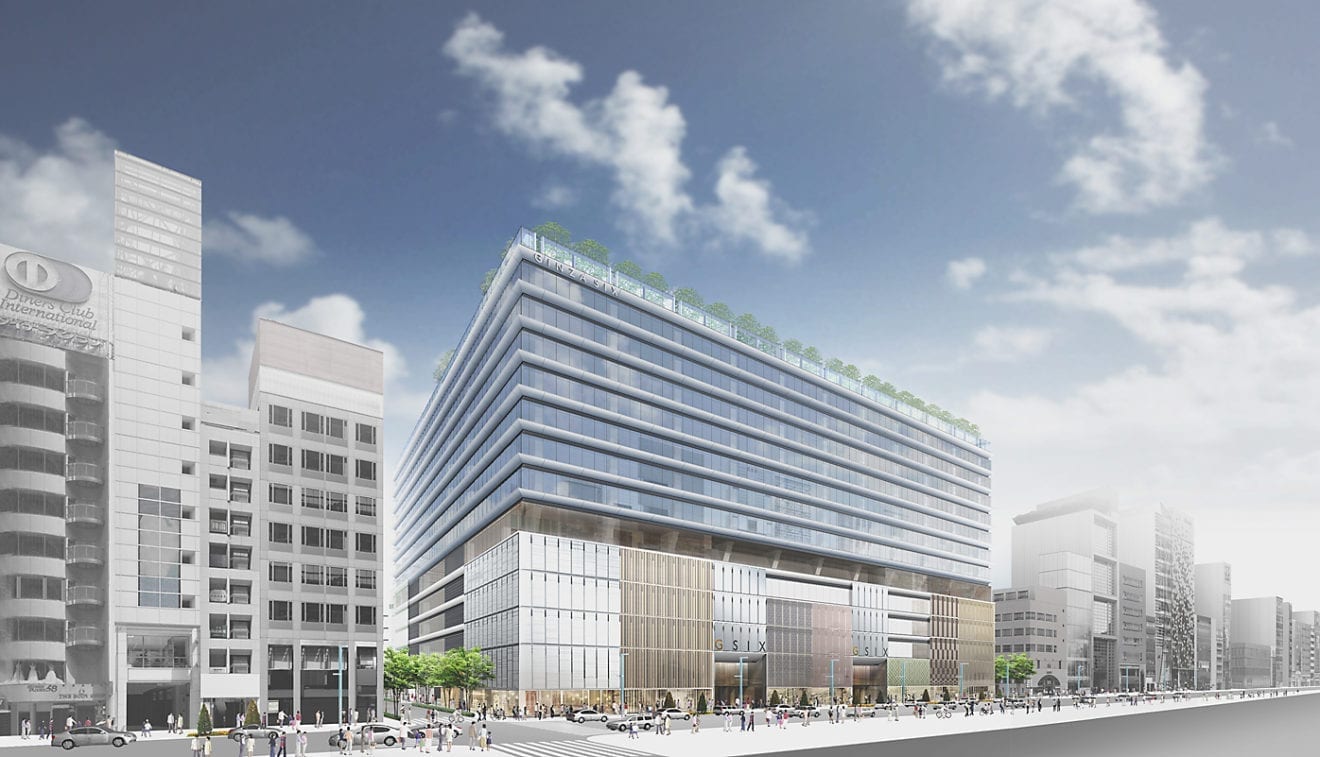
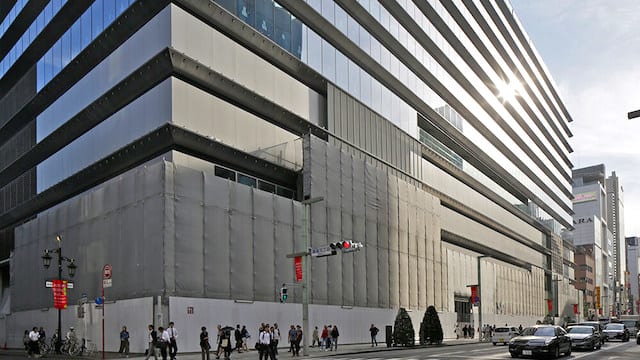
    Ginza Six mall has a total floor area of about 150,000 sqm over 19 floors. Its commercial offering takes up the second of six basement levels through to the sixth level above ground, as well as part of the 13th floor.

    Six high-end fashion brands, including Christian Dior, will fill units facing the main road, while the sixth floor will house Tsutaya Books and a food court.

    Aiming to attract the growing number of tourists visiting Japan, the mall plans to offer a tourist information centre on the ground floor containing an outlet of convenience store Lawson, which will sell souvenirs. There will also be a tourist bus terminal outside.

    From the seventh floor upward will be office space, with about 6000 sqm on each level, the largest floor area of its kind in Tokyo. Already 60 per cent of the office spaces are reserved, and up to 3000 people are expected to work in the offices.

    Ginza Six’s exterior design is inspired by “hisashi” canopies and “noren” store curtains, and the complex is scheduled to open on April 20.

  • First Japanese apartments in Phu My Hung launched

    First Japanese apartments in Phu My Hung launched

    Prestigious real estate developer Phu My Hung plans to launch its new apartments, developed in cooperation with three leading Japanese partners, in Ho Chi Minh City in the coming weeks.

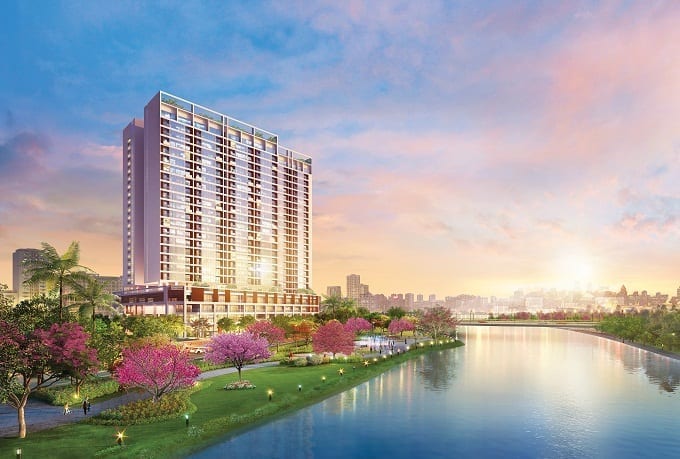
    The Grande is built over 5,540 square meters. The 26-floor building, with two basements, has 309 apartments and 13 shops. There are options for apartments ranging from 69 and 249 square meters with one to four bedrooms. Two-bedroom apartments account for 62 percent of all the units.

    Customers will have 28 months to pay for half of the prices, the investors said. They will pay another 45 percent when receiving the apartment and the remaining 5 percent when receiving the ownership certificate.

    The project is guaranteed by Vietcombank’s South Saigon Branch and Vietnam International Bank, which also work with the investors to provide interest rate support for customers seeking bank loans.

    Midtown, a complex of condos, office and retail space and amusement centers, is Phu My Hung’s biggest investment the past three years, with many high-end facilities, some of which have never appeared at any Phu My Hung projects.

    Phu My Hung Midtown hopes to bring a new concept about living space, which should be a perfect combination of facilities instead of an individual house.

    The complex is the first one built with cooperation from three leading Japanese property developers – Daiwa House Group, Nomura Real Estate Group and Sumitomo Forestry Group, which together account for 50 percent of the property market in Japan.

    A Phu My Hung executive said Japan is a country with good infrastructure and great experience in infrastructure development, especially for complex and high-rise buildings.

    “Our meaningful cooperation with strong, experienced partners will help achieve desired goals and quality in our construction projects,” he said.

    The complex is designed as a multi-facility zone at different levels, allowing its residents to access all kinds of services from inside to outside the house without having to go far.

    Golf simulation studio inside The Grande.

    Golf simulation studio inside The Grande.

    The Grande, for example, is designed with many exclusive services for its residents such as swimming pools, BBQ areas, gardens, yoga courts, golf simulation studio and libraries.

    All the facilities are built based on careful research of the habits and interests of residents, making sure all members of a family can find some activities that suit them.

    The residents will also be able to enjoy the value of Sakura Park, which stands across the apartments with riverside views of beautiful trees and flowers.

    There are other facilities such as a sports complex, a recreational area for children with sections for different ages, a flower square, a water fountain and a pavilion. The project is entirely protected with a security system that will guarantee the privacy of all residents.

    Sakura Park runs 602 meters along the Ca Cam River. It covers 11,722 square meters, with construction on 6,414 square meters or 54.7 percent of the area, and natural plants on 5,308 square meters (45.3 percent). The park comprises three parts – the main square, a kids playground and a sports area.

    Facilities around the complex, including a cherry blossom park, represent a new style in Phu My Hungs quality housing development.

    Facilities around the complex, including a cherry blossom park, represent a new style in Phu My Hung’s quality housing development.

    The recreational area for children and two gardens nearby allow residents to relax while watching their children. Sakura Plaza, a square at the center of the park, carries the shape of a cherry blossom. The square features a fountain with beautiful jets at different heights, dotted by colorful flowers.

    Besides the sports complex and the mini football court, the sports area of the park also gives families some space if they want to have a picnic day and enjoy the fresh air.

    The park also has parking space for more than 150 cars, which is conveniently connected to other parts in Midtown.

    Phu My Hung Midtown complex with the impressive Sakura Park promises to be a must-visit place for Saigon residents in the future. Here we have a lot of green space, natural harmony and many interesting activities for sports, dining and entertainment,” the investor said.

    The first phase of Sakura Park will complete in 2019, around the same time with the first apartment building of the complex, The Grande.
  • The Burger Laboratory by Lotteria

    The Burger Laboratory by Lotteria

    In recent years the world of fast food has been in panic mode. An explosion of casual dining brands and a public that perceives fast food as poorly sourced, artificially flavoured, and uncaring of animals and the environment has reduced both credibility and revenue.

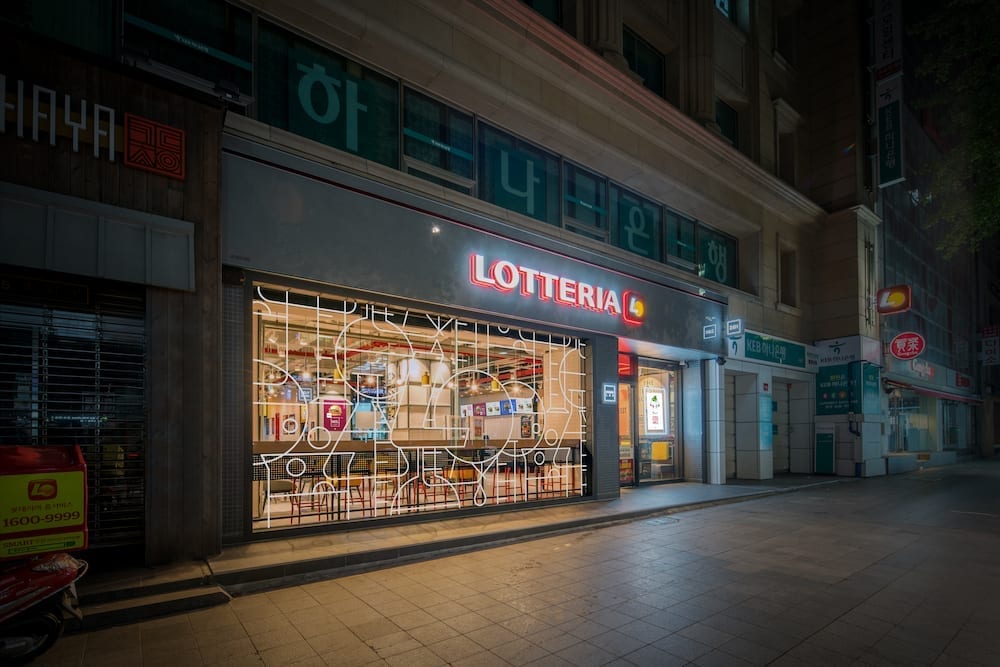
    LOTTERIA’s response was to follow the lead of discount supermarkets, reducing ranges and hugely improving the provenance and quality of ingredients. Fresh sustainable and well sourced meat and vegetables are now at the heart of the offer, which is completely made to order, all achieved by efficient, transparent and sustainable logistics and sourcing.

    JHP’s commission was to design and develop this new experience, including the store architecture, internal environment, brand identity, product strategy, packaging, internal communication, multi-sensory strategy, advertising and service strategy.

    The Response

    The BURGER LABORATORY’s ingredients are entirely sourced from LOTTERIA’s own vertically integrated farms and are of the highest quality in terms of both environmental sustainability and animal husbandry. In addition to beef, chicken and shrimp burgers and fries, LOTTERIA’s new BURGER LABORATORY offers local specialties and vegetarian options.

    An entirely open kitchen has been introduced combined with a made-to-order process allowing customers to watch the BURGERISTA preparing every stage of their meal. Customers can place orders via an app on their journey to the LAB, in-store through bespoke tablets or in person at the counter.

    The BURGER LABORATORY’s science and experimental theme is reflected in every aspect of the customer experience.

    A red industrial ceiling mounted pipe winds its way from the front of the laboratory to the back guiding the customer journey. The ceiling also features an illuminated digital clock indicating how long customers must wait for their order to be ready.

    The restaurant’s walls are decorated with periodic tables, food assembly diagrams and science based icons. Chairs have chemical resistant wire frames whilst tables are equipped with power plugs for charging mobile devices instead of Bunsen Burners. (Free WI-FI access is of course a hygiene factor in Korea).

    The stainless steel drinks machine enables customers to mix and refill their own beakers. The seating area offers individual code writing tables, long laboratory benches and breakout booths reminiscent of those found in high tech start-ups.

    Restrooms use acid resistant white glazed tiles with ‘radioactive’ yellow and black doors and frames. The materials used are not only consistent with the laboratory’s look and feel but were also selected for their low environmental impact.

    Recycled strawboard, reclaimed porcelains and salvaged waste pipes have all been combined in an environment that is lit entirely with low energy LED sources and uses hyper-efficient induction cooking equipment. All packaging is recycled and biodegradable.

    The Outcome

    The first 300 M2 BURGER LAB opened its doors in Seoul’s Jonjak in November 2016. Built in a remarkable four weeks including all equipment and services, the total project cost was a modest $480,000.

    The BURGER LABORATORY’s results have been outstanding consistently trading 35% higher than its previous incarnation.

    The concept is now being rolled out across the companies 3,000 outlets throughout Asia and has received numerous positive comments in the press and on social media.


  • SM Prime Holdings’ net profit rises 14 per cent

    SM Prime Holdings’ net profit rises 14 per cent

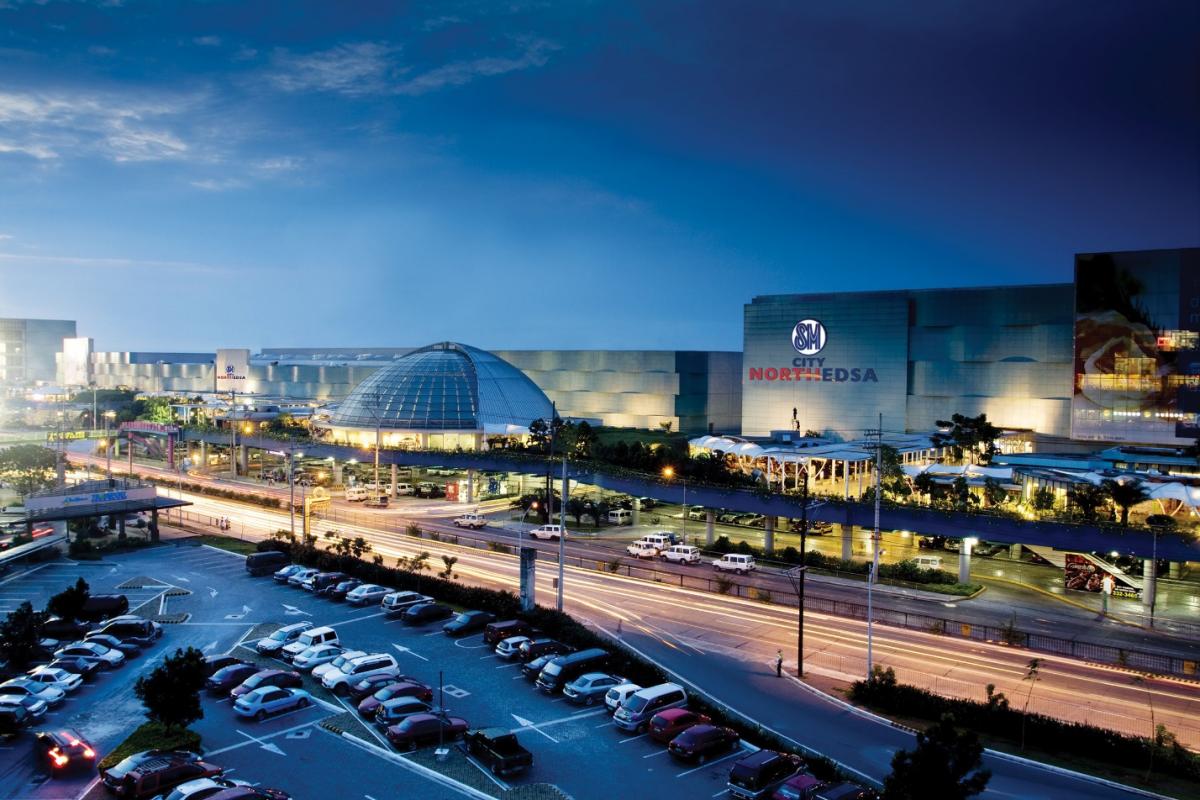
    Continuing mall expansion helped drive a 14 per cent rise in SM Prime Holdings’ net profit last year.

    In a stock exchange filing yesterday, the company said it achieved a net income of P23.8 billion (US$473.7 million) last year. Strong sales by its residential arm, which accounts for 32 per cent of its business, also contributed to the healthy profit rise.

    SM Prime has 60 shopping malls in the Philippines, with 7.7 million sqm of gross floor area and seven in China, with 1.3 million sqm of GFA. The company plans to open at least four more centres in its home market in 2017, adding a further 300,000 sqm of space.

    Total revenue last year rose 12 per cent to P79.8 billion.

    “SM Prime sustained its overall performance in 2016 on the account of focusing more on recurring income stream complemented by the solid performance of the housing group,” said president Jeffrey Lim in a statement.

    “SM Prime is well-positioned to capture the positive impact of the higher infrastructure spending intended by the government that will also spur overall economic growth of the country,” he added.

    Revenues from shopping malls rose by 9 per cent last year to P48.6 billion, driven by the addition of 1.5 million sqm of additional space during the past two years.

    Excluding new openings, sales growth was up 7 per cent, but cinema sales were down 3 per cent.

  • Benoy updates Sanya Eyot project designs

    Benoy updates Sanya Eyot project designs

    Designs have been updated by international architectural/design company Benoy for the retail-centred China International Travel Service (CITS) Sanya Eyot scheme on Hainan Island.

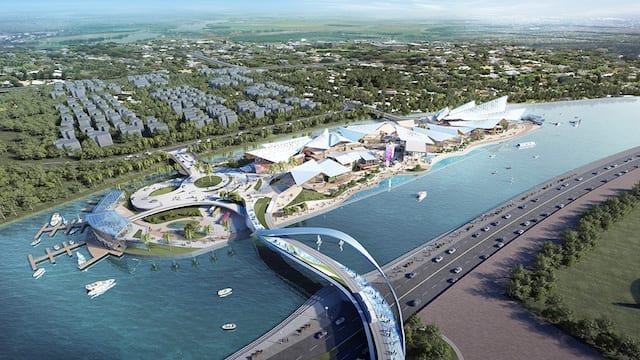
    It is the second phase of the wider CITS scheme in the new resort area of Haitang Bay in Sanya. The development is on the reclaimed Hexin Island, surrounded by luxury international hotels and natural attractions. A pedestrian bridge connects the two phases of the scheme.

    “Our vision is to bring a completely new experience and break the mould for retail-led tourism developments in Haitang Bay,” says Benoy director Ferdinand Cheung.

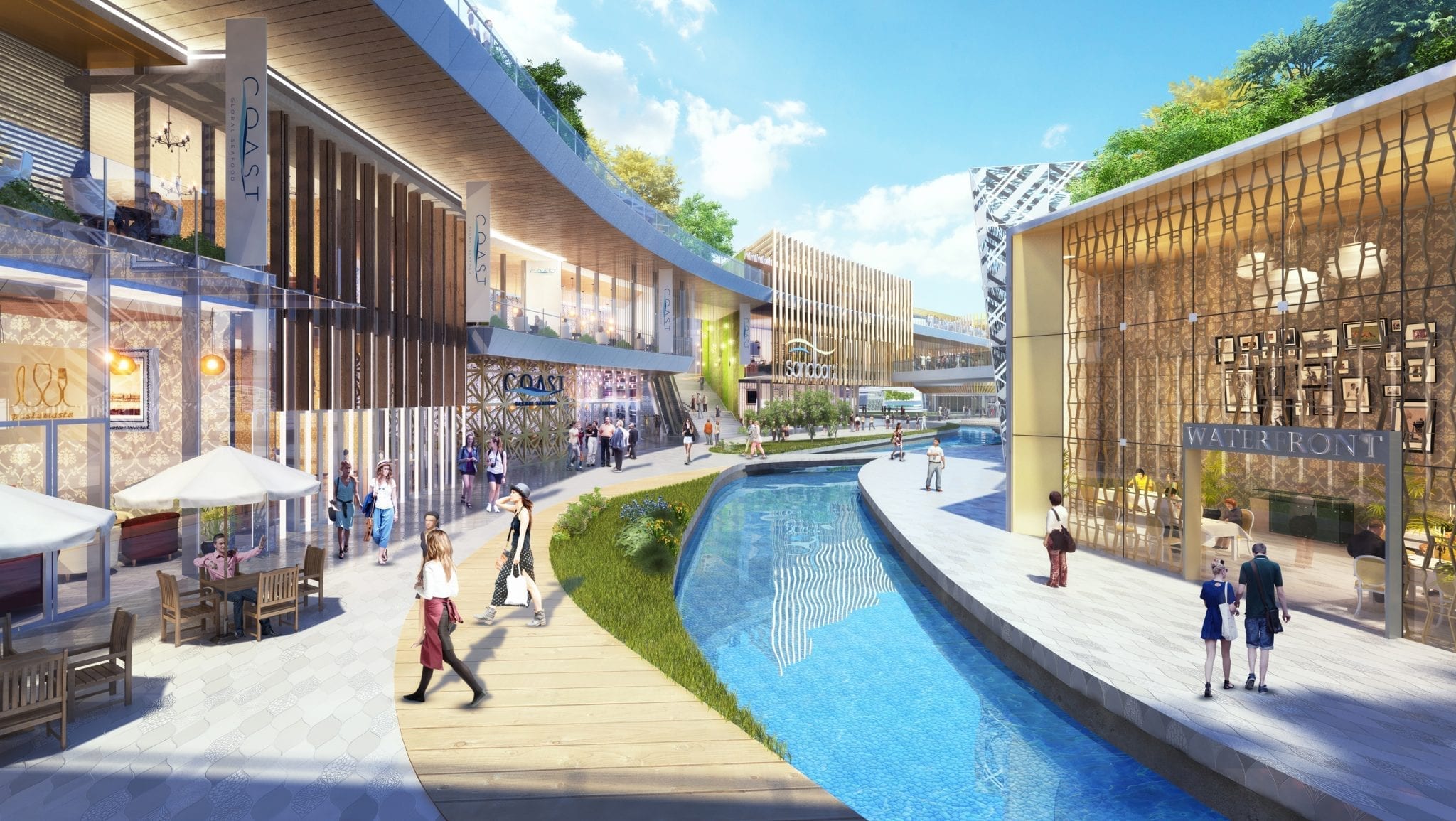
    As a point of difference, the 32,000 sqm mixed-use, retail-led destination introduces a porous and multi-layered environment. The design clusters together distinctive, small-scale buildings to create a series of indoor and outdoor spaces. These will host entertainment and retail activities.

    Elevated walkways and bridges spanning the length of the pedestrian precinct will connect the buildings.

    Canopy structures inspired by seashells firmly root the design into its seaside context. They have been designed in accordance with solar paths and prevailing winds to encourage natural ventilation and open up sightlines across the island.

    “The canopy designs have not only allowed us to fulfil the brief for the project environmentally, helping to encourage air circulation and provide sun shading within this known humid and hot climate, but they also bring a real identity to the scheme. Their form and colour connect back to the coastal and resort quality of the site,” says Benoy senior associate director Janet Chan.

    Anchoring the development at the north end is a covered market area which will sell produce from fish farms and provide stall areas for imported goods.

    An aquarium with a reflective pool will bookend the market space, providing the backdrop for the al fresco and market-style dining area.

    With the reclamation of Hexin Island complete, construction work on the CITS Sanya Eyot scheme will start this year. The development is targeting a China three-star sustainability rating.