Category: Real Estate

Retail News Asia is committed to providing both local and global retailers with the latest Real Estate news throughout the Asian market. This on a daily base.

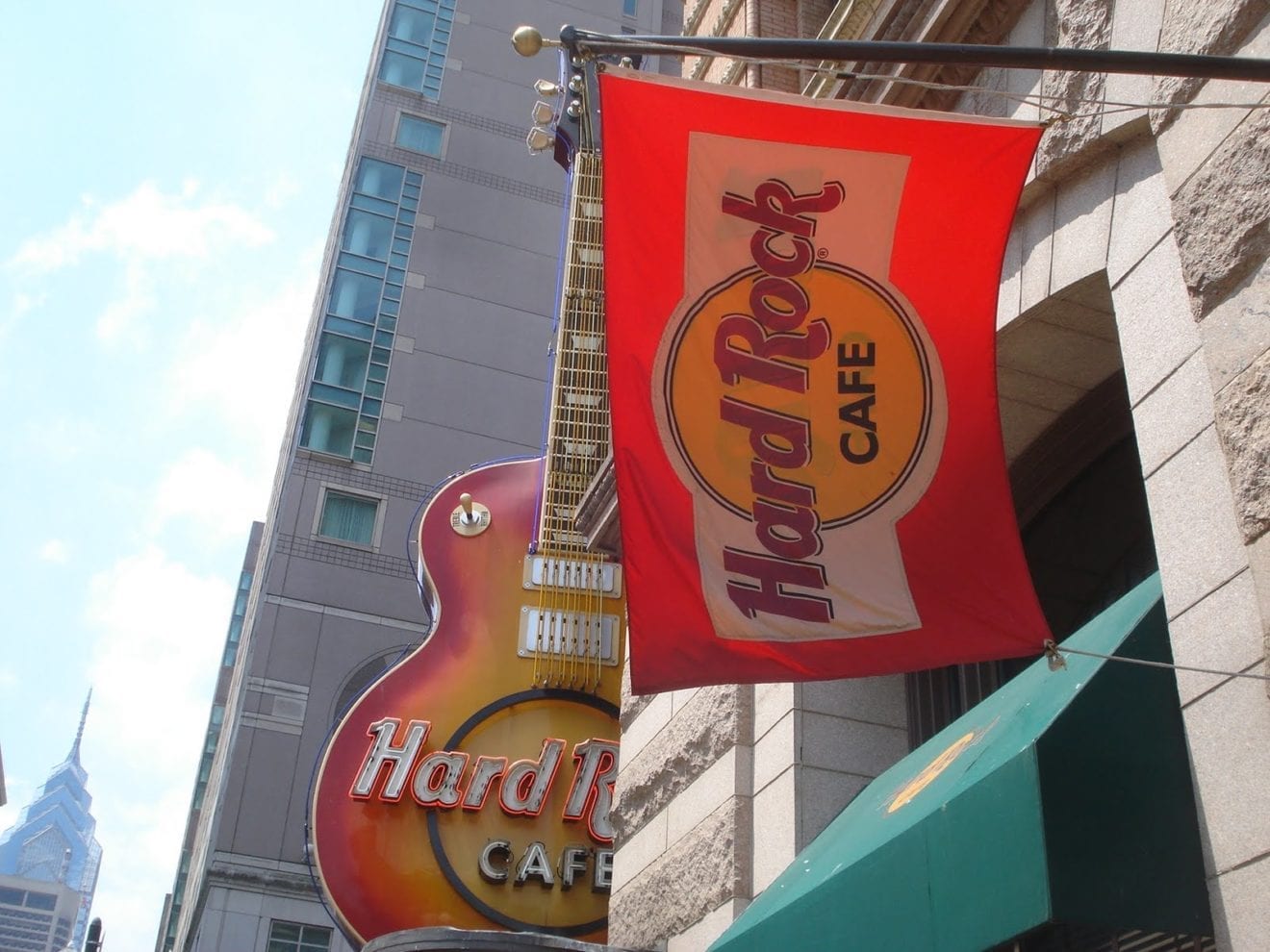
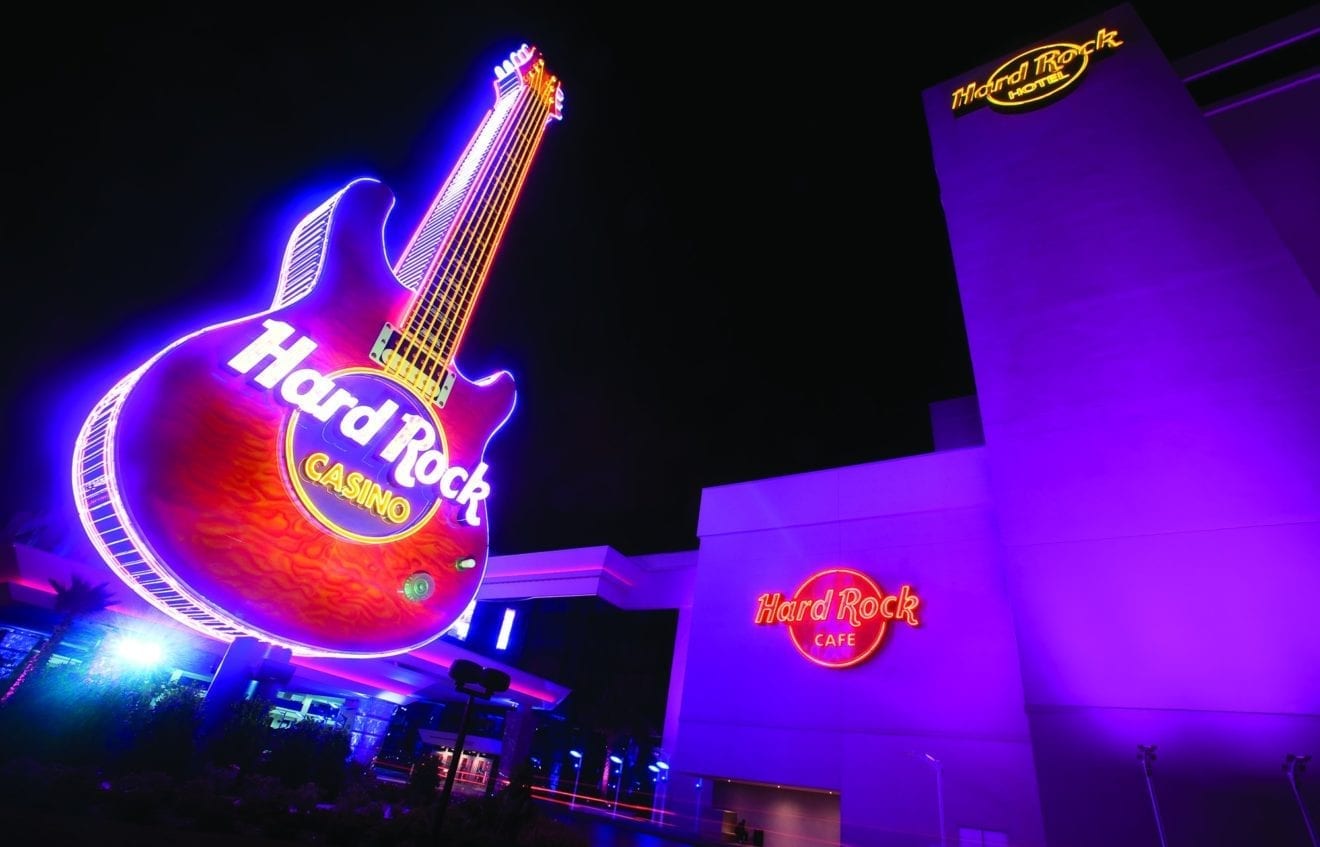
  • Hard Rock Hotel tuning up for China

    Hard Rock Hotel tuning up for China

    Mainland China’s first Hard Rock Hotel will open in Shenzhen this year.

    It will feature a rooftop restaurant and pool, and offer about 1021 sqm of meetings space.

    As a point of difference, the 258-room Hard Rock Hotel Shenzhen will offer complimentary in-room Fender electric guitars. There will also be a kids’ club.

    The hotel is part of the Mission Hills Centreville resort district that opened last year and includes an 18-hole golf course and a retail mall.

    Hard Rock opened a 322-room hotel in Macau in 2009.

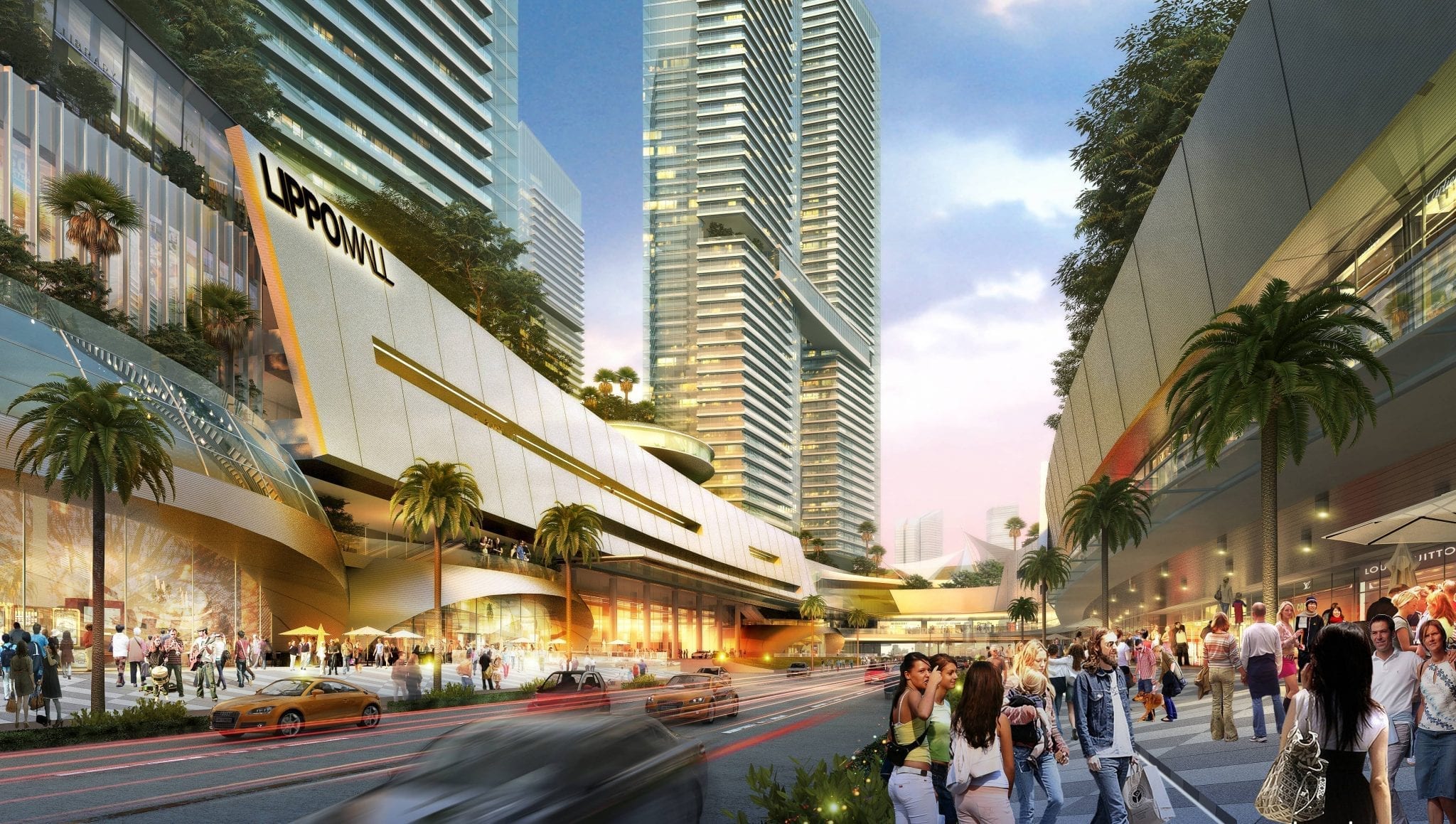
  • Lippo Malls Indonesia Retail Trust posts 7.6% rise in Q4 DPU

    Lippo Malls Indonesia Retail Trust posts 7.6% rise in Q4 DPU

    Lippo Malls Indonesia Retail Trust (LMIRT) posted a distribution per unit of 0.87 cents for its fourth quarter 2016, an increase of 7.4 per cent from a year ago.

    Its net property income went up 10.9 per cent to S$44.6 million. For the full year ended 2016, LMIRT’s net property income rose 8.4 per cent to S$171.9 million.

    For Q4 2016, total gross revenue went up 9.1 per cent to S$48.7 million year on year, mainly due to positive rental reversion within the existing malls.

    The trust recently completed the acquisition of Lippo Mall Kuta, expanding its portfolio to 27 properties and asset size to S$1.9 billion.

    Viven Sitiabudi, executive director of the Reit manager, said: “With our shopping malls registering a consistently high occupancy rate of 94.3 per cent, we expect a stable stream of rental income going forward.”

  • SM Aura Premier the first and sole mall in the Philippines to achieve Leed Gold certification

    SM Aura Premier the first and sole mall in the Philippines to achieve Leed Gold certification

    The LEED (Leadership in Energy and Environmental Design) rating system, developed by the U.S. Green Building Council (USGBC), is the foremost program for buildings, homes and communities that are designed, constructed, maintained and operated for improved environmental and human health performance.

    According to LEED Consultant Raymond Andrew Sih, SM Aura achieved LEED Gold by meeting and exceeding international standards in indoor air quality, thermal comfort, then energy and water efficiency. He cited the mall’s very own waste water treatment plant that recycles water for non-potable use, the energy efficient LED lighting system, the centralized air conditioning system cooled with recycled water, and double low emissivity insulated glass panels, to name a few. In addition, the entire operation is run optimally with regular measurement and verification.

    “SM Aura Premier was built with the environment in mind. Almost a third of the cost of construction materials were locally sourced, over twenty percent of the cost of construction materials were from recycled materials, and over ninety-five percent of the construction waste was recycled,” Sih said.

    Sih also pointed out SM Aura Premier’s Sky Park, which covers more than half of the building. The roof garden, according to Sih, not only “provides visitors with a great place to dine, relax and enjoy views from up high; it also gives plants plenty of soil, recycled water, and room to grow while protecting the building from the heat of the sun.”

    Apart from this outdoor green feature, SM Aura also maintains good indoor air quality for its occupants. The mall is also conveniently located where one can walk or bike to various businesses, offices, homes, public amenities, and transportation facilities.

    Mahesh Ramanujam, president and CEO of USGBC, underscored the significance of SM Aura Premier’s LEED Gold certification. “Achieving LEED certification is more than implementing sustainable practices. It represents a commitment to making the world a better place and influencing others to do better,” Ramanujam said. “Given the extraordinary importance of climate protection and the central role of the building industry in that effort, SM Aura Premier demonstrates their leadership through their LEED certification of Gold.”

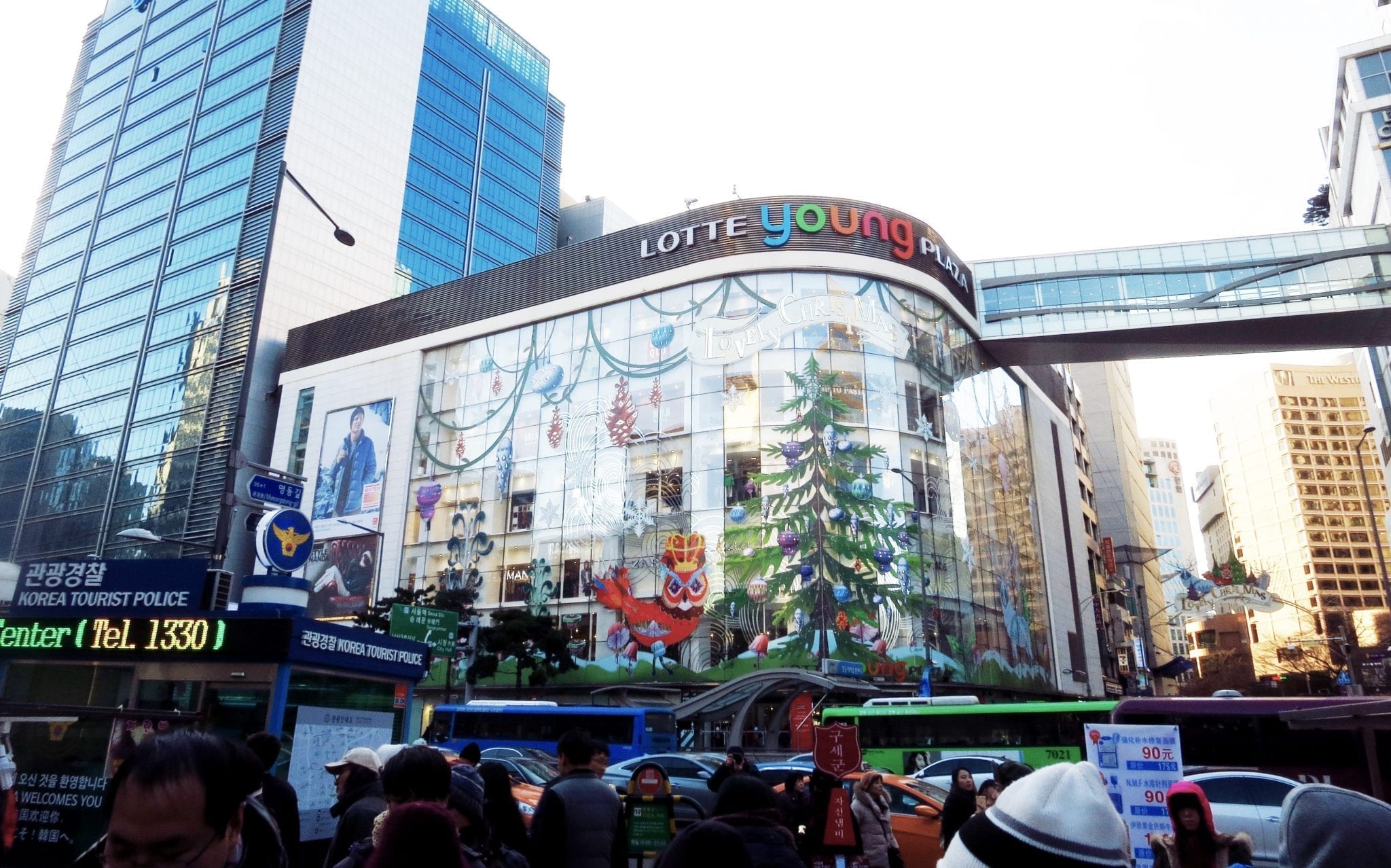
  • Lotte may close three retail stores in China’s capital

    Lotte may close three retail stores in China’s capital

    “Three of Lotte Super’s 16 branches in Beijing are considering shut-downs,” said a spokesman for Lotte Mart, which oversees Lotte Super’s overseas business.

    “The final result is scheduled to be announced within this month,” the spokesman added.

    The company denied any connection with the ongoing Terminal High Altitude Area Defense (Thaad) anti-missile system controversy.

    “This is just the result of an annual management checkup,” said the spokesman.

    “The three branches have posted weak operating profits in recent years. This is not the first time we have closed down branches that didn’t generate enough profit. There were shutdowns last year and the year before that as well.”

    Beijing’s hostility towards Korean business in China has been growing over the past three months, and especially to affiliates of Lotte Group, which is providing the land on which the missile defense system will be deployed in Seongju, North Gyeongsang.

    In November, Beijing rolled out unprecedented tax audits and safety check of some 150 factories, storage facilities and store branches of Lotte affiliates, including Lotte Department Store, Lotte Confectionery and Lotte Super. At the time, a group spokesman said it was “unusual” for the Chinese government to conduct inspections simultaneously on multiple affiliates.

    In fact, one of the Lotte sites that was subject to an abrupt safety inspection had been given an award by the local fire department for its first-rate safety systems.

    In the face of such retaliation against its businesses, Lotte Group has been delaying final approval of swapping a golf course, which will be the Thaad battery’s home, for a plot of land in Namyangju, Gyeonggi, currently owned by the Korean military.

    Board members of Lotte International, which owns the golf course, held a meeting on Feb. 3, which delayed a final decision. The company said it would hold another meeting soon.

    Maintaining good relations with the Chinese government is crucial for Lotte because it operates many retail operations in China and gets much of its business in its duty free shops from Chinese customers.

    Lotte Department Store set up a joint venture with China’s state-owned Citi Group in October to advance into Shanghai, a new market for Lotte affiliates. The department store held a business fair on Jan. 20 to attract Korean brands that wish to go into Shanghai.

  • Hard Rock Japan plan

    Hard Rock Japan plan

    Hard Rock International has launched Hard Rock Japan with former Sands China senior executive Edward Tracy as its CEO.

    His appointment is “a strategic move designed to support the company’s growth plans in the region”, says the company.

    The new division follows Japan’s legislature approving the Integrated Resorts Promotion Bill, marking the first step toward legalising gaming in a market that investment bank CLSA gaming analysts estimate to be worth US$40 billion.

    With 30 years’ experience in the Japanese market, where it has six Hard Rock Cafe locations, the company plans to expand its portfolio by becoming a contender for Japanese resort licences.

    Tracy has held several positions within the gaming and hospitality industry. He joined Sands China, a subsidiary of Las Vegas Sands Corporation, in July 2010 as president and COO. He became its CEO one year later, responsible for the oversight of about 13,000 hotel rooms and 30,000 employees, reports the Macau Daily Times.

    Before Sands, Tracy was president and CEO of Capital Gaming, which runs regional casinos, and held similar positions at the Trump Organization, where he was responsible for managing 12,500 employees, 3000 hotel rooms and 240,000 sqft (22,296 sqm) of casino space.

    In 2014, Harvard Business Review named Tracy as one of the “Best-Performing CEOs in the World” in its annual top-100 ranking in 2014.

  • Singapore retail rents set to stabilise in 2017

    Singapore retail rents set to stabilise in 2017

    Singapore retail rents slipped by 4.2 per cent in 2016 – an improvement on the 5.7 per cent decline of 2015, according to data from Edmund Tie & Company research.

    And they should remain resilient in the year ahead.

    The islandwide average monthly retail gross rent fell to about $29.25 per sq ft last year in what Edmund Tie describes as a “moderate decline”.

    Stabilising rents in the Orchard Road-Scotts Road precinct helped pare back the slide. While rents in Orchard/Scotts Road eased by 2.2 per cent in the first half of 2016, rents remained unchanged at $37.20 per sq ft per month in the second half.

    “The resilience in rents was attributed to limited supply in the prime shopping district, with only about 90,000 sq ft of retail net lettable area (NLA) expected to be completed over the next four years,” said Edmund Tie in a statement. “Moreover, there was strong demand for retail units in Orchard/Scotts Road, especially for those with a visible street frontage, as evidenced by the recent opening of several flagship stores and new-to-market brands.”

    During the third quarter of 2016, retailers absorbed some 112,000 sqft of new space in the precinct, a reversal from the negative net absorption of 99,000 sqft in the second quarter.

    “Hence, barring any unforeseen economic shocks, rents are anticipated to remain resilient in 2017.”

    Rents in the suburban areas were also stabilising, remaining unchanged quarter-on-quarter at $30.60 per sqft per month in the fourth quarter, after falling by 3.5 per cent during the first three quarters.

    Edmund Tie says rents are unlikely to decrease in 2017 as much as they did last year, with upcoming suburban malls reporting healthy pre-commitment rates.

    “In the third quarter, a positive net absorption of 314,000 sqft was recorded in the suburban areas, the highest in almost two years.”

    On the contrary, rents in the other city areas remained under pressure, falling by 1 per cent quarter-on-quarter to about $19.90 per sqft per month in the final three months. “This was the seventh consecutive quarter of decline and it took the total rental decline in the other city areas to 8.7 per cent in 2016.

    In addition, negative net absorption extended to -376,000 sqft in the third quarter from 25,000 sqft in the second. “Amid the impending supply of approximately 430,000 sqft of retail NLA in 2017, rents are likely to ease further in the first half of 2017, given a lack of crowds during the weekends due to the limited residential catchment. Nevertheless, the fall is likely to be transitory as retail demand will be supported by residents or guests of the residential, serviced apartment and/or hotel component in upcoming mixed-use developments such as DUO, OUE Downtown and Marina One.”

    2017 outlook

    “Overall, the decline in islandwide average rent is expected to moderate further in 2017,” predicted Edmund Tie. “To overcome competition from eCommerce and manpower constraints, more retailers are beginning to embrace technology, including NTUC FairPrice and Kopitiam. NTUC FairPrice currently offers the click-and-collect option for online shoppers, and self- checkout counters that are equipped to accept cash – which reduces its reliance on cashiers. Likewise, Kopitiam at the upcoming Hillion Mall will introduce the iCashbox payment system, as well as self-orderings kiosks and a rewards programme to encourage diners to “Return Tray for Reward”.”

    Dr Lee Nai Jia, Edmund Tie & Company’s Southeast Asia (SEA) head of research, noted: “Looking forward, it is possible that malls in the future will become fulfilment centres, where buyers go to the malls to collect their goods, or exhibition venues, where retailers attract buyers and deliver their purchases to their homes. Retail rents will not only reflect the location, but also the experiential effect of the mall.”

  • The outlook for Singapore’s real estate market in 2017

    The outlook for Singapore’s real estate market in 2017

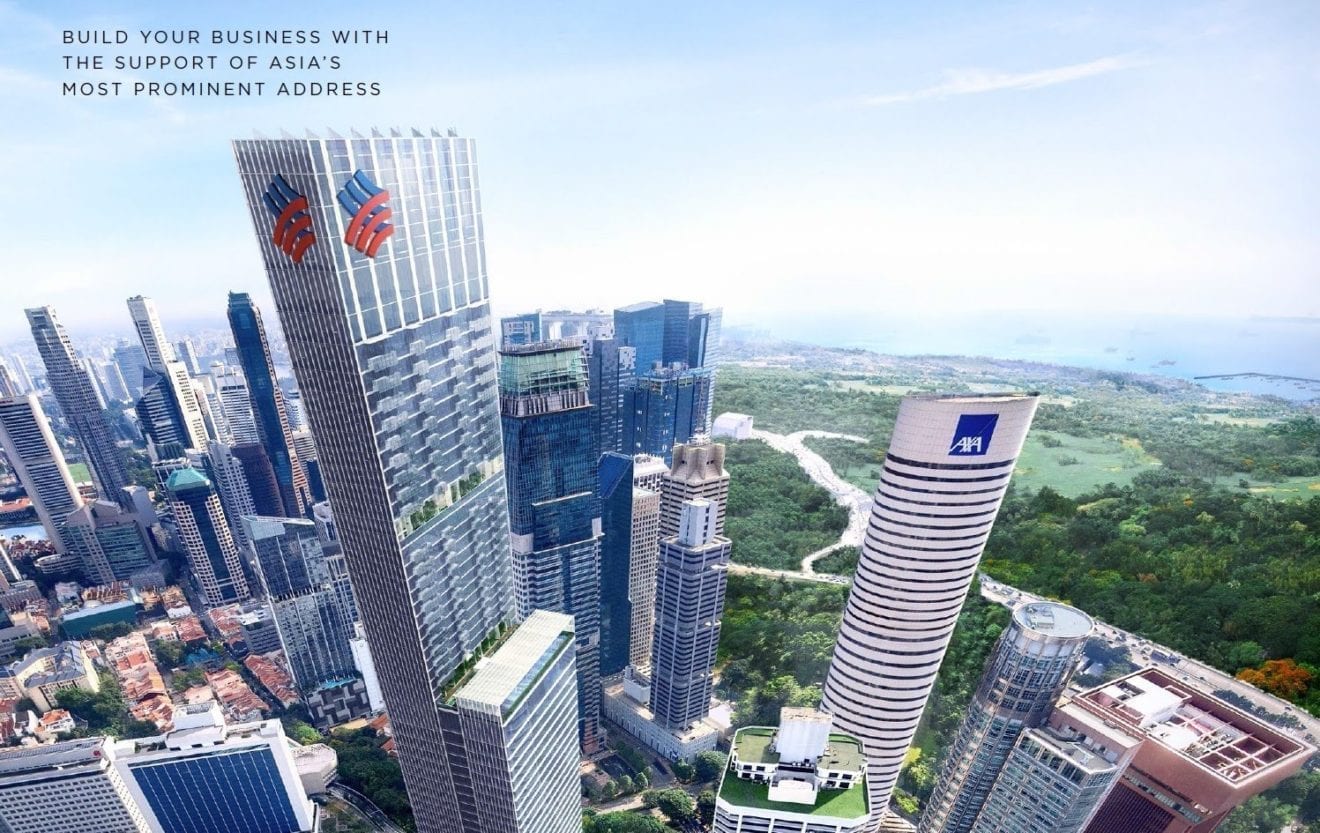
    Singapore’s soft real estate market in Singapore was given a boost last year. Investment volume rose 34 percent year-on-year to US$9.4 billion, underpinned by major deals such as the sale of Asia Square Tower 1 and a series of transactions, including a top bid for the prime Central Boulevard white site in the Marina Bay area.

    “The Singapore property market is poised for a recovery in 2017. GDP growth and inflation are expected to pick up in 2017, driving stronger demand for real estate,” says Regina Lim, JLL’s National Director, Advisory and Research, Capital Markets. “In most sectors, we also saw an increase in transaction volumes, including residential property sales and office building transactions.”

    The Lion City is traditionally seen as a safe haven for property investment. It is likely that investment volume will hold up 2017 even as new supply continues to enter the market. Among them are Grade A buildings in the Central Business District, Marina One and Tanjong Pagar Centre. These new office buildings have attracted stronger than expected pre-commitments. And about 50 percent of the office space in buildings completed in 2016 to 2017 have already been leased.

    The sale of Central Boulevard at S$2.57 billion, or S$1,689 per square foot per plot ratio, which is the highest bid ever for a Government Land Sale site in Singapore, signals strong investor optimism – with projections that prime rents would rise over the next five years.

    Retail and residences
    “While demand for office, retail and food and beverage real estate slowed between 2012 and 2015, we believe this bottomed out in 2016 and we expect a modest recovery in the next couple of years,” says Chris Fossick, Managing Director, Singapore and Southeast Asia, JLL.

    Gross domestic product is expected to grow 2.3 percent in 2017, an increase from 1.8 percent in 2016.

    The stronger tourist arrival figures and slightly higher economic growth will help bolster retail assets. “We expect more retail malls to transact. Good quality, well-positioned retail assets are likely to be attractive to core investors as yields are still higher than office assets, and occupancies have always been resilient even in recessions,” adds Lim.

    Singapore’s prime residential market remains attractive for investors compared to other global cities. The latest data from JLL shows that prime residential prices are 126 percent higher in Hong Kong, 62 percent higher in New York and 22 percent higher in London.

    And based on JLL estimates in a report, luxury prime properties in Singapore have corrected on average 18 percent, while mass market prices have softened about 10 percent.

    Developers are keen to attract buyers and beat the deadline of selling units within two years of completion as mandated by the Residential Property Act by offering discounts and block deals. Nearly S$2 billion worth of residential units were sold via block deals or structured vehicles in 2016; more of such deals are expected in the next two years.


  • Las Vegas Sands Corporation may offload portion of Marina Bay Sands

    Las Vegas Sands Corporation may offload portion of Marina Bay Sands

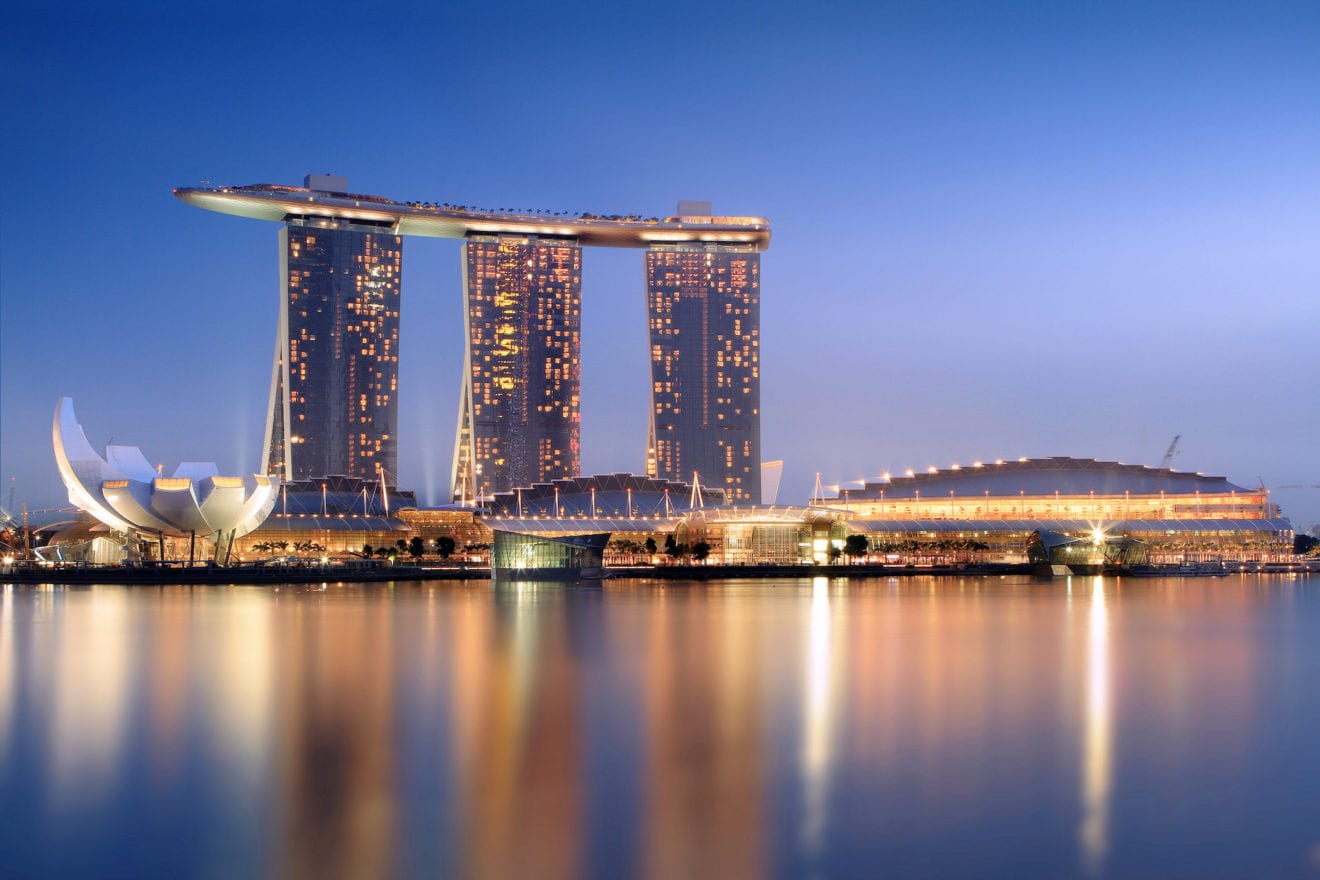
    In Singapore, giant casino operator Las Vegas Sands Corporation is reportedly hoping to sell off a large stake in its shopping mall inside the Marina Bay Sands development before potentially using the proceeds to invest in future venues in Japan or South Korea.

    According to a report from The Straits Times newspaper, the Las Vegas-based giant wants to offload a 49% share in its 800,000 sq ft The Shoppes At Marina Bay Sands for up to $3.5 billion but first needs the approval of the city-state’s government.

    “We expect to receive a very significant price for the 49% we are willing to sell,” Sheldon Adelson, Chairman and Chief Executive Officer for Las Vegas Sands Corporation, reportedly told analysts during a conference call on Wednesday. “We are looking at potentially $3 billion to $3.5 billion. We’re in preparation with our bankers to prepare that property to sell. The interest we have is that it is the highest trophy mall there is in the world. We anticipate almost an unprecedented price to sell 49% of it.”

    Adelson also reportedly declared that the desired price would make The Shoppes At Marina Bay Sands “the most expensive mall ever sold in the world” although any transaction would not take place until April or May.

    Under the terms of its original licensing deal, which began in March of 2007, Las Vegas Sands Corporation was reportedly given a ten-year exclusivity period so that it could begin to recoup the billions of dollars it had spent to construct the Marina Bay Sands. A similar agreement was moreover inked by Genting Singapore for its nearby Resorts World Sentosa integrated casino resort complex and both firms would need official approval before offloading any portion of their Singapore developments once this privileged phase expired.

    “There are more noises coming out of [South] Korea now that Japan is legalizing casino gaming,” Adelson reportedly told analysts. “We will want to see what the development opportunities are. We can always get money to develop properties.”

    Chew Tiong Heng, Infrastructure Planning And Management Executive Director for the Singapore Tourism Board, told The Straits Times that Las Vegas Sands Corporation, which also operates The Parisian Macao, The Plaza Macao, Sands Macao, The Venetian Macao and Sands Cotai Central in Macau via its Sands China Limited subsidiary, has indicated that it may sell off a portion of Marina Bay Sands but had yet to make a formal request.

    “My guess is the government doesn’t want [Las Vegas Sands Corporation] to cut and run or become asset-light and just focus on gambling,” Alan Cheong from global real estate services provider Savills Singapore told The Straits Times. “It wants Las Vegas Sands [Corporation] to still have commitment to its investment in Singapore. On the other hand, Las Vegas Sands [Corporation] may also want to retain majority control because it wants to maintain the mall’s position in the retail market.”

    Although more than 60% of Las Vegas Sands Corporation’s current revenues come from Macau, its Marina Bay Sands development is still a prized asset with the development recently posting an 8% increase year-on-year in fourth-quarter net profits to $366 million. This was helped by a 2.8% rise in overall revenues $723 million while gaming turnover swelled by 5.6% to reach $563 million.

    In terms of The Shoppes At Marina Bay Sands, turnover for the final three months of 2016 climbed by 4.8% year-on-year to hit $44 million while Cheong additionally told the newspaper that potential buyers could include “sovereign wealth funds or a consortium of large private equity firms” as there is currently “a lack of available good-quality retail mall stock” in Singapore.

  • Startup dreams bring real money to Vietnam’s office market

    Startup dreams bring real money to Vietnam’s office market

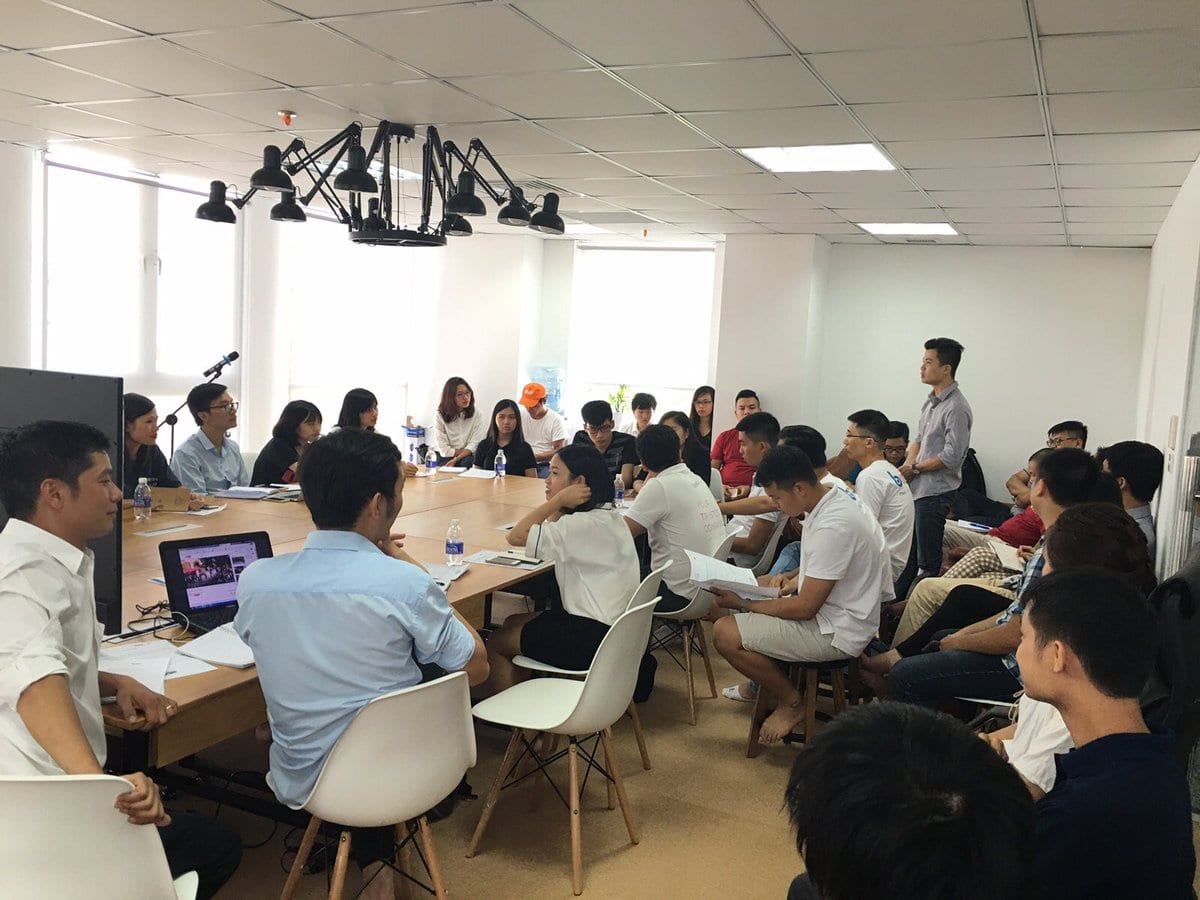
    Young companies looking for their first home are spiking the demand for small-sized office space. Tan, a self-employed real estate broker, paid $5,000 per month for the use of a six-story building in downtown Ho Chi Minh City. He then turned it into 15 office rooms with polished tiled floors, private bathrooms and internet connections.

    The offices, ranging from 25 to 40 square meters, are now rented out to startups at between VND5 million and VND10 million ($220 – $440) per month, said Tam, who asked to be identified by his first name only.

    For fledgling startups, which try to make every penny count, these small-sized offices with good locations fit their budget.

    Tan said currently 10 companies are his tenants, claiming a return of 20-25 percent.

    Local brokers said some estates in the city’s downtown areas are becoming mini-hubs for startups. These young companies give the office market in Ho Chi Minh City and Hanoi a much-needed boost as many landlords struggle to fill space, they said.

    However, according to Le Huu Dung, chief executive at brokerage Weland Investment, not just any space will do.

    “We have seen a strong growth in mini-office rentals in Ho Chi Minh City in the past two years following the recent startup boom,” Dung said. “While some investors have earned decent profits, others are losing money.”

    No one who starts out in such a tiny office expects to stay there for long, Dung said, referring to the fact that when startups become bigger, they will move to larger offices.

    Another flip side of the business is that this segment mainly relies on idea-stage companies, which may not even last longer than just a few months.

    Dung warned that if the occupancy rate is lower than 80 percent, the investor will start losing money.

  • Synchronised ideas for major expansion

    Synchronised ideas for major expansion

    THE old adage, “when going gets tough, the tough get going” still rings true in today’s challenging economic climate.

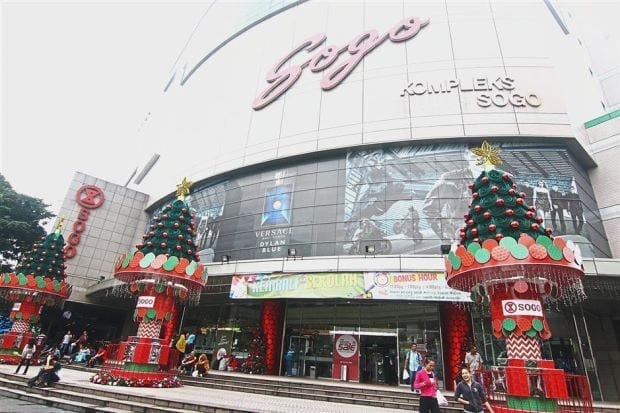
    This is the mindset of Sogo Malaysia group deputy chairman Datuk Andrew Lim and group managing director Datuk Alfred Cheng, who are exploring a joint venture to set up six flagship stores in the country within the next five years.

    Lim said they both had a synchronised idea of taking the Sogo group forward.

    “Through a 50:50 joint venture, we hope to bring an additional layer of excellent retailing into the Malaysian context by offering international and domestic shoppers a wholesome shopping experience,” he said.

    Speaking about the country’s retail industry, Lim noticed a lack of quality retailing.

    “In order to have a vibrant retail industry in Malaysia, we must have different niches – mass retailing as well as quality retailing,” he said.

    Lim further explained that quality retailing means offering a better grade of goods and services at value-for-money prices.

    “As consumers trade up, they will be looking for quality merchandises that commensurate with their income and status.

    “Apart from that, the country also has a plan to upgrade Malaysia to a first-world economy and as such, the retail services will figure prominently.

    “Based on all these assumptions, we are positive about the retail industry in Malaysia, despite current sentiments.

    On the outlook of the retail industry, Lim pointed out that the focus of decision-making had shifted from big stores to individual customers.

    Lim is positive about Malaysia‘s retail industry despite current sentiments about the economy.

    Lim is positive about Malaysia‘s retail industry despite current sentiments about the economy.

    “Gone are the days when store merchandises are laid out on the racks and customers will just walk in and purchase.

    “The thrust of retailing now has to be customer-relevant.

    “Millennials and internetters change their tastes very fast, and to serve this generation of shoppers, we have to intensively tweak our merchandise offerings on a weekly basis.

    “What will distinguish us as a quality retailer is by offering a personalised shopping service and rapid response to customers’ changing needs,” said Lim.

    With an investment of up to RM30mil each flagship store, the stores will be located within prominent commercial developments in capital cities of the country.

    “Each of these stores will have at least 18,581sq m (200,000sq ft) retail space and will be a representation of the local community.

    “To offer products and services catered to individual locations, the demographic profile of each vicinity will be studied within a 10km radius, not taking into account foreign visitors,” said Lim, adding that the interior and tenants of each store would also be based on needs of customers within the area.

    At present, there is only one Sogo KL Department Store nationwide, with a nett lettable space of about 65,032sq m (700,000sq ft).

    Now in its 23rd year of operation, Sogo Malaysia has continuously been developing talents and honing skills of employees through training and professional courses while investing on systems to build a strong back bone, leading to the preparation for expansion.

    Lim added that Malaysia was also an interesting place to visit for both foreign and local tourists.

    “We view the economic future optimistically due to the fact that the millennials and Internet generation also wants to feel living experiences.

    “Malaysia has the natural advantage of having different cultures in one locality along with amazing beaches, rainforests, caves and mountains,” concluded Lim.
     

  • Office and retail rents slip, but outlook improves

    Office and retail rents slip, but outlook improves

    Challenging market conditions continued to hit office and retail rents in the fourth quarter, although there are signs pointing to a brighter outlook for some landlords.

    Office rents fell by 1.8 per cent from the third quarter to the fourth quarter last year, a far sharper fall than the 1.1 per cent from the second to the third, according to Urban Redevelopment Authority (URA) data yesterday.

    That took the drop in rents to 8.2 per cent for the full year, markedly steeper than the 6.5 per cent decline in 2015.

    “With continual supply pressure in 2017, we reckon rents will continue to soften at least for the first half,” noted Dr Chua Yang Liang, JLL’s head of research for South- east Asia.

    But new office buildings such as Guoco Tower and the upcoming Marina One have enjoyed good take- up over the past year – prompting talk of better prospects ahead.

    “Large deals announced in January, such as Facebook taking up prime space at Marina One and co-working operator Distrii leasing in Republic Plaza, further point to signs that the office leasing market is stabilising,” Cushman & Wakefield research director Christine Li said.

    The completion of Duo Tower in Bugis last month helped push office vacancy rates to a four-year high at 11.1 per cent, up from 10.4 per cent at the end of the third quarter.

    Prices of office space, meanwhile, fell by 0.6 per cent from the third to the fourth quarter, taking the full-year drop to 2.8 per cent.

    The retail sector fared slightly better, amid challenges posed by e-commerce and uncertain economic prospects. Rents eased 1.2 per cent from the third to the fourth quarter – better than the 1.5 per cent drop from the second to the third.

    The islandwide vacancy rate for retail space improved to 7.5 per cent at the end of last month, snapping four straight quarters of rising vacancies.

    “The uplift in occupancy was probably supported by the continued opening of flagship stores, along with gyms and large food and beverage clusters,” said Mr Desmond Sim, head of CBRE Research for Singapore and South-east Asia.

    Retail rents fell by 8.3 per cent last year, and JLL expects them to remain weak, amid the 169,000 sq m of retail space which will become available this year.

    Although conditions in the retail sector will remain tough, there have been some changes that bode well for the future.

    “We are encouraged by the introduction of new retail brands and concepts through 2016… This should help to add more colour and vibrancy to Singapore’s cookie- cutter retail scene,” noted Ms Tricia Song, head of research at Colliers International, Singapore.


  • Wyndham Opens Tryp Hotel in Yangon, Myanmar

    Wyndham Opens Tryp Hotel in Yangon, Myanmar

    Wyndham has expanded its Tryp brand to Myanmar, formerly known as Burma, with the opening of a new-construction hotel in Yangon, Myanmar.

    The 60-room Tryp Yangon is Wyndham’s inaugural hotel to open in the country.

    Tryp Yangon is located in the heart of Yangon’s Mayangone Township less than five minutes from Myanmar Plaza, which offers upscale retail and dining options, and is a short stroll from many of the city’s glittering golden temples, including the majestic 34-meter-high Kabar Aye Pagoda and the vast Inya Lake.

    “Myanmar is quickly becoming a must-see destination for international travellers with nearly eight million arrivals in 2015 thanks to an influx of foreign investment and Yangon’s expanded international airport,” said Mr Barry Robinson, President and Managing Director of Wyndham Hotel Group South East Asia and Pacific Rim. “The country’s travel and tourism sector is primed to spike even higher as people seek out new business opportunities, setting the stage for increased hotel demand in Yangon. Tryp by Wyndham’s unique urban flair will help visitors uncover the side of Yangon not in guidebooks, putting the city in a new light for visitors who want to experience it like a local.”

    Tryp Yangon features a restaurant and a lounge bar for evening cocktails as well as free Wi-Fi for guests to stay connected.

    The hotel is operating under a franchise agreement with developer Dragon Mountain Holding Co. Ltd. and is managed by Kosmopolitan Hospitality, a hotel management company headquartered in Bangkok, Thailand.

    Mr Glenn DeSouza, Chief Executive Officer of Kosmopolitan Hospitality, said, “The opening of Tryp Yangon will invigorate Yangon’s hospitality landscape with its edgy concept and high speed internet connectivity. Along with the exceptional service expected from one of the world’s most renowned international brands, the hotel is poised to be a favourite among regional and international travellers.”

    Wyndham Hotel Group plans to expand the Tryp by Wyndham brand to other key Asia Pacific destinations within the next 12 months. The brand currently has more than 110 hotels globally, each curating a unique experience that reflects its location.

  • Why the investment outlook for Singapore property markets may be grim

    Why the investment outlook for Singapore property markets may be grim

    “The weak external economy did not help. It continued to weigh down on the creation of new businesses here resulting in limited new demand,” Chua said. “Tenants are very price sensitive and in today’s tenant favourable market, landlords maintained a competitive strategy.”

    Another REIT, Suntec REIT, which owns both Singapore office and retail property, was also showing signs of pressure on yields in its latest results.

    “With the expected oversupply of the Singapore office market upon the completion of several new offices, Suntec

    REIT’s properties may face stiffer competition for its tenants as well as downward pressure on rents,” analysts at DBS said in a note on Thursday, noting Suntec REIT owns three office assets in the CBD.

    Retail Battle

    Suntec was also feeling the pressure on the city-state’s retail malls.

    “With Singapore consumers cutting back on discretionary spending and compared to the initial rents signed at Suntec Mall during more buoyant times, rents at Suntec Mall will likely continue to be under pressure,” DBS said, noting the rents were underperforming the manager’s initial target.

    Other analysts were also pointing to pressure on demand for retail space.

    “Amid stiffening competition from online retailing and regional markets, on top of operational challenges such as labour crunch, retailers are expected to continue with their strategy of consolidating and maintaining only profitable outlets,” Tay Huey Ying, head of research for Singapore at JLL, said in a note Thursday. “Expansion by retailers will likely remain confined to tried-and-tested established brand names while entrances of luxury goods, fashion and accessories are likely to remain limited.”

    She also noted that another 169,000 square meters of retail space was expected this year, with another 229,000 next year, which was likely to spur greater competition for tenants.

    There were other signs that yields from retail rents might face continued pressure.

    Aviva’s Coenraads noted he was closely watching the bidding for suburban mall Jurong Point, with the sellers reportedly seeking more than 2 billion Singapore dollars. The Business Times reported earlier this month that two of the three shortlisted bidders have separately offered around S$2.2 billion, which the report estimated would drive the net yield under 4 percent.

    Residential Cooling

    While it may get the lion’s share of the ink, Singapore’s residential sector is actually not nearly as large as its commercial property sector.

    Coenraads noted that the introduction of cooling measures, which he called a “very smart move,” had dampened residential demand. But he didn’t expect a turnaround soon.

    “The question is, at what sort of stage will they start letting go of some of the regulation, and I think basically, we need to see further decreases in prices,” he said. “I think it’s not reflecting yet where the government wants to see prices at this stage.”

  • TRYP by Wyndham headed for Yangon, Myanmar

    TRYP by Wyndham headed for Yangon, Myanmar

    TRYP by Wyndham has arrived on the shores of south-east Asia with the opening of a new-construction hotel in Yangon, Myanmar. The 60-room TRYP Yangon is Wyndham’s inaugural hotel to open in Myanmar.

    TRYP by Wyndham celebrates the spirit of the urban traveller by offering an insider’s look at a city.

    Hotels can be found in the heart of the world’s most exciting cities – the ones on every travel bucket list – like Abu Dhabi, Brisbane, Barcelona, New York City, Paris, and Sao Paulo.

    The brand’s urban flair energises travellers with an inimitable style and helps travellers find the best ways to tap directly into the pulse of the city.

    “Myanmar is quickly becoming a must-see destination for international travellers with nearly eight million arrivals in 2015 thanks to an influx of foreign investment and Yangon’s expanded international airport,” said Barry Robinson, president, Wyndham Hotel Group south-east Asia and Pacific Rim.

    “The country’s travel and tourism sector is primed to spike even higher as people seek out new business opportunities, setting the stage for increased hotel demand in Yangon.

    “TRYP by Wyndham’s unique urban flair will help visitors uncover the side of Yangon not in guidebooks, putting the city in a new light for visitors who want to experience it like a local.”

    Set in the heart of Yangon’s lively Mayangone Township, TRYP Yangon offers a restaurant and a lounge bar for evening cocktails in a dynamic social setting, as well as free Wi-Fi for guests to stay connected with friends and family.

    Sixty design-driven guest rooms feature a mix of patterns, textures and unexpected contrasts inspired by Myanmar’s longstanding culture and traditions.

    Art fixtures include kaleidoscopic landscapes of farmers toiling in farmlands and rice paddies, a nod to the country’s agrarian heritage.

    TRYP Yangon is located less than five minutes from Myanmar Plaza, which offers upscale retail and dining options, and is a short stroll from many of the city’s glittering golden temples, including the majestic 34-meter-high Kabar Aye Pagoda and the vast Inya Lake.

  • Malaysia real estate market outlook for 2017

    Malaysia real estate market outlook for 2017

    2016 overview

    Fundamentally, you could say that the property industry runs alongside the economy of the country. As reported in CBRE / WTW’s report, domestic consumption rose, driven by spending in areas that include F&B, transportation and communication. Government consumption also grew (according to year-on-year basis) – with expenditure owing to infrastructure.

    Net exports saw mixed results – slower demand from China and reduced exports from the US but the weakening ringgit enticing and increasing Malaysian exports even further. The weak ringgit also opened opportunities for foreign investment.

    Other than the global rout in oil prices that has led to a significant number of layoffs in the oil and gas sector, the weakening business sentiment and slowdown in the overall trading is also expected to be more apparent, but in the short term.
    Looking positive was the growth rate of retail sales which remained buoyant despite softer consumer spending and the rising costs of living. According to the report, strong support was seen from tourists in retail spending from shopping. The weakening ringgit is expected to encourage tourists’ spending.

    2017 outlook

    In the Year of the Rooster, the country’s economic growth is expected to be slower due to the challenging global economic and financial landscape. Domestic demand is said to be the key driver of growth, sustained primarily by economic activity from the private sector. Due to the well diversified nature of our country’s exports, positive growth is projected into the year. However, inflation is expected to remain flat although pressured by increase of several price-administered items and the weak ringgit exchange rate.

    The impact of these cost factors on inflation is expected to be mitigated by continued low global energy prices, generally subdued global inflation and more moderate domestic demand. Supportive fiscal and monetary policies are also expected to help steady the ship for economic growth. GST will strengthen the government’s revenue source to accommodate its fiscal measures.

    With the overall weakening ringgit, low crude oil prices coupled with worldwide geo-political issues will continue to plague the economy in 2017. No doubt, the year will be a challenging one, but Malaysia’s economy is anticipated to remain stable with GDP growth estimated at 4.2%.

    Real estate market outlook in Malaysia

    As uncertainties and concerns over the large market supply remains unabated, loan growth is expected to slow further as the weak credit cycle continues.

    Apart from the stringent loan requirements from financial institutions that are said to have caused the drop in the number of property transactions, the increasing cost of living and economic uncertainties have led to an upswing in worries about job security, resulting in more cautious consumer spending. These and more will have led the market to consist of more genuine purchasers with speculative sentiments not as strong as during the boom period.

    As such, supply has remained resilient with greater activity in larger cities. The proposal to boost public servants’ housing loan eligibility proposed by the government, may stimulate some residential sales, apart from other plans to increase the number of units of low and medium cost, affordable housing. No doubt residential development will continue to be active beyond the KL fringe, especially supported by the rapid infrastructure development.

    Conclusion

    Looking at the real estate outlook in the Klang Valley for 2017 (refer boons and banes), key drivers to a positive year are expected to come from infrastructure – HSR, MRT and LRT additional lines and stations, new highways and expressways. While Johor and Seremban are expected to gain from the “spillover” effected from new infrastructure, residential hotspots to take note of include – Selangor Vision City, Nilai/Pajam, Semenyih/Kajang, Putrajaya/Cyberjaya, Rawang/Ijok/Kuang, Sungai Buloh and Kuala Selangor.

    Key drivers that will push these areas are scarcity of land in the city centre, high land costs in the city as well as the improved connectivity in view of new infrastructure.

    In his message at the launch of the 2016/2017 report, CBRE / WTW managing director Foo Gee Jen shared that on-ground consensus among practitioners throughout all its branches across Malaysia is that market conditions have become much more challenging in 2016 and that 2017 will not get any better.

    Transaction activity is down in many urban centres, especially in the residential sector, which Foo said is a common barometer to gauge the overall property market. However, although figures in CBRE /WTW’s outlook report are discouraging, there is still a glimmer of hope for the year to correct itself once the mass rapid transportation system in Kuala Lumpur and other similar transport systems are up and running.

    Bottomline

    Foo’s view on the whole: “Another flattish period pulled down by mostly low commodity prices, continued slow economic growth in most major countries, especially with political uncertainties like Brexit, Trump’s presidency and other referendums in Europe.”

    His advice: “Reduce portfolios of non-strategic assets to reduce loan gearing and be aware of liquidity needs if and when credit tightens. Investors and developers should focus on taking calculated risks where markets are strong, pursue developments in strong, supply-constrained markets and bid on strategic long-hold assets that are most likely able to withstand a downturn.”

    Information and charts/graphs were retrieved from the CBRE / WTW 2017 Malaysia Real Estate Market Outlook. Follow our column next week on interior design, followed by office space in KL and market direction across various regions in Malaysia.