Category: Real Estate

Retail News Asia is committed to providing both local and global retailers with the latest Real Estate news throughout the Asian market. This on a daily base.

  • Hong Kong developer takes aim at Trump rhetoric

    Hong Kong developer takes aim at Trump rhetoric

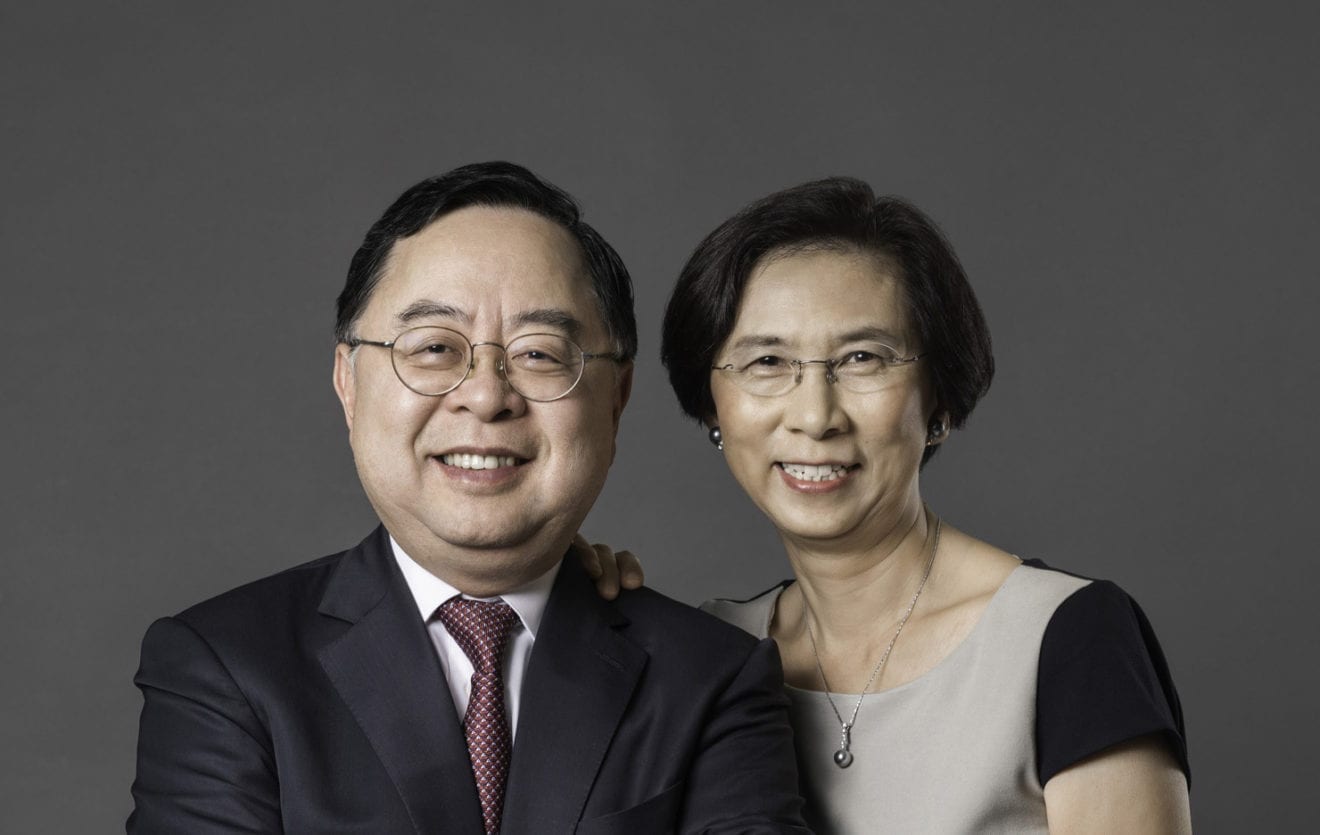
    Hong Kong property tycoon Ronnie Chan Chi-chung came to China’s defense on Thursday, saying U.S. President Donald Trump would eventually become realistic and “shut up,” amid concerns over a looming Sino-U.S. trade war.

    “China is not the same as before. If the U.S. can create troubles for China, it can do the same to the U.S.,” said Chan, chairman of Hang Lung Properties, referring to Trump’s plans to slap punitive tariffs on Chinese imports. “Don’t bother too much about a dog barking.”

    Chan’s remarks came as Hang Lung, one of the first Hong Kong developers to announce annual results, saw its Chinese business outstripped by a stronger Hong Kong market.

    The group reported a full-year net profit of 6.2 billion Hong Kong dollars ($800 million) in 2016, up 22% from a year ago. Underlying profit that excludes the impact of property revaluation jumped 45% on the year to reach HK$6.3 billion.

    Turnover was up 46% to HK$13.1 billion, driven by higher property sales in Hong Kong that grew more than four-fold to HK$5.3 billion. The developer increased sales after a rebound in home prices last April amid an influx of mainland capital, selling some 430 units, including two semi-detached houses in Happy Valley and the upscale Long Beach project.

    Rental revenue was flat. In Hong Kong, the group countered a downtrend in the retail sector with a 5% increase in rental income following mall upgrades to bring in popular sportswear tenants.

    A sluggish economy and retail environment hurt income on the mainland. Rental income from the company’s portfolio of prime offices and eight shopping malls in cities such as Shanghai, Shenyang and Tianjin fell 5% on the year to HK$4 billion. The group blamed renovations that affected occupancy, adding it would continue to develop projects on acquired sites in cities including Wuhan, Wuxi and Kunming.

    “We have 24 million square feet of buildable space in China — it’s a lot of work to follow up on,” said Executive Director Adriel Chan Wenbwo, Chan’s son, who was promoted to the position in November. Asked how he felt about chairing his first earnings briefing, he said: “It’s okay.” He described Managing Director Philip Chen Nan-lok as a “role model.”

    Mainland competition

    Hong Kong developers are facing intense competition as their mainland counterparts accelerate their shopping spree in the territory. On Wednesday, Chinese tourism conglomerate HNA Group outbid 18 developers for its third residential site in Kai Tak, bringing its total investment in the former airport site to HK$20 billion in three months. The latest deal, totaling HK$5.5 billion, is equivalent to HK$13,000 per square foot, about 10% above market valuations.

    Data from the Lands Department showed that Chinese developers splashed out HK$28.1 billion to buy land for building homes in Hong Kong last year, accounting for 41% of the territory’s residential land sales.

    Beijing’s recent capital controls may do little to reverse this trend. Patrick Wong, a property analyst at Bloomberg Intelligence, expects mainland developers to maintain a similar share of land sales in 2017, as active companies are listed in Hong Kong with funding channels abroad. “Despite the cooling measures in Hong Kong, regulatory risks here are mild relative to that on the mainland,” he said, referring to restrictions imposed on homebuyers in more than 20 major Chinese cities.

    Hong Kong developers will face a “tough time” in the land market, Wong said, although they are less aggressive in placing bids due to abundant land reserves. Local developer Hopewell stressed its priority was for existing projects rather than land acquisition. “It’s not very meaningful to look at a particular deal that has deviated from the market,” said Hopewell Managing Director Thomas Wu Man-sun on Tuesday.

    Hang Lung’s elder Chan has a similar view. “It’s a market of short-term irrationality and long-term rationality,” he said, adding that it was a “natural development” for Chinese companies to diversify their investments abroad.

    After a year of aggressive property sales, Hang Lung was left with about 100 units on its inventory list, including 16 luxury houses. Asked whether the group would replenish its land bank, he said: “When ‘black swan’ events such as the 1997 Asian financial crisis happen, that’s our chance to buy land.”
  • Singapore residential prices continue fall, but signs of bottom emerge

    Singapore residential prices continue fall, but signs of bottom emerge

    Private home prices in Singapore fell and rents continued to soften in the last quarter of 2016 but a decrease in the number of vacant units suggests the market may be nearing a bottom.

    According to Urban Redevelopment Authority (URA) statistics for the fourth quarter released Thursday, private residential property prices in Singapore fell 0.5% between October and December 2016, slowing from the 1.5% decline in the previous three-month period.

    For the whole of 2016, private home prices fell 3.1%, compared with the 3.7% drop in 2015.

    Meanwhile, rents for private homes declined 1.0% in the fourth quarter following a 1.2% fall in the previous quarter. For the year as a whole, rents slipped 4.0%, slower than the contraction of 4.6% in 2015.

    Home prices in the city-state have trended downwards over the past three years as the government introduced a series of measures such as caps on mortgage loans and higher stamp duties to check soaring real estate values.

    Residential prices have retreated more than 10% since they hit a peak in 2013, leading many to call for a relaxation of the curbs.

    There were some signs in Thursday’s data that a recovery may be taking shape in the private housing market.

    For instance, according to the URA data, the number of private residential units in the pipeline fell to 40,913 at the end of the fourth quarter, from 43,693 at end September. The vacancy rate for completed units decreased to 8.4% at end December from 8.7% at the end of the third quarter.

    In addition, there were pockets of strength within the residential sector, particularly at the high end of the market. For example, prices of landed homes rose 0.8% during the fourth quarter, turning around from a 2.7% decline in the previous quarter.

    Most people in land-scarce Singapore reside in high-rise apartment blocks and only the wealthy can afford landed property.

    PropNex Realty, one of Singapore’s largest real estate brokers, said activity in Singapore’s residential market picked up in 2016 because prices dropped to levels that home buyers are comfortable with.

    “Despite the uncertain economic outlook and impending interest rate hikes, we are expecting a price moderation in 2017 with possible (decline) of not more than 3%,” PropNex CEO Ismail Gafoor said.

    Turning to the commercial property market, URA said office rents fell 1.8% in the fourth quarter compared with the decline of 1.1% in the previous three-month period. For the whole of 2016, office rents declined at a faster pace of 8.2% compared with the 6.5% drop in 2015.

    As for shopping malls and other retail spaces, URA said rents declined 1.2% in the fourth quarter compared with the decrease of 1.5% in the preceding period. Rents fell 8.3% for the full year, which was more than twice the 4.1% decline in 2015.

    Desmond Sim, head of CBRE Research for Singapore and Southeast Asia, estimates an additional 52,000 square metres of retail space was leased in 2016, which was short of the new supply of 75,000 square metres.

    “Although the magnitude of the quarterly decline in Q4 2016 was lower than previous quarters, we expect rents to remain under pressure,” he said.

  • Retail rents in central region to slump 8% later this year

    Retail rents in central region to slump 8% later this year

    Landlords and retailers are off to another bumpy ride. The retail outlook for this year seemed to still be on the cloudy side for both retailers and landlords.

    According to Knight Frank’s latest Singapore Retail Bulletin, average rents in the Central Region are envisaged to fall by 5.0% to 8.0% by Q4 2017, while the more resilient prime rents to moderate downwards by up to 3.0% YoY in the same period.

    “Landlords are likely to take on a more proactive role to initiate more advertisement and promotion activities in a bid to attract shoppers into the mall. On the same note, retailers are also expected to explore innovative concepts that integrate both offline and online retailing platforms to enhance consumer engagement,” the research house said.

    Meanwhile, the occupancy performance is expected to hover between 90% and 92% this year, after maintaining an average of 92.2% over the first three-quarters in 2016. This is in consideration of the close to 2m sq ft. gross floor area of retail space slated for completion in 2017 amidst the heightened level of caution among retailers towards their business strategies due to the uncertain global economic outlook.

  • Hong Kong high street retail rents decline should ease

    Hong Kong high street retail rents decline should ease

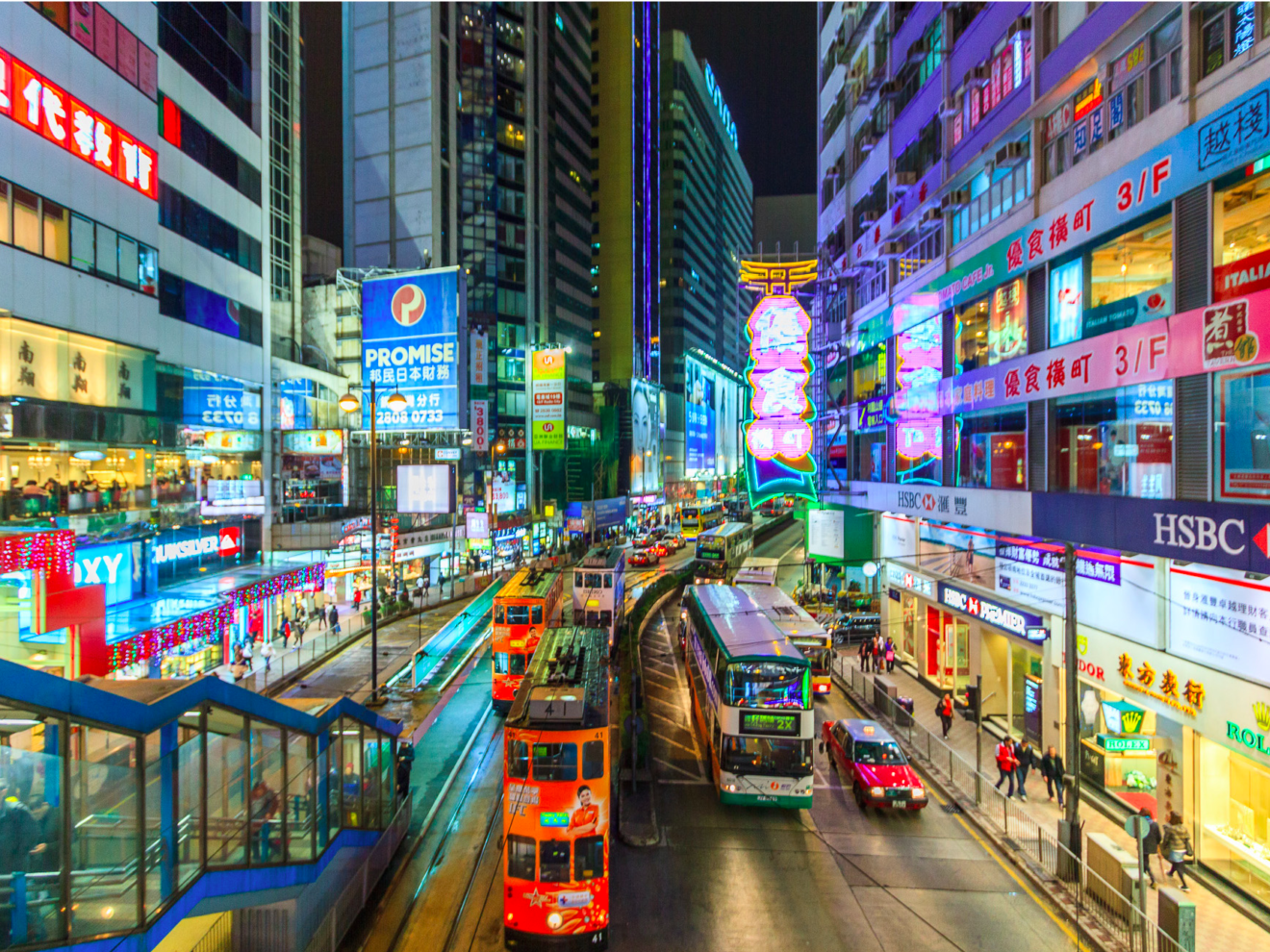
    After falling 12 per cent in 2016, the pace of decline in Hong Kong high street retail rents should ease in the year ahead, predicts CBRE.

    Last year’s decline followed a 17 per cent fall in 2015. That represents a full 27 per cent fall since rents were at their peak in 2014.

    But this year, says CBRE Hong Kong in a research note, expect a fall of a more modest 5 per cent.

    In contrast, shopping centre rents were broadly flat in 2016.

    “In 2017, slower economic growth in China and depreciation of the Renminbi are set to undermine mainland tourist spending in Hong Kong,” said Joe Lin, executive director, advisory & transaction services – retail, with CBRE Hong Kong. “However, the fall in high street shop rents is not expected to exceed 5 per cent in 2017, and by the middle of the year, most leases that were signed during the market peak of 2014 will have expired, meaning that rents are expected to stabilise from then on. Leasing momentum is expected to gradually improve from 2016,” Lin concluded.

    In investment terms, CBRE predicts a 5 to 10 per cent decline in prices for street shops in core locations in 2017, coming off a 10.6 per cent decline last year.

  • Trump’s 6-Star Bali Hotel Project Meets Resistance

    Trump’s 6-Star Bali Hotel Project Meets Resistance

    The lands and waters we now know as Indonesia used to be under the influence of Hindu empires (prior to the expansion of Islam in the Archipelago after the 1200s). However, on most Indonesian islands this Hindu chapter has been erased, either by time or conquest, from the Archipelago’s history. The only exception being the island of Bali. Until today most inhabitants on this resort island (known as ‘island of the Gods’) practice Balinese Hinduism (and its rituals and art also form reasons for foreign tourists to visit this island).

    In Balinese Hinduism the worshiping of gods plays a central role. Not only the traditional Hindu gods (Brahma, Vishnu and Shiva) are worshiped but also a range of other deities. These gods need to be respected fully (like in monotheistic religions). One of the local rules is that buildings are not allowed to be taller than the highest (nearby) coconut tree. If this rule is ignored, then it would anger the gods. This is one of the key issues surrounding the Trump Organization’s new 6-star hotel project in Bali’s Tabanan regency.

    The Trump Organization and its Indonesian partner business tycoon (MNC Group founder) Hary Tanoesoedibjo acquired an existing hotel (the 20-year-old Pan Pacific Nirwana Bali Resort) about two years ago. This resort is located nearby the Pura Tanah Lot temple. The structure of the existing property is, in line with local beliefs, not taller than the surrounding coconut trees. However, the Trump Organization “thinks big” and wants to expand the existing structure by building a tower with ocean view and an upgraded golf course.

    Besides the height, another issue is the additional land that is required. The MNC Group said the project requires about 34 hectares of additional land. Surrounding the existing property there is only farmland, implying local farmers need to sell it to the developers. However, based on information in local media few farmers want to sell their land. Moreover, according to local beliefs land nearby temples cannot be used for the purpose of leisure (such as a golf course). On the eastern side of the existing golf course there stands a small temple and therefore local people do not want to see an upgraded (expanded) golf course.

    Land acquisition is always a costly and time-consuming affair in Indonesia. The property, which will be named the Trump International Hotel and Tower Bali, would become the most luxurious resort on Bali. Construction is planned to start in early 2018.

    Meanwhile, I Gusti Ngurah Sudiana, Chief of Parisada Hindu Dharma Indonesia (Indonesia’s largest Hindu organization), is against any property development that would impact on the 16th century Hindu pilgrimage temple Pura Tanah Lot, a UNESCO-listed World Heritage Site.

    Hary Tanoesoedibjo’s MNC Group, however, said the height of the planned property on Bali is not yet determined.

  • Suntec REIT records 5.9% fall in DPU for 4Q 2016 on Park Mall divestment

    Suntec REIT records 5.9% fall in DPU for 4Q 2016 on Park Mall divestment

    Retail and office landlord Suntec REIT has reported a DPU of 2.596 Singapore cents for its 4Q FY2016, 5.6% lower year-on-year than the 2.750 cents recorded in the corresponding period of 2015.

    Correspondingly distributable income of SGD66.1 million (USD46.5 million) for the period came in 4.9% lower compared to 4Q 2015.

    “Notwithstanding the fourth quarter year-on-year dip in distributable income which was mainly due to the divestment of Park Mall, we are pleased to report that for the financial year ended 2016, we have maintained the distributable income and DPU at similar levels as FY 2015”, said Chan Kok Leong, CEO if the REIT’s manager, in reference to Suntec REIT’s full-year DPU of 10 cents for FY 2016.

    The REIT’s committed occupancy for its Singapore office portfolio was at 99.3% while the committed occupancy for its Australian office portfolio was 95.9%.

    Meanwhile for its Singapore retail portfolio, the overall committed occupancy as at 31 December 2016 was 97.7%, and in Australia, 89.0%.

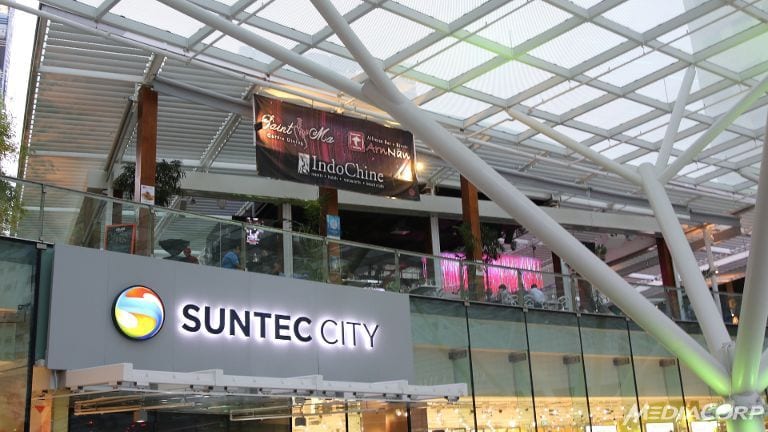
    “Despite the soft retail market, Suntec City Mall continues to benefit from the completed asset enhancement works, excellent connectivity with direct connections to both Promenade and Esplanade MRT Stations, and with ample car parking facilities of over 3,000 lots”, said Chan.

    The REIT’s gearing was at 36.4% as at 31 December 2016 with an all-in financing cost of 2.28% per annum.

    Chan pointed to the development of a new Grade A commercial building at 9 Penang Road as a factor that may bolster earnings in the future.

    “Development works commenced in December 2016 and the building is scheduled to complete by end 2019 when the new office supply is expected to be limited”, he added.

    Units of Suntec REIT are currently listed on the Singapore Exchange at SGD1.685.

  • Hanoi seeks ideas to develop Red River banks

    Hanoi seeks ideas to develop Red River banks

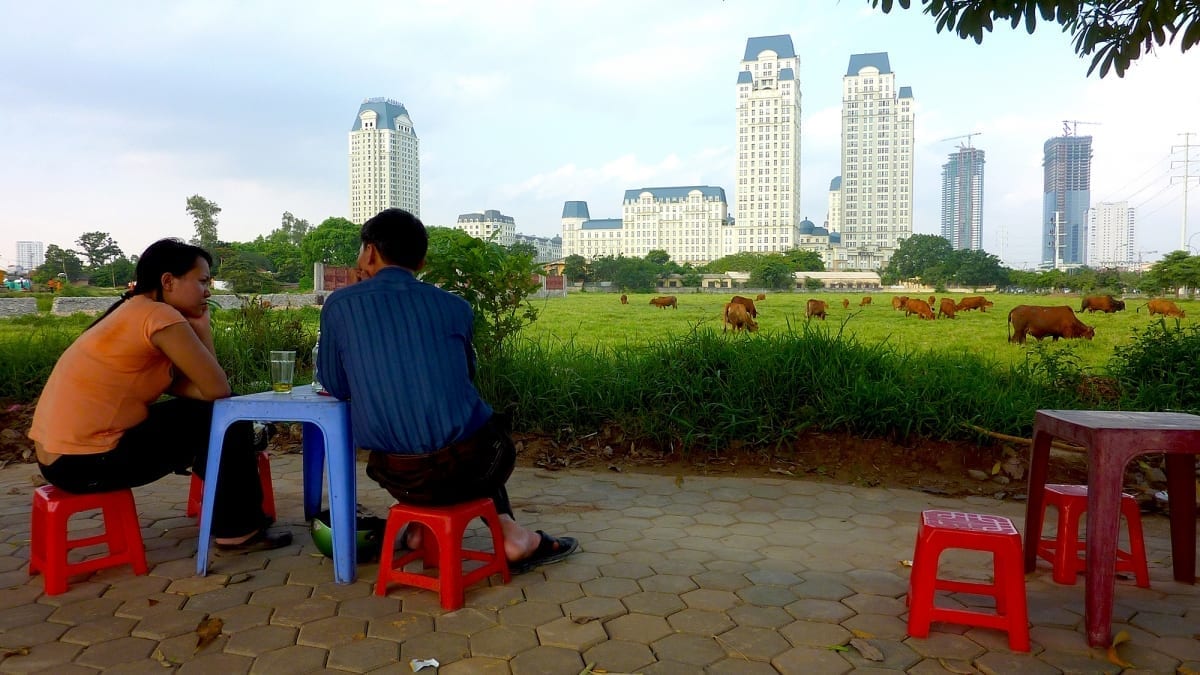
    Hà Nội authorities have asked three construction giants to devise planning schemes to develop the areas along the iconic Hồng (Red) River that flows past the capital city.

    According to the decision of the municipal authority, three investors — Sun Group, Vingroup and Geleximco — will each devise plans and submit them to the municipal authority for selection.

    They can invite designing consultancy units to collaborate in the project. The final design ideas will be selected by March 30.

    Nguyễn Đức Chung, chairman of the municipal People’s Committee, at a meeting with investors interested in the project, asked them to develop a scheme which ensures the city’s flood-resistant capability, effectively makes use of land funds and creates a modern urban area along the river.

    Additionally, the scheme should give priority to on-site resettlement for residents and to the development of waterway transportation and tourism.

    The city has suggested two options for the scheme.

    Option one is to build a new system comprising roads and dykes to replace the current dyke system. This will serve to protect the city from flood alarm level 3+, or emergency flood condition, which sees general and widespread uncontrollable flooding and severe damage to infrastructure.

    Option two is to build a new system of roads and dykes which can protect the city from flood alarm level 2 or dangerous flood condition. In addition, water reservoirs and canals will also be built to support the current dyke system, which is located further inland, to protect the city from flood alarm level 3+.

    The planning scheme will be divided into two phases, with the first one covering areas on the banks of the river from Thăng Long Bridge to Thanh Trì Bridge and the second one covering the remaining areas.

    The Red River, originating in China, flows past Hà Nội and several provinces in the north of Việt Nam before emptying into the Gulf of Tonkin. Besides being one of the main river systems that play a crucial role in irrigation and waterway traffic, the river is also seen as a symbol of the capital city.

  • Singapore retail rents slipped in final quarter

    Singapore retail rents slipped in final quarter

    Singapore retail rents slipped 1.3 per cent in the last quarter of 2016, compared with the previous quarter.

    According to data from JLL Singapore, included in a pan-industry market review, retail rents were under most pressure in the Marina quarter where most of the new space coming onto the market in the quarter was concentrated.

    Despite positive net absorption of the opening of South Beach (60,000 s ft) and Tanjong Pagar Centre (100,000 sqft), rental corrections in the Marina submarket remained underpinned by the weak performance of retailers, with many of them seeking pre-termination of their leases, reports JLL.

    The average vacancy rate of suburban malls, including Reit-owned and strata-titled shopping centres, has more than doubled from less than 1 per cent in 2013 to 2.4 per cent in the fourth quarter of last year. Year-on-year, average monthly gross rents for prime retail space in suburban malls fell by 7.1 per cent in the quarter.

    Prime retail rents in Orchard Road have fallen 7.5 per cent over the same period.

    The quarter saw marginal year-on-year retail sales decline in October, (excluding motor vehicles), driven by poorer sales in computers and telecommunications equipment and watches and jewellery, “ indicating the persistence of weak consumer sentiment”.  And despite take-ups being dominated by the entry of new F&B operators, the F&B sales index also recorded a similar year-on-year decline.

    “Total retail investment sales value for the fourth quarter rose sharply from a quarter ago, driven by the interest in retail assets in the suburban submarket, likely due to the resilient rental income they provided,” reported JLL. “Jurong Point, one of the biggest suburban shopping centres, was put up for sale at a price of more than SG$2 billion and received considerable interest.

    “However, apart from the marginal compression of yields in the suburban submarket, overall yields remained relatively stable as the rate of capital value correction was in line with rental decline across the Orchard and Marina submarkets.”

  • Lippo explores investment possibilities in border with Timor Leste

    Lippo explores investment possibilities in border with Timor Leste

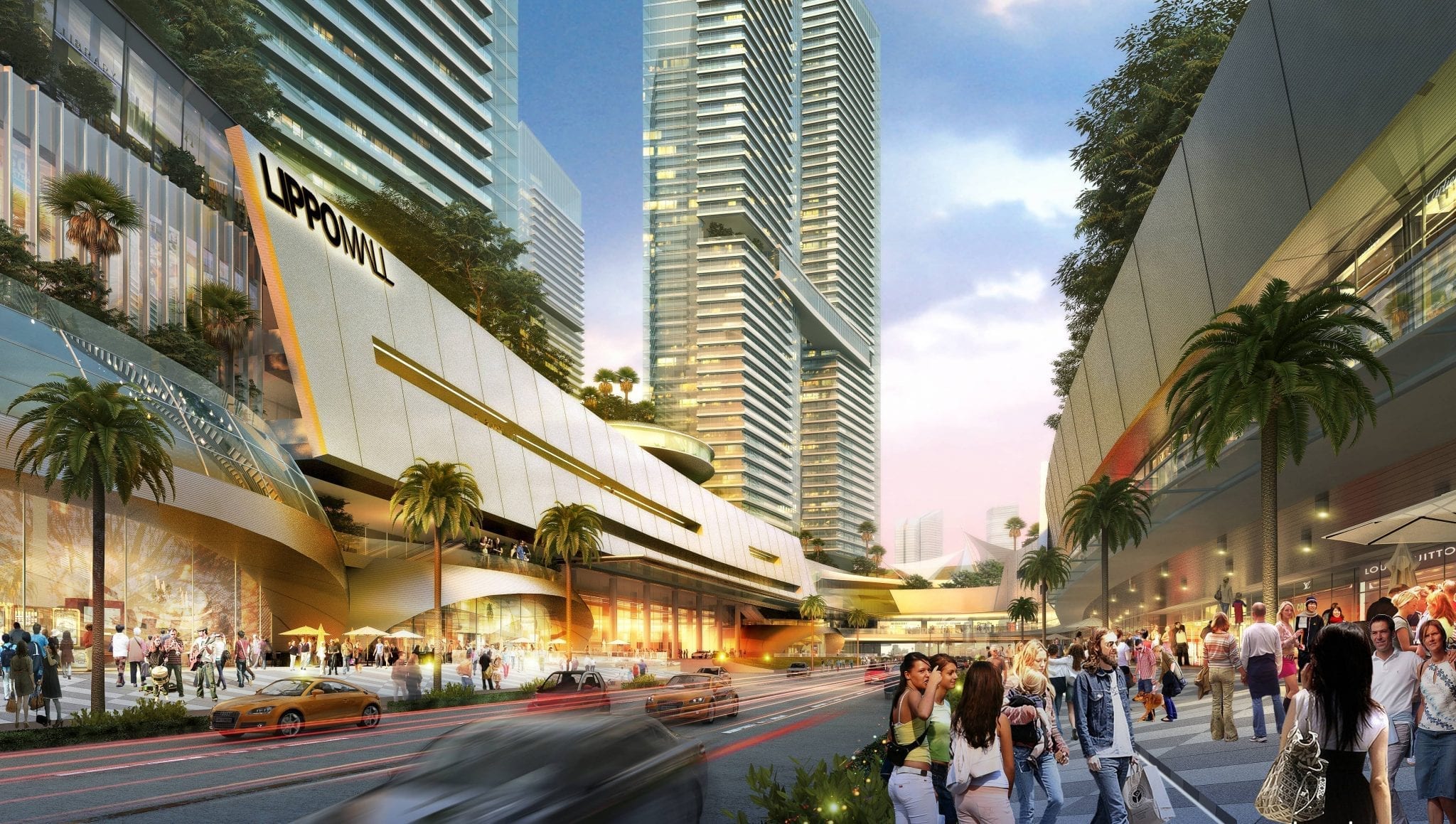
    Lippo Group is exploring investment possibilities in the eastern province of Nusa Tenggara, which borders Timor Leste, to generate development and improve living standards in the region.

    “Increased investments in the border region is very important as it can help to improve the welfare of the local population. We are now studying the regions investment potential,” said Lippo Group President Theo L Sambuaga on Saturday (Jan. 21).

    He added that explorations to see if the region had any investment potential would be done in the districts of Timor Tengah Utara, Belu and Malaka.

    Businesses under the Lippo Group include those in education, health and the retail sector.

    Sambuaga stated there are possibilities of establishing a world-class health service, as well as a BPJS (government-subsidized health insurance scheme) scheme for poor people that live along the border region.

    With regards to the education sector, he added that Lippo are planning to provide scholarships for promising university students from the region.

    “We have already offered scholarships to students at State Timor University (Unimor) in Kafemenanu totaling Rp150 million, this was announced to the university on Friday,” he said.

    The Lippo Group also has an education division that was involved in the building of 340 schools across the country, as well as a health division that has built several general hospitals.

    “We have one hospital in East Nusa Tenggara province and also one in Kupang and another one in Labuan Bajo. We are still exploring the possibilities of building others in the border regions, such as in Timor Tengah Utara and Belu,” said Sambuaga.

    With regards to the retail sector, Lippo Group includes a chain of Hypermarts and Matahari Department Stores, which they claim to be a boost for local economies.

    Its chain of Hypermarts are located across the region, totaling up to 120 stores. There is also a possibility that the company may set up more in Kafemenanu in Timor Tengah Utara or Atambua in the Belu district. The group also has 150 department stores across the country.

    “The investment possibilities are there in view of our capacity, in addition to the positive impact our investments will bring for the development of the welfare of the people in the border region,” added Sambuaga.

    As one of its major stakeholders, he also stated that the Indonesian government shares the same level of responsibility with Lippo in improving the welfare of the local people.

    “This is about shared responsibility and I hope that this could motivate other parties to join our efforts. Cooperation between the government and the public is a must,” he said.

  • Dalian Wanda revenue drops 14pc

    Dalian Wanda revenue drops 14pc

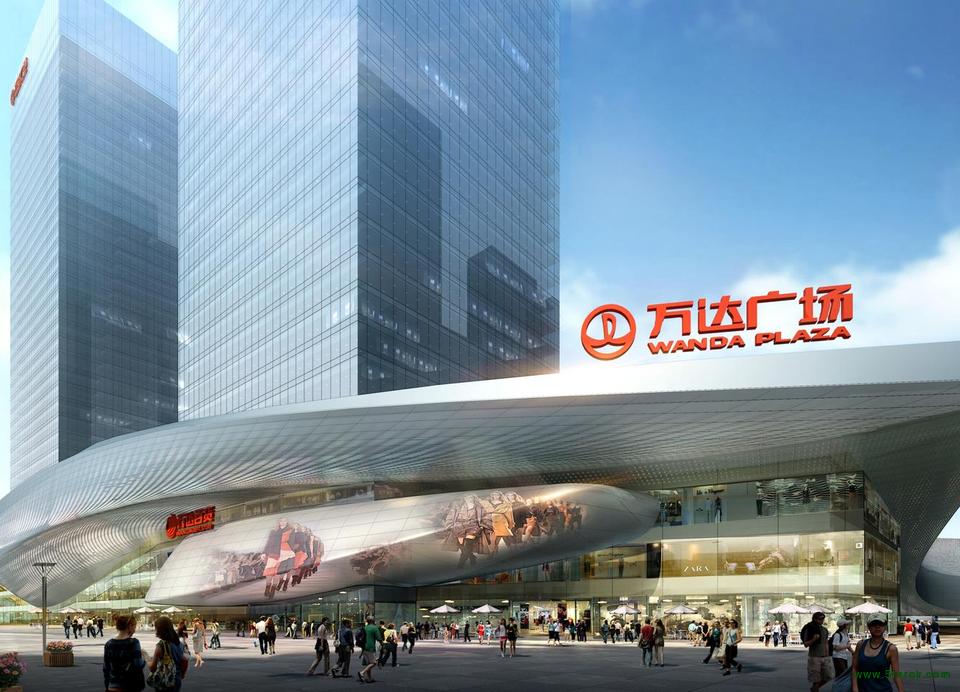
    Dalian Wanda Group’s revenue has fallen for the first time in at least 11 years after a slump in its property business outweighed growth from its entertainment interests.

    Sales last year fell 14 per cent from 2015, while revenue at  Dalian Wanda Commercial Properties, the group’s real-estate unit, dropped 25 per cent to 143 billion yuan (US$20.8 billion).

    Wanda’s operating income rose 3.4 per cent to 255 billion yuan, while profit grew more than 10 per cent, it said, without giving details.

    Wanda’s owner billionaire Wang Jianlin, China’s second-richest man, has been acquiring Hollywood assets – he bought movie production company Legendary Entertainment last year – to help Wanda diversify away from its real-estate roots.

    He told employees at Wanda’s annual meeting in Hefei, the capital city of Anhui province in eastern China, that Ffan.com, a unit that includes internet financing and credit-rating businesses, will raise 10 billion yuan via a private placement this year. He ultimately plans to list the unit by 2020 and target profit of more than 10 billion yuan.

    Wang delisted Dalian Wanda Commercial Properties in Hong Kong last year with the idea of eventually seeking a listing in mainland China, where valuations tend to be higher. He has taken an “asset-light” strategy for his real-estate business in recent years, reducing reliance on property sales and increasing his focus on leasing and management.

    Wanda Cultural Industry Group, which oversees most of Wanda’s theme parks, film production and exhibition businesses, saw sales climb 25 per cent to 64.1 billion yuan last year.

  • Huaqiang North hub new huge change

    Huaqiang North hub new huge change

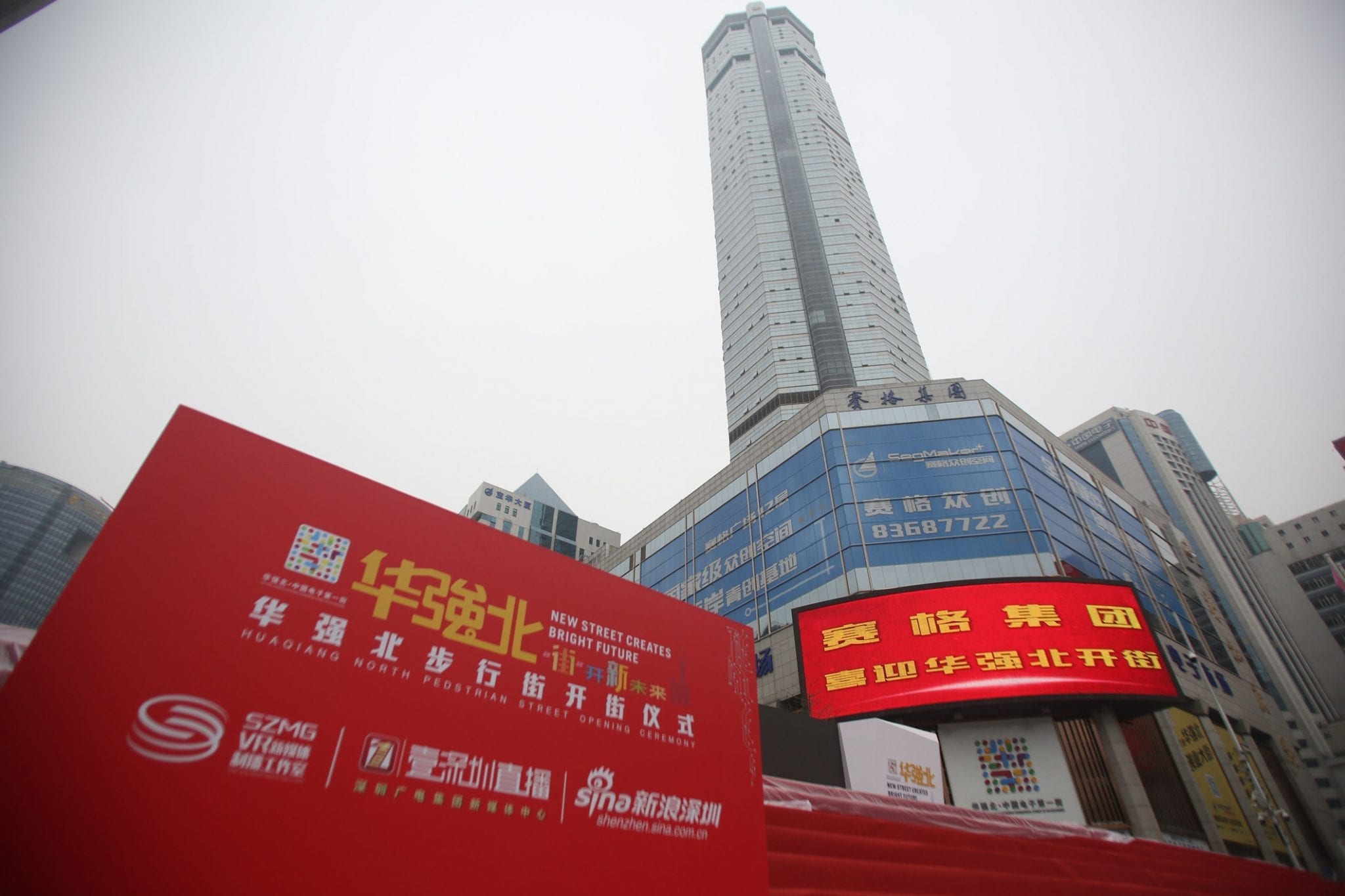
    After four years of being blocked off by construction walls and scaffolding, electronics hub Huaqiang North in Shenzhen has reopened as a pedestrian street.

    Following a grand reopening ceremony, the thoroughfare has been transformed into a 930m pedestrian street with more than 4000 sqm of new business spaces in a new sublevel. The vision is to have a street that integrates fashion and technology.

    About 500,000 people shop at Huaqiang North every day, altogether spending more than 200 billion yuan (US$29.1 billion) each year.

    Many streets and thoroughfares in Huaqiang North have been closed off to pedestrians since March 2013 because of the construction of Line 7 of the Shenzhen Metro. During this time, the Futian district committee and government as well as the Futian Huaqiang North subdistrict office have taken measures to help affected merchants maintain their businesses.

  • CapitaLand Vietnam to build Ho Chi Minh City mall

    CapitaLand Vietnam to build Ho Chi Minh City mall

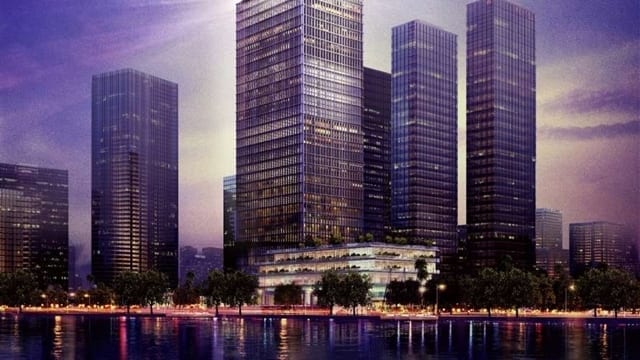
    Singapore developer CapitaLand plans to build a 240 metre tall office tower in downtown Ho Chi Minh City, apparently anchored by at least four storeys of shopping mall.

    artists_impression_of_capitalands_first_grade_a_office_development_in_hcmc

    While CapitaLand has already established a strong presence in Vietnam in the accommodation and serviced apartment sectors, this tower would mark its first foray into retail. Fellow Singapore developers Keppel and Mapletree have both built shopping centres in Ho Chi Minh, Vietnam’s most-populated city.

    CapitaLand Vietnam released an artist’s impression of the new building on Tuesday which clearly shows a strong retail component. In the statement it said the building would incorporate “exciting retail offerings, including some of the city’s best restaurants and cafes, lifestyle and entertainment outlets” on levels above and below ground.

    But when approached for more details, a CapitaLand spokesman declined to reveal further details.

    Also apparently secret is the precise location of the new development, other than it is in the heart of District 1, the CBD, and on the riverfront. CapitaLand says construction will commence in the first quarter – but refused to reveal the exact location of the 0.6ha site it has acquired.

    The development – of an unspecified number of storeys – will be built by CapitaLand’s wholly-owned subsidiary CapitaLand Vietnam Holdings. It will be the company’s first international Grade A office tower in Vietnam and connected with the metro railway line currently under construction. Both are expected to open in 2020.

    Lim Ming Yan, president & group CEO of CapitaLand said in a statement that the acquisition and development of the project serves to diversify CapitaLand’s portfolio and strengthen its foothold in Vietnam.

    “It is also in line with our plan to establish a US$500 million investment fund to focus on commercial properties in Vietnam. CapitaLand has a 22-year track record in Vietnam which has delivered to-date, 22 serviced residences, nine residential developments and now, a prime commercial property. Given its strong growth outlook and positive market sentiments, we are excited to be a long-term player in Vietnam’s growth story and will continue to look out for opportunities to grow our footprint.”

    An eye-catching feature of the building will be lush open terraces towards the top of the tower, “bursting with greenery where tenants can meet, network or relax while enjoying unobstructed views of the Saigon River and the city”.

    It is within walking distance to the city’s vibrant shopping and entertainment area, and CapitaLand’s Ascott Waterfront Saigon – a 222-unit luxury serviced residence due to open in July 2017.

    Vietnam is CapitaLand’s third largest market in Southeast Asia, after Singapore and Malaysia. Last November, CapitaLand announced plans to set up a US$500 million fund to invest in commercial properties in Vietnam; its second one after a US$200 million fund launched in 2010 which has been fully invested in the development of three residential projects in Ho Chi Minh City and Hanoi.

  • Cambodia’s property market continues to trend upwards

    Cambodia’s property market continues to trend upwards

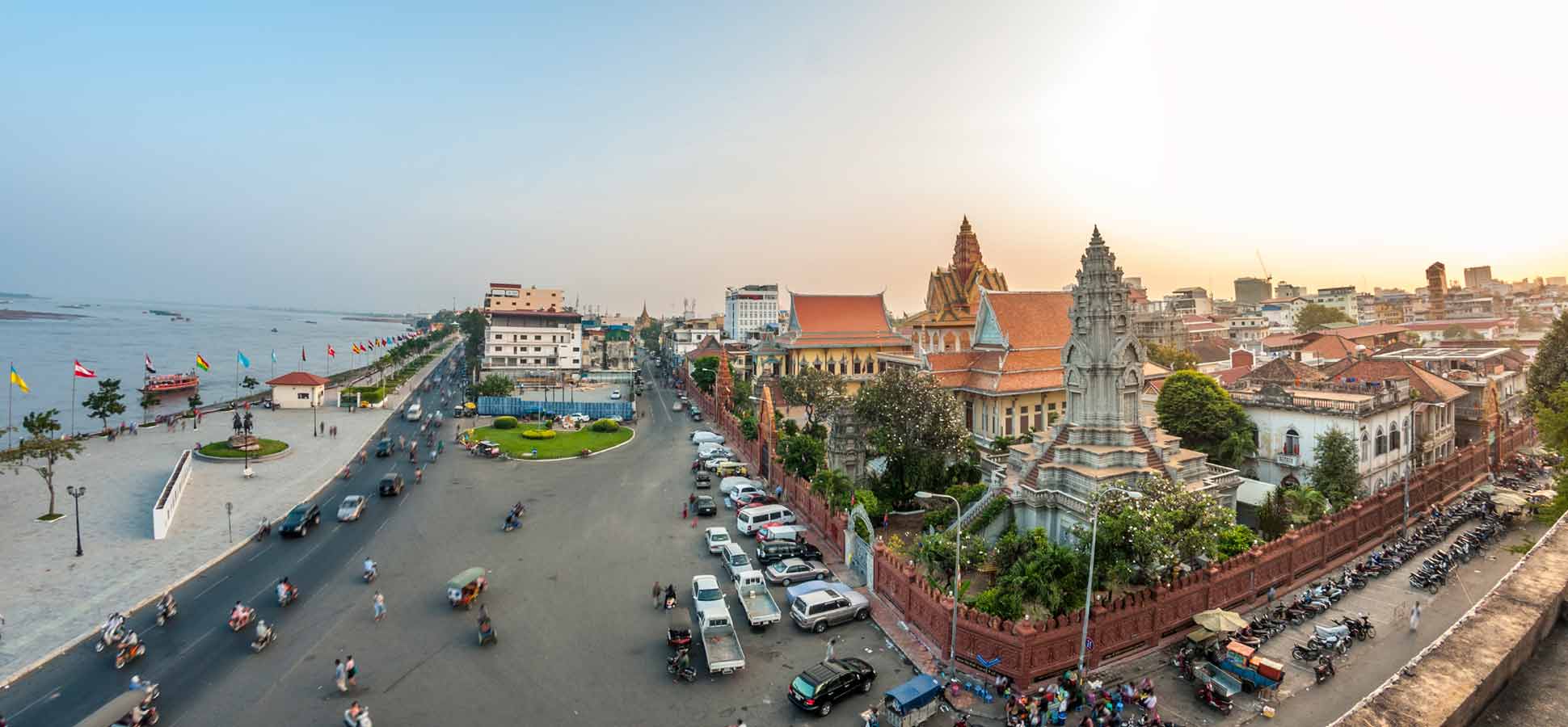
    Cambodia’s property market has developed at an increasingly fast pace over recent years which has provided foreign investors with a range of opportunities. Some insight from Simon Griffiths, the senior associate director for CBRE Cambodia, to see what lays ahead for property and foreign investment in 2017.

    2015 saw a spike in foreign direct investment (FDI), and the property sector was a big benefactor of these investments both in terms of headline investments in new development projects, and also from foreign individuals investing in one or numerous condos, SoHo units or strata office.

    2016 saw the physical manifestation of this wave of development investment in the form of large-scale buildings rising out of the ground across Phnom Penh. However, there was also a slowdown in foreign private individual sales and/or investments.
    This led to developers and individual investors to be more cautious in 2016 as everyone took stock of the market.

    Nevertheless, a palpable appetite for further development still existed with developers actively seeking out opportunities away from the ubiquitous condo template by innovating on residential design or looking at new sectors and geographies all together.

    There was evidence that private individual foreigners were still buying real estate in Cambodia late in 2016 and that private investors were particularly attracted to guaranteed yields, developers with strong reputations and new or innovate products/design.  Consequently, FDI in property/real estate remained strong in 2016 but not equal to 2015’s.

    Looking ahead for 2017, it is likely FDI will remain high but not in the same sectors or geographies as experienced in 2015 and 2016.

    If Phnom Penh is a cup, then that cup is brimming with development. That does not mean there will not be further foreign investment in Phnom Penh in 2017, but expect to see foreign investment move towards entertainment, hotels, condo-hotels and retail in 2017 rather than in 2015 and 2016 where the focus was largely on the residential sector.

    For 2017, as a foreign private investor, it is an interesting time. 

    With greater competition, developers shall increasingly offer better guaranteed yields and deals to foreign (and local) buyers.  Against the back-drop of stagnant low interest rates in developed economies, guaranteed yields of five percent and above represent ways to appreciate wealth rather than in real terms losing it as it sits in the bank – but crucially only if the private foreign investors trust the developer and the investment holds its value.

    That brings me to another sector and geography that shall +see significant FDI, and that is Sihanoukville.  Traditionally, only low-scale, low-rise tourism expect big announcements about mega resorts above 1,000 hectares and significant foreign FDI in this province.

    Whether or not all the FDI will be in 2017 is difficult to predict, but it is looking likely the next real estate boom may well be in Sihanoukville.  Expect more tourism, hospitality and entertainment investment but also residential investment, and, interestingly, that residential foreign investment may not just be in condos but also on the ground.

    The details are not known but there is a possibility Sihanoukville may gain a ‘Special Status’ and this special status may permit foreigners to buy land within specially licensed areas within the province.

    Whether this would apply to industrial units such as the Thai Special Economic Zone model or include holiday homes for foreigners is not yet clear, but either or both will lead to significant FDI in the province and be an engine for growth and investment should such a status come to fruition.

  • SM Prime Holdings: four malls this year

    SM Prime Holdings: four malls this year

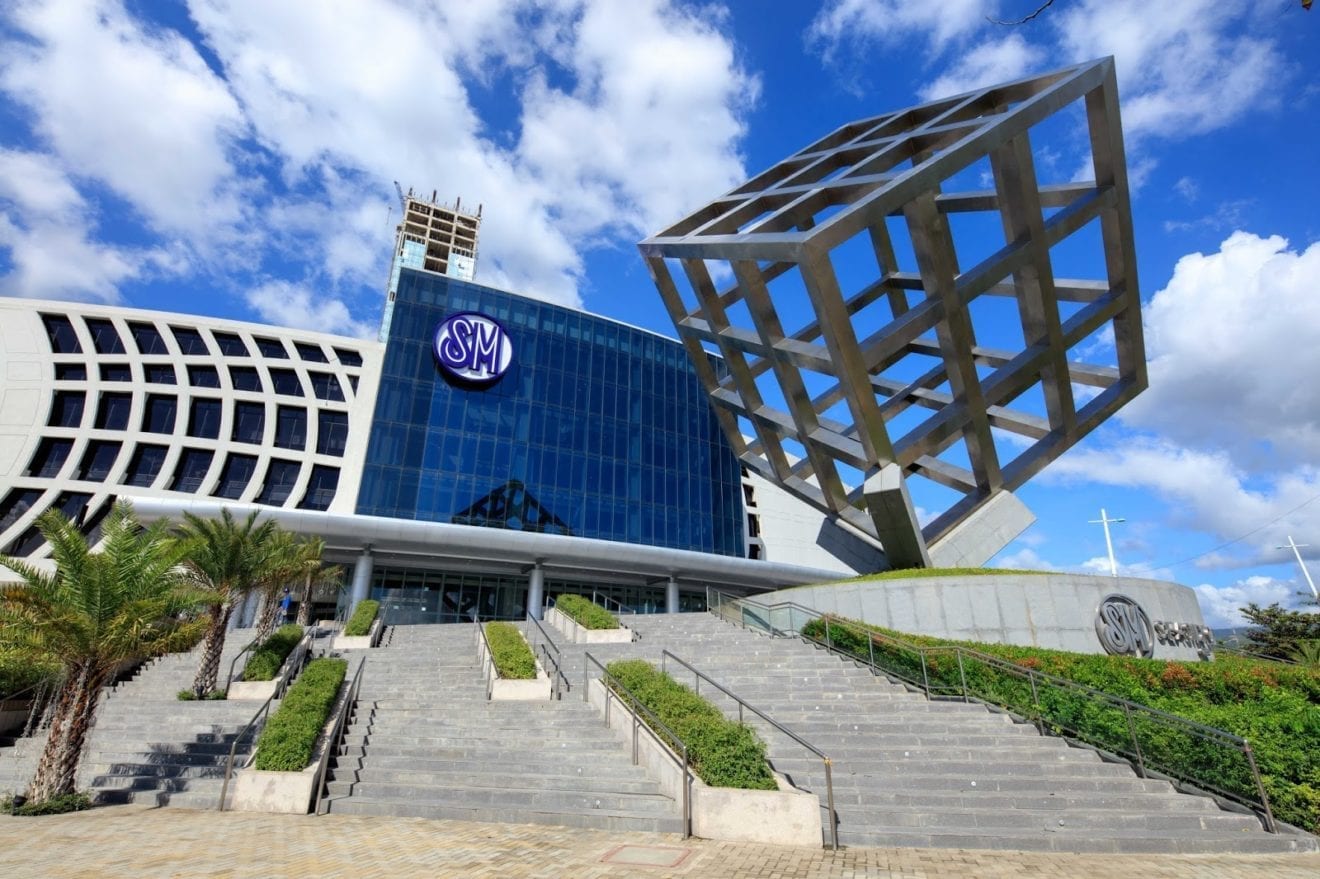
    Property giant SM Prime Holdings aims to open four shopping malls with a combined gross floor area of 292,000 sqm in the Philippines this year.

    SM Prime ended last year with 60 malls across the country, as well as six malls in China.

    President Jeffrey Lim says the company’s focus this year will be on shopping malls and residential space.

    SM Prime’s VP for investor relations, Alexander Pomento, says the malls to open this year are SM Tuguegarao (Cagayan Valley), SM Puerto Princesa (Palawan), Cherry SM Antipolo (Rizal) and SM Premier Cagayan de Oro. Their gross floor area would be 40,000 sqm for Tuguegarao, 70,000 sqm for Puerto Princesa, 30,000 sqm for Antipolo and 152,000 sqm for Cagayan de Oro.

    Pomento says that about 370,000 people are employed in SM Prime’s 60 shopping malls.

    Its latest shopping mall in the Philippines is the 80,000-sqm SM City East Ortigas, which targets customers in the eastern part of Metro Manila.

    In the first nine months of last year, SM Prime grew its consolidated net income by 13 per cent year-on-year to P17.5 billion, buoyed by higher shopping-mall, office and residential development plus hotel revenues.

    For the third quarter alone, SM Prime’s net profit rose by 15 per cent year-on-year to P4.9 billion, supported by a 14 per cent expansion in revenue to P18.5 billion.

    Philippine shopping mall revenue grew by 9 per cent year-on-year to P32.1 billion in the first nine months, while mall rental income expanded by 11 per cent to P26.9 billion.

    In the past two years the group has expanded its shopping mall GFA by 1 million sqm.

    Meanwhile, mall revenue from China rose by 5 per cent year-on-year to P3.1 billion in the first nine months while operating income grew by 6 per cent to P1.5 billion.

    SM has just opened its seventh mall for China in Tianjin.

  • Cambodia to Build the World’s Tallest Twin Towers

    Cambodia to Build the World’s Tallest Twin Towers

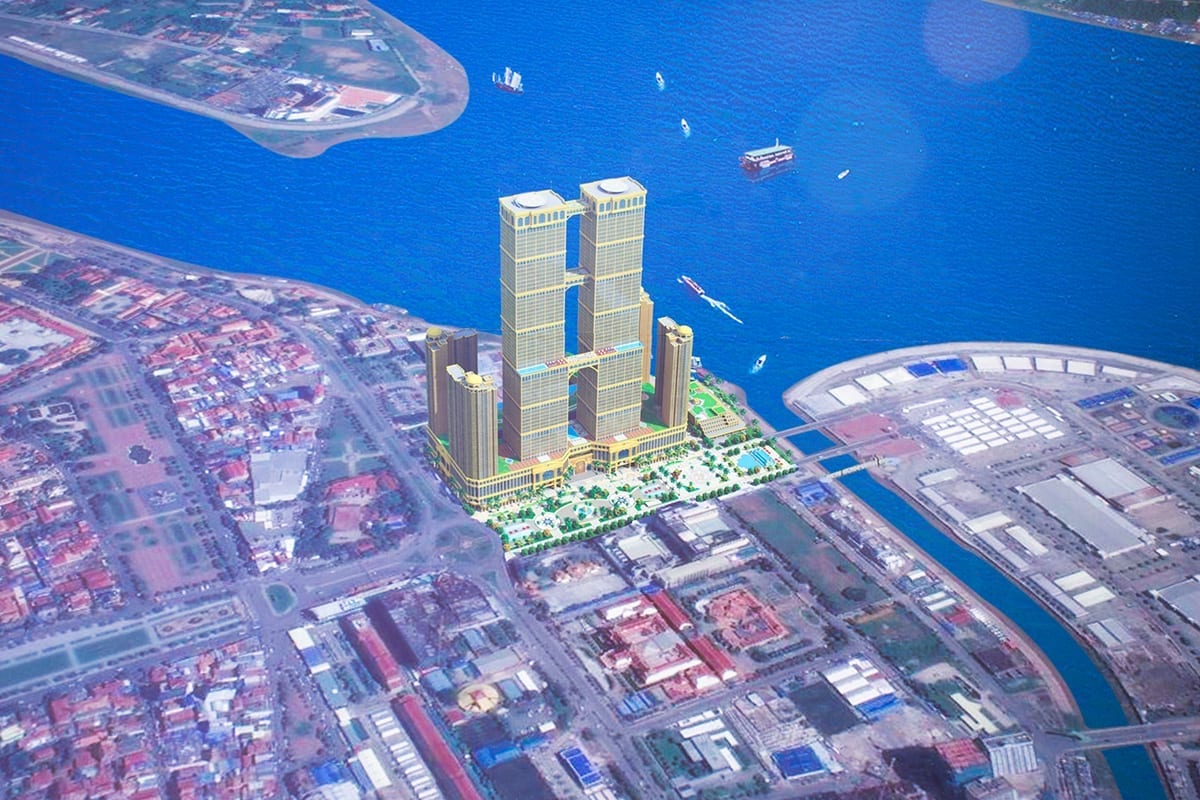
    The world’s tallest twin towers will be built in Cambodia’s capital of Phnom Penh but doubts about the building’s commercial viability are casting a pall on its prospects this early in the game.

    The “Thai Boon Roong Twin Tower Trade Center” is being jointly developed by Cambodian firm, Thai Boon Roong and Chinese contractor, the Kia Nip Group.

    The mixed-used tower complex will be 560 meters high and include 133 floors. It will be worth over $1 billion. Thai Boon Roong Twin Trade Center will become Asia’s tallest tower, and a new icon for Phnom Penh, said the company.

    It will be located on the five-hectare Dream Land plot in the Tonle Bassac commune in Phnom Penh. It will feature a hotel, commercial office spaces, a cultural center, retail and shopping centers, entertainment facilities, residential areas, exhibition halls and a four-floor underground parking lot.

    A consortium led by Sino Great Wall International Engineering won a $2.7 billion contract last week to build Thai Boon Roong Twin Tower Trade Center. Sino Great Wall said construction is expected to take some 60 months.

    Sino Great Wall International Engineering is a leading Chinese property construction contractor and a subsidiary of Sino Great Wall.

    The project will begin once the consortium of Sino Great Wall International and another Chinese company, Wuchang Shipbuilding Industry, finalize the funding.

    The current tallest twin towers in the world are the Petronas Towers in Kuala Lumpur, Malaysia. Petronas has 88 floors and is 452 meters high.

    Doubts over the financial future of the project stems from the Thai Boon Roong Group being owned by “trigger happy” Chinese-Khmer businessman Teng Bunma. The hot-headed Teng is notorious for pointing guns at his opponents during disputes.

    He’s also banned from entering the United States for being a suspected international drug smuggler.

    Thai Boon Roong also owns Cambodia’s tallest building (the 39-storey Vattanac Capital Building), which has had huge occupancy problems. Vattanac Capital had an occupancy rate of only 30 percent by mid-2016.

    The fortunes of this building do not bode well for the future of Asia’s tallest twin towers — which might well become a “White Elephant” — despite the rapid growth of office, retail and condominium projects in Phnom Penh.