Category: Real Estate

Retail News Asia is committed to providing both local and global retailers with the latest Real Estate news throughout the Asian market. This on a daily base.

  • 9 upcoming retail mall projects in Singapore

    9 upcoming retail mall projects in Singapore

    According to a Savills report, there are at least nine major mall projects in the pipeline from Q4 2016 to 2020, totalling around 6.2 million sq ft of retail supply.

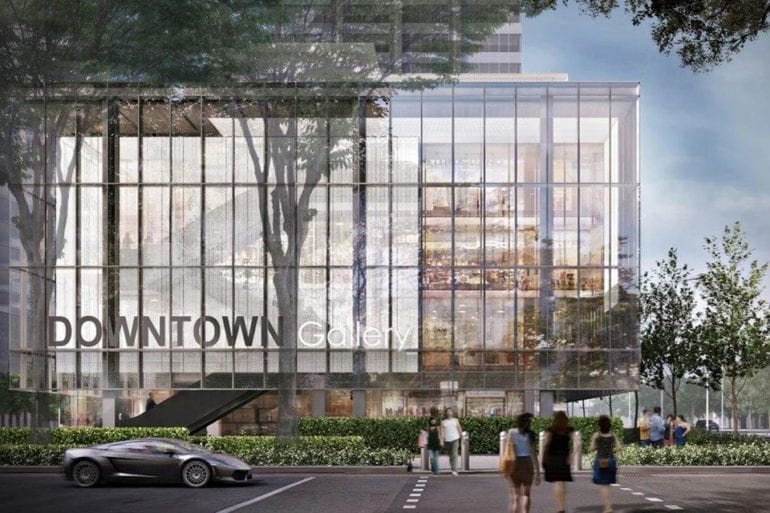
    The upcoming retail supply for 2016 is mainly from the new mixed-use developments in the Central planning region, mainly from two new integrated projects: Downtown Gallery and Tanjong Pagar Centre.

    From 2017 to 2020, approximately 6.2 million sq ft of new retail space is expected to enter the physical stock. Major developments consist of the new retail mall at Singapore Post Centre and The Heart at Marina One.

    Hillion Mall in the Bukit Panjang planning area is the only significant development in 2017 that is not located within the Central planning region.

    9 upcoming mall projects in Singapore

    1. Downtown Gallery
    Location: Shenton Way
    Estimated NLA (sq ft): 160,000
    Estimated completion: 2016

    2. Singapore Post Centre AEI
    Location: Eunos Road 8
    Estimated NLA (sq ft): 269,100
    Estimated completion: 2017

    3. Hillion Mall
    Location; Jelebu Road
    Estimated NLA (sq ft): 152,500
    Estimated completion: 2017

    4. Marina One (The Heart)
    Location: Marina Way/Straits View
    Estimated NLA (sq ft): 140,000
    Estimated completion: 2017

    5. Paya Lear Quarter
    Location: Paya Lear Road/Sims Avenue
    Estimated NLA (sq ft): 340,000
    Estimated completion: 2018

    6. Northpoint City
    Location: Yishun Central 1
    Estimated NLA (sq ft): 315,250
    Estimated completion: 2018

    7. TripleOne Somerset Podium AEI
    Location: Somerset Road
    Estimated NLA (sq ft): 88,500
    Estimated completion: 2018/9

    8. Jewel Changi Airport
    Location: Airport Boulevard
    Estimated NLA (sq ft): 576,000
    Estimated completion: 2019

    9. Funan
    Location: North Bridge Road
    Estimated NLA (sq ft): 324,000
    Estimated completion: 2019

  • YCH Group launches four-storey retail hub in Xiamen

    YCH Group launches four-storey retail hub in Xiamen

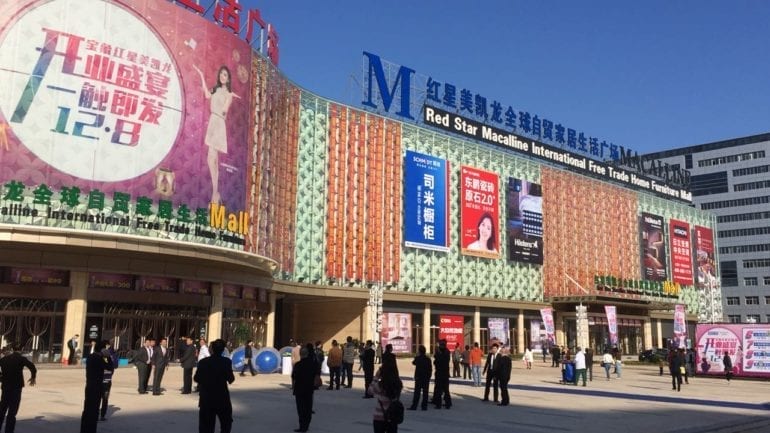
    A new retail hub has launched in Xiamen, China, which will host retail majors Sam’s Club and Red Star Macalline.

    Spanning 55,000 square metres with a built up space of 100,000 square metres, the four-storey retail hub is a “lifestyle-centric’ outfit, designed to support the Pilot Free Trade Zone as the first major mall in Xiamen region.

    Already confirmed as “anchor tenants”, Sam’s Club and Red Star Macalline will occupy some 85% of the retail space. Sam’s Club’s will open its first Xiamen store here, marking the 15th location for the Walmart-owned retailer in China.

    The hub will also house popular eateries such as McDonald’s and Ajisen Ramen. Mall developers XPD-YCH Logistics, a joint venture between YCH Group and Xiamen Port Development, hope the new mall will boast Xiamen’s tourism profile in China.

    The new mall is also conveniently situated within the Pilot Free Trade Zone, meaning it is in close proximity to both air and sea ports and hotels.

    “This will enable them to remain competitive while simultaneously boosting trade and facilities investment for China with the Pilot Free Trade Zone,” he added.

    Xiamen is currently one of the fastest growing cities in China, growing at 6.7% with a population of 4.4 million. Xiamen received 1.63 million tourists from home and abroad, and taking in 1.853 billion RMB in tourism revenue according to statistics released by the Xiamen Tourism Bureau in late 2015.

    As a domestic market, China has also overtaken the US to become the world’s largest retail market in 2016 with total sales of US$4.886 trillion. The new Xiamen mall opened its doors December 15.


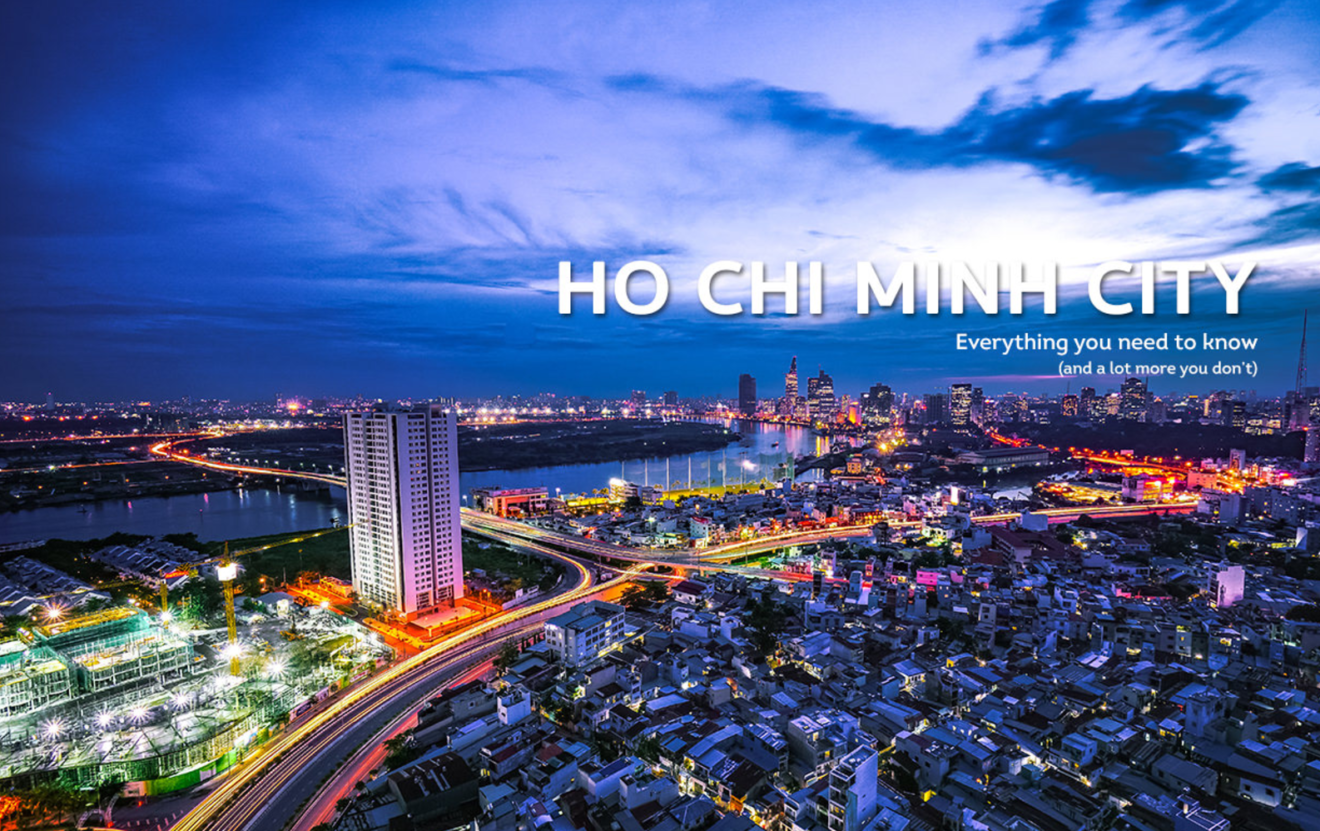
  • Price of land on the rise in HCM City

    Price of land on the rise in HCM City

    Land prices in HCM City and neigbouring provinces are increasing, with real estate industry insiders attributing it to high liquidity.

    Nguyễn Quốc Anh, deputy director of Đại Việt Group, said prices have been rising in all districts in the city since the end of last year.

    He quoted real estate website batdongsan.com.vn as saying that land prices surged 51 per cent last September.

    They are up 34 per cent in Thủ Đức District, 54 per cent in Hóc Môn, 37 per cent in Bình Tân and 13 per cent in District 7.

    Anh said that since the end of last year demand has been strong, with both speculators and people with actual housing needs buying.

    Nguyễn Thanh Trang of District 7 said she bought land in Bình Tân and made a profit of over 30 per cent within half a year.

    Brokers said areas where prices have increased are ones where residential projects are mushrooming or infrastructure would be improved in future.

    Explaining further, they said when an apartment or housing project is announced, land prices jump in the vicinity.

    A year ago a 60sq.m piece of land in District 9, 15km from downtown, cost VNĐ600 million (US$28,000). Now the same land costs VNĐ800-900 million ($40 million).

    Prices in more central parts have risen even more.

    For instance, in Linh Đông Ward of Thủ Đức District, 8km from downtown, now costs VNĐ18-25 million ($810-1,100) per square metre. A year ago it was only VNĐ14-16 million ($636-720).

    The rise is attributed to the new Phạm Văn Đồng Street which runs to the Gò Dưa traffic intersection.

    Furthermore, three apartment projects are being developed on this road.

    Districts 7 and Nhà Bè too have seen prices jump after authorities indicated several bridges would be built there and many streets expanded together with flyovers and tunnels.

    Neighbouring provinces like Đồng Nai, Bình Dương, and Long An where tourism is developing are also seeing land prices go up sharply.

    Brokers said liquidity is very good in these markets, with buyers coming from HCM City and elsewhere and acquiring lands without haggling much.

    But as prices go up, some are reminded of the property bubble that burst in 2008-10.

    Lê Hoàng Châu, chairman of the HCM City Real Estate Association, admitted that the risk of a bubble exists and said buyers should exercise caution when investing.


  • Tallest Mekong Delta building opens

    Tallest Mekong Delta building opens

    The Vinpearl Cần Thơ Hotel, the first five-star hotel in the southern city of Cần Thơ, was inaugurated last weekend, becoming the tallest building in the Mekong Delta region.

    Vinpearl Cần Thơ Hotel, with 30 floors and a three-story lobby, is the ninth hotel in the chain of Vinpearl-branded tourism hotels owned by Vingroup – a Vietnamese property developer.

    The 120-metre-high hotel also offers a high-end restaurant, entertainment, and health and beauty care services.

    The 262-room hotel is located in a hotel–trade centre–shopping complex that is the largest in the Mekong Delta region.

    The chairman of the municipal People’s Committee, Võ Thành Thống, said Cần Thơ, located in the centre of the Mekong Delta, is considered an ideal destination for both domestic and foreign tourists to explore the unique waterways of the southwestern region.

    He noted that Vingroup’s construction of the hotel conforms to the city’s tourism plans, adding that with its high-quality services, the hotel will help attract tourists and fuel the city’s development.

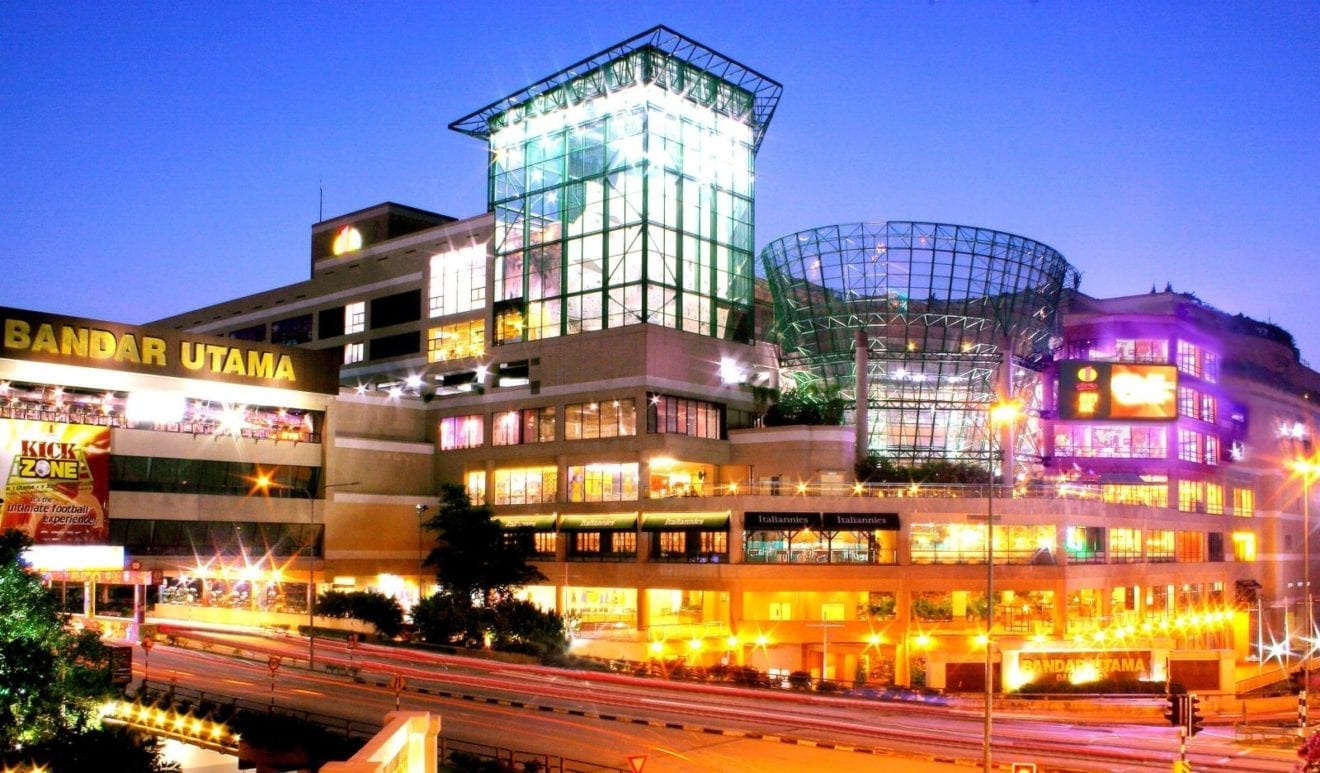
  • 2016 a good year for malls

    2016 a good year for malls

    It’s been a difficult year for many industries, but not for the retail trade, especially in the case of shopping malls, according to an industry veteran.

    In an interview with FMT, Malaysia Shopping Malls Association adviser Chan Hoi Choy said the retail industry was estimated to record a growth of 5% in 2016 over the previous year.

    “The fourth quarter of the year is the retail industry’s strongest and busiest quarter; so we will finish the year strong,” he said.

    The industry is worth about RM100 billion a year.

    Chan said domestic consumption contributed to about 90% of the retail industry’s revenue.

    Asked to explain why more malls were being built despite widespread complaints about a rising cost of living, Chan said this was down to the nature of modern malls and spending patterns.

    “Most malls nowadays are lifestyle malls that promote integrated activities,” he said. “They are a one-stop centre comprising retail, food and beverage, entertainment and services outlets.”

    He added that one in five Malaysians would spend weekends at malls.

    Another factor behind the retail industry’s resilience, he said, was that people still needed to buy essential goods regardless of increases in prices, and malls offered variety.

    “The items most people buy in malls on a regular basis are things which do not cost much,” he said, adding that people had adjusted to the goods and services tax.

    Chan said the annual increase in the number of shopping malls was running into “double digits” and this was the biggest threat to the retail industry.

    “Developers must be very careful about building new malls,” he said. “They must carry out thorough research to understand the demand and supply. There is an oversupply of malls and those which serve under-served markets are more likely to succeed.”

    He said it would take a long time for developers to realise returns on their investments because malls were capital intensive developments.

    He said the retail industry would normally grow in tandem with the GDP, which is expected to grow between 4% and 5% in 2017.

    He urged the government to consider removing excise duties on more items, saying this would make Malaysia even more attractive as a shopping destination.

    “As it is, we are one of the top 10 shopping destinations in the world,” he said. “The government has done a fantastic job of attracting tourists to come here and shop, as well as abolishing excise duties for some 300 tourist products.”

    Chan said the multiplier effect of abolishing excise duties on more items would be “huge”, noting that attracting more tourists would mean more revenue for other industries as well.

    “Very few countries in the world receive more tourists than there are citizens,” he said. “So we believe the growth of tourism will be a big plus for the retail industry and the country as a whole.”

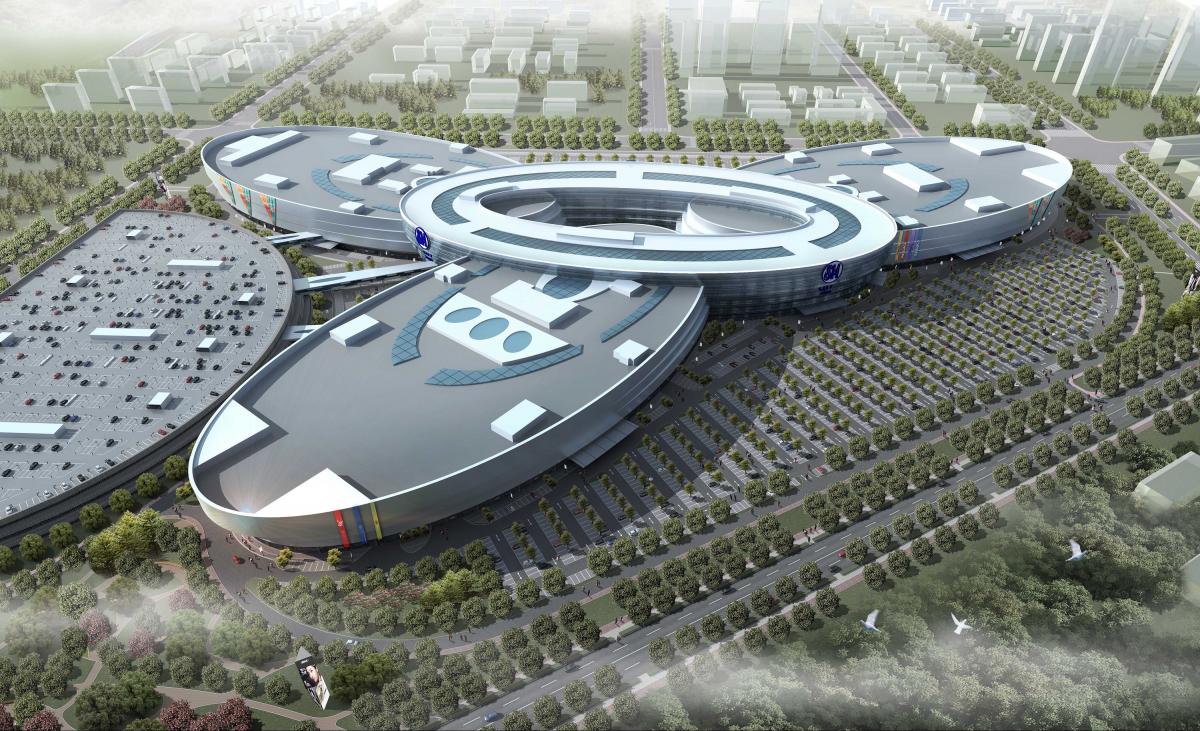
  • SM City Tianjin open door

    SM City Tianjin open door

    SM Prime Holdings says it has opened its giant new SM City Tianjin shopping centre.

    But some property industry sources are expressing concerns that the second-tier Chinese city is already over-malled and wondering how the centre will fare.

    “The Philippines biggest retail developer must be hoping that Christmas is catching on in Tianjin,” observed property industry website Mingtandi, described Tianjin as “famously oversupplied”.

    The 565,000 sqm property is SM Prime’s seventh mall in China. More are on the drawing board as the Philippine company tries to expand its offshore interests.

    “The opening of SM City Tianjin reflects our strong confidence on China’s economy,” said SM Prime president Jeffrey Lim in a statement announcing the soft opening.

    “This gives SM Prime a wider perspective on China’s shopping culture, allowing us to capture bigger opportunities as an international integrated property developer.”

    SM Prime has malls in Xiamen, Jinjiang, Chengdu, Suzhou, Chongqing and Zibo and 60 malls in the Philippines, boasting a combined gross floor area of 9.1 million sqm both in the two countries.

  • The plan for new Daegu Shinsegae

    The plan for new Daegu Shinsegae

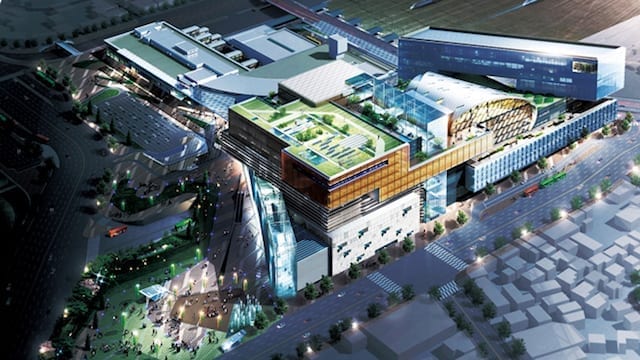
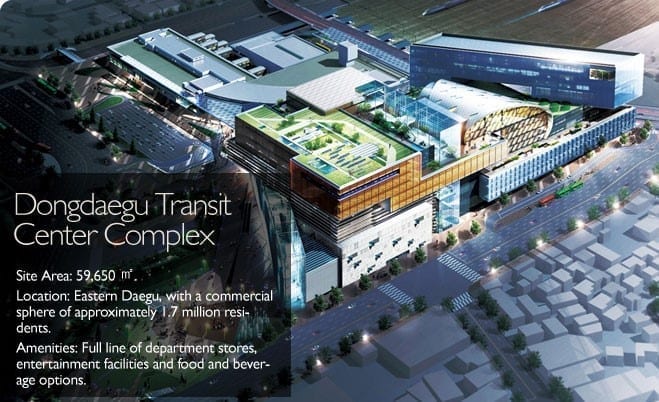
    Korean retail giant Shinsegae Department Store’s new Daegu Shinsegae is a large-scale shopping and entertainment complex connected to a transportation hub in the southern city.

    Covering more than 103,000 sqm, it is Shinsegae Department Store‘s second large-scale branch outside of Seoul, following the Centum City branch in Busan. As well as traditional shopping areas, Daegu Shinsegae has a rooftop aquarium, indoor and outdoor mini theme parks, an art gallery and a concert hall.

    Shinsegae invested KW880 billion (US$755 million) in the project, the largest amount for any single Shinsegae Department Store branch.

    Daegu Shinsegae shares four floors with the new Dong-Daegu Intermodal Transfer Center, the culmination of a five-year project together with the Daegu Metropolitan City Government and the Ministry of Land, Infrastructure and Transport. It offers access to KTX and subway trains as well as buses.

    “We hope to use the transfer centre to create a network of consumers in nearby cities as we have to target consumers across the north Gyeongsang province area rather than just focussing on Daegu,” says store CEO Jang Jae-young.

    “Our market research found that Daegu consumers are unwilling to travel to other cities like Busan in order to shop, but on the other hand consumers from other cities are willing to come to Daegu,” says Daegu Shinsegae deputy chief Hong Jung-pyo.

    He says the centre will be different from the Shinsegae branches in Seoul, which gain most of their revenue from luxury products. Its strategy instead will be to attract a more mass consumer base with its family entertainment and young casual attractions.

    More than revenue, however, Jang says Daegu Shinsegae will first focus on smooth running and working with the surrounding community.

  • Five must-visit malls in Singapore, the shopper’s paradise

    Five must-visit malls in Singapore, the shopper’s paradise

    There is no doubt that Singapore is a paradise for shopaholics and foodies. And, it doesn’t come as a surprise if the island nation has some of the finest malls. Recently, Forbes rated the best five malls in Singapore based on the shopping experience and food offerings.

    At number five is Paragon Shopping Mall on Orchard Road. This 20-storey shopping center with more than 200 shops is definitely an up-market shoppers’ paradise. With six levels of designer fashion and luxury boutiques, sports and lifestyle shops, restaurants and cafes, Paragon is a one-stop destination for luxury needs.

    After Paragon, the obvious next choice is ION Orchard, located in Singapore’s prominent shopping boulevard, Orchard Road. It offers a dazzling view at night and a unique shopping experience with over 300 retail, F&B and entertainment stores, which will include six of the world’s top luxury brands building their signature flagships stores.

    Next on the line is the most famous The Shoppes at the Marina Bay Sands resort. The Shoppes is a one-of-its-kind mall with a casino, indoor skating rink, rooftop access that gives a breathtaking skyline view of the Bay Sans, and a canal that runs through the mall. It also boasts some of the world’s most renowned brands like Ralph Lauren, Hermès, Chanel and Cartier, but, the highlight is the Louis Vuitton island concept store.

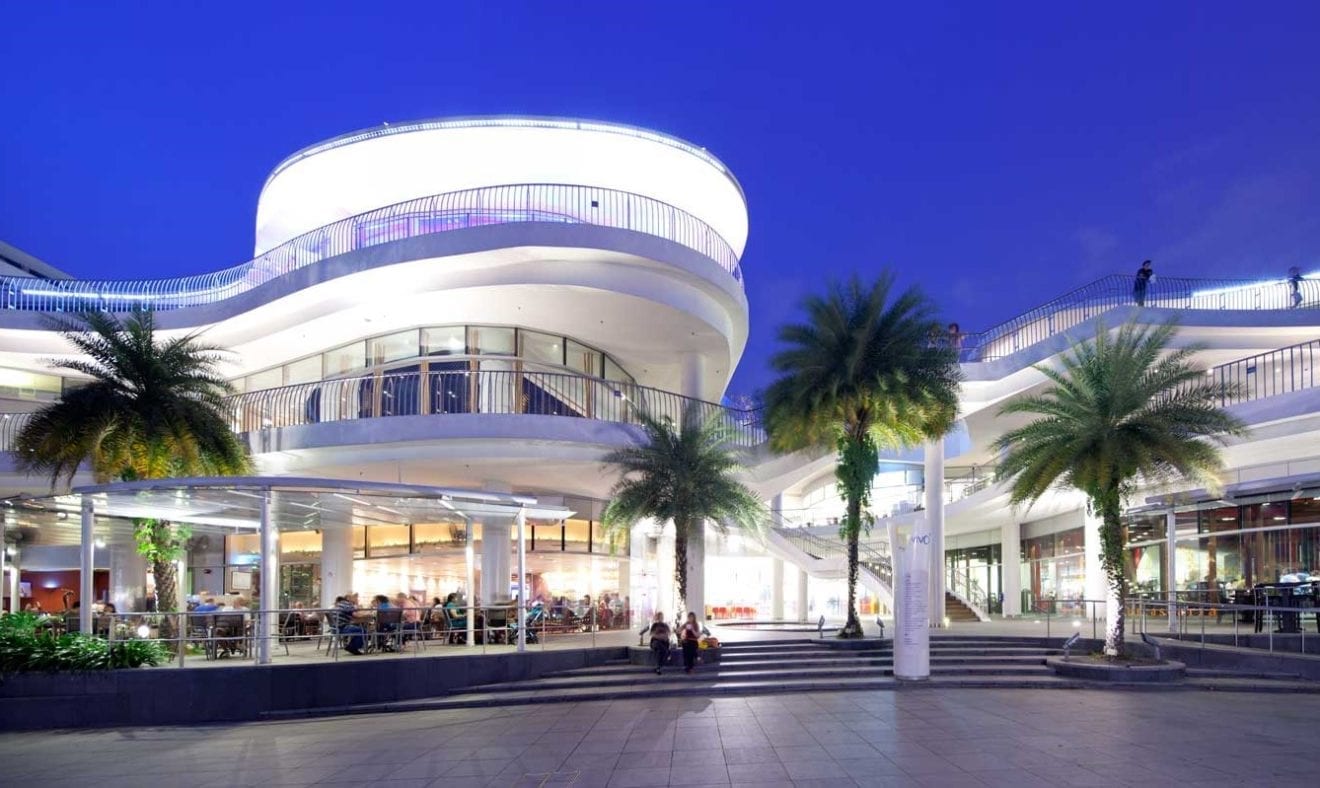
    Then comes Singapore’s largest shopping mall, VivoCity, located near the coastline of Keppel Harbour and Sentosa Island. Operated throughout cable car, its occupiers include American Eagle, Forever 21, H&M, Gap, MUJI, and Uniqlo.

    And finally, at the number spot is the country’s tallest vertical mall, Orchard Central, right in the center of Orchard road. The food court is nothing short of a gastronomical delight with alfresco style dining options at its rooftop or international food ranging from Japanese, Korean, Chinese to Western at the F&B themed floors, it will satisfy every palette.

    Other prominent shopping destinations include Dempsey Road, Holland Road Shopping Centre, Little India, Tiong Bahru and Haji Lane. A true shopper’s paradise with a slew of mall spread across the country, Singapore definitely beats its neighbours in terms of sheer convenience and familiarity.

  • Siam Retail Development plans 10 more malls

    Siam Retail Development plans 10 more malls

    Siam Retail Development plans to open 10 shopping malls and mixed-used projects in Bangkok and upcountry Thailand at an expected investment cost of Bt50 billion (US$1.3 billion) over the next five years.

    In Bangkok, the group has developed Fashion Island Shopping Mall, Terminal 21 Asoke and The Promenade and Life Center. Terminal 21 Korat, in the northeastern region of Nakhon Ratchasima, opened this month as the company’s first upcountry shopping mall.

    Under its five-year investment plan, the affiliate of Land and Houses Group plans to open another Terminal 21 complex in Pattaya in 2018 at a cost of Bt7 billion, which will also include a 500-room hotel and is already under construction.

    Investment opportunities are also under consideration in other provinces such as Khon Kaen, Nakhon Si Thammarat, Phuket, Ubon Ratchathani and Udon Thani as well as Bangkok.

    Siam Retail Development executive director Prasert Sriuranpong says the 10 proposed malls will have an average cost of Bt5 billion.

    Some of the extra projects, including Terminal 21 Korat, include hotels and/or residences, convention centres and common halls. The company has invested Bt6 billion in the Terminal 21 Korat project.

    Nakhon Ratchasima, the second-most populous province after Bangkok with 2.6 million people, is one of the most appealing provinces in Thailand for investors, says the Registration Administration Bureau of the Department of Provincial Administration. It has the highest GDP in the region, and is a tourism centre with more than 5 million visitors a year.

    Siam Retail Development expects its Terminal 21 Korat complex to attract 55,000 visitors a day and anticipates revenue, mainly from retail-space rental, of Bt700 million in the first year. Highlights of the complex are a 110m-high Skydeck, plus a convention hall and sport podium, with 400 hotel rooms in the works.

  • Indonesian property players welcome house price increases for foreign buyers

    Indonesian property players welcome house price increases for foreign buyers

    The government’s decision to increase house prices for foreign buyers has been met with positively by Indonesian real estate business players, who reason that it will help to protect the domestic property market.

    “If the government keeps the price low for foreign buyers, Indonesians will be forced to bear the high price jump. Therefore, I think this is a right decision,” Association of Housing Development in Indonesia (Apersi) chairman Eddy Ganefo said on Tuesday. He explained that the higher purchasing power of foreigners might hurt the domestic industry.

    The price increase is stipulated in a regulation issued by the Agrarian and Spatial Planning Ministry.

    The minimum house price set for foreigners in Yogyakarta and Bali now stands at Rp 5 billion (US$371,112) per unit, up from Rp 3 billion under a previous regulation.

    In West Nusa Tenggara and North Sumatra, the minimum price also jumped to Rp 3 billion from Rp 2 billion.

    Indonesian Real Estate Association (REI) chairman Eddy Hussy said he was optimistic that the changes in price would not affect demand from foreigners to purchase houses.

  • Lotte Mart opens 46th store in Indonesia

    Lotte Mart opens 46th store in Indonesia

    Lotte Mart, a discount store chain operated by retailer Lotte Group, said Wednesday it has opened its 46th store in Indonesia in line with its global growth strategy.

    With floor space of 5,572 square meters, the Pramuka shop opened on the underground floor of a commercial-residential building in Jakarta with some 7,000 households.

    Lotte Mart’s 16th retail outlet in Indonesia has a health and beauty section, as well as young children and fresh food corners, the company said.

    Lotte Mart also operates 26 wholesale stores and two supermarkets in the world’s fourth most populous nation.

    Currently, Lotte Mart runs a total of 290 stores in South Korea, China, Indonesia and Vietnam, and plans to raise the number of shops to over 300 next year.

  • New retail hub rises in Xiamen

    New retail hub rises in Xiamen

    YCH Group, a supply chain management, and logistics company in Asia-Pacific, has launched a retail hub in Xiamen, China, which is envisioned to support the Pilot Free Trade Zone project in the region.

    The project, which will be the first major mall in the region, will serve the needs of the population in the immediate vicinity and the rapidly growing city of Xiamen. It will be managed by YCH Group on behalf of XPD-YCH Logistics, a joint venture between YCH Group and Xiamen Port Development, a subsidiary of the Xiamen Port Group.

    Spanning 55,000 square meters with a built-up space of 100,000 square meters, the facility was converted from XPD-YCH Logistics’ existing warehouse in Xiamen and will be fully operational this month.

    This comes at an opportune time as Xiamen, which is currently one of the fastest growing cities in China, is growing at 6.7 percent with a population of 4.4 million. Aside from local demand, the mall aims to cater to the burgeoning Chinese retail scene while playing a key role in strengthening Xiamen’s status as one of China’s most popular tourist destinations.

    According to the Xiamen Tourism Bureau, Xiamen receives 1.63 million tourists from home and abroad, and rakes in RBM1.853 billion ($258.9 million) in tourism revenue. Moreover, China has also overtaken the US to become the world’s largest retail market in 2016 with total sales of $4.886 trillion.

    Two of the most well-known brands in China – Sam’s Club and Red Star Macalline – will form the mall’s anchor tenants, occupying approximately 85 percent of the facility. This will be the first Sam’s Club Store opened in Xiamen by Wal-Mart, and will be the 15th Sam’s Club store across 13 cities in China.

    Sam’s Club is a division of Wal-Mart, the world’s largest retailer. It offers an extensive inventory with exceptional value on famous-brand merchandise at “member only” prices for both business and personal use.

    Red Star Macalline, on the other hand, is the largest national home improvement and furniture retail platform in China, with stores in most major cities in China. It targets the rapidly growing middle class in China through the operation of malls that offer home improvement and furniture materials, including flooring, bathroom and kitchen fixtures, with approximately 18,000 well-known brands.

    Strategically situated within the Pilot Free Trade Zone, the mall is located in a highly populated region in Xiamen and is in close proximity to both air and sea ports and numerous famous hotels, bringing numerous trade and business benefits for prospective clients.

    “With the dynamic and growing retail sector in the country, we want to equip retailers with game-changing capabilities that help them simplify processes and optimize costs. This will enable them to remain competitive while simultaneously boosting trade and facilities investment for China with the Pilot Free Trade Zone,” said Koh Yong Seng, Operations Director of North Asia, YCH Group.

  • Sunway Velocity Mall opens doors

    Sunway Velocity Mall opens doors

    Sunway Velocity Mall has opened in Cheras, with a catchment of 1.72 million residents including the nearby areas of Ampang and Kuala Lumpur.

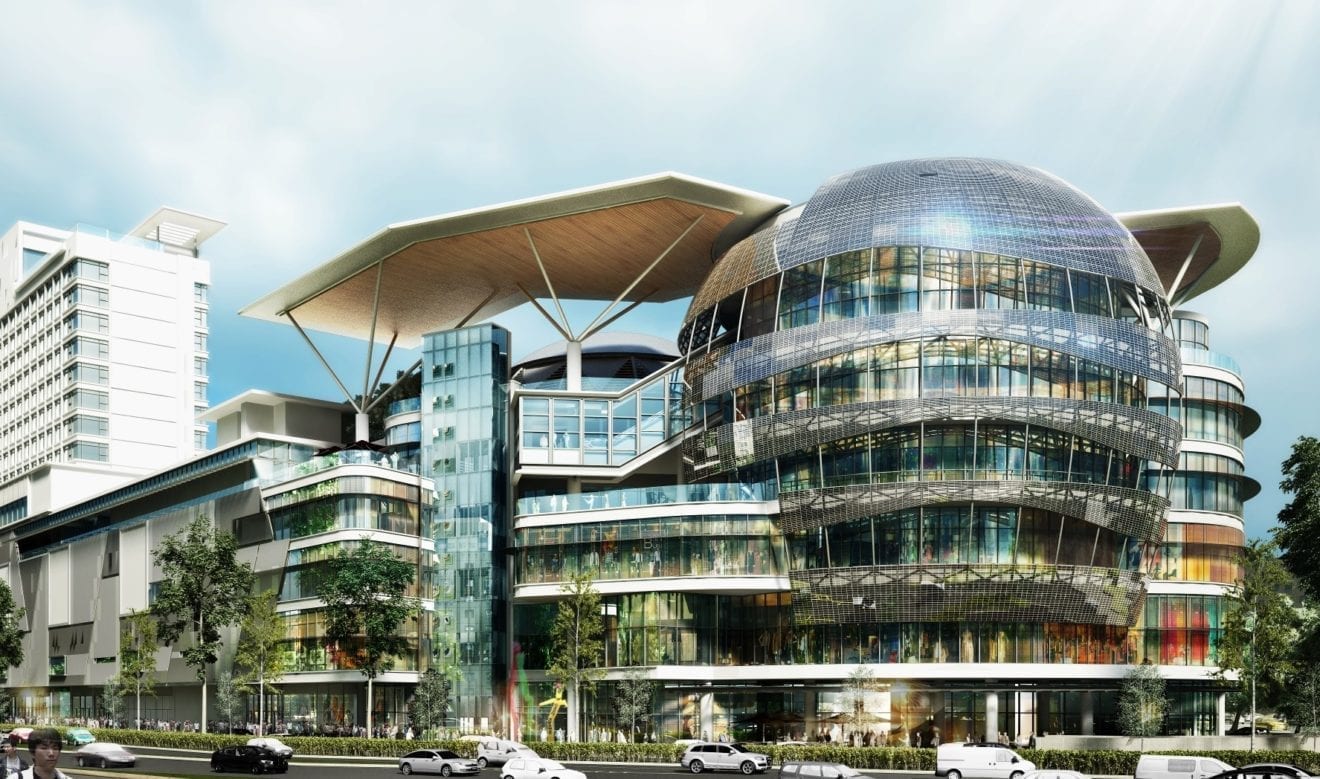
    With a neo-futuristic appearance, the sphere-shaped shopping centre, known as the “KL Orb”, is set to be a landmark on the city’s skyline, especially with its LED light display.

    Its opening is also a milestone for the Sunway Group’s retail division. The group’s fifth mall, it integrates shopping, entertainment and gastronomy in an integrated development.

    “Sunway Velocity Mall was built and designed with one key purpose – to enrich the life experiences of its surrounding community,” says Sunway Shopping Malls & Theme Parks CEO HC Chan.

    The centre has four precincts: Vanity Hall, Marketplace, Food Street, and Commune @ Sunway Velocity. The seven-storey mall offers the first-ever Aeon MaxValu Prime in Malaysia – the third such outlet in the world following Japan and Hong Kong.

    The other two main anchors are Parkson and TGV Cinemas, which has the largest Imax screen in Malaysia. Other tenants include Chi Fitness, Grand Imperial, Harvey Norman, JD Sports, Padini Concept Store, Popular Bookstore, Toys‘R’Us and Uniqlo.

    Chan says the mall is part of the “golden triangle of retail spaces” comprising the new Ikea Cheras, Aeon Maluri Shopping Centre, MyTown Shopping Centre and the Tun Razak Exchange (TRX) Lifestyle Quarter development.

    Sunway Velocity Mall has been “dressed” for the festive season with decorations including a 30ft (9m) Christmas tree surrounded by giant presents in the main atrium. There is also a Christmas spend-and-win campaign, Santa City, which runs until February 12. Prizes include a Volvo V40 car, a Celistar diamond ring by SK Jewellery, a Hero bed frame, and a Nature’s Finest Himalaya mattress from Harvey Norman.

    There are also free weekend Christmas workshops for children.

  • Lotte, Shinsegae and Hyundai win 10-year licenses

    Lotte, Shinsegae and Hyundai win 10-year licenses

    The Korea Customs Service awarded the three biggest remaining 10-year downtown duty free licenses in Seoul to Lotte Duty Free, Shinsegae DF and the Hyundai Department Store yesterday.

    At the same time, ‘Top City’ won the one small, medium enterprise Seoul contract, while the two remaining provincial licenses were gained by Busan Duty Free and Alpensia.

    These results follow the submission of substantial business plans by all parties from last October and an unprecedented and intense effort by South Korea’s market leading duty free retailer Lotte Duty Free. This follows its deep disappointment at losing its duty free license at its Lotte World Tower store last November.

    ALL OR NOTHING BID PAYS OFF FOR LOTTE

    Lotte’s intense last-ditch campaign included a pledge to invest Won2.3 trillion ($1.97bn) on tourist-related investments in the upmarket Gangnam quarter of Seoul between 2017 to 2021.

    In addition, it promised to support small and medium-sized business partners and to attract more than 17m foreign tourists. [Financial criteria was one of the main criteria in the offer evaluations-Ed].

    The operator also gave an unprecedented undertaking to create 34,000 direct and indirect jobs, while creating substantial foreign exchange income.

    The Korean Customs Service (KCS) will now fall under both regulator and media spotlights to make sure these and all other promises by other winning retailers are kept – and especially considering KCS itself has also been the subject of investigations into its conduct recently.

    SOME BIDDERS WILL BE VERY DISAPPOINTED

    There are also some significant losers in this process, with neither SK Networks or Shilla Duty Free’s bids proving successful for any of the big Seoul downtown contracts.

    This will be particularly disappointing for SK, which has long been known for its downtown WalkerHill Duty Free operation which lost its duty free license at the same time as Lotte last November.

    Meanwhile, the ‘soap opera’ continues which has effectively cost President-Park-Geun-hye her job after so enraging the South Korean people.

    All eyes will now be on the ongoing investigation into the activities of Park’s associate Choi Soon-sil, who remains under house arrest charged with abuse of position and attempted fraud.

    Choi is alleged to have ‘persuaded’ various businesses into paying millions of dollars to supposedly government-linked foundations, in return for favours – including some allegedly linked to duty free licenses.

    SK Group head Chey Tae Won and Lotte Group Chairman Shin Dong-bin were both questioned on national television at Seoul’s National Assembly earlier this month – along with several other heads of major companies – but all denied they were ‘persuaded’ to pay monies in return for any favours.

    PUBLIC RELATIONS REPAIR WORK

    Meanwhile, Lotte Duty Free has expressed its thanks for being awarded this latest concession.

    In a statement entitled ‘Adoption of patent company selection‘ which was forwarded to TRBusiness, it said: “First of all, I am most fortunate to have been able to return to my original job with about 1,300 employees who had been in deep anxiety as I waited for work at World Tower in the past six months.

    ‘HEARTFELT GRATITUDE’ EXPRESSED

    “I would like to express my heartfelt gratitude to the jury members for their fair and objective examination to enhance the competitiveness of the duty free industry in Korea, despite the fact that the psychological burden was not so small.

    “We are also grateful to all of our employees who have devoted themselves to the growth and development of Lotte Duty Free as a global duty-free enterprise for the past 36 years.

    “Lotte Duty Free will do its best to faithfully fulfil the contents of the business plan submitted to the KCS in the future. Through aggressive investment and development of Korean Wave content, we will be able to attract foreign tourists and create jobs, as well as coexist with small and medium-sized enterprises, thereby fulfilling our social responsibilities and becoming a more mature company contributing to the local economy and the national economy.

    “Most of all, Lotte Duty Free will do our best to open up the future of tourism in Korea by raising the global competitiveness of domestic tourism industry with greater responsibility.”
  • Housing credit interest rate predicted to decline in 2017

    Housing credit interest rate predicted to decline in 2017

    Bank Indonesia predicted that the interest rate of consumer credits including housing credits(KPR) would decline in 2017 as a result of the relaxation of its monetary policy.

    Director of Macro prudential Policy of the Central Bank Dwityapoetra S. Besar, said here on Wednesday relaxation already began in the central bank monetary policy in 2016 though not very significant.

    Currently the KPR interest rates average 10.3 percent per year, he said.

    “If the interest rate on KPR at 10.3 percent , the average lending rate would be 11 percent. That shows the transmission,” he said.

    However, a cutback in KPR interest rate would depend much on the ability of each bank to keep the cost of fund down, he said.

    The central bank has issued a stimulus in monetary policy in a bid to push down bank lending rate with a 150 basis point cut in its benchmark interest rate (BI 7-Day Reverse Repo Rate) to 4.75 percent.

    Meanwhile, the Financial Service Authority (OJK) cut the Minimum Reserve Requirement by 150 basis point to 6.5 percent in December, 2015 to help bank in improving their liquidity.

    Dwitya , however, said banks have yet to face many hurdles in cutting the lending rate . One of the hurdles is potential increase in inflation as a result of the increase in the electricity tariff for 900 VA subscribers.

    “Yes, we have to see that it will depend also on the macro economic condition,” he said.