Category: Real Estate

Retail News Asia is committed to providing both local and global retailers with the latest Real Estate news throughout the Asian market. This on a daily base.

  • GIC snaps up a Korean shopping mall

    GIC snaps up a Korean shopping mall

    It invested $192.4m in the 28-floor retail complex. Singapore’s state-owned investment firm GIC invested $192.4m (USD 136m) in G-Square City Retail Complex in Seoul Korea.

    Tha complex, which was completed in 2012, spans 238,248 sqm across 8 floors. The building is well-situated in a prime location in the centre of Anyang City, a metropolitan area of Southern Seoul. It has a direct access to a subway line.

    “A 34,681 sqm office tower is also part of the complex, and is one of the preferred office buildings within the Anyang city district given its landmark status and building quality,” GIC said.

    The said mall is operated by Lotte Shopping Co. With the aquisition, it will be managed by IGIS Asset Management, one of the country’s largest real estate management companies with a good track record of managing retail assets.

    GIC Real Estate Chief Investment Officer Lee Kok Sun said G-Square is in line with the group’s strategy of acquiring income-generating assets.

    “As a long-term investor, we remain confident in the continued growth of the Korean economy and its retail sector,” Lee said.

    Do you know more about this story? Contact us anonymously through this link.

    Click here to learn about advertising, content sponsorship, events & rountables, custom media solutions, whitepaper writing, sales leads or eDM opportunities with us.

    To get a media kit and information on advertising or sponsoring click here.

  • Myeong-dong ranked as world’s 8th most pricey retail area

    Myeong-dong ranked as world’s 8th most pricey retail area

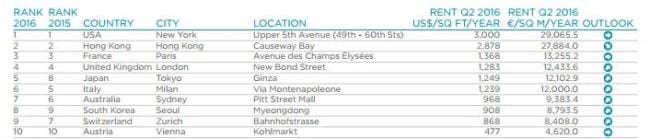
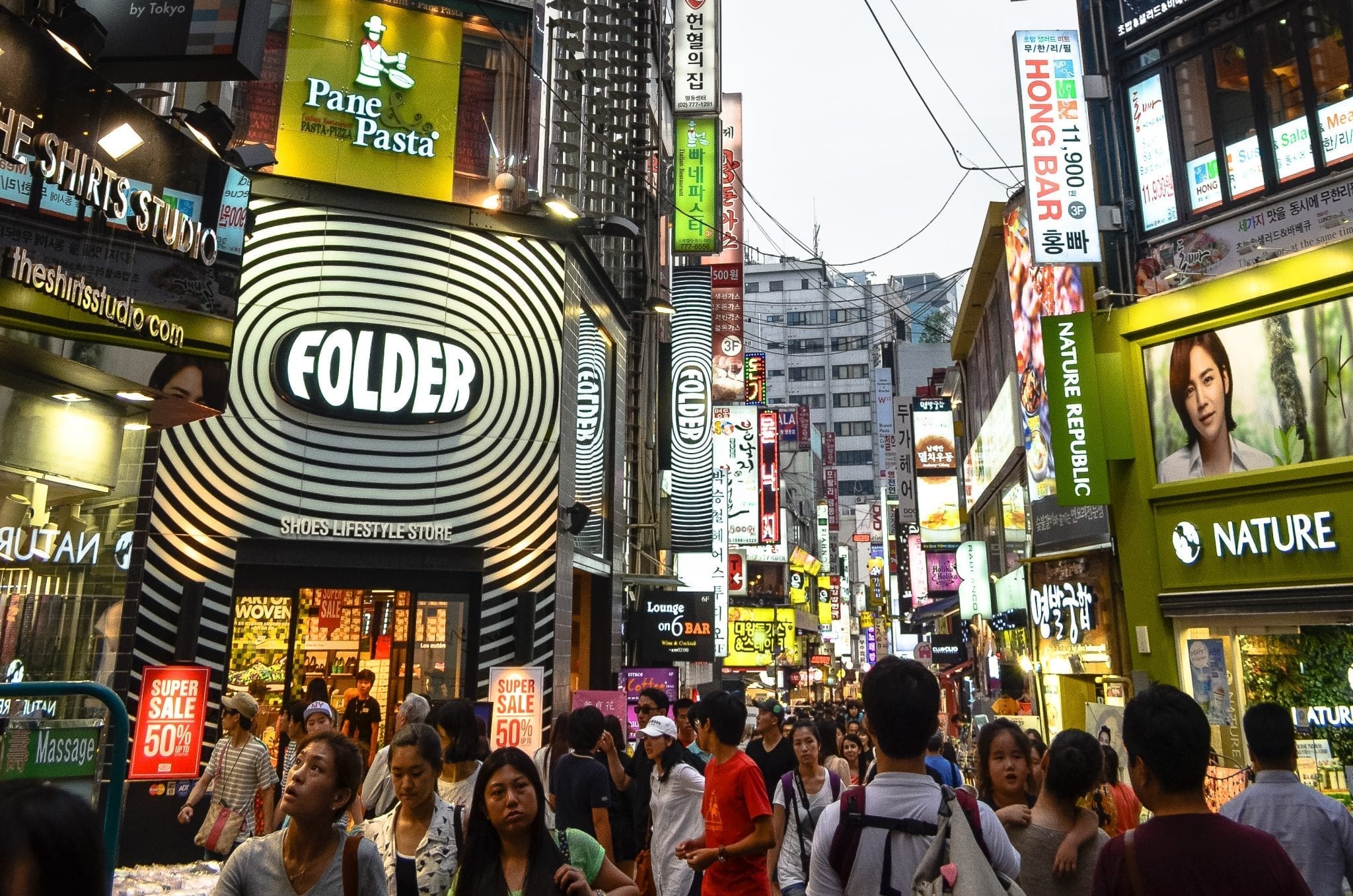
    Seoul’s Myeong-dong street was ranked the eighth most expensive retail street in the world, according to a report by real estate service company Cushman & Wakefield Thursday.

    (Cushman & Wakefield)

    Cushman & Wakefield’s “Main Streets Across the World 2016/2017” priced real estate in Seoul’s shopping district Myeong-dong at $908 per square foot (0.093 square meter) per year, with an outlook to further rise. Although consumers in South Korea are increasingly turning online for shopping, the report said the “inflow of Chinese tourists” is supporting the demand for shop units.

    Other major shopping streets noted in Korea were around Gangnam Station and Garosu-gil, as well as the trendy Hongdae district.

    The Nature Republic cosmetics store in Myeong-dong has been the most expensive plot of real estate in Korea for the past 12 years, according to the Ministry of Land, Infrastructure and Transport this year.

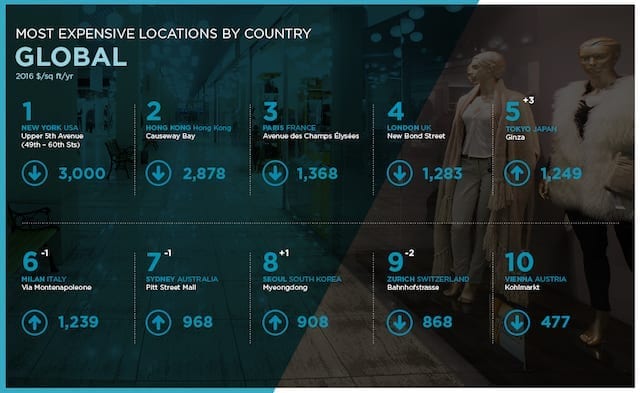
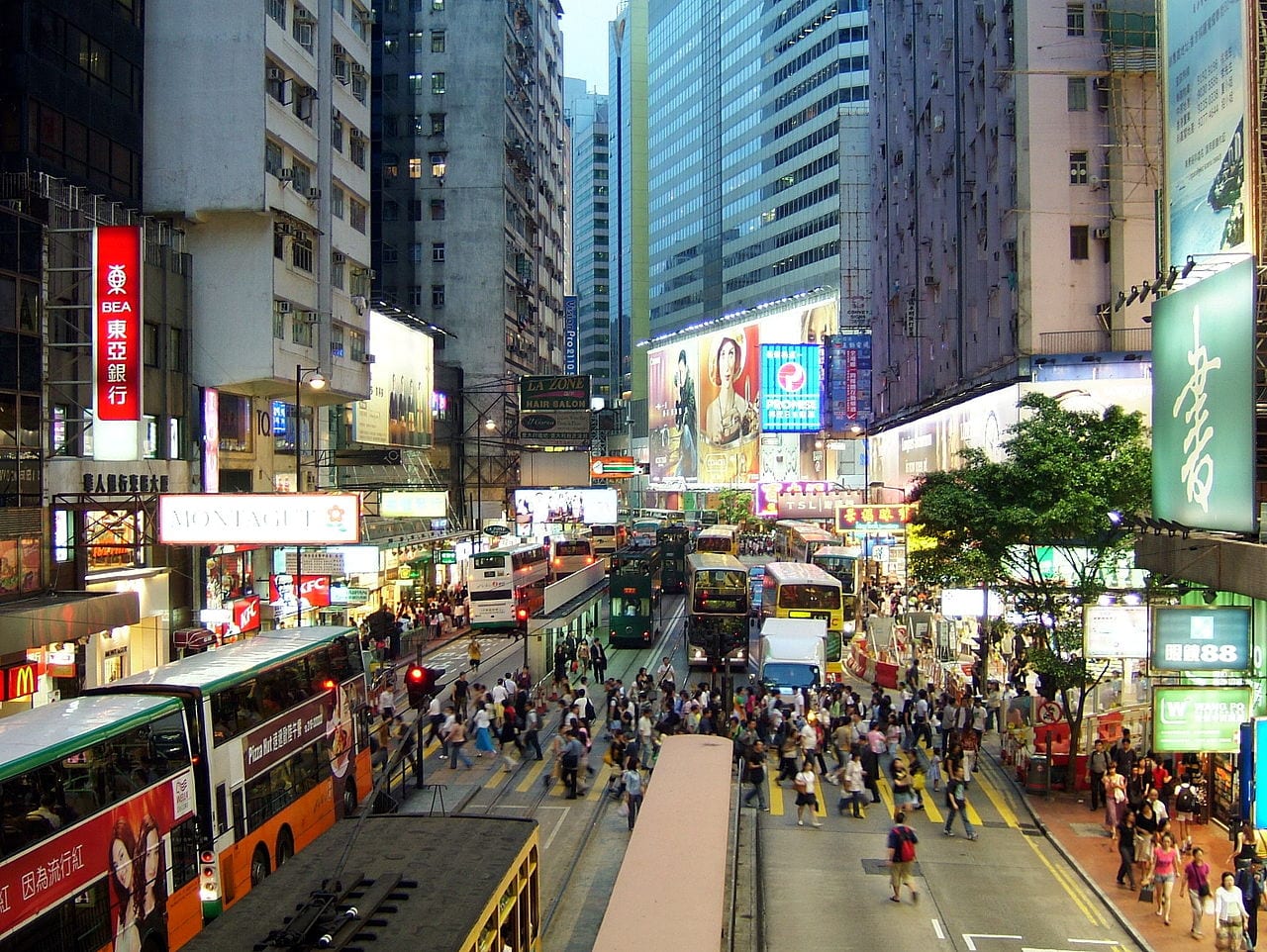
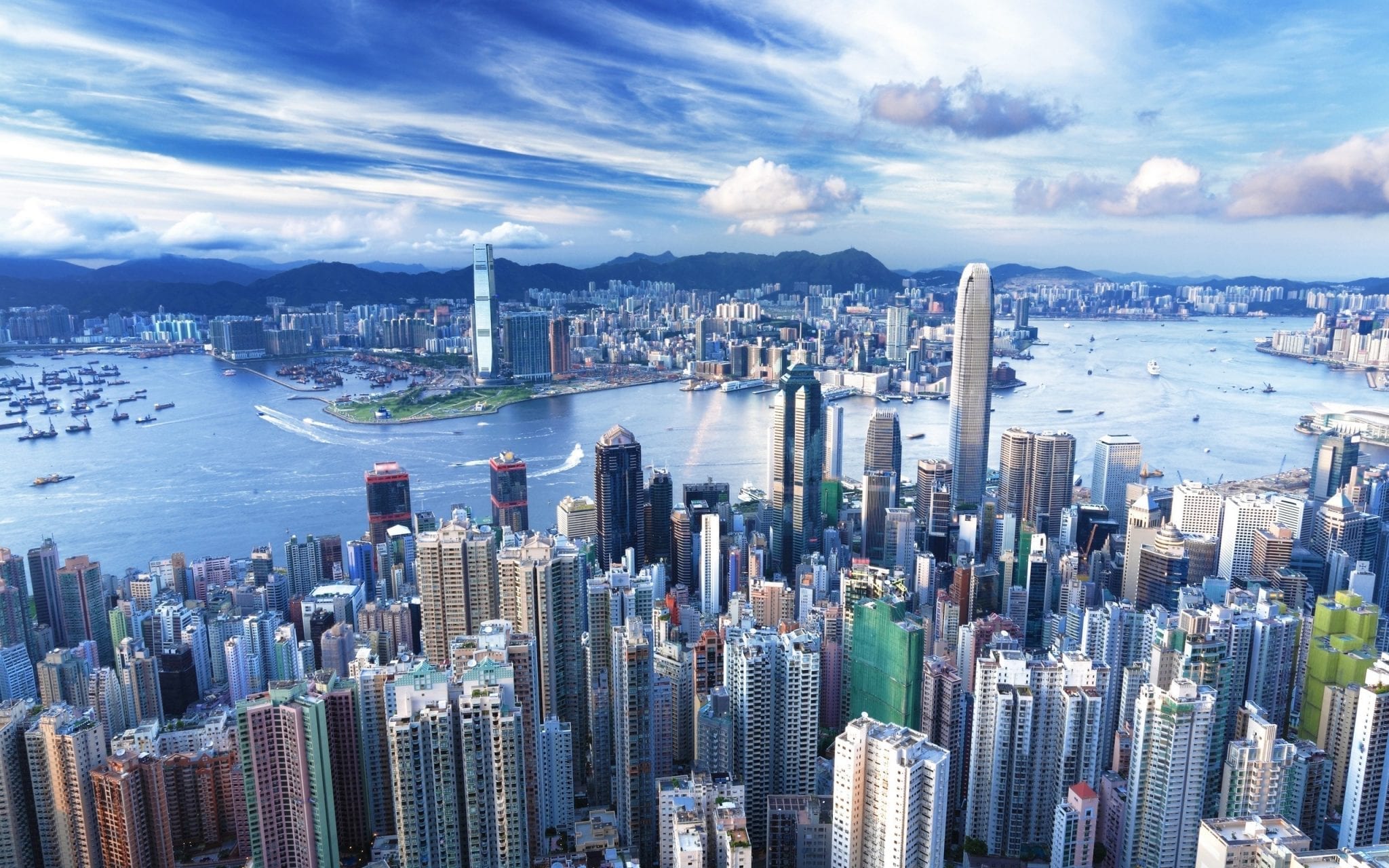
    According to the Cushman & Wakefield report, the most expensive shopping district in Asia is Hong Kong’s Causeway Bay at $2,878 per square foot, followed by Japan’s Tokyo Ginza district at $1,249. The most expensive shopping street in the world is Upper 5th Avenue in New York City, at $3,000 per square foot.

  • CapitaLand Mall Asia Showtime in Cannes

    CapitaLand Mall Asia Showtime in Cannes

    Targeting global retailers who are looking to Asia to chart growth, CapitaLand Mall Asia has its biggest presence ever at international retail event Mapic in Cannes, France.

    It is the fifth consecutive year CapitaLand has exhibited at Mapic, one of the world’s largest events matching developers with retailers. It runs over three days this week.

    Crowds at CapitaLand's booth at MAPIC

    CapitaLand is preparing to open eight malls in three Asian countries next year with a combined retail gross floor area (GFA) of nearly 1 million sqm, the group’s largest-ever retail offering in a single year.

    Of the eight malls, six are retail components of integrated developments in China and the others are stand-alone malls in India and Malaysia. They are Raffles City Changning, CapitaLand’s second Raffles City project in Shanghai; LuOne, also in Shanghai; Raffles City Shenzhen; Raffles City Hangzhou; Suzhou Center Mall (pictured); CapitaMall Westgate in Wuhan; Melawati Mall in Kuala Lumpur; and Forum Mall in Mysore.

    Raffles City Changning

    Raffles City Changning


    Ready catchments

    CapitaLand Mall Asia CEO Jason Leow says the opening of the malls underscores the group’s strength in connecting retailers to ready catchments of shoppers.

    At September 30, 76 per cent of CapitaLand’s assets contributed to recurring income, of which shopping malls and integrated developments form the bulk, says Leow.

    “Our 103 malls in Singapore, China, India, Japan and Malaysia provide brands with access to about 3 billion consumers in these five markets combined.”

    He says Mapic is an excellent platform for CapitaLand to boost its brand visibility and strengthen its retailer network.

    Mr Jason Leow with retailers at MAPIC

    Its presence at the trade show has been enhanced by one of its joint ventures being nominated for the Mapic Awards. Listed for Best Futura Shopping Centre Award, Jewel Changi Airport was developed by Jewel Changi Airport Trustee – a JV between Changi Airport Group and CapitaLand Mall Asia – as a mixed-use complex featuring lifestyle offerings including a five-storey indoor garden, play attractions, shopping and dining options, a hotel, and airport services.

    It is scheduled to open next year. The Futura award recognises retail developments with outstanding architectural qualities and strong, original concepts.

    Jewel Changi Airport is the only Singapore entry among 50 projects shortlisted across 12 categories at the Mapic Awards, with the results to be announced at a gala dinner.

    CapitaLand Mall Asia CapitaLand Mall Asia, a wholly owned subsidiary of real-estate company CapitaLand, is one of the largest shopping mall developers, owners and managers in Asia by total property value of assets and geographic reach.

  • Hong Kong still tops Asian retail rent rankings

    Hong Kong still tops Asian retail rent rankings

    Tokyo’s Ginza has overtaken Sydney into second spot behind Causeway Bay in the latest DTZ/Cushman & Wakefield Asian retail rent rankings.

    The annual Main Streets Across the World report tracks 462 of the top retail streets around the globe, ranking them by their prime rental value.

    Globally just 36 per cent of the markets witnessed an increase in rent rates, a reflection of the growing power of eCommerce and economic challenges in many economies around the world.

    New York’s Upper 5th Avenue, which saw its first decrease in annual rents per square foot since the financial crisis, and Causeway Bay remain more than twice as expensive as the leading street in any other country. So while Causeway Bay rents fell year-on-year, it had no impact on its ranking.

    But DTZ/Cushman & Wakefield says the downward pressure on Hong Kong retail rents is creating an opportunity for some retailers looking to snap up units on prime pitches in good rental terms.

    In Asia, Beijing’s Wangfujing has lept two places into eighth at the expense of Guangzhou’s Ti Yu Zhong Xin District, and Kuala Lumpur’s Pavilion has fallen one spot to 12th. Ho Chi Minh City in Vietnam has jumped two spots to 14th and is now more expensive than Auckland, Nanjing and New Delhi.

    DTZ/Cushman & Wakefield commentators say advances in technology will shape the consumer experience of retail as well as drive the way how people shop and live in the future, placing more pressure on retail rents.

    “We have seen an increasing number of retailers in Hong Kong continually enhance shoppers experience through leisure offerings and differentiate their market positions to maintain competitiveness under the impact of eCommerce disruption,” said Kevin Lam, DTZ/Cushman & Wakefield’s head of business space, Hong Kong.

    Key fact APAC

    “Though we could see that some high street rents were close to the bottom in Q3, eCommerce disruption so far on rents is rather indirect in view of close proximity in Hong Kong.”

    Elsewhere, Chinese brick-and-mortar retailers are facing stiff competition from the growing eCommerce market and the emerging trend is to partner with online-to-offline platforms in an attempt to capture these changing trends in consumer behavior. In parallel, both retailers and landlords are raising the bar on the experience offered to consumers by expanding the food and beverage and leisure offerings.

    Theodore Knipfing, Cushman & Wakefield’s, head of retail, Asia Pacific, says retailers continue to be cautious in their store expansion across the region due to concerns including continued global economic instability, and this will continue well into 2017.

    “When expansion does happen, the focus is typically on quality over quantity. All in all, despite the cautious outlook across the region, major international and regional retailers will have to eye overseas growth, as their respective domestic markets reach saturation point and investors demand results.”

    Most expensive locations by city Pacific chart

    Global rankings

    In the global rankings, the Champs Elysees in Paris comes third followed by New Bond St, London, Tokyo’s Ginza and the Via Montenapoleone in Milan. Pitt St mall in Sydney is seventh followed by Seoul’s Myeongdong district, the Bahnhofstrasse in Zurich and Vienna’s Kohlmarkt.

    global

  • Korea’s Eland Aims At Ten Shopping Centers In China In 2016

    Korea’s Eland Aims At Ten Shopping Centers In China In 2016

    South Korean apparel brand Eland plans to develop ten shopping centers in China before the end of 2016. Eland started tapping the shopping center market in China from January 2016. By cooperating with Parkson, the company aims to transfer traditional department stores into city outlets. For the next step, Eland will cooperate with other department stores and shopping malls in China, aiming to open ten shopping centers in this marketplace before the end of 2016. For the year 2017, the company aims to have over 30 outlets and by 2020, they aim at 500 outlets and sales scale of CNY200 billion.

    Eland Group has 56 Newcore Outlets in South Korea. The company plans to bring its successful operating model and experience into China and transfer traditional department stores into city outlets to attract young consumers.

    At present, Eland has opened two shopping centers in China, one cooperating with Parkson in Shanghai and the other cooperating with Hualian in Chengdu. In addition, Parkson previously closed a store in Nanchang in September 2016 and said they will team with Eland Group to implement transformation and upgrades for the store.

  • Cambodia Properties Shine in Asean

    Cambodia Properties Shine in Asean

    Asean property markets are promising, with Cambodia offering the most attractive prospects due to strong demand and limited supply, notably in Phnom Penh.

    Aliwassa Pathnadabutr, managing director of property consultant CBRE Thailand, said prime residential property for rent in the Cambodian capital has posted the highest yield among all sectors at eight percent per year. Selling prices remain relatively low, but rents are high.

    “Demand for rental in Phnom Penh is driven by expatriates working for multinational companies set up in the city,” she said. “Asking rents are high as those companies are willing to spend on good accommodation for their staff.”

    With strong demand and a limited supply of only 5,500 units, the apartment sector has an occupancy rate of between 80 to 90 percent while rent per square meter is 700 to 1,000 baht (about $20 to $28).

    Rent for a one-bedroom serviced apartment is around 40,000 to 50,000 baht per month ($1,141 to $1,426), the same rate for a unit in Bangkok.

    But the average selling price for a high-end unit is only 110,000 baht per square meter, lower than Bangkok’s 200,000-300,000 baht.

    She said the selling price per square meter for a high-end residential unit in Phnom Penh is lower than that in Bangkok due to lower land costs. Construction costs, however, are close to those in Bangkok as most of the construction materials are imported from Thailand.

    For the high-end segment, the average selling price is 110,000 to 170,000 baht per square meter. For middle-end condos it is 93,000 baht and 24,000 baht on average for the affordable segment.

    The foreign ownership quota in Cambodia’s residential sector is higher than Thailand’s, with up to 70 percent of total units at a project. But foreigners are not allowed to buy ground-floor or basement units. Foreigners are also allowed to set up a company with 100 percent ownership.

    However, Thai investors should be cautious if they want to jump on the bandwagon as Phnom Penh’s residential supply will reach 25,000 units in 2018 from only 5,000 units this year, Ms. Aliwassa said.

    Investing in a condo for rent in Phnom Penh is attractive for individual investors. The major investment buyers in the city are Taiwanese, Chinese, Singaporean, South Korean and Japanese.

    “If Thais want to get in on the act, they should do so now or at the beginning of the boom as there will be a large volume of new supply being completed in the next two years,” added Ms. Aliwassa.

    She said office and retail spaces in Phnom Penh are limited but demand is strong so the occupancy rate is quite good. The city’s office supply totals around 280,000 square meters, compared with 8.4 million square meters in Bangkok.

    For C-grade office space, occupancy is as high as 90 percent due to a lower monthly rent of $10 to $15 per square meter. Rent for B-grade office space is $16 to $25 with an occupancy rate of 85 percent while A-grade rent stands at $28 with an occupancy rate of only 40 percent, compared with $30 in Bangkok.

    Another attractive investment in Phnom Penh is retail, as Thai brands are very popular among Cambodian consumers. Successful Thai retailers in Phnom Penh now include Major Cineplex, Fuji and S&P restaurants.

    Nonetheless, the retail property market in Phnom Penh is quite small compared with Bangkok. The current retail space in Phnom Penh totals 680,000 square meters, which accounts for less than 10 percent of Bangkok’s total retail area of seven to eight million square meters.

    Despite limited supply, the monthly rent for prime malls remains low at only 1,200 baht per square meter, compared with 3,000 to 4,000 baht in Bangkok.

    Although Phnom Penh’s luxury segment has a limited supply, it might be too soon to enter the market as the segment is very small and Cambodian consumers are not ready to accept luxury prices, said the consultant.

    “Besides checking local regulations, investors should consider the balance of costs, prices and returns. If one of them is too high, the rest will fall down just like in Myanmar where land costs are very high,” added Ms. Aliwassa.

    Tony Picon, managing director of property consultant Colliers International Myanmar, said all commercial properties in Yangon are attractive with high occupancy rates since supply is limited and demand is strong.

    “New supply is difficult to enter as regulations are unclear and land costs are steep,” he said. “But opportunities in Myanmar are high as its GDP is the highest in the region at 8.3 percent. The country also boasts abundant resources.”

    Suphin Mechuchep, managing director of property consultant JLL Thailand, said Vietnam is an interesting investment destination as its economy is picking up, purchasing power is strong and the government is spending on infrastructure projects.

    “All segments in Vietnam’s property market have bottomed out in the past two years as middle-income earners prefer spending on IT, mobile and technology,” she said.
  • Shinsegae Group to Run COEX Mall

    Shinsegae Group to Run COEX Mall

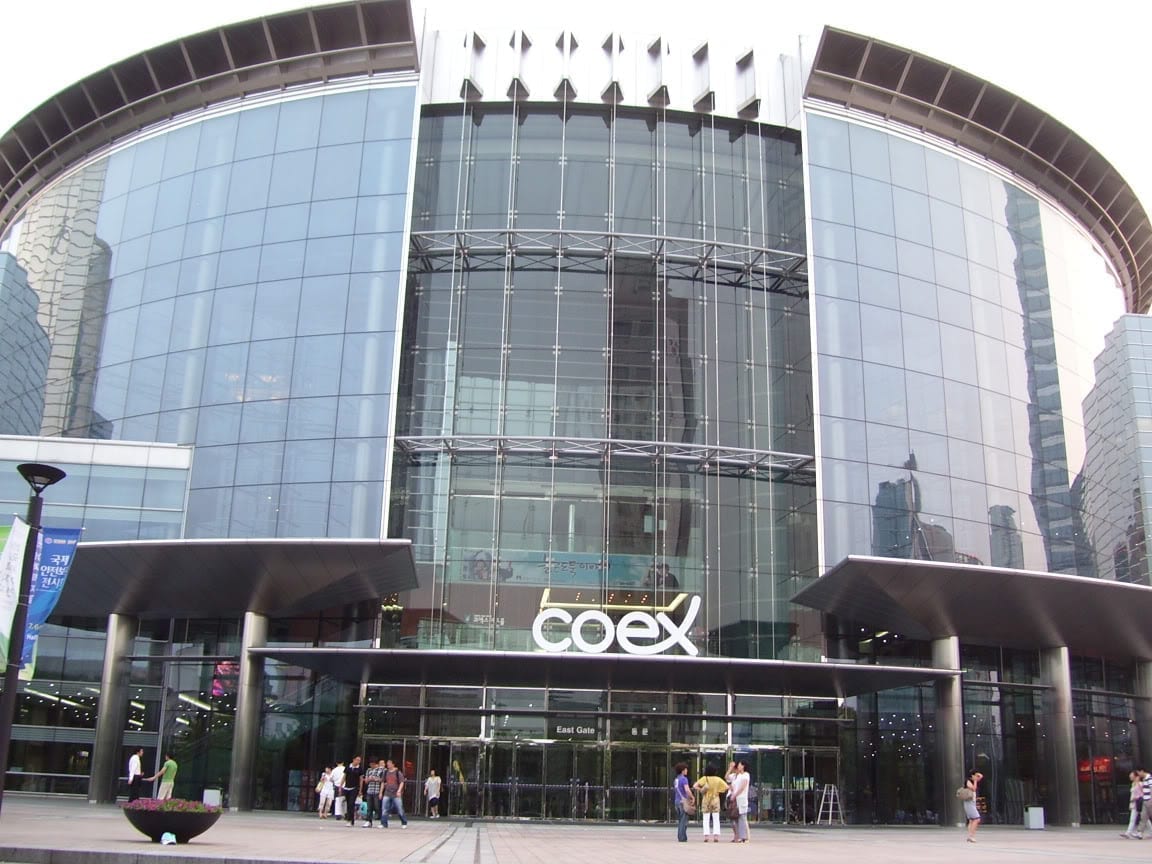
    Shinsegae Property, a unit of South Korea’s conglomerate Shinsegae Group, has solely bid and likely won the 10-year operation right over Convention & Exhibition Mall (COEX Mall), the largest underground shopping center in Asia, according to the industry and Korea International Trade Association (KITA).

    Hyundai Department Store Co., which had been regarded as a strong candidate, gave up entering the bid. Another potential candidate Aekyung Co. also was absent. Shinsegae Property would likely be consigned to run the shopping mall.

    The company would operate COEX Mall consisting of 247 stores on a site of 48,359 square meters and Cultmall composed of 80 stores on a site of 10,579 square meters over the next 10 years.

    The mall with convention and exhibition is close to the Hyundai Global Business Center whose construction will be completed in 2021, making the area a promising tourist destination.

    Shinsegae has so far made efforts to target commercial areas in Gangnam, southern Seoul. It remodeled the Gangnam branch of Shinsegae Department Store earlier this year and bought an additional stake in Seoul Express Bus Terminal last month to set a foundation to establish a Shinsegae Town by combining the current Shinsegae Department Store, the Central City shopping district, and others to be built in the block.

    It is also ready to open Starfield Hana, which would be one of the nation’s largest complex shopping malls, in September. It is considered the ambitious work of Chung Yong-jin, vice chairman of the group.

    Shinsegae plans to differentiate COEX Mall as an urban-style shopping mall. COEX Mall is the nation’s first underground shopping mall but it saw its visitors decline after remodeling costing 300 billion won ($266 million) in 2014.

  • Proposed sale of Jurong Point mall draws mixed views

    Proposed sale of Jurong Point mall draws mixed views

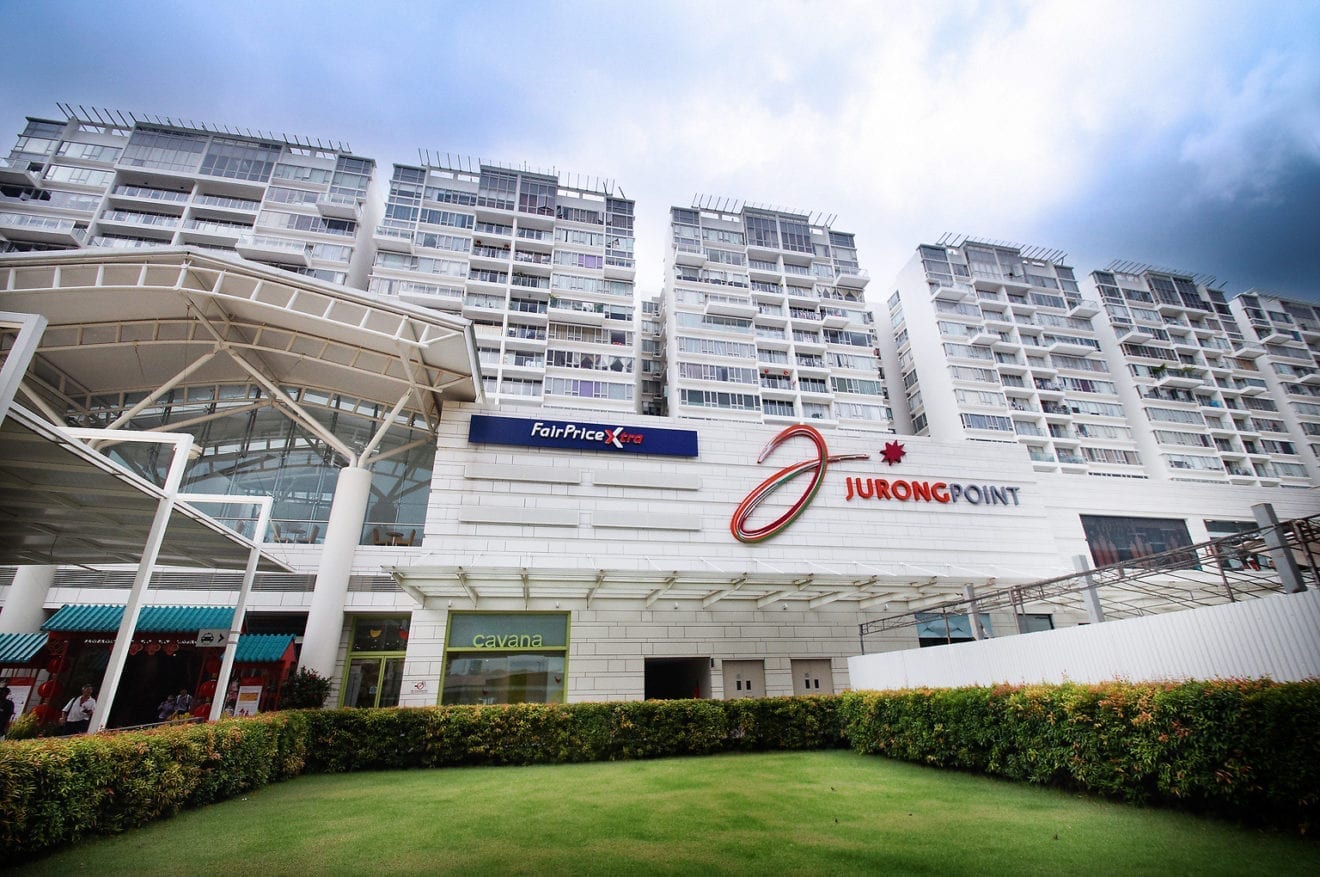
    Experts in the property industry are divided on how much interest Jurong Point — which has been put up for sale with a price tag of more than S$2 billion — will garner, given the current retail climate and hefty price tag.

    The mixed views come after reports that the mall has been put up for sale at more than S$3,000 per sqf based on the commercial net lettable area of about 658,000sqf that is being offered for sale by its owners Guthrie GTS Limited and Lee Kim Tah Holdings.

    Several experts told that the price is too high for the 21-year-old mall, particularly in the current weak economic and retail climate. Others say that market conditions are cyclical and that the strong attributes of the mall, including its size and location, will help it attract healthy interest.

    According to the mall’s website, Jurong Point — located between Boon Lay MRT Station and Boon Lay Bus Interchange — is the largest suburban mall in Singapore, housing about 450 retailers. The mall, which opened in December 1995, was expanded twice: Once in December 2000 when it expanded to 450,000sqf and again in December 2008 to 750,000sqf.

    Mr Ku Swee Yong, chief executive of International Property Advisor, said that the asking price is high for a mall that is more than two decades old, and that interest from buyers “will be limited”.

    “Looking at the recent Paya Lebar Quarter, even though it is priced at S$3.2 billion, it is a mixed development which includes commercial, retail and residential spaces. Jurong Point is not a new mall and to ask for that value is steep,” said Mr Ku.

    “There may be a few interested parties from institutional funds (insurance or pension-related), but they would probably require some sweeteners in the deal such as rental guarantees.”

    Other deals that have been transacted in recent years include Bedok Mall, which was divested by CapitaLand to CapitaLand Mall Trust for S$783.1 million last year. Bedok Mall has a net lettable area of 222,500sqf.

    Meanwhile, Mr Alan Cheong, research head at Savills Singapore, said that he expects interest in the mall to be healthy.

    Including the 44,000sqf of space under the Government’s Community/Sports Facilities Scheme, Guthrie and Lee Kim Tah are divesting a total net lettable area of 702,000sqf in the mall through the sale of shares in companies that own this space, the Business Times reported yesterday. At more than S$2 billion, the price tag translates to a sub-4 per cent net yield.

    “We believe that this is a fair price given that the availability of a prime mall for sale is a rarity here.

    “Also, it seems surprising that with office yields trending towards the sub-3 per cent levels, we still can have retail mall yields at around the 4 per cent levels. Although over the past five years, yields have fallen from the high 4 per cent levels to about 4 per cent, interest rates have also been trending down.”

    Mr Desmond Sim, head of CBRE Research in Singapore and South-east Asia, also said that although the retail industry is under pressure currently, malls with strong characteristics still be popular.

    “Malls with strong retail attributes (residential catchment, transport node location) still instil confidence from retailers. Investors will look beyond the current market which is largely cyclical and look at the longer term,” Mr Sim said.

  • Shinsegae bets big on rooftop entertainment

    Shinsegae bets big on rooftop entertainment

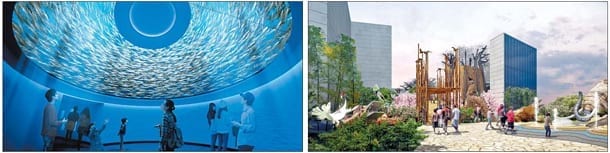
    Shinsegae Department Store’s newest location in Daegu is set to open next month, and it will include a massive 56,000-square-foot aquarium and indoor park on its roof, the company revealed Wednesday.

    The move is a bid to attract more visitors with family-friendly entertainment options. Incorporating more amusement facilities into its department stores and shopping malls has been Shinsegae’s main strategy in breaking through a prolonged slump in the retail business.

    shinsegae-aquarium

    The aquarium, which will feature some 200 types of animals including rare ones like manatees, sea lions and elephant seals, will occupy the ninth floor of the store. An indoor park with oversize furniture a la Alice in Wonderland and an outdoor plaza with plants and fountains will be adjacent to the aquarium.

    “The Daegu branch will be different from the concept of existing department store and focus on providing value and experience to visitors,” Shinsegae Department Store CEO Jang Jae-young said. “We will become a landmark in the North Gyeongsang region and attract people who were originally planning to go to an amusement park, zoos or baseball games during the weekend with our diverse cultural facilities.”

    This is the first time a Korean department store is installing an aquarium on the top floor. The heavy weight of water tanks requires most aquariums to be located at ground or on lower levels. Shinsegae, though, has defied convention by placing all its entertainment facilities on the roof.

    “The construction cost is double compared to when building [an aquarium] on ground level, but we boldly invested to provide more pleasure to visitors,” Shinsegae said in a statement.

    A 600-seat concert hall and art gallery that will host exhibitions and auctions are also in the space.

    The Daegu location is the last of Shinsegae’s six-projects initiative announced early this year, which also includes the recently-opened Starfield Hanam in Gyeonggi, the largest retail complex in Korea.

    CEO Jang said the series of projects marks Shinsegae’s “quantum jump” that it has been preparing for over three years, and once complete, its retail businesses will be “free of market share competition.”

  • CapitaLand’s retail REIT records 6.7% fall in 3Q 2016 DPU

    CapitaLand’s retail REIT records 6.7% fall in 3Q 2016 DPU

    CapitaLand Mall Trust has posted a DPU of 2.78 Singapore cents for its 3Q 2016, a year-on-year fall of 6.7% compared to the 2.98 cents achieved in the corresponding period of 2015.

    Gross revenue for the period improved by 4.9% to SGD170 million (USD121 million) while its net property income of SGD119.5 million represents an increase of 5.5% over the SGD113.3 million recorded in 3Q 2015.

    This was mainly due to a contribution of SGD14.5 million from Bedok Mall which was acquired in October 2015, higher rental revenue achieved for IMM Building, Tampines Mall, and Bukit Panjang Plaza after asset enhancements, and higher occupancy at Clarke Quay.

    However distributable income for 3Q 2016 was SGD98.4 million, 4.7% lower than 3Q 2015.

    The distributable income for 3Q 2015 included the release of SGD8.0 million taxable income retained in 1Q 2015, and excluding this release, the distributable income for 3Q 2016 would have been 3.3% higher year-on-year, said the Singapore-listed retail REIT.

    “Despite uncertainties in the macroeconomic environment and challenging retail conditions in Singapore, CapitaLand Mall Trust’s portfolio occupancy rate as at 30 September 2016 remained high at 98.6%”, said Wilson Tan, CEO of the REIT’s manager.

    “For the first nine months of 2016, the REIT also registered year-on-year growth of 2.9% and 1.2% in shopper traffic and tenants’ sales per square foot respectively”, he added.

    The REIT’s aggregate leverage as at 30 September 2016 was at 35.4%, up slightly from 35.3% in the previous quarter, while portfolio weighted average lease expiry (WALE) was at 2.0 years by gross rental income.

    Units of CapitaLand Mall Mall Trust finished the trading day about 0.5% lower from its previous close on the Singapore Exchange to end at SGD2.11.

  • SM Prime Holdings eyes China expansion

    SM Prime Holdings eyes China expansion

    Philippines property developer SM Prime Holdings is looking to acquire shopping malls in China as well as buying more land for expansion.

    But it is interested only in the Fujian province, says SM Prime executive committee head Hans Sy.
    “We are still continuing to really look,” he says.

    With “phenomenal development” in the past 10 years, the value of land has risen in China, and Sy says the group is assessing different areas that could offer value for money.

    While there are malls up for sale, SM Prime is being careful about possible acquisitions. “I’m being choosy,” says Sy. “I only want within Fujian province.”

    Fujian is the home province of his father, Henry Sy, the richest man in the Philippines, who built his retail empire from a small shoe store in Manila.

    “We have the advantage right now [in Fujian] because of our success,” Sy says.

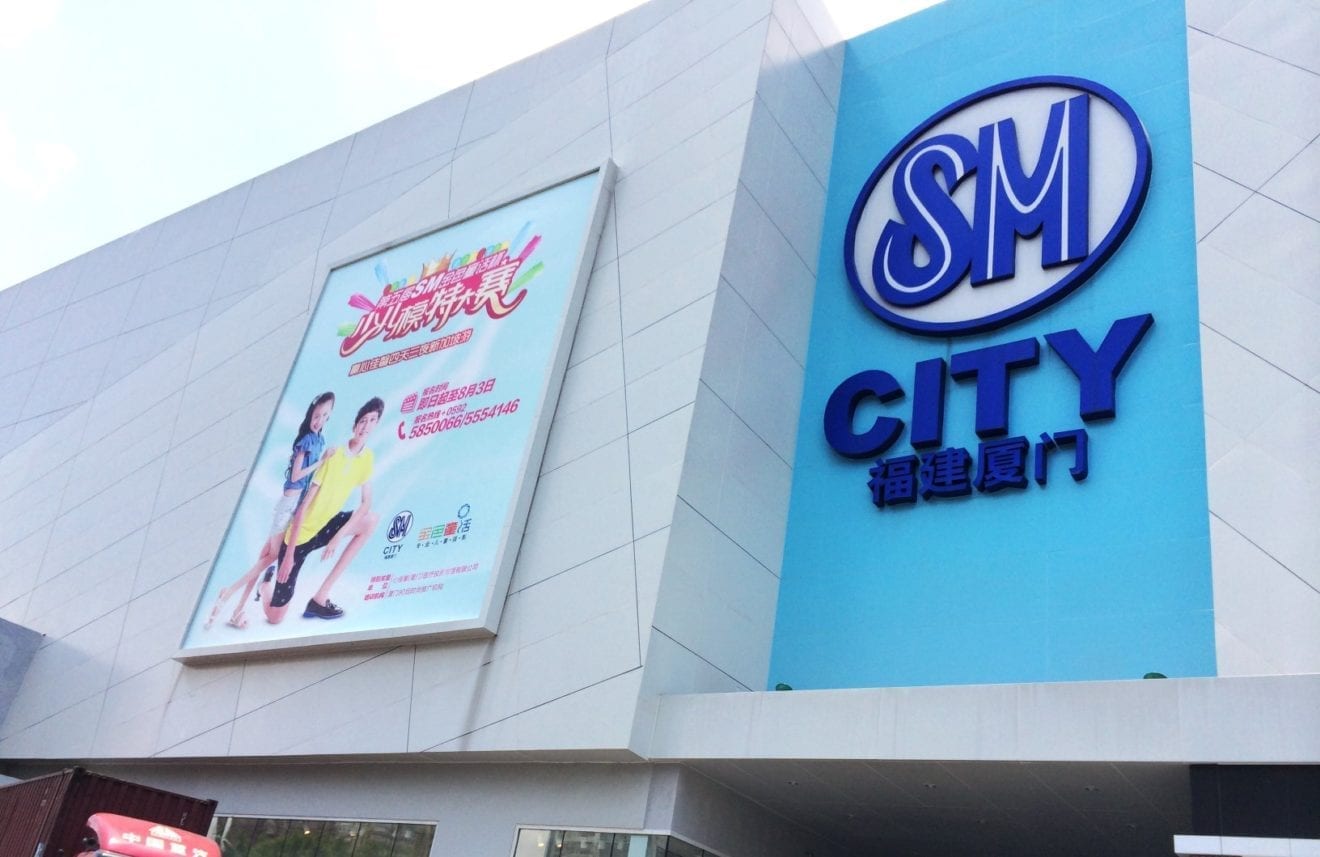
    SM’s malls in China include Chengdu (166,665 sqm), Chongqing (149,429 sqm), Jinjiang (167,830 sqm), Suzhou (72,552 sqm), Xiamen (238,125 sqm) and Zibo (150,600 sqm) for a total gross floor area of 945,200 sqm. The company’s mall in Tianjin, which partially opened this year, has a gross floor area of 540,000 sqm.

    In all, SM is targeting to further expand its mall network in the Philippines and China to 10.6 million square meters of gross floor area by 2018, according to documents presented in a briefing by SM Investments. This would be an extra 28 per cent from the 8.3 million gross floor area the company hit last year.

    Of the target, 85 per cent would be accounted for by malls in the Philippines while 15 per cent would be in China.

  • Mall signed for Bukit Bintang City Centre

    Mall signed for Bukit Bintang City Centre

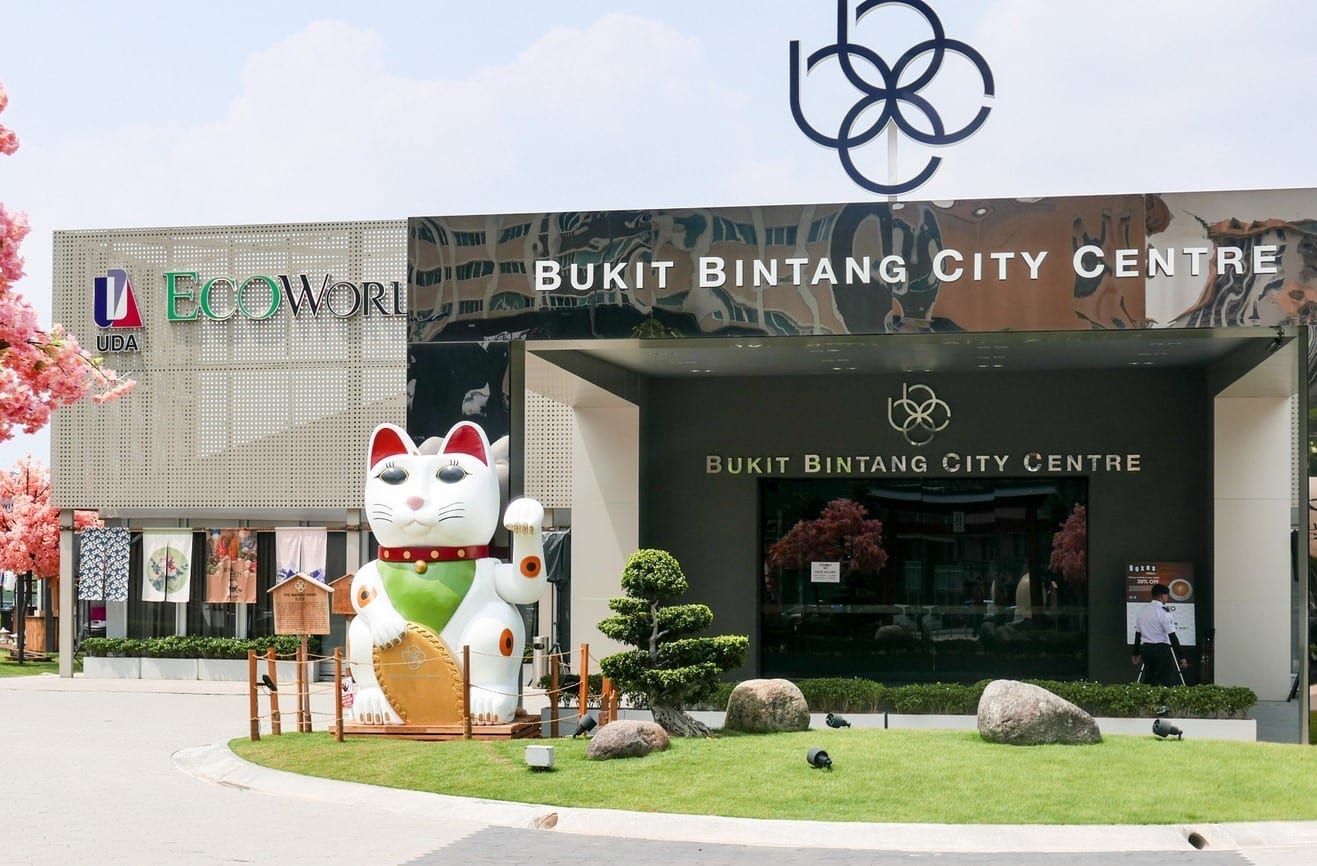
    Kuala Lumpur is to have a new  mall at Bukit Bintang City Centre (BBCC), on the site of the former Pudu Prison.

    Bukit Bintang City Centre Development has entered into a JV with Japan’s Mitsui Fudosan Asia for the development of the Mitsui Shopping Park Lalaport mall. Covering 130,100 sqm, it will have a net lettable area of 80,000 sqm and house about 300 stores.

    Construction is expected to start next year with the opening to be in 2021.

  • Causeway Bay and Tsim Sha Tsui retain allure for retailers in spite of sluggish times

    Causeway Bay and Tsim Sha Tsui retain allure for retailers in spite of sluggish times

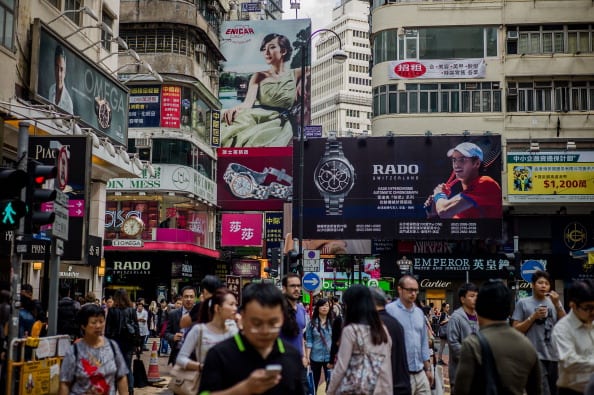
    The prime shopping hubs of Causeway Bay and Tsim Sha Tsui, among the most expensive in Hong Kong in terms of rental costs, remain attractive for retailers amid overall sluggishness in the sector.

    Retail rents in Causeway Bay fell 8 per cent in the rental index in the third quarter and 10 per cent in Tsim Sha Tsui, and they are expected to decline further next year, according to a Colliers International report.

    These declines came amid a 19-month drop in retail spending in the city, with overall sales dropping 9.6 per cent year on year in the first nine months of the year.

    Spending in Hong Kong has been depressed by an 8.7 per cent fall in mainland tourist arrivals during the period.

    The retail industry in the city as a whole is undergoing a consolidation as tourist traffic from the mainland continues to thin, pushing down shop rents in the near term, according to David Ji, the head of research for greater China at Knight Frank.

    In Hong Kong, the four major retail districts of Causeway Bay, Central, Tsim Sha Tsui and Mong Kok had all seen rental corrections, said Terence Chan, the head of Hong Kong retail at JLL.

    While Mong Kok has experienced less pressure from the flight of luxury brands, the property consultancy sees a 15 per cent correction for retail rents in the city as a whole this year.

    The decline was likely to bottom out next year with a correction of about 5 to 10 per cent, Chan added.

    He said that among the four major shopping districts, Tsim Sha Tsui would command the highest average rents in terms of gross floor area, at HK$2,000 per square foot per month. It was followed by Central, with an average monthly rent of HK$1,400 per square foot.

    Causeway Bay ranked third with an average of HK$1,200 per square foot.

    Chan said that while overseas brands would continue to focus on these four districts, established ones might seek to diversify their footprint with outlets in secondary areas such as Yuen Long.

    According to Ji, retailers will continue to favour Causeway Bay and Tsim Sha Tsui, but the trend of high-end luxury brands being ­replaced by sports, lifestyle and food and beverage outlets will continue.

    With Adidas leasing the space formerly occupied by a Coach store in Central and footwear outlet Joy & Mario replacing jewellery store Folli Follie in Causeway Bay, rents will inevitably continue to come under downward pressure.

    “We are now facing a ‘new normal’ trend,” Ji said. “It’s safe to say we are not going to see a drastic improvement. If retailers can hold their ground for the better part of next year, then it’s already a good situation.”

  • The rise and rise of property management firms in China

    The rise and rise of property management firms in China

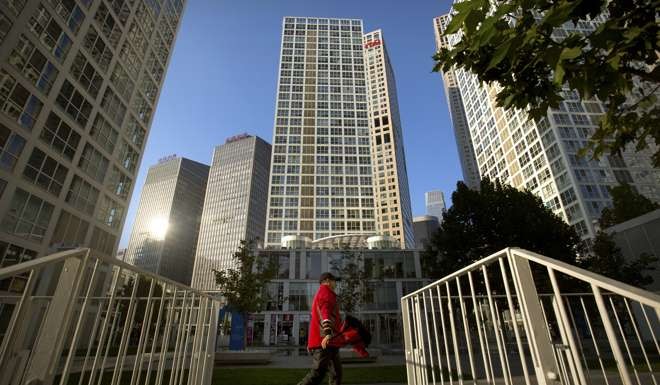
    Virginia Huang has amassed nearly 20 years of top-level commercial real estate industry knowledge, and is the longest serving member of the CBRE team in Beijing.

    After joining the firm in 1997, she is now the firm’s managing director, and head of advisory and transaction services for Greater China

    A specialist, particularly, in the office leasing market, Huang has been involved in some of the Chinese capital’s highest profile transactions, dealing with top-tier Chinese and international developers.

    She shares her thoughts on the sea changes that have happened in China’s commercial real estate landscape, the recent rise in the amount of retail space being converted into offices, and the emergence of Beijing’s decentralised markets.

    What major changes have you seen during your 20 years in the commercial real estate sector?

    When I first entered the industry in the late 1990s, Chinese companies basically wouldn’t use our services. Our customers were primarily foreign corporations whose own corporate real estate teams were small and much more used to outsourcing.

    The traditional perception about CBRE as a company was that we were classy but aloof, dealing only with foreign clients. But we set out to convince people that was not the case, that we were straight forward, humble and down to earth, and that we had and in-depth understanding of Chinese companies and the Chinese market.

    Our domestic client base, as a result, has grown rapidly in the past few years, very much in line with the rise in size and number of many Chinese companies. There has also been a change in mindset, that they increasingly recognise the value of a professional international firm, as many are looking overseas for business.

    How can companies ensure their real estate requirements match their overall growth strategy?

    Many Chinese companies, especially technology firms, have grown so fast that often their property planning procedures has failed to keep pace, even if they do have procedures in place. But the same is often true in many mature multinationals, who might not have clear procedures in place to make these types of decision. It’s a universal problem.

    Chinese firms in this aspect do face a gap, especially when it comes to decision making: who, at what stage should they be involved? Often that is unclear. That fits their early-stage nature. But when start-ups grow larger and larger, as some now do, they will naturally shift to see leasing more as a means to attract and retain talent and improve working efficiency. In that way they would be less likely to compromise quality simply for cost.

    Workplace management should be aligned more with other departments from the start, especially with the top management and the overall strategy of the company. In terms of leasehold or freehold, there is no fixed solution. Each company has to make its workplace strategy in line with its overall strategy.

    A lot of companies have reported that finding good office space in Beijing’s central business district(CBD) is becoming increasingly difficult, and expensive – but many are unwilling to locate to less popular and cheaper sites away from the city centre. How can the problem be solved?

    Contrary to popular perception, there is plenty of supply in Beijing CBD, a lot more in fact than in the city’s Financial Street or Zhongguancun, where an office can be really hard to find.

    Also contrary to perception is that emerging markets, such as Wangjing area, have a high vacancy ratio. The vacancy ratio in Wangjing is low, and rents are not low any more.

    The problem some of these areas have in filling their space is to do with infrastructure

    Office workers in Wangjing, particularly, complain it’s hard to get to by public transport. Services and amenities, such as convenience stores, restaurants and hotels are rare.

    These types of out-of-town areas used to attract tenants with cheap rents and favourable policies. But office owners are becoming increasingly aware they cannot attract firms just by offering generous discounts. They have to do more complete the surrounding amenities, the soft environment of their markets, and more will be willing to move into them.

    With an oversupply of retail space in China, many underperforming malls are being converted into offices. Is there a danger of that too becoming oversupplied if the trend continues?

    There are two types of retail space being converted into offices: complementary retail space in bigger complexes, and whole retail buildings that are underperforming due to their poor location or poor management.

    On the first type, often their small size and flaws in design make them difficult to attract tenants. Ideally owners should be converting the second, third and fourth floors into offices, especially if higher floors are already offices.

    Whole underperforming retail buildings can be more be difficult to convert, because of their design, the position of their escalators, windows and so on. It can also be hard for there types of building to attract traditional tenants such as financial and law firms.

    I don’t think there’s an oversupply issue for now, because the trend is exclusively robust in Beijing. There is an acute supply issue in the capital, because it is nearly impossible to find new office projects in the downtown area because of policy regulations. Demand for offices here continues, unabated.

    If retail property owners invest in converting the lower levels of their buildings into office space, they will be able to earn much higher rents, than if for instance the site was leased as a restaurant. So there is a strong incentives to do so.

  • ‘World’s saddest bear’ reflects sorry state of China malls sector

    ‘World’s saddest bear’ reflects sorry state of China malls sector

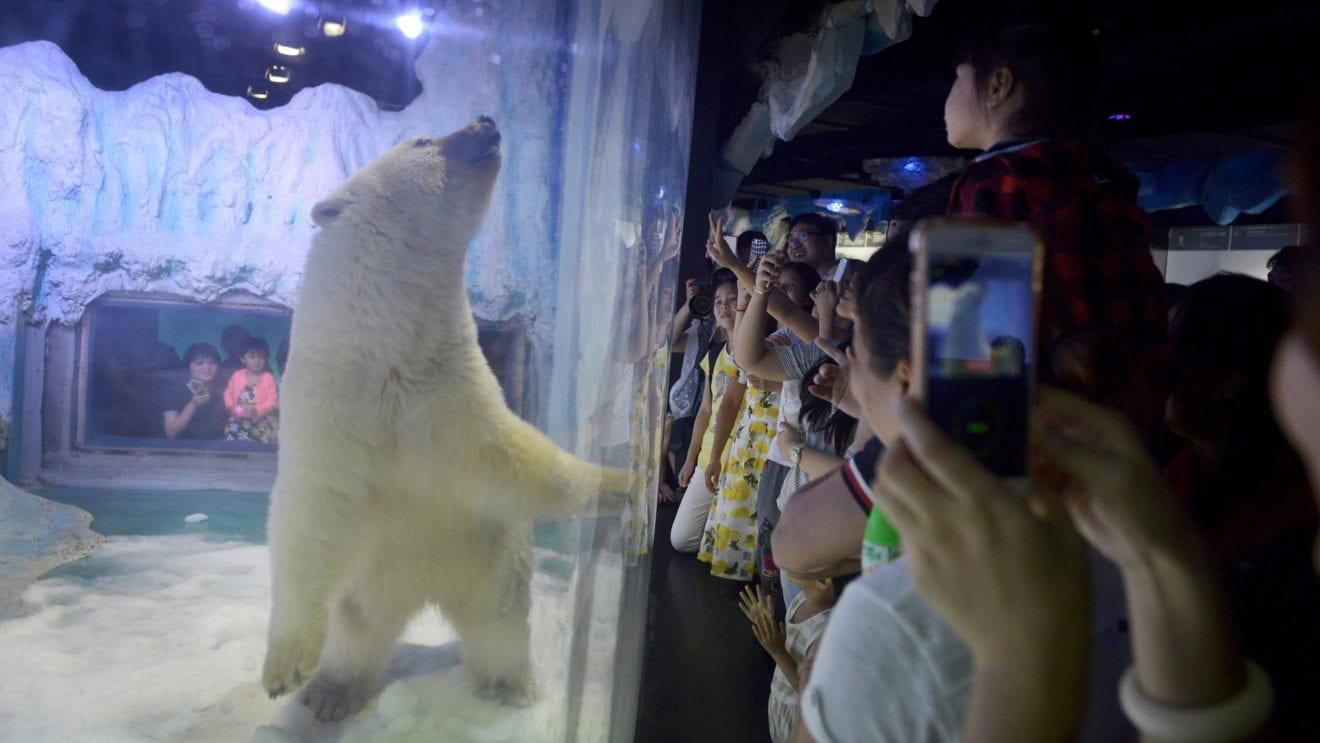
    Pizza, a polar bear notorious in China as being the “world’s saddest”, has been removed from his cramped enclosure and placed in an animal reserve after months of controversy that have highlighted the sorry state of Chinese shopping malls.

    Pizza’s plight was the result of a trend for using animals, entertainment and children’s playgrounds to pull customers into China’s giant shopping centres and department stores, which have been built in their thousands despite the nation’s growing preference for buying online.

    Bricks-and-mortar stores are grappling not just with ever-greater competition from online retailers such as Alibaba and JD.com, they must also contend with an underlying slowdown in the retail sector. Sales growth, which in 2008 reached an annual rate well above 20 per cent, has been falling steadily in recent years and hit 10 per cent in October, according to National Bureau of Statistics data released on Monday.

    Pizza became an internet celebrity in July when a shopper uploaded a photo of the three-year-old bear in an enclosure at the Grandview Mall in the southern city of Guangzhou. The country’s nascent animal rights community launched a rescue campaign and cheered when the Grandview said over the weekend that it would “temporarily” return him to the ocean park in northern China where he was born.

    Other Chinese netizens have outed an elephant used to attract mobile phone buyers to a Suning electronics outlet in Beijing and a “sad tortoise” housed alongside reptiles in grimy tanks in a mall in the northwestern city of Xi’an.

    The use of animals and other attractions comes as malls combat overcapacity, a problem immediately apparent to anyone who has turned up at a dusty, half-vacant shopping centre in China’s provincial cities. The country has an estimated 4,000 malls, more than the US, and plans to reach 7,000 by 2025, according to Mall China, an industry organisation.

    “Foot traffic is dropping dramatically,” said Shaun Rein, founder of Shanghai-based China Market Research Group, describing “a lot of panic” as e-commerce decimates mall sales. “Shops are becoming more choosy. Before, they said: ‘Who cares which mall?’ Now they are looking at the mall’s business and its other attractions.”

    “Malls are starting to bring in a lot more entertainment and a lot more food,” he added. “There is also a big focus on children — playgrounds, learning centres, even museums.”

    Last year 83 shopping malls gave up the fight and closed, according to a blue book on the commercial sector by the Chinese Academy of Social Sciences. They will be joined this year by Marks and Spencer, which announced last week it would close several stores in China in an effort to boost its flagging fortunes.