Category: Real Estate

Retail News Asia is committed to providing both local and global retailers with the latest Real Estate news throughout the Asian market. This on a daily base.

  • BHG Retail REIT beats 3Q 2016 DPU forecast by 4.9%

    BHG Retail REIT beats 3Q 2016 DPU forecast by 4.9%

    China-focused BHG Retail REIT has reported a DPU of 1.29 Singapore cents for its 3Q 2016, beating forecast made at listing by 4.9%.

    However gross revenue for the period came in 6% lower than expected at SGD15.4 million (USD10.9 million), while net property income missed its target by 3.5% at SGD9.5 million.

    The REIT has attributed the lower figures to new taxes imposed by the Chinese government, and a weaker RMB against the SGD.

    Distributable income for the period came in at SGD4.5 million, beating expectations by 5.1%.

    “Portfolio occupancy remained high at 97.4%, rents for new and renewed leases turned in another quarter of healthy reversions”, said Chan Iz-Lynn, CEO of the REIT’s manager, in a statement on 11 November.

    The REIT’s gearing was at 30.5%, with weighted average term to maturity of 2.2 years.

    Moving forward, BHG Retail REIT pointed to China’s growing retail sales figure, which expanded by 10.4% year-on-year for the first three quarters of 2016 despite a slowing global economy, as reasons to be optimistic.

    “The higher demand for mid-range retail brands is expected to continue, and will move in tandem with China’s rising middle income population”, said Chan, underscoring her confidence that the REIT’s properties are well positioned for this growth.

    Units of BHG Retail REIT finished trading trading day about 0.8% higher from its previous close on the Singapore Exchange to end at SGD0.59.
  • Muji Hotel Beijing to be launched

    Muji Hotel Beijing to be launched

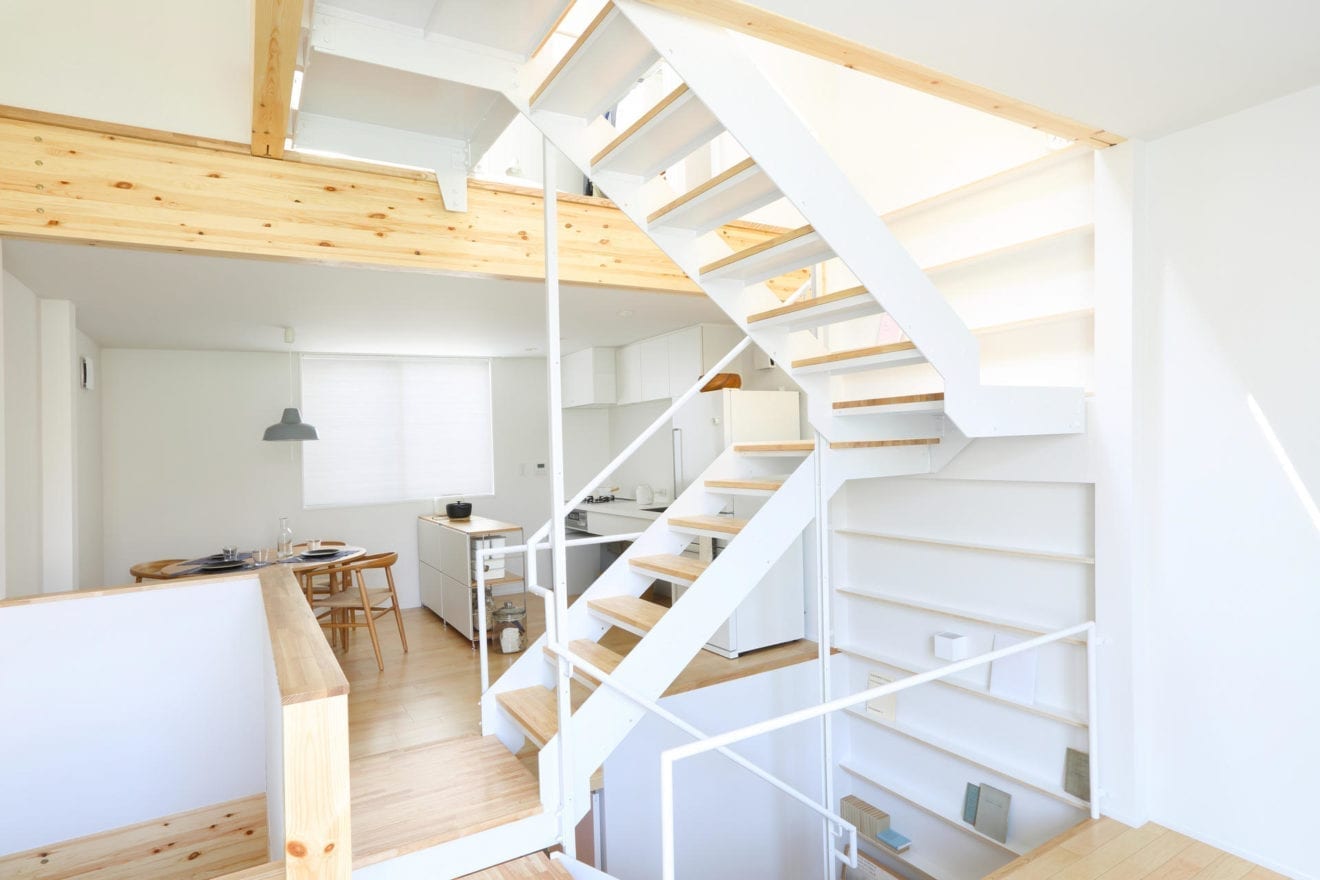
    Japanese retailer Muji is moving into hospitality in China, with the Muji Hotel Beijing to open in the second half of next year.

    Muji has signed a brand co-operation agreement with Tokyo-based architectural company UDS for the hotel project. It is a major global business move for Muji, and all products in the hotel’s 41 guest rooms and public areas will from the Muji brand.

    The first floor of the hotel will have a cafe, hotel store, bookstore and lounge, while the fourth floor has a restaurant and bar overlooking Tiananmen Square. There will be a Muji store in the basement.

    UDS, which has its Claska pioneer design hotel in Japan, plans, designs and manages hotels internationally.

  • SM Prime results boosted by strong economy

    SM Prime results boosted by strong economy

    SM Prime boosted net profit by 15 per cent to PHP4.9 billion in third quarter of 2016.

    Overall revenue rose by 14 per cent to PHP18.5 billion.

    The SM Prime results show year-to-date net income rose 13 per cent year-on-year to PHP17.5 billion, on sales up by 11 per cent to PHP57.8 billion.

    The company says the improved performance was down to sustained growth of its key rental operations and real estate sales businesses.

    “SM Prime sustained its overall performance as it benefited from the continued growth of the economy,” said SM Prime president Jeffrey Lim. “The synergy and contribution of our business units are reflected in our strong results. We expect SM Prime’s success to continue over the medium-term as economic growth spread to the rest of the Philippines, which should bode well with our expansion in other key cities and provinces.”

    Overall Philippine mall revenues increased by 9 per cent to PHP32.1 billion. Rentals posted an 11 per cent growth to PHP26.9 billion, driven by a 7 per cent growth in same-mall-sales, as well as new retail spaces of 1 million sqm in gross floor area (GFA) that were added in the past two years.

    Cinema and event ticket sales are at PHP3.44 billion, slightly higher from last year’s performance of PHP3.4 billion. Revenues generated from amusements and merchandise sales posted the same amount of PHP1.8 billon from same period last year. Operating income increased by 10 per cent to PHP17.8 billion from PHP16.1 billion in the same period last year as margins slightly improved to 55.3 per cent from 54.9 per cent.

    China rise

    Meanwhile, SM Prime’s China mall revenues rose by 5 per cent to PHP3.1 billion, while its operating income grew by 6 per cent to PHP1.5 billion, maintaining the previous year’s operating income margin of 49 per cent.

    Currently, SM Prime has 58 malls in the Philippines and six in China with a GFA of 8.5 million sqm. SM Prime is scheduled to open SM East Ortigas this December while SM City Tianjin will open in phases towards the end of the year. By the end of 2016, SM Prime will have a combined GFA of almost 9 million sqm.

  • Canadian fund buying into Pavilion Dalian mall

    Canadian fund buying into Pavilion Dalian mall

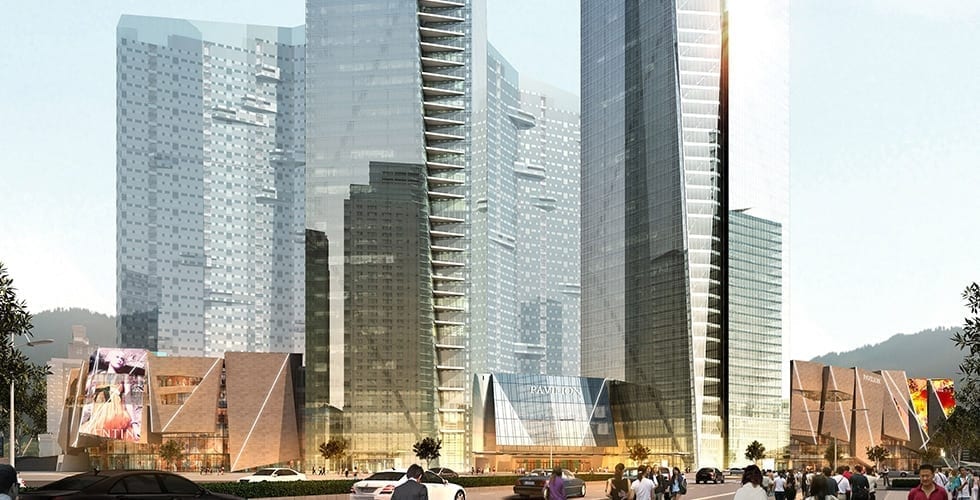
    In a third investment deal in retail real estate in China within in two weeks, the Canadian Pension Plan Investment Board (CPPIB) has signed up to acquire a 40 per cent interest in the Pavilion Dalian shopping mall for $162 million.

    This takes the period’s spending to $684 million for Canada’s largest pension fund. Its latest acquisition is fully leased with the usual mix of local and international brands as well as international eateries.

    “Acquiring a stake in Pavilion Dalian is consistent with our real-estate strategy of investing in high-quality, well-located retail assets with leading partners” says CPPIB head of real-estate investments for Asia Jimmy Phua.

    CPPIB acquired its stake in the retail complex from Malaysia’s Pavilion Group, which opened the mall last year. The deal comes just 14 days after CPPIB put up $147 million for a 49 per cent stake inLongfor Properties’ West Paradise Walk. The six-level shopping mall in the western Chinese city of Chonqing had has a 99 per cent occupancy rate for the past two years.

    Also within the last fortnight, CPPIB invested more than $375 million for a 25 per cent stake in CapitaLand’s Raffles City China Investment Partners III fund. The $1.5 billion investment vehicle targets mixed-use developments in China’s gateway cities.

    A few years ago, CPPIB invested $202 million for a stake in Times Paradise Walk in Suzhou.

  • Retail space vacancy expands 8.4% in Q3

    Retail space vacancy expands 8.4% in Q3

    It is the highest vacancy level since 1Q11.

    Island-wide, overall vacancy for retail spaces rose 8.4% in 3Q16, recent figures from Urban Redevelopment Authority showed. According to CIMB, this has been the highest level since 1Q11.

    The brokerage firm noted that well-positioned malls integrated with major transport nodes will continue to withstand this waning demand for retail spaces.

    CIMB noted that this was manifested by the portfolios of CapitalLand Mall Trust, Fraser Centrepoint Trust, Mapletree Commercial Trust and SPH REIT.

    “We expect retail landlords to focus on F&B and retail-tainment/lifestyle offerings to combat the drop in consumers’ purchasing power,” the firm argued.

  • Adonara Hotel Group to Open 20 New Hotels

    Adonara Hotel Group to Open 20 New Hotels

    Amor added the Adonara Group will open the 20 new hotels in Bali, Makassar (Sulawesi), Yogyakarta, Bangka (administratively part of Sumatra) and Solo (Central Java). These locations were selected as local demand for hostelry is considered high enough. Moreover, the central government of Indonesia has high hopes for the tourism sector. By expanding the tourism sector the government seeks to reduce the economy’s reliance on exports of raw commodities. By 2019 the government targets to attract 20 million visitors (per year), more than double 9.73 million foreign visitor arrivals in 2015.

    With regard to the exact location Adonara aims for provincial capital cities, located nearby airports or industrial estates. Amor said it requires approximately IDR 30 billion (approx. USD $2.3 million) to develop a budget hotel or two-star hotel (with around 100 rooms) in Indonesia. The return of investment (ROI) is estimated at 6 – 7 years. The ROI for four-star hotels is estimated at 8 – 10 years.

    E-commerce is becoming an increasingly important part of Adonara’s business. Currently, approximately 30 percent of total room reservations are done online. To support its hotel business the group acquired the Room Today Asia platform.

    Up to this year’s 3rd quarter Indonesia’s hotel industry has been bleak. However, Amor sees a rebounding hotel industry in 2017 as Indonesia’s economic growth accelerates, while inflation is expected to remain low, thus boosting domestic investors’ purchasing power.

    On its website Adonara describes itself as a hotel operator that manages unique three – five star hotels as well as budget hotels in various locations across Indonesia (Sumatra, Java, Bali, Kalimantan, Sulawesi and Papua).

  • Victoria’s Secret China unit eyes $1bn sales

    Victoria’s Secret China unit eyes $1bn sales

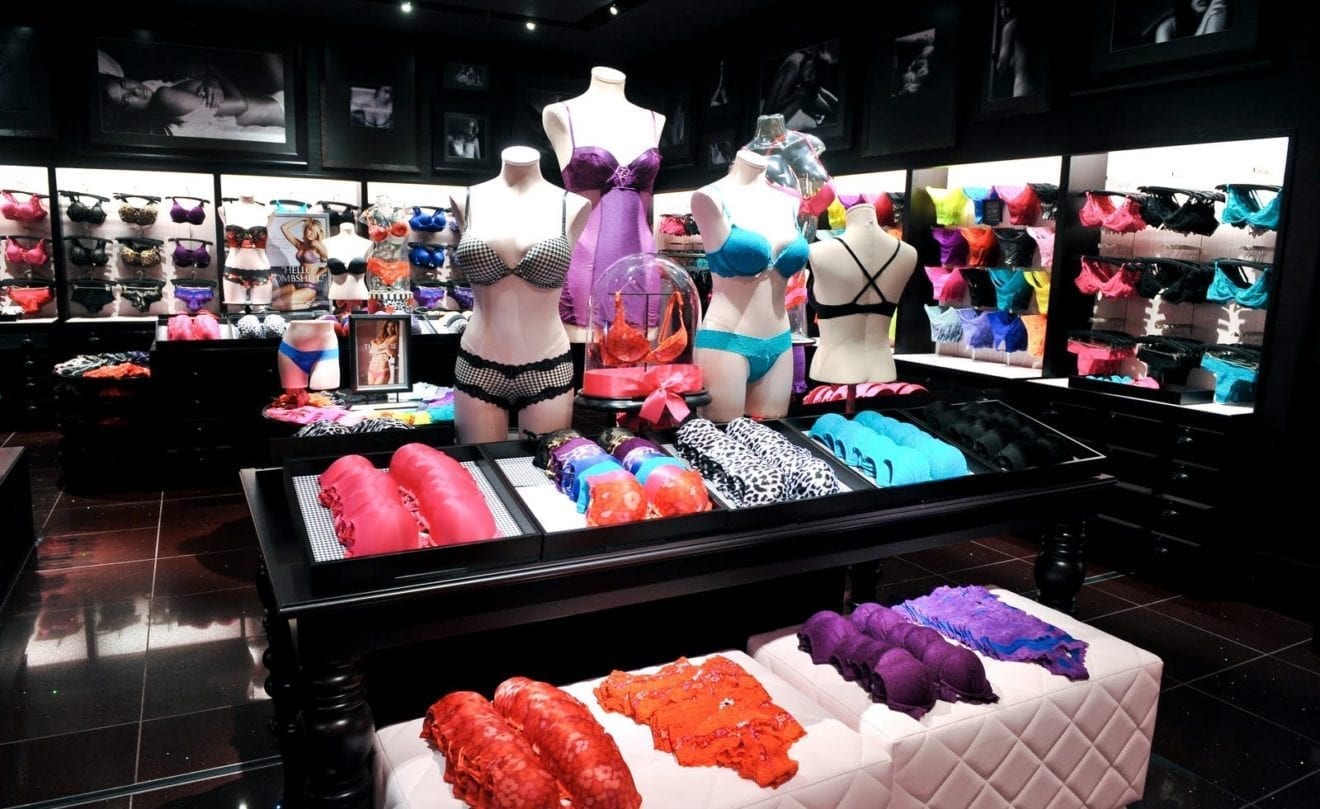
    L Brands, the parent of Victoria’s Secret, now considers China its most important global market.

    Executives said this week they expect that in as few as five years China, Western Europe and the Middle East will each account for US$1 billion in annual sales. That would put the Victoria’s Secret China operation on a par with the North American business.

    China is “our most important market,” Martin Waters, president of L Brands International, said.

    “Maybe someday we’ll have the fashion show in Shanghai – maybe – because we’re a global brand,” added Leslie Wexner, L Brands’ founder, chairman and CEO. “We have demonstrated that we have the best brand-building ability in the world. People who can’t read English, when they see the Victoria’s Secret name, they smile.”

    As many as 350 million Chinese are expected to watch the upcoming Victoria’s Secret Fashion Show, a sure sign of the brand’s growing appeal there.

    Wexner and Waters were commenting at an investors presentation after the company warned its October same-store sales would fall by up to 2 per cent. The company’s stock price slipped 7.9 per cent as a result.

    But the executives were upbeat about the company’s prospects, comparing the poor quarter to a football match loss.

    “Like Urban Meyer, I’m not happy about getting beaten in any quarter or any game,” Wexner said. “Not having the best-in-world profit margin is, for us, a catastrophe in the same way losing one game in a season is a catastrophe for Urban Meyer.”

    During the last 12 months, L Brands has moved away from franchise model in China in favour of company-owned stores, which works well for it in the US.

    Wexner says his company has focused on a slow, careful expansion in China rather than rush in as some foreign brands had done, to their regret.

    “We’ve been a patient second or slow third… because we thought we would learn more,” Wexner said. “We always asked ourselves: Are you really building a sustainable international business?”

  • CityOn.Zhengzhou to open fully leased

    CityOn.Zhengzhou to open fully leased

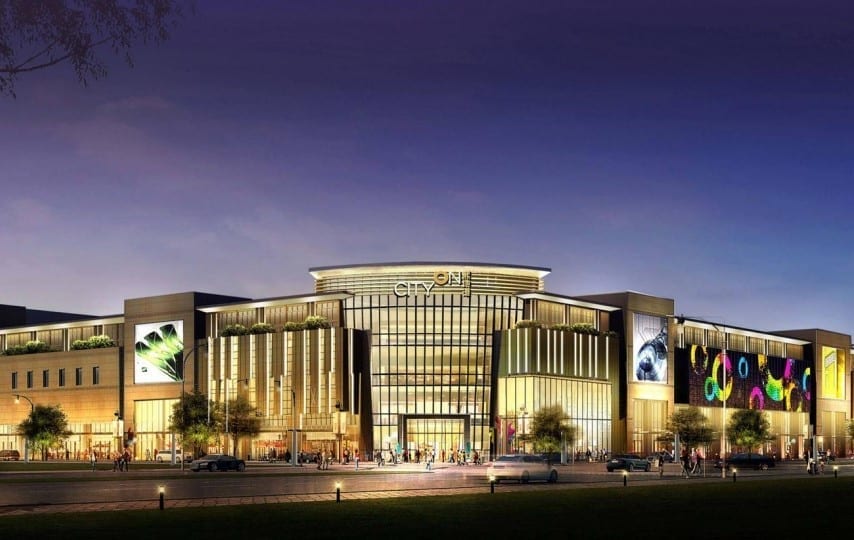
    Taubman Asia, a subsidiary of US shopping centre group Taubman Centers, and China’s Wangfujing Group, have announced the line-up of retailers for its CityOn.Zhengzhou mall in Henan province, set to open on March 16.

    When it opens, the centre will be 100 per cent leased and 90 per cent occupied with nearly 200 stores and restaurants. In the heart of Zhengdong New District, the six-level, 94,000 sqm shopping and dining destination will offer domestic, international and lifestyle brands from fast fashion to accessible luxury, anchored by a four-level Wangfujing department store.

    “We are thrilled to see our second China project coming to life in Zhengzhou,” says Taubman Asia president Rene Tremblay.

    Local, regional and international cuisine at all price points and in both seated restaurants and quick-serve formats will be a feature of the centre, which will also offer family-friendly experiential, educational and entertainment offerings.

    Many international brands will be making their central China debut at the centre, says Taubman Asia group VP Paul Wright.

    Outlets at the mall include…

    Fashion: Adidas, Ajidou, Basic House, Bershka, Charles & Keith, Columbia, Converse, Ecco, Five Plus, Forever 21, H&M, Innisfree, Jack & Jones, KIKC, Kipling, La Chapelle, Lee, Levi’s, Mango, Massimo Dutti, Miniso, Mishka, Mobi Garden, Nike, Pandora, Polo, Sand & Foam, Sephora, Skechers, Stradivarius, The North Face, Uniqlo, Vans, Vero Moda, Westlink and Zara.

    F&B/entertainment/kids/lifestyle/electronics: Acasia Food Village (featuring 14 food vendors), Benfu Sushi, Boat Noodle, Chatime, Chez Choux, Chicken Container, Coco, Dollar Shop, FrozenYo, GB Kids Station, Gong Cha, Grandma’s Kitchen, Guoguo Mutton Soup Restaurant, Guxiang No. 9 Catering, Hallmark Babies, Homao, Huawei, iSpace, La Chapelle Kids, Lenovo, MagicSalad, MM by Haircode, Mr Wish, NaughtyKids, New York Fries, Oscar CityOn Cinema, PapaBubble, Pizza Zone, Rbike, Siwuke Tea, Starbucks, Strawberry Forever, Subway, Teppanyaki Xiang, Toot Science, Udon & Tempura, Uncle, Wan Quan Bu Tong, Xiang Tian Xia Huo Guo, Xiao Liu Jia, Xiao Zhu Zhu Kao Rou, Xue Mi Da, Yang Xiang Dou Pi Shuan Niu Du, YuYuTo, ZBX Fresh Fish Hot Pot, Zheng Shi Yi and Zoo Steak.

  • Vietnam retail rents rise as flurry of global brands arrive

    Vietnam retail rents rise as flurry of global brands arrive

    Prime Vietnam retail rents are rising as a flurry of international retail brands move into Ho Chi Minh City.

    The third quarter of 2016 saw major changes of supply market in HCMC, according to a research report by Colliers International.

    In recent months, more than 100,000 sqm of retail space has been added in the city with the opening of the revamped Saigon Center anchored by Japanese department store Takashimaya and a new Aeon Mall opening in Binh Tan.

    But average retail rental rates have slightly increased to US$126/sqm/month in the CBD and US$36/sqm/month in the suburbs.

    Saigon Centre has been completed and occupied by 400 local and foreign brands, including concessions in Takashimaya. Aeon’s Binh Tan mall is the company’s second in Ho Chi Minh City, home to a large supermarket, restaurants, fashion shops, cinemas and a variety of retail stores.

    Geert Jan ten Hoonte, retail advisor of Kusto Management Vietnam, said these two malls will bring an extra level into the market. “It will force other operators to rethink their offer to the consumers. It would be a good development if shopping centre developers start to think in location, functionality and market positioning for the malls they are planning,” he said.

    Foreign brands

    Vietnam’s retail industry’s latest quarter started with the departure of well-known F&B brand NYDC. The exit of the Singaporean dessert and coffee chain partly confirmed the struggle of international F&B brands face competing with domestic players.

    Q3 also saw the debuts of many international fashion brands. The first, and largest, was Spanish fast-fashion brand Zara, which has taken up 2400 sqm of Vincom Dong Khoi with its first flagship store in Vietnam. The opening day brought Zara more than VND5 billion sales, reportedly the highest first-day sales of any new Zara store opening worldwide.

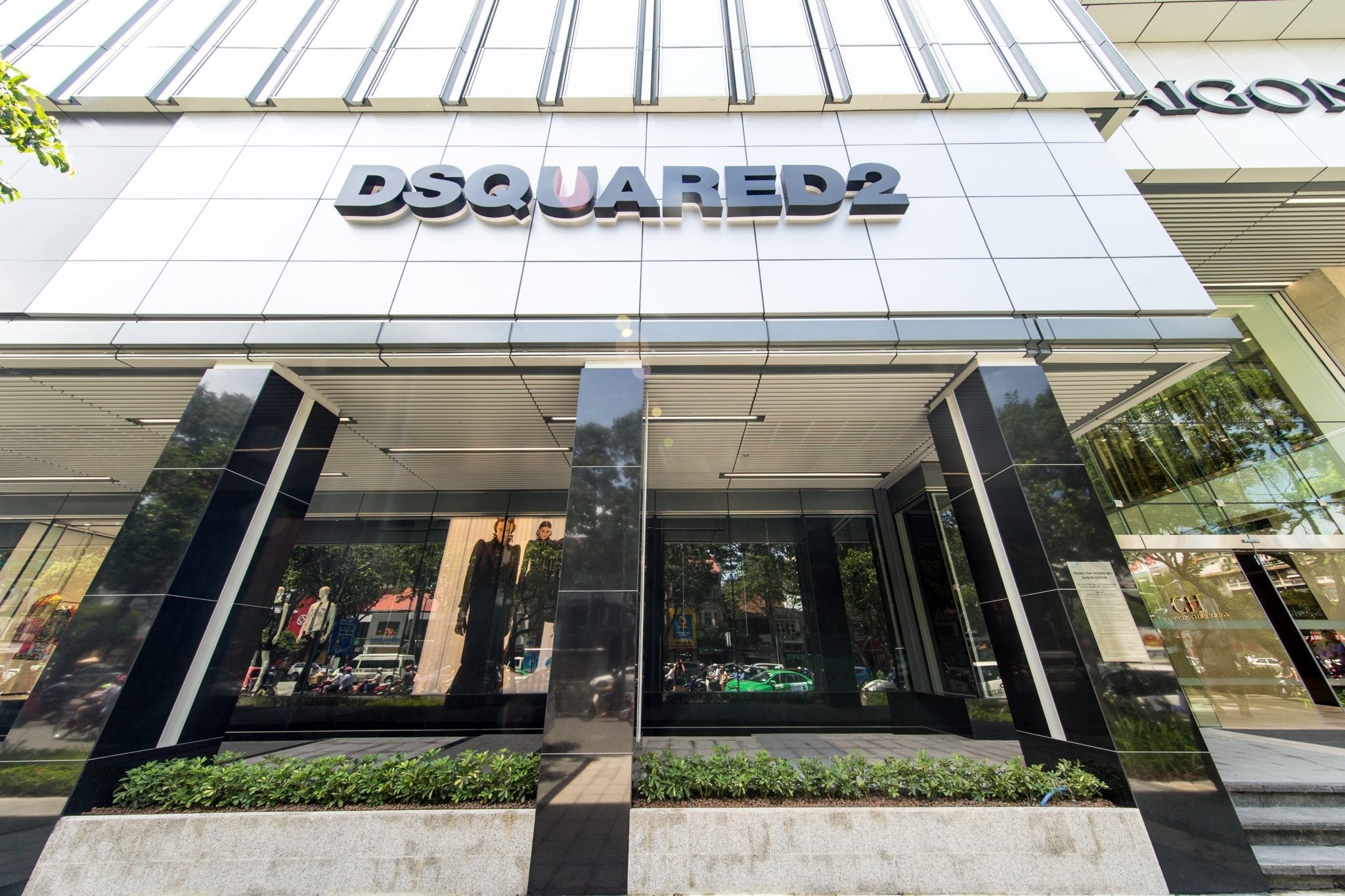
    Saigon Center and Takashimaya has enticed many international brands to HCMC such as Dsquared2, Fred Perry, and Ted Baker.

    Other significant retailers to launch in the city during the quarter included faux Japanese, Chinese-headquartered retail chain Miniso, Naughty Cat and Innisfree.

    With its fast-growing young population and emerging middle class, Vietnam’s retail market is expected to mature into a more convenient, modern retail environment in coming years. Vietnam’s admission to the WTO and the upcoming TPP trade agreement will draw a significant amount of FDI from international retailers in the future.

    Online shopping

    Meanwhile, online shopping is growing rapidly, with the Vietnam eCommerce and Information Technology Agency (VECITA) forecasting some 30 per cent of the population will be buying goods online by 2020, spending US$10 billion a year.

    In 2015, online sales were $4.07 billion, and growing at 37 per cent on the previous year.

    Despite being comparatively small by Asian standards, Vietnam’s eCommerce market is growing exponentially with more than 54 per cent of the population now connected online.

    The government plans to boost eCommerce with a goal of 50 per cent of local enterprises setting up online stores and 80 per cent doing business through eCommerce platforms.

    -Yen Hai Nguyen

  • Nearly 30 speakers lined up for Property Report Congress Singapore 2016

    Nearly 30 speakers lined up for Property Report Congress Singapore 2016

    Singapore is the next stop of the Property Report Congress in Singapore, where the acclaimed conference series hosted by Property Report, Asia’s leading luxury real estate, architecture and design media platform, began last year.

    This year’s two-day Property Report Congress Singapore event on 23-24 November 2016 at the Shangri-La Hotel will bring together nearly 30 experts from Singapore and around around the world to discuss the current state of the region’s real estate markets.

    Crucial issues to be discussed include: the cooling measures in Singapore, infrastructure and branded projects in the Philippines, transit-oriented development and property market consolidation in Malaysia, the impact of tax and property law in Indonesia, potential oversupply in Cambodia, Bangkok’s changing urban skyline and land tax policy in Thailand, foreign investment and joint ventures in Vietnam, and affordability issues and the emerging market of Myanmar.

    Among the confirmed speakers at Property Report Congress Singapore 2016 are respected industry leaders from Asia and beyond, such as Kent Wertime, co-CEO of Ogilvy and Mather Asia Pacific, who will give the opening keynote address “Future Markets: Accessing the Next One Billion Middle Class Consumers.”

    Other panel moderators will come from eight countries of the South East Asia Property Awards, including: Simon Griffiths, senior associate director, CBRE Cambodia; Rudolf Hever, executive director, Alternaty Real Estate (Vietnam); Richard Emerson, managing director, Emerson Real Estate (Myanmar); Prem Kumar, executive director, Jones Lang Wootton; Suphin Mechuchep, managing director, Jones Lang LaSalle Thailand; Hendra Hartono, CEO, Leads Property Services Indonesia; Cyndy Tan Jarabata, president, TAJARA Leisure & Hospitality Group Inc (Philippines); and luxury expert Alexander Karolik-Shlaen, managing director, Panache Management (Singapore).

    Conference delegates will have a chance to meet and learn from Asia’s industry leaders who are redefining the property landscape in ASEAN and Asia Pacific. There will also be a dedicated panel session with the Real Estate Personality of the Year winners from Southeast Asia in 2016, including: Cambodia’s Rithy Sear, chairman of Worldbridge Group of Companies; Thailand’s Suriya Poolvaralaks, managing director at Major Development PLC; Indonesia’s Herman Nagaria, director of property and business development at PT Summarecon Agung Tbk; and Singapore’s Francis Koh, managing director and CEO of Koh Brothers Group Limited.

    As always, the opening and closing remarks will be given by Liam Aran Barnes, brand director and editor-in-chief of Property Report, while digital editor Pippa Woodhead will moderate the panel discussion featuring the Real Estate Personality of the Year 2016 winners.

    Since debuting in Singapore in October 2015, five successful Property Report Congress events have been held in Manila, Ho Chi Minh City, Yangon, Kuala Lumpur and most recently in Bangkok, which welcomed the series’ biggest audience in 2016 of about 140 delegates, speakers and media.

    Property Report Congress has been described as “a great networking event and platform for people in the real estate industry to come together and share ideas,” according to Bertil De Kleynen, sector director for Architecture, Interiors & Landscape at Atkins Global, and featured speaker at the Ho Chi Minh City conference.

    Day 1 of Property Report Congress Singapore 2016 will discuss the current state of the region’s key and emerging markets. It will run from 08:00 to 17:30 (including networking lunch and coffee break), followed by the cocktail networking reception in the evening from 17:30 to 19:00.

    Day 2 will run from 08:00 to 13:00 and include activities such as a country break-out sessions, networking lunch and networking session. Discussions on Day 2 will focus on real estate trends in 2017 and the industry’s future.

    Organised by PropertyGuru, Asia’s leading online property group, the conference will followed by the annual South East Asia Property Awards 2016 grand finals on the 24th, where around 600 of the region’s top real estate developers, executives and industry professionals will gather to reward the finest developers and projects in eight ASEAN countries.

    Property Report Congress Singapore 2016 is supported by official property portal PropertyGuru.com.sg, the country’s leading property website, and top media partners such as the Oxford Business Group and Retail Asia. OBG members are entitled to a discount of 30 percent on ticket prices.

    For registration and enquiries, email conference director at [email protected] or visit the official website: AsiaPropertyAwards.com/Congress/

  • The Luxury Collection Hotels & Resorts makes Singapore debut

    The Luxury Collection Hotels & Resorts makes Singapore debut

    The Luxury Collection® Hotels & Resorts, part of Marriott International, today announced it will debut the brand’s first-ever hotel in Singapore in early 2017. In partnership with boutique developers Harpreet and Satinder Garcha, The Duxton Club, a Luxury Collection Hotel, Singapore will showcase the island’s rich history with stunning redesigns from Anouska Hempel and Jacques Garcia of traditional shophouses–a prevalent building in Singapore’s architectural heritage–in the Tanjong Pagar conservation district. Both preserving the past and offering guests a contemporary luxury experience, the multi-million-dollar renovation will bring to life Singapore’s roots in an authentic and indigenous way.

    “The debut of a hotel in Singapore in collaboration with two iconic designers marks an important milestone for The Luxury Collection, as we continue to expand our global footprint in new destinations around the world,” said Meredith Dichter, Global Brand Director, The Luxury Collection. Recently surpassing 100 hotels in more than 30 countries, our mission to offer global explorers truly indigenous experiences wherever they travel will reach new heights with the opening The Duxton Club next year.”

    “We are thrilled to bring The Luxury Collection to Singapore,” said Rajit Sukumaran, Senior Vice President, Acquisitions & Development, Marriott International Asia Pacific. “We are confident that The Duxton Club will make its mark on the country’s highly competitive hospitality market, and we’re proud to work with Harpreet and Satinder Garcha, who are passionate about design and adaptive-reuse heritage projects.”

    The Duxton Club will reside in two pre-war colonial shophouse buildings within walking distance of one another: The Duxton House on Duxton Road and The Duxton Terrace on Murray Street. Strategically situated in the Duxton area, the two buildings are adjacent to the emerging Central Business District of Tanjong Pagar and border the culturally rich Chinatown area. In recent years, the neighborhood has enjoyed a revival, emerging as the epicenter for today’s global traveler as one of the island’s most stylish leisure and dining neighborhoods. The Duxton House is expected to open in early 2017, while The Duxton Terrace is slated to open in July 2017.

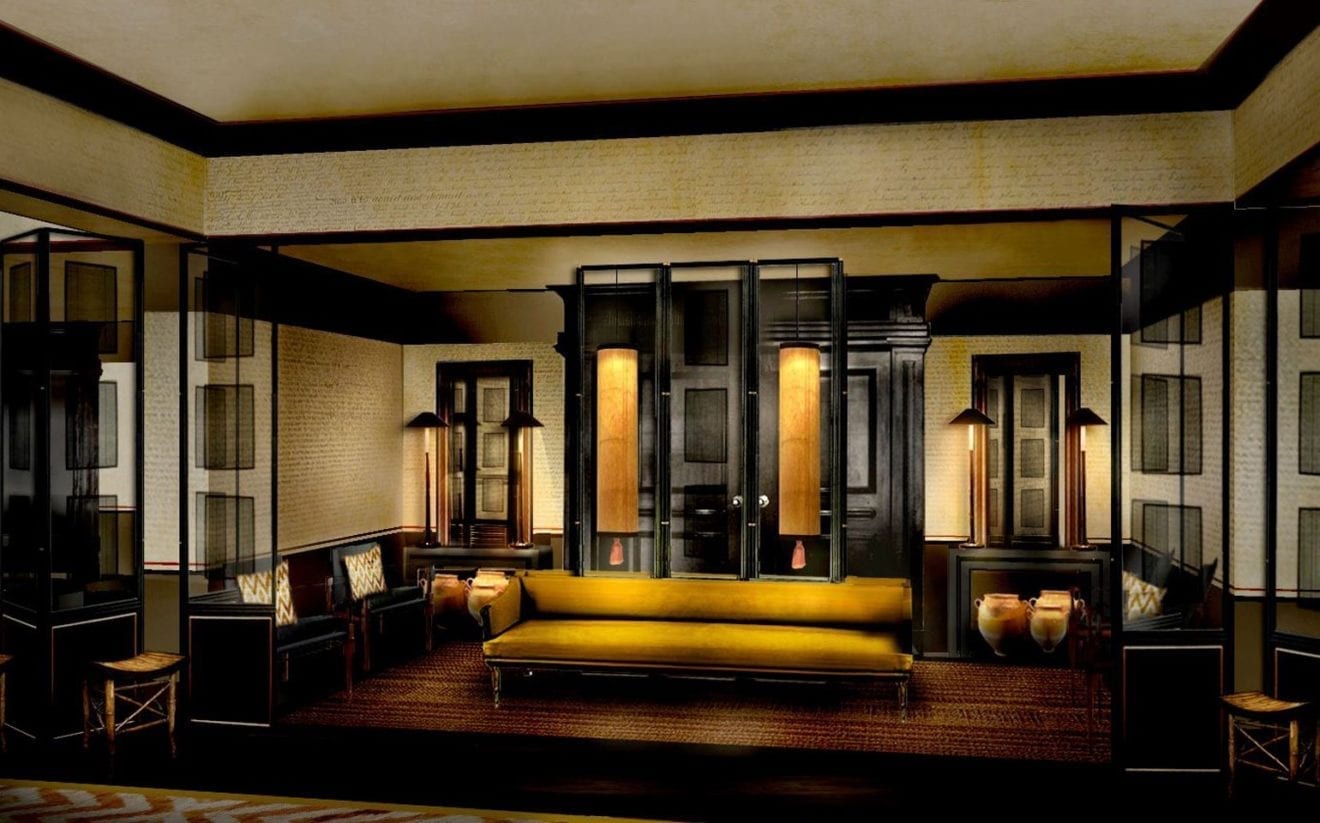
    Originally constructed in the early 19th century, The Duxton House features 50 guestrooms in eight adjoining three-story buildings reimagined by celebrated designer Anouska Hempel, whose comprehensive interior design background spans hotels, restaurants, retail spaces and luxury residential projects including the Hempel Hotel and Blakes Hotel in London, and high-end retail stores around the world such as Van Cleef and Arpels and Louis Vuitton. Under the strong interior design identity of Hempel, The Duxton House will be restored to its former glory with rich oriental influences that honor the property’s unique heritage and timeless sense of luxury and glamour. Once completed, the hotel will include a destination restaurant, signature bar and private cigar room – all offering refined experiences for discerning guests seeking authentic, indigenous experience deeply rooted in the destination.

    Just 600 feet away, with convenient access to the upscale establishments of Tras Street and Club Street, The Duxton Terrace comprises fourteen adjoining three and four-story colonial-era buildings with 138-guestrooms. Originally, completed in 1929, the structure likely served Chinese merchants before being converted to army barracks. Since then, the building has been adapted for different purposes, from housing a hawker food alley to restaurants and office space. The property’s most recent renovation project received the Architectural Heritage Award from the Urban Redevelopment Authority, further solidifying the building as a cherished and historic landmark.

    The Duxton Terrace will be restored to its original grandeur by renowned architect and designer Jacques Garcia, whose extensive design portfolio includes the restoration of The Louvre and The Palace of Versailles. The hotel will house five captivating food and beverage venues including a signature bar and lobby bar, an all-day dining restaurant, a poolside bar and an exclusive member’s club. Additional facilities will include an outdoor swimming pool, fitness center and cigar room. Guests of The Duxton Club will enjoy full use of the facilities at both premises.

    Satinder Garcha, CEO of Garcha Hotels, said, “Using our mutual strength to re-create the charms of a bygone era, the adaptive reuse of such historic buildings by two of the world’s best designers, Anouska Hempel and Jacques Garcia, will offer guests an unforgettable boutique hotel experience while contributing to urban sustainability and preservation of our vibrant past.”

  • Probe of millennial consumers’ shopping preferences

    Probe of millennial consumers’ shopping preferences

    While Asia Pacific millennial consumers shop online, only physical stores and particularly shopping centres give them the experiences and social elements they want, says a new report.

    Millennials shop online an average of 4.7 days a month, but visit shopping centres an average of three days a month for other reasons apart from buying, such as dining out, banking and visiting exhibitions.

    However, slower economic growth and a desire to save money for buying a home may inhibit spending on leisure activities, suggests research by commercial property adviser CBRE Research. Its inaugural Asia Pacific Millennials: Shaping the Future of Real Estate report says this emerging “superclass” demographic actually has similar long-term lifestyle priorities with other generations despite being more likely to spend their time and money on leisure activities and experiences like travel, entertainment and dining than previous generations.

    “In order to leverage on millennials’ spending habits, retailers are recommended to increase the experience-based element of their offering and focus on providing an environment for visitors to socialise and relax,” says CBRE Asia Pacific head of research Dr Henry Chin.

    As well as increasing F&B, cinema and entertainment elements in their shopping malls, retail landlords should consider organising more live events to attract millennials, he says, warning that they should also carefully manage their tenant mix to ensure they still cater to other generations.

    The millennials report is based on a global survey by CBRE Research last December. It covered 13,000 people between 22 and 29 years old to examine how they live, work and play, and what this means for real estate.

    For the Asia Pacific region, the report involved 5000 respondents evenly representing Australia, China, Hong Kong, India and Japan. The survey also explored differences between millennials of different gender, employment status, marital status, education and income.

    Inaccurate perceptions

    It found that perceptions of millennials as preferring informal employment, changing jobs regularly and avoiding financial responsibility are inaccurate in the region. Consistent with previous generations, most millennials were found to be spending prudently in order to save money to buy a home.

    While this demographic aspires to carve out a stable career, the report finds that it does take into account factors such as office design when choosing an employer, with 71 per cent of respondents willing to give up other benefits for a better office environment.

    Millennials are also increasingly demanding the freedom to work anywhere, anytime—more than 60 per cent in Asia Pacific want flexibility and mobility for their career.

    Job loyalty is also stronger than perceived, with two-thirds expecting to work for the same company, or for a small number of companies, throughout their career.

    Almost two-thirds of the region’s millennials still live with their family because of both cultural practices and financial factors. In most major markets surveyed, the high cost of residential property is providing challenges for millennials.

    While 65 per cent of respondents said they plan to buy property in the future, 63 per cent said they are forced into renting as they are unable to buy.

    “The millennial demographic in Asia Pacific is a game-changer for businesses across the board. Their life, work and play priorities and habits will shape economics, redefine opinions on workplace design and functionality, and drive new attitudes toward consumption and experience for the foreseeable future, ” says CBRE Asia Pacific CEO Steve Swerdlow.

  • Tycoon sells Century Link for $2.95 billion

    Tycoon sells Century Link for $2.95 billion

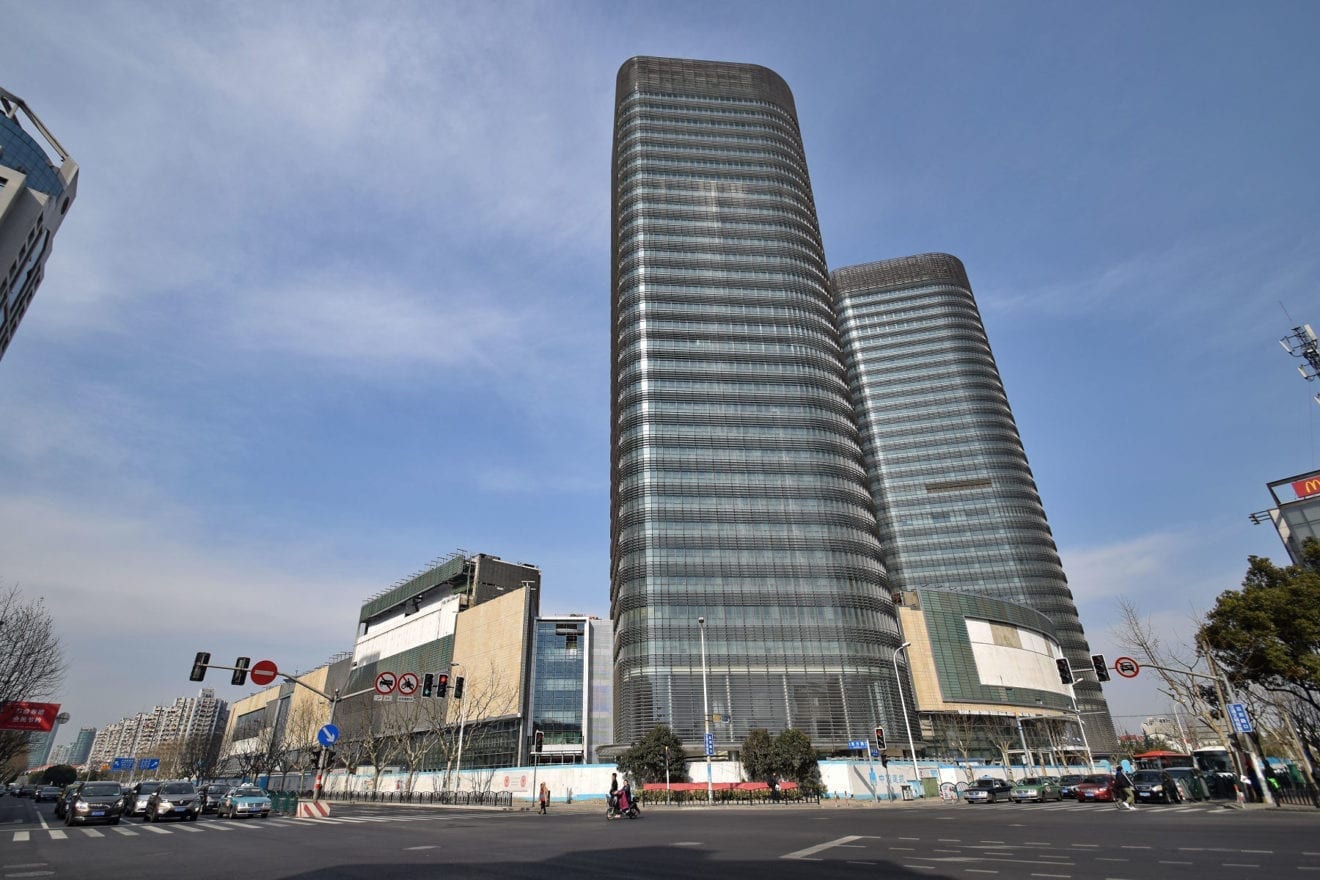
    Chinese tycoon Li Ka-shing has sold the Century Link office and retail complex in Shanghai for 20 billion yuan (US$2.95 billion).

    Li’s Cheung Kong Property Holdings (CK Property) and the Li Ka Shing (Overseas) Foundation agreed to sell their combined 100 per ownership of the complex, in Pudong’s Lujiazui district, to a company set up especially for the deal. China Life Insurance is the majority shareholder, with the minority stake held by closed-end funds managed by ARA Fund Management, in which CK Property owns 7.8 per cent. The purchaser, known as Mapleleaf Century, will be managed by ARA.

    Century Link comprises two 34-storey towers and a retail podium.

    “The disposal enables the company to realise its investment,” says CK Property. It expects to record an unaudited gain of about HK$6.22 billion (US$801.9 million) after the transaction.

    CK Property was reportedly looking for a buyer for the development last year. Over the past two years, companies backed by Li and his family have sold office and shopping mall projects in Beijing, Shanghai, Guangzhou and Nanjing.

    Many businesses have been prompted to shed renminbi-denominated assets, reports the South China Morning Post, following the yuan depreciating by 2 per cent against the US dollar since mid-August after having weakened by 6.6 per cent in the past year.

    Five days before the announcement of the sale, China Life led the acquisition of a US$2 billion stake in American hotels owned by Starwood Capital Group.

    The net proceeds from the Shanghai property disposal are intended to be used by the group as general working capital, says CK Property.

    In Hong Kong, CK Property is selling The Center in Central, the tallest building in its portfolio, with an asking price of HK$35 billion. The 73-storey tower, which has 1.2 million sqft (111,483.6 sqm) of office space, 13,000 sqft of retail space and 402 car parks, has attracted a handful of potential buyers.

    CK Property owns 48 storeys in The Center building after Malaysian developer Guoco Group bought 11 floors in 1997. Nine of the 11 floors were sold to Singapore’s DBS Group Holdings in 1998, while CK Property sold the 60th and 79th floors in 1999.

  • Shinsegae Group to run mall, arcade

    Shinsegae Group to run mall, arcade

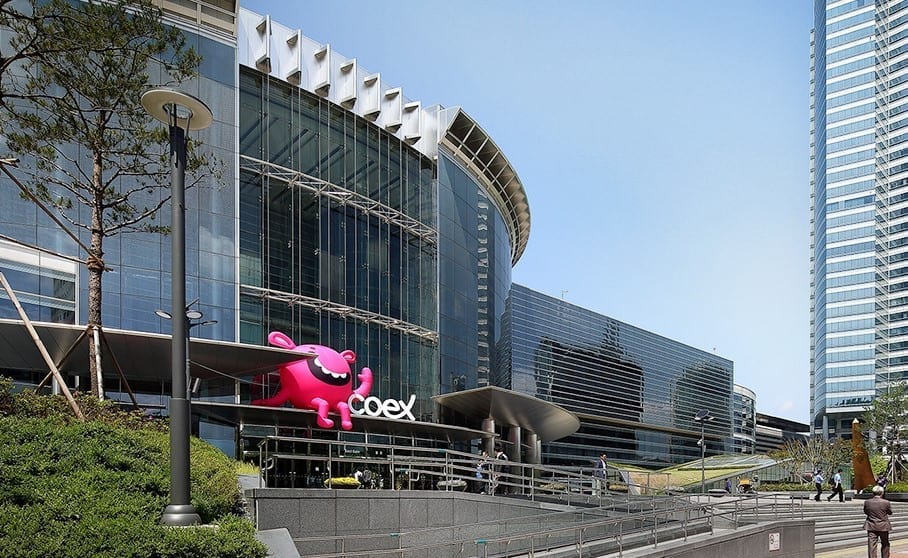
    Following a bidding process, Shinsegae Group has become the manager for Coex Mall and the adjacent CALT shopping arcade in Samseong-dong, southern Seoul.

    An official signing has taken place with the Korea International Trade Association (KITA), which owns the two venues.

    The confirmation comes three months after Shinsegae Property, the shopping-mall management arm of the retail giant, was chosen as preferred bidder.

    Shinsegae Group expects the lease profit to be around 66 billion won (US$58.3 million) this year.

  • Jurong Point put on market with over S$2b price tag

    Jurong Point put on market with over S$2b price tag

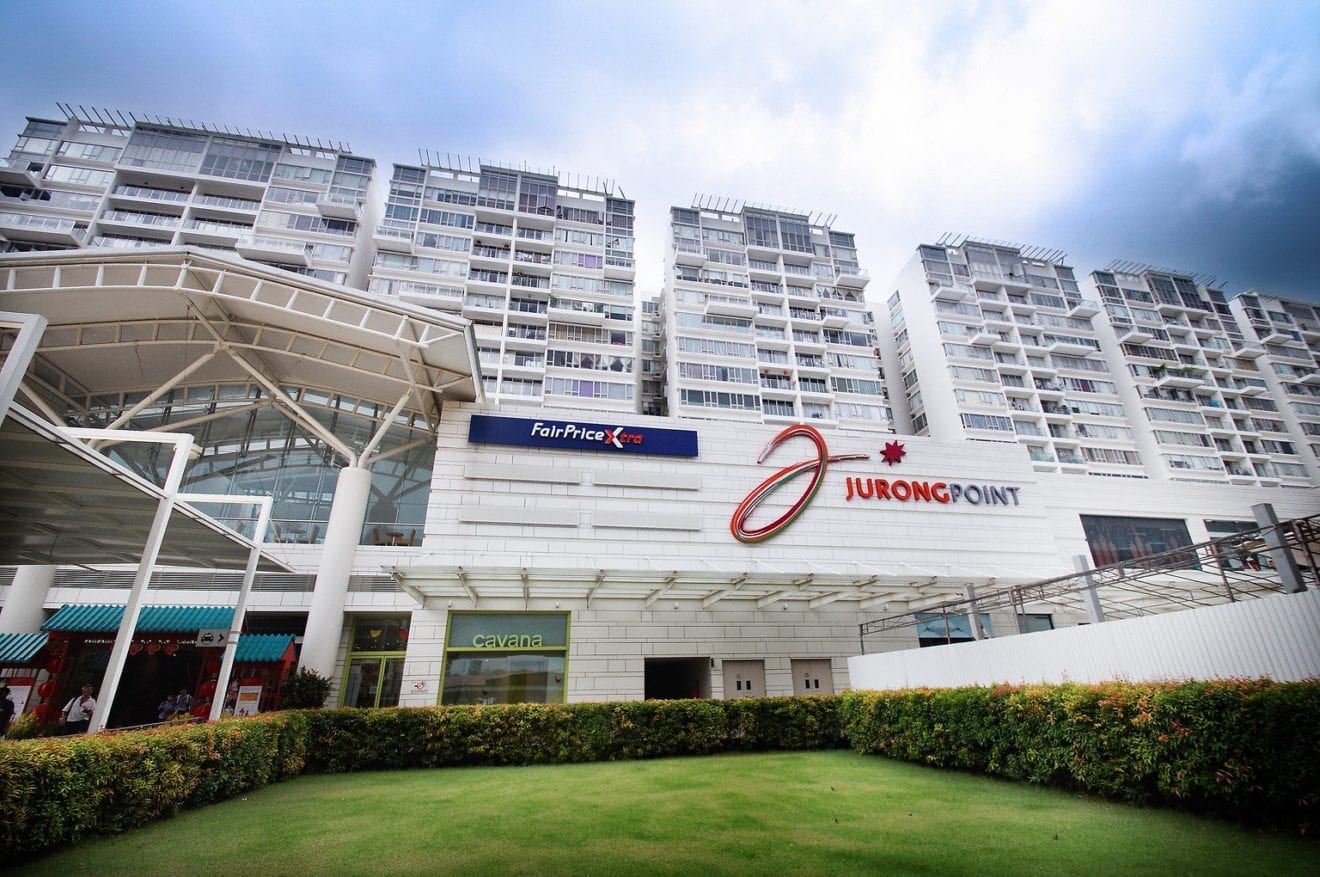
    biggest suburban shopping centre, Jurong Point, has been put up for sale with a price tag exceeding S$2 billion.

    This works out to more than S$3,000 per square foot based on the commercial net lettable area of about 658,000 sq ft that is being offered for sale by an equal joint venture between Guthrie GTS and Lee Kim Tah Holdings, both of which have been delisted.

    At over S$2 billion, the price tag translates to a sub-4 per cent net yield, Michael Leong, director of sole marketing agent Array Realty said.

    Array in turn is working exclusively with JLL to conduct an expressions of interest exercise that will close on Nov 18.

    Guthrie and Lee Kim Tah are divesting a total net lettable area of 702,000 sq ft – including 44,000 sq ft of space under the government’s Community/Sports Facilities Scheme (CSFS) which is currently being used by occupiers such as NTUC First Campus Co-operative’s My First Skool and voluntary welfare organisations.

    There is a further space of about 59,000 sq ft under three strata retail units divested by Lee Kim Tah and Guthrie about two decades ago to Golden Village, NTUC FairPrice and POSB – taking the total net lettable area in Jurong Point to 761,000 sq ft.

    Guthrie and Lee Kim Tah are offering their 702,000 sq ft in the mall through the sale of shares in companies that own this space. “The two partners have owned the property for many years and want to look at pursuing new interests and opportunities,” said Mr Leong. Lee Kim Tah was delisted in early 2015 and Guthrie in November 2013.

    Most stockmarket analysts would think that a net yield of 3-plus per cent based on Guthrie and Lee Kim Tah’s asking price is too low to make for a yield-accretive acquisition by Singapore mall Reits (real estate investment trusts).

    However, JLL regional director of Singapore capital markets Anthony Barr expects Jurong Point to appeal to a broad range of other institutional investors including sovereign wealth funds, pension funds and insurance groups.

    “Rarely do stabilised assets of this scale become available. There have been no comparable sales of a suburban retail property of this size on the open market for more than a decade in Singapore’s tightly held retail sector; other large sales have been either related party transactions involving listed Reits or sales of partial interests.”

    A high-performing mall, Jurong Point is regarded as “fortress retail”, he added. “This, combined with the dynamic growth planned for the Jurong district, will ensure a broad range of interest at the indicated pricing.”

    Jurong Point is seamlessly linked to the Boon Lay MRT Station and Bus Interchange. It currently draws an average monthly visitorship of six million and has a catchment of 150,000 households within a five-km radius, with potential for growth as the new town planned in Tengah is progressively developed.

    Major tenants for the space at Jurong Point owned by Guthrie and Lee Kim Tah include FairPrice Xtra, Courts, Harvey Norman, Uniqlo and Kiddy Palace in addition to three foodcourts. Joining their ranks soon will be BHG, which will open a nearly 50,000 sq ft department store on three levels in December; part of this space was previously occupied by John Little.

    The mall is nearly fully let.

    Jurong Point stands on two sites; one has a balance lease term of about 76 years and the other, 89 years. Their combined land area is 557,288 sq ft.

    The original Jurong Point was completed in 1995 and spans four levels of retail space (Basement 1 to Level three). The CSFS space is on Levels 4, 5 and 6.

    The extension, which was completed in 2008, has three retail floors – Basement 1 and Levels 1 and 3.

    About 1,000 carpark lots in Jurong Point are available for use by shoppers.

    The mall’s total gross floor area (GFA) is 1.07 million sq ft; there is no unutilised GFA.