Category: Real Estate

Retail News Asia is committed to providing both local and global retailers with the latest Real Estate news throughout the Asian market. This on a daily base.

  • Singapore retail sector’s weakness continues in 3Q

    Singapore retail sector’s weakness continues in 3Q

    Prime retail rents fell faster in Q3

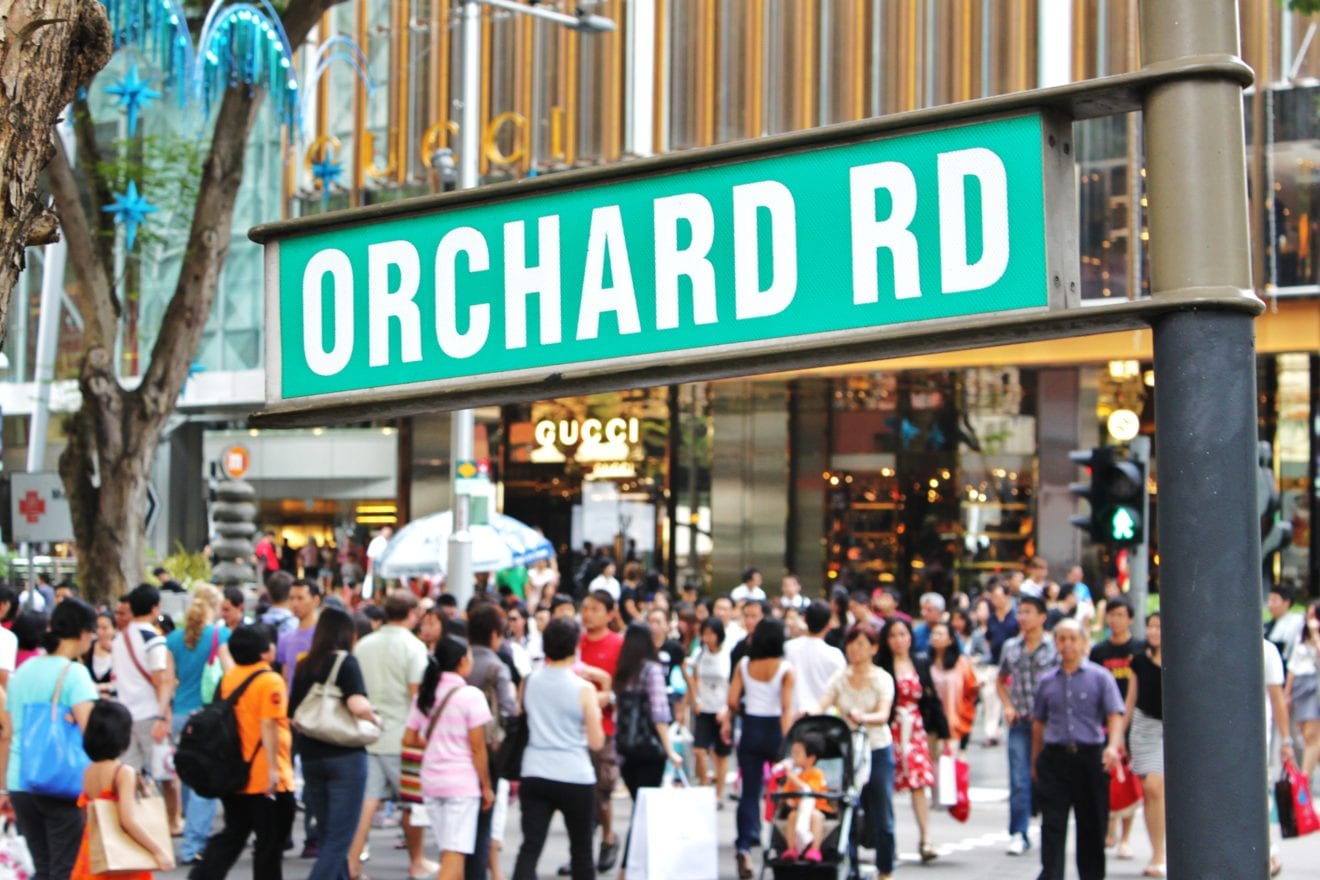
    Orchard rents fell 0.9% to $39.86 per sq ft.

    Leasing activity slowed and the rental decline quickened in Q3 2016 due to continued headwinds from poor overall retail sales and online competition.

    Based on rental records captured by the Urban Redevelopment Authority’s Real Estate Information System (URA REALIS) as at 18 October 2016, there were a total of 2,460 leasing deals in Q3 2016, down 12.5% quarter on quarter (QOQ) and 14.7% year on year (YOY). This was a sharp contrast to the 41.4% QOQ jump in leasing volume in Q2 2016.

    According to Colliers International, the fall in leasing transactions in Q3 2016 reflected the weak sentiment in the retail sector which continued to face numerous challenges including Singapore’s weak economy, cost concerns, manpower shortages and intensifying competition from online retailers.

    Moreover, although the latest available figures showed tourist arrivals stayed on the uptrend and rose 6.7% YOY in July, the retail sales index (excluding motor vehicles) contracted by 3.1% YOY and 6.5% YOY in July and August, respectively.

    In light of the above, the decline in prime retail rents accelerated in Q3 2016, after slowing down in the second quarter.

    In the Orchard Road sub-market, the average monthly gross rent for prime ground floor shopping mall space contracted by 0.9% QOQ from SGD40.21 per sq ft in Q2 2016 to SGD39.86 per sq ft in Q3 2016. This is faster than the 0.5% QOQ slide in Q2 2016.

    Likewise, the rate of rental decline picked up pace in the Regional Centres.

    The average monthly gross rent for prime ground floor shopping mall space reached SGD33.38 per sq ft, after falling by 0.8% QOQ in Q3 2016. In comparison, rents fell by 0.3% QOQ in Q2 2016.

  • Singapore commercial property faces a gloomy outlook. Here’s why

    Singapore commercial property faces a gloomy outlook. Here’s why

    The outlook for Singapore’s commercial property, including retail, office and industrial space, may have turned grim, according to forecasts from real-estate services provider Colliers.

    Singapore’s retail landlords and tenants face “challenging times,” Colliers said in a note dated Monday, forecasting demand for retail space to lag behind supply this year, with a rise in new space pushing up island-wide vacancy rates.

    Colliers said leasing activity slowed and rental declines accelerated in the third quarter amid poor retail sales and online competition.

    Singapore’s retail sales fell 1 percent in August on year overall and excluding the 30 percent jump in car sales, fell 6.5 percent, with drops in categories including jewellery, restaurants and recreational goods, according to official data.

    “In the near term, the uncertain economic outlook and heightened unemployment risk will probably be dampening factors on consumer spending,” Colliers said, although it expected the year-end holiday shopping season would mitigate the hit to retail sales.

    It forecast ground-level shopping-mall rents in 2016 would fall by 2.0-2.5 percent in regional centers and by 2.5-3.0 percent in the prime Orchard Road shopping belt.

    Singapore’s office segment may not fare much better.

    “Overall office rentals across Singapore continue to slide under pressure of oversupply and lacklustre demand as the market saw the fifth consecutive quarter-on-quarter rental decline in the third quarter,” Colliers said.

    “Underpinned by gloomier economic outlook from potential U.S. rate hikes, an uncertain Chinese economy and concerns on the repercussions of Brexit, business sentiments and overall office space expansion remain restrained,” it added.

    Colliers noted that Singapore’s preliminary gross domestic product estimate for the third quarter showed a 4.1 percent on-quarter contraction, with some economists saying a technical recession was a possibility.

    When it comes to office rents, grade-B office buildings were taking a bigger hit as tenants fled to better quality space, it said.

    “We expect competition among landlords to fill the backfill spaces, especially in older office buildings, to intensify over the next few quarters,” it said.

    Colliers forecast the office vacancy rate would surge, with premium and grade-A supply in the central business district (CBD) set to rise 5.6 percent this year and another 12.1 percent next year as more buildings were completed.

    It expected rents in that segment would decline by up to 3.0 percent in the fourth quarter, for a full-year decline of 7.0-12 percent.

    When it came to industrial property, Colliers advised it was an “opportune time” for tenants to evaluate their needs.

    “Given the tentative economic outlook, we expect industrial rents to remain soft over the next three to six months,” it said. “Coupled with the ample space options available, there will be opportunities for industrialists to secure choice business premises at competitive rents. ”

    It expected 20 million square feet of new industrial space to be added this year, pushing up vacancy rates island-wide.

    Colliers forecast that rents for prime multi-user conventional industrial space would fall 7.0-14.0 percent this year.

    Amid tough competition for tenants, it expected rents at independent high-specification industrial buildings located outside the science and business parks would fall further in the fourth quarter, for a full-year decline of 9.0 percent.

    But in business parks, it expected rents would rise a modest 1.0-2.0 percent for the year as higher rents were attainable at newer developments.

    Colliers noted, however, in the third quarter, landlords didn’t cut rents by much across industrial properties.

    Most landlords weren’t willing to cut rents by large margins in the period after sharp cuts in the first half of the year and were instead giving tenants more incentives, such as longer rent-free and fitting-out periods, covering alteration works and subsidizing repairs, it said.

    Leslie Shaffer

  • Penang outlet mall Design Village about to launch

    Penang outlet mall Design Village about to launch

    Penang will gain its first premium outlet mall, Design Village, next month.

    In Batu Kawan in mainland Penang, it will be the biggest outlet mall in Malaysia. It was developed by PE Land, which owns and runs The Spring shopping mall in Kuching.

    The outlet mall is on a mixed-use site that will include a hotel and high-end condominiums. The single-storey mall has a net leasable space of 400,000 sqft (37,161 sqm) for 150 stores.

    There are more than 80 brands already committed to the mall, which is aiming for up to 100, says Savills Malaysia MD Allan Soo. The company is the international leasing and retail development adviser for Design Village.

    Design Village Malaysia 1

    The mall’s retail mix will be 20 per cent large-format stores, 15 per cent F&B, 7 per cent sports outlets and 5 per cent children’s stores, with 25 per cent new tenants and 28 per cent others.

    It will include the biggest Adidas outlet in Malaysia, plus the first outlet stores for Aldo and Bata. Other retailers include Banana Republic, Guess, Padini Concept Store, Sacoor Brothers, Samsonite and Starbucks.

    The mall will provide daily shuttle services to and from hotels and the airport.

    Design Village GM Aileen Tay says the mall is also working with tour companies to bring in tourists who will be offered rebates through tax-free shopping network Global Blue.

    PE Land is the retail and property development arm of Borneo-based conglomerate Pan Sarawak Holdings.

  • Manhattan Trumps Hong Kong as World’s Most Expensive Retail Market`

    Manhattan Trumps Hong Kong as World’s Most Expensive Retail Market`

    CBRE’s semiannual Global Prime Retail Rents Report found that prime retail rents grew 3.7 percent globally in the second quarter of 2016 from a year earlier, buoyed by consumer confidence in the U.S. and limited supply in Europe’s top retail markets. Regionally, prime rents grew the most in Europe, the Middle East and Africa (up 6.2 percent), followed by the Americas (up 3.9 percent) and Asia (2.1 percent). The report covers more than 90 markets across the globe.

    Prime rents are the highest achievable rents for a retail storefront in a market’s best location with the best quality and specifications of space.

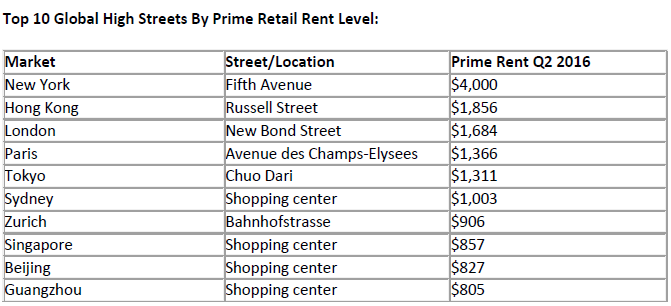
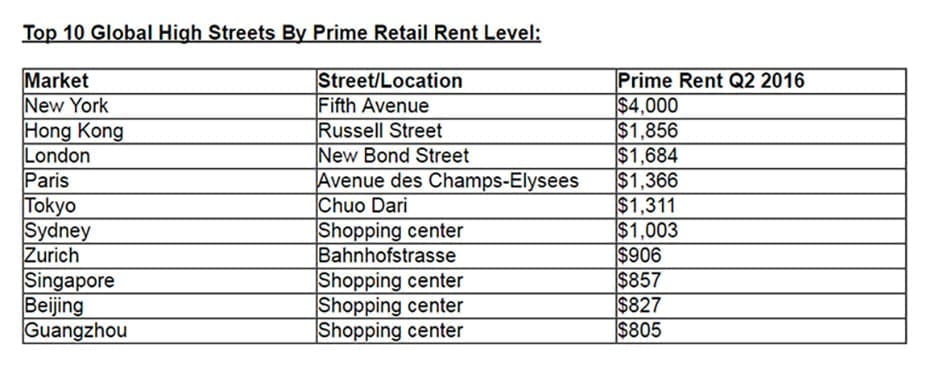
    The perennial top markets for global retail showed substantial divergence in the past year. Prime retail rents on New York’s Fifth Avenue between 56th and 58th streets increased by 14.3 percent in the past year to $4,000 per square foot per year as of this year’s second quarter. Meanwhile, prime rents on Hong Kong’s Russell Street declined by 33 percent to $1,856 per square foot per year amid a slowdown in tourist arrivals from the Chinese mainland and more prudent spending by locals.

    “The cooling off of China’s economy has manifest itself in sharply lower rents in Hong Kong, which has allowed a new crop of retailers to enter the coveted city,” said Anthony Buono, Chairman of CBRE’s Global Retail Executive Committee. “At the same time, prime retail rents in New York can remain stable, but in the near term we will see more landlord concessions to accomplish rate stability. London, however has such scant supply of available prime space that its strong rent growth is likely to continue.”

    In Manhattan, many international and domestic retailers alike are willing to make substantial investments to establish a presence for their brand on the world stage of Fifth Avenue’s priciest blocks. Others are content to gravitate to nearby submarkets that are less expensive but still highly coveted as retail showcases, such as Times Square, Downtown Manhattan and Brooklyn.

    “New York’s high streets have gone through a dramatic evolution in recent years, with rates rising strongly amid a rather ebullient market running from 2013 to late 2015,” said Andrew S. Goldberg, a Vice Chairman of Retail Services in CBRE’s New York City office. “Over the past year, the market has cooled a bit, with increasing availability and more concessions, but it remains resilient. Manhattan, and Fifth Avenue, in particular, is a global showcase where the world’s top brands want to be.”

    Top-10-Global-High-Streets-By-Prime-Retail-Rent-Level.png

    In terms of growth or prime retail rents in the past year, Europe is the story. Half of the 10 fastest growing prime retail rents in the past year came in European markets, led by London with a 53.8 percent increase. The few spaces that come available on London’s high streets are pursued by numerous aspiring lessees, resulting in steep rents.

    Other European markets among the top 10 for prime rent growth are Rome (28.9 percent increase); Milan, Italy (20 percent); Sofia, Bulgaria (12.5 percent); and Warsaw, Poland (11.1 percent). Asia Pacific landed two markets in the top 10: Auckland, New Zealand (23.7 percent) and Sydney, Australia (14 percent). The Middle East had one: Dubai (12.5 percent). And the Americas had two: New York (14.3 percent) and Seattle (11.1 percent).

    Other notable U.S. markets reflected as gainers in the report include Chicago (9.4 percent increase); Washington, D.C. (8.7 percent); Denver (7.7 percent); and San Francisco (3.8 percent). The only major U.S. market to register a decline in its prime retail rent was Miami, which posted a 7.1 percent loss on tempered tourism from Latin America due to challenged economies there.

  • High street rents go, well, sky-high

    High street rents go, well, sky-high

    Current retail thinking that the high and the low ends are driving the industry has gotten a boost from CBRE Group.

    High street rents are off the charts worldwide, according to company’s just-released Global Retail Rents report. Rents in prime shopping locations during the second quarter were up 30% in Rome, 24%, 20% in Milan, and 14% in Sydney and New York.

    New York’s Fifth Avenue remained the prime of “The Prime,” with an average per-sq.-ft. rent of $4,000. Next in CBRE’s tally came Hong Kong’s Russell Street at $1,856, London’s New Bond Street at $1,684, and Paris’s Avenue des Champs-Elysees at $1,366.

    Interestingly, rents on Russell Street posted the biggest decline from second quarter 2015, plummeting 33%. The reason, according to CBRE: Fewer tourists from Mainland China and economizing locals.

    “The cooling-off of China’s economy has manifested itself in sharply lower rents in Hong Kong, which has allowed a new crop of retailers to enter the coveted city,” said Anthony Buono, chairman of CBRE’s Global Retail Executive Committee. “At the same time, prime retail rents in New York can remain stable, but in the near term we will see more landlord concessions to accomplish rate stability.”

    Rents on New Bond Street are like to keep rising, Buono added, due to a scant supply of prime retail space in London.

  • New York-based LAGUARDA.LOW ARCHITECTS has announced the completion of KK One

    New York-based LAGUARDA.LOW ARCHITECTS has announced the completion of KK One

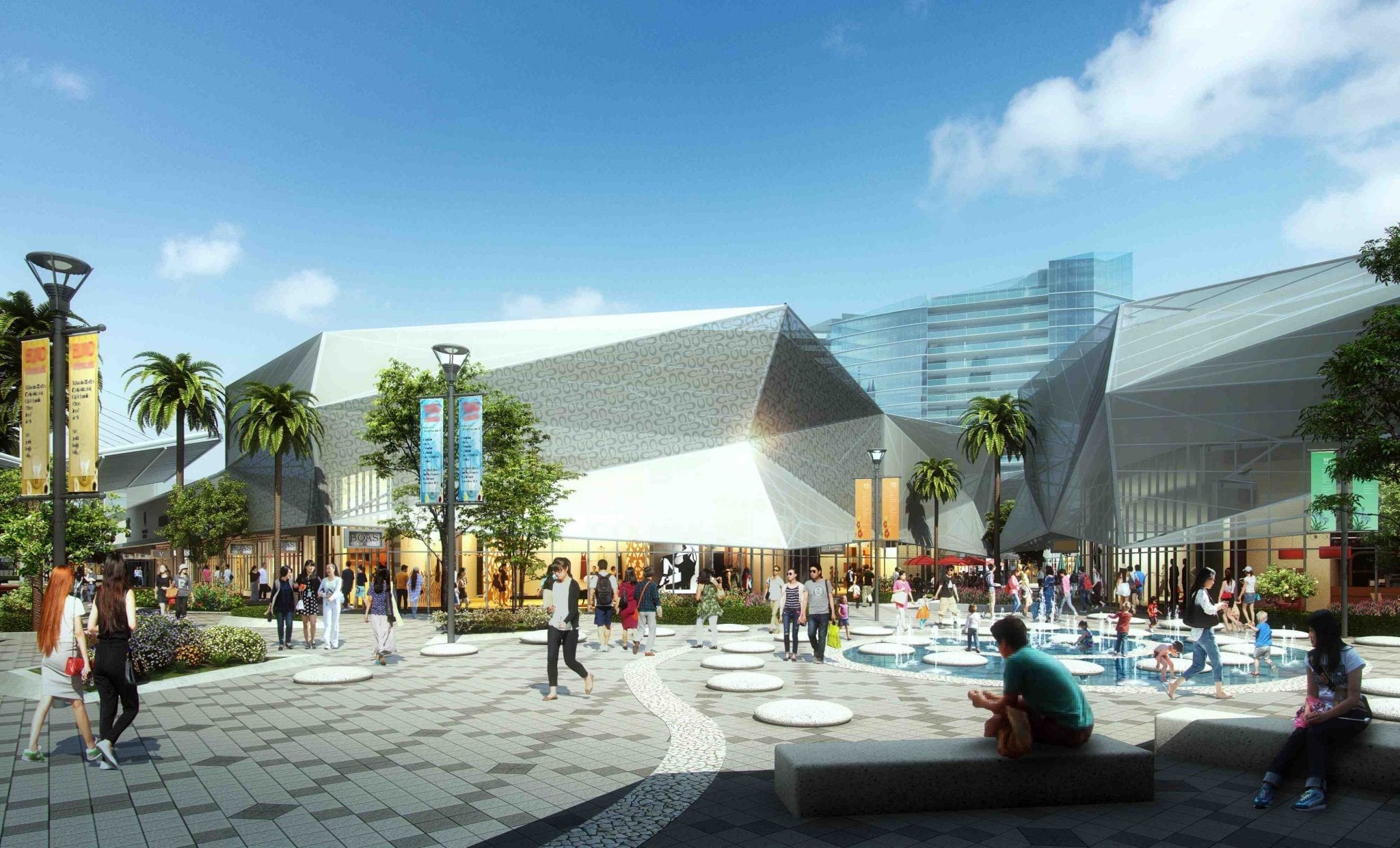
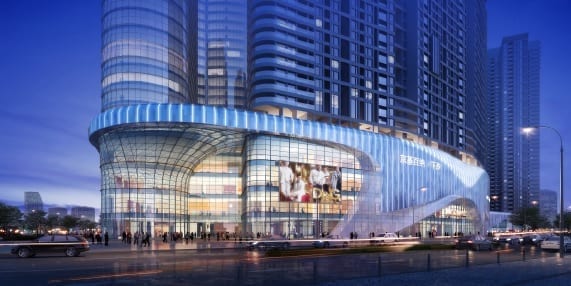
    New York-based LAGUARDA.LOW ARCHITECTS has announced the completion of KK One, a new 1.1 million square-foot retail complex in Shenzhen. Set at the base of an expansive mixed-use complex encompassing three residential towers, four office towers, and one hotel tower, KK One connects two adjacent land parcels to create a premiere shopping facility in the city’s Futian District.

    The exterior swooping facade, composed of aluminum panels in three tones of gray, was designed to create a sense of movement around the dense blocks of high-rise towers. The aluminum skin gives unity to the site’s eight towers and peels back at several points to reveal a minimal glass and steel structure. To give the development a distinctive presence at night, rows of inset, vertical bands of LED lights illuminate the facade.

    The interior of the five-story mall is luminous with gently curving forms and a palette of white surfaces and clear glass throughout. Natural light permeates through the clerestory at the top level and four sky-lit atrium spaces. To soften direct light from above, LAGUARDA.LOW designed custom ceiling grids for the two main atrium spaces that filter daylight through five levels and create a dynamic pattern of light and shadow throughout the day. 

    “With five levels of shopping, food and entertainment and direct access to the subway, KK One was designed to be the center of commerce for this growing urban district,” states John Low, Principal of LAGUARDA.LOW.  He continues: “The fluid exterior façade and bright interior spaces create an inspiring destination for shoppers and a tranquil point of refuge from the fast pace of the city.” 

    The opening of KK One marks LAGUARDA.LOW’s second completed project for KingKey Real Estate Group, following the 2010 completion of KKMall in Shenzhen. The completion of KK One follows LAGUARDA.LOW’s recent announcement for the design of OCT Longhua – an expansive new 3.7 million square-foot mixed-use development in Longhua New District of Shenzhen.

  • Singapore, Manila rise in retail rent rankings

    Singapore, Manila rise in retail rent rankings

    The data may be a little dated, but Asian cities are holding their own in the retail rent rankings.

    New York’s Fifth Avenue still tops the list with an average rent of US$3500 per sqft per year. Hong Kong’s Causeway Bay is cemented in second place at $2399 and the Champs Elysee in Paris a distant third at $1372.

    (It should be noted, the list ranks the single most most expensive shopping strip in each country, not overall.)

    Data released by Cushman Wakefield this month – albeit more than a year out of date – shows the Philippines making the biggest gain: retail rental rates in Manila’s Bonifacio Global City High St were a mere US$56.40 per sqft per annum, but that is enough to make Manila 51st on the top 65 list – up eight places.

    Singapore’s Orchard Rd ranked 14th – up two places – at $336.80 and Taipei’s ZhongXiao East Rd 20th, up three places, at $273.20.

    The Ginza in Tokyo,  Japan, ranks a modest eighth at $881.90 in a virtual tie with Myeongdong in Seoul, Korea at $881.80.  The Ginza has fallen from sixth in last year’s survey, while Myeongdong has dropped from eighth.

    Cushman & Wakefield stresses that the global rankings focus on high street locations. This excludes mall rental rates – and in cities like Manila, Bangkok and Kuala Lumpur, malls dominate the premium retail landscape, not high street strips.

    Vietnam’s Ho Chi Minh City CBD retail rents are more expensive than in Bangkok at $150.50 for 32nd place, and $125.40 for 35th respectively. Bukit Bintang in Kuala Lumpur, Malaysia, ranked 40th (up one place) at $111.

  • Karl Lagerfeld Macau hotel planned

    Karl Lagerfeld Macau hotel planned

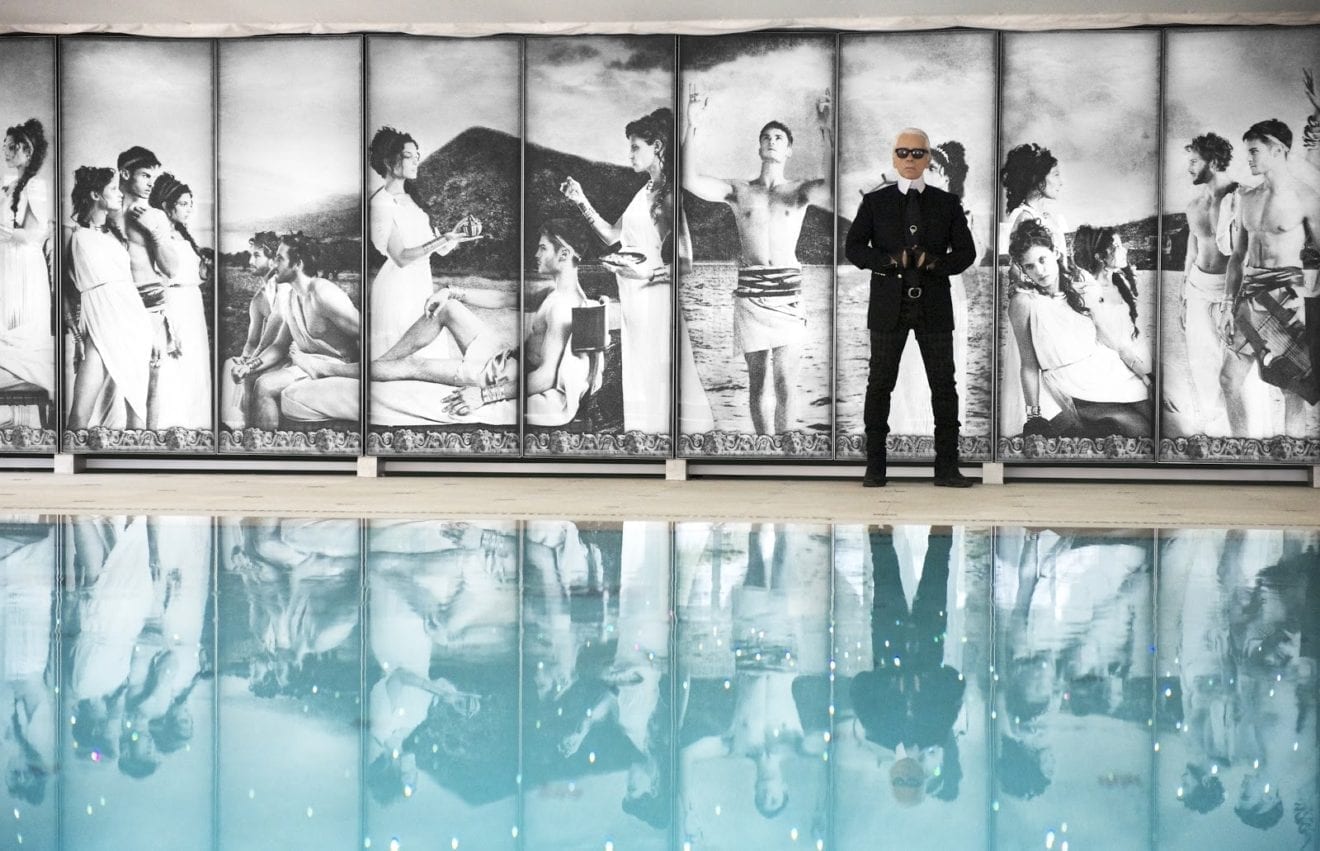
    Fashion designer Karl Lagerfeld has announced plans to launch his own branded hotel chain.

    He has already taken a first step in signing on to design a tower for the Lisboa Palace Hotel, planned to launch in Macau in 2018. Besides the Karl Lagerfeld Macau hotel, another tower in the complex is being designed by fashion peer Donatella Versace.

    Lagerfeld’s company says it “in the process of studying other opportunities to open other properties around the world”.

    Under the banner of Karl Lagerfeld Hotels & Resorts, his properties will include members’ clubs, restaurants and residential buildings, all under a licensing agreement with Amsterdam-based Brandmark Collective.

    Lagerfeld’s contribution to the Lisboa complex features a statue of his cat Choupette at the entrance, while his own silhouette graces the room keys. In comparison, Versace’s design is more low key with the lobby decked out in gold trim and white marble, while the pool has mosaic tiles.

    Both designers feature Chinese elements in their designs, with Lagerfeld weaving in Phoenix and peony emblems, and Versace focussing on dragon and chrysanthemum details.

    Born in Germany 83 years ago, Lagerfeld has already collaborated with luxury Parisian hotel Le Crillon and the Metropole in Monaco, but his new business will involve his company designing entire hotels.

  • Sa Sa seeks cheaper rent

    Sa Sa seeks cheaper rent

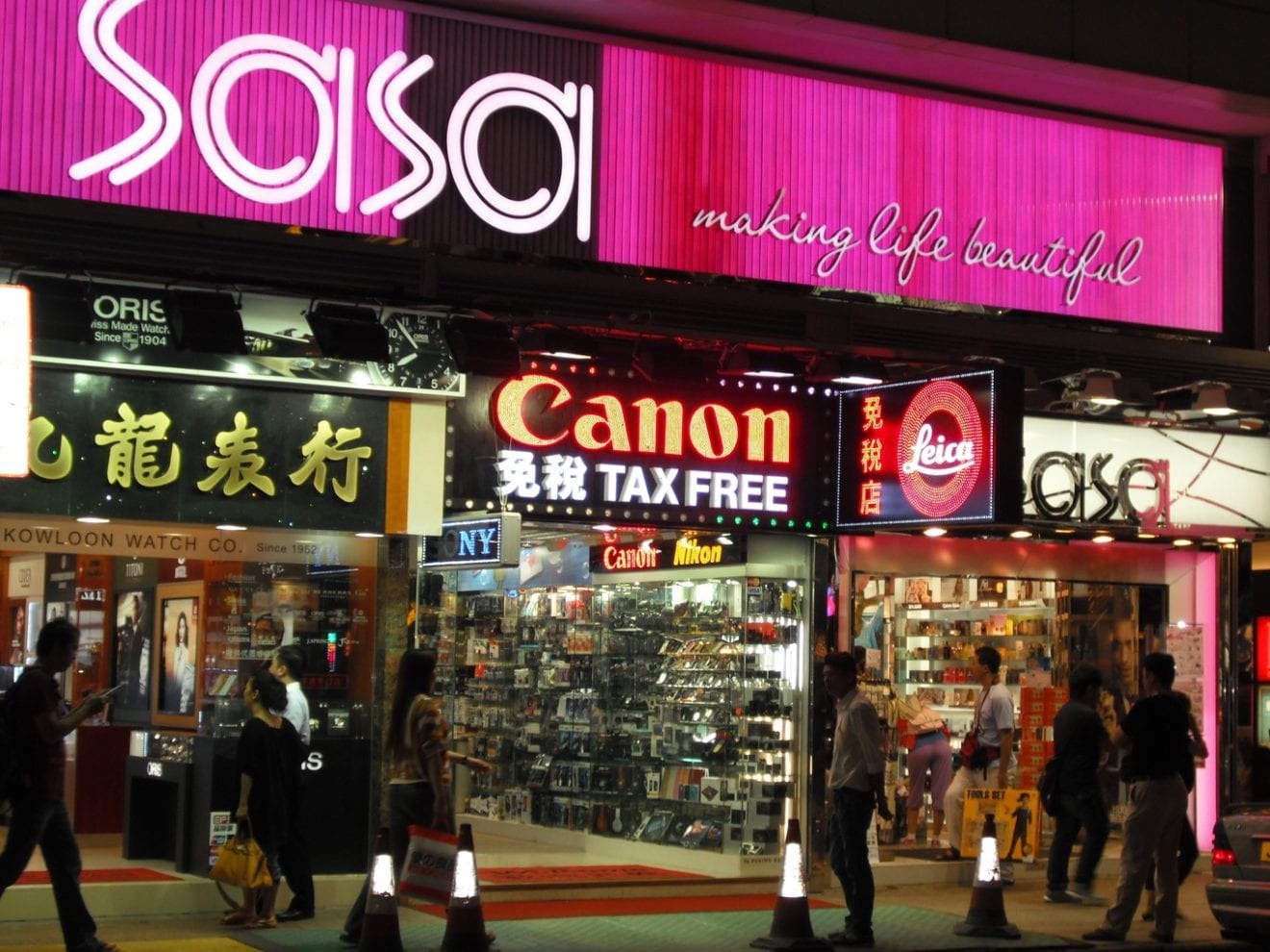
    Twilight has come for the retail industry in Hong Kong, said cosmetic outlet operator Sa Sa International (0178) chairman Simon Kwok Siu-ming, although he remains optimistic of better days ahead.

    The week-long national holiday saw improved sales for the firm, and he hopes the uptrend is sustainable for the rest of the year, especially during Christmas and New Year high season. Regarding the mainland tax reform on luxury cosmetics, with the Chinese government cutting taxes from 30 percent to 15 percent starting this month, Kwok said it came unexpectedly, and it’s too early to determine its impact on Sa Sa.

    But he expressed confidence in Hong Kong products. “I think it is more important to know that authentic and quality goods can be bought here,” he said.

    Kwok noted Sa Sa managed to open several outlets in recent months. But under pressure to reduce operating costs, he hoped shop rents can come down to reasonable levels soon, so that there will be no staff layoffs or pay reductions.

    Sixty percent of Sa Sa sales came from neighborhood areas, and the retailer said earlier it will shift away from the tourist areas if landlords refuse to slash rents.

    But Kwok said the firm was able to find cheaper outlets, as a contract was renewed at a site opposite the Sogo store in Causeway Bay at 60 percent lower monthly rent of HK$800,000.

  • Lotte jumps into Shanghai retail

    Lotte jumps into Shanghai retail

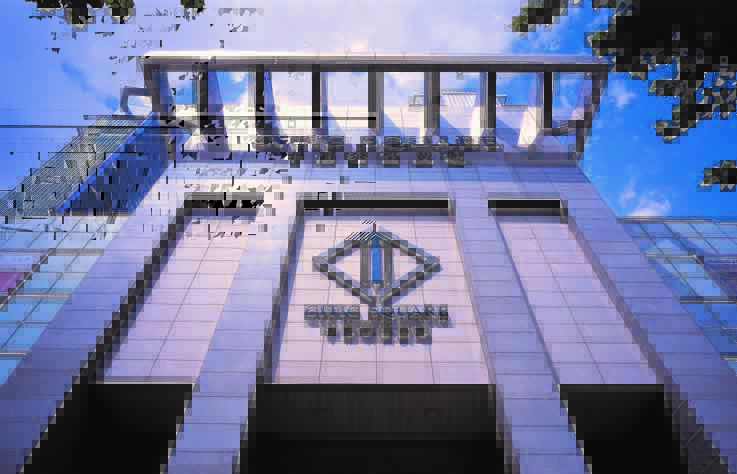
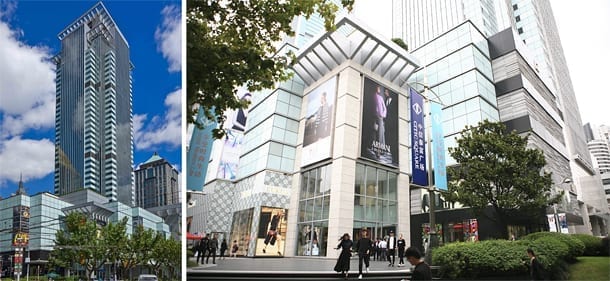
    Lotte Department Store has signed on to a joint venture with Citic Group, a state-owned Chinese company, to operate a shopping mall in Shanghai and to build three more in the region between 2017 and 2019, the Korean company announced Monday.

    The joint venture will operate the already-existing Citic Square Mall in the bustling commercial district of Jing’an on West Nanjing Road. The mall is currently run by Citic Group, and Lotte’s participation in the joint venture with the Chinese company will allow the Korean retail giant to step foot into the Shanghai market without having to navigate through China’s byzantine business regulations.

    Lotte will hold approximately 49 percent of the joint venture’s shares and will focus on operations, while Citic Group will help with property development.

    The partnership was first offered by Citic Group, which makes 60 trillion won ($52.6 billion) in annual sales from financial services, energy and property development. “In China, companies in property development have started to launch businesses in retail because they already have the land to build new facilities,” a Lotte Department Store spokesman said.

    Although Citic Group is an influential company in China, it lacks expertise in retail, as it wasn’t the group’s main business in the past. Competition is also tough, as Shanghai is currently home to over 50 department stores and 80 shopping malls.

    Lotte Department Store, on the other hand, already has five branches across China and has experience with merchandising, store design and employee training in the country. Sales at Lotte’s five department stores rose 28 percent last year from the previous year.

    The Korean retail giant said it plans to use the partnership to create more opportunities for Korean brands to enter Shanghai. Consumers in the metropolis have shown particularly high interest in Korean popular culture, making it a good starting point for Korean fashion companies looking to set foot in China.

    “We believe the partnership with Citic Group will strengthen our stance in the Chinese market,” Lotte Department Store CEO Lee Won-jun said. “Our plan is to use this opportunity to help other domestic companies with potential to expand to China as well.”


  • Modernland finds new stepping stone with Jardine group

    Modernland finds new stepping stone with Jardine group

    Indonesia’s promising property market has attracted multinational real estate firms to collaborate not only with domestic peers but also international partners. An alliance between the Astra group, Hongkong Land and Modernland Realty shows this well.

    Astra Land Indonesia and Mitra Sindo Makmur have created a joint venture to acquire 70 hectares of land in Cakung, East Jakarta, worth Rp 3.4 trillion. The collaboration was marked under an agreement inked on Oct. 12 in Jakarta.

    Astra Land is a joint venture between Astra International (ASII) and Hongkong Land, while Mitra Sindo Makmur is a subsidiary of Modernland Realty (MDLN). The new entity will develop the land for a project dubbed Jakarta Garden City.

    This should provide positive sentiments for Modernland, given the fact that the new partners are well-known firms in Asia. Astra is a well-known Indonesian conglomerate while Hongkong Land is a leading property investment, management and development group in Hong Kong, Singapore and mainland China.

    They are indirectly affiliated companies as Jardine Matheson sits as the main shareholder, owning more than 50 percent of shares in the two companies.

    While Astra has only three years of experience in the real estate business, Hongkong Land has laid foundations in Indonesia for over 30 years. Currently managing US$32 billion of assets in Asia, it has been operating in Indonesia since the 1970s.

    Under a collaboration with Central Cipta Murdaya, Hongkong Land built the WTC Complex in Sudirman, Jakarta, as its first project. It has also developed two other big projects in Indonesia, namely Nava Park (joint venture with Sinarmas Group’s Bumi Serpong Damai) and Anandamaya Residence (joint venture with the Astra group).

    Financially beneficial

    In its latest research report, Mandiri Sekuritas appraised the joint venture as it will provide security for Modernland in terms of marketing sales and earnings, in light of Hongkong Land’s established track record and experience.

    Furthermore, this action could benefit Modernland as the cash inflow from the transaction could reduce its debt ratio, especially as it was sealed amid the economic slowdown.

    * Bloomberg estimate

    As of the first half of 2016, Modernland had booked Rp 1.1 trillion in revenue, down by 18 percent year-on-year from Rp 1.35 trillion last year, due to fewer projects launched this year. This brought down net income by 88 percent to Rp 26 billion.

    Therefore, the newly formed joint venture with Astra and Hongkong Land in Jakarta Garden City will give better prospects for Modernland. As for Jardine Matheson group, the joint venture will augment its portfolio in the largest property market in Southeast Asia.

  • Embassy ties up with Hilton for star hotel in Bengaluru

    Embassy ties up with Hilton for star hotel in Bengaluru

    Leading property developer Embassy Group has tied up with international hospitality major Hilton to build a 586-room dual branded star hotel in this tech hub, said the realtor on Tuesday.

    “As per the agreement signed recently, the twin hotel will be developed and owned by our group, while Hilton will manage it,” said Embassy in a statement.

    Set to be located in the Embassy Manyata Business Park in the north-east suburb, the hotel will have 250 rooms at Hilton and 336 rooms at Hilton Garden Inn, with 46,000 sq.ft. of meetings and events space that can accommodate up to 1,500 people.

    “The hotel complex, when completed by 2020, will have a food and beverage hub and two commercial towers. It will also sport an iconic design drawn by Singapore-based Andy Fisher workshop,” said Embassy Chairman and Managing Director Jitu Virwani.

    The star hotel will offer the rooms at two price points to serve the needs of global firms located in and around the sprawling park.

    Both the partners, which run a brand hotel-cum-resorts at Embassy GolfLinks in the city’s eastern suburb, plan to build a mega hospitality project at the 100-acre Embassy Tech-Village in the nearby suburb.

    “Partnering with Hilton in developing two more hotels is part of our strategy in the hospitality business as it’s a global leader in the sector and known for quality service and attention to detail,” noted Embassy Chief Executive Mike Holland.

    The partnership will also help Embassy in providing synergy with its 175 international corporate occupier clientele across its commercial parks.

    “We see growing awareness of our global brand in the sub-continent and our partnership with Embassy reaffirms our commitment to India as an important market where we operate 15 hotels in 11 cities across the country,” said Guy Phillips, Hilton senior Vice-President for Asia.

    The three decades old realty group, which has an extensive land bank, developed a whopping 37-million square feet prime commercial, residential and retail space across the country and in Malaysia and Serbia.

    The US-based 97-year-old Hilton has 4,700 managed, franchised, owned and leased hotels and timeshare properties, with 775,000 rooms in 104 countries the world over.

  • Guocoland secures temporary occupation permit for Guoco Tower

    Guocoland secures temporary occupation permit for Guoco Tower

    The property has already seen 80% commitment from tenants.

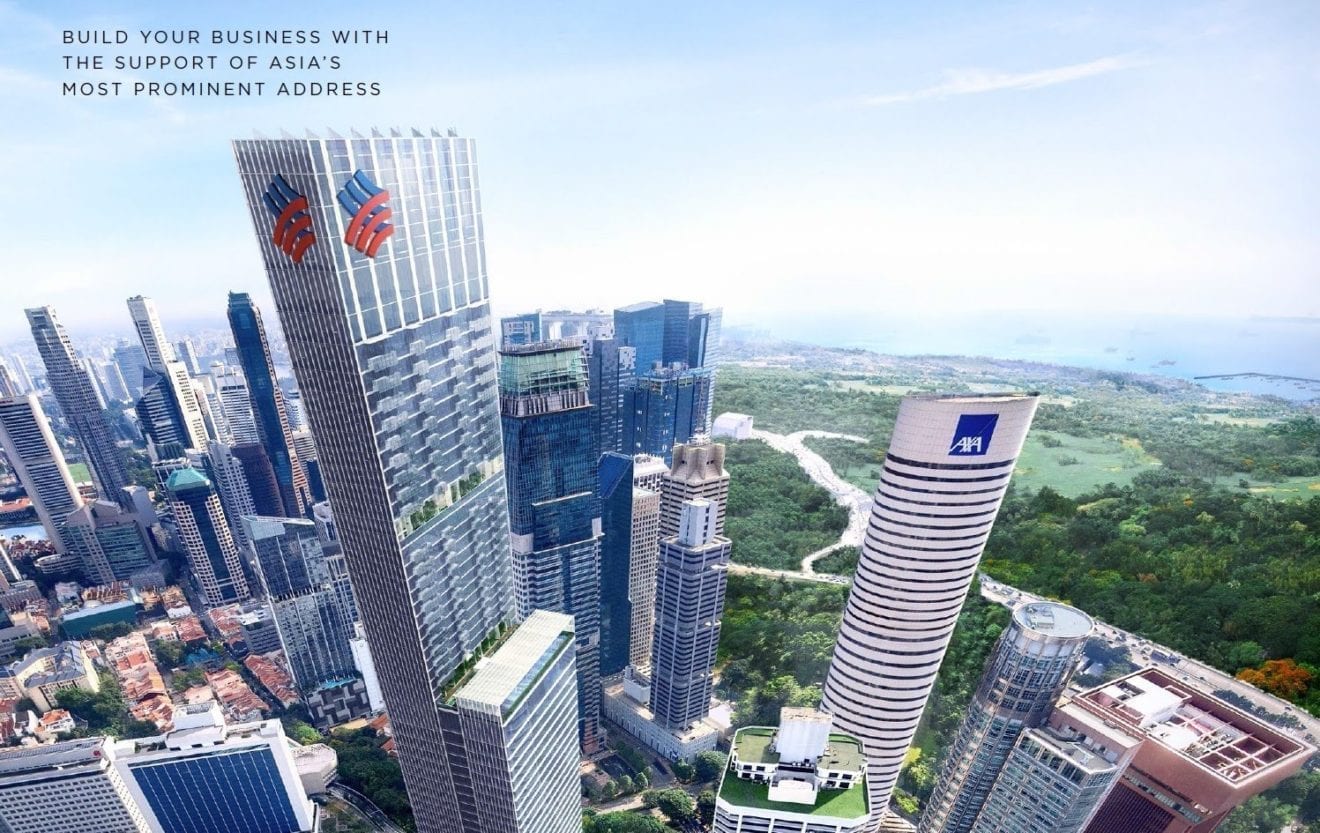
    Prospective tenants of Guoco Tower should be ready to move in anytime as Guocoland secures temporary occupation permit for the office and basement retail component of the building.

    In a statement, GuocoLand claimed the Grade A office tower has already seen a remarkable 80% commitment moving into October despite a highly competitive office leasing market. This has significantly spiked up from 10% at the beginning of the year.

    Guocoland Singapore Managing Director Cheng Hsing Yao said the 890,000 sq ft office tower has attracted demands from a broad range of industries. Some of the companies in the list of committed tenants include Agoda, Amadeus, ASICS, Danone, Straits Trading and Teva Pharmaceutical Industries.

    “Guoco Tower’s ‘liveable vertical city’ concept whereby workplace is integrated with lifestyle amenities makes it attractive to tenants who care for the welfare of their staff. In addition, the prime location, seamless access to the MRT station and its prestige as the tallest building in Singapore also appealed to tenants,” he said.

    Guoco Tower is inside the Tanjong Pagar Centre, an integrated commercial, retail, and lifestyle complex with 181 luxury apartments in Wallich Residence, the 222 room Sofitel Singapore City Centre hotel, and a 150,000 sq ft. Urban Park.

    The complex will commence its operations in phases from November this year.

  • Reits: An attractive alternative form of property investment

    Reits: An attractive alternative form of property investment

    In just 14 years, the real estate investment trust (Reit) industry in Singapore has drastically transformed the country’s investment property landscape, making it one of the most admired in the Asia Pacific.

    The Singapore Reit industry now ranks third in size in the region, behind Japan and Australia. S-Reits have been actively contributing to the improvement of properties in Singapore, practically in all sectors of the rental market: retail, office, and industrial.

    As landlords, Reits are committed to maintaining and improving their properties and have consistently demonstrated this commitment by investing in extensive asset enhancement initiatives to refurbish and upgrade older properties in their portfolios, including introducing eco- technology into their properties.

    Such improvements have led to improved offerings for tenants and raised the quality of real estate in Singapore as a whole.

    The motive for Reits to continually upgrade their investment assets is driven by commercial interest doubtlessly, to generate return on investment for unitholders.

    But the resultant benefit is not confined to Reits, or else the progress could not be sustained.

    The other three key players in the game are tenants, consumers, and the Singapore economy at large.

    Unfortunately, this aspect of the impact of Reits has tended to be overlooked; instead, fingers have been pointed at Reits as the culprit causing the plight of tenants, especially the smaller enterprises, who bow out of the business citing rising high rent as a key reason.

    This has in fact caused the resurgence of the classic landlord/ peasant conflict.

    There will continue to be murmurings, especially from the quarter that has been ousted from their comfortable rented nests of many years until rentals made it untenable for them to continue with their business.

    Their lamentation is that Reits which appear to have taken over “most” of the rental properties in the country, have been regularly raising rental rates to maximise their yields and keep up with their distribution per unit (DPU) growth.

    Look at the big picture

    To be objective, one needs to look at the big picture.

    Many rental buildings here (both office and retail) have remained in the same state for 20-30 years and maybe even longer.

    Fortunately, many of the tired-looking buildings have also been rejuvenated and given a new lease of life after they were acquired by Reits.

    Someone once told me Singapore needs Reits to transform the investment property market the way the Urban Redevelopment Authority (URA) did the Singapore landscape over the last few decades; the difference is that Reits will have to do it on a fully commercial basis.

    The benefits of developing the Reit industry to the economy is perhaps more obvious in that it enables developers to recycle their capital for other investments, creates specialist professional jobs, generates high-value supporting services, etc.

    The best evidence of this are the aggressive measures many of our neighbours are taking to develop their own Reit industry.

    S-Reits are here to stay. S-Reits are celebrating their 14th anniversary since the first Reit, CMT, was listed in Singapore in 2002. Today, Singapore has succeeded in having 38 Reits listed on our stock exchange, with a total market capitalisation of S$74 billion.

    What is interesting is that, according to estimates, about 25 per cent of the shares of Reits are in the hands of retail investors. (The sponsor groups and controlling shareholders are estimated to hold some 35 per cent, while institutional investors own 40 per cent.)

    Assuming most of these retail investors are Singaporeans, the 25 per cent translates to a whopping S$18 billion in investment money.

    The government has put in measures to regularly improve the operating and regulatory environment for Reits, so that they can continue to grow, and at the same time operate under good corporate governance, and embrace best industry practices.

    We are fortunate that the listed Reits here are under the prudent supervision of the regulatory authorities, which should instil confidence among investors, both here and overseas.

    A stable and transparent tax infrastructure to support S-Reits helps to advance the goal of establishing Singapore as a fund management and asset management hub, and continue to fuel demand for expertise in these high-value financial areas.

    Specifically, it will allow S-Reits to maintain their competitive advantage over other regional markets and allow the Republic to position itself as the pre-eminent global hub for the listing of S-Reits.

    It will also allow Singapore to attract foreign capital and investment in S-Reits.

    Many Singaporeans are eager to find investment alternatives that give higher returns than banks’ fixed deposits or their CPF ordinary accounts. Reits are perhaps one such alternative.

    Some investors may have discovered that it is possible to turn Reits into personal ATMs that they can “withdraw” money from regularly.

    This is what Reits are in a nutshell: giving the investors a stable income on a regular basis (every three or six months), with potential upside that their price will go up over time.

    The ability to enter and exit Reits easily is another big contrast to direct investment in physical assets. Another benefit is the affordability of Reits, with outlay as low as a few hundred dollars.

    Perhaps the next exciting phase in Reit development here is brewing.

    This is the rising use of CPF and Supplementary Retirement Scheme (SRS) money for Reit investments – something that may significantly affect the growth of the Reits industry over the next few years.

    Looking at CPF statistics, as at March 31, 2016, Singaporeans had about S$308 billion in their CPF.

    This is after deducting the S$190 billion drawn down for housing purchases.

    Of the S$308 billion, S$113 billion is in the Ordinary Account, S$78 billion in the Special Account, and the rest is in Medisave and Retirement accounts.

    If we focus just on the Ordinary Account which CPF rules currently allow to be used for investments after setting aside S$20,000, the investible amount is estimated to be about S$73 billion. Since the rules allow up to 35 per cent of the investible money for share investment, this means a potential pool of S$25 billion available for investing in shares, including Reits.

    This is an enormous sum of money which is looking for higher returns than the 2.5 per cent that CPF gives.

    Over time, as people become more aware of the relative attractiveness of Reits, more of such CPF monies will flow into Reits.

    And that will be interesting because it will mean that more Singaporeans will be owners of investment properties both here and overseas.

    Even investing abroad

    Singaporeans, like most Asians, traditionally prefer to invest in brick-and-mortar assets.

    Some even venture to buy overseas properties.

    Reits present a new form of investment tool to meet such aspirations of Singaporeans to own investment properties with regular rental income, without having to deal with all the problems associated with investing directly in a property, especially in unfamiliar overseas markets.

    It is interesting that, currently, CPF rules do not allow Singaporeans to use their CPF money to buy overseas properties directly.

    But with Reits, one can effectively do that.

    For example, one can invest in German office buildings by buying IReit Global shares.

    One can own a stake in shopping malls or hospitals in Indonesia through Lippo Mall Trust and First Reit respectively.

    For exposure to China and Hong Kong properties, there are Mapletree Greater China Commercial Trust, EC World Reit, CapitaLand Retail China Trust and BHG Retail Trust to choose from.

    One can also access the US, India and Japan markets through Reits listed here.

    Today, some 30 per cent of the Reits’ assets are outside Singapore.

    Effectively, this means that the Reits are bringing properties from all over the world to the doorstep of Singaporeans for them to pick and invest in, with the added comfort that these overseas assets are owned and managed by Reits which are under the regulatory oversight of our government authorities.

    We may therefore see a stronger trend of Singaporeans sinking more of their excess investment money (including CPF and SRS money) into Reits, instead of pursuing the traditional approach of buying a physical property asset for investment.

    Best of all, one gets to keep 100 per cent of the dividends received from Reits without having to worry about the taxman’s share.
     

  • South Korea’s Largest Retailer Joins Hands With Sinar Mas Land in Indonesia

    South Korea’s Largest Retailer Joins Hands With Sinar Mas Land in Indonesia

    South Korea’s largest retailer, GS Retail, opened its first supermarket in Cibubur, East Jakarta, on Friday (07/10) in partnership with Indonesian property developer Sinar Mas Land, to target the country’s upper-middle class.

    “We decided to choose Legenda Wisata for GS Retail’s first supermarket because Cibubur is home to middle- and high-income families,” GS Retail  senior executive Won Yong Kim said in a statement.

    The supermarket offers a wide range of food, household, electronic, beauty and hygiene products, as well as the popular South Korean bakery shop Tous le Jours and Indonesian café Bengawan Solo Coffee.

    The 2,913 square-meter supermarket, which is located inside the Legenda Wisata housing estate, was constructed by Sinar Mas Land.

    In October 2014, Sinar Mas Land was assigned to build a megastore for one of the Southeast Asia’s largest retailers, Courts Asia Limited, in Kota Harapan Indah residential estate in Bekasi, West Java, and in January 2015, to build another in BSD City in Tangerang, Banten.

    Established in 1971, GS Retail has 11,000 convenience stores and 290 supermarkets in South Korea. It booked $5.7 billion in revenue last year.

    The company has had a presence in Indonesia since March 2014.