Retail News Asia is committed to providing both local and global retailers with the latest Real Estate news throughout the Asian market. This on a daily base.
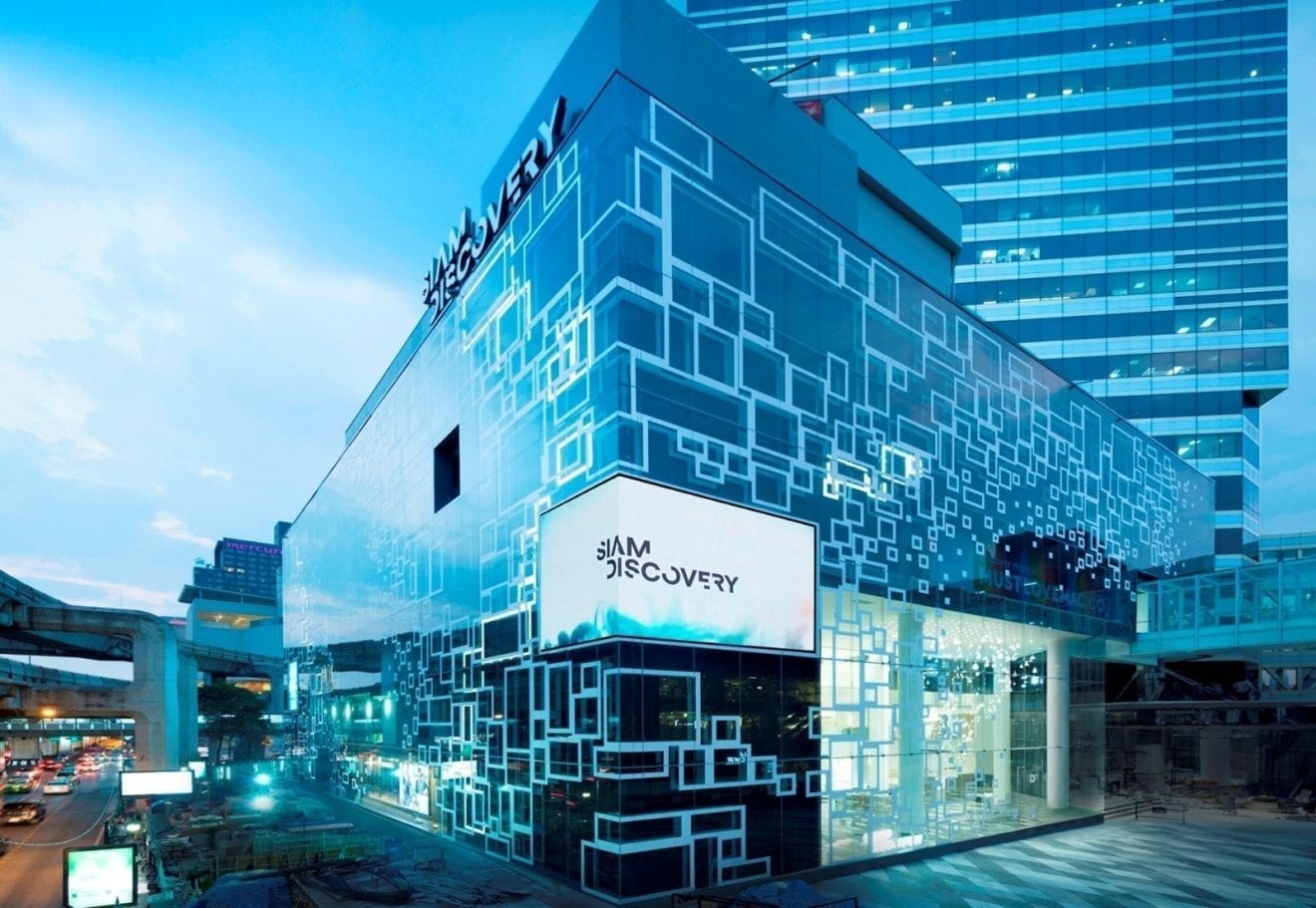
Siam Discovery – The Exploratorium, Thailand’s first hybrid-retail destination and lifestyle specialty store which opened in May, has won two awards.
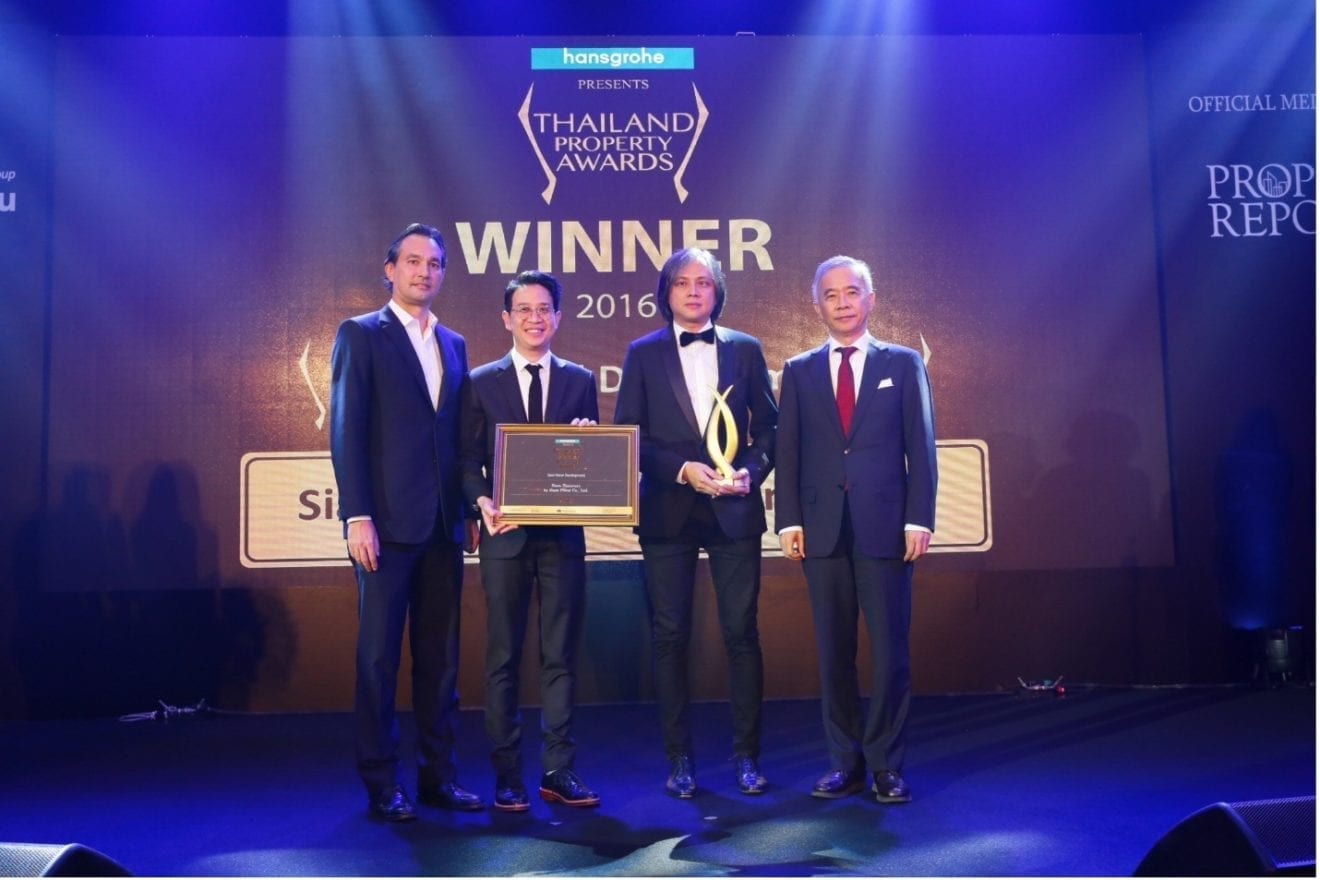
A reincarnation of the old Siam Discovery, the store was named Best Retail Development and Best Commercial Development in the latest Thailand Property Awards.
Siam Discovery is owned by Siam Piwat, which also owns and runs Siam Center, Siam Paragon and Paradise Park shopping centres, and jointly owns megaproject IconSiam.
“Siam Discovery has broken every rule of Thailand’s retail industry to offer exciting experiences and creativity,” says Siam Piwat CEO Chadatip Chutrakul.
“The awards reflect the success of the distinctive design and the ideas behind it by a team of design experts such as Nendo’s Oki Sato and Urban Architect, who came together and imbued the architecture of the refurbished Siam Discovery with elegance and uniqueness.”
She says the new concept permeates “every single design detail” across more than 40,000 sqm, including open space.
“Even the product displays and stores of more than 5000 brands are decorated to match the personalities of each specific Lifestyle Lab on each floor. This gives our customers the freedom to browse for products that suit their stories and interests, and make shopping both convenient and a fun exploration.”
In their 11th edition, the Thailand Property Awards aim to boost the stability and efficiency of the country’s real-estate market and encourage entrepreneurs.
Singapore retail rents slipped during the last quarter – but experts say the outlook is not too grim.
According to Edmund Tie & Company Research, average monthly retail gross rents across the island eased by 1.2 per cent quarter-on-quarter to about $29.30 per sqft in the three months to September 30. This was 9.6 per cent lower than its peak in the first quarter of 2015, when the average monthly gross rent was about $32.40 per sqft.
“The decline was primarily due to a subdued economic growth forecast, as well as job cuts across various industries that led to weaker consumer sentiments,” the company said.
According to the Ministry of Manpower in September, the total number of workers made redundant in the second quarter of 2016 rose by 2 per cent quarter-on-quarter and 48 per cent year-on-year to 4800 workers.
Rents in the other city areas led the overall rental decline in the latest quarter, falling by 3 per cent to about $20.10 per sqft per month. This was followed by the suburban areas, with average monthly gross rents declining by 1.5 per cent to $30.60.
Orchard Rd holds firm
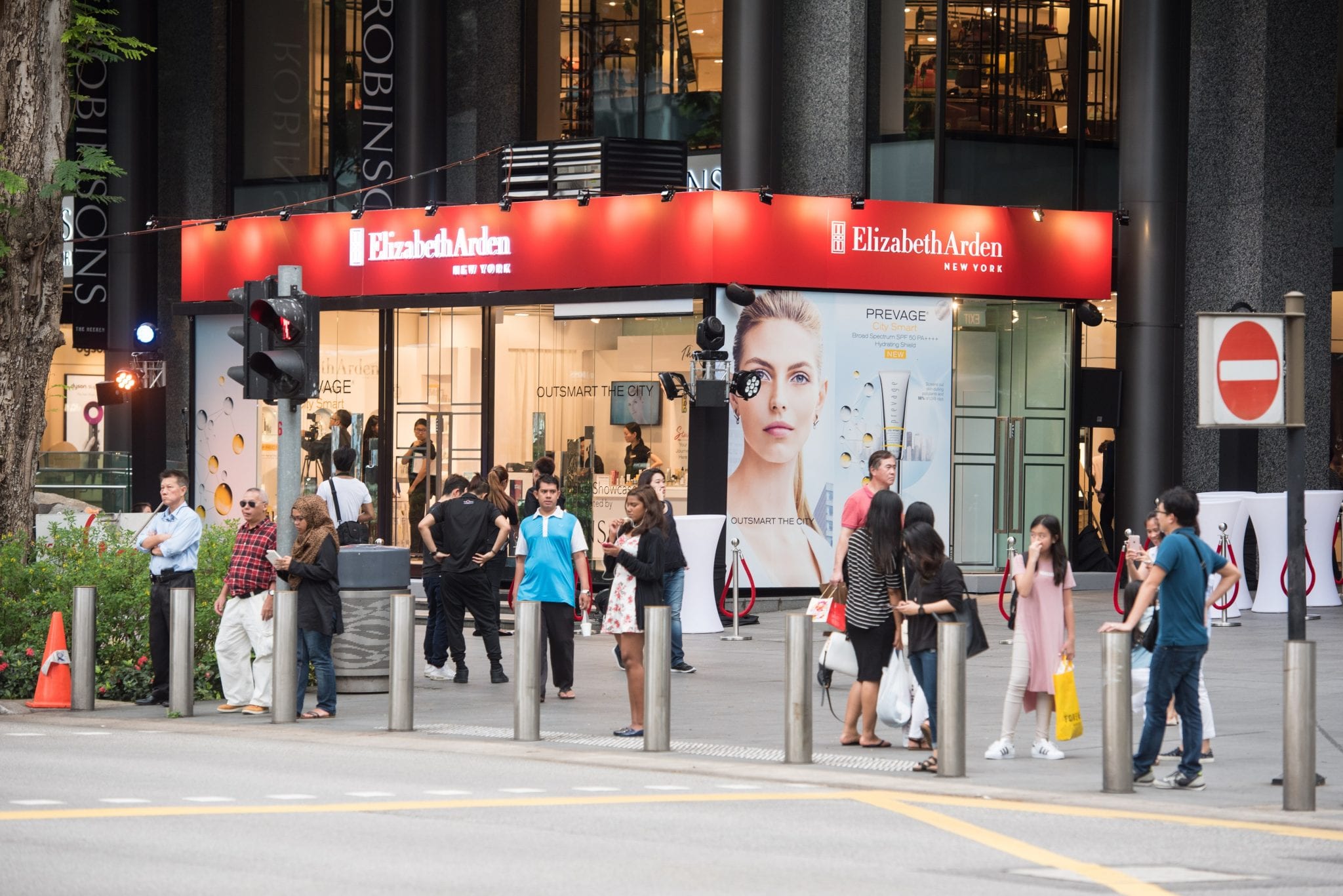
Retail rents in Orchard and Scotts Rd precinct, however, stayed unchanged at $37.20 per sqft,
notwithstanding the slower economy and fears over the impact on tourism of the spread of the Zika virus.
“The resilience of this district was supported by the lack of new retail developments. While retailers in Orchard/Scotts Rd face strong competition for tourist dollars from regional countries, renowned global brands and local retailers are still attracted to set up shops there. The recent opening of several high-profile flagship stores in the area has further enhanced Orchard/Scotts Rd’s position as one of the top shopping attractions in South East Asia,” said Edmund Tie.
“Overall, we anticipate the decline in rents to moderate in 2017, barring any external shocks. Landlords and retailers are adapting to the challenges by integrating technology with their physical stores to manage manpower constraints and tap on the growing eCommerce market.” The company cited the upcoming OUE Downtown Gallery along Shenton Way which will introduce a 11,000 sqft “trend gallery” comprising pop-up stores and retail counters on the first-storey, and a 4000 sq ft “social kitchen” fitted with 10 cooking stations available for bookings on the third-storey.
A new F&B concept will also be introduced, whereby diners place their food orders via a mobile app. The food is prepared in a central kitchen and is subsequently placed in an assigned locker for diners to collect at a specified time. This significantly reduces the amount of leasable space required by the food establishment, as well as its reliance on manpower.
In addition, the upcoming Singapore Post Centre in 2017 and the newly revamped Funan mall in 2019 will be introducing hands-free shopping. Shoppers will be able to browse through the products in-store, purchase the product and arrange for the product to be delivered directly to their homes. Not only does this provide greater convenience for shoppers, it also allows retailers to save on storage space in their physical stores, as logistic arrangements are done in the warehouse.
“Separately, there is also a trend towards Click-to-Brick, where the shopping is done online and the merchandise is collected in the shops. Retailers that allow consumers to click-and-collect include Harvey Norman, Courts, NTUC, Decathlon, and Tangs.”
Too early to write off brick-and-mortar
Despite eCommerce gaining traction, Dr Lee Nai Jia, Edmund Tie & Company’s Southeast Asia head of research, believes it is too premature to write off the brick-and-mortar retail sector.
“In order to remain competitive, landlords and retailers are continuously looking for ways to improve their business models and remain adaptable to challenges. Many landlords and retailers are making use of big data analytics to understand the underlying purchasing psychology, which helps them to redefine their marketing strategies to better cater to their customers’ needs.
“Additionally, retailers are introducing experiential shopping and new retail concepts to increase footfall and encourage in-store sales. They offer hands-on activities for customers to experience at their physical stores. For example, Uniqlo’s SEA flagship store at Orchard Central will be reeling in Singaporean creatives and talents to hold a wide range of workshops in its three-storey flagship store. Similarly, K+ at Scotts Square and Naiise outlets at The Cathay, Orchard Gateway and Clarke Quay Central also provide dedicated spaces for workshops within their stores,” said Jia.
“While it is still too early to judge the effectiveness of experiential retail in increasing footfall and in-store sales in Singapore, the concept has worked well for some brick and mortar retailers in the US, which saw eCommerce gaining an increasing foothold in the retail industry. A case in point was the success of Whole Foods in the US, which built on its success by creating personalised rewards and in-store experiences, including cooking classes, juice and coffee bars and consultations with nutritionists.”
CapitaLand Mall Asia is stepping up its investment in India.
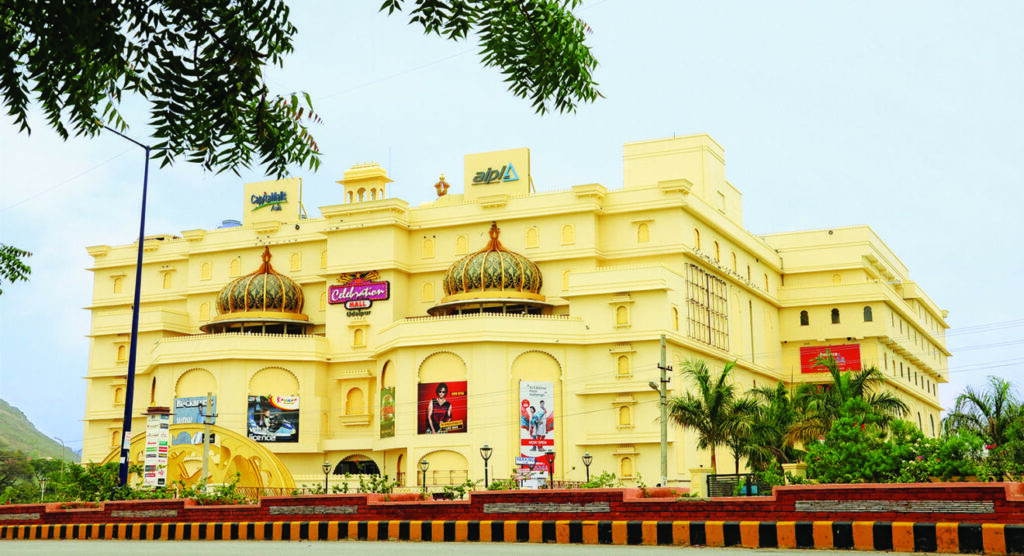
During a visit by Singapore’s Prime Minister Lee Hsien Loong to The Celebration Mall in Udaipur (pictured) , wholly owned by CapitaLand Mall India Development Fund, CapitaLand Mall Asia announced plans to open two more malls in India over the next three years.
The group already has four malls in the country.
CapitaLand president/group CEO Lim Ming Yan says India has been looking to tap Singapore’s experience in urban planning as it plans to upgrade and build 100 cities.
“India thus presents opportunities for CapitaLand to share our expertise in real-estate development and management, particularly in integrated developments where we have established a strategic advantage, as well as in the shopping mall and serviced residence sectors where we have already gained a foothold in the country.
“With more liberal rules on foreign direct investment in real estate, CapitaLand has been presented with a number of opportunities. We are also in discussion with several parties on management contracts for shopping malls and serviced residences.”
Partnership
CapitaLand’s two upcoming malls are opening next year and in 2019 respectively, Forum Mysore, and Forum Cochin.
Both are being developed in partnership with real-estate developer Prestige, with whom CapitaLand also partners for three other malls, The Forum Neighbourhood Mall, Bangalore, The Forum Sujana Mall, Hyderabad and The Forum Fiza Mall, Mangalore. Including two other malls being developed in Jalandhar and Nagpur, CapitaLand is Singapore’s largest shopping-mall developer and manager in India with a total of eight malls.
“In Asia, India is the next big retail prize after China,” says CapitaLand Mall Asia CEO Jason Leow.
“India has a large and growing middle class with aspirations for a better life, and more than 400 million consumers between 15 and 34 years of age who are driving purchases in categories such as mobile phones, fashion, accessories and F&B.
“Such favourable demographics are drawing retailers’ interest to India’s fast-growing consumer market, which is expected to be worth US$1.3 trillion by 2020.
“As one of Asia’s leading mall developers, owners and managers, we are able to leverage our retail expertise and industry-leading network of about 15,000 leases to support local and international retailers who are keen to do business in India.”
Siam Piwat Co., Ltd., the owner and operator of world-class developments such as Siam Paragon, Siam Center, Siam Discovery, and Paradise Park shopping centers, and joint-owner of megaproject ICONSIAM, reinforced its success after the relaunch of Siam Discovery – The Exploratorium in May, Thailand’s first hybrid-retail destination and lifestyle specialty store, by winning two prestigious awards in the real estate industry, namely “Best Retail Development” and “Best Commercial Development” from Thailand Property Awards 2016.
Ms. Chadatip Chutrakul, Chief Executive Officer of Siam Piwat Co., Ltd., said, “We are extremely proud that Siam Discovery has won Best Retail Development and Best Commercial Development awards from Thailand Property Awards 2016. These accolades stand testament to Siam Piwat’s success as the Icon of Innovative Lifestyle and Thailand’s retail and real estate innovation leader, who is ready to continue offering experiences that are novel yet meet our customers’ needs.”
“The awards reflect the success of the distinctive design and the ideas behind it by a team of world-renowned design experts such as the world’s leading designer Nendo (Oki Sato) and Urban Architect Co., Ltd., who came together and imbued the architecture of the refurbished Siam Discovery with elegance and uniqueness. Created under the never-before-seen concept of “Thailand’s first hybrid retail store,” Siam Discovery has broken every rule of Thailand’s retail industry to offer exciting experiences and creativity. This emanates from every single design detail, not only in the general ambience of Siam Discovery, but across its entire area of over 40,000 square meters, including its open space, transforming it into Thailand’s largest lifestyle specialty store. Even the product displays and stores of over 5,000 brands are decorated to match the personalities of each specific Lifestyle Lab on each floor to give our customers the freedom to browse for products that suit their stories and interests and make shopping both convenient and a fun exploration,” said Chadatip.
Thailand Property Awards, was held for the 11th time with the aim to boost the stability and efficiency of Thailand’s real estate market and encourage real estate entrepreneurs wishing to participate in the event to continue to enhance their projects each year. The judging panel of Thailand Property Awards was composed of respected experts in different branches of the real estate industry, ranging from consultants and project managers to designers and architects, as well as Prof. Dr. Manop Bongsadad from the Housing Development Department, the Faculty of Architecture, Chulalongkorn University, who presided over the event as the honorary chairman.
With the Philippines’ consumption-driven economic boom showing no signs of abating, modern retail enterprises are sprouting outside the capital. Some are new companies eager to make a mark alongside the country’s established conglomerates.
DoubleDragon Properties is one of the up-and-comers. Back in April 2014, when its valuation was less than $100m, the company listed on the Philippine Stock Exchange. In its first day of trading, the stock shot up by 50 per cent, hitting the bourse’s daily limit. Since then, it has continued to be a strong performer.
The share price on Friday was nearly 30 times the price at flotation. This year, DoubleDragon’s stock has surged 140 per cent, making it the best-performing real estate company in the PSE’s property index. The price has climbed in conjunction with the rise of Rodrigo Duterte, the country’s first president from the southern island of Mindanao who came into power in June. He has promised to boost economic activity in rural areas.
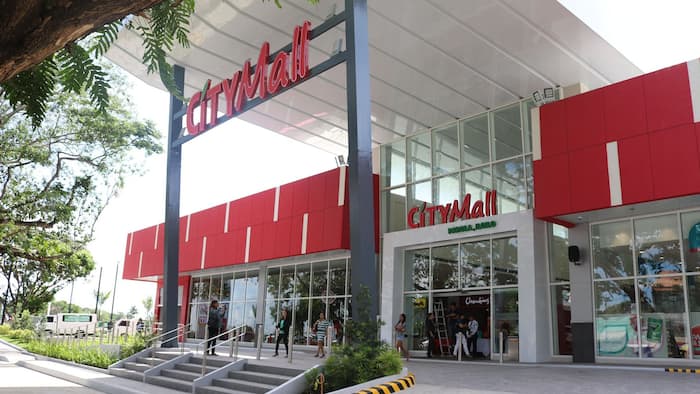
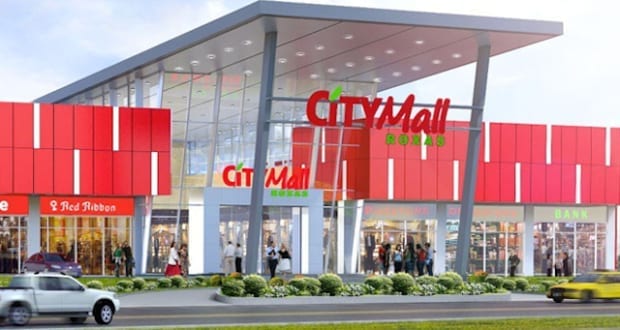
DoubleDragon’s priority is the construction of 100 shopping centers, each measuring 5,000 to 10,000 sq meters, by 2020. As of June, the company had secured 53 sites for these CityMalls, as it calls them, but built only eight.
Yet, even if some of the projects are behind schedule, its market capitalisation of 131.5bn pesos ($2.72bn) has eclipsed that of Robinsons Land — a unit of conglomerateJG Summit Holdings that has built 44 large shopping complexes and dozens of residential and office developments nationwide.
DoubleDragon is led by Edgar “Injap” Sia, a 39-year-old businessman from Visayas in the central Philippines. The self-made entrepreneur is best known locally as the founder of Mang Inasal, a fast-food company that specialises in grilled chicken.
When Mr Sia started his entrepreneurial journey about a decade ago, success was anything but a foregone conclusion. Born to a Chinese-Filipino-Japanese parents that own a grocery store in Roxas City in Visayas central Philippine region, Mr Sia dropped out of college to go into businesses. In 2003, he opened a grilled chicken eatery in the parking lot of a mall in Iloilo City, also in Visayas. Its chicken specialty, paired with unlimited rice, became a phenomenon, shaking up a fast-food market dominated by western-style fried chicken.
In 2005, Mr Sia established Mang Inasal as a franchise operation, creating the nation’s quickest-growing fast-food chain at the time.
An encounter with Tony Tan Caktiong, the founder of Jollibee Foods, the Philippines’ largest fast-food group, proved to be a key turning point. The two men share Chinese ethnicity and were both born in the Year of the Dragon in the Chinese lunar calendar, albeit 24 years apart. The “two dragons” opened a dialogue about the future of Mang Inasal.
Mr Sia’s business was becoming a threat to Jollibee. Mr Tan Caktiong offered to take control. In 2010, Mr Sia agreed to sell Jollibee a 70 per cent stake. This past April, he sold it the remaining 30 per cent. The transactions valued Mang Inasal at 5bn pesos.
From Mr Sia’s perspective, selling to Jollibee made sense on two levels. First, it would put Mang Inasal under the control of an experienced fast-food company that would nurture — rather than kill — his brand. Second, he needed the money to pursue his second dream: building a property and retail empire.
“I really like the [real estate] business, but it needs substantial resources,” Mr Sia said.
In late 2011, after Mr Sia relinquished management of Mang Inasal to Jollibee Foods, Mr Tan Caktiong approached him again. He, too, had been eyeing real estate. Sometime in 2012, the pair mapped out a plan to transform Injap Land, an Iloilo-based developer, into DoubleDragon, a nationwide player.
“We want to become one of the largest property companies in the Philippines,” Mr Sia said.
While clearly ambitious, Mr Sia is also pragmatic. Before the IPO, he accepted an offer from SM Investments — the Philippines’ largest conglomerate, owned by the Sy family — to acquire a 34 per cent stake in City Mall Commercial Centers, the entity that runs CityMalls under DoubleDragon.
This gave Mr Sia two powerful backers: Jollibee, a giant on the Asian fast-food scene; and SM Investments, which owns top Philippine lender BDO Unibank, mall developer SM Prime Holdings and retailer SM Retail.
All sides stand to benefit. Jollibee and SM Group see DoubleDragon and CityMalls as vehicles to tap provincial markets. As the principal shareholders of each company, Jollibee and SM will be priority tenants in the CityMalls.
The malls are “barely in Luzon and mostly in Visayas [and] Mindanao, which are exactly the under-penetrated regions where we think we would like to grow,” SM Group consultant Tim Daniels was quoted as saying in a local media report in 2014.
Mr Sia is avoiding Manila and broader Luzon, where more established players have secured land strategically. Instead, DoubleDragon plans to open 70 per cent of its branches in Visayas and Mindanao. To this end, he is taking advantage of know-how gleaned from the expansion of Mang Inasal. The fast-food chain now has about 450 locations, many in the same outlying areas where Mr Sia intends to build CityMalls.
He sees Mang Inasal as a barometer of local readiness for a modern shopping experience. Like the chicken restaurants, CityMalls will be situated in places with large concentrations of people — near transport terminals and markets, for example.
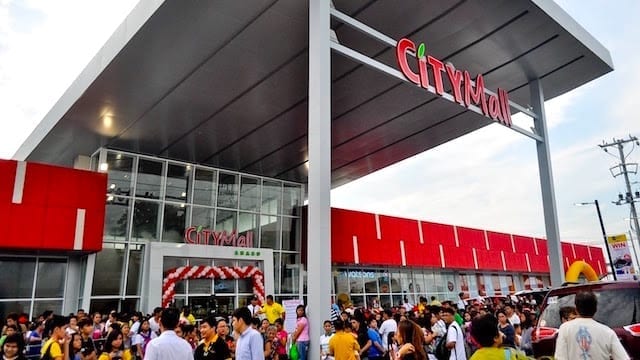
In October, a CityMall is set to open in the Mindanao city of Cotabato. The city is located west of Davao — the home town of Mr Duterte. Cotabato used to be a hotspot for terrorism and Muslim insurgents. “There are no SM or Robinsons malls there,” Mr Sia said, “but there has been Mang Inasal for eight years.”
Mr Sia is confident he has chosen the right target markets. “We strongly believe in the great potential of Visayas and Mindanao,” he said. “I personally had a very good first-hand business experience … in [the] Visayas and Mindanao areas during the expansion of Mang Inasal.” He added that the chain had “over 150 stores in Visayas and Mindanao in operation for several years.”
In 2015, Metro Manila’s annual economic growth rate of 6.6 per cent topped Luzon’s 5.4 per cent, Visayas’ 5.8 per cent and Mindanao’s 5.3 per cent. However, the Duterte government’s agenda for achieving “inclusive growth” is expected to brighten the prospects for rural regions. The president aims to preside over annual growth in the 7-8 per cent range for the next six years, with provinces making a greater contribution than in the past.
Since the Metro Manila market is maturing, established retail players are also eyeing opportunities in the provinces. Their strategies vary. SM Retail is building its own shops while tapping CityMalls to expand its network. Robinsons Retail Holdings and Puregold Price Club, the second and third-largest players, are in a race to acquire provincial retailers with a couple of branches.
Meanwhile, around 70 per cent of the retail sector remains informal, with myriad mom-and-pop shops. There are also independent provincial shopping centre operators running scattered locations in first-tier cities. Of the 145 cities in the Philippines as of June 30, a third were so-called “first class” municipalities, meaning they have annual revenues exceeding 400m pesos.
When it comes to creating a strategic network of shopping malls in the first-tier cities, Mr Sia hopes to be a step ahead. He envisions CityMalls as one-stop shops for daily errands. He said he did not intend to compete with bigger malls, where customers often spend the whole day on weekends, for dining, shopping and entertainment.
“The transition from the traditional unbranded fast food to modern fast food [was] already done in the Philippine provinces a decade ago,” Mr Sia said. “The transition from traditional retail to modern retail in the provincial areas has just started, and is expected to be completed in the next few years.” Mr Sia hopes to spearhead this new phase of retail industry through the expansion of CityMalls in the provinces
He continued: “That is the market where we are currently positioning CityMall, and once the transition cycle is done, CityMalls are poised to be the biggest beneficiary.”
Still, while the stock market is cheering Mr Sia’s strategy of focusing on Visayas and Mindanao, DoubleDragon does face its share of challenges.
Some analysts argue the company is overvalued, partly because most of its investors are retail investors, who tend to play up stocks. It was only in July last year that DoubleDragon managed to attract long-term institutional investors, and it may need to do more to improve its credibility with bigger funds.
“The price is not warranted at this time,” said Richard Laneda, an analyst at COL Financial in Manila.
The company’s first-half net income rose 16 per cent to 144m pesos, as revenue jumped 15 per cent to 706m pesos. It is targeting net income of 4.8bn pesos by 2020.
DoubleDragon’s price-earnings multiple is 100, higher than those of SM Prime andAyala Land, which are both trading at around 30, noted Luis Limlingan, managing director of Reginal Capital Development.
Mr Sia said analysts should look beyond that metric. “Clearly, our investors are not looking at the ‘now,’ they are looking at the next five, 10 or maybe 15-year horizon.”
Anton Alfonso, an analyst at RCBC Securities, warned that Visayas’ and Mindanao’s under-developed infrastructure could hamper DoubleDragon’s mall network build-up. Convenience store chains looking to expand there have faced similar challenges.
Despite some delays in branch openings, Mr Sia said the company was confident it would meet its targets. “We should be able to announce the next phase of our business in the next few years,” he said, adding that DoubleDragon is open to overseas opportunities as well.
To be sure, DoubleDragon has the Philippines’ consumption-driven growth going for it. Consumption generates two-thirds of the country’s gross domestic product, and projections indicate the economy should keep expanding by an average of over 6 per cent for the next six years on the back of steady remittances from overseas Filipino workers and a growing business process outsourcing industry.
Mr Sia is hardly the only new-generation entrepreneur looking to ride this wave. Steve Benitez, from the central Philippine island of Cebu, hopes to turn his Bo’s Coffee chain into the world’s next Starbucks. It currently has 60 domestic branches. Ben Chan, another self-made entrepreneur, is building an apparel company, Bench, and is taking it into other Southeast Asian countries and China.
Then there are the heirs who are taking the reins of their family businesses. In 2015, Puregold Price Club appointed the son of founder Lucio Co, Ferdinand Vincent, as chief executive. Puregold’s parent company, Cosco Capital, plans to compete with Mr Sia in the community mall segment.
Mr Sia believes the completion of the 100 CityMalls is just the beginning of his new empire — and a rock-solid foundation. “Once we complete that, our presence will be powerful, and the confidence in our company will be higher.”
In Southeast Asia huge family businesses, conglomerates and state-owned companies still dominate the region’s economies. While it remains to be seen whether Mr Sia will accomplish his ambitions, the new-generation entrepreneurs will be key in taking the region to its next stage of growth.
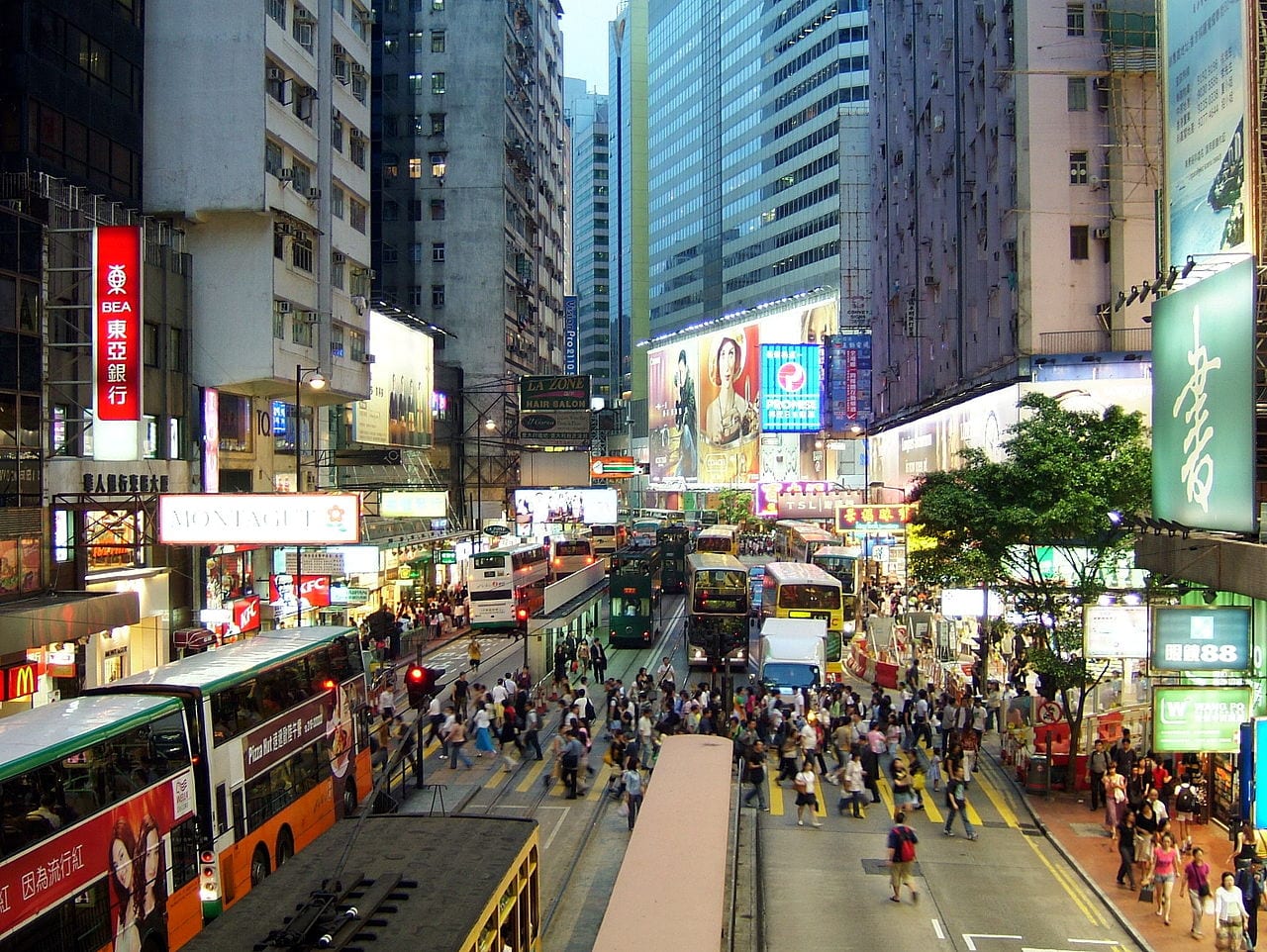
Hong Kong may no longer be the darling of European luxury brands after the combined effect of a slower local economy and fewer mainland shoppers as a result of Beijing’s anti-corruption crack down, but the city is still magnet for less expensive luxury brands and mid-priced retailers.
Retail sales have seen an 18 month-long nosedive, with August figures (the latest available) down 10.5 per cent year on year to HK$33.9 billion.
The decline, largely due to a drop in the number of mainland Chinese tourists, has forced landlords to reduce retail rents to avoid vacancies.
“This has created a lot of opportunities for retail players to emerge and innovate,” Joanne Lee, associate director of research and advisory of Colliers International said.
Some less expensive luxury brands and mid-priced retailers still have confidence in the Hong Kong retail market, taking the opportunity to move in on prime locations as high end luxury brands close up shop, according to property consultants.
French brand Sandro is an example. It finds Hong Kong is still a highly lucrative market compared with the rest of the world – even in bad economic times.
In August the Paris-based fashion chain opened its largest Asia flagship store in the heart of Causeway Bay, considered one of the world’s most prime shopping districts. It also plans to double the size of its store in Tsim Sha Tsui’s Harbour City, one of the most prestigious malls for mainland visitors.
Branding its products as “accessible luxuries”, Sandro’s chief executive Jean-Philippe Hecquet said the segment became “very powerful” when people started to look inside their wallets.
The luxury retail industry veteran, who previously worked for world’s biggest luxury group LVMH for over a decade, said that upper-middle class consumers still want to enjoy their life even with less money. “They still want to buy luxury products for sure.”
Sandro, along with sister brand Maje and Claudie Pierlot, recorded a 51 per cent year on year growth in Asia Pacific in the first six months of the year.
Encouraged by the strong performance, Sandro opened three new stores in prime shopping districts in Hong Kong, and plans to add two or three more by the end of next year. It currently operates eight outlets in Hong Kong.
The Harbour City store, which opened a year ago, quickly become the most lucrative store among its 410 retail outlets worldwide in terms of sales per square metre.
In contrast, total tenant sales at Harbour City fell 14.7 per cent to HK$13.3 billion in the first half, according to financial filings by its parent company Wharf Holding.
“The economy is about cycles. Everything happen for a reason. You just need to hang in there,” Hecquet said.
Unlike traditional luxury brands such as Gucci, Louis Vuitton and Burberry, which had previously aggressively expanded in the city to cater for the huge influx of mainland shoppers, Sandro has only recently ramped up its pace in terms of adding stores. Its first store in Hong Kong was not opened until 2012.
Hecquet admits Sandro may have missed the “golden age” when rich mainland shoppers queued up outside Chanel, Gucci and Louis Vuitton outlets, snapping up expensive leather bags emblazoned with big logos.
“For [traditional luxury brands], the traffic is going down, but for us, we still see very decent traffic,” he said.
But he noted that the emerging young upper-middle class in Asia would be the future powerhouse for luxury goods, and the right time to expand is now. The current retail downturn in Hong Kong has also freed up more prime retail locations and rents were going down. “We have been waiting for a long time to be able to open a flagship,” he said.
Hecquet said the average age of its customers in Hong Kong was from 25 to 30 years old, and mainland visitors contributed to a significant portion of sales.
Property consultants said the impact of mainland tourists will continue to diminish as retailers focus their efforts on locals and millennial shoppers.
“[Retailers will be] very much focusing on the local spending power, instead of relying on tourists,” said Daniel Shih, director of research and advisory at Colliers International.
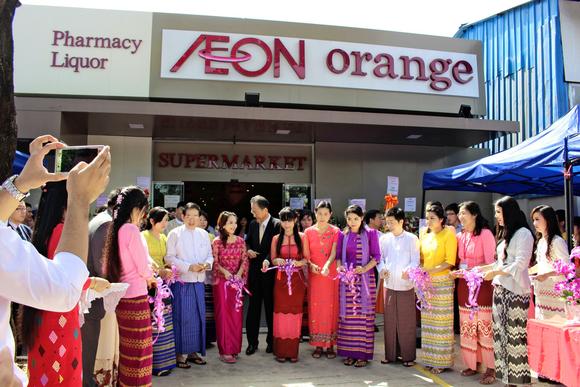
Japanese supermarket giant Aeon has become the first foreign retailer to enter Myanmar since the 2011 transition to civilian rule, a development that could herald change in a retail industry still dominated by traditional markets.
Aeon signage, a familiar sight to Japanese consumers, made its Myanmar debut Friday in a largely middle-class area along a major road in Yangon’s North Okkalapa district. The store packs some 8,000 products into a relatively compact 613 sq. meters of sales-floor space. The lineup includes about 80 items imported from Japan, including selections from Aeon’s Topvalu private brand. About 70% of the products are imported from Thailand or elsewhere, with the remaining 30%, mainly fresh foods, coming from Myanmar.
A slice of Japan
Upon entering the store, the first thing that catches the eye is a refrigerated case featuring neatly wrapped packages containing three or four slices of melon or watermelon, priced at 600 kyat to 800 kyat (47 cents to 63 cents).
“Foods from Japan like cup noodles can be eaten quickly and easily,” a worker at a beverage plant noted. The 24-year-old praised the low prices, as well as the store’s thoughtfulness in offering small servings of fruit that can be polished off before they go bad.
Refrigerated products are a rare sight in Myanmar supermarkets, since quality control is difficult. Produce is typically sold by the piece. Refrigerators are also relatively uncommon in households, so if a customer buys a watermelon, for example, it is usually eaten all at once. The Aeon store offers small packs of sliced fruit, meat and fish, giving customers the option of Japanese-style shopping — buying only as much as they need, when they need it.
Another peculiarity is prepared foods such as boxed meals, which are almost unheard of in Myanmar supermarkets or convenience stores. Ahead of the supermarket opening, Aeon set up a central kitchen in Yangon, where about 10 Myanmarese staffers cook food tailored to local tastes. A lunch box with curry, rice and salad costs 1,280 kyat, while rice balls with pork or other fillings go for 550 kyat. By comparison, a noodle dish from a local vendor typically costs around 800 kyat.
Aeon announced in August a joint venture with Creation Myanmar Group of Cos., a local company which operates 14 supermarkets in the country under the Orange brand. The venture, Aeon Orange, aims to open 10 or so stores in five years. “This is a milestone in transplanting the Japanese values of convenience, security and safety,” Aeon Orange President Yoshimitsu Kawato enthused.
An industry in transition
Modern retail is still a work in progress in Myanmar. Local player City Mart Holding, established in 1996, runs about 40 supermarkets in the country. But these stores serve mostly upper- and middle-class consumers in urban areas. Most people still turn to traditional public markets, known as zei. Modern retailers such as supermarkets account for just 10% or so of the retail industry.
Aeon aims to lure the zei crowd with such draws as the affordable, high-quality Topvalu brand. “Three towels cost 1,800 kyat,” said one shocked shopper. “Even though they’re high-quality Japanese products, they’re cheaper than what’s sold at regular stores.”
Aeon’s Southeast Asian business has suffered from something of a slump in Malaysia, a mainstay market, in recent years. “Myanmar is the market we’re focusing most on,” said President Motoya Okada, citing its “unquestionable” potential and rapid growth.
Research firm Euromonitor International sees Myanmar’s retail market expanding from $11.5 billion in 2015 to $17.5 billion by 2020 amid the rise of the urban middle class. City Mart plans to double its store count within three years, while Thai conglomerate Central Group is reportedly mulling a foray into the country. Competition over this rapidly modernizing growth market will likely be fierce.
Reform underway
Myanmar’s new government has accelerated efforts to open up the country’s economy. The retail industry, which was closed to foreign participation in 2002 in the name of protecting domestic companies, is among the clearest examples.
Aeon’s entry into the market has still met with backlash from Myanmar’s retail industry, which fears that foreign enterprises could throw around their financial weight to crush local businesses.
“We think about protecting domestic companies, but the benefits to consumers are important, too,” argued Aung Naing Oo, director general of the Directorate of Investment and Company Administration. “We welcome Aeon’s entry into Myanmar.”
The country still does not permit foreign involvement in trade. Aeon’s imports are handled by its local partner, Creation Myanmar. Opening up trade licenses to foreign businesses is the biggest key to expanding the retail industry, some argue.
Infrastructure remains an issue as well. The lack of refrigerated trucks and distribution facilities makes it difficult to get seafood and agricultural products from outlying areas to big cities. Though Japanese companies including Kokubu Group started building temperature-controlled warehouses outside Yangon last year, only a few have been completed. A boost to demand from Aeon’s presence would encourage infrastructure construction, a Kokubu spokesperson said.
With Indonesia’s affluent middleclass and millionaire population growing rapidly amidst a temporary slowdown in the property market, there is great interest from local and regional industry players and experts on how Indonesia’s property sector can face its current challenges and how it will evolve in the future.
Some of these experts will be at the inaugural Property Report Congress Indonesia 2016 , the acclaimed conference series hosted by Property Report, Asia’s leading luxury real estate, architecture and design media platform.
The wholeday event will bring together experts from Indonesia and around the region to discuss the current state of the Indonesian real estate market. It will be held on 13 October, from 08:00 to 16:00 at the Fairmont Jakarta, supported by official property portal Rumah.com , Indonesia’s leading property website.
Confirmed speakers include the who’s who of the industry and the government, including conference chairman Todd Lauchlan, country head of Jones Lang LaSalle Indonesia.
The opening keynote address will be given by Hendra Hartono, chief executive officer of Leads Property Services Indonesia and chairman of the Indonesia Property Awards 2016 judging panel. Hartono has been tapped to give a 2016 market overview and lead a panel discussion called “What it takes to develop a luxury project.”
Mr Bambang Brodjonegoro, the Minister of National Development Planning of Indonesia, will talk about how Indonesia’s government is supporting the real estate industry in his keynote speech.
Panel moderators at the Jakarta leg of the conference series include: Mina Ondang, director, Cushman & Wakefield (“How the MRT could transform Jakarta real estate”); Mink Tan, chief designer/registered architect, MINKKE Architects (“The rise of stateoftheart architecture in Indonesia”); and Paulius Kuncinas, regional editor, Oxford Business Group (“What tax and the law can do improve the Indonesian real estate market”). In addition to the panel sessions, there will be a workshop on “The content marketing sweet spot and how to find it,” to be facilitated by digital strategist Ian Payton, founder of Hashtagcontent.com. Paynton
has shared his content marketing insights at the previous Property Report Congress events in Vietnam,Myanmar and Malaysia.
Jaime Rivera, Asia regional director at Crystal Lagoons, official sponsor of the Indonesia Property Awards 2016, in turn will talk about waterbased technology and how it can increase interest in property developments in the region. A worldrecord holder for the largest manmade lagoon, Crystal Lagoons’ first project in ASEAN was in Bali.
Conference delegates will have a chance to meet and learn from Asia’s industry leaders who are redefining the Indonesian property landscape. Panelists will be coming from Jakarta and overseas. As always, the opening and closing remarks will be given by Liam Aran Barnes, brand director and editor in chief of Property Report. “We’re bringing our conference series to Jakarta at a time when the Indonesian government is looking for various means to implement programmes to boost the sluggish domestic market ,” Barnes said. “This is
one of the ways that our publication can support Indonesia’s property sector apart from the annual Indonesia Property Awards.” Since debuting in Singapore in October 2015, five successful Property Report Congress events have been held in Manila, Ho Chi Minh City, Yangon, Kuala Lumpur and most recently in Bangkok, which welcomed the series’ biggest audience in 2016 of about 140 delegates, speakers and media.
Property Report Congress has been described as “a great networking event and platform for people in the real estate industry to come together and share ideas,” according to Bertil De Kleynen, sector director for Architecture, Interiors & Landscape at Atkins Global, and featured speaker at the Ho Chi Minh City conference.
Organised by PropertyGuru, Asia’s leading online property portal group, the Property Report Congress will be followed by the annual Indonesia Property Awards 2016 blacktie gala dinner in the evening, from 18:00 to 22:30, which will be attended by 300 of the country’s top real estate developers, executives and industry professionals.
For registration and enquiries, email conference director at [email protected] or visit
The overall theme of the conference was one of tempered optimism
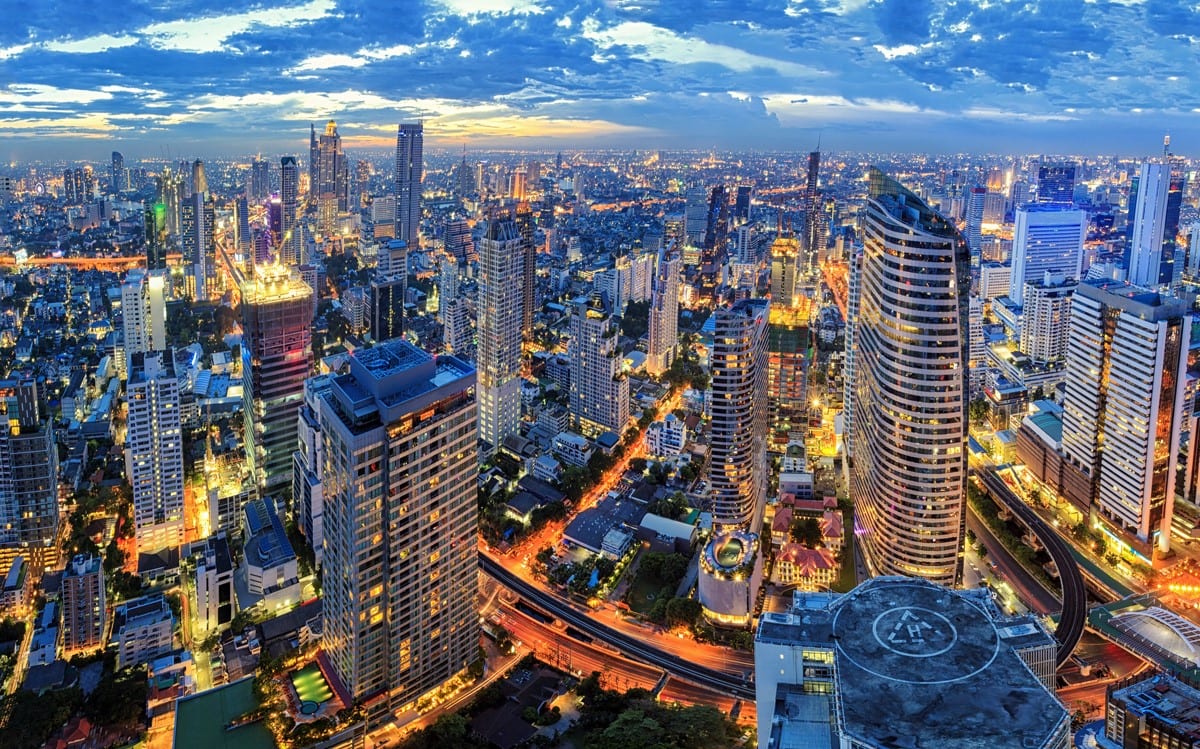
Speakers at the first Property Report Congress Thailand 2016 have tempered optimism on the market, as experts see potential and also challenges facing the country’s real estate sector.
DDproperty.com, the conference’s official property portal, reported that Thailand’s commercial real estate is expected to witness an upward trend in the coming year as the market becomes stronger due to growing demand from consumers, according to local and foreign experts at the event.
The current market situation has been often been described as resilient, supported by the healthy luxury residential segment of Bangkok even as the overall state of the economy has caused some to be concerned.
“Although having been affected by global volatility, the impact of China’s slowdown and weakening demand in general over the past year or so, Thailand will remain on an upwards course in 2016 with several property firms projecting growth of around 5-10 percent with the Greater Bangkok luxury market expected to lead the regional resort areas into positive growth,” Clayton Wade, managing director of Premier Homes and Property Report Congress Thailand conference chairman, stated.
Thailand’s office sector could see an increase in both rental rate and occupancy rate, especially in Grade-A office space in Bangkok’s downtown area.
Dr Theerathon Tharachai, chief financial officer of Project Planning Service, noted that there is a huge potential in the office space for sales in the suburb area as well, especially in certain growth areas such as Rama 9 or Ekamai-Ramindra.
When it comes to Thailand’s retail and design, the focus is on quality rather than quantity as Thailand’s sluggish economy requires outlets to create special projects that connect with consumers.
“I wish I could paint a more rosy picture, but I do feel things will be very competitive as consumption demands are likely to remain laggard for the remainder of this year and next,” Vicharee Vichit Vadakan, co-founder and managing director of The COMMONS, one of the retail nominees at the 11th Thailand Property Awards 2016, said.
“In a weak economy, one is more likely to find stability and growth in more focused products. Truly understanding your customers and being honest and relevant to their needs is of essence.”
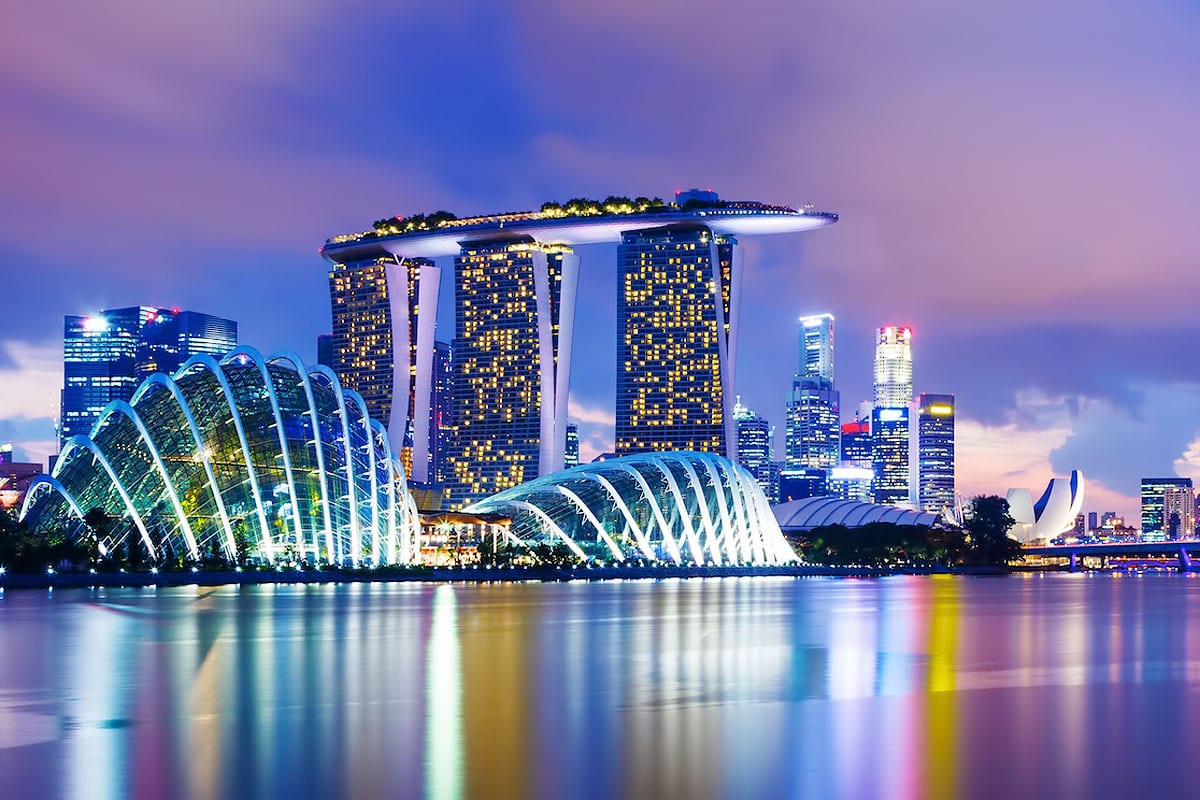
More luxury brands and new-to-market retail concepts are debuting at The Shoppes at Marina Bay Sands – along with an expanded collection of premium children’s brands at the North Promenade.
Gucci Kids, Kenzo Kids, Paul Smith Kids and Stella McCartney Kids will open in the first half of next year – the first standalone stores in Singapore for all four brands. They join Baby Dior, Dolce Gabbana Junior and Fendi Kids, all of which are the first and only outlets for the brands in Southeast Asia.
Marina Bay Sands VP of retail John Postle says the brand expansion helps The Shoppes continue to sharpen its edge as a leading shopping destination.
Lewis Hamilton at The Shoppes
Culinary options at the mall are also being extended. Just opened is Seafood Paradise, the homegrown brand’s flagship restaurant in Singapore.
The Paradise Group will also be opening its Canton Paradise this year to showcase classic Hong Kong cuisine such as roasts, noodles and wok-fried dishes.
Also launching soon is the first standalone Venchi Chocolate and Gelato kiosk in Singapore, featuring South American chocolate. Japanese chain Ippudo Ramen is also in the pipeline, as well as the new-concept Starbucks Reserve, which introduces rare coffees and special brewing methods.
New-to-market brands
As well as luxury lingerie store Agent Provocateur, other new-to-market brands set to join the mall this year include Homme Plisse by Issey Miyake, a men’s range of sporty separates. The collection will be featured in the same boutique space featuring Pleats Please Issey Miyake and Bao Bao Issey Miyake.
French fashion house Chloe will return to Singapore in the first quarter of next year with its first standalone boutique as part of a significant expansion across the mall’s luxury boutiques. Key enhancements will include Tiffany & Co doubling its store size and the Chanel duplex also expanding to nearly 11,000 sqft (1021 sqm). It will have a new design concept by architect Peter Marino.
Shoes, bags and accessories designer Jimmy Choo will also double its shop size. Other outlets also enlarging their stores include Breguet, Omega, Paul & Shark and Rimowa.
Meanwhile, The Shoppes at Marina Bay Sands is midway through its fashion promotion Front Row at The Shoppes. The event features the world’s fashion capitals each week through the eyes of trendsetters, highlighting craftsmen and offering personal styling sessions.
Front Row 2016 – Repetto Event with Yoyo Cao
A highlight was a regional party hosted by Burberry and attended by more than 200 guests. The evening introduced the brand’s new “Personalised for You” in-store experience for Southeast Asia, showcasing its most iconic designs and revealing the craftsmanship behind each piece.
British singer/songwriter Georgie also marked her debut in Asia with a performance at the in-store party.
Listed Philippine property developer Double Dragon plans to build a network of 100 neighbourhood style shopping malls across the Philippines by 2020.
The company has already opened eight CityMall centres and secured 53 sites to date. The new centres will range anywhere between 5000 sqm and 10,000 sqm.
Last week DoubleDragon announced it was issuing P15 billion in retail bonds to fund the development of its projects next year.
“The majority of the proceeds will be deployed in our projects within 2017 as by 2018, we expect to already have substantial rental revenues from our provincial community mall chain, CityMalls and our Metro Manila office projects such as Double Dragon Plaza in DD Meridian Park and Jollibee Tower in Ortigas CBD, both of which are expected to be completed within 2018,” Sia said.
Listed back in April 2014, Double Dragon Properties, has increased its stock value 29-fold since then – it’s risen 140 per cent this year alone.
CEO Edgar “Injap” Sia, 39, from Visayas, co-founded Double Dragon with Jollibee founder Tan Caktiong, who bought a controlling interest in Sia’s fast food chain Mang Inasal in 2010, acquiring the 30 per cent balance last April. Each deal was valued at 5 billion pesos.
In 2012, the two businessmen acquired an Iloilo-based property developer, turning it into Double Dragon and setting a course for a nationwide property group. Before the float, Sia accepted an offer from SM Investments to acquire a 34 per cent stake in City Mall Commercial Centers, which runs CityMalls on Double Dragon’s behalf. That gives fast food entity Jollibee a ready entry into regional markets – and SM Investments an interest in retail property outside the main cities in which it dominates with its larger-sized malls. As part of the broader SM group, CityMalls has a large, ready-made pool of potential tenants every time it opens a new facility- across food, hardware, health & beauty, grocery retailing and fashion, among other categories.
About 70 of the 100 malls planned initially will be built in the Visayas and Mindanao. The next scheduled to open – in October – will be at Cotabato in Mindanao, west of Davao and a location where neither Robinsons or SM have yet opened shopping centres.
One of those is at the 116ha Northtown residential complex being developed by Alsons Development and Investment in the northeastern part of Davao.
Sia said the mall, expected to be completed by the end of 2017, will anchor the residential development, serving residents and locals.
“We can clearly see the vision behind Northtown to soon become one of the most vibrant areas in Davao City,” he said.
CityMalls are positioned in the market as one-stop shops for daily purchases – not destinations to spend a day shopping, watching movies and eating with family or friends. Sia does not aim to compete with larger regional malls, the likes of which SM is rolling out across urban areas nationwide.
Sia is also considering opportunities outside the Philippines long-term, as well as more locations at home.
“Once we complete [100 malls], our presence will be powerful, and the confidence in our company will be higher,” he said in a recent interview.
New York-based Laguarda.Low Architects has finished designing a 3.7 million sqft (343,700 sqm) mixed-use development for Shenzhen in China.
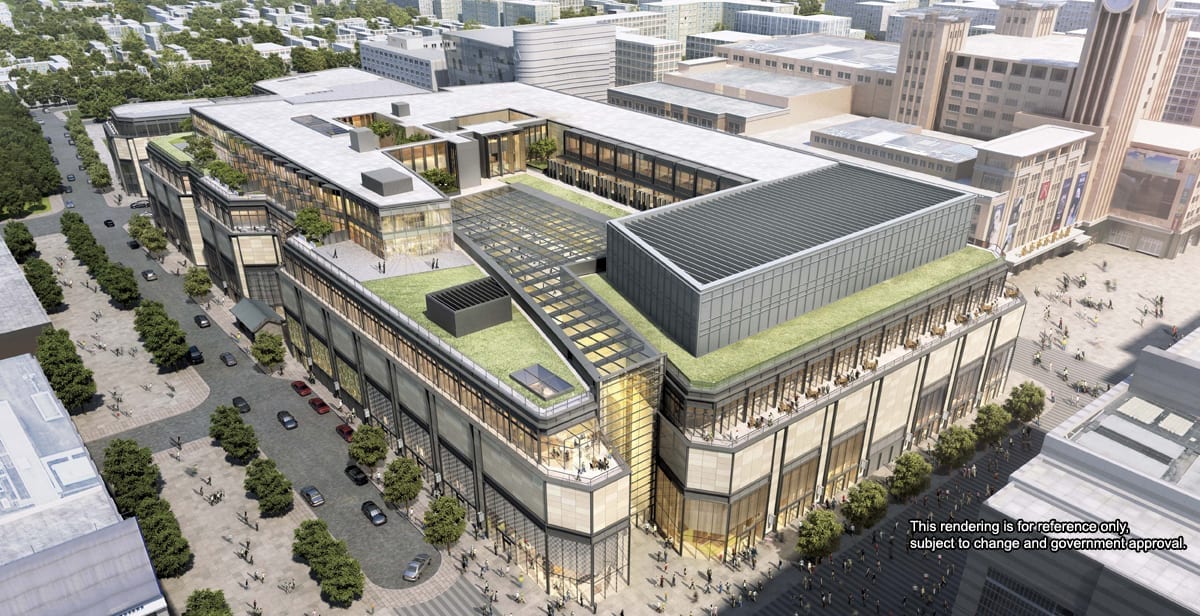
For CM-OCT Investment Co, the Longhua New District project comprises eight highrise towers, more than 20 low-rise retail buildings, two cultural buildings and open green space.
CM-OCT Investment Co is a joint venture of two state-owned developers, China Merchants and OCT.
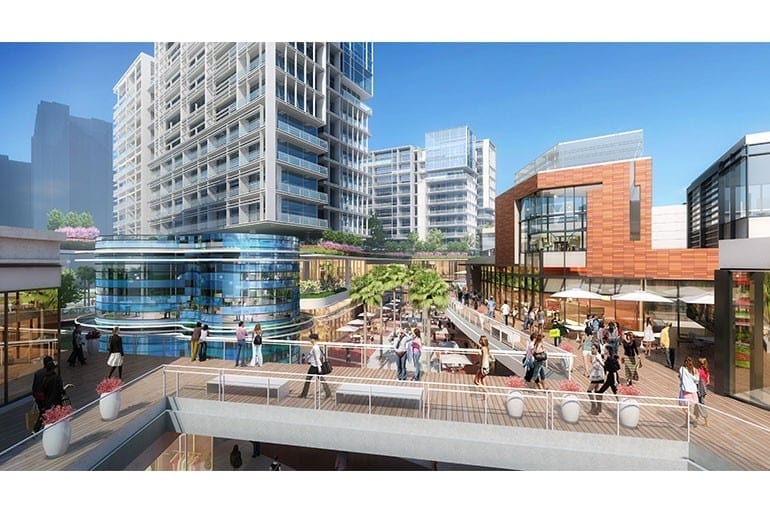
As both master planner and master architect for the project, and working with US landscape design firm SWA, Laguarda.Low envisions the project as a city within a city, giving each building a distinct architectural character and connecting the residential, office, retail, hotel and cultural buildings through landscaped pedestrian walkways and a central green corridor.
Its plan positions a multi-level retail village at the centre of the site, surrounded by four residential towers to the northeast, three office towers to the southeast, a hotel to the south, a mall to the west; and a performance hall and exhibition centre to the north. A central loop connects the zones and provides access to parking below.
“The quality and arrangement of the buildings, along with the dynamic public spaces, creates a vibrant setting to live, work, and enjoy the development’s cultural and entertainment facilities,” says Laguarda.Low principal Pablo Laguarda.
Construction work has started, and when complete, the development will connect directly to public transportation via the elevated Hongshan Subway Station and a new bus terminal.
OCT Group and Laguarda.Low have already collaborated on several mixed-use developments including the OCT Bay development in Shenzhen, comprising 3.2 million sqft of hotel, entertainment, retail and restaurant offerings on Shenzhen Bay. They also produced OCT Chengdu, a mixed-use project next to the Happy Valley theme park in Chengdu.
Property investment, management and development group Hongkong Land plans to continue expanding its footprint in China’s key cities.
“We are actively looking for new opportunities in Beijing, Shanghai and some key secondary cities,” says executive director Raymond Chow. He says the company is betting on the country’s long-run prospects.
The Hong Kong-based developer already has several projects on the mainland, including two commercial projects in Beijing and Shanghai and two complex projects in Chengdu and Chongqing.
“When we invest, we look for a very long term, at least a generation,” says Chow. “So we are still very confident in mainland’s further growth despite the recent slowdown in GDP growth.”
Hongkong Land’s project in Beijing, WF Central, on Wangfujing Street, has a gross floor area of 150,000 sqm and is expected to open in the second half of next year. The $1 billion project includes 50,000 sqm of luxury retail space and a Mandarin Oriental hotel.
Chow says the project will introduce a range of luxury brands to Beijing.
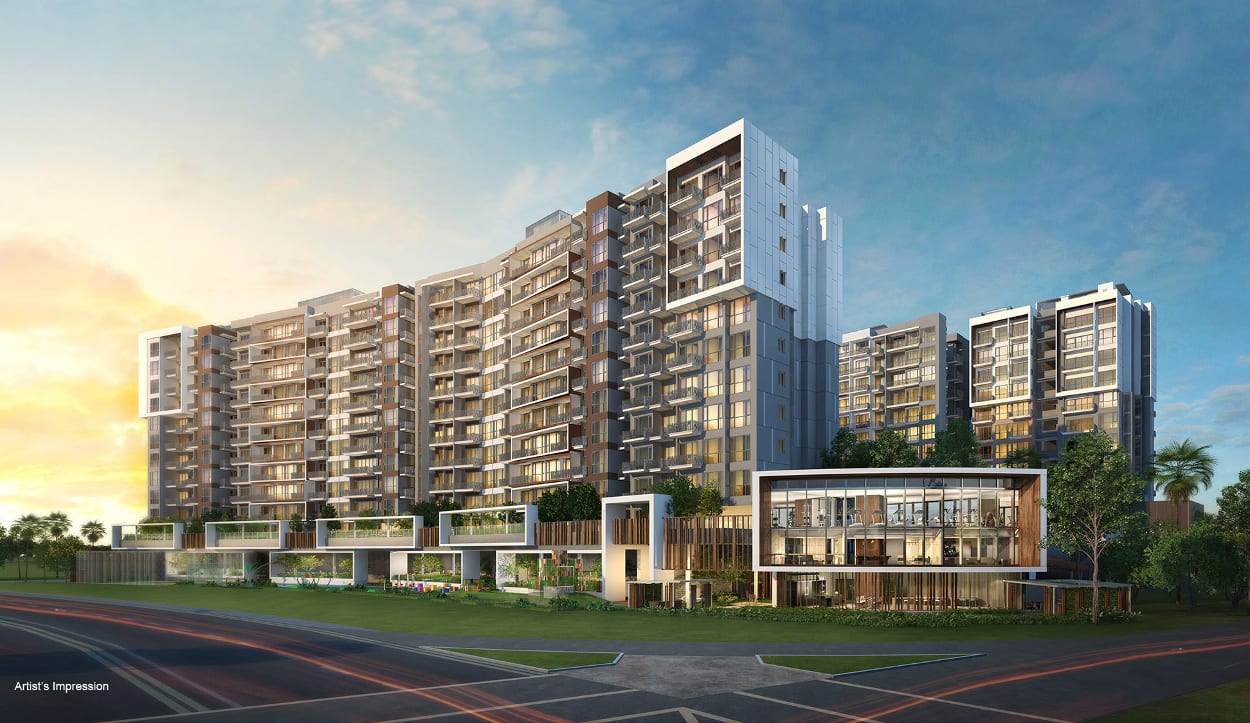
Forest Woods is a new launch residential development from City Developments Limited (CDL) located along Lorong Lew Lian. The project is targeted for people who prefer a serene and tranquil environment to live in but that comes with the benefit of modernized and unique communal facilities.
While speaking about the project location, a prominent realtor Michael said, “Convenience and ease of access are just some of the benefits that will be coming with Forest Woods. The development is located just a few minutes away from the Serangoon MRT station and one can easily walk there. It can also be easily accessed via the Serangoon Bus Interchange and MRT station which are a walking distance away. There will be easy access to the major expressways including the Pan Island Expressway, Kallang-Paya Lebar Expressway and Central Expressway.”
“In today’s world of heavy traffic jams and tight schedules, people are without doubt looking for convenience. They do not want to be spending hours on end on the road commuting from home to work and vice versa. They are also not looking for to have to sit in traffic jams for several hours just to be able to do their shopping. They would like to be able to shop stress free and also move around easily and conveniently. These are all factors that Forest Wood has taken into account,” spokesperson at City Developments Limited explained. True to City Development’s word, Forest Woods condo is located very close to major shopping malls including Hougang Mall, Heartland Mall, Upper Serangoon Shopping Centre and NEX Mega Mall.
The strategic location of the projects makes it close to many other retail entertainment amenities like Maplewood Park, retail outlets and dining options including Chomp Chomp Food Centre and Serangoon Gardens. “The project takes care of the family with kids and is close to reputed schools including Cedar Girls’ Secondary School, St Andrew’s Junior College, Xinghua Primary School, Nanyang Junior College, Zhonghua Primary & Secondary School and Yangzheng Primary School just to mention a few,” adds Michael.
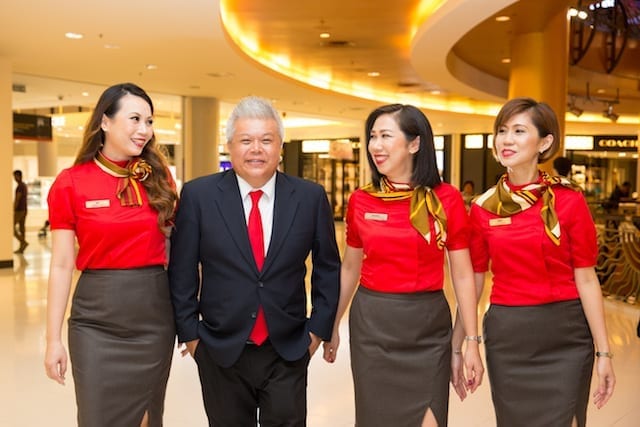
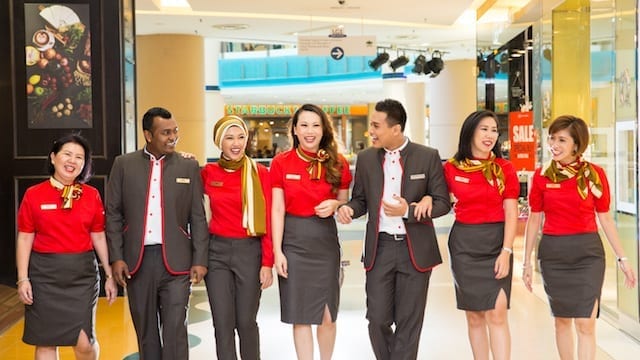
In a bid to soar above the growing competition in the Malaysian mall industry, Sunway Malls is hiring former flight attendants to work in customer service.
As well as experience in delivering quality service, the former flight attendants have training and experience in safety and handling emergencies.
So far nine former flight attendants have been recruited from a local carrier to work in both Sunway Pyramid and the soon-to-be-opened Sunway Velocity Mall. Similar recruits are also being sought for Sunway Putra Mall in Kuala Lumpur and Sunway Carnival Mall in Penang.
“With increasing competition, it is imperative the creation of good customer-service experience in malls takes precedence as both a strategic differentiator and a loyalty tool in a saturated market,” says Sunway Malls COO Kevin Tan.
Earlier customer-service initiatives have included a carpark guiding system, powered wheelchairs and child distance monitors. Sunway Pyramid received a My Branded Service Award for outstanding customer service in 2009.
Tan says the company still welcomes others who have not been flight attendants, with the most important criteria being passion and willingness to serve customers.
Competition is expected to intensify in Malaysia’s mall industry as another 27.28 million sqft (2.5 million sqm) of new retail space is about to enter the market, according to data from the National Property Information Centre.