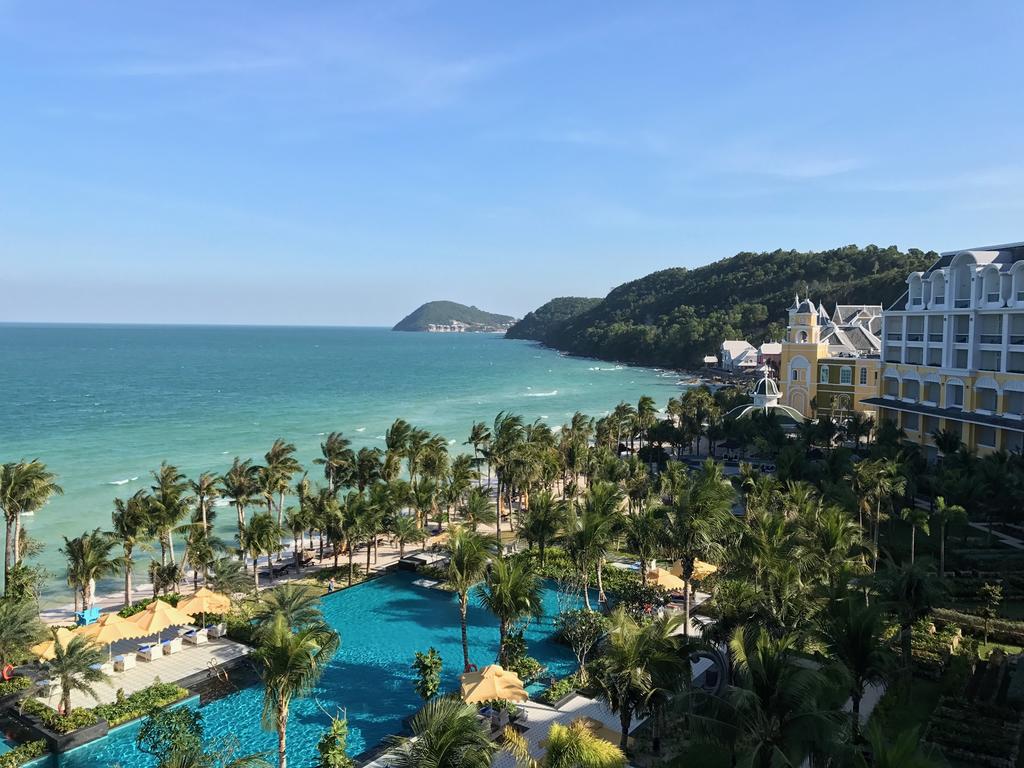
Category: Real Estate

Retail News Asia is committed to providing both local and global retailers with the latest Real Estate news throughout the Asian market. This on a daily base.

  • Queenstown retail centre’s first stage complete

    Queenstown retail centre’s first stage complete

    The first stage of the NZ$130 million Five Mile Retail Centre development at the gateway to Queenstown has opened, after the site’s conversion from an abandoned construction project into a state-of-the-art shopping precinct.

    The 14,000sqm site is now home to retailers including Countdown, Briscoes Homeware, Rebel Sport, Warehouse Stationery, Number One Shoes, Supercheap Auto, and ANZ Bank.

    The complex will also eventually accommodate 800 carparks (including 250 underground) food operators, offices, serviced apartments and a child care centre.

    Australasian design firm The Buchan Group was appointed by Queenstown Gateway Ltd in 2012 to complete architecture, master planning, interior and graphics works for the project, located beside Queenstown Airport.

    The site had been home to a 2.4ha hole created from a construction project that was abandoned when the previous developer was placed into receivership in 2008.

    The Buchan Group Principal David Thornton said the first stage of the Five Mile Retail Centre had finally created an inviting gateway to Queenstown from the eastern approach through to Frankton.

    “Our vision was to design a development befitting the region that reflected the unique characteristics of the stunning surrounding vistas,” he said.

    “This meant not only designing a modern retail centre that was appealing to locals and visitors, but also one that was suitably striking for one of the best locations in the Frankton and Shotover region.

    “The buildings also frame view shafts to Double Cone, Peninsula Hill, Cecil peak and Walter Peak, ensuring the development highlights these natural assets.”

  • Supply of Bangkok retail space keeps growing

    Supply of Bangkok retail space keeps growing

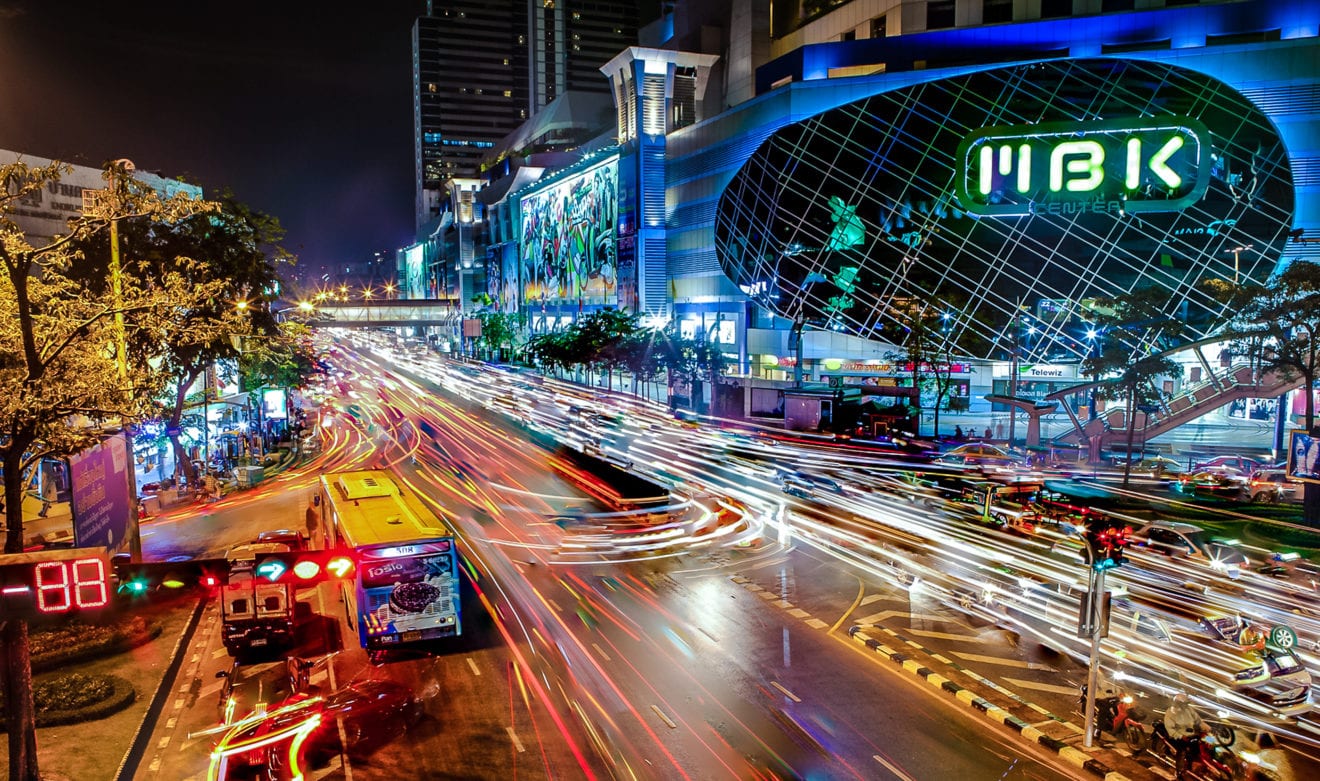
    Despite the challenges of low consumer purchasing power and the growth of online shopping, the supply of Bangkok retail space is continuing to grow.

    Colliers International Research expects about 300,000 sqm of new retail space to enter the Thai market this year.

    “Shopping malls have multiplied in numbers over the past few years, currently occupying the highest share in retail supply,” says Colliers International associate director Surachat Kongcheep.

    Around 114,350 sqm of new retail space opened in the first half of this year, pushing the total retail area in Bangkok to more than 7.6 million sqm. The new space mostly involves malls and office buildings in outer Bangkok, which comprises more than 60 per cent of total retail supply.

    Although Thailand’s economy has not fully recovered, many developers are still launching retail projects as long-term investments.

    Show DC shopping complex is the only large retail project to have opened so far this year.

    A source at IconSiam says the developer has postponed this year’s opening of the IconSiam Project, a 750,000 sqm retail space by the Chao Phraya River. Luxury Japanese department store Takashimaya is one of the project’s main anchors.

    Surachat says the growth of community malls, which boomed in Bangkok’s retail sector three years ago, started to slow down last year because of the developers’ lack of expertise in the retail business.

    As of the second quarter of this year, shopping malls in Bangkok and surrounding areas covered 4.4 million sqm, or 58 per cent of the capital’s total retail supply, which is about 7.6 million sqm.

    Even more malls

    Colliers’ research shows the major players in the retail sector will continue to increase the number of shopping malls in Thailand, especially in major cities, while other retailers will focus on expanding their portfolios internationally.

    Despite weak spending power, most hypermarkets, speciality stores and large shopping malls in Bangkok’s suburban areas are at 100 per cent occupancy level, says Surachat. Occupancy rates in all retail categories in the second quarter were nearly the same as those in the previous quarter, at rates above 96 per cent. Most of these areas are occupied by hypermarkets and surrounded by speciality stores and entertainment complexes.

    Meanwhile, shopping malls also show high occupancy rates as they are popular for local and international brands.
    “Bangkok’s total retail area has quickly risen within the past quarter through the addition of many new office buildings,” says Surachat. Office buildings have added retail space for tour and travel services, convenience stores and dessert cafes.

    Average rental rates of all locations in Bangkok in the first half of the year have risen by 5 to 10 per cent. Large shopping malls have the highest rents, says Colliers.

    Rental space in Bangkok’s city area can add up to more than THB3000 (US$88) a sqm per month, especially in central malls with direct access to BTS stations. Meanwhile, monthly rents in community malls beyond the main roads start at around THB800 a sqm.

    Despite the increasing average rental rate, Bangkok’s suburban community malls are not likely to raise their rents in the next two quarters because of their decreasing popularity, says Colliers.

  • Parkson China closing stores as sales slump

    Parkson China closing stores as sales slump

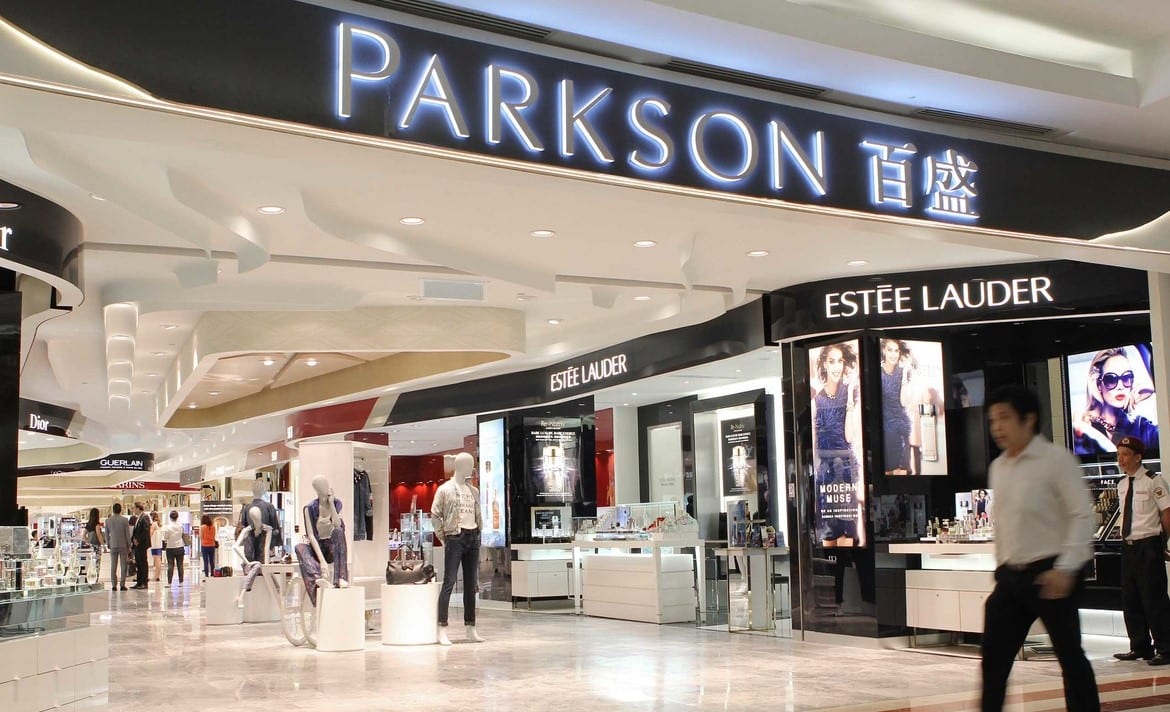
    Parkson China’s first department store, which opened on Beijing’s Fuxingmen Rd in 1994, is the brand’s last remaining outlet in the capital as slumping sales force it to close outlets across the country.

    Parkson closed its Longhu Beijing Changying Street department store and similar outlets in the cities of Hefei and Zhengzhou at the end of May, according to a Chinese news agency.

    A pioneer foreign investor in China’s retail scene, Malaysia-based Parkson now has 46 department stores across China, down from 60 in 2015.

    Its total sales in China have dropped 8.3 per cent year-on-year from 2013 to last year to RMB14.3 billion (US$2.1 billion), according to the latest annual report of the brand’s Hong Kong-listed business. This reflects an industry-wide trend – a survey of 85 department stores found that 55.3 per cent had lower sales last year, with 15 companies experiencing a drop of more than 10 per cent.

    Parkson joins such domestic chains as Hualian Department Store and Jiuguang Department Store in shuttering stores. Last year alone, Parkson terminated five mainland department stores, including Beijing’s Sun Palace Parkson, which it sold for RMB2.3 billion.

    Shanghai officials last month closed the iconic No. 1 Department Store and Orient Shopping Center for a major renovation. Parkson is also branching out into more modern retail formats with its parent company, Lion Group, opening its first full-fledged shopping centre in China last year. The 230,000 sqm Qingdao Lion Mall offers F&B, entertainment and grocery shopping along with traditional retail fare.

    Parkson also launched a standalone gourmet grocery store, Parkson Supermarket, and a flagship bakery store, Hogan Bakery, in Shanghai last year. The company has even made a belated foray into the mobile e-commerce world by rolling out a shopping app.

    These moves helped the company’s sales pick up by 1.4 per cent in the fourth quarter of last year, bucking a downward trend.

    Meanwhile, Britain’s Marks & Spencer has already closed down all 10 of its Mainland China stores in the face of continuing losses, which the company attributed to low brand awareness and a struggle to grow market share.

  • Matahari Department Store Wins Best Wealth Creator Award

    Matahari Department Store Wins Best Wealth Creator Award

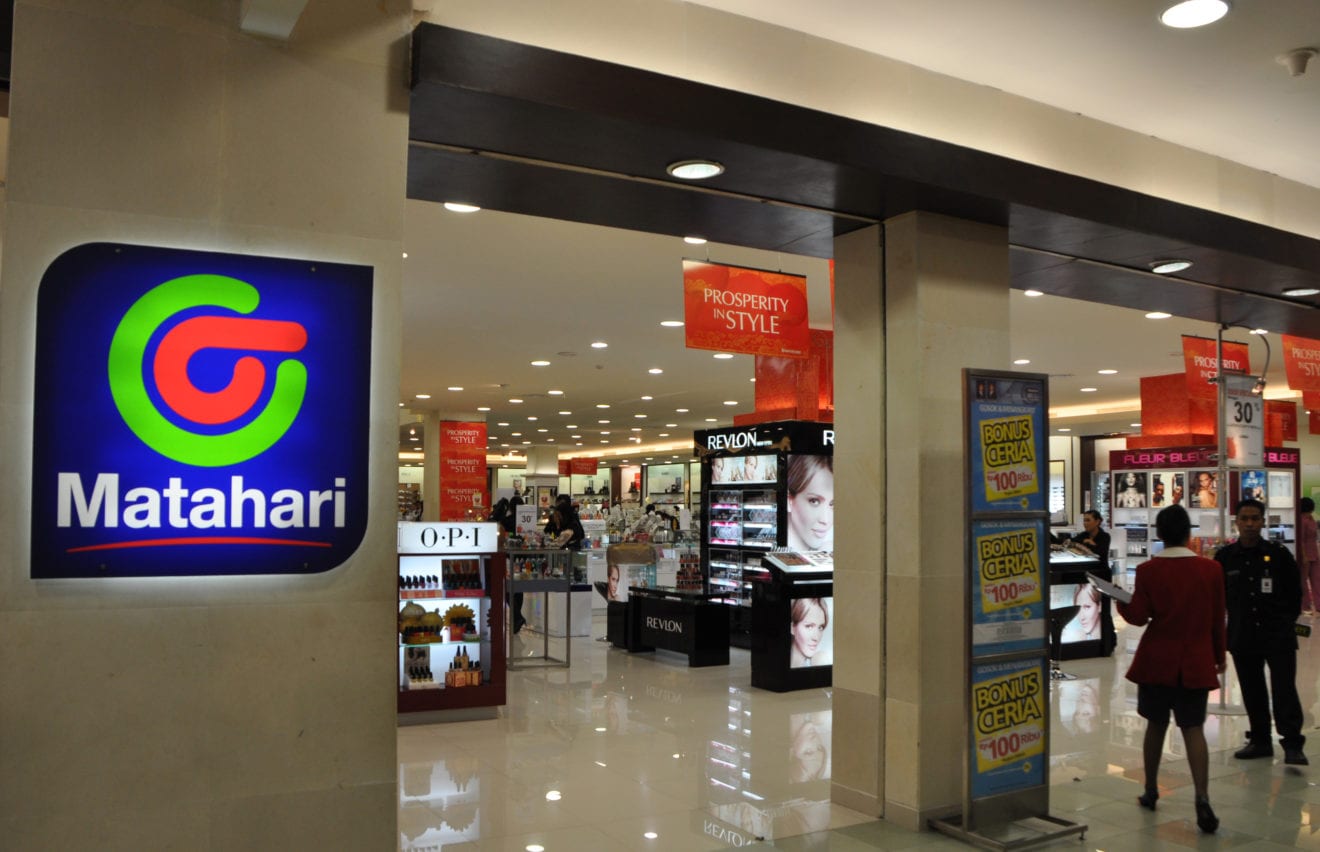
    The award assessed the performance of the best public companies in Indonesia and Southeast Asia based on Wealth Added Index (WAI), a calculation method developed by Stern Stewart. WAI is a metric used to measure the wealth created by a company for its shareholders.

    WAI is obtained by taking the adjusted total shareholder value minus the cost of equity, which is then multiplied by market value or market capitalization.

    The calculation found an increase in the number of local companies that were able to generate wealth for shareholders.

  • Aeon to open second Cambodia mall in 2018

    Aeon to open second Cambodia mall in 2018

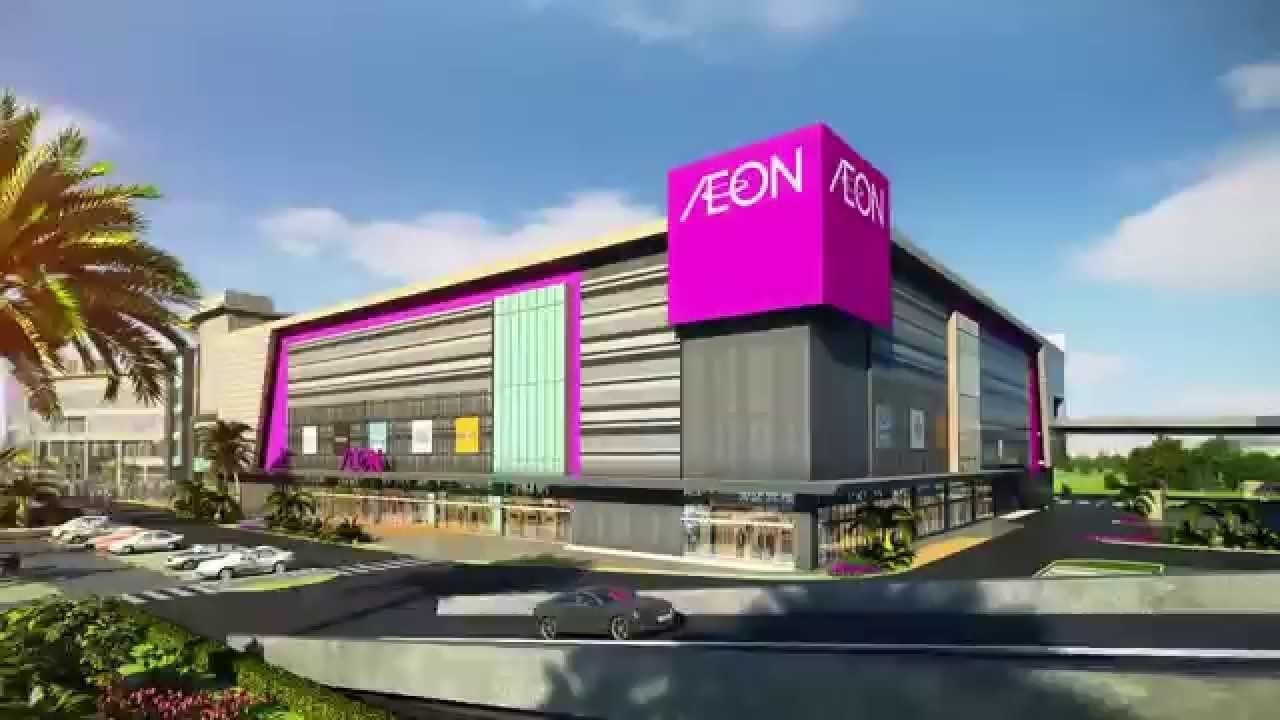
    Japanese group Aeon is expanding its presence in Cambodia with a new location, Aeon 2, announced for 2018.

    Covering 70,500 square metres of retail space, it will be the second Aeon Mall in Cambodia. The exact location has not been disclosed, nor has a date been given for completion.

    According to local media, Cambodian retailers are hailing the entrance of Aeon in 2014 as a huge success, saying its “high standards” are having a positive impact on the Kingdom’s retail sector.

    “Aeon is the first international mall operator and developer in Phnom Penh, and they have set an industry standard and expectations for other such malls in Cambodia,” said Cambo-Sia CEO, Daniel Li.

    “The demand for entry into Aeon is very high, and there is a waiting list for brands wanting to make a debut in the mall.”

    Aeon Mall, the first large-scale modern shopping mall in Cambodia, recently celebrated its third year of operation in the Kingdom.

    CBRE’s first-quarter real-estate report said prime retail rents for malls have dropped by 0.9 per cent compared to the previous quarter, averaging US$31.1 a square metre per month. Prices gained 1 per cent year-on-year.

    The second half of last year, prime rental prices in Cambodia ranged from $32 to $70 a square metre per month, according to a Frank Knight report. The upscale Vattanac Capital mall held highest priced leases for its 5000 square metres of retail space, said the report.

    Looking forward, the retail sector in Cambodia is set to further evolve over the next three years as the total modern retail space could surge from the current 212,000 square metres to 582,000 square metres.

  • Muji plans world flagship and hotel in Tokyo

    Muji plans world flagship and hotel in Tokyo

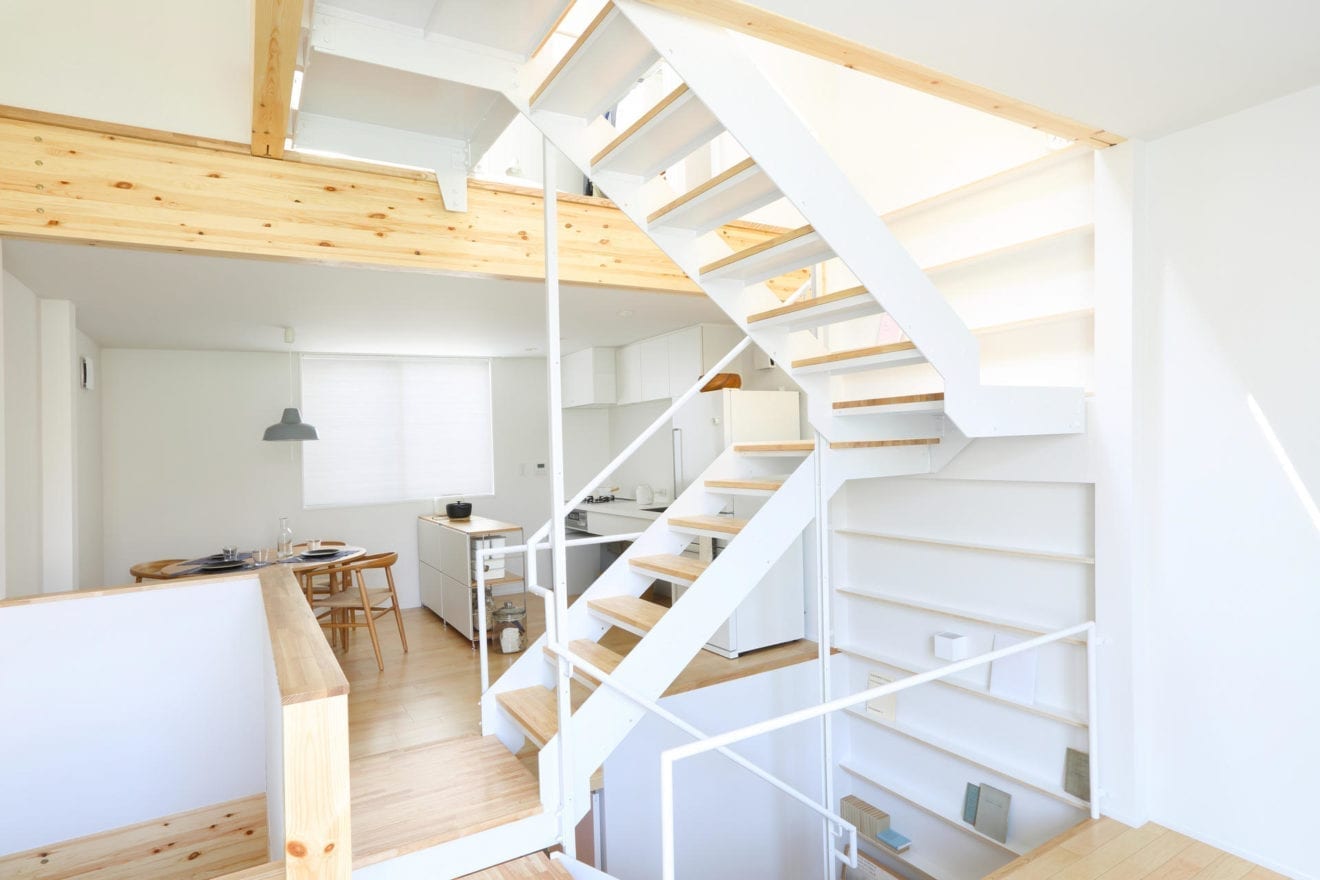
    The Japanese household goods and apparel company has announced its plans to open a hotel and world flagship in Ginza, Tokyo, in the spring of 2019.

    Developed by the Yomiuri Shimbun Tokyo headquarters and Mitsui Fudosan, a retail property developer of the Mitsui group, the 14,219 square metre, 13-floor building will feature eight floors dedicated to the Muji ‘world flagship’ store. Hotel accommodation will be spread across the top five floors of the building, and will be decorated with Muji furniture and products.

    The provisionally named ‘Muji Hotel’ will be developed as part of the “Marronnier x Namiki Yomiuri Ginza Project,” a retail complex in the upmarket area of Ginza, Tokyo, that Mitsui hopes will further revitalise footfall in the area. The building will be located close to the Marronier Gate Ginza, a commercial facility.

    The hotel is to be designed and operated by the UDS company of the Odakyu Group. Construction began in June 2017.

  • Hong Kong investor stakes $500 million to build racecourse in southern Vietnam

    Hong Kong investor stakes $500 million to build racecourse in southern Vietnam

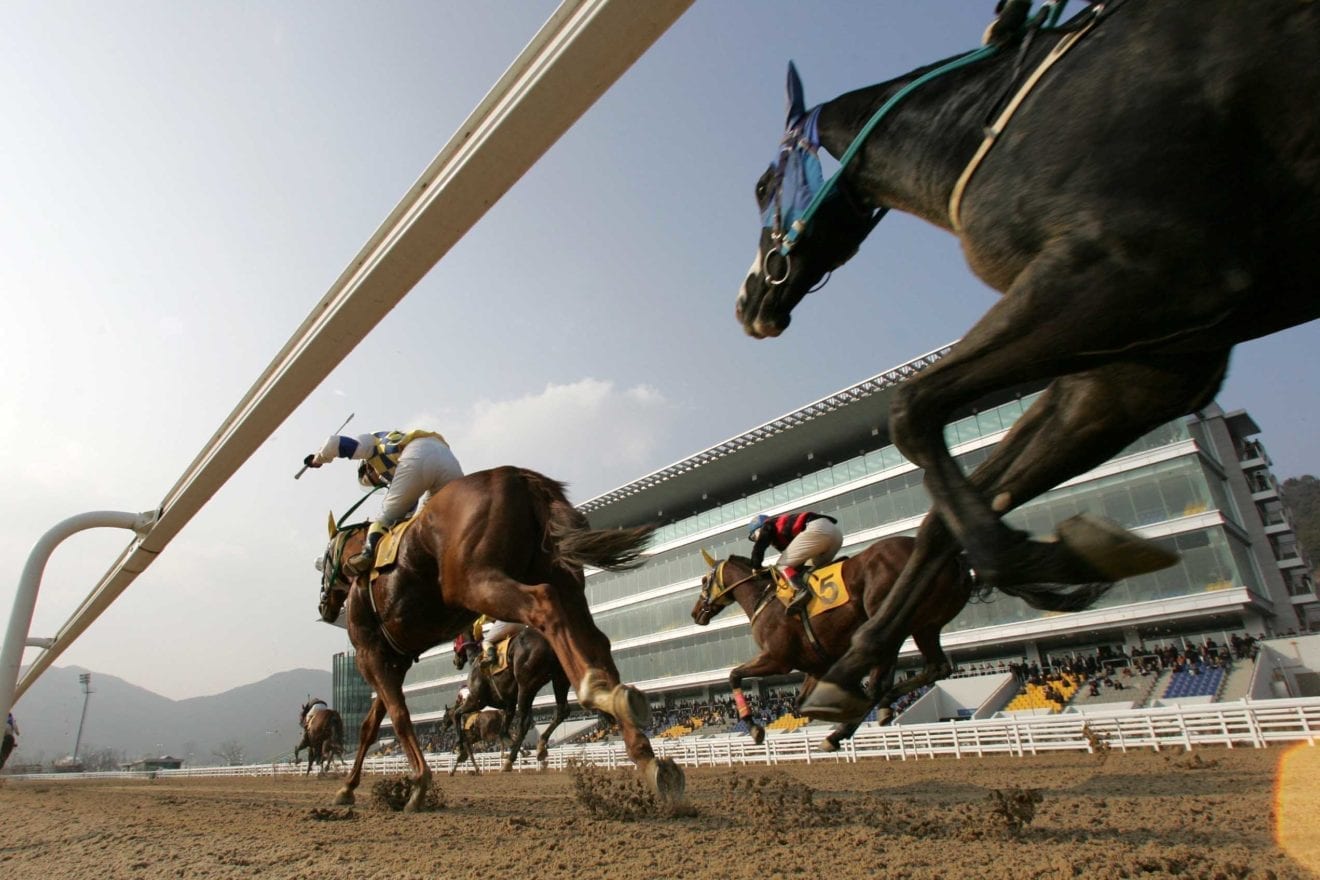
    The company claims the track could earn $2.2 billion a year now that betting has been legalized in Vietnam. A Hong Kong-based company has been given the all clear to conduct a feasibility study for a racecourse in Vietnam’s southern city of Can Tho.

    SIBC International Ltd. met with the city’s leaders on Wednesday to discuss plans to build an entertainment complex that would cover over 150 hectares (370 acres).

    The project, which also includes a hotel, park and golf course, is expected to cost $500 million, it said.

    Once completed, the track could host up to 16 races a day and earn VND50 trillion ($2.2 billion) a year, the company said, adding that it would contribute VND10 trillion in tax each year and create around 20,000 jobs.

    Can Tho officials said the racecourse would help boost local tourism, but given its scale, the city would have to consult the central government before making a final decision.

    The Mekong Delta’s urban center attracted more than 5.3 million tourists in 2016, which was up 14 percent from a year ago and included 22,600 foreigners. Tourism earned the city more than VND1.8 trillion last year.

    Vietnam legalized sports betting earlier this year, allowing its citizens to bet on international soccer games and horse and greyhound races from March 31. The historic decision, made after years of deliberation, has made racecourses a viable investment option.

    The country currently has one greyhound track in the southern beach town of Vung Tau, and a $100 million horse-racing course was opened in the southern province of Binh Duong two months ago. Hanoi has plans to build a $500 million racecourse, but progress has been delayed.

  • Donald Trump’s business dealings on Australia’s doorstep revealed

    Donald Trump’s business dealings on Australia’s doorstep revealed

    Donald Trump was running for the US presidency when he personally raised with senior Indonesian politicians the need to have a toll road completed in Indonesia to benefit a massive new resort development in which he later invested.

    A senior Indonesian politician who met Mr Trump in New York in 2015 has revealed that he made clear the project would only go ahead if the toll road was completed.

    “He was saying that it’s impossible without the toll road,” Fadli Zon, the deputy speaker of Indonesia’s Parliament, said.

    Mr Zon, together with the speaker of the Indonesian House of Representatives, Setya Novanto, met then presidential-hopeful Mr Trump at Trump Tower in New York in September 2015 during the presidential primary campaign.

    The meeting, unauthorised by the Indonesian government, was held with the direct assistance of Mr Trump’s new Indonesian business partner, Hary Tanoesoedibjo, known as Hary Tanoe.

    At the time, Mr Trump and Mr Tanoe were in negotiations over the development of a mega-resort and an associated theme park, sky train, and Formula One racing track on a 3000-hectare site on the island of Java, south of the capital Jakarta.

    “He said he really understood well about the situation. For example, this theme park in Bogor area that needs some highway … because sometimes it’s impossible to go there,” Mr Zon said.

    Congested roads in the region can turn the 70-kilometre car ride from Jakarta into a nightmarish two-or-three-hour journey.

    One week after the New York meeting, Mr Trump signed the deal to develop the Trump International Hotel and Tower Lido.

    The construction of the toll road, which had been started then delayed in June 2015, resumed in November.

    The government took over the construction in June 2016 and the first section is due for completion by the end of the year.

    Mr Zon said he estimated that with the impending completion of the toll road, Mr Trump and Mr Tanoe had already tripled their value of the resort land.

    “Yeah. I think the price increase like three times,” he said.

    The President’s latest financial disclosure, released on June 14, stated that the management fees from the Indonesian companies tied to the Bali and Lido resorts had more than doubled.

    The latest disclosure puts the fees at $US380,000 ($A495,000), up from the $US167,000 ($A217,000) he reported in 2016.

    ‘This is a marriage between politicians and business people’

    The head of Human Right Watch Indonesia, Andreas Harsono, said he thought the meeting between the Indonesian politicians and Mr Trump was unethical.

    “It is not appropriate for any business to ask the government to pay for an access toll road into their property,” he told.

    “Unfortunately, it is common in Indonesia. You can change a road direction as you can extend a toll road or bridges or whatever to benefit people who have money, who have interest.

    “This is a marriage between politician and business people.

    “It is common, it is very common in Indonesia.”

    Mr Zon and Mr Novanto were both investigated by a parliamentary ethics committee over whether the meeting with Mr Trump violated strict Indonesian government codes.

    The result of that investigation has never been made public, but both walked away with only a warning.

    In November, two months after the New York meeting, Mr Novanto was embroiled in a massive corruption scandal, accused of attempting to extort a $US4 billion ($A5.2 billion) payment from American mining giant Freeport-McMoRan.

    Mr Novanto denied the accusation, claiming he was “just joking”.

    He was never formally charged.

    Donald Trump’s land in Bali

    Mr Trump and Mr Tanoe’s first controversial Indonesian venture was in Bali.

    The resort, planned as the largest on the island, will overlook one of the most iconic and sacred sites — the Temple of Tanah Lot.

    The existing low-scale Bali Nirwana golf course and resort will close at the end of the month.

    Hundreds of local workers will be laid off and demolition is due to start next month.

    MNC Group bought the Bali Nirwana resort in 2013 from the Bakrie Group, owned by one of the Suharto family’s business associates.

    The Trump Organisation signed up in August 2015 to the redevelopment of the site.

    Not a lot of detail is known about the plans for the second Tanoe/Trump development, Trump International Hotel and Tower Bali.

    When we confronted the local regional governor Ebu Eka Wiryastuti about what had been approved by the local government, she refused to answer questions.

    “I can’t talk about this. I cannot talk about this. At all,” she said.

    “It’s a big complex, more than 100 hectares, to build a hotel, villas, condominiums, also to build a country club — that is also with Mr Trump,” Mr Tanoe told the ABC in January.

    The Trump Organisation will manage the hotel, country clubs and golf courses with the Trump family heavily involved in the project.

    Mr Tanoe outlined the project to the ABC in March and said each of the family members had a different role.

    “Donald Jr is responsible for the overall project. Eric is more on the design and golf, and Ivanka is more on the detail, like the fit-out of the hotel,” he said.

    Mr Harsono has warned that doing business in Indonesia may come at a cost for Mr Trump.

    “I’m not going to say Donald Trump is unethical man, but he is dealing with the worse of Indonesia past, and he is going to deal with the worst of Indonesia future,” he said.

    “I think Donald Trump is going to get his businesses messier and also Indonesia messier.

    “This is going to be a messier place.”
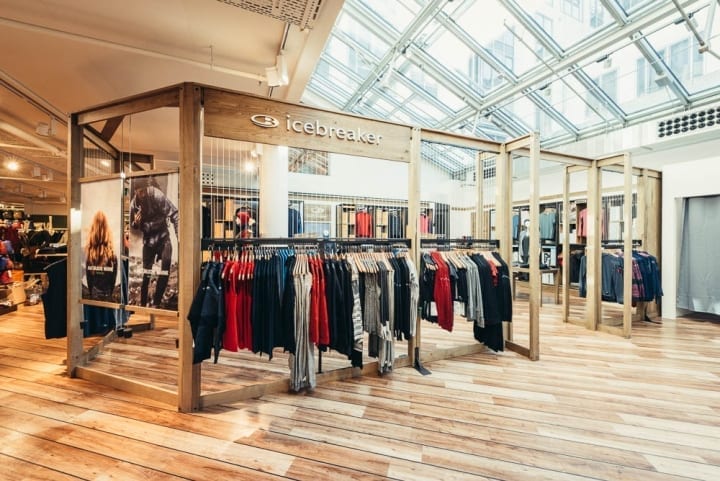
  • Blackstone targets Japanese retail through privatisation of Croesus

    Blackstone targets Japanese retail through privatisation of Croesus

    Blackstone has offered to buy a listed owner of retail assets in Asia-Pacific, valuing the Singapore-based Croesus Retail Trust at SGD901m (€572m).

    Blackstone has agreed to pay SGD1.17 per unit for all of the company’s issued units and intends to privatise it through a scheme of arrangement to be approved by unitholders.

    In 2013, Croesus Trust Retail became the first Asia-Pacific retail business trust with assets in Japan to be floated on the Singapore Stock Exchange (SGX).

    The trust owns a diversified portfolio located predominantly in Japan and has strategic relationships with large Japanese groups Marubeni and Daiwa House.

    Market sources told IPE Real Estate that several Singapore real estate investment trusts, including Croesus, have been trading at discounts to their net asset value, and have consequently attracted interest from investors keen to acquire sizeable portfolios in Asia-Pacific.

    The offer, announced to the SGX on Wednesday, confirmed market speculation of a potential takeover of the trust. Since speculation surfaced in April this year, the Croesus unit price has risen 25%.

    Blackstone will pay unitholders of Croesus a distribution income of up to SDG31.1m, subject to the deal closing by the end of October.

    A simple majority of more than 50% of unitholders, representing at least 75% in value of the units held by unitholders present and voting at the scheme meeting, is needed to approve the scheme.

    In a joint statement to the Singapore Stock Exchange, Croesus and Blackstone said the scheme represents an opportunity for unitholders to realise their investment at an attractive valuation.

    It said unitholders will receive significant premiums to the historical trading price of the units, the net asset value per unit and the net tangible asset per unit.

    CRT and Blackstone said the offer carries a premium of about 38% to the 12-month volume-weighted average price per unit, and that the offer price exceeds the highest closing price of the units since the initial public offering in May 2013.

    The trust has almost 770m units on issue, and, at the end of March 2017 the net asset value of the units was SGD0.95.

    At the end of March, the company reported an occupancy rate of 97.7% and a weighted average lease expiry of 6.5 years.

    Croesus has doubled its portfolio in Japan to 11 retail assets from just four when it listed in 2013. Its market cap has doubled to SGD759.9m since then.

  • CapitaLand nabs three mall management contracts in China

    CapitaLand nabs three mall management contracts in China

    These expand the group’s mall footprint by another 115,000 sqm. CapitaLand Limited is accelerating its shopping mall network expansion through the recently-won management contracts with three new partnerships in China.

    According to the group, its subsidiary CapitaLand Mall Asia will be adding more than 115,000 square meters of gross floor area with these deals.

    In Chengdu, CapitaLand has been commissioned by Sichuan Da Yi Real Estate Co. Ltd to manage the retail component of Leshijie, an integrated development in the up-and-coming Pidu district.

    In Foshan, CapitaLand will be managing the retail component of Hehua International Commercial Plaza a landmark integrated development near Foshan’s border with Guangzhou, on behalf of Hehua Shengshi (Foshan) Property Development Co. Ltd.

    In Shanghai, CapitaLand will manage the retail component of Capital Square, an integrated development it is jointly developing with Shanghai Shentong Metro Group, which develops, constructs and operates railway and metro lines in the city.

    “Since embarking on our mall network expansion strategy last August, we have secured six management contracts in Singapore and China to date, growing our portfolio by close to 300,000 square metres within a year,” CapitaLand Mall Asia CEO Jason Leow said.

  • Sun Group to launch luxury resort in Ha Long Bay

    Sun Group to launch luxury resort in Ha Long Bay

    The developer expects the project, designed by renowned experts, to stimulate tourism in Quang Ninh Province. Sungroup plans to open its luxury resort complex Sun Premier Village Ha Long Bay at Wyndham Legend Halong Hotel in the northern province of Quang Ninh on July 1.

    The developer expects the project to stimulate tourism in the province, the home of the world-famous Ha Long Bay.

    Carrying the luxury resort brand name, Sun Premier Village Ha Long Bay with resort villas and shophouses is among the first beach-view resorts of international standards in the northern region and is guaranteed to make profits.

    Sungroup offers buyers many attractive financial support programs, such as a preferential interest rate of 9 percent on loans within 15 years. Additionally, buyers who register to buy villas at the opening ceremony of the project will enjoy incentives of up to 5 percent off the selling price, excluding VAT.

    When buying resort villas, investors will be entitled to a special interest rate of zero percent for loans of up to 70 percent of the selling price.

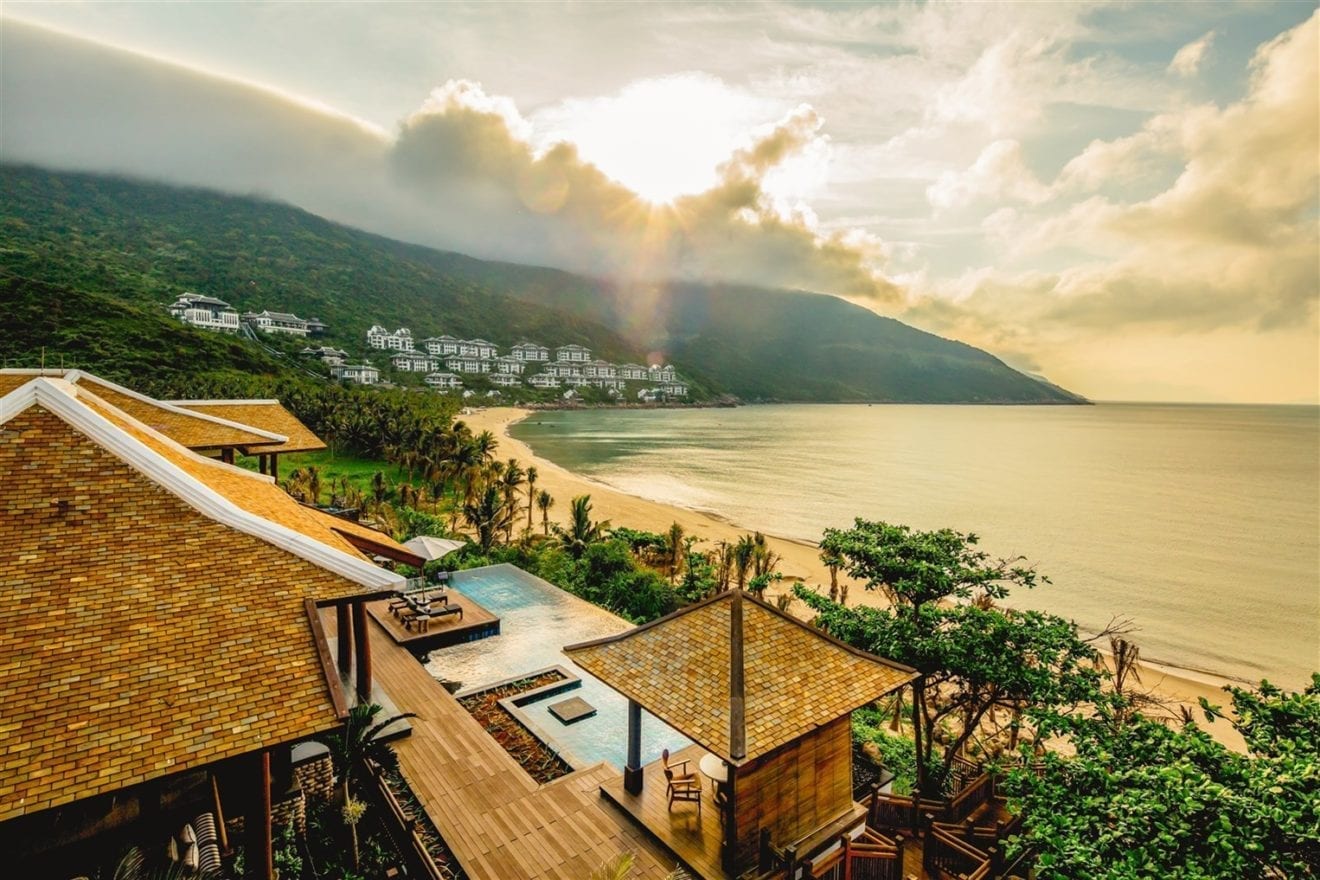
    Villa owners will be issued long-term ownership certificates, in addition to enjoying 225 night stays free of charge at their properties, which can be exchanged with any hotel or resort developed by the Sun Group across Vietnam. These include InterContinental Danang Sun Peninsula Resort, Premier Village Danang Resort, Novotel Danang Premier Han River and JW Marriott Phu Quoc Emerald Bay Resort & Spa.

    They also have the opportunities to become members of the SOL Club for Sun Group’s investors, which will allow them to use golf courses and recreational parks built by the developer.

    Customers who own a shophouse will have two attractive financing options, which are zero percent interest rate subsidy for a loan of up to 70 percent of the value. It will come with a grace period of up to 12 months or they can get a discount of up to 3 percent on the shophouse at the time of signing sale contracts.

    Shophouse buyers who make the payment earlier than the schedule will be entitled to a preferential rate of up to 10 percent per year. Customers who pay up to 95 percent before July 30 will receive a payment voucher equivalent to 5 percent of the shophouse value.

    Designed by Australia’s renowned Dark Horse Architect and landscape experts from Hong Kong-based landscape design company, AEDAS, each villa includes a secluded space surrounded by lush tropical gardens. Sun Premier Village Ha Long Bay offers beach villas, ocean villas, garden villas and lake villas in a simple but delicate architectural style.

    Sun Premier Village Resort Ha Long Bay is located right next to the Sun World Halong Complex, which according to Duong Thuy Dung, Director of Research and Consulting, CBRE Viet Nam, “will help real estate investors increase their value.”

  • Centara Wins Recognition of Chinese Guests with “Best City Hotel” Award

    Centara Wins Recognition of Chinese Guests with “Best City Hotel” Award

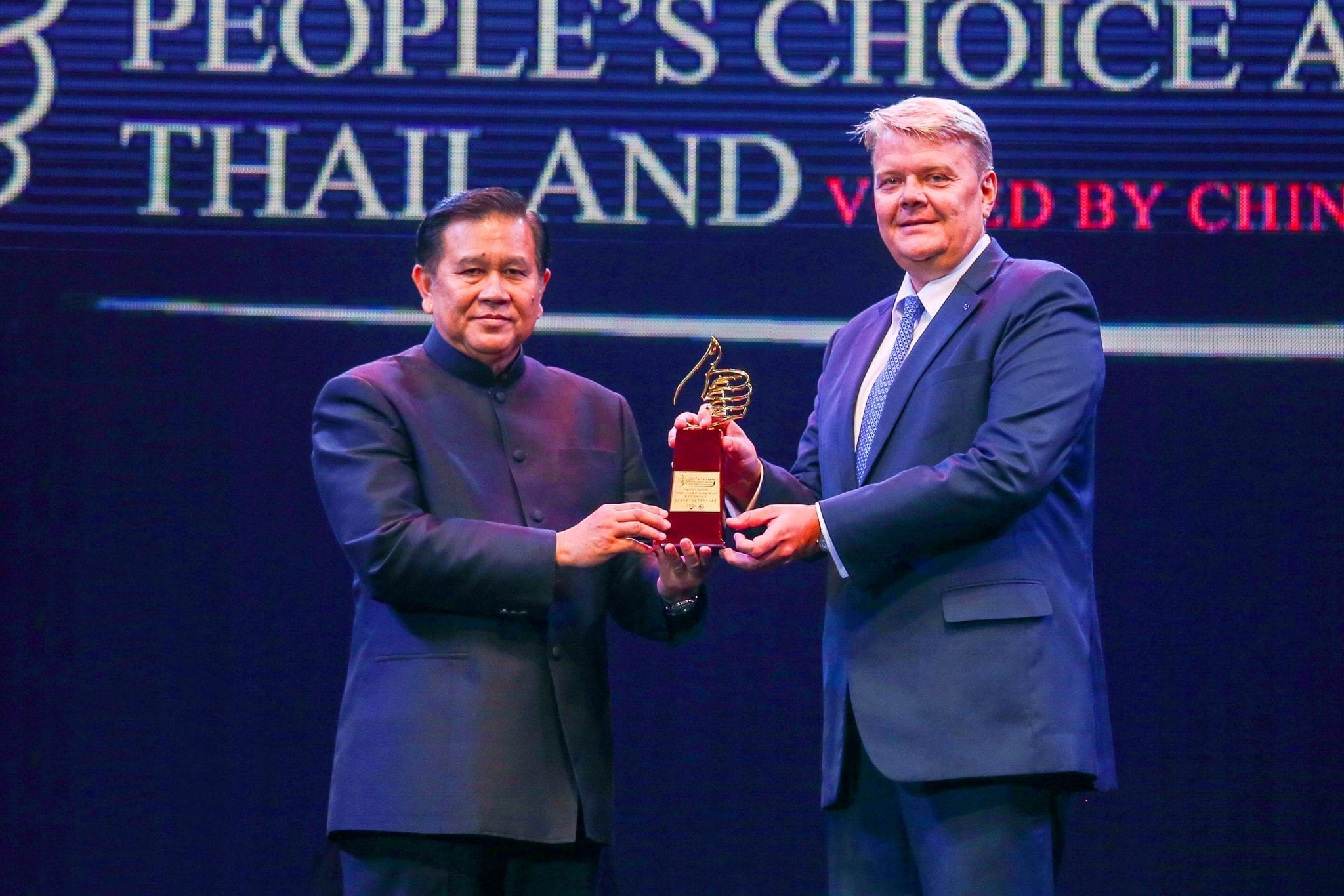
    Over 10 million Chinese tourists visit Thailand each year. The Tourism Authority of Thailand (TAT) polled many of them for the 2017 People’s Choice Awards and Centara Grand & Bangkok Convention Centre at Central World was voted “Best City Hotel.” The poll, just completed in June, is evidence of Chinese visitors’ growing importance to Thailand, and Centara’s success in meeting their needs.

    Centara Hotels & Resorts, Thailand’s largest hotel operator, is making a concerted effort to appeal to Chinese guests. Their 66 deluxe and first-class properties includes 43 Thailand hotels across all major tourist destinations and another 23 located in prominent international destinations. The award-winner, Centara Grand & Bangkok Convention Centre at CentralWorld, is one of the group’s premier properties, located in the heart of Bangkok’s central shopping district and integrated with a popular convention and shopping complex.

    Centara also operates properties in Vietnam, Sri Lanka, the Maldives and Oman. The group offers diverse formats — integrating multi-ethnic restaurants, Thai spas, Kids’ Clubs, water parks, and other innovative features – that appeal to couples, individuals, families, and business professionals. Thailand’s famous hospitality culture is also a key ingredient of the brand’s recipe for success.

    Most Centara hotels and resorts have Chinese-speaking staff and serve Chinese meals including breakfast. Centara offers Chinese information about its hotels and destinations, promotions, and online booking on its official website, which is now hosted in China for optimum speed. The group also accepts the popular Chinese payment channel UnionPay, in addition to major credit cards, and is active on China’s leading social media applications, Wiebo and WeChat.

    The Centara management team led by 3 top executives; Tom Thrussell – Vice President of Marketing, Paul Wilson – Vice President of Sales and Harry Thaliwal – Group Director of Operations, recently completed a roadshow that included five major Chinese cities and Hong Kong. The tour raised awareness of the Centara brand and shared news of the group’s expansion plans into China and the Middle East with members of China’s travel industry and key trade and consumer media.

    “China now represents our most significant inbound market and the numbers will continue to rise”, said Tom Thrussell. “We are committed to developing a deep understanding of Chinese guests’ needs and by visiting key Chinese cities and partners, engaging with our guests and soliciting feedback, we are able to communicate more effectively, better meet their travel needs and ultimately equipped ourselves to manage successful properties in China itself.”

    Centara is planning to open its first properties in China in 2019.

  • LaLaport Kuala Lumpur mall breaks ground

    LaLaport Kuala Lumpur mall breaks ground

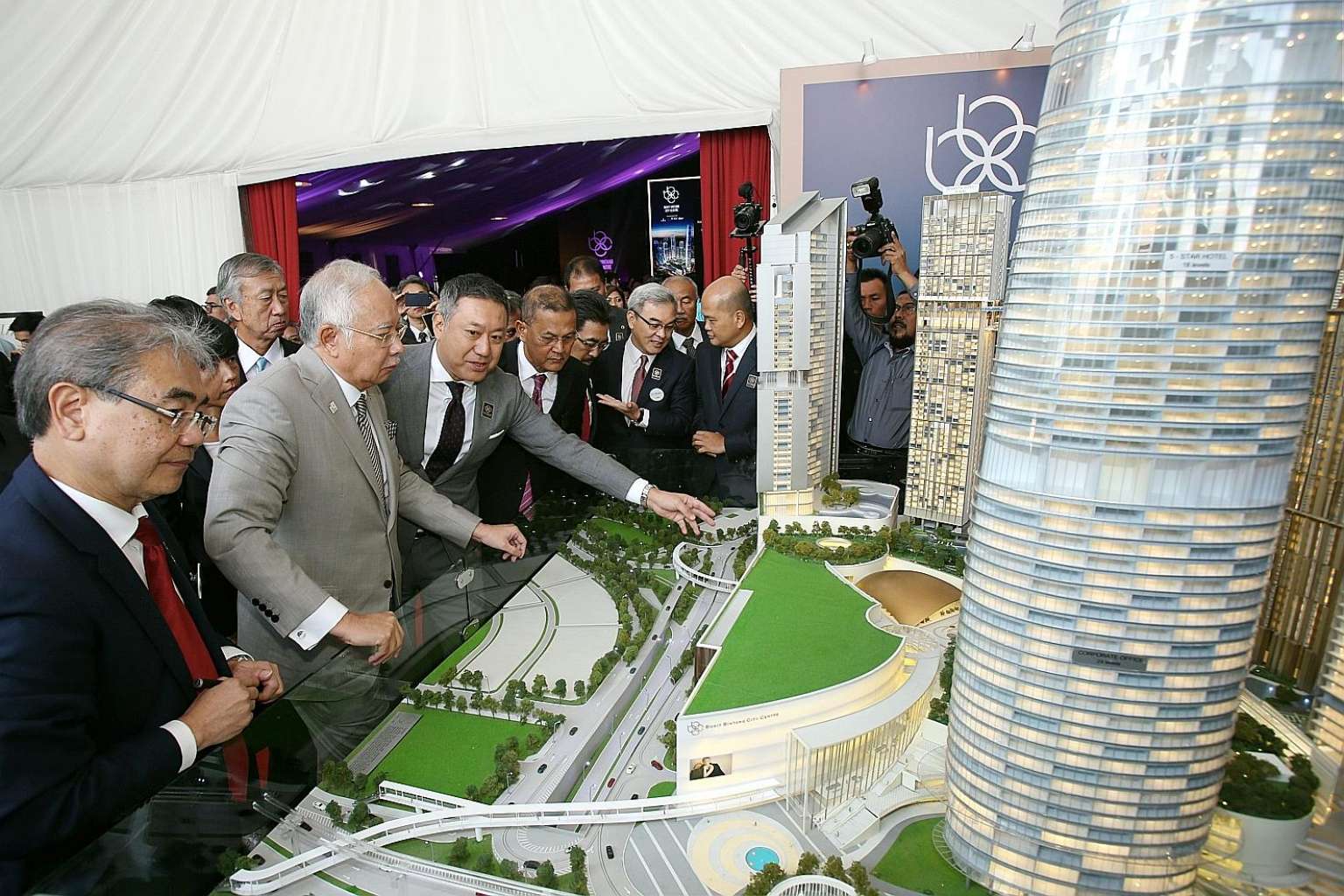
    Mitsui Fudosan, Japan’s largest integrated developer, broke ground on Tuesday on the Mitsui Shopping Park LaLaport Kuala Lumpur, one of Southeast Asia’s largest retail spaces under development.

    The mall is being constructed in the city center on the site of Pudu Prison, a colonial era facility demolished as part of a government growth drive.

     When completed in 2021, the five-story mall will offer 82,600 sq. meters of leasable space — enough for more than 300 retail outlets. The project has an estimated cost of 1.6 billion ringgit ($374 million), and is a 50:50 joint venture between Mitsui Fudosan Asia and BBCC Development. The latter is collectively owned by Malaysia’s state-owned Employees Provident Fund, UDA Holdings and prirvately held Eco World Development Group.

    The project forms part of a bigger real estate development, the Bukit Bintang City Centre (BBCC), which includes hotels, apartments, and offices in a built-up area of over 600,000 sq. meters with a gross development value of 8.7 billion ringgit.

    “I am confident that BBCC will succeed in further uplifting the image of Kuala Lumpur as an international modern metropolis,” said Prime Minister Najib Razak at the ceremony.

    Mitsui Fudosan Asia will lead the development, leasing, and operations drawing on its experience managing LaLaport malls in Japan. The group is aiming for a new urban lifestyle with innovative approaches to entertainment and education, according to Akihiko Funaoka, a senior Mitsui Fudosan executive. Among the attractions will be Zepp Kuala Lumpur, a concert hall and entertainment hub with 2,500 seats equipped by Sony Music Entertainment.

    Mitsui Fudosan’s existing regional investment is primarily in operating apartments, including in Malaysia. The shift to retail is a response to the growing middle-income market, according to Takehito Fukui, the company’s managing director for Malaysia.

    Isetan The Japan Store has already introduced some similar concepts to the Malaysian capital. Operated by Isetan Mitsukoshi, its six-story mall covers 11,000 sq. meters with dining and clothing outlets, and an area devoted to art and culture.

    Malaysian-owned 1 Utama Shopping Centre meanwhile includes a baseball batting cage and scuba diving center among its tenants.

    Mitsui Fudosan already runs Mitsui Outlet Park near Kuala Lumpur International Airport. The branded outlet store opened in 2015, and has traded briskly with locals and tourists from around Asia. According to Fukui, revenue was up 15% on 2016 in the first five months of the year.

  • Centara Achieves More Gold for Green

    Centara Achieves More Gold for Green

    Sustainability is at the heart of Centara Hotels & Resorts operations and is embedded in the corporate culture. Centara’s teams work diligently to reduce their impact on the environment and within local communities. As recognition for the hard work and motivation to continue sustainability initiatives, two more Gold Certifications were awarded by EarthCheck for Centara Grand & Bangkok Convention Centre at CentralWorld and Centara Karon Resort Phuket. Other Centara properties also retained Silver Certifications.

    Centara Gold Certified properties have continued to engage in programmes such as energy, water and waste management since 2008. In April 2017, Centara Grand Beach Resort & Villas Krabi achieved their 7th year of Earthcheck Gold Certification. Centara Grand Beach Resort and Villas Hua Hin and Centara Grand Beach Resort Samui reached their 6th year of Gold Certified. Their “Green Teams” still strive for continual improvement.

    The “EarthCheck Gold” designation is only conferred after five years of independent assessment and adherence to internationally-recognised, scientific standards. These efforts help inspire stakeholder confidence and drive further organisational improvement, competitive advantage, innovation and growth.

    At Centara Karon Resort Phuket, the Green Team understands the importance of educating and working with stakeholders, partners and local communities to implement sustainability efforts. Working together with local environment groups, Centara helps increase public awareness for the environment and social responsibility.  As part of these initiatives, Centara Karon Resort Phuket supports and educates local schools and communities. To celebrate their first year Gold Certification, the Green Team will repaint the playground of Wat Suwankirikhet School in Karon Province with biodegradable, nontoxic paints that are safer for the environment and students.

    Centara Grand & Bangkok Convention Centre at CentralWorld is the integrated five-star hotel, convention centre and lifestyle complex in the heart Bangkok. They have installed an energy management system throughout the property. In 2016, energy consumption was controlled to 199.6 MJ per guest night which is better than best practice benchmarks of peer properties. Centara Grand & Bangkok Convention Centre has saved 981,867 kwh/year and reduced CO2 emissions to 571 tons/year. To celebrate its Gold achievement, the hotel will launch a Green Meeting Package aligned with ISO 20121 standards for sustainable events management.

    “As one of Thailand’s leading hospitality groups, it is important to take a leadership role and encourage others to join the effort,” said Mr. Thirayuth Chirathivat, Chief Executive Officer of Centara Hotels & Resorts. “These accomplishments motivate our teams as we continue our efforts to bring about positive environmental change while providing our guests with memorable travel experiences.”

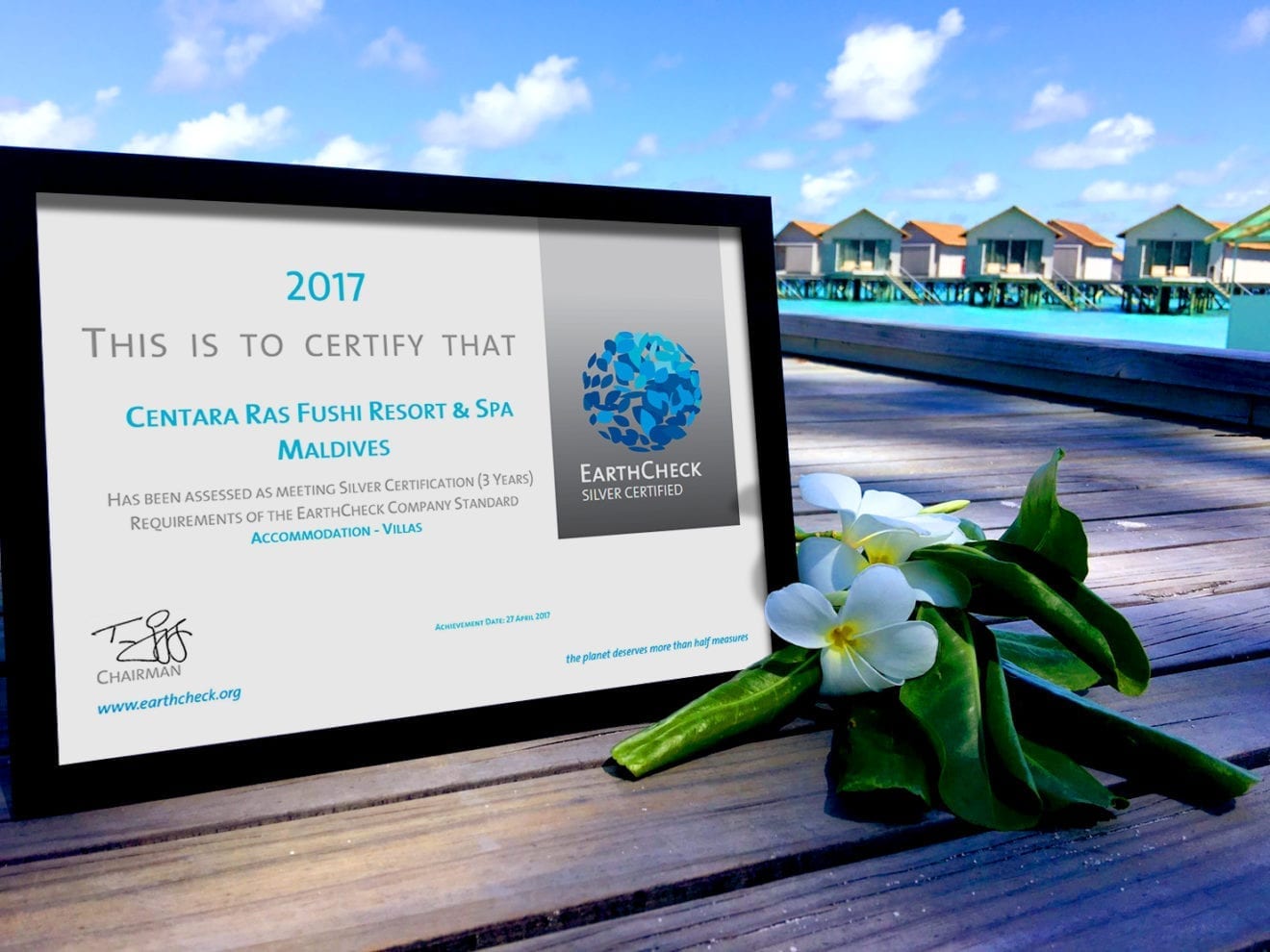
    Centara is also proud to announce that nine properties have retained Silver Certification in 2017: Centara Grand at Central Plaza Ladprao Bangkok; Centara Grand Mirage Beach Resort Pattaya; Centara Grand Beach Resort Phuket; Centara Kata Resort Phuket; Centara Villas Phuket; Centara Villas Samui; Centara Hotel Hat Yai; Centara Grand Island Resort & Spa Maldives; and Centara Ras Fushi Resort & Spa Maldives. Centara Anda Dhevi Resort & Spa Krabi also achieved Bronze Certification as their first year certified programme.

    “Centara Hotels & Resorts has taken a significant leadership position in sustainability and has shown continued dedication to the EarthCheck program. Achieving EarthCheck Certification is not an easy task. It requires the commitment and ownership from management, staff and suppliers and a willingness to submit reporting to expert scrutiny,” commented Stewart Moore, Chief Executive Officer for EarthCheck. “Congratulations to all 15 Certified properties, in particular Centara Grand & Bangkok Convention Centre at CentralWorld and Centara Karon Resort Phuket for being awarded with EarthCheck’s prestigious Gold Certification.”

    Five more properties are on track to receive Gold Certification in 2018: Centara Grand at Central Plaza Ladprao Bangkok; Centara Grand Mirage Beach Resort Pattaya; Centara Grand Beach Resort Phuket; Centara Kata Resort Phuket; and Centara Grand Island Resort & Spa Maldives. Centara Anda Dhevi Resort & Spa Krabi will also be certified Silver for the first time. While Centara Hotels & Resorts continue to make great strides in their sustainability management, they are always exploring new opportunities to improve sustainability, lessen their impact on the environment, and better support local communities.

  • JW Marriott Phu Quoc Emerald Bay crowned Asia’s leading new resort

    JW Marriott Phu Quoc Emerald Bay crowned Asia’s leading new resort

    The award is another big step for Sun Group on its path toward turning Vietnam’s Phu Quoc Island into a luxury global travel destination. The 2017 World Travel Awards Asia & Australasia has named JW Marriott Phu Quoc Emerald Bay in southern Vietnam Asia’s Leading New Resort.

    The five-star JW Marriott Phu Quoc Emerald Bay beat other famous newcomers, including Anantara Kalutara Resort and Shangri-La’s Hambantota Resort and Spa in Sri Lanka, The St. Regis Langkawi in Malaysia, Alila Anji in China, and Hoshinoya Bali and Mövenpick Resort and Spa Jimbaran Bali in Indonesia, to bag the most votes from tourism experts from more than 140 countries.

    “We are delighted to be named Asia’s Leading New Resort by our colleagues in the hospitality industry,” said Ty Collins, the resort’s general manager. “The opening of JW Marriott Phu Quoc Emerald Bay marks the birth of luxury hospitality in Phu Quoc and has established a benchmark of excellence and quality for future Marriott developments throughout Asia.”

    The construction of JW Marriott Phu Quoc Emerald Bay started in 2015 and the resort opened its doors to the public late last year.

    Lying only 15 minutes from Phu Quoc International Airport, the French-style resort has 244 rooms, suites and stand-alone villas.

    It also has four restaurants serving French, Japanese, Vietnamese and Chinese food.

    Emerald Bay is the first five-star resort in Sun Group’s Phu Quoc holiday resort chain to officially open.

    The resort aims to awaken the tourism potential on Phu Quoc and turn the island into a luxury global travel destination. JW Marriott Phu Quoc Emerald Bay’s success as Asia’s Leading New Resort has taken the developer a step closer.