Category: Real Estate

Retail News Asia is committed to providing both local and global retailers with the latest Real Estate news throughout the Asian market. This on a daily base.

  • Tokidoki Plans to Open 10 to 15 Hotels in China in the Next Five Years

    Tokidoki Plans to Open 10 to 15 Hotels in China in the Next Five Years

    Devotees of Tokidoki, the overly cute character lifestyle brand, will in future be able to book a room in a Tokidoki-adorned hotel. Cofounders Pooneh Mohajer and Simone Legno plan to open 10 to 15 Tokidoki hotels in China in the next five years, with the first one expected to be welcoming guests by the end of next year. Chasing young professionals who favor ultra-clean design with touches of art, the company is laying the groundwork for its own affordable luxury hotels. The Tokidoki branded hotel will feature its own designed decor, including hospitality products that will be available for purchase at the hotel. Legno, creative director, said, “It is a 360-degree experience as a designer. I have a graphic design background so I will apply that to stationery for the Tokidoki hotel, as well as a new logo.” (His fine art will also be sprinkled throughout the hotel.)

    Tokidoki’s interpretation of Kartell “Ghost” chairs will be in the hotel rooms. The company just unveiled the $480 Louis Ghost chair and the $185 Lou Lo one for children, reimagining the iconic seats that Philippe Starck designed for the company. Legno said, “We will promote it for sure. Why not? That’s the wonderful part of a design project.”

    The name Tokidoki means “sometimes” in Japanese, but the Asian-inspired products are made by an Italian artist now living in Los Angeles. The mash-up of cultures has led to collaborations with Karl Lagerfeld, LeSportsac, Marvel and Hello Kitty, among others, and a global following. The new Kartell chairs, for example, will be sold via Tokidoki’s site, Kartell’s New York and Miami stores and its wholesale accounts. With 10 Tokidoki stores, including outposts in Shanghai and a two-month pop-up shop at Galeries Lafayette in Beijing that featured big-screen animation. The 12-year-old company, which has flagship in IAPM Mall in Shanghai, plans to open 20 more before the end of this year.

    In January, the brand teamed with the conglomerate Chow Tai Fook for fine jewelry which is being distributed through more than 1,500 outposts in China, as well as stores in the U.S., Japan, South Korea, Singapore and Malaysia.

    This week alone included stays in Singapore, Los Angeles and New York. Monday they will be off to Vancouver. Next month, trips to New York, London, Milan and Indonesia are slated. “A year feels like it goes by in a month,” Mohajer said. “It’s pretty insane.”

    Reminded of his recent trips to India and Thailand, Legno said, “You have to push as much as possible when it’s a hot moment. We’re trying to focus on a global label and expand the brand as much as possible.”

    Li & Fung, Toki’s master licensing partner for China, Taiwan and South Korea, coordinated the hotel deal, and is scouting new ones for jewelry and cosmetics. A jewelry collaboration is in place and more shoppers are in search of Tokidoki’s vinyl art collectible figurines. Mohajer said of Li & Fung, “They’re constantly generating good flow. It’s been amazing to work with them. They were part of negotiating and procuring a retail partner for us for China.”
  • The Glen to unveil new fresh food market hall

    The Glen to unveil new fresh food market hall

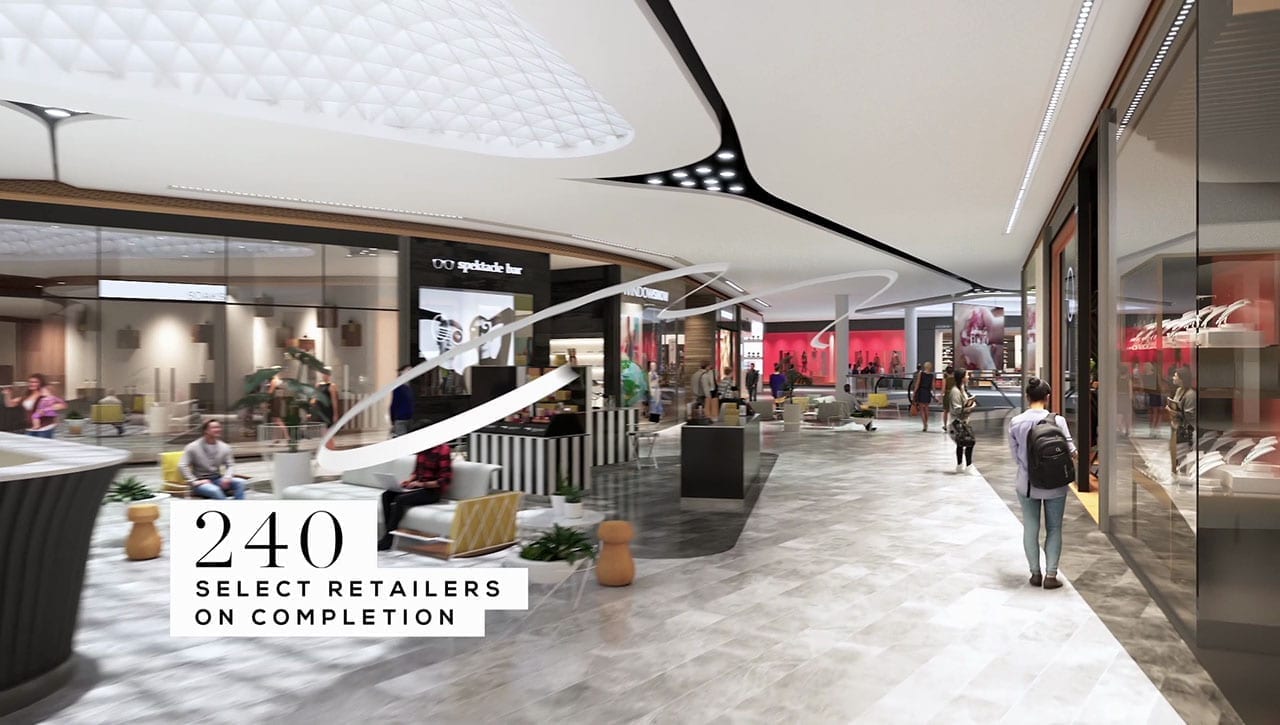
    Melbourne shopping centre, The Glen, will next month unveil its new fresh food market hall, representing the first stage of its $460 million redevelopment.

    Anchored by a new Aldi, the latest format Woolworths, and a Coles supermarket, the shopping centre’s new fresh food market hall will offer fresh produce and hard-to-find specialty ingredients in one location.

    The new fresh food market hall will also feature over 60 boutique food retailers and specialty stores.

    “Taking inspiration from our diverse local community and leading food destinations around the world, we are excited to introduce new and loyal customers to our market hall experience,” said Richard Devlin, centre manager.

    Some of the new retailers to open their doors include Colonial Fresh Market, The Butcher Club, Selene’s Chocolate Bar, Go Vita and Nutshack.

    “With produce, cheese, deli, wine and liquor traders on-hands seven days a week, The Glen’s fresh food market hall will offer local customers quality food experiences and freshness on one convenient level,” Devlin said.

    The food hall will also include existing local retailers The Glen Asian Grocery, Sea Harbour, Fish Pier, Divine Poultry, The Glen Butcher and Bakers Delight, which will all relocate to brand new stores in the lower ground location.

    The New Glen is expected to be completed by early 2020 and will be developed in stages over three years.

  • Sheng Siong puts top bid on Punggol property

    Sheng Siong puts top bid on Punggol property

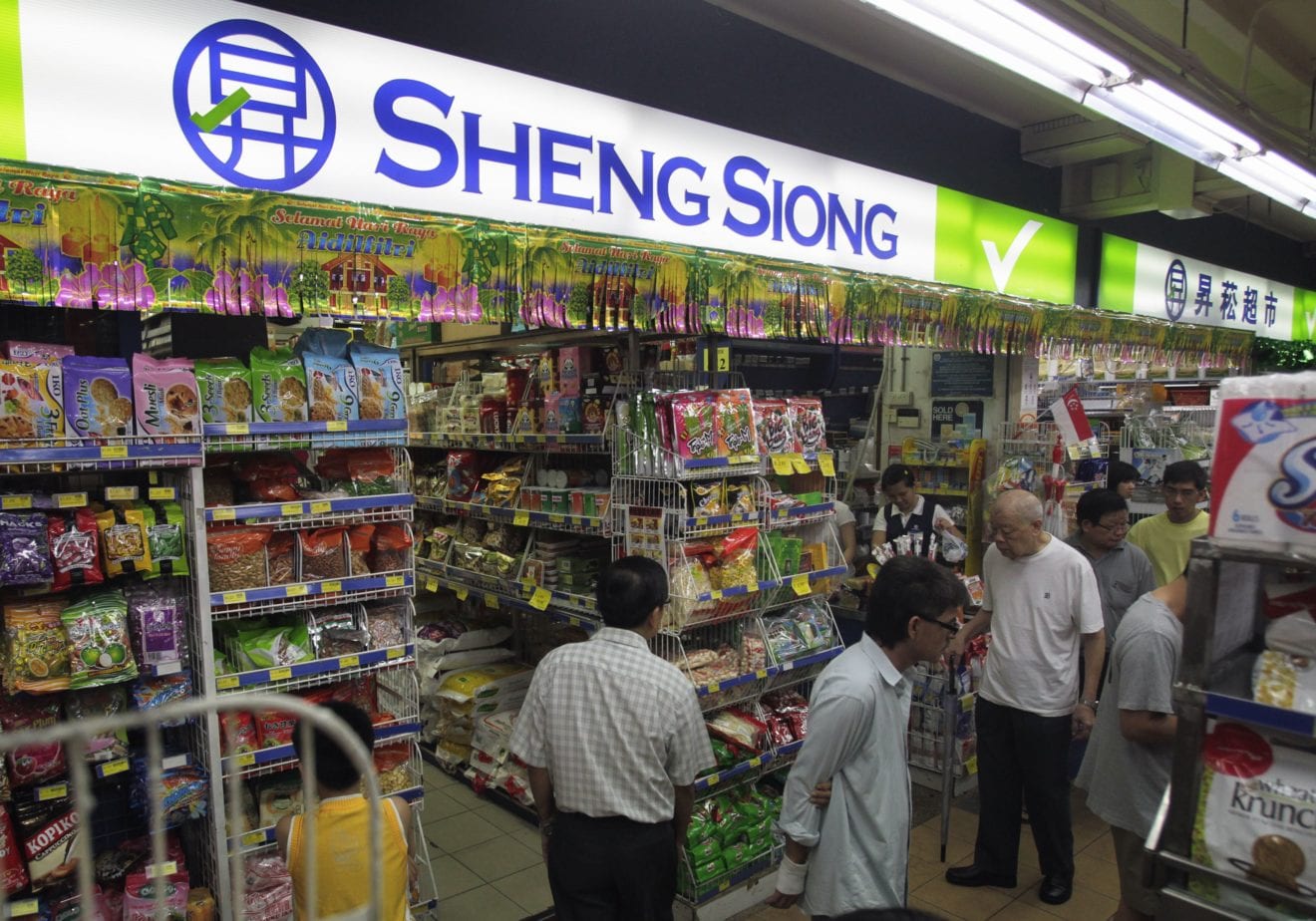
    Supermarket chain Sheng Siong Group (SSG) has put in the highest bid for a 3100sqft (287.9sqm) store in Edgedale Plans, Punggol.

    It has also submitted the second-highest bid for another store the same size along Woodlands Drive.

    SSG’s 41,500sqft Woodland store is set to close next month, but two are set to open – a 4000sqft store at Bukit Panjang this month and a 12,000sqft property in Woodlands St next month.

  • Central i-City expects full occupancy for opening

    Central i-City expects full occupancy for opening

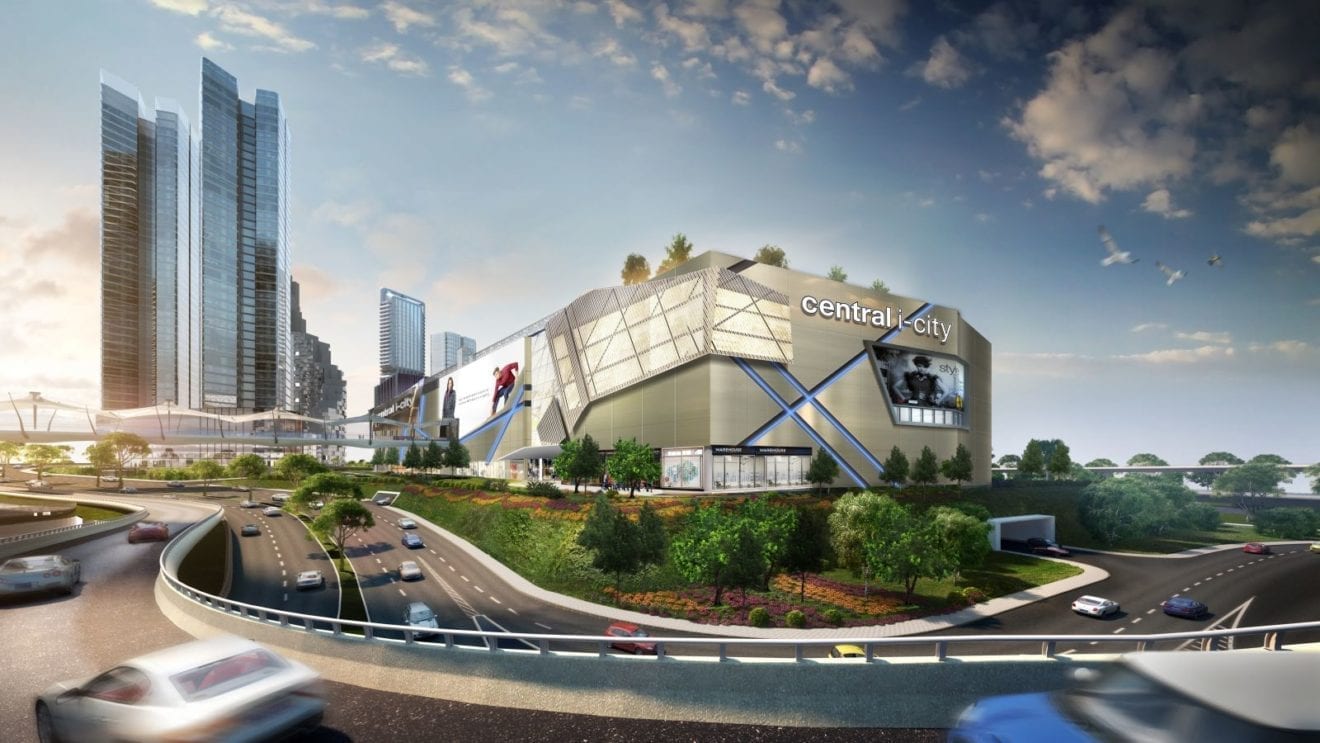
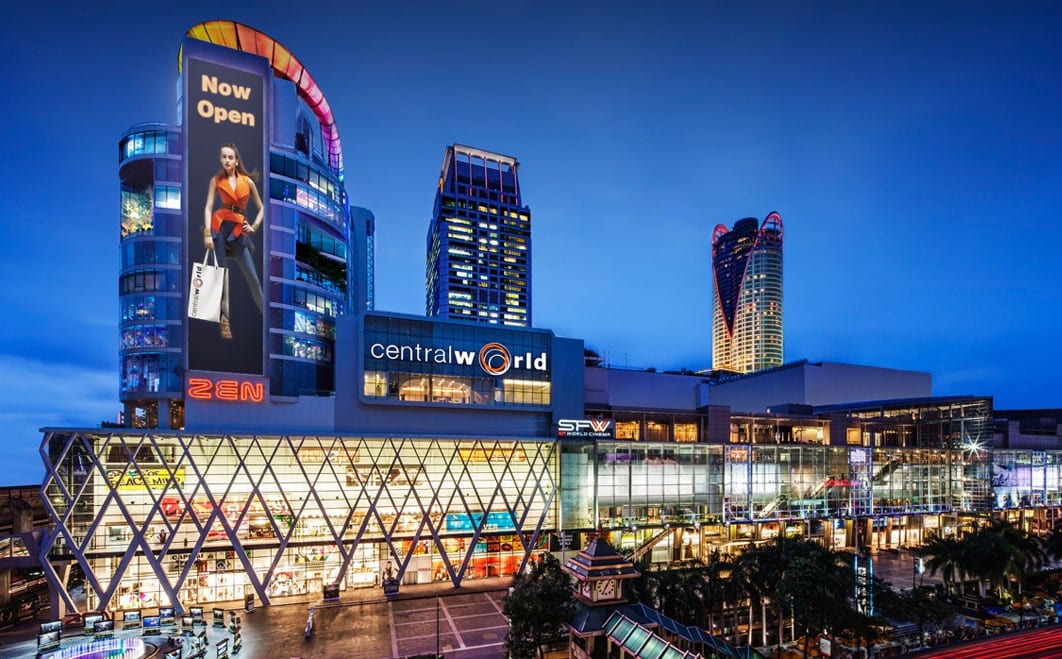
    CPN Ventures, the company running the Central i-City shopping centre in Shah Alam, Malaysia, is confident it will have 100 per cent occupancy when it opens in October next year.

    The RM850 million (US$202 million) mall is a JV between Thailand’s Central Pattana Public Company, which has a 60 per cent stake, and I-Bhd.

    COO Anthony Dylan says the 100 per cent occupancy target is the standard in Thailand. “The mall will have predominantly Malaysian tenants, and the JV will see the shopping centre combining both Malaysian and Thai strengths.”

    He says that despite a shaky start to the year, the Malaysian retail sector is poised for positive growth. In a sluggish first quarter, sales shrank 1.2 per cent

  • Vicinity ranked as top APAC firm in sustainability

    Vicinity ranked as top APAC firm in sustainability

    Vicinity Centres has been ranked as a regional leader in sustainability by Global Real Estate Sustainability Benchmark in the 2017 Real Estate Assessment.

    The retail landlord was also ranked number one in the Asia Pacific Retail sector, second for listed entities within Australia and fourth for retail funds globally by GRESB.

    GRESB assesses the sustainability performance of real estate portfolios and assets in public, private and direct sectors worldwide. Its 2017 assessment was completed by 850 property companies, REITs, funds and developers, across 62 countries and with US$3.7 trillion in assets under management.

    “We are delighted with this acknowledgement by GRESB, recognising Vicinity’s progress in sustainability,” said Angus McNaughton, CEO and managing director. “At Vicinity, being sustainable extends beyond good risk management and environmental performance. As significant local hubs, our centres have an important role to play in shaping better communities both economically and socially.”

    Ruben Langbroek, head of Asia Pacific at GRESB, said Vicinity demonstrated that shopping centres can positively contribute to local communities and smart, sustainable cities across Australia.

    “The regional real estate sector again has shown clear commitment and meaningful action to improve its performance on environmental, social and governance aspects,” Langbroek said. “This also underlines that investor interest, supported with accurate performance benchmarking, is empowering the spread and adaptation of best practices in sustainability, such as those shown by Vicinity Centres and the other Regional Sector Leaders across Australia.”

  • Megaworld aims to launch 13 malls in three years

    Megaworld aims to launch 13 malls in three years

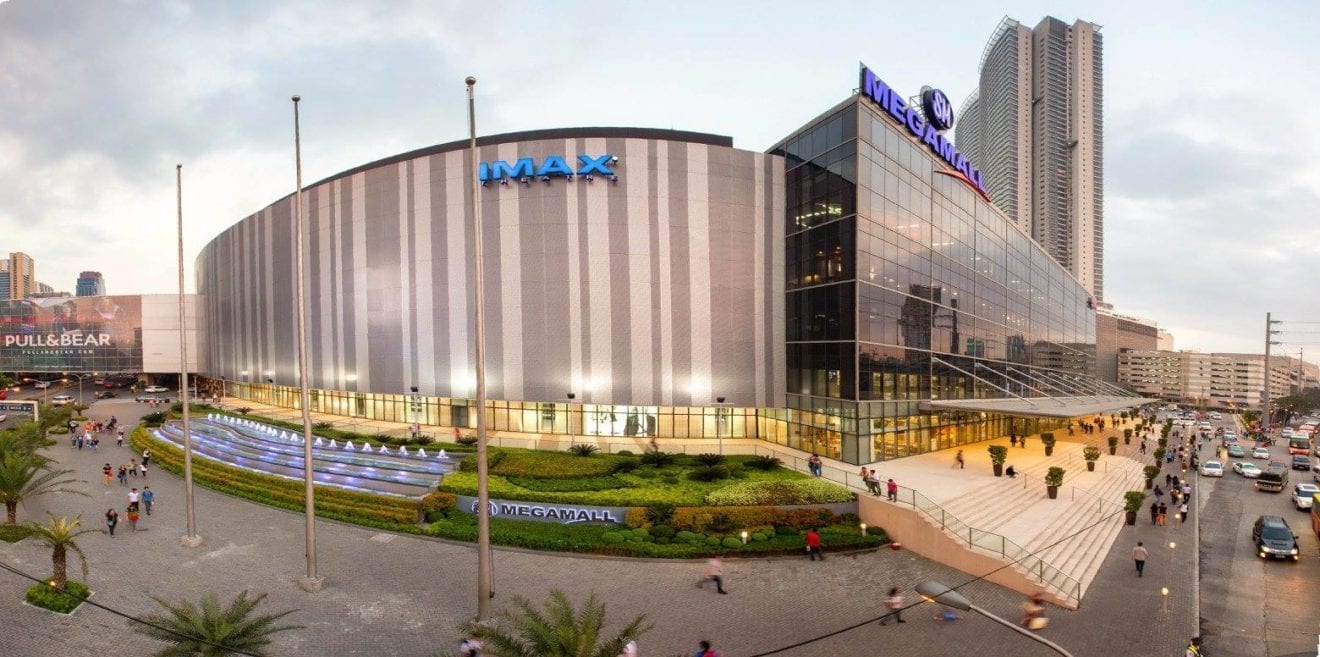
    Property developer Megaworld Corp says it plans to open 13 malls in the next three years in line with its target to hit 28 by 2020.

    It already has 13 malls across the Philippines, with Southwoods Mall about to open in Laguna.

    Megaworld Lifestyle Malls head/senior VP Kevin Tan says the Southwoods Mall covers 58,000sqm in Megaworld’s only fully integrated township, Southwoods City. The 561ha township is at the boundaries of Binan, Laguna and Carmona, Cavite, and is the largest township in the country to feature a golf course.

    There is also a CBD, commercial and retail stores, malls, schools, church, a cyberpark, a medical centre, parks, leisure activities, a weekend market and a transport hub.

    Megaworld is a property unit of magnate Andrew Tan under his conglomerate Alliance Global Group.

  • Seoul’s largest shopping district shrouded in uncertainty

    Seoul’s largest shopping district shrouded in uncertainty

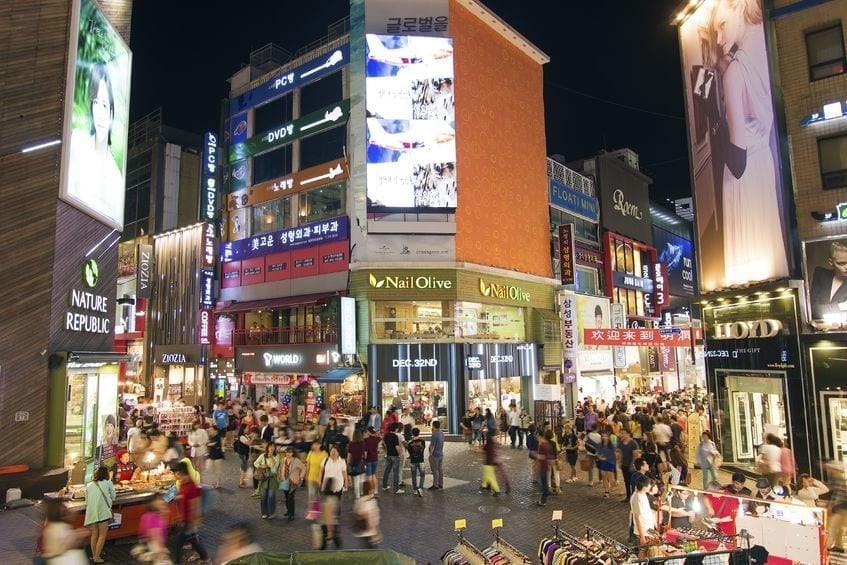
    Hit by the absence of Chinese tourists over South Korea’s deployment of a politically charged THAAD missile defense system, the future of Seoul’s largest shopping district Myeongdong is shrouded in uncertainty.

    Reports of the economic damage caused by the lack of Chinese tourists on Myeongdong, a busy shopping precinct in downtown Seoul, continue to dominate the headlines of the South Korean media.

    As the ongoing political tension takes its toll on retailers, an increasing number of shops that are falling behind on rent in the pricey neighborhood are pulling out, particularly South Korean cosmetics stores that used to rely heavily on Chinese and Japanese tourists, including It’s Skin, Holika Holika, and Orchid Skin.

    According to data released earlier this year by the Ministry of Land, Infrastructure and Transport, nine out of the 10 most expensive rental properties were in Myeongdong, with the flagship store of South Korean cosmetics chain Nature Republic sitting on the most expensive real estate in the country for the 14th consecutive year.

    What stands out amid these troubled times is the lack of sympathy for the struggling retailers and a smug sense of poetic justice felt by many South Koreans.

    Locals “unwelcome”

    Prior to talks of the highly political THAAD system, reports continued to come out in the South Korean media that a significant number of South Koreans felt they weren’t welcome in Myeongdong, as what was once the country’s busiest shopping district rapidly became a mere cash cow for cosmetics giants and fast-fashion retailers.

    It has been a very common sight for years in Myeongdong to see cosmetics chain stores focusing on luring Chinese and Japanese tourists with staff members prowling the sidewalks incessantly touting their wares in both Chinese and Japanese.

    With the tempting bonanza of foreign tourists, things began to get out of control.

    Some cosmetics stores in Myeongdong began hiring staff members who weren’t capable of communicating sufficiently with Korean customers, while others reportedly offered special deals to foreign tourists, a controversial marketing policy that bordered on casual racism, leaving a sour taste in the mouths of many South Korean shoppers.

    After years of feeling neglected by Myeongdong retailers, the sentiment that ‘it serves them right’, with ‘them’ being the shops that focused far too much on foreign tourists for years, is loud and clear in numerous comments found on major online portals like Naver.

    “Karma serves them right. I knew this was coming when (shops in Myeongdong) neglected South Koreans. Chinese tourists won’t keep coming for centuries and they can suddenly stop coming the next day because of political relations,” said one online post, among the many that reflect the feelings of a significant number of South Korean shoppers who somehow feel avenged, relishing the sense of revenge, even if at the cost of their own economy.

    Other comments shed light on more serious issues that need to be dealt with, such as dishonest taxi drivers and far too prevalent rip-offs targeting foreigners, while some raise the issue of the lack of attractions compared to almost universally popular holiday destinations like Thailand.

    “Would you want to come to Korea when they charge you 10,000 won for gimbap and taxi drivers rip you off?” one comment left on Naver read.

    “Plagued with complaints”

    Long before political discord saw the number of Chinese tourists visiting Korea plunge, Myeongdong was plagued with complaints of disorganisation, an absence of trash cans, and most importantly, a lack of character that makes the area come across as ‘bland’ and ‘far too busy’, leaving those other than Korean pop culture fans with no compelling reason to visit the district.

    In a survey conducted with Chinese tourists earlier this year by Pengtai, Cheil’s marketing affiliate, Myeongdong was even knocked out of the top 10 most popular spots in Seoul by the likes of emerging places like Hongdae and Yeouido Hangang Park, down 10 places from last year.

    With all the flaws and challenges facing Myeongdong, it’s worth acknowledging that the void left by Chinese tourists is beginning to be filled by South Koreans and a growing number of Southeast Asian tourists, with many of them ironically coming back because the area is no longer packed like sardines with foreign tourist groups, which put many locals off coming to the area.

    As tourism authorities and business operators contemplate a new direction for the shopping district during these trying times, Myeongdong must learn a lesson from the past, open its arms once again to local consumers, and remember that putting all of one’s eggs in the same basket is never a good idea.

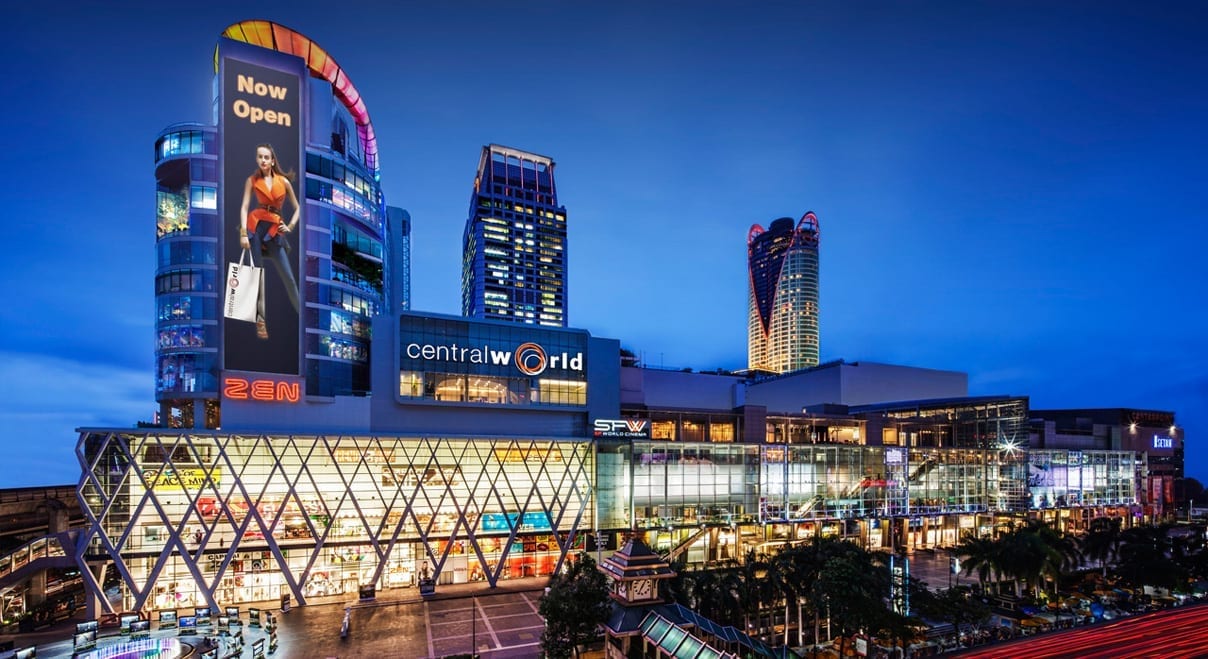
  • Central Pattana forms JV with Tesco

    Central Pattana forms JV with Tesco

    Retail property developer Central Pattana (CPN) has set up a JV with British retail giant Tesco to co-develop property in the Thai market.

    The  Central Group subsidiary has told the Stock Exchange of Thailand (SET) that the new company, Synergistic Property Development, will support business expansion. It has registered capital of THB100,000 (US$3000) with ordinary share capital of 1000 shares at a par value of THB100 each.

    CPN holds a 50 per cent stake in the JV company while the other 50 per cent belongs to Ek-Chai Distribution System, which runs Tesco Lotus hypermarkets in Thailand.

    Details of the business model to be developed under the new company are under study, says CPN executive VP for marketing Nattakit Tangpoonsinthana.

  • The Seoul Dragon City to open in October 2017

    The Seoul Dragon City to open in October 2017

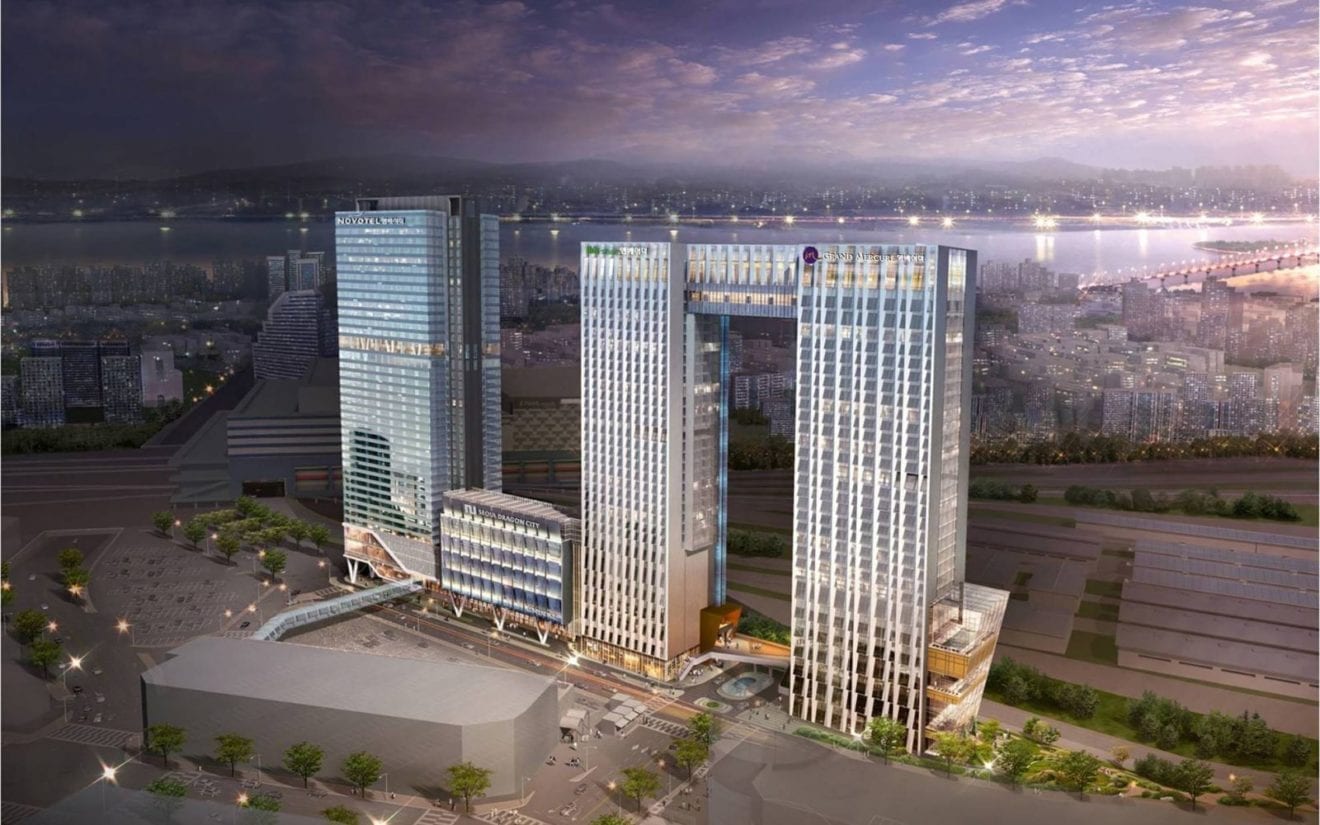
    South Korea’s first lifestyle and hotel complex will open on October 1 in Seoul’s Yongsan District, which is known for its shopping centres and nightlife.

    Launched by AccorHotels, The Seoul Dragon City will have 1,700 rooms and 11 restaurants and bars under four hotel brands. The Sky Bridge will be a unique structure with four floors of entertainment and leisure facilities suspended between two of the towers.

    The four hotel brands include the Grand Mercure Ambassador Seoul Yongsan designed for families and long-stay guests; the Novotel Suites Ambassador Seoul Yongsan for long-stay business and leisure guests or those who like more space and flexibility; the Novotel Ambassador Seoul Yongsan targeted at business and leisure guests; and the Ibis Styles Ambassador Seoul Yongsan for business and leisure groups.

    According to the hotel group, the complex is the first of its kind in South Korea and the largest project it has signed in the country.

    “With four hotel brands in the same complex, they can cater to the needs of every guest. Grand Mercure combines rich Korean culture with elegant service, making it a great option for long-stay guests. Novotel suites will attract medium- to long-stay business travellers and families on urban holidays,” says Patrick Basset, chief operating officer of AccorHotels, Upper Southeast and Northeast Asia.

    Entertainment and leisure facilities at The Sky Bridge include King’s Vacation, a lounge bar with European décor; an indoor miniature swimming pool; Skywalk; and performance stage.

    There is also a private beach club, called the Sky Beach, with music and international cuisine among a setting reminiscent of the legendary beach clubs of Spain, Greece, Singapore and Las Vegas.

    The Seoul Dragon City is located in the centre of Seoul close to major business districts such as Yeouido and Gangnam, as well as commercial districts such as Itaewon and Myeongdong, adjacent to malls and shopping centres, movie theatres, tourist attractions and embassies.

  • Robinsons Place Naga a first for Bicol region

    Robinsons Place Naga a first for Bicol region

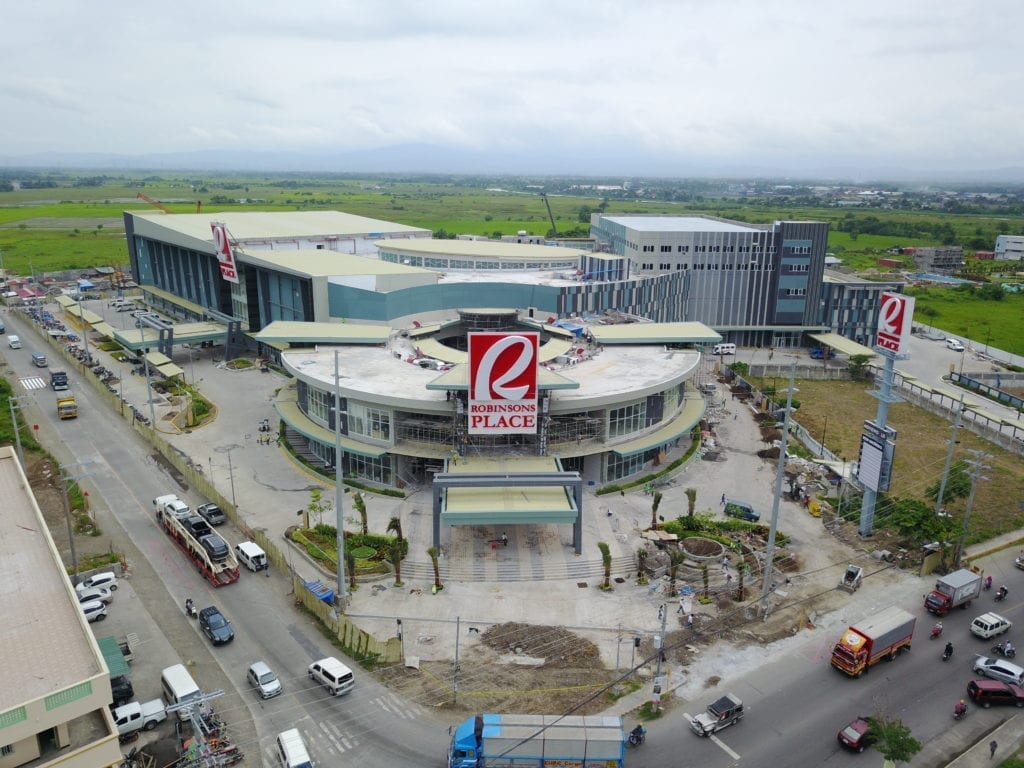
    Along Almeda Highway and Roxas Avenue in Naga City, the three-level mall offers 31,000 sqm of gross leasable area, 81 per cent of which is already occupied.

    Japanese clothing brand Uniqlo will open by next year, taking up most of the remaining space.

    RLC president Frederick Go attended the mall’s launch, along with Wildflower stars Maja Salvador, Joseph Marco and RK Bagatsing as special guests.

    It is RLC’s 46th mall in the Philippines, and the company’s 28th branch in Luzon. It is part of a mixed-use development that also includes a business-process outsourcing office and two hotels.

    “That means a lot of jobs for all the Bicolanos and the people of Naga City,” Go told guests at the opening.

    Offering 120 rooms altogether, the two Robinsons hotels – the upscale Summit and budget Go Hotel – are targeted to open within 12 months.

    Similar to its properties in other provinces, RLC incorporates local elements into the mall to complement international brands and its key stores, Handyman, Robinsons Appliance, Robinsons Department Store and Robinsons Supermarket.

    Its ceiling features a leaf-shaped motif reminiscent of gabi (taro) leaves, a popular ingredient in Bicolano cooking. There is also the “Tree of Life,” a 15m fiberglass structure by Jefre Manuel also inspired by gabi leaves.
    On the third floor are Naga-themed murals by Anina Rubio, known for her artworks in last year’s independent movie Sakaling Hindi Makarating.

    Bicol restaurants have outlets in the mall, including Bigg’s Diner,  Bob Marlin, Crown Park, First Colonial, Molino Grill, Triboo Grill and Tugawe Cove. Local treat pasalubong is available at Baker’s Plaza, Caramel and J. Emmanuel, each offering pili snacks.

  • Portico International revenue up 17 per cent

    Portico International revenue up 17 per cent

    Half-year revenue shot up 17.9 per cent for fashion group Portico International Holdings, its interim results show.

    Its total revenue reached RMB1.05 billion (US$158.4 million), which it attributes to success with its distribution strategy in target markets, together with improved performance across its retail store network.

    Revenue for the retail segment revenue grew by 19.5 per cent to RMB971.9 million, thanks to the gradual recovery of the luxury fashion retail environment and increasing recognition of its core label Ports 1961 and the new PortsPure label.

    The retail segment’s contribution to total revenue rose from 91.1 per cent for last year’s first half to 92.4 per cent.

    Overall gross profit for Portico grew by 19.1 per cent to RMB838.6 million, while gross profit margin increased slightly to 79.7 per cent from 78.9 per cent.

    For the retail segment, gross profit was up 19 per cent to RMB812 million, attributed mainly to sales growth.

    Retail-segment gross profit margin slightly decreased from 83.9 per cent in last year’s first half to 83.5 per cent.

    New markets

    “Hard work has paid off with regard to our distribution business in newly established markets,” says Portico. “Our distribution partners in certain target markets, such as Japan and South Korea, have offered us invaluable local knowledge and connection.

    “Such cooperation has reduced our business risks by minimising our capital investments and administrative burden in locations relatively new to the group.”

    It says it is particularly pleased with its marketing exposure in South Korea where social-media platforms have acted as effective marketing tools for introducing and promoting its labels and collections.

    At the same time, there has been growing recognition for its Ports 1961 label in traditionally important fashion markets, with the womenswear collection designed by creative director Natasa Cagalj attracting attention during London Fashion Week.

    At the end of June the group had 356 retail stores in Mainland China, Hong Kong, the US and Canada, compared to 343 at the end of last year.

    For the second half, the group says it will invest in solidifying Ports 1961 as a global international fashion label while introducing PortsPure to address the growing popularity of the affordable-luxury segment.

  • SM Store offering discount deliveries

    SM Store offering discount deliveries

    Mall chain The SM Store has launched a nationwide delivery service in conjunction with courier company LBC Express until the end of the year.

    Its “You Shop, We Move” promo offers shoppers a discount for every transaction through LBC, which has branches inside SM Supermalls.

    Shoppers simply present the purchase they want delivered, along with the SM Store receipt.

    The promotion covers local destinations.

  • CapitaLand links with Alibaba, Lazada Singapore

    CapitaLand links with Alibaba, Lazada Singapore

    CapitaLand is advancing its omni-channel strategy by forging an alliance with Lazada Singapore, and has also signed an agreement to manage Alibaba Shanghai Center, comprising four office towers and a retail podium.

    Its China project is the start of a strategic collaboration between the Singapore-based real estate group and Alibaba Group, Asia’s largest e-commerce company, to reinvent modern retail through the seamless integration of offline and online (O&O) channels.

    CapitaLand’s Singapore deal involves an agreement to launch an exclusive online mall on Lazada Singapore, which is part of Lazada Group, Southeast Asia’s largest e-commerce platform, now essentially controlled by Alibaba. The shop-in-shop on Lazada.sg will position CapitaLand as Singapore’s first omni-channel retail landlord connecting retailers to shoppers both offline and online, complemented by a world-first in-mall collection service for shoppers.

    “Even as new technologies disrupt traditional business models, real estate remains an important part of a holistic customer journey, as affirmed by leading digital players who are seeking to gain a foothold in the physical space,” says CapitaLand president/group CEO Lim Ming Yan.

    He says he foresees win-win outcomes for all parties as strategic alliances are forged to future-enable properties and support retailers in embracing an omni-channel business model.

    “The key to unlocking the next stage of growth lies in blending physical and digital channels to create a seamless O&O experience for the customer.

    “We will continue to leverage digital tools and partner disruptors to strengthen our customer engagement, embrace smart building technologies to uplift the quality of our built environment, and harness data to enhance customer experience at our properties.”

    Supports Smart Nation

    The Lazada deal supports the Smart Nation push to reinvent retail. CapitaLand will launch a shop-in-shop aggregating the offerings of retailers in its Singapore malls on Lazada.sg by the end of the year.

    Shoppers at the CapitaLand official store on Lazada.sg will have the option to collect their purchases in CapitaLand malls, and in so doing so will be rewarded with membership points in the CapitaStar loyalty program.

    Initially CapitaLand will roll out two unmanned click-and-collect lounges at Plaza Singapura and Bugis+ for shoppers to collect purchases or make returns. As well as collection lockers, the lounges will have fitting rooms and a product-testing bench.

    “As the owner and manager of Singapore’s largest network of shopping malls, we have embarked on creating a digital channel that supports our mall tenants in tapping the growth potential of e-commerce,” says CapitaLand Mall Asia CEO Jason Leow.

    By enabling shoppers to collect online purchases in its malls, last-mile delivery costs for retailers will be reduced in the long run.

    “Also, our retailers will enjoy comprehensive marketing support in the physical and digital space and get a leg-up in their e-commerce business.”

    Shoppers will not only have the option of click-and-collect, but benefit from free delivery and have 14 days to make returns, says Lazada Singapore CEO Alexis Lanternier.

    “This partnership is an important step for Lazada to expand our network of partners as we evolve the e-commerce ecosystem in Singapore.”

    Both CapitaLand and Lazada will help onboard retailers and promote the platform to shoppers, with the intention of rapidly scaling up the initiative in the next two years.

    ‘Bricks and clicks’

    Under its contract with Alibaba, CapitaLand will oversee the pre-opening and management of the shopping podium and one of the four office towers in Alibaba Shanghai Center, which has a total gross floor area (GFA), excluding car park, of about 80,000 sqm. The four-storey shopping podium – three levels above ground and one basement level – takes up about 20,000 sqm.

    Alibaba Shanghai Center is strategically located in the northern core of Shanghai’s Hongqiao CBD, less than 2km from Hongqiao Transportation Hub. Scheduled to open next year, the retail component serves working professionals and residents of the mid- and high-end housing zones nearby.

    Leow says the company and Alibaba will jointly explore the possibilities of combining “bricks with clicks”, starting with Alibaba Shanghai Center, and creating O&O experiences.

    Alibaba Group’s head of intelligent building, Wang Tao, says Shanghai is an important platform and the group’s headquarters there will serve as a strategic nerve centre for rolling out Alibaba’s New Retail strategy.

    “We believe our collaboration will chart new frontiers in integrating online, offline, logistics and data across a single value chain to meet the needs of consumers.”

  • Thailand’s Central Group to invest $512 million in Vietnam

    Thailand’s Central Group to invest $512 million in Vietnam

    Thailand’s Central Group has revealed plans to invest US$512 million in Vietnam over the next five years, to expand its retail operations.

    The company, which has acquired local businesses and is introducing its own Thai retail banners into the fast-growing market, is aiming to achieve sales growth of between 20 and 30 per cent annually there. It already has 160 outlets, including Robins department stores and the Big C hypermarket chain, the latter of which recorded 11 per cent sales growth in July.

    Central Group believes its Vietnam sales can reach 35 billion baht (US$1.05 billion) in 2017.

    Central Group Vietnam CEO Philippe Broianigo says the investment will be especially focused on food and electronics. Shopping malls, stationery shops, hotel management and wholesaling will also be nurtured.

    In early 2013, Central acquired a 49 per cent share of local electronics retailer Nguyen Kim and Central Group CEO Tos Chirathivat says there are plans to open a further 30 branches of the chain this year alone.

    Next year, Central will open 20 branches of Big C and its wholesale sister company Lanchi Mart.

    Tos was speaking at the second Vietnamese Goods Week in Thailand, aimed at promoting international business and trade opportunities in Bangkok.

    “We will continue to expand our business in Vietnam because of the country’s strong potential as an emerging market with high GDP growth,” Tos said.

    “Vietnam and Europe are our investment priorities. We are interested in building our own hotel in Ho Chi Minh City in the future.” The hotel would have between 200 and 500 rooms.

  • Platinum Group profits reach THB371m

    Platinum Group profits reach THB371m

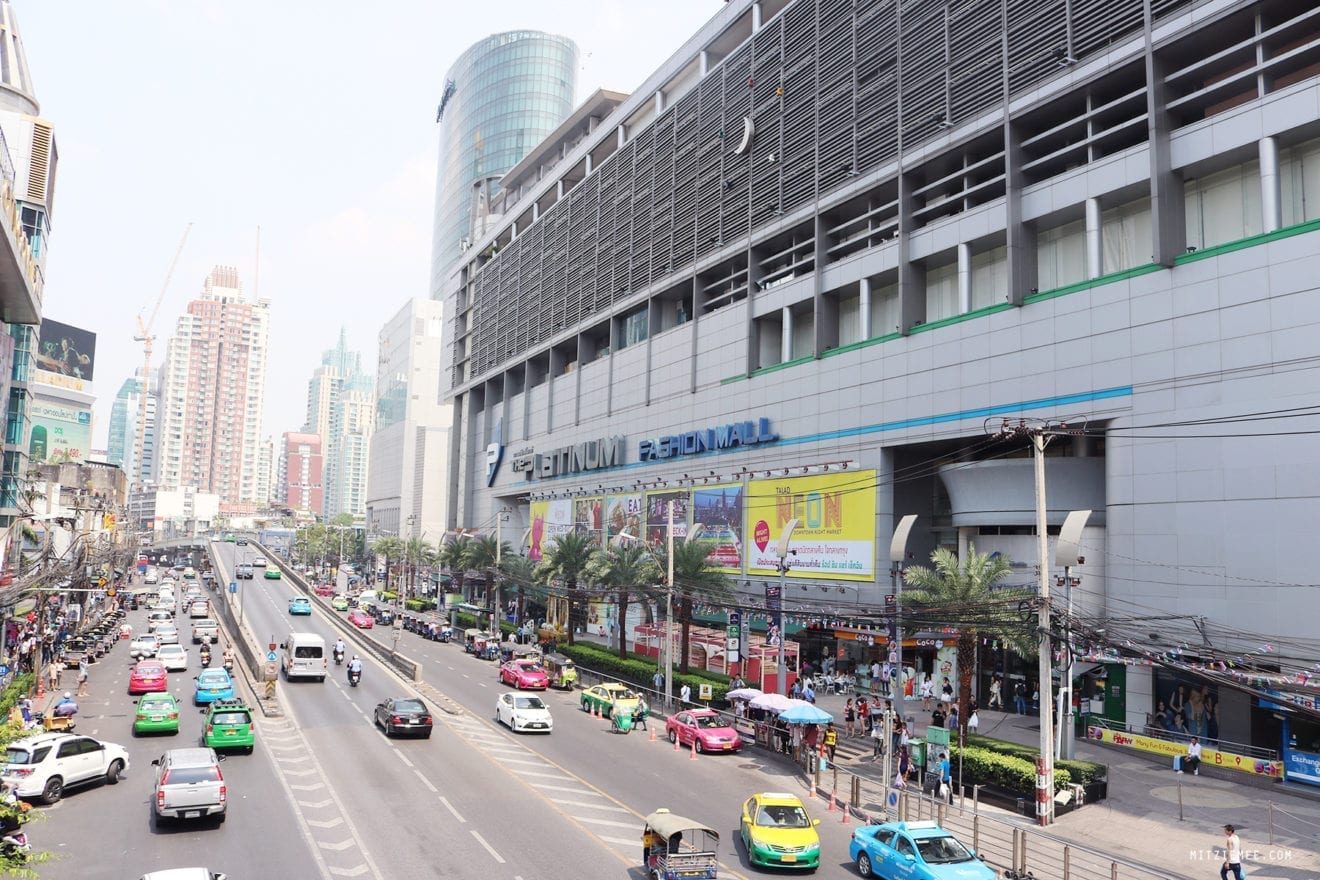
    Bangkok Platinum Fashion Mall owner the Platinum Group has reported first-half profits of THB371 million (US$11.1 million), forecasting revenue to reach THB2 billion.

    The commercial real-estate developer credits its revenue growth to “solid management of both current and new projects, in combination with an enhanced efficiency of incremental income from the shopping centre”.

    The group also expects a further revenue boost by 2019 following the opening of the Market Bangkok retail complex in the last quarter of next year.

    President Chanchai Phansopha says the first-half revenue of THB997 represents 9 per cent growth over the same period of last year, while net profit is up 8 per cent to THB371 million.

    Revenue from rental and services rose 15 per cent, with F&B rising 14 per cent.

    The gross profit margin for its core business averaged 62 per cent, with an increasing rental rate at Platinum Fashion Mall and the launch of Talad Neon Down Town Night Market in December boosting earnings. A 15 per cent rise in both Thai and foreign visitors to the mall contributed to the increased revenue in F&B. The food court was revamped to offer a wider choice.

    Platinum says the Talad Neon Down Town Night Market has become popular among the younger generation and a rendezvous for food lovers. A 300-strong tour group from Indonesia visited the market last month, arriving in five buses and 90 tuk-tuks.

    The Market Bangkok will have a gross floor area of 195,000 sqm. The project has an investment value of THB5.8 billion and is set to open at the end of next year.

    Platinum is also in a JV with Gaysorn Group, building the 500m Ratchaprasong Walk (R Walk, formerly known as Bangkok Skyline). This has an investment value of THB400 million. The first two phases were connected in late March with 58,000 people a day using it. The walkway links Platinum Fashion Mall, Novotel Bangkok Platinum Pratunam Hotel, the Market Bangkok, Big C Ratchadamri, Gaysorn Village and Amarin Plaza as well as the Chidlom and Siam BTS stations.