Category: Real Estate

Retail News Asia is committed to providing both local and global retailers with the latest Real Estate news throughout the Asian market. This on a daily base.

  • Lifestyle plans third SOGO store

    Lifestyle plans third SOGO store

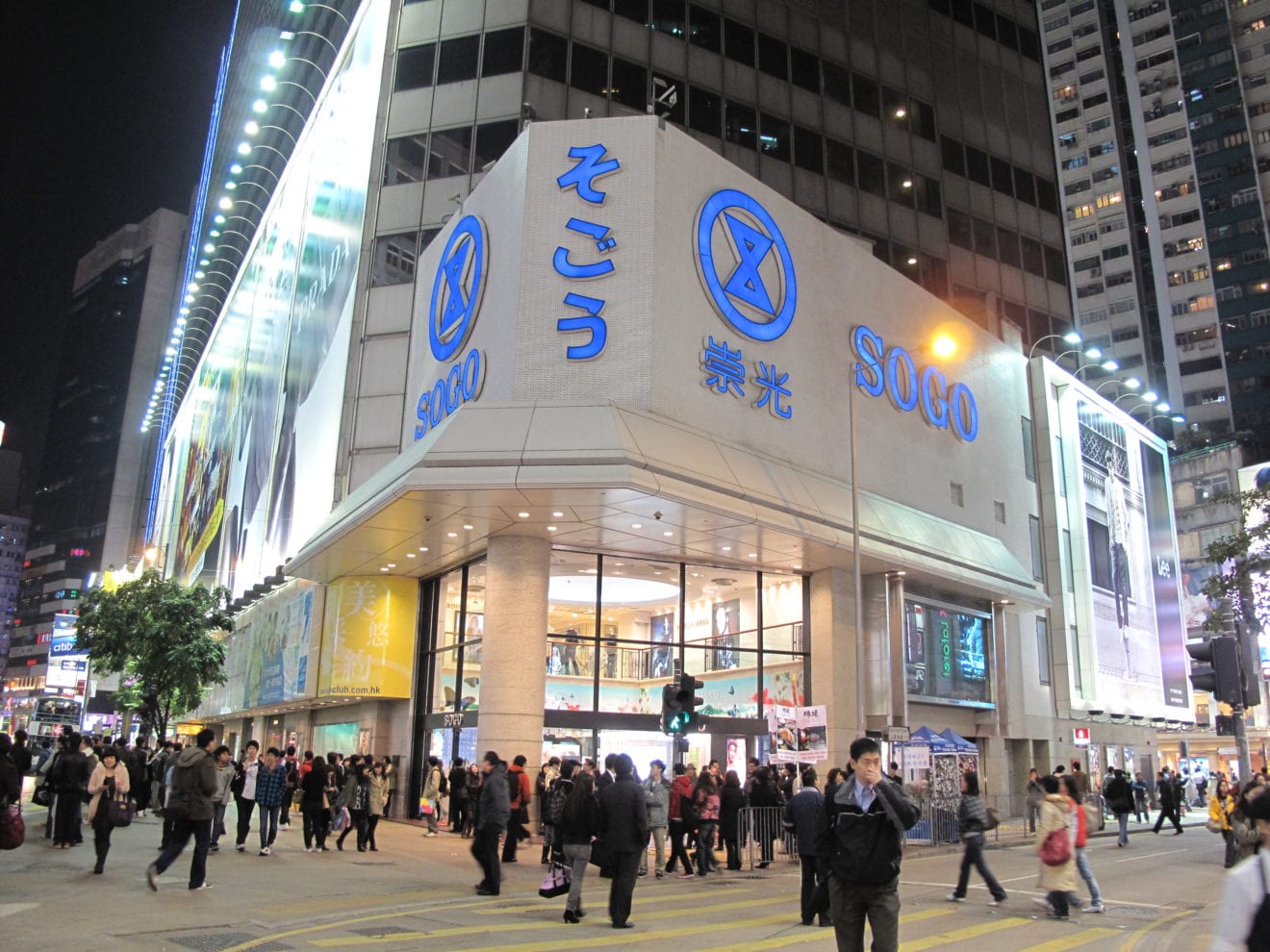
    Lifestyle International (1212) non- executive chairman Thomas Lau Luen- hung said the company is looking to open a third SOGO department store in Hong Kong and expects the investment to be no less than HK$5 billion.

    There are so far two SOGO branches in Hong Kong, one in Causeway Bay and one in Tsim Sha Tsui, Lau said.

    While the Tsim Sha Tsui branch focuses on selling cosmetics, Lau believes there is a market demand in Kowloon for a department store similar to the one in Causeway Bay.

    Lau said the company is still looking for a suitable location for the new store and that they would be more interested in opening and developing it through bidding for commercial sites rather than renting space from other companies.

    Lau said they have bid for commercial sites in the past without success but will continue to be involved as the government launches more commercial sites. He also did not rule out the possibility of partnering with other companies to develop the new store.

    He said the company is holding more than HK$6 billion in cash and has an investment portfolio of more than HK$4 billion which he said can be cashed in within 48 hours as the portfolio is comprised of mostly investments of high liquidity such as blue-chip stocks.

    Lifestyle International recorded a decline in net profit of 49.9 percent for the six months ended June 30 to HK$587 million compared to the same period last year, which the company said was attributable to the significant decline in investment income.

    Taking out the effect of net investment loss, the drop in net profit would be narrowed to 9.1 percent.

    The company proposed an interim dividend of 28.9 HK cents per share.

    Lifestyle’s landmark department store SOGO Causeway Bay’s same- store sales recorded a negative growth of 9.5 percent in the first half of this year compared to the same period last year as a result of weak local consumption, increased outbound travel and lower inbound tourists.

    Meanwhile, its Tsim Sha Tsui store recorded a 11.3 percent growth in same- store sales.

    Lau said the retail market was the worst in January and February and the decline bottomed out and remained flat during May and June.

    He does not expect there will be a rebound in retail market in the short term and retail sales will mostly likely remain flat in July and August.

    Lau said the fourth quarter will be an important indicator of the performance this year.

    Meanwhile, spinoff Lifestyle China (2136) recorded a decline in net profit of 6 percent to HK$157.4 million in the six months ended June 30.

    Lifestyle Properties Development (2183) recorded a drop in net profit of 67.9 percent to HK$148.6 million.

  • Starwood Hotels & Resorts To Debut Four Points Jakarta, Thamrin In The Capital Of Indonesia

    Starwood Hotels & Resorts To Debut Four Points Jakarta, Thamrin In The Capital Of Indonesia

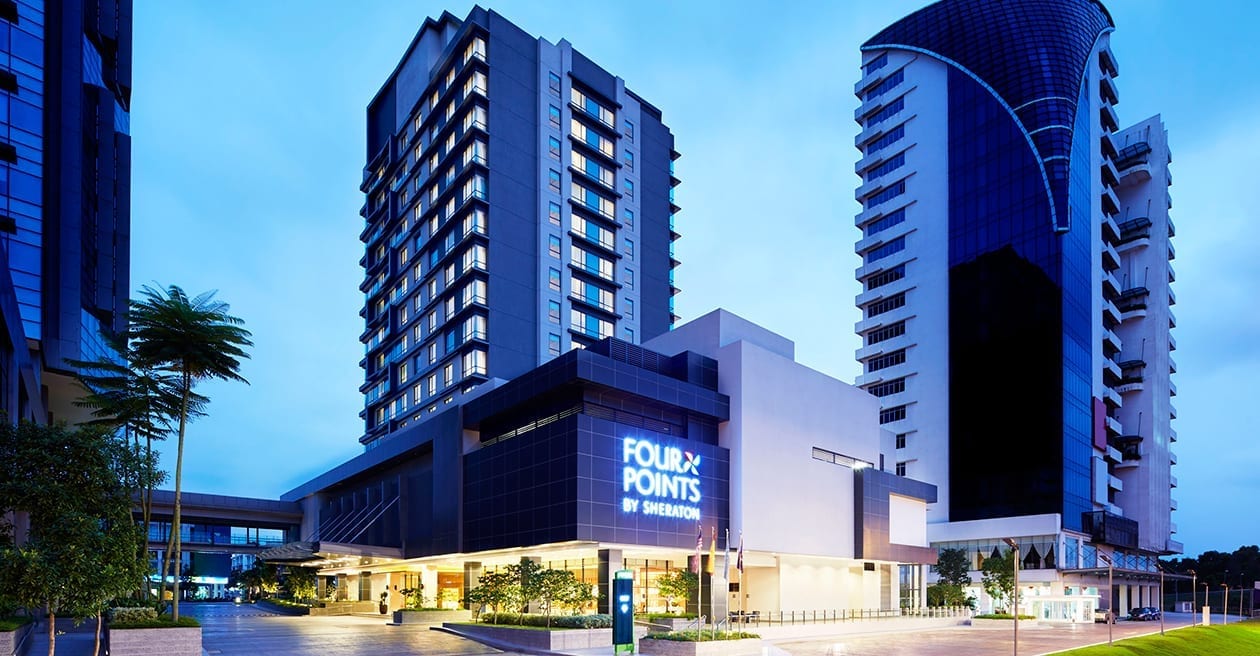
    Starwood Hotels & Resorts Worldwide, along with PT Thamrin Ekspress Indonesia today jointly announced the opening of Four Points Jakarta, Thamrin. The opening marks the first Four Points property in Jakarta, and the sixth in Indonesia. The hotel is part of an approximate 159,000 square foot mixed used development that consists of offices located on the upper floors of the building and the hotel.

    “Built for the smart, independent business traveler, Four Points continues to offer our guests exactly what they need while on the road,” says Vincent Ong, Senior Director, Asia Pacific Brand Management, Four Points. “We are excited to open Four Points in Indonesia’s capital of Jakarta, one of the fastest growing cities in Southeast Asia and continuing the immense growth momentum of the brand in the region and generating a halo-opening effect.”

    Four Points Jakarta, Thamrin features 164 guest rooms with fast and free Wi-Fi throughout the hotel. Guestrooms are fitted with the Four Points brand’s signature bedding, 43” LED flat-screen TVs, and complimentary bottled water. The hotel features an all-day dining venue, which incorporates the brand’s signature Best BrewsTM program, allowing guests to sample a range of local craft and artisan beers. For meetings and events, Four Points Jakarta, Thamrin has three comfortable, stylish meeting spaces totaling 1,615 square feet that overlooks the lively Thamrin business district. The hotel also offers a 24 hour fitness center that is fully equipped with a range of high-endurance and low impact workout equipment.

    Four Points Jakarta, Thamrin is strategically located along Jl M.H. Thamrin at Menara Topas, a major road running through the Central Business District in Jakarta with high visibility for corporate clients. The hotel is located just under one half a mile north of the famous Selamat Datang roundabout near multinational corporate offices, embassies, megamalls, retail shops, restaurants and bars. For guests looking to immerse in the rich history and culture of Jakarta during their stay at the hotel, they can visit Pasar Baru, the oldest shopping center in the city that dates back to the Dutch colonial era, Sunda Kelapa, a 17th century port to see the world’s last wind-powered trading schooners, or take in captivating views from the observation deck at Monas, a National Monument located in the center of Freedom Square. All are located within 7.5 miles of the hotel.

    Starwood Hotels & Resorts is rapidly growing in Indonesia alongside the increasing number of domestic and international travelers. Currently there are 19 properties across Indonesia with 15 hotels under construction. In Jakarta alone, Starwood has five properties representing the Le Méridien, Tribute Portfolio, The Luxury Collection and Sheraton brands, with six more hotels opening by 2020, including the debut of the Westin brand in August, 2016 and the Aloft brand by 2018.

  • Malaysians keen on investing in commercial properties in Australia

    Malaysians keen on investing in commercial properties in Australia

    Malaysian investors in Australia will most likely focus on commercial properties with the implementation of new tax rates targetting foreign buyers of residential real estate, according to Knight Frank Australia.

    The property consultancy, which recently organised a roadshow to gauge investors’ sentiment, noted that the Australian property market remained a key attraction for Malaysian investors despite the recent changes to the country’s property tax law.

    “Despite the recent stamp duty changes imposed on foreigners purchasing residential property, interest from Malaysian private and institutional investors is remarkably strong,” Knight Frank head of commercial sales Paul Henley said in a statement.

    “We expect many commercial, hotel and retail assets transactions from Malaysian investors over the next year.

    “These assets are not impacted by the tax changes, and some residential specialists will still show interest at the right pricing metrics to build scale,” he added, referring to SP Setia Bhd’s recent purchase of an office tower at 288 Exhibition Street, Melbourne, for A$101mil ( S$104.3mil) as an example of the growing interest of Malaysian investors in Australia’s commercial property sector.

    In an effort to limit the amount of foreign money coming into its real-estate market to keep home prices from rising further, the Australian government had implemented new tax laws targetting foreign investors.

    These changes included a stamp duty surcharge of up to 7 per cent of residential real estate, and an extra 10 per cent withholding tax for a property with a market value of more than A$2mil.

    According to Henley, the Australian property market remained attractive to Malaysian investors due to its strong underlying economic fundamentals, including a record-low interest-rate environment.

    Malaysian investments in Australian real estate had averaged at A$750mil over the past six years, although deal flow had not been as prevalent over the past year.

    “With interest rates having dropped to their lowest ever, and a stable political scene with the Federal election result, combined with an ever-growing population, Australia is well-positioned for offshore investors,” he said.

    Separately, Sarkunan Subramaniam, Knight Frank’s managing director for Malaysia, said there was a close connection between Malaysia and Australia because the latter is one of the preferred education and tourism destinations for many Malaysians.

    “Many Malaysians travel there for education… 77 per cent of Malaysia’s ultra-high net worth individuals are expected to send their children abroad for university over the next year,” he said.

    In addition, Sarkunan said there was a growing number of Malaysians visiting Australia, with the rate having risen by more than 40 per cent over the past three years.

    Meanwhile, Knight Frank head of research and consulting Matt Whitby said UK’s referendum to leave the European Union, or Brexit, would likely accentuate global capital flows into Australia.

    “I expect Australia to benefit from Brexit and other global uncertainty, as it remains a safe-haven for investors.

    “With volumes slowing over the past quarter, mainly on the back of limited supply of assets, I expect Brexit will accentuate the capital flows into Australia and volumes will pick up in the second half of 2016,” Whitby said.

    “Australia’s economy is the envy of the developed world, growing at 3.1 per cent as at the March 2016 quarter. Sydney and Melbourne are driving performance, while our population is strong, with a growth average of 1.5 per cent across the country,” he added.


  • Upgrade broadens Pantip Plaza’s appeal

    Upgrade broadens Pantip Plaza’s appeal

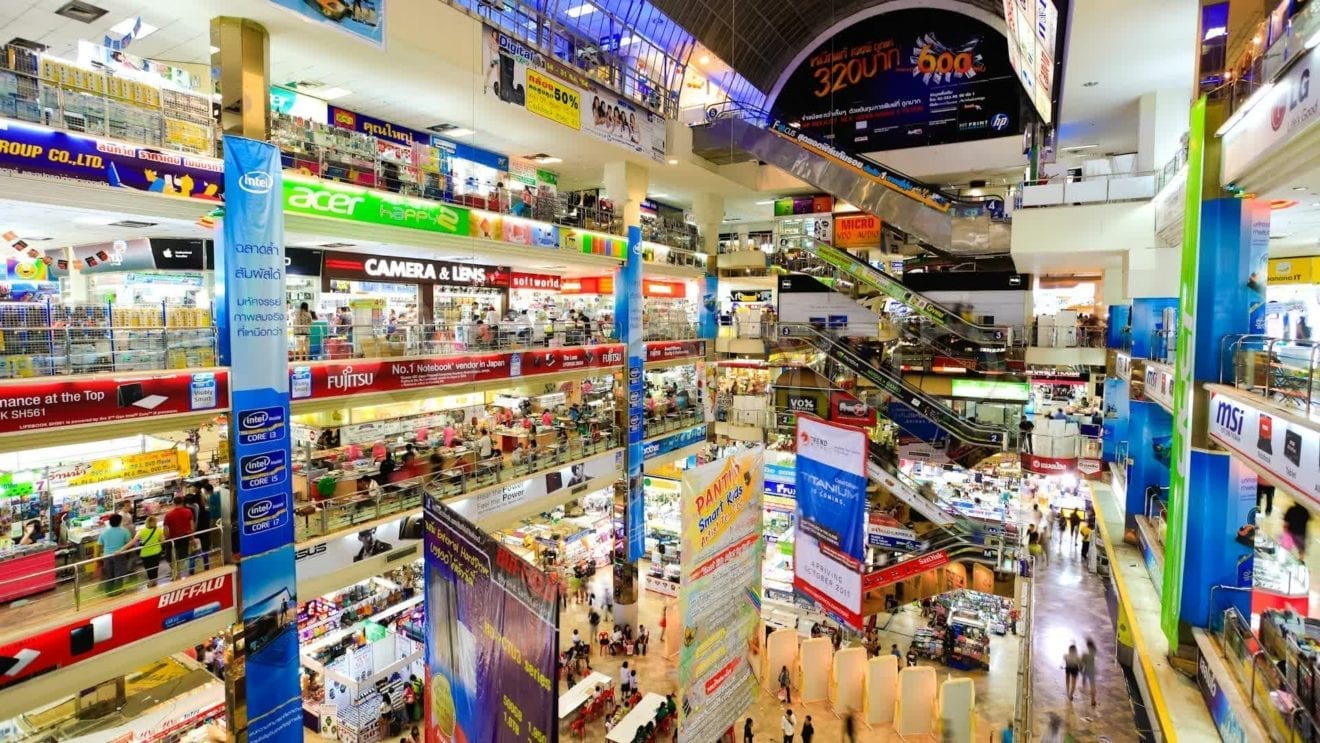
    Two years of renovation have breathed new life into Bangkok IT hub Pantip Plaza, on Phetchaburi Road.

    It re-opens on Monday as Tech Life Mall, offering wider aisles and spaces where customers can try balance wheels, scooters and drones.

    “We position ourselves as a fun place for shopping, and we broaden the target groups to kids and teenagers,” says asset manager Sansern Na Patthalung of Asset World Estate, which runs Pantip Plaza.

    The 36,000 sqm mall will have 300 IT dealers offering gadgets, gaming and business products, as well as a co-working space. Companies represented include local brand Intel Microelectronics, which sponsors an e-sports arena, while Google and Microsoft showcase their innovations at the Experience Zone.

    Syn Hub, the co-working space, will provide innovative technologies ranging from 3D printers, mechanics supporting the industrial internet of things, embedded electronics and radio frequency identification (RFI) systems.

    Over the past months different parts of the new development have been opened, attracting about 20,000 visitors a day. However, the aim is to attract 35,000 to 40,000 people a day by the end of this year.

  • Two more Kuala Lumpur malls opening

    Two more Kuala Lumpur malls opening

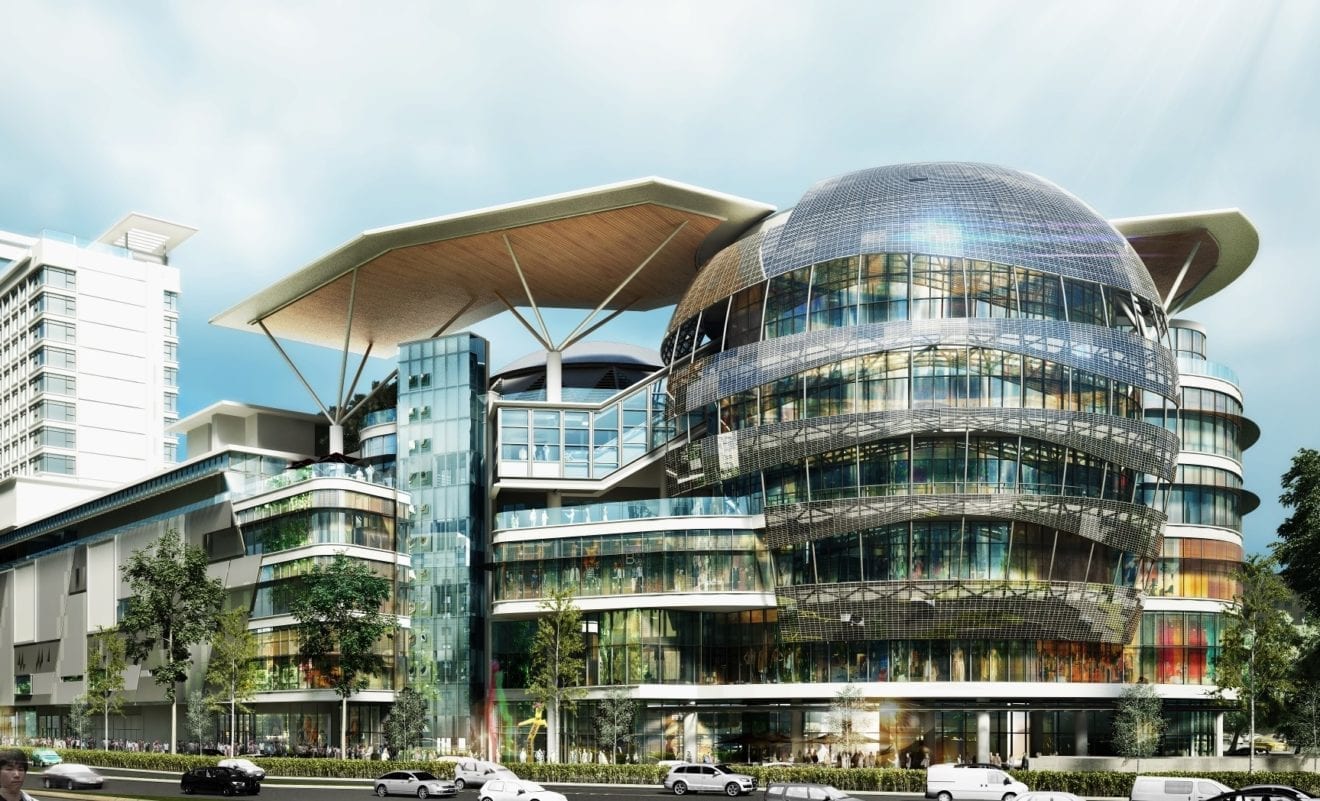
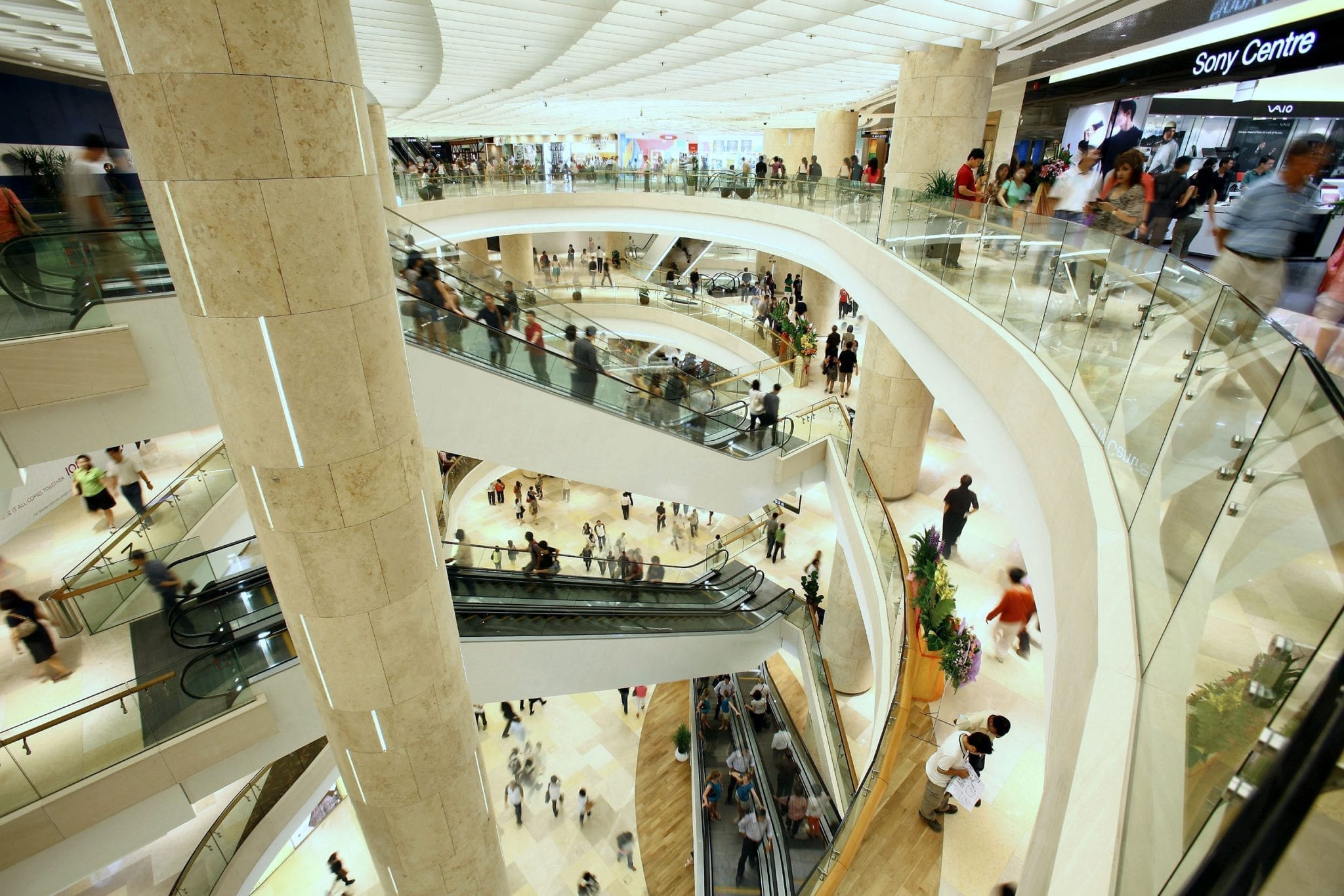
    Two Kuala Lumpur malls, collectively offering more than 2 million sqft (185,806 sqm) in net lettable area, will open in Cheras, Klang Valley, by the end of the year.

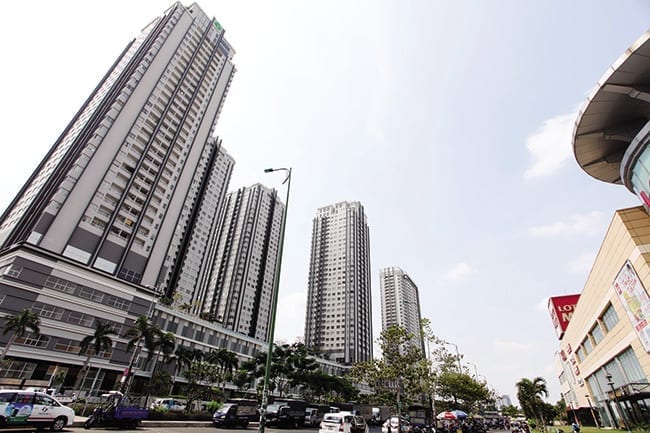
    Moreover, the MyTown Shopping Centre (below picture) and Sunway Velocity Mall (above picture) will be just 800m away from each other.

    Cheras already has the Aeon Maluri shopping centre and Cheras Leisure Mall, with The Tun Razak Exchange also on the horizon, reports The Star.

    MyTown is being developed by Boustead Ikano while Sunway Velocity Mall is a Sunway Groupproperty. MyTown will be structurally linked to Ikea Cheras, the largest outlet mall in Malaysia.
    With a population of 800,000 people, Cheras is an “ample market”, says Sunway Shopping Malls & Theme Parks CEO HC Chan.

    myTown mall Malaysia

    “Fundamentally, the real issue is the absence of lifestyle and experiential malls in Cheras – Sunway Velocity Mall fills this void. I am looking from a quality rather than a quantity perspective… we are addressing this from multiple angles.”

    Boustead Ikano GM Jo Hogsander agrees there is demand for more retail space, especially in Cheras. He says that when the MRT line opens it will ease traffic congestion and boost accessibility to the mall.

    “Game changer”

    Chan also sees the MRT as a “game changer”. “Two out of six MRT stations in Cheras will serve Sunway Velocity, which translates to a capacity of about 400,000 passengers a day.”
    He says Sunway Velocity Mall would not only compete, but also complement the MyTown Shopping Centre.

    “Competition is healthy, but in the longer term we will complement each other. Just look at the Bukit Bintang area and the number of malls there. It’s thriving because it gives consumers a choice.”
    Despite the number of malls in the Klang Valley, Hogsander says they are still crowded, even on a weekday afternoon.

    “I went to our competitors on a Thursday afternoon and couldn’t find a parking space. I then went to another competitor and had to do laps to find parking – and these are big shopping centres with more than 6000 parking bays.”

    Sunway Velocity Mall and MyTown Shopping Centre will open on October 28 and November 15 respectively, 18 days apart. Both malls boast 6500 parking bays.

    Sunway will have a NLA of 1 million sqft and accommodate 500 shops, while MyTown will have 460 stores on 1.1 million sqft of space.

    Sunway Velocity Mall’s anchor tenants include Harvey Norman, Parkson, TGV Cinemas and Toys’R’Us, while MyTown has secured such brands as Golden Screen Cinema, Mango, Uniqlo and Village Grocer.

  • MBK plans second community mall

    MBK plans second community mall

    Thai developer MBK plans to spend 500 to 800 million baht (US$14 to 23 million) building a community mall in Pathum Thani province next year.

    President/chief executive Suvait Theeravachirakul says the mall will be opposite Bangkradi Industrial Estate in Pathum Thani.

    It is the company’s second community mall following The Nine Center in Bangkok. The new property will occupy a corner of an MBK site where it is developing the Riverdale Golf & Country Club and the Park Riverdale townhouse project.

    It is envisaged the mall will serve residential projects inside an eight to 10 km radius, and MBK is also looking at the feasibility of developing a mix-used complex.

    Meanwhile, The Nine Center has proven successful through its differentiation from other community malls nearby, says MBK shopping centre department MD Somphol Tripopnart. Its revenue last year was 225 million baht. About 12,000 shoppers visit the centre each day and the company plans to spend 10 million baht to improve its landscaping this year.

  • Chinese retail real estate crushed

    Chinese retail real estate crushed

    One of the under discussed aspects of rising real estate prices is the attendant rising rents amid a brick-and-mortar retail slowdown. In 2015, the top 100 chain stores saw sales growth of only 4.3 percent.

    Locally, in Beijing the smaller mom-and-pop retail shops as well as national chains are being forced out by high rents, as rental agreements expire and the minimum increases are at least 100 percent. Mix in shifting consumer behavior, particularly the popularity of online shopping, and it is a brutal environment for the least efficient retailers.

    A reporter for the Beijing Evening News heads to Xinjiekou Beida Street to see the impact on the ground.

    Yesterday afternoon, just the beginning of autumn (Liqiu August 7-22) of Beijing is still hot. From Jishuitan subway station out along Xinjiekou North Main Street South a rough count shows about ten small stores at least half with the words “sale”, “clearance” and even more than one “contract expiration” two or three family has to pull the shutter doors, completely closed shop closed state. The old familiar clothes shop has been replaced by a shop selling steamed buns and meat patties. A clothing store retreated from higher rental shops along the street to the alley inside, to attract customers it has a “Grand Sale” promotion red sign hanging.

    Contact by telephone sublease front of the store, correspondent to turn to a store owner. He told reporters that although the lease is to expire in April next year, but because of the difficult business environment, ready to move up, “mainly rents are too high.” The owner said, Xinjiekou traffic here also, but his rented storefront upper and lower rent would more than 1.5 million yuan a year, an average of 129,000 yuan a month, plus the prior renovation costs, operation stress is too great. Now the shop is handbags sale, sell a single inexpensive earn more than twenty yuan, the most expensive also more than fifty yuan. Even under the most expensive 50 yuan terms, without considering other costs, the shop must to sell 2580 each month to pay the rent. The boss said, in order to share the rent pressure, a lot of shops in this street are sharing the rent two- and three-ways.

    Chain stores are feeling the pressure as well:

    In fact, more than street shops closed tide appears, district located in Daphne, Metersbonwe, Ning [ -0.73% ] , Jeanswest and other brand shoes and apparel shops are also rapidly reduced stores. According to Daphne released the first half of 2016, a profit warning report shows only the first half of this year, Daphne net off store 450, including 400 direct sales stores and 50 franchise stores. Once all the rage Metersbonwe business situation is not optimistic about 2013 sales stores and franchise also has nearly 5000, the end of 2015 has been remaining 3700, store sales decreased by about a quarter. Jeanswest in the past 4 years has closed 1012 stores, at the end of 2015 had only 2249 retail stores.

    In the micro-channel circle of friends spread a worldwide brick-and-mortar retail death list, it is revealing physical retail bleak. According to this list were killed in the first half 2016, a second-tier cities major retail companies closed shop more than eighty percent. China Chain hundred reports China Chain Store & Franchise Association released statistics also show that in 2015 the chain of hundred sales volume of 2.1 trillion yuan, an increase of only 4.3%, the lowest ever one. Department stores even have negative growth of -0.7%.

    China Chain Store & Franchise Association, the relevant responsible person said, “This year the store is really a life and death to the moment”, but specialty stores, convenience stores have achieved double-digit growth.

    Entity is not fully closed shop because of the impact of the electricity supplier, there are real weak economic growth, labor costs, rental costs, taxes, weak profits and other reasons. In the late 1990s, chains began a large expansion, rental contracts generally expired in 10 to 15 years, these contracts are now expiring and the rent is at least doubling, some low-margin supermarkets, department stores have been unable to renew the lease.

    Another issue is the failure to embrace changes in the market:

    Beijing Zhi future starting from Consulting Group founder Li pointed out that the impact of the electricity supplier, rent increases, etc. are one of the most direct reason. But more than the rent, labor, electricity providers more powerful impact, and is continuing under the influence of these factors, changes in consumer spending habits occurred. More important reason is consumer behavior, consciousness, the pursuit of consumer convenience, reliance on technology and the like. On the other hand, traditional commercial aspects of the transition moves more slowly. Department stores these years has been to break, suffer not found the right ways, not kept pace with changes in consumers.

    Li Zhi said that from the domestic and international experience, the current transformation of department stores there are two main directions. On the one hand is to break through the high-end direction, shrinking front, the focus is more on the line, service requirements are relatively high business forms; in the other direction is toward a more pluralistic, more inclusive development, to provide similar shopping mall such a large, integrated leisure experience scenes business forms.


  • Aeon to accelerate Myanmar supermarket business

    Aeon to accelerate Myanmar supermarket business

    Aeon will open new supermarkets in Myanmar at a faster clip over the next five years, according to business plans announced Monday, with shopping centers also under consideration.

    The Japanese retail group recently established supermarket chain Aeon Orange, a joint venture with Creation Myanmar Group of Companies. The 14 supermarkets purchased from CMGC will be renovated, and the first new Aeon Orange store is to open within the year. Openings will rise to 10 new stores annually after five years.

    The Aeon Orange markets will be roughly 1,000 sq. meters. But for urban areas, smaller stores of 100 sq. meters to 500 sq. meters will open on an experimental basis. The supermarket operator will source items by tapping CMGC’s more than 600 business partners and Aeon’s procurement system established in Thailand.

    Aeon President Motoya Okada also said that “opening up shopping centers is vital” for the future, expressing interest in capitalizing on the company’s biggest strengths.

    “We cannot delay in such a high-potential market,” Okada said, hinting at plans to open a large-scale shopping center in Myanmar like those Aeon operates in Japan and other countries. The company will keep a close eye on changes to restrictions for foreign investment.

    Aeon’s international business segment slumped during the year ended in February with an operating loss of 2.4 billion yen ($23.4 million). A slowdown in Malaysia, one of Aeon’s largest overseas markets, is deemed responsible and increased the urgency to develop a profitable new market.

  • SingPost eCommerce growth, investment shape results

    SingPost eCommerce growth, investment shape results

    SingPost eCommerce delivered soaring sales growth – and expenses – in the last quarter.

    Revenue in the three months to June 30 grew a robust 30.9 per cent to S$333.4 million, buoyed by continued expansion of cross-border eCommerce-related activities, and the inclusion of contributions from new subsidiaries.

    But net profit attributable to equity holders declined 23.0 per cent to $35.9 million, due largely to one-off gains from the divestments of Novation Solutions and DataPost HK in the corresponding period last year. Underlying net profit, which excludes one-off items, was down 11.2 per cent, due to investments in business transformation.

    Interim group CEO Mervyn Lim said the company continued to invest in its business transformation and that will take time to contribute materially to earnings.

    “We are focused on executing our strategy to create value from our acquisitions and build an integrated global eCommerce logistics ecosystem. SingPost’s strategy to protect the postal core and grow its eCommerce logistics network remains on track.”

    eCommerce-related revenues from across the postal, logistics and eCommerce segments more than doubled from $73.1 million to $164.1 million and now make up 49.3 per cent of group revenue – up from 28.7 per cent last year.

    “The sharp increase reflects continued expansion in cross-border eCommerce-related activities across the group, as well as the inclusion of new US subsidiaries TradeGlobal and Jagged Peak,” the company reported.

    “Correspondingly, overseas revenues rose to make up 50.2 per cent of group revenue, up from 37.8 per cent last year. Increased cross-border eCommerce-related activities led postal revenues to a 1.5 per cent rise, despite the deconsolidation of subsidiaries divested during the previous financial year.

    International mail revenue was up 30.3 per cent to $65.5 million, while domestic mail revenue declined 4.3 per cent to $64.0 million due to lower volumes.

    Logistics revenue rose 11.9 per cent to $156.7 million, with steady organic growth at Quantium Solutions and CouriersPlease, as well as the inclusion of a new subsidiary under Famous Holdings.

    Revenue growth for the eCommerce segment was due mainly to the consolidation of new US subsidiaries, TradeGlobal from November 2015 and Jagged Peak from March 2016.

    Operating losses from the segment increased from $1.9 million to $3.5 million as contributions from the newly acquired US subsidiaries were offset by continued investments in eCommerce IT and operational capabilities, as well as marketing and sales efforts in the US to build scale. Beyond these direct contributions, the eCommerce segment was an important driver of warehousing, freight, last mile delivery and customer care services for the logistics segment.

    Rental and property-related income decreased 8.6 per cent to $9.7 million due to the loss of retail rental income from the redevelopment of SPC retail mall, which is due for completion by mid-2017.

  • High street brands replace luxury stores that exit HK prime space

    High street brands replace luxury stores that exit HK prime space

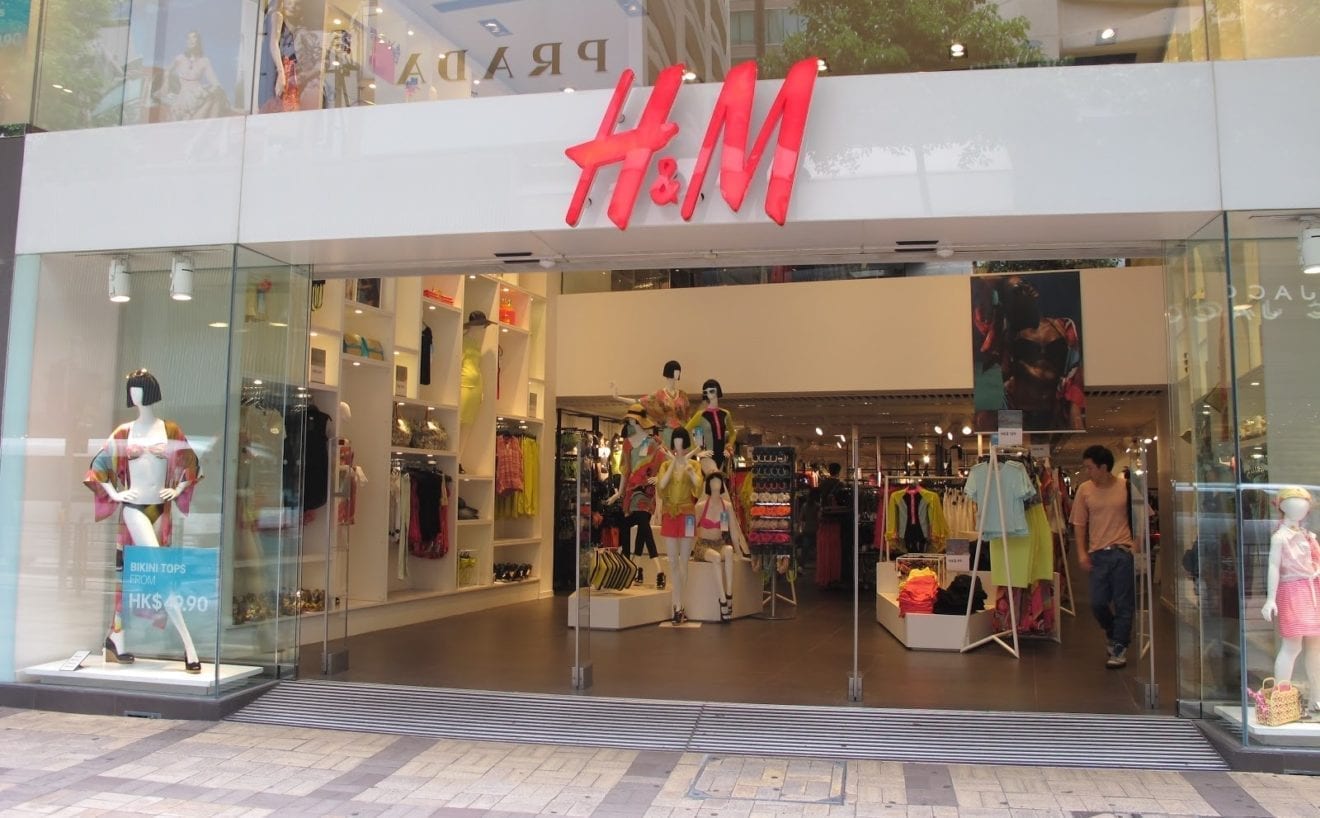
    From fast-fashion chain H&M to lifestyle brand Maison Kitsune and cosmetics firm Innisfree, mass-market retailers are setting up shop in premises previously occupied by luxury brands in Hong Kong’s prime shopping districts.

    Aided by falling rents in top locations, accessory, sport and lifestyle retailers are emerging as a new driving force of Hong Kong’s US$60-billion (S$80.4-billion) retail industry, part of a major makeover the city is going through amid a slump in retail sales.

    “This trend will continue,” said Mr Joe Lin, executive director at property consultant CBRE. “We are going to see more mass-market brands reappear in prime locations.”

    Weak sales of luxury goods drove Hong Kong to report a 16th straight monthly drop in retail sales on Tuesday.

    Sales of jewellery, watches and valuable gifts tumbled 21 per cent in January to May, driving a 10.8 per cent fall in overall retail sales, while cosmetics and medicines posted a 2.7 per cent sales decline and furniture and fixtures reported a 5.3 per cent drop, government data showed.

    Luxury retail in Hong Kong exploded over the past decade as increasingly wealthy Chinese flocked to the city to buy high-end Western brands, pushing out local jewellers and other shops that once dominated the high street.

    “Back in the day, we used to see only (jewellers) Chow Tai Fook, Luk Fook and pharmacies,” said Ms Cynthia Ng, director of retail services of Colliers International.

    “They (new retailers) are not necessarily local brands, but tend to be cheaper in pricing and younger… Not only does the adjusted rental fit their budget, but at the same time the craze and demand for fitness and sports are also helping them.”

    Still, mass-market brands might struggle to achieve the margins and profitability needed to justify prime rents in a weak retail environment, said Mr Kevin Lai, an economist at Daiwa Capital Markets in Hong Kong.

    “The luxury sector usually has much more value added,” Mr Lai added. “So these guys may not be able to do exactly the same.”

    Retail rents in Hong Kong’s core shopping districts, still among the world’s highest, are likely to fall another 5 to 8 per cent in the second half of this year, bringing the full-year correction to 10 to 15 per cent, said CBRE.

    Those declines are attracting new tenants to shops large and small.

    On Russell Street in the prime Causeway Bay shopping district, the 400 sq ft space that jewellery group Follie Follie occupied has been replaced by footwear outlet Joy & Mario, while Swatch Group’s Jaquet Droz luxury watch shop has gone to South Korean cosmetics brand Innisfree.

    Nearby, H&M opened a flagship store last year.

    “For us, best location is always key, and when opportunities arise, we look at the possibilities for opening new stores,” a spokesman for H&M in Stockholm said.

    Sports brand Adidas last year leased a 13,000 sq ft shop in the city for 22 per cent less than its former occupier, Coach, as the premier American brand closed its fourstorey flagship store in Central amid weak retail sentiment and a drop in tourist arrivals from China.

    Big shopping malls are renovating and offering attractive terms as vacancies grow, and stores on street level have also become more affordable.

    Swire Properties’ Pacific Place, where British fashion house Burberry will halve the size of its store by next year, is reshuffling its tenant mix, bringing in more food and beverage stores.

    Lifestyle store Homeless recently opened a store in CityPlaza shopping mall, after years of effort to secure a place in a prime shopping district, and is planning to relocate its shop in Tsim Sha Tsui this year to a location with much better traffic.

    Retail and property experts see the trend continuing as sales of luxury goods remain weak, despite steep discounts.

    “In the second half of May, many brands kicked off their summer sales much earlier than before, offering much higher discounts than they normally did,” Mr Thomson Cheng, chairman of Hong Kong Retail Management Association. “It failed to significantly boost sales. The situation is worrying.”

    In early June, French fashion house Chanel slashed prices by as much as 70 per cent on selected items, while Coach cut some prices by half, in line with moves by Burberry and French luxury group Kering’s Gucci.

    “The spending pattern of mainland tourists has changed and their consumption power is weakening,” Mr Cheng said.


  • Aeon Myanmar launched with acquisition

    Aeon Myanmar launched with acquisition

    Japanese grocery and mall giant Aeon is expanding its Asian footprint yet further, acquiring a 14-store supermarket chain in Myanmar.

    The Aeon Myanmar operation will be run by a new company, Aeon Orange, which has acquired the supermarket chain from Hypermarket Asia, one of the affiliate companies of Creation Myanmar Group.

    At the same time, the newly established company is preparing to open its first supermarket in Myanmar before year end.

    Aeon says that the economic liberalisation after transition to a civilian government, has seen

    Myanmar’s retail industry modernise, and the ranks of the nation’s middle class are growing.

    “With the population of 53 million people, the real economic growth rate in the country is 8.3 per cent – dramatic growth exceeding the average rate among five developed nations in ASEAN countries,” Aeon said in a statement.

    CMG’s 14 supermarkets are mainly in Yangon, Myanmar’s largest city, and it also holds more than 20 overseas brand sales licenses including Adidas and Mango operating some 130 stores.

    The launch of the Aeon Myanmar business follows successful forays into China, Thailand, Vietnam and Cambodia as the Japanese retailer looks for growth internationally to offset declining sales in its home market which is suffering from a falling population.

    “In order to develop business in a speedy manner in this fast growing Myanmar market, Aeon believes that cooperation with CMG is indispensable, as it has the retail business infrastructure in the country and is also familiar with the customer needs which differ from region to region,” the company said.

    Aeon will learn the customer needs in the region and the know-how of community-based

    product procurement, while offering Aeon’s private brand “Topvalu,” the global sourcing

    through utilising the group’s comprehensive multinational strength and quality control to assure “safety and security,” and bring logistics, IT, and human resource development to CMG.

  • Keppel Land opens mall in Ho Chi Minh City

    Keppel Land opens mall in Ho Chi Minh City

    Property firm Keppel Land opened a mall in Ho Chi Minh City yesterday as part of plans to increase its presence in Vietnam.

    The mall in Saigon Centre has 55,000 sq m of retail space and is already fully leased with over 400 international and local brands, the firm said.

    They include anchor tenant Takashimaya, the Japanese retail giant, which has taken up 15,000 sq m for its flagship store, its first outlet in the city.

    keppel land

    Takashimaya Singapore managing director Tatsuo Yano said: “This development has come about through years of cultivated retail experience between Japan and Singapore. We aim to create a store that will become a well-soughtafter shopping destination.”

    The mall is part of Saigon Centre’s phase two development, which also includes 195 luxury serviced apartments and a 37-storey prime office tower. Phase two – which will be completed at the end of next year – will cost US$255 million (S$341 million) to develop.

    Keppel Land, a subsidiary of Keppel Corporation, told The Straits Times that future phases could include a five-star hotel and more retail offerings.

    Phase one, which included 11 floors of Grade A office space and 89 luxury serviced apartments, was completed in 1996.

    Keppel Land said 97 per cent of the office space in phase one was leased, with DBS Bank, AIG, Reuters and Mitsubishi Corporation among the tenants.

    Both phases one and two of the project are jointly owned by Keppel Land, Toshin Development and Vietnamese partners Southern Waterborne and Transportation Corporation and Saigon Real Estate Corporation. Keppel Land holds a 45.3 per cent stake in the development.

    Since its first foray into Vietnam in the early 1990s, Keppel Land has 19 licensed projects across the country.

    The mall’s opening ceremony yesterday was attended was attended by over 300 guests, including Keppel Corporation chairman Lee Boon Yang.

    Keppel Land will also joint develop Empire City at a prime 14.6ha waterfront site in Ho Chi Minh City – a deal announced in March.

    The development will comprise premium residential units, office and retail properties as well as an 86-storey integrated mixed-use tower complex.

    Empire City – which is expected to commence construction later this year – is a joint venture project with Vietnamese companies Tien Phuoc Real Estate Joint Stock Company and Tran Thai Real Estate, as well as Hong Kong-based real estate private equity fund Gaw Capital Partners.

  • Vietnam real estate giant opens five-star hotel in Myanmar

    Vietnam real estate giant opens five-star hotel in Myanmar

    Vietnamese realty group Hoang Anh Gia Lai on Sunday put into operation a five-star hotel in Yangon, Myanmar.

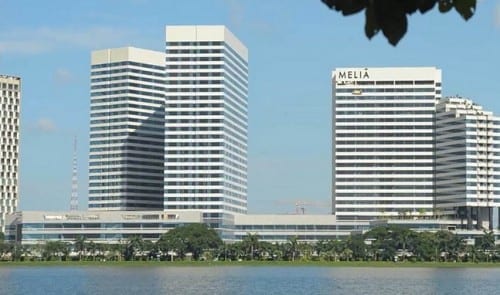
    The hotel is housed in the group’s Myanmar Center, located some eight kilometers from downtown Yangon, on Kaba Aye Pagoda Road in Bahan Township.

    Hoang Anh Gia Lai (HAGL) Group is one of the leading real estate companies in Vietnam that focuses on the development of residential and commercial real estate in many principal economic centers, including Ho Chi Minh City and Da Nang City.

    The company has been expanding regionally with real estate projects in Laos, Thailand and Myanmar.

    Myanmar Center is a modern architectural ensemble made up of offices, retail spaces, residential units and a five-star hotel, with a total investment of US$440 million, Vo Truong Son, general director of HAGL Group, said at the inauguration ceremony.

    The project is divided into two phases, the first of which consists of two grade-A office towers, one retail podium and a five-star hotel, while the second comprises two additional grade-A office towers and five residential blocks.

    Operated by hotel chain Meliá Hotels International, one of Spain’s largest operators of hotel and holiday resorts, the five-star Meliá Yangon inaugurated on Sunday has 430 suites and a 2,000 square meter conference area.

    melia hotel

    Vietnamese Deputy Prime Minister Vu Duc Dam and senior officials of Myanmar, Laos, and Cambodia also attended the inaugural ceremony.

    According to Myanmarese Minister of Hotels and Tourism U Htay Aung, HAGL’s Myanmar Center is the largest foreign-invested real estate project in the country at the moment.

  • CapitaLand Retail China Trust property income rises

    CapitaLand Retail China Trust property income rises

    CapitaLand’s China retail venture has had a strong half year, despite the tepid retail sector.

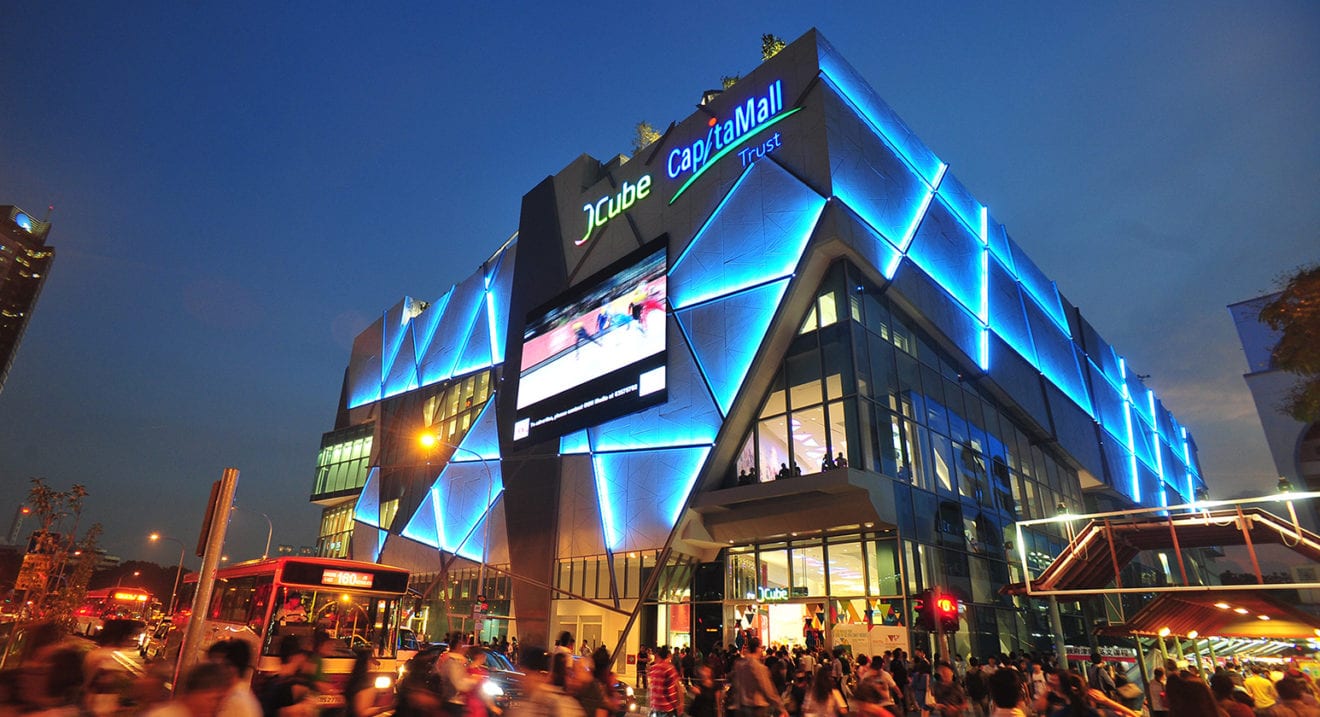
    CapitaLand Retail China Trust Management, which manages CapitaLand Retail China Trust , has achieved net property income of RMB339.3 million (US$50.92 million) for the six months to June 30, up 4.6 per cent from the same period last year.

    Chairman Victor Liew says that with China’s steady growth spurring domestic economic activities, “we continue to be positive on China’s long-term retail growth prospects”.

    CEO Tony Tan says occupancy was steady at 94.9 per cent for the group’s malls for the half-year.

    “We continued to enhance our malls by introducing popular brands and keeping abreast of consumer trends,” he says, citing the opening of the Famiku VR experience centre in CapitaMall Qibao.

    Danish jewellery brand Pandora will soon be opening at CapitaMall Xizhimen, and new F&B brands include Xiao Niu Niu in CapitaMall Xizhimen and Xing Yang Hainanese Chicken Rice in CapitaMall Qibao.

    Meanwhile, CapitaMall Saihan has had its facade upgraded, with similar work almost complete on CapitaMall Wangjing and CapitaMall Qibao to be similarly upgraded this year.

  • Thaihot Plaza Fuzhou opens

    Thaihot Plaza Fuzhou opens

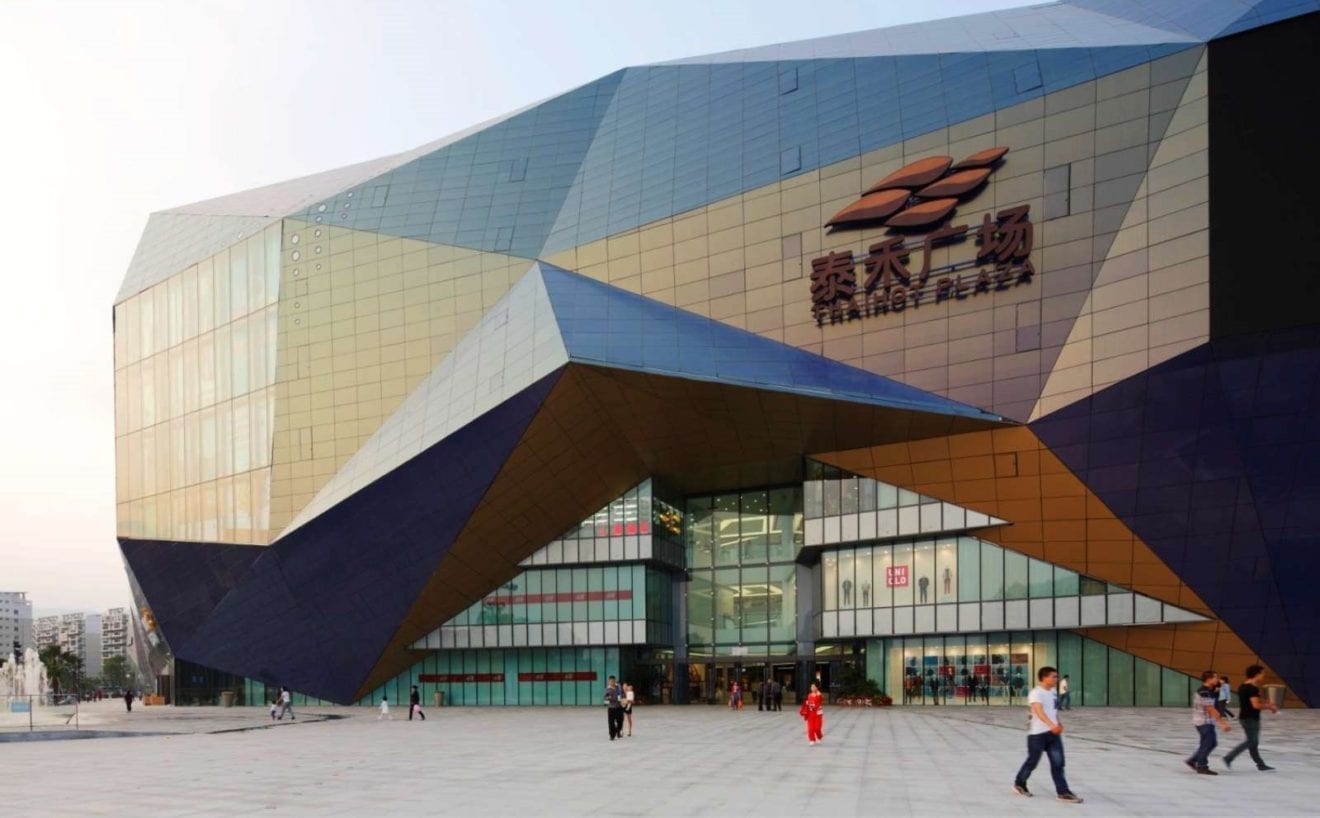
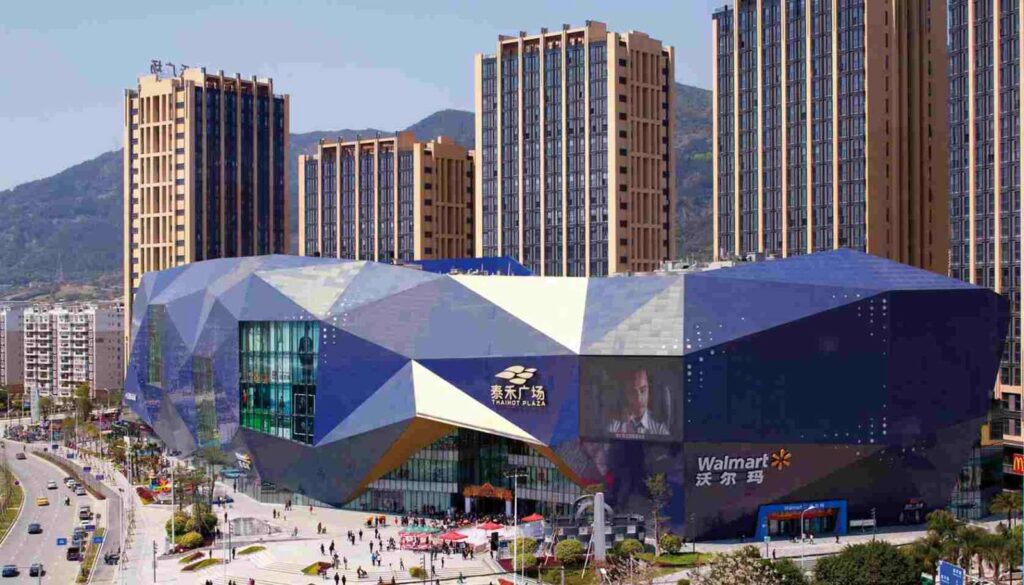
    New York-based Laguarda.Low Architects has designed a retail development in central Fuzhou, China.

    At a major intersection in the city centre, Thaihot Plaza Fuzhou is a 1.4 million sqft (130,064 sqm) retail centre with a six-storey luxury shopping mall to the south, a public plaza, and three levels of outdoor shops and restaurants to the north.

    Fuzhou-Wusibei-Thaihot-Plaza-by-SPARK-03

    “We sought to create a luxurious yet inviting environment, offering convenience, comfort, and lifestyle amenities,” says Laguarda.Low principal John Low.

    Thaihot Plaza Fuzhou is orientated to various transit modes and is near a growing residential and commercial district. Attractions at the complex include an automated fountain with synchronised lighting and music, and an Imax theatre.

    Thaihot Plaza - Fuzhou China 2

    The plaza serves as the central social space of the development. Three levels of shops and restaurants surround the open-air space with views of the surrounding city. Contiguous glass storefronts, wide stairs with integrated lighting and a large LED display above the mall entrance promote activity throughout the space.

    A curvilinear skylight with horizontal and vertical glazed surfaces covers the grand atrium of the mall, filling all six levels with daylight. Above the delicate glass volume, a metal skin wraps the building.

    Thaihot Plaza - Fuzhou China 3

    Top-grade natural and manufactured materials were used in both the interior and exterior of the mixed-use complex, creating an environment of luxury experience for shoppers, says Low. Granite paving and facades, aluminium-framed storefronts with glass canopies, glass and stainless-steel railings, and red-clay tile and zinc are woven into the design.

    Laguarda.Low Architects also designed the just-launched six-storey CapitaMall Xinduxin shopping centre in Qingdao, which comprises a six-level above-ground retail centre, two levels of below-ground retail, and two levels of underground parking.

    Thaihot Plaza - Fuzhou China 1