Category: Real Estate

Retail News Asia is committed to providing both local and global retailers with the latest Real Estate news throughout the Asian market. This on a daily base.

  • Hilton hotel chain steadily expanding operations in Indonesia

    Hilton hotel chain steadily expanding operations in Indonesia

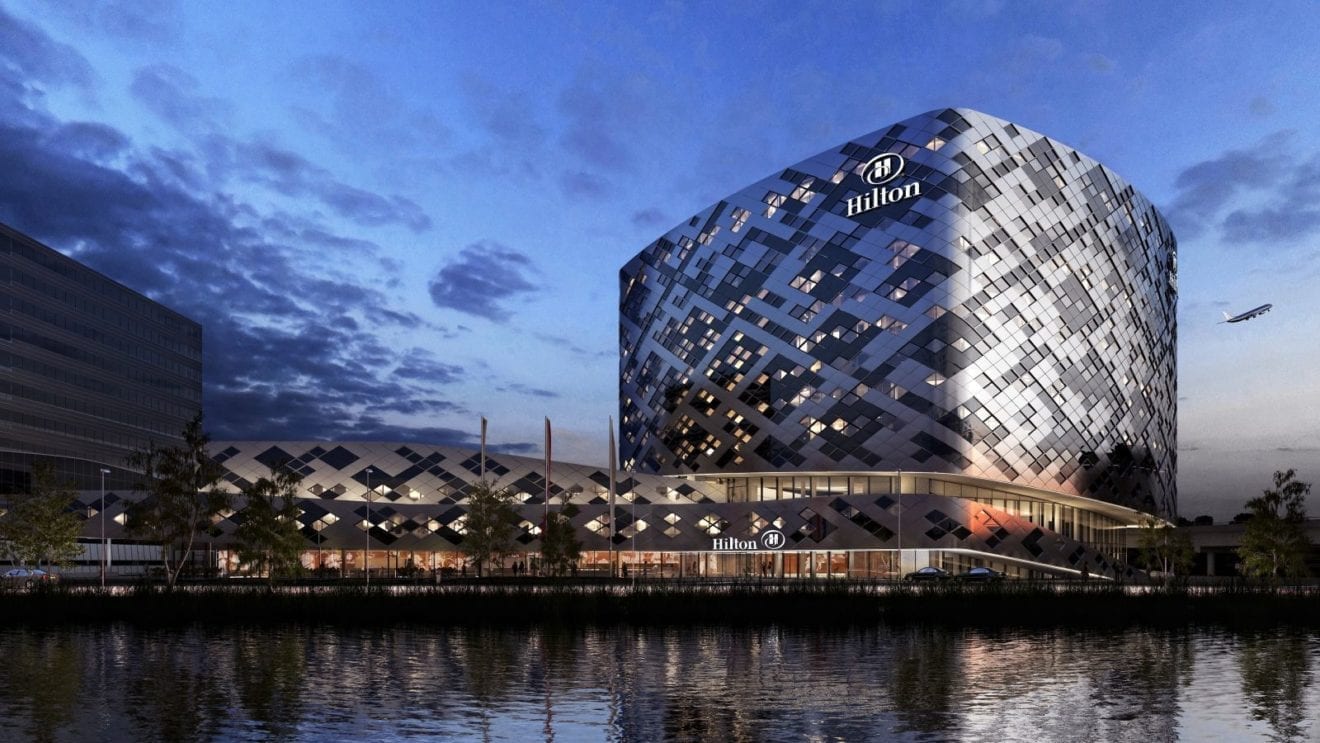
    Hilton Worldwide, a US-based global hotel chain, has steadily been expanding its operations in Indonesia to tap new market opportunities in a hospitality industry that is thriving on the back of steady economic growth and the free visas being offered to the citizens of most of the countries in the world.

    “We already have four properties under our management and eight others, which are under construction in Jakarta, Tangerang, Surabaya and Bali, will open within the next two years”, Hilton’s vice president for Southeast Asia and India William Costley told The Jakarta Post on Wednesday.

    The four properties already in operation are the Double Tree by Hilton in Jakarta, the Hilton in Bandung, the Conrad and the Hilton Garden Inn, both in Bali.

    Hilton, which manages more than 4,600 properties in 103 countries, is also looking for new opportunities in Lombok, Medan in North Sumatra, Balikpapan in East Kalimantan and Palembang in South Sumatra, Costley said.

    It is mostly a matter of finding the right partner for promoting Hilton service standards because Hilton has many brands to fit in with different locations, he said.

    “But we are always directly involved together with the owners in the process of designing and constructing every hotel we will manage and in training its human resources,” he added.

    Costley said the steady growth of Southeast Asia’s largest economy and the ASEAN open skies policy would boost business travel and the whole hospitality industry in many other cities across the vast archipelago.

    “We are quite excited about the prospect of the tourism industry, especially after the launching of the visa-free facility,” he said. “And I think the target of 20 million tourist arrivals in 2020 is not impossible.”

    He sees great potential for developing Indonesia into one of the most favorite tourist destinations and tourism is also the right kind of industry Indonesia needs because of its labor intensive, multiplier impact and, most importantly, this industry is friendly to the environment and earns a lot of foreign currency.

    “Take for example this Double Tree by Hilton hotel here, which has 253 rooms. It employs only two expatriates and the rest of the staff are locals,” Costley pointed out.

    Hilton Worldwide has a portfolio of 13 brands, including the Waldorf Astoria, the Conrad, the Hilton, the Double Tree by Hilton and the Hotel Garden Inn, which are promoted as landmark properties in Indonesia.

    Costley said the Waldorf Astoria, Hilton’s most luxury brand, which will be housed in a 74-story mixed-use building currently under construction on Jl. MH Thamrin in Jakarta, will open in 2018 with 181 rooms.

    Two other properties under construction in Ubud and Seminyak, both in Bali, will operate within the next two years and are also under the Waldorf Astoria brand, while the Hilton Bali (formerly the Grand Nikko) will operate later this year with 408 rooms, he added.

    The other four hotels in Hilton’s management portfolio that will open within the next two years are the Double Tree by Hilton in Surabaya and Karawaci in Tangerang and the Hilton Garden Inn in Kemang, Jakarta, and Karawaci.

    Costley said the Hilton group is strongly committed to strengthening and expanding its growing portfolio of landmark properties in such key destinations as Indonesia.

    Our Hilton Honors loyalty program has 55 million members around the world, and this huge data bank is surely an effective means of promoting Indonesia globally,” Costley added.
  • Philippines’ Ayala Land taking commercial development to Cebu

    Philippines’ Ayala Land taking commercial development to Cebu

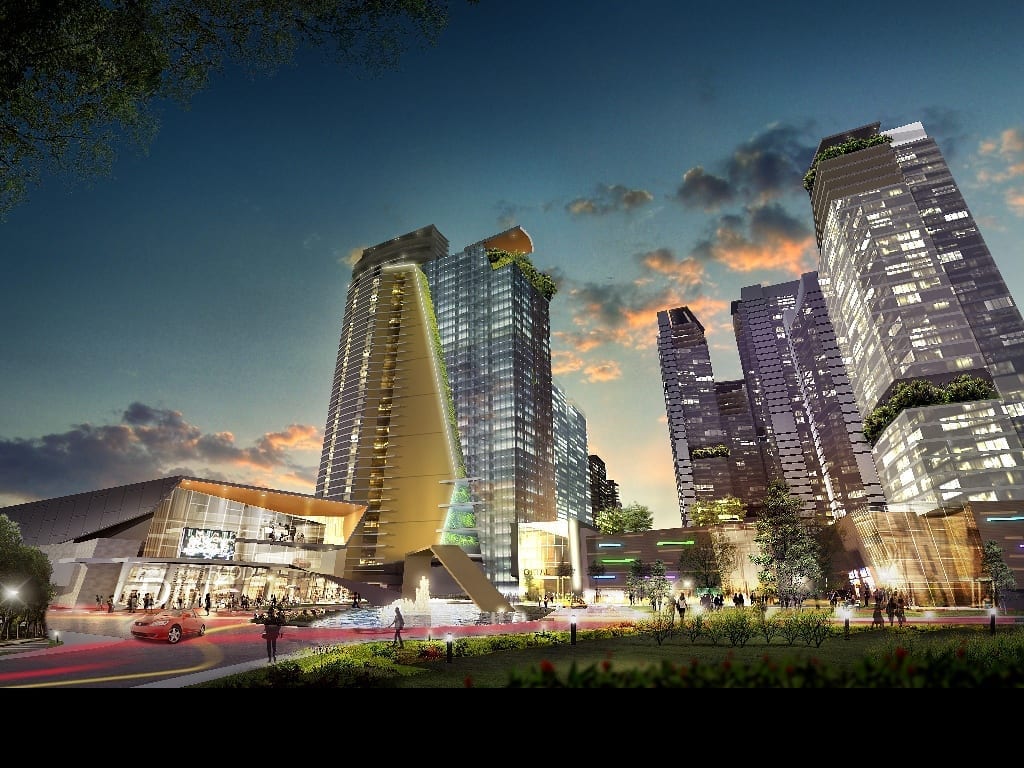
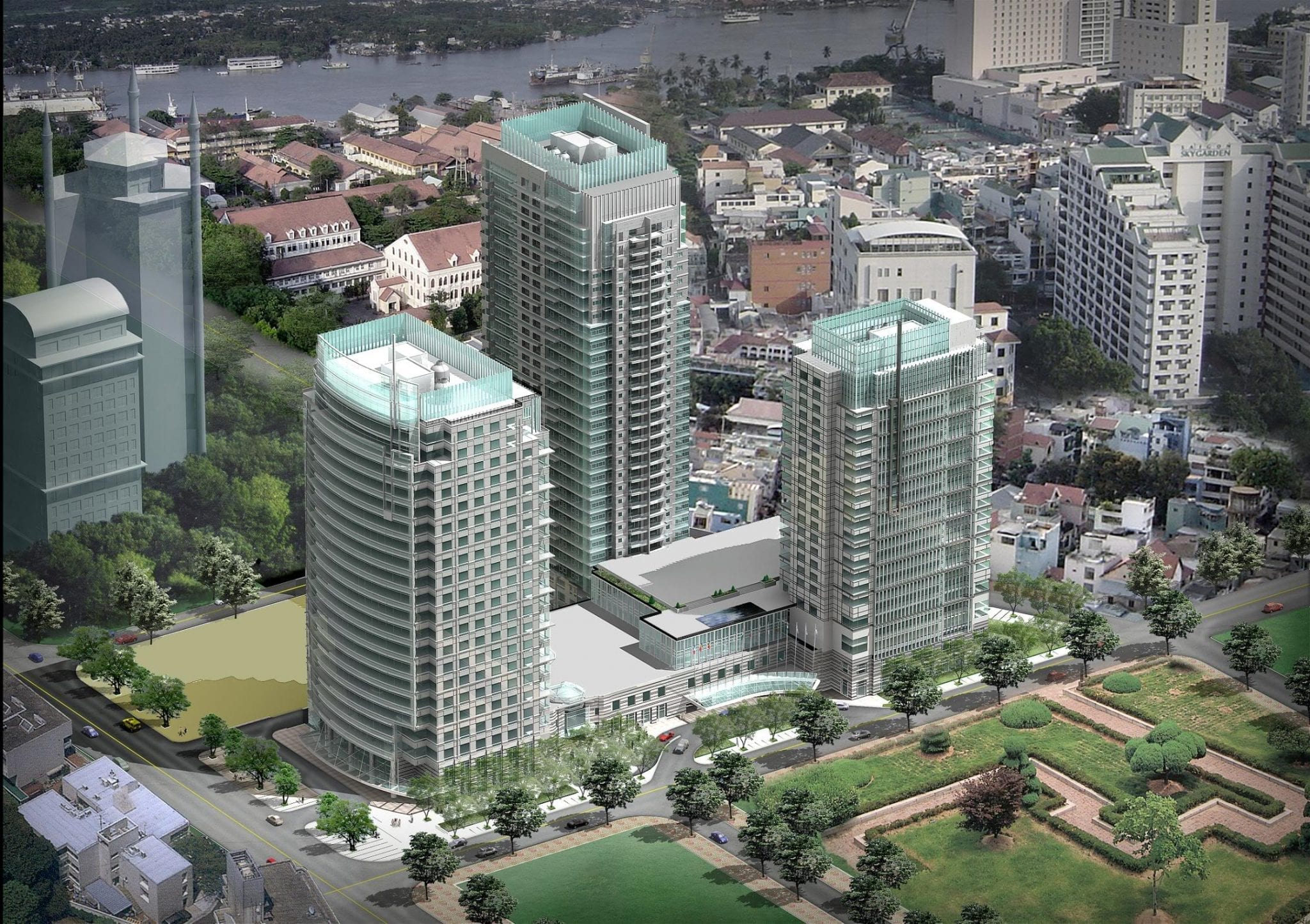
    Ayala Land will team with conglomerate Aboitiz group to develop a commercial district on the central Philippine island of Cebu, part of a broader investment push outside its home base of Manila.

    The duo will manage the 10 billion Philippine peso ($215 million) project through a joint venture. The development will take place in the city of Mandaue, according to a filing by Ayala with the Philippine Stock Exchange. Its first phase will consist of office buildings, commercial facilities and residences on 17.5 hectares, targeted for completion in 2019.

    Though Cebu is known mainly as a resort region, it has become a hotbed of call centers and other outsourced businesses in recent years. Other companies are moving in as well, helping drive up income levels in the area. SM Group, the Philippines’ largest retail group, is already involved in the construction of a large-scale commercial facility on the island.

    Ayala Land, a core member of conglomerate Ayala Corp., has a track record of developing business districts in the Manila area. It has expanded into housing development in recent years as the Philippines’ middle class has grown.

  • Another Vietnam asset for Mapletree Investments

    Another Vietnam asset for Mapletree Investments

    Singaporean real-estate investment firm Mapletree Investments has acquired Kumho Asiana Plaza Saigon, a mixed-use complex in Ho Chi Minh City’s CBD, taking its total assets under management in Vietnam to more than US$1 billion.

    As well as a supermarket, the plaza has mainly restaurants and is anchored by Hard Rock Cafe and Starbucks. It also has Grade A offices, serviced apartments and a hotel managed by InterContinental Hotels Group (IHG). It is Mapletree’s largest acquisition in Vietnam involving a completed income-producing property.

    Korean media outlets say that South Korea’s second-largest flag carrier, Asiana Airlines, and Kumho Industrial, the two joint-venture partners of the complex, have sold off their interest for US$215 million in a bid to improve their financial health.

    “Kumho Asiana Plaza is a rare asset given its attributes such as size, strong occupancy and location,” says Mapletree CEO Hiew Yoon Khong.

    He says the group will continue to seek similar investment opportunities in Ho Chi Minh City and Hanoi.

    Mapletree entered Vietnam in 2005, and most of its projects are developed within central business districts as well as four logistics parks across the country.

    One of its main current developments is Saigon South Place, a mixed-use project in Ho Chi Minh City that will comprise Grade A office towers, serviced apartment and residential buildings, as well as the current shopping centre SC VivoCity, which Mapletree jointly developed with Vietnam retailer Saigon Co.op.

  • Are These Retail REITs Trading For Less Than What They’re Worth?

    Are These Retail REITs Trading For Less Than What They’re Worth?

    The price-to-book (PB) ratio is a popular way to value a real estate investment trust (REIT).

    The P/B ratio is calculated by dividing the market capitalisation of a REIT with its book value, or net asset value. Theoretically, having a P/B ratio that is less than 1 means that a REIT is trading for less than what it’s worth – an investor who buys the REIT could liquidate all its assets, settle all its obligations, and still end up with a profit.

    A recent report indicated that the average P/B ratio for Singapore’s REIT universe (the local stock market has 27 REITs and six stapled trusts) was 0.9. The list of 33 trusts included eight Retail REITs, as defined by the Global Industry Classification Standard.

    Here’re five quick highlights from the report on the eight Retail REITs (figures as of 8 June 2016, unless otherwise stated):

    1. Lippo Malls Indonesia Retail Trust (SGX: D5IU) has a P/B ratio of 0.9. The REIT is home to 19 retail malls and seven retail spaces in Indonesia and offers a distribution yield of 9.9%. While the REIT’s yield looks high, it’s worth noting that its total returns over the past three years have been a negative 15%.
    2. CapitaLand Retail China Trust (SGX: AU8U) also has a P/B ratio of 0.9. The REIT offers a distribution yield of 6.7% and has recorded a total return of 19.1% over the past three years. It is focused on the ownership of retail malls in China and currently has stakes in 10 shopping malls across six Chinese cities.
    3. Meanwhile, Starhill Global Real Estate Investment Trust (SGX: P40U) is yet another REIT with a P/B ratio of 0.9. The REIT has stakes in Wisma Atria and Ngee Ann City in Singapore. In all, the REIT owns commercial as well as retail properties in four other countries, namely Australia, China, Japan, and Malaysia. Over the past three years, Starhill Global REIT has delivered total returns of 4.9%. The REIT offers a 6.5% distribution yield.
    4. Not all retail REITs are trading below their book values. SPH REIT (SGX: SK6U), whose portfolio only has two properties right now (the retail malls Paragon and Clementi Mall in Singapore), trades at its book value. The REIT offers a distribution yield of 6.0% and has recorded a negative total return of 5.8% over the past year.
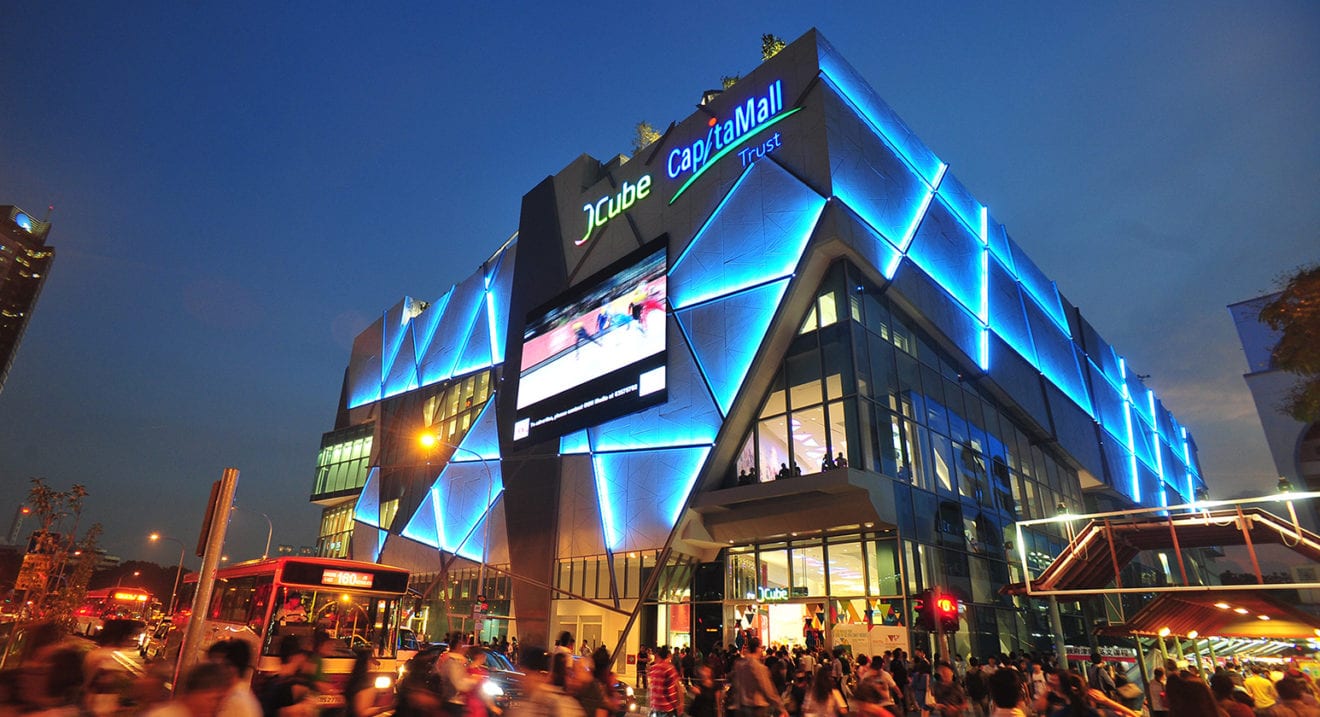
    5. CapitaLand Mall Trust (SGX: C38U) is one REIT that has a P/B ratio of over 1 – more specifically, the REIT has a P/B ratio of 1.1. CapitaLand Mall Trust, which owns 16 retail malls here, is the Singapore stock market’s first and oldest REIT. It offers a 5.3% distribution yield and has total returns of 14% over the past three year.

    The P/B ratio represents a starting point for investors who are looking for REITs that may be undervalued. Valuation, though, has to be complemented by understanding a REIT’s asset quality, the performance of the REIT’s portfolio in the past, and its future prospects, among other important things.

  • Aeon Vietnam opening second HCMC mall

    Aeon Vietnam opening second HCMC mall

    Aeon Vietnam will inaugurate its second shopping centre in Ho Chi Minh City, Aeon Mall Binh Tan, on July 1.

    Larger than Aeon Mall Tan Phu Celadon, which opened in early 2014, it has an total investment exceeding US$120 million and covers 4.6 ha. at the Hi-Tech Healthcare Park of Hoa Lam Shangri-La. It will have four floors and a basement, with a parking lot designed to accommodate 1500 cars and 4000 motorbikes at any one time.

    About 80 per cent of goods on sale at the mall, Aeon’s fourth in the country, will be made in Vietnam with the rest imported from Japan.

    A feature will be a photo-taking area for children and families, plus painting classes for children.

    Aeon targets 20 malls across Vietnam by 2020. The Japanese retailer owns 49 per cent of the Citimart store chain and 30 per cent of another local chain, Fivimart, and also runs Ministop convenience stores.

  • Bigger Is Better for Singapore REITs Facing Consolidation

    Bigger Is Better for Singapore REITs Facing Consolidation

    Singapore’s real estate investment trust market is set to consolidate as smaller vehicles merge to cope with rising regulatory costs, according to Cambridge Industrial Trust.

    “The wave of consolidation for Singapore REITs is about to begin,” Philip Levinson, chief executive officer at Singapore-listed Cambridge Industrial, said. The trust has a market capitalization of S$730.5 million ($536 million) and focuses on industrial real estate assets.

    The city-state’s monetary regulator has tightened rules that could raise costs and lower revenues for REITs, making mergers between such trusts the most viable option for them to thrive, Levinson said. Morgan Stanley last year said consolidation in the Singapore REIT market was “unavoidable and necessary” to develop sufficient scale and stock liquidity for individual REITs to effectively compete on a global scale.

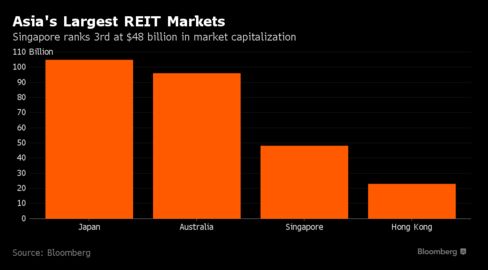
    Since 2002, when they were first started, Singapore REITs have grown into a $48 billion market, the sixth-largest globally by market capitalization, according to data compiled by Bloomberg. More than half of the 35 REITs listed in Singapore have a market capitalization of less than $1 billion, the data show. The city-state’s largest REIT, with assets of $5.6 billion, is the CapitaLand Mall Trust.

    New rules put in place last year by the Monetary Authority of Singapore, requiring higher levels of disclosures, especially on fees, entail higher compliance costs and lower revenue potential for REIT managers. The new rules are especially punitive for smaller-scale REITs and the gradual widening of the gap with larger REITs would make conditions even more conducive to consolidation, Morgan Stanley said.

    REITs that are not part of a broader index are significantly disadvantaged, Levinson said. Markets are bifurcating to such an extent where investors will only look at REITs that are included in indexes, he said.

    Shabby Sheds

    Cambridge Industrial will continue to focus on its Singapore assets and consider selling some to reinvest in other markets such as Australia and Japan, Levinson said.

    “We will look to buy ‘shabby sheds,’ B-grade assets in A-grade locations” in Australia, he said. Yields for its Singapore industrial assets range between 6.6 percent and 6.7 percent, while Australian assets may potentially yield about 7.5 percent to 8 percent, Levinson said.

    “Japan is a very deep market with enormous spreads, but that’s the next step after Australia because it is expensive at the moment,” he said.

    Industrial occupancy and rental rates in Singapore will remain under pressure in 2016 as new supply outpaces demand growth, according to Rachel Chua, a Moody’s analyst. Singapore REITs in the industrial space will continue their overseas acquisition spree in 2016 as they pursue asset growth, yield accretion and portfolio diversification amid challenging business conditions, Moody’s said in January.

    Unit prices of Cambridge Industrial, with 51 properties located across Singapore valued at S$1.4 billion, dropped 17 percent last year and the shares were trading at a roughly 17 percent discount to the net asset value, or NAV, as of Dec. 31. The FTSE Straits Times Real Estate Investment Trust Index slid 11 percent last year, its biggest decline since 2011.

    Levinson, who set up Blackstone Group LP’s Australia operations in 2009 before joining Cambridge Industrial, said he’s been meeting with investors who want to see the REIT work on lifting its unit price and the firm is exploring all options to help achieve that.

    “Our real focus is to bridge the divide, reduce the gap between our current unit price and NAV,” Levinson said.

  • Vietnam shopping center linked to Lotte’s slush fund scandal

    Vietnam shopping center linked to Lotte’s slush fund scandal

    South Korea’s Lotte Group has come under suspicion of using a shell company that owns a mega mall in Vietnam to funnel money into a possible slush fund.

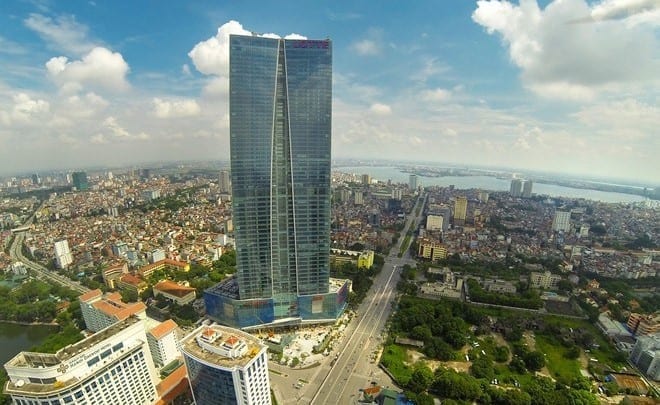
    Luxembourg-incorporated Coralis SA, the company in question, developed Lotte Center Hanoi at a cost of around US$400 million. The 65-story shopping and leisure complex was opened in September 2014.

    It recorded a net loss of 55.1 billion won ($47.31 million) last year, raising a suspicion that the conglomerate was exaggerating its losses to hide money, according to the report, citing sources from a Korean prosecutor’s office.

    According to another theory, Lotte Engineering & Construction, the project’s contractor, may have overcharged the developer to hide funds, The Korea Herald said.

    Coralis SA had been used for offshore tax evasion by Kim Seon-yong, the third son of former Daewoo Group chairman Kim Woo-jung, before being acquired by Lotte Asset Development in 2009 at 69.7 billion won ($59.86 million), according to The Korea Herald.

    Lotte Asset Development later sold a stake of 45 percent in the company each to Lotte Shopping and Hotel Lotte, it said.

    Lotte has denied the allegations, saying it bought Coralis SA to acquire the right to do business and lease land in Vietnam and that such practice is adopted by most companies when they invest overseas.

    The report came as South Korea’s fifth-largest conglomerate was facing an ongoing investigation for alleged corruption, illegal intragroup deals and embezzlement, according to Korean media.

    In Vietnam, Lotte has invested over $2 billion into more than 20 subsidiaries which operate in a wide range of sectors from retail to real estate. 

  • Hong Kong streets and malls see character change as F&B outlets move in with cheaper rents

    Hong Kong streets and malls see character change as F&B outlets move in with cheaper rents

    The character of Hong Kong streets and shopping malls is changing as more overseas food and beverage operators and retailers catering to local consumers move to the city to take advantage of sharp falls in rent, says Tom Gaffney, CBRE’s managing director for Hong Kong, Macau and Taiwan.

    He expects retail rents would hit bottom in 2017 after a further 15 per cent decline this year. In 2015, overall retail rents fell by 20 per cent.

    “The retail market is not completely dying, but rather undergoing a structural transformation from one that is highly driven by luxury consumption goods to one that is more relying on mid-market brands and products,” he said.

    Besides mid-market brands in fast fashion, cosmetics and banking services, food and beverage operators have become more active, said Gaffney, who brought Jamie’s Italian restaurant chain to Hong Kong before he joined CBRE early this year.

    Last year, about 37 food and beverage brands established in Hong Kong, while about 10 new brands have set up in the city so far this year, he said.

    F&B contributed 40 per cent of revenue to CBRE’s Hong Kong retail business last year, up from 15 per cent in 2014.

    One of CBRE’s leasing transactions was negotiating for Seafood Room, which is Bulldozer Group’s first restaurant in Asia, to secure the top floor of Tower 535 in Causeway Bay. Bulldozer is one of the biggest restaurant groups in Eastern Europe and the UAE.

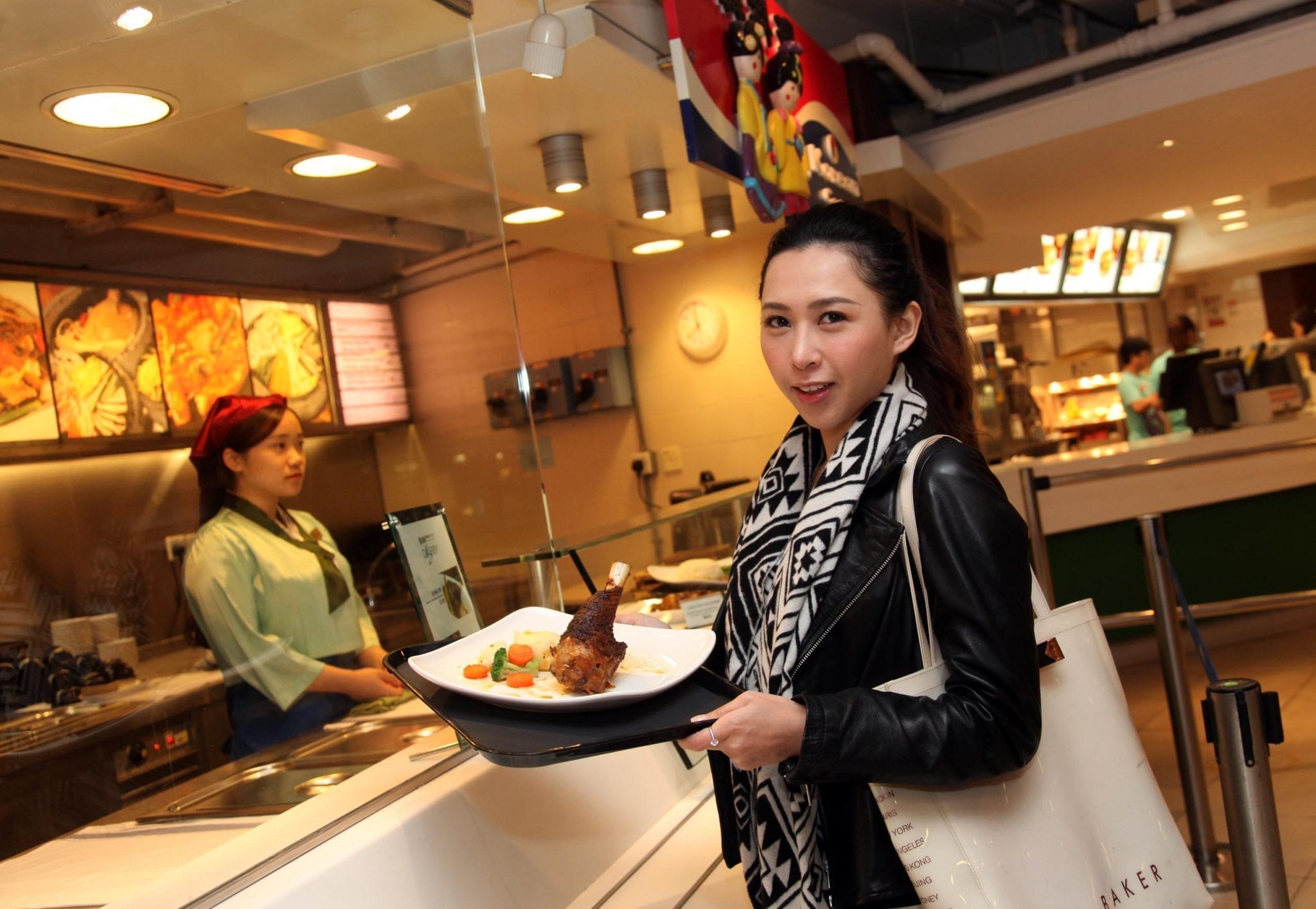
    CBRE is talking with some Korean cuisine operators that want to find new retail space in the city, Gaffney said.

    To tap the growing demand, CBRE plans to form an F&B business team to work with its offices in the US and London to bring new restaurants to Hong Kong. The new team is expected to start operating in September.

    “We have seen the [F&B] trend expanding into Hong Kong in the last six months,” he said.

    Most of the F&B operators specialise in European cuisine such as Italian and French, while some are Russian. Others include Asian restaurants serving Korean, Japanese and Thai dishes, Gaffney said.

    Given weaker spending on luxury items, Hong Kong shopping malls have been restructuring their trade mix to accommodate more restaurants and cafes as a way to retain shoppers.

    Sales of jewellery, watches and other luxury items – usually popular with mainland visitors – plunged by 16.6 per cent in April from a year ago, according to data released by the Census and Statistics Department. But sales of food, alcoholic drinks and tobacco saw a year on year growth of 5 per cent in April.

    The city’s total retail sales decline eased to 7.5 per cent, improved from a 9.8 per cent decline in March, to an estimated HK$35.2 billion, according to government data.

    During the retail boom in 2012 and 2013, Gaffney said F&B outlets only accounted for 10 per cent of space in shopping malls, but this has increased to 20 per cent and in some cases even 30 per cent.

    However, the rent payment ability of restaurants was just about a quarter or less than what a normal retailer could pay in terms of square foot. For example, a F&B tenant can afford HK$100 per square foot, while other retailers such as fashion could afford HK$400 per square foot with some even able to spend HK$1,000 per square foot, Gaffney said.

    “More F&B outlets will come to Hong Kong which will be overseas retailers’ first choice of expansion destination,” he said.

    In C-Suite on P3, Tom Gaffney shares his views on Hong Kong property market

  • New Hotels Keep Popping Up in Korea’s Most Celebrated Beachfront Community

    New Hotels Keep Popping Up in Korea’s Most Celebrated Beachfront Community

    Busan’s Haeundae district is best known for its beach that attracts millions of visitors each summer. But it’s also a major MICE (meetings, incentives, conferences, and exhibitions) center, with the Busan Exhibition and Convention Center (BEXCO),and hosts major annual events such as the Busan International Film Festival. Under these conditions, competition between hotels is higher than ever.

    In 2019, Haeundae will welcome another global hotel franchise unit, Sheraton, which will be operated by Starwood Hotels & Resorts Worldwide. Starwood currently owns 11 brands including Sheraton and Westin, and operates over 1,300 hotels in some 100 countries. The new 260-room hotel will be located between two major beaches in Busan, Haeundae and Songjeong.

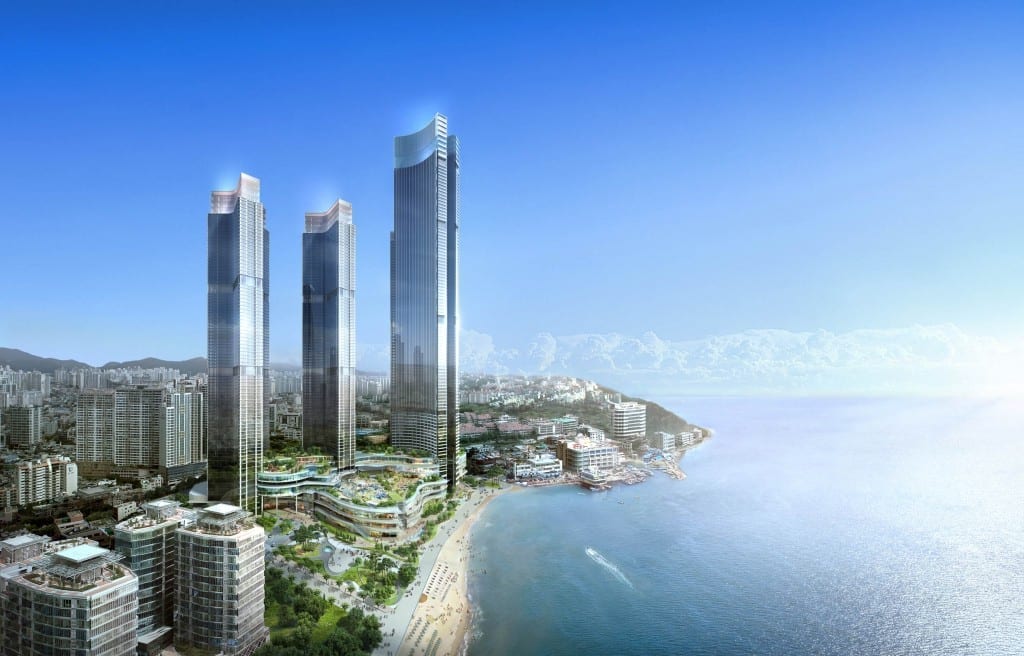
    Lotte Hotel has recently finalized plans to operate a luxury hotel inside the LCT Landmark Tower. The 101-storey tower, which is also located by Haeundae beach, is expected to be completed in 2019.Busan’s Haeundae district is best known for its beach that attracts millions of visitors each summer. (image: Wikimedia)

    Korean retail giant Shinsegae is in the middle of the planning process to build a hotel that offers a somewhat differentiated service by connecting services with shopping. The hotel will be built across from the company’s Centum City store, which is the largest department store in the world. 

    A Japanese company, Sega Sammy Holdings, has also established plans to build a luxury hotel (312 rooms) and a business hotel (470 rooms) on the opposite side of BEXCO. 

    Hotel Shilla, a Samsung subsidiary that operates hotels and duty-free shops, is building a 406-room business hotel, which is expected to open in 2017.

    Lotte Hotel has recently finalized plans to operate a luxury hotel inside the LCT Landmark Tower. The 101-storey tower, which is also located by Haeundae beach, is expected to be completed in 2019. (image: LCT)

    Amid such changes in the area, some businesses welcome the new development plans, while there are those that suffer from the increasing availability of new accommodations. 

    “The hotel market in Haeundae has reached its saturation point, and we have been struggling with our operations,” said an official from one of the hotels in Haeundae. “The government should limit the number of hotel approvals in the area.” 

    “We need a large number of hotels to host large-scale events,” said a MICE industry affiliate. “It’s too early to say that the hotel market in Haeundae is over-saturated. We need more hotels for the continued growth of the MICE industry.”


  • CBRE: Hong Kong becomes the world’s highest-priced office market

    CBRE: Hong Kong becomes the world’s highest-priced office market

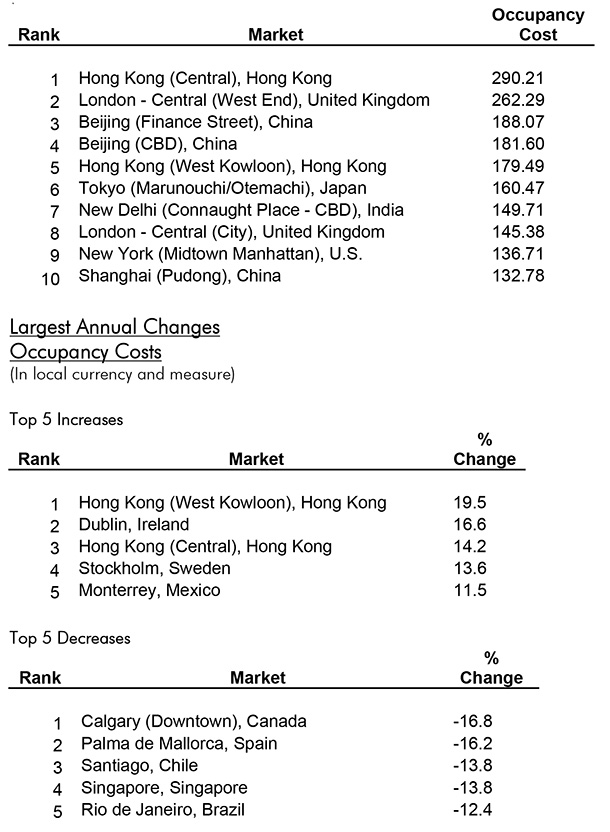
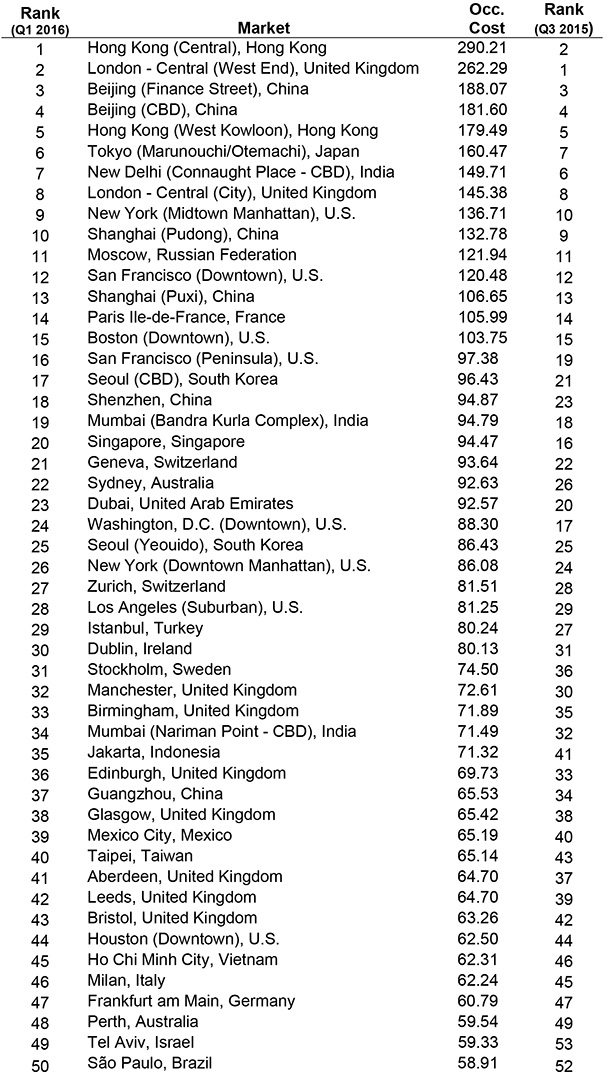
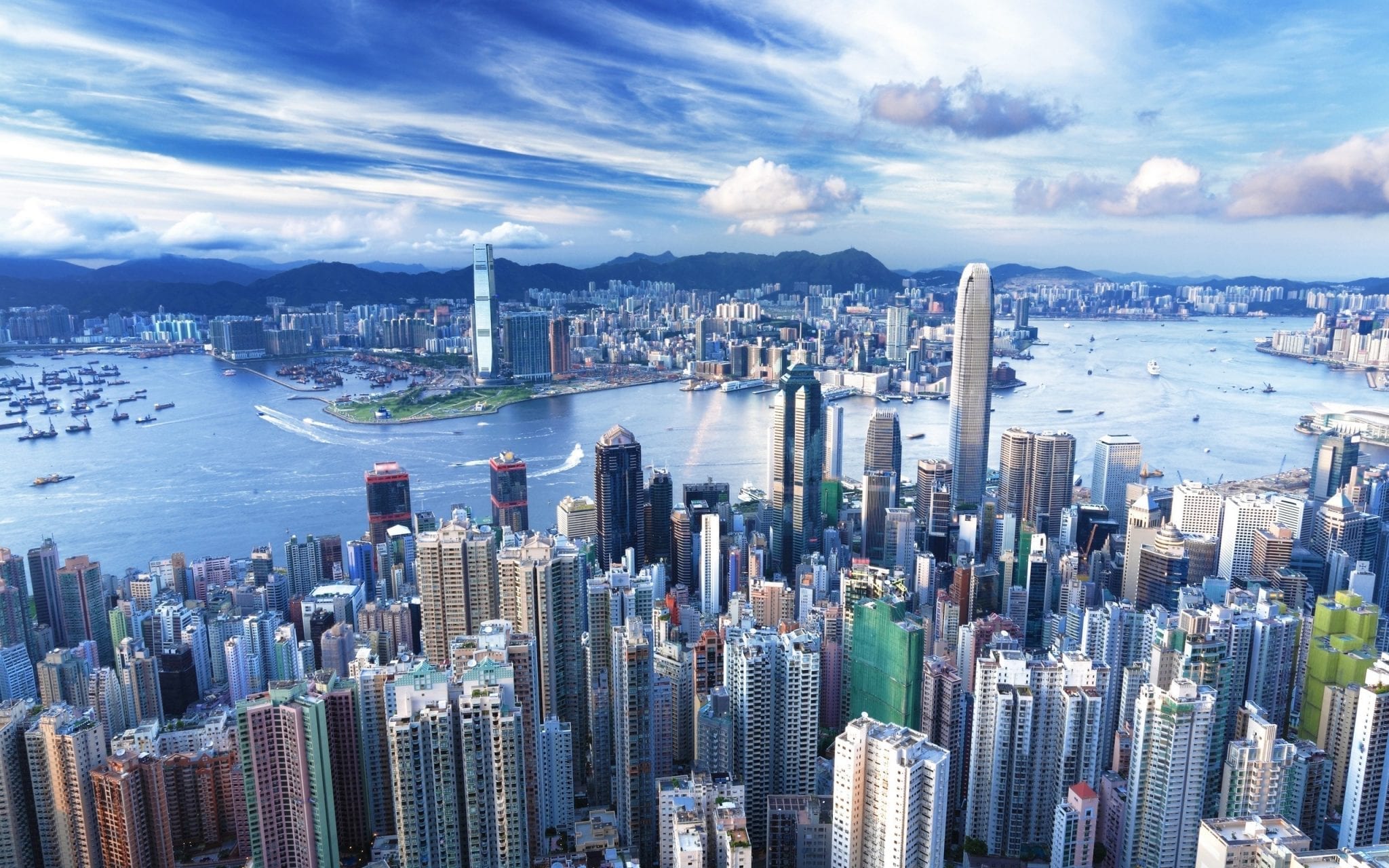
    Hong Kong’s (Central) overall prime occupancy costs of US$290 per sq. ft. per year topped the “most expensive” list, displacing London’s West End (US$262 per sq. ft.). Beijing (Finance Street) (US$188 per sq. ft.), Beijing (Central Business District (CBD)) (US$182 per sq. ft.) and Hong Kong (West Kowloon) (US$179 per sq. ft.) rounded out the top five.

    The study also found that the real estate recovery in Ireland continued to gain momentum, with Dublin, which experienced a 50 percent drop in rents during the downturn, showing the second-largest year-over-year prime occupancy cost increase among the 126 cities surveyed (up 16.6 percent year-over-year)—second only to Hong Kong West Kowloon (up 19.5 percent year-over-year). In North America, real estate fundamentals saw steady improvement with both Atlanta (Downtown) and Seattle (Downtown) among the 10 markets with the fastest growing prime occupancy costs.

    Global prime office occupancy costs—which reflect rent, plus local taxes and service charges for the highest-quality, “prime” office properties—rose 2.4 percent year-over-year, with the Americas up 2.3 percent, EMEA up 2.1 percent and Asia Pacific up 2.7 percent.

    “We expect the global economy to keep growing, and the global service sector, the primary occupier of prime office properties, will continue to expand through periods of volatility, “ said Richard Barkham, global chief economist, CBRE. “Since inflation is low, the growth in prime office occupancy costs is significant for both users and investors.”

    CBRE tracks occupancy costs for prime office space in 126 markets around the globe. Of the top 50 “most expensive” markets, 20 were in Asia Pacific, 20 were in EMEA and 10 were in the Americas.

    Europe Middle East & Africa (EMEA)
    Europe is benefitting from a cyclical pick-up in consumer spending and business investment, as well as a very competitive currency and intense monetary stimulus, which helped to make Dublin, Stockholm and Barcelona the fastest-growing markets in the region. Most Central and Eastern European markets were down year-over-year, including Moscow, which is still in the midst of a recession. Costs accelerated quickly in South Africa, with Johannesburg, Cape Town and Durban all seeing increases of at least 6.9 percent from year-ago levels.

    Only 11 out of 56 EMEA markets recorded a year-over-year decline in prime office occupancy costs.

    In addition to London West End, the other market from the region in the global top 10 was London City (US$145 per sq. ft.).

    Asia Pacific
    Asia Pacific was home to seven of the top 10 most expensive markets—Hong Kong (Central), Beijing (Finance Street), Beijing (CBD), Hong Kong (West Kowloon), Tokyo (Marunouchi/Otemachi), New Delhi (Connaught Place – CBD), and Shanghai (Pudong).

    The service sector will show particularly strong growth in Asia as pensions and insurance products gain market share. So occupancy cost growth will continue to trend upwards at a moderate pace.

    Hong Kong (Central) is the only market in the world—other than London’s West End—with a prime occupancy cost exceeding US$200 per sq. ft. Hong Kong Central’s double-digit growth in occupancy costs was fuelled by two factors: an ultra-low vacancy rate due to lack of new development and continued demand for high-quality space in prime locations by mainland Chinese companies.

    The most expensive market in the global ranking from the Pacific Region was Sydney (US$93 per sq. ft.), in 22nd place.

    A few key Southeast Asian markets registered decreases, including Singapore and Jakarta.

    Americas
    In the Americas, four markets—Monterrey, Atlanta (Downtown), Seattle (Downtown) and Atlanta (Suburban)—recorded double-digit percentage gains year-over-year.

    New York Midtown, number nine on the global list, remained the most expensive market in the Americas, with a prime office occupancy cost of US$137 per sq. ft.

    Several energy-centric markets experienced material drops in occupancy costs, including Calgary (Downtown and Suburban), Houston (Suburban) and Denver (Suburban).

    In the U.S., economic growth is expected to pick up in the next several quarters following a turbulent opening quarter. Overall, occupier activity sustained last year’s momentum, leading to an increase in occupancy costs in 17 out of 22 U.S. markets covered in this survey.

    Mexico City remained the most expensive market in Latin America, posting an office occupancy cost of US$65 per sq. ft. and ranking as the 39th most expensive market globally. Both Brazilian markets, Rio de Janeiro and São Paulo, saw declines.

    Microsoft Word - Press release - POOC June 2016_FINAL.docx
    Note: The full Top 50 Most Expensive Markets chart is located at the end of this press release.

    Notes

    1. The Global Prime Office Occupancy Costs report is a survey of office occupancy costs for prime office space in 126 cities worldwide.
    2. The latest survey provides data on office rents and occupancy costs as of March 31, 2016.
    3. The Largest Annual Changes rankings are based upon occupancy costs in local currency and measure. The Most Expensive ranking is based upon occupancy costs in US$ per sq. ft. per annum.
    4. The figures given in this release refer to occupancy cost. This represents rent, plus local taxes and service charges. The occupation cost figures have also been adjusted to reflect different measurement practices from market to market.
    5. Due to methodology changes, comparisons with figures in previously released reports are not valid.
    6. To obtain a full copy of the report or to arrange to speak with a CBRE expert, please contact Robert McGrath ([email protected]).

    Microsoft Word - Press release - POOC June 2016_FINAL.docx

    About CBRE Group, Inc.
    CBRE Group, Inc. (NYSE:CBG), a Fortune 500 and S&P 500 company headquartered in Los Angeles, is the world’s largest commercial real estate services and investment firm (in terms of 2015 revenue). The Company has more than 70,000 employees (excluding affiliates), and serves real estate owners, investors and occupiers through more than 400 offices (excluding affiliates) worldwide. CBRE offers strategic advice and execution for property sales and leasing; corporate services; property, facilities and project management; mortgage banking; appraisal and valuation; development services; investment management; and research and consulting. Please visit our website at www.cbre.com.


  • Conrad makes debuts in the Philippines

    Conrad makes debuts in the Philippines

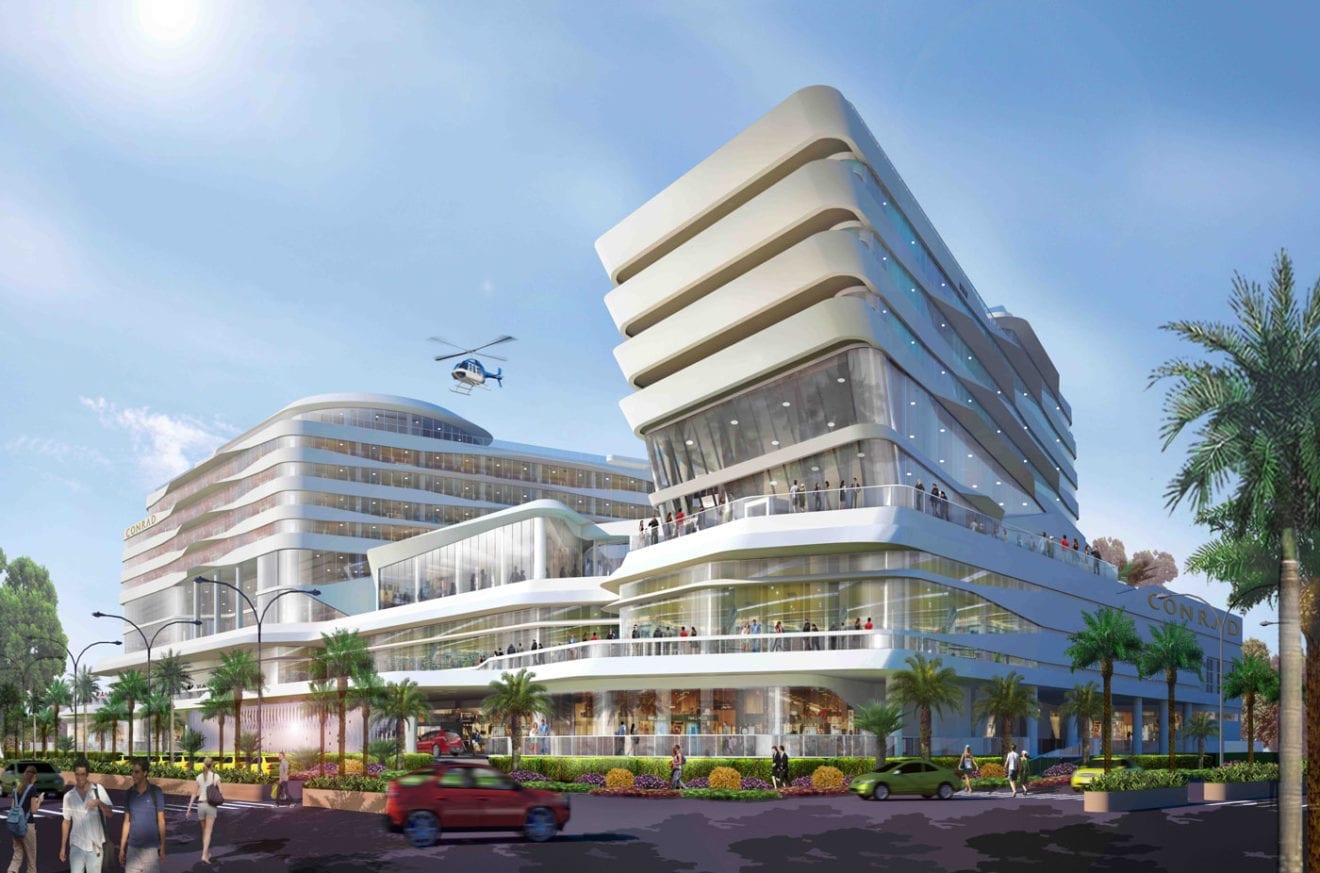
    Last week, the inspired luxury of Conrad Hotels & Resorts makes its debut in the Philippines with the opening of Conrad Manila. Owned by SM Hotels and Conventions Corporation, a subsidiary of SM Investment Corporation and managed by Hilton Worldwide (NYSE:HLT), the 347 room Conrad Manila is located at the forefront of the Mall of Asia complex, in the heart of the 42 hectare Bay City development, a destination earmarked as a shopping, leisure, and business hub.

    “We are delighted to establish Conrad Hotels & Resorts in this vibrant capital of Manila. The award-winning Conrad Manila, which enhances our portfolio, underscores our commitment to delivering best-in-class hotels in key gateway locations that meet the growing needs of global luxury travelers. An inspiring destination, Conrad Manila will delight guests with intuitive and customized service, as well as provide them access to a world of connections and inspired experiences,” said John T. A. Vanderslice, global head, Conrad Hotels & Resorts.

    “The stunning Conrad Manila is an exceptional addition to the Conrad Hotels & Resorts portfolio and we are delighted to be partnering with SM hotels on this exciting project, who share our passion for excellence. Its opening underscores the growth of our portfolio across Asia Pacific and our continued commitment to the dynamic market of the Philippines. This landmark property perfectly complements the vibrancy of this amazing capital city and will set the benchmark for luxury accommodation in Manila,” Martin Rinck, president, Hilton Worldwide, Asia Pacific.

    “We are pleased to work with Hilton Worldwide in bringing the esteemed Conrad brand to Manila. Amidst the robust tourism outlook, the most anticipated opening of Conrad Manila will definitely be a game changer in the already exciting Philippine hotel scene,” says SM Hotels and Conventions Corp. President Elizabeth T. Sy. “We look forward to a fruitful partnership with Hilton Worldwide in further elevating the hotel industry in the country,” adds Ms. Sy.

    Recently awarded the Best in Hotel Development, Best Hotel Architectural Design and Best in Hotel Interior Design at the fourth annual Philippines Property Awards, Conrad Manila’s distinctive architecture is inspired by the shipping vessels that ply the bay. The hotel sits atop the two-level S Maison, a high-end retail complex, and has direct connections via walking bridges to SMX Convention Center, the country’s largest convention space, and is adjacent to SM Mall of Asia, one of the country’s largest malls, as well as Mall of Asia Arena, a 16,000-seater indoor stadium where international shows, concerts and major sporting events are held.

    Poised to be the venue of choice for business, social events, and weddings, Conrad Manila offers four contemporary event halls and two sophisticated ballrooms, spanning more than 4,000 square meters, which are fitted with state-of-the-art audio-visual technology. For intimate al fresco parties, guests can also opt for The Veranda, an outdoor garden space overlooking the city scape.

    At Conrad Manila, all 347 guest rooms and suites are specially designed with an intuitive technology. Upon sensing motion in the room, the air conditioning switches from energy-saving mode to cool, the curtains in the room will automatically open with ambient lighting set to match the time of the day. Guests can instantly feel at home with a 42-inch flat screen HDTV with an IPTV menu, Wi-Fi and wired Internet access, Nespresso machine, Bluetooth-enabled entertainment technology and hydrotherapy rain showers. Suites and executive rooms offer picturesque bay or city views, with access to the Executive Lounge, and bathrooms that feature in-mirrored TV for an uninterrupted entertainment experience.

    Located on the third level of the hotel is the infinity swimming pool, inspired by the pristine coastal seas of the Philippines with its coral shape. Guests may also slip to the 24-hour Fitness Center or the Conrad Spa, which offers a variety of locally inspired treatments using organic ingredients. The spa has six treatment rooms with soaking tubs, a private sauna, and steam facilities.

    The hotel has six restaurants and lounges, including a coffee bar, pool bar, and in-room dining prepared by the culinary team led by Executive Chef Thomas Jakobi. The restaurants and bar at Conrad Manila feature:

    • Brasserie on 3 offers an eclectic mix of sustainable and organic dishes ranging from hearty to healthy dishes. The restaurant also features al fresco dining overlooking the bay, private dining rooms for intimate celebrations, and an exclusive chef’s table, where diners can enjoy a special tasting menu with a curated selection of organic wines.
    • China Blue by Jeremy Leung presents a modern interpretation of the traditional Chinese cuisine, artfully curated by Chinese celebrity master chef, Jereme Leung. A first for a Chinese restaurant in the Philippines to partner with a celebrity chef, China Blue by Jereme Leung takes Chinese dining experience to a new high with its authentic cuisine, modern interiors, and floor-to-ceiling glass windows that offer panoramic bay views.
    • C Lounge is inspired by the city’s distinctive culture and lifestyle, where guests can enjoy a wide selection of beers, liquors, and locally-inspired cocktails. With a laidback vibe during the day, it transforms into a sophisticated destination bar at night. Its al fresco area offers guests an awe-inspiring visual of the Manila sunset.

    Conrad Manila offers the popular Conrad Concierge mobile app, which gives global luxury travelers the ability to customize details of their hotel stay before, during, and after visit via a smartphone or tablet. Whether it’s pre-selecting bath amenities or checking-in while in-transit from the airport, guests can access a variety of features by using the app.

    Conrad Manila participates in the Hilton HHonors®, the only guest loyalty program where guests who book directly throughwww.conradhotels.com have access to benefits including an exclusive member rate that can’t be found anywhere else, free standard Wi-Fi and popular digital tools available exclusively through the industry-leading Hilton HHonors mobile app, where HHonors members can check-in and choose their room at over 20 Conrad hotels worldwide.

    Please visit www.conradhotels.com/manila or call +632 8339999 to learn more about or to connect with Conrad Manila. For more information about Conrad Hotels & Resorts, please visit https://news.conradhotels.com or follow us atwww.facebook.com/ConradHotels, www.instagram.com/ConradHotels, https://twitter.com/ConradHotels.

  • Park to replace Tokyo’s Sony Building

    Park to replace Tokyo’s Sony Building

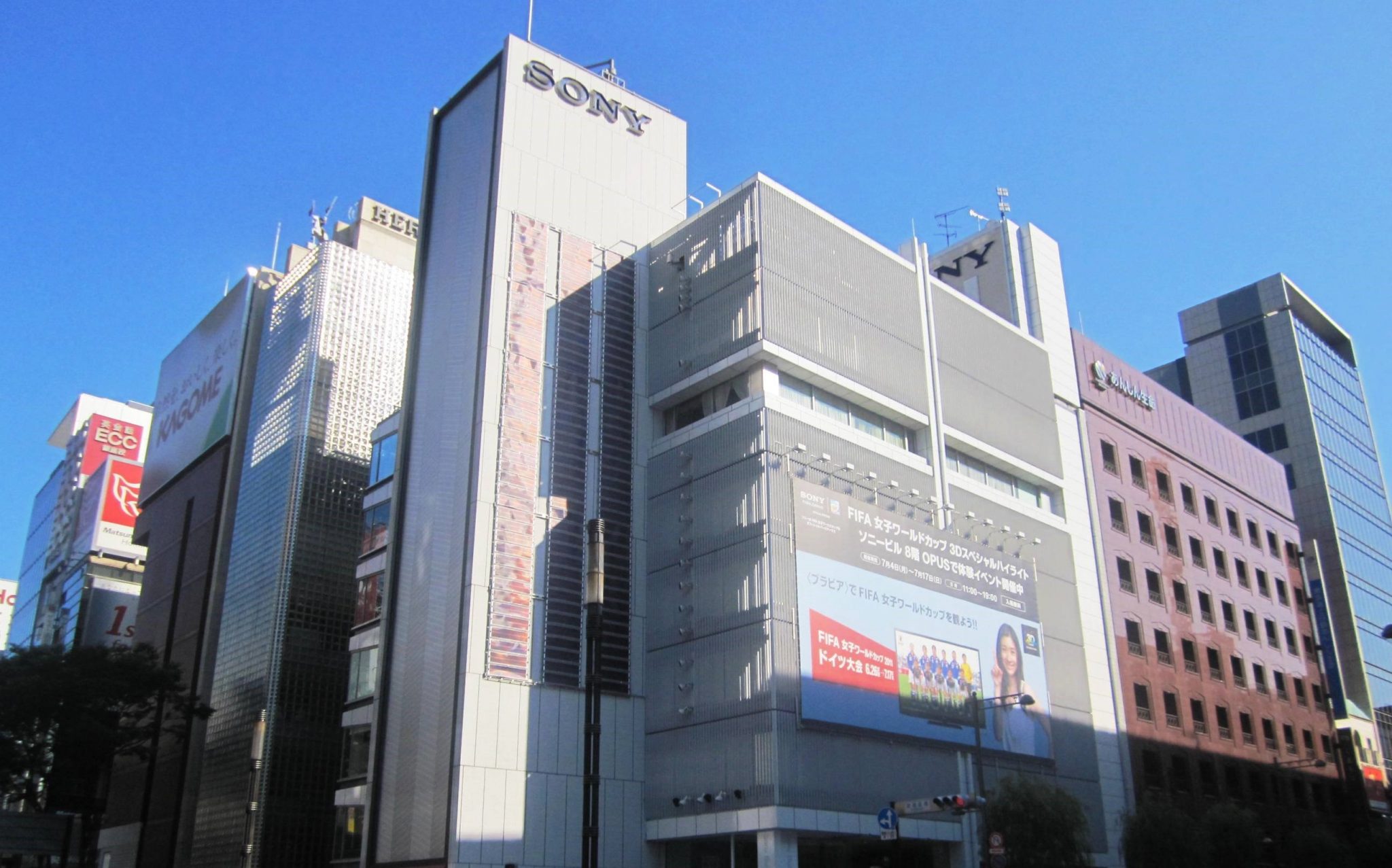
    The Sony Building, a landmark in Tokyo’s Ginza shopping district, will be torn down and replaced with a park.

    This is not the result of a green movement victory over a corporation – it is Sony’s idea, and it is hoping the park will be similar to New York’s Times Square.

    Demolition is scheduled to begin next year, and once the site is cleared it will be opened to the public and remain that way until after the 2020 Olympic Games.

    At the direction of Sony co-founder Akio Morita, the Sony Building opened in 1966 as the “gate of Ginza”. With eight floors above ground and five below, the building occupies a 707 sqm site at the Sukiyabashi intersection and has a total floor space of 8811 sqm.

    Its first to sixth floors are mainly occupied by Sony Store Ginza as well as showrooms for Sony products. The building attracts around 4 million visitors a year.

    After its complete closure in March, the building will be demolished over a period of about 15 months. Once the debris is cleared, Sony will open Ginza Sony Park, hosting concerts and charity events at the site through the autumn of 2020, the year of the Tokyo Summer Olympics. Sony Store Ginza will be relocated temporarily to Ginza Place, a shopping complex scheduled to open soon at the Ginza 4-chome intersection.

    After the Olympics, Sony plans a new building on the park site, expected to be complete in the autumn of 2022.

    Sony president/CEO Kazuo Hirai says the Ginza district rarely has this kind of open space. He says it is a chance to offer something reflecting Japanese culture to foreign visitors.

  • Clevo to sell properties in China

    Clevo to sell properties in China

    Clevo will sell office space and residential units of its IT and consumer electronics retail chain Buynow in China and is poised to float REIT (real estate investment trust) certificates in Taiwan for commercial real estate in China including Buynow stores, department stores and hotels, according to the company.

    Clevo has also approved its 2015 financial report and will issue dividends of NT$1.10 (US$0.03) in cash.

    With growing demand for gaming notebook products, Clevo’s notebook shipments grew strongly in China, boosting its May revenues by 23.1% on year to reach NT$1.63 billion.

  • Hotel complex to include Republic Plaza Saigon

    Hotel complex to include Republic Plaza Saigon

    A retail mall, Republic Plaza Saigon, will be part of a Ho Chi Minh City complex being developed byThuy Duong-Duc Binh Trading.

    Anchoring the project is a 350-room Holiday Inn & Suites hotel – the first of that brand in Vietnam.Holiday Inn is part of the InterContinental Hotels Group (IHG), which already has six properties in Vietnam including the award-winning InterContinental Asiana Saigon, InterContinental Danang Sun Peninsula Resort and Crowne Plaza West Hanoi.

    Another partner in the new project is low-cost carrier VietJet Air, along with HD Bank.

    Scheduled to open in 2018, the complex is close to Tan Son Nhat International Airport and major industrial park areas such as Binh Duong, Dai Nong and Saigon Hi Tech Park. It will be connected to the city via the upcoming metro system.

    There will also be apartments in the development, and the hotel will feature an all-day restaurant, cafe and pool bar. It will also have eight meeting rooms and a business centre.

    In the next three to five years, IHG plans to double its presence with another six hotels in Vietnam.

  • Hong Kong’s Link REIT posts double-digit growth

    Hong Kong’s Link REIT posts double-digit growth

    Link Asset Management, which manages Link Real Estate Investment Trust, Link REIT, increased both its revenue and net property income by double figures during the year ended March 31.

    Revenue rose 13.2 per cent to HK$8740 million (US$1125.68 million), while property income rose 14.9 per cent to HK$6513 million.

    During the year, the value of its investment properties portfolio – including property under development and properties in mainland China acquired during the year – continued to improve, reaching $160,672 million, an increase of 16.1 per cent.

    “The past 10 years have seen the transformation of Link from being a passive manager of a portfolio of legacy assets to becoming an innovative and world-class real-estate investor and manager,” says the group.

    An active and productive financial year saw the group capitalise on high-potential investment opportunities, and it also launched its new brand, in development for two years.

    It was also an important year for improving its portfolio, refining tenant mix and enhancing properties in Hong Kong, disposing of non-core properties and adding two properties in mainland China.

    “The management of our retail and car park facilities has evolved to be our strength and expertise,” says the group. “Through scalable innovation, we continue to leverage on this competitive advantage. This strategy is supported by close monitoring and analysis of changes in district demographics and shopper preferences.”

    Retail growth

    Despite a challenging economic environment in Hong Kong, the group’s retail portfolio showed resilience. There was growth in nearly all areas of retail through the group’s leasing strategy to attract more productive tenants, especially in the food and beverage sector, and to cut down large shops into smaller ones.

    Occupancy rate for the portfolio reached 96 per cent, with a record 6.7 per cent year-on-year retail rental growth.

    Link segmented its Hong Kong portfolio into three groups – Destination, Community and Neighbourhood – for management and marketing tailored to different types of tenants and shoppers. Destination shopping centres contributed to 17.1 per cent of the portfolio’s retail rentals.

    During the year, the group acquired EC Mall in Beijing and Corporate Avenue 1 & 2 in Shanghai. In Zhongguancun, the “Silicon Valley of China”, EC Mall offers mass-market retail products, and reached 100 per cent occupancy by the end of the financial year.

    In February, the group acquired 700 Nathan Road in Mong Kok through a government tender. With its location and catchment, the property will be converted into a retail podium and tower.

    Five asset-enhancement projects were also completed during the year: Tsing Yi Commercial Complex, Temple Mall North, Long Ping Commercial Centre, Wo Che Plaza and Tin Shing Shopping Centre.

    Temple Mall North (previously Lung Cheung Plaza) in Wong Tai Sin was rebranded and upgraded to offer more space and shops. The atrium was revamped to cater for marketing activities.

    Also rebranded was Wong Tai Sin Plaza, connected to Temple Mall North by a footbridge, as Temple Mall South. The two shopping centres are now run as one mall.

    Given changes in demographics from new residential projects nearby, Tsing Yi Commercial Complex and Long Ping Commercial Centre were also improved, and Tin Shing Shopping Centre has been reconfigured with its fresh market repositioned as a regional fresh market.

    Already the group has 11 enhancement projects in progress with another eight to start, and more than 16 other projects undergoing review.