Category: Real Estate

Retail News Asia is committed to providing both local and global retailers with the latest Real Estate news throughout the Asian market. This on a daily base.

  • Ayala Mall: Manila’s 250000 Sqm Shopping Centre

    Ayala Mall: Manila’s 250000 Sqm Shopping Centre

    Developed and owned by Ayala Malls, a real-estate subsidiary of Ayala Land, which is an affiliate of Ayala Corporation, one of the oldest and most prominent family owned conglomerates in the Philippines. The firm is widely credited for spearheading the Central Business District in Manila in addition to championing education and the arts across the country.

    Greenbelt-5

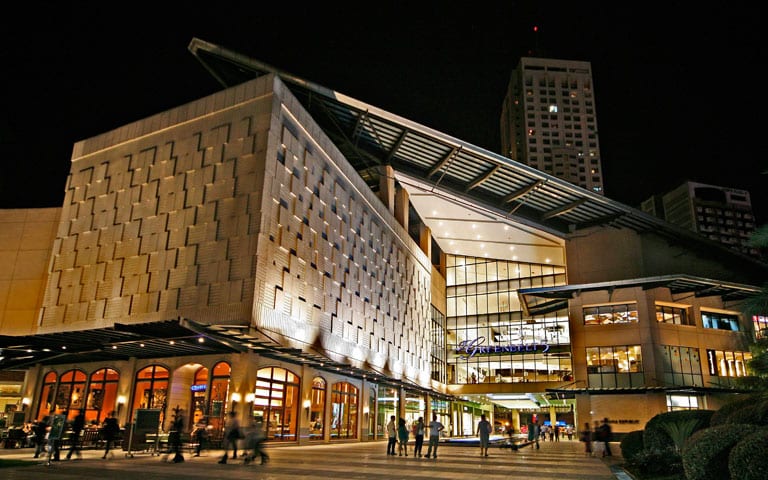
    Sitting on an expansive and prime area squared by Makati Avenue, Paseo de Roxas, Arnaiz Road and Legazpi Street is the Greenbelt Mall, a complex of five buildings captures and complements the sub-tropical conditions in Manila with each building exhibiting its own style of architecture.

    The mall is centred around an eponymous ‘greenbelt’ of lush, tropical gardens that provide much needed respite from the heat for thousands of people each day. Included within greenbelt is a Chapel, ponds, and walking tracks.

    Greenbelt Mall 3

    Greenbelt Mall 2

    Each Greenbelt structure offers a different retail and tenancy mix.

    Greenbelt 1 houses smaller food and retail tenancies, along with a focus on electronics and home appliances and, of course, car parking.

    Greenbelt 2 is comprised of fine dining restaurants, while Greenbelt 3 houses high-end retail stores and coffee shops. Elevated walkways connect Greenbelt 3 and 4 to Landmark and Glorietta, with the Greenbelt cinemas located in Greenbelt 3.

    Greenbelt 4, whilst smaller in comparison to its sister buildings, is home to a range of global luxury retail stores, including Coach, Burberry, and Ralph Lauren.

    Greenbelt has become a premium fashion and lifestyle centre, a distinct mix of foreign popular and luxury fashion brands as well as the best of Filipino fashion and home designers.

     Greenbelt Mall Map

  • Lotte to expand investment in Indonesia

    Lotte to expand investment in Indonesia

    Lotte Group Chairman Shin Dong-bin will meet Indonesian President Joko “Jokowi” Widodo during his three-day state visit to Korea which began Sunday.

    According to a Lotte official, Sunday, Shin and Widodo will have a meeting at Lotte Hotel in central Seoul today, to discuss advancements of the group’s investment and business in the country.

    President Widodo is expected to promise full support for the group’s advance into the country.

    Lotte Group is currently operating a Lotte Department Store with two duty-free stores and 41 Lotte Marts as well as Angel-in-us cafes and Lotteria fast food restaurants in Indonesia.

    Especially, Lotte Shopping Avenue that opened in the capital city of Jakarta in 2013 has reportedly gained huge popularity among Indonesians. Lotte Shopping Avenue is a shopping complex consisting of the group’s affiliates such as its department store, duty-free store and Lotteria.

    In 2010, Lotte Group’s petrochemical unit Lotte Chemicals entered the Indonesian market by acquiring Southeast Asia’s leading petrochemical company Titan Chemicals.

    Lotte Group also signed a memorandum of understanding with the country’s largest conglomerate Salim Group in a bid to enter Indonesia’s e-commerce market. The two groups are expected to establish a joint corporation by the end of this year and launch the service next year.

    President Widodo is also expected to have a summit with President Park Geun-hye on the same day and meet other Korean businessmen. He is accompanied by Coordinating Minister for Economic Affairs Darmin Nasution and Trade Minister Thomas Lembong.

    Foreign Minister Retno Marsudi and Head of the Investment Coordinating Board Franky Sibarani came ahead of their president.

    Widodo met with the Indonesian community in Korea at the Indonesian Embassy on Sunday morning.

    Indonesia is now one of the world’s top ten manufacturing countries and a core member state of the Association of South East Asian Nations (ASEAN) where over 2,200 Korean firms are conducting business.

    Korea is reportedly the fifth-largest investor in Indonesia, with total investments reaching $1.2 billion while trade between the two countries peaked at $30 billion in 2011.

  • Will Reits save or kill Singapore’s shopping malls?

    Will Reits save or kill Singapore’s shopping malls?

    REAL Estate Investment Trusts (Reits) were once hailed as the saviours of Singapore’s shopping malls. The theory was that single-owner malls would never match malls run by Reits. And at first, that seemed obvious. After all, compare malls like Sim Lim Square and Ming Arcade (single-owner) to Plaza Singapura and Bugis Junction (run by CapitaLand). The latter command higher rents, are more actively promoted, and don’t expose you to at least seven different diseases when you sit on the toilet bowl. But in a recent Business Times report, there’s a hint that the opinion has changed:

    How are Reits turning into the villain of retail?

    In a recent Business Times report, a number of people were consulted on the reasons for Singapore’s struggling retail scene. With a vacancy rate of 8.8 per cent in the Orchard area, it’s become a hot button topic. Most of the responses covered the oft-repeated reasons: a decline in tourism, the rise of online shopping, economic uncertainty, and so forth. But some responses, such as these, stood out:

    The decline of mainstream retail can be explained by Reits, lack of transparency and online retailing. Most of the retail space in Singapore is owned by Reits whose singular objective is to maximise profits in the short to mid-term.” – Paul Lim, Chief Executive Officer, Secura Group Ltd.

    Also:

    The biggest problem is that investing in real estate is still considered to be a relatively easy way of making money…Together with Reits, this inevitably leads to an oversupply of retail space. That there is now much empty retail space is partly self-created by players in the real estate industry.”  – Lim Soon Hock, Managing Director, PLAN-B ICAG Pte. Ltd.

    Putting the blame on Reits is not a recent development. In fact, we already heard grumbling back in 2014. During the Budget Debate that year, Worker’s Party Non-Constituency Member of Parliament Yee Jenn Jong brought up the issue. He was addressing the perception that Small and Medium Enterprises (SMEs) were being pressured out of business by Reits, which constantly seek to raise rental rates.

    In order to understand the conflict, we need to grasp the basic idea behind retail Reits.

    The role of Reits

    It’s hard to find common ground here. Depending on who you ask, Reits are either the great hope for Singapore’s malls, or abusive landlords who beat their tenants like stepchildren in a fairy tale.

    The point of a retail Reits is to let investors play landlord, without actually buying property themselves. When you buy units in a Reit, you pool your money with other investors to buy retail space (e.g. Malls like Funan Centre). You, along with other shareholders, get dividends based on the rental income that the Reit is able to collect. The more profitable the Reit’s malls are, the more money you make.

    Retail Reits use property managers to decide which malls to buy, and undertake Asset Enhancement Initiatives (AEI) to make the mall more attractive. This is why malls run by Reits are all shiny and clean, and why they constantly have the best Christmas decorations, New Year promotions, Valentine’s events, etc.

    In theory, this means Reits are good for malls. Now I’m not going to name and shame, but we all know there are malls in Singapore that look like post-war Stalingrad. Run down, with entire floors of vacant shops, and the sole decoration being a Christmas tree the security guard put up in 1978.

    Reits mean active asset management, and state of the art malls that are built to pull shoppers. That should be a good thing; the better a mall looks, the more business its shops will get. But then, there’s also…

    The dark side of Reits

    One reason Reits are so attractive is that they’ve been great passive investments (at least, until recently.) By law, Singapore Reits have to pay out 90 per cent of their profits as dividends. They need to publish quarterly reports that detail foot traffic, the profitability of various malls, and the expenses and returns on AEI.

    This places a lot of pressure on the Reits managers. They need to constantly weed out less profitable tenants, and they’re compelled to keep rental rates high. Not only does their bonus depend on it, they have shareholders to answer to. Picture how that affects the insides of a mall:

    Supermarkets take up too much floor space, and generate fewer dollars per square foot. Boom, your favourite Giant or Cold Storage is closed. Now it’s replaced with a dozen smaller shops, all selling branded crap that costs four times your annual income.

    Bookstores don’t make as much money as before. Well we all love literacy, but they can’t cope with the 20 per cent rental rate hike next month. So they’re gone too, replaced with equally short-lived stores. (The new stores will stick around until the next rental rate hike, which is perpetually around the corner.)

    Love little fashion boutiques? Well you’d better blow half your pay cheque in there, before a chain like Uniqlo or Desigual comes along and offers way more money for the space.

    Retail Reits, you see, are relentless, profit-generating machines. And it’s increasingly common to hear complaints that SMEs are driven out of brick and mortar stores by their rent raising antics. Pretty soon, every mall will be a bland mix of the same giant brands, and Din Tai Fung (which apparently wants to be in every mall on the planet).

    Who’s right?

    So far, the situation is unclear. On the one hand, Reits may have the expertise and muscle to bring back the crowds, even in the face of declining tourism and economic struggles. On the other, Reits’ insatiable appetite for rental income may be the very cause of malls dying.

    At present, all we’re hearing are desultory remarks by the occasional business owner or retail space expert. That’s because there are bigger issues to contend with, such as adapting to the online shopping market. That’s a common enemy that both Reits and brick and mortar stores face.

    But as the situation gets worse, ready your popcorn. The accusations and yelling will eventually go into full swing.

  • Seoul underground mall planned in giant transit zone

    Seoul underground mall planned in giant transit zone

    A massive Seoul underground mall is planned as part of a transit zone that will match Coex Mall in size.

    One whole level of the development will feature retail and restaurants.

    Comprising six underground floors, the Gangnam district complex in the south of the city will cover 160,000 sqm.

    If Seoul manages to connect the complex with Coex Mall and a new shopping mall now being built by Hyundai Motor Group, the three areas will encompass a total 420,000 sqm.

    City officials say that about 1.7 trillion won ($1.5 billion) will be allocated for the project, which is expected to serve more than 580,000 commuters daily. The funding will include private investment.

    20160502-225917-907Thread00_595.indd

    Seoul will come up with a master plan by the end of this month, wrap up administrative procedures by the end of this year and open public bidding for an architectural design early next year.

    More than 50 metres deep, the sixth level will service six different rail lines, from subway to KTX bullet trains. Also, 90 bus routes will pass through the area, with the transit centre on the second level.

    Because of a new high-speed train line, it will take only five minutes to travel from the complex to Seoul City Hall, now a one-hour journey.

    Several Great Train Express (GTX) lines will pass through the underground transit zone, connecting Seoul with neighbouring cities in Gyeonggi.

    City terminal services for Incheon International Airport, now provided at Coex, will probably be moved to the second basement floor of the new complex.

  • Bringing back Orchard Road buzz

    Bringing back Orchard Road buzz

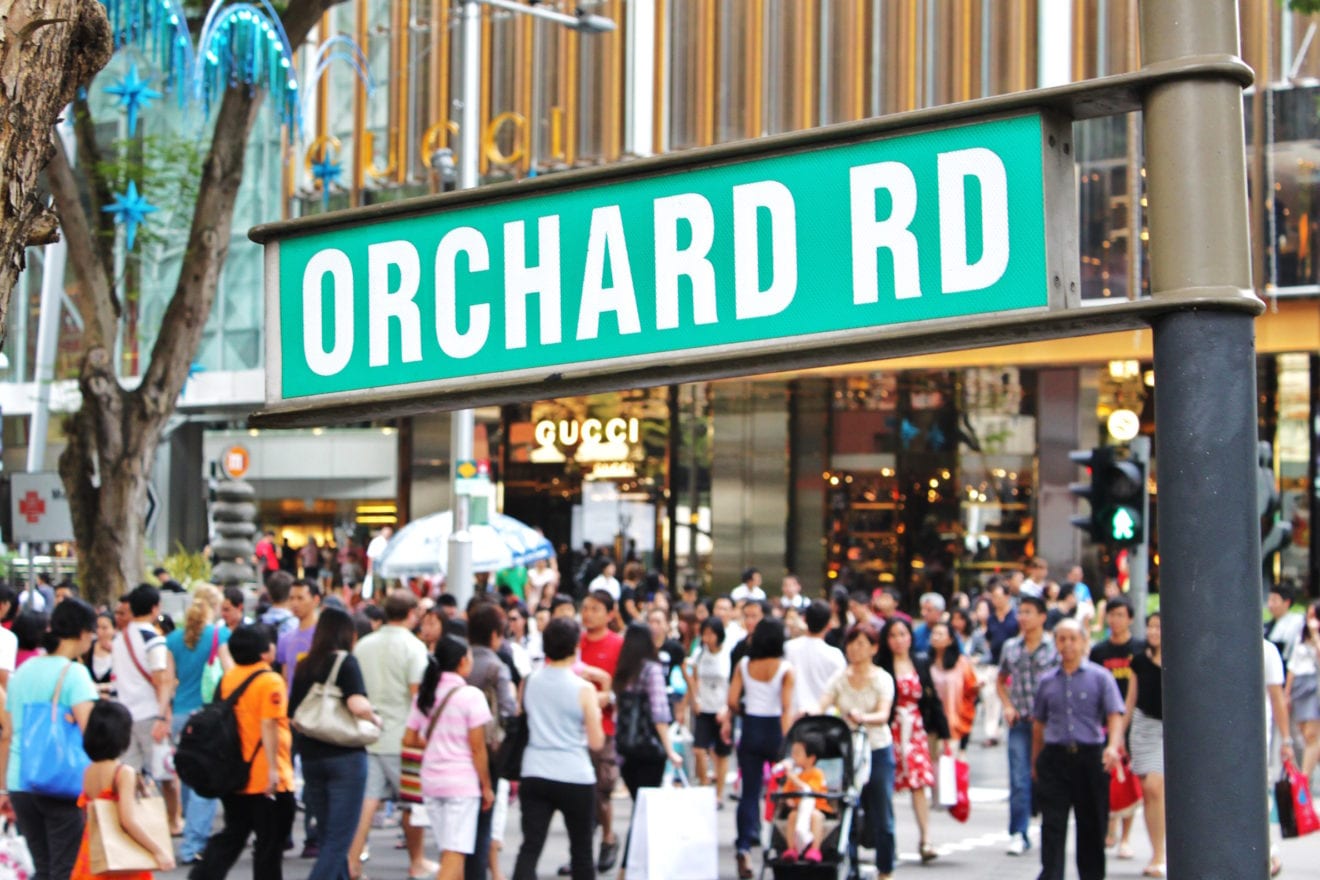
    Orchard Road is meant to be Singapore’s premier shopping belt, but you wouldn’t know it if you strolled into many of the malls along the 2.2km stretch these days.

    The vacancy rate in malls within the Orchard planning area hit a five-year high in the first quarter at 8.8 per cent . Islandwide, vacancy rates are 7.3 per cent. In contrast, vacancies in malls outside the city area are 6.4 per cent.

    To be sure, the retail scene is in trouble nationwide. Retailers’ takings fell 3.2 per cent in February against the same month a year ago. Stripping out motor vehicles, retail sales dropped by a heftier 9.6 per cent.

    But it is Orchard Road that appears worst hit, thanks to a softening global economy that has crimped tourism growth. The number of visitors to Singapore was up by 0.9 per cent at 15.2 million last year, but their overall spending fell 6.8 per cent to $22 billion – the first drop in tourism receipts in six years, since the global financial crisis.

    What ails Orchard Road malls is that many lack a unique positioning and feature similar tenants.

    DIFFERENT FORTUNES

    To be fair, some malls are doing well on that stretch, with the highest concentration of shoppers centred on the section from ION Orchard to Ngee Ann City.


    ST ILLUSTRATION: MANNY FRANCISCO

    These two malls, along with Paragon, continue to draw shoppers with their mix of shops partly due to their luxury brands that are not easily found elsewhere except at the Marina Bay Sands mall.

    Analysts say these three malls in Orchard Road remain popular among prospective tenants, with healthy leasing enquiries. At ION Orchard, for example, American jeweller Tiffany & Co recently opened a store across two levels.

    Older strata-titled malls in the area, such as Far East Plaza and Lucky Plaza, struggle to keep up with the times. Shop units in these properties are owned by individuals, and renovation works can be carried out only if the majority of owners agree.

    But even newer malls such as Orchard Gateway and Orchard Central have been disappointingly quiet.

    A visit to Orchard Central shows that most of the space on levels two and three is hidden by hoardings.

    Landlord Far East Organization said the mall, which opened in 2009, is undergoing changes to its tenant mix and “enhancement works are also well under way… for improved shopper experience, better accessibility and visibility”.

    Another mall, 268 Orchard Road, which opened last year, had only three tenants, The Straits Times reported last month. Security guards posted on the ground floor stopped us from going to the rest of the mall this week, saying there are no stores open on the upper floors and permission was needed from the management to visit. Ngee Ann Development owns the mall.

    One problem facing Orchard Road was the rapid surge in supply of retail space in 2014. Of the 2.33 million sq ft net new supply of retail space islandwide that year, 355,000 sq ft were in the Orchard area, consultancy Colliers International noted. This was more than three times higher than the 97,000 sq ft in 2013.

    The increase in Orchard Road retail space also came at a time when shiny new malls were springing up across the city and in suburban centres. The net new supply of retail space nationwide was 1.28 million sq ft in 2013.

    Analysts say Singapore is “over-shopped” – too many malls for such a small country.

    In fact, RHB Research Institute Singapore said in an August report that Singapore has the highest concentration of retail space per capita in South-east Asia: 1.08 sq m or 11.6 sq ft of retail space per capita, compared with 0.8 sq m per individual for Bangkok and 0.71 sq m for Kuala Lumpur. But that is lower than Hong Kong’s 1.5 sq m (16.2 sq ft) as at end-2015, said consultancy JLL.

    ‘COOKIE-CUTTER’ MALLS

    Retail experts say that when shoppers have so much choice, malls need to have differentiated offerings to stand out. Yet many malls feature mainstream brands that shoppers can find elsewhere.

    Brands like H&M, Forever 21, Uniqlo and Cotton On are popular. Dr Seshan Ramaswami, associate professor of marketing education at Singapore Management University, said: “The massive scale and scope of (H&M and Uniqlo’s) business across the world allow them to have relatively lower variable costs for their offerings.”

    Such brands may appeal to the value-conscious shopper. But they are available in neighbouring countries, and are no longer novel to tourists.

    “I think our malls here lack identity, they don’t have a unique story to tell. If they all have similar stores, then they are replaceable – why go to one mall when you can get the same thing in another?” Singapore Polytechnic marketing and retail lecturer Amos Tan said.

    Countering this view, Australian retail chain Cotton On Group says it customises its product range according to the shopper profile of the mall. The company has 74 stores in Singapore across various brands such as Cotton On, Cotton On Body, Cotton On Kids, Rubi Shoes, Typo and Factorie. Of these, 11 are in Orchard Road.

    LANDLORDS

    Landlords have a big role to play in shaping the retail scene, experts say.

    For example, landlords may prefer to rent out shop space to mass-market, reliable brand names that can pay the rent.

    Associate Professor Prem Shamdasani from the Department of Marketing at the NUS Business School said: “Most malls are under Reits (real estate investment trusts), so they will fall back on the bread-and-butter tenants, which are more established, so as to ensure sustainable yields for the mall.”

    This results in the cookie-cutter look of many malls. Retailers say landlords are often inflexible in rental negotiations, compounding their troubles.

    The Emporium Group founder Sylvia Lim said some landlords are as “hard as rock” when it comes to rent negotiation. The fashion retailer has two permanent stores – at Tanglin Mall and 112 Katong – and a pop-up store at Millenia Walk.

    She was hoping to convert the pop-up store into a permanent one, but was told she had to pay 20 to 50 per cent more rent.

    “It’s about lending a helping hand. Maybe for the next six months, we will help you with a bit of rental, just for a period of time – none. Even in this market, they won’t budge,” Ms Lim said.

    Landlords should also be more involved and proactive in driving advertising and promotion campaigns, say retailers.

    One positive example is Australian property company Lendlease, which rolled out Tring 313, a location-based app that informs shoppers of promotions by tenants at 313@Somerset.

    THE X FACTOR

    What will get shoppers back spending in Orchard Road malls?

    Retail experts say shopping has to be more than a transaction; it has to be an occasion, one that provides a unique experience – call it the X-factor – to the consumer.

    Frasers Centrepoint, which oversees The Centrepoint – formerly a popular haunt but now with large sections of vacant space from basement one to level three, largely due to ongoing upgrading works – is working on delivering a “holistic shopping experience” when refurbishment is done in the fourth quarter. Mr Christopher Tang, chief executive of commercial and Greater China business at Frasers Centrepoint, said: “These experiences should not only integrate shopping, but also other lifestyle aspects.”

    New tenants at the mall will include Din Tai Fung, Crystal Jade Kitchen, Mak’s Noodles, Honolulu Cafe and Song Fa Bak Kut Teh, and supermarket Cold Storage with a new store concept.

    To keep retail offerings different and relevant, having more home- grown brands will help, as will what’s called a “destination store”.

    An example of a destination store is the Apple Store, expected to open soon at Knightsbridge in Orchard Road. “It will change the streetscape. If you look at the Apple Store in Tokyo or Hong Kong, they are all very strong crowd-pullers, it will be a game changer for that vicinity,” said Mr Desmond Sim, CBRE head of research for Singapore and South-east Asia.

    Dr Ramaswami said retailers can better leverage technology to track consumer profile, “so that a salesperson can perhaps recognise a customer profile the minute she enters the store… and then use sales strategies based on that customer’s online and offline shopping profiles to suggest merchandise, offer special discounts or cross-sell”.

    Then there is Orchard Road itself.

    Its last major revamp was in 2009, when the sidewalks were spruced up and widened – a $40 million undertaking. It might be timely to consider improving underground connectivity and making the area more pedestrian-friendly.

    “The multi-lane busy traffic makes the street unwelcoming and intimidating for pedestrians at street level. Pedestrianising at least some parts of Orchard Road can be a way forward in order to better connect both sides of Orchard Road,” suggested Ms Anthea To, senior associate director of research and advisory at Colliers International.

    The hot, humid weather and the lack of shade when it rains are cited as other factors why the Orchard Road belt is losing its lustre.

    What’s needed are more initiatives like the one organised by the Orchard Road Business Association with the support of Singapore Tourism Board, the monthly Pedestrian Night on the first Saturday of the month, an initiative that ended in February.

    To be fair, retail stores worldwide are facing similar challenges.

    What could help bring some magic back to Orchard Road malls is having more interesting retail spaces, customised service and more interesting brands, including home-grown ones. These will require both landlords and retailers to be bolder in experimenting with different shop mixes.
  • Consumer markets drive property retail growth in Philippines

    Consumer markets drive property retail growth in Philippines

    Retail opportunities are growing in Southeast Asia’s property sector due to the region’s strong consumer market, particularly in populous countries such as the Philippines and Indonesia, according to a report by global real estate services firm Jones Lang Lasalle.

    JLL head of research for Southeast Asia Dr. Yang Liang Chua noted that the recent real estate deals made in the region highlight the confidence of investors in the potential of retail opportunities in Southeast Asia.

    Some of the transactions cited by Chua include Alibaba’s taking a majority stake in Singapore-based Lazada.com, Chinese online computer retailer JD.com creating a sub-domain for Indonesia, and the expansion of SM Mall of Asia in the Philippines, which could become the world’s largest mall with an estimated gross floor area of more than 600,000 to 700,000 square meters.

    Chua noted that retail opportunities are particularly the strongest in Indonesia and the Philippines due to their growing urban population.

    “Jakarta and Manila have more than 140 million and 45 million urbanites, respectively, and are expected to grow at an average of 0.9 to 3.2 million people per annum between now and 2025,” Chua noted.

    Aside from the growing population, Chua said both Jakarta and Manila possess highly literate young adults, with literacy rates at 94 and 96 percent, respectively.

    “Continual urbanisation with a young and educated population will support economic growth in these cities,” Chua said. “As individuals accumulate wealth and income grows, discretionary spending is likely to increase and drive both online and physical retail demand.”

    Chua noted that the emergence of foreign brands in Manila and Jakarta are a testament to retailers’ confidence in these two consumer markets.

    In a separate report, Cushman and Wakefield agreed with Chua’s observations, noting that Manila’s retail sector is being fuelled by the entrance of foreign brands into the country.

    “Robust activity due to healthy domestic consumption on the back of higher income from remittances and the BPO industry,” Cushman and Wakefield said.

    In another report, global real estate advisor CBRE noted that the expansion of both local and foreign retail brands in the Philippines are driven by strong household consumption and steady growth in remittances from overseas Filipinos.

    “Taking advantage of the robust demand from consumers and seeing this continuing, developers have been announcing their retail expansion plans which are expected to traverse in the coming quarters,” said CBRE

    However, Chua noted that despite the huge potential of the Southeast Asian retail market, the region faces several challenges when it comes to e-commerce, citing the weak infrastructure and low network-readiness in most countries except for Singapore and Malaysia.

    “Governments could liberalise and invest more into their Information and Communication Technology industry and infrastructure, and adopt national logistics policies that focus not only on physical transportation but issues faced by traders and logistics service providers, to help facilitate the growth of e-commerce in SEA,” Chua concluded.

  • Gaysorn Property announces super luxury condominium “TELA Thonglor” in Bangkok

    Gaysorn Property announces super luxury condominium “TELA Thonglor” in Bangkok

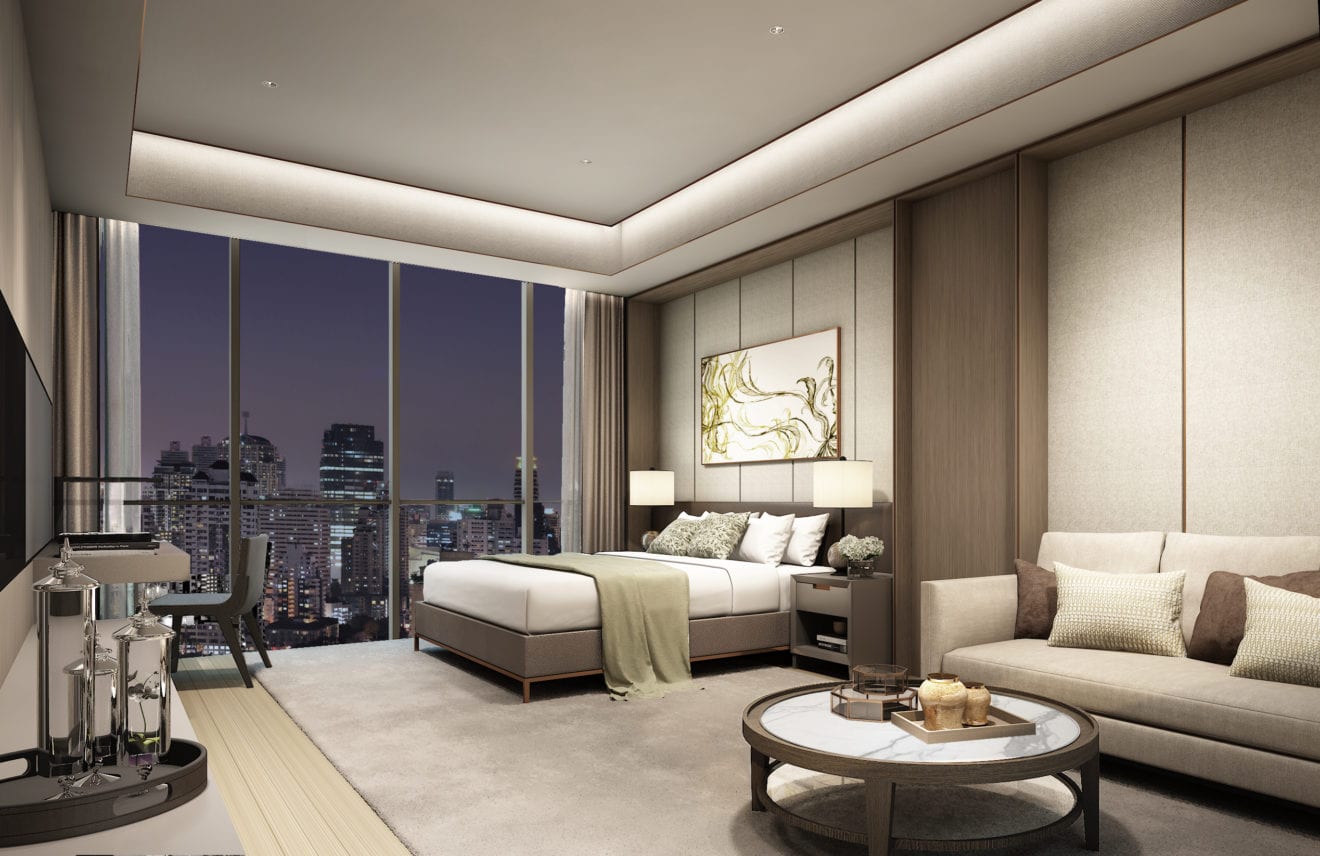
    High-end and luxury property developer Gaysorn Property today announces expansion of its luxury property portfolio in Bangkok’s prime locations. TELA Thonglor, a super luxury condominium, is set to be a new landmark of Thonglor. This 4.1-billion-baht project will seamlessly weave city lifestyle with every community, true to its definition as “The Landmark Residence on Thonglor”. Offering five exclusivities in terms of design and facilities, the project highlights the aesthetics of living under “Canvas of Life” concept, where the residents are inspired to craft a unique living and pursue their unique lifestyle. The company expects to sell 75% of TELA Thonglor by the end of this year.

    Mr. Fafuen Temboonkiat, Managing Director of Gaysorn Property Co., Ltd., said: “With previous success from property projects such as luxury condominium Domus Sukhumvit 16 and 18 and high-end low-rise condominium Mode Sukhumvit 61, we have proven our quality, our dedication, and our attention to detail in offering a unique lifestyle under our DNA of Refined Quality Living. This is a key drive of our business alongside our endeavor to develop properties on prime locations that connect lifestyles and communities in a perfect fashion. Most recently, we have launched our new super luxury condominium TELA Thonglor with a project value of 4.1 billion baht. It is located on a high-potential spot in the heart of Thonglor, which is a promising residential area as it is surrounded by shops, restaurants, and facilities for every lifestyle need.”

    TELA Thonglor, located at the front of Soi Thonglor 13, is a 32-floor condominium designed under “Canvas of life” concept to give its residents a freedom to create their lifestyle masterpieces. Only 84 units in four types of suites are offered on its land plot of 1-3-63 rai. The 2-bedroom “Tela Sienna” and “Tela Amber” types, 40 units in total, offer 111 square metres of functional space. The 3-bedroom signature type “Tela Legacy Suite A & B”, 40 units in total, come with either 201 or 202 square metres of space. The 3-Bedroom Duplex “Signature Suite”, only two units available and already taken, offers 230 square meters of space. The 3 Plus 1 Bedroom Duplex “Sky Duplex Suite”, two units on offer, comes with 338 square metres of space. The project’s communication is targeted at families that lead a luxurious life, especially those who prefer urban living and highly prioritise privacy.

    Fafuen added, “There are five elements that make our project unique and outstanding.

    • “Strategic Location” The location offers seamless connectivity between city lifestyle and the community. The residents have access to various lifestyle choices and are conveniently connected to other lifestyle areas, thanks to nearby community malls, restaurants, as well as the quick and convenient bridging to a nearby BTS station.
    • “Ultra-Low Density Living” More space and more privacy are offered here. There are only 84 units in total, four on each floor, so each unit is blessed with a panoramic view. Each suite, with floor-to-ceiling height of 3.20 metres, allows the residents more spacious feel and greater freedom to create an individual style of luxurious living within their unit.
    • “Crafted Space” The space has been well-designed to cater to all lifestyle needs. With a unique, 17-metre “Paronamic Adaptive Bolcony”, the living room and all bedrooms in “Tela Legacy Suite A & B types are interconnected while the double-glazed sliding glass doors of this balcony helps protect heat and can greatly improve ventilation in the rooms.
    • “Secured Private Lift Lobby” The lift at the lobby takes the residents straight to their designated floor as if they have a private lift. It is equipped with a CCTV Monitoring & Control system, which is monitored in the control room round-the-clock for maximum security of the residents.
    • Iconic Design The exterior was exquisitely designed and built to exude its timeless appeal. The touch of quality and luxurious details continue into the interior with fixtures including Italian-made kitchen cabinets by BINOVA and electrical appliances by BERTAZZONI. Marble slabs with designer bathroom fittings are designed by globally recognized designers, making TELA a contemporary pride of Gaysorn Property.”

    Mr. Firm Hongsananda, Business Development Manager of Gaysorn Property Co., Ltd., said: “TELA Thonglor offers a unique experience our company is always known for. We present luxury in every aspect, from the well-designed space to every single detail. Only the finest materials and the best designs are used to offer the Refined Quality Lifestyle. Façade design adds dimension to the exterior when in contact with light, and the lighting has been designed to create the right ambiences day and night. Greenery Wall embraces the lower part of the building, blending harmoniously with our lush green landscape. In terms of facilities, we have Lapis Deck, a family-friendly 25-meter salt water pool; Pulse Fitness and Pause Spa which is equipped with the most modern equipment with private area for spa and beauty salon; and 84 Saletta Residential Club, a dedicated area for the residents to host parties or other social functions.

    For outstanding management, Gaysorn Residential Services (GRS) assures the residents of three promises. “Value Services” are focused on addressing the needs of the residents to quickly and effectively resolve their issues and provide helpful assistance to them. “Best Practice Facility Management” is focused on facility management planning and budget control to ensure efficient maintenance of equipment and assets in common ownership, complete with performance evaluation of the services. “Quality Assurance” by the company’s customer service team closely provides consulting to the condominium’s committee and management. The team is experienced in servicing customers and managing property under the company’s DNA of “Refined Quality Living”.

    TELA Thonglor super luxury condominium is currently under construction with scheduled completion by the end of 2019. The average price is 300,000 baht per square meter. The company is confident to close 75% of the project sales by the end of 2016.

    Contact sale office of TELA Thonglor, a super luxury condominium, at 02-612-5959 or visit www.telathonglor.com.

  • SM CITY SAN JOSE DEL MONTE NOW OPEN

    SM CITY SAN JOSE DEL MONTE NOW OPEN

    Bulakenos and residents of the North Metro area had a lot of shopping, leisure, and entertainment excitement when SM City San Jose del Monte recently opened its doors to the public

    When SM Prime Holdings President Hans T. Sy opened the doors of SM Prime Holdings’s 57th mall, as it is in the SM tradition, shoppers quickly packed the mall, eagerly heading to their favorite shops and restaurants.

    There was a blessing the day before graced by local officials: Bulacan Governor Wilhelmino Alvarado, Vice Governor Daniel Fernando, San Jose Del Monte Mayor Reynaldo San Pedro and Vice Mayor Eduardo Roquero. Araneta Properties CEO Gregorio Araneta, whose group is spearheading a large development the area, also attended the event with his wife Irene Marcos Araneta and Ilocos Norte Congresswoman Imelda Marcos.

    SMSJ_Ribbon cutting3

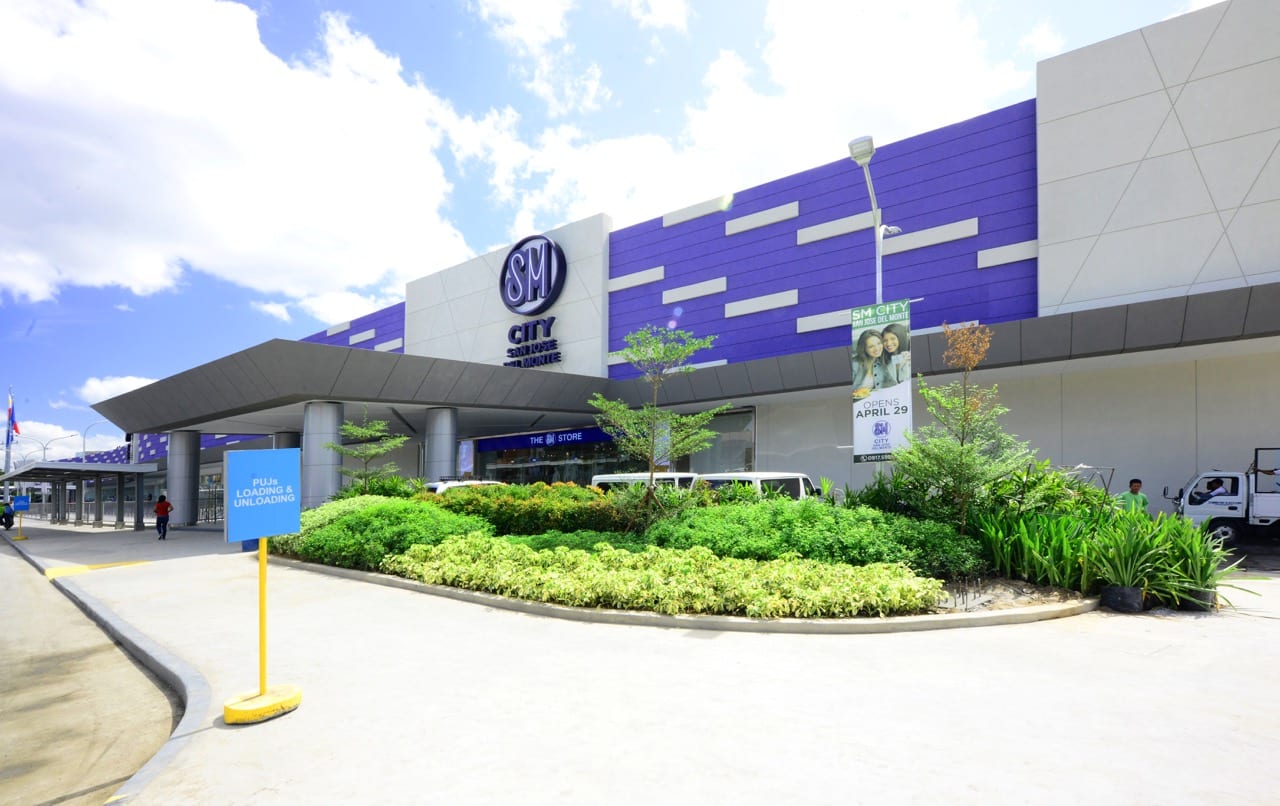
    Located on a n a 60,193 square meter site in Barangay Tungkong Mangga along Quirino Highway, the 101, 407.28 square meter five level mall (three levels of retail, and two levels of basement parking and a pond area) will serve shoppers in San Jose Del Monte City and nearby towns in Bulacan, North Metro cities like Caloocan and Quezon City, as well as several areas in Rizal. The new mall is the third in the province of Bulacan after SM City Marilao and SM City Baliwag.

    Located at the northeast periphery of Metro Manila, the City is bounded by the Bulacan municipalities of Marilao and Santa Maria on the west, and Norzagaray on the North. Quezon province lies to the east, Rizal province to its southeast, and Caloocan City to its south.

    Known as the Balcony of the Metropolis, San Jose del Monte is said to be the largest town in Bulacan in terms of land area and population.  It was proclaimed the first City of Bulacan on 10 September 2000.

    San Jose del Monte’s proximity to Manila and Quezon City has made the place ideal for quiet and peaceful living.  The place is hilly, with the Sierra Madre Mountains providing a panoramic backdrop to the area. With that, it continues to grow as private subdivisions mushroom in strategic areas, and it develops as an ideal industrial site.

    Because of its prime location for enterprise and investments, growing residential and commercial developments, as well as satisfactory infrastructure and support facilities, San Jose del Monte is considered as one of the thriving cities for doing business in the country. The opening of SM City San Jose Del Monte highlights SM’s confidence in the city’s booming economy, and will be a catalyst for employment and business opportunities.

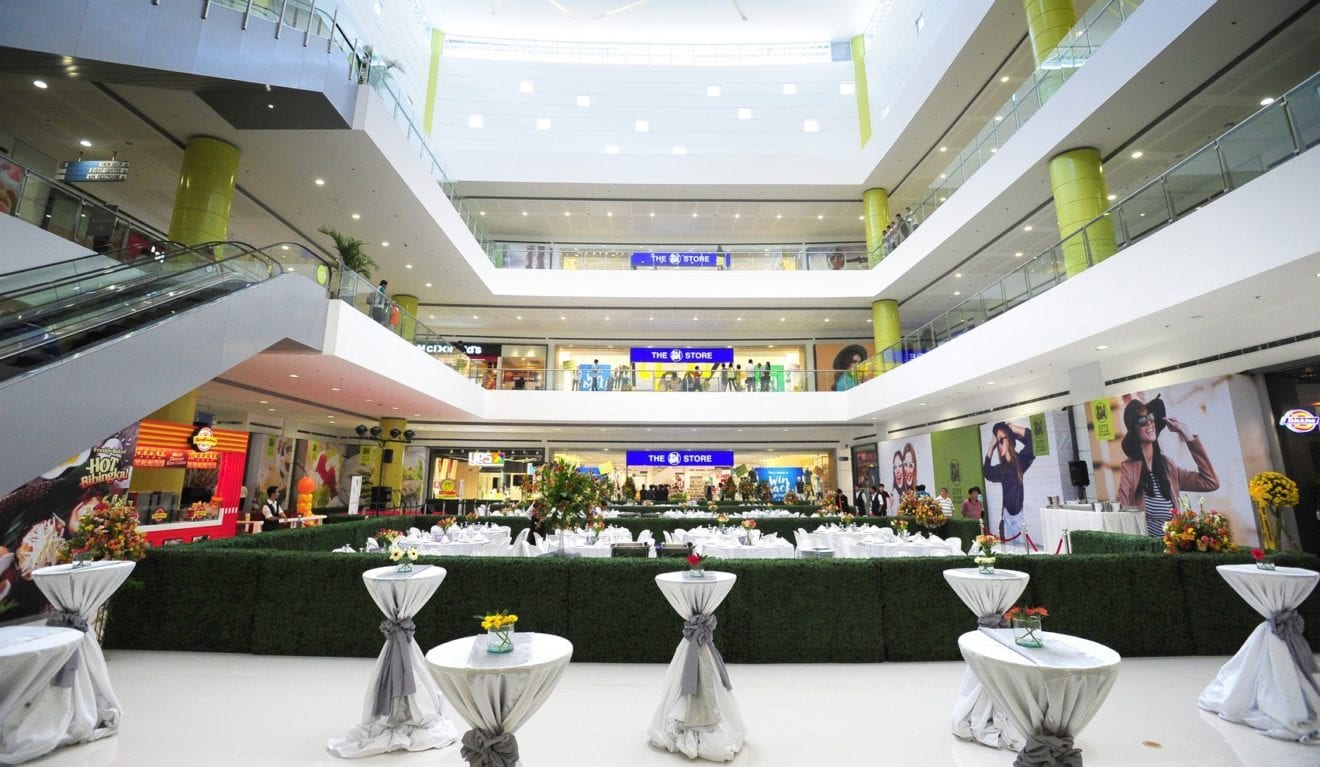
    SM City San Jose del Monte’s carefully integrated architecture, landscape, and planning will ensure a memorable, accessible, and convenient urban experience for its customers. The exterior architectural design is sophisticated and bold, featuring crisp colors and textures. A striking West Plaza has a monumental presence along Quirino Highway, featuring a stepped water feature, and eye- catching signage that welcomes shoppers at the mall entrance.

    The rear of the site overlooks a vibrant natural landscape. Three view of dining balconies overlook a dynamic public plaza and graceful parkway. This feature plaza, with water features, a central pond, and a pedestrian overlooking bridge as its focus, will provide shoppers with a place to relax and take in the views while enhancing their retail and dining experience.

    SM City San Jose Del Monte’s interiors are organized around a central atrium that terraces back at each level, allowing natural clerestory light to reach deep into the building. Pedestrian bridges cross the atrium on each floor, while stairs, elevators, and escalators traverse the space vertically, contributing to the dynamic fee of the interior. The space is further accentuate by distinct, vivid bans of color and a collection of vibrant planting on the lower ground level, all of which together give the space a festive, contemporary appearance.

    The SM Store and SM Supermarket are the mall’s major retail anchors, leading the way with SM mainstays like SM Appliance Center, Watsons, Ace Hardware, Surplus, and BDO. There is more shopping fun ahead as fashion boutiques, jewelry stores, and eyewear shops.

    The mall’s Cyberzone will be an attraction in this growing city with major players GLOBE, Samsung, Huawei, O+, Oppo, My Phone, as well as computer stores.

    Three alfresco dining areas will make dining in the mall exciting; while eating out options will give shoppers a lot to choose from. These include international chains; as well major national chains, and hometown favorites.

    SM City San Jose Del Monte will also have four state of the art digital cinemas; as well amusement and health and wellness centers.

    For customer convenience, the mall will have 805 vehicle parking slots and 107 motorcycle parking slots as well as transport bays.

    SM City San Jose Del Monte’s design team includes SM City San Jose Del Monte’s design team includes DSGN Associates, General Contractor; New Golden City Builders,  EDD Construction; and Design Coordinates Inc. as Project Manager.


  • Pioneering Ginza-style mall in Hong Kong in bad shape

    Pioneering Ginza-style mall in Hong Kong in bad shape

    It is said that a commercial property can support three generations of a family in Hong Kong. The idea is that owning a commercial property is a sign of wealth as well as social status.

    However, an investor who bought a commercial unit in Jordan Square in 1992 for HK$700,000 has sold it 24 years later for HK$100,000 (US$12,890). He lost 86 percent of his investment in the store, which has a saleable area of 70 square feet. 

    The shopping mall in which it is located is on Jordan Road, a five-minute walk from The Austin, a high-end residential complex. The mall has four stories and a floor area of 20,000 square feet. It was built by a local developer in 1992 and divided into 160 ministores.

    In recent years, many shopping malls have described themselves as “Ginza-style”. The Ginza-style mall dates back to the 1980s in Japan, when the price of land in Tokyo was exorbitant in the prime Ginza district. Stores, restaurants and bars moved to higher floors of those malls to save on rent.

    These malls usually had elevators, as customers knew beforehand which floor they needed to get off at.

    I still remember when I first heard about a Ginza-style mall; it was in 1992, when Jordan Square opened for sale. The project had attracted great publicity, as it allowed ordinary people to own a retail unit for a relatively small amount. In fact, many local actress and singers invested in the project back then.

    More of these Ginza-style malls appeared across the city after Jordan Square. And most of them failed in the end, because of chaotic management and limited marketing.

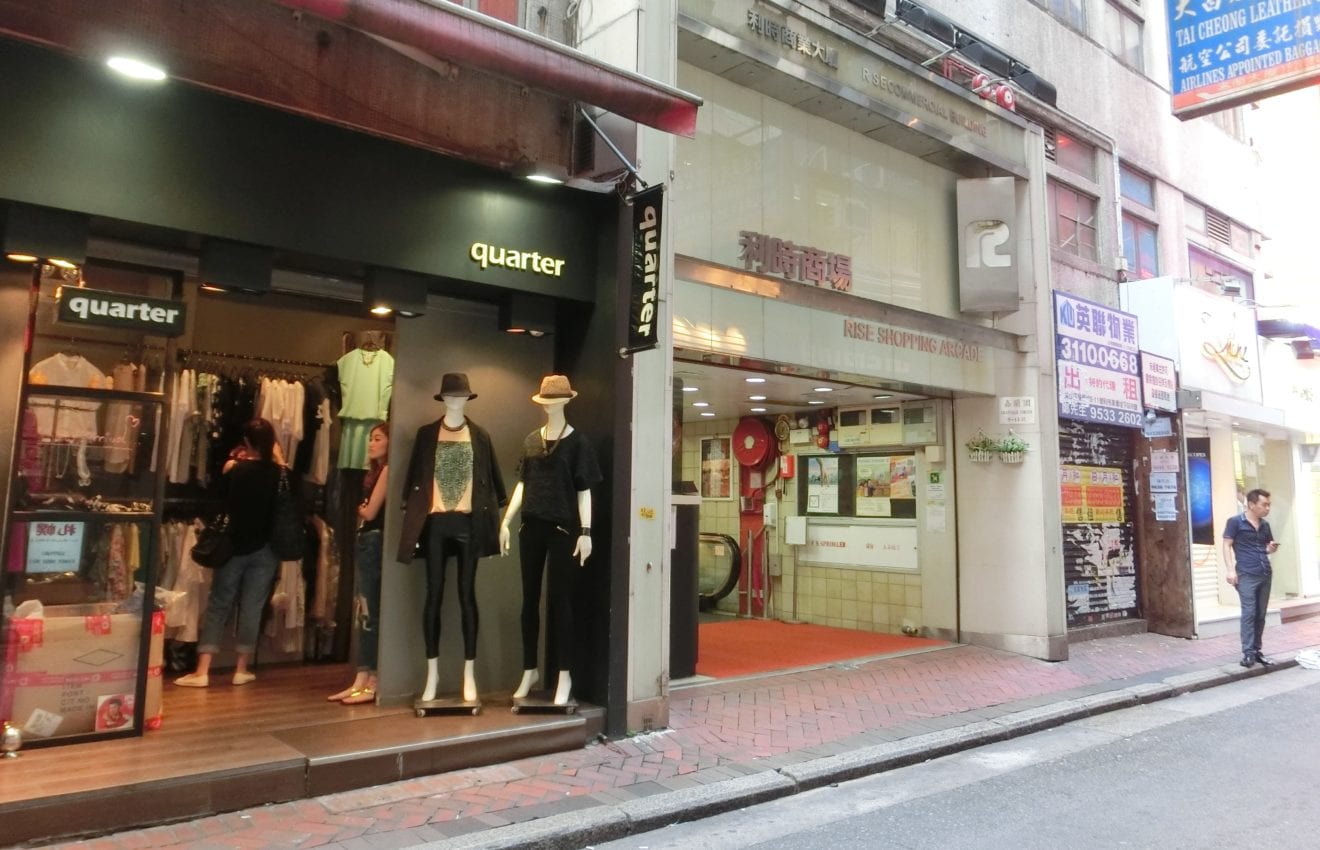
    But there are some successful examples, like Sin Tat Plaza and Ho King Commercial Building in Mong Kok, Rise Shopping Arcade in Tsim Sha Tsui and Island Beverly in Causeway Bay. All these Ginza-style malls have been popular with the younger crowd.

    Nevertheless, the emerging online shopping trend has posed a great challenge to these physical stores, since online shopping sites offer a wider range of products at lower prices. Jordan Square was sold off-plan back then, and the buyers signed the contract after hearing the developer’s presentation.

    However, when the building was completed in 1993, they found that the mall was smaller than they expected and the saleable area was less than what the developer had promised.

    The developer was liquidated later as a result of lawsuits and a property market downturn. As a result, the independent owners of the stores in the building have taken over control. The water and power supply was cut off, and most of the stores failed to find a tenant. And the mall has even become a gathering place for drug addicts and the homeless.

    Jordan Square has a market value of somewhat more than HK$10 million based on the recent transaction price of HK$100,000. There is room for an appreciation in value of more than 10 times at this prime location. A seasoned investor has reportedly already bought 11 stores in the building for between HK$100,000 and HK$470,000 each.


  • SM City San Jose opening brings SM malls to 57

    SM City San Jose opening brings SM malls to 57

    SM Prime is opening its 57th mall in the Philippines.

    SM City San Jose Del Monte will open today. It is the third in the province of Bulacan after SM City Baliwag and SM City Marilao.

    The new mall will add 101,000 sqm in gross floor area to the total floorplate of SM Prime, SM Prime, the country’s largest integrated property company. Total retail space will add up to 7.4 million sqm, the largest footprint in the country.

    “We continue to expand in the provincial areas as we remain optimistic about their huge potential for growth. The opening of SM City San Jose Del Monte in Bulacan is a testament to this strategic direction as we remain steadfast in developing premier destinations around the country,” SM Prime President Hans Sy said.

    San Jose Del Monte is a second-tier city with predominantly middle income households, of which, 62 per cent have family members that are OFWs. The city contributes to one of the fastest growing residential and commercial hubs in the Northern Gateway of Metro Manila, covering 59 barangays and a population of almost 500,000 based on the 2010 census.

    SM City San Jose Del Monte opens with 70 per cent of space lease-awarded occupying its three floors with retail stores, dining outlets, recreation and entertainment facilities, and service centers topped with commendable architectural design making it the newest vibrant urban hub in the north of Metro Manila.

    The prime spaces are allocated to local and international retail brands, food outlets and anchor tenants such as The SM Store, SM Supermarket, SM Appliance Center, Ace Hardware, BDO, Surplus, Watsons and SM Cinema with four state-of-the-art cinemas.

    By the end of 2016, SM Prime is targeting to have 61 malls in the Philippines and six in China with an estimated combined GFA of 8.6 million sqm.

  • Luxury prevails in Dubai’s retail space

    Luxury prevails in Dubai’s retail space

    Despite suggestions to the contrary, luxury retail spending is still rising in the UAE, albeit at a slower pace.

    Dubai, in particular, is leading the way. In a survey carried out before the World Retail Congress last month, Dubai Chamber said the retail sector in the emirate was expected to grow by 5 percent annually until 2017, by which point it was forecast to reach $55bn in value.

    The research, based on data from Euromonitor and an AT Kearney Research study, suggests luxury retail still offers multiple opportunities in the UAE.

    “There is growth of wealthy and ultra-rich consumers, the main potential customers of the luxury segment. All in all, consumption is going up and retailing in the UAE is a major sector, which is supportive of economic growth and offers a lot of business opportunities,” the analysis says.

    The research is supported by Savills, which ranked Dubai at number four in the world in its Global Retail Destination Index 2016, behind New York, London’s West End and Hong Kong.

    The report focused on Dubai Mall, and ranked it higher than London’s Regent Street, New York’s Fifth Avenue and the Champs-Elysees in Paris in terms of the overall quality of its retail facilities and amenities. Further enhancing Dubai Chamber’s findings, the Savills report says, “Dubai is forecast to report the strongest growth in retail sales over the next five years of the seven Global Cities examined, potentially challenging London’s West End’s current global position.”

    The growth is supported by a strong tourism sector, with 14.3 million overnight visitors to Dubai last year, according to the Mastercard Global Destination Cities Index 2015, which led to a total spend of $11.7bn, an average of $819 per visitor.

    “Dubai is now perceived as a top global retail destination,” says David Godchaux, CEO of Core Savills, the UAE associate of Savills. “But this is only the tip of the iceberg as we now start seeing developers trying to improve the shopping experience not only for tourists as in the past 15 years, but also for residents.

    “This trend of moving away from the ‘bigger is better’ approach, to more user and resident friendly retail developments, bringing a real city experience and European-style shopping to areas of Dubai similar to those found in London, Paris and Milan, is something that was much awaited by the market and that we see finally happening.”

    Dubai Chamber estimates the emirate’s retail market reached $35.4bn last year, and says it is expected to grow by 7.7 percent in 2016 and an average 8.1 percent annually between 2017 and 2020, when retailing sales turnover are expected to surpass $52bn.

     This predicted growth comes despite the backdrop of uncertainties surrounding economic conditions due to the drop in oil price, and the obvious currency effects of a strong dollar and a weak rouble affecting the number of high-spending visitors coming to the emirate.
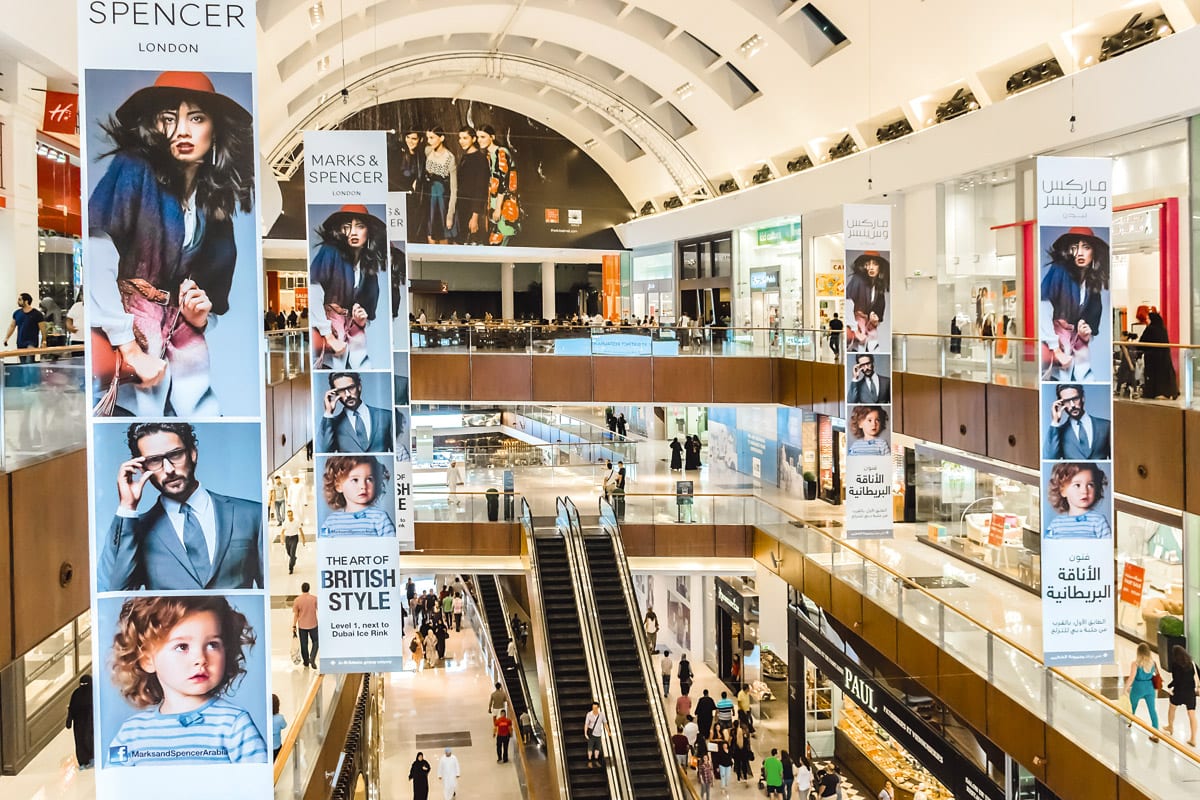
    That effect was reflected in last year’s Luxury Goods Worldwide Market Monitor, compiled each year by Bain & Co, which said the luxury goods retail market in the Middle East had plateaued, driven by a reduction in tourism spending.

    However, the report’s author Cyrille Fabre, partner and head of Bain’s Retail and Consumer Products practices in the Middle East, said at the time the report was released: “Going forward, we expect the Middle East market to show new signs of life driven by mall openings, but the region’s growth will occur at a much slower level versus the last five years.

    “A sustainable high single-digit growth rate will become a new normal for the market with important implications of the required capabilities for success.”

    Knight Frank’s head of commercial and retail, Matthew Dadd agrees: “At the moment in the UAE, we’re not seeing much take-up of new luxury retail space.”

    The confidence in the luxury retail market, however, has been fairly evident at the city’s two key shopping malls, he says, with other cities keen to develop their luxury retail offerings as well, which have continuously lagged behind Dubai in the luxury segment.

    “Within the major malls there is the configuration-extension of the luxury segment offering, both within Mall of the Emirates and Dubai Mall,” he says. “Also, when you look regionally, there is the provision of quality, prime retail centres such as Mall of Qatar or the forthcoming Majid Al Futtaim centres in Riyadh regarding new luxury space for the market segments which have traditionally been under-served.”

    Looking to the year ahead, Dadd says the single-figure growth is quite likely, but confidence remained high. “It’s going to remain fairly stable in its current state, which has been more subdued than it has been in previous years,” he says.

    “We’ve still got a high GDP per capita for locals across the GCC. There is still a lot of personal wealth that can be spent in the luxury segment. You will see the mall developers looking to position themselves as the focal go-to destination of luxury spend and the access and the add-on amenities in terms of leisure that really make the mall appealing for the whole family will be paramount to obviously increasing the spend per head in these malls and retaining that spend within Dubai, UAE or the region rather than going internationally.”

    That confidence is also reflected in the ability of some malls to increase their rent.

    According to Knight Frank, Emaar Malls Group has 18.5 percent of the emirate’s 3 million square feet (sq ft) of retail gross leasable area. The publicly-listed company, 84 percent owned by Emaar Properties, said it raised rent prices for renewals by 25 percent in 2015. It is also planning to add 92,900 sq ft to its “trophy asset” Dubai Mall this year, further underlining its confidence in luxury retail.
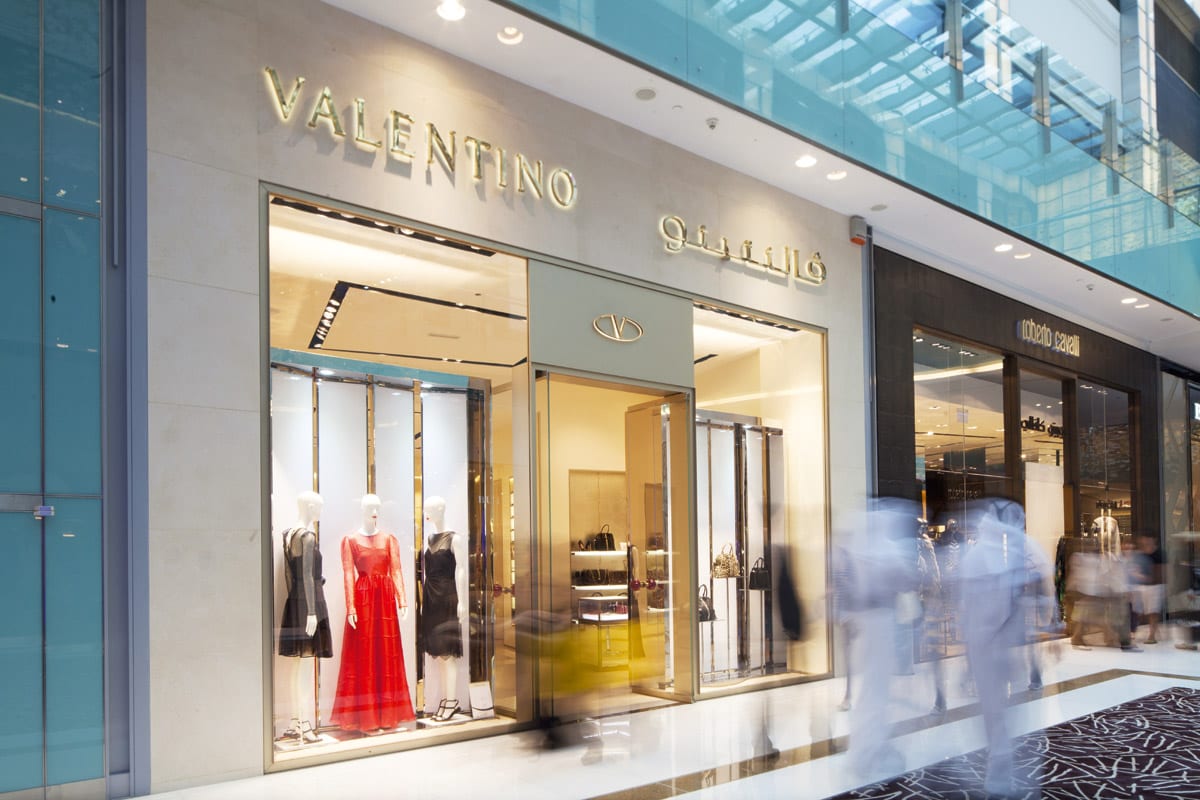
    “The Dubai Mall, our trophy asset, is today the first choice for luxury retail for high net worth individuals [HNWIs] from a wider catchment area of the Middle East, Africa, South Asia and China, thus serving over 2.5 billion people,” chairman of Emaar Malls and Emaar Properties, Mohamed Alabbar said while announcing Emaar Malls’ annual figures for 2015. The division recorded a $451m net profit and rental income growth of 11 percent to $815m.

    However, Dadd says the rental increases have been limited to “the core markets”.

    “Across the markets, you’re not seeing exorbitant rent increases,” he says. “I think the market is being more realistic in terms of where spend is and it has got to be truly reflective of the overall performance of the mall before they can actually start putting in any increments.”

    The perennial issue for luxury retailers is exodus of HNWIs from the Gulf region to cities in Europe and the US, as they escape the desert summer.

    The Saudi government estimated that in 2014, tourists travelling outside the kingdom spent at least $20bn on shopping trips abroad every year.

    A report towards the end of last year, by the Travel & Tourism Intelligence Centre, said GCC outbound expenditure would reach $100bn by 2018, up from $65bn in 2013.

    Knight Frank’s recent wealth report emphasised the seasonal fluctuations of multi-millionaire ($10m-plus) populations around the world, showing a 571 percent difference in the number of multi-millionaires in Dubai between the winter and summer months (10,470 at peak, 1,560 at low).

    Maintaining brand loyalty has been an important facet when it comes to luxury retailers. Luxury brand public displays and activations are a weekly occurrence in Dubai’s malls. Dadd says it is important to enhance customer consumer experience in order to develop brand loyalty.

    “When you go into any shop, it doesn’t matter if it’s luxury or mainstream trade, your experience is paramount to your return visit,” Dadd says. “When you look at international brands that have local stores that experience has got to be the same level of standard and quality [as the home market] in terms of customer experience with the staff and the shop, the fit-out, the apparel or the merchandise that are being sold. So you’ve really got to ensure that is kept to a high standard when you’re talking about an international brand.”

    An extension of the brand loyalty is the need for luxury retail brands to implement an omni-channel experience into their customer engagement strategies, which means engaging in e-commerce.

    “If you’re looking at the base case scenarios of where online trends are at the moment, they’re obviously coming from a very low base,” Dadd says. “I think they are picking up and if you look at where the UAE is in terms of digital accessibility, it’s number three in the world after UK and US, so when you look at where the take-up is in terms of mobile access and access to retail platforms, that is growing very quickly.”

    While still in its infancy in the region, recent moves by high profile companies based in the Middle East have underlined the need to develop and grow an online presence.

    “You can look at where Marka VIP have launched their new online portal and obviously we see Mohamed Alabbar taking a stake in [European online luxury fashion site] Net-a-Porter to expand that across the Middle East. It’s showing how the market is developing, maturing and following the trends that we’re seeing in Europe, US and Asia.

    “But I still don’t think it will necessarily be of concern yet to any of the bricks-and-mortar of the retail industry, because it’s still very much an experience when you’re going to buy a luxury product.”

    A natural extension of that has been social media, in particular Instagram, which has become one of the most influential online tools for luxury brands.

    “Instagram is obviously a visual tool and when you’re looking at the luxury segment — IWC or Prada — these brands can very much sell a lifestyle through images which is a very quick and easy way of targeting large proportions of the population which has access to social media,” Dadd says.

    “The influence of Twitter can’t be underestimated in Saudi Arabia, which has the highest penetration of Twitter followers.”

    At the heart of brand loyalty — online or in the malls — is the customer.

    “Customer experience is paramount and it has to transcend everything — online or in-shop,” Dadd says. “The brand is core to any business, and in the luxury segment it is key. Brands have got to work a little bit hard to make sure they position themselves correctly throughout all platforms.”

  • Weaker Economic Environment in Asia Continues to Impact Commercial Markets

    Weaker Economic Environment in Asia Continues to Impact Commercial Markets

    According to CBRE’s Q1 2016 MarketView, total commercial property investment turnover in Asia Pacific in the first quarter of 2016 declined by 36% quarter-on-quarter as investors generally turned more risk-averse, due to stock market volatility and weaker economic environment. Asian capital in particular, however, remained active across the region with the completion of three big-ticket transactions in Greater China by Chinese investors.

    Q1 2016 saw Hong Kong’s second largest-ever transaction for an office property, in which China Everbright Limited acquired the Dah Sing Financial Center for around US$1.3 billion. Regardless of this key deal though, investment activity on the whole remained low in Hong Kong.

    “Despite slower activity in the investment environment overall, international institutional investors are continuing to display strong preferences for core assets in major markets to increase their exposure for strategic diversification,” said Dr. Henry Chin, Head of Research, CBRE Asia Pacific. “In Australia and Japan, however, even though international investors remain active with strong demand for core assets, transaction volume in both markets declined. High prices in Australia discouraged domestic fund managers from purchasing, with some opting to sell non-core assets to recycle capital for future investments. In Japan, despite strong demand from investors, the lack of stock was a limitation as there were fewer institutional quality properties being offered for sale, especially in core markets such as Tokyo.”

    Concerns over the economic climate, along with weaker business and consumer sentiment, have also led to softening occupier markets across the region in Q1 2016.

    “The first quarter of the year is traditionally a quiet period for office leasing,” said Dr. Chin. “The office sector saw a slowdown in leasing momentum overall, however, in China’s tier-one markets such as Shanghai and Shenzhen, office demand remains robust with solid rental growth. Elsewhere, leasing demand is being driven by flight-to-value relocations with firms moving to decentralized areas to reduce costs. Expansionary demand is confined to Shanghai and Mumbai. In light of weakening corporate sentiment, landlords are also becoming more cautious and focusing on tenant retention, especially in markets such as Hong Kong and Tokyo.”

    In the retail sector, Hong Kong suffered its biggest decline in retail sales since 1999, falling by 13.6% year-on-year in January and February combined, due to the sharp drop in tourist arrivals and weaker domestic consumer sentiment. The bulk of Asia Pacific’s leasing demand was driven by fast fashion and F&B retailers. Most Asian markets were quiet but leasing momentum in the Pacific remained healthy.

    “Most Asian retail markets are still negatively impacted by the change in tourist consumption and traveling patterns, especially by Mainland Chinese tourists. The weak Chinese yuan is affecting their spending power. Additionally, in contrast to the last couple of quarters, the strong Japanese yen is beginning to impact visitor spending in Japan, which places pressure on retail sales growth. In Q1 2016, Tokyo saw luxury brands scale back their rate of expansion after a decline in sales, whereas in Pacific, demand from new international retailers remains strong,” said Dr Chin.

    “Many international retailers remain very sensitive to location, driven by flight-to-quality. The coming quarters are likely to see investors re-focus on core properties in major shopping districts. With the current challenging climate, management expertise and knowledge are key issues for retail investors,” he added.

  • Siam Retail building two more malls

    Siam Retail building two more malls

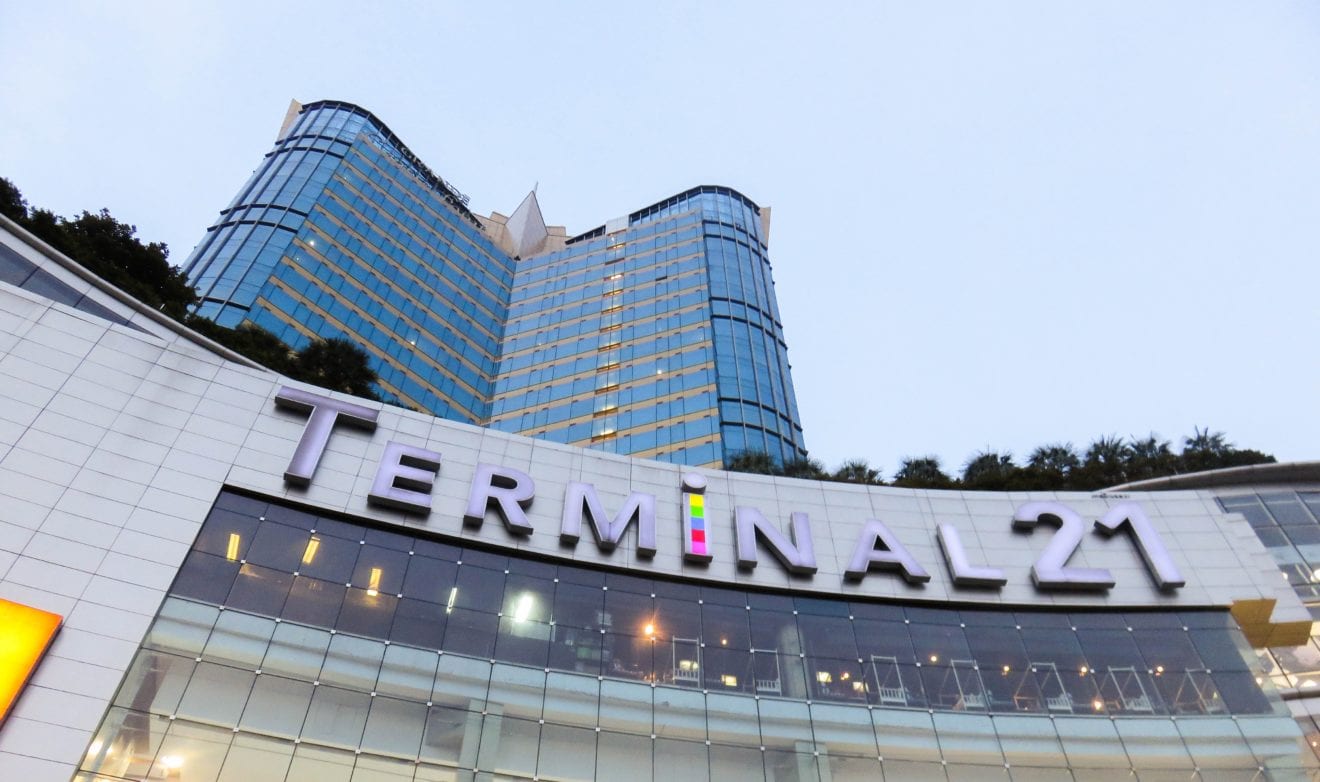
    Thai property developer Siam Retail is building two more Terminal 21 shopping malls – in Pattaya and Nakhon Ratchasima province.

    President Prasert Sriuranpong says the company is investing 6 billion baht (US$170.5 million) in the Pattaya development because it is one of three main tourist destinations outside Bangkok, along with Phuket and Chiang Mai.

    “Pattaya is full of foreign tourists, and the number of arrivals will continue to increase in the coming years,” he says. “Our lifestyle shopping mall will take about two years to complete.”

    Meanwhile, the Nakhon Ratchasima project will be ready before the end of the year. Terminal 21 Korat is near the Mitrapap Highway and is being developed under the “Market Street” concept – themed shopping based on seven world cities, with a sightseeing tower as high as 30 storeys.

    Also costing 6 billion baht, the mall will offer 200,000 sqm of retail space, almost triple the size of Terminal 21 Asoke in Bangkok, which has 70,000 sqm. Anchor tenants include SF Cinema City, The Rink Ice Arena, Fanpekka theme park and Foodland Supermarket. Shops will offer 200 local and international brands.

    Siam Retail plans to spend 100 million baht to promote the mall. Nakhon Ratchasima is considered a gateway to the northeast, with a population of 2.6 million, including more than 50,000 university students. It is also a tourist destination, with more than 5 million visitors each year.

    Siam Retail had revenue of 3.5 billion baht last year, up by 9 per cent from 2014 despite the economic slowdown. More than half the revenue came from Fashion Island, 25 per cent from Terminal 21 Asoke and the rest from The Promenade and Life Center.

    The new malls are part of the company’s 20-billion-baht expansion plan over the next six years. Apart from shopping malls, the company will turn its attention to hotels and property investments in Britain.

  • Gammon India to sell EPC biz to Thailand firm for Rs 250 crore

    Gammon India to sell EPC biz to Thailand firm for Rs 250 crore

    Debt-laden civil contractor Gammon India has accepted the proposal from Thailand-based GP Group to sell a controlling stake in Gammon’s engineering, procurement and construction (EPC) business for R250 crore.

    In a filing to BSE, the company said that the board of the company “considered and accepted the proposal from GP Group, Thailand to invest in the company’s Civil EPC by investing in the company’s wholly owned subsidiary, Gammon Retail Infrastructure Private (GRIPL)”.

    As part of the agreement, GP Group shall invest a sum of R250 crore, of which R26 crore is to be invested on completion of business transfer agreement and balance R224 crore upon completing the scheme of arrangement for acquiring upto 75% stake in GRIPL.

    The sale of EPC business forms part of the company’s efforts to repay the CDR lenders. Gammon India’s CDR package of R13,000 crore in 2013, was among the largest approved in the last two years.

    According to the Master Restructuring Agreement (MRA) dated September 24, 2013 executed by Gammon India with the CDR lenders, the company was required to ensure that either the corporate guarantees issued by the company on behalf of its subsidiaries are released in full or the company monetises or divests its investments in the domestic and overseas subsidiaries.

    However the progress on company’s asset monetisation programme and sale of foreign businesses has remained very slow. The signing of agreement for the sale of EPC business, is the first in a series of asset sales that the company needs to undertake to repay the banks.

    On November 23, lenders had decided to initiate strategic debt restructuring or SDR for Gammon India by converting a portion of its debt to equity. Lenders have 18 months to find a buyer for the firm, failing which the account will need to be classified as a non-performing asset (NPA). In August last year, Gammon India’s board had approved the restructuring and transfer of its EPC business to Gammon Retail Infrastructure (GRIL) and the T&D business to Transrail Lighting (TLL), subsidiaries of Gammon India. In FY14 ending September 2014, GRIL reported a loss of R42,807 and TLL reported a net loss of R89.3 lakh.

    In December, the consortium of eight banks had become the largest shareholder of Gammon India in the public shareholder category. As on March 9, banks stake in Gammon India had gone up to 55.43%, which was further upped to 63.41% as on March 18, according to the shareholding pattern on BSE. The shareholding under financial institutions/banks stood at 2.18% as on September 30.

    The SDR rules allow banks to convert a company’s debt into shares at a price below the current market value or an average of closing prices in the ten trading days before a decision is taken at the Joint Lenders Forum(JLF). They can hold at least 51% of the equity of the company.

    The company’s gross debt at the end of March 2014 stood at R11,061 crore, up 15.4% over March 2013, Bloomberg data showed. In FY14, the company reported a consolidated net loss of R729 crore on the back of R3,763 crore in revenues.

    The finance costs stood at R699 crore. The company has not reported its 2015 earnings numbers.

    The company is promoted by Abhijit Rajan (2.24%) who is also its chairman and managing director and other promoters include Pacific Energy Private (4.93%), Devyani Estate and Properties (3.33%) among others. Their stakes have come down to present levels from 5.99%, 13.20% and 8.93% respectively, at the end of September 2015.

    Gammon India plans to divest 30% in Gammon Infra Projects

    Gammon India will be divesting up to 30% stake in its listed infrastructure arm Gammon Infrastructure Projects (GIPL), held through its wholly owned subsidiary Gammon Power Limited (GPL), said a BSE notice. Company’s board has approved the divestment, which will be done in one or more tranches. “This divestment will be done at such times and in such manner as the board /duly constituted committee of directors, may approve, on the floor of the stock exchanges, at the price prevailing on the exchanges on the date of such sale,” the company said. fe Bureau

  • Marina Bay Sands mall for sale

    Marina Bay Sands mall for sale

    Gaming giant Las Vegas Sands Corp has held preliminary talks with prospective buyers of the Marina Bay Sands mall.

    The surprise revelation came during a conference call following an earnings report yesterday in which the US-based company revealed a casino revenue at Marina Bay Sands fell by 28 per cent in the first quarter.

    The mall – The Shoppes at Marina Bay Sands – is a cornerstone of the giant complex which has become an icon of the Singapore skyline. The complex also includes a three-tower hotel, convention centre and theatres.

    Sheldon Adelson, founder and chairman of Las Vegas Sands Corp, which also owns the Sands Macau casino and hotel and the Venetian Macau resort, said he was considering selling the retail assets.

    “We have been approached. We have been talking to people,” said Adelson during the conference call.

    His company is restricted from selling any part of the complex until a moratorium attached to the granting of the casino development license expires next year.

    From other comments it would appear the company is more likely to sell a stake in the 800,000 sqft mall than the whole business.