Category: Real Estate

Retail News Asia is committed to providing both local and global retailers with the latest Real Estate news throughout the Asian market. This on a daily base.

  • Singapore retail now ‘a tenant’s market’

    Singapore retail now ‘a tenant’s market’

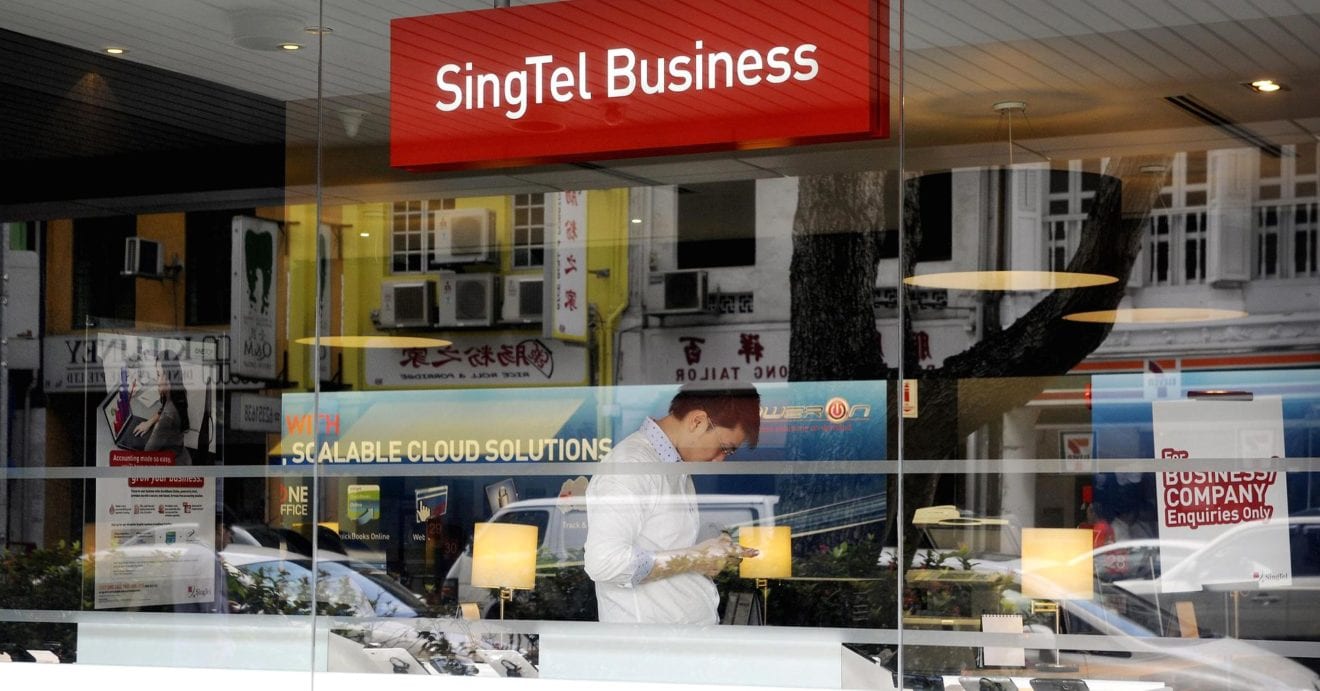
    Singapore retail is now “a tenant’s market”, realtors warn in the wake of official data showing further decline in boath rental rates and occupancy levels.

    According to URA data out today (April 22), retail rents fell by 1.9 per cent in the first quarter of 2016, following a full year decline of 4.1 per cent in 2015. That’s the fifth consecutive quarter in which a decline has been recorded, and the latest figure is higher than the 1.3 per cent of the preceding three months.

    For retail space in the Central Area (which includes the Downtown Core, Orchard and Rest of Central Area), the rental index was down 2.1 per cent quarter-on-quarter.

    Occupancy rates also dipped, falling by 0.1 percentage point quarter-on-quarter to 92.7 per cent in the three months to March 31.

    In the Central Region, vacancies were up at a five-year high of 8.7 per cent by March 31, up from 8 per cent at the end of December. In the key orchard Planning Area, the occupancy rate dropped by 1.2-percentage points quarter-on-quarter to a five-year high of 8.8 per cent.

    “With a subdued retail landscape, landlords are placing greater emphasis on maintaining occupancy levels, more so than maintaining rental values in this challenging period,” commented Lee Na Jia, regional head of research with DTZ.

    “Should landlords be inflexible during rental negotiations, tenants can go elsewhere especially with the relatively large pipeline supply coming on-stream [215,000 sqm of GFA in the middle six months of 2016]. At this moment in time, it can be considered a tenant’s market as they will have more choices,” said Lee.

    “Moreover, declining retail sales, competition from eCommerce and rising operating costs also work against brick-and-mortar retailers. If businesses underperform, they exit the market.”

    Retailers who have recently announced their withdrawal from Singapore include Smoothie King, fashion chain New Look and furniture store Iwannagohome.

    Anthea To, senior associate director of research and advisory with Colliers International, said the continued easing of retail rents is unsurprising, as leasing momentum slowed and vacancies rose.

    “By and large, retailers remained cautious on their real estate requirements in the first quarter of 2016, amid growing economic uncertainties.”

    She noted a 32.4 per cent drop in the number of leasing deals being struck in the last quarter, according to details sourced from URA Realis – to 1725 transactions. That’s the lowest quarterly number since the second three months of 2012.

    Bleak outlook

    Anthea To fears the current economic headwinds might continue to erode consumer confidence in turn leading to a further reduction in discretionary spending in the city state as shoppers fear pay cuts or job losses.

    “Given retailers’ expected cost-conscious stance, landlords would also be more realistic on rental expectations for the rest of 2016. This would weigh down on retail rents in the coming quarters.”

    To expects retailers to respond to the depressed retail market with store network consolidation, greater focuses on eCommerce and customer engagement in-store, and new products, trying to keep their brick-and-mortar stores relevant to an increasingly digital-savvy market.

    “However, not all retailers are focusing on the digital world. Major retail brands are still committed in physical store expansion which allows them to offer more products, services and new shopping experiences under one roof,” said To.

    “While rents in the Central Area are on a downward trend and are under pressure to fall further, some brands are taking the opportunity to optimise their store portfolios and open new flagship stores to strengthen their branding.”

    Colliers expects retail demand will continue to be coming from international lifestyle and fashion brands showing strong interest for flagship and new concept stores, and local players in sectors such as health and beauty, as well as leisure and personal goods.

    Lee Na Jia concluded that Singapore landlords recognise the current market challenges and are more inclined to lowering rental reversion rates to retain tenants. Older malls are also constantly undergoing rejuvenation (such as changing their tenant mix and external facades) to keep up with competition from the new malls.
  • Shanghai mall installs slide for shoppers

    Shanghai mall installs slide for shoppers

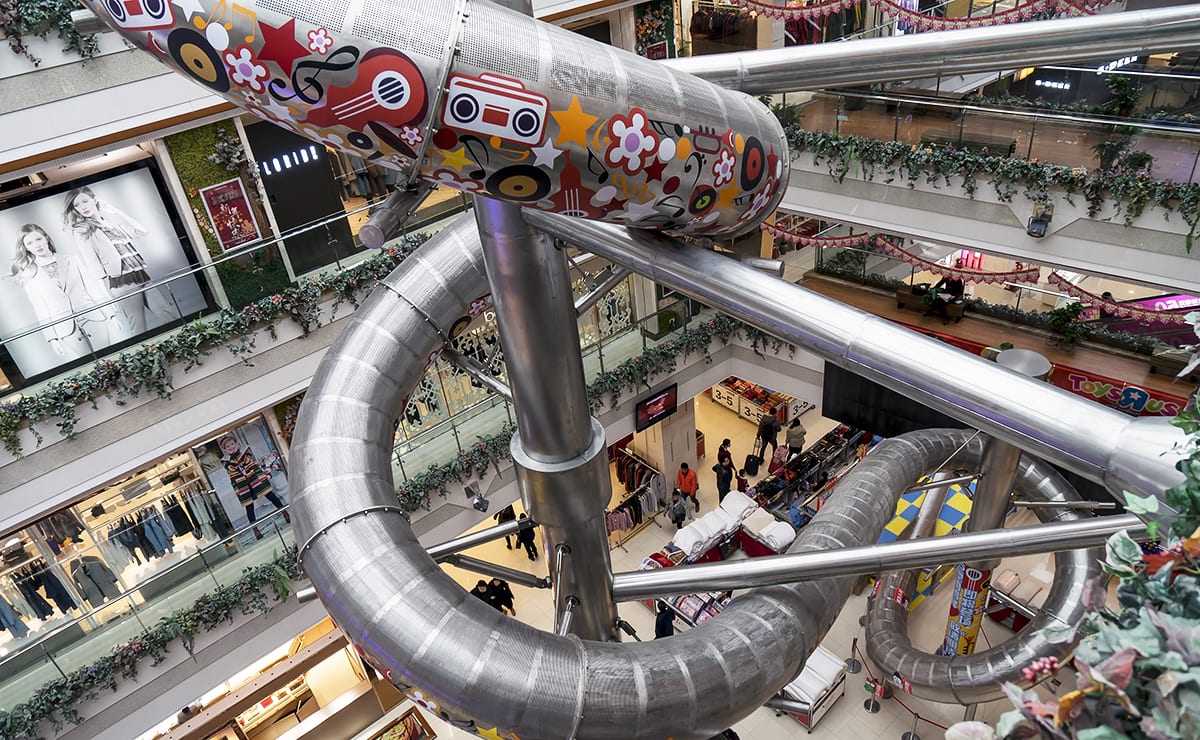
    Forget stairs and elevators – a Shanghai mall has installed a five-storey enclosed slide for shoppers.

    Spiralling down some 54 metres, the 76cm wide chute at the Printemps mall in the Pudong New Area is covered in bright patterns and is named The Happy Slide. It take just 16 seconds from the top floor of the mall to the ground floor.

    Printemps, despite a 150-year retail history in Paris, has been experiencing declining sales at the mall, prompting the management to think outside the box to attract more customers.

    While the slide is free to use, it is only for people aged between seven and 60 years old, provided they are not pregnant and do not have cardiovascular or back problems. At the moment, the attraction is open only to VIP mall members, and they need to wear a safety bag and cross their arms while sliding.

    Super-Slide-shanghai-mall.2

    Shaped like a traditional twisting Chinese dragon, the stainless steel tube is covered in cartoon-style flowers, stars and musical instruments.

    Images show a man in a suit taking the slide, as well as another emerging with his smartphone shooting video.

    However, one Facebook user questions its safety: “China can’t build escalators properly without people falling through them, so you’d be nuts to go down this.”

    Singapore’s Changi Airport put up the state’s tallest slide, measuring four storeys, or 12m, high in 2010, and it is still a major tourist attraction.

  • Was Las Vegas Sands’ First Quarter as Bad as Advertised?

    Was Las Vegas Sands’ First Quarter as Bad as Advertised?

    Success or failure is often in the eye of the beholder, and in the case of Las Vegas Sands that sentiment holds very true today. On Wednesday after the market closed, the company reported first-quarter revenue of $2.72 billion and earnings of $320.2 million, or $0.40 per share. Hold-adjusted EBITDA, which is a proxy for cash flow from resorts, was a whopping $1.03 billion in just one quarter. But for the market, that wasn’t enough.

    Analysts had been expecting revenue of $2.88 billion and earnings of $0.63 per share on an adjusted basis (compared to the $0.45 reported), so the stock was down sharply in trading Thursday morning. But are things really as bad as they appear?

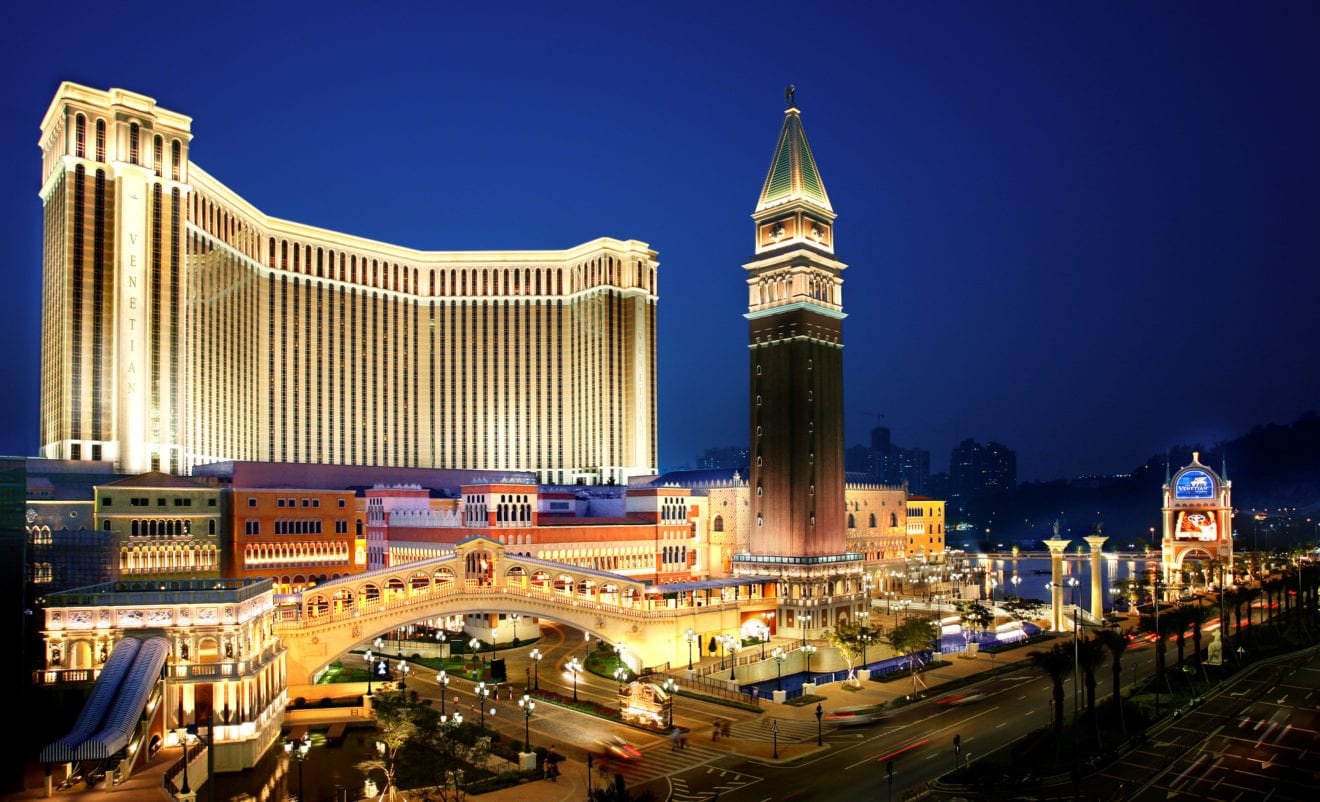
    What you need to know about Las Vegas Sands in Macau
    Before getting into the detailed numbers, it’s important to point out that Macau’s overall gaming revenue declined 13.3% in the first quarter. That’s the bar against which every company’s results should be measured.

    You can see below that three out of Las Vegas Sands’ four resorts in Macau actually performed well in the quarter, compared to the Macau market as a whole, with only Sands Macau underperforming it. As the only property the company has on the Macau Peninsula, where Wynn Resorts has already said it will have weak numbers, even that’s not a surprise.

    Q1 2016 Revenue Q1 2016 EBITDA
    The Venetian Macau $749.0 million

    (4.9%)

    $267.8 million

    (0.8%)

    Sands Cotai Central $530.3 million

    (7.3%)

    $163.5 million

    4.9%

    Sands Macau $175.1 million

    (22.3%)

    $31.0 million

    (46%)

    Four Seasons Macau $148.3 million

    (8.1%)

    $48.2 million

    8.3%

    SOURCE: LAS VEGAS SANDS EARNINGS REPORT.

    Good luck helped improve results for some of the resorts, particularly Sands Cotai Central, but Las Vegas Sands is still gaining share in Macau even after adjusting for luck.

    Marina Bay Sands

    MARINA BAY SANDS

    Singapore is a different story
    At Marina Bay Sands in Singapore, which is actually Las Vegas Sands’ most profitable resort, results were a little weaker. Revenue fell 23.1% to $603.1 million and adjusted EBITDA fell 33.8% to $274.9 million (still a huge number for one resort). But that doesn’t tell the whole story.

    Casino revenue, which accounts for a vast majority of the resort’s revenue, fell 28.3% in the quarter. But VIP gaming volume only fell 4.5% and mass-market volume only fell 9.2%. What led to the weak results was a very low hold percentage in VIP, meaning bad luck for the casino. Without that bad luck, revenue and EBITDA still would have fallen, but not by much.

    Las Vegas continues to steadily grow
    In Las Vegas, revenue rose 2.3% to $384.9 million and EBITDA jumped 17.3% to $86.9 million. This is consistent with competitors like Wynn Resorts, which said it expects a small amount of growth in revenue at the midpoint of its first quarter preliminary  results.

    Las Vegas isn’t going to be a huge growth market for Las Vegas Sands, but slow and steady will win the race.

    What determines long-term success
    When you look at Las Vegas Sands’ numbers in the context of the Macau market, they look a lot better than when you compare them to Wall Street analysts’ guesses about what the numbers would be. And it’s far more important to gain share in Macau long-term than to meet Wall Street’s expectations.

    What investors really need to watch over the next few quarters is the impact of new competition. Wynn Palace will open near the end of the second quarter and MGM Cotai will open sometime next year, competing with the resorts I listed above, and the soon-to-open Parisian for Las Vegas Sands. It’s possible that LVS’s market share might start to slip in a big way as new resorts enter the Cotai market that the company currently dominates.

    Until that competition comes, I see a lot more positives in Las Vegas Sands’ fundamentals than warning signs. And with the stock down in early trading, this could be a great buying opportunity for investors with a long time horizon.

  • Shopping mall vacancies in town highest in 5 years

    Shopping mall vacancies in town highest in 5 years

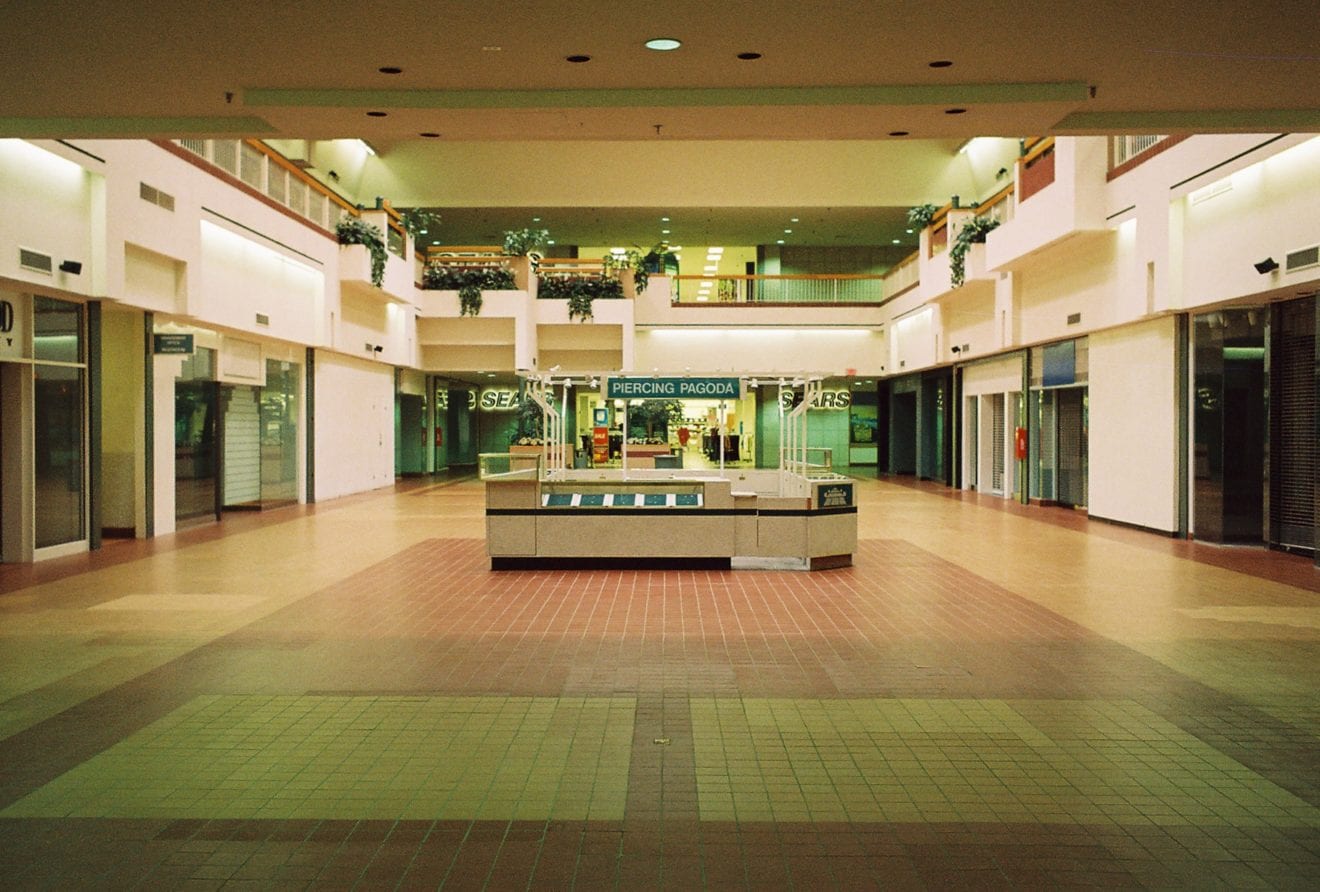
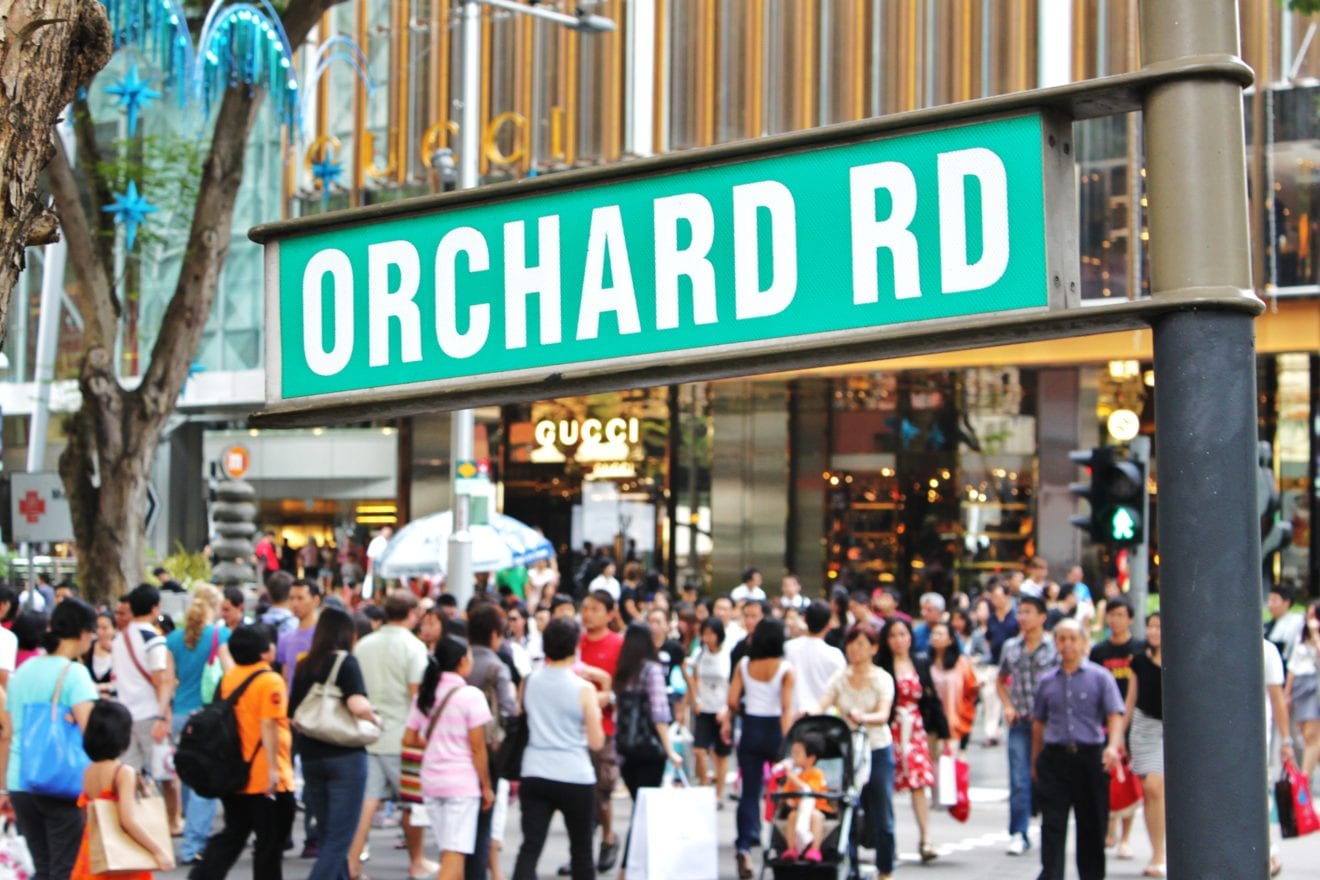
    Vacancies at retail malls in the central region hit a five-year high in the first quarter of the year, driven largely by more vacant space in the Orchard sub-market.

    The rate went up from 8 per cent to 8.7 per cent, analysis from Colliers showed, the highest since the Urban Redevelopment Authority (URA) started tracking retail space data including food and beverage, fitness and entertainment businesses from the first quarter of 2011.

    In the Orchard planning area, the vacancy rates rose 1.2 percentage points to 8.8 per cent in the first quarter, URA figures showed.

    These disappointing numbers come as the retail sector continues to battle rising costs, weak sentiment and increased supply of space. The islandwide vacancy rate of retail space rose to 7.3 per cent in the first three months of the year, up slightly from 7.2 per cent in the previous quarter.

    Citing URA Realis data, analysts said retail rental volume plunged by 32 per cent to 1,725 transactions in the first quarter from 2,550 deals in the last three months of 2015.

    “We are seeing higher vacancies setting in, particularly for the newer shopping malls,” said Cushman & Wakefield research director Christine Li. “Besides spaces which have yet to fill up, spaces which tenants have pre-terminated also add to rising vacancy levels.”

    Century 21 Singapore chief executive Ku Swee Yong told The Straits Times malls with higher vacancies in the Orchard area include Shaw Centre, Orchard Gateway, Orchard Central and Palais Renaissance. “Vacancy rate in general will likely worsen in the coming quarters because some retailers have said they would be shutting their non-performing stores later this year,” he noted.

    Dubai-based conglomerate Al-Futtaim Group said last month it would shut 10 stores under its distribution and retailing arm RSH in the second half of the year. Its group chief executive for Asia Christophe Cann said yesterday: “At present, we are looking to exit at places where rentals are too high for us to continue to run a business.”

    He said landlords have a stake in the retail industry, and “it would benefit tenants, and the retail industry as a whole, by lending a helping hand during challenging times”.

    Sakae Holdings chairman Douglas Foo made a similar point, citing a good working relationship with the manager of Wheelock Place, where Sakae Sushi has an outlet. “When we talk about rental renewal, they don’t give you heart attack rates. Certain landlords will up rates by 30 to 40 per cent, and you have to ask how retailers can do a sustainable business like that.”

    The slow leasing activity exerted downward pressure on rents, which fell 1.9 per cent in the first quarter, following a 1.3 per cent drop in the previous three months, URA data showed.

    Consultancy JLL expects retail rents to contract by about 7 per cent to 8 per cent this year, in anticipation that some landlords may have to offer greater discounts to maintain stable occupancy.

    Analysts say other challenges such as the manpower crunch are likely to persist for the rest of the year. Colliers International noted, however, that falling rents in the central area are an opportunity for some brands to open new flagship stores and strengthen their presence.

  • Xuhui Vanke Centre landmark in Shanghai

    Xuhui Vanke Centre landmark in Shanghai

    Benoy has been commissioned to work on the design of the Xuhui Vanke Center in Shanghai.

    This is developer Vanke’s first large-scale commercial real estate project with a mixed-use program in Shanghai. Benoy, a global studio of architects, masterplanners, interior and graphic designers, has won a multi-disciplinary scope which includes tower and retail architecture, retail and office interior design and graphic design.

    The landmark development sits at a prime location adjacent to the Shanghai South Railway Station; the city’s second most prominent station after the Shanghai Railway Station. The overall scheme is being developed over three phases with Benoy as the chief architect delivering the final phase alongside Skidmore, Owings & Merill LLP (SOM).

    Benoy director Ferdinand Cheung said the scheme provides a rare opportunity to give the landscape back to the community on a significant scale.

    “As designers, we were drawn to the approach which intertwines nature and buildings and we look forward to seeing this development come to life over the next few years.”

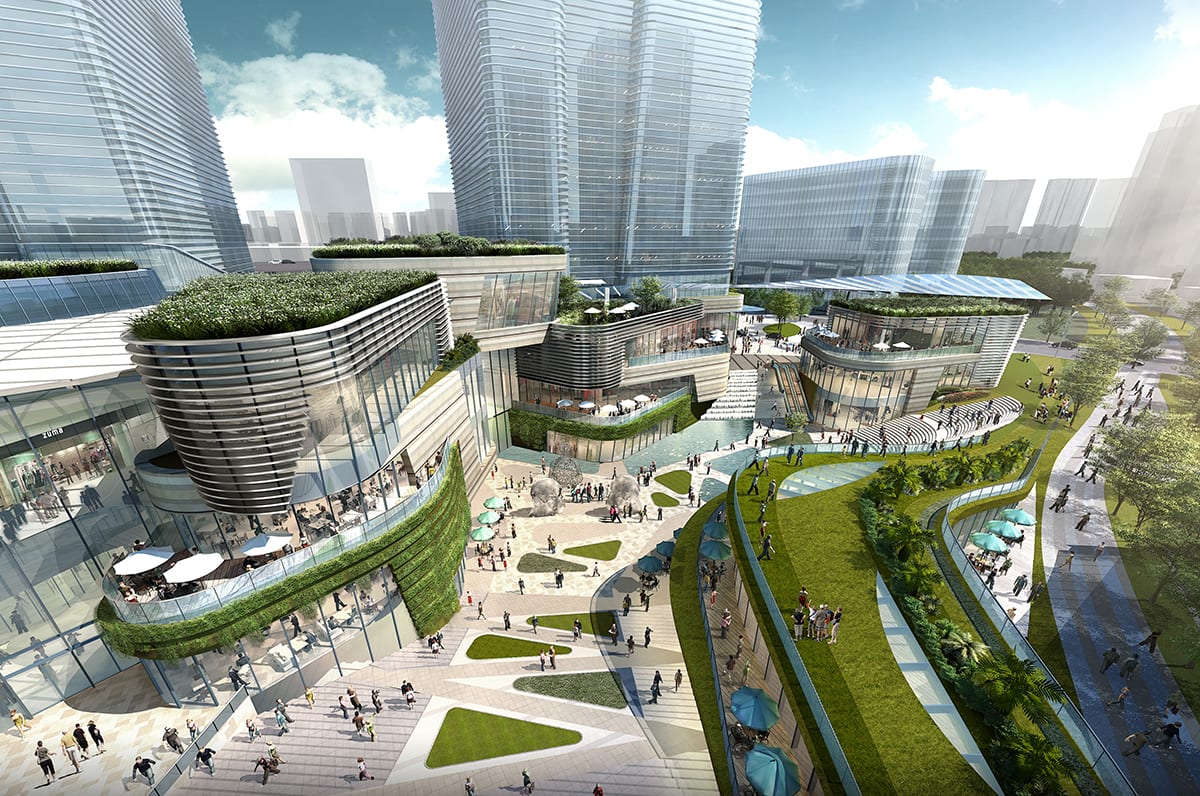
    Connecting six commercial blocks, the scheme aims to create a new urban complex set within a 70,000 sqm landscaped realm. The three phases are connected by a mile-long green valley which runs diagonally across the site. The wider development’s 12 buildings overlook and interact with the urban parkland which essentially brings a green streetscape experience into the heart of the development. The green belt begins at the Shanghai South Railway Station edge and continues through to a museum and arts complex which anchors the journey.

    “The green spine gave us the opportunity to bring a streetscape and smaller-scale environment to the commercial complex, and physically and visually unite Phase III with the earlier phases. We transformed the commercial components by blending the parkland into the architecture and interior design,” said Cheung.

    Mimicking the forms of the rolling landscape, the 100,000 sqm multi-level retail podium is a network of interconnected buildings. The podium has been fragmented into a collection of curved individual blocks, each carved out to create unique spaces for retail, F&B, leisure and arts tenants.

    “The result is an undulating internal streetscape which blends public and commercial spaces, landscape and building, culture and business.”

    The final phase of the development has commenced construction and is due to complete by 2019.

    Benoy established its Shanghai Studio in 2008 and has since grown an acclaimed portfolio in the city which includes built schemes such as the Shanghai ifc mall, Shanghai ICC and iAPM and Jing An Kerry Center.

  • Prices of retail space, rentals in Singapore down 1.9% in 1Q as vacancies creep up

    Prices of retail space, rentals in Singapore down 1.9% in 1Q as vacancies creep up

    PRICES of retail space in Singapore continued to fall by 1.9 per cent in the first quarter of 2016, after declining 0.1 per cent in the previous quarter.

    Rentals of retail space also fell by 1.9 per cent in Q1, after declining 1.3 per cent in the previous quarter.

    The island-wide vacancy rate of retail space also creeped up to 7.3 per cent at the end of the quarter, from 7.2 per cent at the end of the previous quarter.

    Within the quarter, the amount of occupied retail space increased by 11,000 square metre (nett), while the stock of retail space increased by 19,000 square metre (nett), which led to the rise in vacancy.

    As at end-March 2016, there was a total supply of 783,000 square metres gross floor area of retail space from projects in the pipeline.


  • What’s In Store For CapitaLand Mall Trust’s Funan DigitaLife Mall?

    What’s In Store For CapitaLand Mall Trust’s Funan DigitaLife Mall?

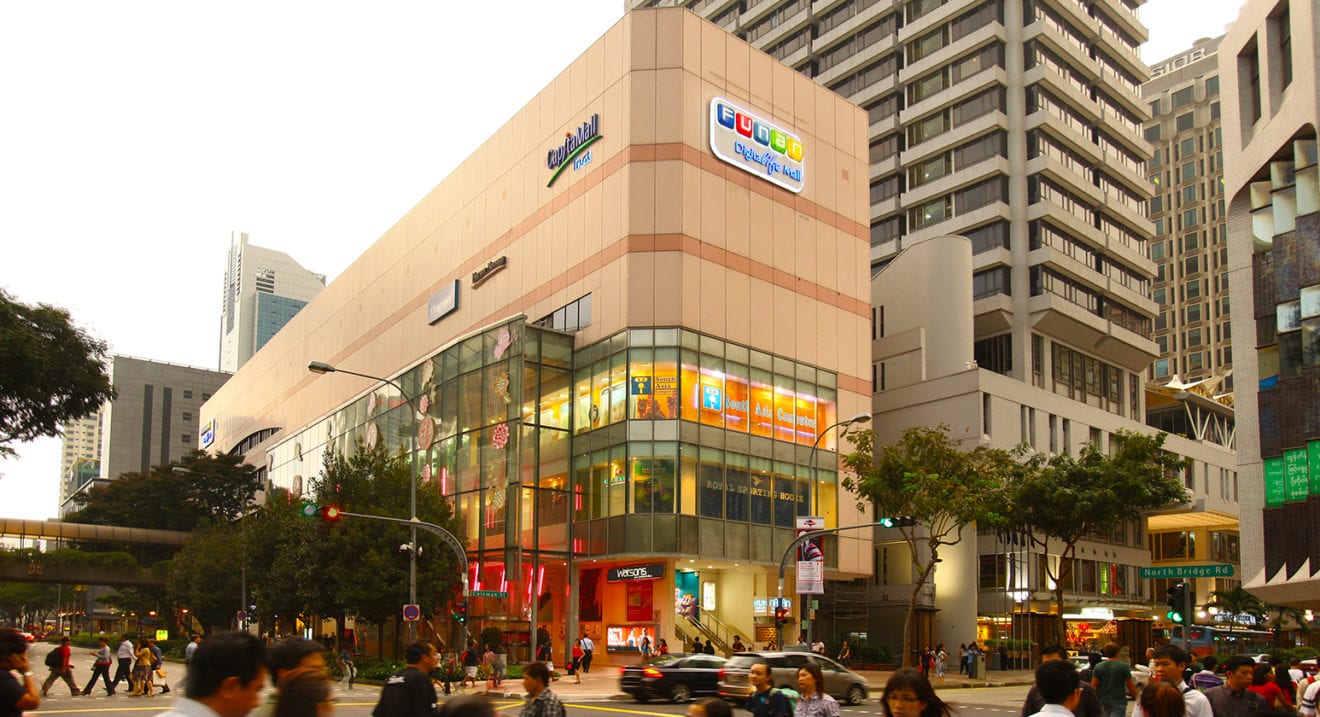
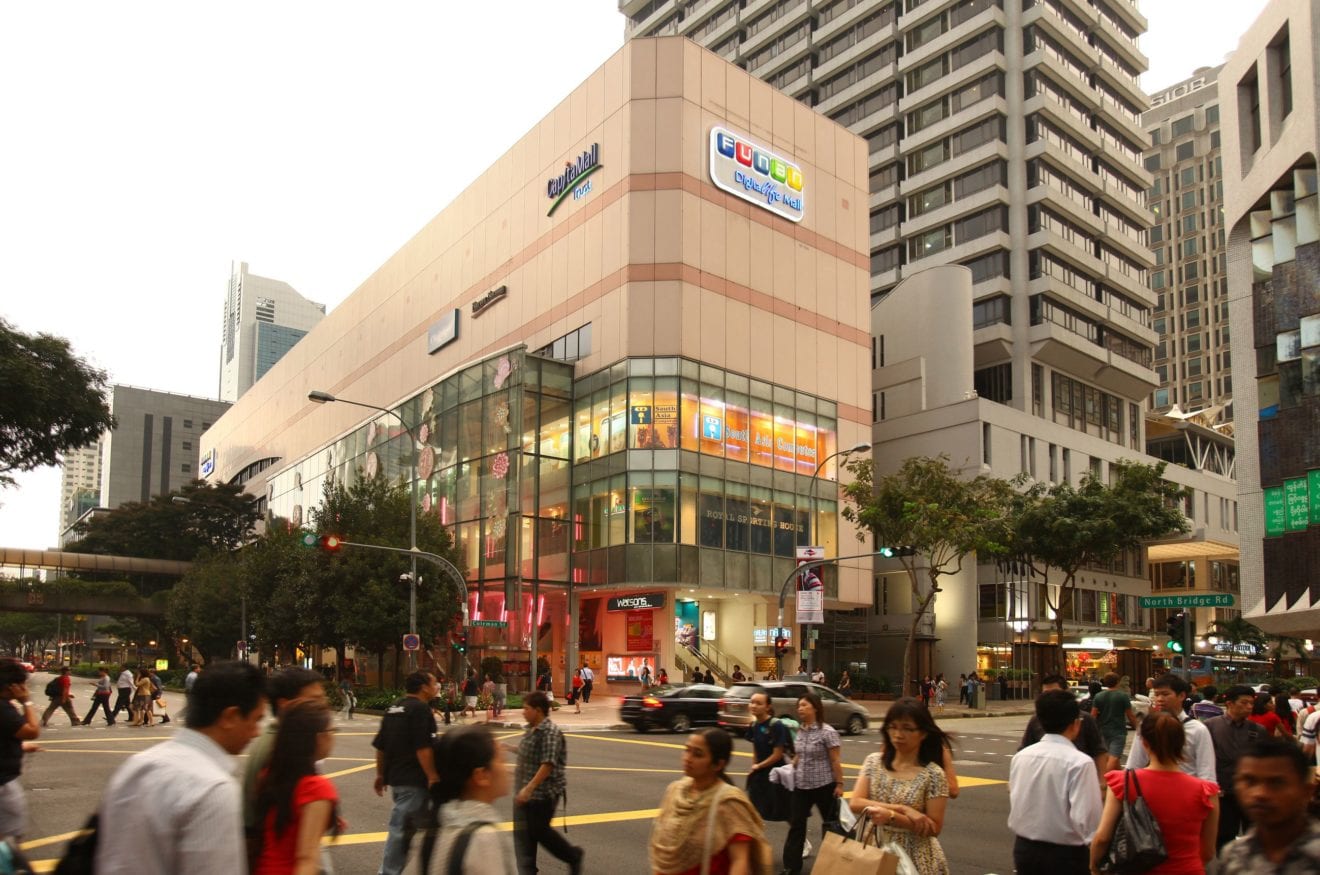
    The iconic Funan DigitaLife Mall, which belongs to CapitaLand Mall Trust, will be closed officially on 1 July 2016 for redevelopment works that is expected to last for three years.

    The redevelopment will add about 388,000 square feet (sq ft) of space to the mall’s current gross floor area of 482,000 sq ft, leading to a total area of 870,000 sq ft. For perspective, that is almost the size of ION Orchard, one of the newer malls along the Orchard Road shopping belt.

    Currently, Funan DigitaLife Mall is well-known for its focus on the retail of IT products. In its new incarnation, it will become an integrated development.

    Although the redevelopment of properties is a common thing in Singapore, what’s interesting here is that CapitaLand Limited, the manager of CapitaLand Mall Trust, is seeking input from the public to find new concepts for the redevelopment of Funan DigitaLife Mall along the theme of “Play.Create.Live.”

    CapitaLand, together with The Straits Times, are inviting members of the public to submit ideas for their vision of the new Funan DigtaLife Mall to the #BeyondIT digital platform. The idea is to transform the property into a “creative hub” that will include a ‘mall of the future’ that will bring experiential retail to a whole new level in Singapore. The window for submissions will remain open until 31 May 2016.

    Funan DigitaLife Mall is an important asset for CapitaLand Mall Trust, contributing 4.3% of total gross revenue in 2015. As such, the closure of the property for the next three years might have some negative impact on the trust’s revenue stream.

    But, the transformation of Funan DigitaLife Mall is essential given the growing importance of e-commerce among consumers. That might also be the reason why CapitaLand is interested to upgrade Funan DigtaLife Mall into an integrated development that (1) allows people to work, play, and live, and (2) help set a new benchmark for experiential retail in the Garden City.

    Summary

    Will the redevelopment of Funan DigitaLife Mall start a new era for the retail industry in Singapore? And would an increase of more than 80% in floor space for the mall help boost future rental revenue in a significant manner for CapitaLand Mall Trust? These are interesting questions to ponder.

    But, first things first, with the public competition ending on 31 May, we might be able to get our first glimpse of the future of retail in Singapore soon.

  • Indonesia welcomes first Hilton Garden Inn

    Indonesia welcomes first Hilton Garden Inn

    Hilton Garden Inn, Hilton Worldwide’s upscale global brand of hotels, today announced its entry into Indonesia with the opening of Hilton Garden Inn Bali – Ngurah Rai Airport in Bali. Owned by PT. Anggada Duta Realty Tbk., the hotel brings 291 new rooms to the Hilton Garden Inn brand.

    ‘We are proud to open our first Hilton Garden Inn in Bali, Indonesia – one of the most popular business and leisure destinations – and welcome it to our global portfolio of over 665 hotels,’ said John Greenleaf, global head, Hilton Garden Inn. ‘We are committed to growing our presence in Asia Pacific and to providing a welcoming and dependable hotel experience for every guest, every time. Hilton Garden Inn Bali – Ngurah Rai Airport will do whatever it takes to ensure every guest to Bali is satisfied, or they don’t pay – that’s our Satisfaction Promise.’

    Only 500 meters away from the island’s international airport, Hilton Garden Inn Bali – Ngurah Rai Airport is situated at a prime location to offer travelers a great launch pad to discover Bali from the moment of arrival. Conveniently located at Jalan Legian, the hotel is approximately five kilometers’ drive away from the well-known Kuta beach precinct which boasts a wide array of retail, dining and entertainment options. Hotel guests arriving from the airport can expediently check in and immediately head out to Kuta, and the other famous enclaves such as Ubud, Nusa Dua and Seminyak, to explore the beauty of Bali.

    ‘Marking our fourth brand in Indonesia, the opening of Hilton Garden Inn Bali – Ngurah Rai Airport perfectly complements our existing portfolio in the country,’ said William Costley, vice president, Southeast Asia and India, Hilton Worldwide. ‘I am excited that Hilton Garden Inn has made its debut in this world renowned destination and am confident that the hotel will offer visitors to this vibrant island a peaceful and energizing stay experience.’

    Guests can dine on-property at The Garden Grille and Bar, which offers a full cooked-to-order breakfast and dinner, cocktails*, and evening room service. The Pavilion Pantry is open 24 hours and features a complete selection of salty snacks, sweet treats, cold beverages, and ready-to-cook meals.

    Outfitting to business purposes and MICE, the hotel also features a total of six small- to medium-sized meeting rooms, one multi-function hall, and one ballroom. Hilton Garden Inn guests will see why Life’s Better at the Garden through amenities and services offered at each location, including complimentary Wi-Fi throughout the hotel, 24-hour business center with Print Spots remote printing, a state-of-the-art fitness center, a bar and an outdoor pool.

    All 291 guest rooms boast the brand’s signature bedding featuring fresh, white duvets and crisp linens; a spacious and clutter-free work desk with an ergonomic desk chair; and an in-room ‘hospitality center’ with a mini fridge and coffee/tea maker.

    Hilton Garden Inn Bali – Ngurah Rai Airport participates in Hilton HHonors the only hotel loyalty program that allows members to earn Points & Miles on the same stay and No Blackout Dates on reward stays. To celebrate the hotel’s opening, Hilton HHonors members will receive Double Points per stay on the best available rate through stays completed between May 1 and July 31, 2016. HHonors members always get the lowest price with its Best Price Guarantee, along with HHonors Points, free Wi-Fi, digital check-in and no booking fees only when they book directly through Hilton.

  • Hong Kong’ s New World carves a retailer niche in Tsuen Wan with D.Park for children

    Hong Kong’ s New World carves a retailer niche in Tsuen Wan with D.Park for children

    Dwindling footfalls and intense competition in the Hong Kong retail market is prompting developers of shopping malls to tap unexplored areas for growth.

    New World Development has gone a step further and is using its revamped D.Park shopping mall in Tsuen Wan to tap the niche children’s market. The group has launched Multiple Intelligence Kids Malls targeting children under the age of 12, eight years after it introduced the K11 art mall concept in Tsim Sha Tsui.

    Adrian Cheng Chi-kong, executive vice chairman of New World, said the D.Park in Tsuen Wan will be the first mall in Hong Kong that will operate under the concept of “playing, learning and retailing” under one roof.

    “In Hong Kong, there is not enough spaces for (kids) to play and to learn. We see it as a demand, and therefore, we decided to create the world’s first children’s mall with a theme park and a multiple intelligence mall,” said Cheng.

    Although the government has projected that the number of children under the age of 15 will decrease from 11 per cent in 2014 to 9 per cent in 2064, industry experts believe that parents will not cut their spending on kids.

    Hong Kong’s population is estimated to reach 7.81 million in 2064, from 7.24 million in mid-2014, according to the Census and Statistics Department.

    The 630,000 square feet D.Park has set aside 40,000 square feet for the Multiple Intelligence Zones which will offer a series of ‘experience’ courses for children under the age of 12. In addition, it has also teamed up with 100 educational institutions and international educational groups to offer 1,000 courses for children of various age groups.

    “As we are the pioneers, we don’t see any competition,” Cheng said. New World has invested HK$700 million to revamp the mall since 2012. Rental income has increased by more than 30 per cent since the newly renovated mall was opened in January, with visitor footfalls reaching around 3 million per month.

    Jeannette Chan, regional director of the retail department at JLL said the decline in the number of children will have a limited impact on the market.

    “Parents prefer saving money on themselves, but never for children. They want to give them the best always,” she said.

    Such thematic malls will be hard for other landlords to copy as it needs a huge area and other related facilities, she said.

    Developers have already started becoming aggressive in areas like Tsuen Wan, which has a sizable number of malls. The area already has Sino Land’s City Walk and Sun Hung Kai Properties Tsuen Wan Plaza.

    Helen Mak, head of retail service at property consultant firm Knight Frank said Tsuen Wan has been gaining ground with retailers as an increasing number of extended families have moved back to the area after the opening of West Tsuen Wan Station.

    “The better infrastructure has transformed the area from an old district into an area with more new residential projects and created demand for children facilities,’ she said.

    Cheng said the concept would be expanded to mainland China with Wuhan likely to be the first city to have a children’s mall.

    “In China, about 13 million couples get married every year and this creates ample potential for future development,” he said.

  • Orchard Road landlords reeling as key retailers exit

    Orchard Road landlords reeling as key retailers exit

    More shops are moving to the suburbs.

    More retailers are opting to vacate their prime spaces in Orchard Road and move to the heartlands instead, according to a report by CBRE.

    This trend exacerbates the problems ailing Singapore’s retail leasing scene, which has been hard-hit by a decline in both tourist and local spending.

    “As part of cost saving measures, more established retailers have opted to relocate out of prime corridors to secondary corridors, especially in the Orchard Road sub-market,” CBRE said in a report.

    Although exits have weighed on rents, CBRE noted that freeing up prime space has allowed landlords to pursue retailers seeking flagship space.

    “Demand is likely to stay patchy with retailers expected to be even more discerning about store location and openings as their operations evolve to include more retail channels. This does not bode well for overall occupancy with more supply dude to complete from now till 2019,” CBRE said.

  • CapitaLand Malaysia has strong first quarter

    CapitaLand Malaysia has strong first quarter

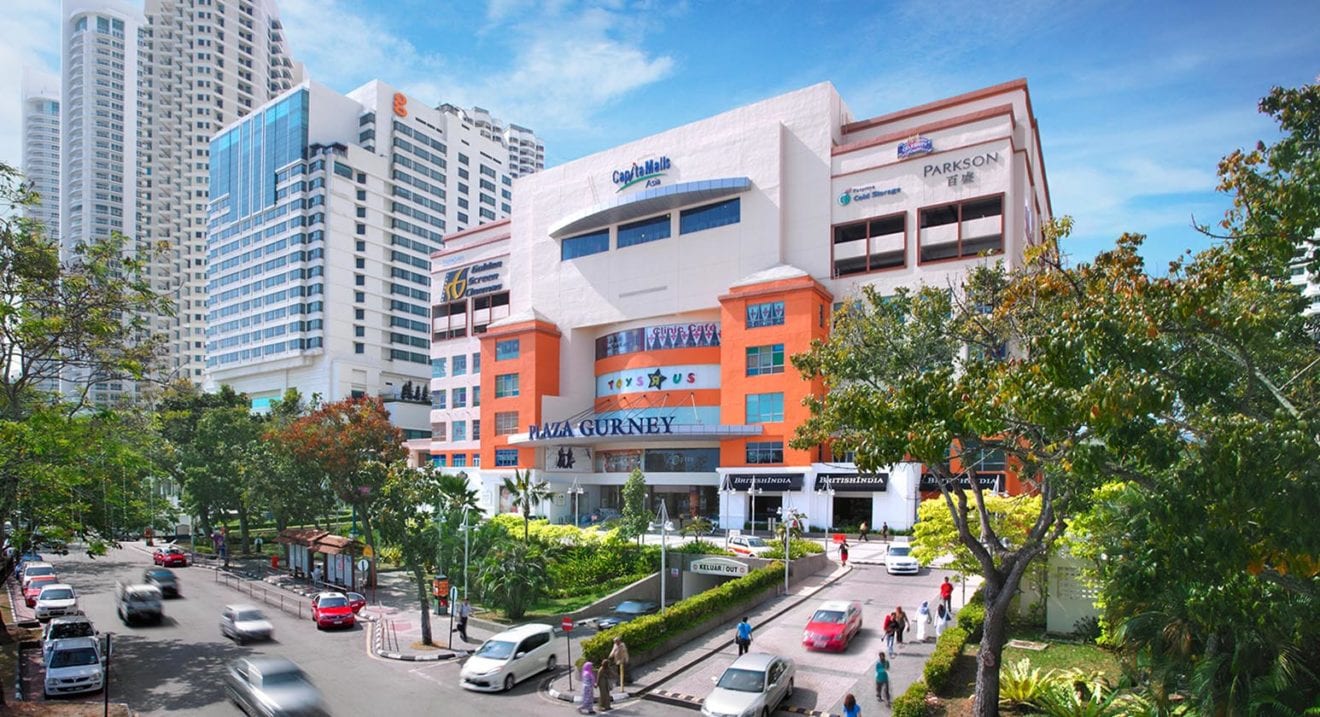
    New income from Tropicana City Mall and higher contributions from Gurney Plaza and East Coast Mall, CapitaLand Malaysia Mall REIT Management (CMRM) have propelled reported property income growth of 13.1 per cent for the first quarter.

    Tropicana City Mall and Tropicana City Office Tower were acquired in July last year.

    CMRM, which manages CapitaLand Malaysia Mall Trust (CMMT), says its net property income for the period was RM60.6 million (US$15.57 million), compared with RM53.6 million for the corresponding period the previous year.

    “Despite the challenging global economic environment, the Malaysian economy is forecast to grow 4 per cent to 4.5 per cent this year,” says CMRM chairman David Wong. “We expect consumer and business sentiments to remain cautious throughout the year as concerns over rising costs of living persist.”

    He says headwinds are also likely from intensifying competition as more retail space is scheduled for completion this year. However, the group is confident its portfolio of malls will continue to be resilient.

    Tropicana City Mall and the office tower accounted for 12.7 per cent of the group’s net property income, says CEO Low Peck Chen. This was also boosted by higher rates from new and renewed leases at Gurney Plaza and East Coast Mall.

    Despite the temporary impact of Mass Rapid Transit construction works on shopper traffic at Sungei Wang Plaza, the stable performance of other malls in the company’s diversified portfolio will help to cushion the effect, she says.

    “At Tropicana City Mall we embarked on asset-enhancement works, including the addition of a retail area on the ground floor next to the office tower.”

    Reconfiguration works will also create retail areas on Basement 1 and Level 7 later this year.

  • Singapore GIC Makes First Investment in Indonesia’s Logistics Sector

    Singapore GIC Makes First Investment in Indonesia’s Logistics Sector

    Singapore sovereign wealth fund GIC has teamed up with Indonesia’s PT Mega Manunggal Property (MMP) to develop a portfolio of quality logistics warehouses over the next three years.

    The warehouses will boast nearly 500,000 sq m of net leasable area in both Greater Jakarta and Greater Surabaya in Indonesia, the two firms said in a joint press release issued yesterday.

    The partnership aims to meet increasing demand by companies for sophisticated inventory systems which cannot be fulfilled by traditional warehouses, they added.

    This is GIC’s maiden investment in Indonesia’s logistics sector.

    “We are attracted by the long- term growth of this sector, which is underpinned by the strong consumption of Indonesia’s rapidly rising middle class,” GIC Real Estate’s managing director and co-head of its Asia operations, Mr Loh Wai Keong, said. “We believe GIC’s knowledge and experience investing in logistics, both in Asia as well as other global markets, will add value to this partnership.”

    MMP, a publicly listed company in Indonesia, develops, owns and operates logistics properties, with a focus on international quality warehousing. “The partnership will also focus on increasing productivity,” MMP president director and chief executive Fernandus Chamsi said, adding that having good operations and quality human resources, as well as good corporate governance, helps.

    Indonesia was ranked 54th in the World Bank’s Logistics Performance Index of 2014. Restrictions on foreign investment in its logistics sector were recently loosened under President Joko Widodo as his administration aims for economic expansion and higher growth by 2019.

    GIC has over US$100 billion (S$135.9 billion) in assets under management in the property, private equity, fixed income and equity sectors in over 40 countries. It has been investing in emerging markets for over two decades.

    It has invested in Indonesia’s retail sector, putting in about 5.2 trillion rupiah (S$537 million) in PT Trans Retail, which operates hypermarkets, supermarkets and cash- and-carry stores under the Carrefour and TranSmart brands.

  • GIC inks US$197m deal with top Korean retailer to develop mall in Incheon

    GIC inks US$197m deal with top Korean retailer to develop mall in Incheon

    Singapore’s sovereign wealth fund GIC and Korean department store Shinsegae are partnering to develop a prime retail mall in the Incheon Free Economic Zone (IFEZ).

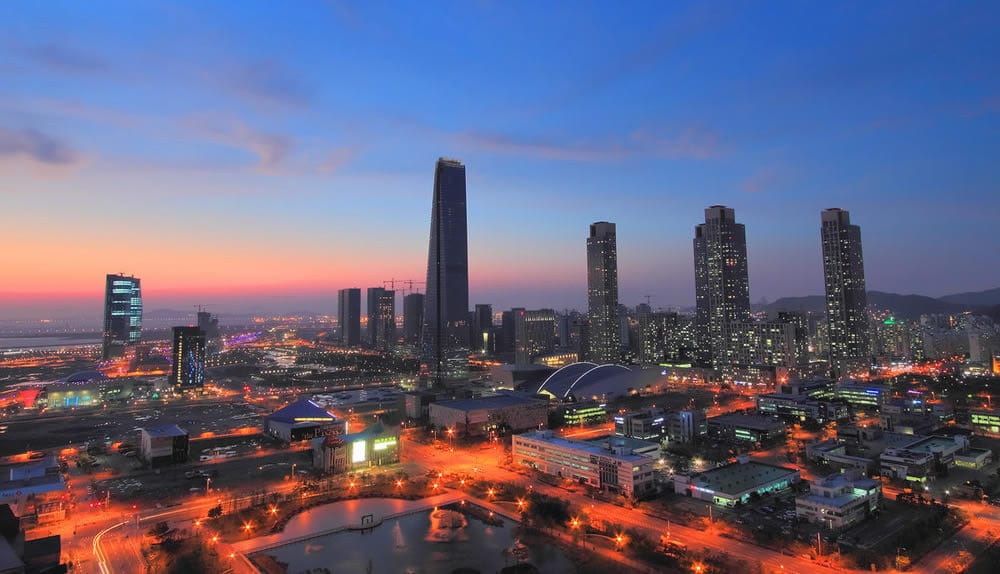
    Working through affiliates, the companies have signed a US$197 million sale-and-purchase agreement for 59,730 sqm of land for the Incheon mall in the international business district of Songdo, close to a subway station, bus terminal and expressways. Scheduled for completion by 2020, the mall will include entertainment as well as leisure attractions.

    Songdo is a new city part of IFEZ, 65km southwest of Seoul, where Shinsegae has its headquarters. The name of Shinsegae literally means “New World”.

    Set up in 1981 to preserve and enhance Singapore’s foreign reserves, GIC is one of the world’s largest global investors with more than US$100 billion of assets in more than 40 countries.

    GIC and Shinsegae are already working together on developing a prime retail mall in Dongdaegu Station, scheduled for completion in the second half of this year.

    GIC last year partnered with the Canada Pension Plan Investment Board (CPPIB) to acquire the Seoul-based D-cube retail mall, rebranding it as the Hyundai Department Store.

  • Singapore retail rents fall

    Singapore retail rents fall

    Singapore retail rents are falling according to the latest figures from real-estate company DTZ Southeast Asia.

    Average monthly first-storey rent across the island eased by 1.2 per cent quarter-on-quarter to about S$30.15 (US$22.22) a sqft in the first quarter this year, says the company – the fourth consecutive quarter of decline. This is 7 per cent down on a year ago.

    Headwinds continued in the retail market in Orchard/Scotts Rd, as average monthly first-storey rent there fell 1 per cent to about $37.65 a sqft..

    According to the latest Singapore Urban Redevelopment Authority (URA) statistics, the occupancy rate in the area fell by 2.1 points to 92.3 per cent last year, the lowest since 1996.

    Retailers in Orchard/Scotts Rd are expected to face pressure, especially in the face of regional competition from Bangkok, South Korea and Taiwan, which offer affordable shopping. Cheaper air fares coupled with a relatively strong Singapore dollar made shopping more expensive in Singapore, and also contributed to weaker retail sales.

    In the other city areas, the occupancy rate dropped by 1.6 points to 91.6 per cent, and average monthly first-storey rent fell by 2 per cent to $21.35 a sq ft.

    Rents were also pressured by the relatively large impending supply this year: mixed-use projects slated for completion include OUE Downtown Gallery, Tanjong Pagar Centre and Duo Galleria.

    In similar vein, the occupancy rate in suburban areas fell by 1.4 points to 92.0 per cent, and average monthly first-storey rent subsided 1 per cent to about $31.40 a sqft.

    Service critical

    DTZ director of retail Anna Lee says quality of service has become even more critical for onground retailers.

    “With competition from eCommerce coming at full force, retailers are placing greater emphasis on providing highly personalised services. Many have revamped stores to include private rooms and lounge areas with superior furnishings.”

    An example is the new Tiffany & Co outlet at Ion Orchard. Apart from being the brand’s first street-facing store in Singapore, the two-storey outlet also showcases a private viewing space with custom furnishings. Another example is Dior, which has also had a revamp at Ion Orchard. It now has lounge areas, marble features and luxurious carpets, and has added a personal stylist to provide shoppers with fashion advice.

  • Swiss-Belhotel International extends Indonesian footprint with opening of Swiss-Belhotel Jambi

    Swiss-Belhotel International extends Indonesian footprint with opening of Swiss-Belhotel Jambi

    Swiss-Belhotel International continues its growth in all segments of the Indonesian hospitality industry with the opening of the four-star Swiss-Belhotel Jambi, Central Sumatra.

    The hotel is the first international property in Jambi with an impressive grand ballroom with seven-metre high ceilings, capable of hosting over 1,200 guests.

    The opening ceremony was led by the Mayor of Jambi, H. Syarif Fasha, ME who was accompanied by PT Selaras Jaya Indah Hotelindo President Commissioner Bapak Begawan Kamto, Swiss-Belhotel International Chairman and President Mr. Gavin M. Faull and Senior Vice President of Operations and Development Mr. Emmanuel Guillard.

    Swiss-Belhotel International Chairman and President Mr. Gavin Faull said: “Swiss-Belhotel International is delighted to welcome Swiss-Belhotel Jambi to our global portfolio of hotels and further strengthen our business in Sumatra.

    Swiss-Belhotel Jambi offers 136 rooms with a minimum size of 31 square metres.

    The property is ideally located in the business district and caters ideally to the local business community as well as leisure travellers who can now enjoy international standards of hospitality and service in the city.

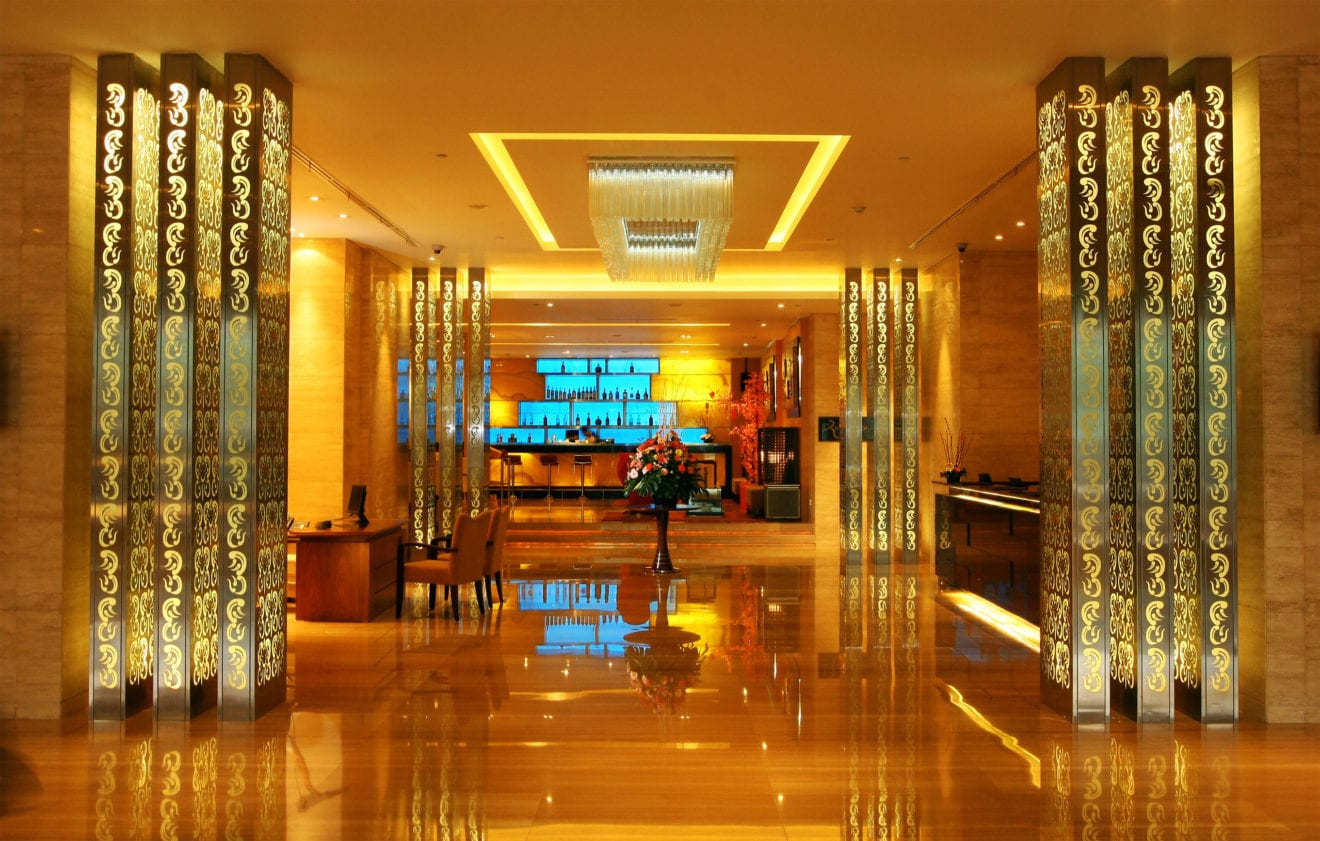
    As well as offering extensive function space, Swiss-Belhotel Jambi, boasts the largest lobby in town, extensive parking, rooms starting at a minimum size of 31 square metres and exceptional dining experiences highlighted by The View Café and signature rooftop outlet, Resto.

    The 136-room Swiss-Belhotel Jambi offers international standard amenities and facilities including individual air-conditioning units, in-room refrigerators, an IDD/NDD telephone system, laptop size in-room safety deposit box, tea and coffee making facilities, wifi internet access, in-room dining, five meeting rooms and ballroom, swimming pool, gym and business centre.

    Strategically located in the central business district, the hotel provides convenient access to a variety of local attractions, shopping malls and culinary options, making it an ideal choice for business or leisure travellers to Jambi.