Category: Real Estate

Retail News Asia is committed to providing both local and global retailers with the latest Real Estate news throughout the Asian market. This on a daily base.

  • Singapore retail rents: tenants’ market

    Singapore retail rents: tenants’ market

    With continuing restructuring in the Singapore retail sector it is a tenants’ market, but while rents are generally under pressure, well-located, well-managed suburban malls are in a strong position.

    Meanwhile, average prime retail rents in Orchard Rd and suburban areas continued to fall in the second quarter of this year, reports CBRE.

    “Our research shows a clear reduction of rentals, and it would not be accurate to report otherwise,” says CBRE SIngapore/Southeast Asia head of research Desmond Sim.

    Average prime Orchard Rd rents stand at S$32.50 (US$24) psf/mth, down 1.1 per cent from the first quarter – the sixth consecutive quarter of decline for the precinct.

    Average prime rent for the suburban submarket fell 0.7 per cent to $29.45 psf/mth from the first quarter. There rents began to fall only in the last quarter of last year.

    “There are still sparks of activity, particularly around well-located and well-managed suburban malls that have a strong positioning tilted toward families and the immediate catchment,” says Sim, citing Compass One, which has reported 90 per cent precommitment. “With the positive momentum continuing, I would not be surprised if Compass One achieves full occupancy ahead of its opening.”

    Compass One is about to reopen after an asset-enhancement exercise. It has seen a strong showing from returning tenants, attracted to its concept of a family mall.

    Malls near transport nodes with a good tenant mix and the guarantee of a day and night catchment will continue to be more resilient in terms of rents and occupancy under the current market climate, says the CBRE report.

    While general vacancy has been rising and more retail stock can be expected, the availability of prime space in good locations is scarce. This has deterred the expansion and entry of some retail brands as location, visibility and high foot-fall have become even more important factors than ever because of intense competition within the market.

    With no foreseeable new supply in Orchard Rd and Marina Centre in the next few years, at least until 2019, this should provide some support for prime rents in Orchard Rd for the next half of the year, says the report.

    F&B brands continued to be active in Singapore this quarter. Most new foreign cafes and restaurants that have opened or leased space in Singapore originate from the Asia Pacific region, such as Honolulu Cafe and the food-hall concept Itadakimasu by Parco.

    Cosmetics, streetwear and footwear are seeing signs of more activity, and flagship stores are also trending in tandem with the growth of eCommerce.

    “The market is particularly challenged by a mismatch of demand and supply at this point in the cycle. While most of the limits to expansion stem from consolidation activity, some retailers are constrained by the shortage of quality space,” says Sim.

  • Central Pattana plans to enter Malaysia

    Central Pattana plans to enter Malaysia

    Shopping mall developer Central Pattana, which runs 29 malls in Thailand, plans to open its first foreign outlet in Malaysia in 2018.

    It will work through a joint venture with a Malaysian company in which it holds a 60 per cent stake. The new mall, under the Central brand, will be in Shah Alam, west of Kuala Lumpur.

    To be built on about 44,000 sqm of land, the mall will have a net leasable area of 89,700 sqm, and cost about 8.3 billion baht (US$232 million) to build.

    Senior executive VP Naparat Sriwanvit says Central Pattana plans to open 15 malls by 2020, three of them outside Thailand. Indonesia and Vietnam have been listed as potential targets because of their large populations and rising incomes.

    As with Malaysia, the company plans to enter other markets through joint ventures with local partners.

    Naparat says the Thai market is still promising, with room for expansion in the suburban areas of Bangkok and the provinces. The company plans to open a 1.9 billion baht mall in the southern city of Nakhon Si Thammarat at the end of next month, as well as two other locations outside Bangkok next year.

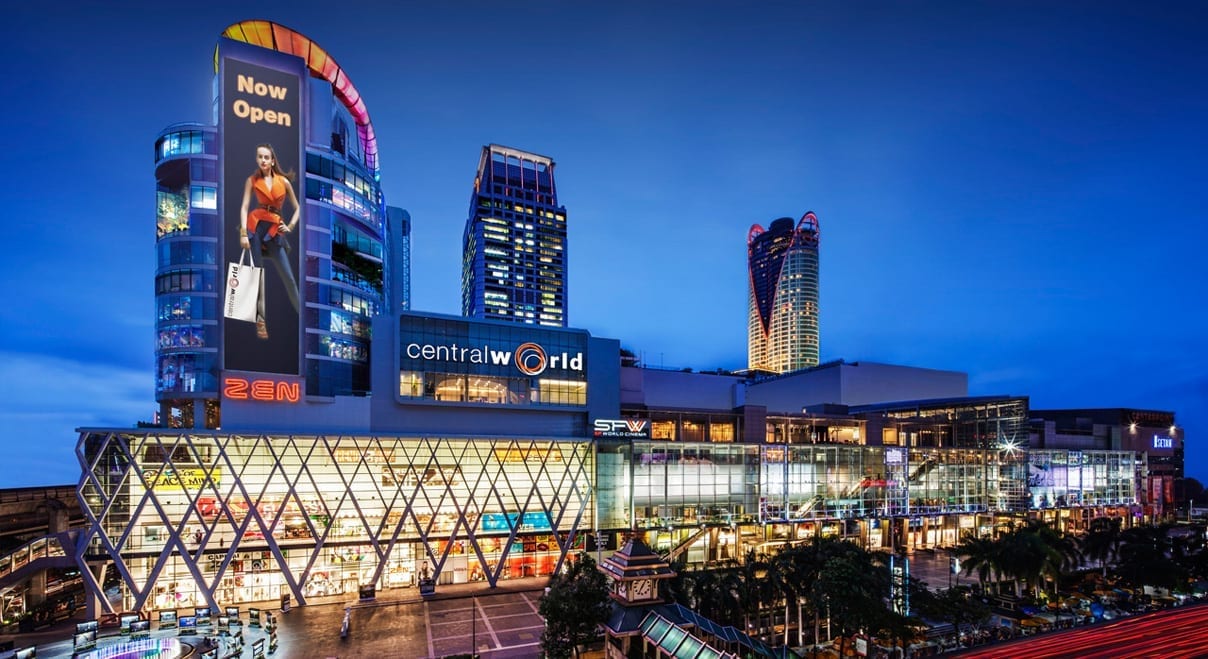
    Central Pattana, with CentralWorld mall in central Bangkok as its flagship, saw its net profit rise 7 per cent last year.

  • SC VivoCity Vietnam ‘trading well’

    SC VivoCity Vietnam ‘trading well’

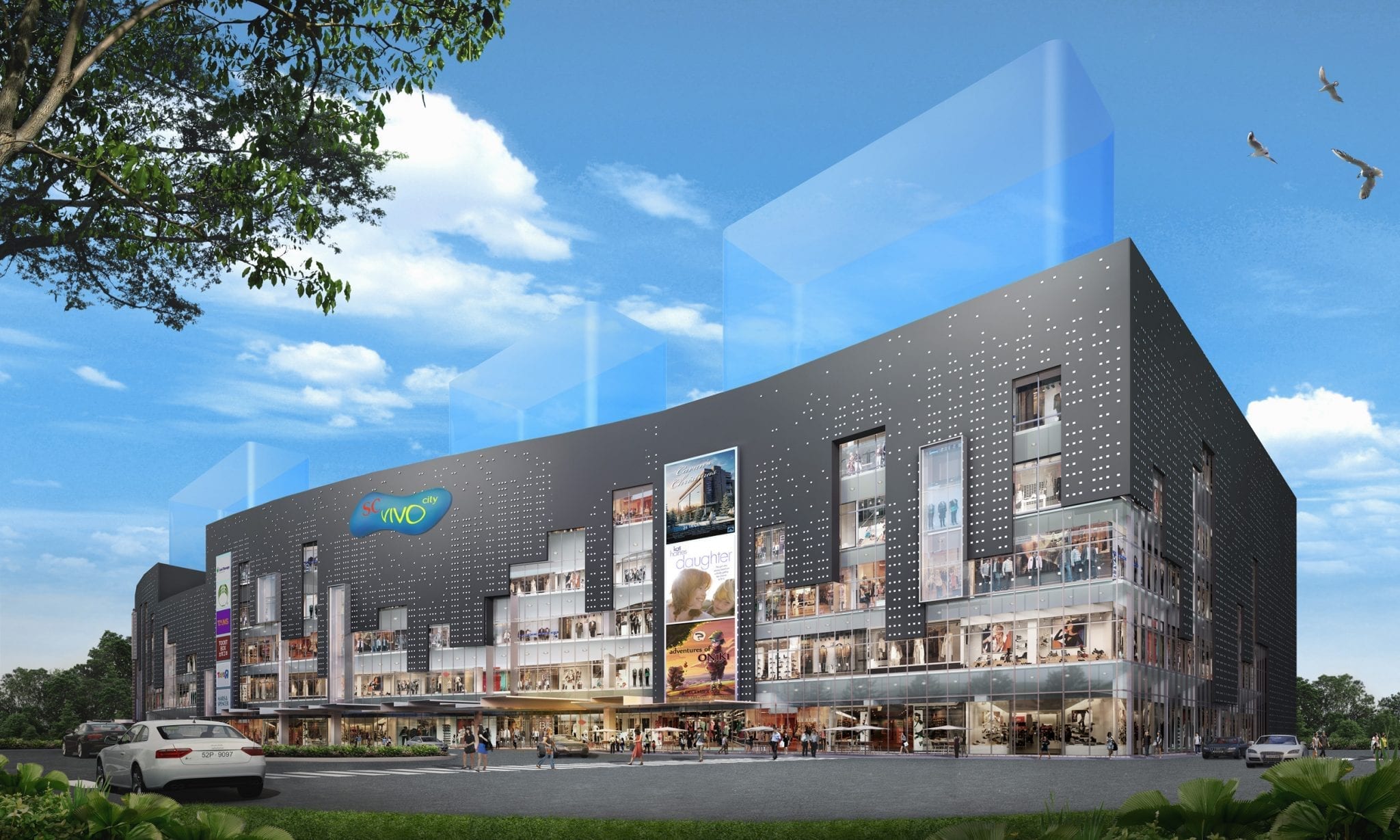
    Singapore’s Mapletree has revealed how its SC VivoCity joint venture in Ho Chi Minh City is performing.

    The shopping centre, built in the heart of District 7, a area popular with expats from Korea and Singapore especially, opened in April 2015.

    In its recent annual results presentation, Mapletree said almost 90 per cent of SC VivoCity’s 440,000 sqft retail trading space was leased by March 31 this year. Cornerstone tenants include Vietnam’s first Hamleys toy store.

    Mapletree said its first shopping mall in Vietnam “has been enjoying strong footfalls since it first welcomed visitors”.

    SC VivoCity is the first phase of Saigon South Place, a 4.4-ha integrated mixed-use development project that Mapletree is developing in District 7. When completed, Saigon South Place will comprise retail, office, serviced apartments and residential space.

    Construction of the adjoining office complex has started and is expected to be completed by end 2016, while work on the serviced apartments and residential block will commence soon and both buildings are scheduled for completion by end 2017, Mapletree said.

    SC VivoCity is a joint venture between local company Saigon Co Op Investment Co, a supermarket operator, and Mapletree, bearing the same brand as the award winning VivoCity centre on Singapore’s waterfront.

  • South Korea Now Fourth Biggest Foreign Investor in US Real Estate

    South Korea Now Fourth Biggest Foreign Investor in US Real Estate

    Over the past few years South Korea has invested billions of dollars in the real estate market in the United States. The country has always been a major investor but just recently the diversity and stability of the US market has made it increasingly attractive.

    Last year South Korea became the fourth largest foreign investor in office space in the United States but its interest isn’t confined to one particular type of property. Although commercial buildings are of major interest, investors are also putting money into data centres, retail and logistics.

    According to Commercial Property Executive, Koreans have been actively investing in foreign real estate since around the turn-of-the-century. Even though South Korea isn’t a small market, there is still a lot of interest in investing globally with investors looking to diversify their portfolio in order to get a better yield. Over the past year South Korean funds have made high-profile investments in the US market, attracted by the fact that the market in this country is very developed, offering more opportunities and more deals.

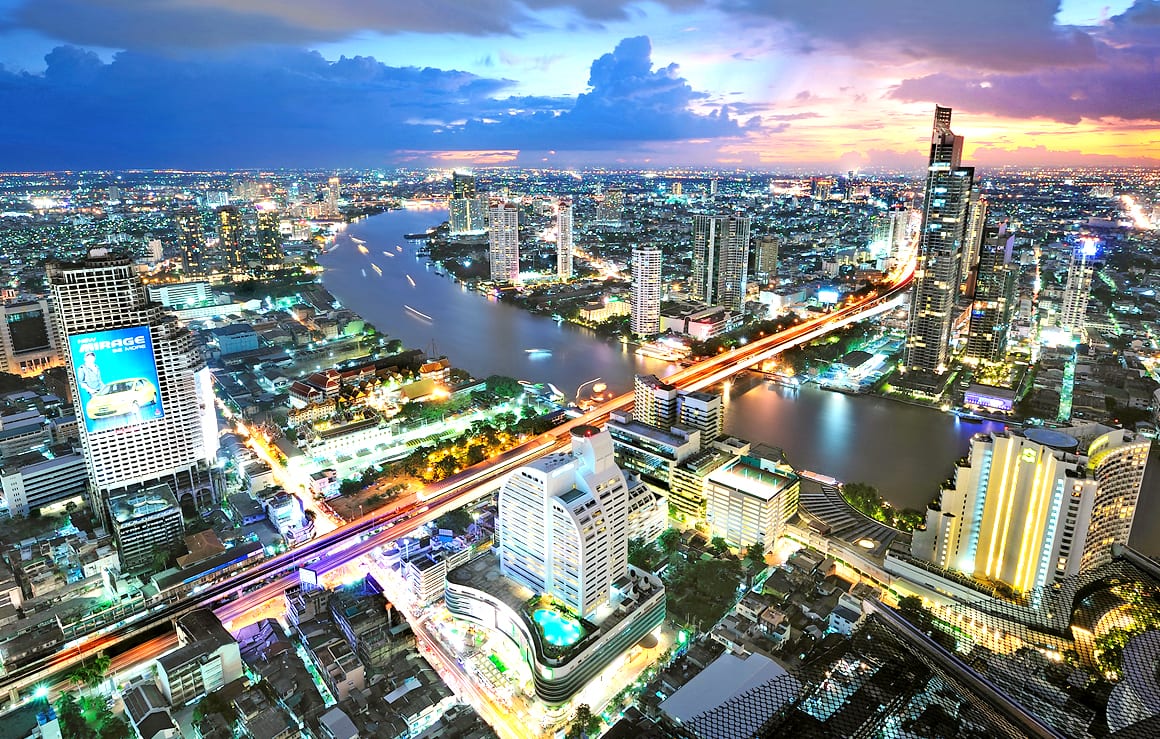
    night-1085845_1280

    Most of the interest from South Korean investors is from global brands such as Samsung SRA and from pension funds, and is mainly centered in gateway cities. These cities include Los Angeles, San Francisco, Washington DC and Chicago, but there is also increasing interest in secondary cities that include Seattle and Denver. While there is considerable interest in commercial properties, this isn’t to the exclusion of residential properties, provided they are of the right type. This doesn’t always mean they have to have a huge price tag, although this is often the case. For asset management companies, prices can go up to $400 million and may start at $150 million.

    In spite of the interest from South Korean investors, there are various challenges that have to be resolved during transactions. These are mainly due to the difference in cultures as transactions in Korea are conducted in the way that is very different from the US. Even with these differences, there is expected to be continued growth in the amount of South Korean funds being invested in the US as there just isn’t as much opportunity in Korea as in foreign countries. Although this growth may be set to continue there are signs the Koreans are becoming more selective in terms of asset types and yield requirements as they are becoming more cautious.

  • CBRE Thailand: economy hits development

    CBRE Thailand: economy hits development

    Against an unfavorable economic backdrop, coupled with growing competition in the Bangkok retail market over the past couple of years, developers have been postponing projects, says property company CBRE Thailand in its retail market review for first quarter.

    Affected are mega-projects Bangkok Mall, Central M, EmSphere and Mega Rangsit.

    Instead, says the review, owners have been focusing on renovating and repositioning malls as well as selectively expanding upcountry.

    Newly completed retail supply in Bangkok has begun to slow down, with about 60,000 sqm coming onstream from nine retail developments in the first quarter. None of the projects were big scale, says the report, the largest being the Ratchadapisek Suam Lum Night Bazaar.

    Despite representing a small share of total retail sales, eCommerce has grown rapidly in Thailand over the past year, says the review, posing an up-and-coming risk to brick-and-mortar stores. This will spur growth in online shopping, forcing retail developers to create more attractions to lure consumers to their physical stores.

    “Looking forward, unless domestic demand recovers, we do not expect the delayed projects to start construction any time soon,” says the review. “With the combination of low future supply and the completion of refurbishment in major retail centres, we believe the occupancy rate will bottom out this year.

    “However, rental growth going forward is expected to be limited as competition remains fierce.”

    Meanwhile, domestic demand is still weak. The retail sales index in January, estimated by the Bank of Thailand, was at 200.7 points, increasing by only 0.02 per cent.

    Also, Thailand’s Consumer Confidence Index (CCI) dropped to 73.5 in March, the lowest level in five months, from 75.5 and 74.7 in January and February respectively.

    Thailand’s household debt level continues to be an issue at more than 80 per cent of total GDP, dragging down the spending power of consumers.

    Growing competition in the Bangkok retail market has seen several large-scale projects completed of the past year years, taking the total retail supply to 7.2 million sqm., up nearly 900,000 sqm from the figure in 2014.

    “Not all shopping centres will perform,” says the review, “and we have seen falling occupancy in some of the old or poorly managed malls.”

    First-quarter occupancy was at 92.9 per cent, down 0.3 percentage points from the previous quarter.

    Retail sales in central Bangkok have improved as international tourist numbers have grown, up about 15 per cent from last year.

  • Major revamp for SM Mall of Asia

    Major revamp for SM Mall of Asia

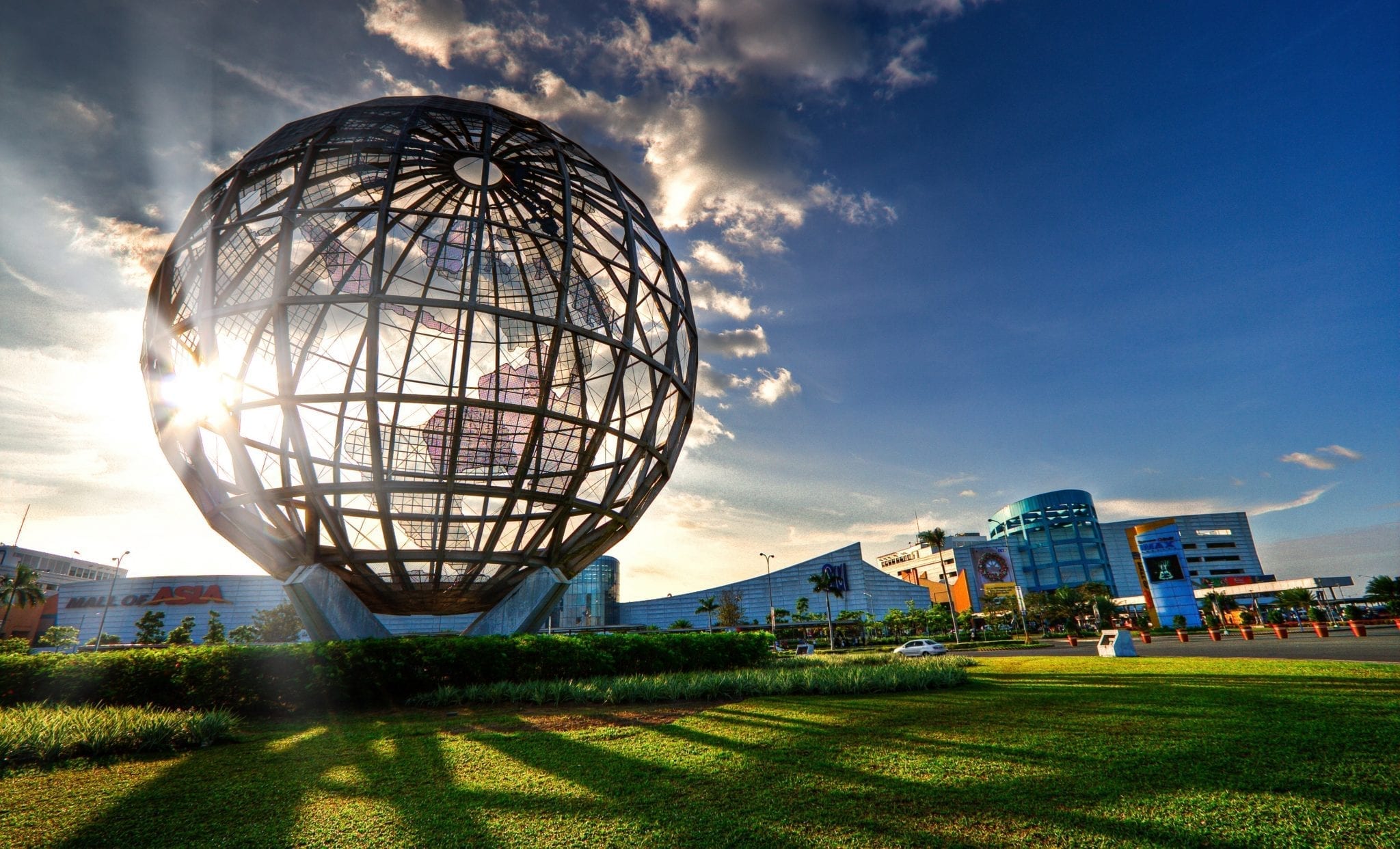
    SM Mall of Asia is set to revolutionize its look 10 years after it opened in Manila Bay.

    The Philippines’ biggest mall will soon house a FIFA World Cup-size soccer field on the mall’s roof deck and a botanical garden. Miami-based firm Arquitectonica will design these.

    By the end of the year, an Olympic-size skating rink will also open on the third floor.

    Designer furniture will deck a new food hall, in tune with the mall’s modern look.The mall will also adopt a “warmer” look and feel, according to Steven Tan, senior VP for SM Supermalls, with the interior to feature new colour scheme and wooden panelling.

    According to Tan, SM Prime president Hans Sy told the design team to give the mall a “wow” factor.

    “I’ve seen the perspectives, and the view from up there will be breathtaking. There will be an unobstructed view of the sea and it is beautiful,” Tan said.

    SM Mall of Asia has 700 tenants and has an occupancy rate of between 98 per cent and 100 per cent. This has prompted the company to undertake the redevelopment in phases.

    Conrad Manila, SM Prime’s deluxe hotel brand, is set to open in June with a new retail podium called S’Maison which will house unique concept stores as well as luxury retail stores, fine dining restaurants and state-of-the-art cinemas.

    New brands are also set to come in including Swedish clothing giant H&M which is slated to introduce a 3000 sqm flagship store.

    SM-MOA

    Recently the mall unveiled a 2.7 megawatt “solar car park” in partnership with Solar Philippines, which is nearly twice the size of the 1.5 MW SM North Edsa solar car park. Comprising 10,426 solar panels and 40 inverters, it supplies nearly 20 per cent of the mall’s power needs.

    In another development, the Manila-Acapulco Galleon Museum is taking shape to feature the history of the 250-year old global trade route where the Philippines and Mexico played major roles. The museum will highlight the galleon trade’s impact on today’s commerce, banking, travel, and cultural exchange.

    SM and SM Prime chairman, Henry Sy, who once called this mall the greatest project of his life, had a vision to build one of the largest malls in Asia which will not just be a shopping complex but a premier destination.

    “The mall will be a major Asia Pacific destination,” Sy said at that time.

    SM Mall of Asia opened in May 2006 as the flagship development of SM on 60ha of reclaimed land in Pasay City. The mall introduced the first Olympic-size skating rink and the first Imax theatre in the country.

  • Siam Discovery ‘ready to rock the world’

    Siam Discovery ‘ready to rock the world’

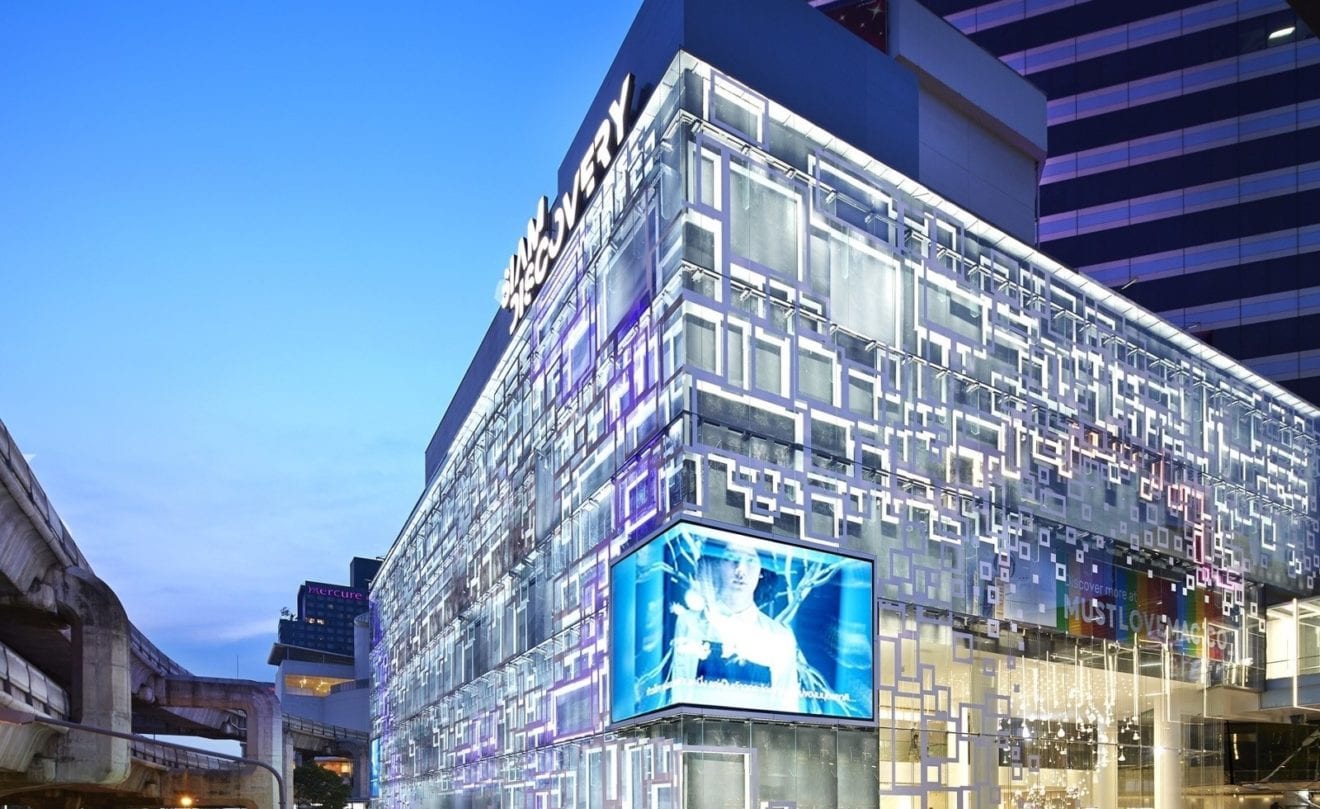
    Siam Discovery in the heart of Bangkok officially opened last week – billed as a shopping centre experience like none other in the world.

    And when you took a walk through the THB4 billion (US$112 million) redevelopment, for once in this industry the experience exceeded the hype.

    “We are ready to rock Bangkok and rock the world,” says Chadatip Chutrakul, CEO of Siam Piwat, which owns the trio of Siam-branded malls next to the confluence of Bangkok’s downtown Skytrain lines.

    They rocked our world, for sure, because there genuinely is nothing like this anywhere we’ve seen in the world. This is a centre designed to engage even the most jaded shopper. More than a collection of stores, it is a curation of brands presented in an array of environments created by Japanese designer Oki Sato and his team from Nendo in Tokyo.

    Siam Discovery Bangkok

    From the brilliant white modern elegance of the Issey Miyake women’s fashion store at the entrance level to the Nendo-designed Loft fitout on the upper level – and everything in between – this is a retail destination that will wow, engage and delight.

    “We hope people coming here get inspired,” says Sato. “We hope every single person who comes here is challenged.”

    While there are various branded stores in the revamped Siam Discovery, they are almost incidental to the overall experience. In what marks Siam Piwat’s first foray into running its own department  store – a misnomer in this context – Sato and his team have created a series of striking merchandising areas all without walls, mixing materials and concepts, and showcasing products ranging from high-end fashion to homewares and electronics.

    Complementing them are areas dedicated to revolving pop-up concepts – most of them engaging customers, others for name brands to test their mettle with the Thai consumers and tourists who will frequent this centre when it opens to the public on Saturday morning (May 28).

    Women can create their own lipstick tones; there are 3D printers that can create sculptures of photographs; you can paint your own pattern prints to create your own clothes or a personalised coffee mug; you can test pilot a drone, run 500m on a treadmill to donate money to charity, or strike a pose for an Instagram post … And more – much more.

    Siam Discovery Bangkok 10

    The 40,000 sqm Siam Discovery, perhaps best known to visitors to Thailand as the home of Bangkok’s Madame Tussauds wax museum, has been completely gutted over the past 12 months. Now it features six levels of experiential retail, each with its own distinct theme. Ground level is Her Lab, anchored by  Issey Miyake and featuring an assembly of mid- to high-end fashion labels including Comme des Garcons, Marimekko and Rag & Bone.

    Up one floor is His Lab, a full storey of menswear, shoes and – perhaps a highlight – a “skin lab” featuring possibly the largest collection of men’s skincare and grooming products outside Tokyo. In the corner is a bespoke barber shop offering haircuts and shaving services: understated and old world.

    Siam Discovery Bangkok 2

    Siam Discovery Bangkok 6

    Siam Discovery Bangkok 1

    Next level up is Streetlab, a collection of casualwear, streetwear, sportswear, shoes and accessories. Again there is a mix of shop fronts and open displays where Siam Piwat has chosen the merchandise – and displayed it imaginatively. A highlight: sunglasses on batons both rising from the floor and descending from the ceiling. To complement the sporting and fitness theme, there is a salad bar and a Boost Juice cafe.

    Siam Discovery Bangkok 4

    Siam Discovery Bangkok 11

    One more floor up is Digital Lab: gadgets, techno toys, cameras, stationery, even a store selling customised motorcycle helmets (it is opening with a display of helmets owned by famous Thais, including a popular actor and the head of a major bank). This is where you can fly a drone, check out a Yamaha display featuring MotoGP-themed bikes, or relax at an unusually designed Starbucks made from recycled materials.

    Siam Discovery Bangkok 7

    Creative Lab, another level up, is largely a housewares store, including Thailand’s second Habitat shop and heavily Japanese-influenced displays of homewares, ornaments and collectibles. There is a Thann Spa, most certainly its most stunning design yet, an artisan coffee roaster, Cafe Now, and a tiered stairwell designed to encourage people to chill and relax much like they would in an Italian piazza – but in air-conditioned comfort. That space will be used for demonstrations and the occasional live music event.

    Siam Discovery Bangkok 12Siam Discovery Bangkok 8

    And on the top floor, as well as the entrance to a new Virgin Active gym, there is a toy zone, books, outdoor gear space, a cafe and more places for interactive pop-up concepts.

    As with the successful redesign of the adjacent Siam Centre, Chadatip worked with brands to ensure the centre offers products not available elsewhere. So even familiar brands have one-off displays or limited-edition runs – some carrying Siam Discovery or Siam Piwat branding for the launch.

    Siam Discovery Bangkok 3

    Sato says Siam Discovery is his first project in Thailand, and his most ambitious anywhere to date. From day one he worked with Chadatip’s team on how to create a flow of visitors through the building.

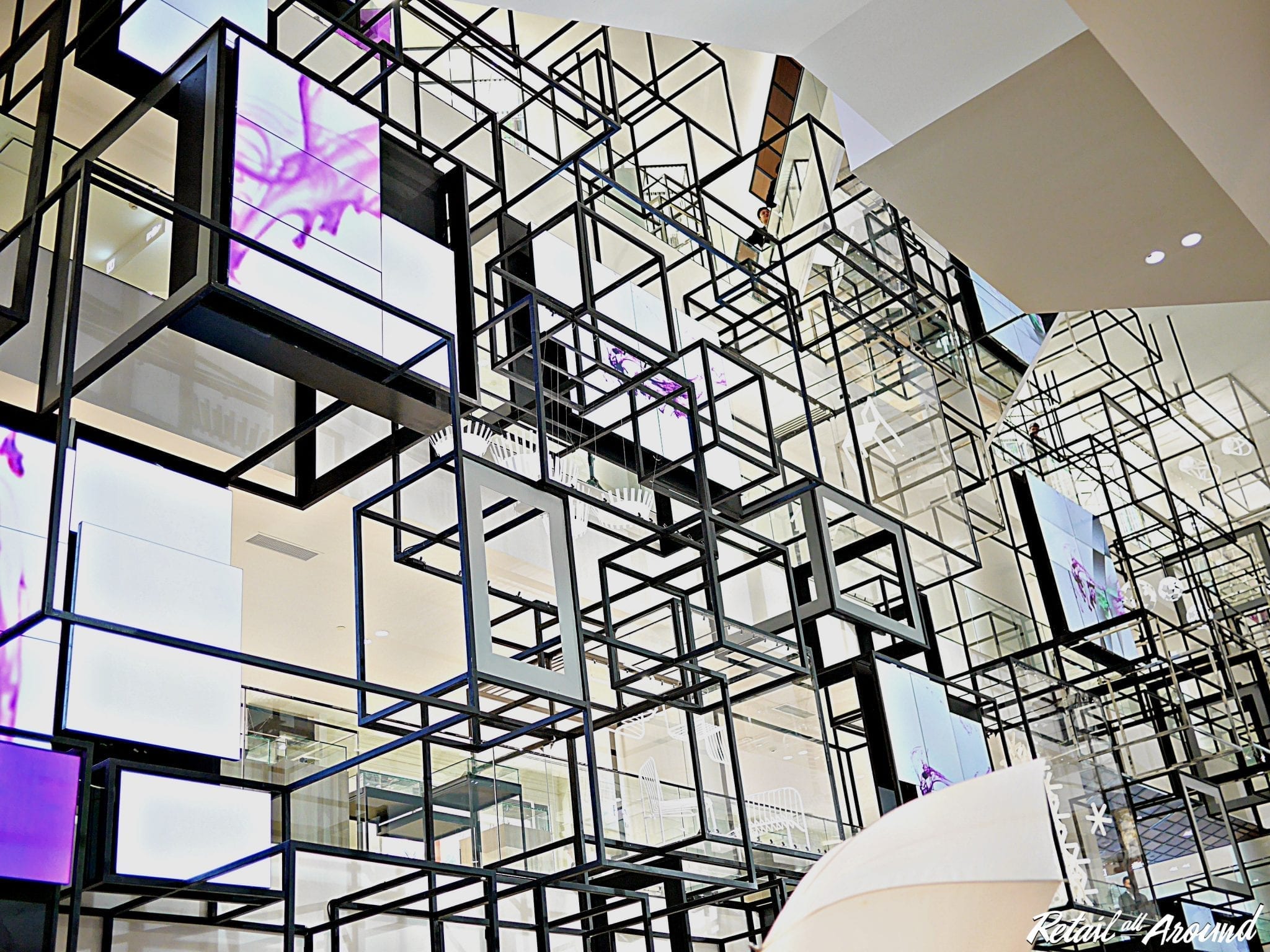
    Instead of the original two sets of escalators, there is now only one, creating more of a sense of space in the atrium. About 220 black frames have been built to hold LCD screens and other displays to draw people to the upper levels.

    “So you have vertical flow, you have horizontal flow and then you create circular flow,” says Sato.

    The concept of “lifestyle laboratories” reflects the aim of creating something markedly different to a conventional mall, where brands each have dedicated rooms in planned precincts. While “curating” is a term used all too loosely in modern retail, it does seem appropriate here. Teams of people have chosen products from a variety of brands to merchandise them in a complementary fashion so people walking through the centre will be guaranteed to see something new.

    Siam Discovery Bangkok 9

    “The idea is not about adding products through brands, but through different lifestyles, cultures and trends,” says Sato. “So customers can choose their own lifestyle.

    “We hope people coming here will be inspired, that they find something, and that every single person who comes here is challenged.”

    Shopper, retailer or mall manager: from our experience during today’s preview, all will be equally challenged by the new Siam Discovery.
  • Chengdu project takes top award

    Chengdu project takes top award

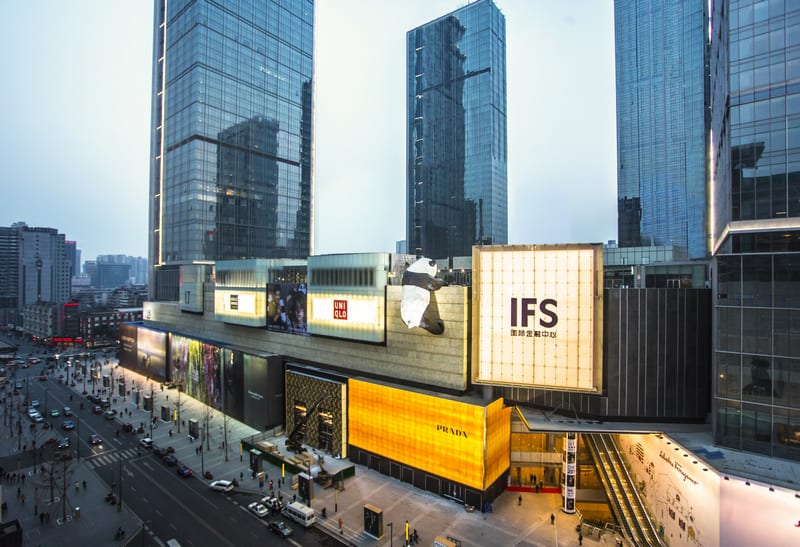
    Integrated development Chengdu IFS has won the overall 2016 VIVA (Vision, Innovation, Value, Achievement) Best-of-the-Best Design and Development Award, presented in Las Vegas by the International Council of Shopping Centers (ICSC).

    Honouring shopping centre design, the VIVA Awards bring together the gold winners from regional competitions to compete for the international title. Chengdu IFS previously won the Gold Award for New Design and Development at the ICSC Asia Pacific Awards last year.

    Benoy - ICSC VIVA Award 2016

    Wharf China Estates GM (operations) Christina Hau accepted the award along with architectural/graphics consultancy Benoy director Ferdinand Cheung, who led the design for Chengdu IFS. It was the third global win for Benoy at the awards, following Hysan Place, Hong Kong in 2014 and Parc 66, Jinan in 2013.

    Benoy - Chengdu IFS (2)

    Chengdu IFS was conceived as a “city within a city”, the 760,000 sqm development being a one-stop destination uniting retail, dining, business, leisure, entertainment, culture and art. Its 210,000 sqm flagship retail podium is flanked by two Grade-A office towers, a five-star hotel and high-end residential properties in the centre of the city.

  • Coex Mall Seoul management goes to tender

    Coex Mall Seoul management goes to tender

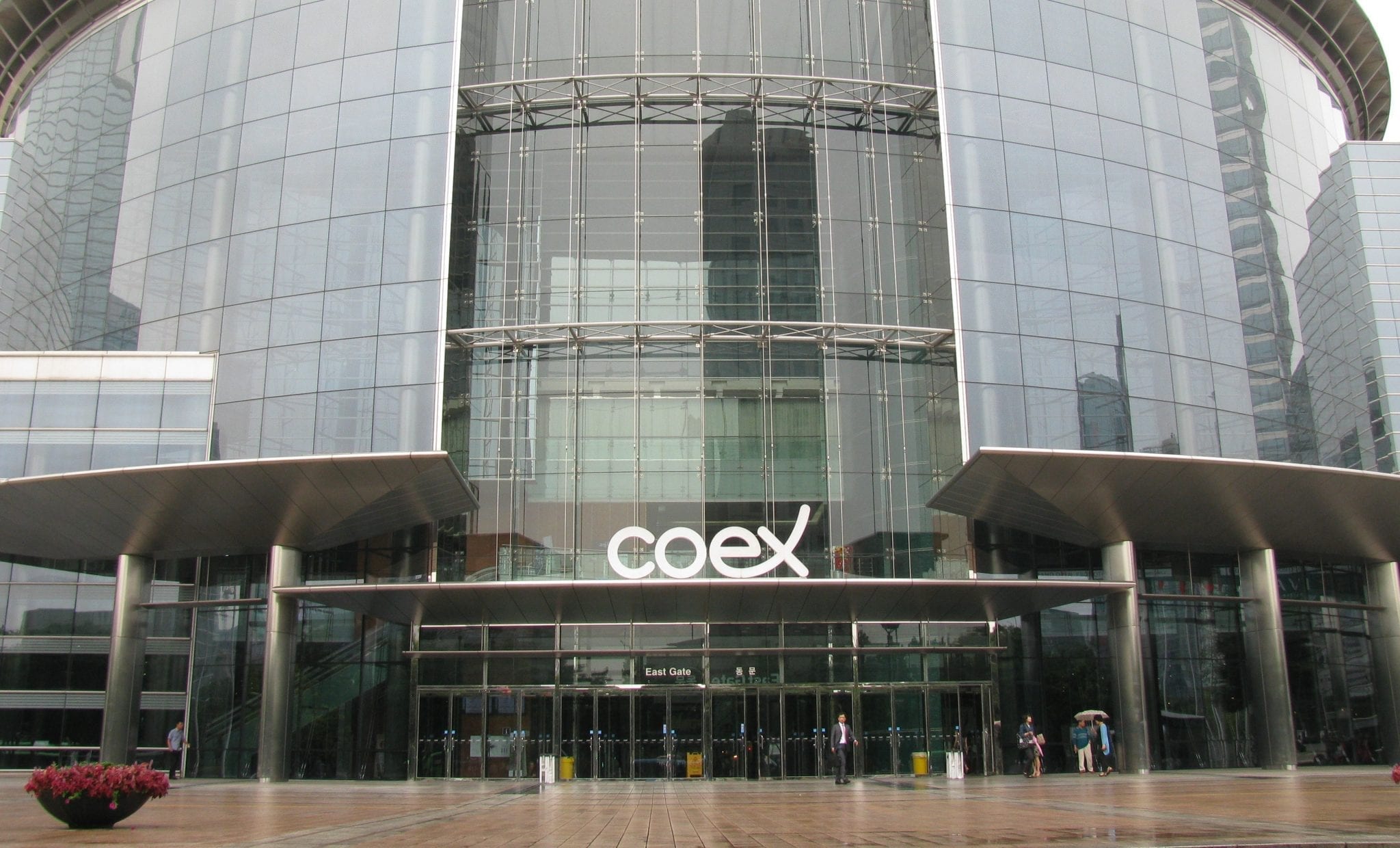
    Outside management will be introduced for Coex Mall Seoul, which has been struggling to attract shoppers since reopening a year ago after renovation.

    Korea International Trade Association (KITA) chairman Kim In-ho says an entity to manage the mall will be named by the end of the year.

    This is being entrusted to an outsider so it can be more effectively managed, says Kim.

    “We will select the management firm in a fair and transparent manner in accordance with the law.”

    A wholly owned KITA subsidiary has been managing the mall, which has been hit by a prolonged consumption slump and intensifying competition, including eCommerce.

    “We have to ask ourselves this question: can we compete with Lotte, Hyundai and Shinsegae? I seriously doubt it,” says Kim. “I believe Coex Mall will be more efficiently managed by professionals, and generate larger profits and create more jobs.

    “KITA needs to make money from the mall to finance its work, promoting the country’s trade.”
    Meanwhile, KITA has started preparing to bid for a convention centre to be built in Jamsil Sports Complex, a few kilometers away from its Coex Convention Center.

  • First Hilton Branded Hotel in Bali, Indonesia

    First Hilton Branded Hotel in Bali, Indonesia

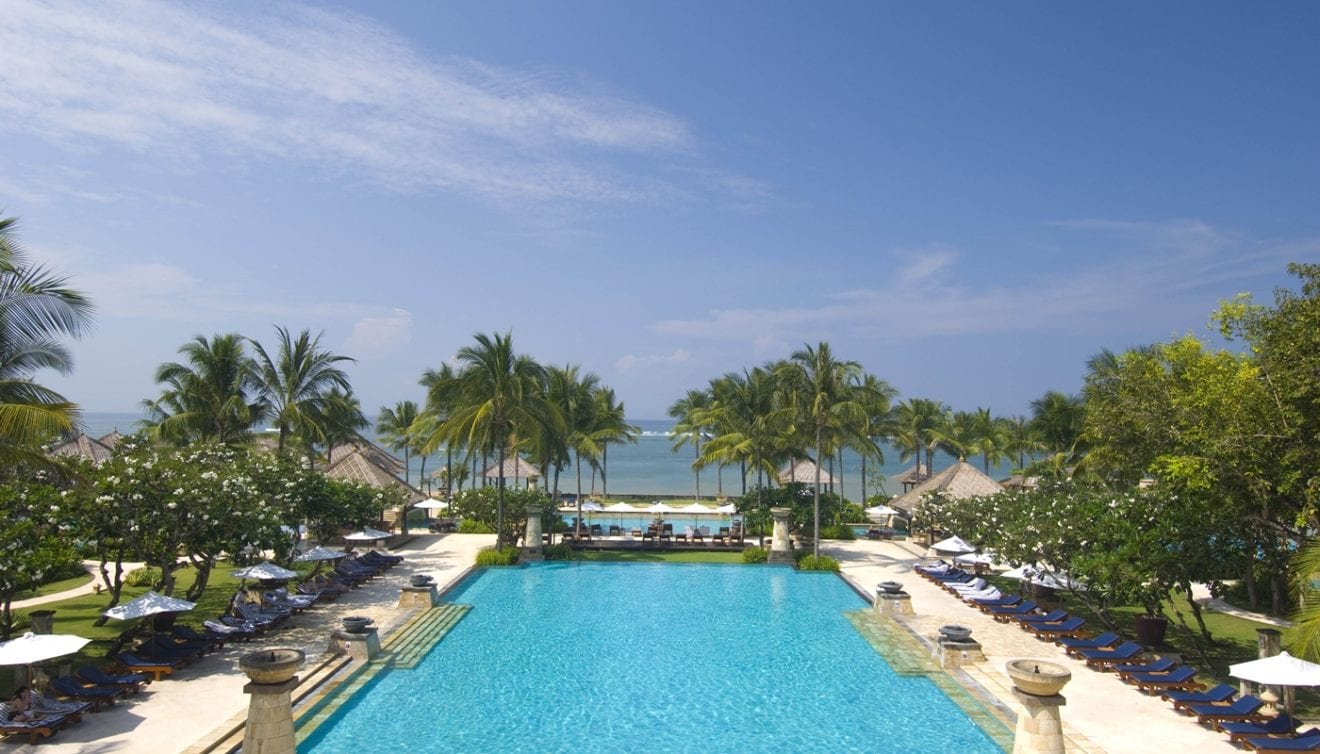
    Hilton Worldwide today announced the signing of a management agreement with P.T. Caterison Sukses to manage and re-brand the Grand Nikko Bali as Hilton Bali. The 408-room resort, located on Jalan Raya Nusa Dua Selatan, is planned to open on December 1, 2016.

    “We are deeply committed to expanding our presence in Indonesia, both by introducing more brands from our portfolio of 13 brands as well as entering into new locations where we may not currently be operating. Today’s announcement underscores both the Hilton brand’s strength in this market as well as our management capability to drive exceptional experiences for both guests and owners,” said Guy Phillips, senior vice president, Development, Asia and Australasia, Hilton Worldwide. “In partnership with P.T. Caterison Sukses, the Hilton Bali will be a strong addition to our portfolio.”

    Hilton Bali is ideally located on Bali’s picturesque southern coast of Nusa Dua, which is famed for its beaches. The resort is approximately 16 kilometers from Ngurah Rai International Airport and the district of Kuta. Hilton Bali is also close to many watersports facilities and adventure sports service providers that offer various fun-filled options including jet packs, jet skis, para-gliding and dive trips.

    “As our flagship brand, Hilton Hotels & Resorts resonates strongly with both leisure and business travelers alike. Hilton Bali will open as a stylish resort offering world-class hospitality synonymous with the Hilton brand and we are delighted to see this beautiful resort join our outstanding global portfolio of more than 570 hotels and resorts,” said Sean Wooden, vice president, Brand Management, Asia Pacific, Hilton Worldwide.

    Situated on the waterfront with its own stretch of secluded beach and offering stunning views of the Indian Ocean from its clifftop location, Hilton Bali will offer 389 rooms and 19 one-, two- and three-bedroom villas with beachfront, ocean or garden views. The hotel will have five food and beverage outlets including an all-day dining restaurant, specialty restaurants and a bar. Extensive meetings and banqueting facilities spanning 3,737 square meters will include several meeting rooms, two conference centers with two ballrooms that can accommodate 1,500 people, as well as beachfront, cliff-top and poolside venues that are perfect for outdoor weddings. The hotel features four inter-connected swimming pools, a children’s lagoon, three tennis courts, and a fitness center. Guests will also have access to a kids’ club and an observation tower that offers panoramic views of the Indian Ocean.

    “We are pleased to partner with a global hospitality leader that has a legacy of success and a strong luxury brand that is recognized across the globe. We are confident that Hilton Bali will be a magnet for business and leisure and international and domestic travelers, as well as corporate meetings and wedding planners,” said Charles Djunaidi, Director, P.T. Caterison Sukses.

  • Jakarta shopping centers lack inter-connectivity

    Jakarta shopping centers lack inter-connectivity

    Jakarta may have hundreds of shopping malls, but the city has a long way to go to compete with global shopping destinations like Singapore or Hong Kong, as its malls lack interconnection.

    Property consultant firm Savills Indonesia head researcher Anton Sitorus said recently that malls and shopping centers lacked interconnection as they had been developed in scattered locations all over
    the city, explaining that such conditions were unfavorable for the retail sector.

    Anton said the city had a number of traditional shopping districts like Tanah Abang in Central Jakarta and Mangga Dua in West Jakarta, Anton agreed.

    “However, modern retailers are scattered in many places. Even if some malls are next to each other, the developers have not considered connecting them,” he said.

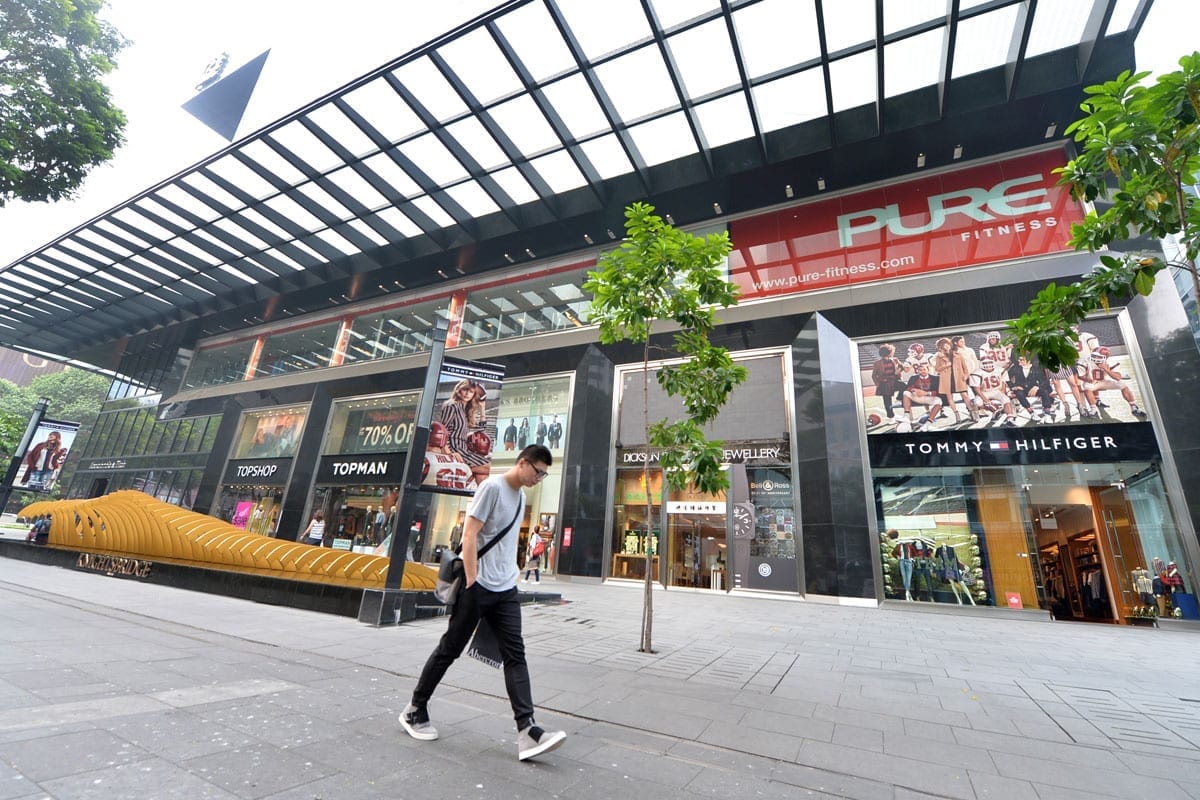
    Anton said inter-connectivity was one of the main factors required to create an iconic shopping district and boost the market, citing the 1.9 kilometer Orchard Road shopping belt in Singapore as a prime example of a successful interconnected shopping district.

    “15.1 million foreigners visited Singapore in 2014, 41 percent of them visited Orchard Road,” he said.

    He emphasized that other well known shopping belts in the world such as the Avenue des Champs-Élysées in Paris and Fifth Avenue in New York also boast interconnection between shopping centers.

    Anton said a consortium of developers in Jakarta had attempted to create a similar concept on Jl. Satrio in South Jakarta. “However, because of the economic crisis in 1998, the plan was canceled,” he said, adding that since then developers had only built free-standing malls. “The initial Jl. Satrio concept had sidewalks along which shoppers could easily walk between various shopping malls,” he said.

    Most shopping malls in Jakarta do not provide pedestrian facilities as the management prioritize cars. Even when the distance between malls is less than 500 meters, there is no walkway connection.

    The Jakarta administration is currently mulling over plans to widen the sidewalk on Jl. MH Thamrin, Central Jakarta, but the road is mostly occupied by office buildings, not shopping malls.

    Anton said that if the city hoped to develop its retail sectors, it would be necessary to have shopping belts. “It is a good strategy. Retail will be the first sector to revive after the economic slowdown,” he said, adding that the sector also showed good resistance during times of crisis.

    Anton said resilience was the result of various factors, including purchasing power in society, government domestic business incentives, the significant wealth of individuals as well as growing middle class.

    “Although the economy is slowing, Jakartans keep shopping. Malls are packed during weekends and when there are bazaars or fairs scheduled,” he said.

    Currently, there are almost 200 malls located throughout the capital. Shopping tax return company Global Blue revealed in January that Indonesians have been listed among the top four global shoppers, behind Chinese, Middle Eastern and Russians consumers.

    The top five destination countries for shopping were listed as the UK, France, Italy, Japan and Singapore.

    Rosaline Stella Lie, Savills retail senior director, said Indonesian consumers had high purchasing power but emphasized that the price of luxury goods in Indonesia were not competitive.

    “Therefore, the rich love shopping abroad,” she said.

    Rosaline said although the luxury tax was slashed for branded items, the price had remained high due to other costs like import duty.

    Rosaline said the price should be competitive so high-end brands would be eager to open outlets in Jakarta. “More shopping districts will be developed but most of them will be in Greater Jakarta due to the city administration moratorium [2012],” she said.

    She added that shopping districts should be located downtown, near the central business district, as the area offered easy access.

  • Hotel Lotte IPO expected to become S. Korea’s biggest offering

    Hotel Lotte IPO expected to become S. Korea’s biggest offering

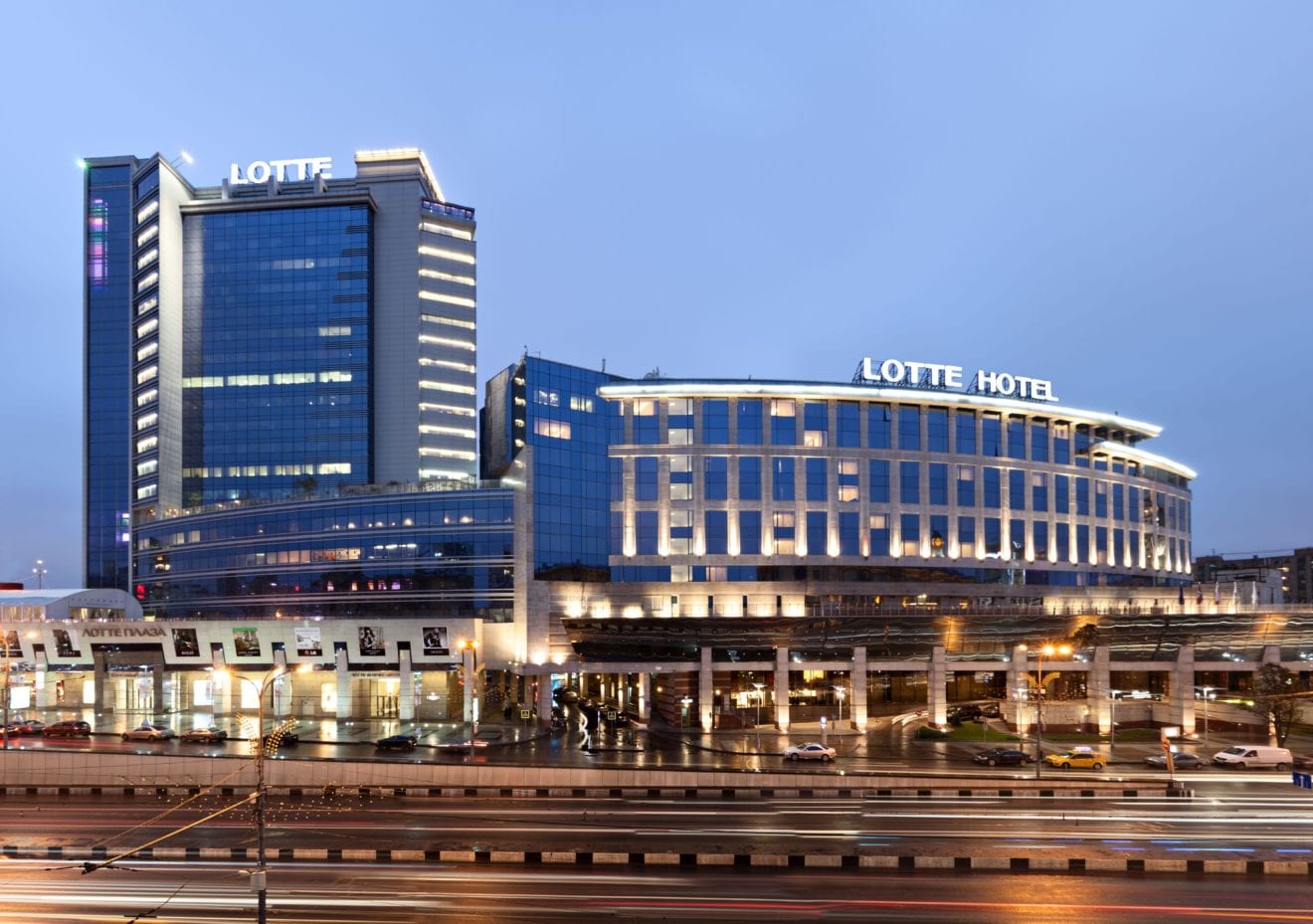
    South Korean retail giant Lotte Group’s hotel unit said Thursday it will go public on the KOSPI market on June 29, which is expected to fetch over 5 trillion won (US$4.19 billion) to mark as the nation’s largest-ever initial public offering (IPO).

    Hotel Lotte Co. said in a regulatory filing that it will offer 47.85 million shares at a range between 97,000 won to 120,000 won per share.

    The offering is estimated to be around 4.6 trillion to 5.7 trillion won, and its medium range of price would surpass the record amount of 4.9 trillion sale by Samsung Life Insurance Co. in 2010. 

    Hotel Lotte, the world’s No. 3 duty-free operator, said it will use the fund to step up its duty-free business, hotel chain and theme park to offer comprehensive options to travelers.

    “Hotel Lotte will use the IPO fund to invest in expansion of duty-free stores at home and abroad to become the world’s largest duty-free operator,” the company said in a statement.

    The duty-free business is the company’s key source of income, accounting for 86 percent of its total sales.

    Starting from next month, Hotel Lotte plans to hold a series of deal roadshows in major cities, including New York, London, Singapore and Hong Kong, according to company officials.

    The listing of Hotel Lotte is one of the reform pledges that Lotte Group Chairman Shin Dong-bin has made as part of efforts to improve corporate image after a bitter family feud for control of the retail-focused conglomerate, which has sprawling businesses both in South Korea and Japan.

    The prolonged family feud has virtually come to an end as the founder’s second son and incumbent chief won shareholder support in March to tighten his grip on the nation’s fifth-largest conglomerate.

    On Thursday, Lotte founder Shin Kyuk-ho, who was undergoing a mental competence evaluation to prevent a legal guardian appointment, abruptly rejected the procedure and left Seoul National University in just three days of hospitalization.

    In December, the 94-year-old founder’s younger sister requested a Seoul court to name her as his legal guardian, claiming her aging brother was no longer capable of making consistent decisions.

    As a result, the aged tycoon was unseated from board seats at major affiliates during a shareholders’ meeting in March.

    Experts say Shin’s early discharge from the hospital has raised the likelihood of his sister becoming his legal guardian.

    “The case of dementia requires at least two weeks of hospitalization for examination. His discharge from hospital in just three days means that officials could not proceed with normal procedure,” Lee Hyun-kon, the lawyer for Shin’s younger sister, said. “The possibility of (the court’s) appointment of a legal guardian for Shin has risen as he could not prove that there’s no problem with his mental health.”

    Dong-joo has claimed he is his father’s hand-picked successor, but Dong-bin argued that his father is unable to make reasonable judgments due to mental health problems.

  • Siam Discovery about to launch ‘retail revolution’

    Siam Discovery about to launch ‘retail revolution’

    After a Bht 4000 million (US$113 million) overhaul, Siam Discovery will re-open in Bangkok this month as a self-described “hybrid retail development”.

    As well as Thailand’s largest lifestyle speciality store, the complex will feature an “arena of lifestyle experiments”.

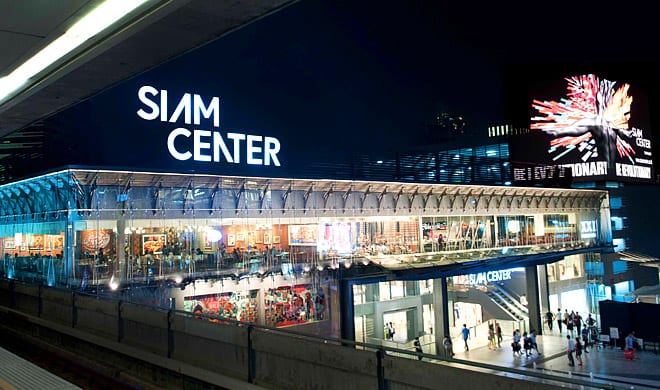
    Opening on May 28, the complex is owned and run by Siam Piwat, which also has Siam Paragon, Siam Center, Paradise Park and, in a joint venture, IconSiam. This new development will be sub-branded The Exploratorium, and introduce what CEO Chadatip Chutrakul describes as a “revolutionary new retail concept”.

    This concept is spread across 50,000 sqm, and senior executive vice-president Charnchai Cherdchuwongthanakorn says the company expects to double its sales per square metre as well as reinforce Siam Piwat’s reputation as a thought-leader in Thailand’s retail sector.

    Siam Discovery – The Exploratorium will encourage visitors to experiment and discover what they like. Without the constraints of a particular brand or school of design, products are brought together under a single universal concept that puts customers at the centre, says the company.

    Charnchai says that in its first year the eight-level complex is expected to draw 100,000 visitors a day, with a mix of 65 per Thais and 35 per cent tourists. Before the renovation the centre had 750,000 visitors a day.

    There are many firsts and concept stores in the centre…

    • In a partnership with the Department of Export Promotion, Siam Discovery will feature award-winning designers in the Objects of Desire Store.
    • Nike will launch its only concept store for Southeast Asia, including a personalised embroidery service.
    • Designer Issey Miyake which have its first concept store outside of Japan, called the World of Issey Miyake and offering products for men for the first time in Thailand.
    • Home decorative brands like Hay, Kartell and Tom Dixon and Kartell will open their first concept stores in Thailand, and artists Lisa Larson and Yayoi Kusama will make their Thailand debut.
    • As well featuring designs from Tokyo Fashion Week, Siam Discovery will highlight Asian designers with brands such as Beautiful People, Discord by Yoji Yamamoto, Dressed Undressed, Factotum and Yoshio Kubo being introduced to Thailand.
    • As a world first, music magazine Billboard will have a cafe with a food-and-drink corner catered by Dean & Deluca and a live radio show.
    • An innovative retail service developed by Siam Discovery will offer customers a personal stylist and a private dressing room.
    • Tokyo Bike will offer cycling products and equipment as well as a customised bicycle fitting service and a test-ride space.
    • Starbucks Coffee will feature a coffee drip for hard-core coffee fans, plus furniture made from recycled coffee grounds.

    Siam Piwat is spending Bht 300 million on the grand opening. But first, 500 members of the public will be able to experience the space first by entering an online draw. Also before the opening, a 7m-tall “Discovery Man” will go on a promotional roadshow throughout Bangkok.

    A Discovery Man exhibition at the opening of Siam Discovery is being curated by Japanese designer Oki Sato, who was chief advisor for the building’s design and interior.

    A highlight during the grand opening period will be Social Discovery, an interactive exhibition that is a collaboration between Siam Discovery and creative designer Black Egg. It will combine storytelling with digital technology to create an experience themed “When Obsession Becomes Identity”.

  • Parkway Parade retail mall closed ’till further notice’ after fire

    Parkway Parade retail mall closed ’till further notice’ after fire

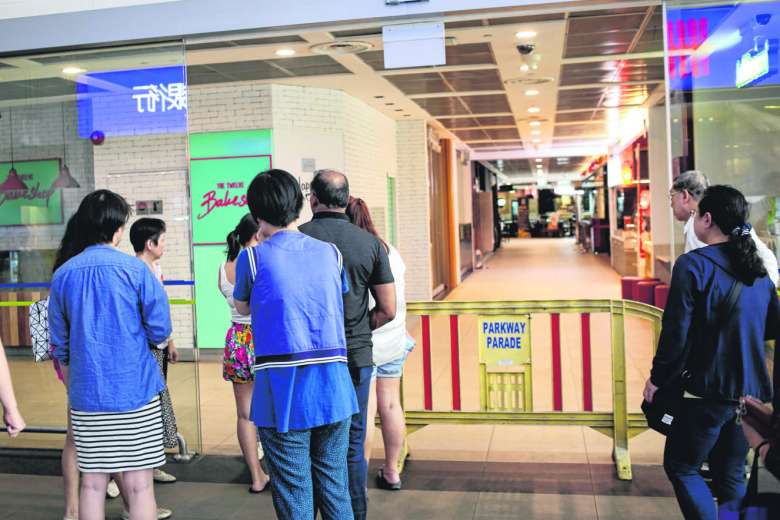
    Parkway Parade shopping mall, one of the most popular in the east, will remain closed until further notice, after a fire broke out in a store late on last Sunday night.

    While the retail mall remains closed as the management continues checks and rectification works, the office tower and banks on level one will be open today, as they were yesterday, said Parkway Parade.

    Apologising for the inconvenience, the mall added that its carpark will also be closed today until further notice. The mall did not give a reason for the closure.

    The Straits Times understands that the fire broke out in Fox Kids and Baby, a clothing store on the second floor of the Marine Parade mall.

    The Singapore Civil Defence Force (SCDF) said it was alerted to the fire close to midnight. Upon arrival, officers located the blaze in a storeroom, entered by force and put out the flames with a water jet.

    There were no reported injuries and no evacuation was conducted.

    A spokesman for Wing Tai, which distributes the Fox brand here, said it is looking into what happened.

    A burnt smell lingered in the air inside the mall at about noon yesterday. Workers in safety helmets were seen coming out of the building.

    Staff at the entrance told arriving shoppers that the mall was closed for the day. More than 50 people were seen outside an entrance. Some said they had been waiting for hours for more information.

    One of them, Madam Jenny Ong, 52, who works at a second-floor outlet, said she arrived at 10am. She was told about the fire and that the mall would reopen at noon. She and two others who work on the same floor found out about the closure only when they returned two hours later.

    She said: “I was worried that it was my shop, a children’s clothing shop on the second level.”

    Madam Margaret Chia, 68, a part-time retail assistant at department store Isetan, said: “We received a call in the morning telling us not to come, but we came anyway… We are worried, we heard that the store had been drenched.”

    A 40-year-old housewife, who declined to be named, said the mall was dark and the stores were closed when she arrived in the morning to buy groceries. She said: “People had been waiting for hours. They should have told us it was not going to open (by noon).”

  • Siam Discovery ready to offer new experiences

    Siam Discovery ready to offer new experiences

    Siam Discovery will open its doors on May 28 and will become Thailand’s largest lifestyle speciality store. The 40,000-square-metre complex will also be the Kingdom’s “Biggest Arena of Lifestyle Experiments” in retail space.

    Mayuree Chaipromprasith, senior vice president for business promotion at Siam Piwat, said that with the facelift the new Siam Discovery complex would serve individual shoppers who are curious and want to try new things as well as discover new experiences.

    “Both Siam Paragon, Siam Center, and the latest new Siam Paragon will have their own unique positioning, and will not cannibalise each another,” said Mayuree.

    She said Siam Paragon offers high-end fashion brands, while Siam Center will serve people who look for trendy fashion products made by local Thai designers. Siam Discovery, however, will provide hybrid lifestyle products, a combination of imported luxury and local brands.

    “The three shopping complexes will share the core values of Siam Piwat, which are: understanding [shoppers and tenants]; trustworthy; missionary; daring [with new innovations that break the rules]; and a commitment to excellence,” said Mayuree.

    She said the new Siam Discovery will offer lifestyle experiments for individual consumers in their areas of interest. The complex will create hybrid experiences in retail space, which will break all retailing rules.

    Charnchai Cherdchuwong-thanakorn, senior executive vice president for retail business development at Siam Piwat, |said the company will spend Bt300 million on the grand opening event and opening promotions of Siam Discovery, which aim to make Bangkok the retail hub of the Asean Economic Community (AEC) and the world’s favourite shopping destination.

    “The new Siam Discovery marks the introduction to Thailand of a new retail concept – a hybrid retail destination spread across 40,000 square metres. We expect to double |our sales per square metre with the new concept as well as |reinforce our reputation as a thought-leader in Thailand’s retail sector, creating unprecedented destinations that compete with the best of the world’s destinations,” he said.

    Charnchai said that highlight brands or stores at the new Siam Discovery centre will be divided into five different categories: everyday products; trend products; innovative products and services; sustainable products; and collaborations and Absolute Siam products.

    “We expect the new Siam Discovery complex to draw approximately 100,000 shoppers a day in the first 12 months, of which 65 per cent will be Thais and the rest 35 per cent foreigners,” Charnchai said.